
Skip to content

Jeremy Foster

  • Associate Professor

Department

Academic Research Areas

  • Architectural history
  • Architectural theory
  • Landscape architecture
  • Sustainability
  • Urbanism
  • Landscape history and theory
  • Biopower, affect, and atmosphere
  • Visual culture and geographical imagination
  • Collective memory and temporal consciousness
  • History of architecture and landscape in South Africa

Jeremy Foster is interested in the opportunities landscape thinking offers for environmental understanding, interpretation, and design practice. Although the representation and transformation inform his teaching and research of “nature,” he has a transdisciplinary interest in the constructed environment as something made as much by those not trained in design and planning as by those who are.

Foster’s research publications explore how built/grown landscapes, of varying scales — historical and contemporary — are produced and reproduced through the entanglement of cultural discourses, representational regimes, environmental processes, and sociomaterial practices. At Cornell, Foster has taught and advised students in landscape architecture, planning, and architecture, as well as other disciplines, working in contexts across the globe, and participated in a number of Mellon Collaborative Studies in Architecture, Urbanism, and the Humanities initiatives.

Foster is trained and has practiced as an architect and landscape architect, and holds a Ph.D. in cultural and historical geography.

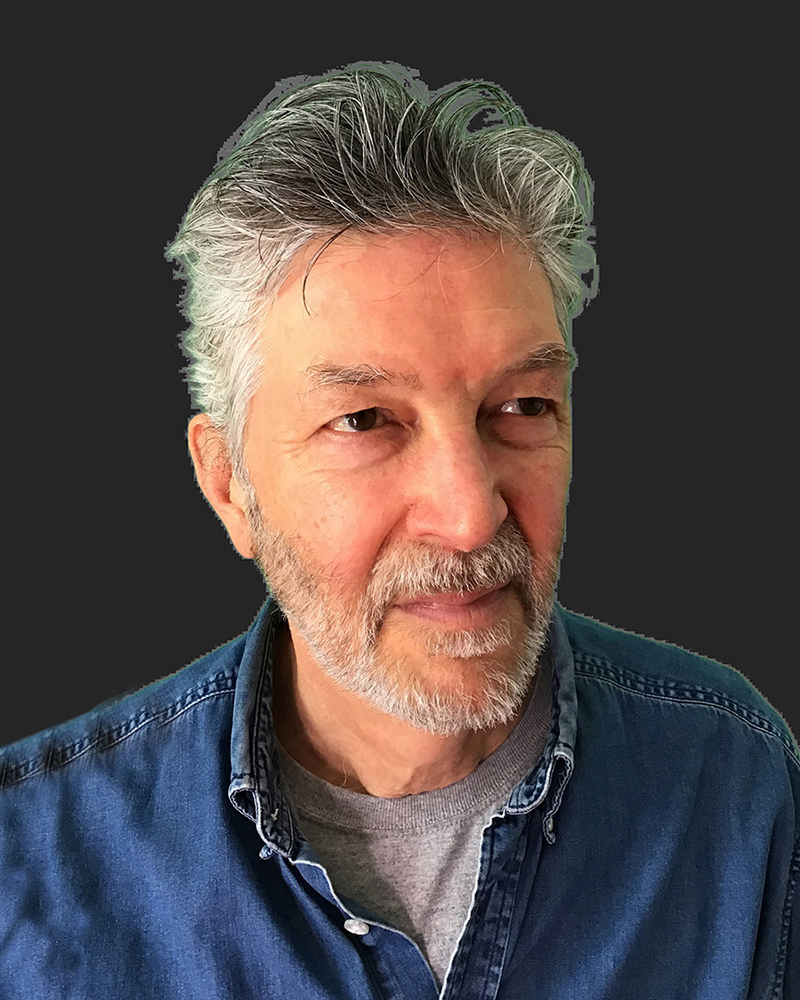
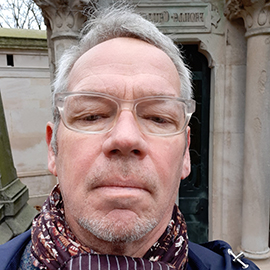
A man with short grey hair and clear framed glasses.

Academic Research Areas

  • Architectural history
  • Architectural theory
  • Landscape architecture
  • Sustainability
  • Urbanism
  • Landscape history and theory
  • Biopower, affect, and atmosphere
  • Visual culture and geographical imagination
  • Collective memory and temporal consciousness
  • History of architecture and landscape in South Africa

Publications

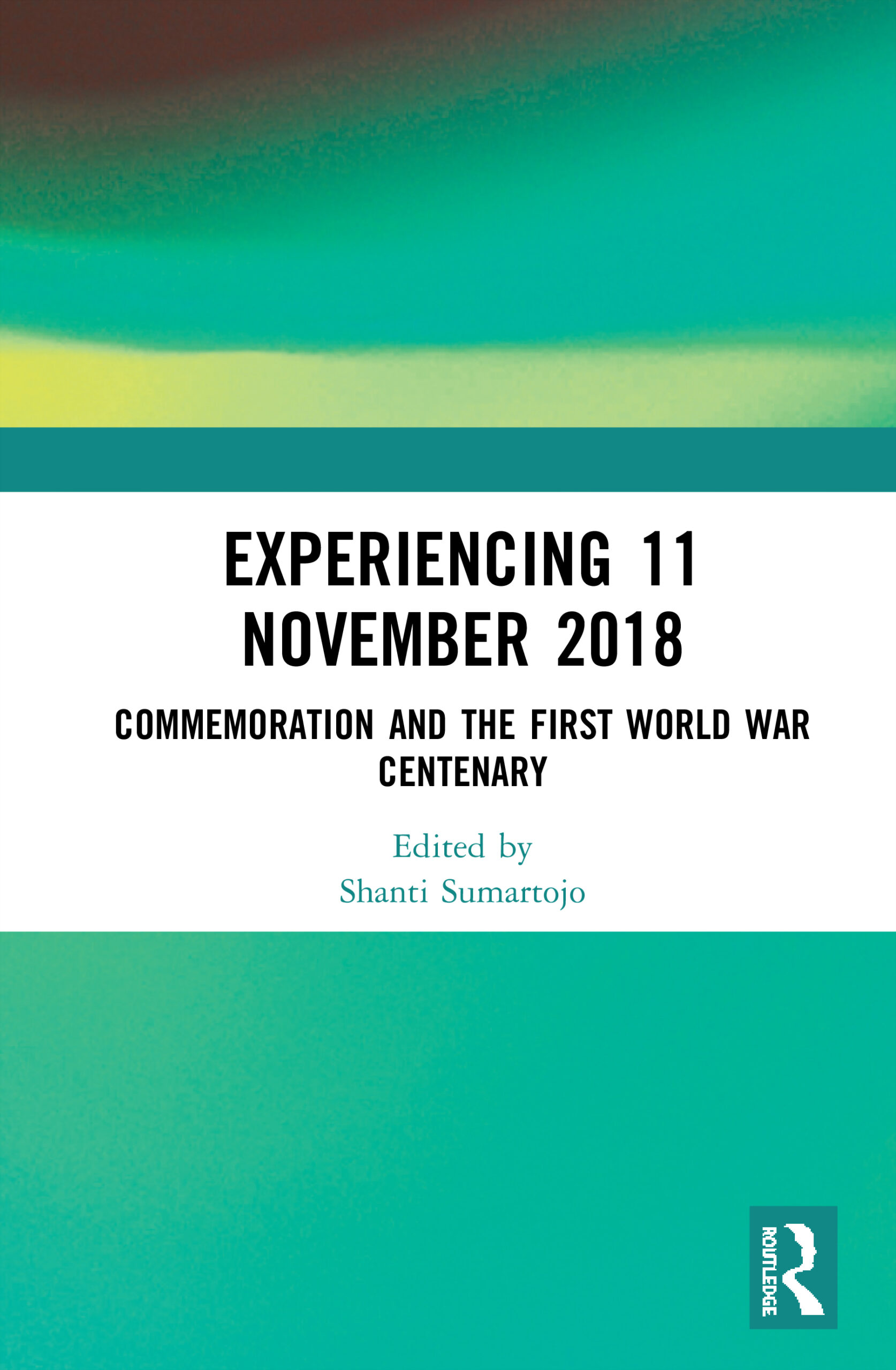
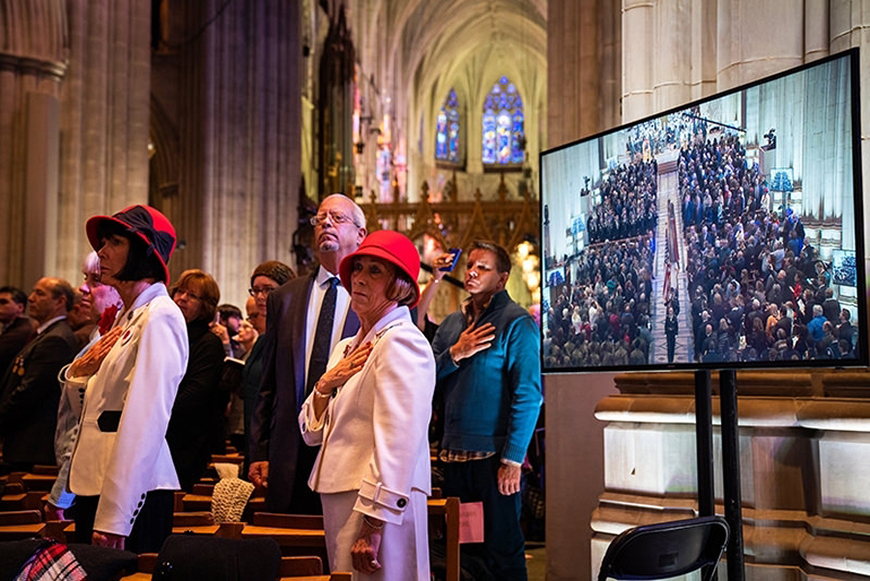
  • "Remembrance, Participation, (Re)Emergence: Washington's National Cathedral"

    In S. Sumartojo, ed., Commemorating the First World War: Experiencing 11 November 2018, Routledge, 2020.

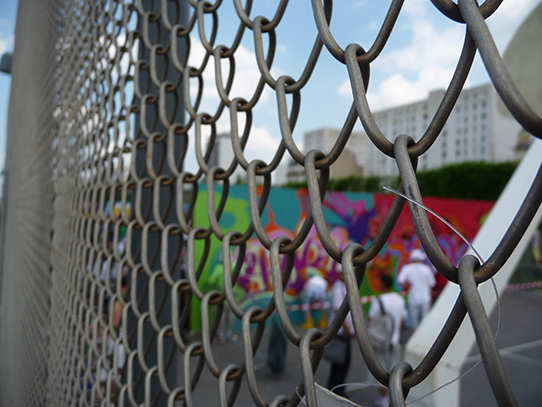
  • "Towards a Post-historical Landscape Governmentality: Refractory Im/Mobilities and Multi-temporality at Paris' Jardins d'Eole"

    Geographic Research Forum 38, 2018: 36–60.

  • "Dancing on the Grave of Industry: Wenders, Bausch and the Affective Re-performance of Environmental History"

    Cultural Geographies 25, no. 2, 2018: 319–338.

  • "Affective Ecologies of the Present in the Western Front Dominion War Memorials"

    In Commemorative Spaces of the First World War: Historical Geographies at the Centenary, eds. D. Harvey and J. Wallis, Routledge, 2017: 135–155.

Classes

  • Special Topics in Architecture, Culture, Society and Theory: Convivial Constructions — Climate, Biopower, and the Built/Grown Environment (spring 2017)

    ARCH 4408/3308/6308

  • Vertical Option Studio: Catskills Center for Environmental Interpretation (fall 2018)

    ARCH 4101/5101

  • Special Topics in Architecture, Culture, and Society: Architecture, Culture and Society in a Globalized World — Networks, Actors, Sites (fall 2018 and 2019)

    ARCH 5402

  • Core Design Studio V: Modernism's Legacy as Urban Commons in Neoliberal Mexico City (fall 2019)

    ARCH 5115

  • Special Topics in Architecture, Culture, and Society: Urban Temporalities — Subjectivity, Materiality, Practice (spring 2019)

    ARCH 3308/4408/6308