About the Department
The Department of City and Regional Planning at Cornell University provides a dynamic, rigorous, and supportive context to address the most urgent planning questions of our time.
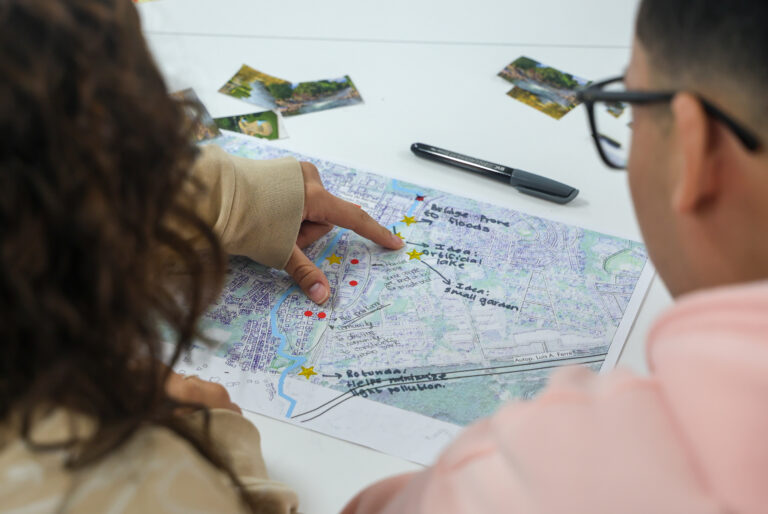
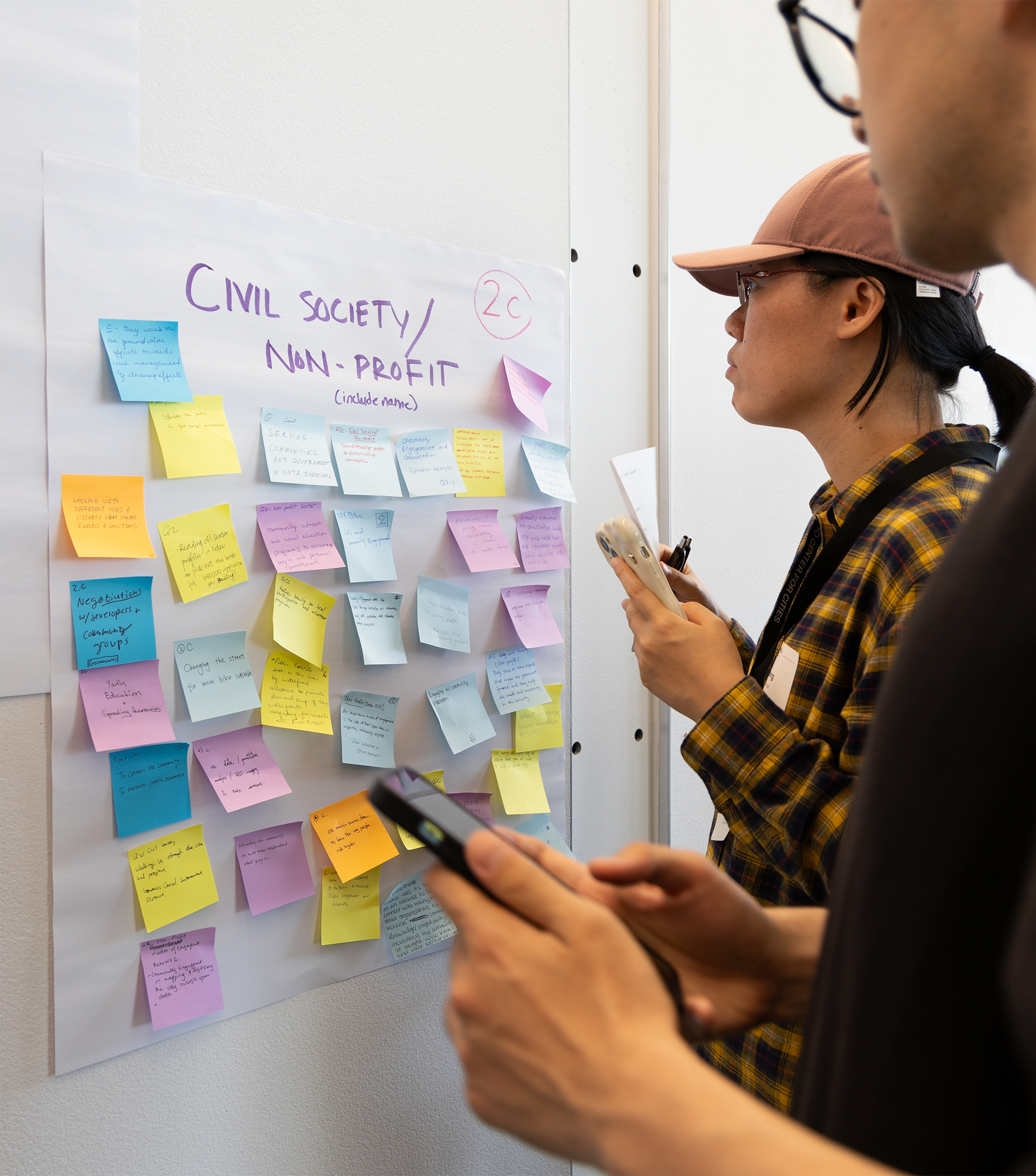
Our faculty and students plan for a sustainable future through work on climate adaptation, sustainable transportation and infrastructure systems, affordable housing, economic development, and environmental justice. We challenge inequality by embedding justice and equity in plans, policies, and processes that shape governance and institutions. We transform the built environment through urban design, historic preservation, and reuse. We map, model, and analyze cities using GIS, urban data analytics, spatial and statistical analysis, qualitative methods, and storytelling. We engage communities through ethical and accountable collaborative partnerships and participatory research and teaching.
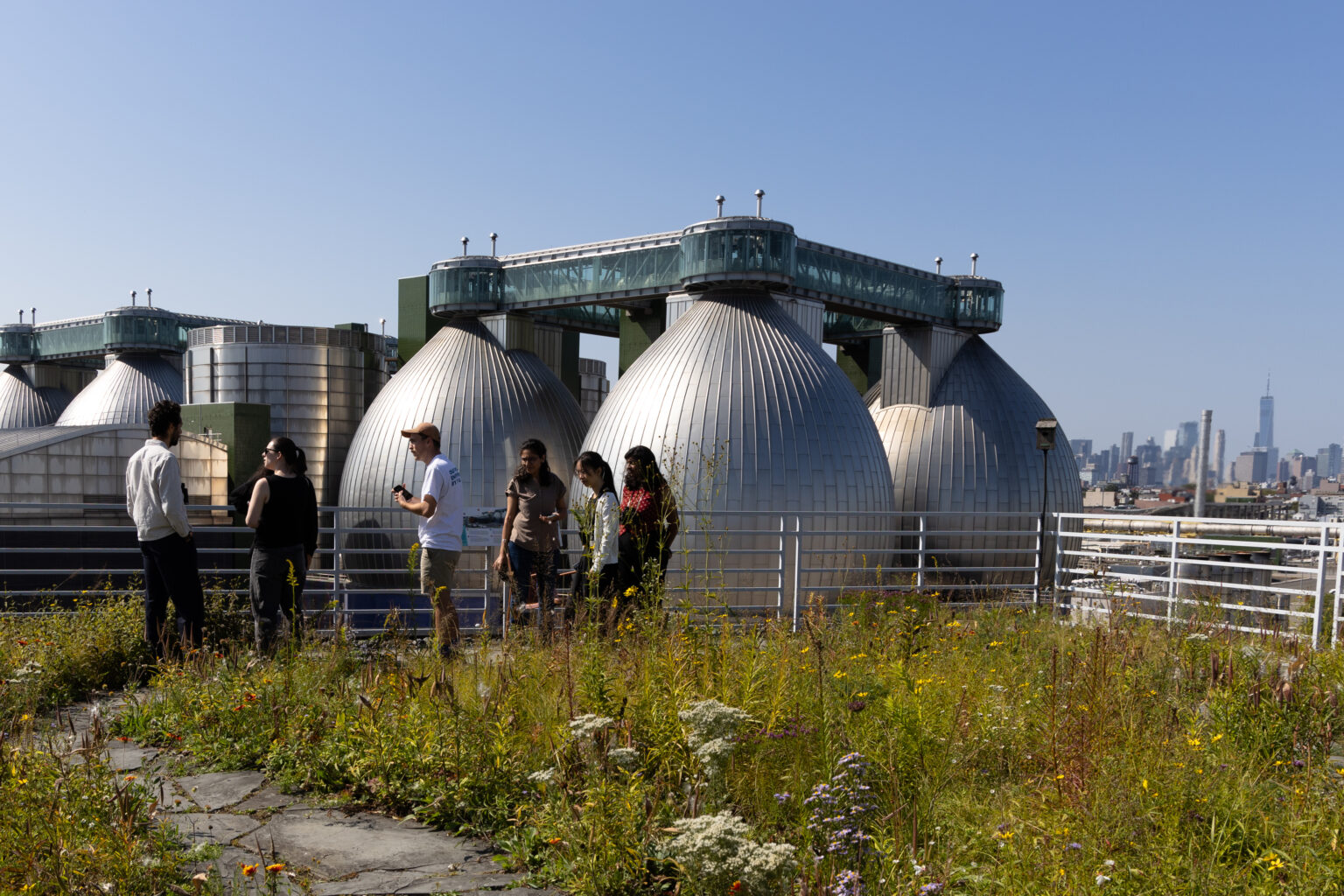
At CRP, the next generation of planners and urbanists are equipped to work across multiple scales, inspired by global practice, and make local impact to shape cities and regions, now and in the future.
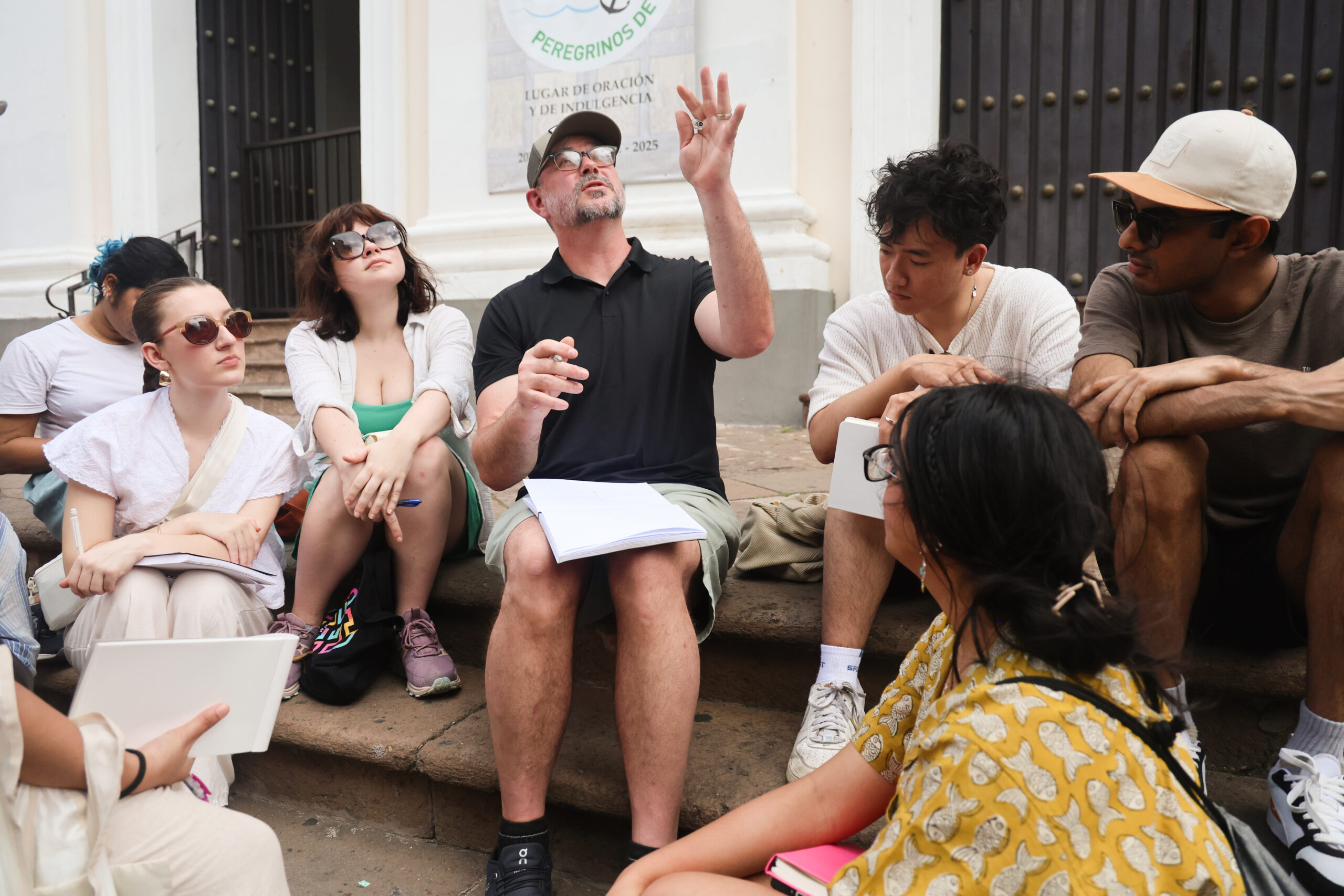
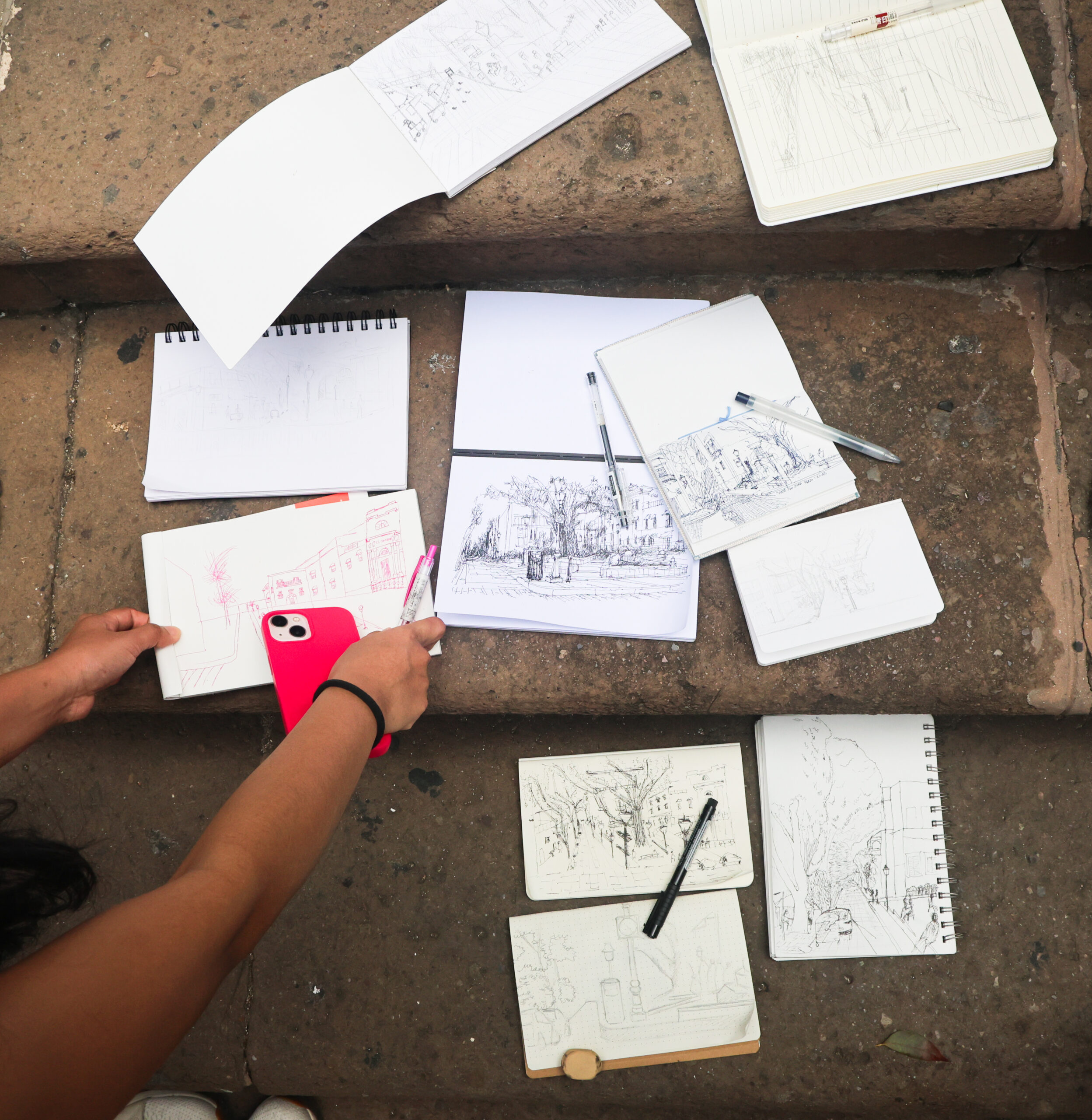
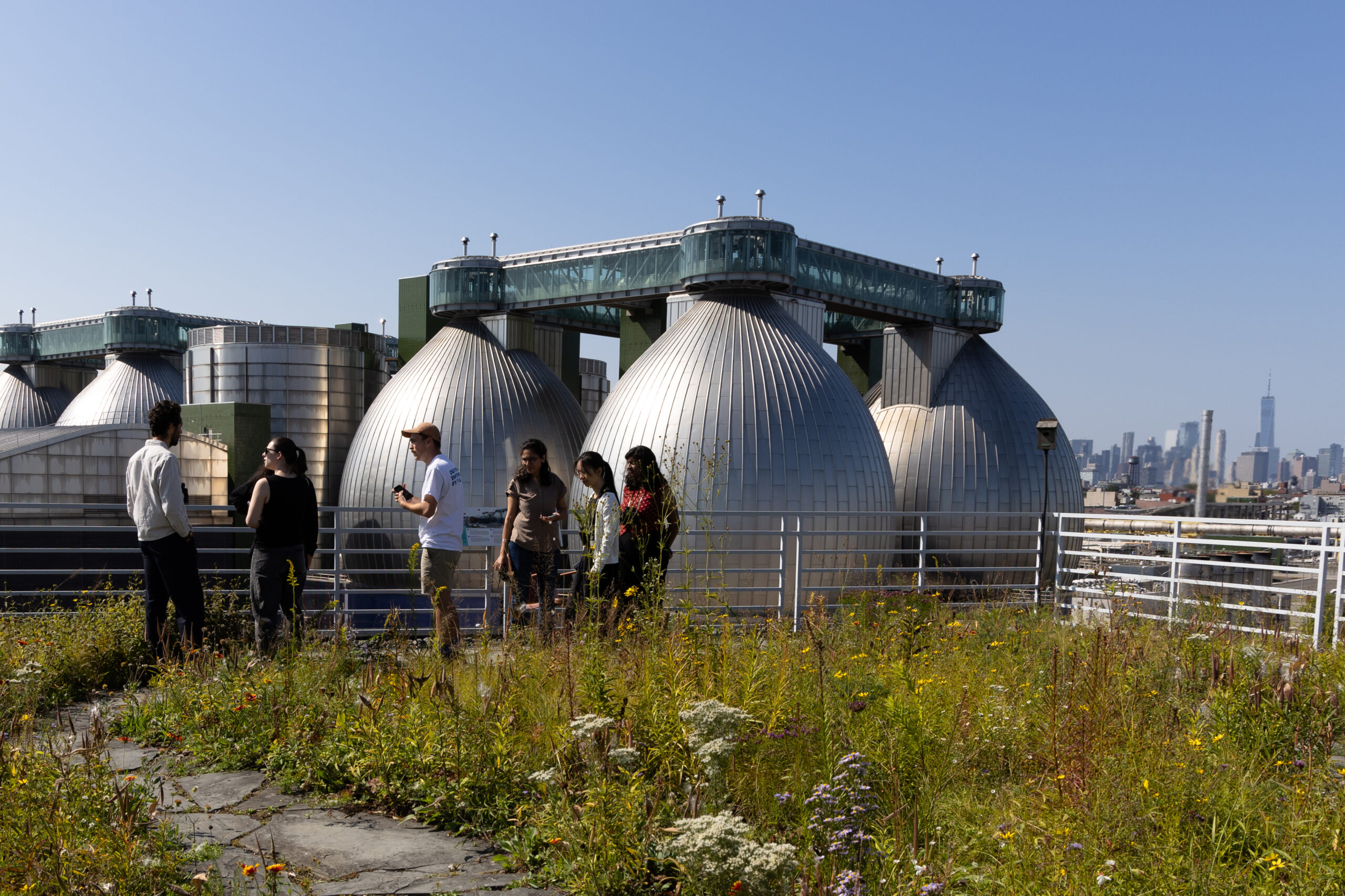
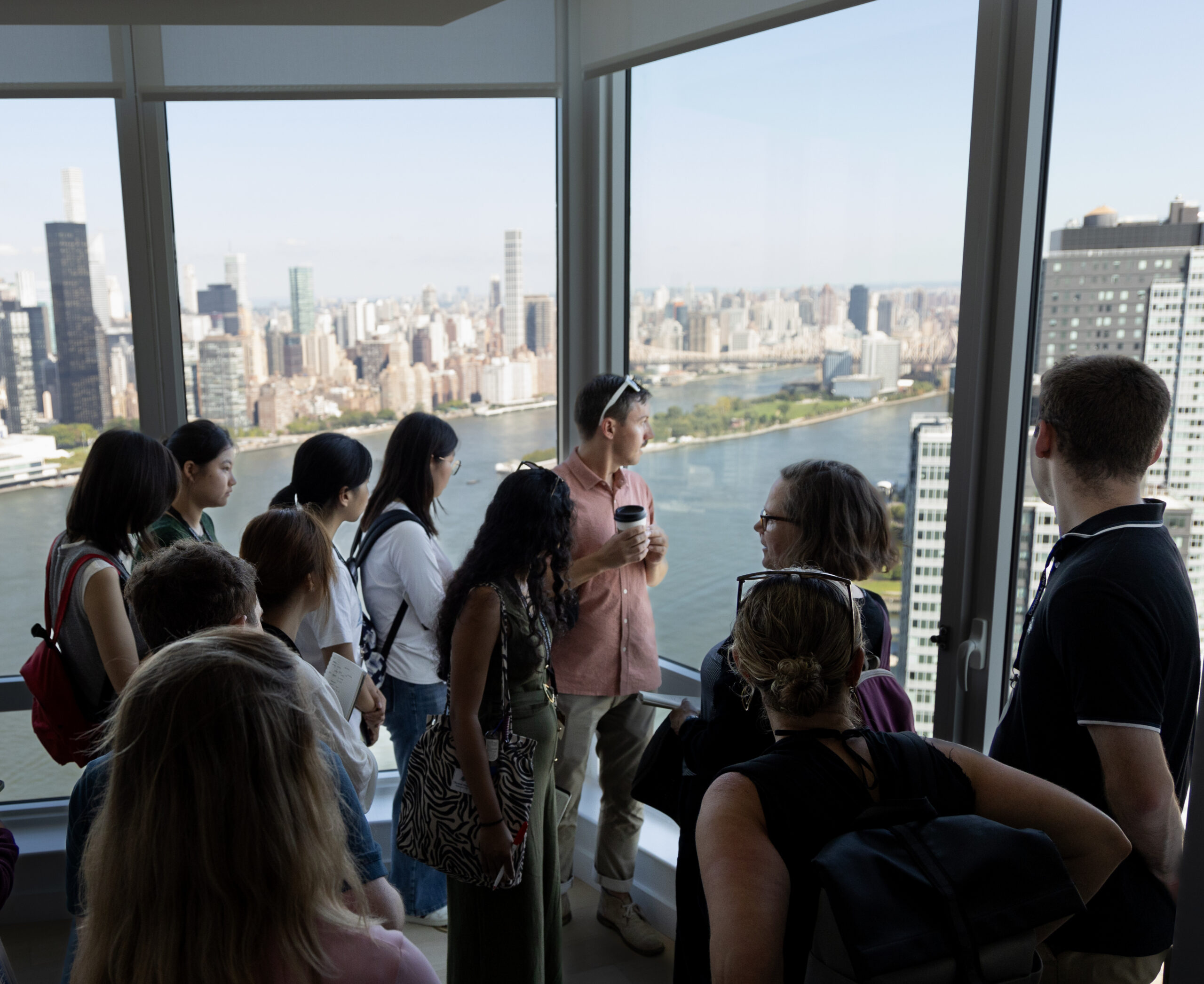
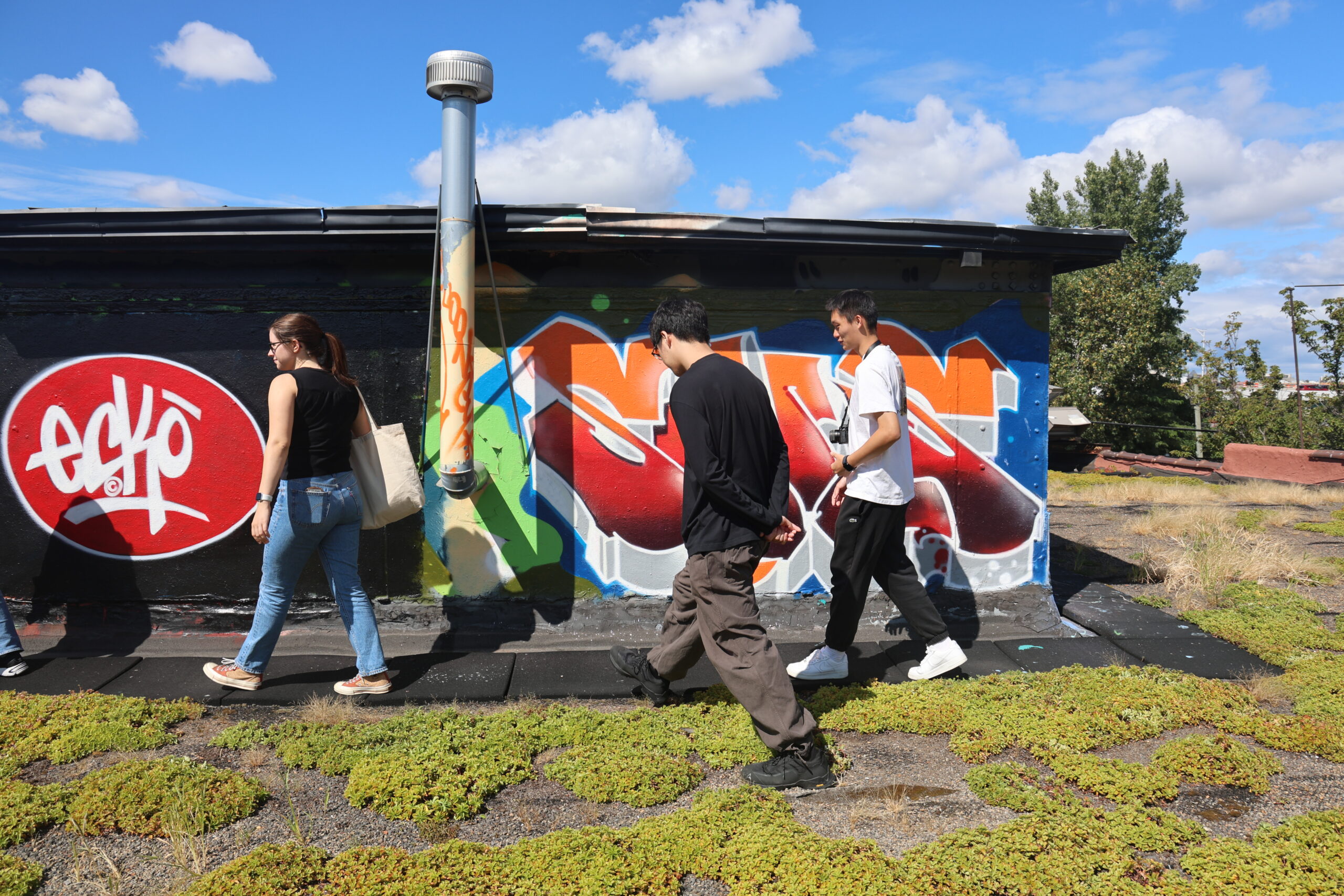
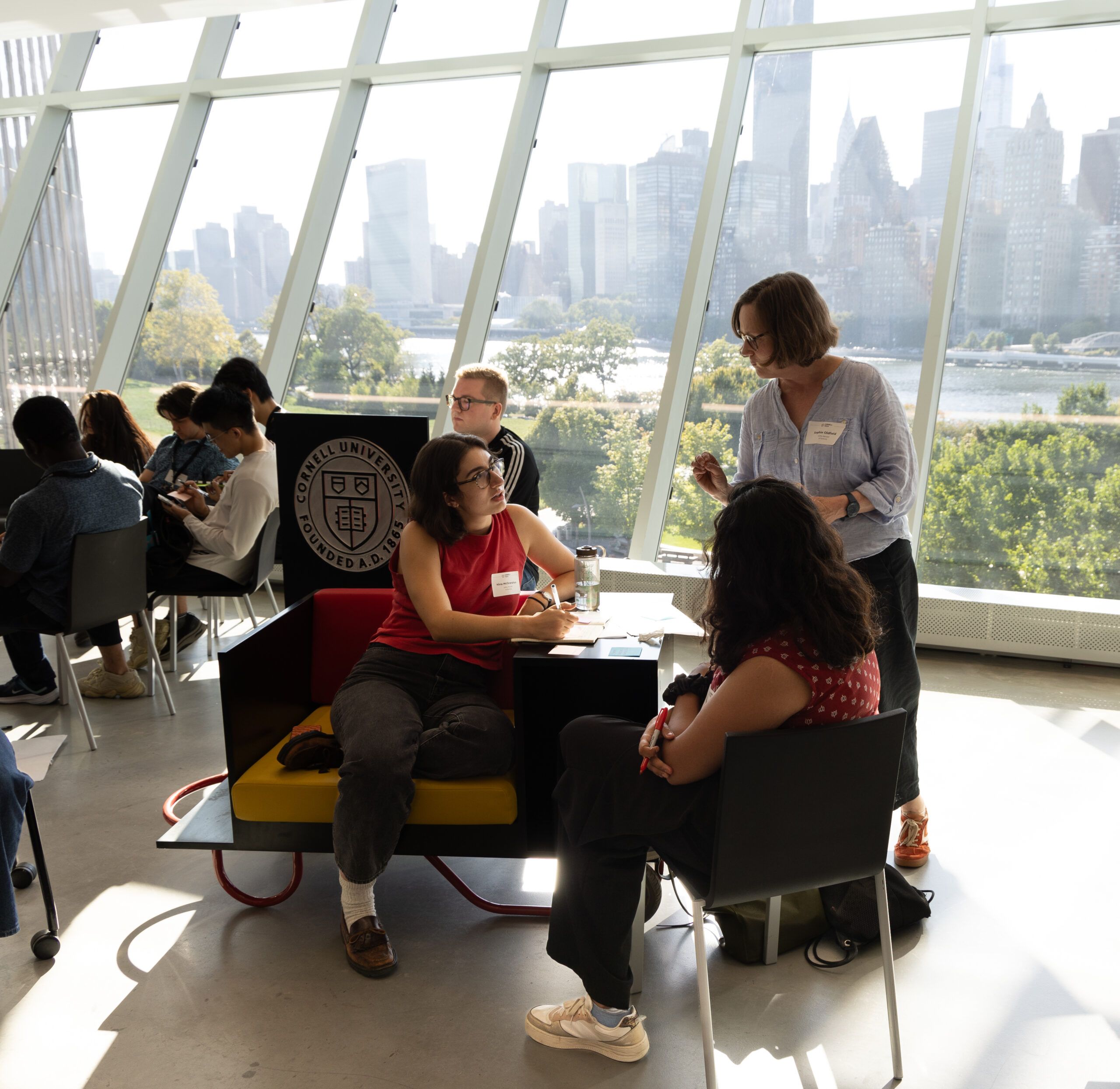
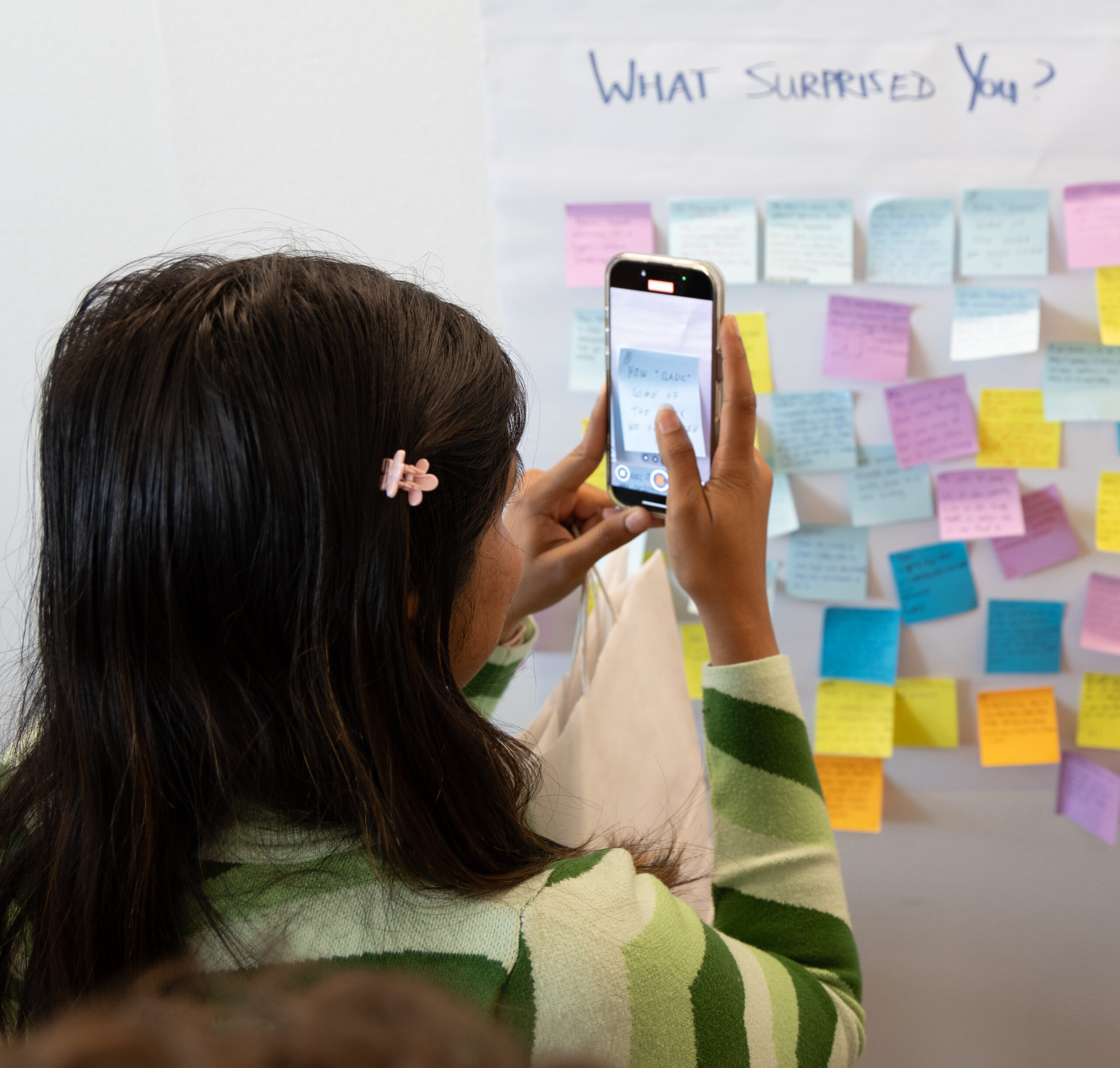
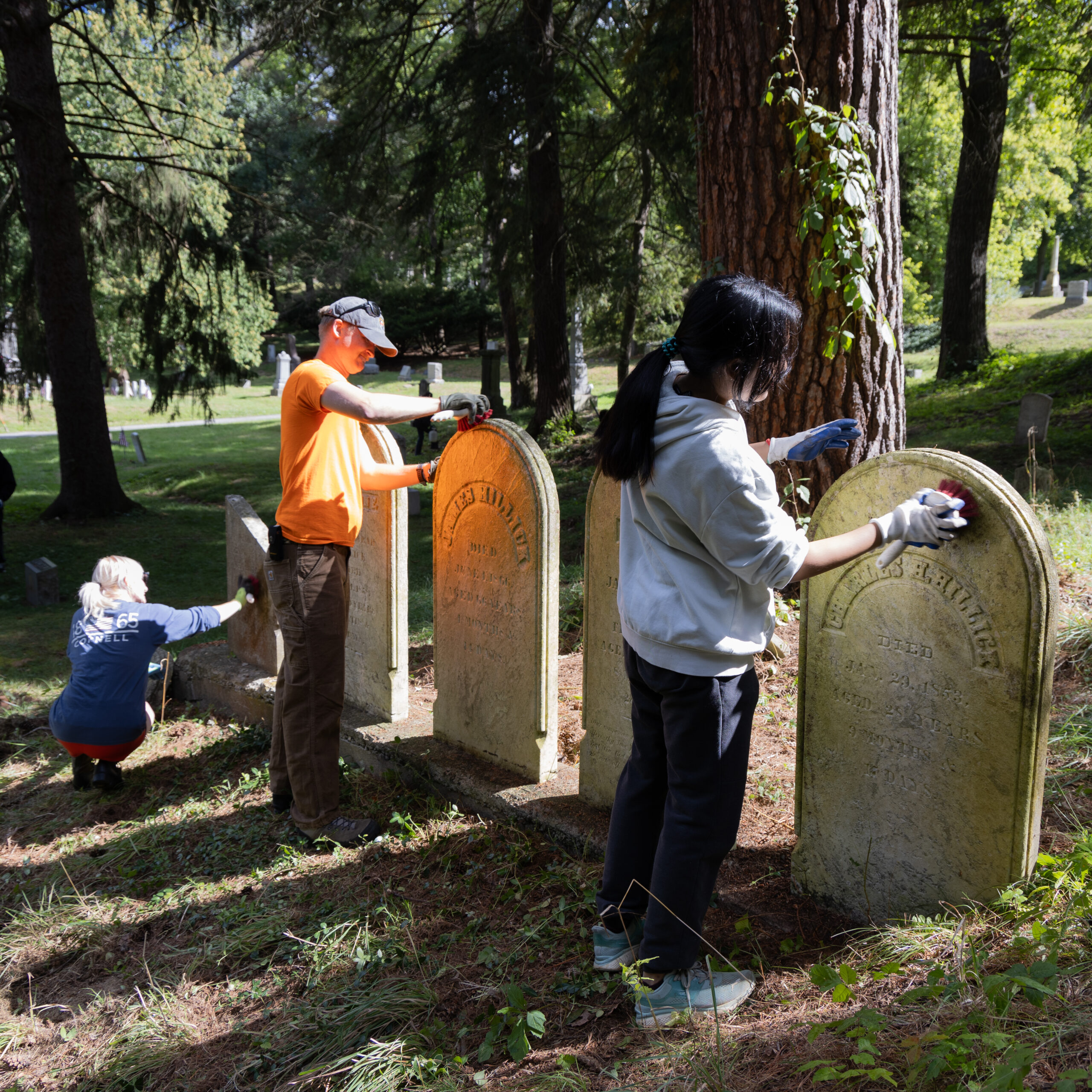

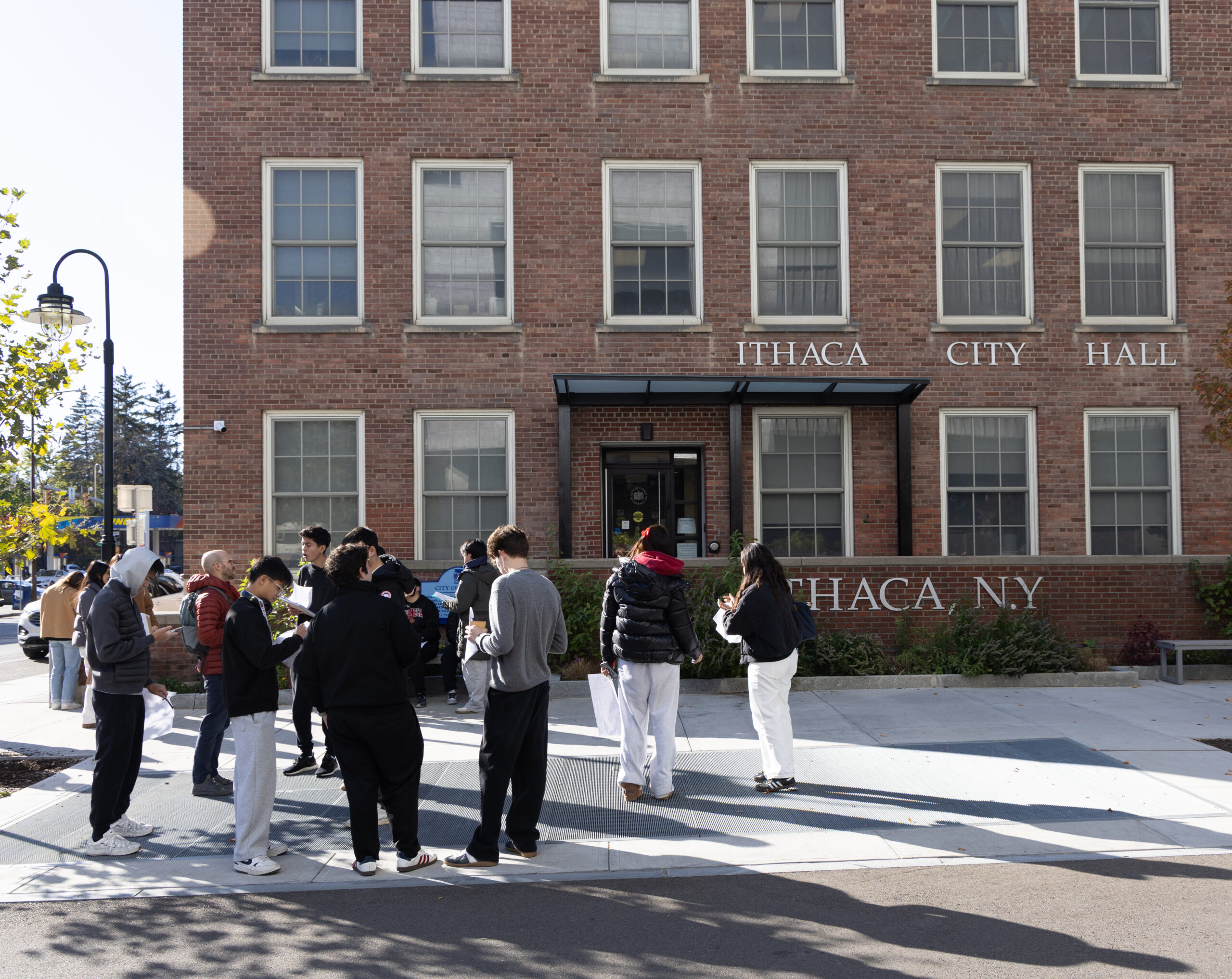
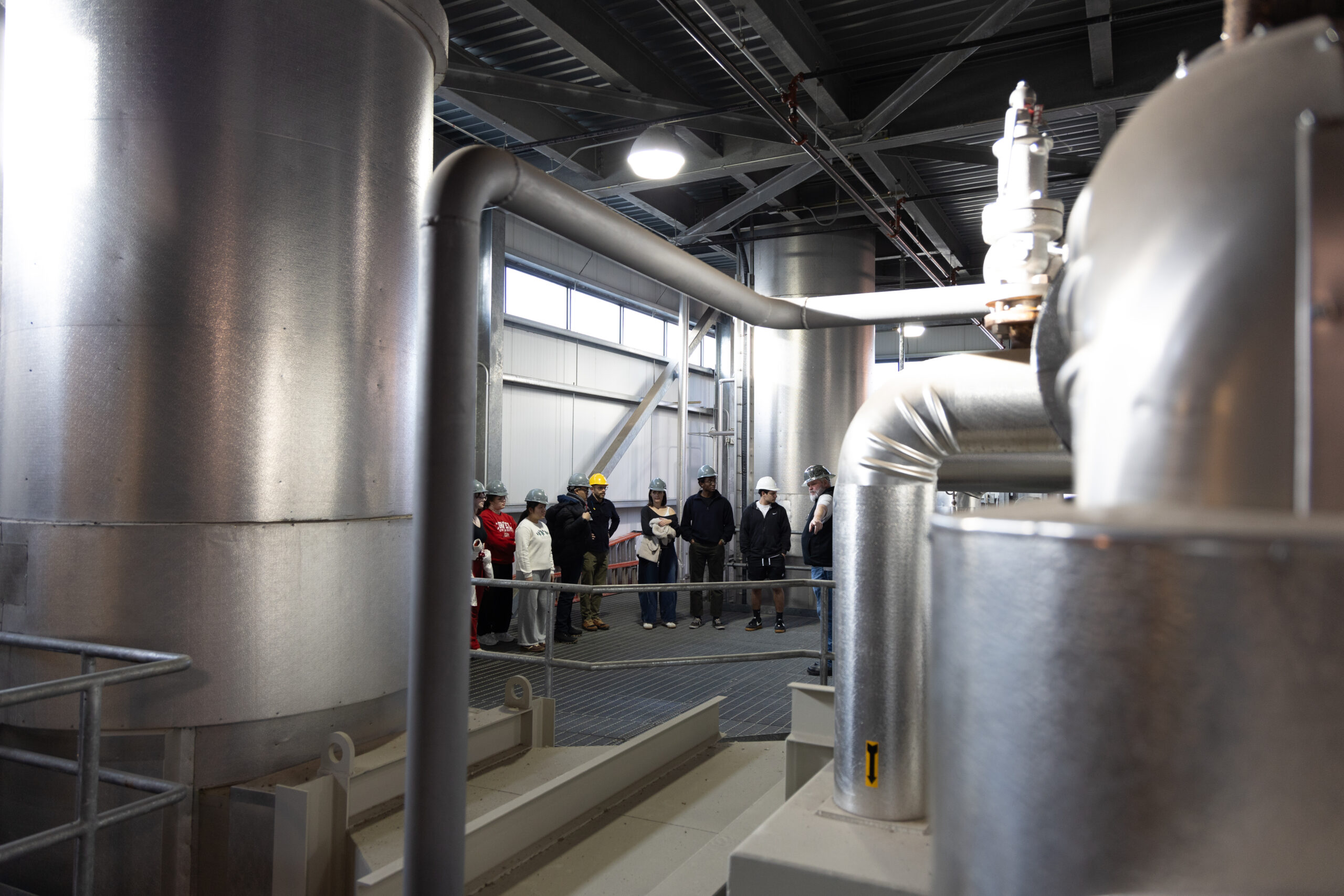
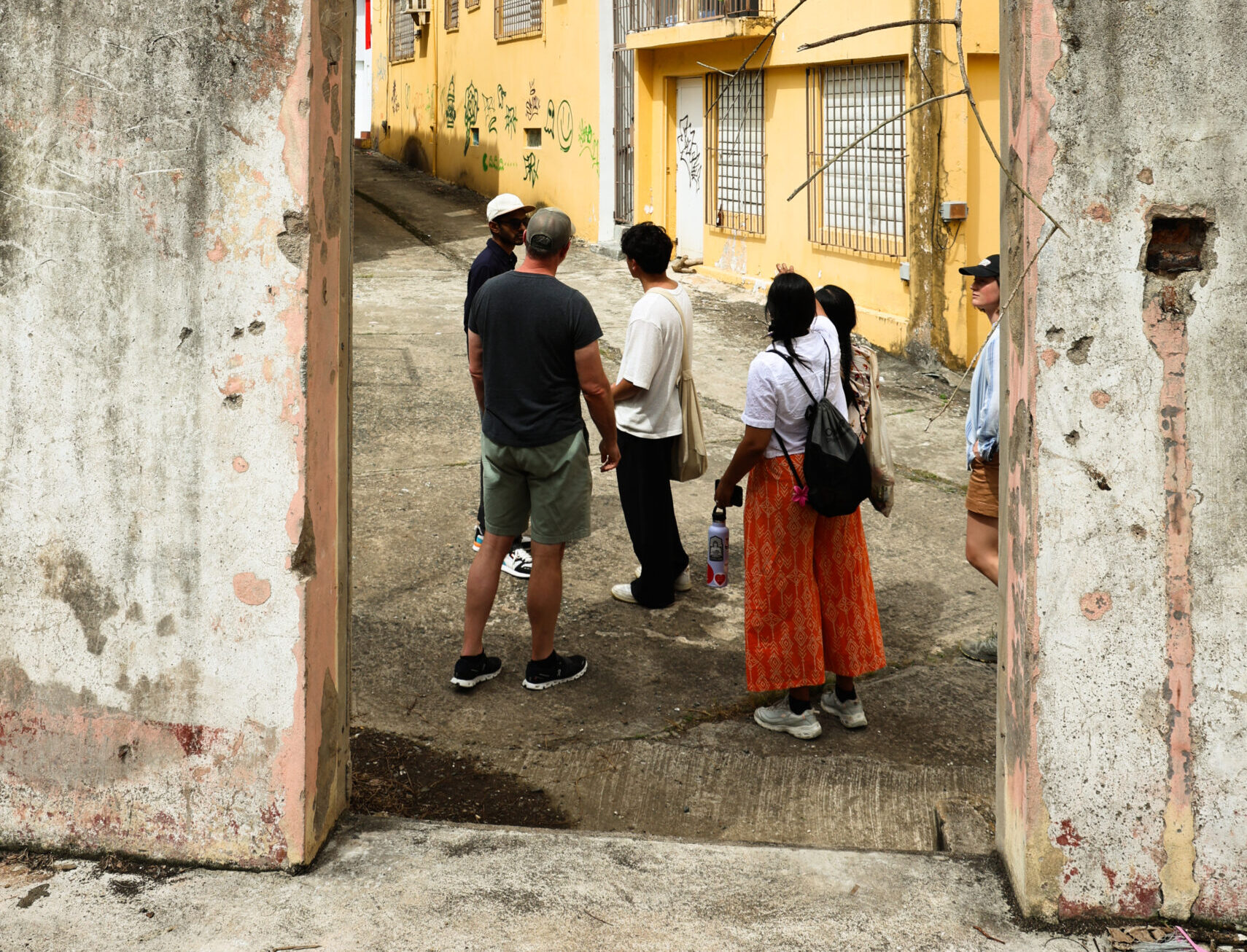
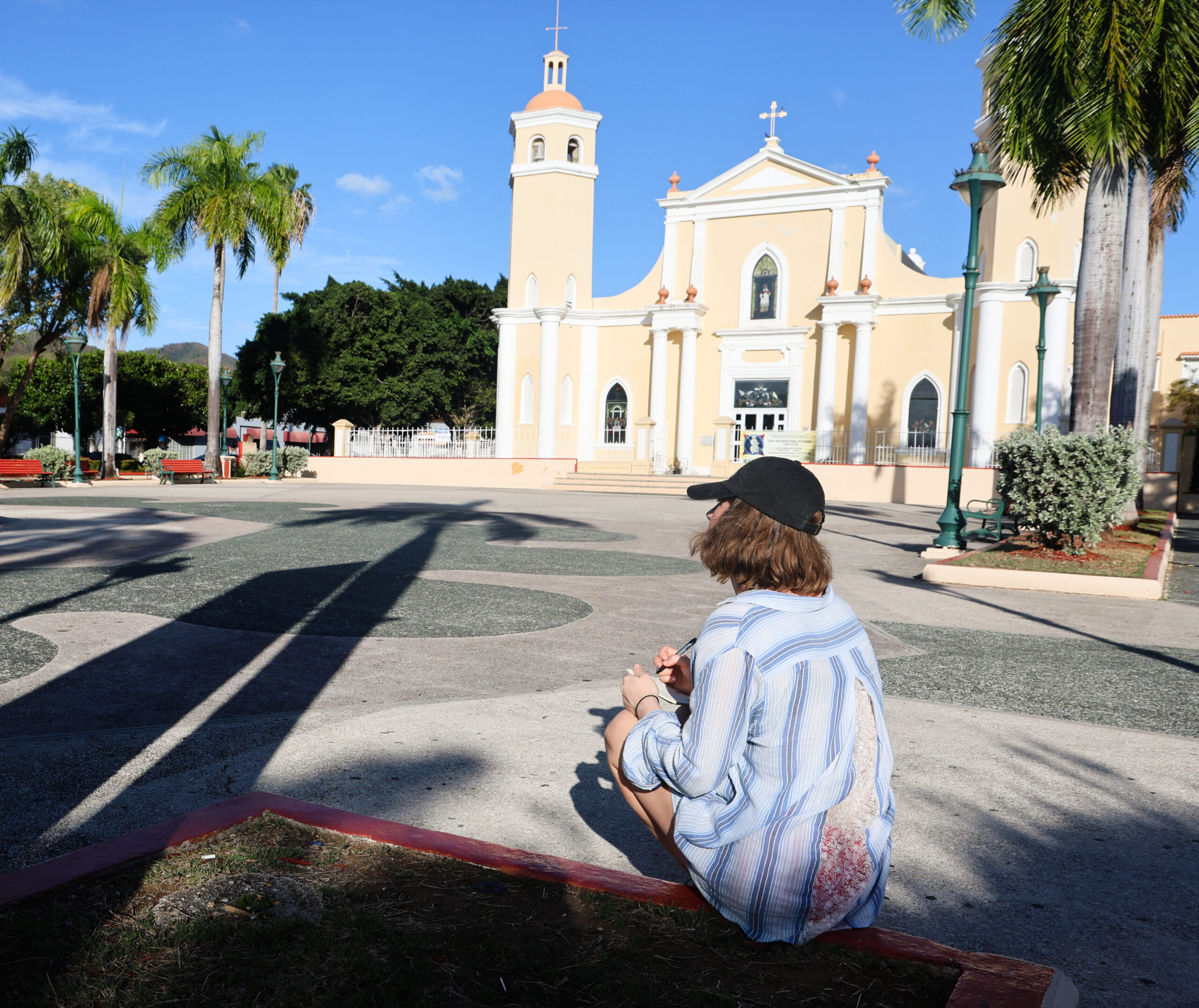
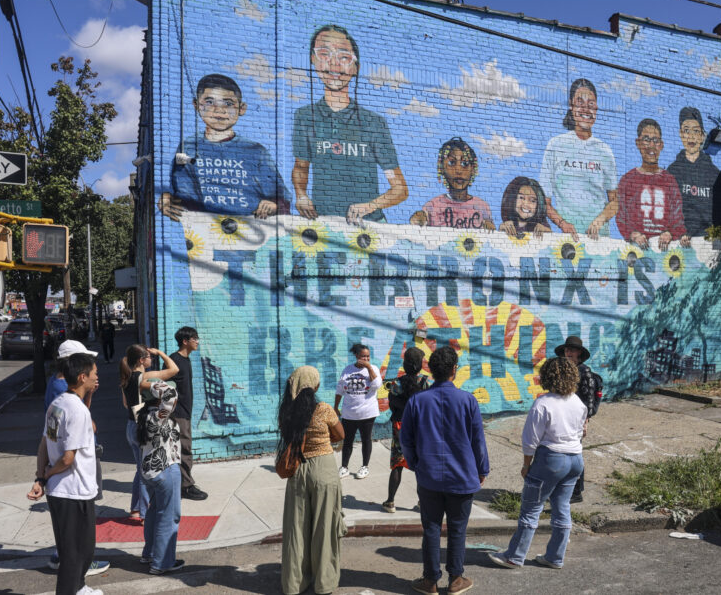
It’s an important time to be a planner and urban scholar. We have an imperative to think and work differently, to draw on interdisciplinary approaches, and to engage the crises and creativity that define cities across the world.
Our Approach
Degree Programs
-
Bachelor of Science in Urban and Regional Studies
URS students go on to work in a diverse array of fields from urban plann…
-
Master of Regional Planning
A multifaceted, trans-disciplinary program that prepares the next genera…
-
Master of Science in Regional Science
A multidisciplinary field that explores how geographic location and spat…
-
Master of Arts in Historic Preservation Planning
Dedicated to protecting, maintaining, and planning for buildings, sites,…
-
Doctor of Philosophy in City and Regional Planning
Training the next generation of innovative and cutting-edge planning sch…
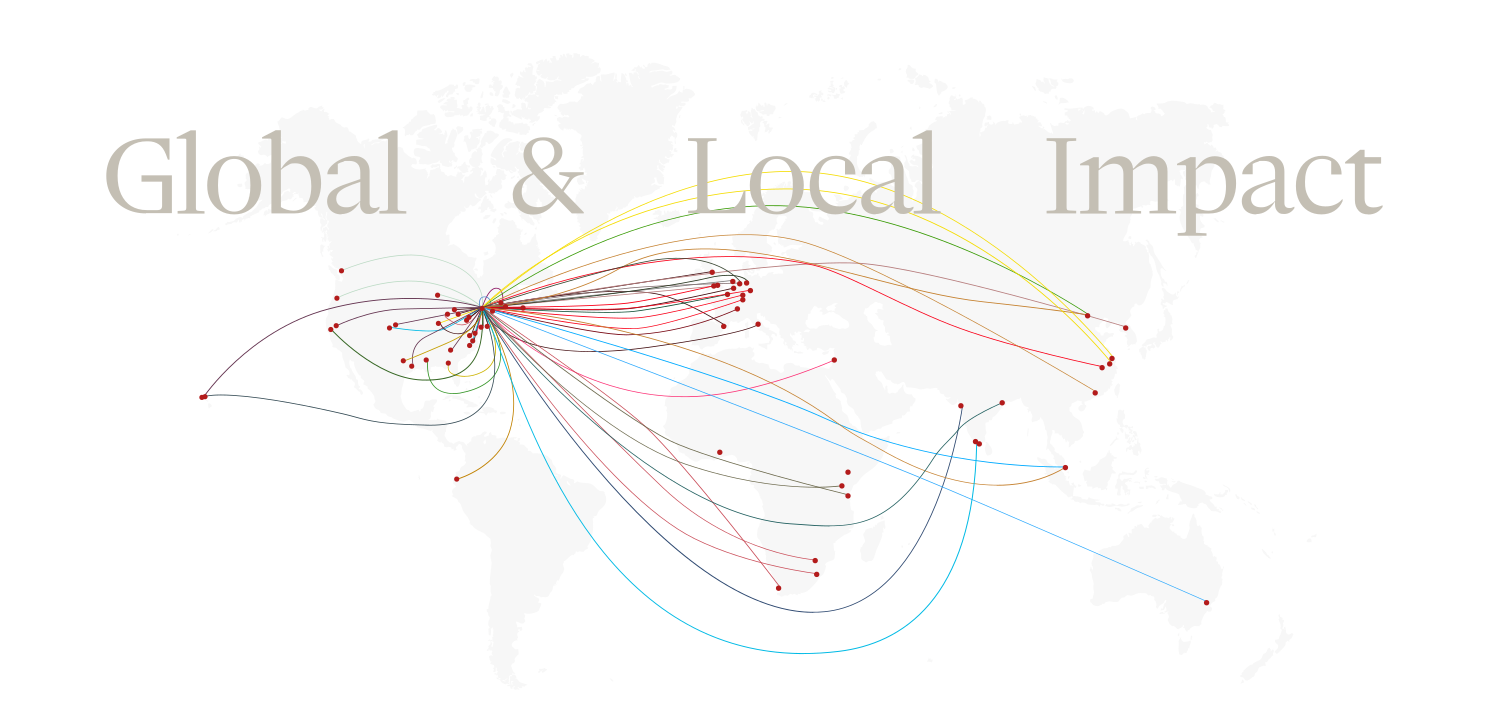
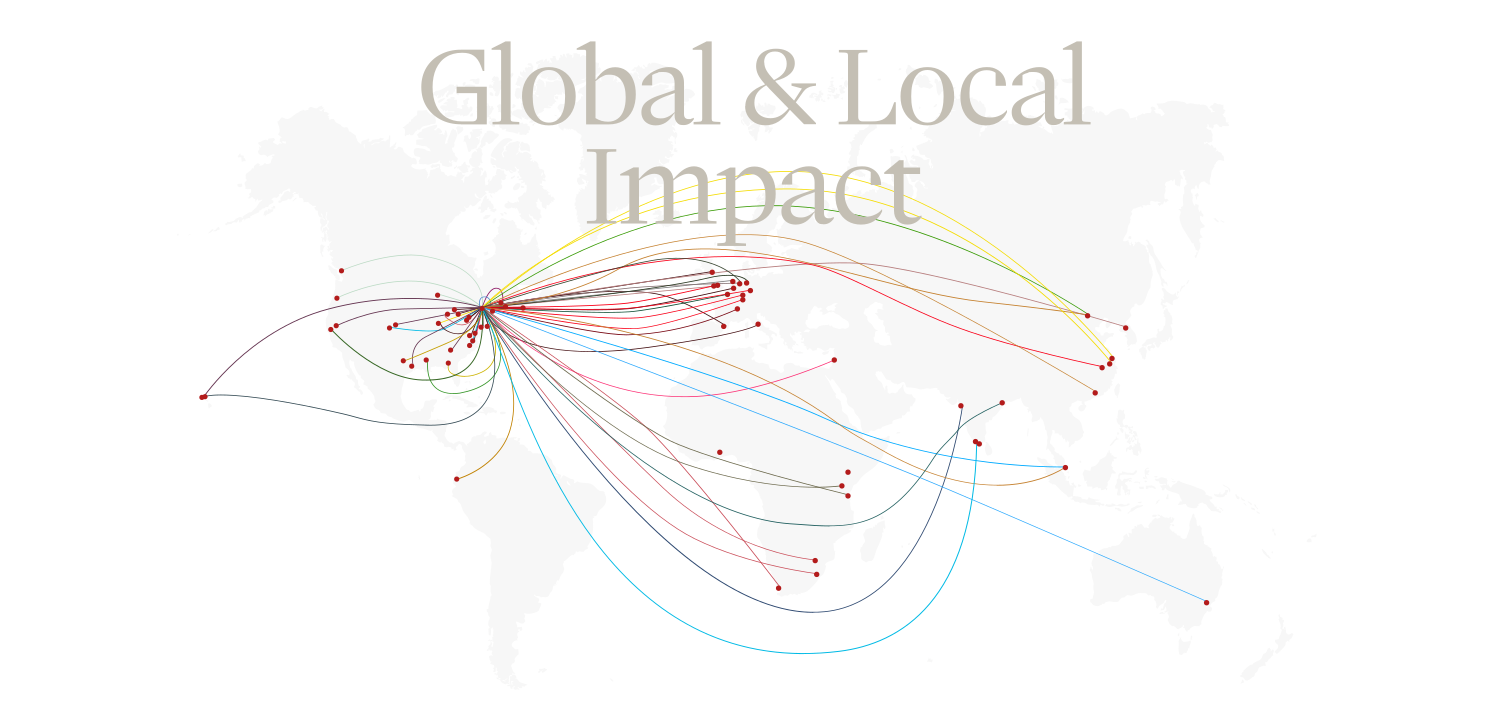
CRP Faculty Collaborate with
-
95
Universities and Research Institutes Around the World
-
80
Non-profits and NGOs
-
54
Policymaking Agencies
-
38
Institutes and Programs Across Cornell
-
31
Cities and Municipalities
-
12
Companies
Upcoming and Ongoing Events
-
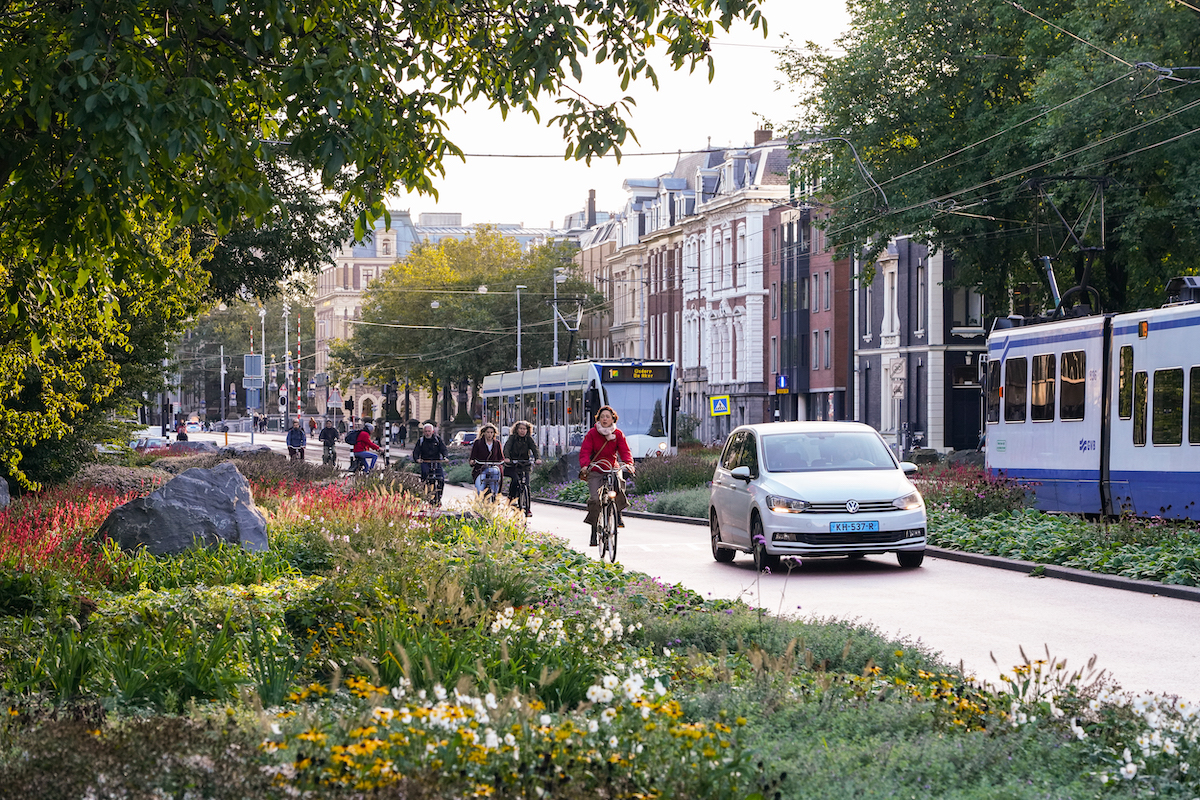
![Amsterdam street with green public space, bicycles, and a tram in the background]()
Apr 23
Simone Mangili: Sustainability in Practice — A Planner’s Journey from Cornell in Rome Onwards
From classrooms to neighborhoods to city halls, hear reflections on what it means to work at the intersection of planning, policy, and climate action, and on the evolving role planners can play in helping cities and communities navigate the complex transitions ahead.
-
![]()
Apr 24
Fern Tiger: Creative Instigation — The Art and Strategy of Authentic Community Engagement
Attend this lecture to learn how Creative Instigation moves beyond performative community engagement and equips institutions to share power so historically marginalized voices genuinely shape the policies and decisions that impact their lives.
-
![Aerial view of a suburban neighborhood with evenly spaced single-family homes, driveways, and green yards casting long shadows across the streets.]()
May 1
Ben Frost: Why Is Housing Hard? Reflections on 25 Years in Housing Advocacy
Hear Ben Frost unpack why affordable housing is so difficult to build and what decades of narrative change, policy advocacy, and empathetic coalition-building can do to move the needle.
-
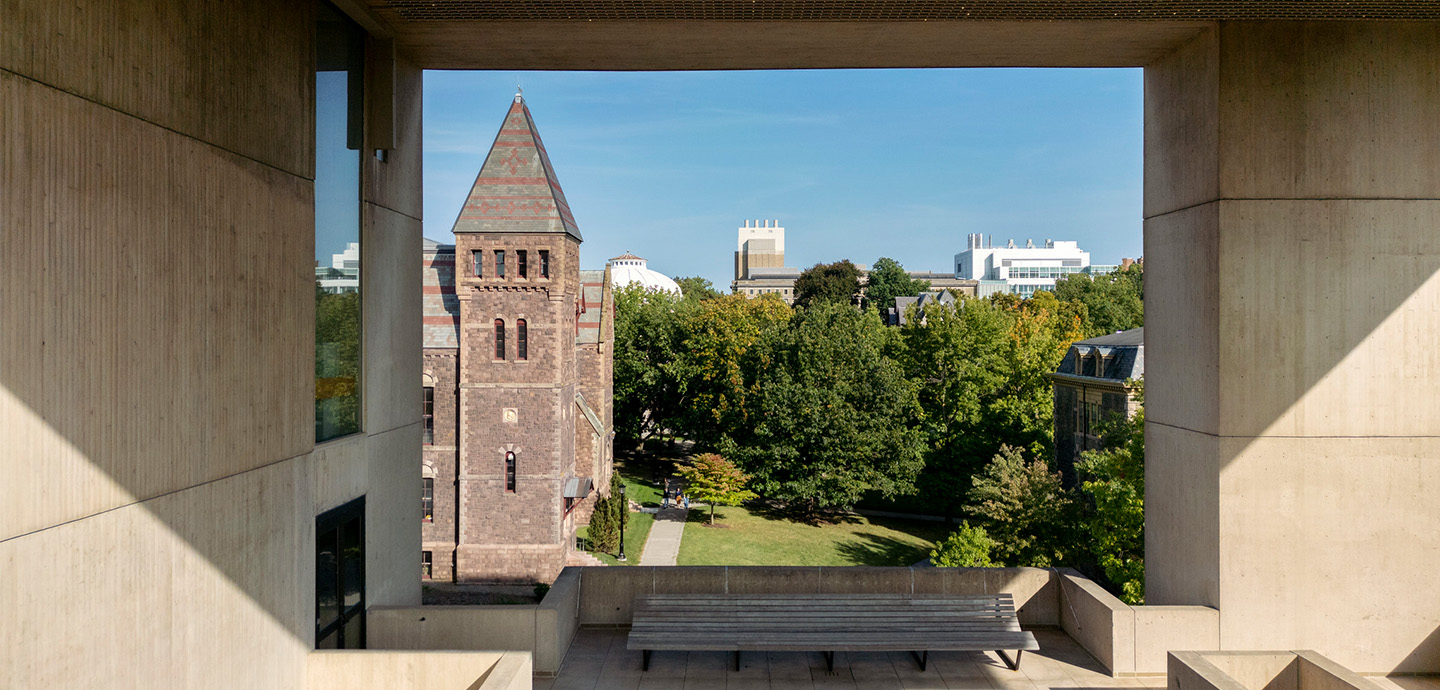
![Large building framing a brick clock tower on a sunny day on a college campus]()
Jun 6
Reunion 2026
Mark your calendars and celebrate with old and new friends at the College of Architecture, Art, and Planning during Cornell Reunion Weekend on June 6, 2026.
-
![]()
Oct 22–25
CRPCONNECT! A Celebration of Research, Practice, and Community
Join us on the Ithaca campus October 22–25, 2026, to connect with faculty and former classmates, share your work, find a mentor, present your research, network with colleagues, find internship candidates, visit downtown Ithaca, and more!



Stories How Two Alums Transformed the Landscape in NYC and Beyond
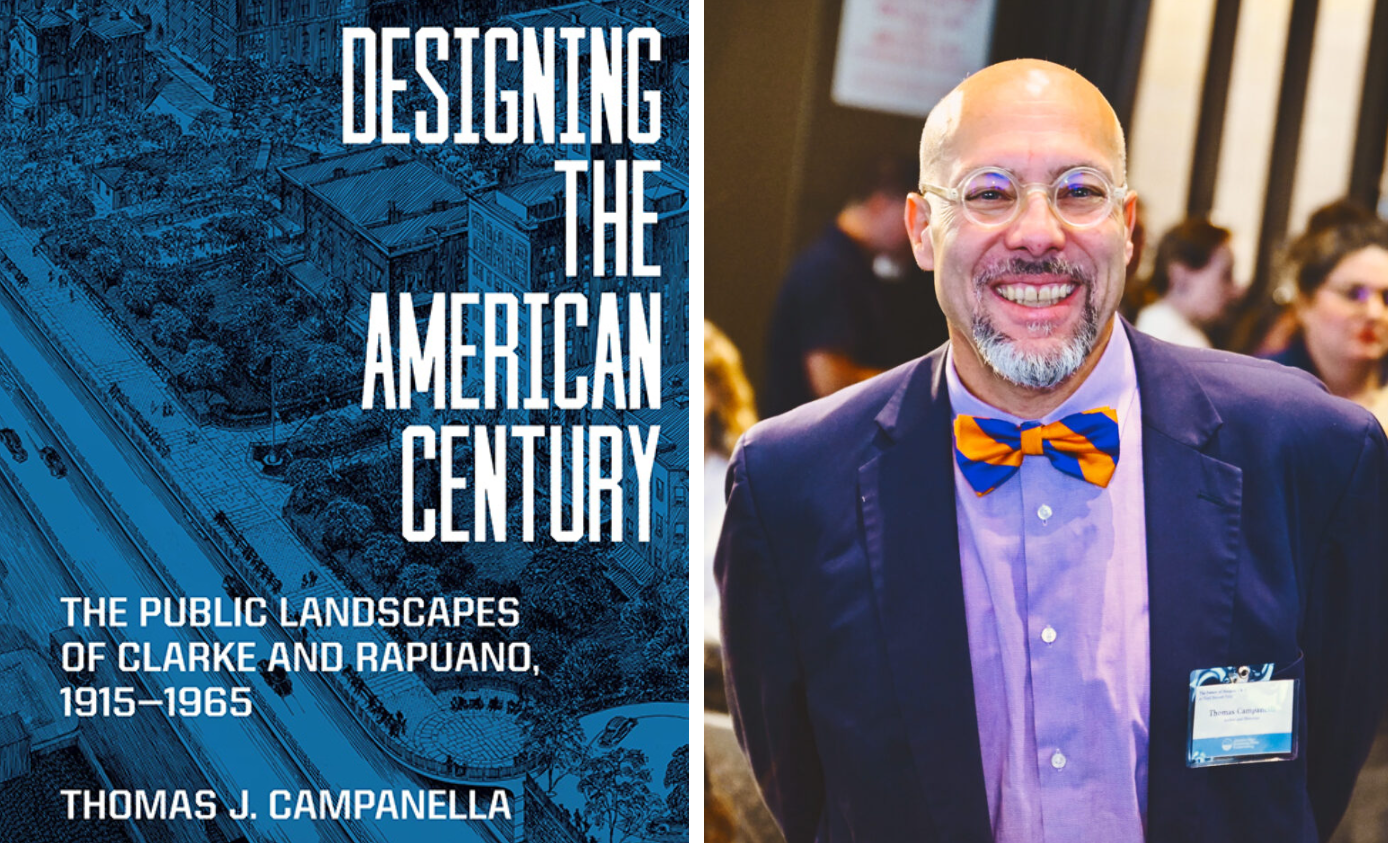
An article in Cornellians highlights CRP Professor Thomas J. Campanella’s (M.L.A. ’91) latest book, Designing the American Century, which explores Cornell alums Gilmore Clarke (1913) and Michael Rapuano (1927) as the “unsung giants” of American landscape architecture.
In the Media As New York Mayor Zohran Mamdani Faces $7 Billion Budget Hole, Free Parking May Be History
CNBC — CRP Associate Professor Nicholas Klein weighs in on eliminating free parking to generate a revenue stream for New York City.
Paper Rights of Nature and the Need for Multi-Level Governance
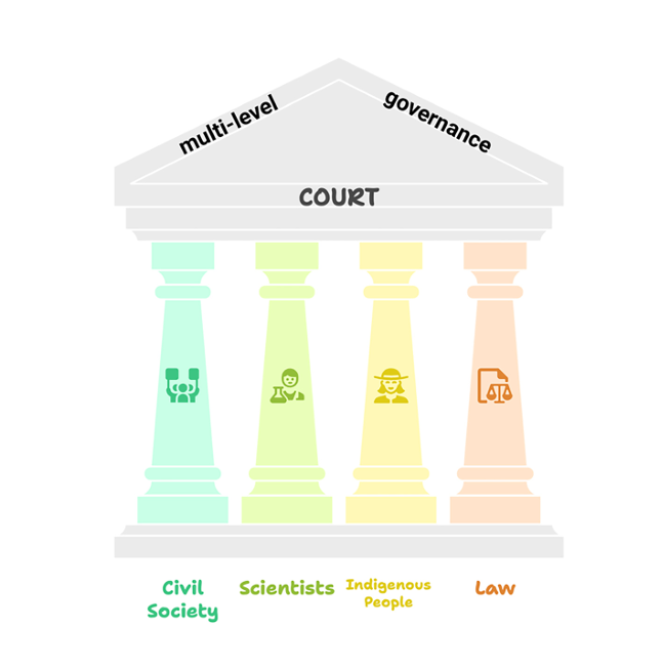
A special issue in the Journal of Integrated Global STEM by CRP Professor Mildred Warner and Andrés Martínez-Moscoso presents cases where the courts and civil society have attempted to link ecological, social, and political approaches to environmental protection through a new, eco-centric paradigm of rights of nature.
Stories Alum Leads Urban Design Collective that Preserves Black Community
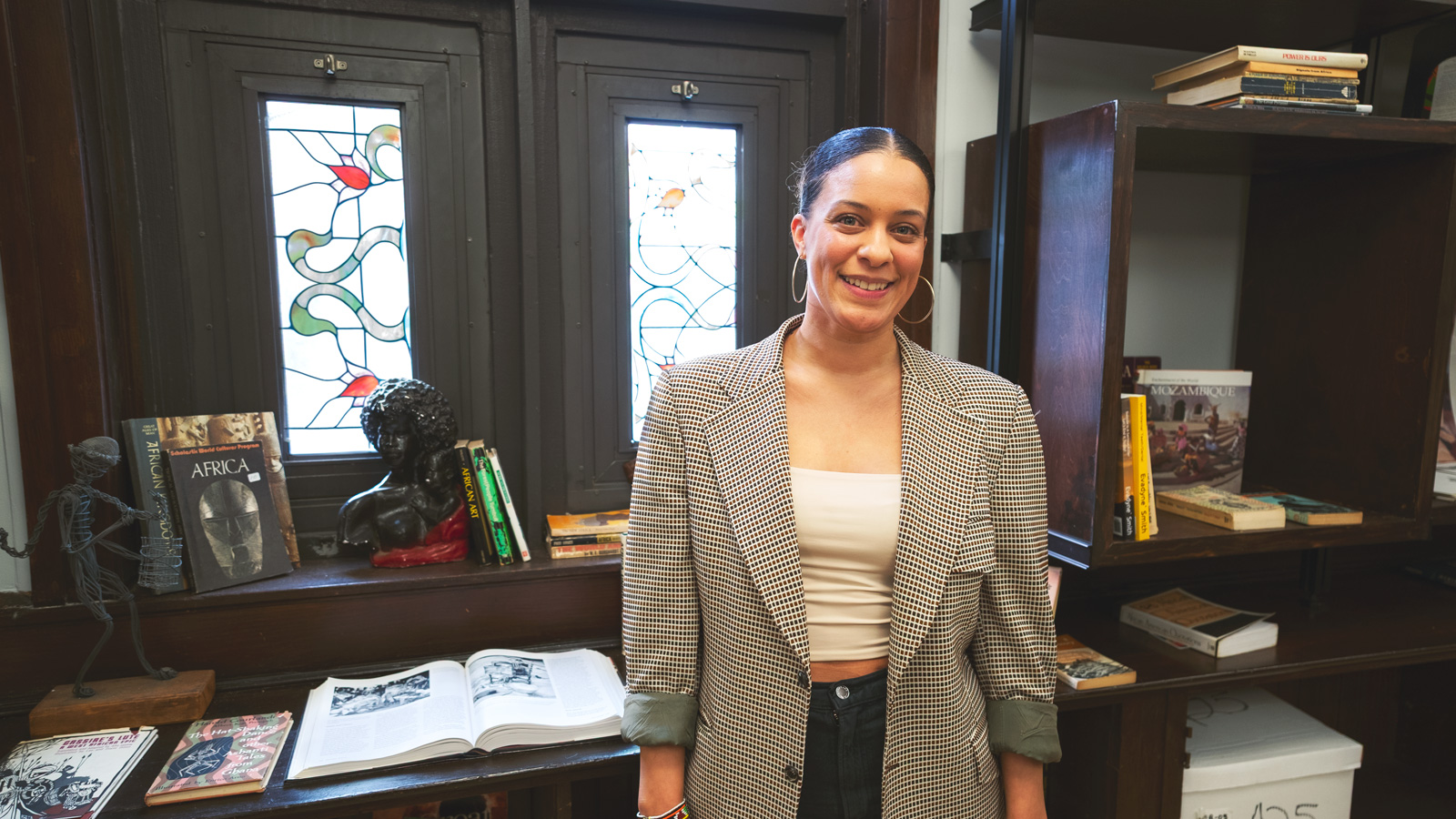
Cornellians profiles Emma Osore (B.S. URS ’09) cofounder and executive director of BlackSpace, a collective of planners, architects, artists, and designers who work to protect, elevate, and create Black spaces.
Stories

Practice, Place, and Purpose: Preparing Future Planners for a Rapidly Changing World
CRP Associate Professor Linda Shi discusses the importance of planning careers and preparing students to work with communities to address common challenges, including climate change, aging populations, and growing inequity.
Announcements Explore Fall ’26 Classes for Non-Majors at AAP

Expand your disciplinary boundaries and enroll in courses that cultivate connection and catalyze actionable research. Options range from fundamentals to deep dives across architecture, art, city and regional planning, real estate, and design technology.
Announcements Cornell Atkinson Research Grants Support Future Sustainability Leaders
Gauri Nagpal (Ph.D. CRP ’31) is among the forty students awarded funding by the Cornell Atkinson Center for Sustainability for their 2026 grant cycle.
Stories Center for Racial Justice and Equitable Futures Names 2026 Faculty Fellows
The Center for Racial Justice and Equitable Futures at Cornell University has named five faculty fellows from across three colleges to its inaugural cohort, including City and Regional Planning Assistant Professor Jocelyn Poe.
In the Media Iran’s Capital Is Moving. The Reason Is an Ecological Catastrophe
Scientific American — CRP Associate Professor Linda Shi comments on the political motivations behind relocating Iran’s capital, noting that Tehran’s severe water shortages stem not only from drought but also from decades of mismanagement and land subsidence, which the government is now using to justify moving the capital to the Makran coast.
Student Work
-
![Black and white poster with building clip art.]()
Vincent Zhang
B.Arch. '26 -
![]()
-
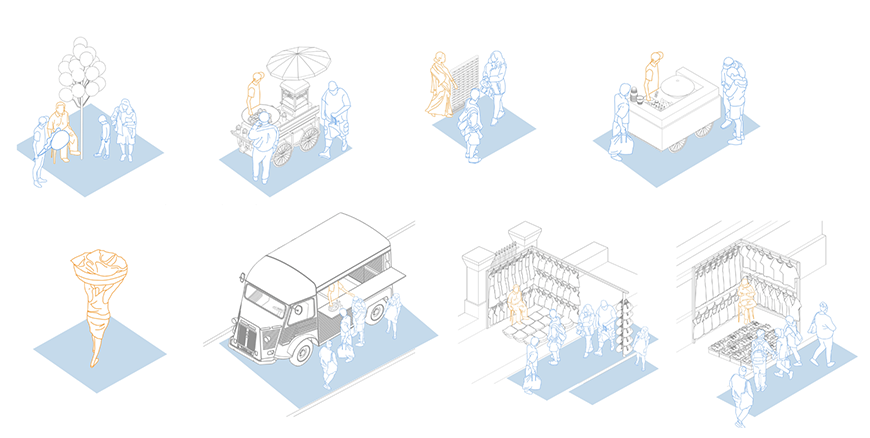
![Eight renderings of people engaging with vendors in various scenarios.]()
-
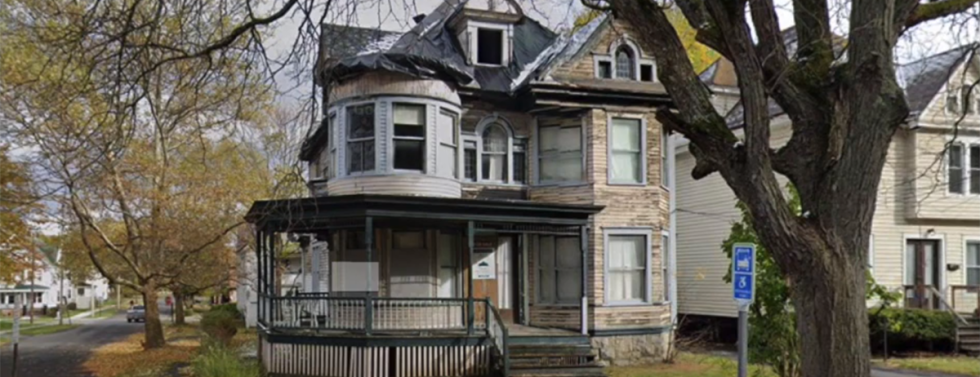
![3D rendering of an older multi level home on a neighborhood street corner.]()
Katie Barnes
M.R.P. '25 -
![Green park with large leafy trees and a blue park bench.]()
-
![Hands sort through hand written notes scattered on a table.]()
-
![Gray, white, and black rendering of a city street with buses, people, and shops.]()
Maurice Bradford
B.S. URS '20 - Keep Browsing