The Early Years
1871
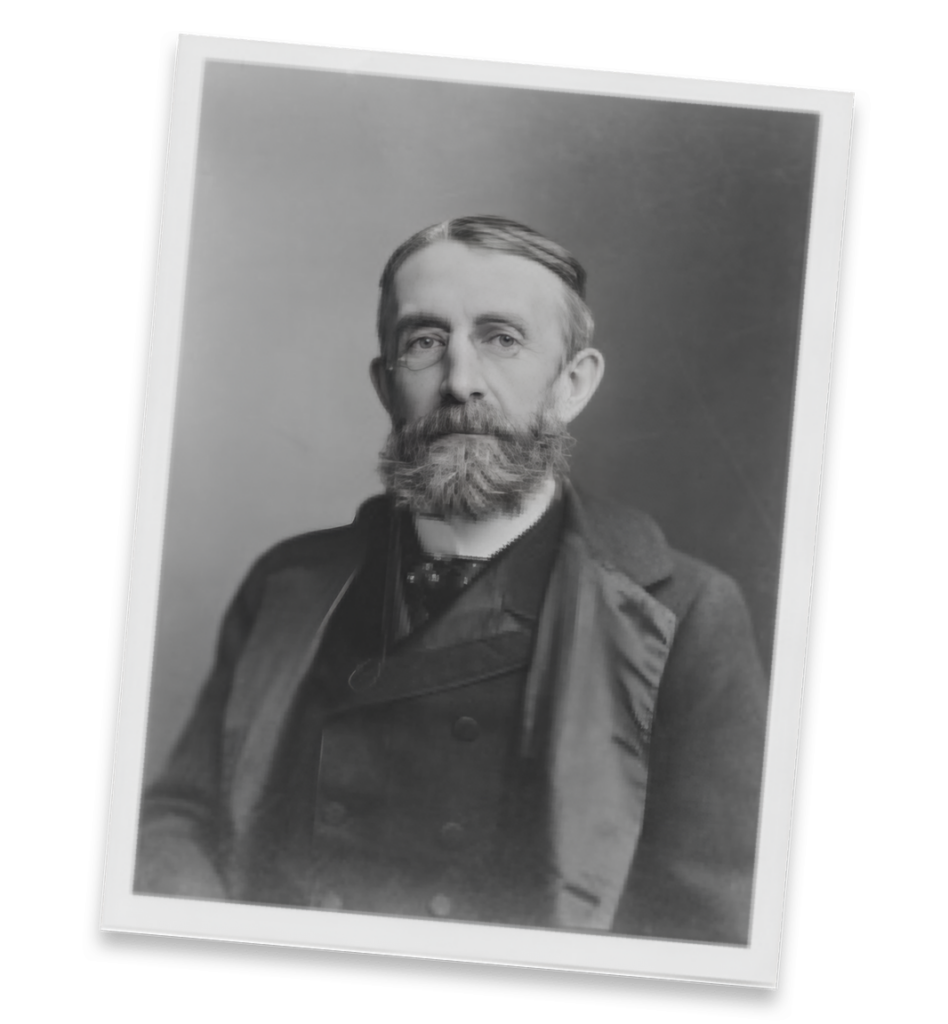
Andrew Dickson White, the first president of Cornell University, exhorted the Board of Trustees to establish a new architecture program. White had a fascination with the discipline, combined with a sense of its importance to cultural history. From a young age, he began collecting architectural books and journals. He offered his collection — his “pet extravagance,” and possibly the best collection in the United States at the time — to Cornell. In return, the trustees agreed to found the school of architecture and appointed Charles Babcock as the first professor of architecture in the United States.
1876
Providing the first four-year course in architecture in an American university, the college presented an alternative to apprenticeship programs or to study in Europe. The new architecture program was immediately popular, registering 32 students by 1876.
1877
The College of Architecture enrolls its first international student.
1878
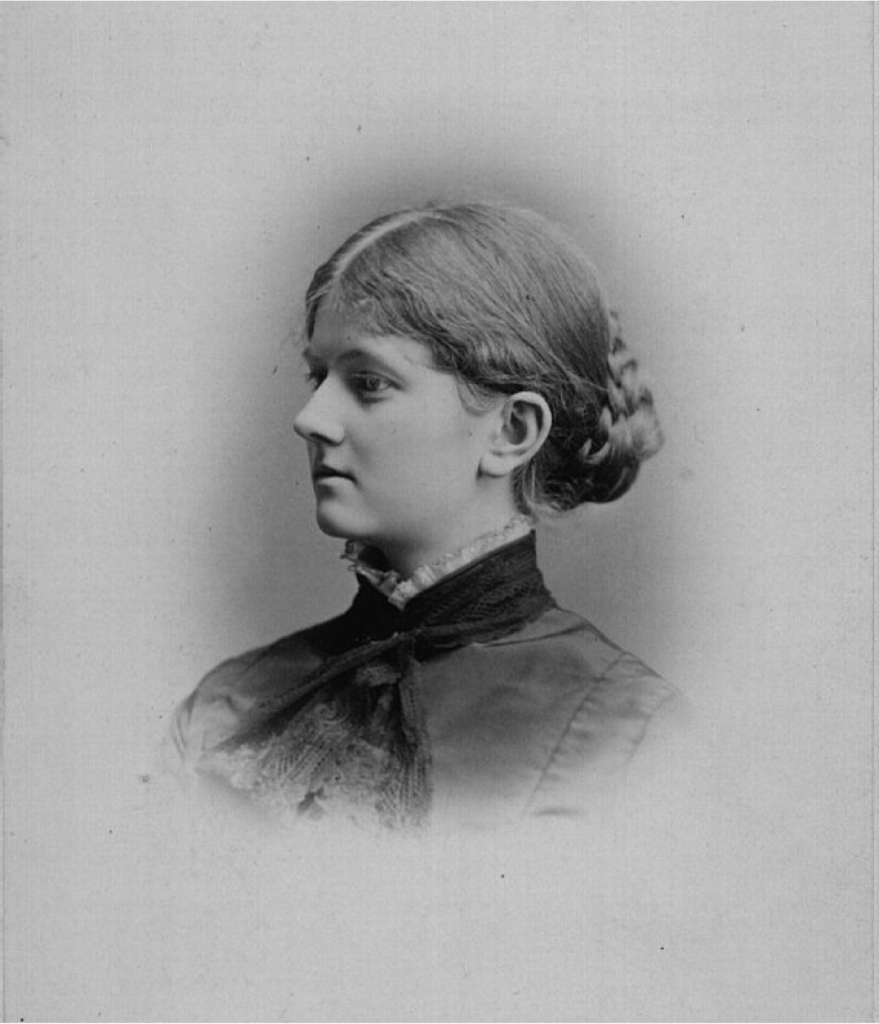
Margaret Hicks (A.B. 1878, B.Arch. 1880) became the first woman to graduate from an architecture course at an American university.
The Establishment of AAP
1896
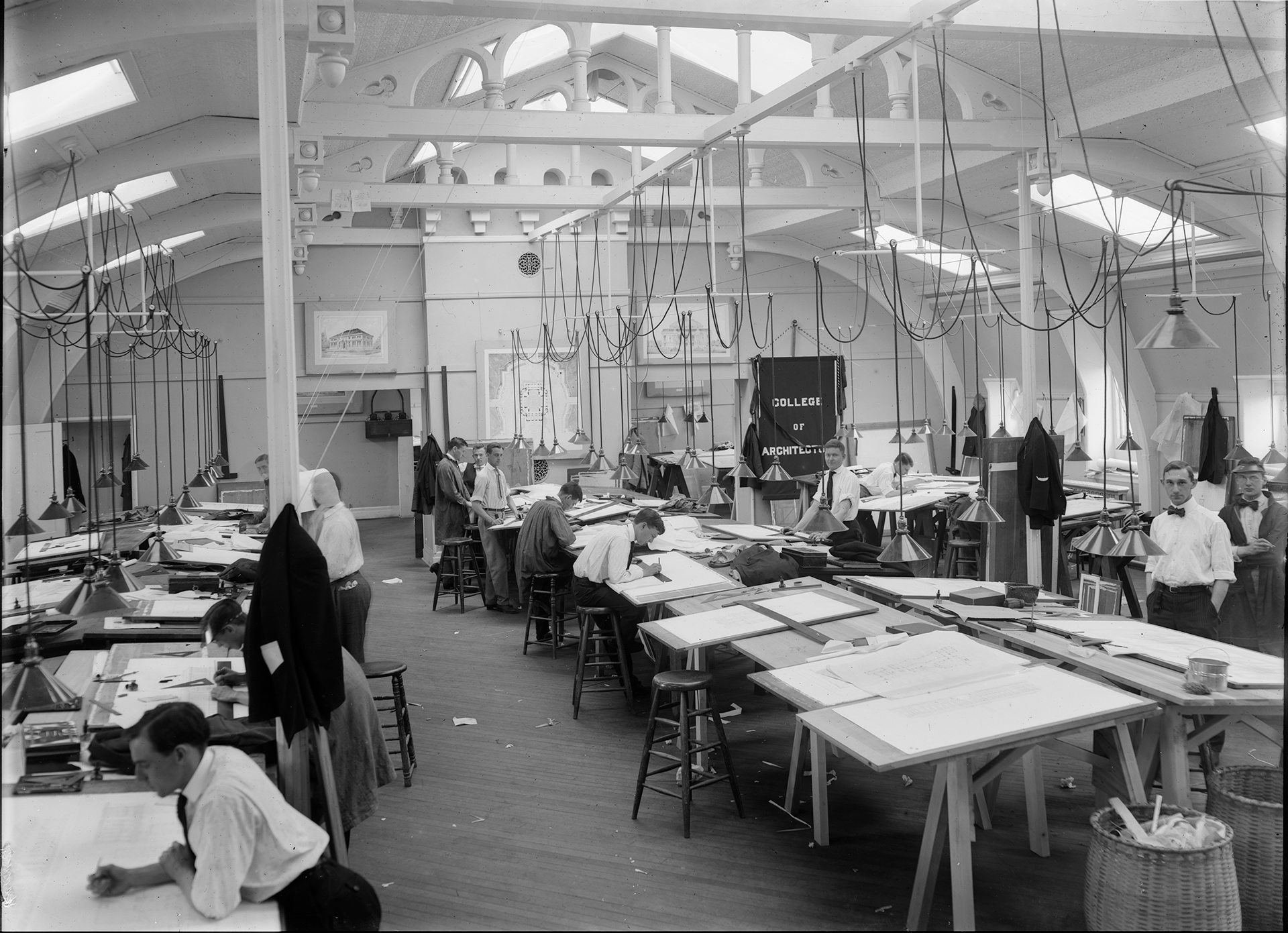
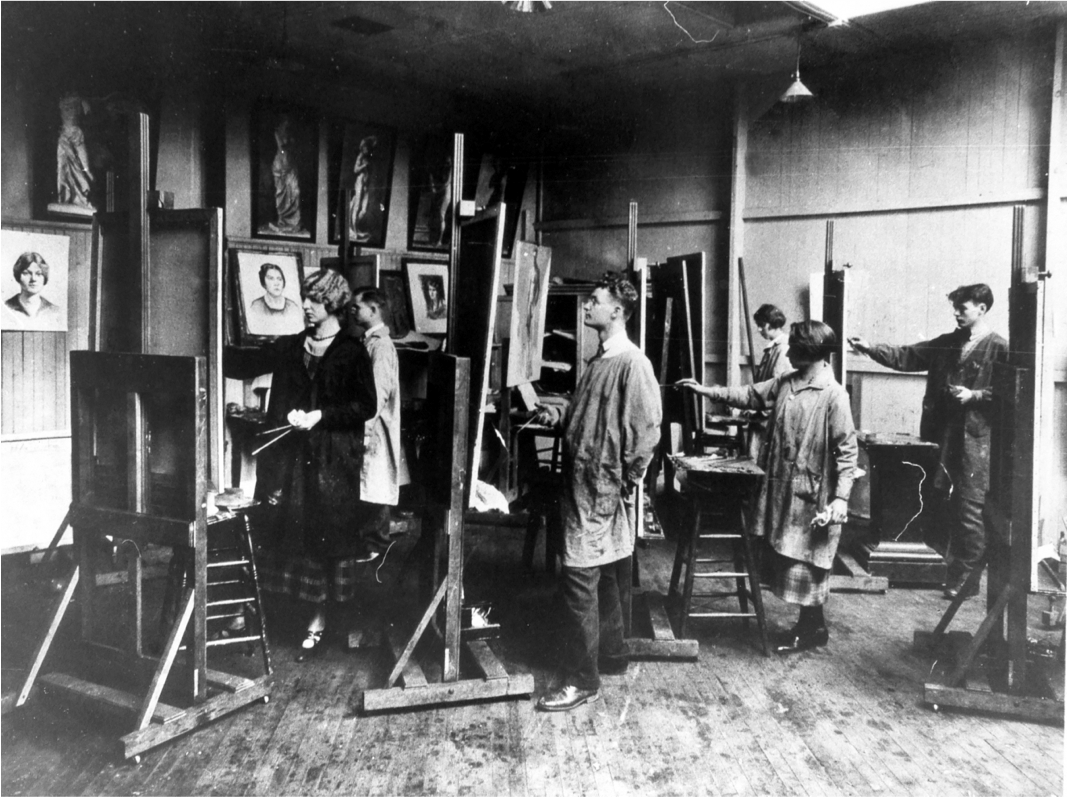
The College of Architecture offers classes in drawing, painting, and sculpture.
1920
Cornell becomes the first architecture school to extend its curriculum to five years.
1921
The Department of Art is formally added.
1935
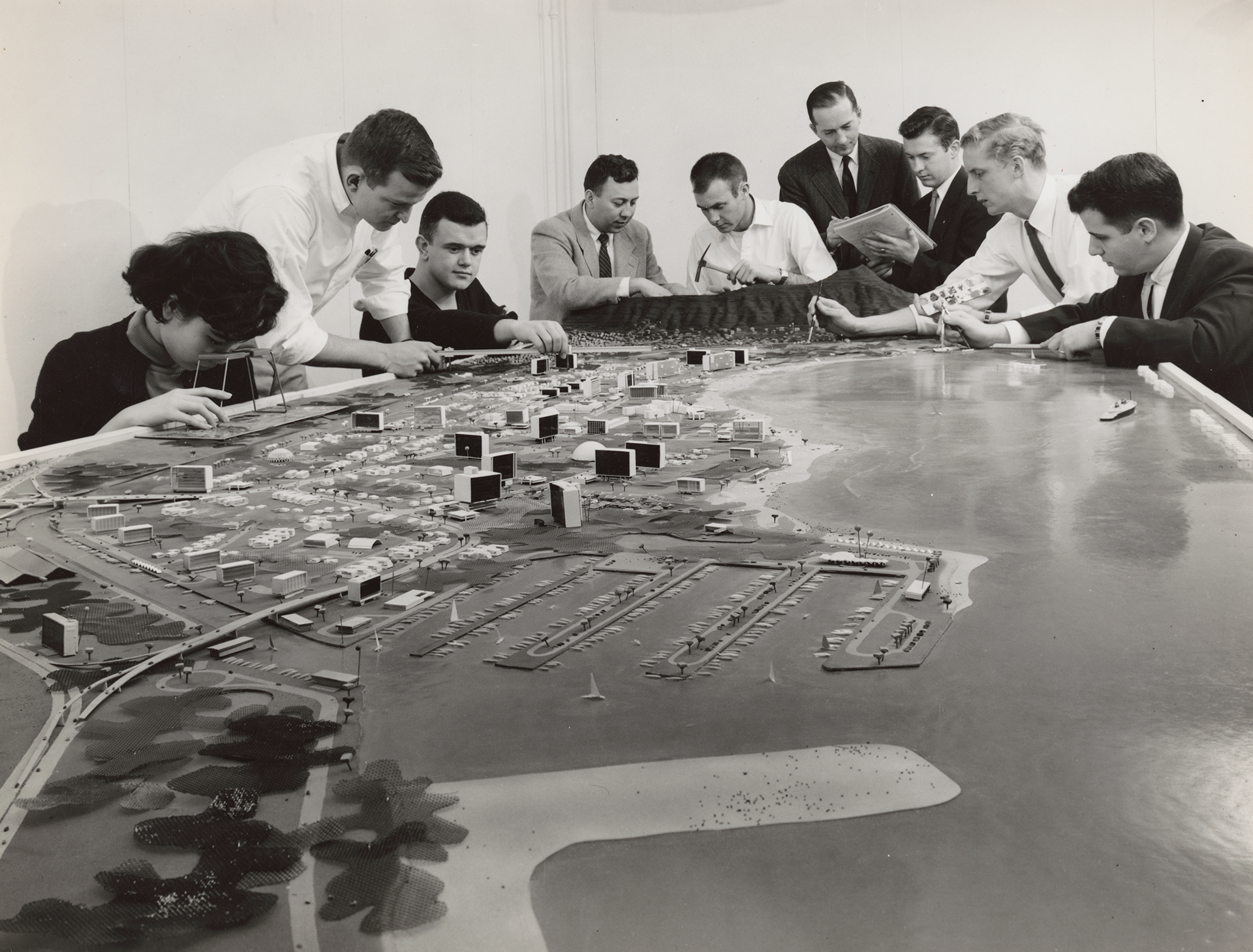
The City and Regional Planning (CRP) program begins, becoming a separate department in 1952.
1940
The Master of Fine Arts program begins.
1967
The College of Architecture, Art, and Planning (AAP) officially acquires its current name.


Growth & Expansion
1987
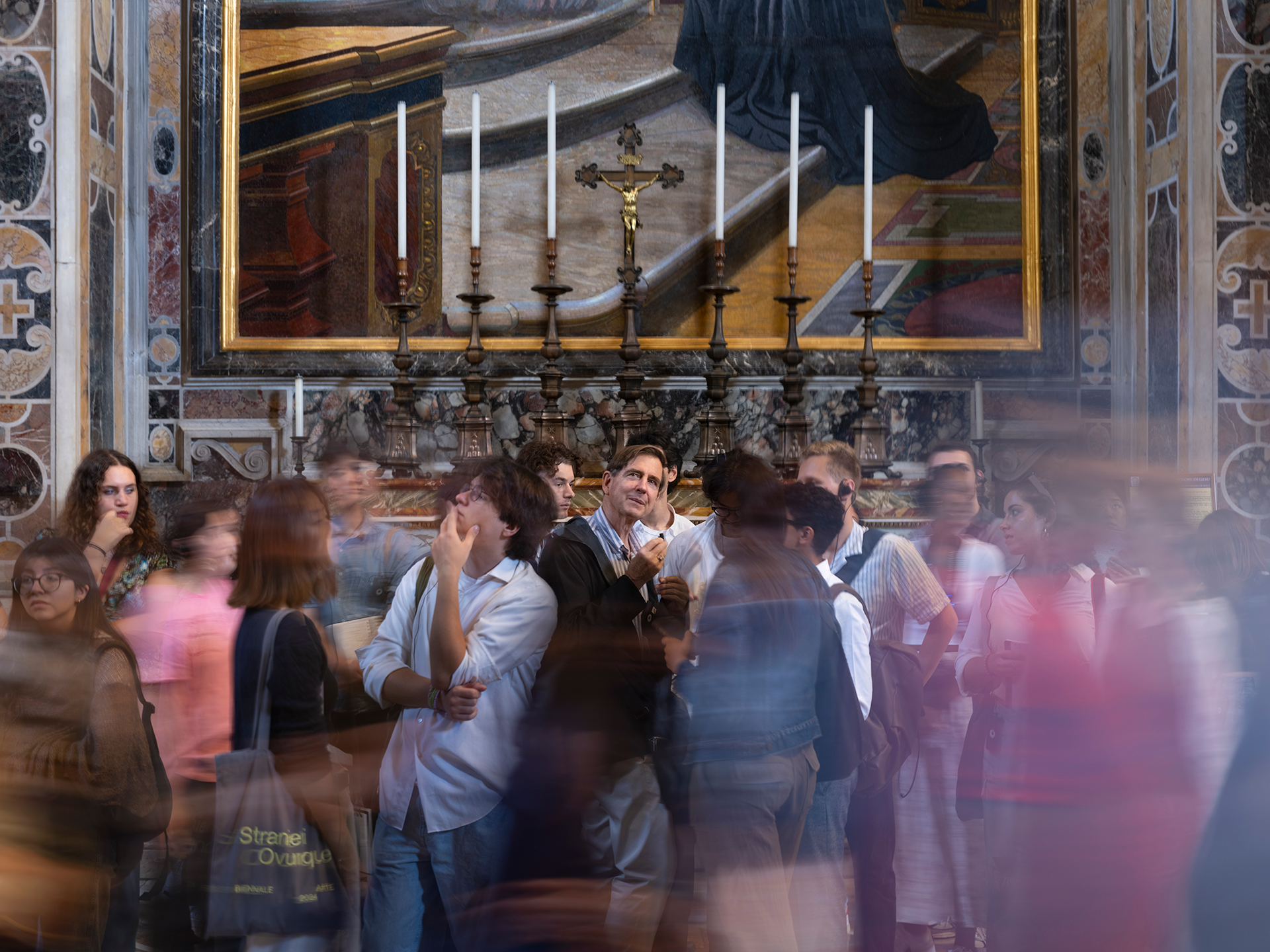
The college officially launches Cornell in Rome, a program that has become a vital component of many AAP students’ education.
2006
AAP NYC is established, bringing students closer to professional disciplines in practice.
2020
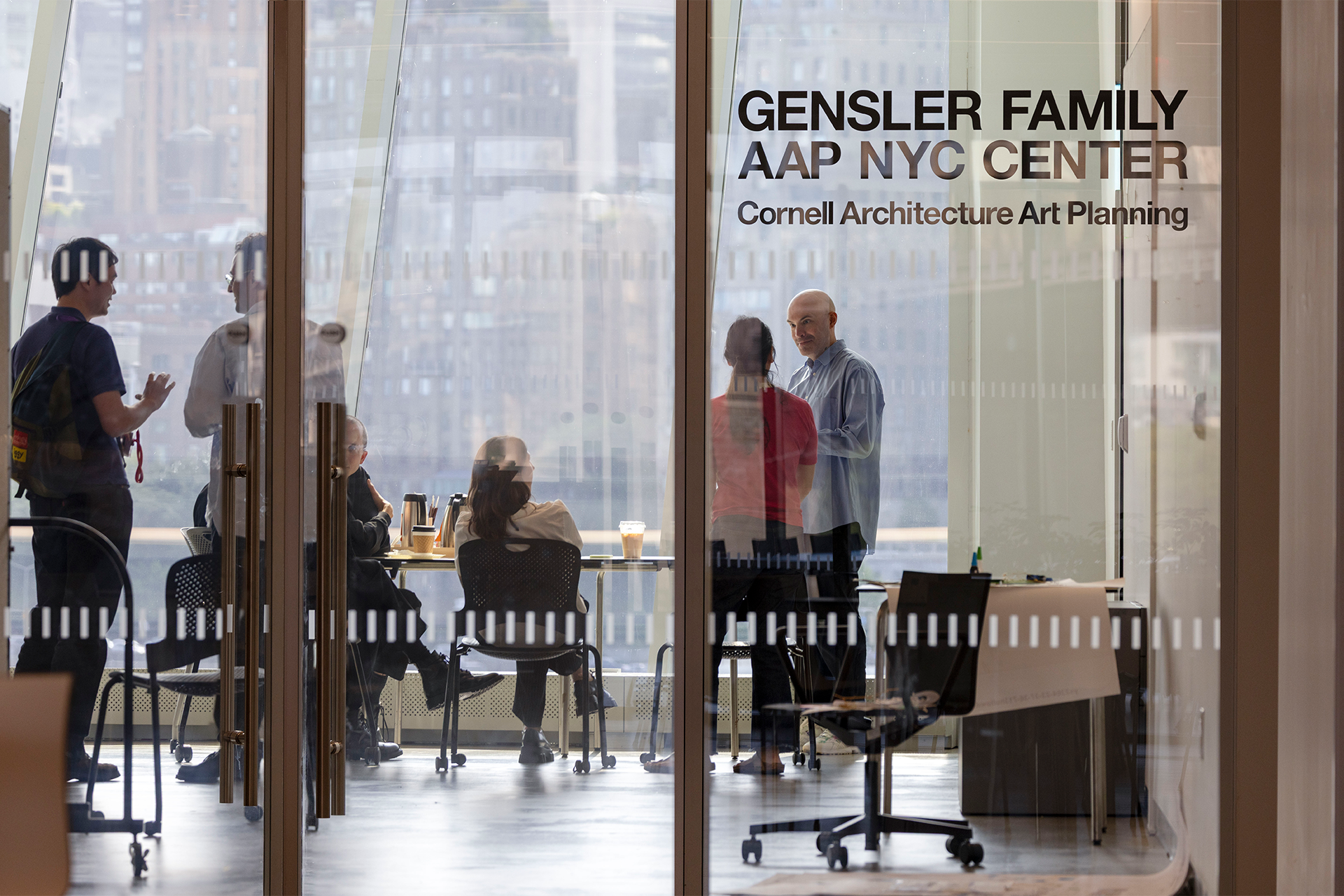
A $10M gift from M. Arthur Gensler, B.Arch. ’58 and his family endows and names the Gensler Family AAP NYC Center.
2022
A $25M gift from Mui Ho ’62 (B.Arch. ’66) endows and names the Mui Ho Center for Cities advancing research, teaching, and partnerships dedicated to fostering more sustainable and just cities.
2022
A $30 million gift from Paul Rubacha ’72, MBA ’73, creates an innovative multicollege Paul Rubacha Department of Real Estate jointly led by the College of Architecture, Art, and Planning and the SC Johnson College of Business.
2022
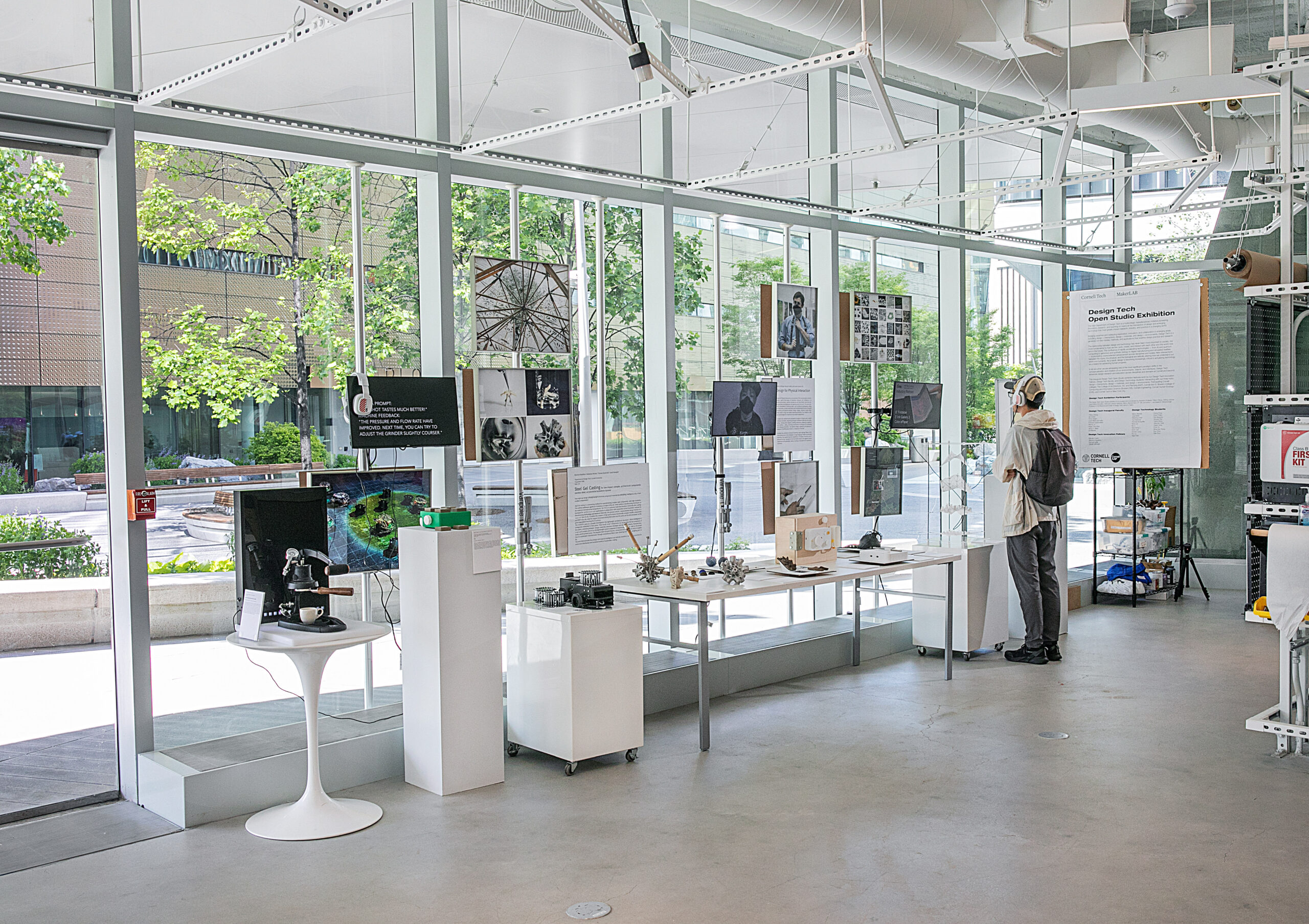
Bridging fields and faculty, AAP establishes the multicollege Department of Design Tech in partnership with the College of Human Ecology, the Cornell Ann S. Bowers College of Computing and Information Science, Cornell Duffield College of Engineering, and Cornell Tech in New York City.
2025
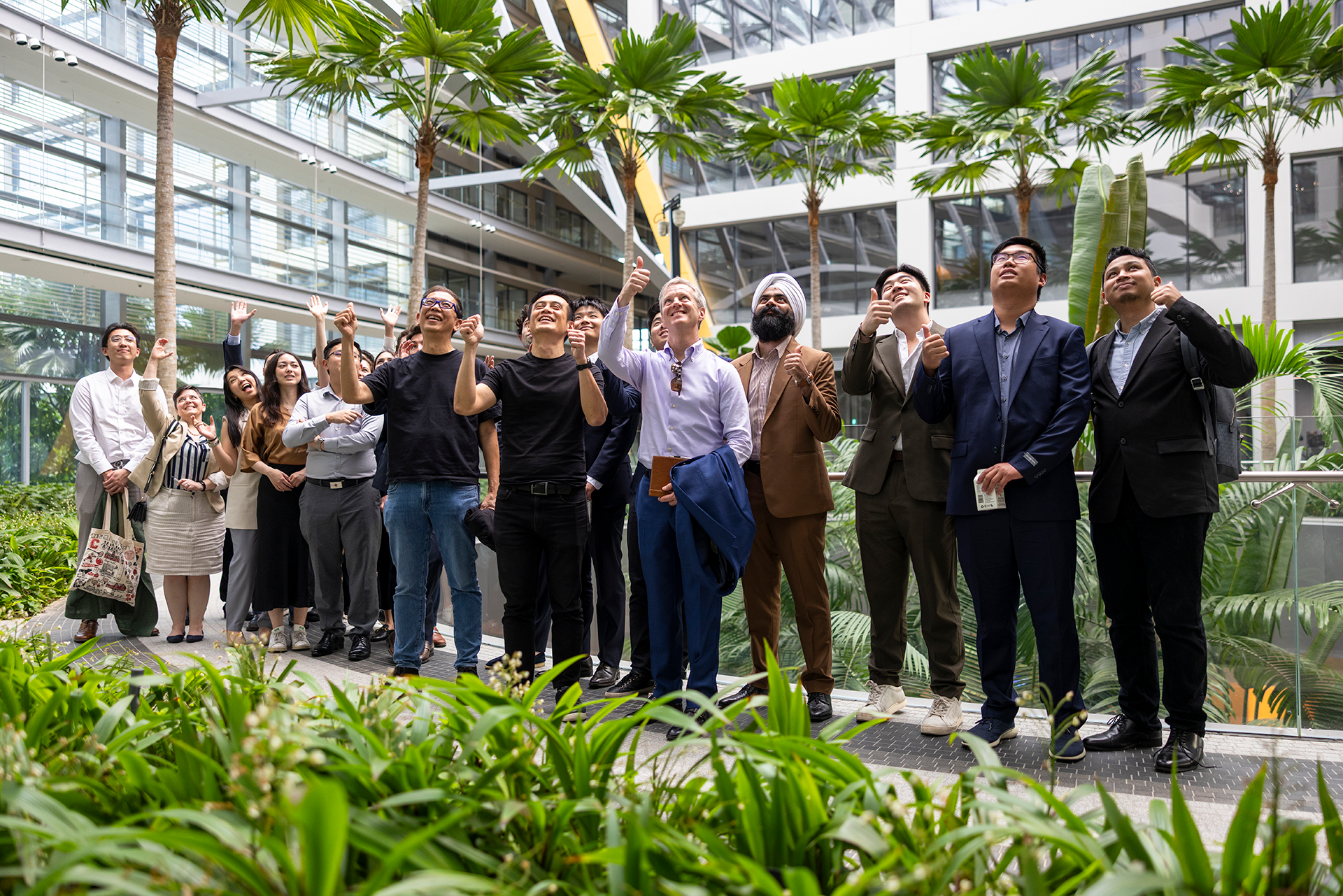
The Gensler Family AAP NYC Center moves from Lower Manhattan to the Tata Center for Innovation at the Cornell Tech campus on Roosevelt Island. The new location encourages cross-disciplinary collaboration and is shared between Cornell AAP’s range of New York City–based offerings, including undergraduate and graduate students across our departments, and Cornell Tech programs.
AAP Deans
- 1871–96: Charles Babcock
- 1896–1901: Alexander Trowbridge
- 1902–03: John V. Van Pelt
- 1904–18: Clarence Martin
- 1919–26: Francke Huntington Bosworth
- 1927–38: George Young, Jr.
- 1939–50: Gilmore Clarke ’13
- 1951–59: Thomas W. Mackesey
- 1960–70: Burnham Kelly
- 1971–79: Kermit C. Parsons (M.R.P. ’53)
- 1980–83: Jason Seley (B.F.A. ’40)
- 1983–84: Ian Stewart (M.R.P. ’68, Ph.D. CRP ’73) (interim dean)
- 1984–96: William McMinn
- 1996: Stanley Bowman (interim dean, July–December)
- 1997–98: Anthony Vidler
- 1999–2004: Porus Olpadwala 1973 (M.R.P. ’76, Ph.D. CRP ’79)
- 2004–07: Mohsen Mostafavi
- 2008: W. Stanley Taft (interim dean, January–August)
- 2008–18: Kent Kleinman
- 2018: Kieran Donaghy (M.S. RS ’84, Ph.D. RS ’87) (interim dean, July–December)
- 2019–present: J. Meejin Yoon (B.Arch. ’95)