Lecture
Location
Abby and Howard Milstein Auditorium
Milstein Hall
Contact
Department of City and Regional Planning
(607) 255-4613
Abstract
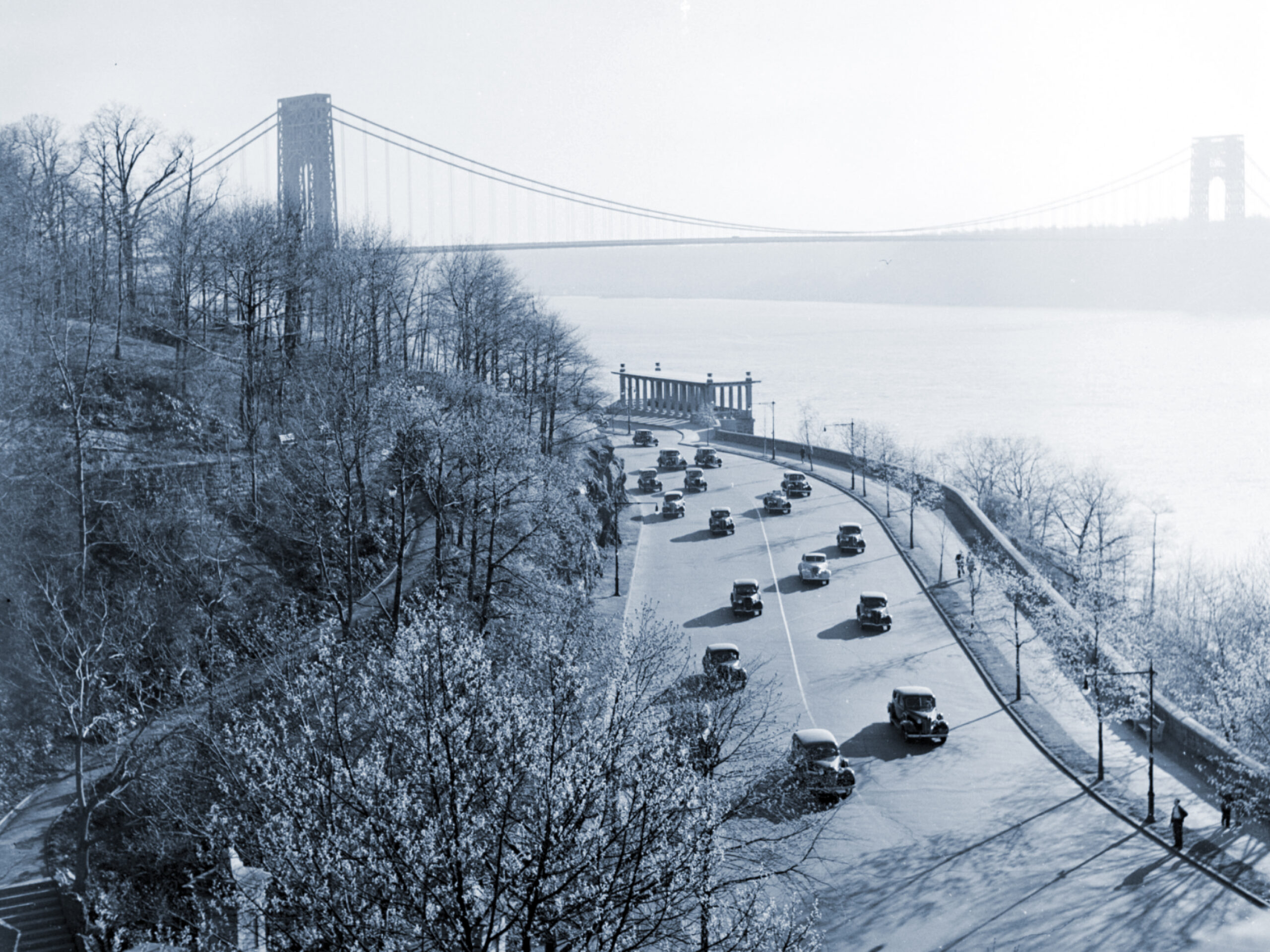
This lecture will tell the largely forgotten story of Cornell-trained landscape architects Gilmore D. Clarke and Michael Rapuano, the foremost spatial designers of the “American Century.” Over their 50-year careers, Clarke and Rapuano produced a breathtaking portfolio of public landscapes, one that not only recovered the legacy of Frederick Law Olmsted and Calvert Vaux but propelled it into the motor age. The parks, parkways, highways, and housing estates created by these extraordinary men helped forge — for better and worse — the contemporary American metropolis. From the revolutionary parkways of the 1920s, Westchester and Long Island, to scores of New York City parks and playgrounds, the site plans for two World’s Fairs, the UN Headquarters, the Pentagon and Wolf Trap, to residential estates like the Harlem River Houses, Parkchester and Stuyvesant Town — the work of Clarke and Rapuano continues to touch the lives of millions. The lecture will draw from Campanella’s new book, Designing the American Century: The Public Landscapes of Clarke and Rapuano, 1915-1965 (Princeton University Press, 2025).
Biography

Thomas J. Campanella
Thomas J. Campanella is a professor of urban studies and city planning at Cornell University and Historian-in-Residence of the New York City Parks Department. He has held Guggenheim, MacDowell, and Fulbright fellowships, and is a Fellow of the American Academy in Rome. He has written for The New York Times, The Wall Street Journal, New York Magazine, Slate, and CityLab. His books include Designing the American Century (2025); Brooklyn: The Once and Future City (2019), a finalist for the Brendan Gill Prize; The Concrete Dragon: China’s Urban Revolution and What It Means for the World (2008); and Republic of Shade: New England and the American Elm (2003), winner of the Spiro Kostof Award.