Group Exhibition: What Remains — Traces of Fire, Memory, and Renewal
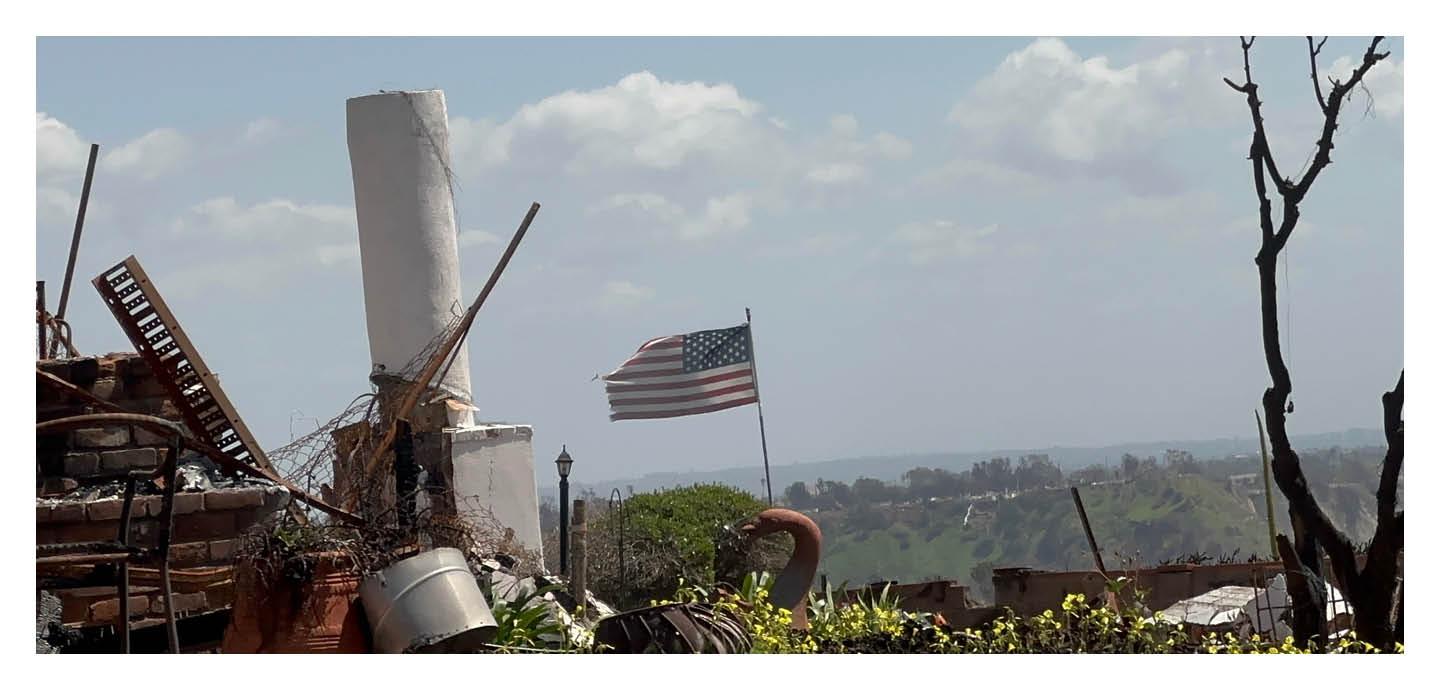
image / provided
Abstract
What Remains is a collective artistic response to the aftermath of the January 2025 Palisades Fire, which destroyed over 6,000 structures in Los Angeles. During Spring Break, forty Cornell students partnered with Samaritan's Purse to assist affected homeowners, sifting through ash to recover what was left — wedding rings, ceramics, family photographs. Each fragment held history, grief, and quiet resilience.
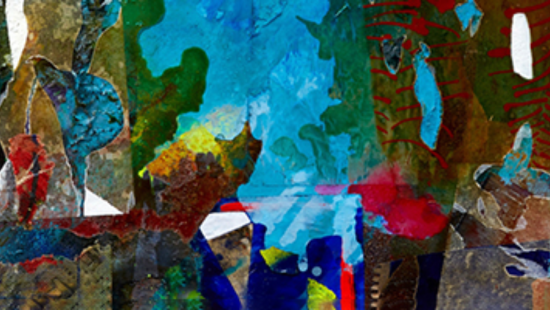
The exhibition brings together a range of media — painting, photography, sculpture, film, and found objects — to reflect on the tension between loss and renewal. Rather than focusing solely on destruction, it asks how memory is held in material traces, how architecture fails or endures under fire, and how people reconstruct identity and belonging after catastrophe.
The works presented do not attempt to provide answers, but create a space for reflection. Viewers move through an environment shaped by light, shadow, sound, and suspended or grounded forms. Personal narratives intertwine with broader questions of home, displacement, and the climate-driven future of fire.
Ultimately, What Remains is not about a single disaster, but about how we witness, remember, and rebuild. It invites audiences to consider what is left behind — physically, emotionally, and collectively — and how hope persists in the act of recovery.
Biographies
This exhibition brings together five Cornell students from architecture, fine arts, biology, engineering, and computer science — united by an exploration of memory, material traces, and resilience after fire.
- Christina Song (B.Arch. '29) and Ryan Ye (B.S. Computer Science '28) participated in the Spring Break 2025 relief trip to Los Angeles, assisting families affected by the Palisades Fire. Their works draw from firsthand encounters with recovery and the remnants of home.
- Cesaire "Ze" Carroll-Dominguez (B.F.A. '28), a California native, uses film and multimedia to explore wildfire as both personal history and collective narrative.
- Emilia Morton (B.F.A. '28), also from California, contributes drawings, recovered objects, and silkscreen prints of California maps, reflecting on geography, displacement, and fragile memory.
- Hayden Hogue (B.S. Biological Engineering '28) creates sculptural installations that merge living plants with burned or discarded materials, examining cycles of decay, adaptation, and regrowth.
Together, their work becomes a testament to shared grief, quiet strength, and the human capacity to begin again.