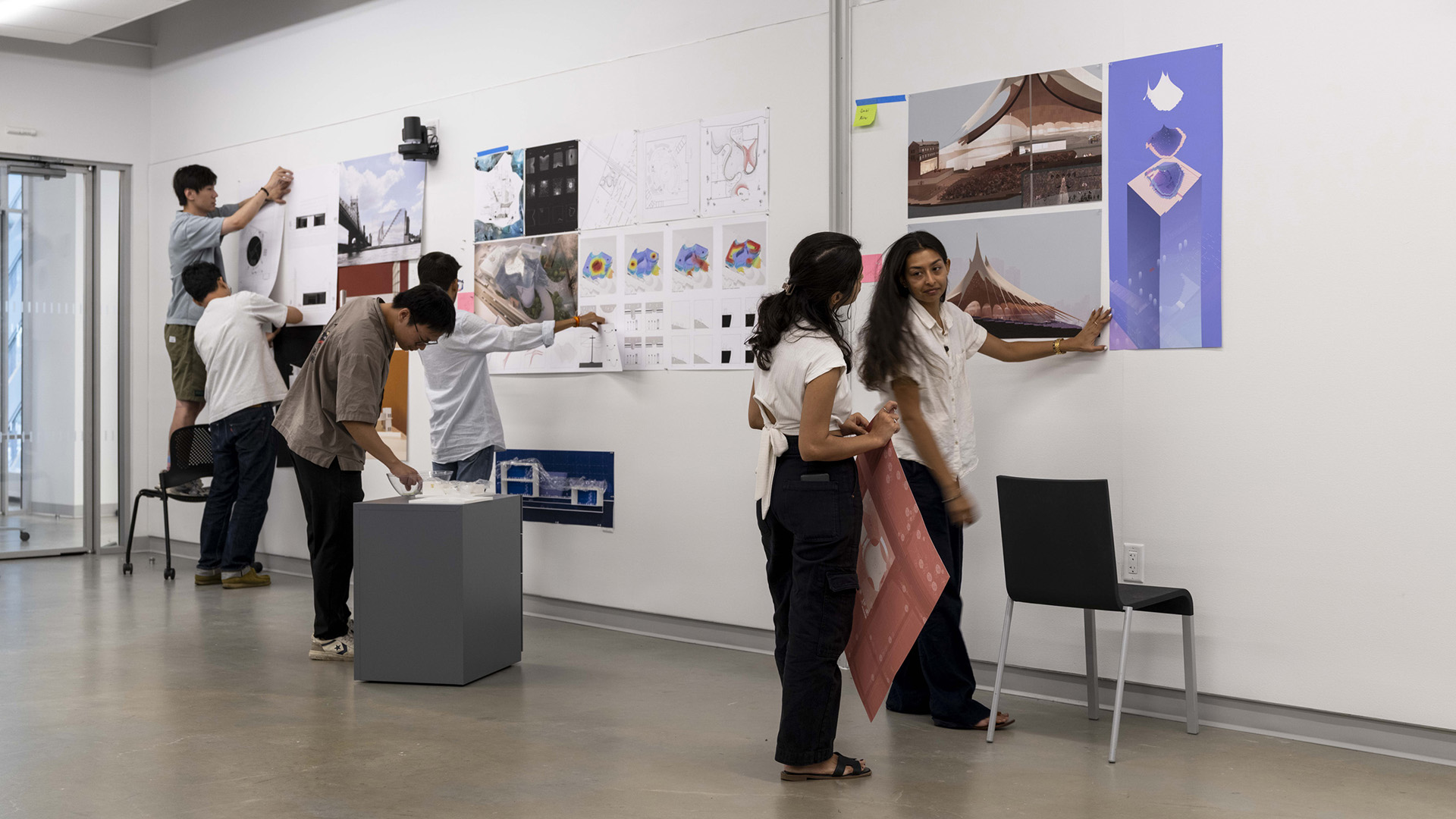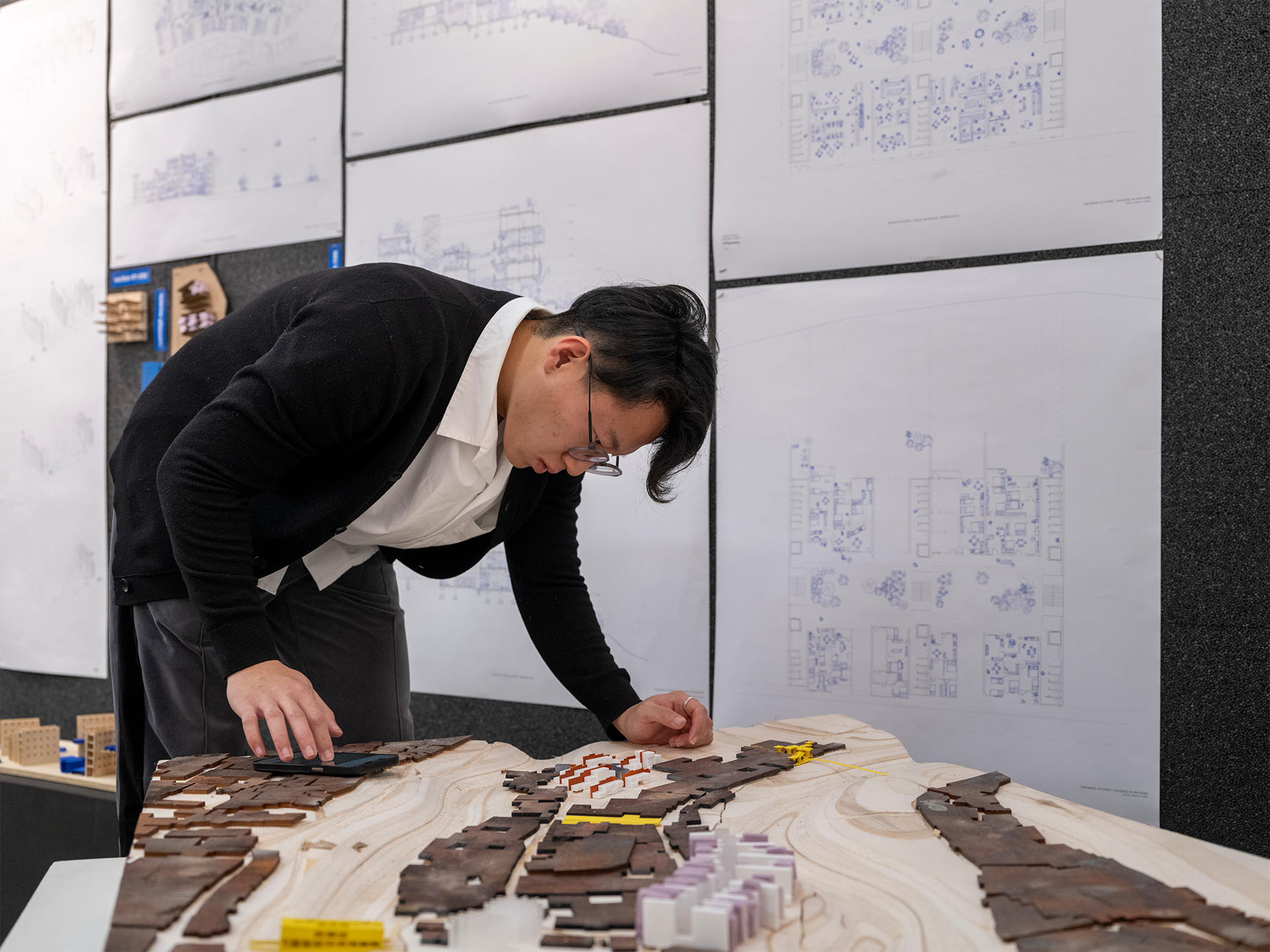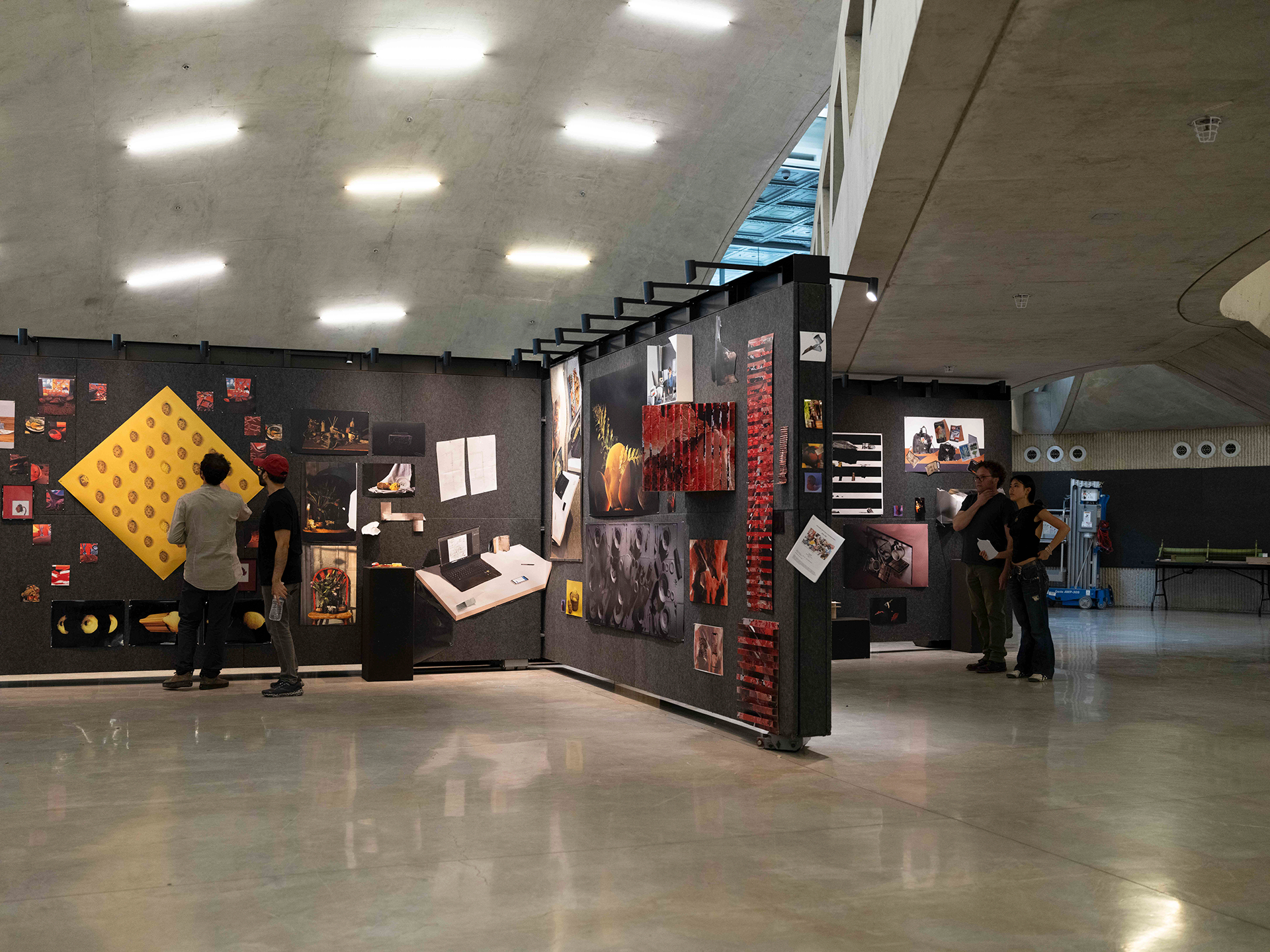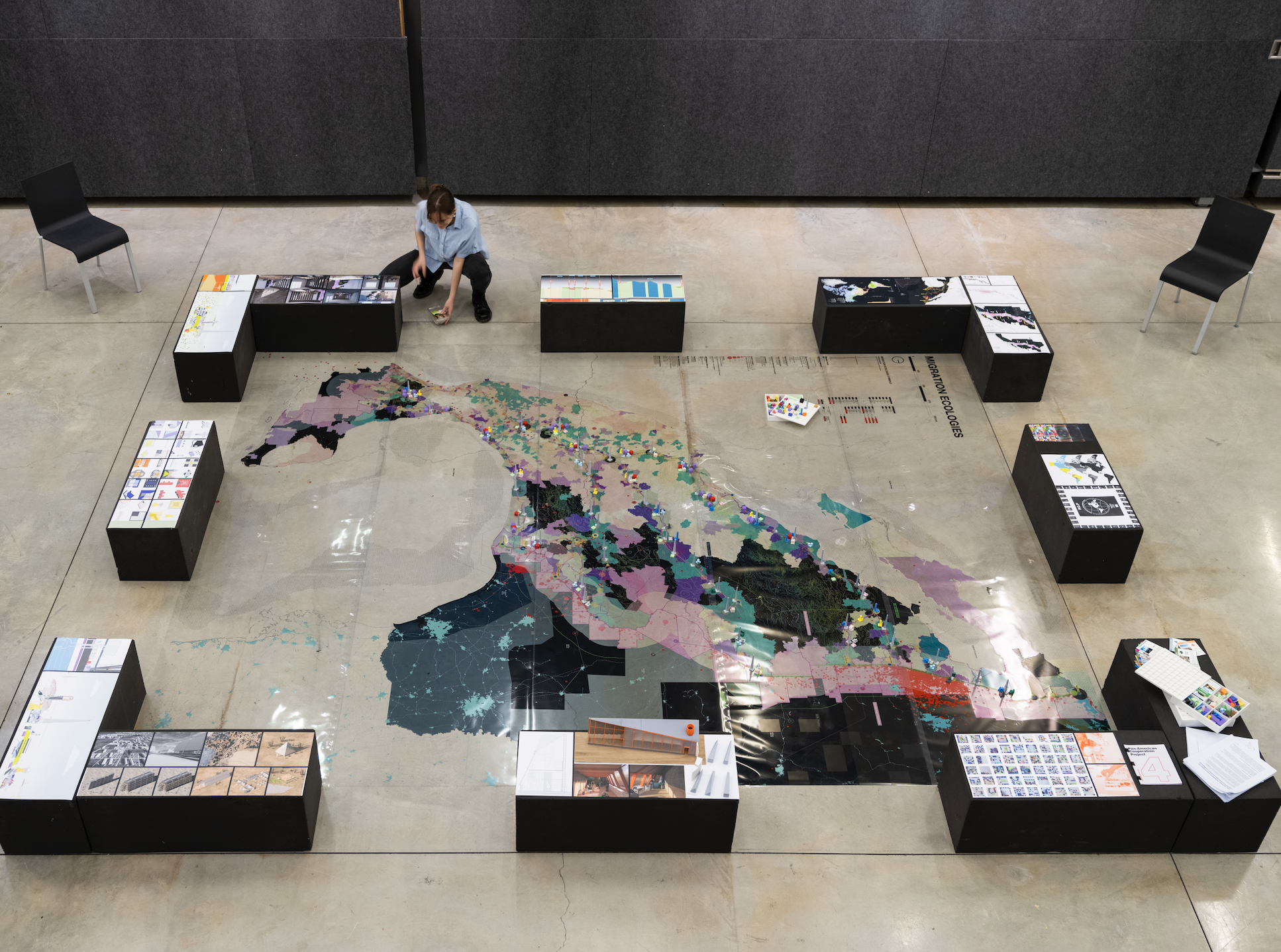
Cornell’s post-professional Master of Science in Advanced Architectural Design program (M.S. AAD) is an intensive, advanced architectural design research program open to individuals holding a professional B.Arch. or M.Arch. degree, or the international equivalent. The program offers a critical framework for investigating pertinent design concerns, practices, and technologies in 21st-century architecture and urbanism. The basic program consists of three semesters, with a four-semester option available upon application during the second semester.
The M.S. AAD is designated as a STEM program in Architectural and Building Sciences/Technology (CIP code 04.0902) making international graduates eligible to extend their F-1 visas for up to three years to work in the United States.
Territories of Investigation
Both the three- and four-semester options begin with a two-month summer semester at the Gensler Family AAP Center in New York City, with students taking advanced studios and seminars that introduce issues related to the four interrelated territories of investigation. These include:
Architecture and Discourse: Theory, criticism, publishing, cultural production, design research, and history and contemporaneity
Architecture and Ecology: Sustainable practices, soft infrastructures, materials research, environmental simulation, computational design, digital fabrication, performance-driven design
Architecture and Representation: Emerging technologies, drawing fields, digital and generative design, new cartographies, media spaces, architectural publications and exhibitions, theories of representation
Architecture and Urbanism: Urban geography, typological studies, urban theory, networks, infrastructures, urban imaging, ecological urbanism
Options
In the three-semester option, students take option studios and elective classes pertaining to their selected territory of investigation during the fall and spring semesters, in addition to at least three electives anywhere in the university. In the fall of the four-semester option, students take one option studio, two territory electives, and one open elective; then in spring and the next fall they take at least two territory-related elective courses and two open electives (possibly related to their minor interests) while working on a two-semester thesis.
Curriculum