Lecture
Location
Abby and Howard Milstein Auditorium
Milstein Hall
Contact
Department of City and Regional Planning
(607) 255-4613
Recording
Abstract
With more than 520 miles of shoreline and an interconnected network of islands and communities, New York City is a city of water. Its coastal ecosystems provide many benefits for people and the environment by promoting biodiversity and, in certain locations, the ability to mitigate the effects of climate change. Over the last few decades, New York City has demonstrated its ability to take innovative approaches to building world-class waterfront parks that bring millions of residents and visitors to its shoreline.
However, intensifying and frequent climate events are posing an existential threat to low-lying communities and infrastructure, thereby inducing displacement and migration. The response to this crisis requires a multifaceted approach, which includes resistance against water, living with water, and retreat from water. Given the urgency of climate change and the historical encroachment into coastal flood plains through landfill, a combination of all three adaptation strategies is critical to creating resilient and equitable communities.
To implement these changes requires a thorough understanding of exception: AAP NYC’s complex and diverse waterfront, especially its uses and the many entities that are responsible for its care. Oversight and management of New York City’s waterfront is shared by 14 city, state, and federal agencies, three of which (USACE, NYS DEC, and NYS DOS) regulate and issue permits for the construction and maintenance of in-water structures. This jurisdictional landscape is further complicated by the significant stretches of New York City’s waterfront that are under private ownership.
This talk will introduce critical aspects of the history of the city’s waterfront, its growth and decline as a port city, the challenges and lessons learned from Super Storm Sandy, and highlights from current and planned projects to address climate change.
Biography
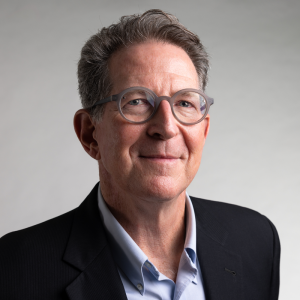
Robert Balder
Robert (Bob) Balder (B.S. URS ’89) has held several important positions in New York City, including Director of the Mayor’s Office of Lower Manhattan Development and Executive Vice President of the New York City Economic Development Corporation. Most recently, he was Director of Planning and Urban Design at Gensler, New York. As the Executive Director of AAP NYC, Balder’s charge is to help advance and coordinate programs and to ensure that the AAP presence in New York City is optimized for all students, faculty, and alums.