Labs Affiliated with the Center for Cities
-
Realtime Urbanism Lab
Investigates the social impacts of new technologies that virtualize cities and populations. The lab produces research using extended reality interfaces, gaming engines, agent-based simulations, digital twins, and smart urban systems.
![Colorful humanoid graphics walking around a city street surrounded by buildings and trees.]()
-
Just Places Lab
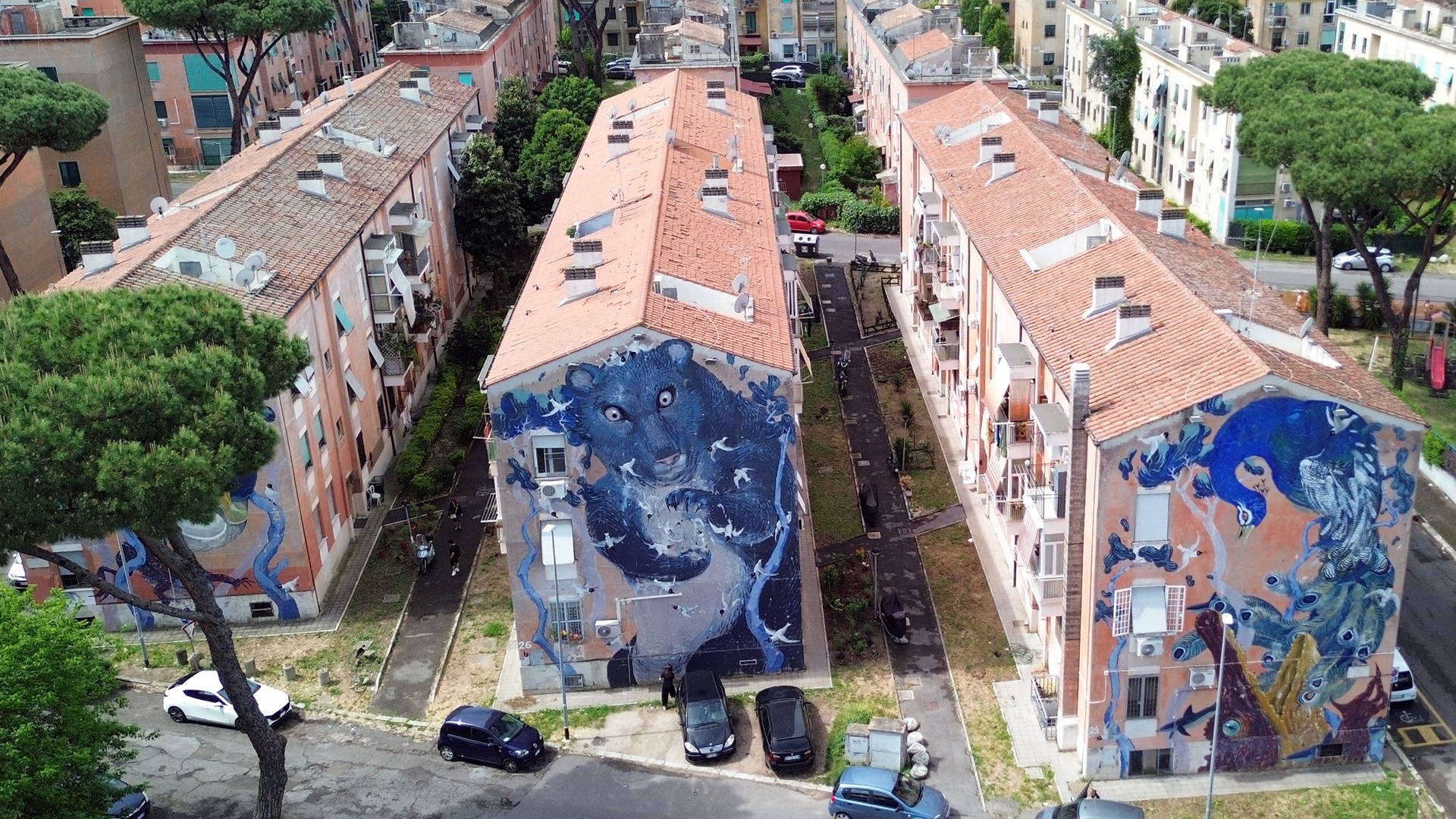
A collaborative platform for research on community memory, public imagination, and the just care of cities and places.
![a view of residential buildings with painted murals on the side]()
-
Rural-Urban Building Innovation Lab
Explores the intersection of urbanization, novel material methods, and technology to create and experiment with hybridized design and construction processes in the urban fringe.
![Multicolored spline shapes on a pink background with white numbers and letters.]()
-
Regenerative Architecture Lab
Investigates alternative building materials and innovative construction techniques for a healthier and more regenerative built environment in the context of developed and developing territories.
![Concrete panels creating a curved shape.]()
-
Water In, Water Out Lab
Produces new research on the water to waste cycle, across actionable scales, from source protection to household access. The lab connects knowledge to action to create more equitable and sustainable urban water management systems.
![A hand pump used for extracting water next to a bucket.]()
-
Housing + Property Lab
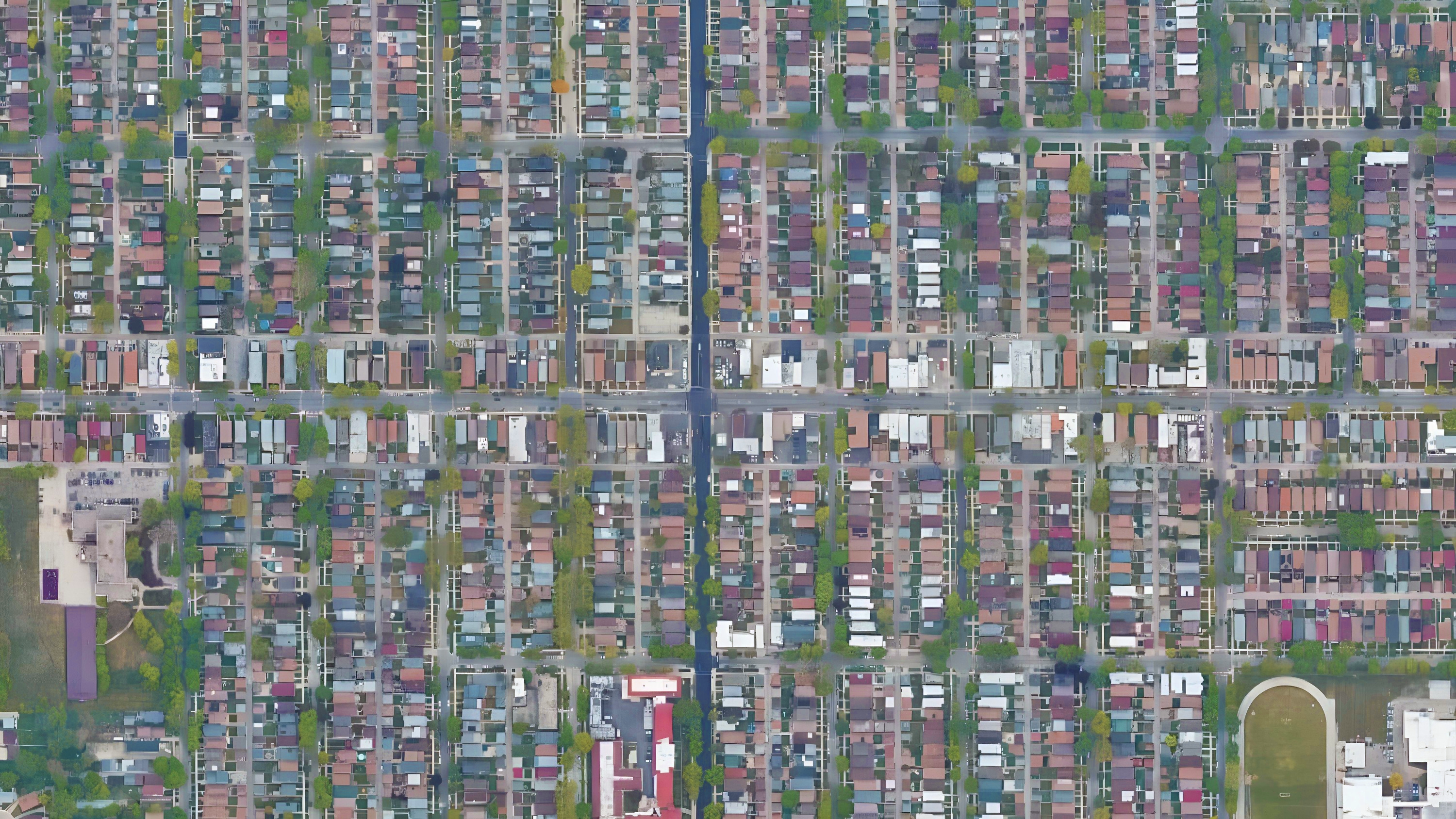
Examines the effects of global housing investment on local neighborhoods and household access to affordable, secure, and stable housing.
![Rows of houses and buildings surrounded by streets and grass.]()
-
&Lab
A space born out of collaboration aimed at fostering new pedagogies and modes of public and civic-academic alliance through architectural design, architectural humanities, and the modes of research, teaching, and learning that animate them.
![Yellowed book pages with black text and symbols within.]()
-
Adaptive Land Lab
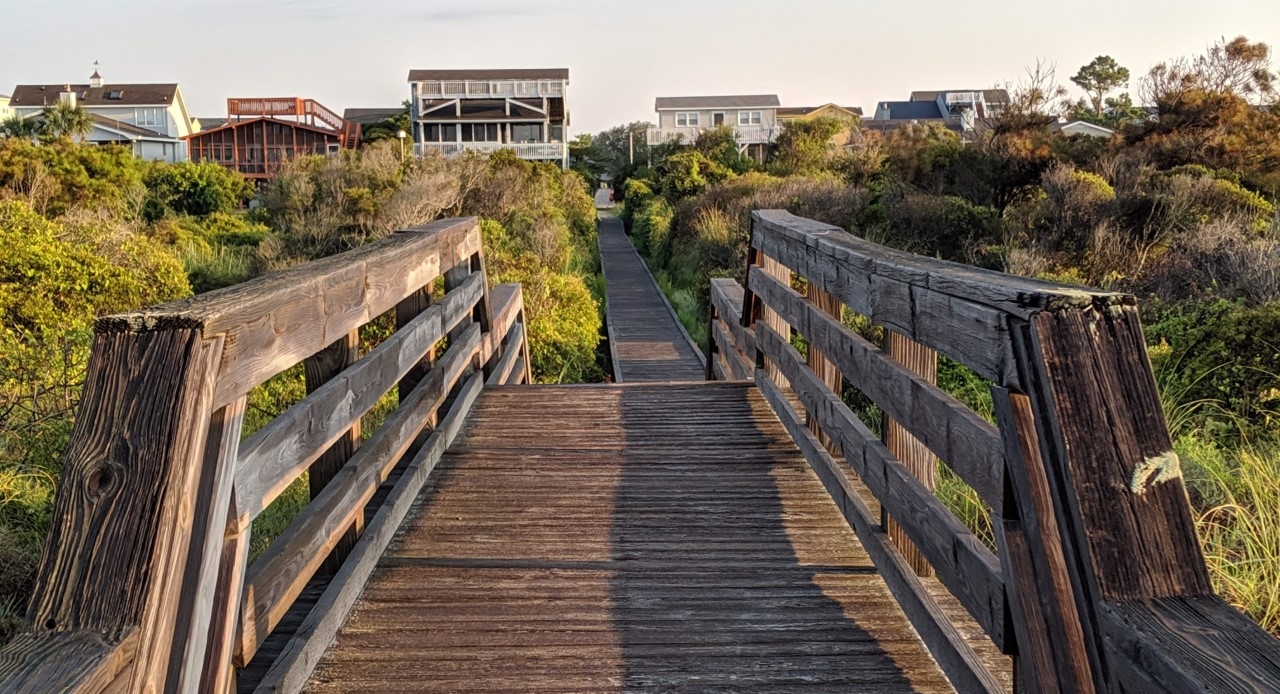
Studies why cities adopt regressive climate adaptation practices and what alternative approaches to property rights, land use and fiscal policies, and regional governance would enable more equitable and sustainable futures.
![A wooden bridge leading to a row of houses surrounded by trees.]()
-
Local Government Restructuring Lab
From finance and infrastructure policy to economic development, planning, and public health, the Local Government Restructuring Lab explores cutting-edge research to inform public practice.
![People in discussion]()
-
Circular Construction Lab
Activates research to shift material consumption toward a circular model for designing and building a sustainable, low / no-carbon construction industry.
![Rusty metal pipes in front of blue and white glass panes.]()