
Civic-Led Urban Adaptation Research Center (CIVIC-UARC)
CIVIC-UARC coproduced urban climate change research and adaptation strategies in New York City. By bringing together a diverse, dedicated team of public sector, private sector, and community-based organizations from across New York City, CIVIC-UARC demonstrated the potential of a community-led process to coproduce relevant, effective, and equitable knowledge that will better prepare New York City for the future.
Overview
Cities Concentrate Climate Change Risks
Cities concentrate people, wealth, and infrastructure, as well as vulnerability to climate change risks. Socially and economically marginalized people are particularly vulnerable to climate risks. City leaders are increasingly aware of the need to build climate resilience, and many have extensive data on climate risks and have begun to implement adaptation measures. However, inclusive, holistic approaches that reflect the complexity of climate risks and enable citizens to actively participate in shaping responses are still lacking.
Project Objectives
Funded by an NSF CRISES planning grant, the project team created a plan for a new Civic-Led Urban Adaptation Research Center, which fostered new collaborations between an interdisciplinary group of urban experts and diverse institutions along with civil society and public sector stakeholders throughout New York City. The objective was to develop a model for the coproduction of knowledge and solutions to address climate risks in cities, with special attention to environmental justice concerns.
Activities
The CIVIC-UARC research teams conducted: (1) background research, inventories of data and knowledge gaps, and institutional mapping; (2) monthly virtual meetings of research teams and community partners; (3) three workshops that supported each of the three core research areas; and (4) site visits to each of the communities our civil society partners represent.
Research Area
Adapting to Multiple and Cascading Climate Change Hazards in New York City
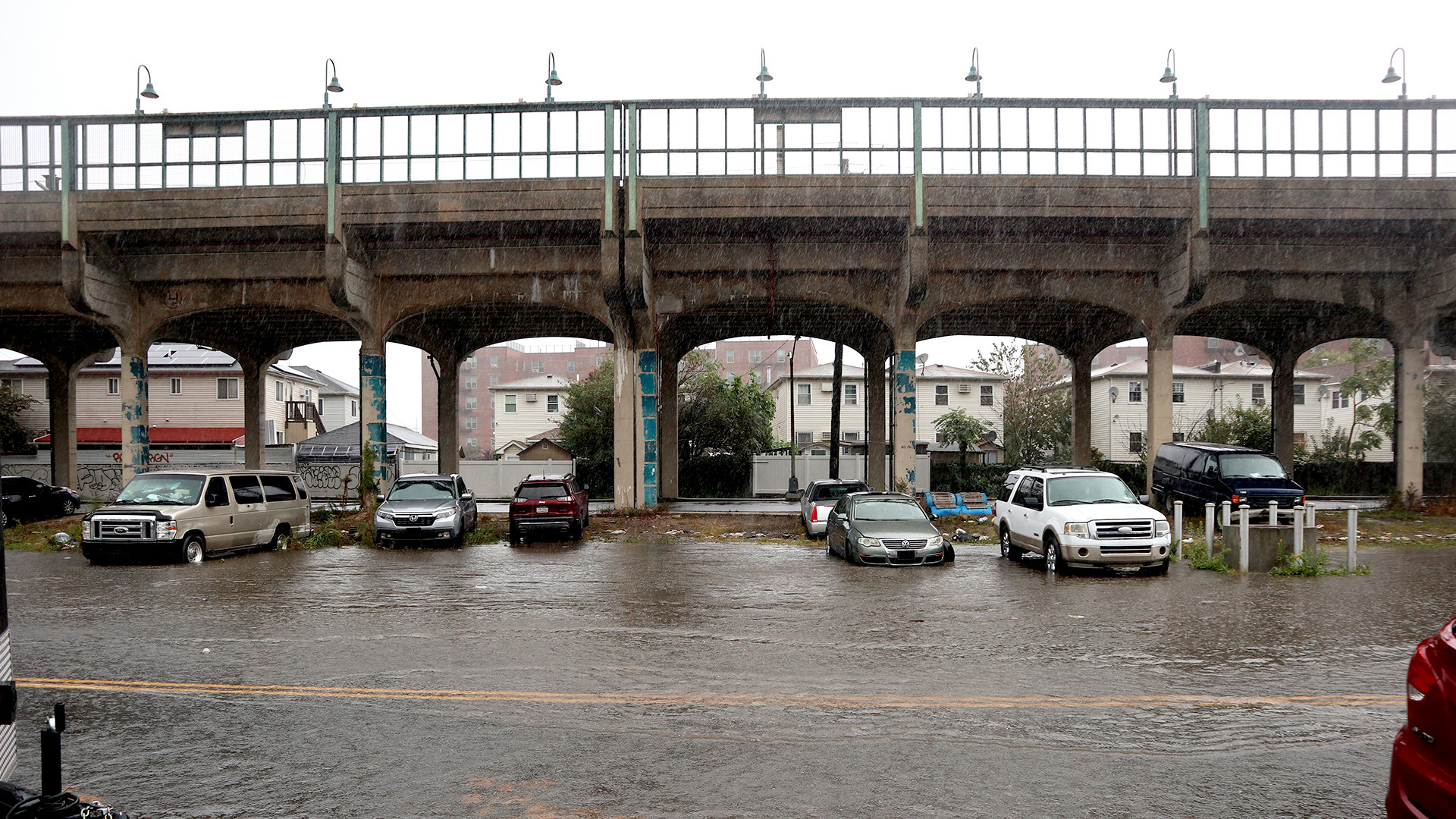
Seeks to enhance our understanding of how climate change hazards are spatially distributed across the city and how human behavior and activity, the urban built environment, and natural processes interact. The goal is to shed light on critical climate resilience challenges, particularly around the impacts of pluvial and coastal flooding, urban heat and heat waves, and air pollution on people, critical infrastructure, and services.
Research Area
Climate Vulnerability and Community Capacity for Adaptation
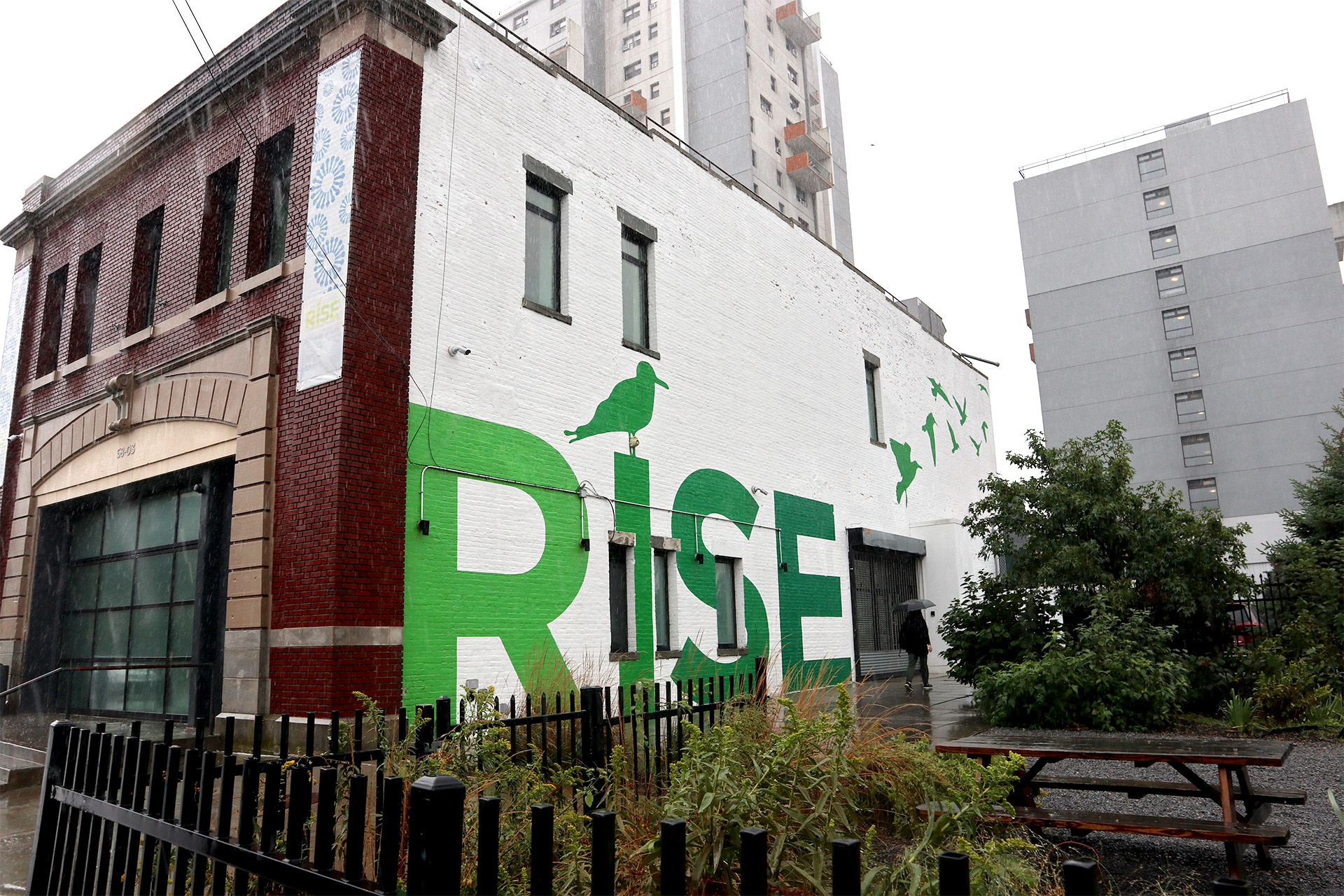
Inventories existing climate change vulnerability data at the household level as well as the capacity for civil society and the public sector to address and implement adaptation measures across NYC. The team includes several members from the US Forest Service who are responsible for the STEW-MAP dataset that measures the capacity for civil society organizations to engage in environmental stewardship. To ensure the project is meaningful to local communities, the team also includes two civil society organizations: Universe City in Brooklyn and RISE in the Rockaways.
Research Area
Developing a Digital Twin for Climate Adaptation in New York City
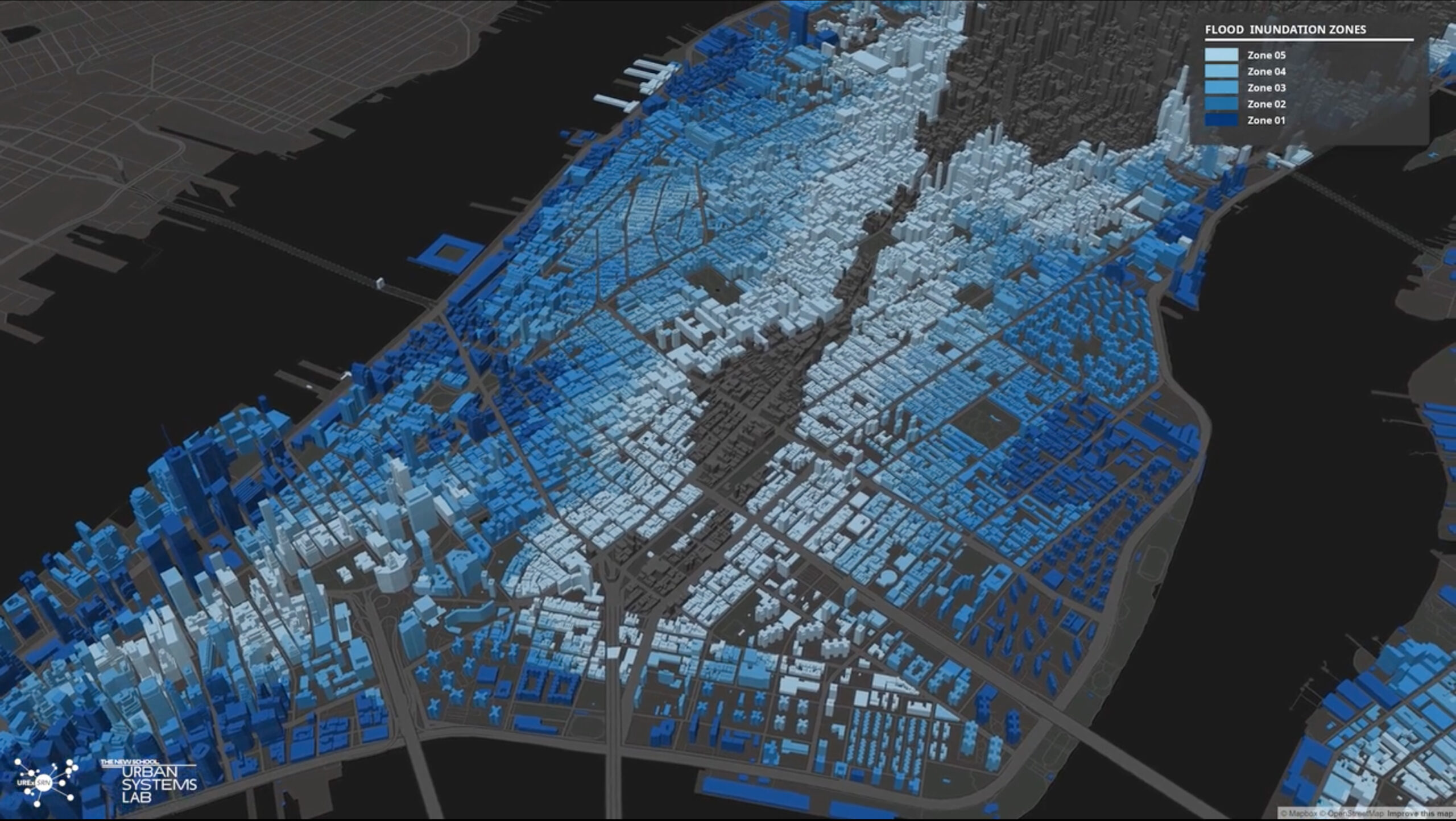
Examines the utility of a digital twin of NYC — an open computational platform for decision makers in the public and private sectors, researchers, civil society, and the general public to better understand climate-related issues and potential solutions. Leveraging urban information-gathering mechanisms to provide a close-to-real representation backed by live data streams, digital twins provide advanced computational modeling and analyses, which are useful in planning scenarios to engage communities in strategizing for climate adaptation. Image: Ocellus XR. Courtesy of the Urban Systems Lab at The New School
Research Assistants
-
Jeremiah Clayton (’24)
Digital Twin and Urban Technology
Hunter College (CUNY) -
Debargha Dey (’24)
Digital Twin and Urban Technology
Cornell Tech -
Matt Franchi (’27)
Digital Twin and Urban Technology
Cornell University -
Dong Hak Lee (M.S. RS ’24)
Digital Twin and Urban Technology
Cornell University -
Stacey Li (’24)
Digital Twin and Urban Technology
Cornell Tech -
Ishita Rahman (’25)
Climate Hazards and Risks
The New School -
Avery Sirwatka (’24)
Climate Vulnerability and Adaptive Capacity
Cornell University
Related News and Events
-
The Politics of Climate Resilience: What Do Mayors Have to Say?
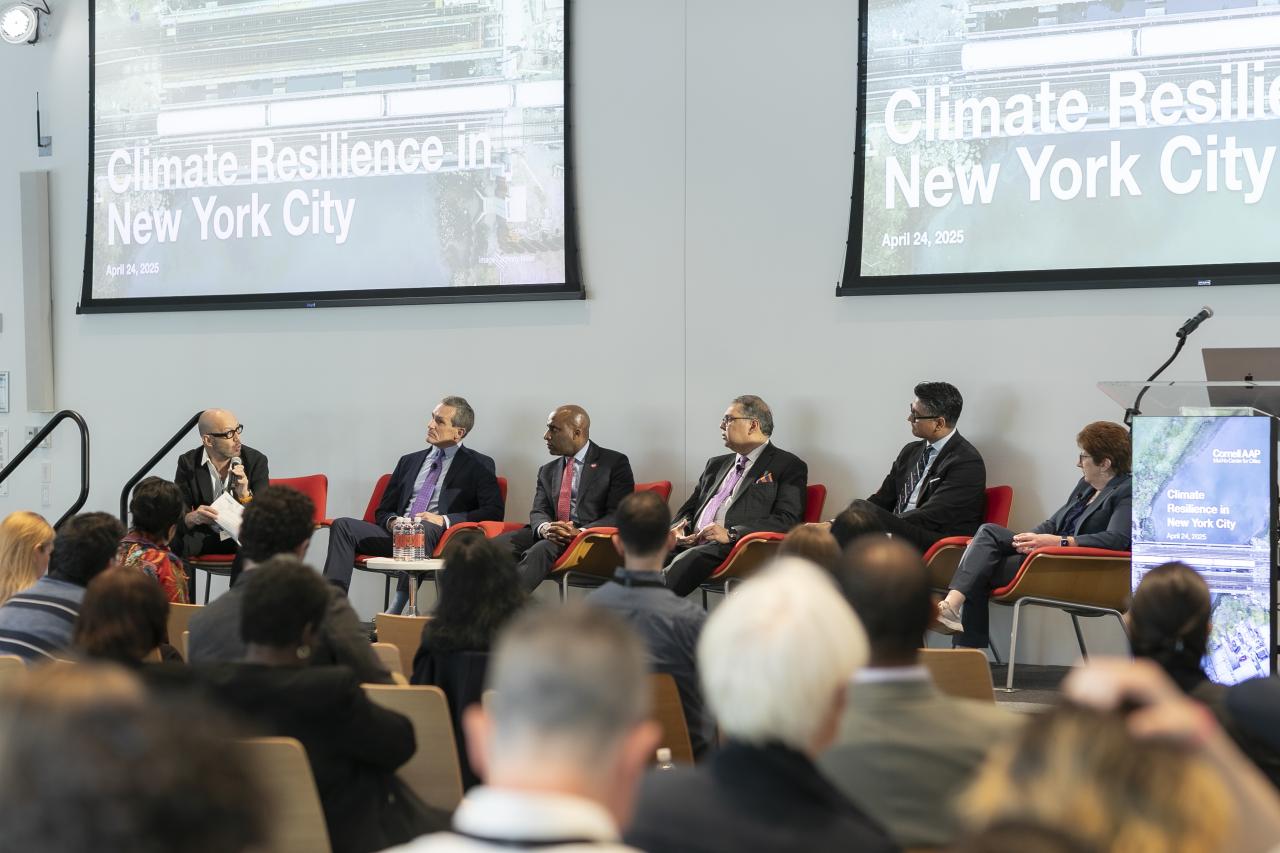
The Mayors’ Panel at the symposium on climate resilience in New York City explored the challenges and opportunities mayors face in their cities when it comes to climate action, and how they are balancing the urgent need for timely interventions with long-term planning.
![a group of people sitting in chairs in the front of a room filled with spectators]()
-
From Knowledge to Climate Action in New York City
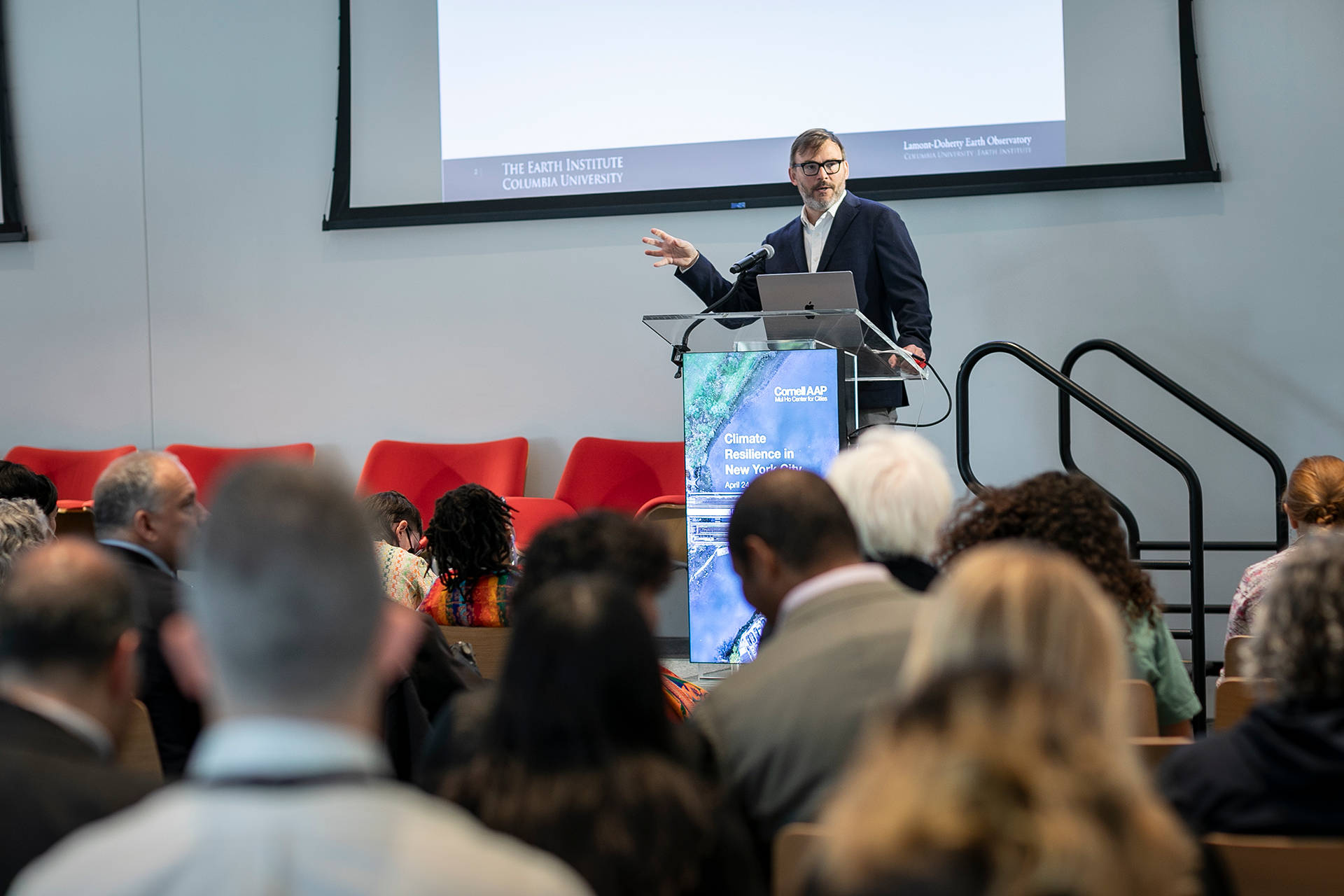
A symposium hosted by the Cornell Mui Ho Center for Cities brought together experts from across fields to address the hazards facing the city and consider actions to mitigate risks to people, buildings, and infrastructure.
![Man lecturing behind a podium to gathered crowd]()
-
Join the Climate Action Conversation: Register Now for the Center for Cities’ Spring Symposium in New York City
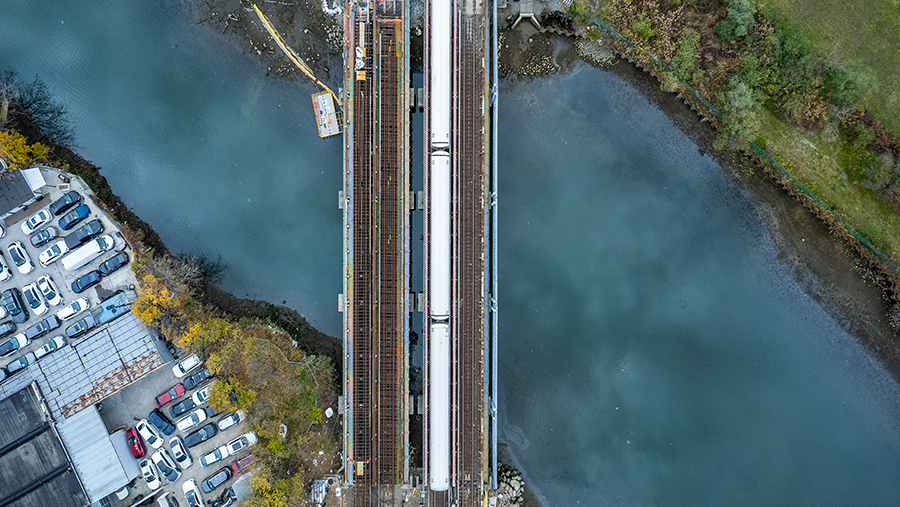
On April 24, the Cornell Mui Ho Center for Cities will convene experts to share solutions and identify areas for future action that address the multiple and cascading climate change hazards facing New York City.
![Aerial view of bridge]()