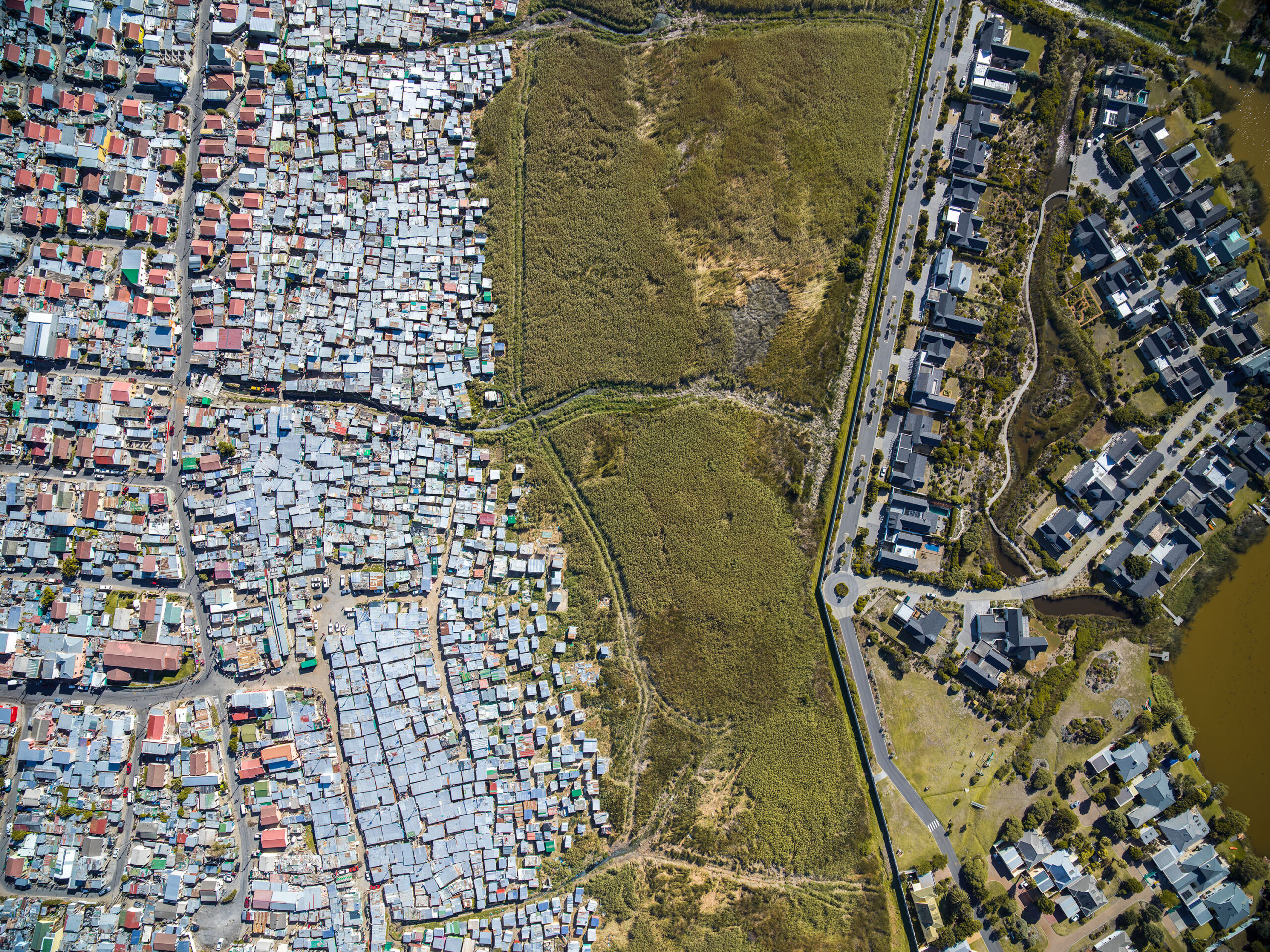
Upgrading Urban Informal Settlements: Housing and Infrastructure for All
Using a transdisciplinary approach, the center’s Just and Equitable Cities initiative seeks ways to upgrade urban informal settlements to deliver secure, affordable housing, and core infrastructure and services.
Overview
The Challenge of Slums and Informal Settlements
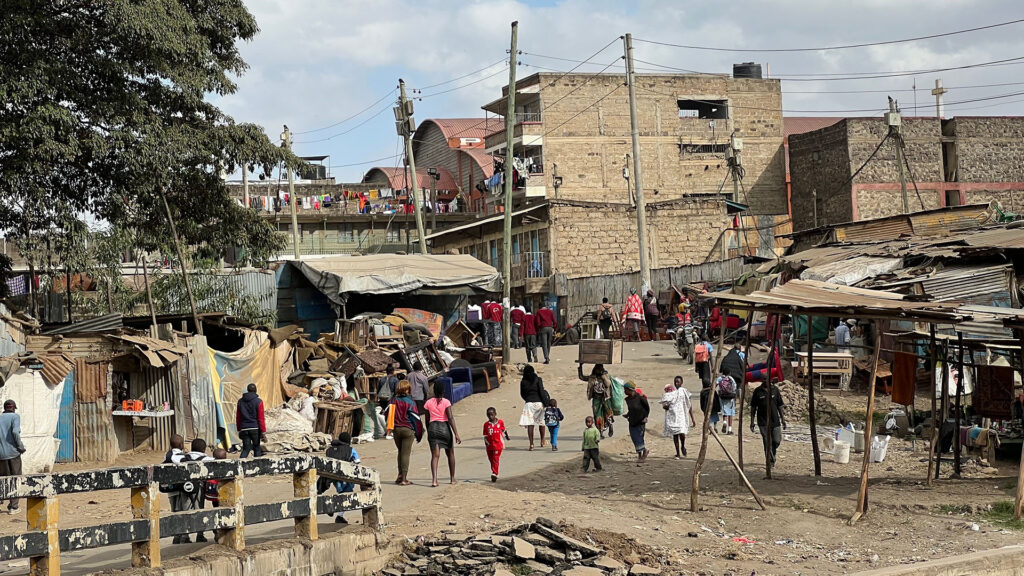
Cities across the Global South struggle with rapid urbanization and the proliferation of informal settlements. In sub-Saharan Africa, the number of people living in slums increased by approximately 106 million between 2000 and 2018. Existing efforts and investment in African cities, where infrastructure provision is the lowest in the world, are inadequate. Individuals and households in informal settlements struggle daily to access basic services such as water, sanitation, and energy. Residents lacking access to infrastructure and resources develop coping mechanisms, including the provision providing their own services and / or purchasing services from informal providers. It is well documented that the poor pay more for lower quality services (the “poverty penalty”), creating health risks and economic inefficiencies for everyone in the city.
A New Way Forward
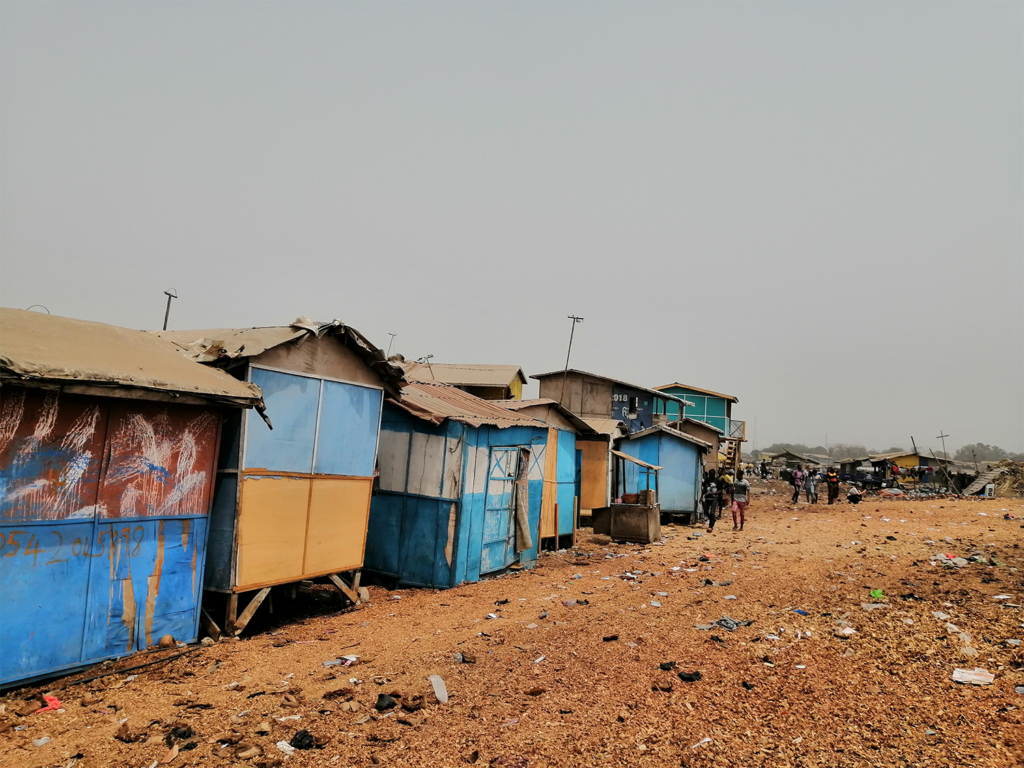
The solution is citywide, participatory informal settlement upgrading in situ, as has been successfully demonstrated in parts of Asia and Latin America. For decades, African governments have seen evictions as the solution to informal settlements, while using funds to build unaffordable housing that has not scaled. Efforts to upgrade urban informal settlements in Sub-Saharan Africa have historically been top-down, lacking the meaningful community participation and flexibility around zoning, land use, and building regulations that have benefited residents in other regions. This policy context has now changed. Sub-Saharan governments are increasingly supportive of improving informal settlements in situ because they understand that economic growth and development is tied to well-functioning cities.
A Transdisciplinary Approach
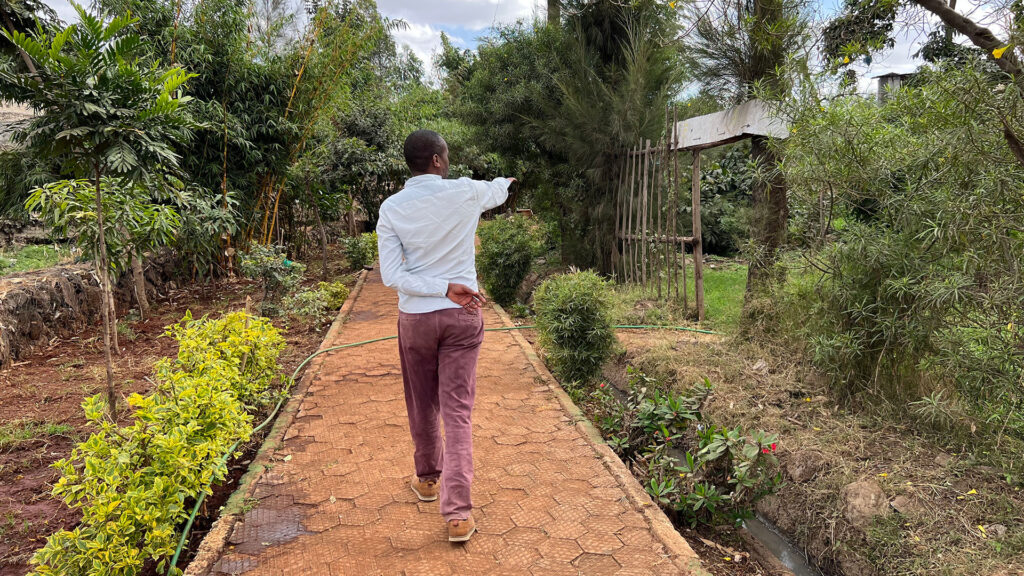
Informal settlement upgrading is complex, requiring a nuanced understanding of the urban built environment, political and institutional dynamics, as well as community knowledge built on trust. For far too long, local residents and stakeholders have been excluded from the urban development decision-making process that impacts the design of their cities and neighborhoods. Foundational to this initiative is a commitment to a transdisciplinary approach to community-led planning and building.
A Collective Effort
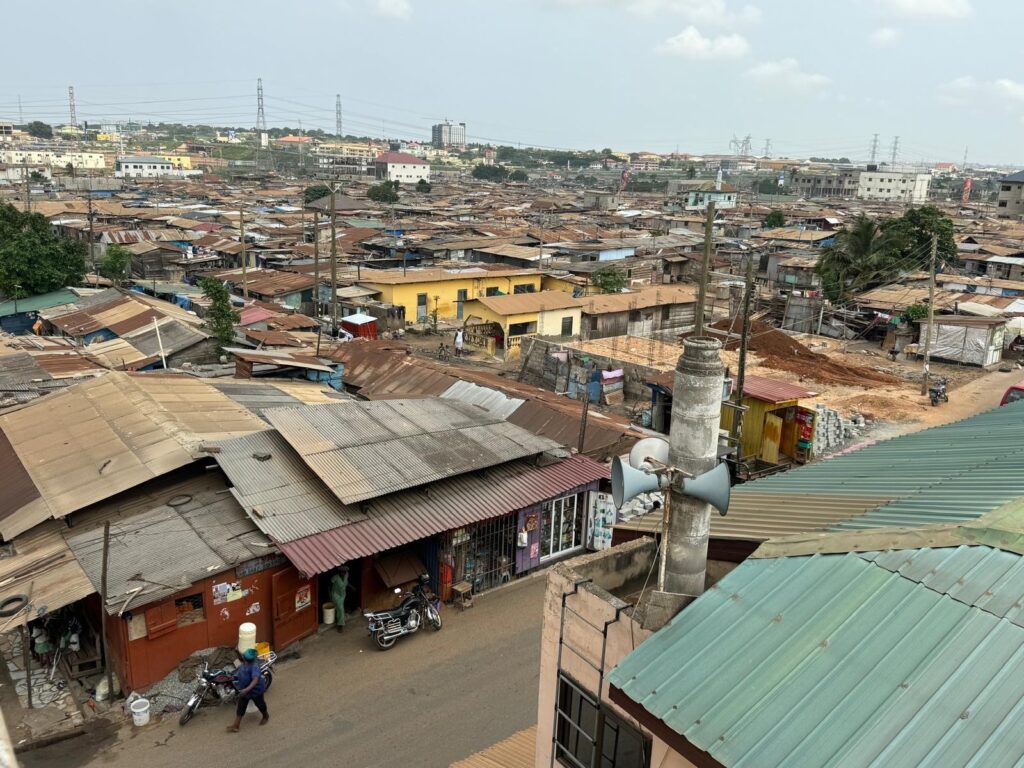
The Center for Cities at AAP brings faculty research and expertise on urban planning, policy, and the built environment to support and expand the work of Slum Dwellers International (SDI). SDI is a global network of and for the urban poor dedicated to realizing inclusive African cities where all residents have access to dignified housing, core infrastructure and services, and opportunities for economic security. SDI works with affiliates in 16 countries and 199 towns across Africa. This effort also partners with lead academics at the University of Ghana and the Technical University of Kenya.
Related News and Events
-
Informal Settlements Generate Collective Empowerment through Locally Led Action
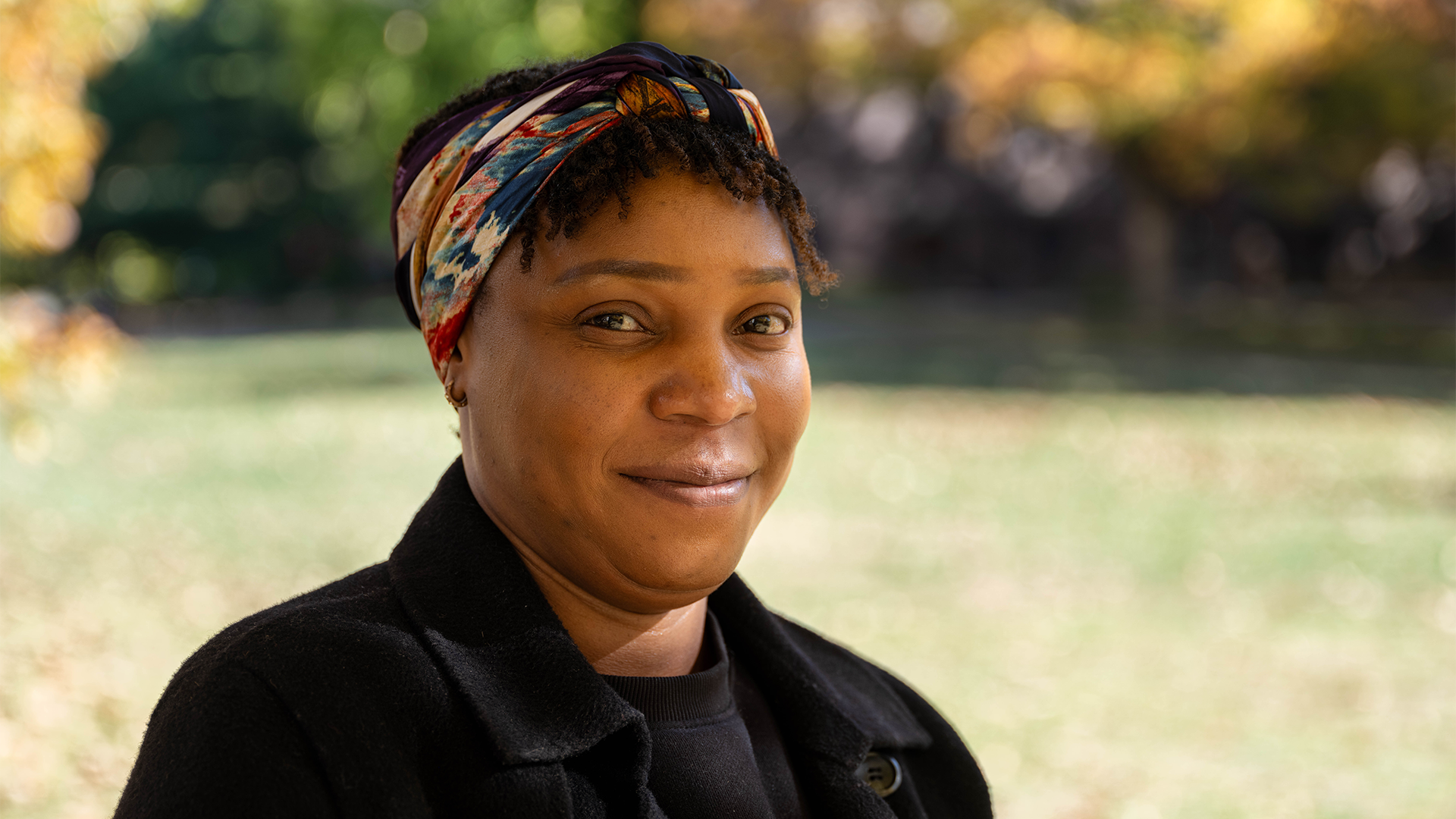
Hosted by the Cornell Mui Ho Center for Cities, Shiela Muganyi — a community research leader from the Zimbabwe Homeless People’s Federation and a member of Slum Dwellers International in Zimbabwe — visited AAP to share how mutual exchange and planning for the future can improve the lives of residents in informal settlements.
![Headshot of Shiela Muganyi]()
-
Reimagining Informal Housing in Mathare, Kenya
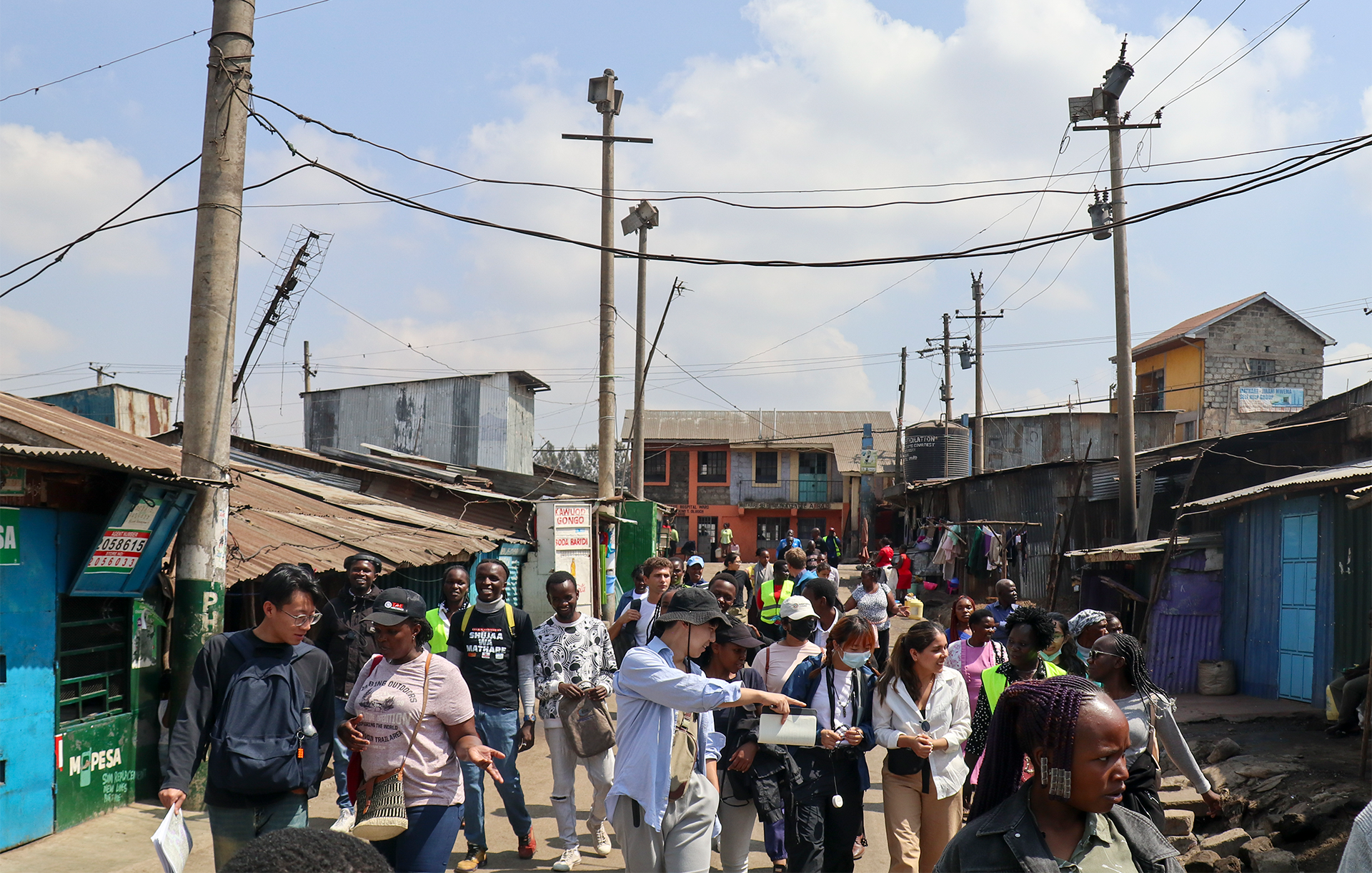
Negotiating the challenges of safe, reliable, and affordable housing, Cornell AAP architecture and planning students collaborated with Slum Dwellers International and local residents to explore alternative housing design and construction strategies for Mathare, an informal settlement in Nairobi, Kenya.
![Students walk with local community members down a street between homes and shops]()
-
In Partnership: Supporting Informal Settlement Upgrading from Within
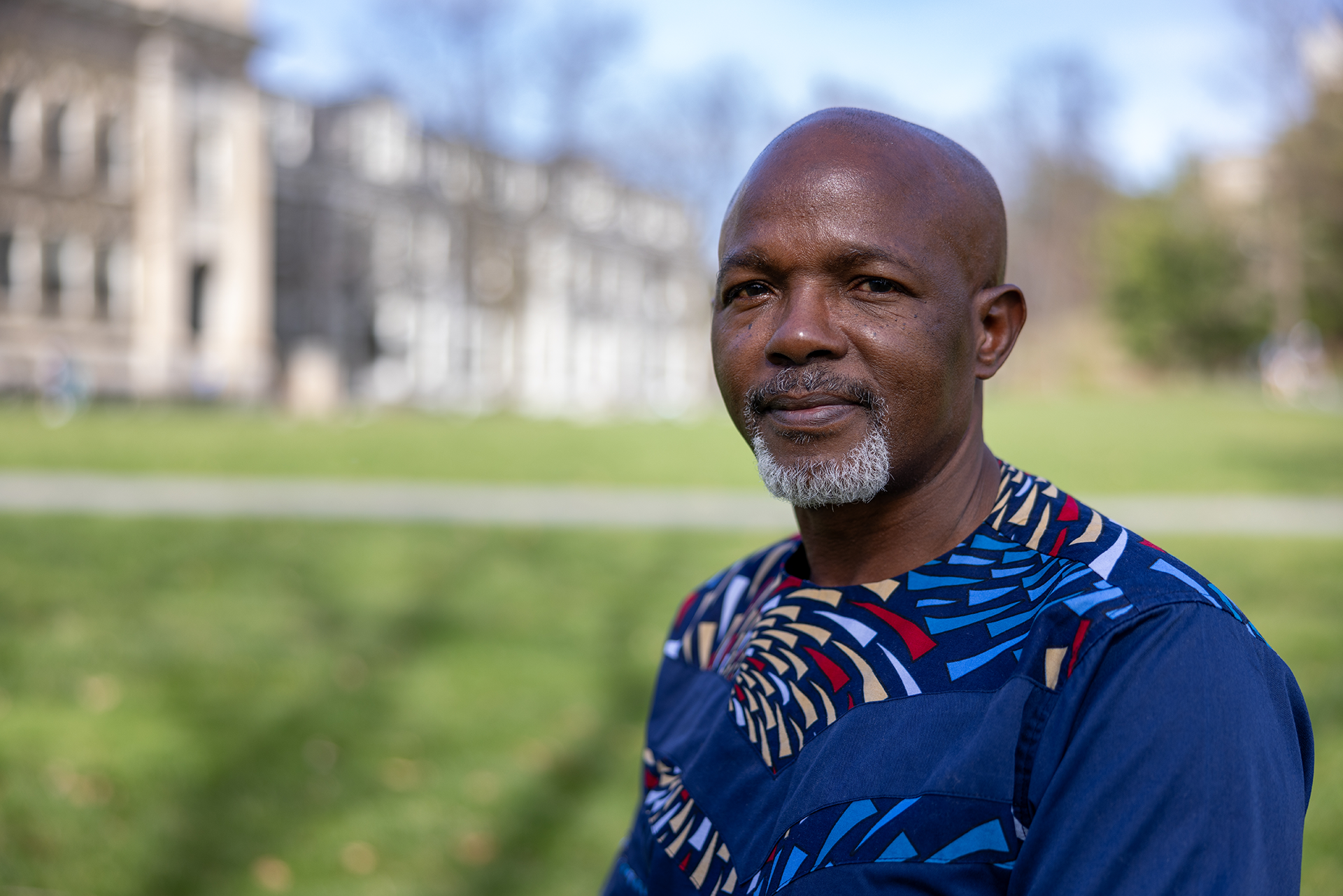
This April, the Cornell Mui Ho Center for Cities welcomes Joseph Kimani, Executive Director of Slum Dwellers International–Kenya, to campus to share conversation and learning as both organizations seek to support informal settlement residents in their efforts to achieve increased housing security and equitable access to urban services.
![Dark skinned man with grey goatee wearing a blue embroidered shirt and standing on a green lawn in front of a grey stone building.]()
-
Cornell Students Support Informal Settlement Upgrading in Nairobi
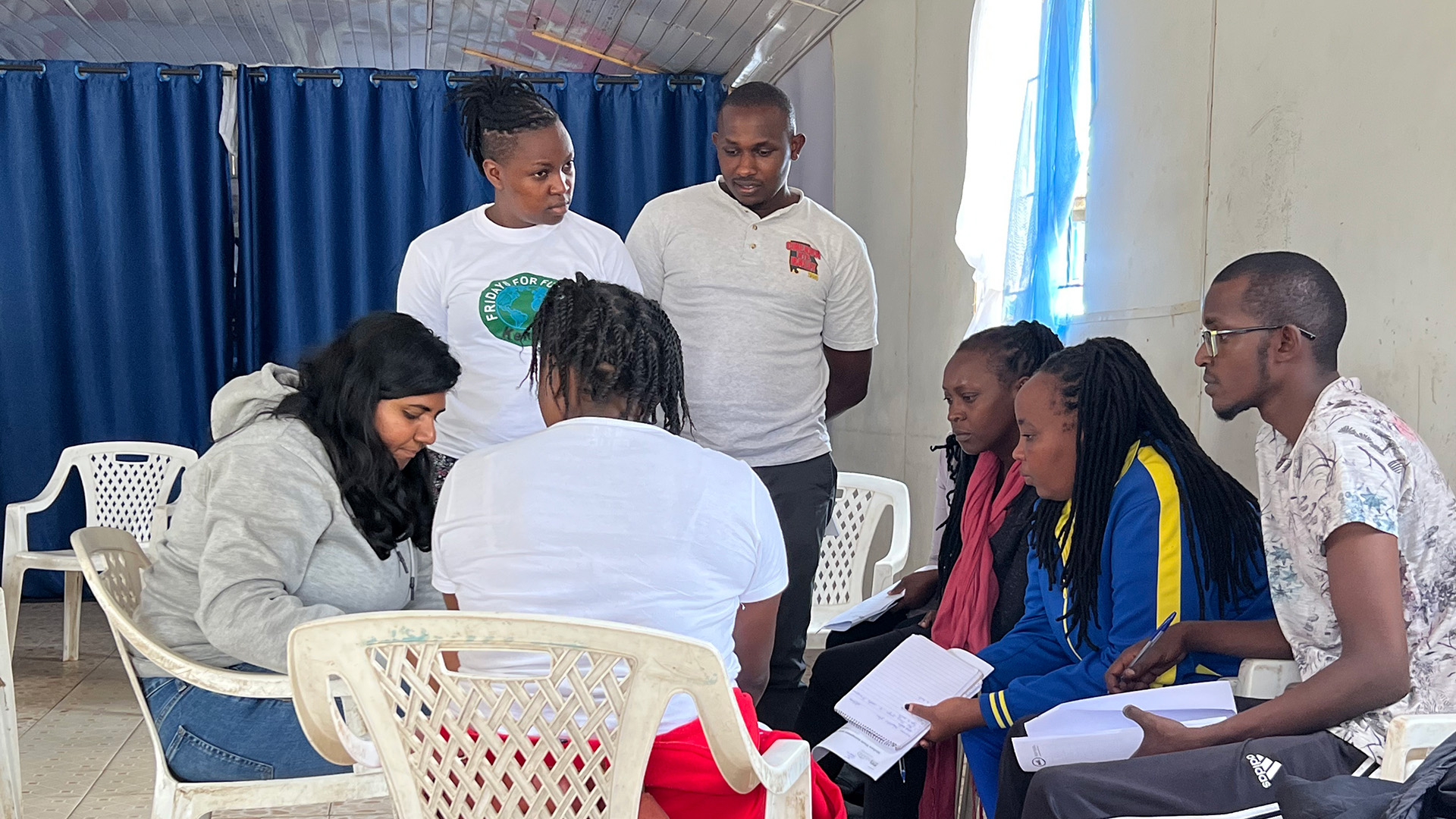
The Center for Cities sent two AAP students to Nairobi, Kenya this summer to work alongside Slum Dwellers International – Kenya on informal settlement upgrading.
![People standing around and sitting in chairs.]()