Urban Climate Change Mitigation and Adaptation
Climate change and its effect on urban populations is one of the greatest challenges of this century. This initiative generates new, actionable, and scalable knowledge about how cities can mitigate and adapt to climate change. Cities around the world are facing increasing hazards from numerous climate threats such as flooding from sea level rise and storm surge, increased heat, and worsening air quality. To address these challenges, collaborative, cross-disciplinary efforts and strategies are needed to develop equitable and actionable solutions.
Ongoing research conducted by the center focuses on flooding, extreme heat exposure, and air quality in New York City. As part of this effort, the center led a transdisciplinary team to develop a planning grant proposal funded by the National Science Foundation (NSF) for a new Civic-led Urban Adaptation Research Center (CIVIC-UARC). This proposal brought together experts across multiple disciplines and institutions, civil society organizations, the public sector, and private industry to support equitable, sustainable, and inclusive approaches to urban climate change adaptation.
In addition, the center currently supports efforts by the New York City Office of Management Budget and the Mayor’s Office of Climate & Environmental Justice to help the city adapt to increasingly severe climate hazards such as flooding and heat. With long-term commitments to fund and supervise professional internships in municipal organizations, the center is positioned to engage in transdisciplinary efforts that will help NYC become more climate resilient.
Just and Equitable Cities
Rising urban inequality is one of the most wicked and entrenched problems facing cities around the world. This initiative supports research and practices that address how to design, plan, and build more just and equitable cities. Current work focuses on rapid urbanization contexts where new urban residents live in informal settlements that lack access to core urban infrastructure and services. These residents face the constant threat of eviction and efforts to push them to the urban periphery. It is well-documented that rapid and unplanned urban growth exacerbates city-wide problems of congestion and low productivity, as well as reinforcing existing patterns of rising urban inequality. The solution is city-wide, participatory, in situ informal settlement upgrading. Partnering with Slum Dwellers International, a “global network of slum dwellers driving a collective, bottom up change agenda for inclusive and resilient cities,” the center is supporting ongoing efforts in Kenya, Ghana, Zimbabwe, and South Africa to support community-led upgrading efforts.
Big Urban Data
How can big spatial data be used to understand our dynamic cities? This cross-disciplinary initiative aims to catalyze longer-term big urban data infrastructure to accelerate research, teaching, and engagement-focused urban design and planning practice. It will build the center’s technical capacity as a generative resource for researchers and external partners, ranging from public agencies to urban design firms to civil society organizations.
Related News and Events
-
Major Gift Endows Cornell Mui Ho Center for Cities in AAP
Mui Ho’s (B.Arch. ’66) major gift of $25M endows and names the center, advancing research, teaching, and partnerships for more sustainable and just cities.
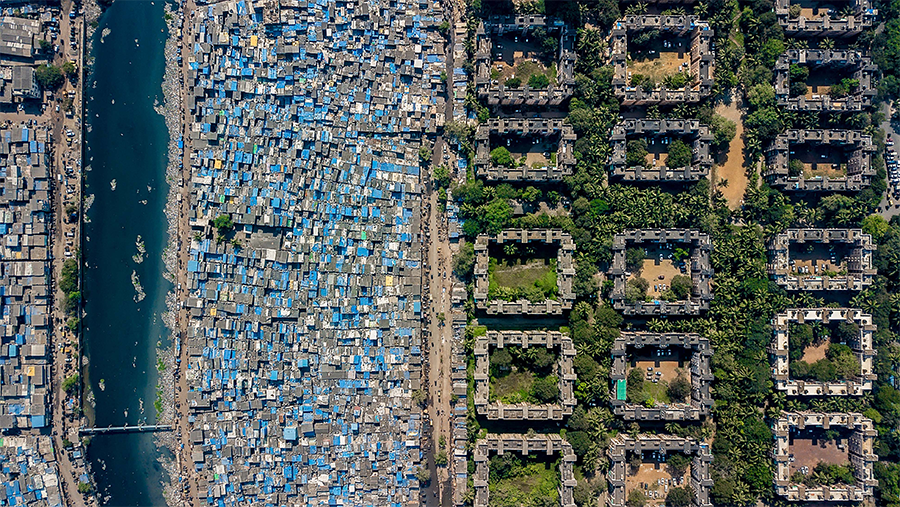
![rows of sheet metal housing with blue roofs and large luxury concrete buildings next to them]()
-
Mark Your Calendar: Moments You Won’t Want to Miss at the Cornell Mui Ho Center for Cities Launch Symposium
This September 27–28, “Critical Conversations for Urban Transformation” brings urban leaders and expert design practitioners, scholars, artists, and activists together around some of the most pressing challenges facing cities today to catalyze new ideas on partnership and potential urban futures.
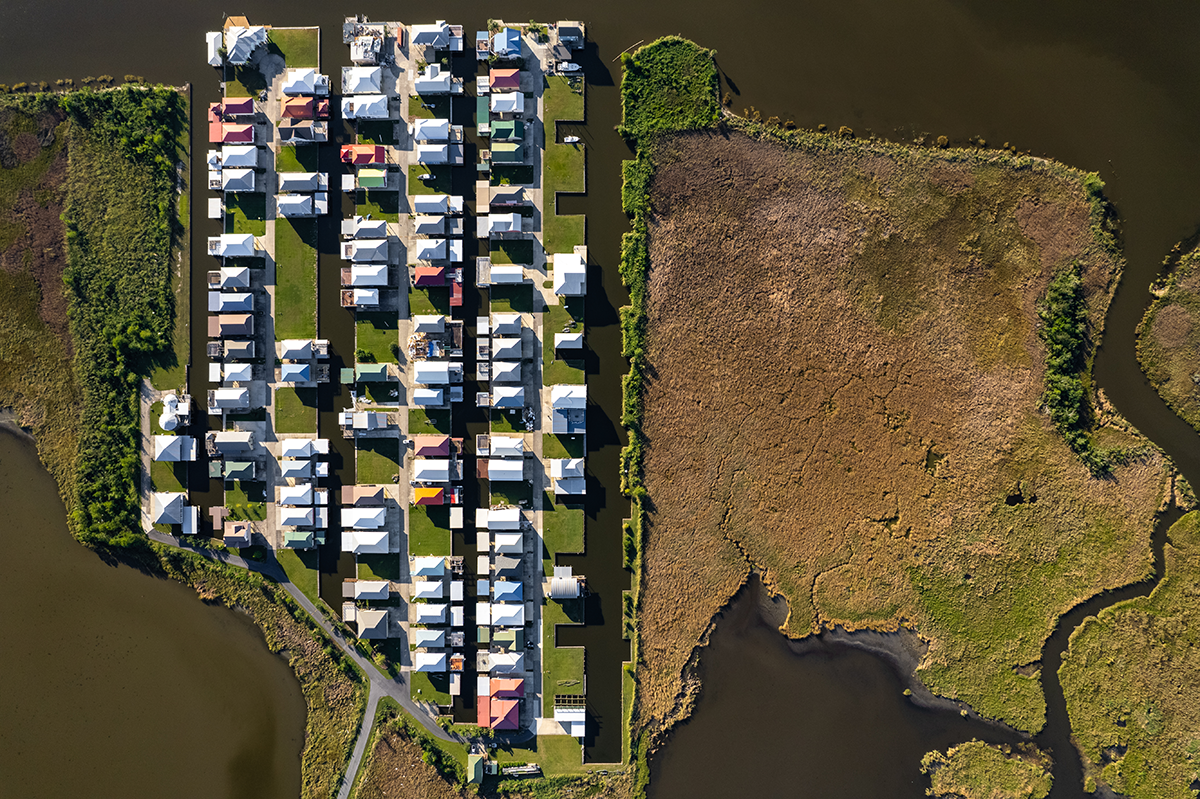
![Aerial view of sunny house roofs surrounded by water and grassland.]()
-
September 28–27, 2022
Critical Conversations for Urban Transformation: Cornell Mui Ho Center for Cities Launch Symposium
The Center for Cities will host urban leaders, scholars, activists, artists, and practitioners from around the world to mark the center’s launch.
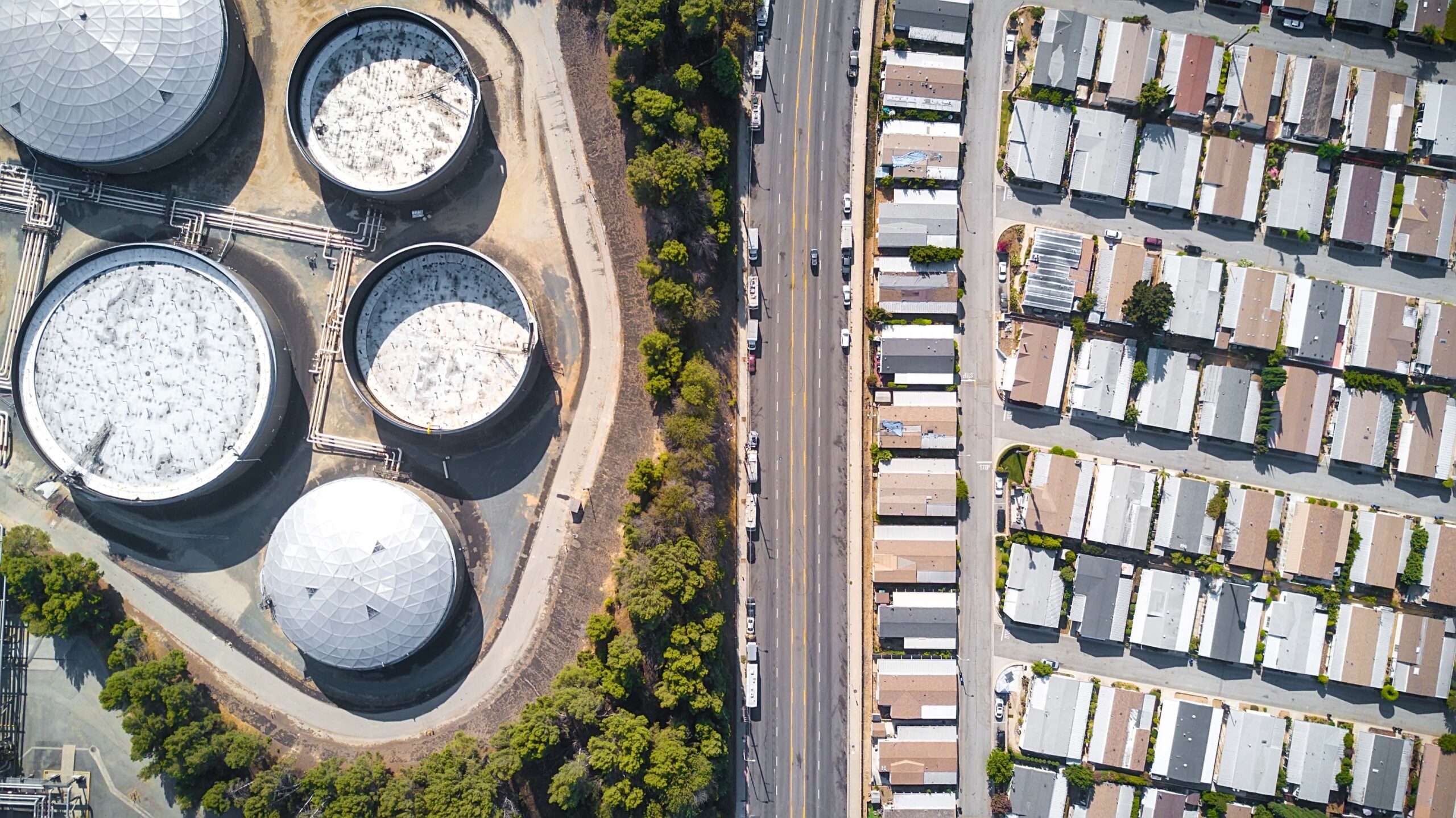
![Overhead photo of land and buildings.]()