
The Cornell Mui Ho Center for Cities transfers knowledge to action to build more equitable and sustainable cities today and in the future.
Our Initiatives
To achieve impactful research that contributes to more equitable and sustainable cities, the Mui Ho Center for Cities supports three initiatives: Urban Climate Change Mitigation and Adaptation, Just and Equitable Cities, and Big Urban Data. Predicated on long-term collaborations with civil society organizations, public sector representatives, and private sector actors, these initiatives inform the activities conducted by the center.
-
![A series of homes on land surrounded by water.]()
Urban Climate Change
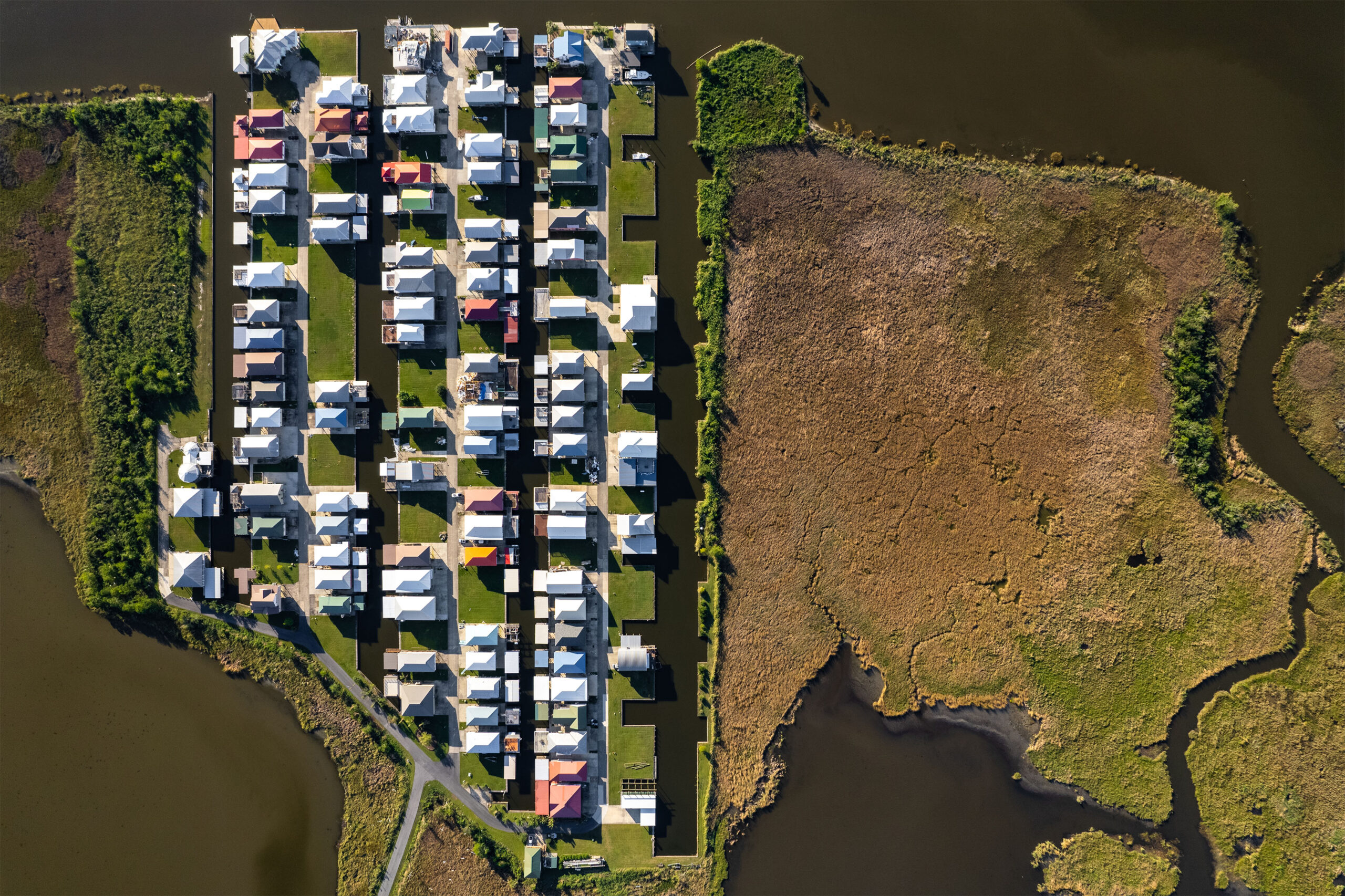
Climate change is impacting cities around the globe. Its effects on urban populations are one of the greatest challenges of our century. This initiative generates new, actionable, and scalable knowledge about how cities can mitigate and adapt to climate change. Current work focuses on identifying and addressing vulnerability to flooding, extreme heat exposure, and poor air quality in New York City.
-
![Aerial view spacious and green housing development surrouned by clustered low-income housing]()
Just and Equitable Cities
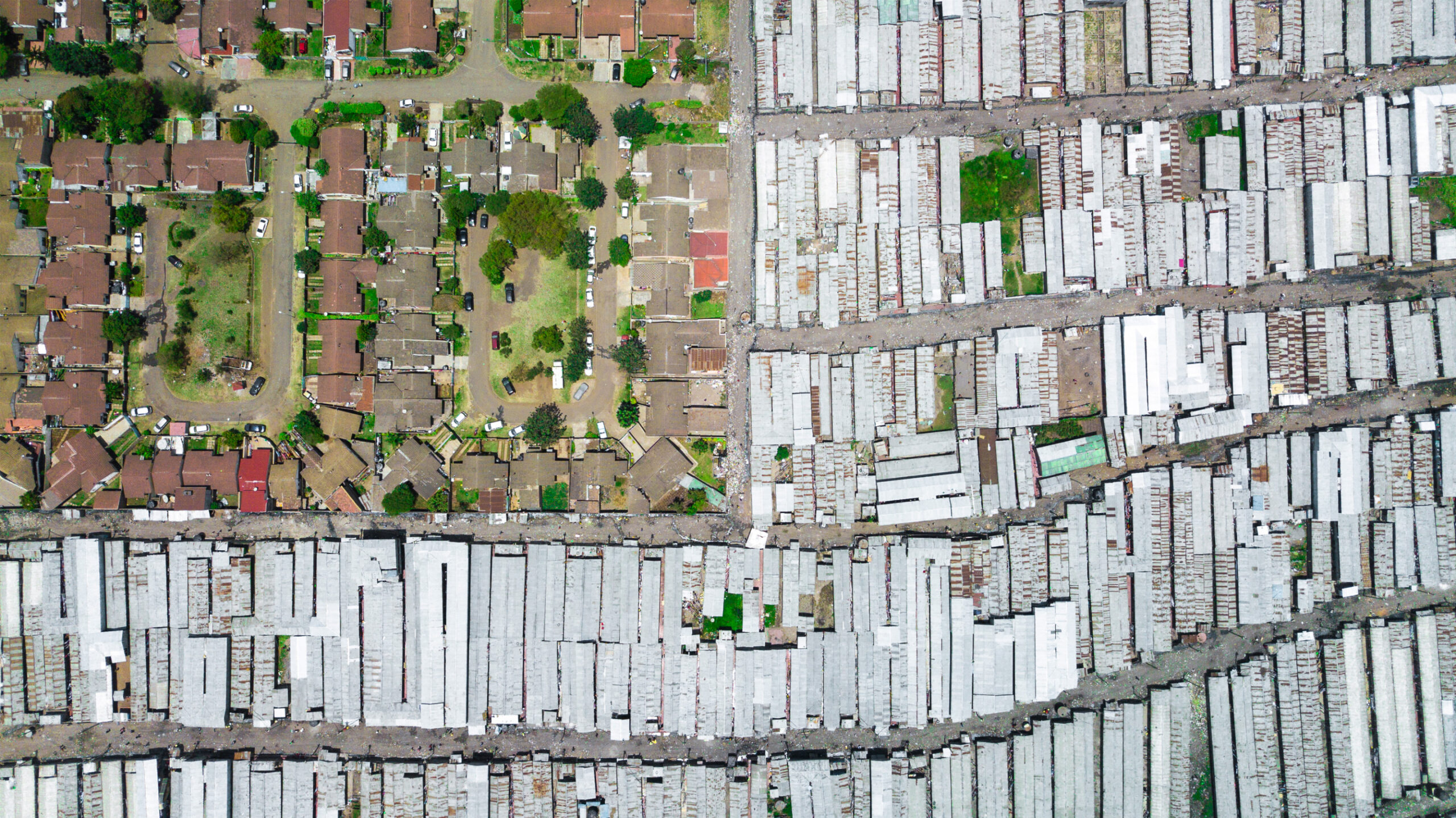
Expressed through a lack of infrastructure and service provision, insufficient economic opportunity, chronic challenges to accessing basic goods, and often longstanding issues of environmental injustice, rising urban inequality is one of the most wicked and entrenched problems facing cities around the world. By leveraging its network of urban researchers and activists in major cities around the world, the Center for Cities supports academic efforts and engaged action that address how to design, plan, and build more just and equitable cities.
-
![A map with green blobs and grey and yellow text.]()
Big Urban Data
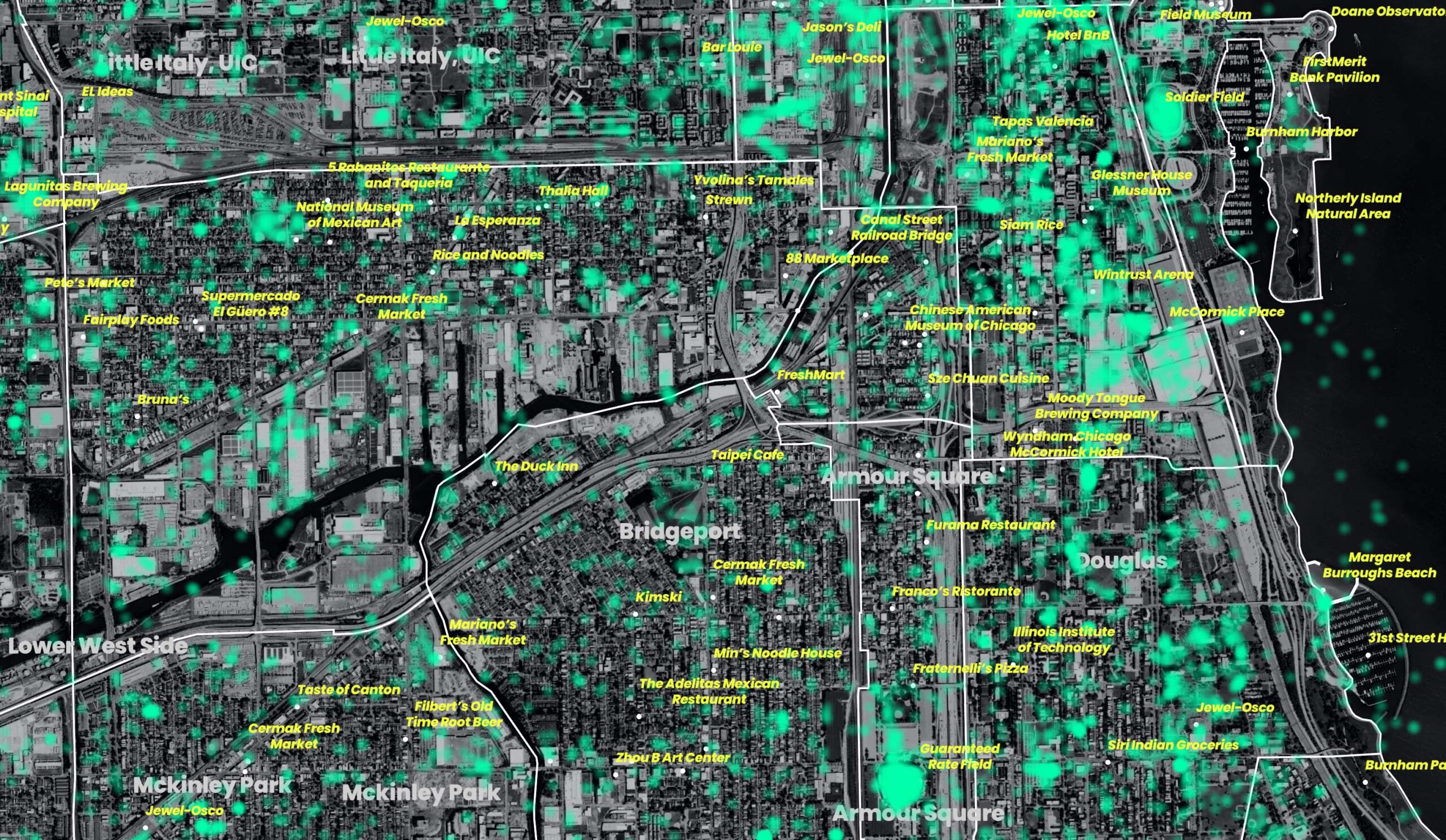
The capacity to capture and analyze increasingly vast amounts of urban data provides novel opportunities that will shape how cities evolve in the coming decades. Rapid advances in data analytics are often informed by increasingly powerful artificial intelligence (AI) platforms, which, while capable of supporting positive urban development, also have the potential to be abused. Training the next generation of urban thinkers, planners, and leaders to deploy these sophisticated tools in a reflective and thoughtful manner is crucial. This cross-disciplinary initiative aims to catalyze long-term urban big data infrastructure to accelerate research, teaching, and engaged urban design and planning practice.
Research Labs Across Disciplines

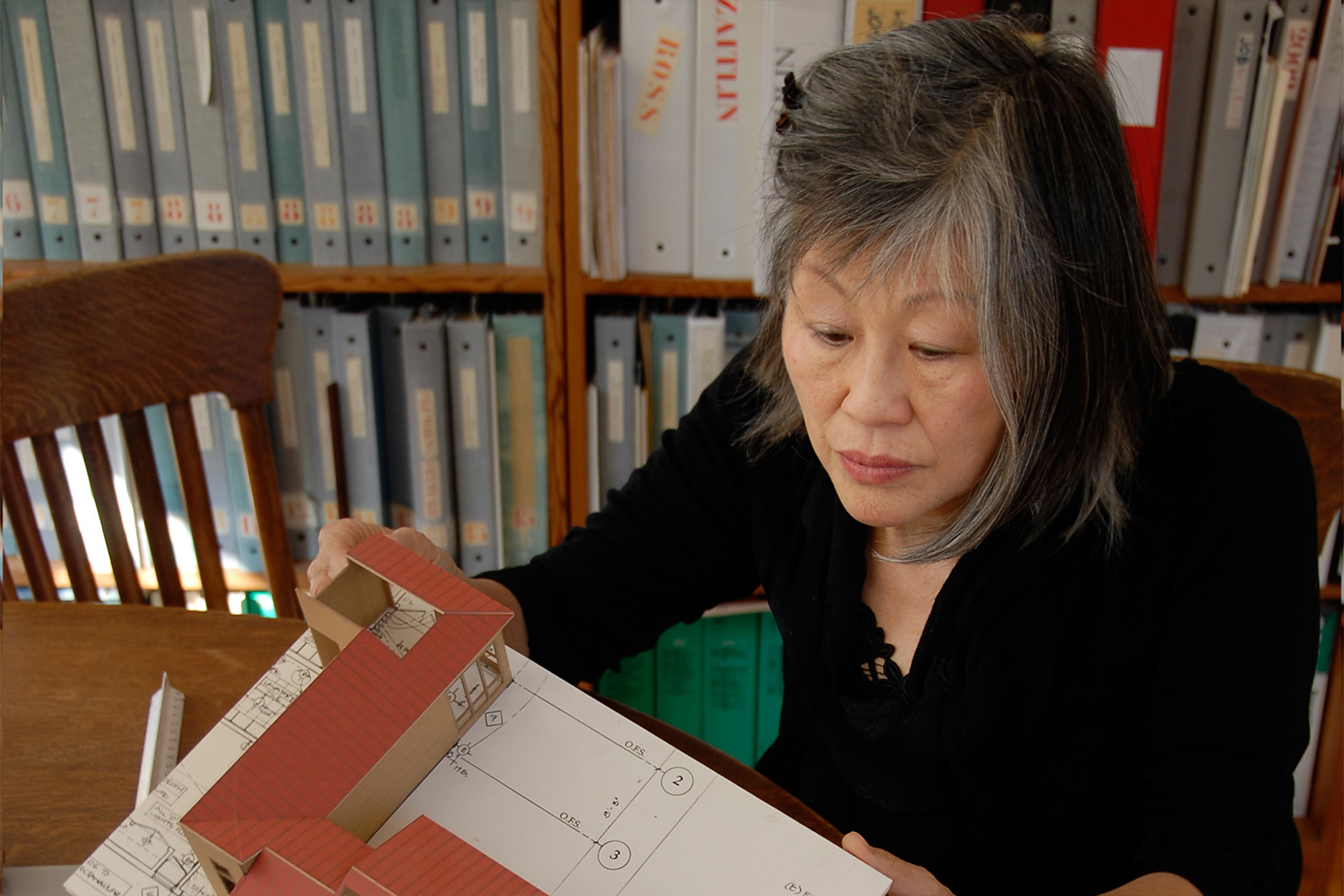
Major Gift Endows Cornell Mui Ho Center for Cities in AAP
A foundational gift from Mui Ho (B.Arch. ’66) has endowed and named the Cornell Mui Ho Center for Cities at AAP, advancing research, teaching, and partnerships dedicated to fostering more sustainable and just cities.
Leveraging AAP’s creative capacities and core expertise in design, the built environment, and urban planning, the center aims to help policymakers, communities, and other collaborators address urgent challenges facing cities around the world — from climate adaptation to urban mobility to clean air and water.
News
Stories Informal Settlements Generate Collective Empowerment through Locally Led Action
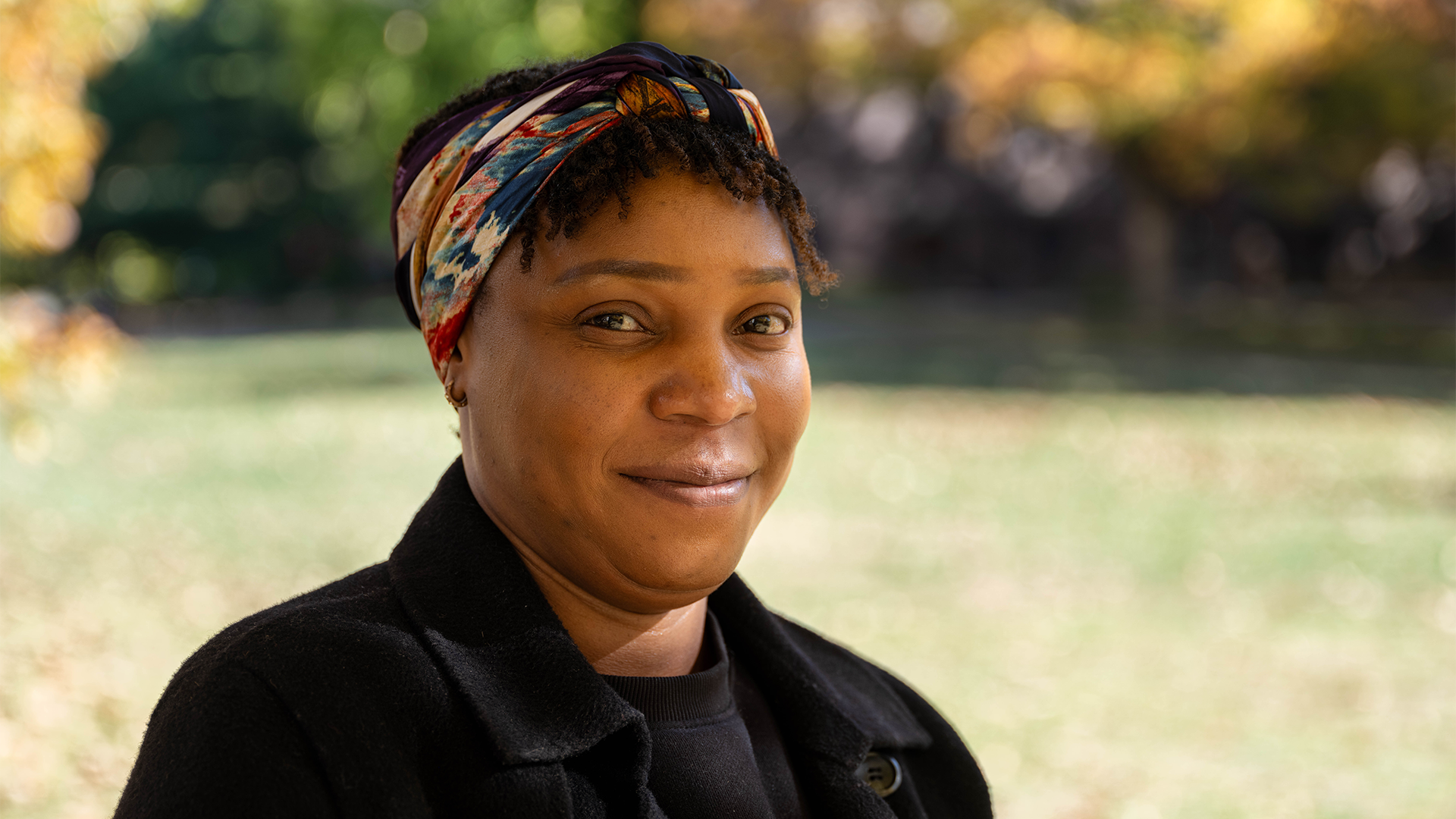
Hosted by the Cornell Mui Ho Center for Cities, Shiela Muganyi — a community research leader from the Zimbabwe Homeless People’s Federation and a member of Slum Dwellers International in Zimbabwe — visited AAP to share how mutual exchange and planning for the future can improve the lives of residents in informal settlements.
Stories The Politics of Climate Resilience: What Do Mayors Have to Say?
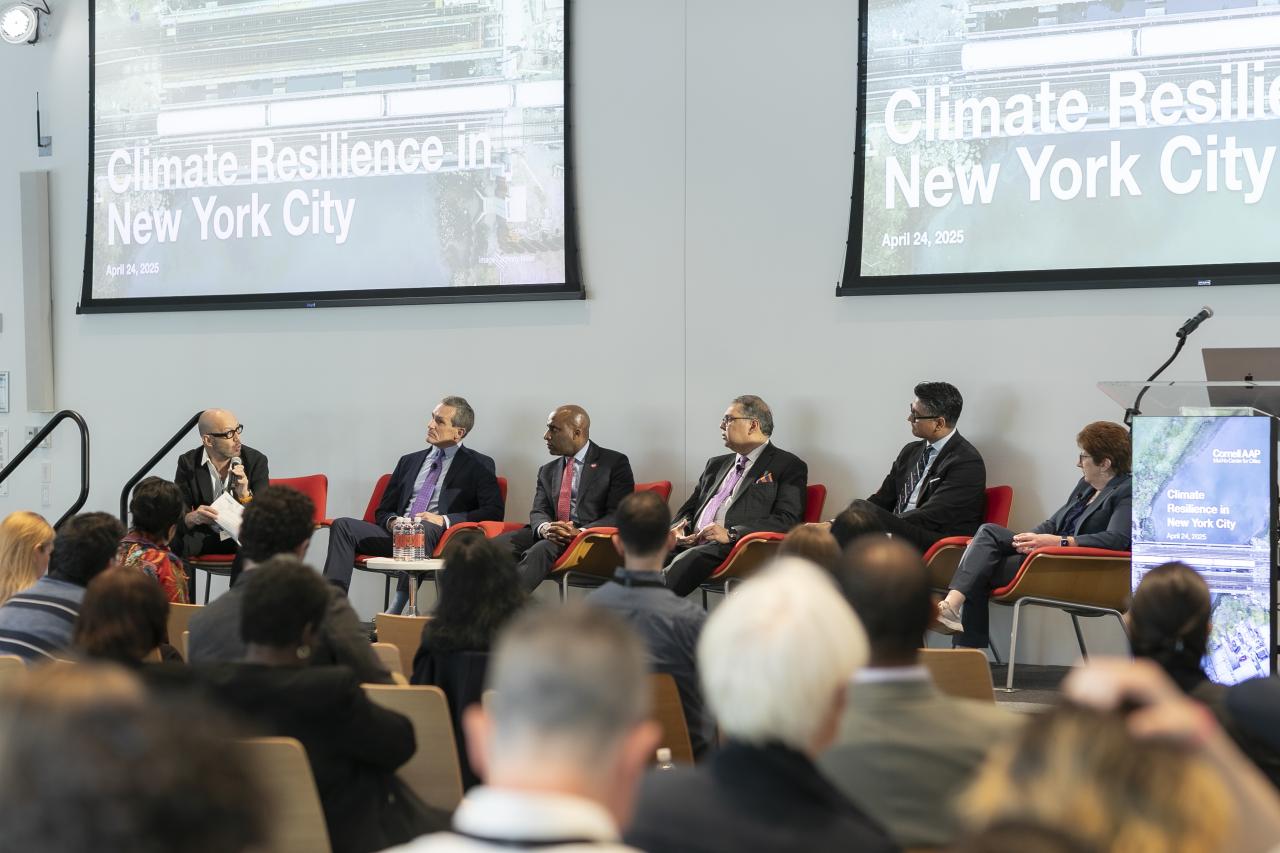
The Mayors’ Panel at the symposium on climate resilience in New York City explored the challenges and opportunities mayors face in their cities when it comes to climate action, and how they are balancing the urgent need for timely interventions with long-term planning.
Stories From Knowledge to Climate Action in New York City
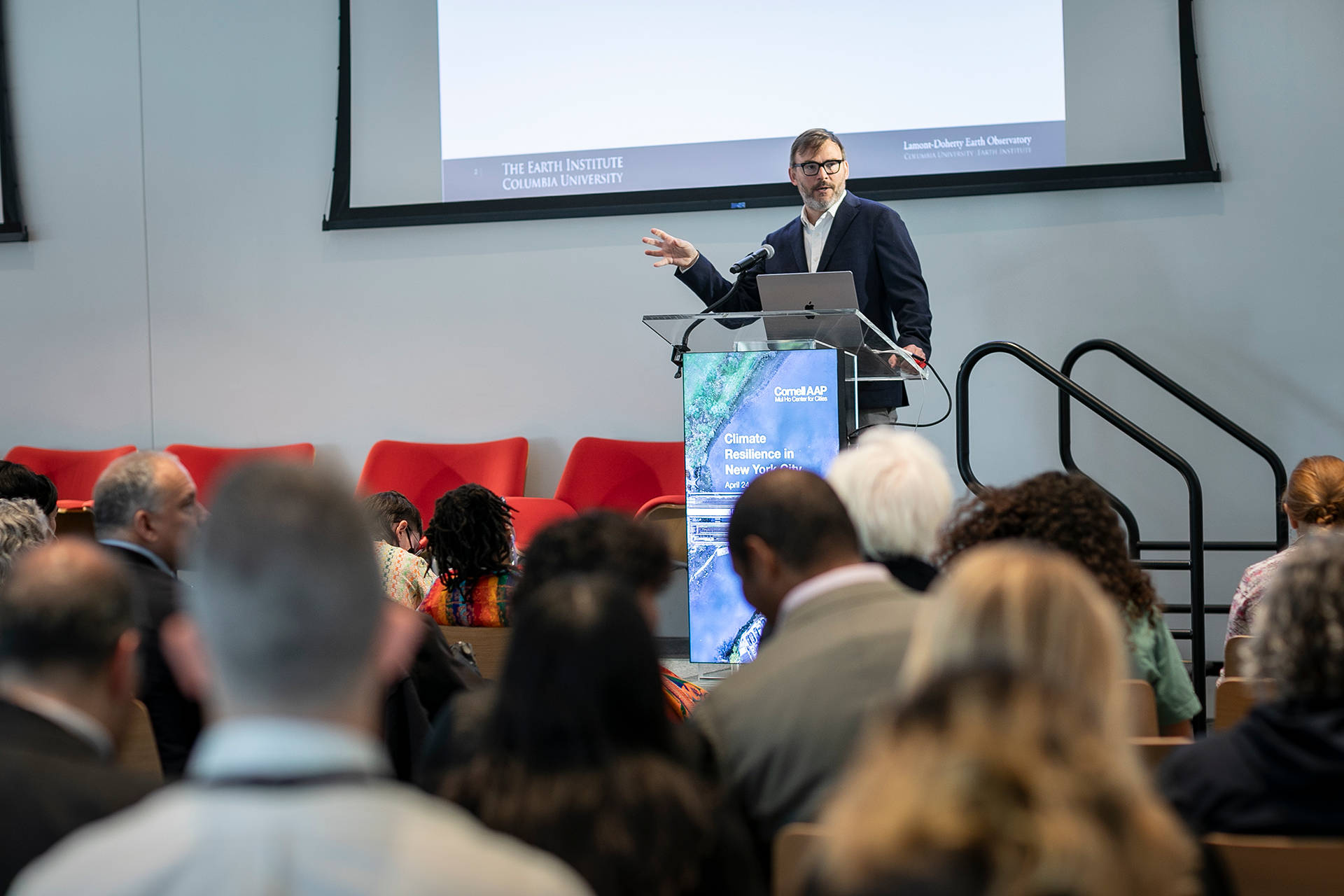
A symposium hosted by the Cornell Mui Ho Center for Cities brought together experts from across fields to address the hazards facing the city and consider actions to mitigate risks to people, buildings, and infrastructure.
Stories New Podcast Explores “Wicked” Urban Problems and Actions Across Scales

The Good City connects people with a passion for urban issues, both within and outside academia, through engaging conversations and shared knowledge.
Stories Reimagining Informal Housing in Mathare, Kenya
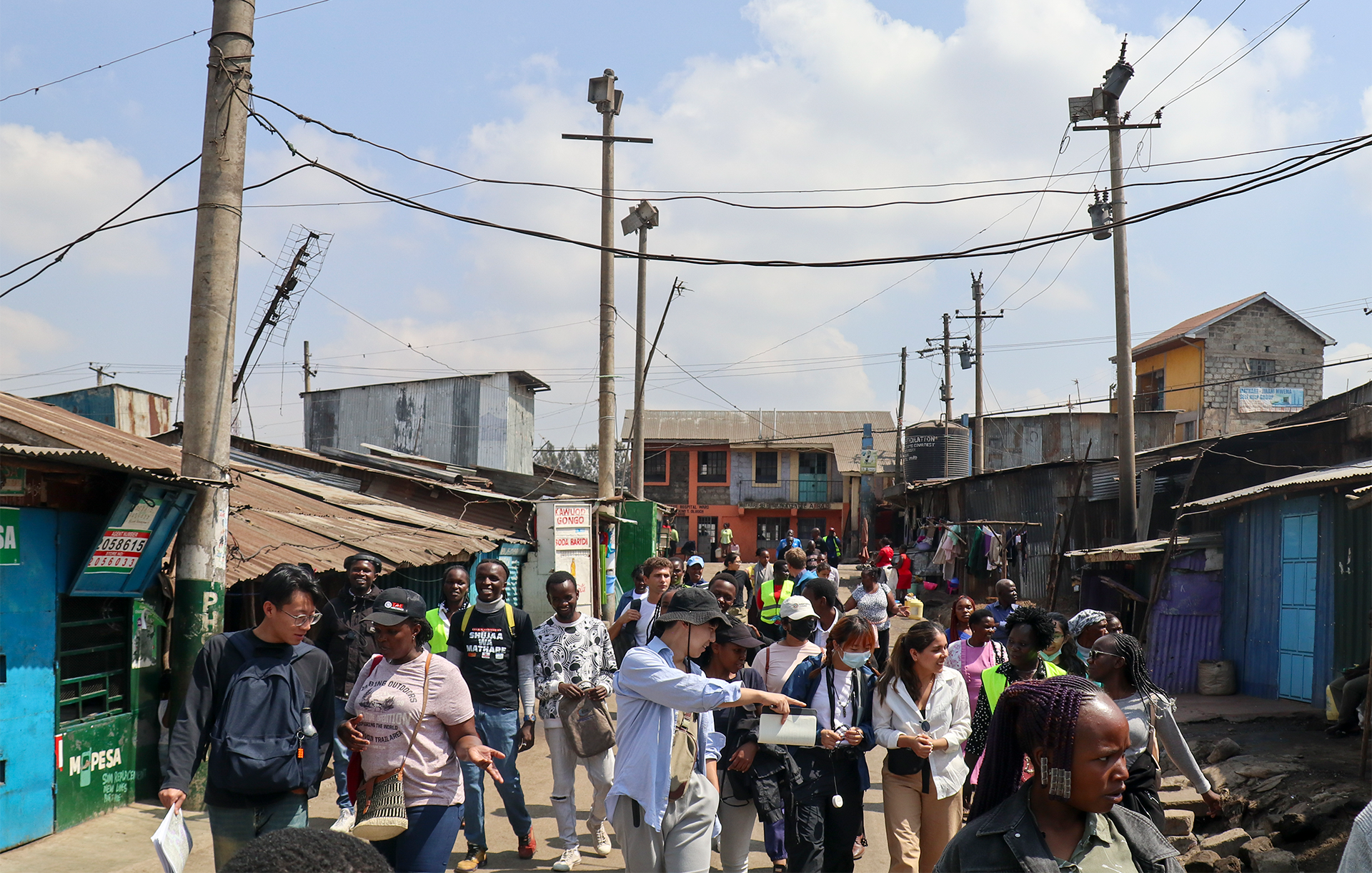
Negotiating the challenges of safe, reliable, and affordable housing, Cornell AAP architecture and planning students collaborated with Slum Dwellers International and local residents to explore alternative housing design and construction strategies for Mathare, an informal settlement in Nairobi, Kenya.
In the Media For These Old Bus Stations, It’s Not the End of the Line
Bloomberg — CRP Associate Professor Nicholas Klein comments on the evolution of modern transportation hubs and the shift to curbside service.
Paper Incremental Urbanism and the Circular City: Analyzing Spatial Patterns in Permits, Land Use, and Heritage Regulations
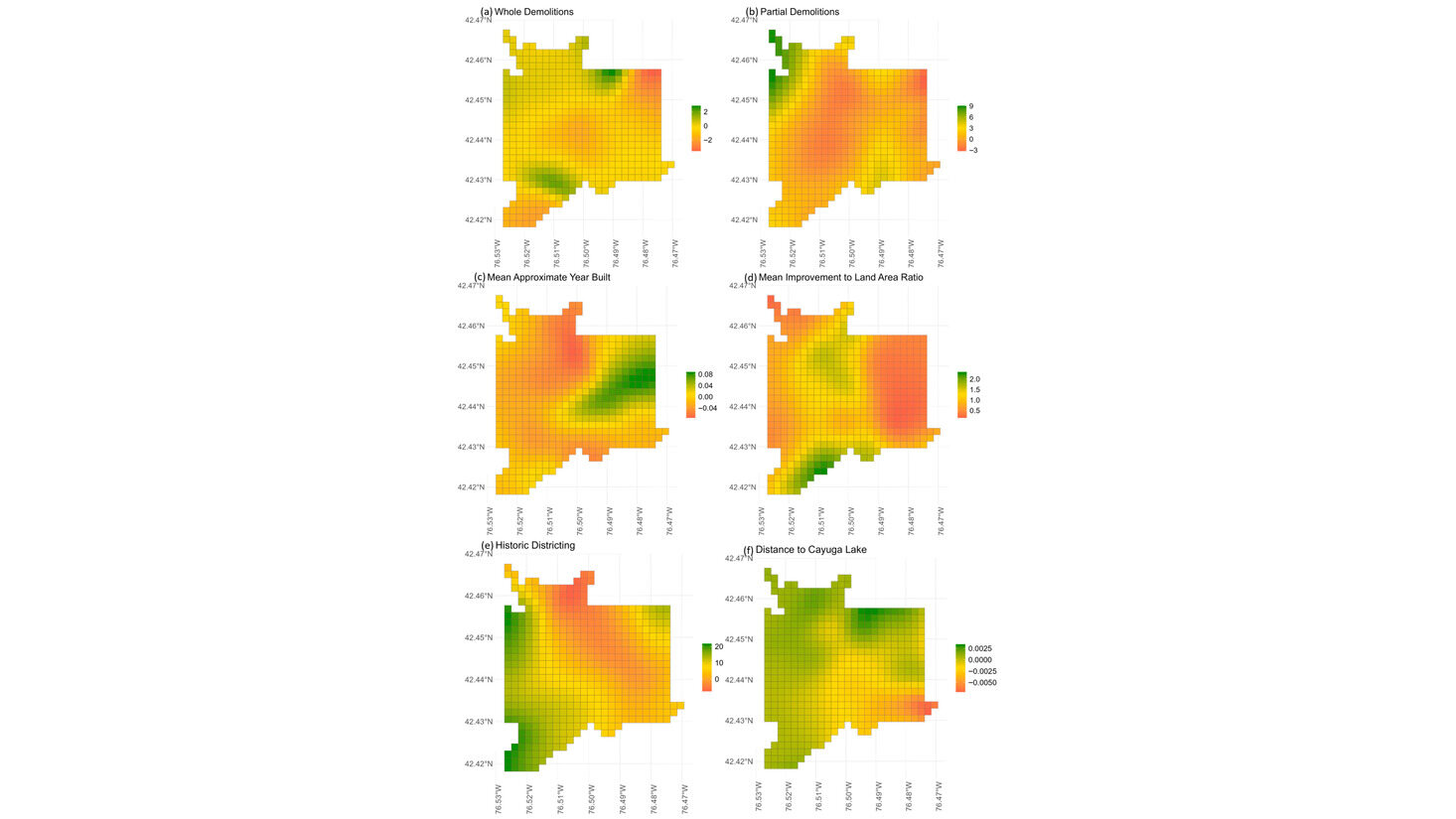
In the article published in Sustainability, AAP faculty Jennifer Minner, Felix Heisel, Shriya Rangarajan (Ph.D. RS ’22), and Yu Wang assess how commonly used local planning tools shape urban redevelopment trajectories.
In the Media Trump Plans to Ban Big Investors From Buying Houses. Will That Lower Prices?
New York Magazine — Real Estate and CRP Associate Professor Suzanne Lanyi Charles does not expect it will have a huge impact on prices but notes that it could combat negative effects on tenants.