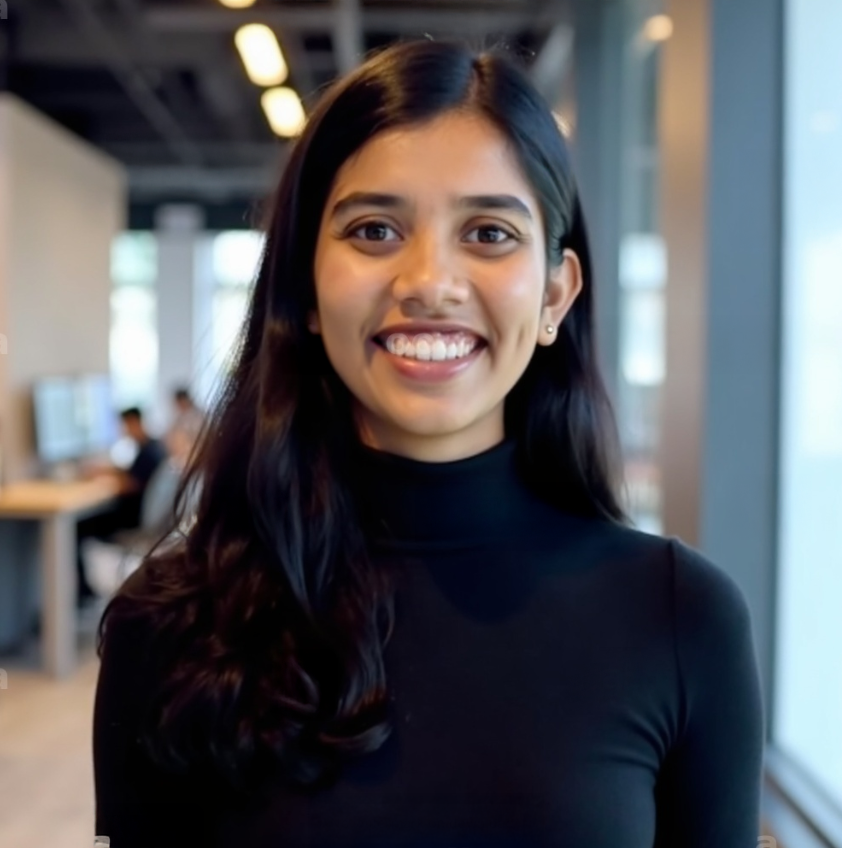
As a computational designer and researcher, my work focuses on leveraging digital technologies and computational methods to advance innovation, sustainability, and resource efficiency in the built environment. Through interdisciplinary research and software development, I have contributed to large-scale engineering projects, developed tools that streamline design and analysis processes, and advanced research on circular construction.
What did you learn at Cornell that has had the most benefit to you, personally or professionally?
One of the most valuable things I learned at Cornell was the importance of interdisciplinary thinking and the ability to look beyond conventional approaches to problem solving. The flexibility to explore subjects outside my primary field of study through courses in design technology and information science encouraged me to question established methods, draw connections between seemingly unrelated disciplines, and discover possibilities that might otherwise go unnoticed. It taught me that innovation often comes not from creating something entirely new, but from reinterpreting what already exists and finding new meaning and applications within it. This mindset has been instrumental in my professional growth, allowing me to approach complex challenges with curiosity, creativity, and an openness to unconventional solutions.
The flexibility to explore subjects outside my primary field of study through courses in design technology and information science encouraged me to question established methods, draw connections between seemingly unrelated disciplines, and discover possibilities that might otherwise go unnoticed.
What did you say “yes” to that led you to a meaningful or unexpected professional opportunity?
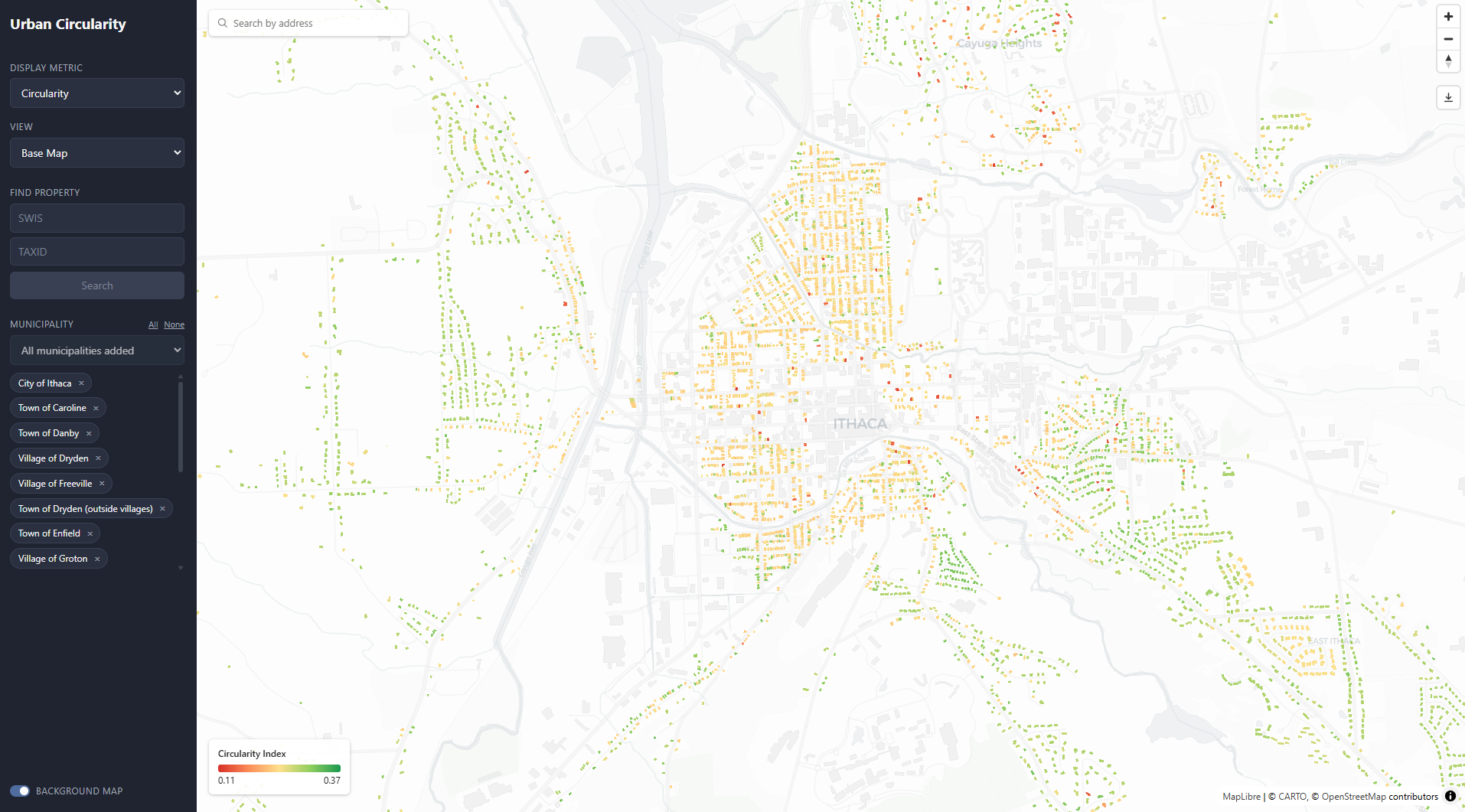
Interestingly, my answer begins with what I said “no” to. I could have followed the conventional path of becoming a design architect, but I realized that my interests extended beyond traditional architectural practice. Saying no to that expected trajectory meant saying yes to exploring design through computation and technology. That decision opened unexpected opportunities for me as a computational designer, fundamentally expanding my understanding of what design can be. Today, my work spans scales and disciplines, from individual buildings and complex structures to software applications, digital infrastructure, and city-scale digital twins. What began as a departure from a conventional career path has become an opportunity to redefine the boundaries of my own practice.
What unique experiences or opportunities has your degree or your connection with AAP brought you?
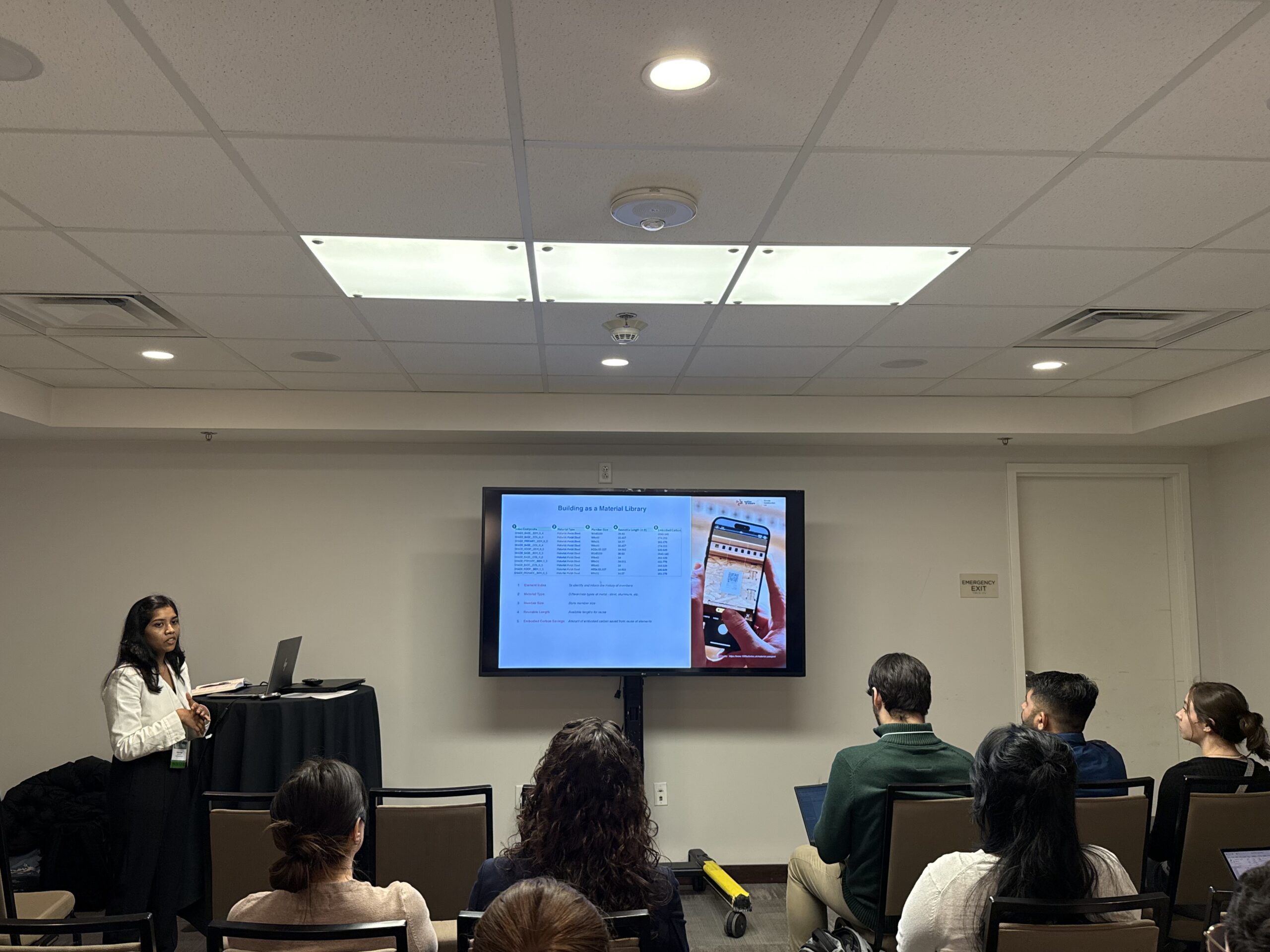
One of the most meaningful opportunities that came from my time at Cornell AAP has been the chance to continue working with the Circular Construction Lab as a Visiting Scholar. It has been especially rewarding to continue the research I began at Cornell and find ways to bring those ideas into professional practice. Through this work, I have also had the opportunity to share my research with a broader community at conferences such as the New York State Green Building Conference and the 2026 IASS Symposium in Turin, Italy. Meeting people from different backgrounds, exchanging ideas, and seeing how others approach similar challenges has been an incredible learning experience. I am particularly grateful that my connection with Cornell has continued well beyond graduation and has become such an important part of my professional journey.
More Beyond AAP Alumni
-
Anna Warfield
B.F.A. ’18, Communication ’18
![an art display in a gallery]()
-
Donny Silberman
B.Arch. ’13
![]()
-
Marcos Escamilla-Guerrero
M.S. AAD ’24
![wooden boxes stacked on top of each other with a ratchet strap and wheel platform underneath.]()
-
David Rosenwasser and Jeremy Bilotti
B.Arch. ’18
![a winding staircase situated in a living room with chairs and a coffee table]()