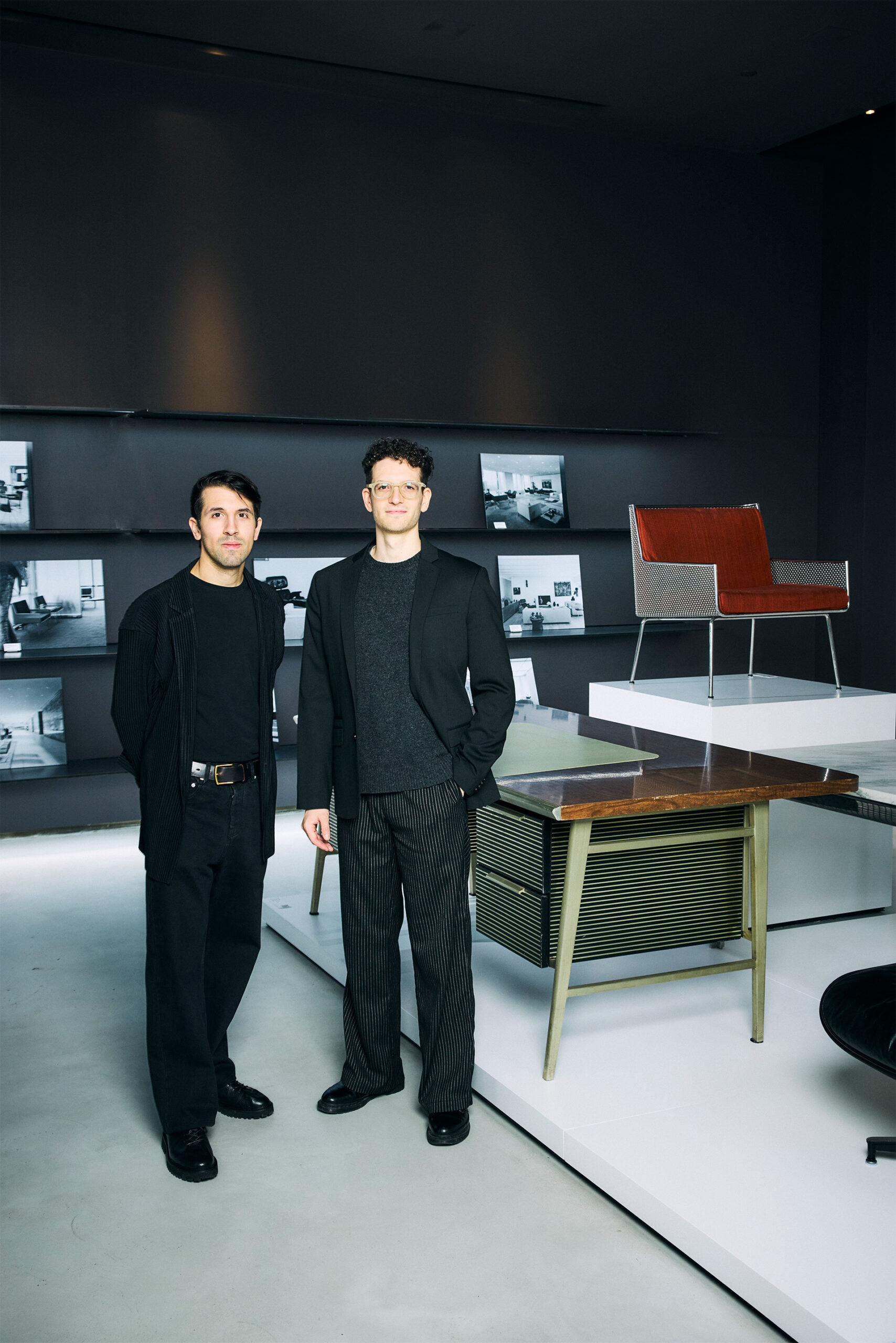
David Rosenwasser and Jeremy Bilotti (B.Arch. ’18)
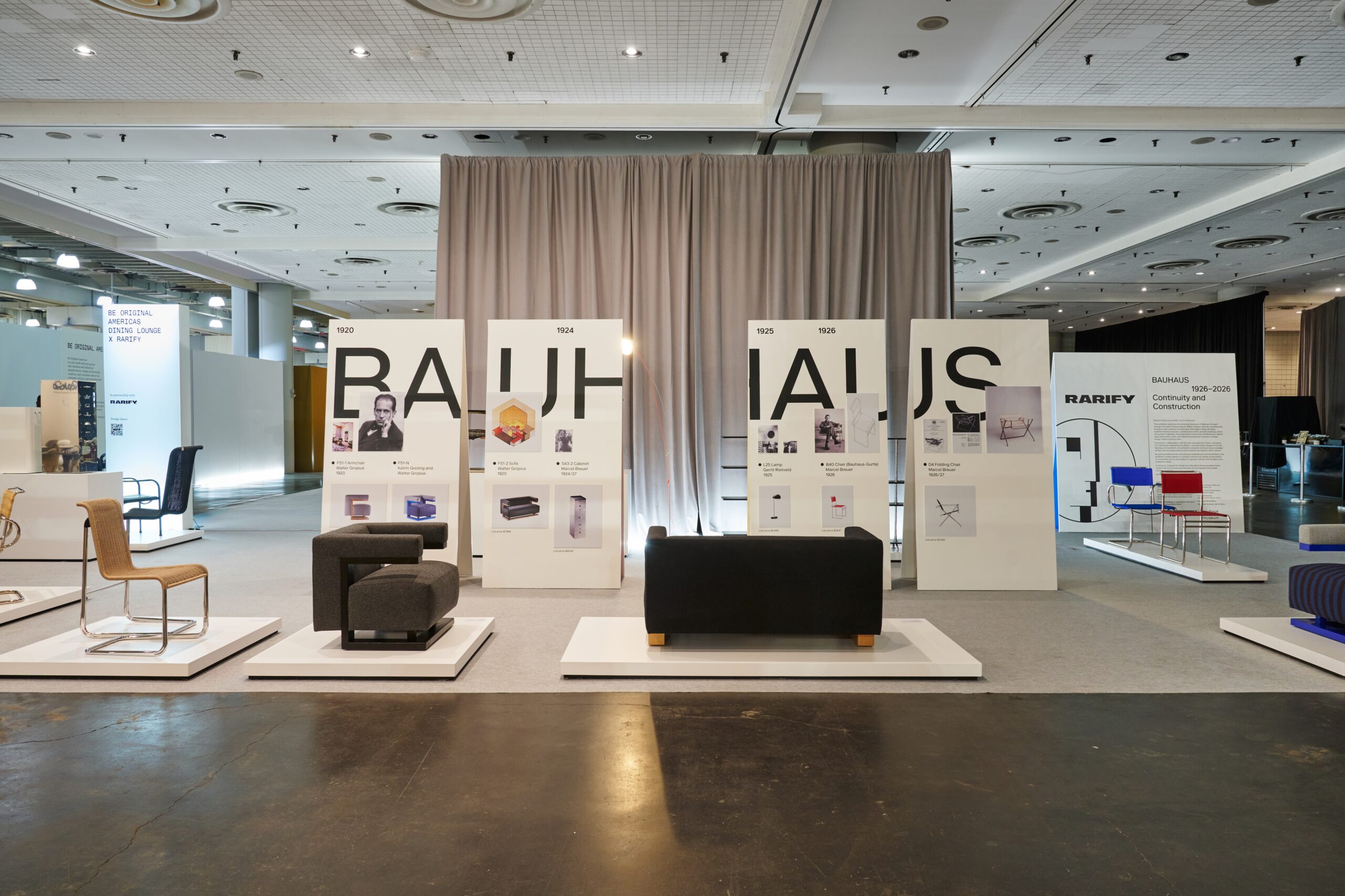
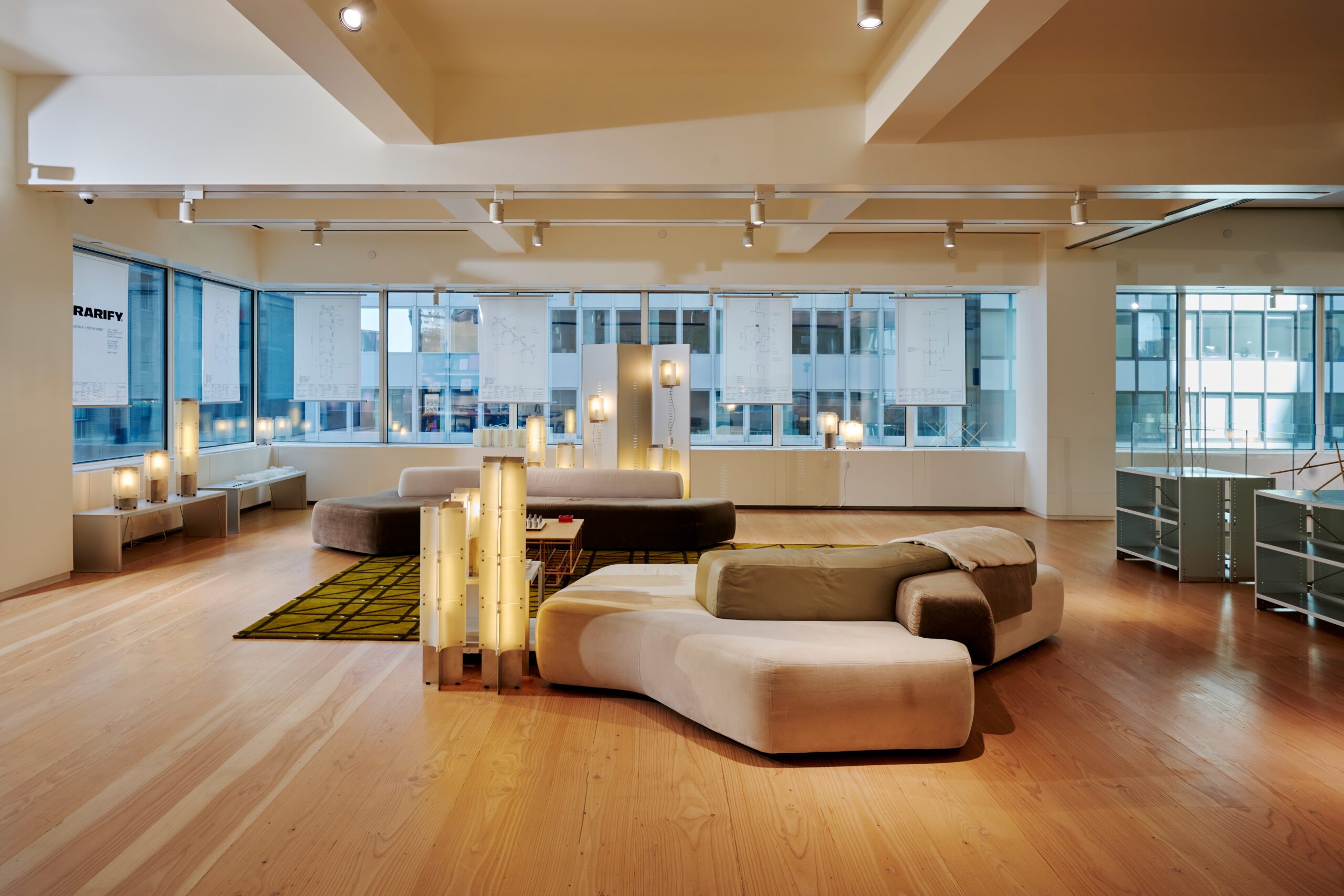
Rarify is a designer-led authentic furniture and lighting brand, gallery, and digital research platform specializing in investment-quality 20th- and 21st-century collectible design. We educate design enthusiasts through our 1,100+ videos, operate a 100,000-square-foot warehouse in Pennsylvania full of furniture icons, and act as a curatorial design authority for events and manufacturers across the globe.
What did you learn at Cornell that has had the most benefit to you, personally or professionally?
Jeremy and I learned how to be rigorous researchers through our years-long work in the Sabin Design Lab and within the B.Arch. program. While working on fabrication and computationally oriented projects, we were taught the fundamentals of how to write academic research papers and how to be part of an academic discipline. We carry those learnings with us in how we operate Rarify, and it is one reason why education is such a fundamental part of the work we do outside of our business.
As we grew our business, we instead learned how crucial our B.Arch. education was, as it provided a foundation for considering design and for understanding how to think like architects even beyond the discipline of architecture.
What role did people, connections, and mentorship play in your career journey?
Jenny Sabin in particular, alongside support from the Rawlings research program, was transformative in shaping our experience at Cornell. Jenny and her lab provided us with a supportive environment for learning and allowed us to contribute meaningfully to a novel body of research within design and material studies. Jenny’s mentorship is something we hold very dear, and we hope it proves how meaningful mentorship can shape successful careers for students after graduation. We certainly feel that way.
What would you say is your most important achievement since graduation?
As recent graduates, Jeremy and I decided to pursue a path of entrepreneurship, one that was not strictly within the confines of architecture. With the rigor of Cornell’s B.Arch. program and its superb reputation, this at first felt embarrassing or as though we were leaving our education behind us. As we grew our business, we instead learned how crucial our B.Arch. education was, as it provided a foundation for considering design and for understanding how to think like architects even beyond the discipline of architecture. Being welcomed back to lecture at Cornell in 2024, three years after starting our business, was an unbelievable honor and achievement for us, providing us with an opportunity to share with current students how we forged our path in building our business. Today we’re proud to be working actively with renowned architects, curating exhibitions, and consulting for international brands we admire. We’re hopeful to continue embedding our learnings from school into the work we do year after year.
Tell us about something that has shaped your career path in a meaningful or unexpected way.
Early in my B. Arch. program (as a first- or second-year student), Gregg Buchbinder, owner of Emeco furniture, came to give a lecture in Milstein Hall and spoke on the values that the Pennsylvania-based company stood by: design integrity, authenticity, and material responsibility. Seven years later, Emeco would become the first company to take a risk on our new company called Rarify and act as our first manufacturing partner. Gregg was also kind enough to mentor us throughout our graduate work on critiques. In the years since, Jeremy taught a course at MIT with Gregg’s daughter and colleague Jaye; we work collaboratively with Emeco to help them reduce waste through developing a second cycle program; and we maintain a great friendship as mission-aligned PA-based design brands. Relationships like those are some of what make running our company so rewarding.
More Beyond AAP Alumni
-
Rimjhim Singh
M.S. AAD ’23
![a person giving a presentation in front of an audience with a large TV screen mounted on the wall]()
-
Donny Silberman
B.Arch. ’13
![]()
-
Anna Warfield
B.F.A. ’18, Communication ’18
![an art display in a gallery]()
-
Noah Gear
B.Arch. ’21, M.S. AAD ’25
![a person working with blown glass]()