Jingyang Liu (M.Arch. ’15, M.S. MDC ’18)
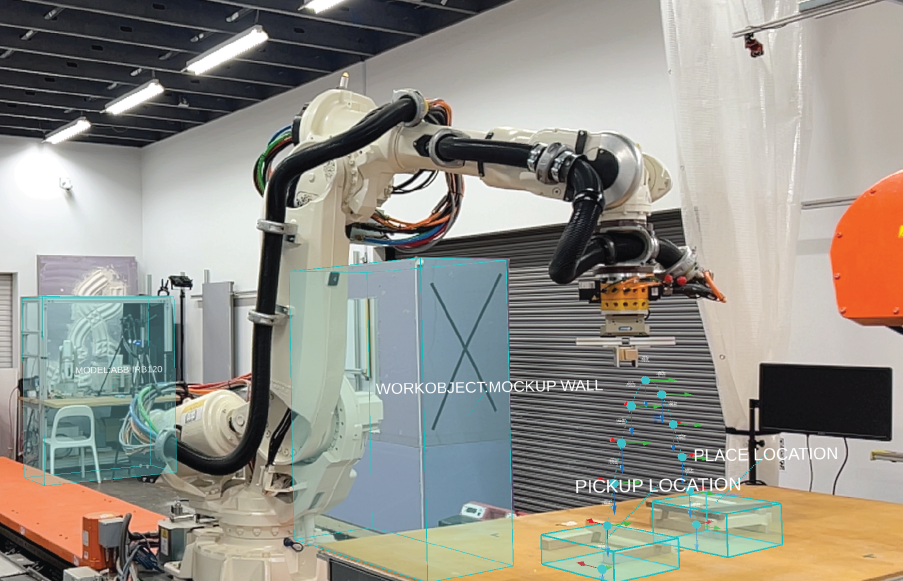
As a computational designer and researcher, I explore how generative design, material systems, and robotic fabrication can create adaptive and more sustainable approaches to architecture and construction.
Thinking back to when you started at Cornell, how certain were you about the degree you wanted to pursue? If your plans changed, what influenced that journey?
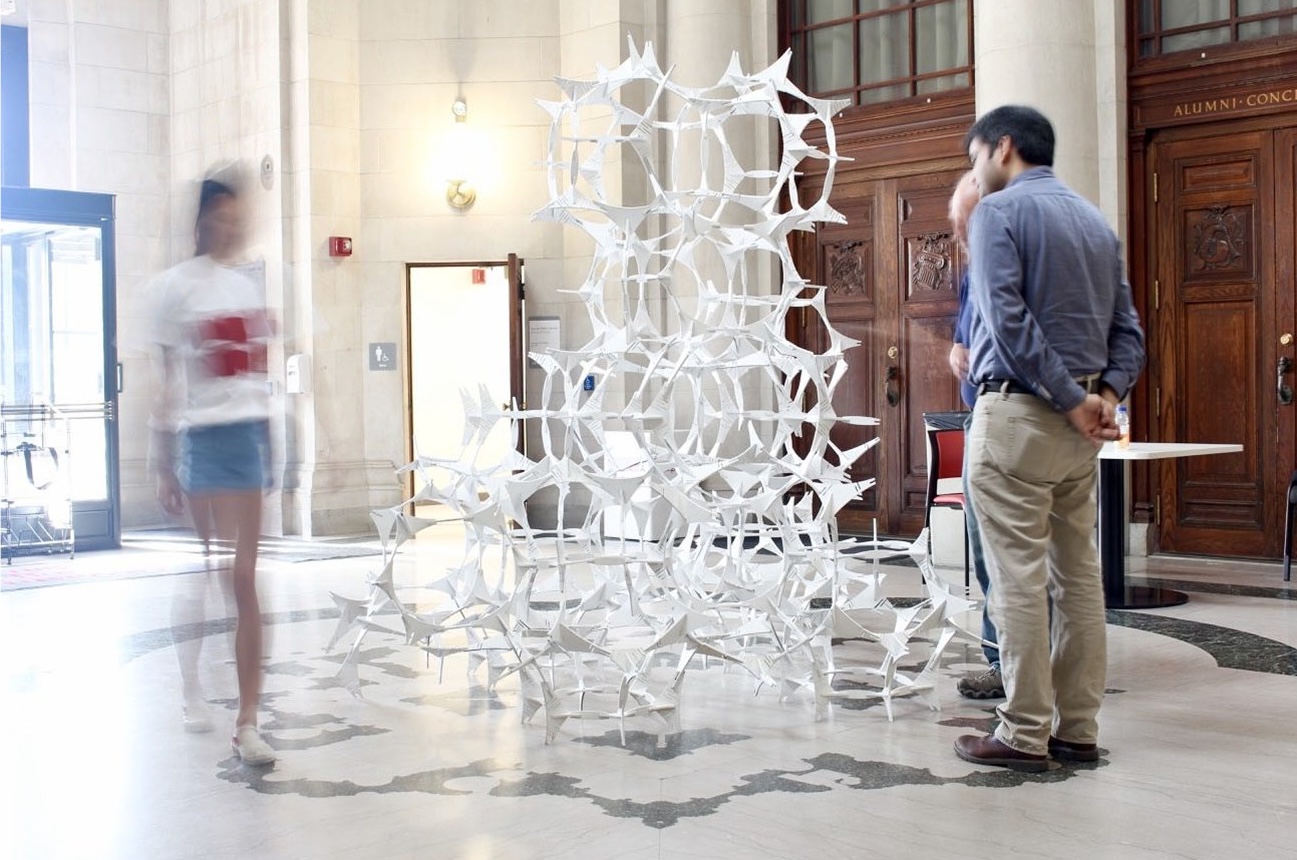
When I began my master’s studies at Cornell, I was still rooted quite firmly in architecture and imagined that I would continue along a relatively conventional architectural path. That changed through a design studio with Professor Jenny Sabin at Cornell AAP, where I was introduced to design computation, material systems, and a way of thinking in which geometry, matter, and fabrication could actively inform one another. That experience opened an entirely new route for me. It eventually led me to become the first candidate in the then-new M.S. in Matter Design Computation program, followed by the opportunity to work as a research associate at the Sabin Design Lab. From there, I continued toward a Ph.D. in Computational Design at Carnegie Mellon University. Looking back, my path was much less about choosing a destination in advance than about recognizing the significance of unexpected openings.
Through AAP, I had the opportunity to become involved in my mentor’s research and exhibition work, which opened a new direction in design and technology that I have continued to pursue for nearly a decade.
What role did people, connections, and mentorship play in your career journey?
People have shaped my journey in ways I could not have planned. I have been fortunate to meet mentors at Cornell who trusted me and sometimes saw possibilities in me before I could see them myself. Those relationships taught me that mentorship is not just about opening doors, but about giving someone the confidence to walk through them. Many of the most meaningful turns in my career began with a simple conversation, an invitation, or someone simply believing that I could take the next step.
What unique experiences or opportunities has your degree or your connection with AAP brought you?
Through AAP, I had the opportunity to become involved in my mentor’s research and exhibition work, which opened a new direction in design and technology that I have continued to pursue for nearly a decade. That experience also led to opportunities to present research at international conferences and to contribute to work exhibited and featured at venues around the world. More than any single opportunity, Cornell helped set the trajectory for the work I continue to build today.
Tell us about something that has shaped your career path in a meaningful or unexpected way.
I have always been fascinated by folding, cutting, and transforming simple sheets of material, something that began almost as a playful curiosity and later became a serious part of my research in computational design and deployable structures. I like the idea that a small physical gesture can reveal an unexpectedly complex system; in many ways, that curiosity has stayed with me throughout my career.
More Beyond AAP Alumni
-
Donny Silberman
B.Arch. ’13
![]()
-
David Rosenwasser and Jeremy Bilotti
B.Arch. ’18
![a winding staircase situated in a living room with chairs and a coffee table]()
-
Marcos Escamilla-Guerrero
M.S. AAD ’24
![wooden boxes stacked on top of each other with a ratchet strap and wheel platform underneath.]()
-
Rimjhim Singh
M.S. AAD ’23
![a person giving a presentation in front of an audience with a large TV screen mounted on the wall]()