Mission
The Cornell Mui Ho Center for Cities at the College of Architecture, Art, and Planning (AAP) advances new knowledge to create vibrant, just, equitable, and sustainable cities where all people can live and thrive. Within AAP, the center brings together and supports, the research, design practices, and creative capacities of faculty who work on cities and urban issues to develop and disseminate new knowledge and to mentor the next generation of urban researchers and practitioners. The center provides unique opportunities for early career researchers and practitioners to secure professional internships with a range of institutions working on issues of urban equity and sustainability. Beyond Cornell, the center works for positive change in cities in the United States and internationally through strategic, long-term partnerships and engagements with research institutes, public officials, civil society organizations, communities, artists, activists, and private industry. The center supports faculty research that is timely, applied, and place-based to effect positive change in the cities of today and the future.
Vision and Values
The center, through research and knowledge production, contributes positively to the planning, design, building, governance, and representation of more just, equitable, and sustainable cities and their publics. The most wicked, complex, and entrenched challenges cities face — and their solutions — do not sit neatly within the purview and boundaries of neither academic disciplines and paradigms, nor a single analytical approach, or organization. For this reason, the center is committed to research that connects, intersects, and transcends academic disciplines as well as the use of diverse research strategies, methods, data, and practices. The center creates and maintains collaborative, long-term relationships with external stakeholders and maintains transdisciplinary networks capable of achieving positive impact.
Key Performance Indicators
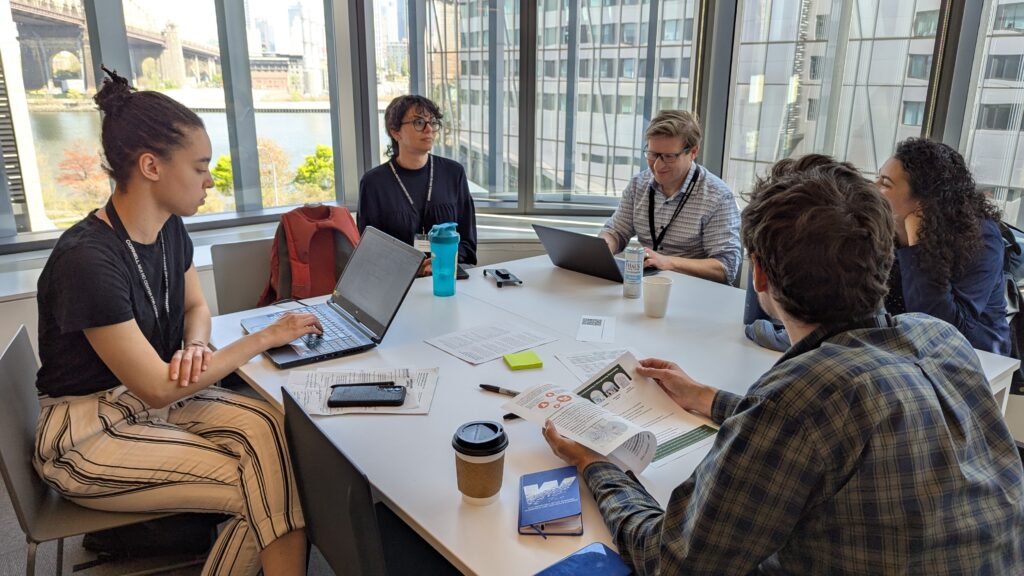
The Center for Cities is committed to engaging in community-based research that contributes to more livable cities. Working with leading academics, community organizations, and public sector experts across the globe, the center strives to build the cities we all want and need. With access to a unique blend of creative practitioners and urban planning and design experts, we use our analytical capacities to evaluate the impact of our initiatives, the work we do with our partners, and our research and innovation.
The action-oriented, transdisciplinary work we engage in addresses the following urban issues:
Economic Development
- Equitable economic growth and revitalization that contributes to the creation of solidarity economies
- Community-based economic development
Environmental Sustainability
- Adoption of climate change mitigation and adaptation measures
- Reduced GHG emissions
- Improved air and water quality
- The adoption of circular waste management practices
Social Equity
- Improved access to urban infrastructure and services
- Increased availability of affordable housing
- Reduced crime and improved public safety
- Expanded access to public and green space
Stakeholder Engagement
- Expanded opportunities for public involvement in planning, policymaking, and design
- Increased public participation in agenda setting and resource allocation decisions
- Support for citizen science-based data collection programs