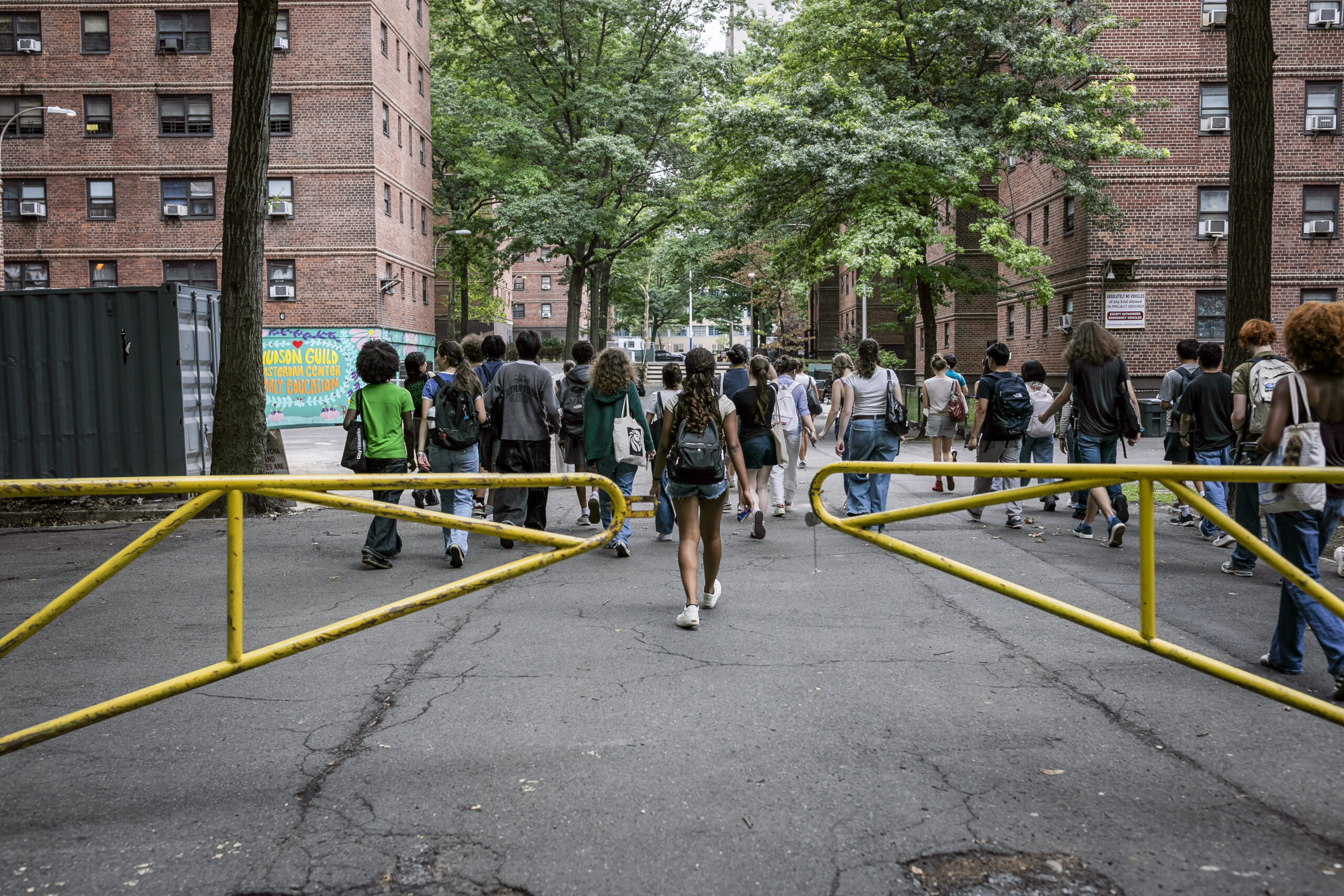
City Visionaries understands the urban realm as a place of vibrant social relations between diverse constituencies, as a place where students can explore new social conditions and understand the city as a political vehicle by which all constituents attain access to goods, services, and infrastructures that allow them to pursue their aspirations. Together, the city and the urban realm constitute urbanism, the interplay between conceptualizing, designing, developing, and managing complex systems in large metropolitan regions.
City Visionaries understands urbanism, and by extension real estate, urban design, urban planning, architecture, and public art, as domains of knowledge that catalyze culture alongside social, financial, and political relationships to land, space, and justice.
Cross-Disciplinary Curriculum
Over six weeks, City Visionaries’ cross-disciplinary curriculum will introduce students to:
- How urban planners and real estate developers conceptualize complex projects by engaging a broad group of stakeholders, mobilizing land and financial capital through careful analyses of programming and perceived community needs, and engaging with civic and private partners.
- How architects, designers, and artists deploy imaginative thinking, technology, and community aspirations to translate ideas into buildings, landscapes, and public art installations.
- How cross-disciplinary teams work collaboratively to address the demographics, ecology, and geography of urban developments with a set of values that are inclusive and egalitarian.
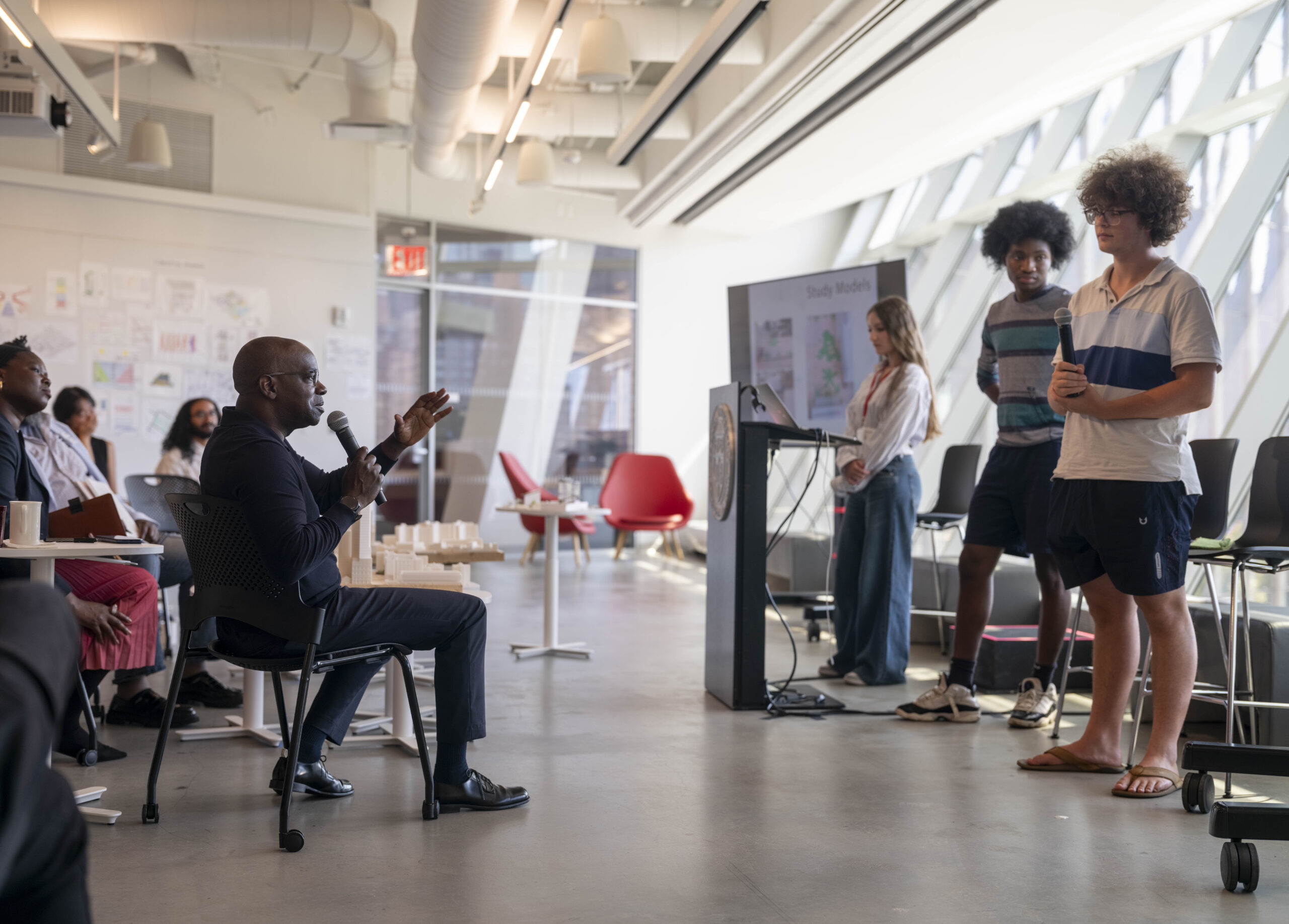
Workshops + Design Projects
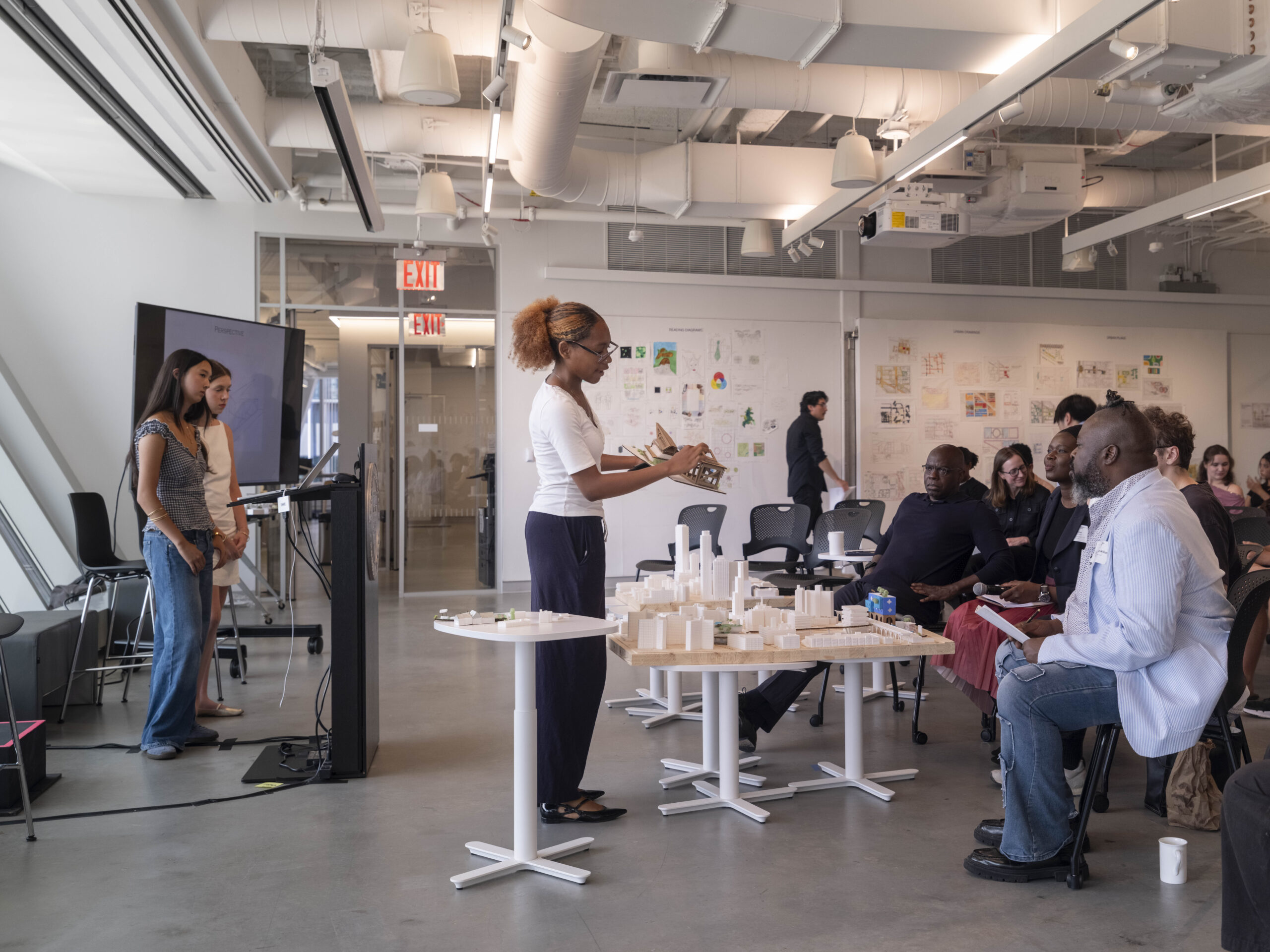
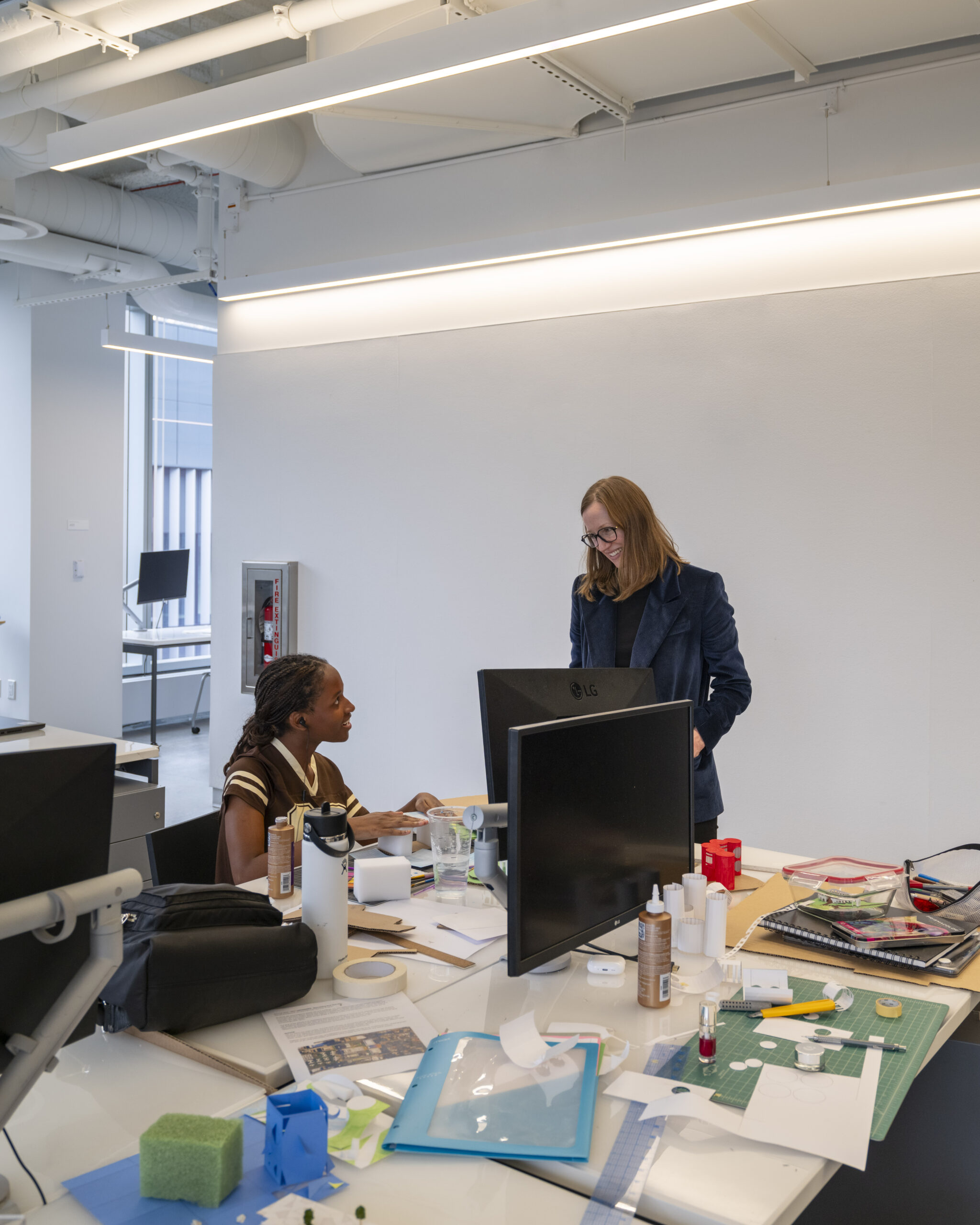
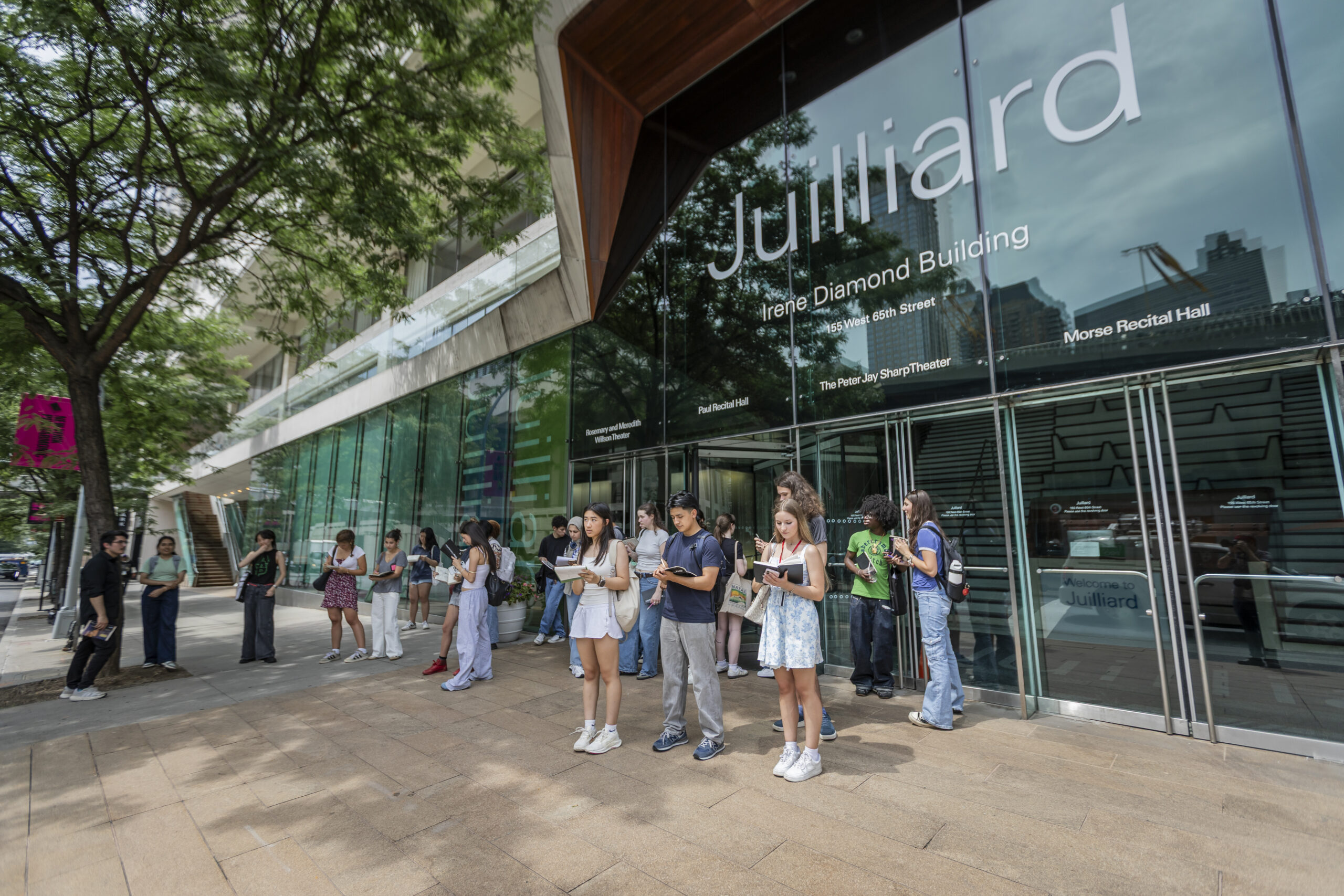
Cornell faculty, scholars, and New York-based practitioners immerse students in design projects, analog and digital workshops, dialogues, and research on New York’s complex urban landscape. Instructors introduce students to foundational principles of urban design and placemaking in culturally complex contexts utilizing historical precedents, hand-on field trips, and expert lectures.
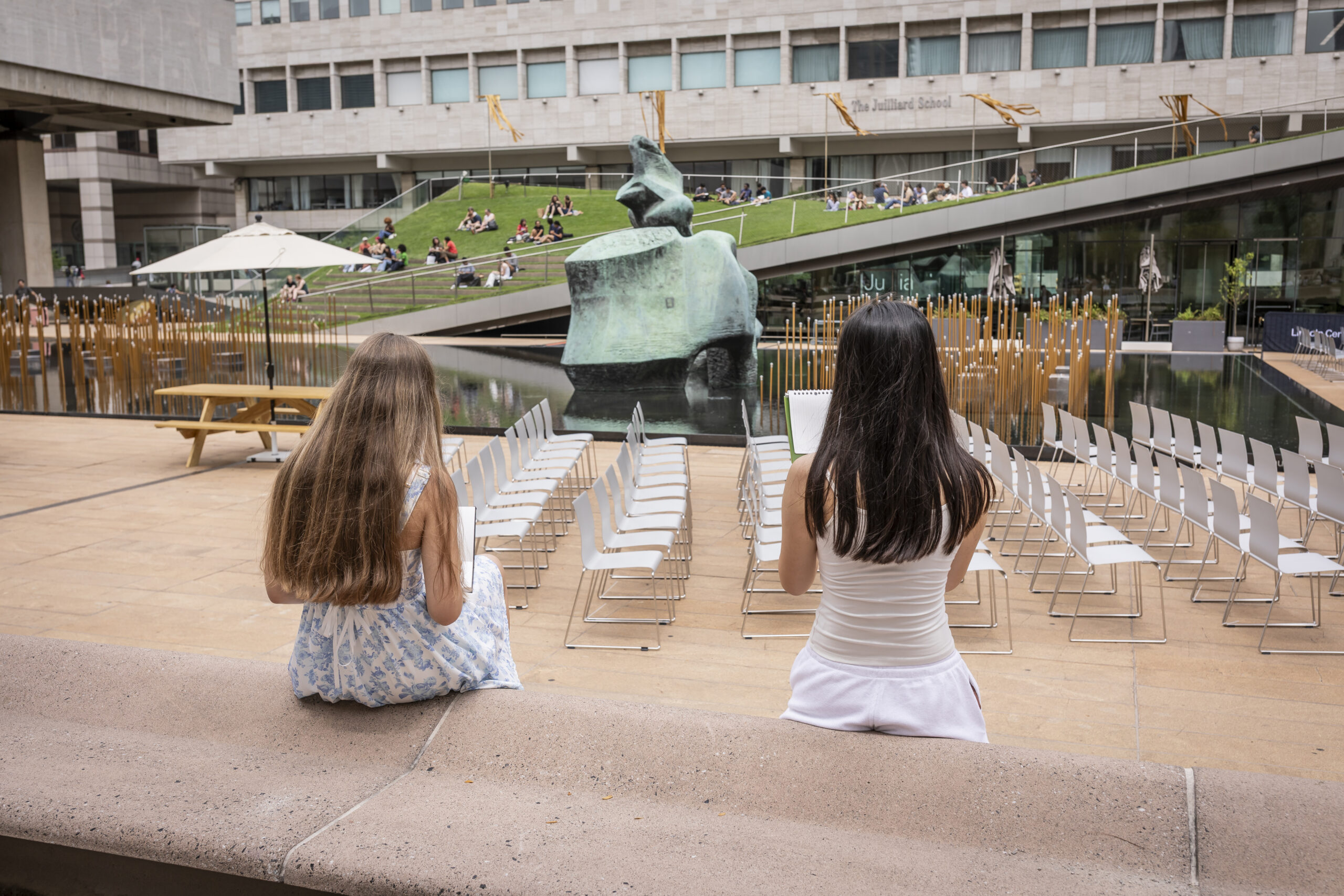
Urban Case Studies + Digital Visualization
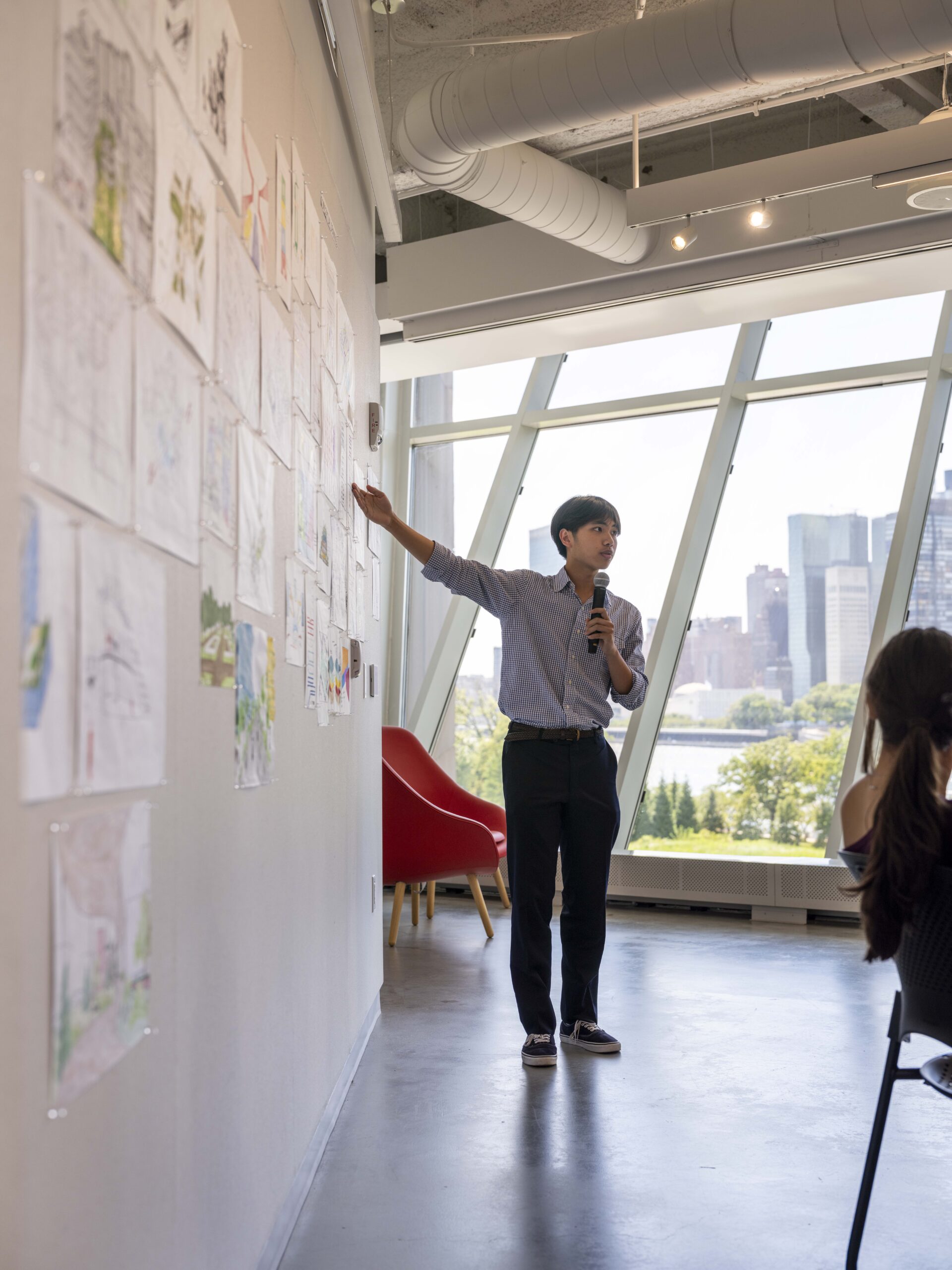
Students analyze and diagram transformative mixed-use projects that have significantly shaped Manhattan’s urban development. Sites include Lincoln Center for the Performing Arts, Columbia Manhattanville Campus, Hudson Yards and The High Line, and World Trade Center Redevelopment. Students will research urban case studies and literature and then use what they learn to design individual speculative projects.
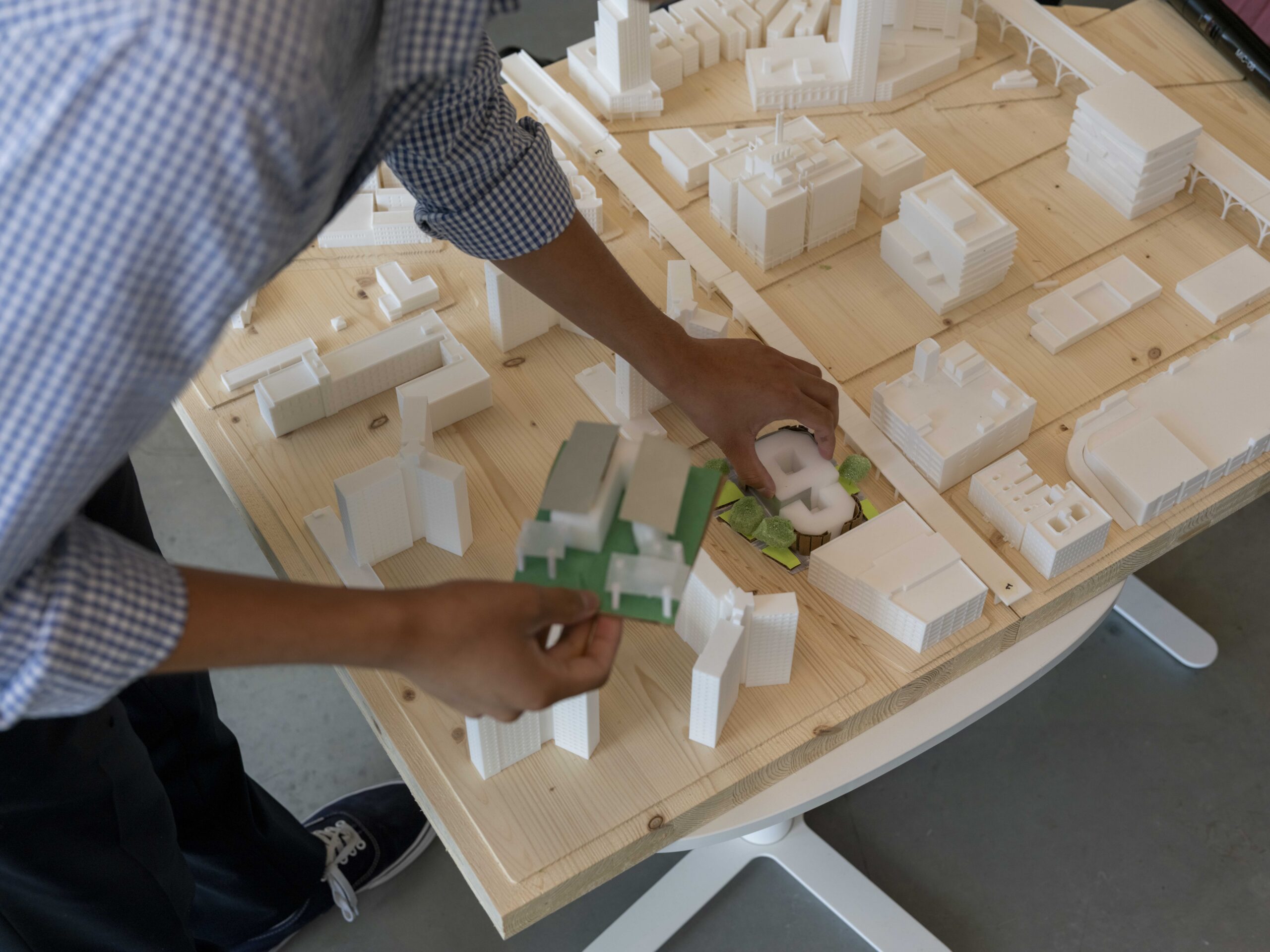
Curated Urban Case Study Speculations
Students reimagine components of a site utilizing skills learned in the program. Students’ work will be informed by their own interests in different roles that creatives play in developing urban projects and will be mentored on deliverables that illustrate their creative potential.
Goals and Objectives
City Visionaries’ cross-disciplinary curriculum expands students’ understanding of how cities are built, how large urban developments engage finance, technology and public space to realize their ambitions, and how contemporary challenges can be met by imaginative thinking. Over the course of six weeks, AAP faculty guide and mentor students as they:
- Gain exposure to creative disciplines engaged in the design of cities and communities.
- Learn how cross-disciplinary teams of creatives conceptualize and produce transformative urban projects.
- Actively pursue project-based work and learn fundamental aspects of spatial, formal, and visual analysis of urban form.
- Functionally apply what they’ve learned to a speculative design option students develop for an urban site, honing a specific area of interest.