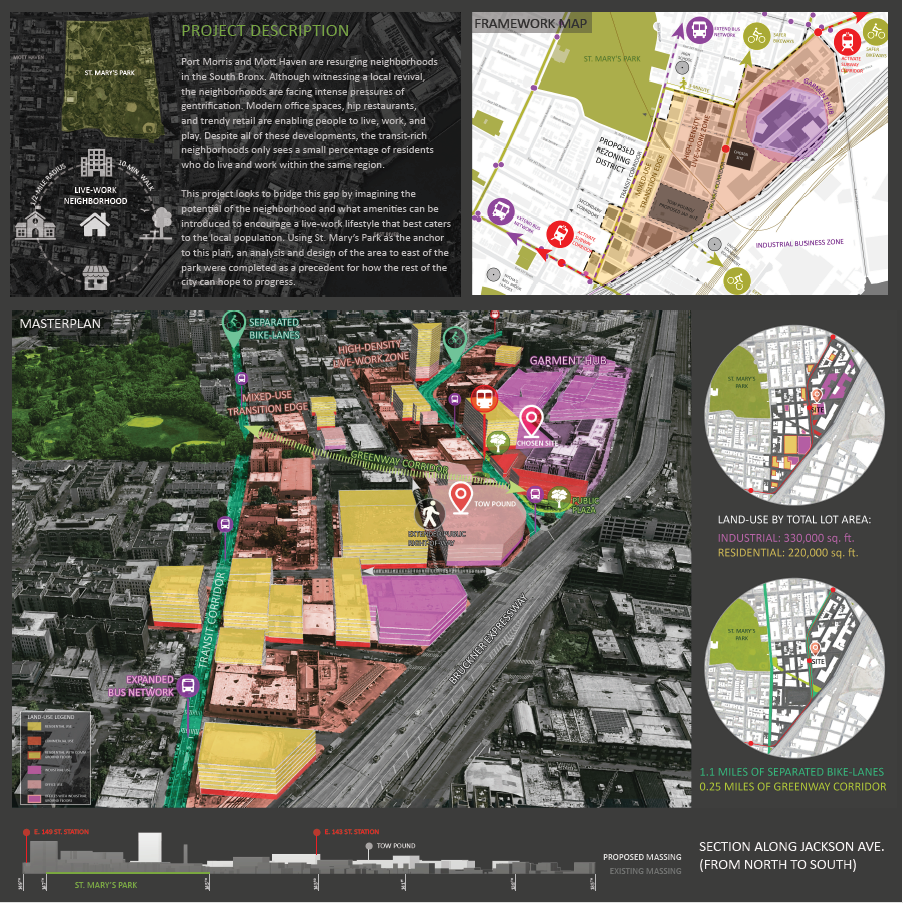
Lela deeply appreciates the value in both staying connected to localities, especially the communities and neighborhoods where she grew up, as well as the opportunities to travel and think globally. Most recently, Lela has spent a semester in New York City taking a graduate-level studio in urban design and landscape architecture, and a semester researching waste and water systems impacted by urbanization in the Nilgiris region of Southern India. Over the summers, Lela has worked in community gardens both in her hometown of Cincinnati, Ohio, and at the Ithaca Children’s Garden, New York. When not outdoors, Lela enjoys reading anything, and highly recommends anything by Noam Chomsky, Craig Thompson’s Habibi, or David Mitchell’s Cloud Atlas for anyone with an appreciation for exquisite and gripping stories told in unorthodox ways.
“The capacity to synthesize elements within science and biology, art and aesthetic, policy and land use, into a physical form makes the field of landscape architecture unique. The ability to then represent and ultimately communicate these ideas through drawing is a powerful and incredibly useful skill enabling one to actively engage in a wide variety of issues on multiple scales. There is an invaluable balance between the theoretical frameworks and technical expertise required… The study of spatial transformation reflects deep histories of change and process, one which may provide insight into the shaping of current and future landscapes.”