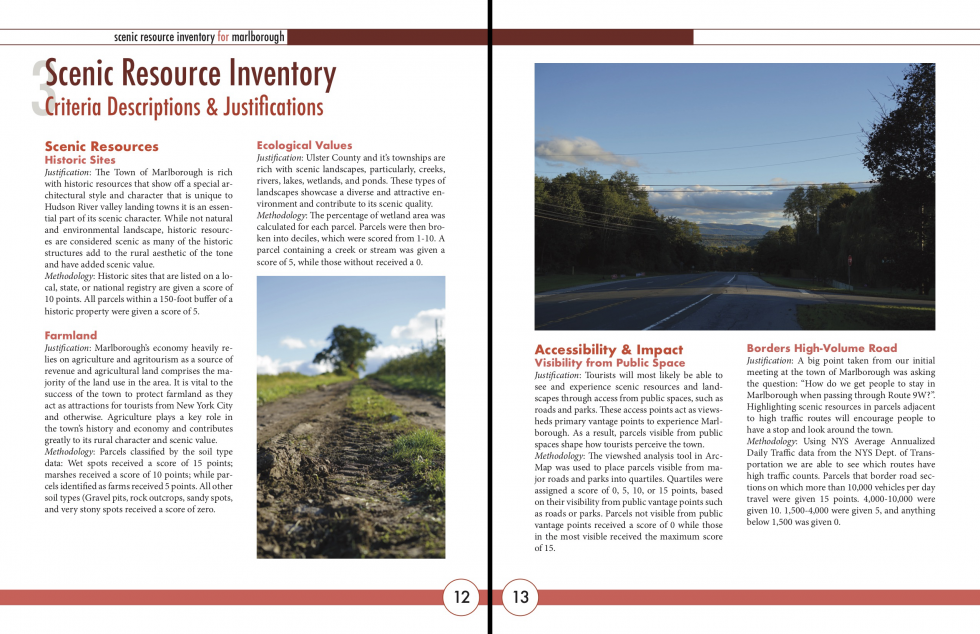
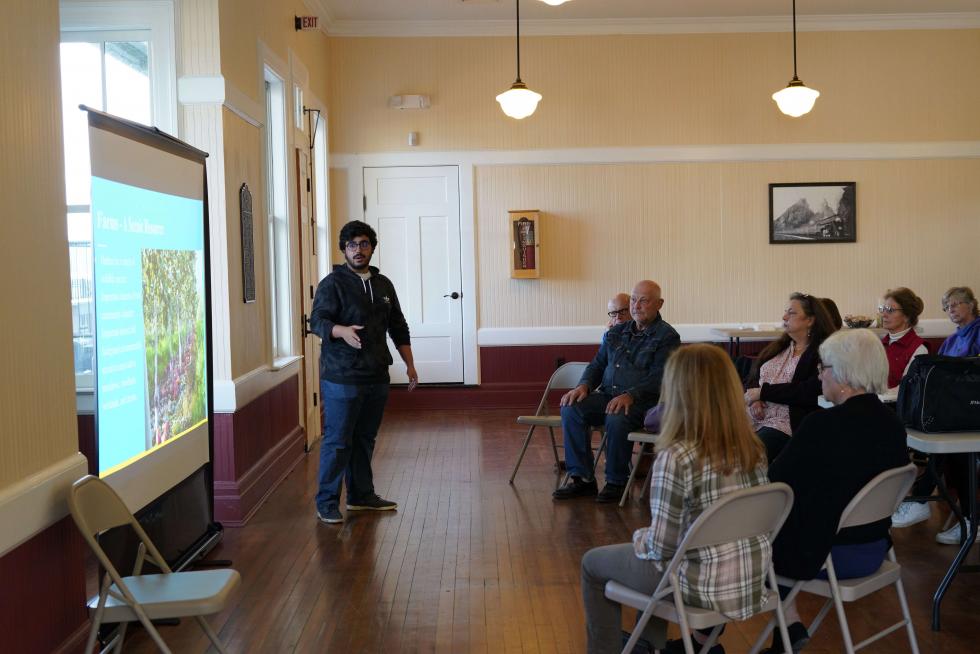
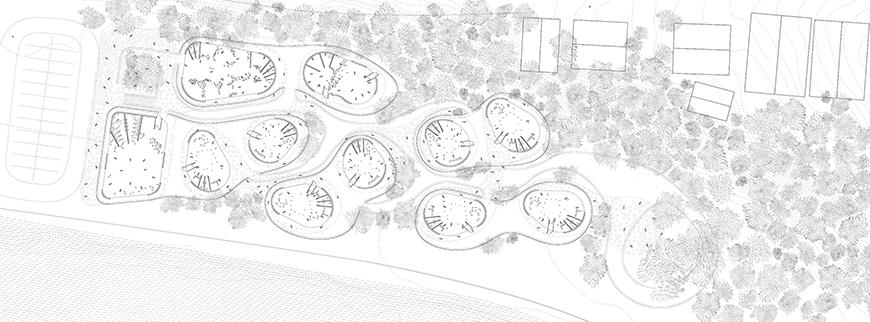
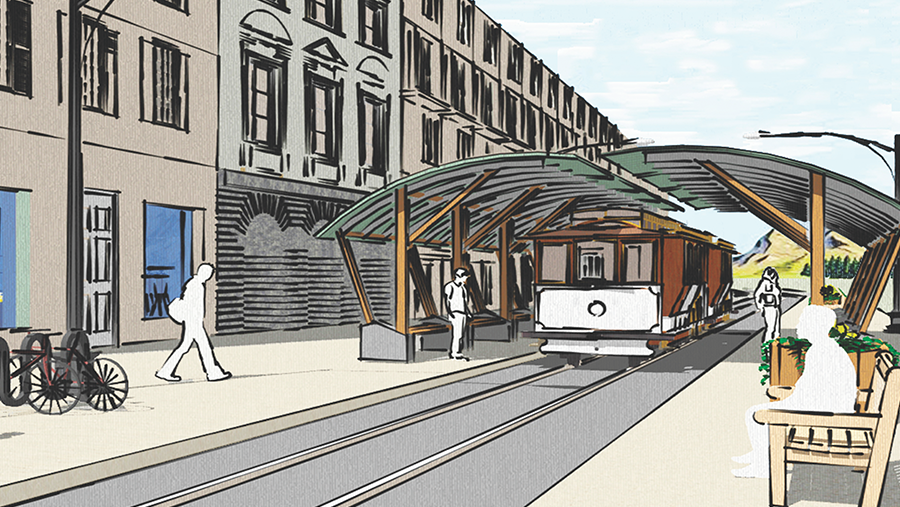
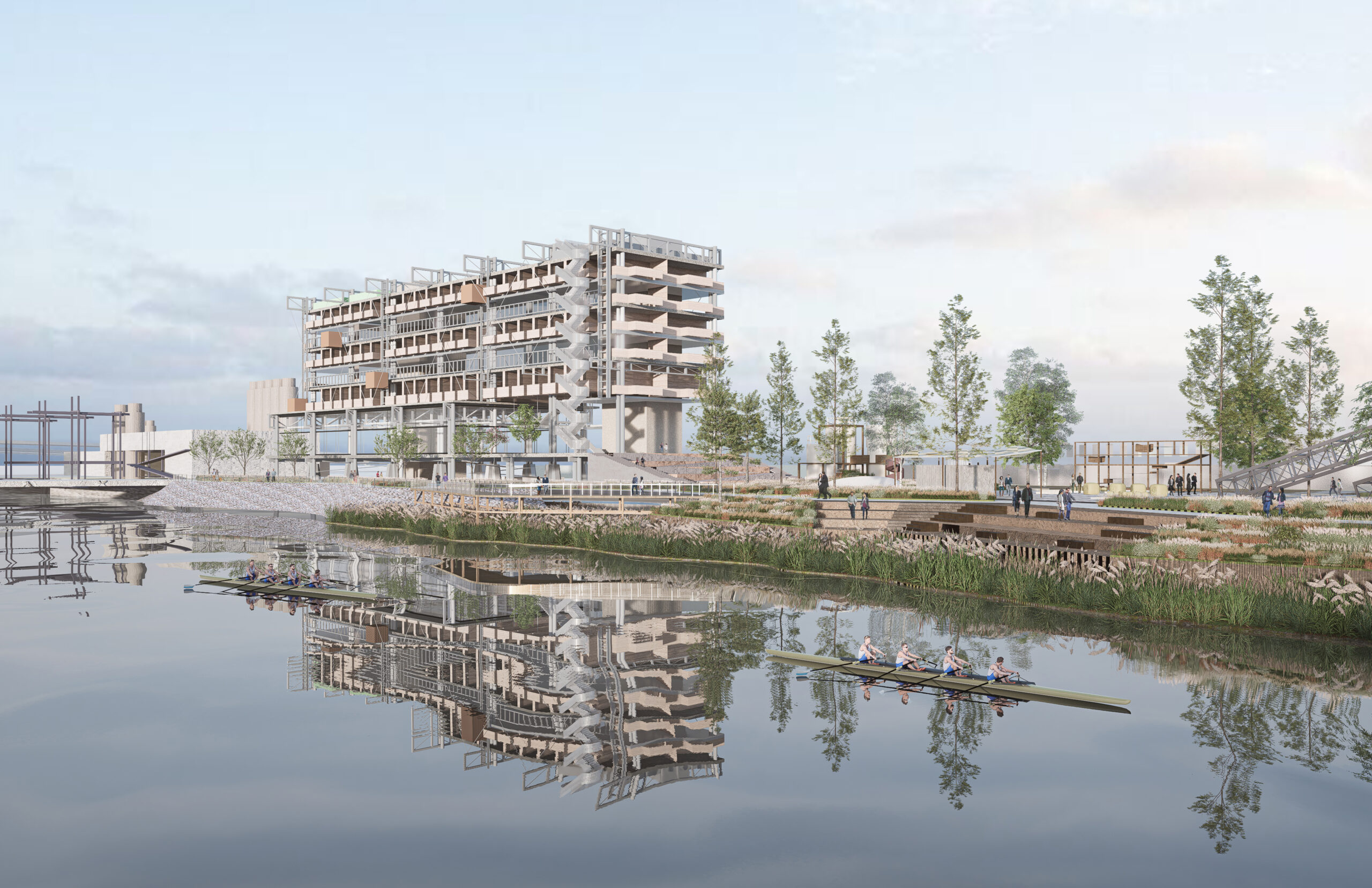
AbdulRahman has been involved in several Design Connect projects in Tompkins County, New York, including developing a Placemaking Guide and Toolkit for the county to foster and create the change that residents want to see in their neighborhoods. He has also worked on Project Eddygate, which transformed the parking lot behind Cascadilla Hall to a park over the course of a weekend. Additionally, he was involved in creating a Scenic Resource Inventory for the Town of Marlborough as a part of the Land Use, Environmental Planning, and Urban Design Workshop taught by Associate Professor of Practice George Frantz. While at Cornell, AbdulRahman also served as the President of the Arab Student Association.
For more information on AbdulRahman Al-Mana’s paper, Destruction in a Wahhabi Context: Demolition of Religious & Historic Landscapes in Mecca and Medina, please contact crpinfo@cornell.edu.
“The question of ownership of historic sites in Mecca and Medina becomes an incredibly difficult question to answer. Islam has 1.8 billion adherents to the religion, all of which have some claim to make on these sites. Islamic history and the history of Mecca and Medina are not exclusive to Arabs and the settlers of Arabia. The region has a long history of Persian, Turkish, Turkic, Indian, Javanese, and African pilgrims traveling and settling the region. Every adherent to the religion of Islam could make a spiritual claim to this site. Moreover, Ottoman heritage and architecture is important to the region as it marks the long rule of the Ottoman empire over the Hejaz, as well as provide a visual and aesthetic mark in history on the development of Islamic architecture… In place of shrines and sites that honored religious figures stand entirely new sites and shrines dedicated to currency. The Abraj Al-Bait towers loom over the grand mosque and cast its shadows upon it. The modern shrines to capitalism and commerce are grander than the Masjid al-Ḥarām, the site of pilgrimage for the Hajj. Mecca & Medina, once home to many mausoleums, mosques, and historic houses, was an exemplar of the Arab-Islamic urban. The cities were frameworks which inspired Islamic urban design and aesthetics in other great Islamic cities. The loss of this great heritage is not only an issue of spirituality but of historic value. Both the Wahhabi doctrine and the Saudi authorities have denied Muslims all over the world the right to a shared heritage.”
—Excerpt from Destruction in a Wahhabi Context: Demolition of Religious & Historic Landscapes in Mecca and Medina, paper for CRP 3853 with Jeffrey Chusid.