Hough’s location gives it advantages that other Cleveland neighborhoods do not enjoy. Specifically, it is proximate to University Circle – Cleveland’s premier center for Eds, Meds, and culture – as well as Euclid Avenue which has seen serious investment after the implementation of a world-class BRT line in the 2010s. These influences are beginning to make their way into Hough, primarily (but not all) on the western side of the neighborhood. This is most apparent at 66th Street and Euclid Avenue, where the Cleveland Foundation is currently constructing its new headquarters building alongside potential development that includes 2 million SF of office, lab space, workforce training, residential, and retail space.
The neighborhood is bounded by the parallel avenues of Euclid and Chester to the south; Superior Avenue to the north; E. 105th Street to the east (bordering University Circle); and E. 55th Street to the west. Hough’s population of approximately 9,000 people is 96% Black, 2% White, and 2% Asian and Hispanic. Numerous well-known and well-used landmarks exist in Hough including Rockefeller Park, the African-American Museum, League Park, Martin Luther King and East High Schools, the Thurgood Marshall Recreation Center, and Hough Chateau – an urban vineyard and winery located at E. 66th Street and Hough Avenue.
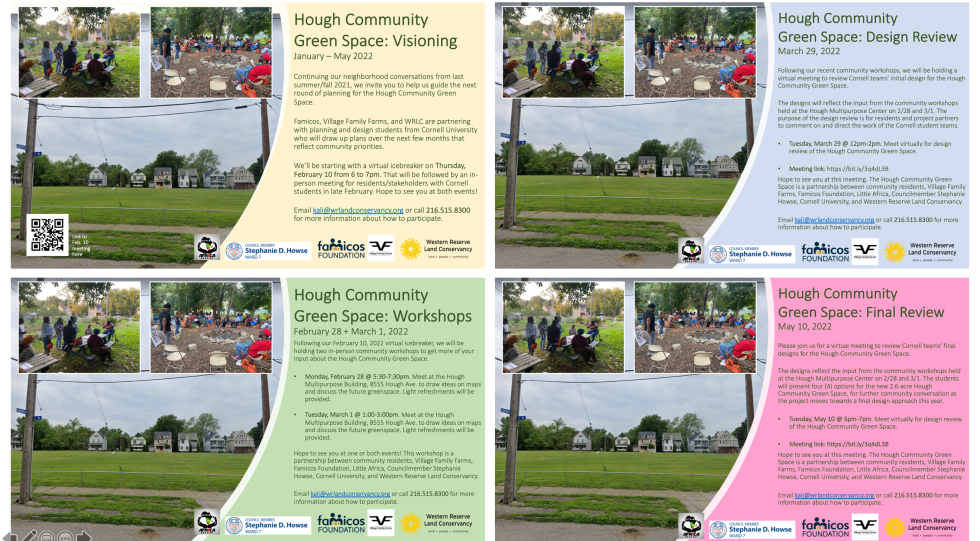
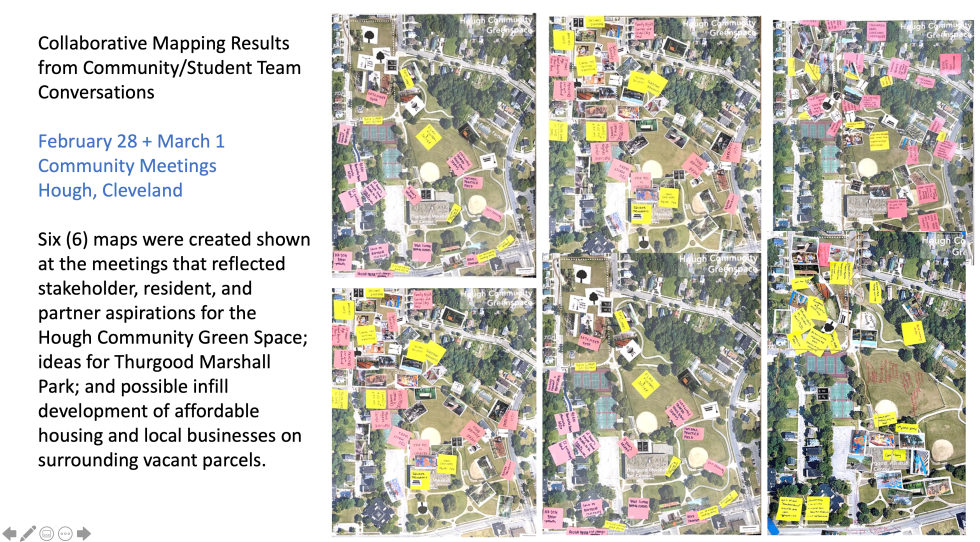
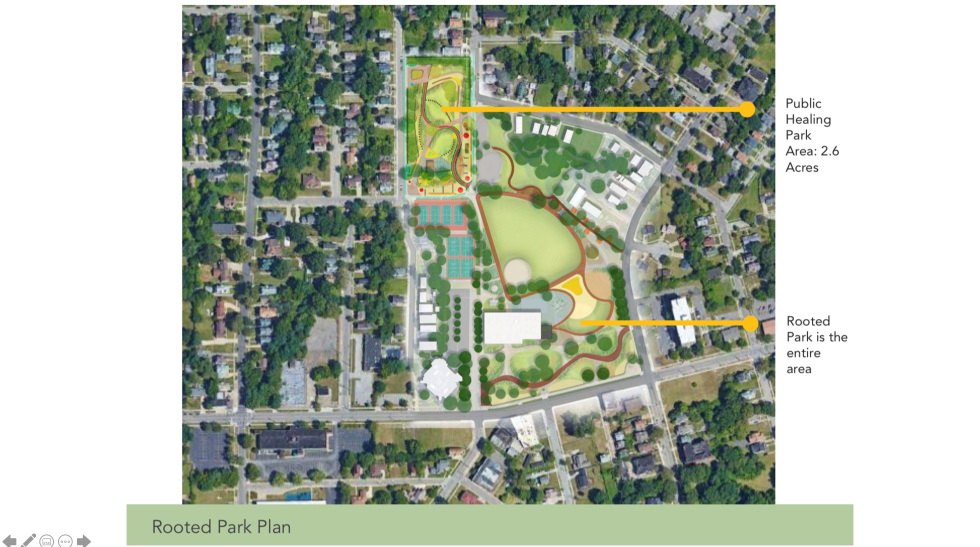
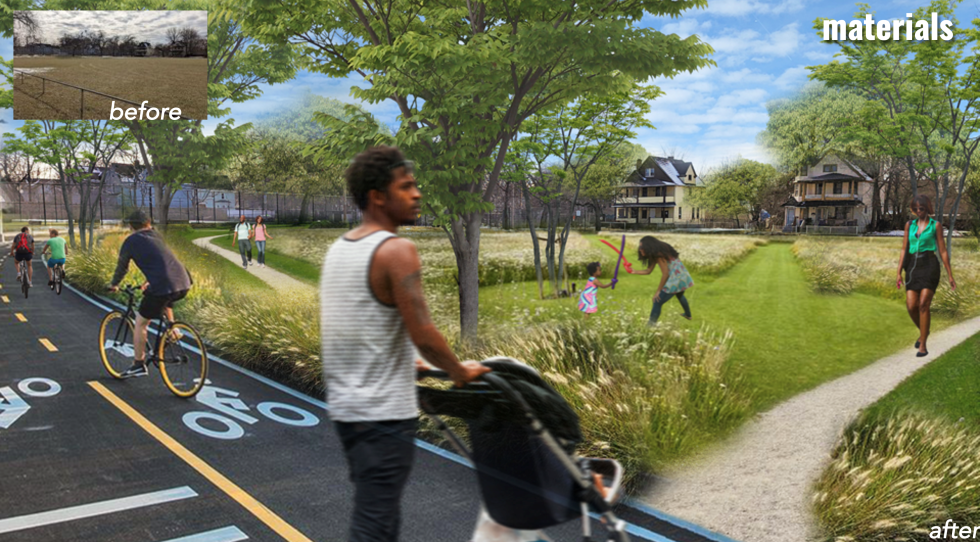
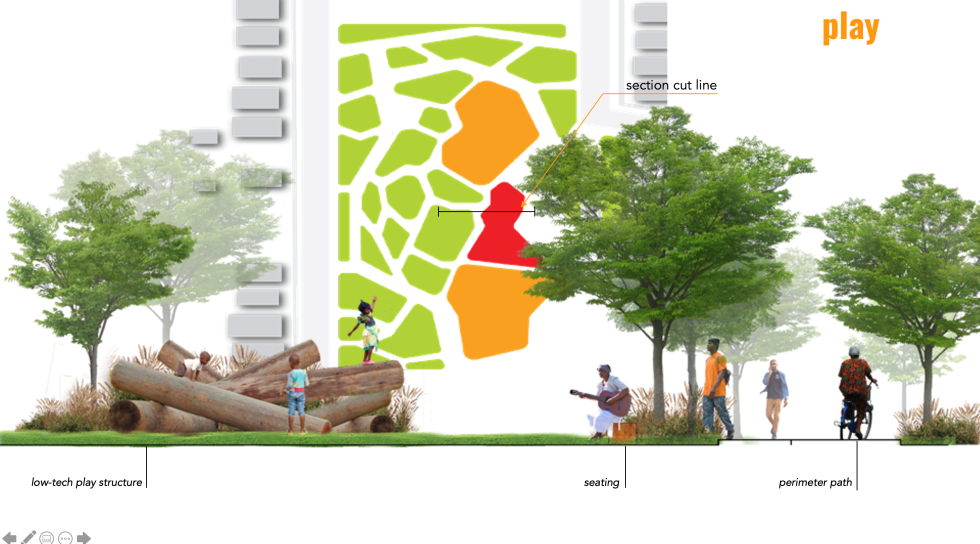
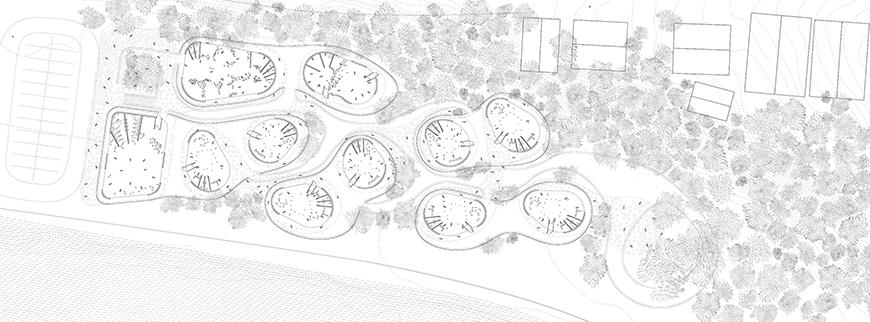
In Fall 2021, Cornell began discussing the eastern parts of Hough with the Western Reserve Land Conservancy (WRLC), a non-profit planning and development organization, who had just taken possession of a 2.6 acre vacant parcel of land on E. 85th Street that was formerly the John W. Raper school. Centrally located within a residential neighborhood and next to the Thurgood Marshall Recreation Center, this now-empty parcel of land and the surrounding neighborhood have the potential to be reimagined as a center of community activity, investment, and neighborhood programs. Early concepts and neighborhood engagement meetings from Summer 2021 called for the 2.6 acre site to be transformed into a new “Hough Community Green Space”. With vacant parcels and other opportunities around the site, the opportunity exists for the community to create an equitable vision plan for this area of Hough for the next 5 to 10 years or more.
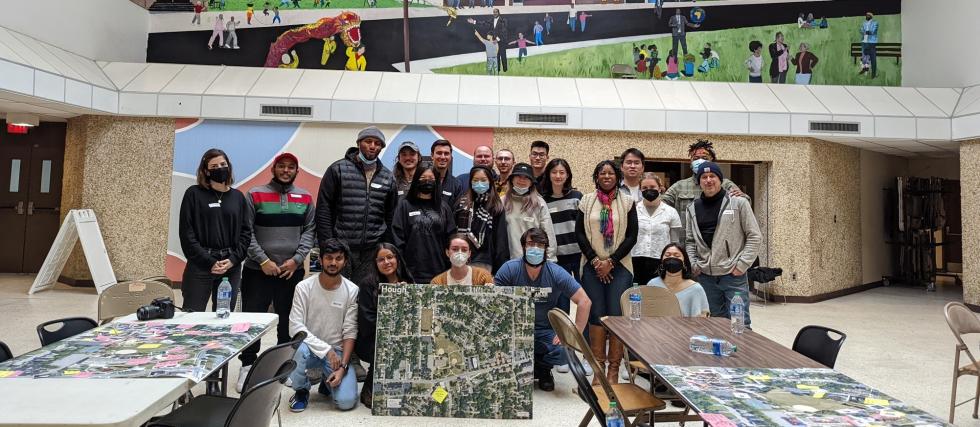
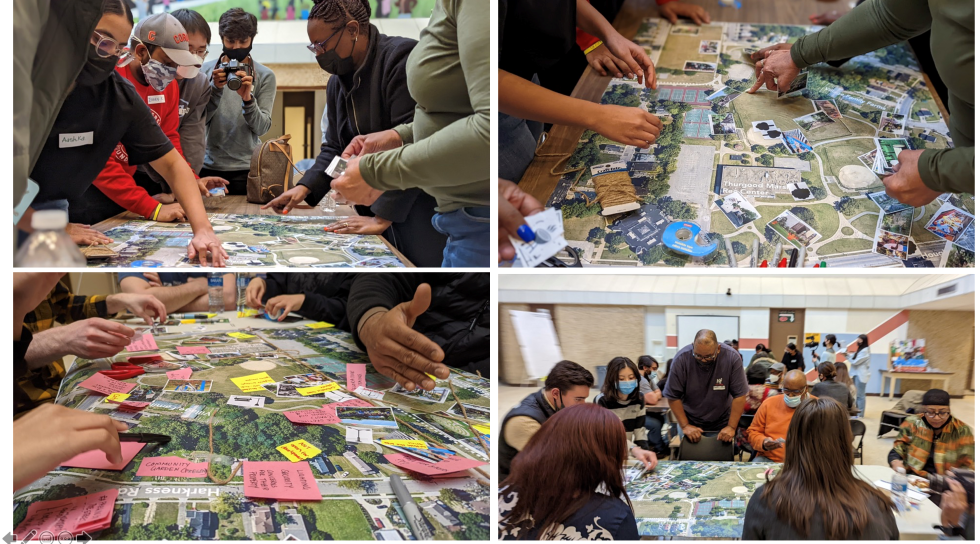
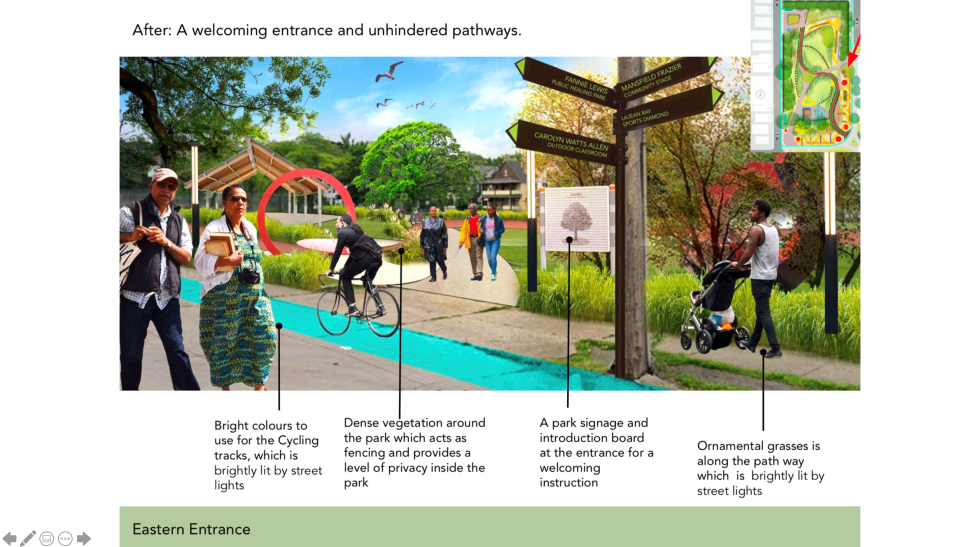
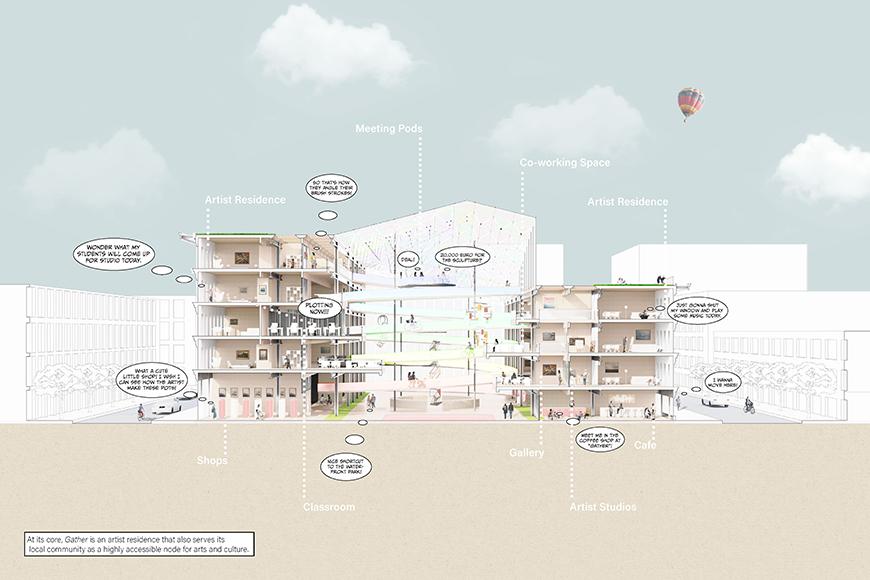
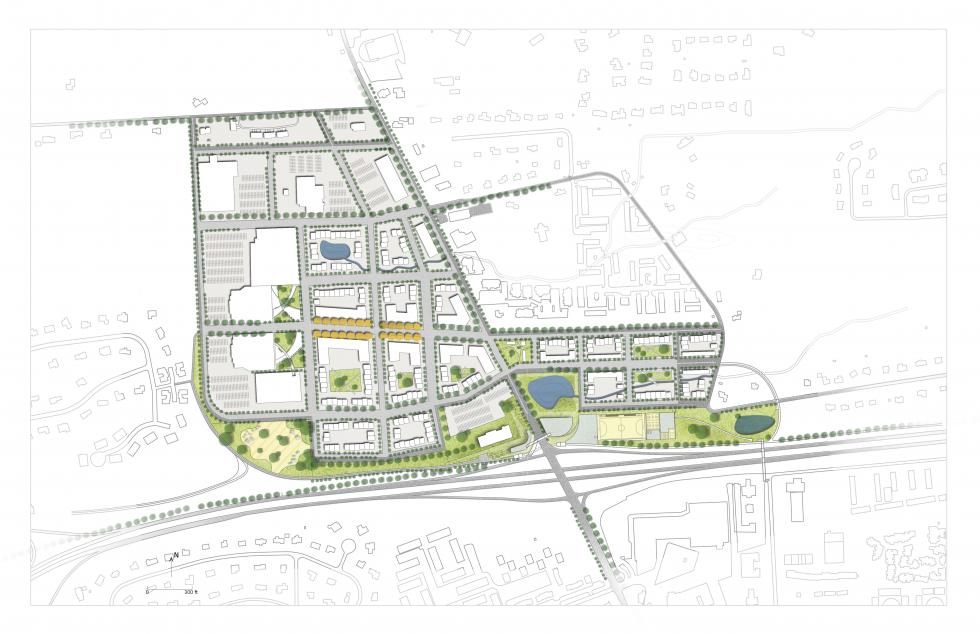
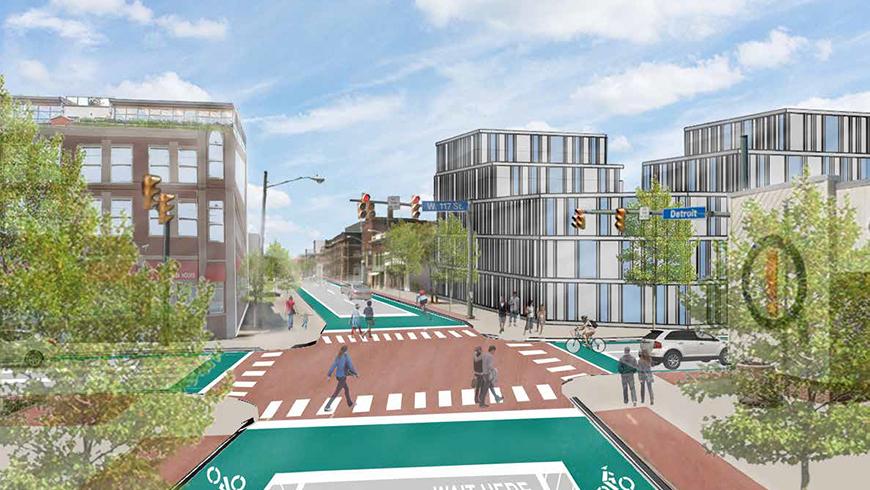
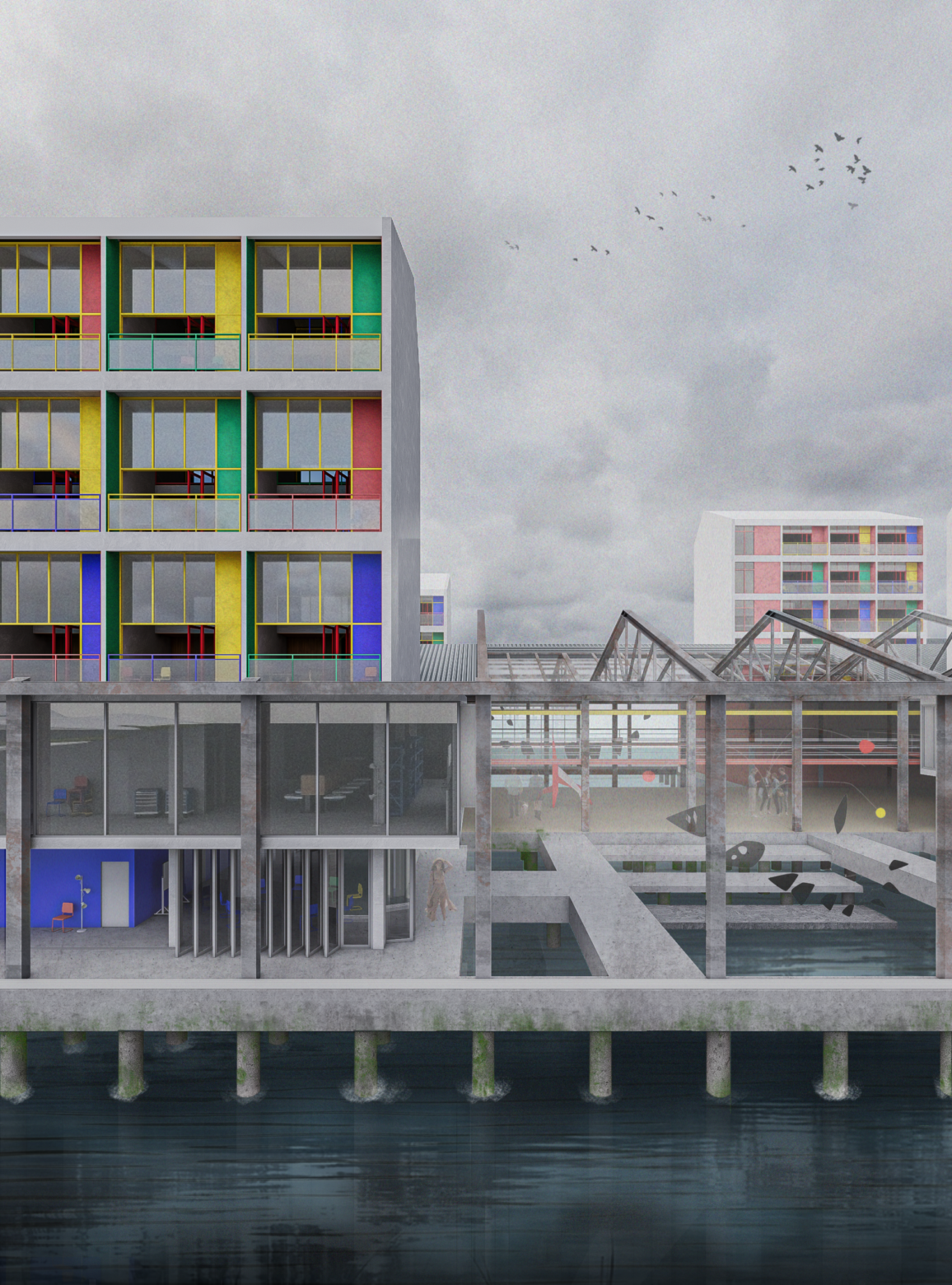
Over the course of the Spring 2022 semester, students analyzed the site, met with community members, listened to community needs, and proposed ideas for the 2.6-acre Hough Community Green Space. They also suggested economic development opportunities and infill housing on vacant or underutilized parcels within the study area, especially along Hough Avenue. Taken together, these site-specific strategies aim to repair the physical fabric of the neighborhood, create a revitalized public space at the heart of the community, offer needed public space options, increase housing and commercial choices, and create corridor defining improvements such that Hough serves the needs of all residents now and in the next 50 years.