Skip to content

Hydro Vitae/Sunfish Pond

Arch render

Contributors

  • Fah Vangtook (M.S. AAD '26)
  • Yimiao Sun (M.S. AAD '26)
  • Garcelle Lacey Allen (M.S. AAD '26)

Class

ARCH 7111 Design A

Instructors

  • Alessandro Orsini

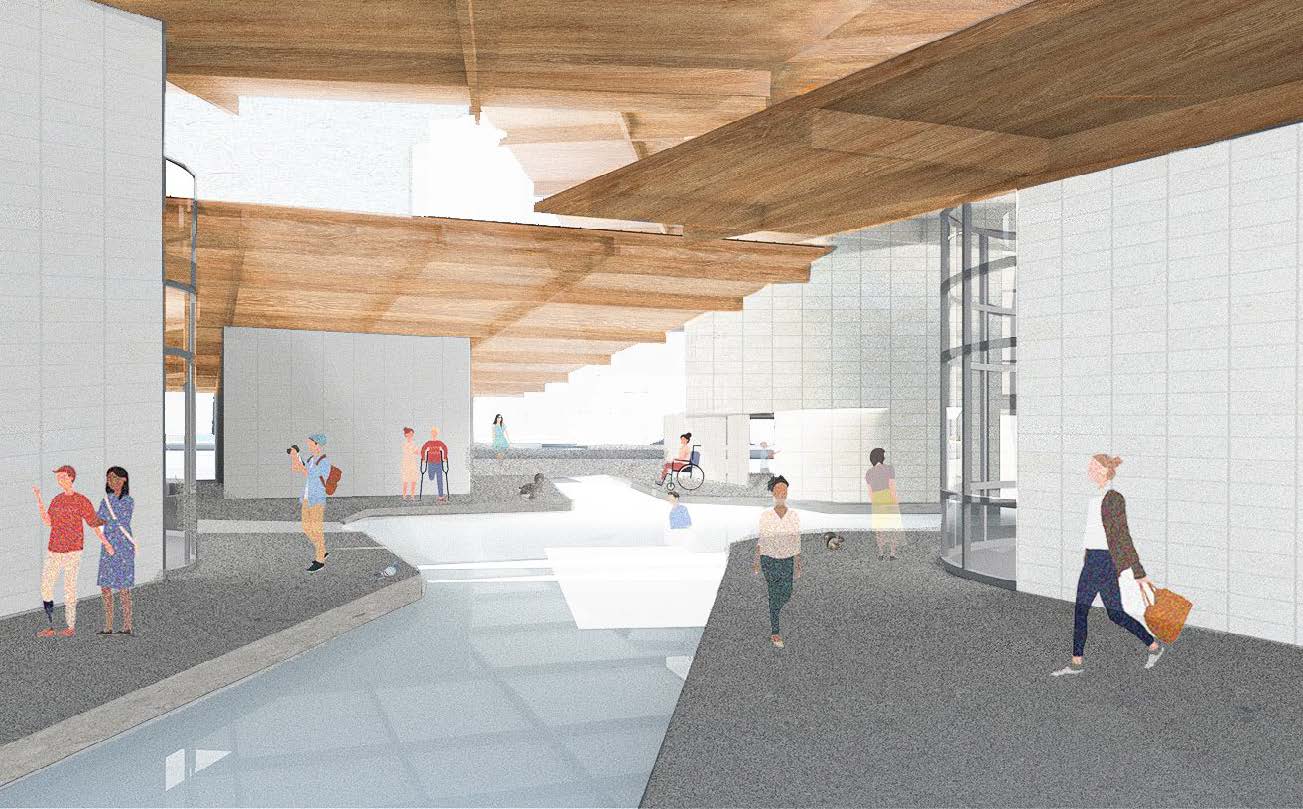
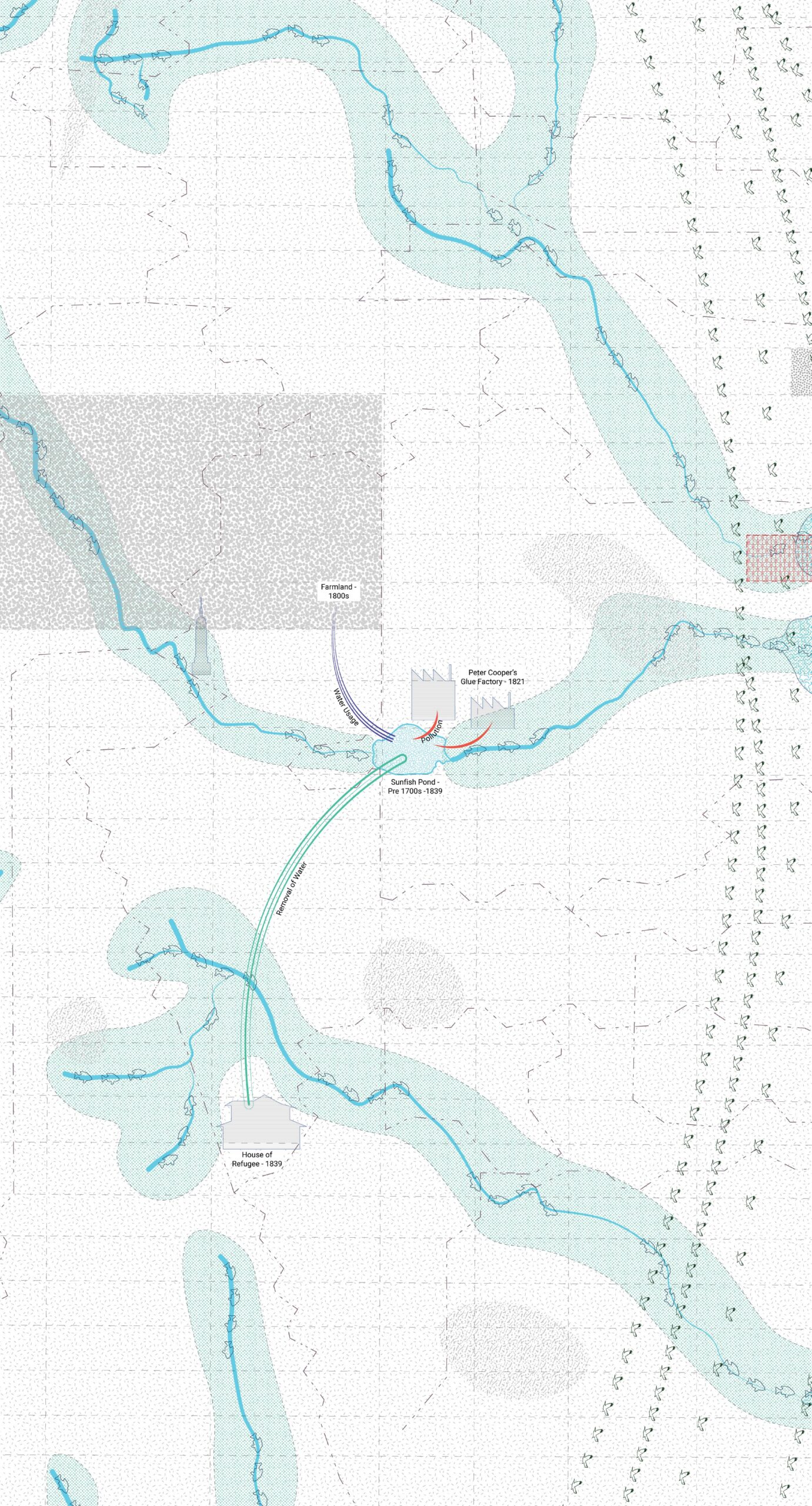
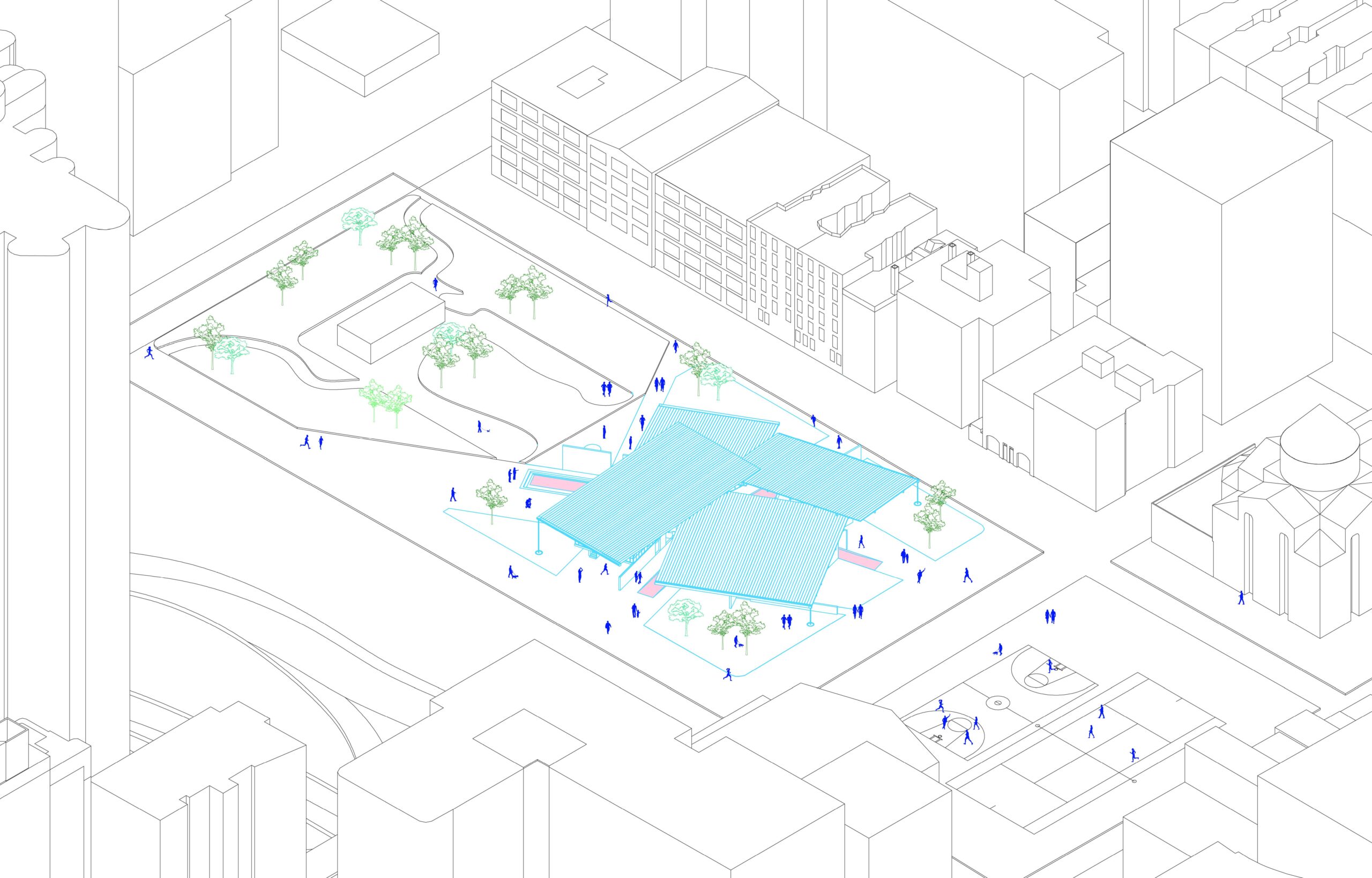
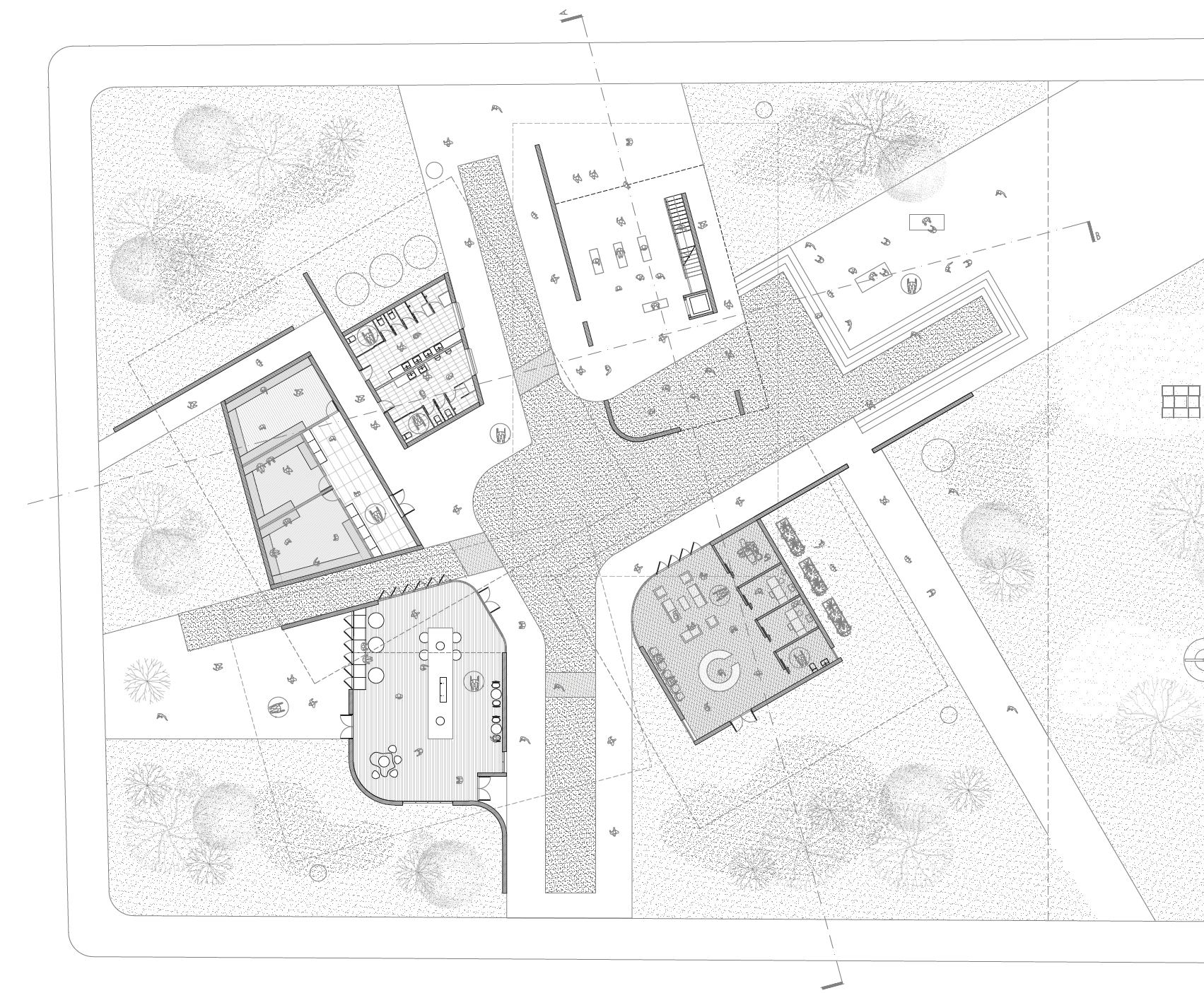
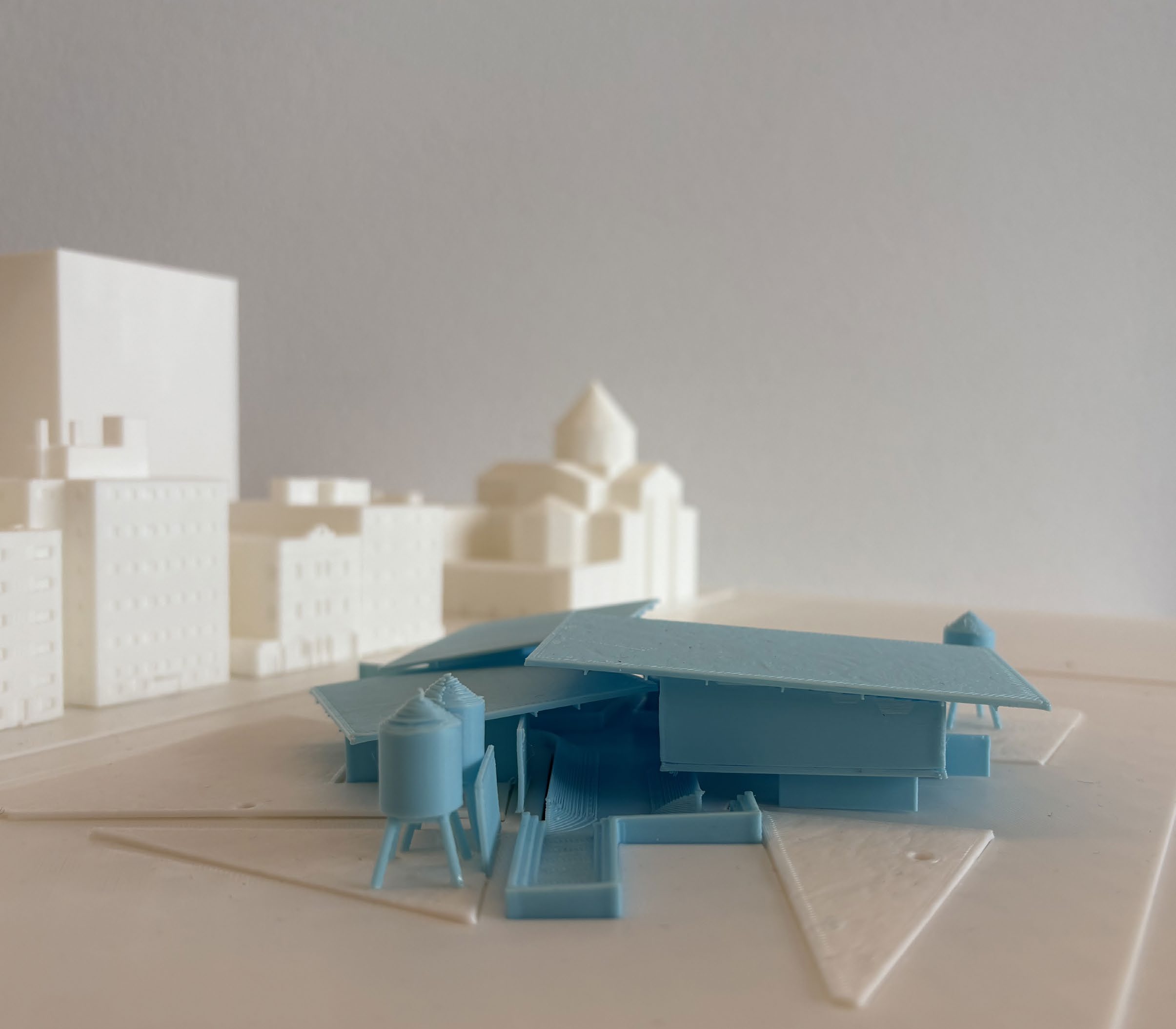
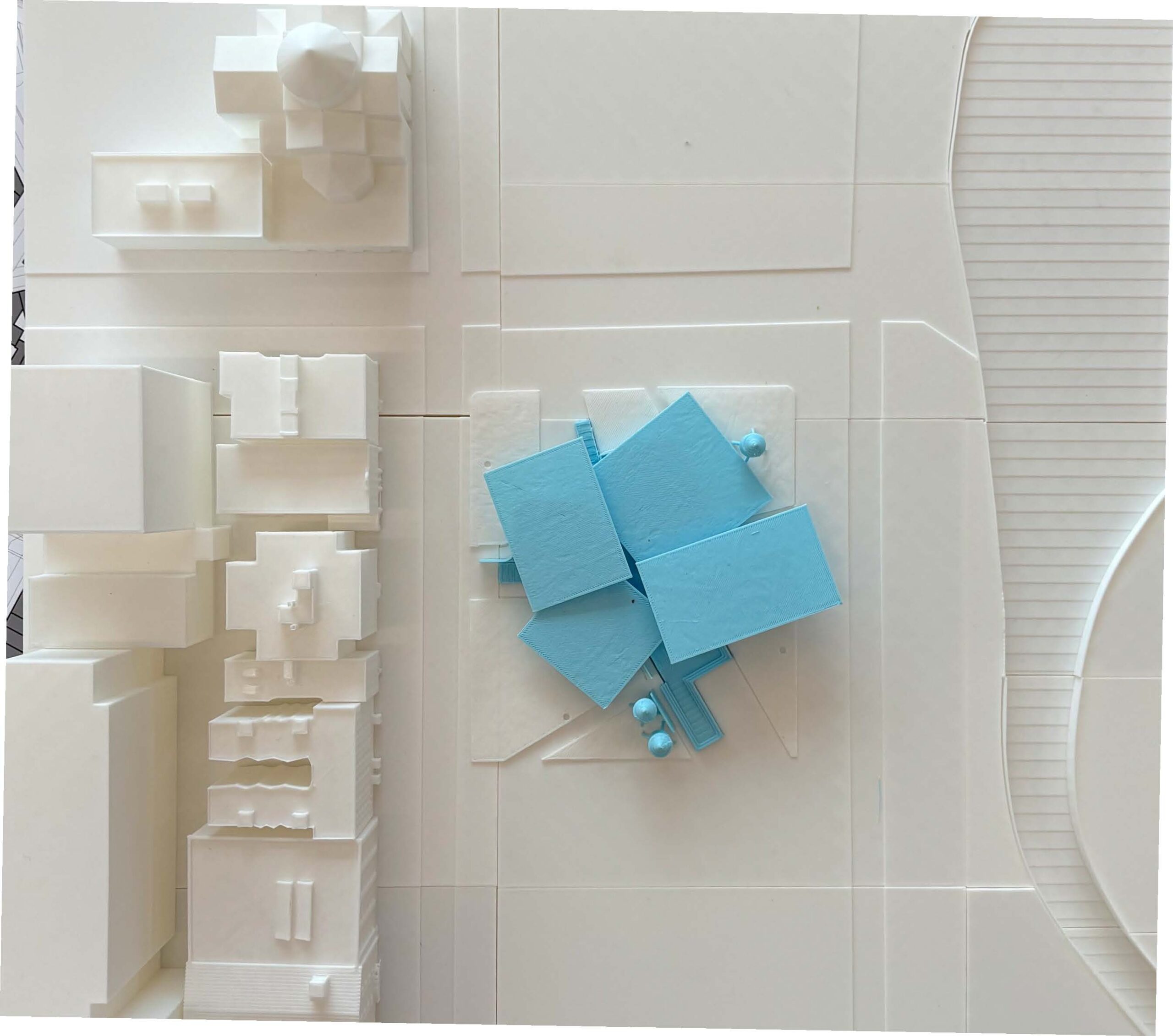
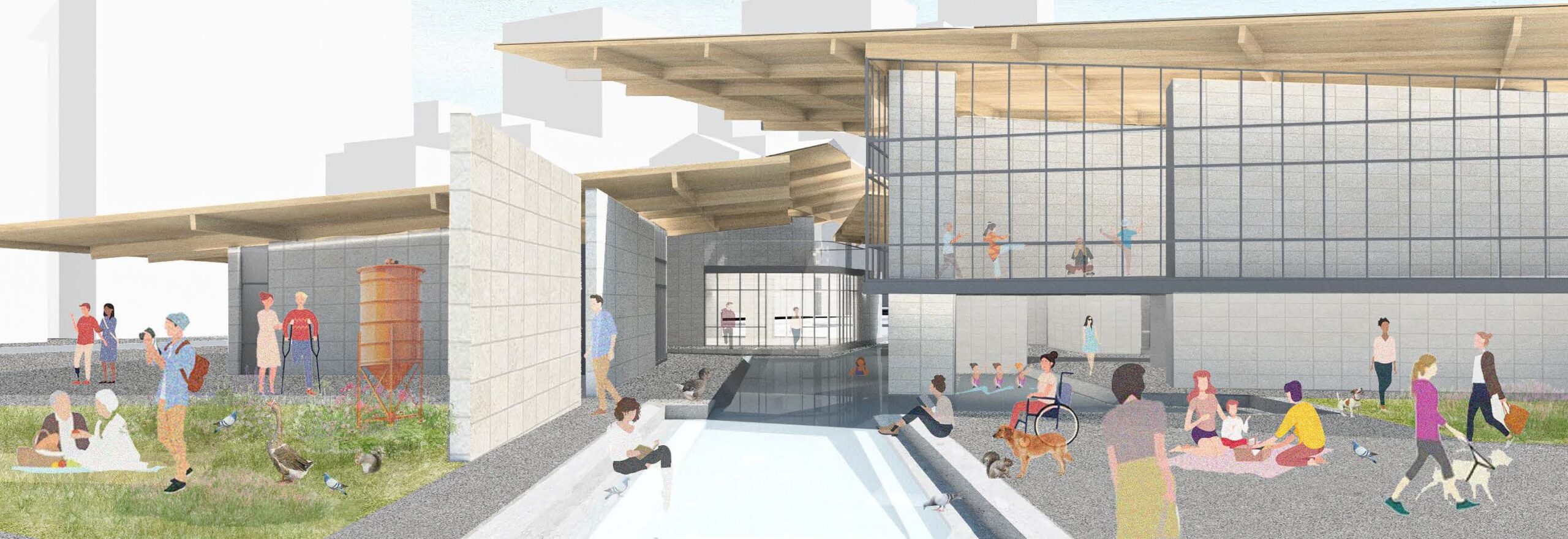
This project is a therapeutic civic space that transforms floodwater and rain into a healing, sensory experience. Located in St. Vartan Park, a site vulnerable to flooding in Kips Bay, Manhattan, the design provides healing and stimulation for the elderly and adolescent outpatients of the NYU Langone Health Hospital. The nearby hospital provides medical care for its patients, but the environment is often perceived as cold, clinical, and uninviting. This project offers a complementary space rooted in a sensory experience. It draws inspiration from the now-lost Sunfish Pond, which was once a defined part of the city in the early 18th and 19th centuries. It served as a crucial ecological and community resource. However, as industrialization became more prominent, the pond became polluted by a glue factory and met its end in 1839 when it was drained to help extinguish a fire and then filled in.
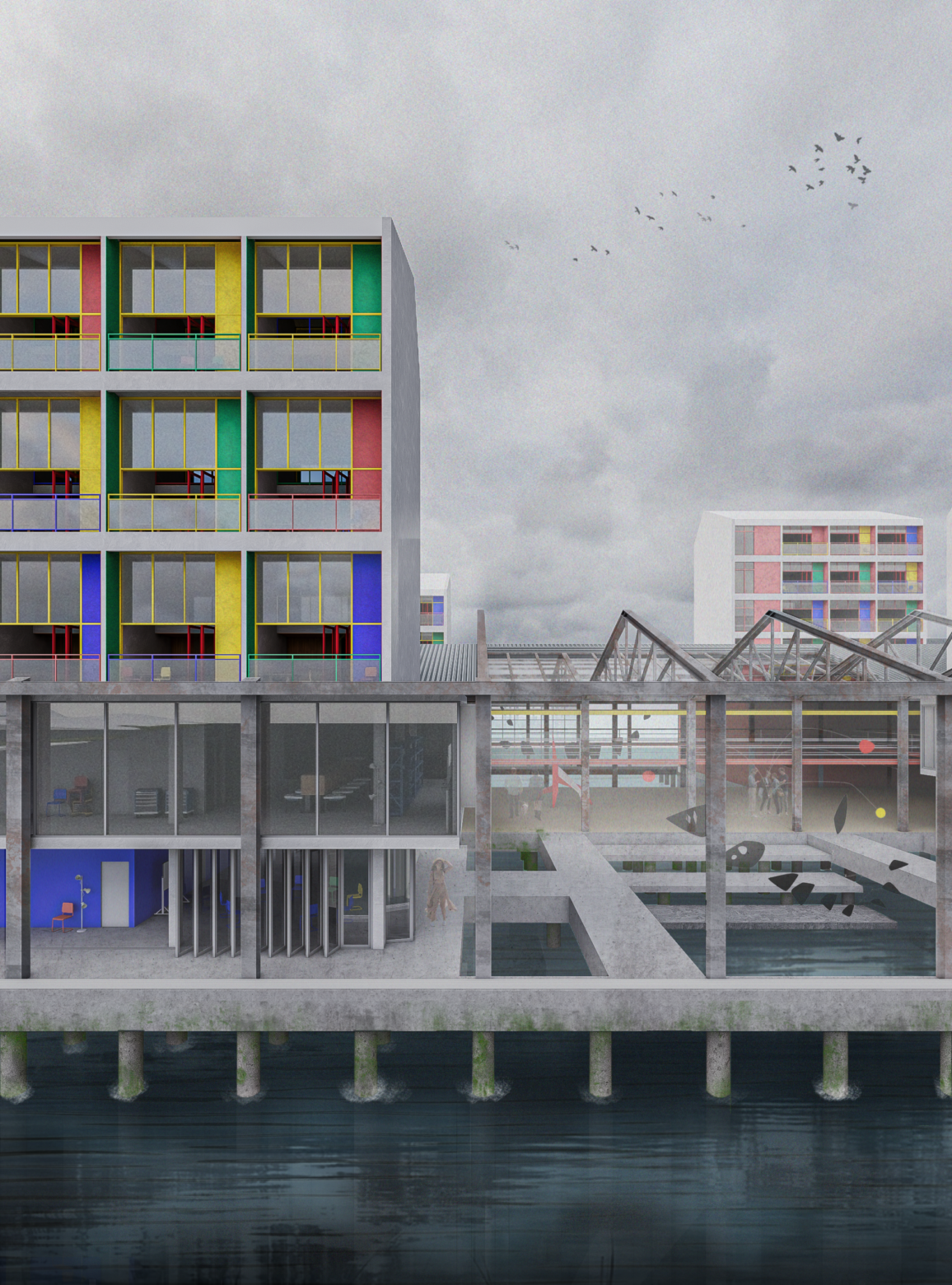
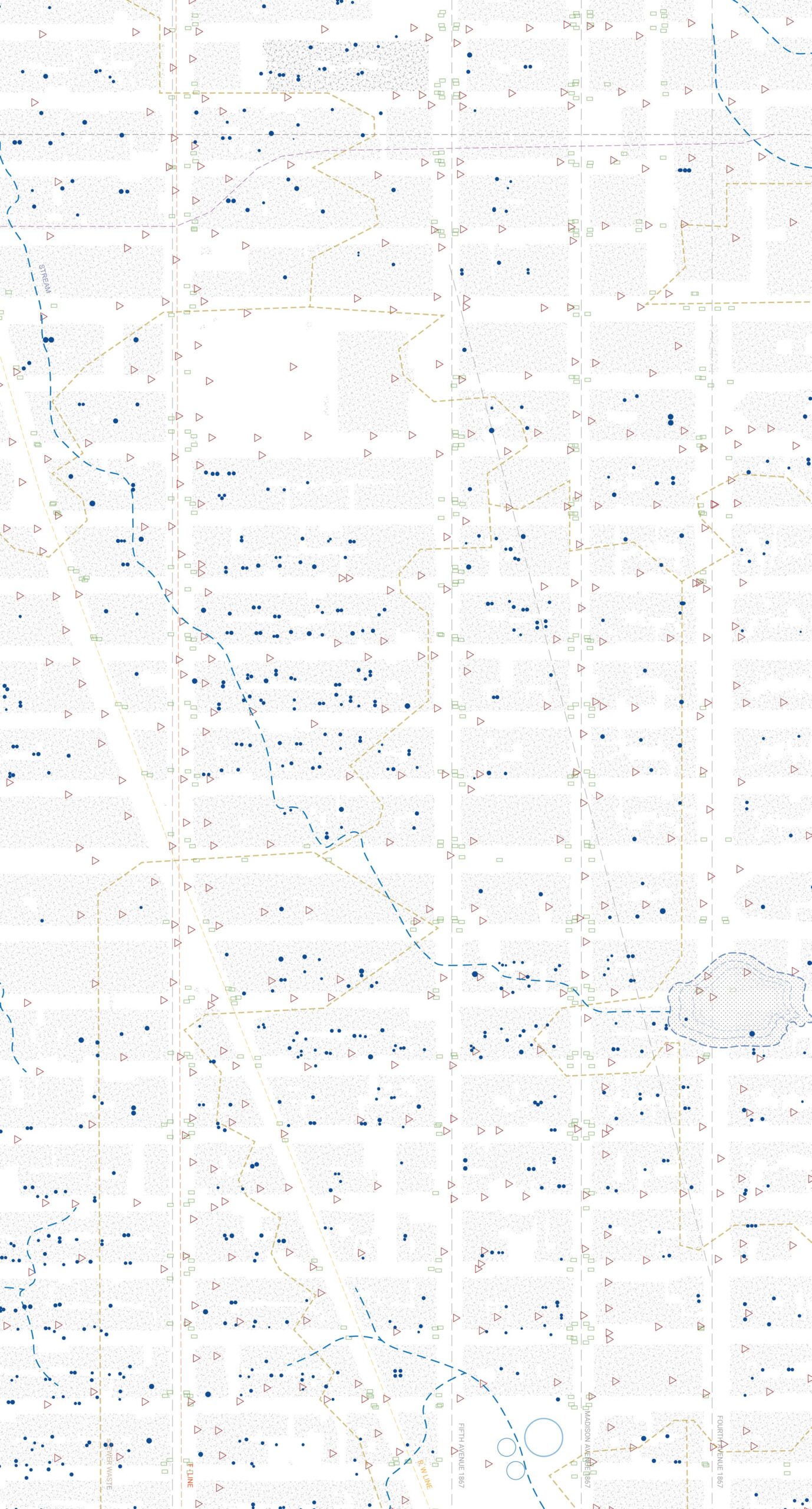
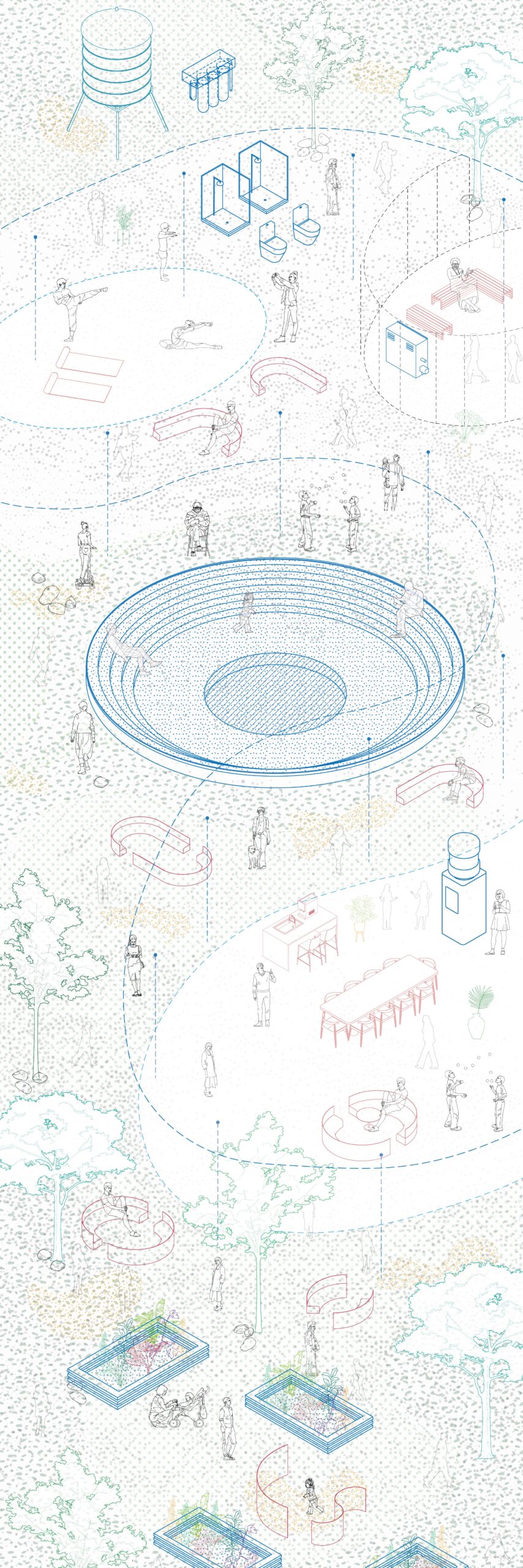
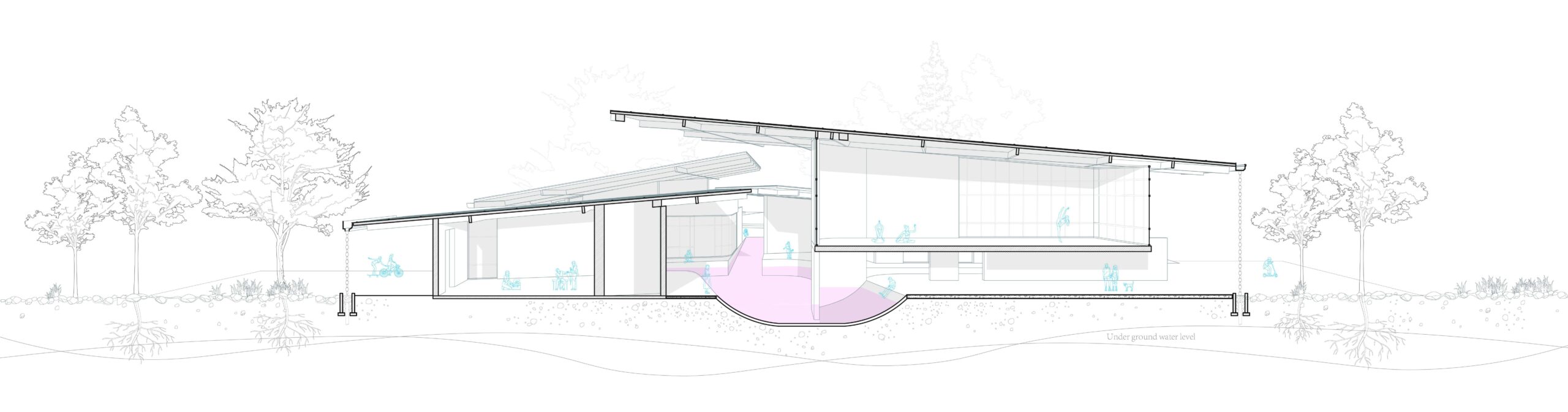
Although the pond no longer exists, its hydrological footprint remains through its feeder streams that currently flood basements in the surrounding neighborhood. Rather than attempting to suppress the water, this project proposes a new relationship with it, centered on visibility, education, and repeated use. Rain and floodwater are gathered and filtered through an exposed system. Visitors can visually follow the flow of water as it is cleaned and utilized for a range of public, health-oriented functions. The filtered water is used at different stations to stimulate the five senses, helping the outpatients reconnect with their bodies as a form of rehabilitation.

Touch and hearing are activated through the resonant pools. Sight and smell are triggered in the medicinal gardens and meditation spaces. Taste is engaged through drinking fountains filled with filtered water. This is not just a system for water management, it is a civic ritual. It transforms a site of flooding into a space for restoration by paying respect to our natural water systems by making them public again, in addition to reimagining care outside the hospital as something spatial, sensory, and shared.