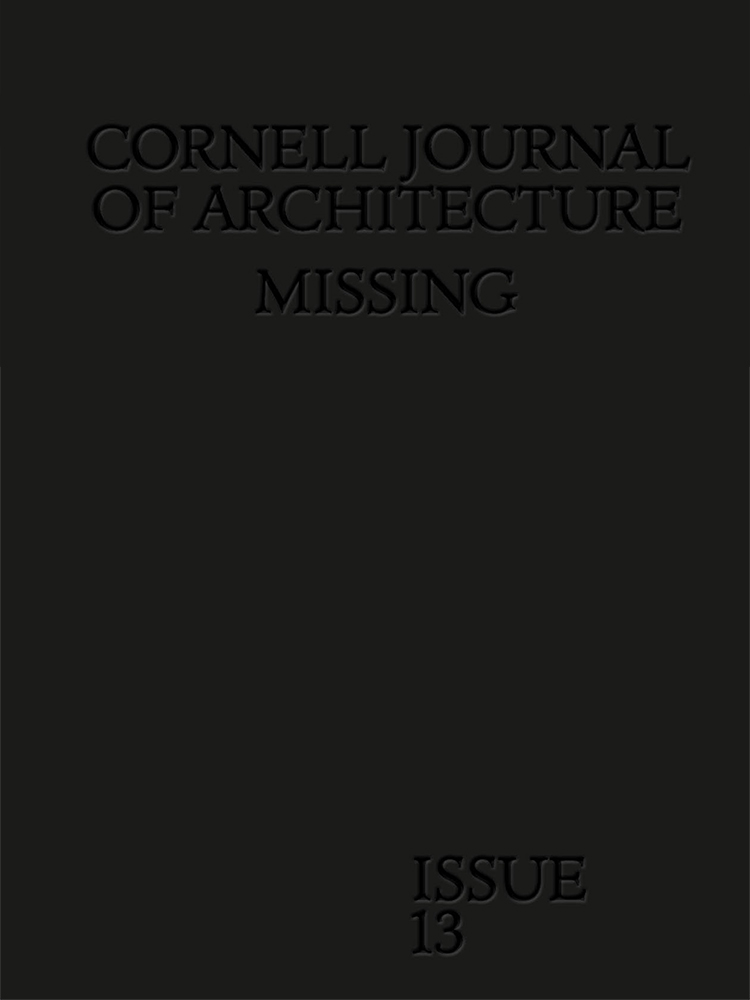
The theme for Cornell Journal of Architecture Issue 13, “Missing,” was conceived as the long-term impact of the COVID-19 pandemic was still being processed. Following issues that examined ideas around “Fear” and “After,” this installment explores absence.
“When something is missing, it provokes uncertainty regarding the permanence of its loss. Even if found, could everything go back to the way it was?” asks Emma Silverblatt, Visiting Critic and Judith Kinnard Early Career Design Fellow, who coedited this issue with Associate Professor of Architecture Val Warke, the Michael A. McCarthy Professor of Architectural Theory.
Silverblatt explains that the contributions included in “Missing” examine the topic “through a broad gradient of intentionality: from disappearances to denials to erasures. The wide-ranging sites of each author’s interrogation confirm an expanded potential for the discourse today, translating and making sense of uncertainty, and ultimately, testing how we might communicate those stories to others.”
“In the beginning, [CJOA] was largely an instrument for showing what we do at Cornell,” says Warke, whose history with the publication extends back to its very first issue, where his thesis was published in 1981. He has since either contributed writing to or served as an advisor on most of the issues, and has watched the journal’s evolution over time.
event
Apr 10
Cornell Journal of Architecture, Issue 13: “Missing” Book Launch and Reception
Please join AAP alumni, students, colleagues, faculty, and contributors as we launch the thirteenth Cornell Journal of Architecture.
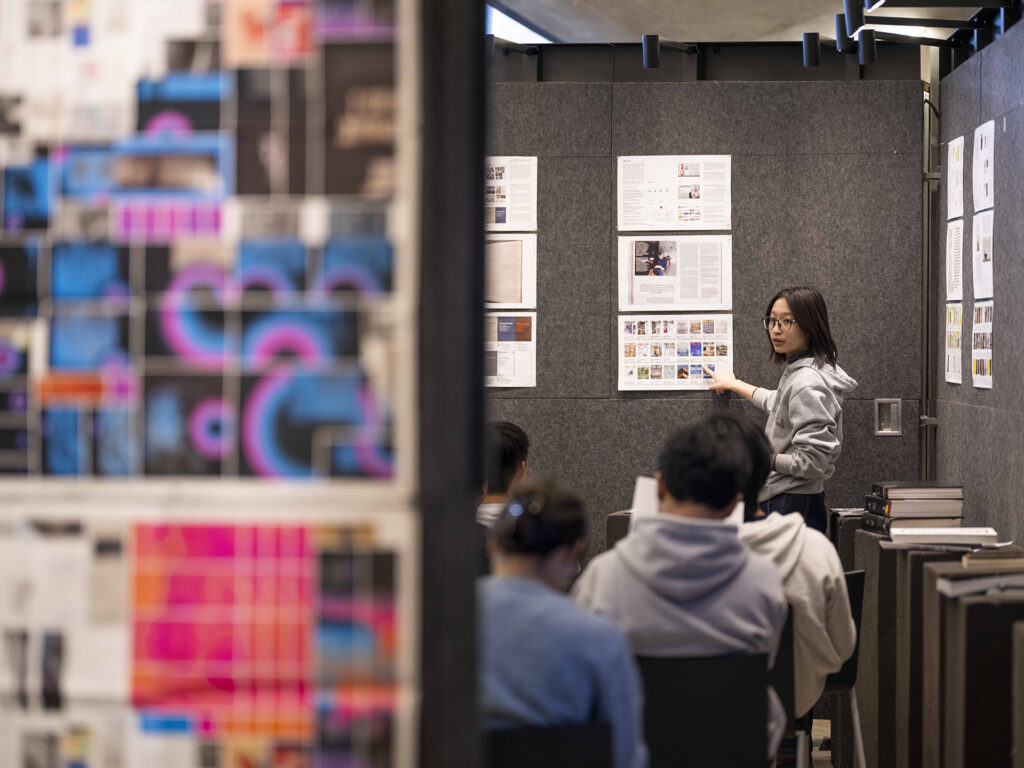
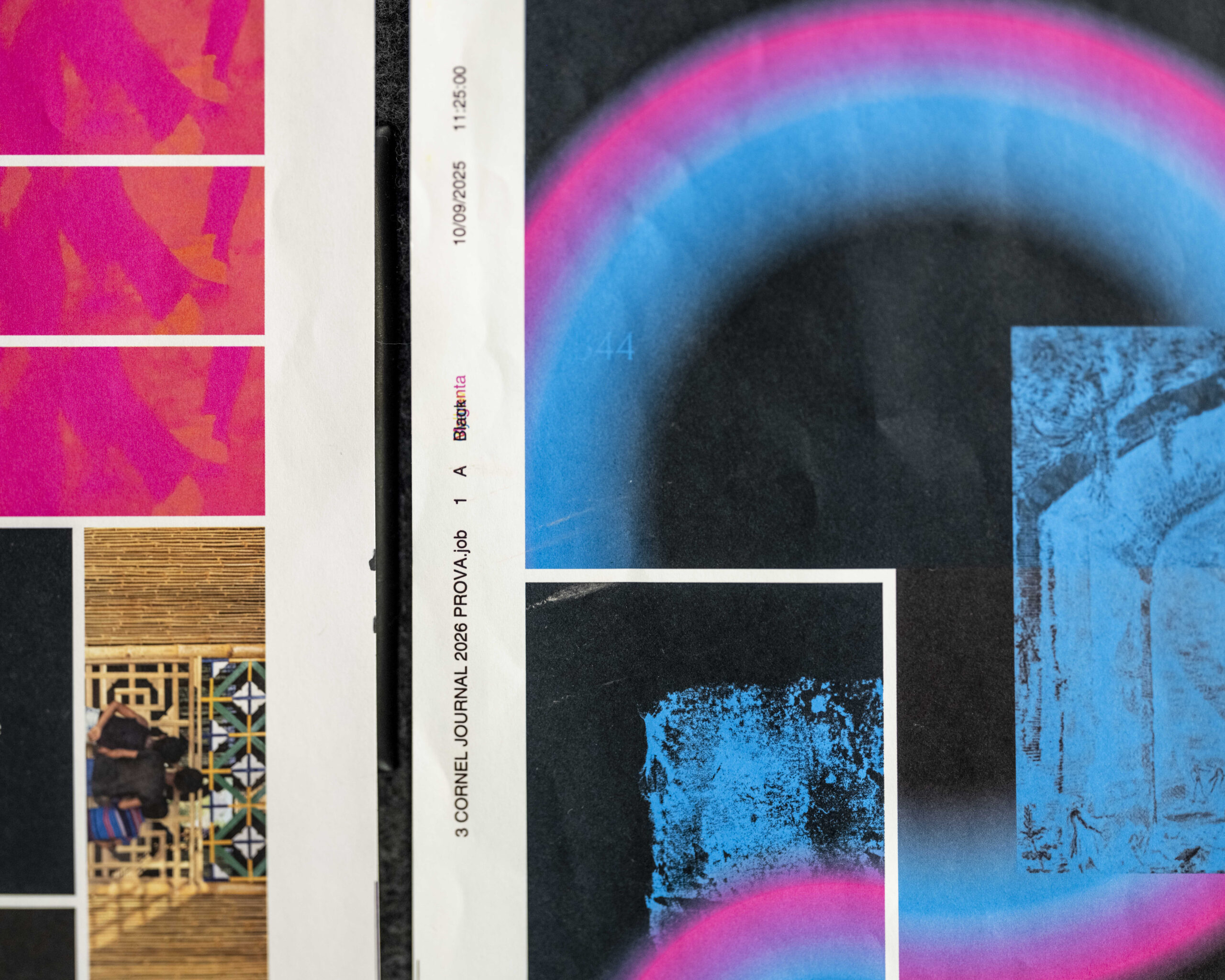
Since involved student cohorts and faculty advisors shift over time, the journal itself continues to change both in look and content, rebalancing focus between professional scholarship and student projects, for example, or altering its visual design. However, the spine’s height has remained constant so that the books continue to sit neatly together. The core motivation behind the publication’s creative and editorial processes, supported by a gift from Ruth Thomas, also remains the same, Warke acknowledges. “In recognition of Ruth’s generous bequest, it’s remained a primarily student-run venture. She believed that writing and editing were important parts of an architect’s training, as revealing of thought as drawings.”
aHow to Purchase
Cornell Journal of Architecture Issue 13, “Missing” will be available for purchase in limited quantities at the launch event (cash and card accepted). It can also be purchased online via Amazon (pre-order now), Actar Publishers (once launched), and a number of independent book sellers.
Central to the journal’s creation, the Department of Architecture offers the Architectural Publications course to support its production. Students study a range of comparable periodicals and pursue personal interests in graphic design, publishing, editing, or writing.
As they planned the release of Issue 13 and began the work of strategizing Issue 14, current student editors Lydia Brawley-Magee and Kalven Owen (both B.Arch. ’28) found the class to be “a vital tool for elevating voices; it has broadened the discourse between students and scholars.” They point out that those conversations help link Cornell’s pedagogical approach to architecture and the journal’s legacy to the current cultural moment and the attitudes of the student body.
“Alongside a deeper connection to the theoretical basis of Cornell architecture, we have also been able to connect with alumni, faculty, and the broader school through a wider conversation about our collective identity, what has defined it in the past, and what we hope for it in the future.”
Select editorial contributions to Cornell Journal of Architecture Issue 13, “Missing”
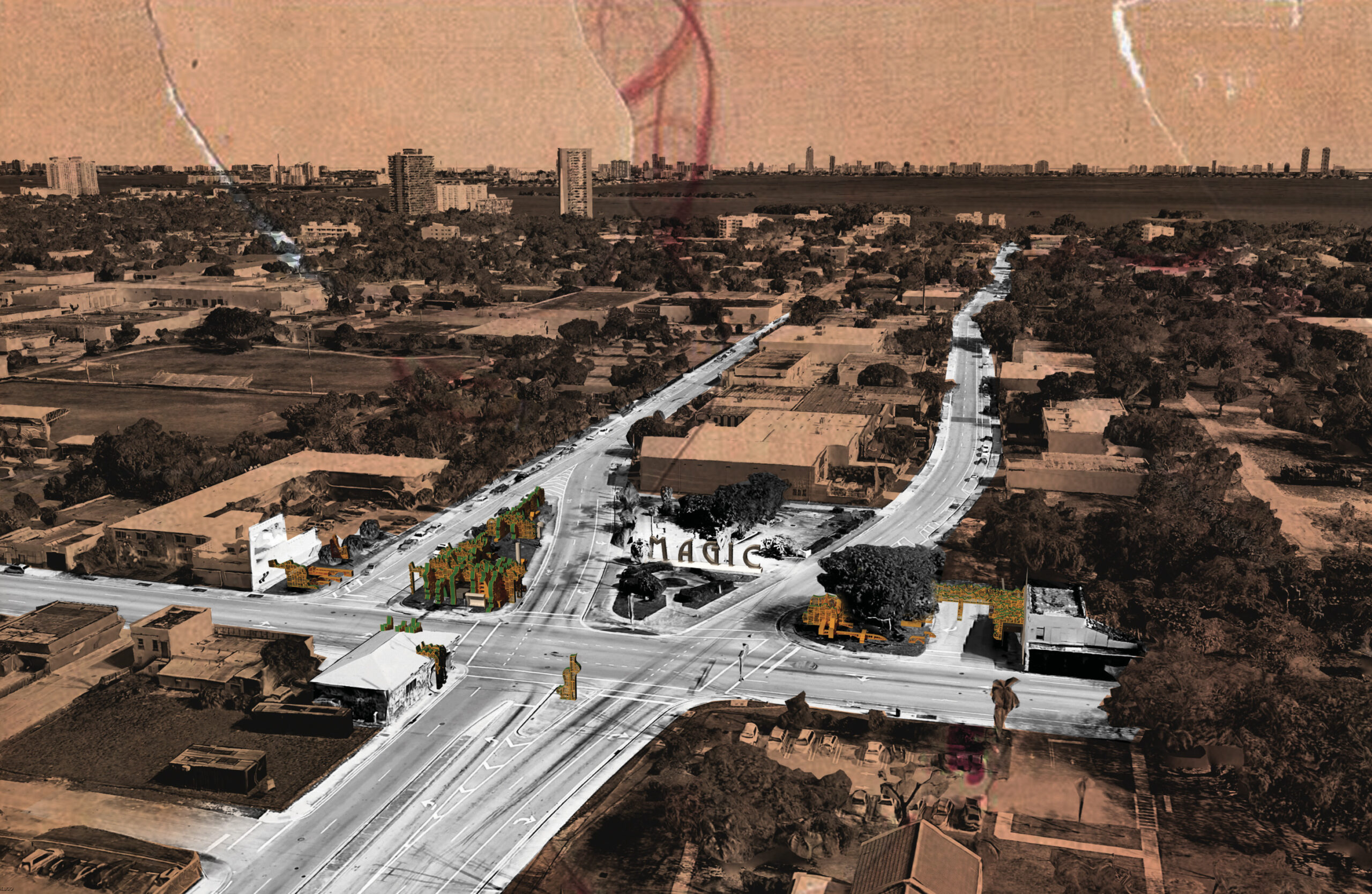
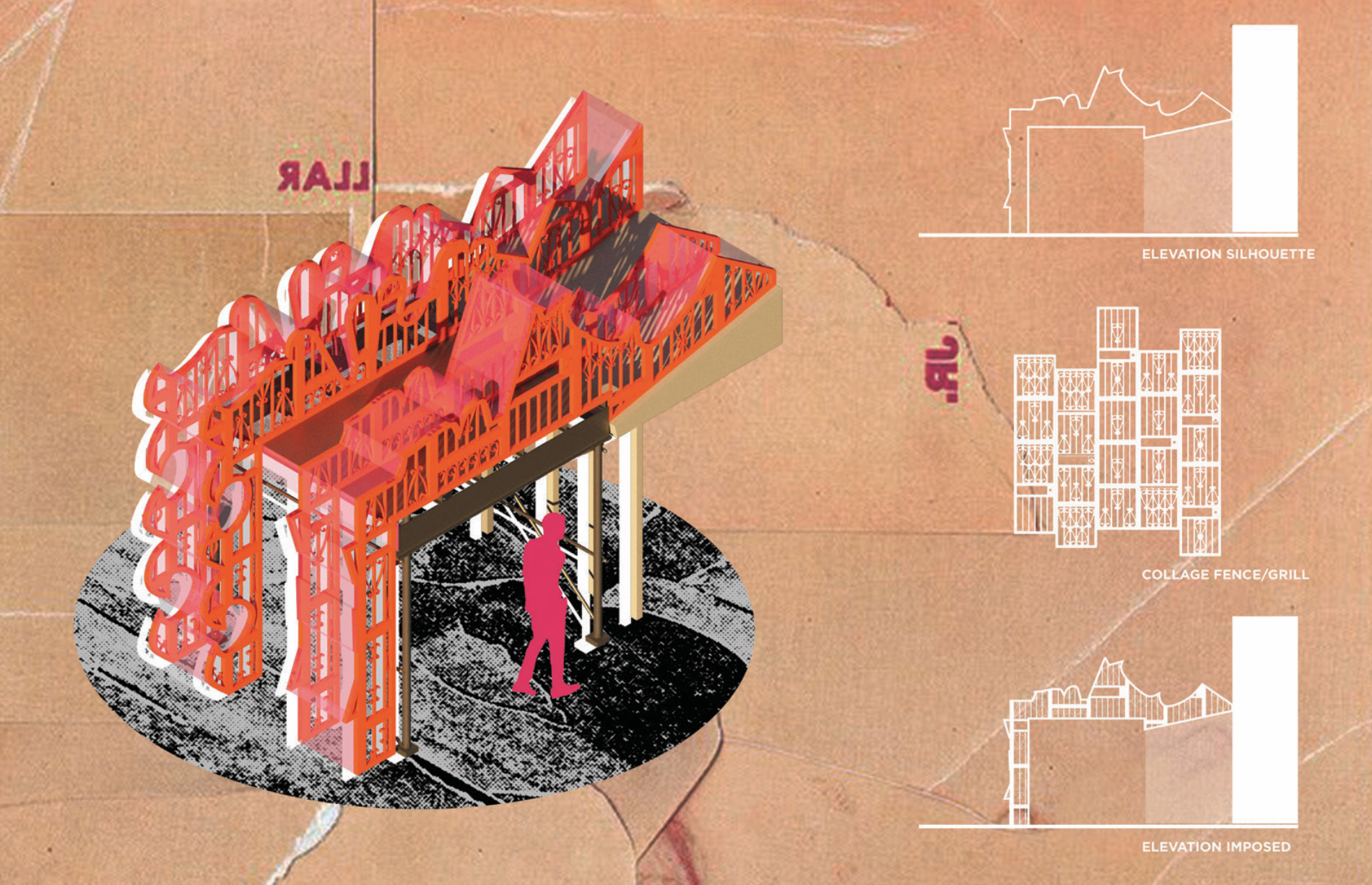
Creole: A Spatial Language of Cultural Preservation, Transition, and Production
By Cornelius Tulloch (B.Arch. ’21)
“Vacant,” “for sale,” and “for lease” are the words that plague the lots of the vibrant neighborhood of Little Haiti, Miami. A wave of cultural erasure comes crashing through this Caribbean community as surging tides of residents move further inland due to rising sea levels on the coast. Under the guise of “revitalization” and “economic prosperity,” new development increases rent, pricing present residents out of their neighborhood. The fabric of this inland community is at risk of being frayed as multiple lots become vacant and are reduced to potential profit in developers’ portfolios. Along the streets and avenues, shops and cultural spaces are now the empty shells of what “once was.”
Those affected are challenging these predatory developments through activism and creativity. Activists, artists, and concerned residents have joined forces in many ways to combat the drowning wave of cultural erasure. “Creole: A Spatial Language of Cultural Preservation, Transition, and Production” uses this same mindset to show how cultural identity can create an architectural language that preserves and protects cultural spaces while building economic resilience for Black and Caribbean residents of Miami.
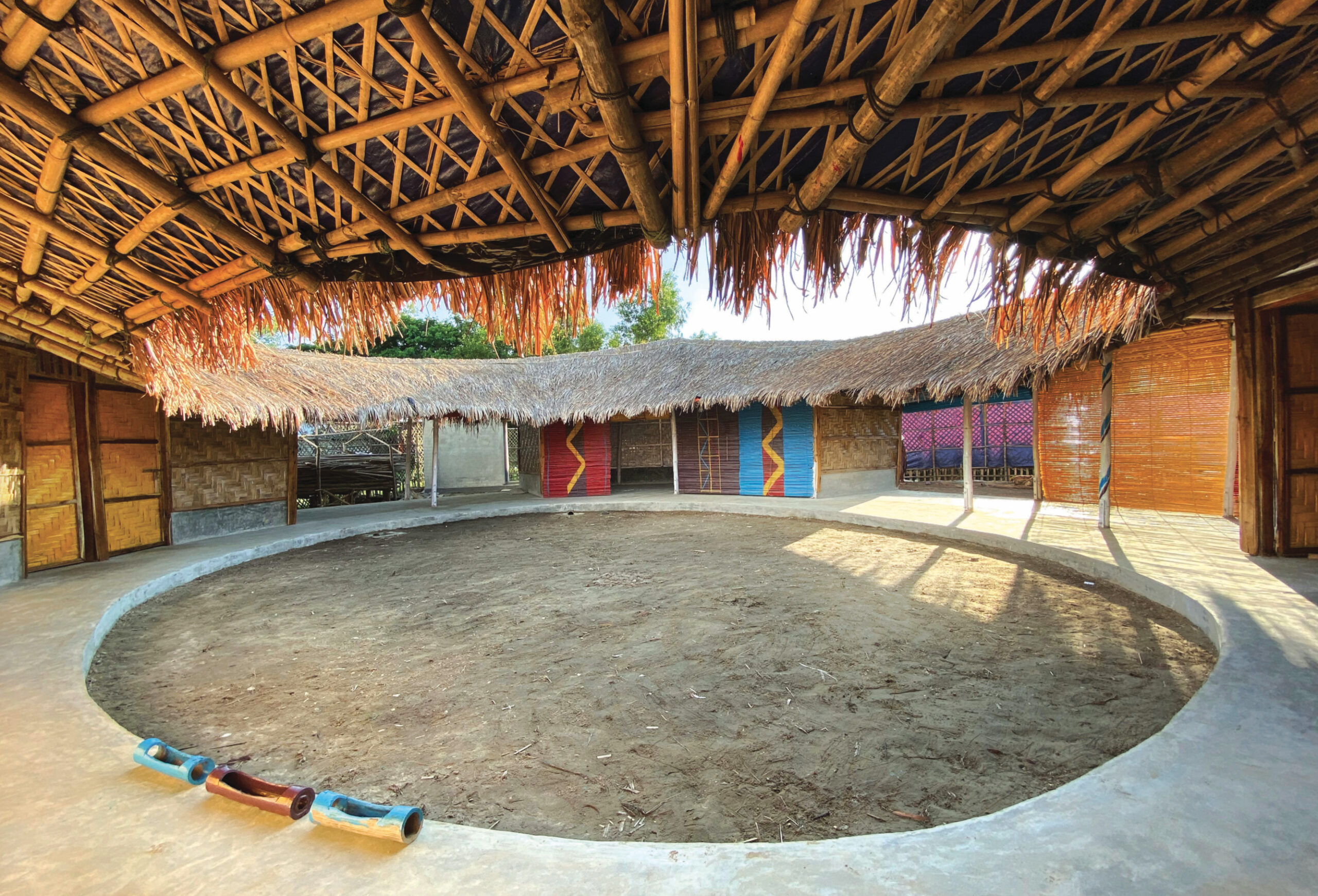
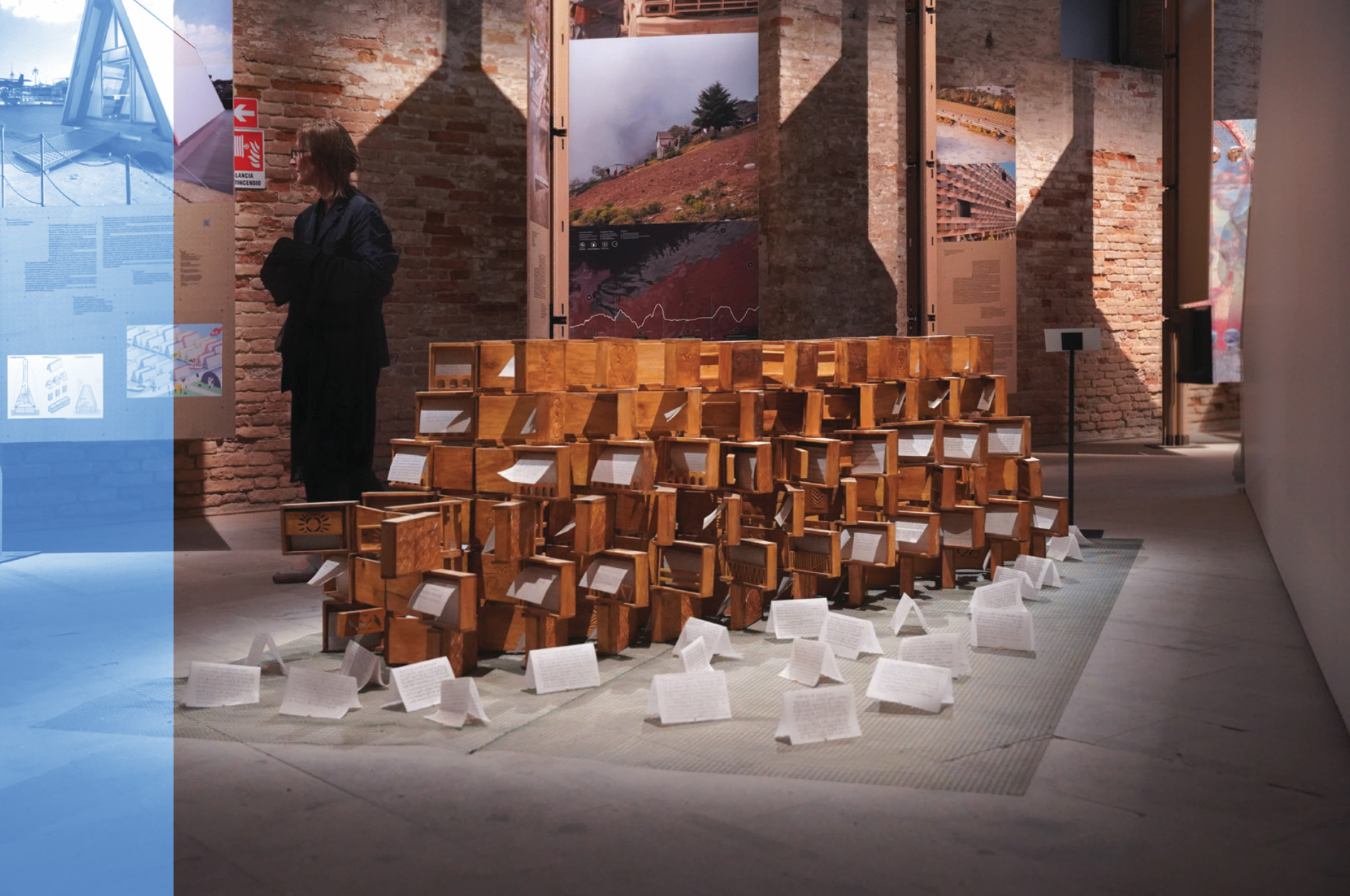
Composing for Absence: Rizvi Hassan in Conversation
Interview with Yashodhan Mangukia (M.S. AAD ’25)
A conversation between Rizvi Hassan and Yashodhan Mangukia, conducted shortly after Hassan’s participation in the 2025 Venice Architecture Biennale, the discussion moves across contexts of displacement, absence, and ethical responsibility. Known for his work with displaced communities and his participatory ethos of “composing the solution,” Hassan reflects on the possibilities of architecture in conditions where permanence is elusive and memory must substitute for monumentality. Through themes of material, authorship, refusal, and care, the conversation unpacks what it means to practice architecture from the ground up, literally and ethically, in sites where design is often missing, yet urgently needed.
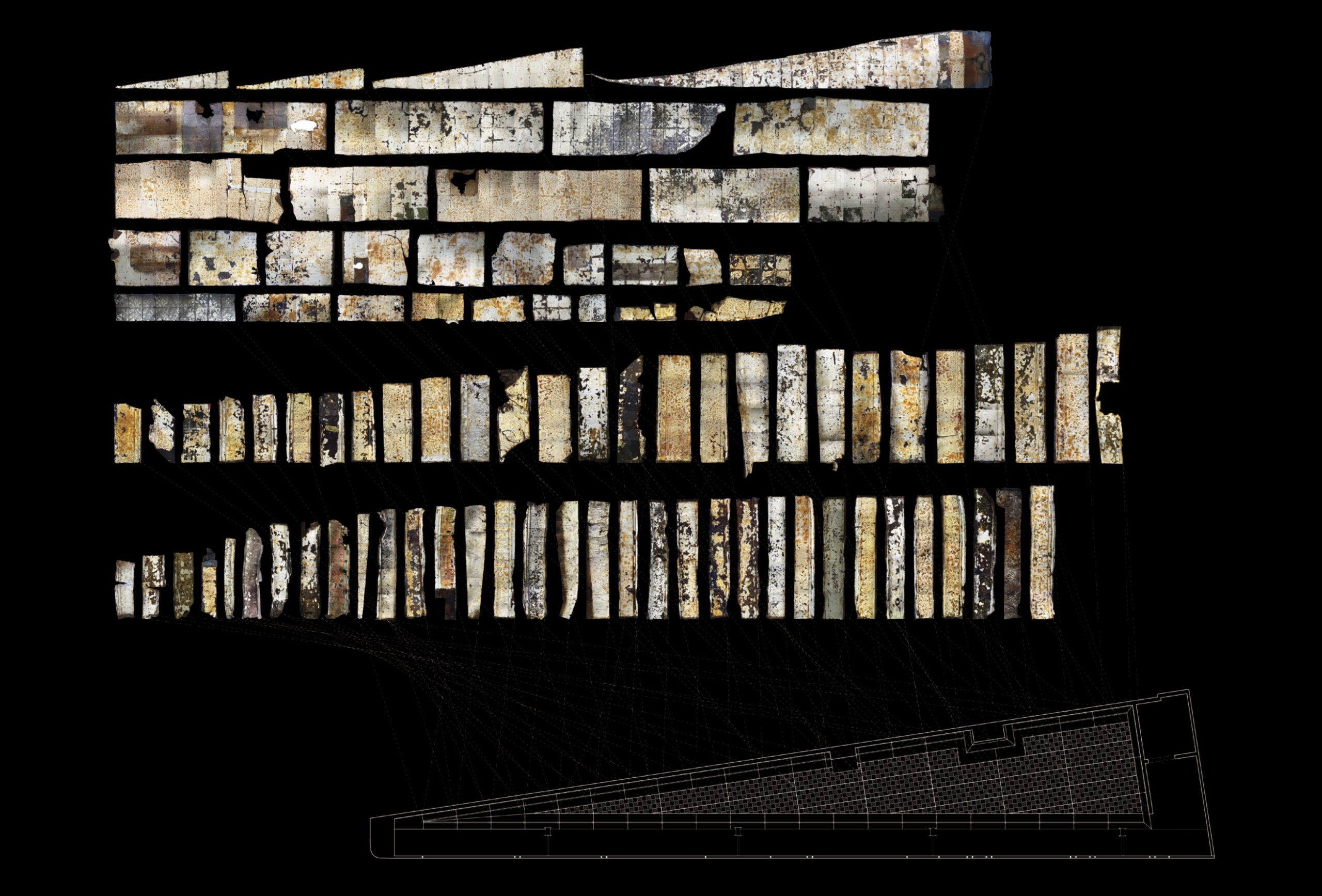
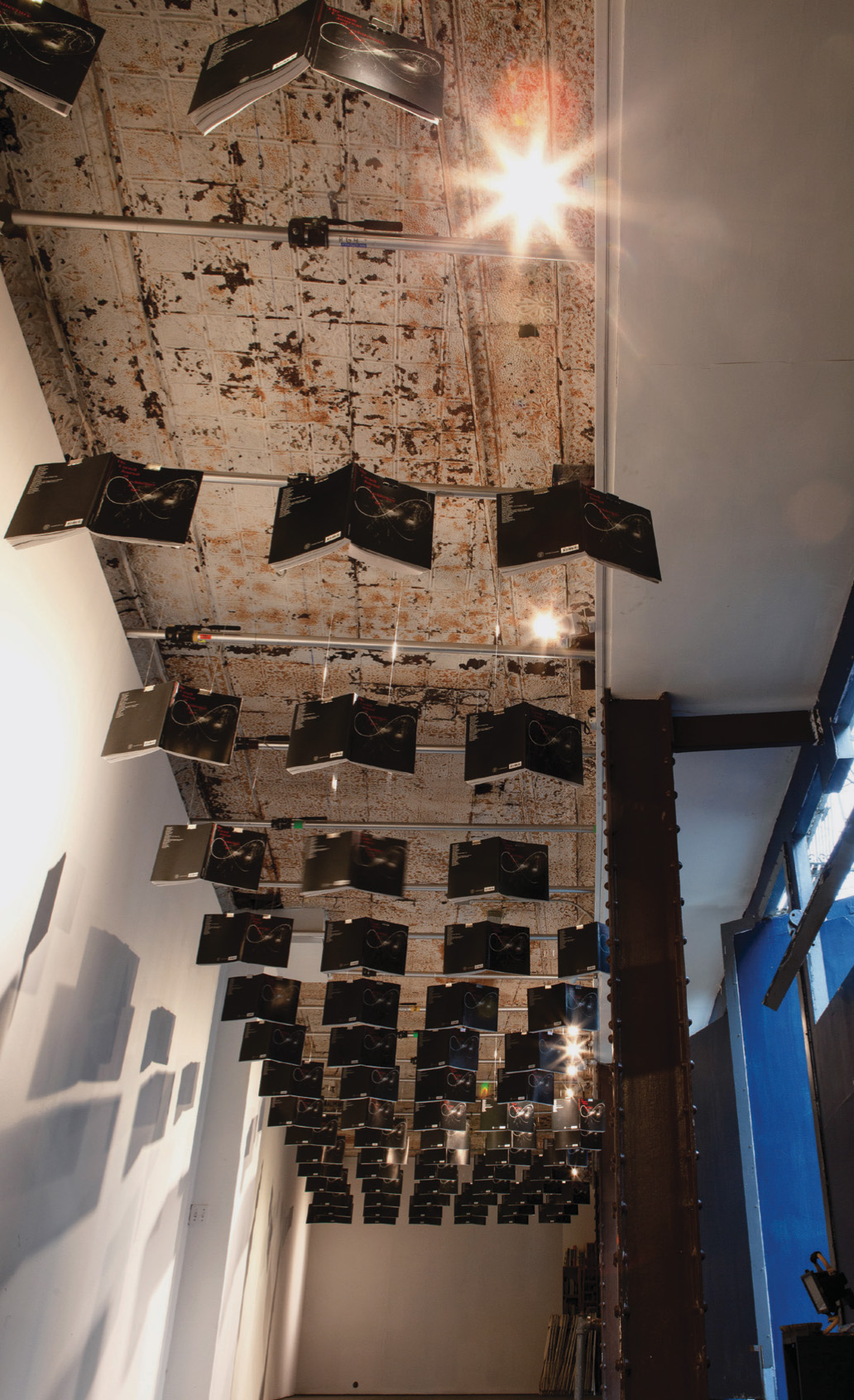
Missing You
By Edgar A. Tafel Professor of Architecture Caroline O’Donnell
In 2013, thirty renowned and up-and-coming architects were invited to make a drawing of Storefront for Art and Architecture, as part of an exhibition and auction titled POP: Protocols, Obsessions, Positions, the first edition of Storefront’s Drawing Series. Executive Director and Chief Curator, Eva Franch i Gilabert, charged the contributors with making a representation that “investigates what constitutes a position in architecture today, and how that might be generated through the architect’s drawing.”
This question, while on one hand a simple marketing and fundraising strategy, on the other hand, goes right to the heart of the discipline. How does the content and technique of our representation ground our architectural practice, its focus, its politics, its audience? How could thirty architects look at the same building and see it differently? And how could that particular perspective demonstrate something about their mission and vision?
At CODA, we were interested in the representation of the invisible, forgotten, or unseen: what is there, but what we miss. We were interested in understanding a place deeply enough to tease out its unique story: its provenance — where it came from, and its future — what would happen to it when it became obsolete?