Molly Sheridan
How does the career you’ve had compare with the architect you imagined yourself becoming when you were still in school?
Annabelle Selldorf
I started not knowing if I really wanted to be an architect. My father was an architect, and he worked very hard and never had any money. I didn’t get into architecture school in Germany, not one, but two years in a row, so I filled my time with internships. Ultimately, I applied to go to architecture school at Pratt and, surprisingly, was accepted.
There were all these exercises in architecture school that we had to do, that had to do with abstraction, that had to do with understanding space. Gradually, I thought about architecture as something you have to inhabit in order to create it. But I didn’t really have a plan. I wasn’t ambitious. I once heard an interview with Norman Foster, who said that when he came out of the womb, he knew that he was going to be an architect. I had to literally rope it in one inch at a time.
I worked all through architecture school, so linking myself and my studies to practice was always very clear to me, but whether I would become an independent architect, I wasn’t sure. I got my master’s at Syracuse in Florence, Italy. Then I came back and went back to my old job and realized I didn’t want to work for anybody else. I really wanted to think on my own. Somebody hired me to do a kitchen renovation, and that was almost as good as the Cappella Rucellai in Florence.
So it all happened very gradually, is what I’m saying, and it didn’t happen in a premeditated way. I was very happy that I started with very small projects, because they were projects that I could understand and that I could get my arms around. And that’s how the practice grew over a very long time.
event
Apr 23
2026 L. Michael Goldsmith Lecture featuring Annabelle Selldorf
The L. Michael Goldsmith Lecture, established in 2009 to honor the legacy of Cornell alumnus Michael Goldsmith (B.Arch. ’72), features Annabelle Selldorf with an introduction by Dean J. Meejin Yoon.
Molly Sheridan
You’ve done so much work across New York City. How has the particular energy of that urban environment impacted the work you do?
Annabelle Selldorf
Yes, that particular energy. I think that’s really the word to use.
New York City has had a huge impact on me because it allowed me to be my own person. I’ve loved New York for the huge spectrum of people that you encounter. I still find that very energizing. It also reminds you that you’re just one of many and that your own approach is not universal.
Molly Sheridan
In your experience, when a project is a renovation or an expansion, what opportunities does that provide? You’re always starting with something, a location, a brief, but when you’re starting with an existing building, is that a different sort of conversation?
Annabelle Selldorf
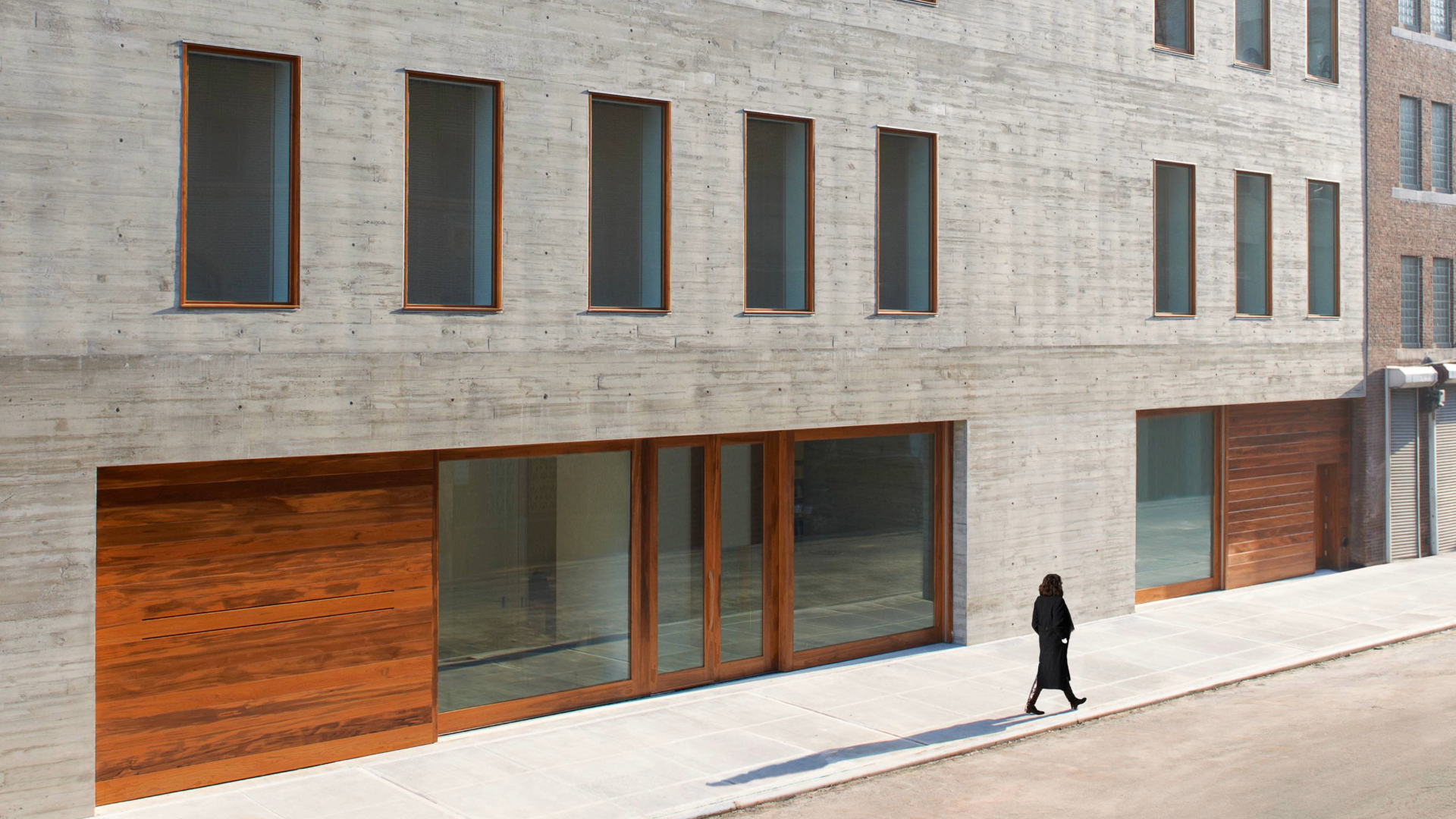
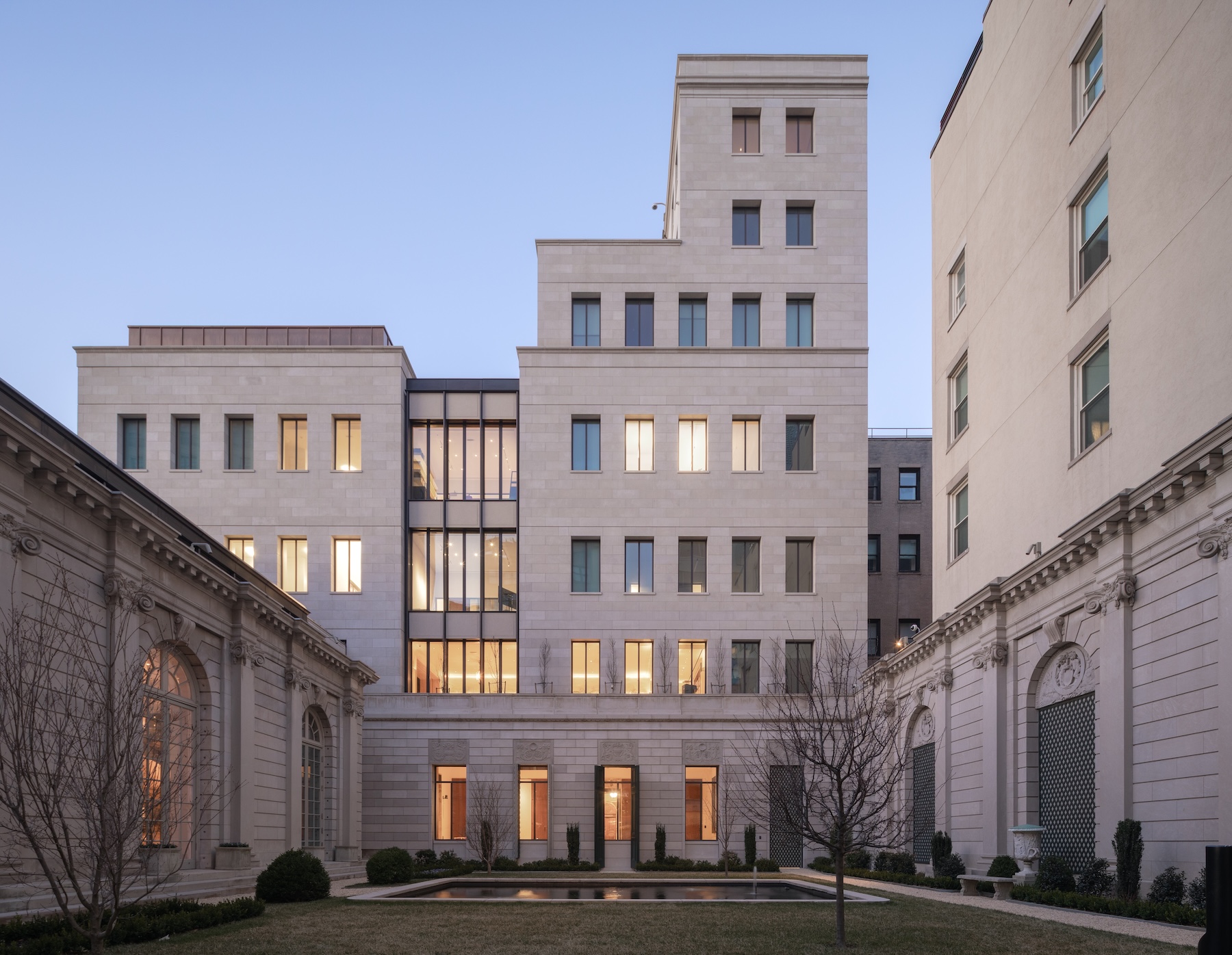
No, it really isn’t. It’s the same conversation because I think you have to find the reason why. The circumstances and the conditions may change, but the ultimate reasoning does not. If we’re renovating a 19th-century Beaux-Arts building, then the tools you use are different from the ones that you use when you’re working on a brand-new project, but that’s also true when you’re building a museum versus an apartment or house. So, your question goes to the logic of the tectonics and the logic of expression.
I think that is like water finding its course. There has to be iterative learning of the reason why. It’s the same for every project, even though each is very, very different. They evolve differently because who your counterparts are in the discourse can be very different. If you make a house for a painter, it’s different from making a house for a composer, I would argue.
I feel that our job is to understand what that difference is. It can be a matter of place, purpose, budget, and several other factors. Our work is responsive to circumstance and condition to such an extent that it shapes the words you use or the vocabulary that is applied.
You have to find the reason why. The circumstances and the conditions may change, but the ultimate reasoning does not.
Annabelle Selldorf
Molly Sheridan
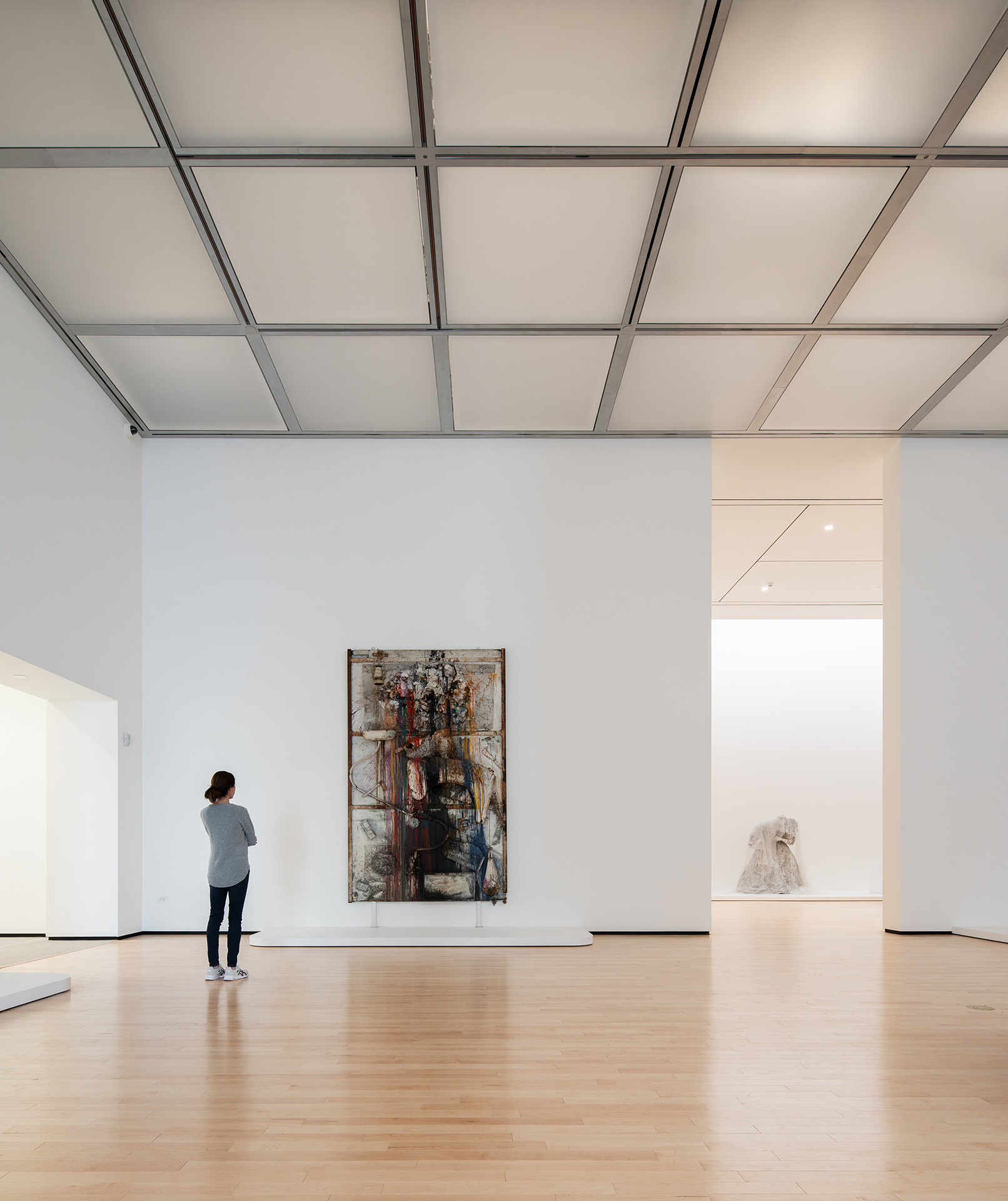
You’ve often worked with museums and galleries. What defines a great space for visual art, and what has attracted you to making them?
Annabelle Selldorf
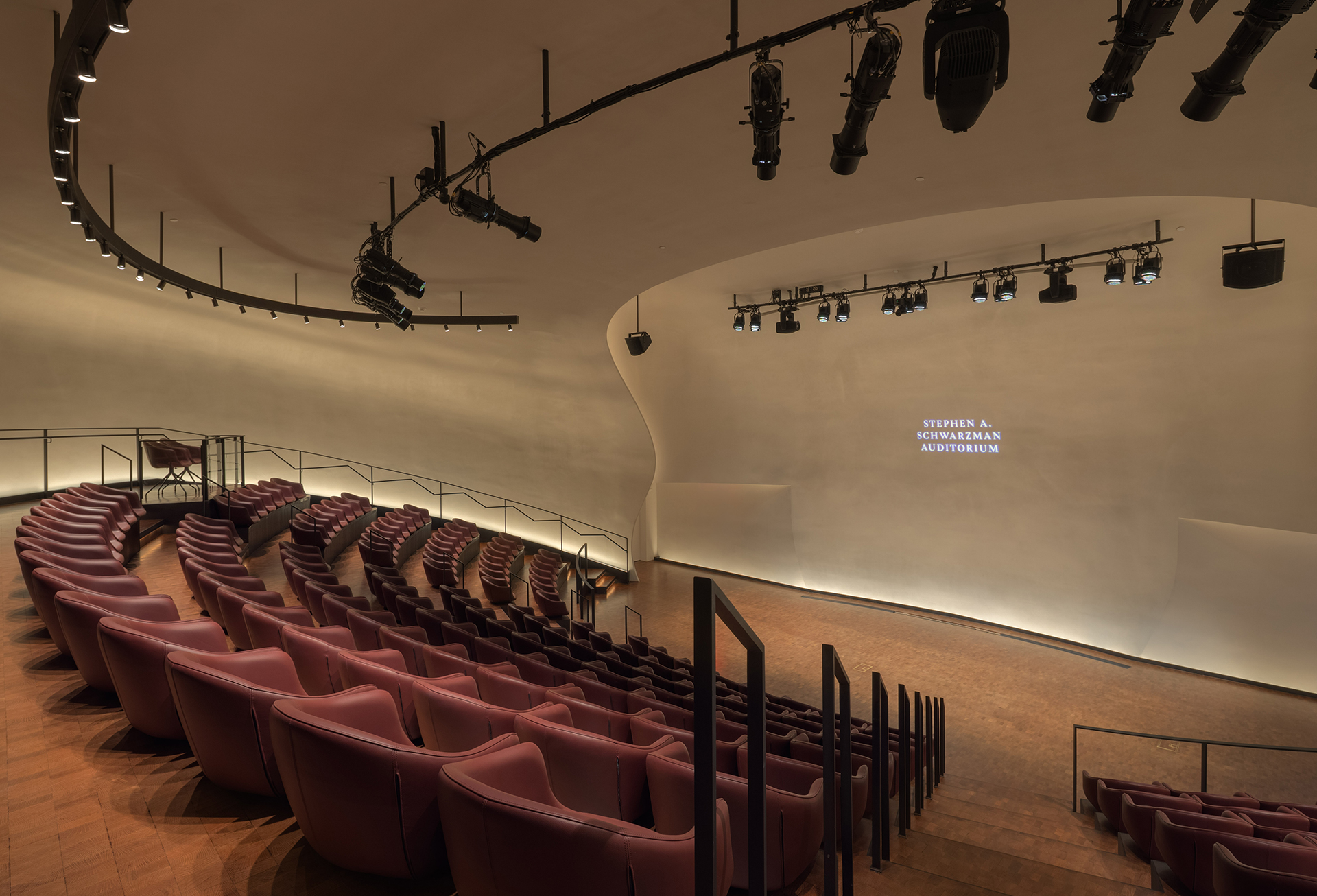
I have enjoyed looking at art all my life, and it is something that matters to me. So it came almost naturally that one of my first jobs was an art gallery, and then it went from there. The first time you do something that is pretty good, you are happy. Then somebody hires you to do it again and, if that goes well, you are even happier. The next thing you know, all this time has gone by. There is such a thing as expertise, which I know doesn’t count for much anymore, but I think it has kind of honed my vision and made me think about the universal qualities I look for in art spaces and how they apply more generally to my way of thinking about architecture.
Molly Sheridan
I read an interview of yours from years past, and you said you should never do work that doesn’t challenge you, and that even a closet can be wildly complicated. What are some of the challenges you’ve most enjoyed confronting?
Annabelle Selldorf
I think the biggest challenge is really to have the courage to make noise.
In general, architecture is very much about resolution, about identifying a problem, solving it, and solving it according to our own — I’ll just say, my own — demands for what makes quality architecture. I’m interested in how you create the most effect, and by effect, I mean efficiency, clarity, and things coming together that, at first glance, may not be in the foreground.
The experience of a space, a piece of architecture we make, may not, in the first place, be something you’ve never seen before. It is always about quietly occupying space and territory. So, to really be very outspoken about that — I feel that our work is definitive, but it doesn’t require everybody to recognize everything that is going on right away. And I sometimes think I have to push a little harder, speak a little louder, speak a little faster.
Why? I don’t know. Because I’ve only got a few more years to do it.
Molly Sheridan
It seems that that’s how you sit with the art spaces that you make, making room for the art that is in the building without needing to pull focus.
Annabelle Selldorf
In general, I think that’s a good thing because I also believe that architecture is the mother of all arts. People often chuckle when I say that, as if that were a joke. I don’t think it’s a joke.
But it occurred to me that, as the mother of all arts, architecture is the art that takes care. That’s really important, isn’t it? When you take care, you look out for others, for your children. And so it’s kind of an apt thought. I didn’t invent this, but I stick to it. Truly, our job as architects is to care. We care about the physical material but, more than anything, we should care about the society that we articulate or describe through our work. The values that we pass on in that way.
The L. Michael Goldsmith Lecture, held annually in New York City, was established in 2009 in memory of architect Michael Goldsmith (B.Arch. ’72) by his family and friends in recognition of his passion for his education at Cornell, his career, and his love of the profession of architecture.