Lecture
Location
Abby and Howard Milstein Auditorium
Milstein Hall
Contact
Department of City and Regional Planning
(607) 255-4613
Abstract
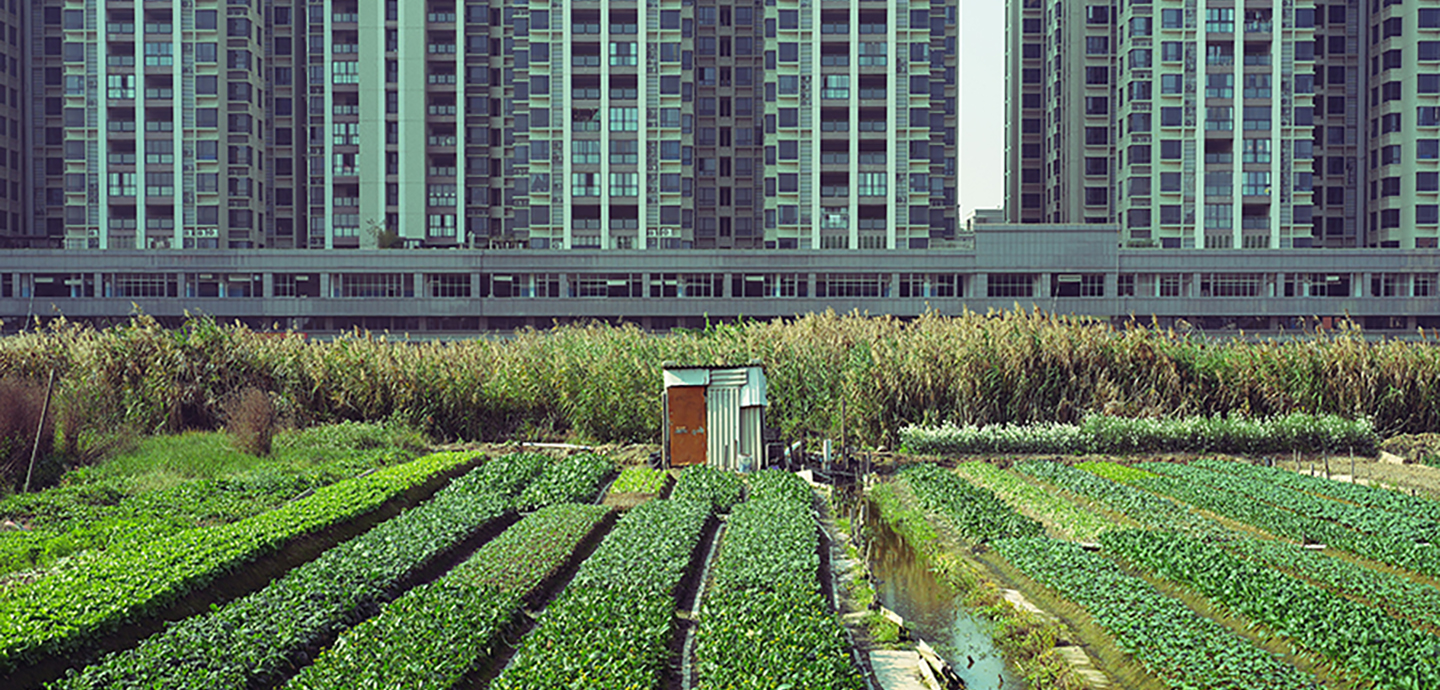
Drawing on a new coedited book titled Planning for Equitable Urban Agriculture: Future Directions for a New Ethic in City Building, Dr. Samina Raja will explore the idea of planning as public nurturance. Planning as public nurturance is a value-explicit process that centers on an ethic of care, especially protecting the interests of marginalized publics. It builds the capacity of marginalized groups to codesign and participate in authentic planning / policy processes. Such a planning approach requires that progress toward equitable outcomes be consistently evaluated through accountability measures. And, finally, such an approach requires attention to structural and institutional inequities. Addressing these four elements is more likely to create a condition under which urban agriculture may be used as a lever in the planning and development of more just and equitable cities.
Biography

Samina Raja
Samina Raja, SUNY Distinguished Professor in the Department of Urban and Regional Planning and Director of the Food Systems Planning and Healthy Communities Lab (the “Food Lab”), focuses on understanding the role of planning and policy in building sustainable food systems and healthy communities. She holds a Ph.D. in Urban and Regional Planning from the University of Wisconsin — Madison, a Master of Planning in Housing from the School of Architecture and Planning, New Delhi, and a B.Sc. in Civil Engineering from the College of Engineering and Technology, Jamia Millia University, New Delhi. In addition to being a leading scholar in her field and an active leader in shaping food systems policies for healthier communities in Western New York, Raja is also an invaluable mentor to students. As director of the Master of Urban Planning Community Health and Food Systems specialization, Raja engages her students in the classroom and through graduate studio courses that have worked to develop food systems plans alongside community partners in Buffalo and Trivandrum, India.