Lecture
Location
Cornell in Rome
Palazzo Santacroce
Piazza Benedetto Cairoli 6, 00186 Rome, Italy
Contact
Cornell in Rome
+39 06 689 7070
Abstract
Sustainable and just urban development has been the thread connecting my academic work, professional practice, and public service for more than two decades. This lecture reflects on a career that has moved across continents, disciplines, and roles while remaining grounded in a central question: how can we govern urban development in ways that are both environmentally sustainable and deeply democratic?
I begin with my graduate studies in participatory and deliberative planning, exploring how communities can meaningfully shape the future of the places they live. Early academic work teaching sustainable urban development through international study programs allowed me to explore cities around the world while engaging students in comparative urban learning. At the same time, I worked on strategic urban development planning in Sardinia and later on sustainable real estate development projects in the Middle East.
Returning to the United States, I continued this work focusing first on neighborhood-scale urban regeneration, managing infill redevelopment projects, and then through the planning and design of green spaces and green infrastructure in Newark, New Jersey, and Philadelphia, Pennsylvania. These projects relied on intensive community participation and demonstrated how environmental planning can serve as a platform to redress historic disinvestment and build power in communities.
In 2013 I returned to Italy to lead a metropolitan strategic planning process for the newly formed Città Metropolitana di Torino, and later the Zona Omogenea dell’Eporediese. This work soon led to an invitation to join the administration of the newly elected Mayor of Turin, where I led environmental and sustainability policy for the city beginning in 2016. During this period, we developed the city’s first Green Infrastructure Plan, Climate Resilience Plan, Urban Forest Sustainable Management Plan, Food Strategy Metrics framework, and Circularity Strategy.
The lecture concludes with my transition in 2022 to the Carbon Neutral Cities Alliance, a global collaboration of cities working to accelerate pathways to carbon neutrality while testing new policies and innovations that can inspire cities worldwide.
Through these experiences — from classrooms to neighborhoods to city halls — the lecture reflects on what it means to work at the intersection of planning, policy, and climate action, and on the evolving role planners can play in helping cities and communities navigate the complex transitions ahead.
Biography
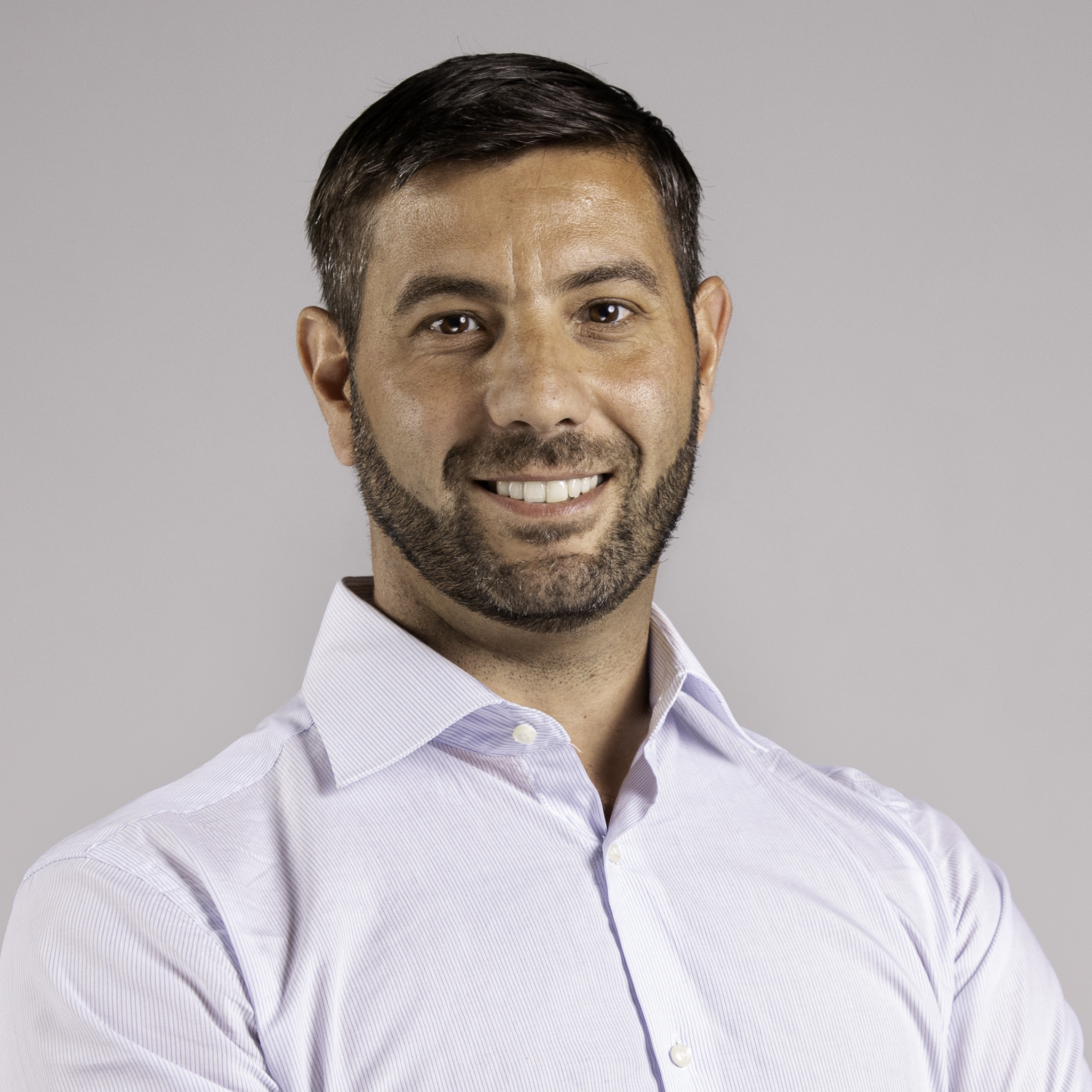
Simone Mangili
As Executive Director of the Carbon Neutral Cities Alliance (CNCA), Simone Mangili works to ensure that CNCA is supporting pioneering cities in mobilizing transformative climate action to achieve prosperity, social equity, resilience, and better quality of life for all on a thriving planet. Mangili brings over 25 years of international experience to his role, spanning local government, private, and non-profit sectors working with city officers, interest-holders, and communities on a vast range of initiatives aimed at securing just and sustainable futures; from leading climate and sustainability policy for the city of Torino, Italy, to multistakeholder strategic planning and participatory design processes; from conserving public lands to restoring ecosystem services in underserved communities. In addition to his professional experience, Mangili has served as traveling faculty in World Learning’s Cities in the 21st Century study abroad program and is an external lecturer at the Polytechnic University of Turin in territorial and environmental planning. He holds a bachelor’s degree in Community, Regional and Environmental Studies from Bard College and a master’s in Regional Planning from Cornell University.