Lecture
Location
Abby and Howard Milstein Auditorium
Milstein Hall
Contact
Department of City and Regional Planning
(607) 255-4613
Abstract
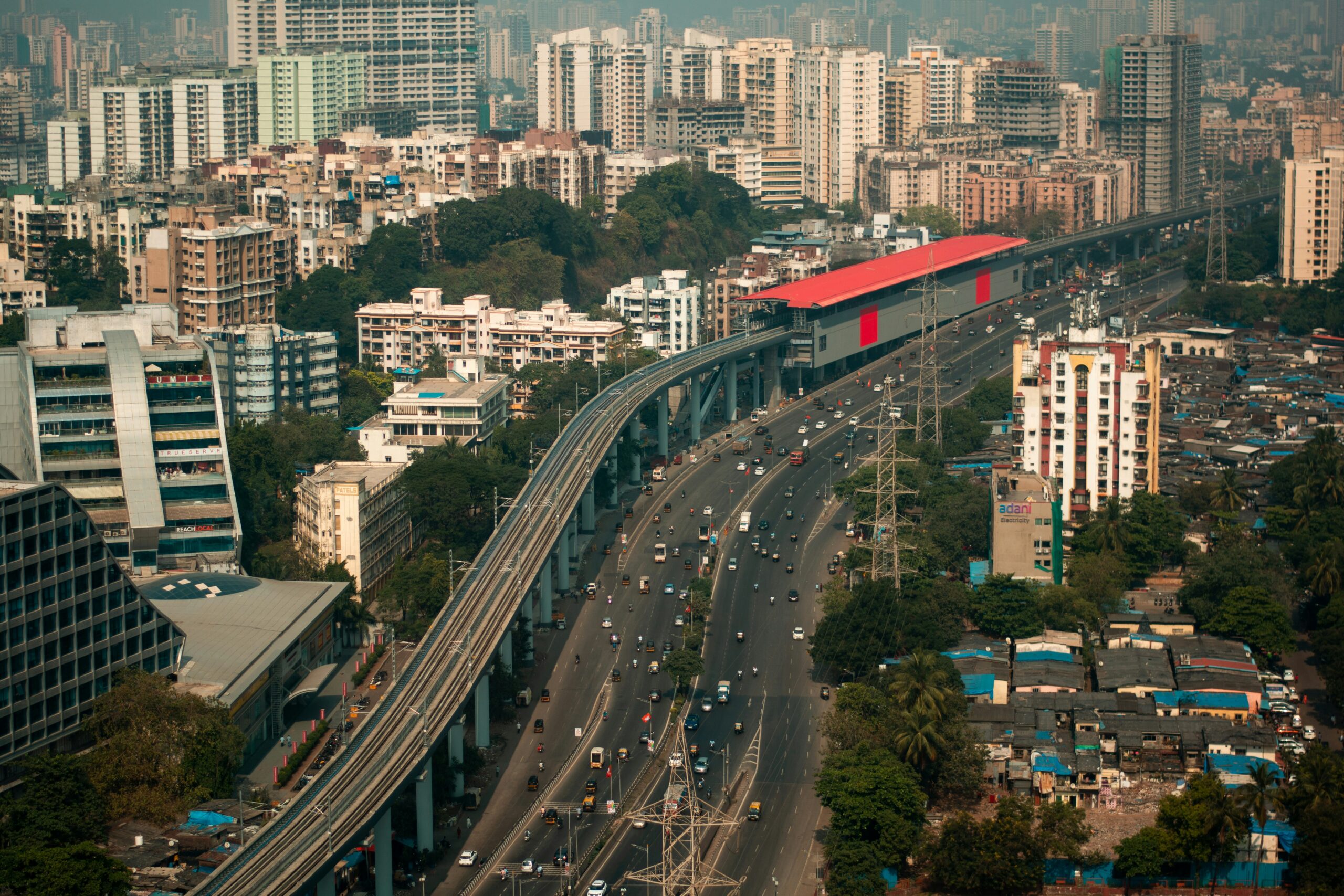
Mumbai is a city staged in the amphibious volumes of its land-seas, and this talk describes how experts and residents infrastructure and inhabit its increasingly uncertain terrain. It begins by describing the ongoing histories and technologies of desiccation—a process through which the sodden materialities of the city are dried and flattened by landfill and reclamation projects. These projects, the talk argues, constitute the climate of the city: a climate in which urban planning not only intensifies inequality and dispossession, but also renders more established populations vulnerable to the rising seas, storms, and hurricanes of climate change. Recognizing the risks intensified by the failing paradigms of desiccation and drainage, the talk asks why urban administrators and engineers working in the city continue to pursue these projects in a climate-changed present. Dwelling in the work of stormwater engineers, it shows why they continue to concretize the city and make an urban future that is not green, but “predominantly grey.”
Biography
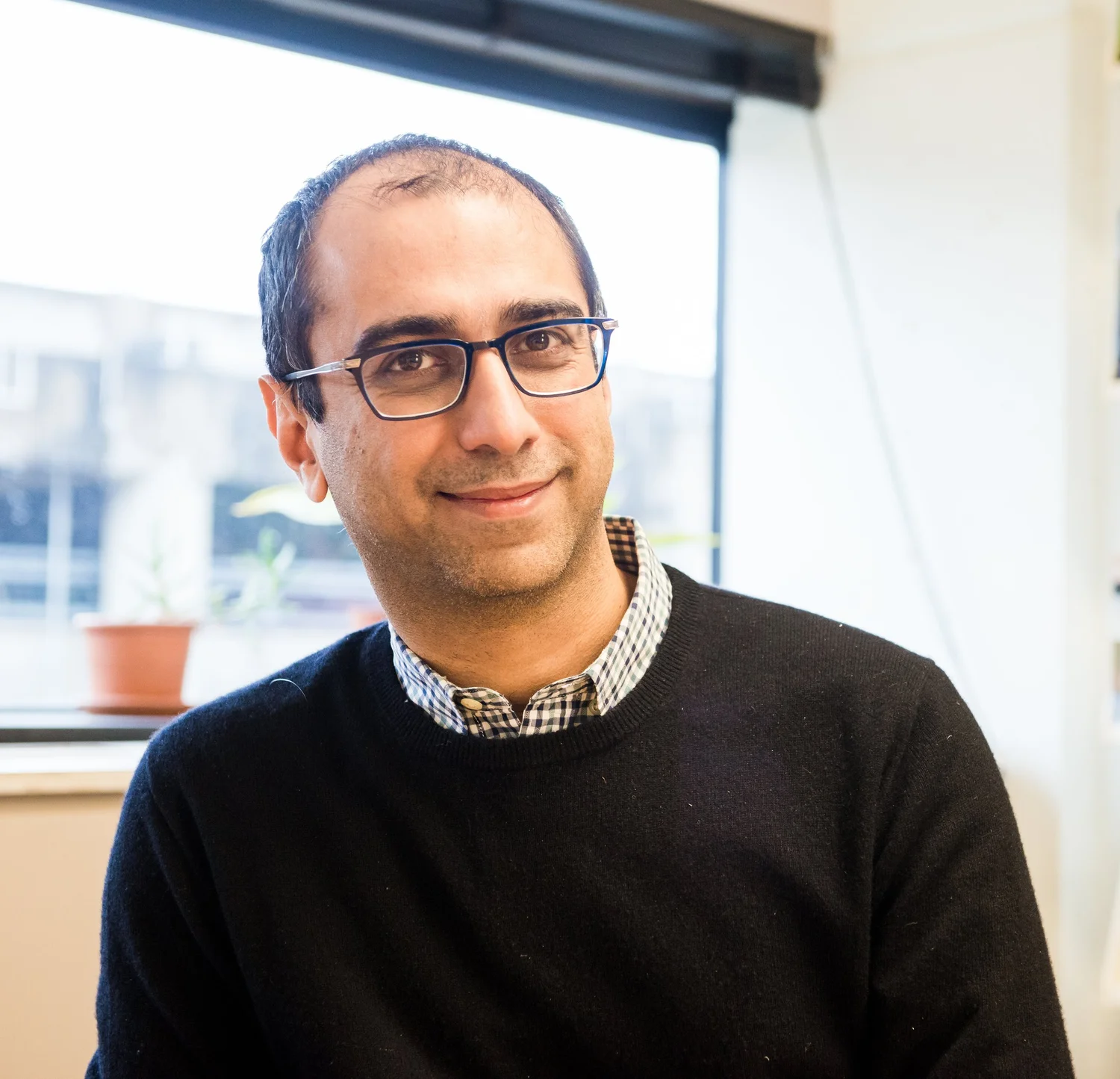
Nikhil Anand
Nikhil Anand is the Silvers Family Presidential Professor of Anthropology, and Interim Director of the Center for the Advanced Study of India at the University of Pennsylvania. He is an environmental anthropologist whose research focuses on cities, infrastructure, state power and climate change, and addresses their relations by researching the political ecology of cities, read through the different lives of water. His award-winning first book, Hydraulic City: Water and the Infrastructures of Politics in Mumbai (Duke University Press 2017), examines the everyday ways in which cities and citizens are made through the everyday management of water infrastructure. In 2018, Nikhil published a coedited volume (with Hannah Appel and Akhil Gupta) The Promise of Infrastructure (Duke University Press 2018). The book shows how infrastructure provides a generative analytic and site to rethink questions of time, development and politics in different parts of the world. His forthcoming book Amphibious City (under contract with Duke University Press), is supported by grants from the National Science Foundation, the Wenner-Gren Foundation, and the Penn Global Inquiries Fellowship. The book provincializes the historical and ongoing worlds made by urban planning to show how its infrastructures have produced and intensify an unequally borne climate crisis.