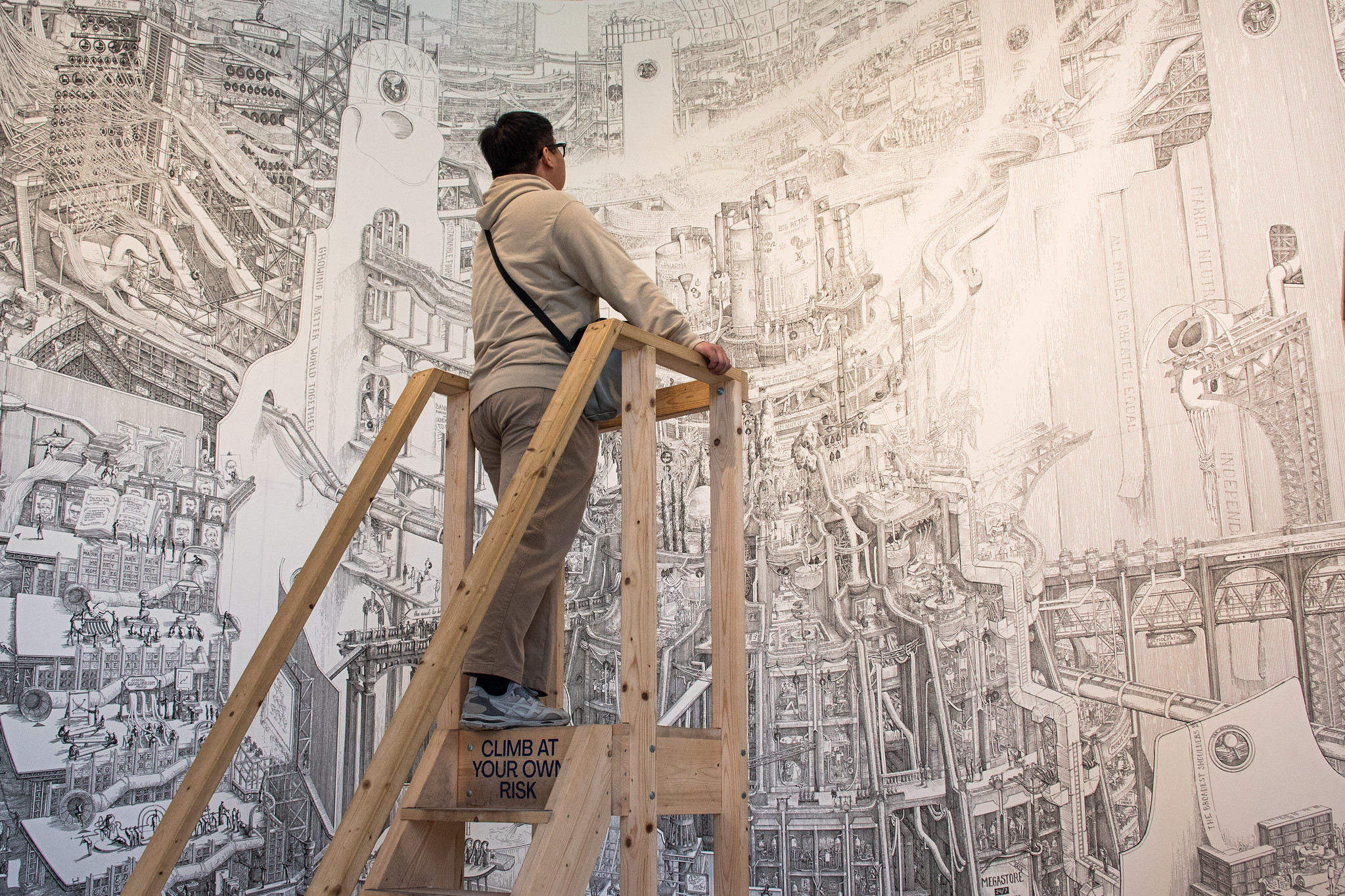
From ancient ruins like the Colosseum to Baroque masterpieces and modern interventions, Rome showcases over 2,500 years of evolution. As part of this Study Away program, students explore urban layering, observe firsthand how contemporary architects engage with historical contexts, encounter masterpieces in situ, and analyze sustainable development, conservation, and public space.
Studying in Rome means learning by doing in place. Students sketch in piazzas, analyze spatial relationships in real time, and engage with local practitioners, artists, and neighborhood residents. The city’s dynamic interplay of the historical and the contemporary challenges students to think critically about design, preservation, and the future of urban spaces.
Using the city itself as a classroom, students gain a deeper understanding of architecture, art, and planning and their intersections through an immersive, tangible, and transformative experience.
Study Away Programs
Study Away undergraduate academic programs provide a platform for linking experimental pedagogy with place-based engagement. By fostering collaboration between cohorts of students, faculty, and external partners across disciplines, Study Away programs expand on core competencies. Curricula explore urgent urban questions confronted by diverse peoples and different ecologies, and are grounded in cosmopolitanism and an interdisciplinary intellectual project. Curricular and co-curricular activities relating to the study of cities, infrastructure, art, culture, and policymaking situate everyday practices within a comparative global framework.
The Study Away structure allows for pedagogical imperatives to adapt to place — the particularities of local rhythms and ways of life, ecologies and climatological circumstances, demographics and indigenous cultural practices, spatial and aesthetic practices — while also recognizing personal growth as a catalyst for transforming conventional processes of making and engaging with the world.
Core Curriculum
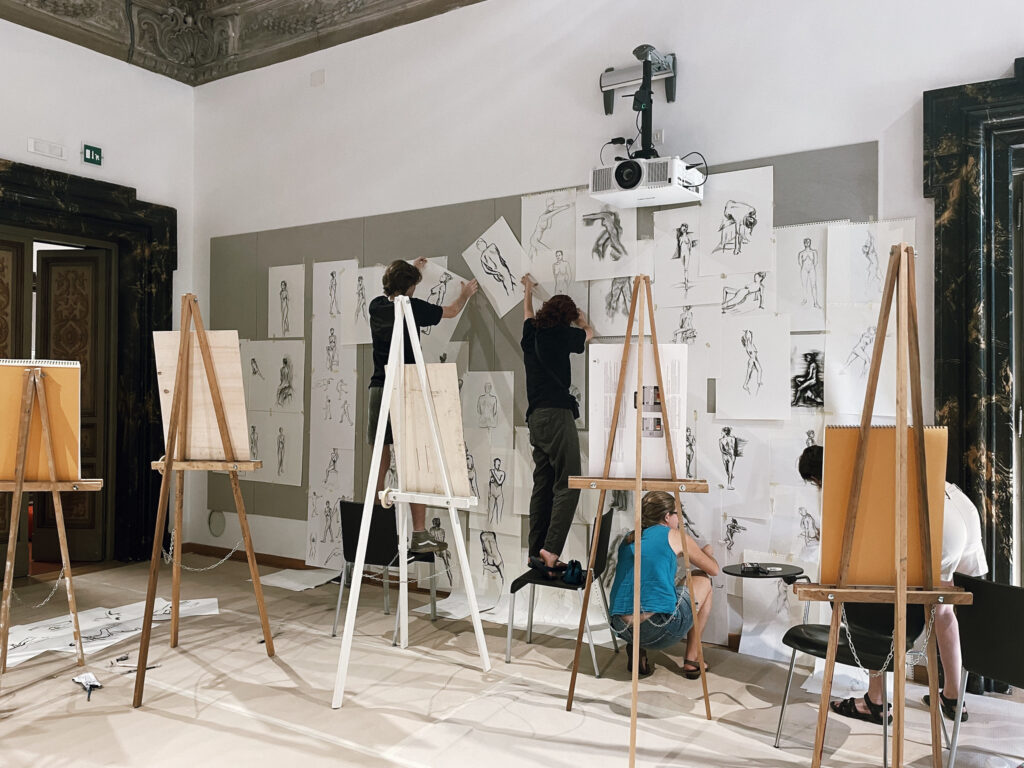
As an interdisciplinary program, Cornell in Rome offers courses for students to explore new territories and how different disciplines intersect and inform one another. Elective offerings are taught by local Italian faculty and typically include architectural and urban history, introductory drawing and photography courses, and Italian cinema. The fall Contemporary Rome Seminar offered by the Department of Art and spring Urban Studies offered by the Department of City and Regional Planning electives are open to all students. Cornell in Rome also offers an introductory Italian language course, which actively engages with Italian culture and geography.
Courses offered through the Cornell in Rome program appear on Cornell University transcripts as Cornell courses and can be applied to degree requirements.
Architecture
All B.Arch. students participate in a design studio that counts toward their studio progression. Studio topics are determined by Ithaca faculty members who teach at Cornell in Rome for the semester. The studio builds on the core B.Arch. curriculum sequence and aims to develop students’ ability to design complex buildings and urban-scale works embedded in the present and project into the future, within a context that has emerged over centuries.
Art
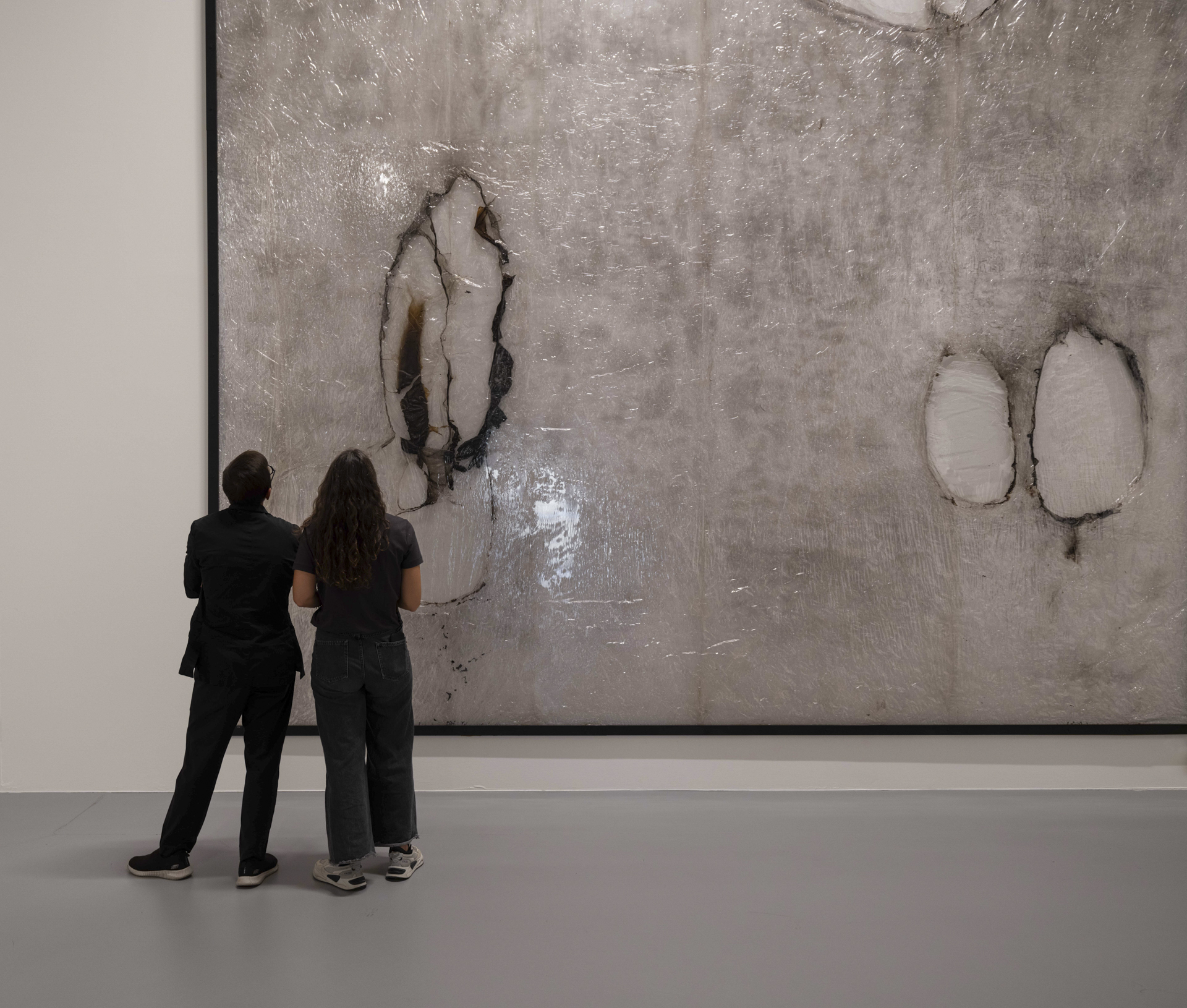
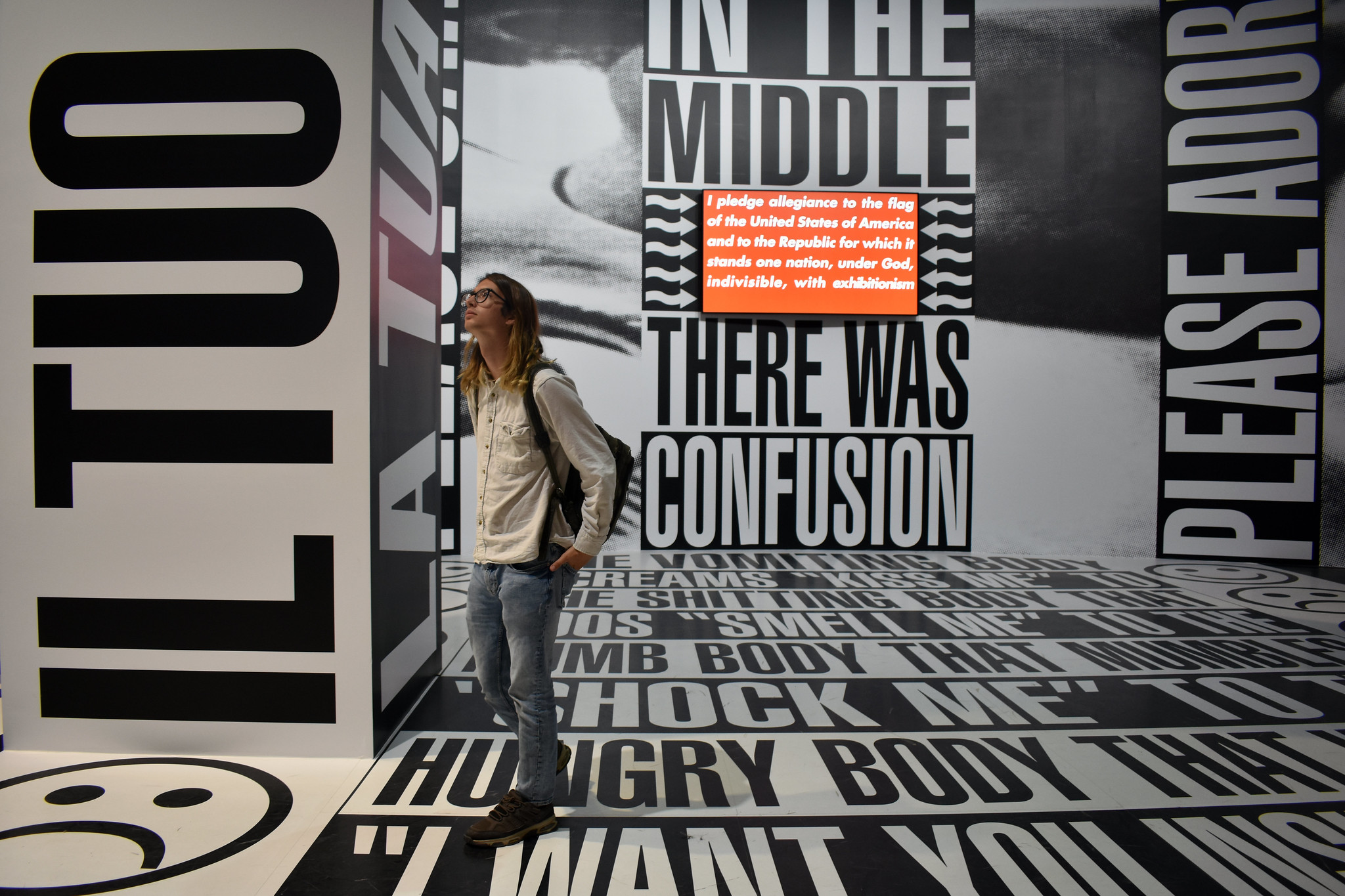
All B.F.A. students participate in a studio that counts toward their studio progression. Guided by Ithaca faculty teaching in Rome, art students hone their practice through self-directed work that is informed by and responds to the influences of Italian art, both historical and contemporary. Art students also participate in the Contemporary Rome Seminar, a course designed to introduce students to contemporary art and culture in Rome as well as the cultural and artistic heritage of previous centuries. Through studio visits, lectures, and discussions with curators, critics, museum directors, international fellows, activists, and other practitioners, students engage with the visual culture of the city.
Urban Studies
All Urban Studies students participate in the Rome Workshop, where small groups use field study methods to research an assigned neighborhood. Based on neighborhood analyses, students choose a policy area to propose changes that positively impact communities. In addition, throughout the semester, the workshop course and field trips explore a wide range of issues, challenges, and other factors in Rome and Italy, including natural and built environments, infrastructure, services, public space, economic development, governance, immigration, housing, and gentrification.
Learn more about the Rome Workshop and the outcomes of neighborhood studies.
Field Trips
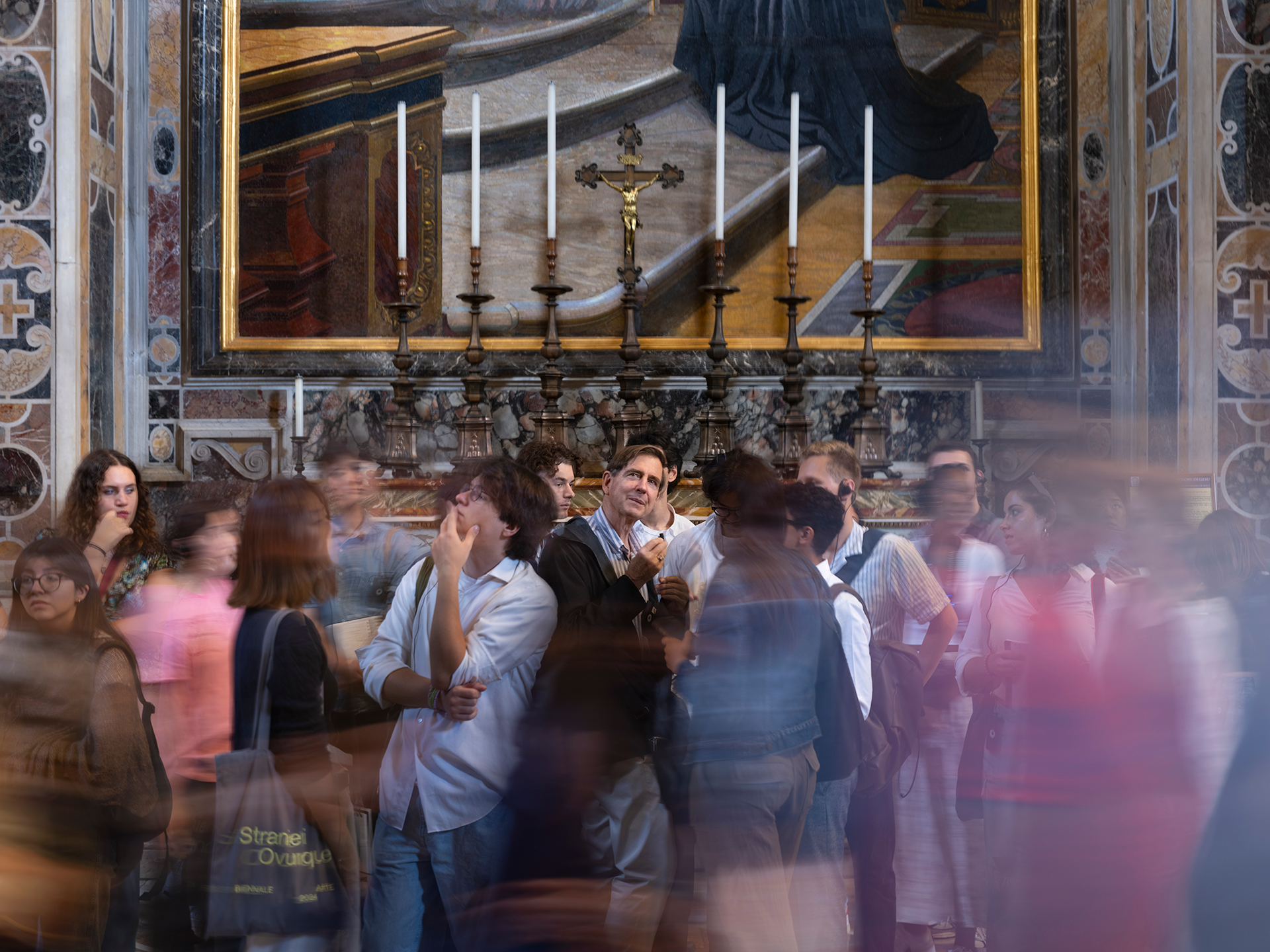
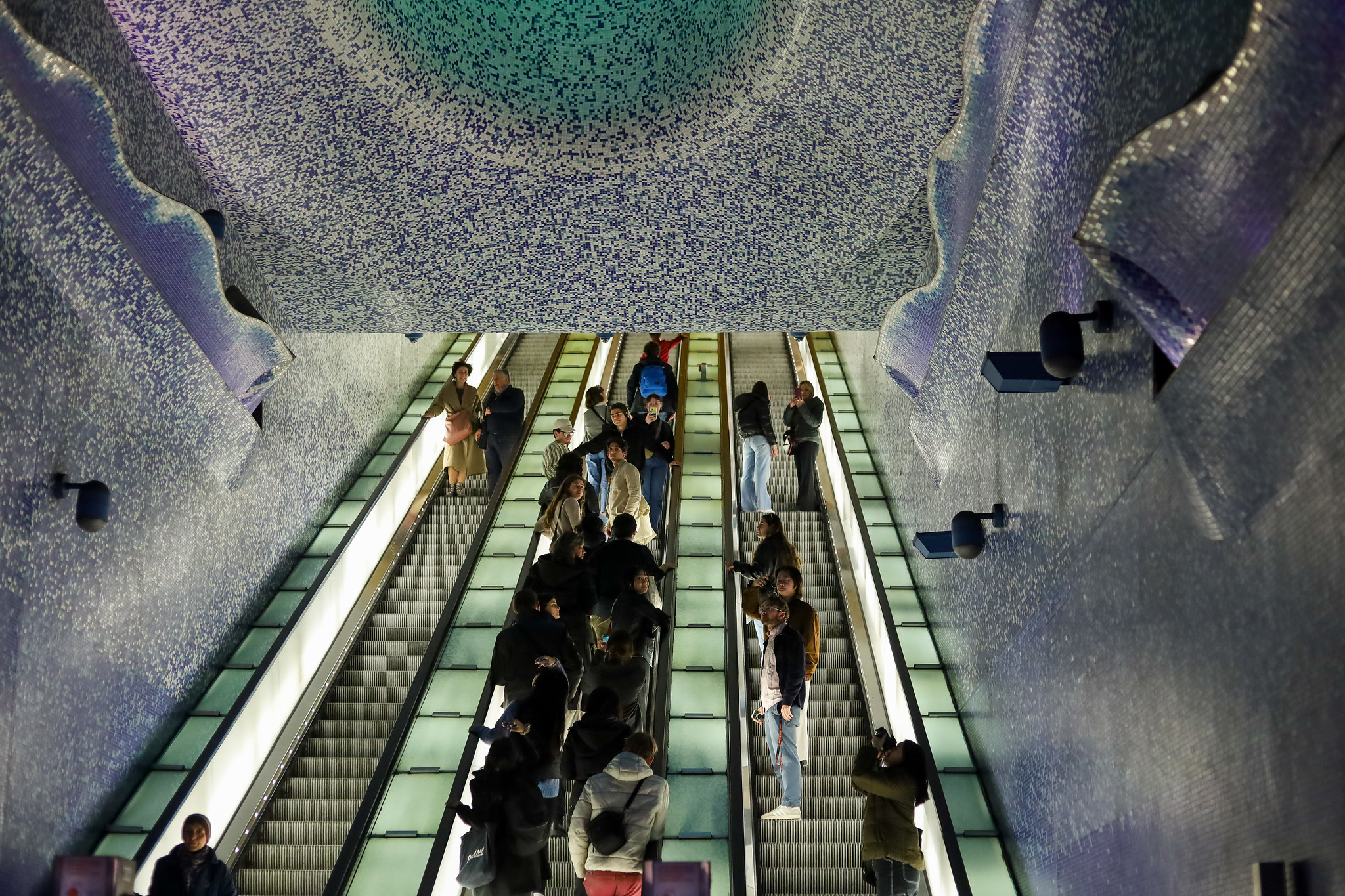
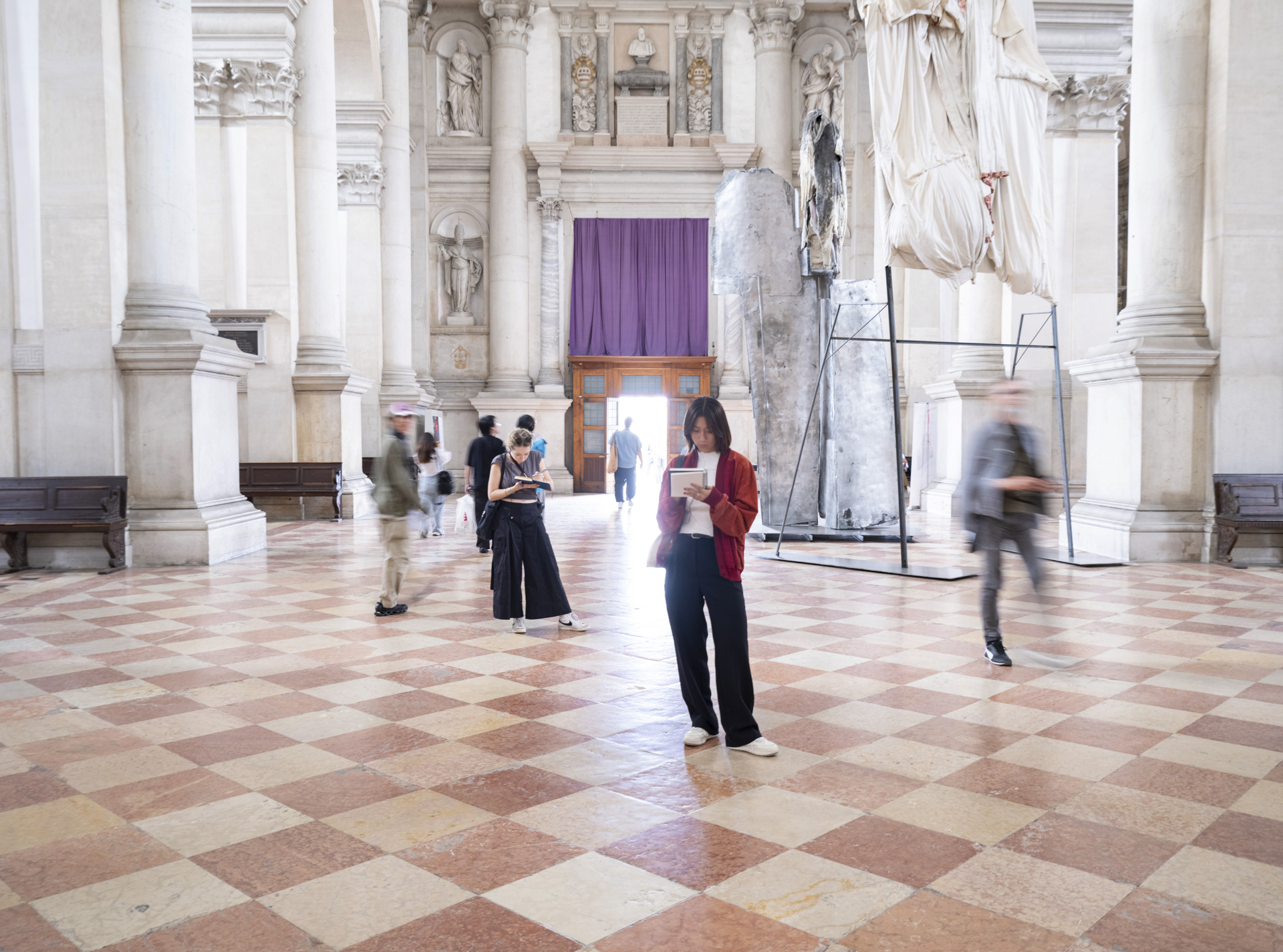
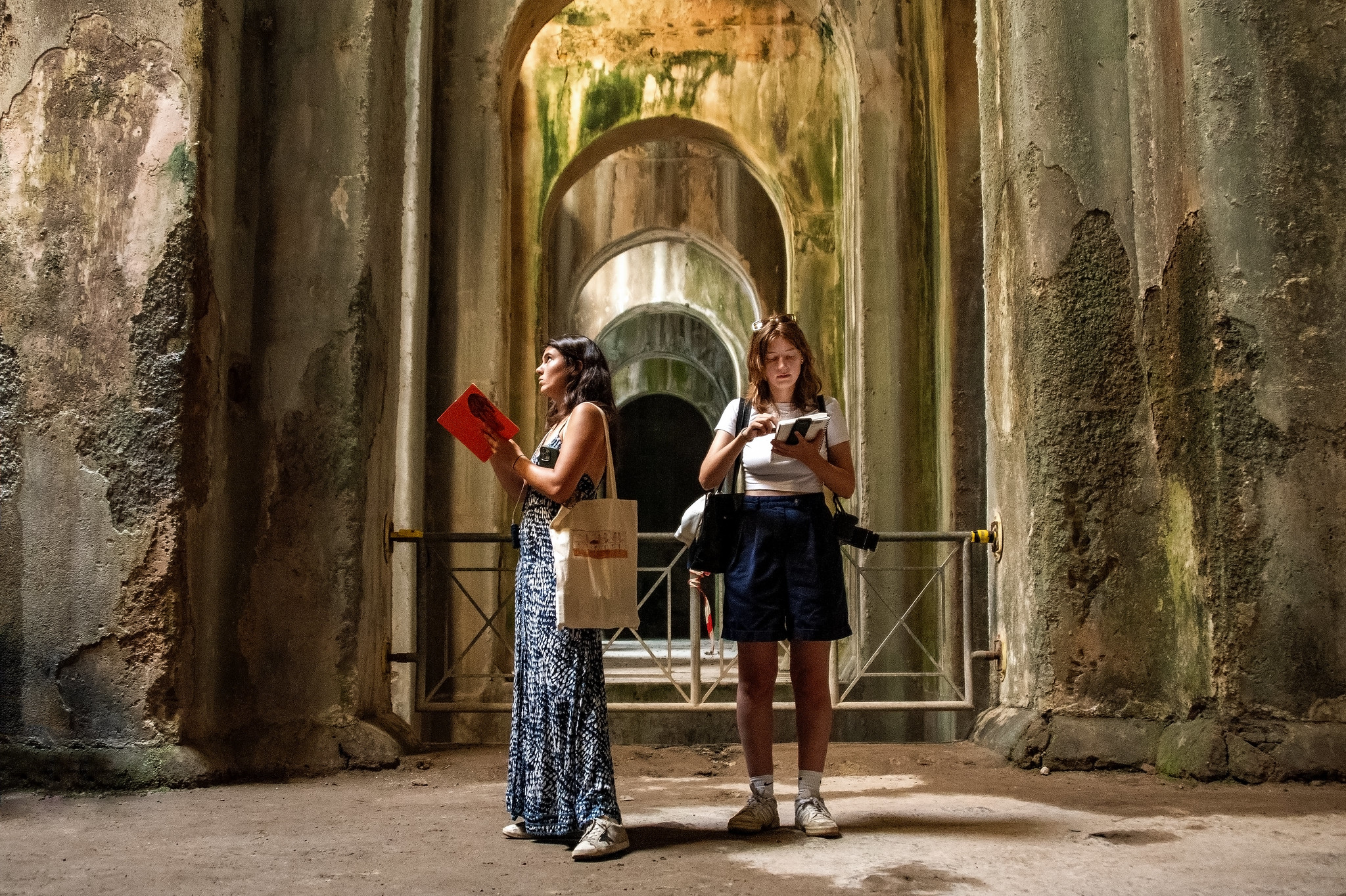
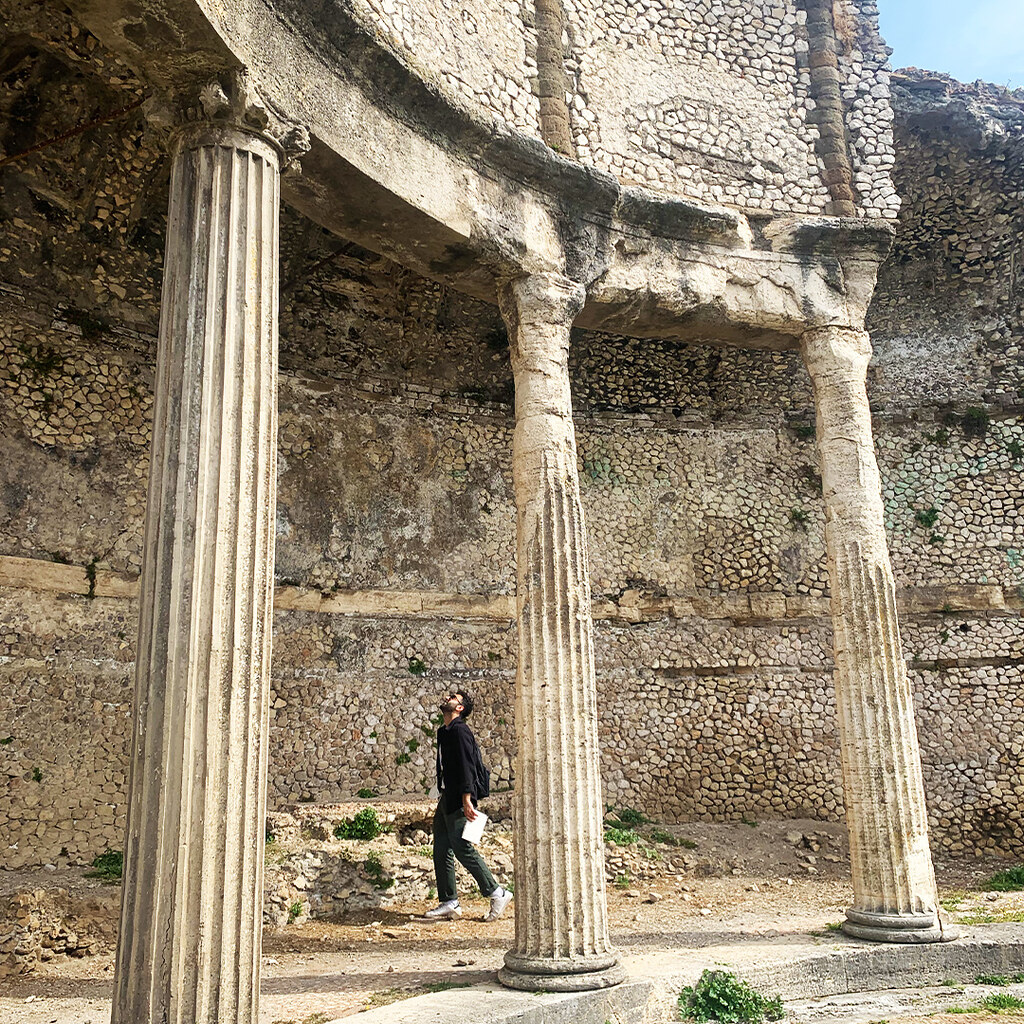
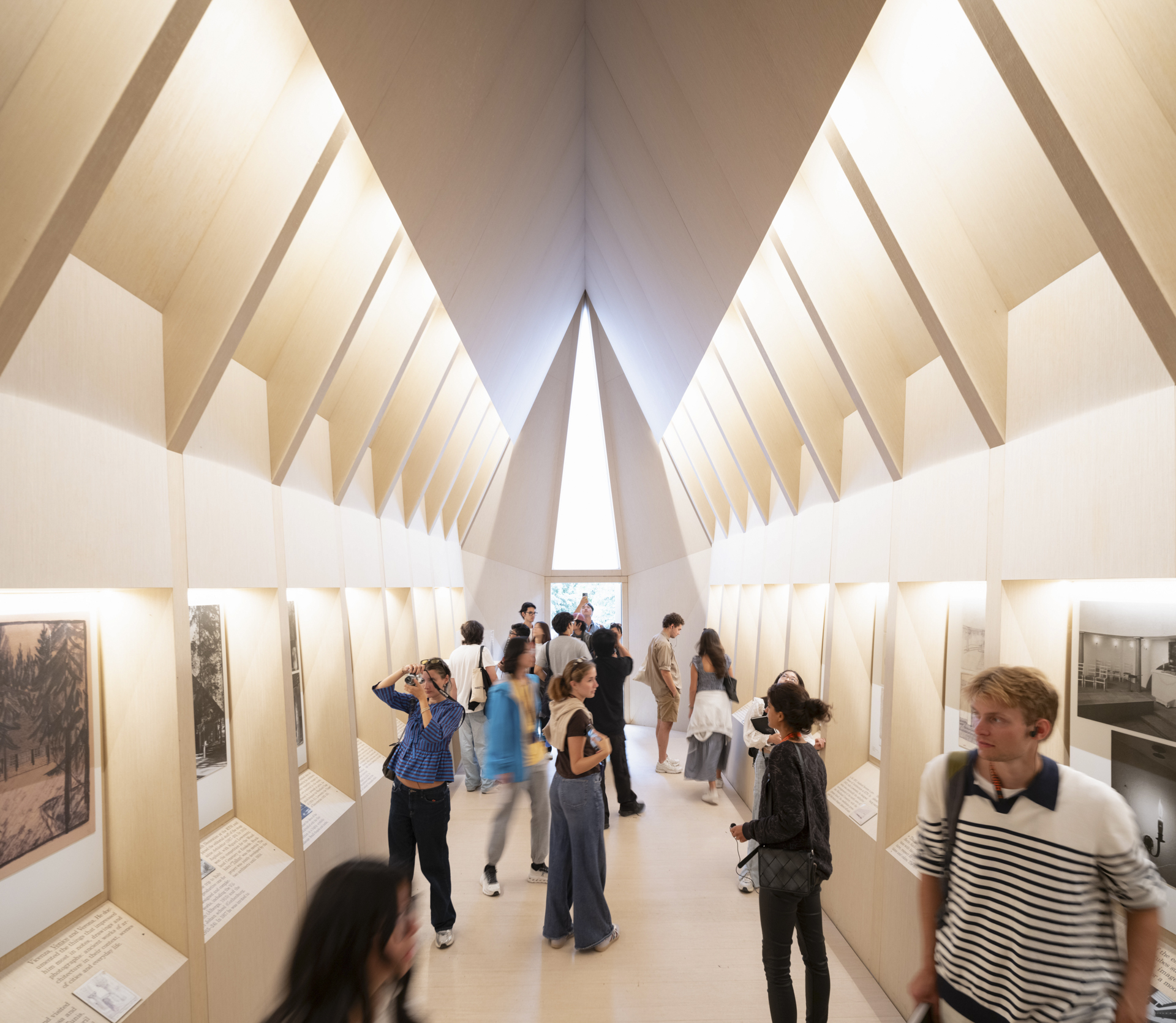
Field trips are a core component of the program. Each semester, students travel for approximately 18 days across Italy and Europe. Destinations vary based on studio case studies, faculty interests, and academic focus.
These immersive experiences provide students with firsthand exposure to the architecture, art, culture, and history that shape their studies.