Video artist and filmmaker Shelly Silver (B.F.A. ’80), a native of New York City, graduated from Cornell with degrees in intellectual history (B.A. College Scholar/Phi Beta Kappa) and mixed-media arts in 1980. She currently lives in New York City and is a Professor and the Director of Moving Image at Columbia University.
Silver’s time at Cornell is illustrative of her unique path and independent spirit. While at Cornell, her broad interests in sociology, history, psychology, and philosophy led her to pursue a dual degree while studying in the art department. Her inclusion in intellectual communities at Cornell would provide a formative environment for discussions and debates around topics such as the Frankfurt School and psychoanalysis that would inform her art in myriad ways. In her art practice at the time, an initial interest in photography and text eventually led her to work with film and video under the encouragement of her professors.
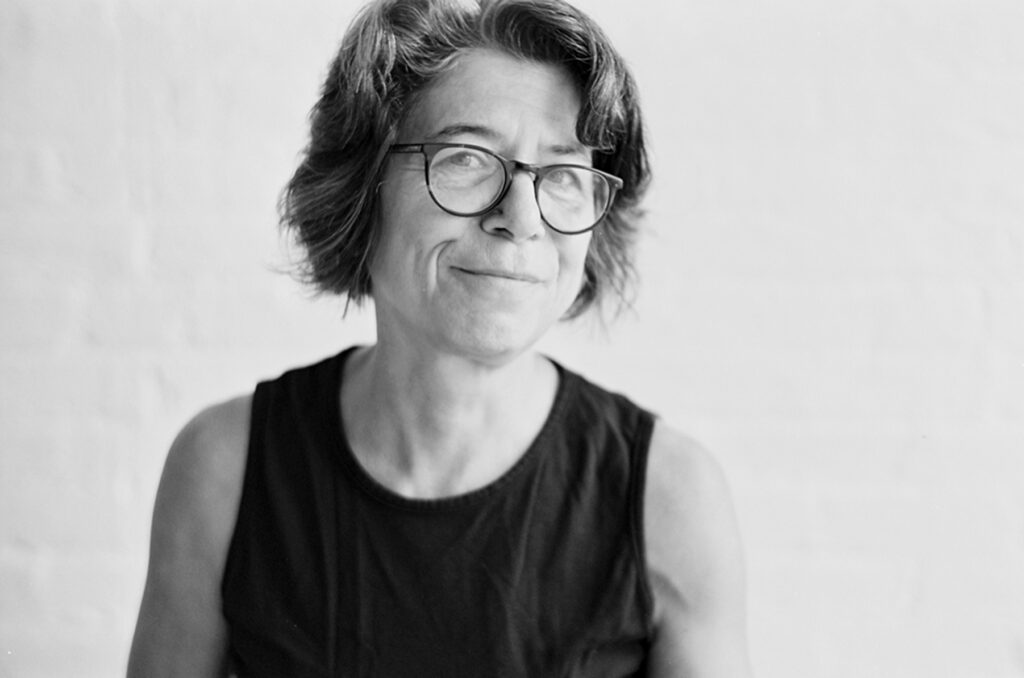
She remembers professors Norman Daly and Haim Steinbach, who Silver thought of as “a breath of fresh air,” as particularly important mentors during her time at Cornell. While conceptual art was still a fringe movement in the department, visiting artists such as Vito Acconci, Joseph Kosuth, and Lynda Benglis helped provide a vibrant dialogue for the development of her own artistic practice. Also, during her time in Ithaca, Silver worked on a very late-night public access television show, which helped provide the resources to develop her knowledge and facility with video — something Cornell lacked at the time.
I was always looking to connect my personal world to the external world.
Subsequent to her studies at Cornell, Silver attended the Whitney Museum of Art Independent Study Program, which offered her entry into a vibrant and engaged art community in New York City. After a series of part-time jobs, Silver started working as a film and video editor, editing everything from commercials to feature films, music videos, documentaries, and artists’ films. In part through this experience, Silver’s work started to mess with traditional genres, decades before this would be integrated into popular culture. Meet the People (1986,16 min.) was an important early example of blurring the line between documentary and fiction. Filmed during the “Morning in America” Reagan era, where aspiration clashed with material circumstances, people speak directly to the camera, talking and singing about their current lives and dreams. It is not until the credits roll that the viewer realizes that these people are characters portrayed by actors.
Throughout the 1990s, Silver spent a great deal of time traveling and making films internationally, living “everywhere and nowhere.” While attending residencies in Japan, Germany, and Paris, she was able to focus full-time on her filmmaking and created feature-length films as well as shorts. While in Japan with the U.S.-Japan Creative Artist Fellowship Program, she created 37 Stories about Leaving Home, an award-winning film about a group of mothers, daughters, and grandmothers living in the Tokyo area, and while living in Berlin with the DAAD Artists-in-Berlin Program, she made Former East/Former West (1996, 62 min.) about German national identity after the Reunification. While Silver often nurtures a sociological or anthropological approach to filmmaking, her work frequently comes from a personal space. “A camera gives me the opportunity to bridge my personal world, which sometimes can go quite hermit, to the outside world of other places, people, and situations.”
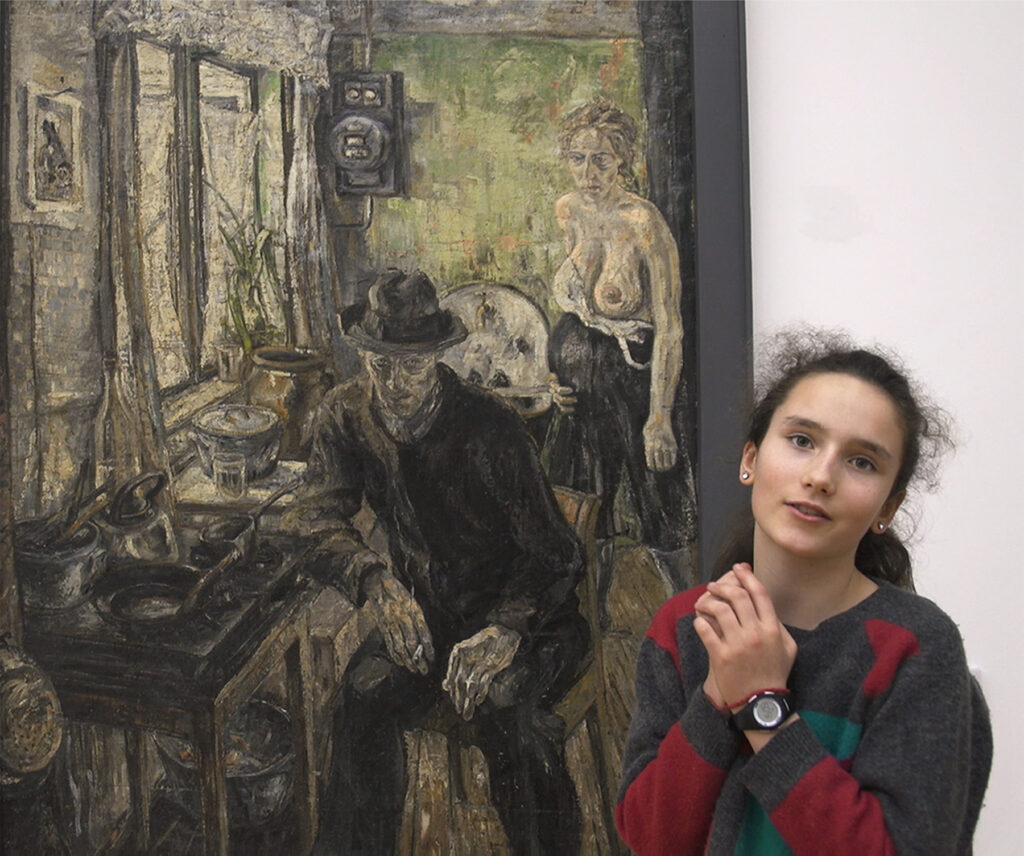
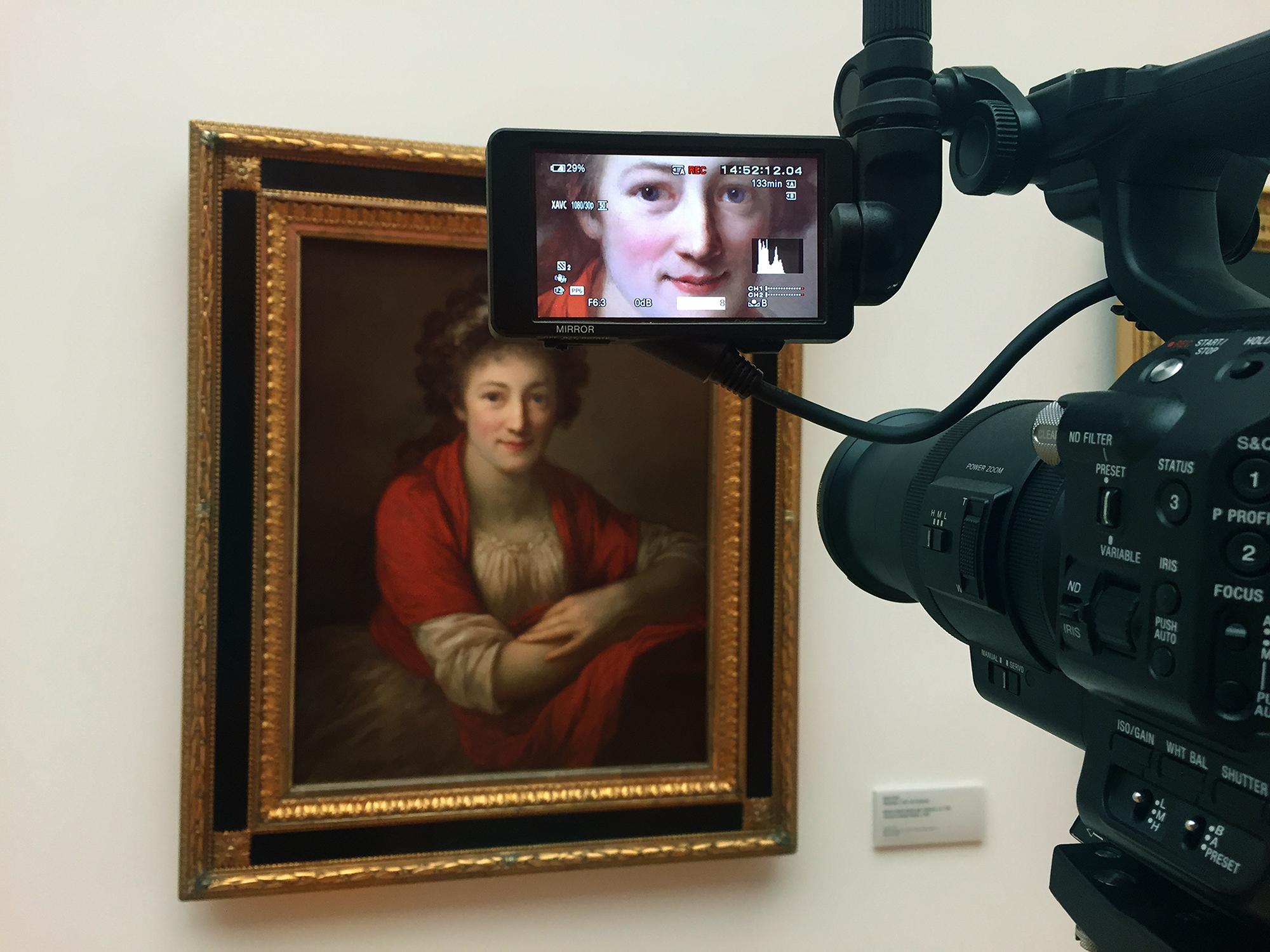
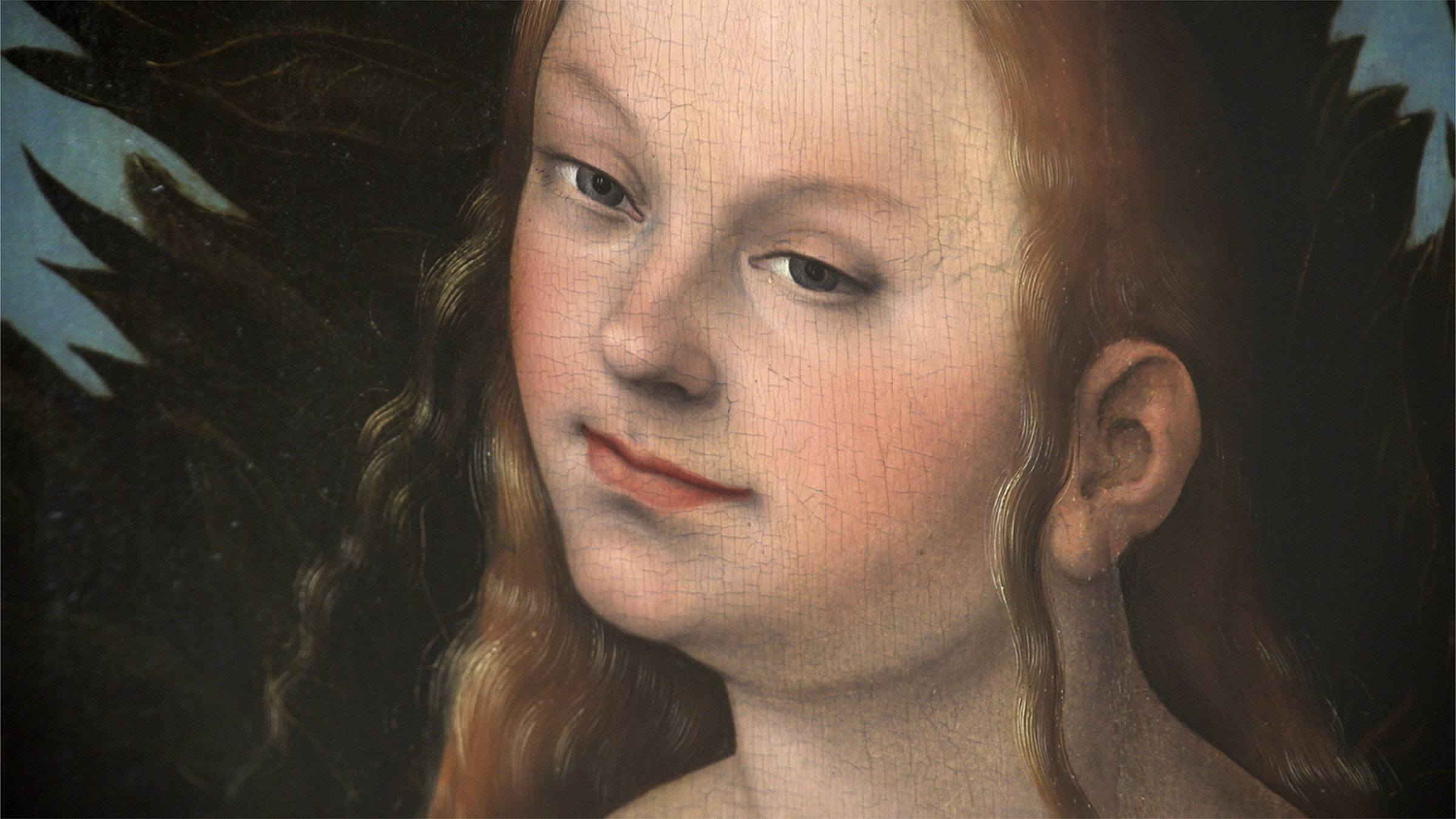
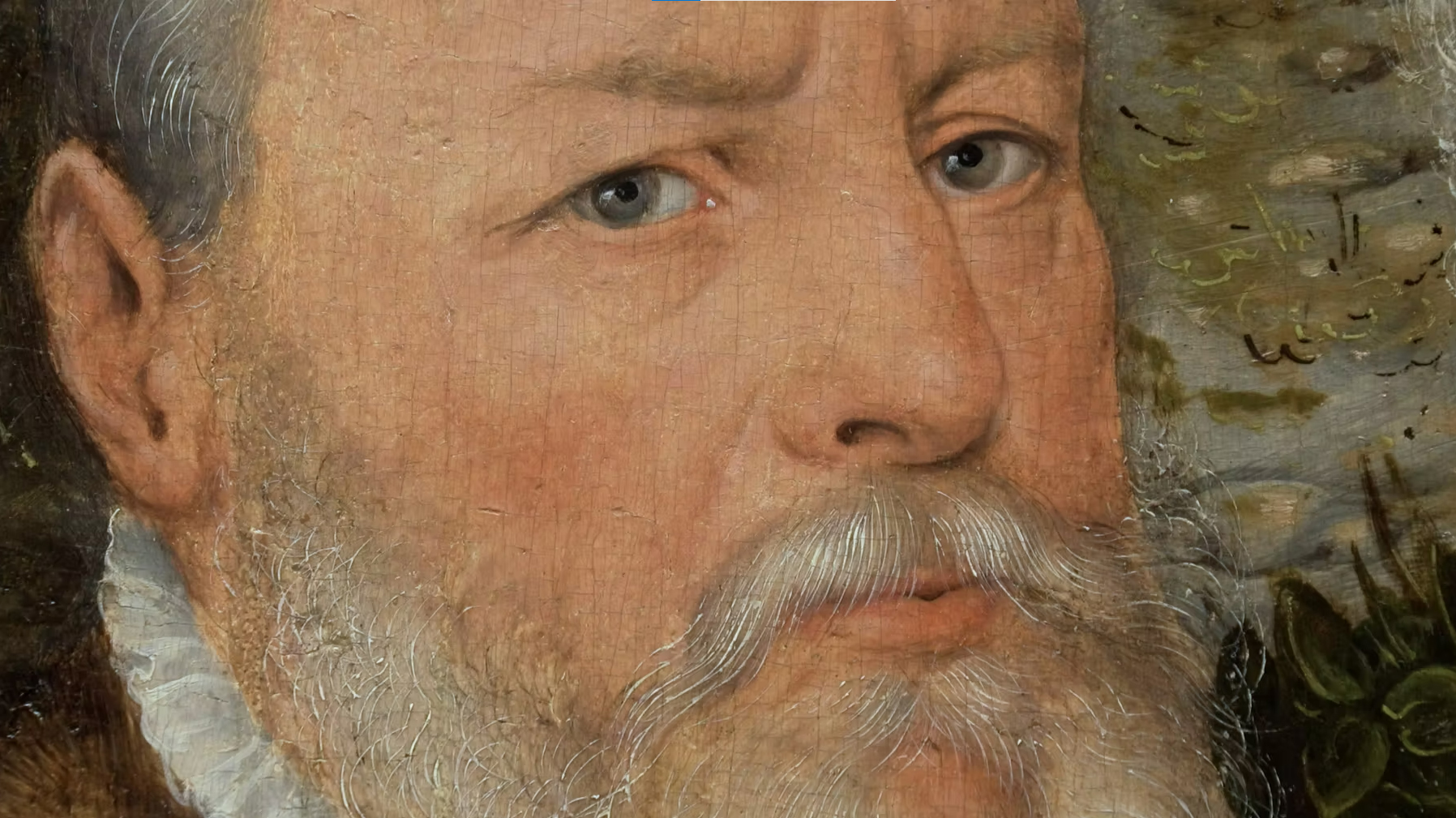
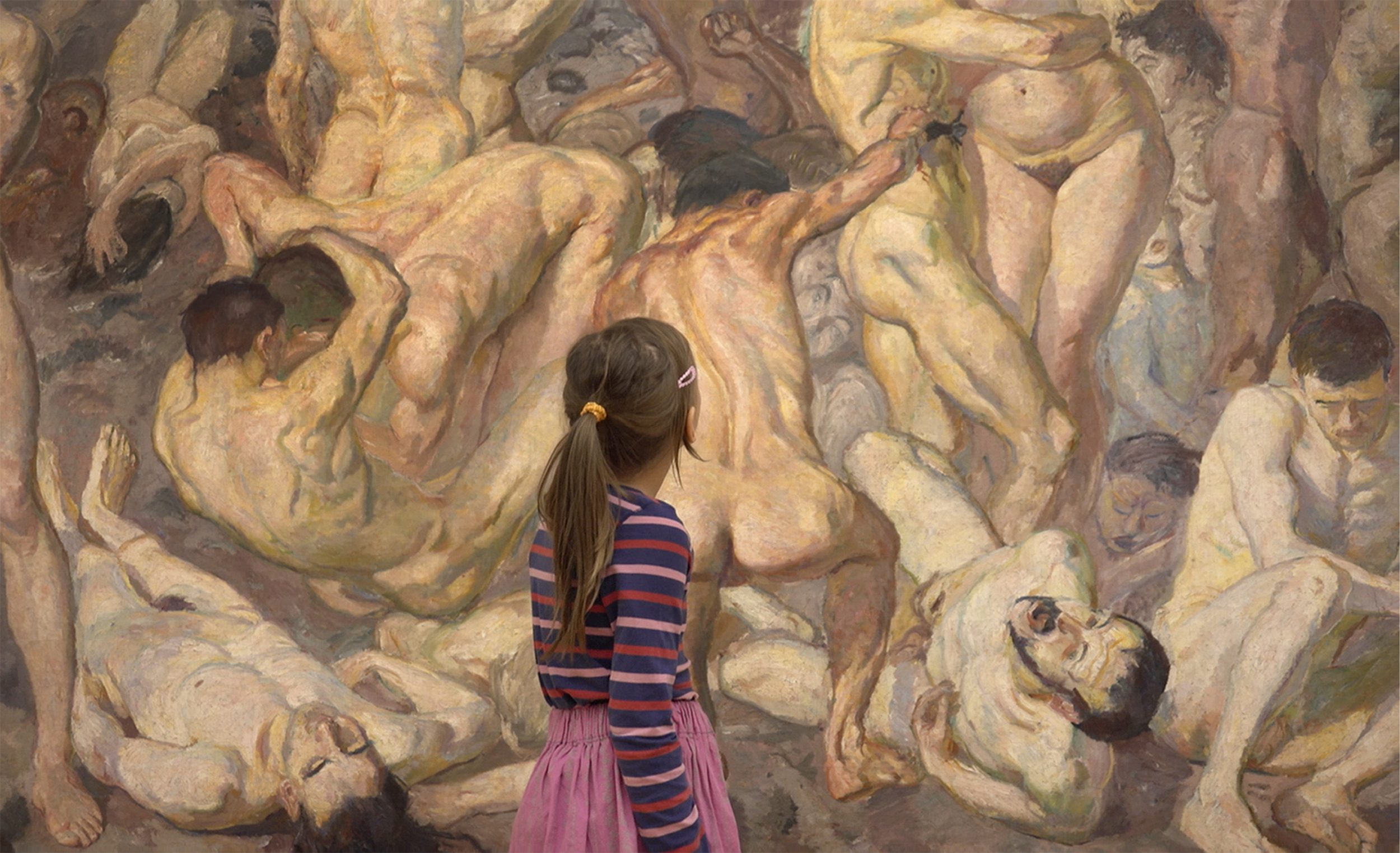
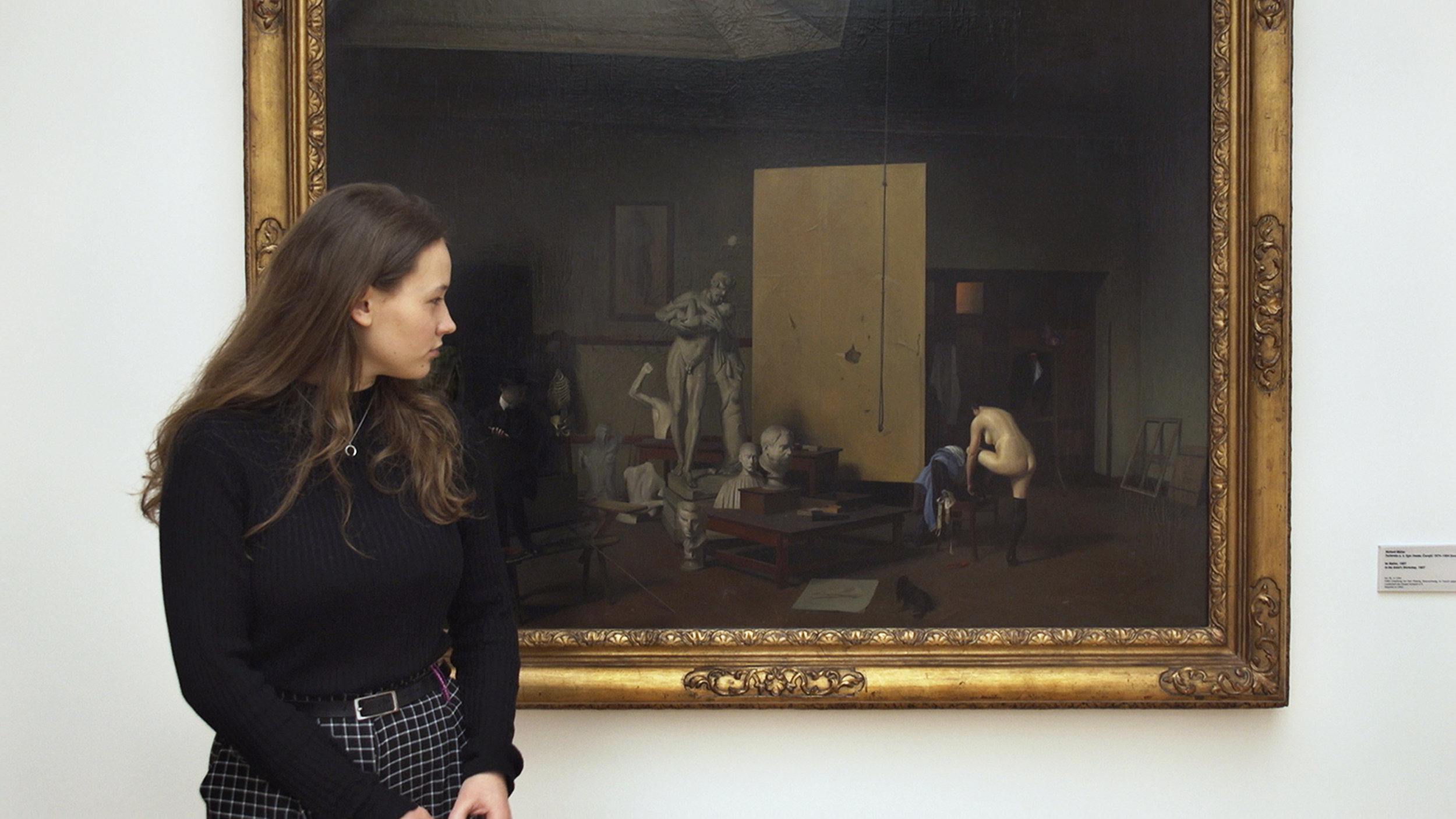
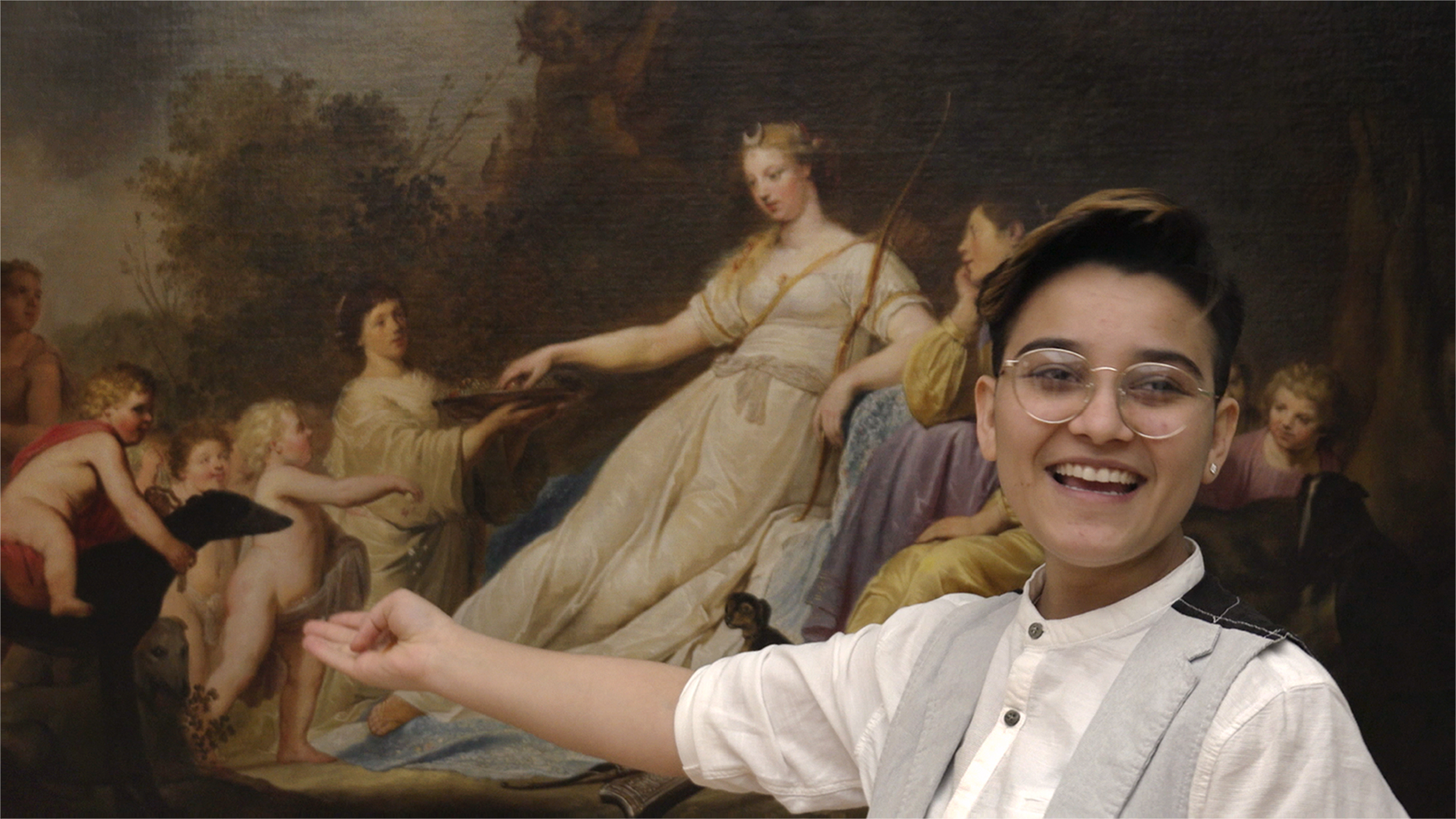
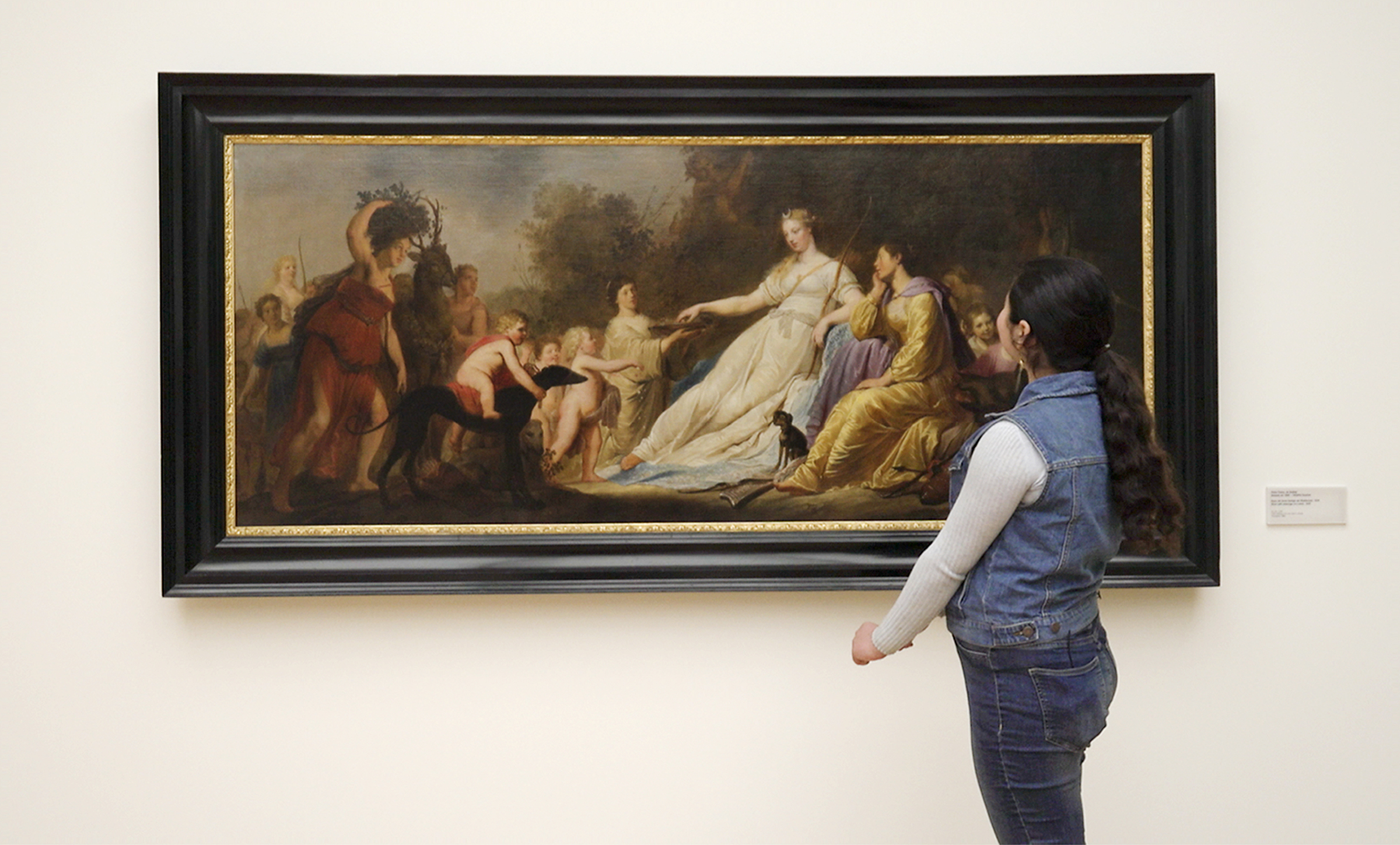
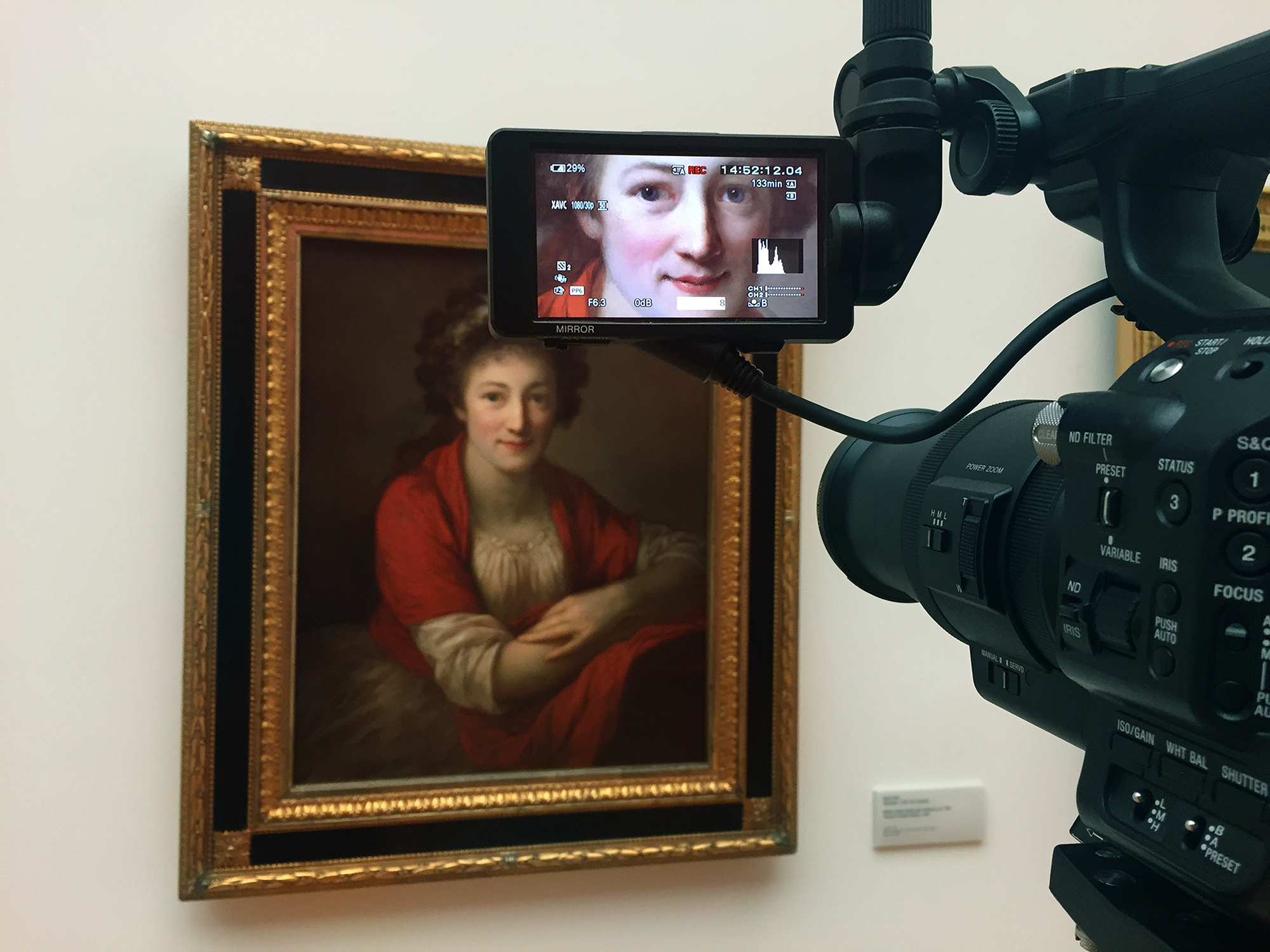
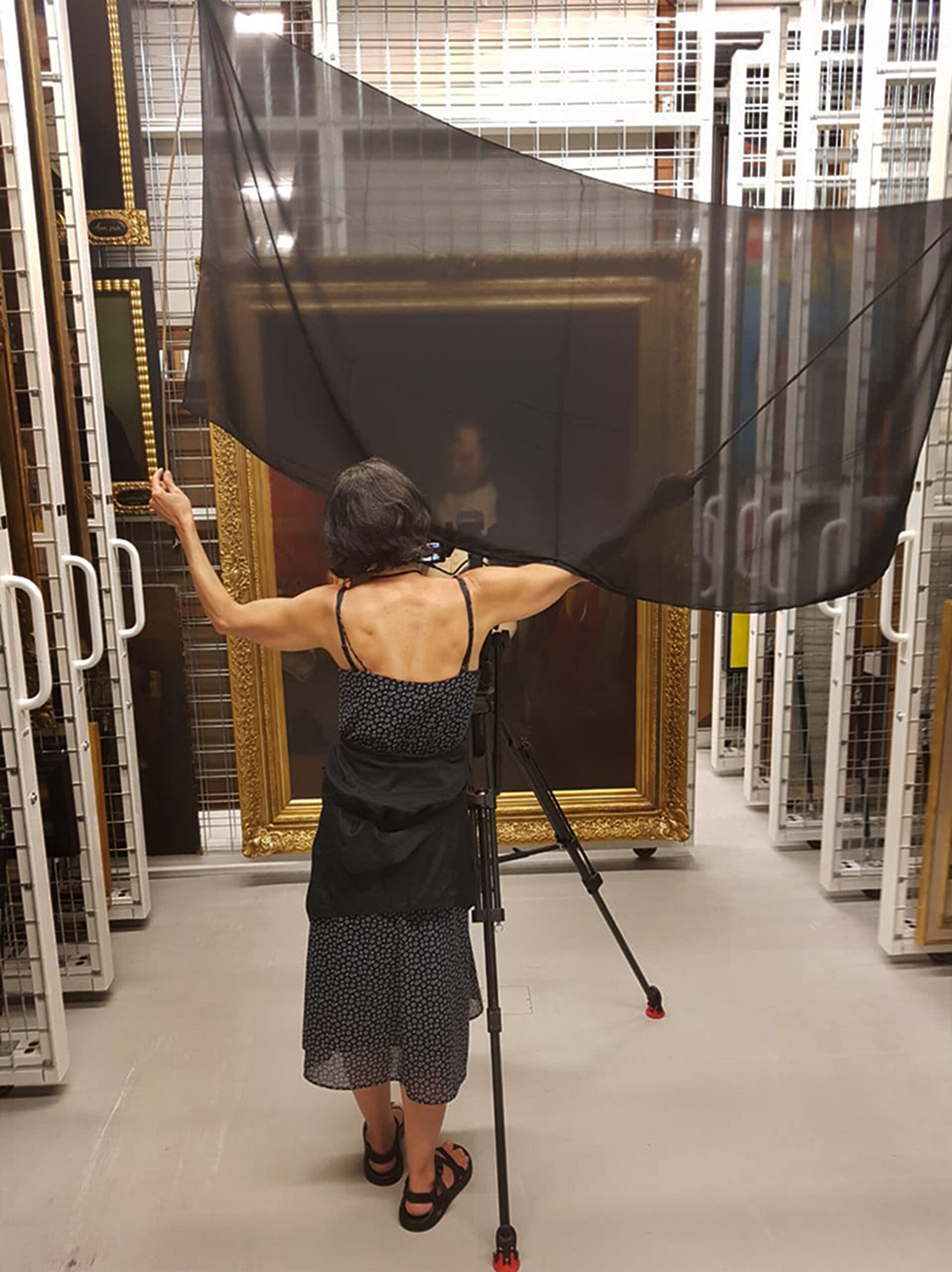
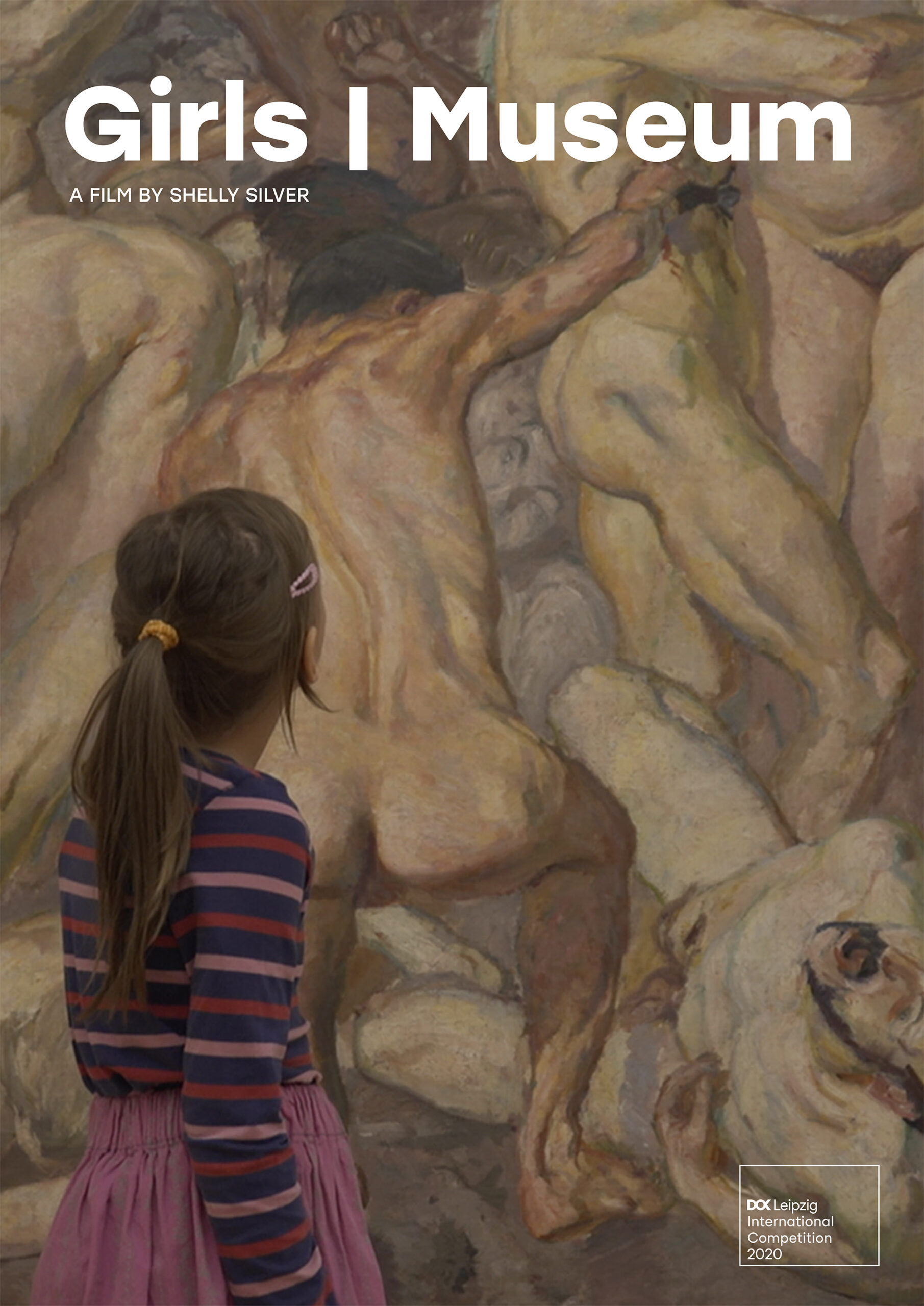
Silver would eventually settle back in New York City in the early 2000s teaching at Cooper Union and School of Visual Art before taking a job at Columbia University, where she’s currently a professor and director of the moving image. In her most recent film, Girls | Museum (2020, 72 min.), girls and teenagers speak candidly about artworks on display in the Museum of Fine Art in Leipzig, which, like most historical art museums, are almost entirely made by men. Bringing up issues such as gender fluidity, power, inequality, precarity, and war, the girl’s responses both directly and indirectly raise questions about what and who we as a culture value. The film was awarded the 3Sat Prize for Best German Documentary in 2021.
A lifetime advocate and activist for diversity in the arts and academia, Silver has witnessed the changing conversation regarding more inclusive creative spaces. She explains the importance of inclusion and the long history of “sidelining” important marginalized artists. While at Cornell, Silver remembers only one female professor, and when hired at Columbia, she was also the only full-time female professor in the art program, a situation that has happily completely changed. Though current conversations are encouraging, she acknowledges the importance of examining the leadership in all art institutions. From curators to museum directors, professors to the board of trustees, “change can’t only be bottom up or top down, it has to be all over the place.”
Projects
Click to view project images full screen.
Girls | Museum
2020
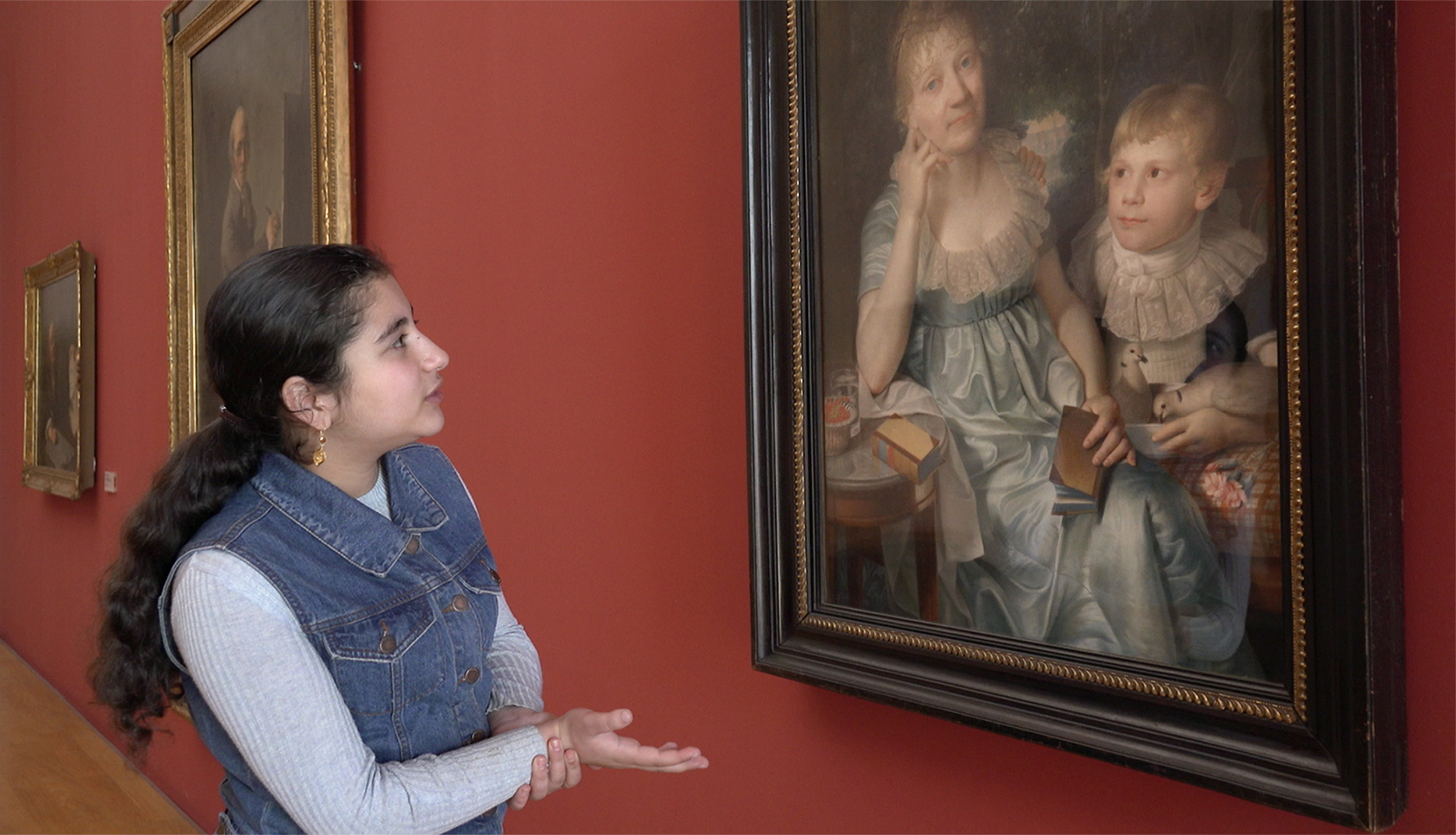
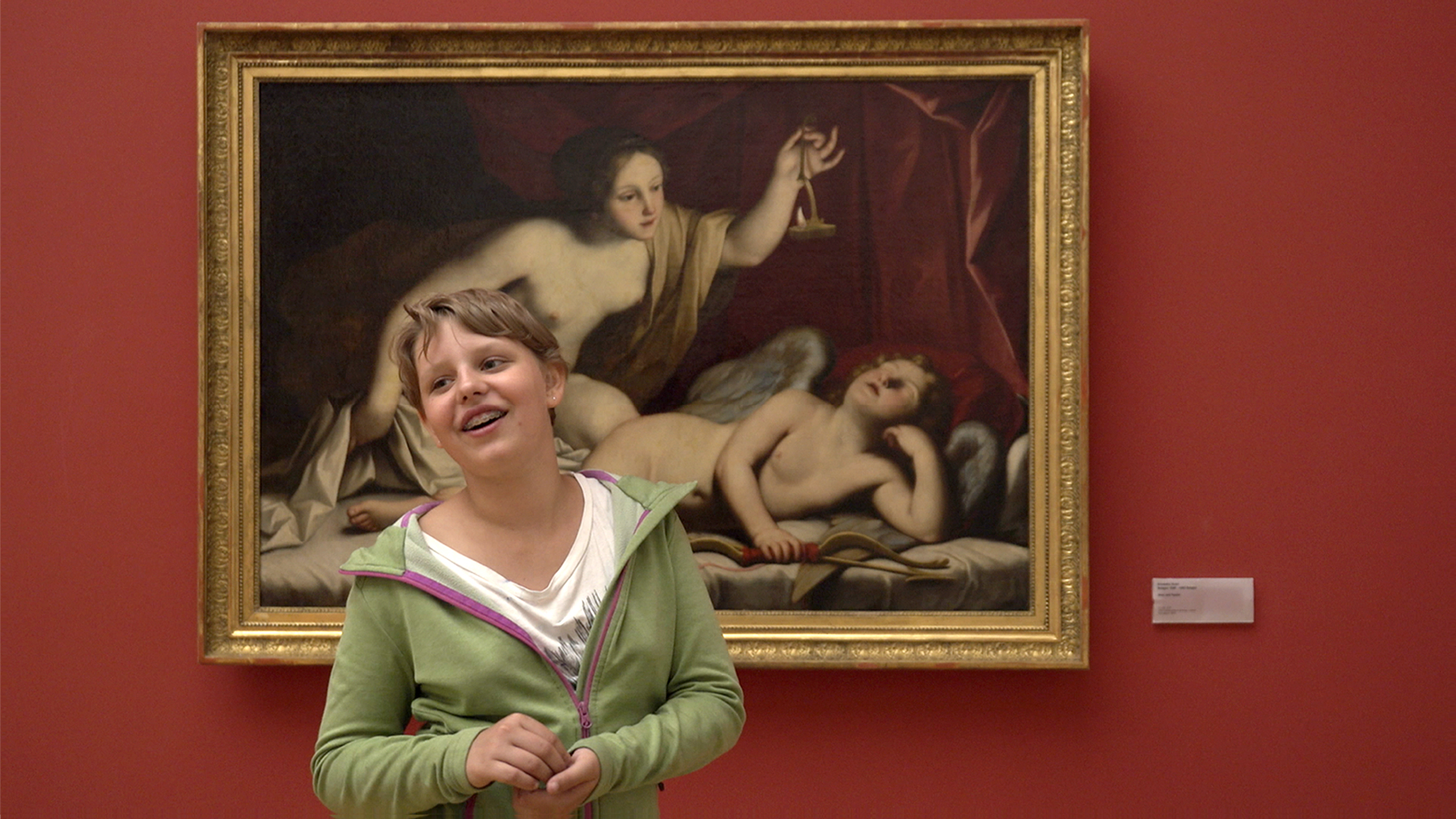
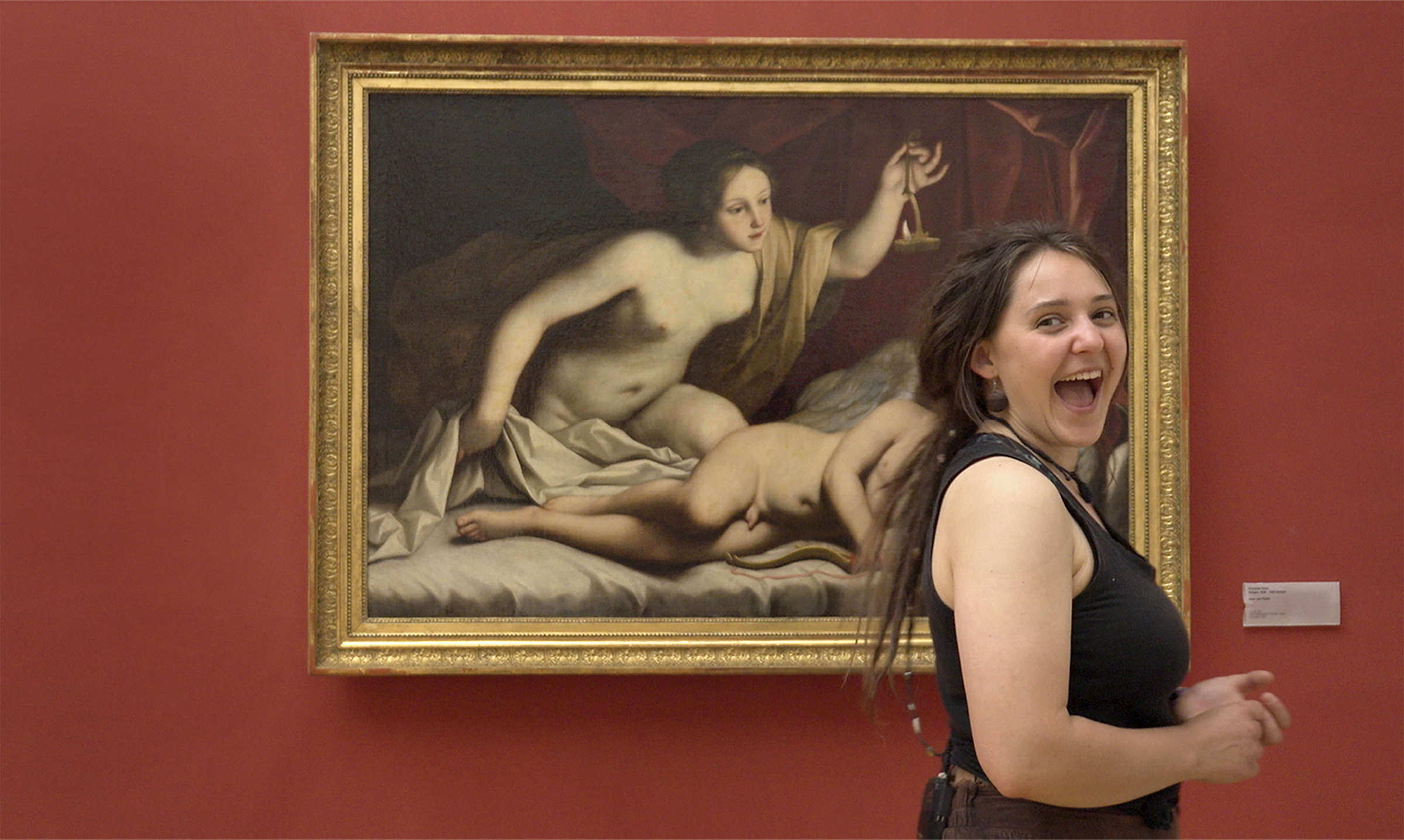

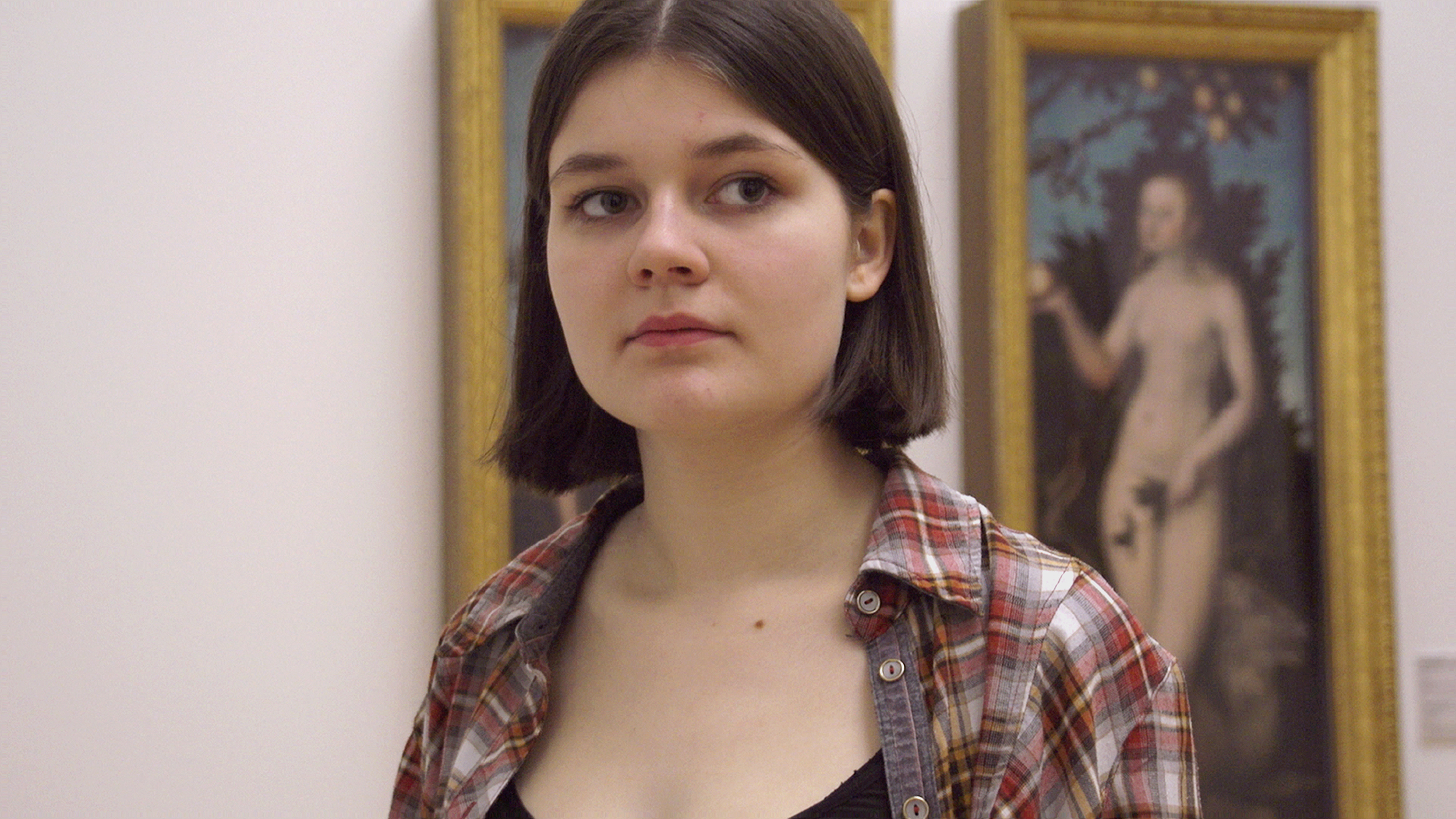
a tiny place that is hard to touch
2019
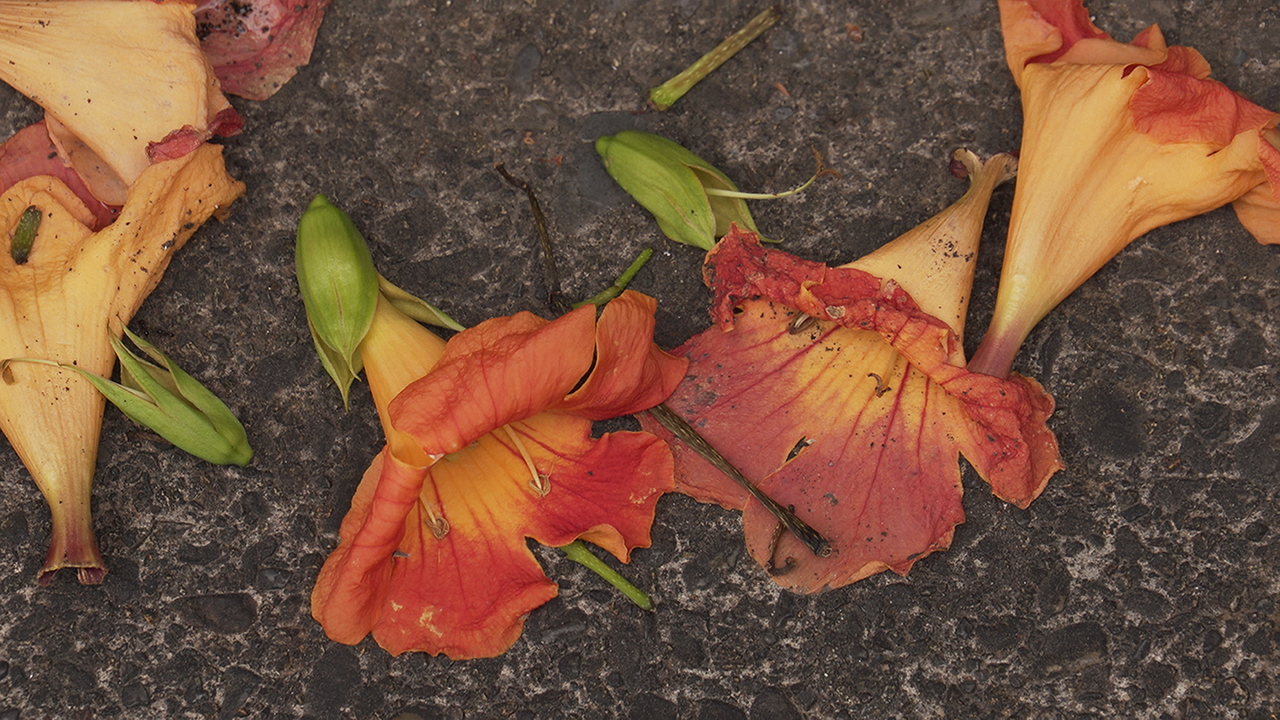
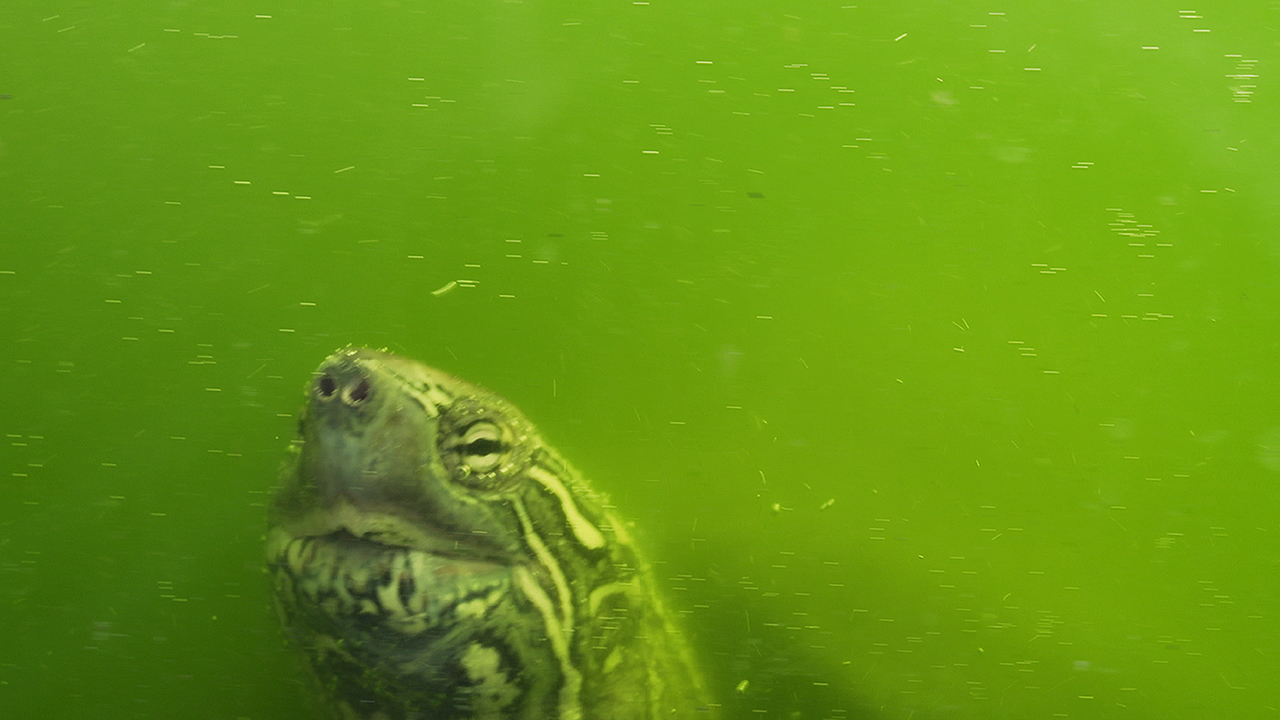

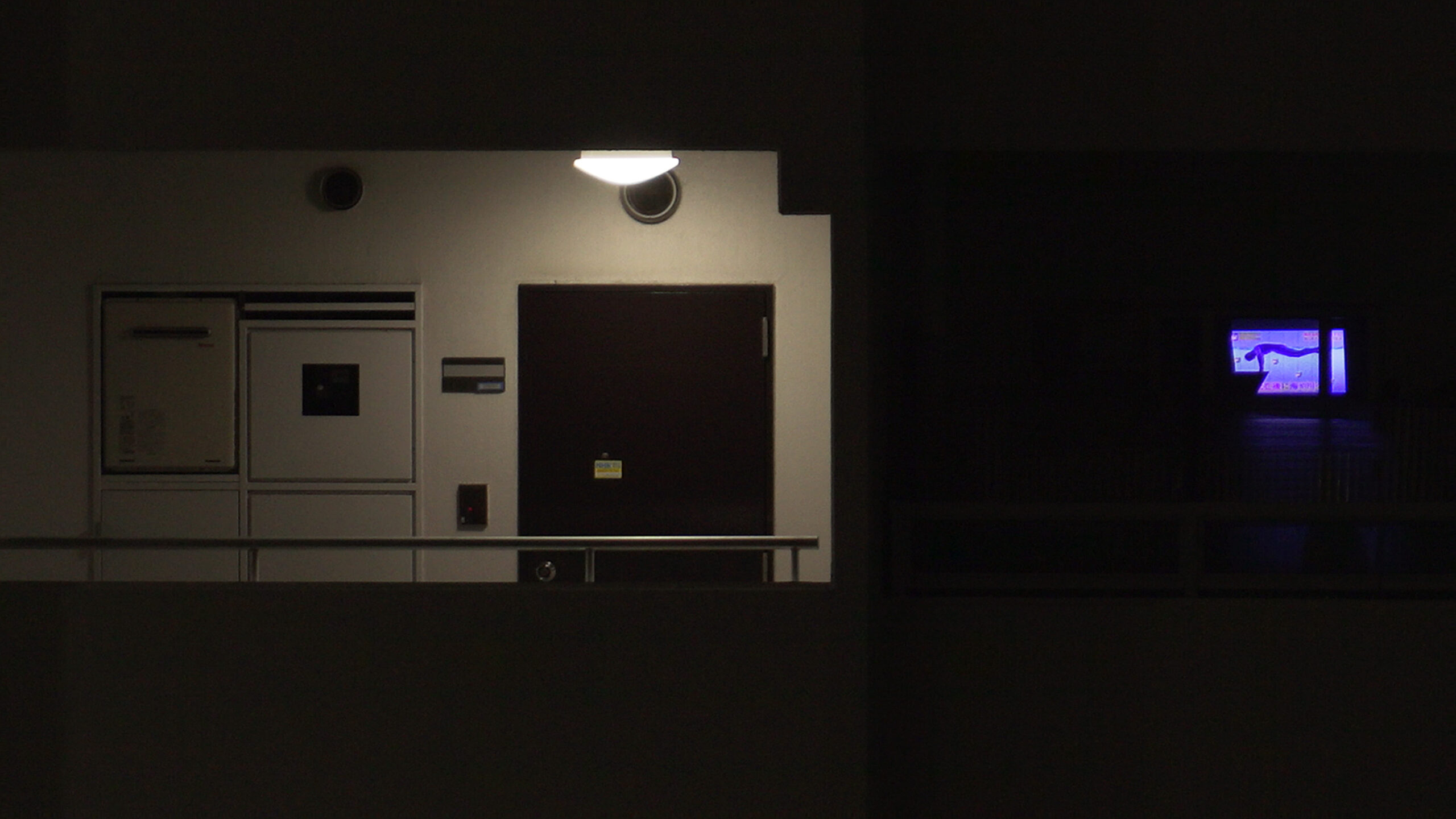
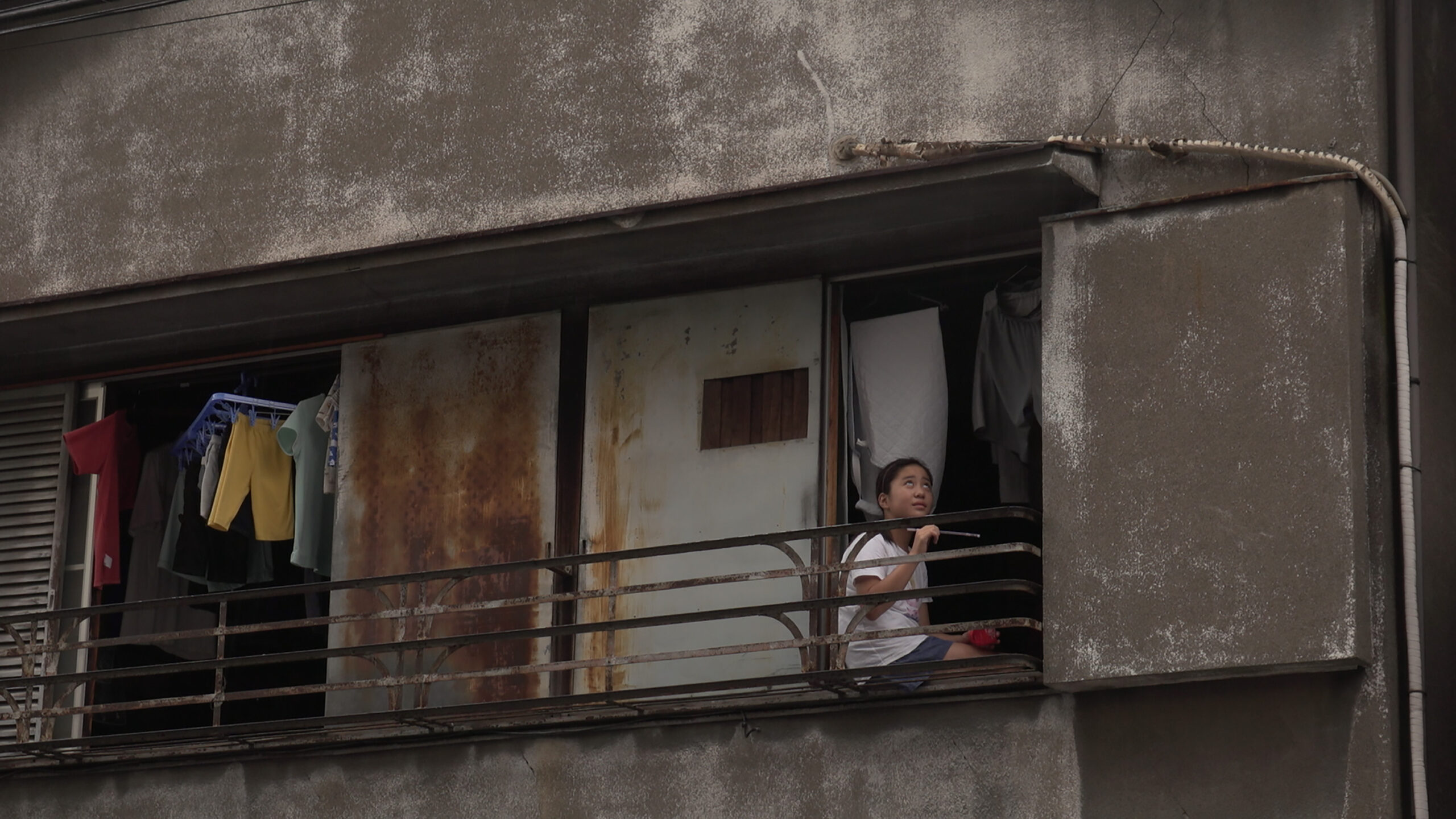
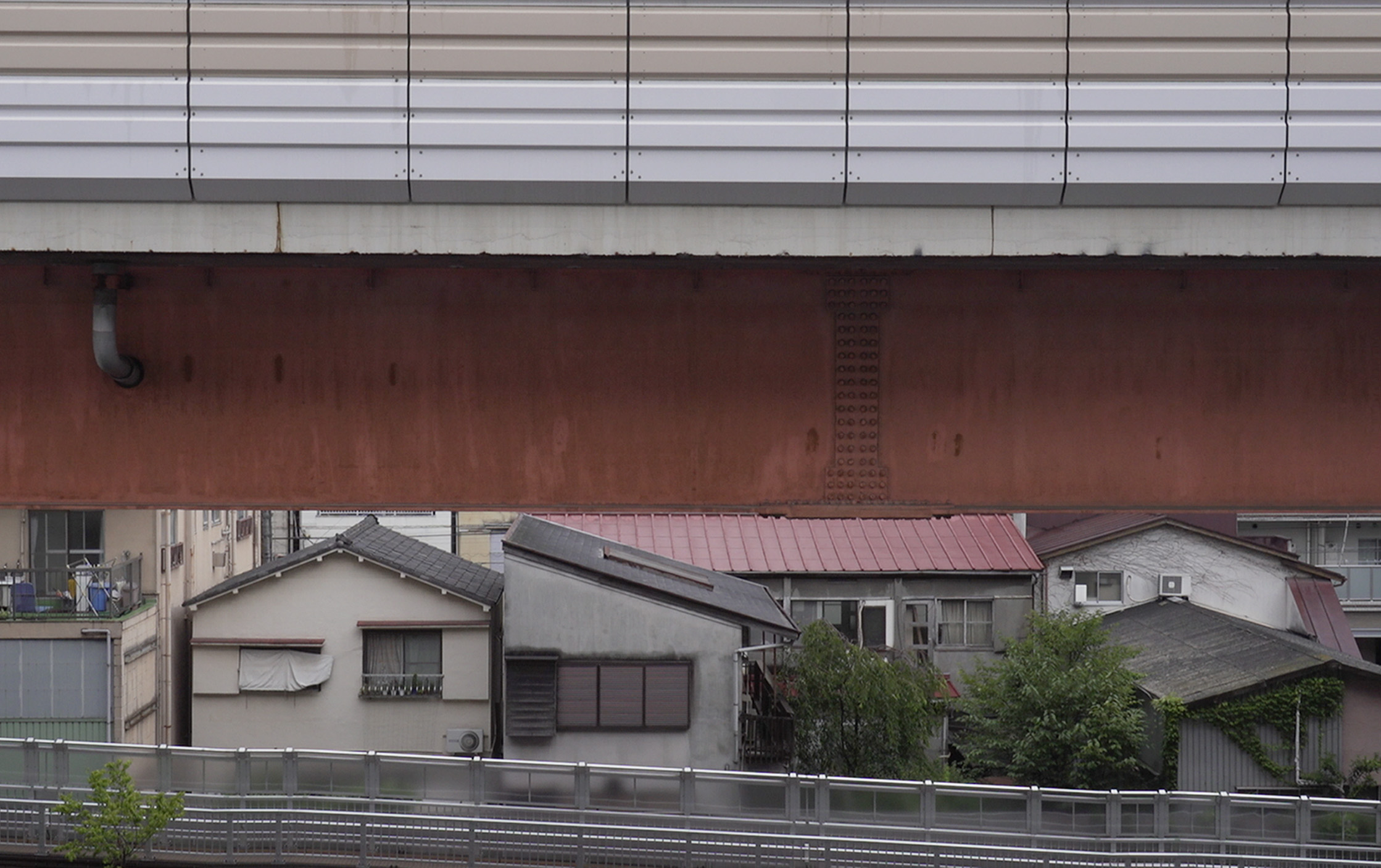
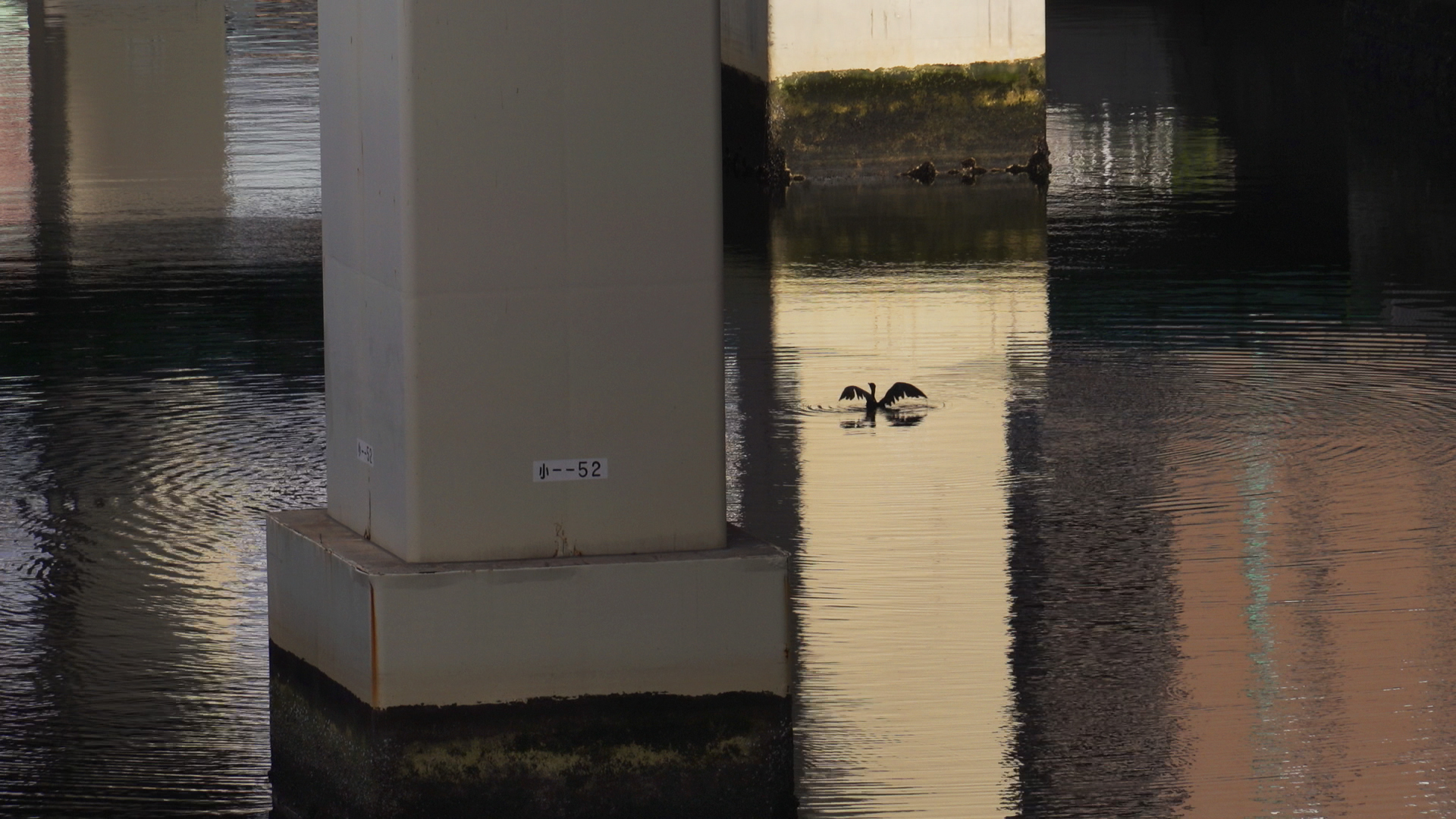
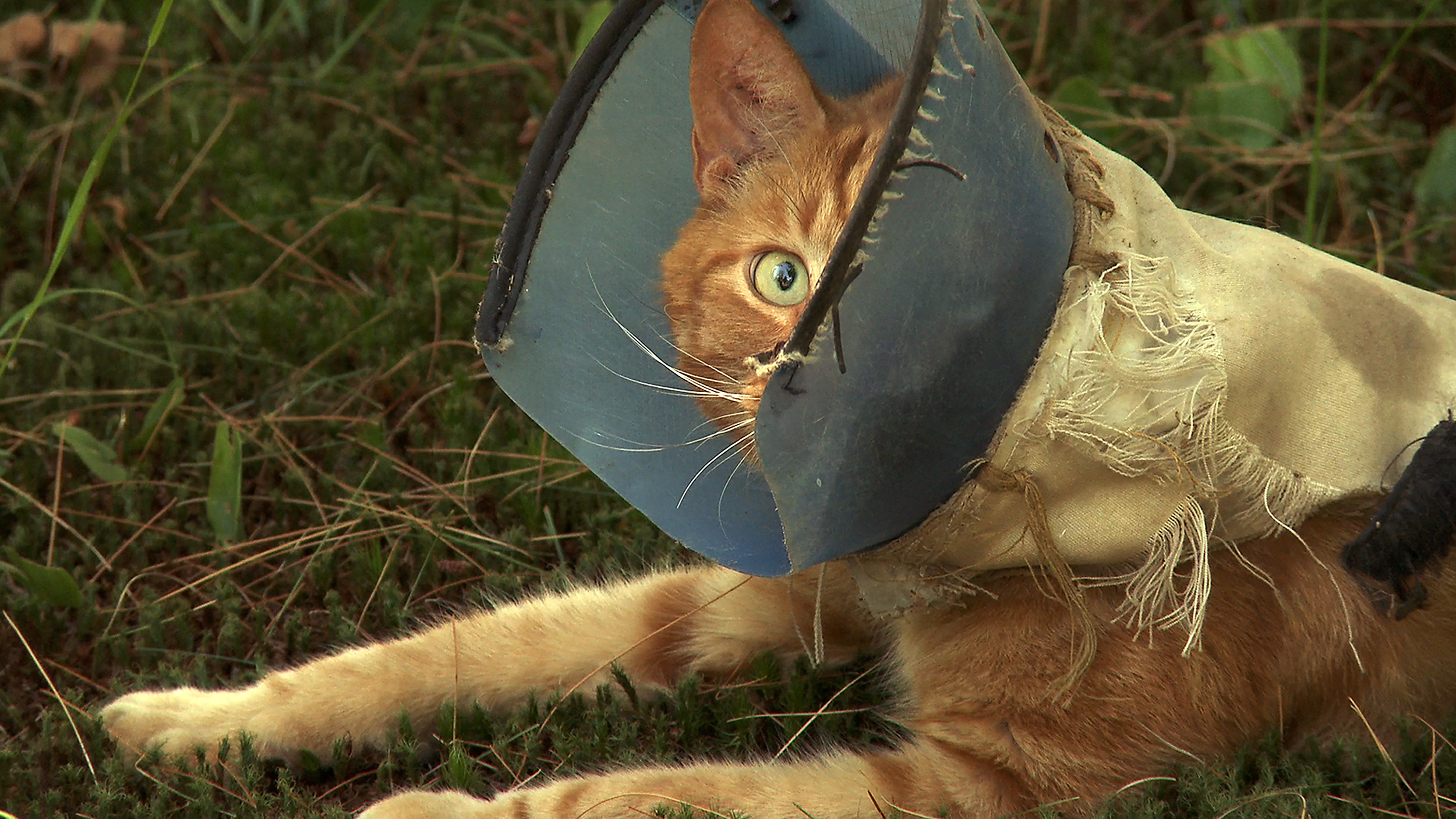
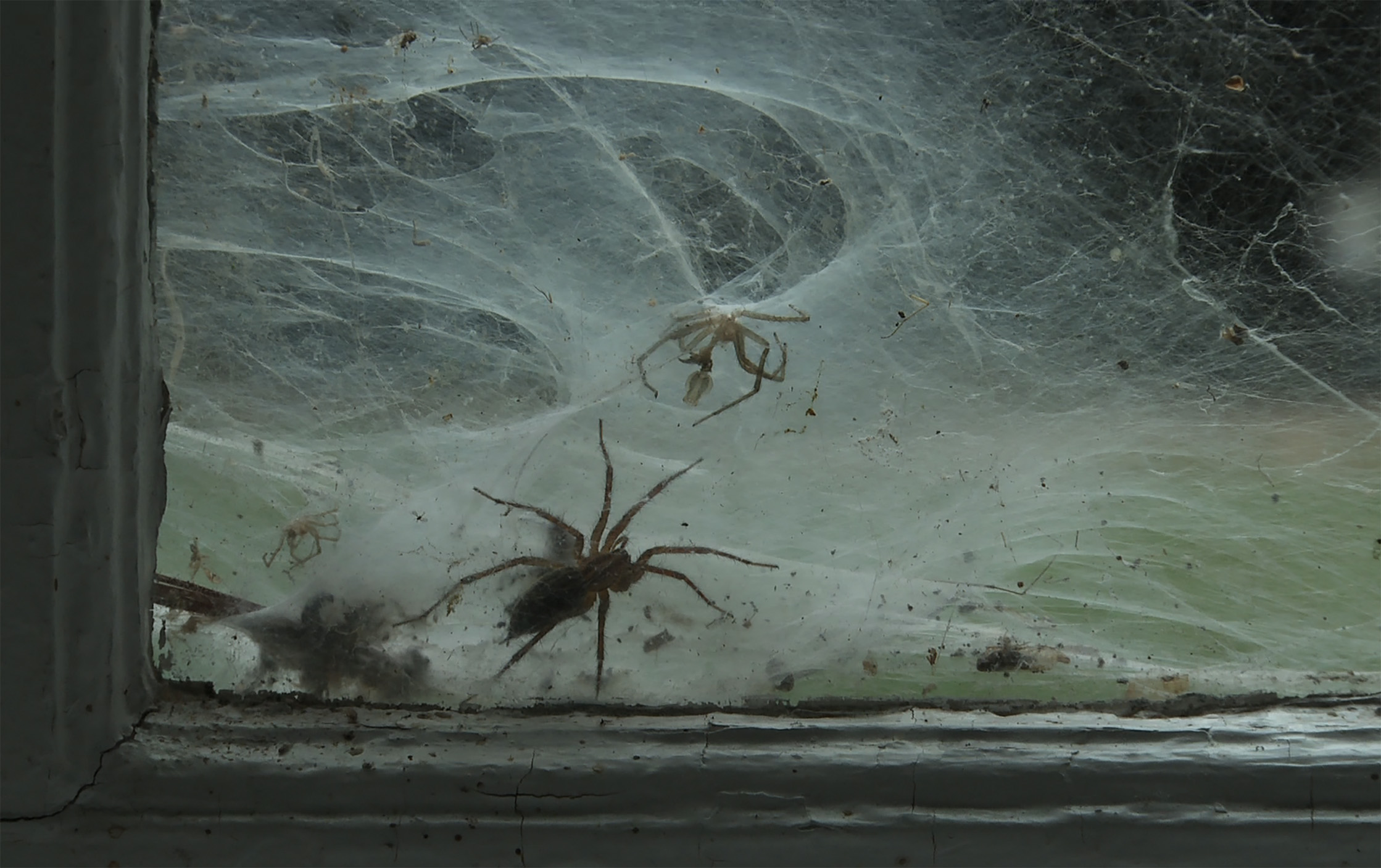
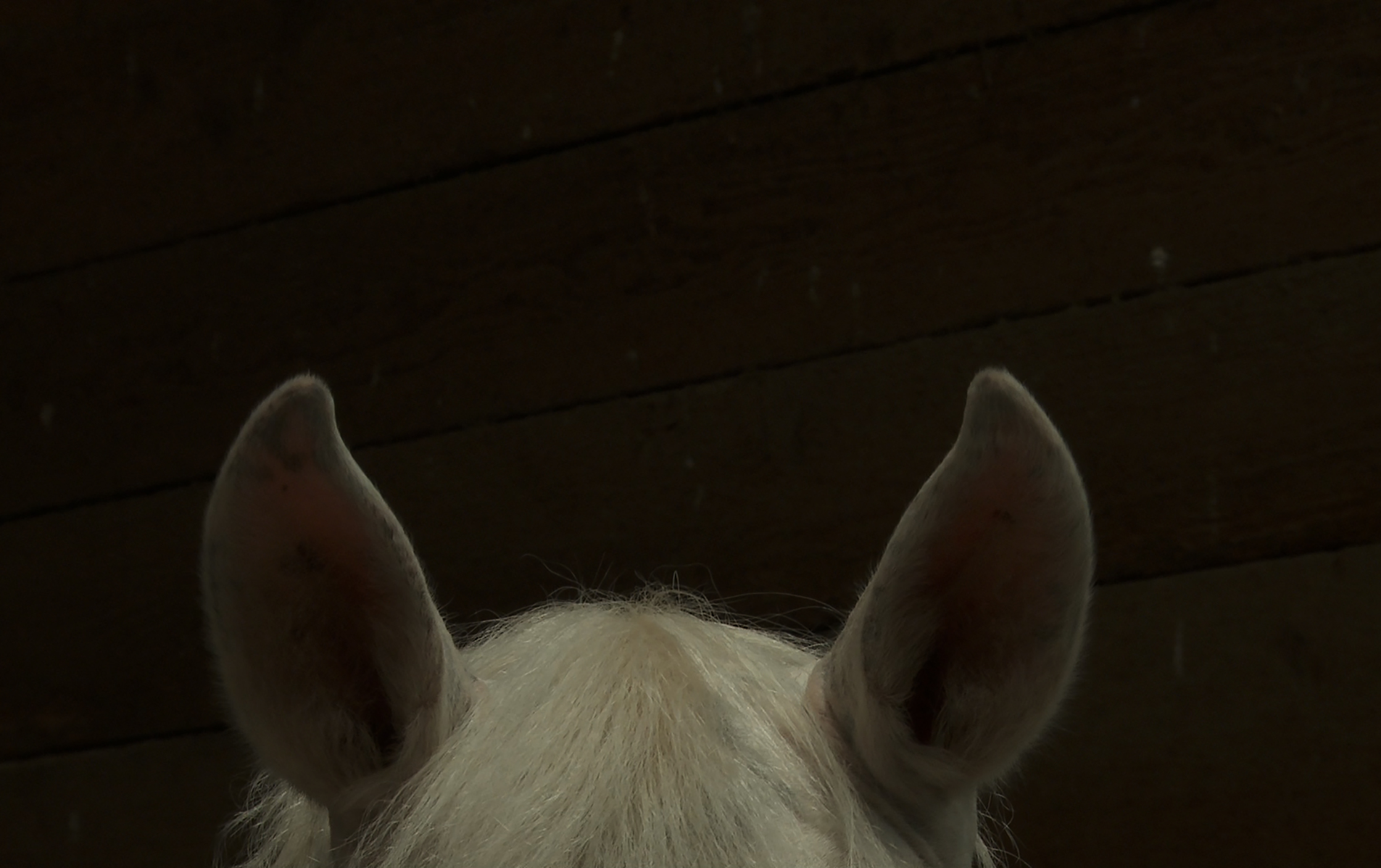
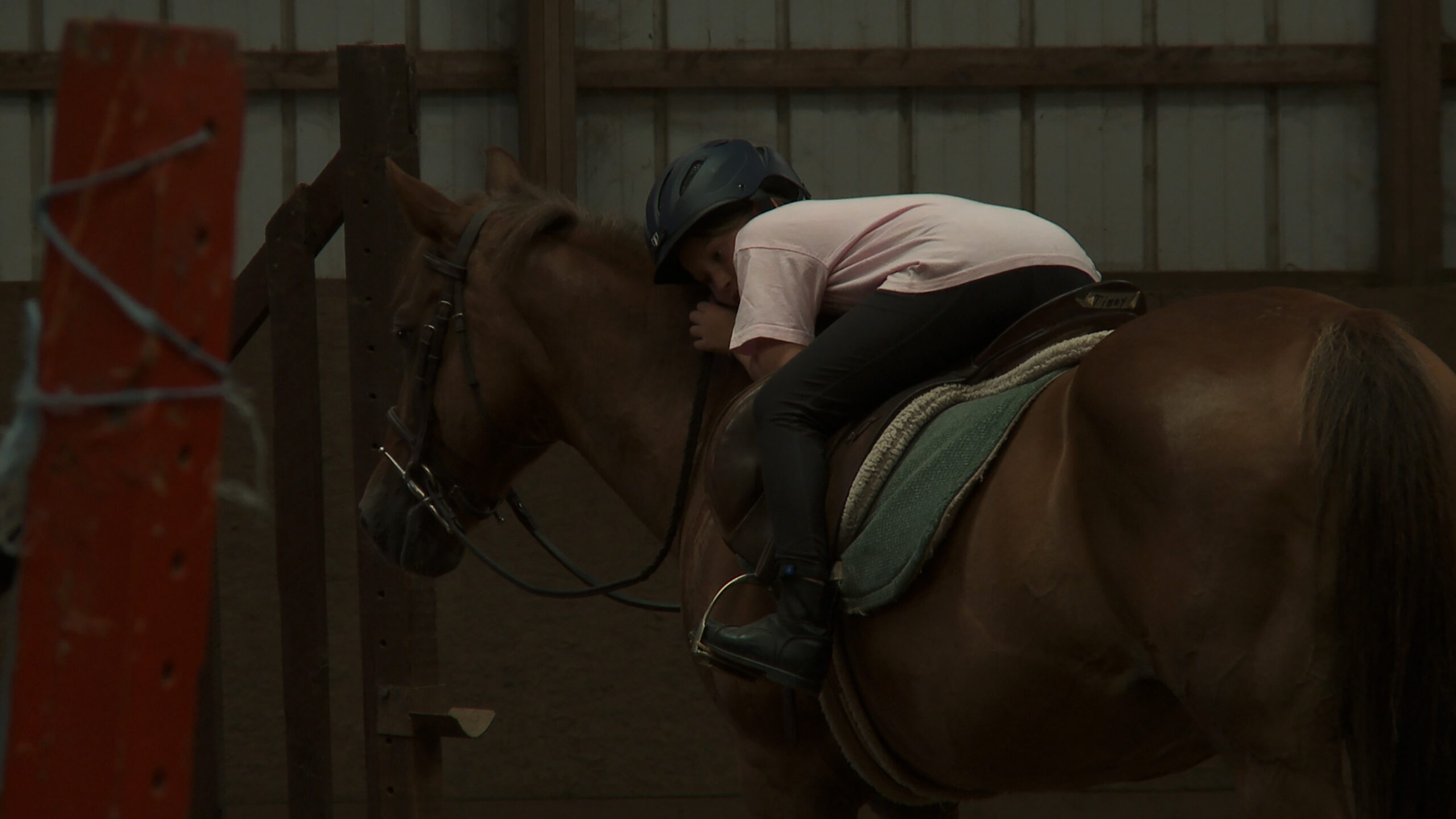
Frog Spider Hand Horse House
2013–17


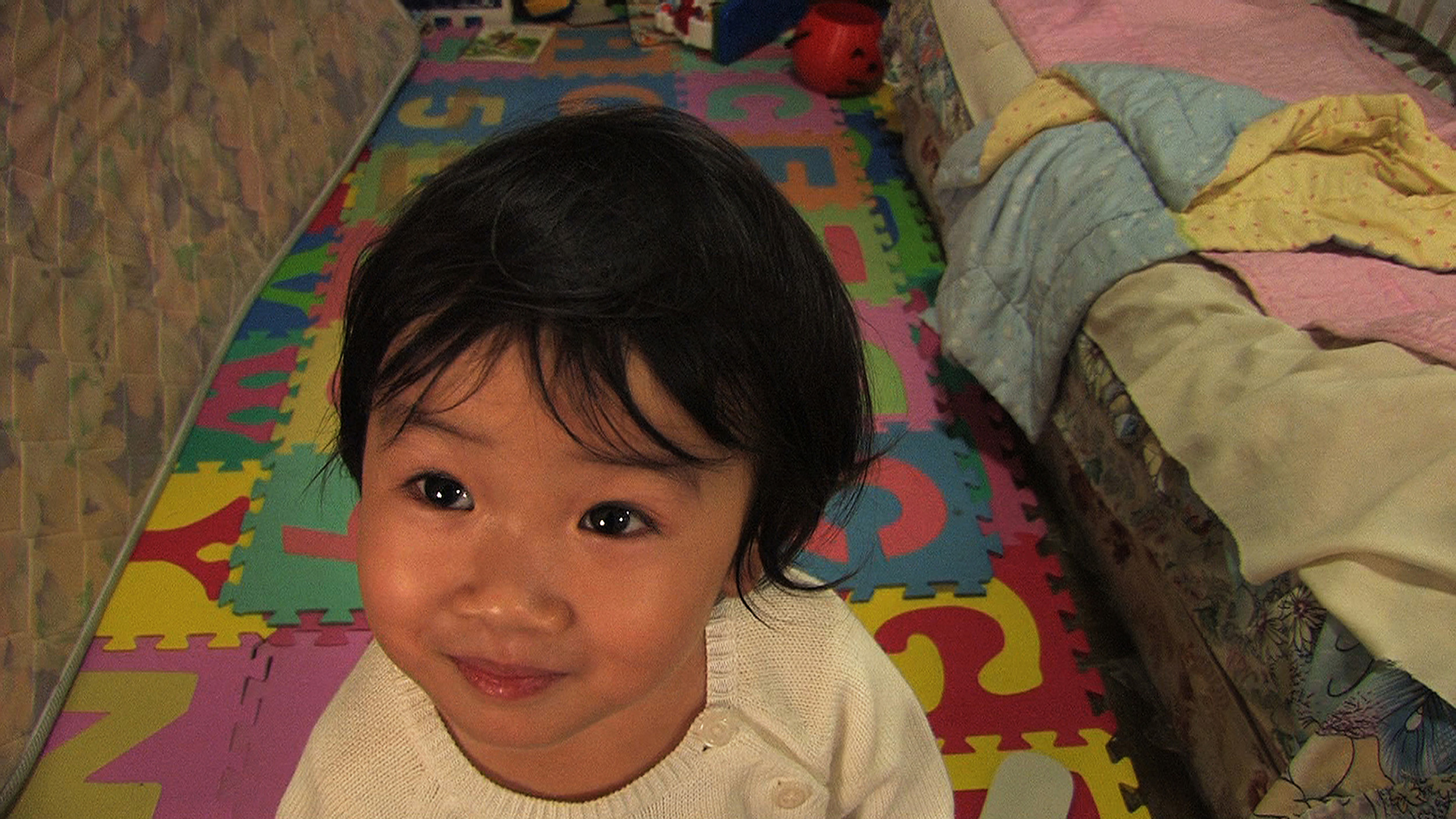
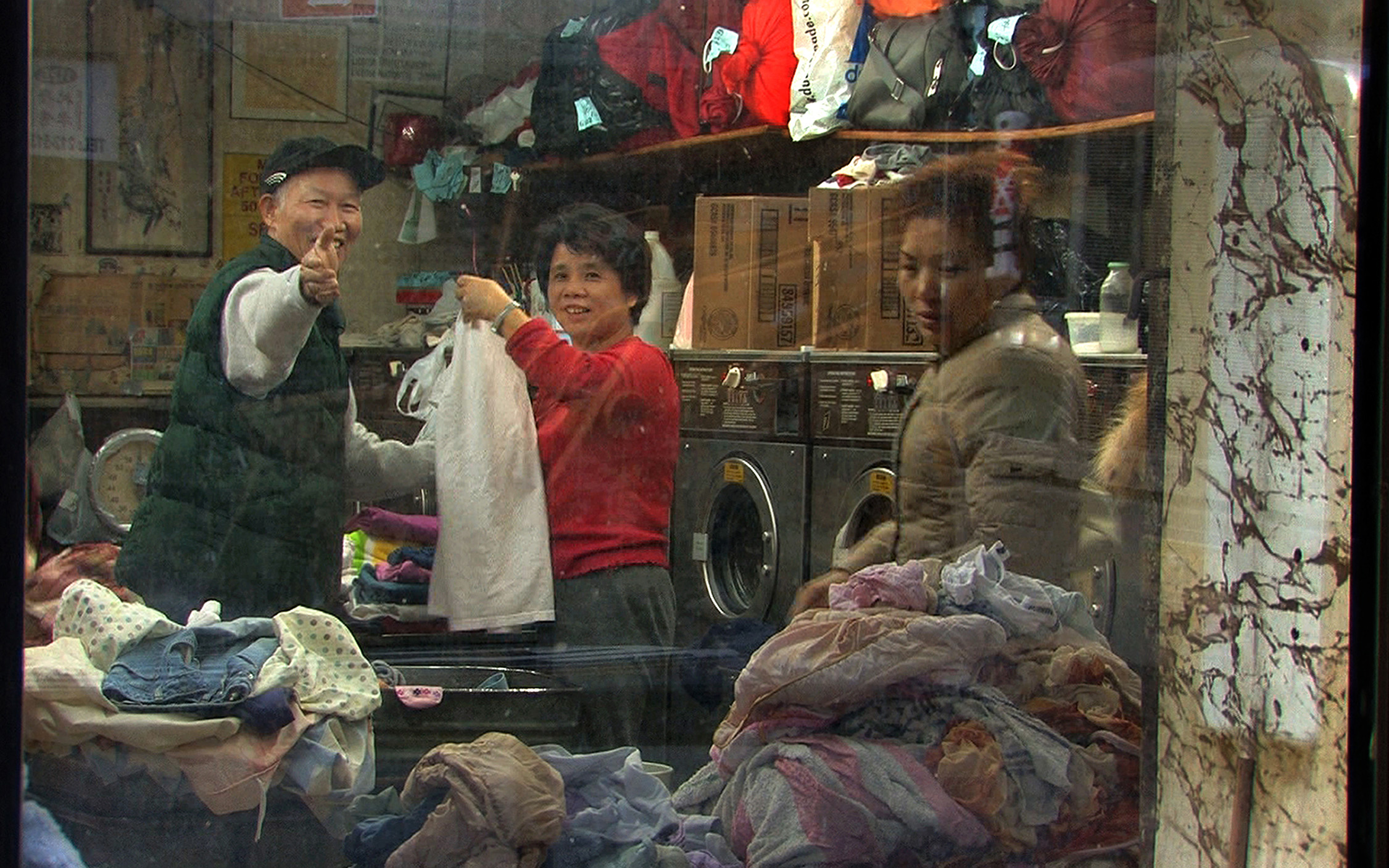
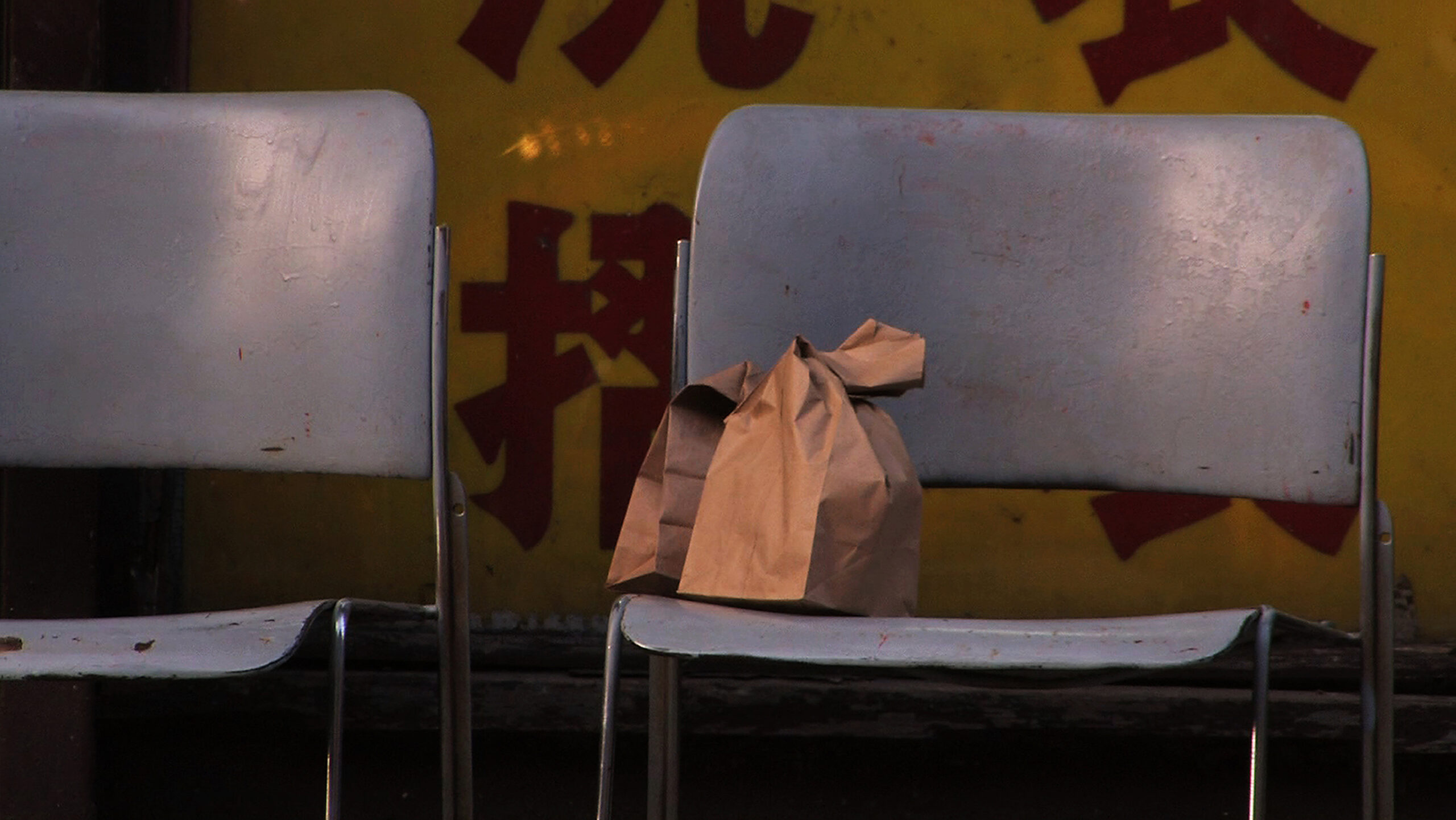
5 lessons & 9 questions about Chinatown
2009


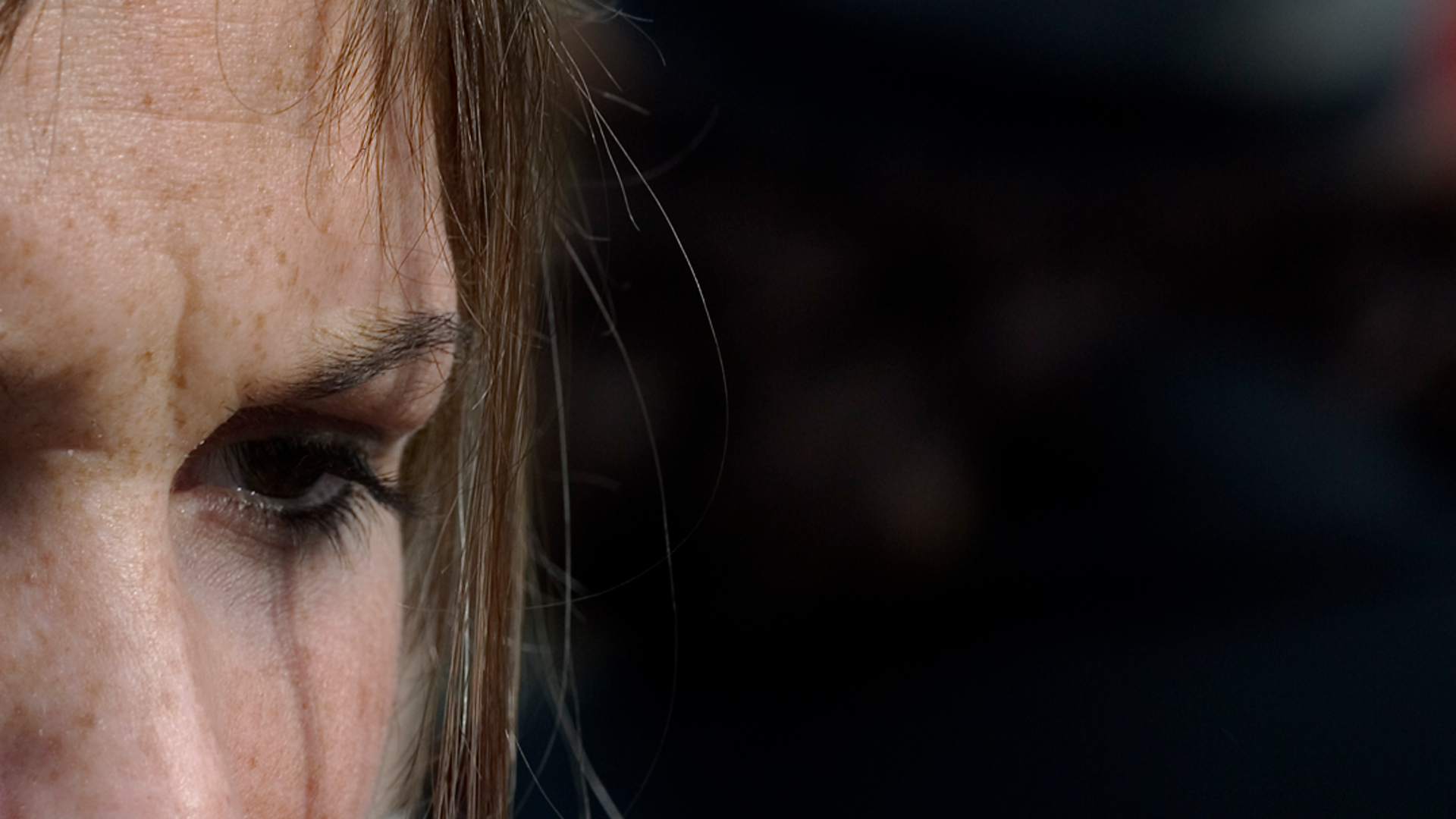
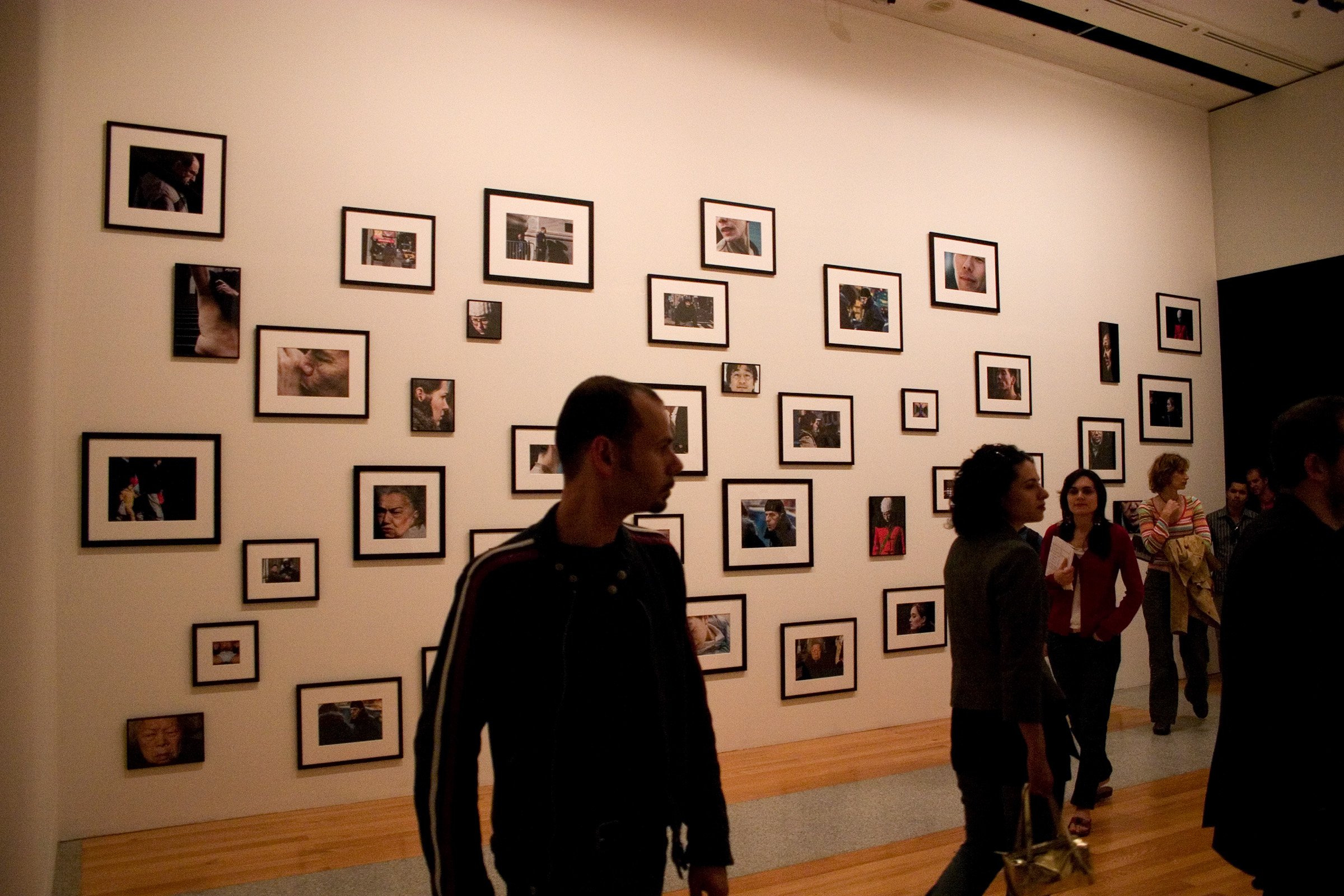
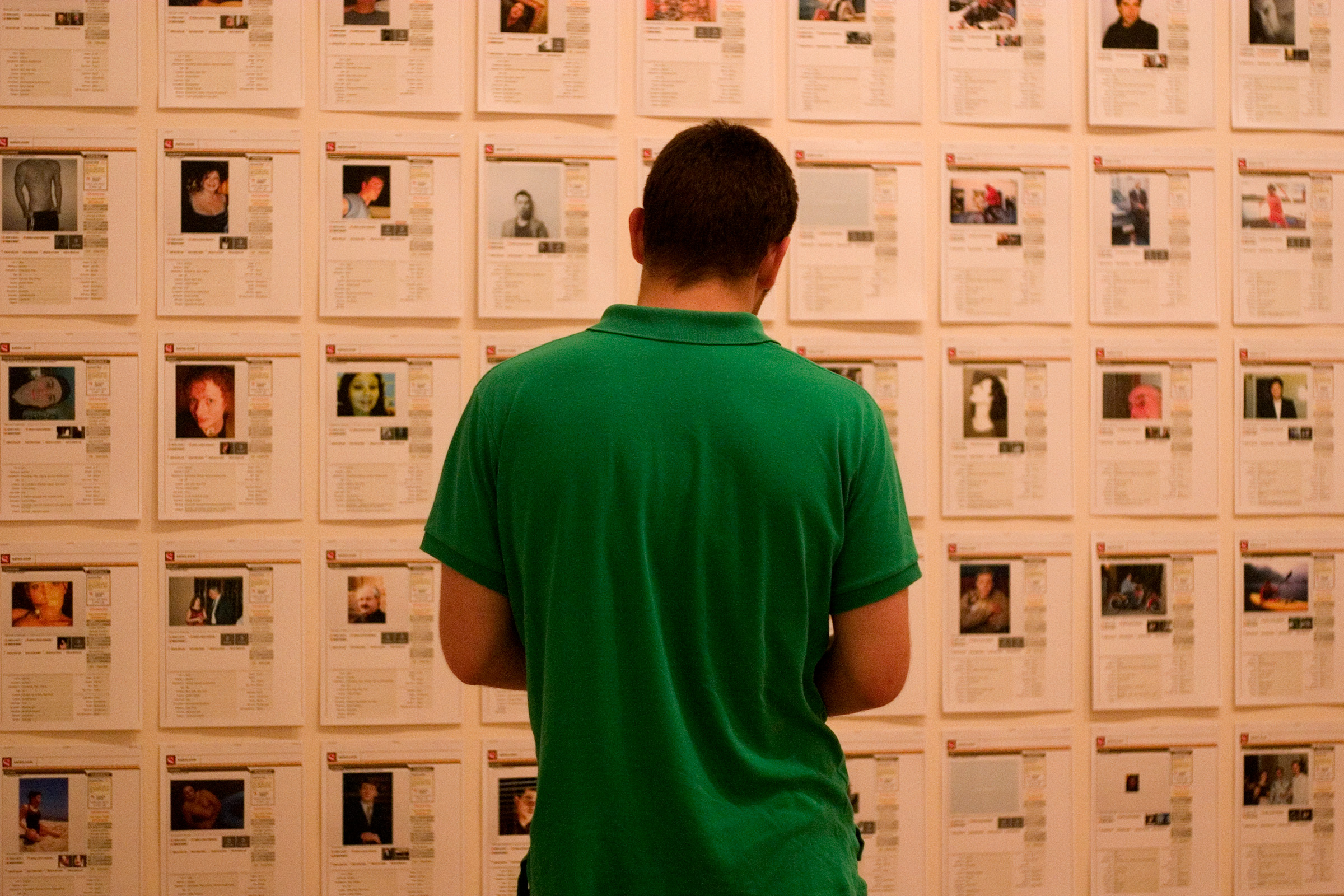
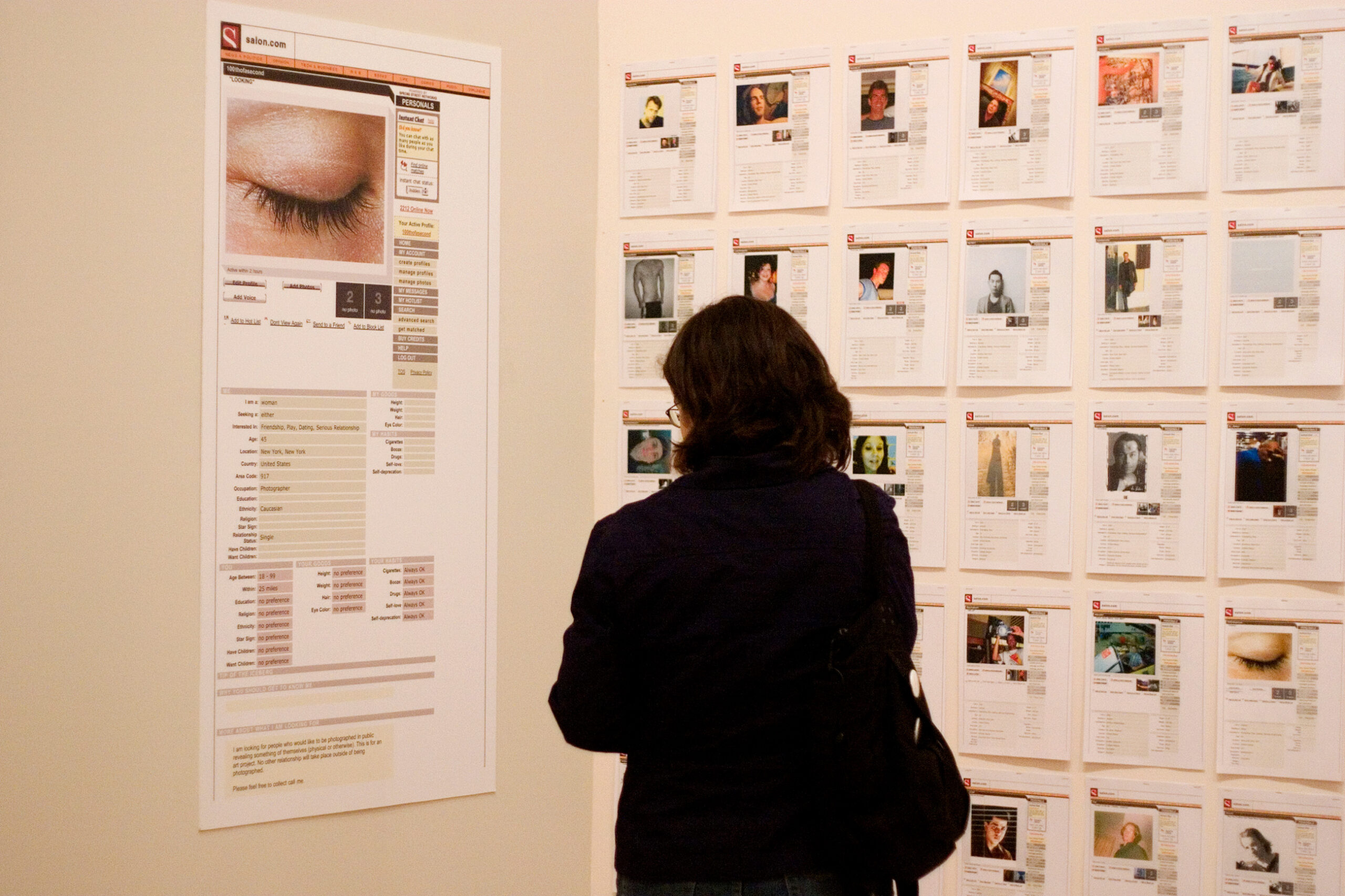
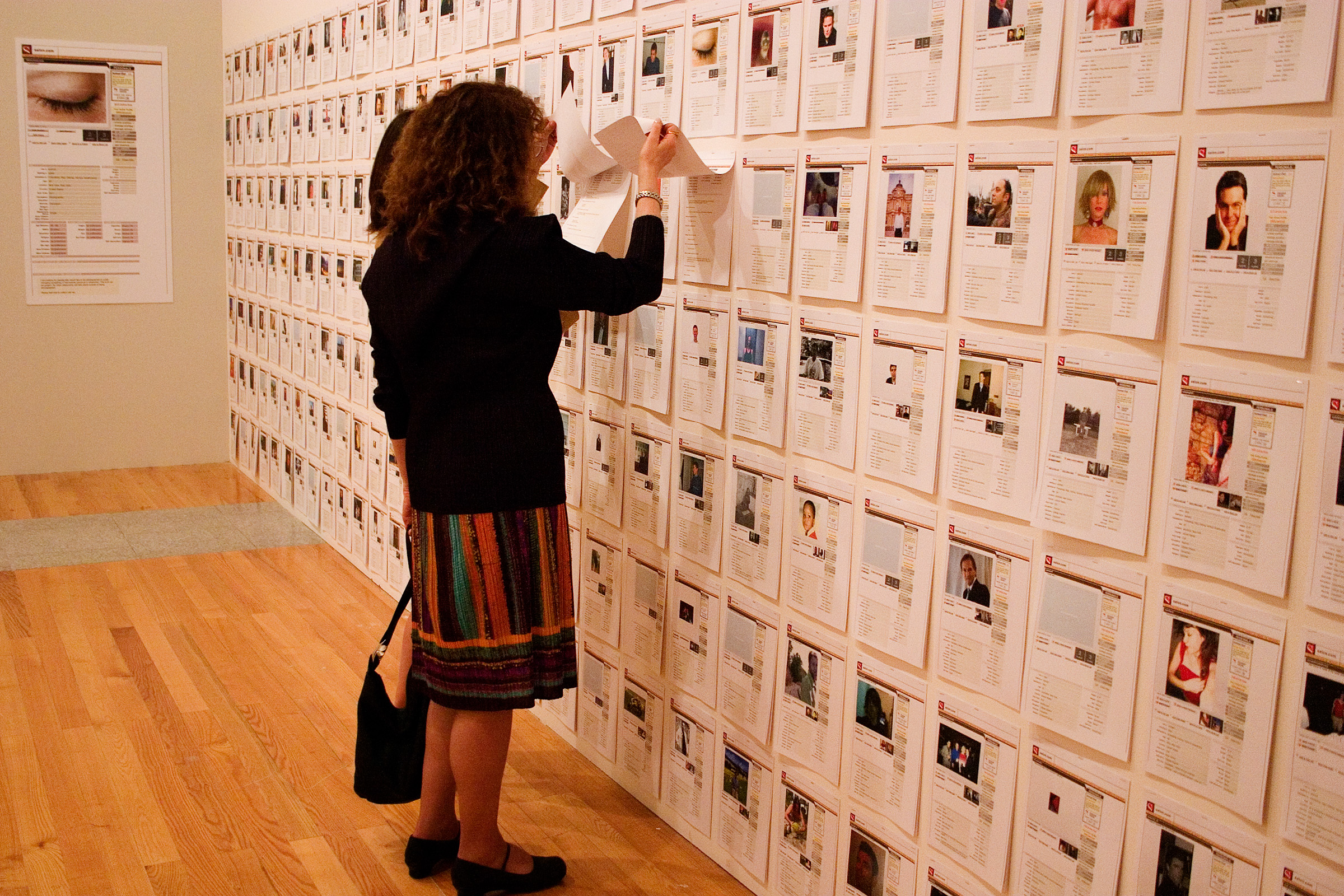
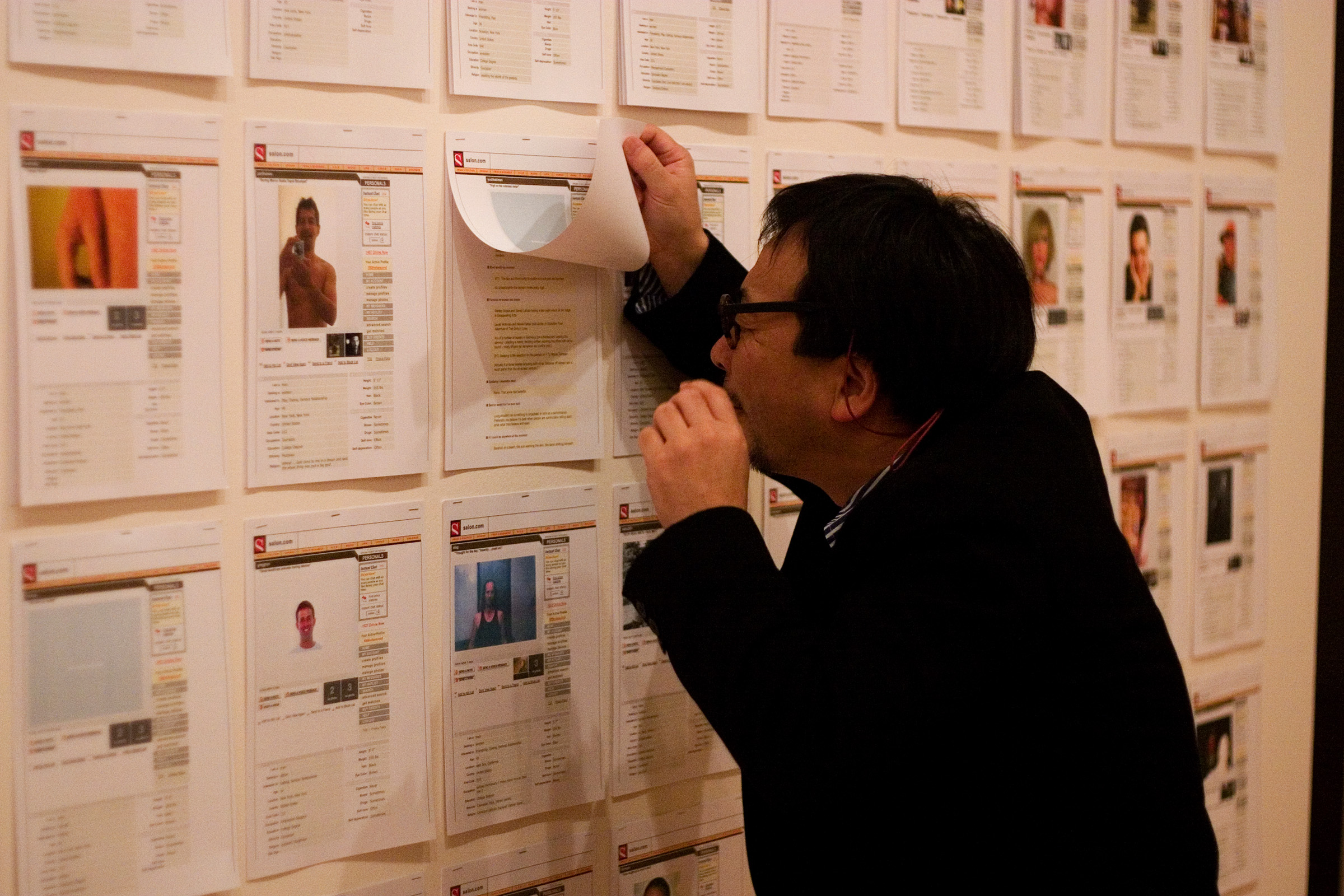
What I'm Looking For
2004


Explore the Archive
-
Peter Eisenman
B.Arch. ’54
![Detail view of curving building with wall of windows reflecting a bright blue sky and clouds.]()
-
Constance Werner Ramirez
Ph.D. CRP ’75
![Title page of the book Street Signs to History]()
-
Mui Ho
B.Arch. ’66
![Outdoor facade of community housing]()
-
Chauncey Jones
B.Arch. ’74
![atrium of a big glass building with white interior]()