Peter Eisenman (B.Arch. ’54) discovered architecture more or less by accident during what was proving to be a discouraging first year at Cornell. Eisenman had enrolled as a chemistry major and was struggling academically. By his second semester, he was on probation, ineligible to participate in the extracurricular activities that had been providing “my only ego confirmation,” he says. “I was in danger of flunking out of Cornell.”
Instead, a candid conversation with his Founders Hall dorm counselor set Eisenman on a trajectory to become an internationally renowned architect, theorist, and educator. While his counselor, a fifth-year architecture student, was sketching and building models, Eisenman stopped to chat. Ultimately, their discussion changed his life and career path and shaped the education of generations of architecture students.
“I didn’t know what architecture was,” Eisenman says. “I realized I’d been missing something.”
Neither his mother nor father, a chemist, shared their son’s newfound enthusiasm for architecture. Even so, they allowed him to change his major with this caveat: He had one year to turn things around at Cornell. Otherwise, he would return home to New Jersey and get a job instead of a college education.
The rest is history.
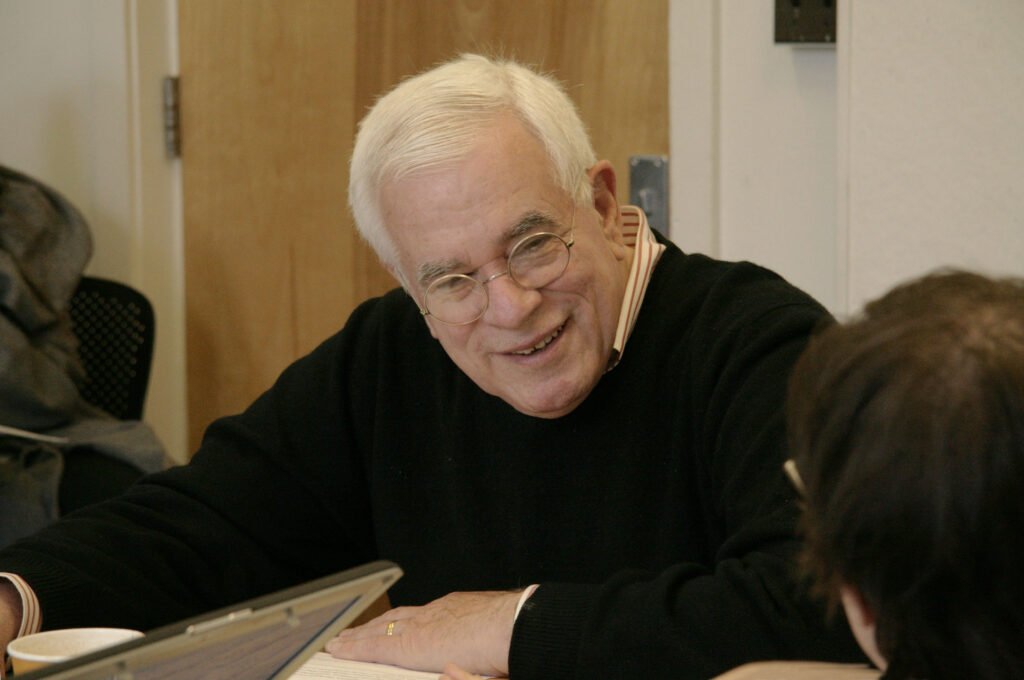
Eisenman would excel at Cornell and graduate with honors as well as his class’s architecture thesis prize. Throughout his more than 60-year career, he has earned some of the most coveted accolades in architecture and academia. One of the “New York Five,” Eisenman has designed award-winning cultural and educational facilities, authored more than 20 books, and founded and led both the Institute for Architecture and Urban Studies (IAUS) and the firm Eisenman Architects.
In parallel with his practice, Eisenman has educated architecture students at some of the world’s most respected universities, including the University of Cambridge, Harvard University, Princeton University, The Ohio State University, The Cooper Union, and, most recently, Yale School of Architecture. At Cornell, Eisenman was the Frank H. T. Rhodes Class of ’56 Professor from 2008 to 2011 and has been a frequent speaker at AAP. In May 2023, the Department of Architecture hosted Eisenman and others as the first speakers in the new “Peter Eisenman Lecture Series endowed by Elise Jaffe + Jeffrey Brown” that will take place annually.
Architectural historians and writers place him in the vanguard of the deconstructionism, post-modernism, and post-structuralism movements. Colleagues cite his extraordinary influence on individual architects and the field in general, describing Eisenman as “persuasive,” “a gifted builder,” “constantly challenging us … to do better,” and — what he might consider the highest praise — “most of all, an amazing teacher … life-changing in the best possible way.”
“Teaching is the most difficult thing I do,” Eisenman says. “Mentoring students to become architects and citizens of the world is a big responsibility.”
Eisenman credits his own mentor, famed architectural historian, critic, and educator Colin Rowe, with teaching him that architecture is much more than the design of buildings. “I finally understood that architecture was a sociopolitical, economic, design discipline that took into account a wide range of being,” he shares. Eisenman studied with Rowe at Cambridge University, earning master’s and doctoral degrees in architecture. He also has a Master of Architecture from Columbia University.
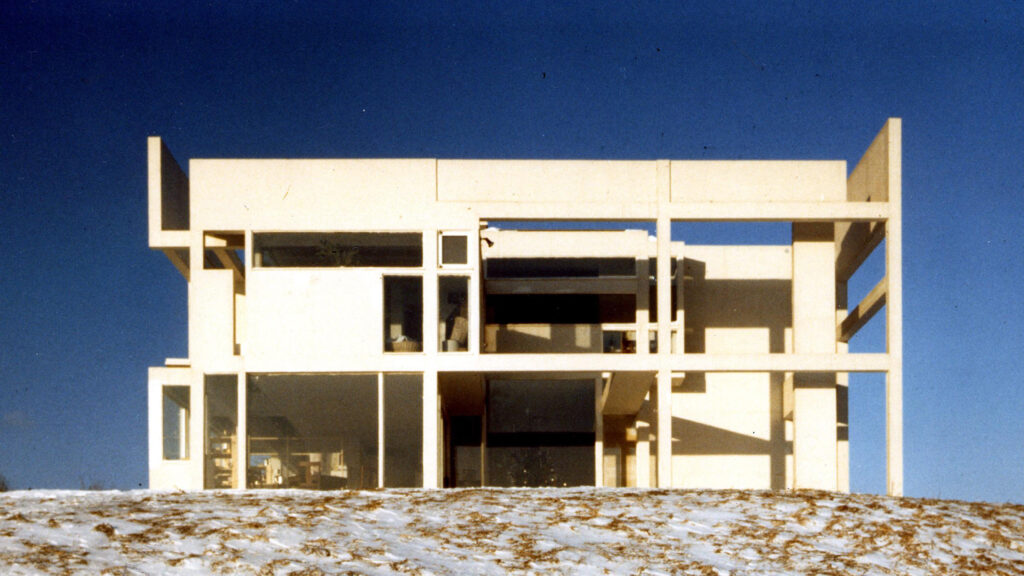
Early in his career, Eisenman was known primarily as an extraordinary educator and an often provocative theorist. His first buildings were a series of investigatory house projects built in the late 1960s through the mid-1970s to explore the form-meaning relationship in architecture.
With support from the Museum of Modern Art (MoMA), in 1967, Eisenman founded IAUS, an international think tank widely considered the most important American center for architectural debate in the 1970s. Eisenman viewed IAUS as “a halfway house between academia and practice … a place to bring theory, teaching, and practice together.” As director, he launched the aptly named, influential publication Oppositions: Journal for Ideas and Criticism in Architecture.
In 1980, he established Eisenman Architects and, in 1983, won the widely publicized competition to build the Wexner Center for the Arts at The Ohio State University. Completed in 1989, the center was the firm’s first public project — and the first of many high-profile contracts that would cement Eisenman’s standing as a transformational figure in U.S. architecture.
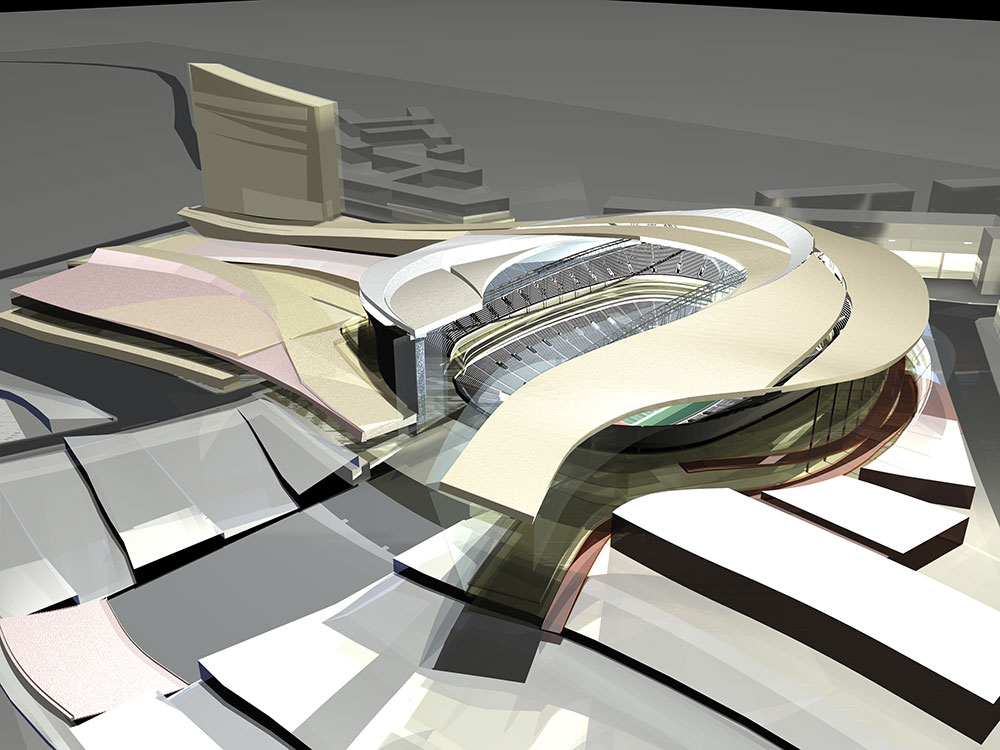
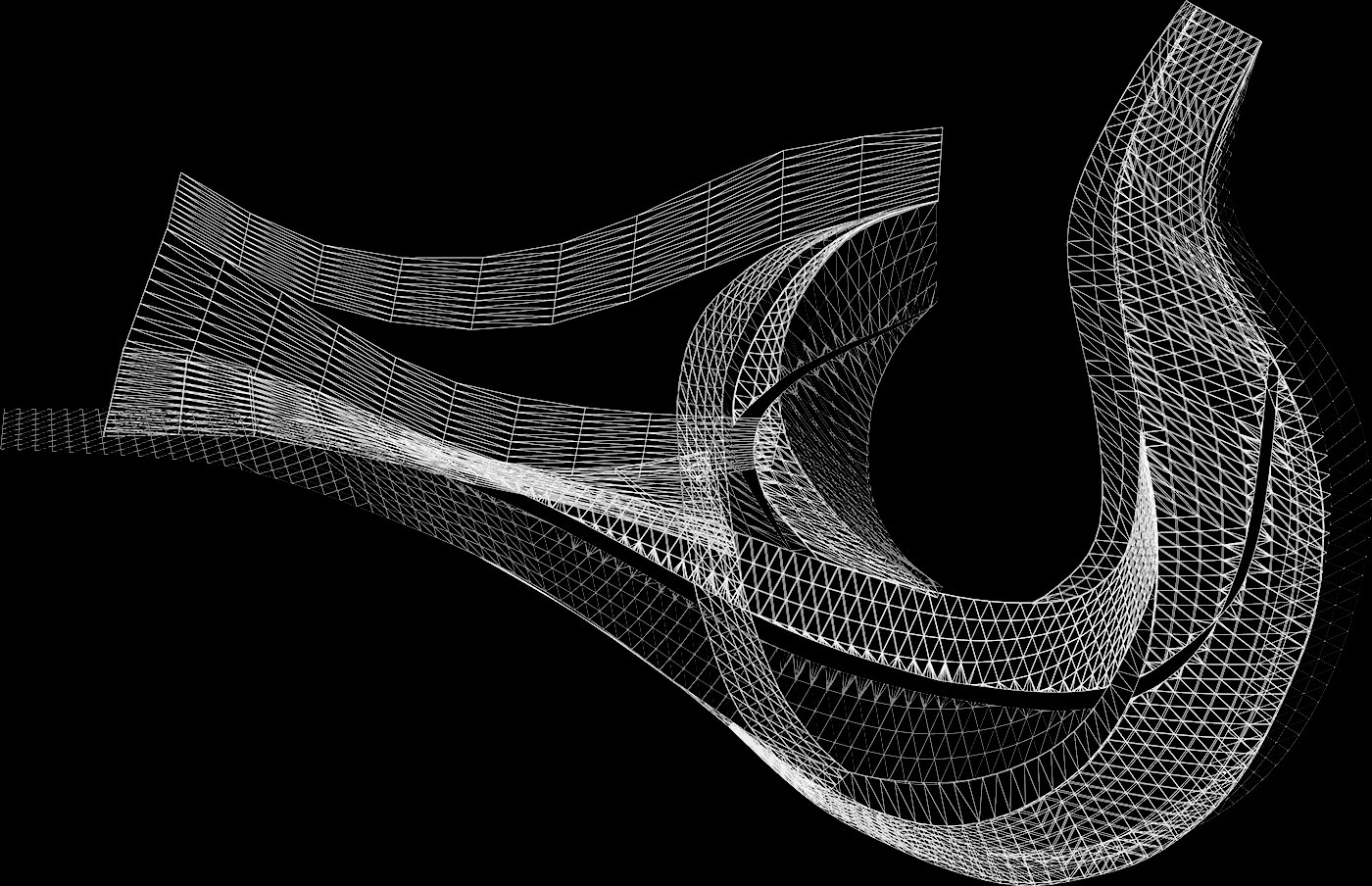
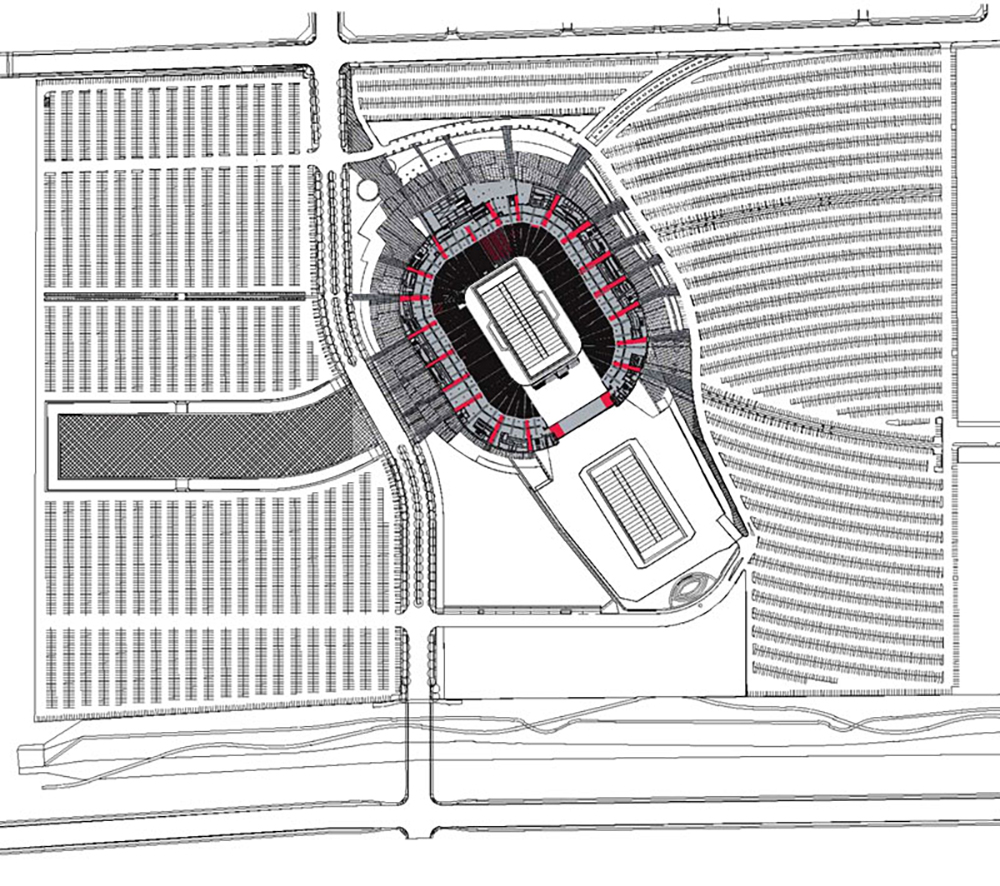
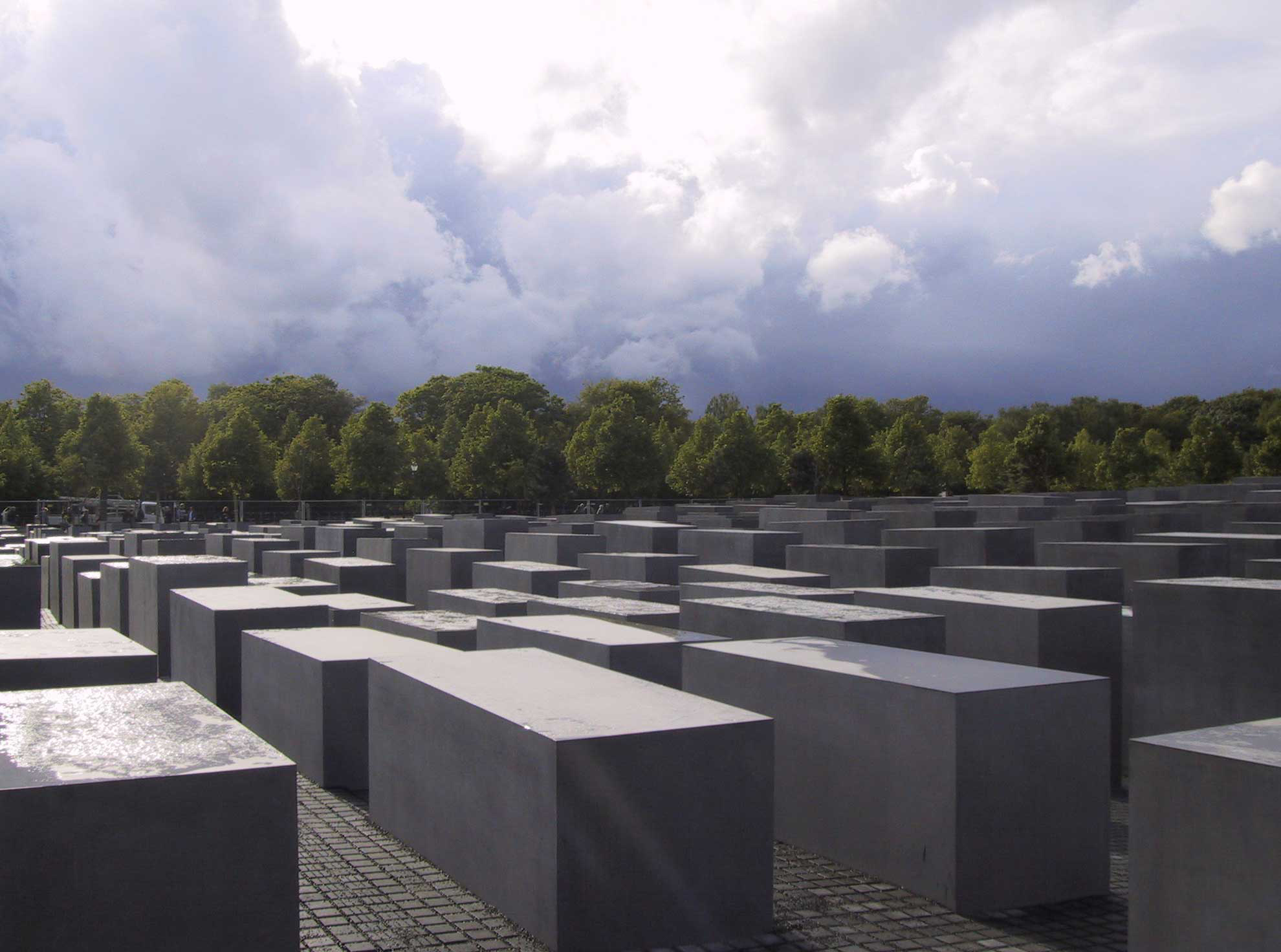
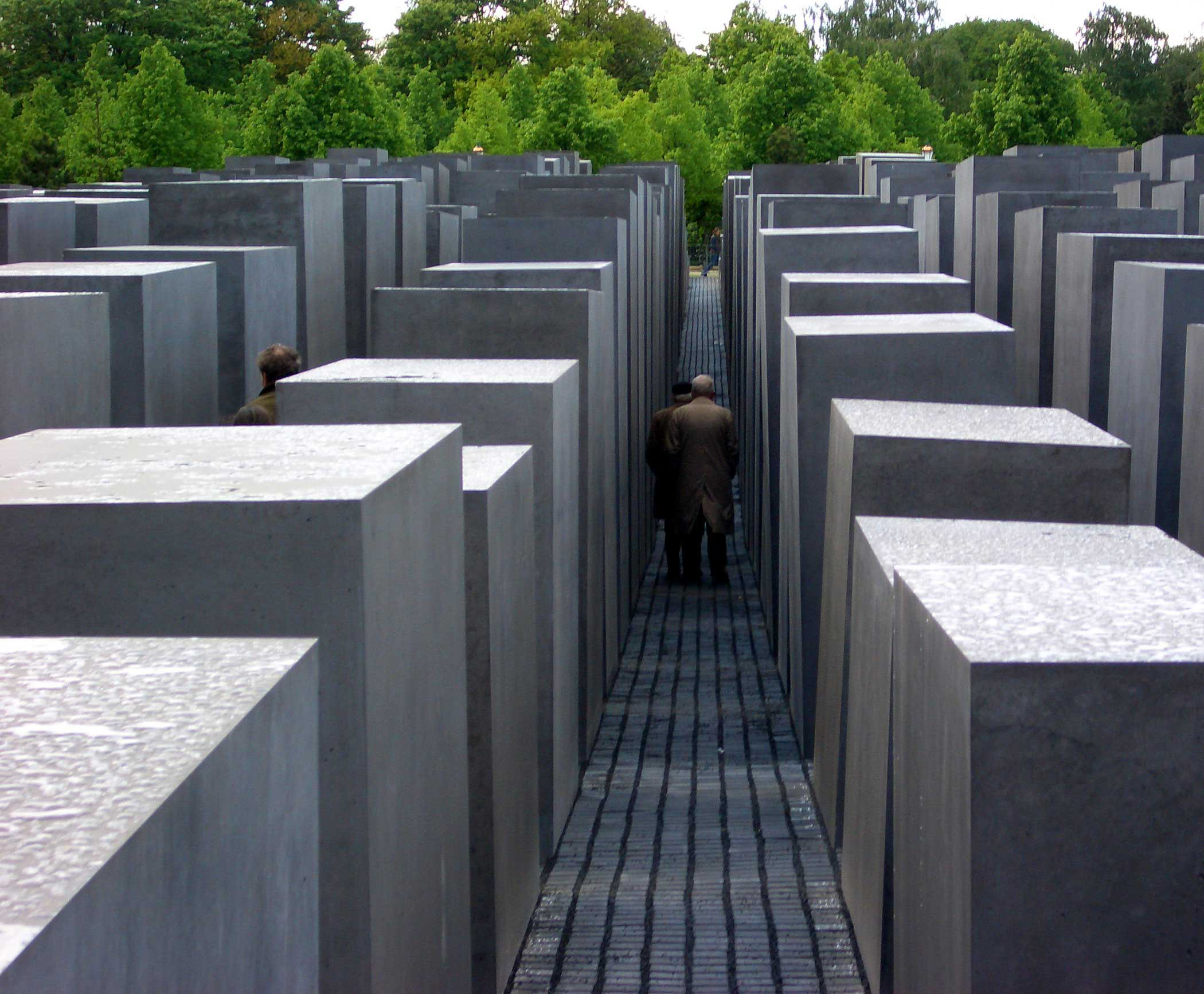
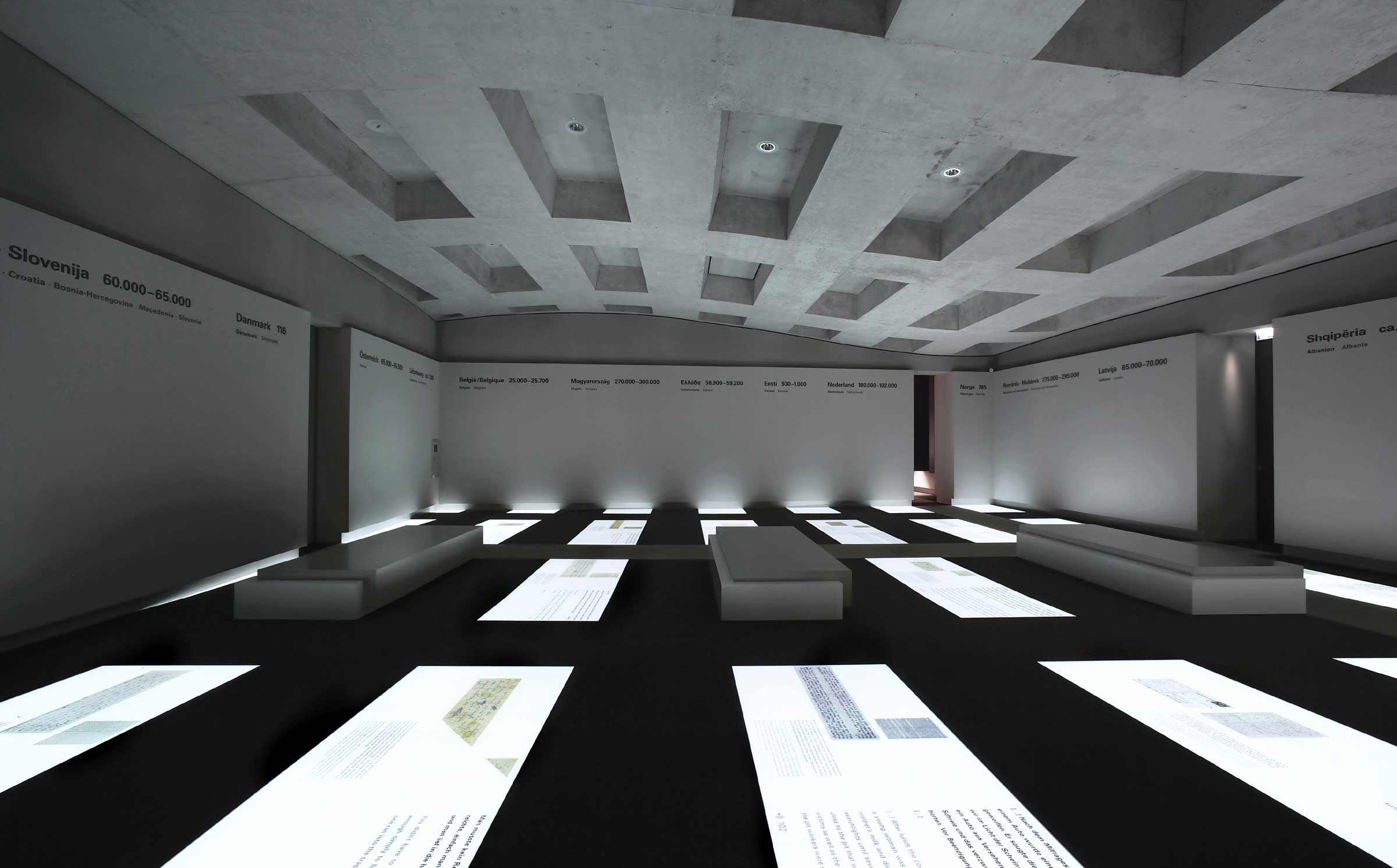
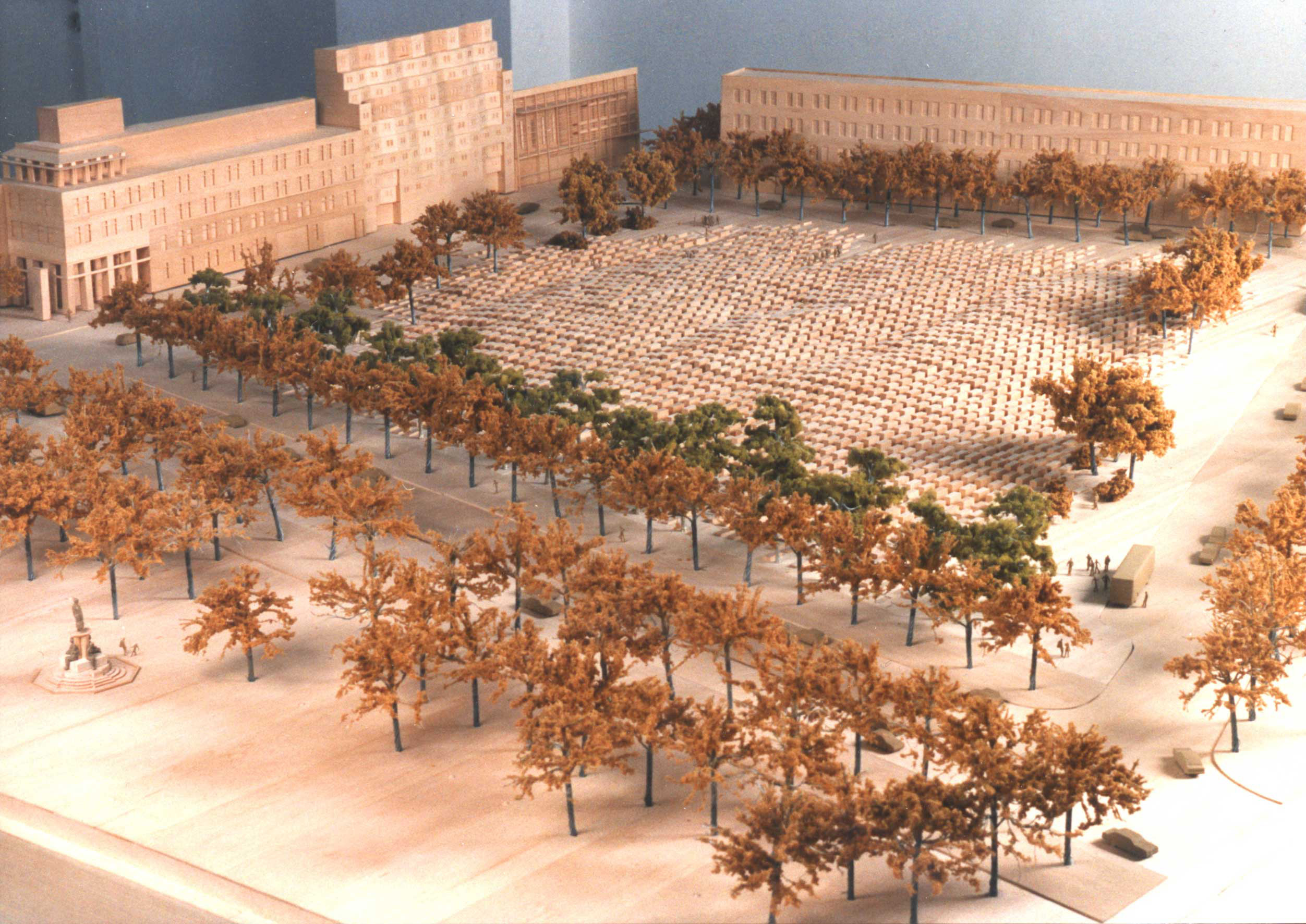
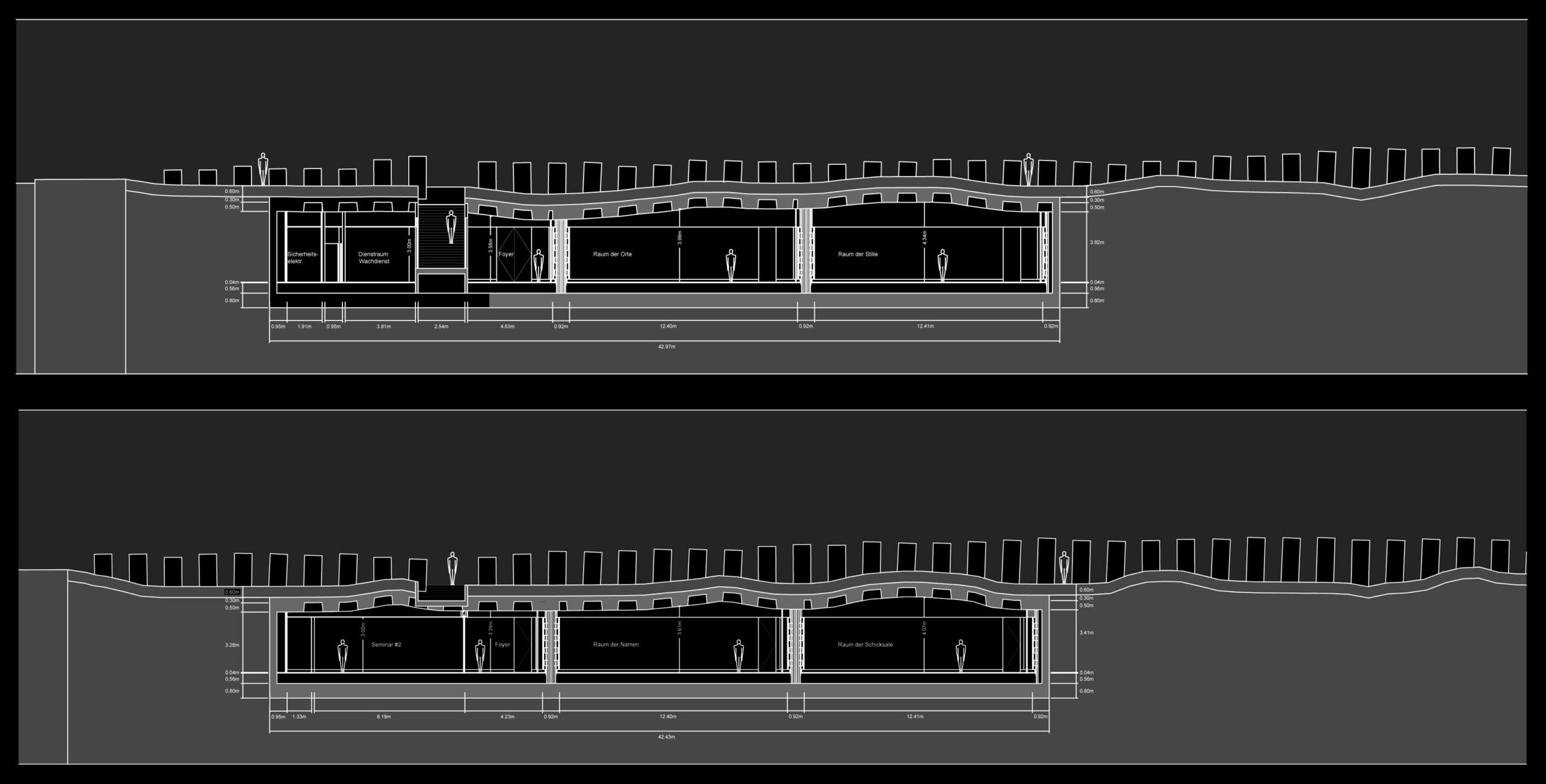
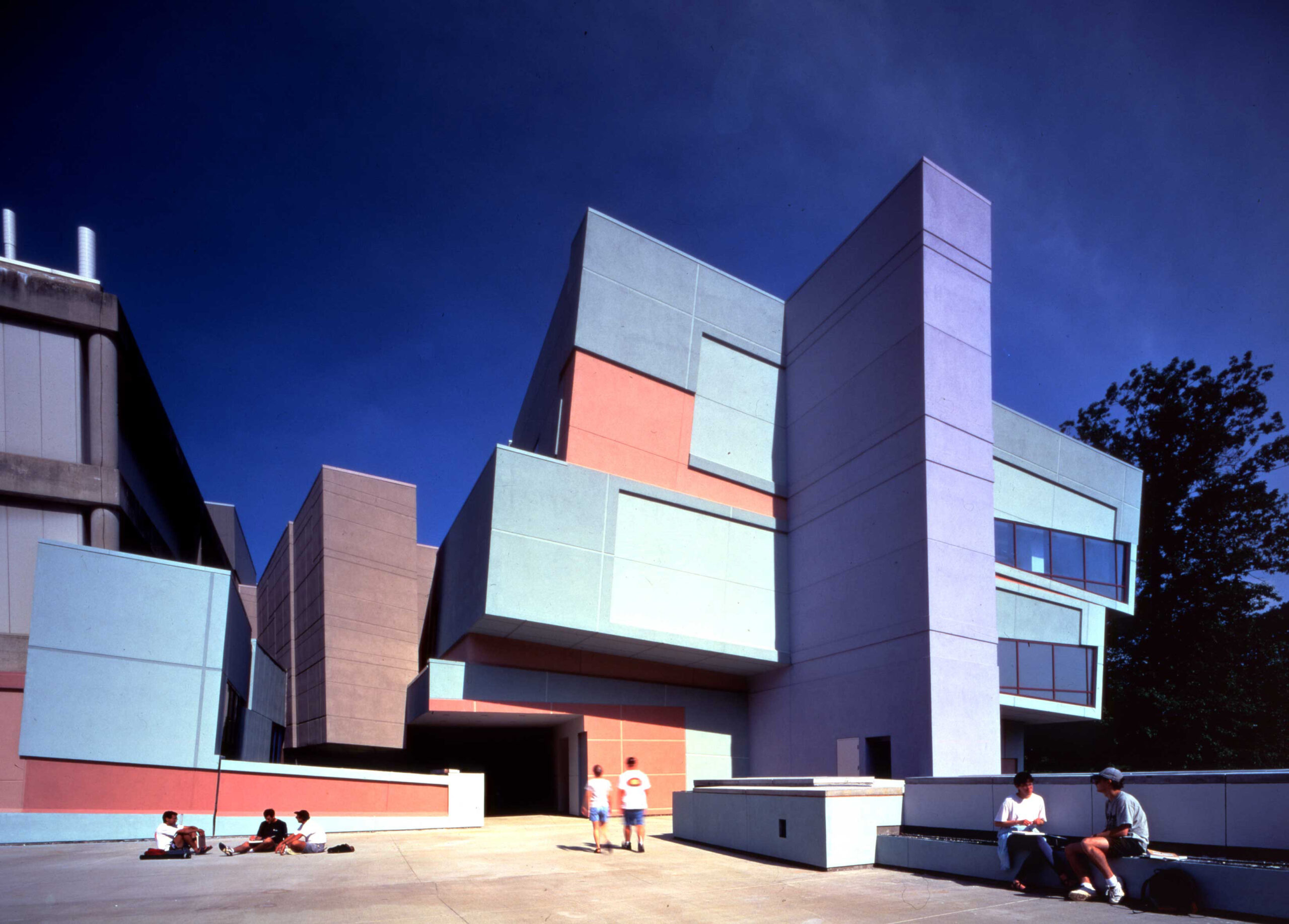
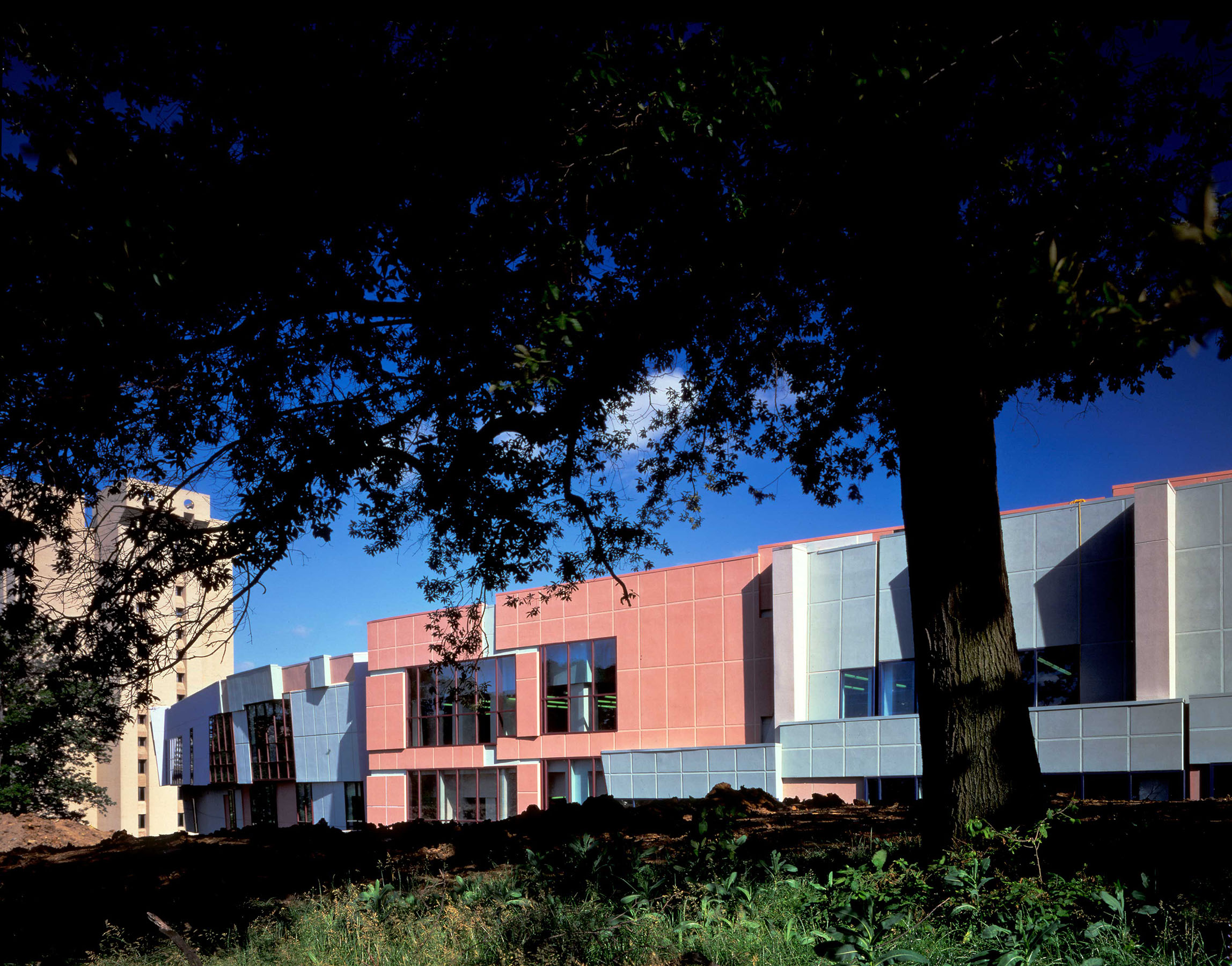
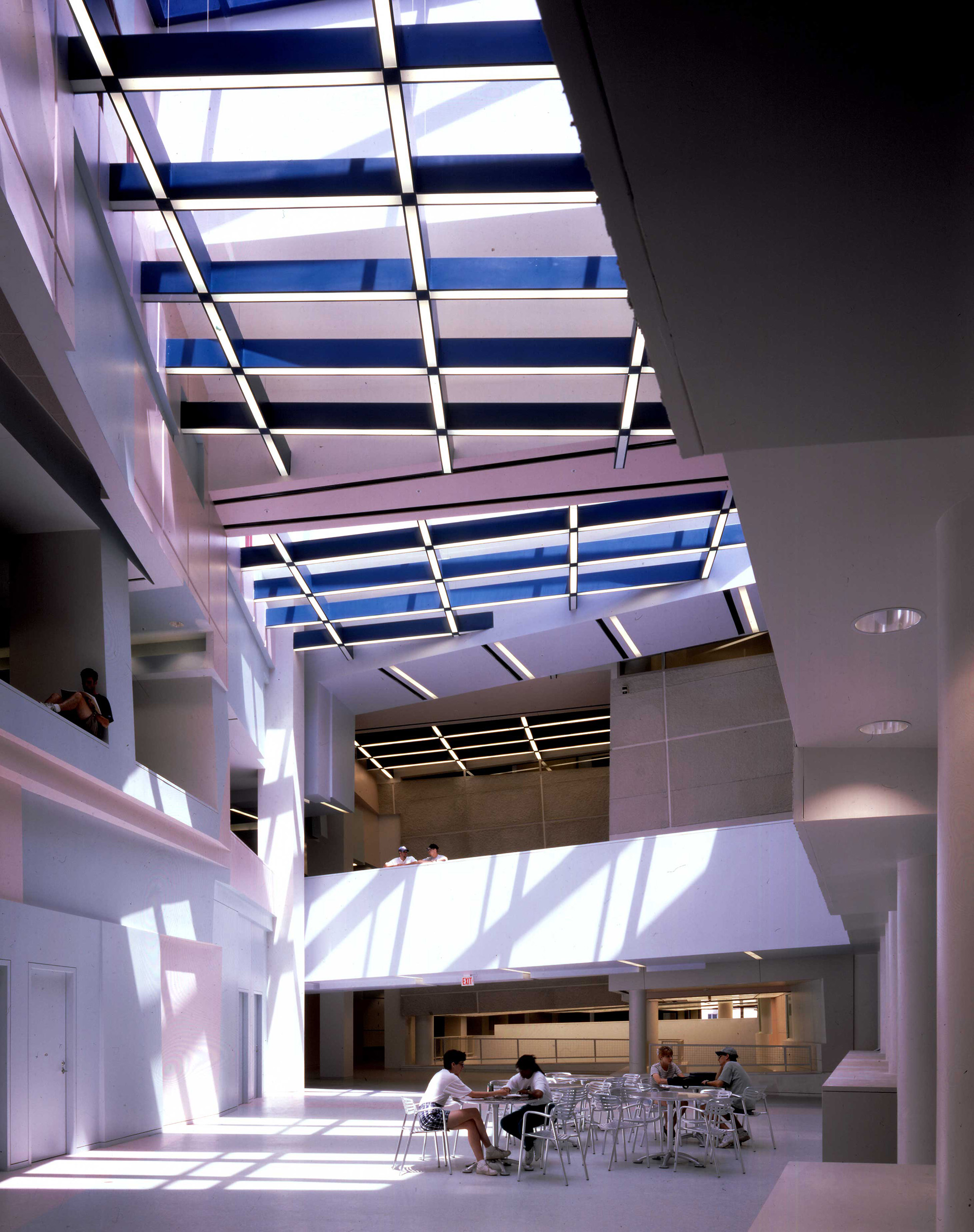
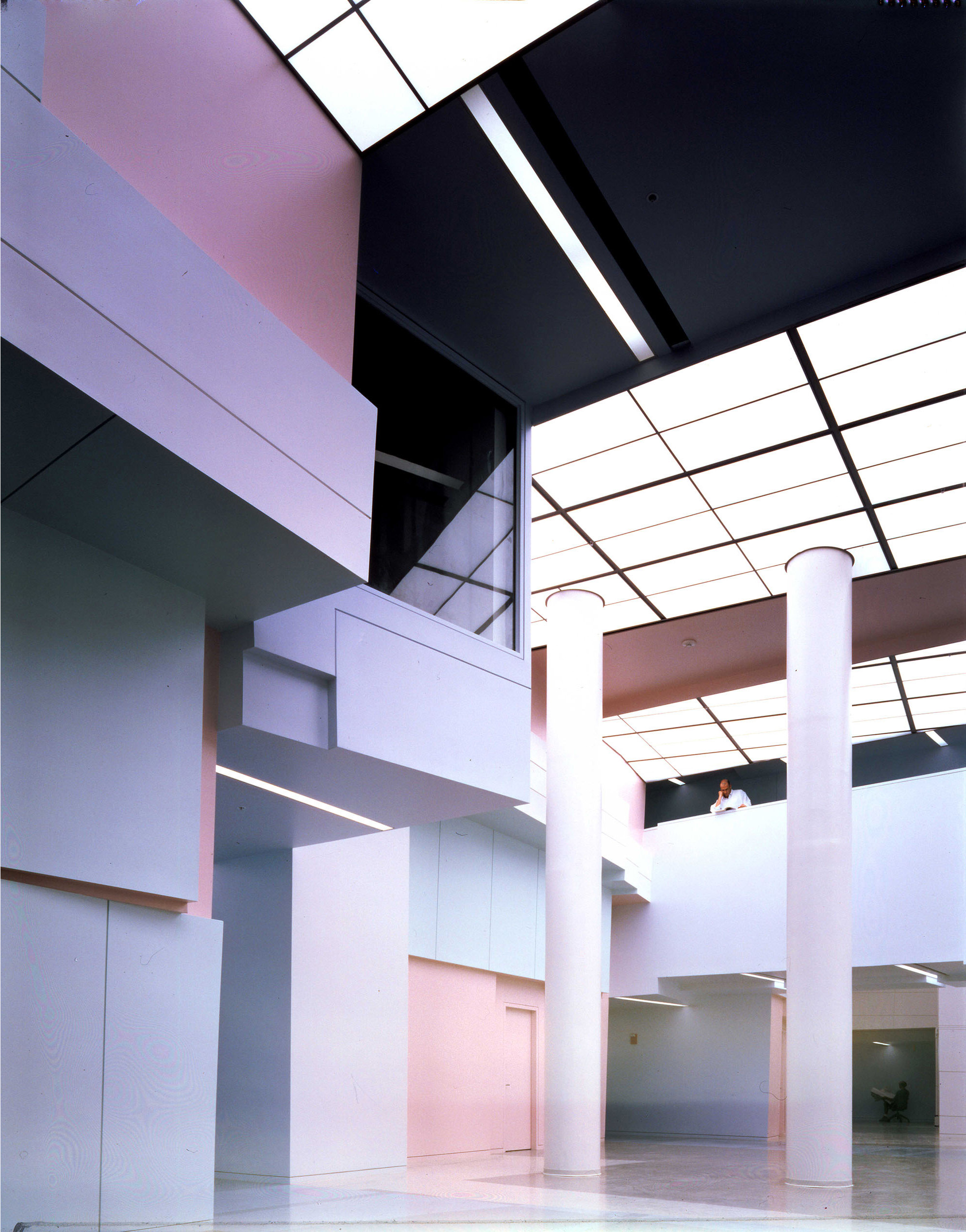
Eisenman Architects has designed award-winning projects around the world, including housing, urban planning, and education, cultural, and commercial facilities. The firm specializes in solving problems — such as difficult siting or programming or budget constraints — and creating structures of strategic importance to their environment. Notable projects include the Aronoff Center for Design and Art at the University of Cincinnati in Ohio; Memorial to the Murdered Jews of Europe in Berlin, Germany; State Farm Stadium, formerly the University of Phoenix Stadium, in Arizona; and the Yenikapi Transfer Center and Archeo-Park in Istanbul, Turkey, in partnership with Aytac Architects.
Eisenman’s bibliography is equally impressive. Books include Giuseppe Terragni: Transformations, Decompositions, Critiques; Eisenman: Inside Out, Selected Writings 1963-1988; Written Into the Void: Selected Writings, 1990–2004; Ten Canonical Buildings, 1950–2000; By Other Means: Notes, Projects, and Ephemera From the Miscellany of Peter Eisenman; and The Formal Basis of Modern Architecture, which has been translated into Chinese and Farsi.
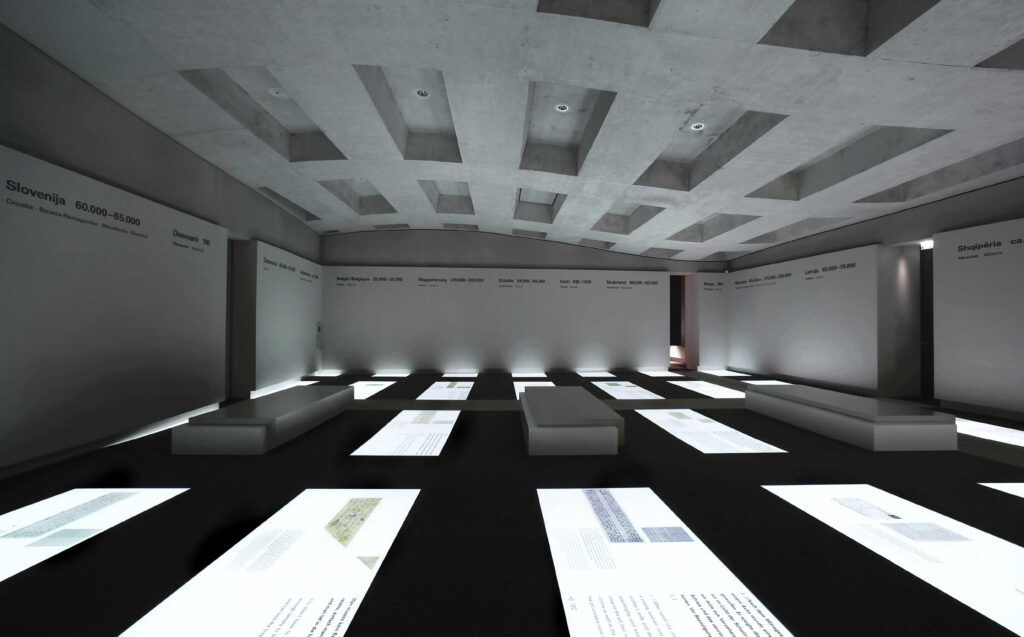
Eisenman’s many contributions to the architecture discipline have been recognized through prestigious art, architecture, and design awards, including the Smithsonian Institution’s 2001 Cooper-Hewitt National Design Award in Architecture, the Golden Lion for Lifetime Achievement, the 2004 Venice Biennale of Architecture, the 2010 Wolf Foundation Prize in the Arts, the American Institute of Architects/Association for Collegiate Schools of Architecture Topaz Medallion for Excellence in Architectural Education, the Kanter Tritsch Medal for Excellence in Architecture and Environmental Design, and the Gold Medal for Architecture from the American Academy of Arts and Letters.
Yet, he insists his accomplishments are not his alone and is quick to share credit with colleagues, mentors, students, and the place where it all began – Cornell.
“I’ve never been ‘Peter Eisenman, architect,’ on anything I did,” he says. “I was with the Institute for Architecture and Urban Studies, the Five Architects, and Eisenman Architects plural. It’s always been a collective idea, a collaboration, for me.”
In his seminars and studio courses, Eisenman not only mentors younger colleagues but also assigns them roles as solo teachers for a share of weekly classes. If material from the course is published, the associate teacher also serves as associate writer and is listed as a co-author. All student projects are group efforts; no individual projects are permitted.
He describes his time as a Cornell student as “a formative experience” and one that, back then, was not available anywhere else.
“The one thing that made Cornell different from every other institution is that it was an Ivy League institution with an undergraduate architecture program,” he says. Without Cornell and the ability to move “from chemistry to architecture, I would have been out doing who knows what.”
Projects
Click to view project images full screen.
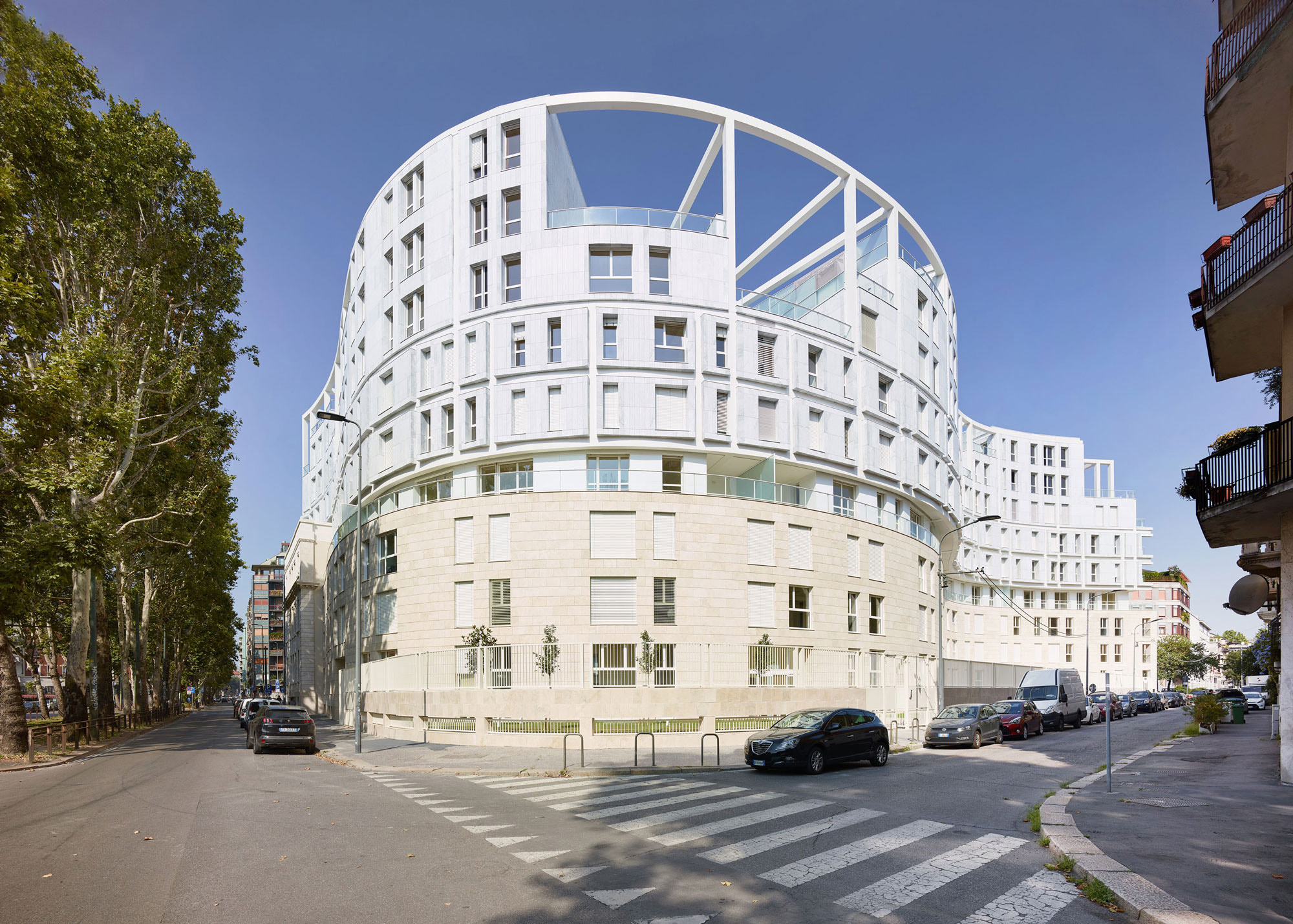
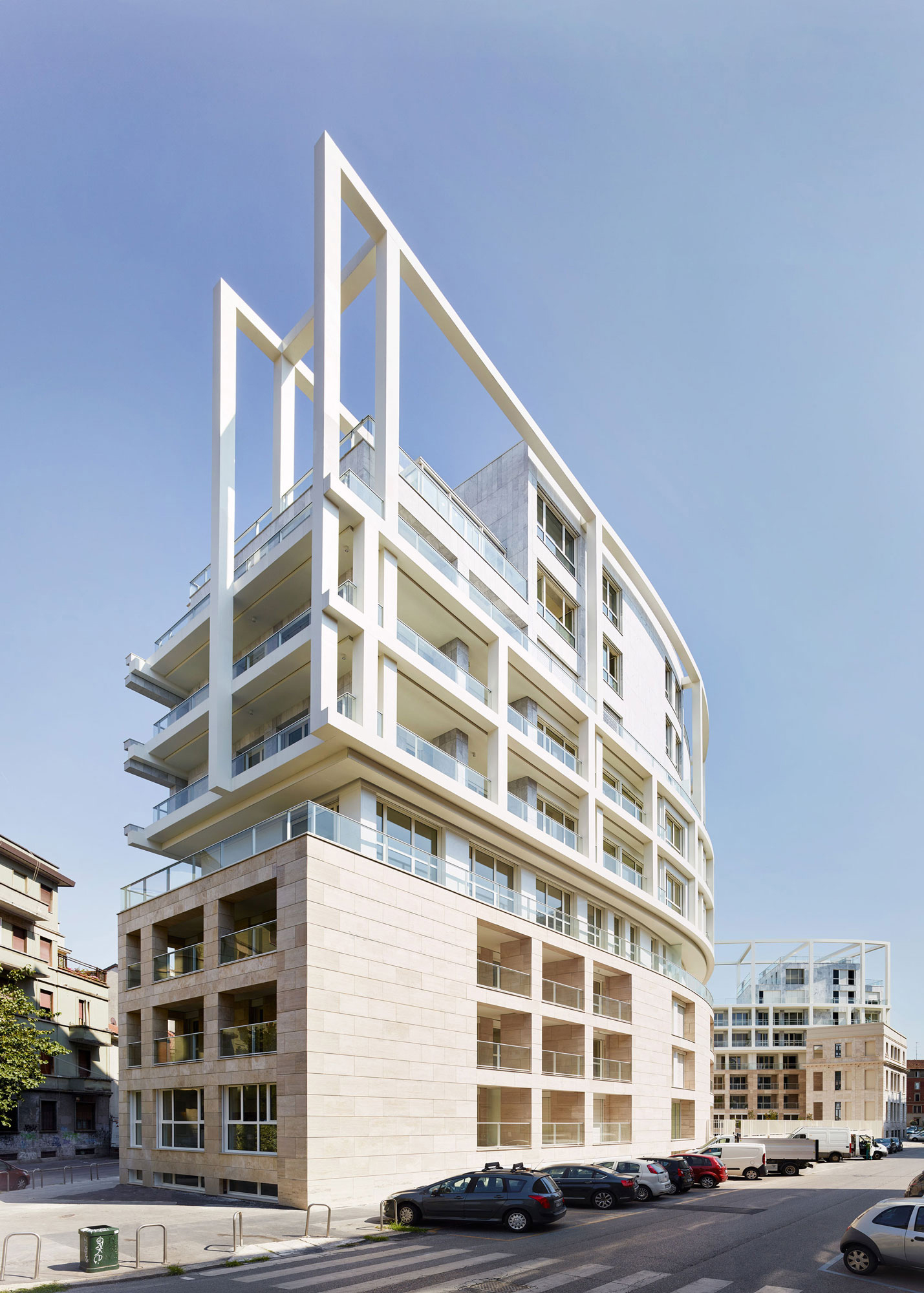
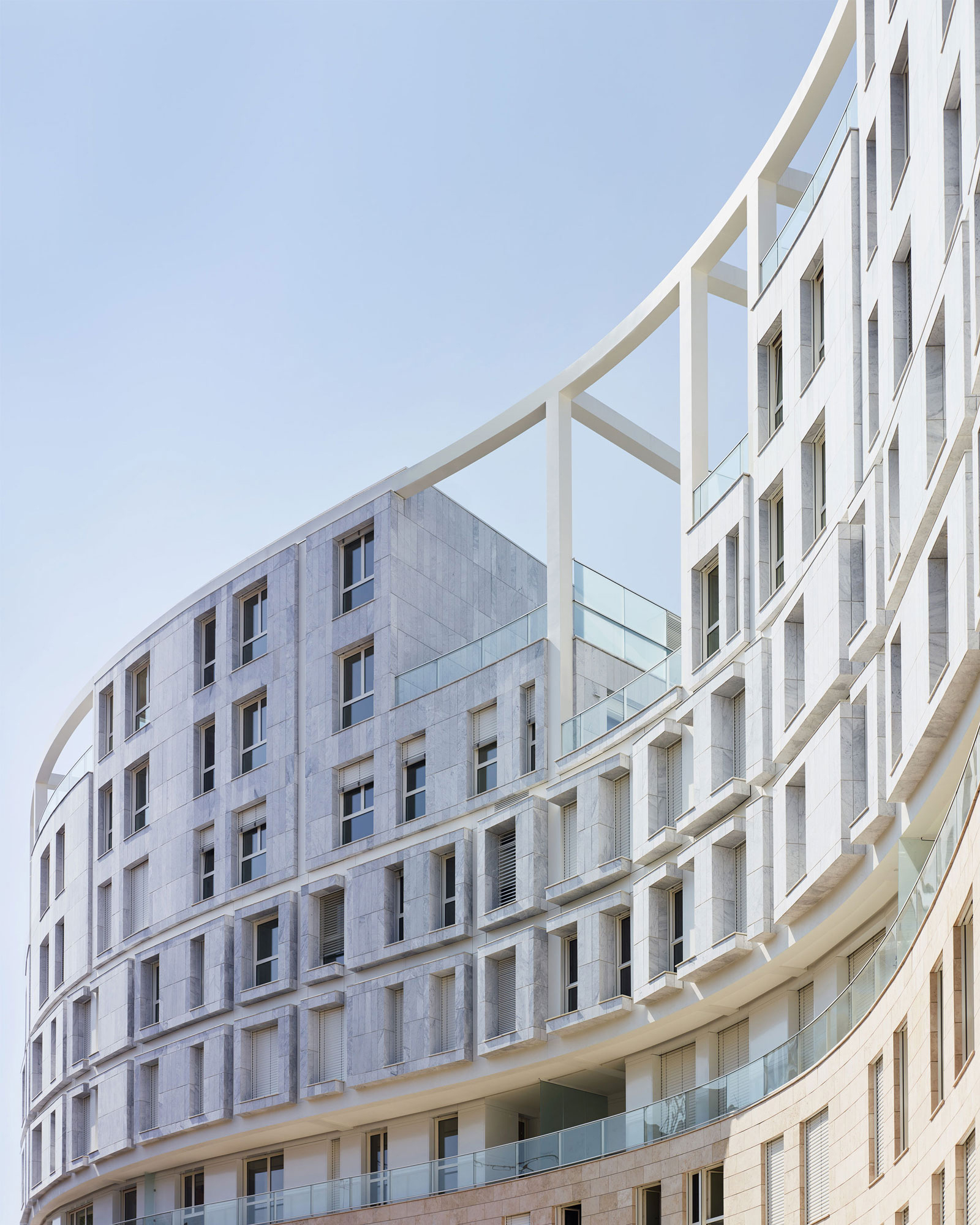
Residenze Carlo Erba
2009–19
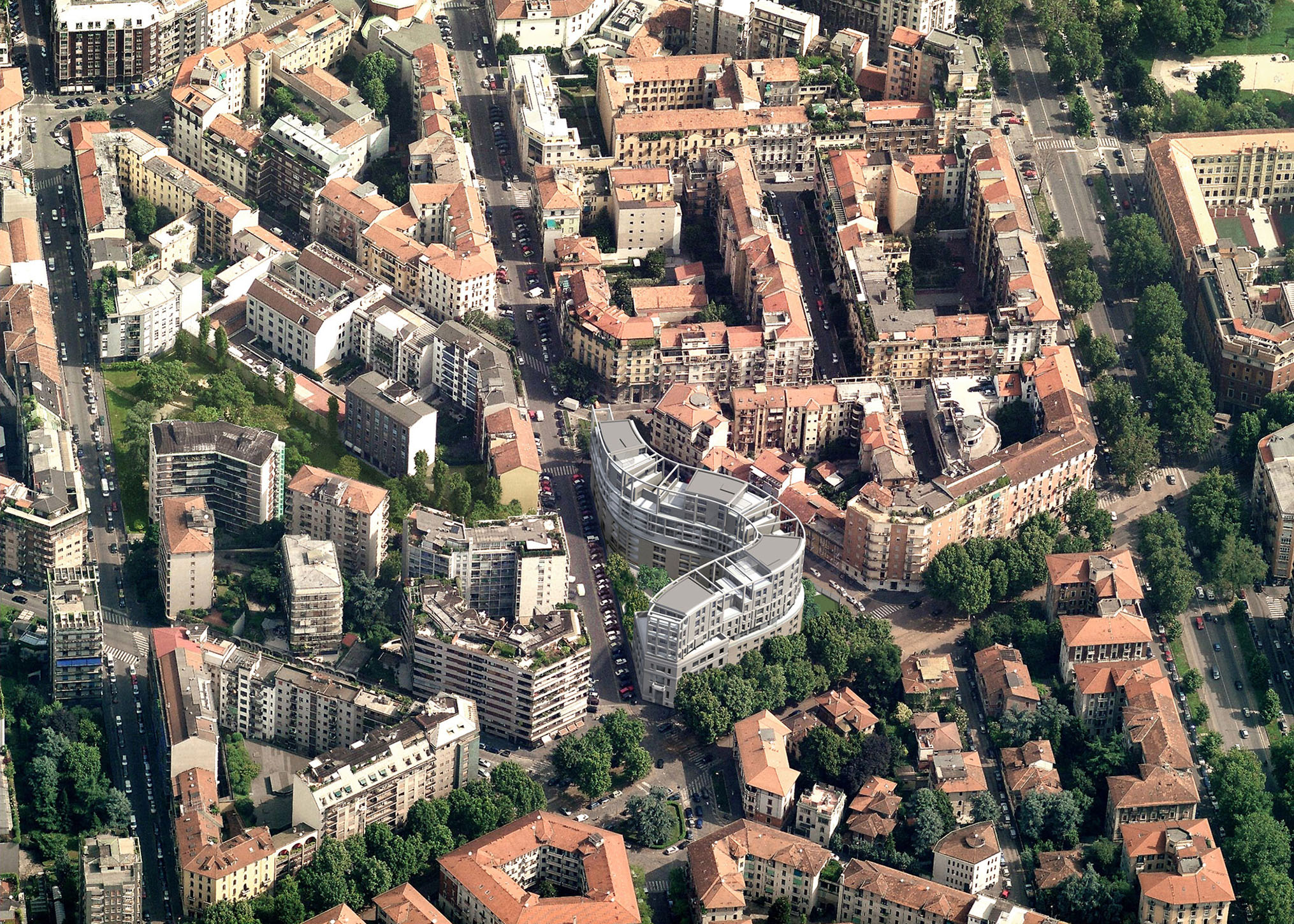
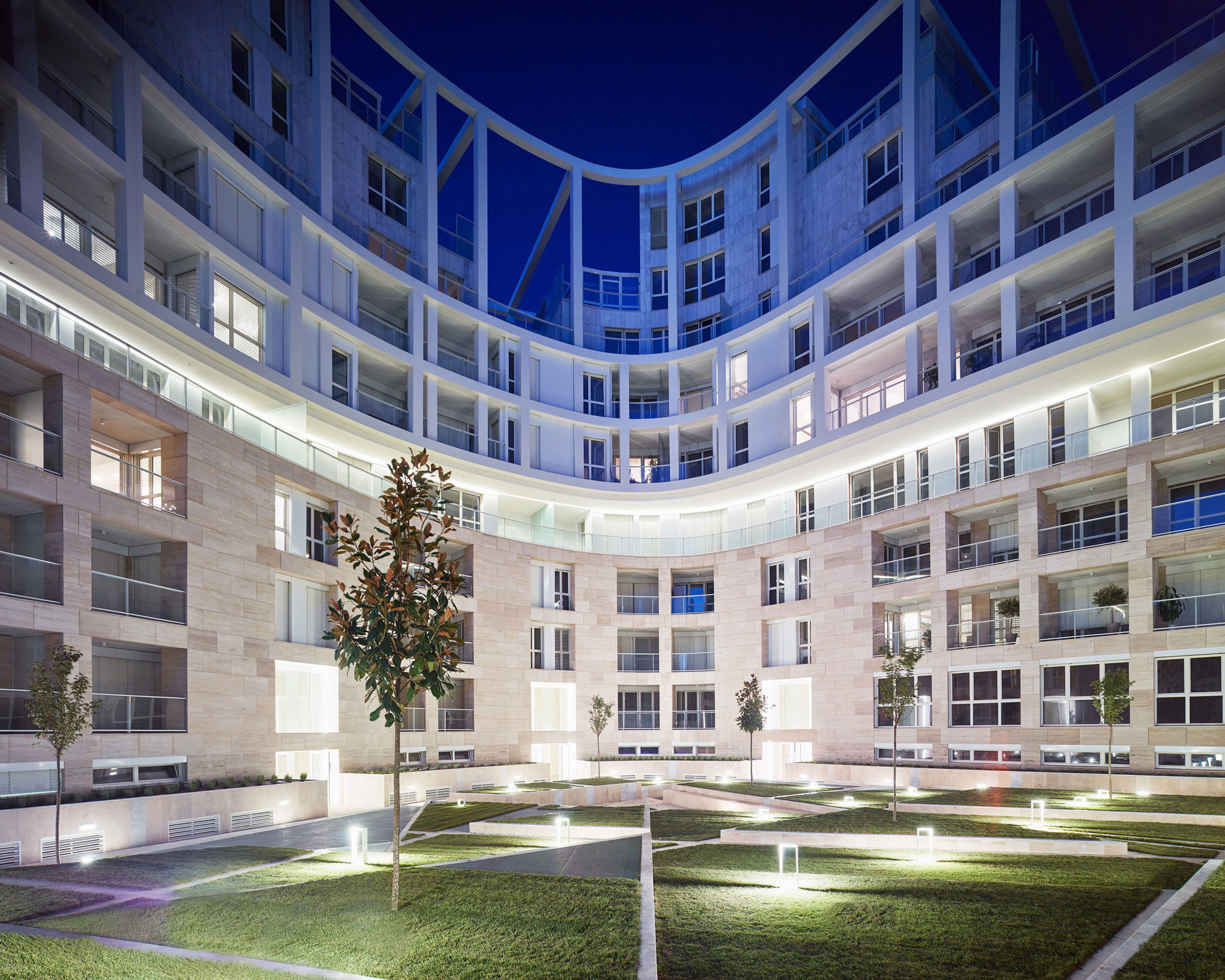


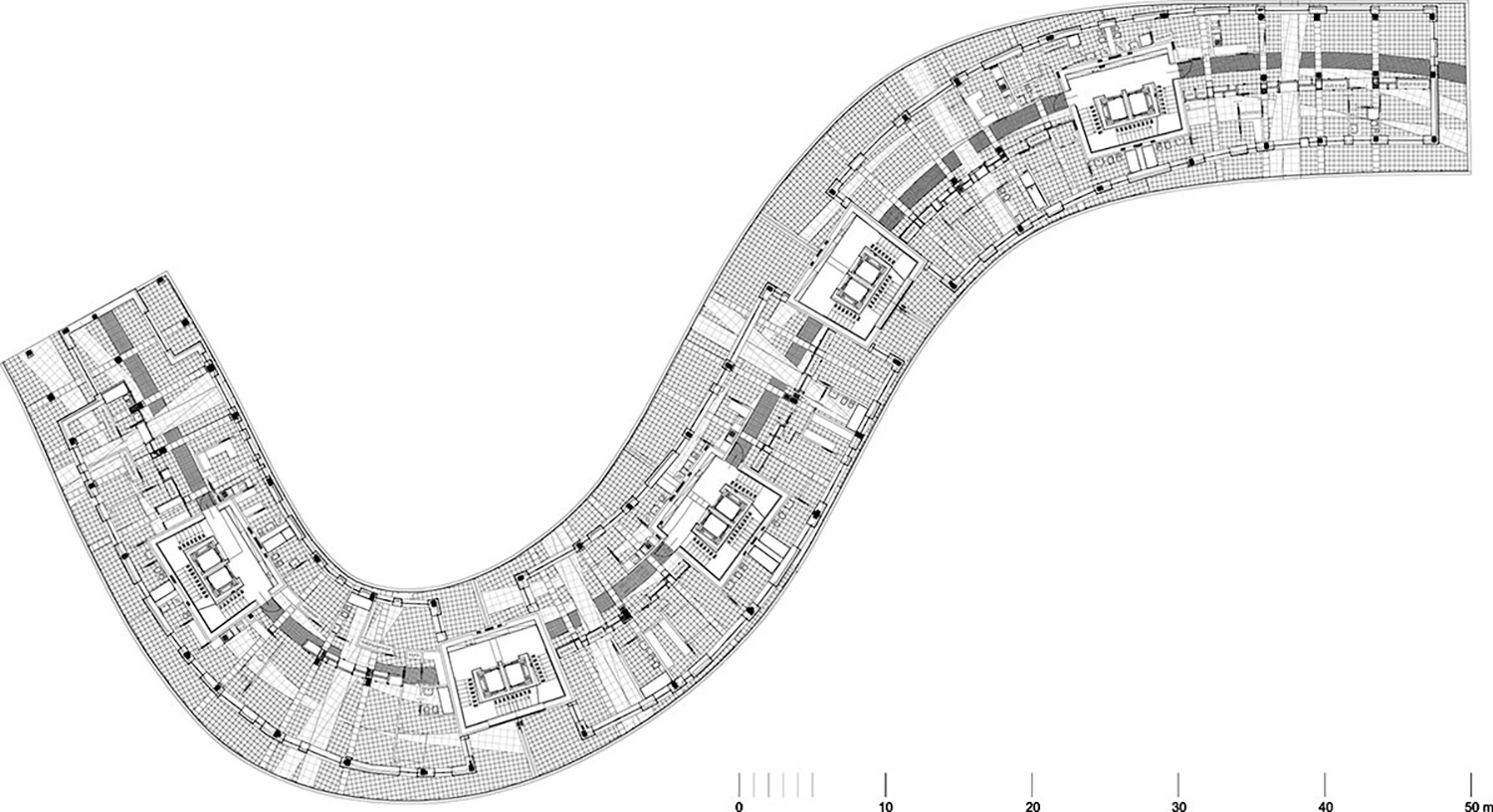
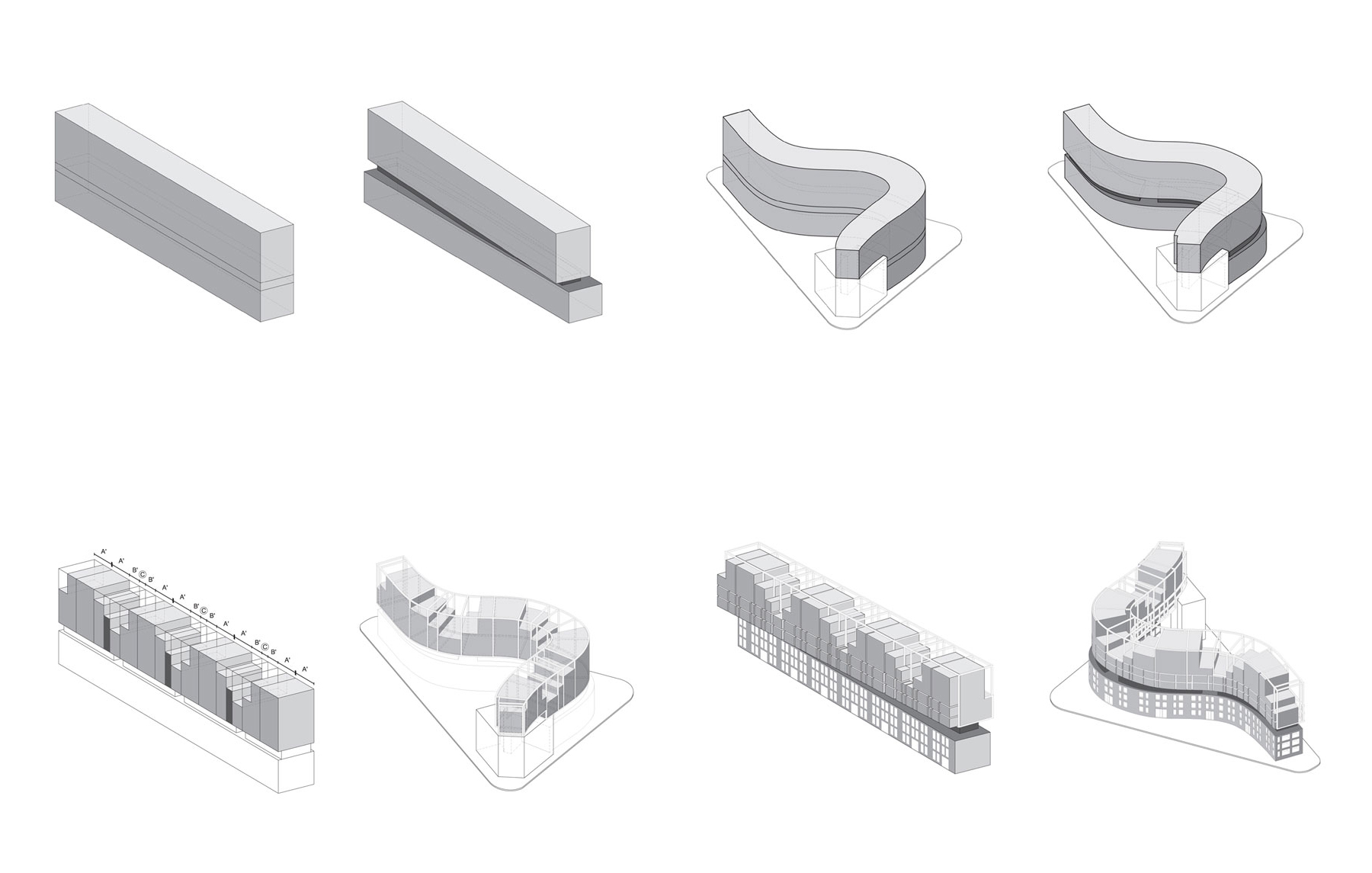
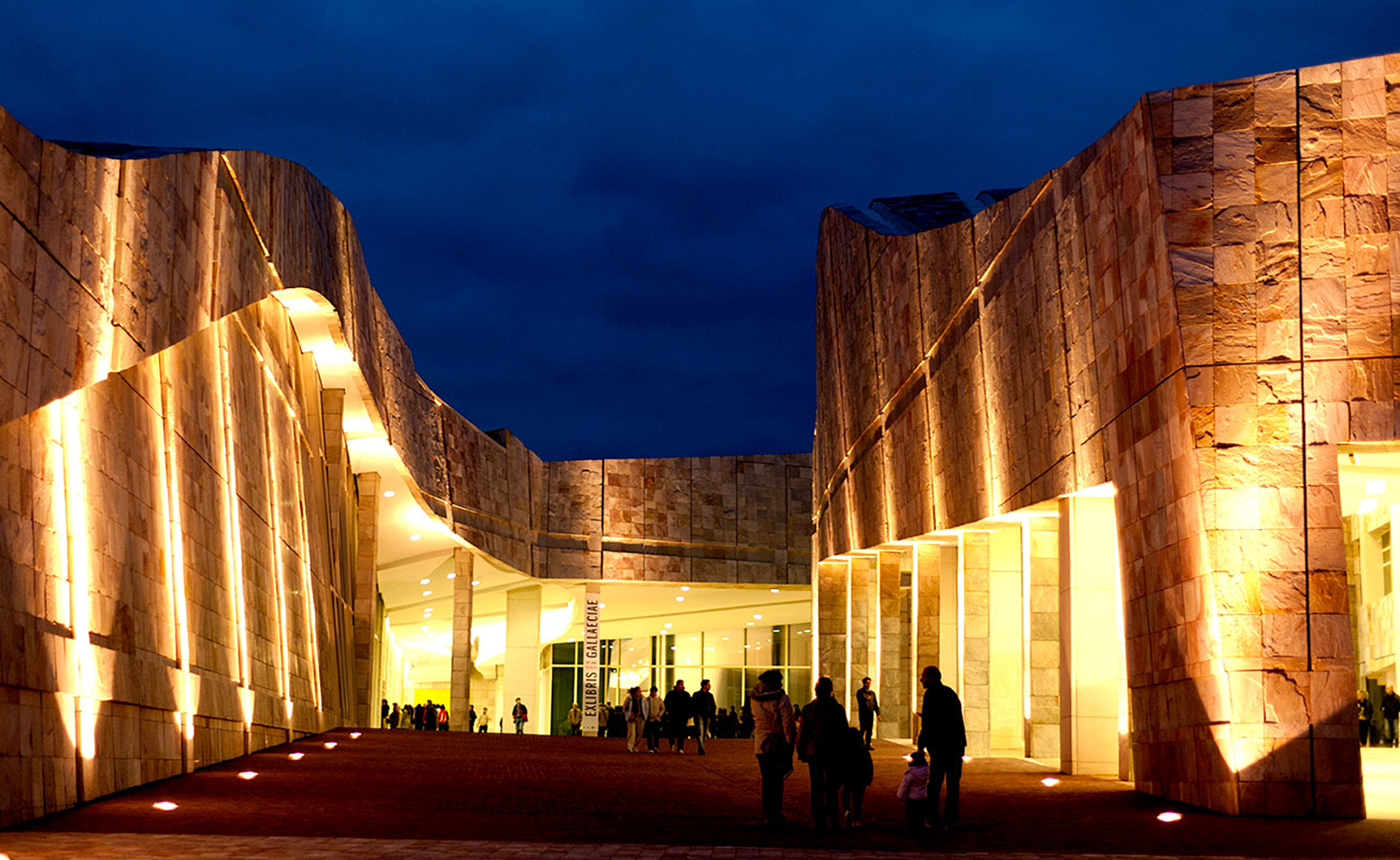
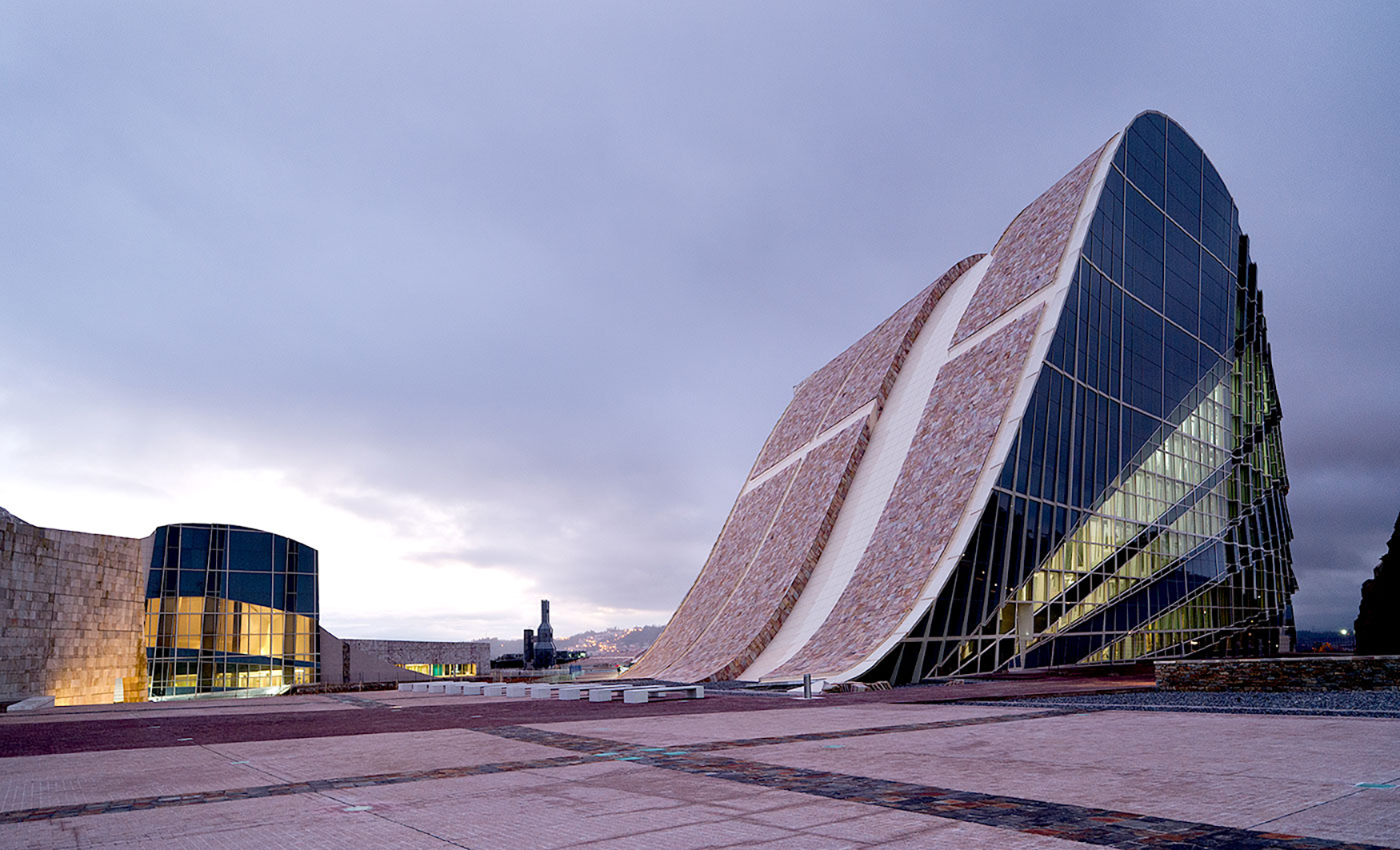
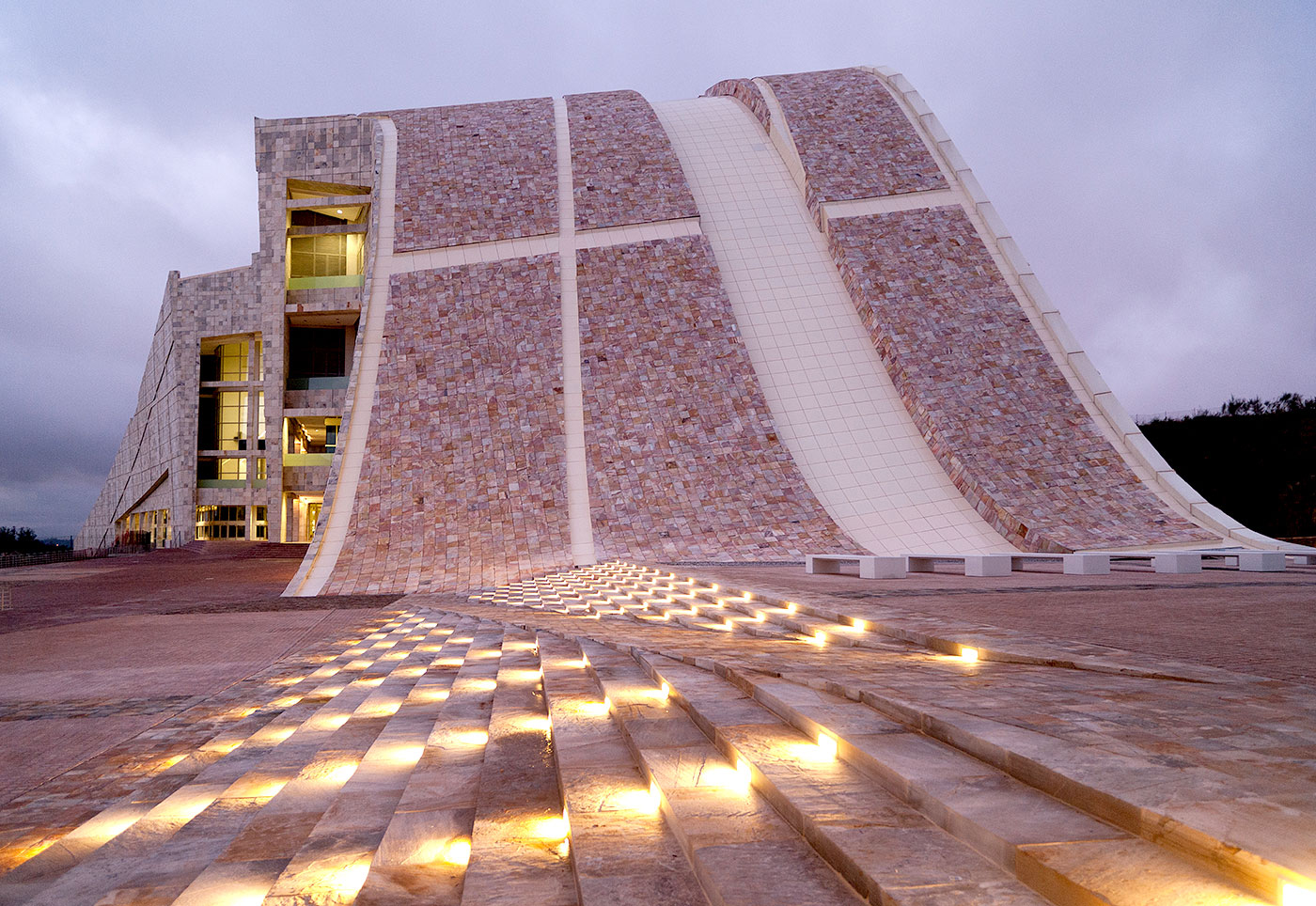
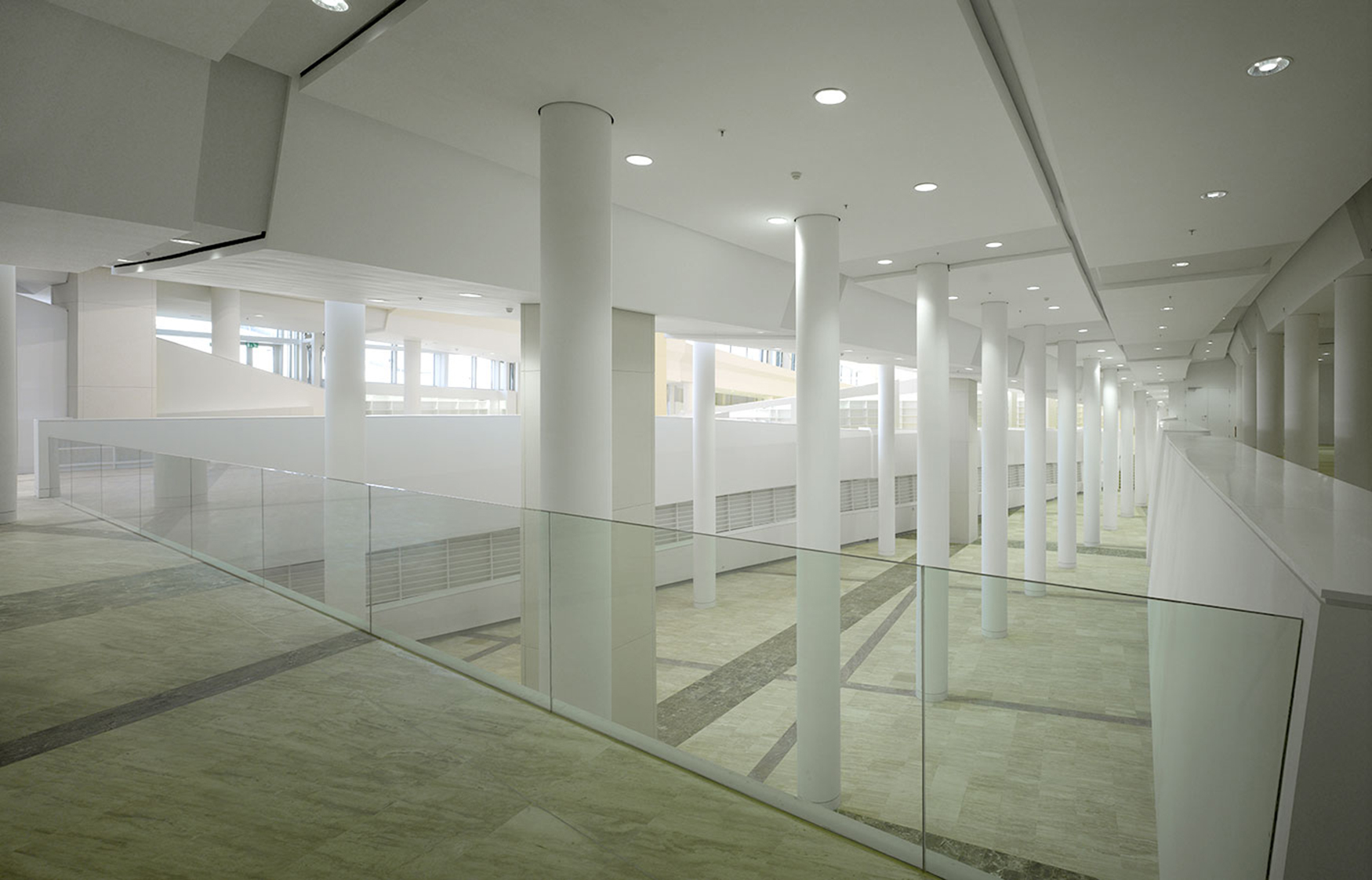
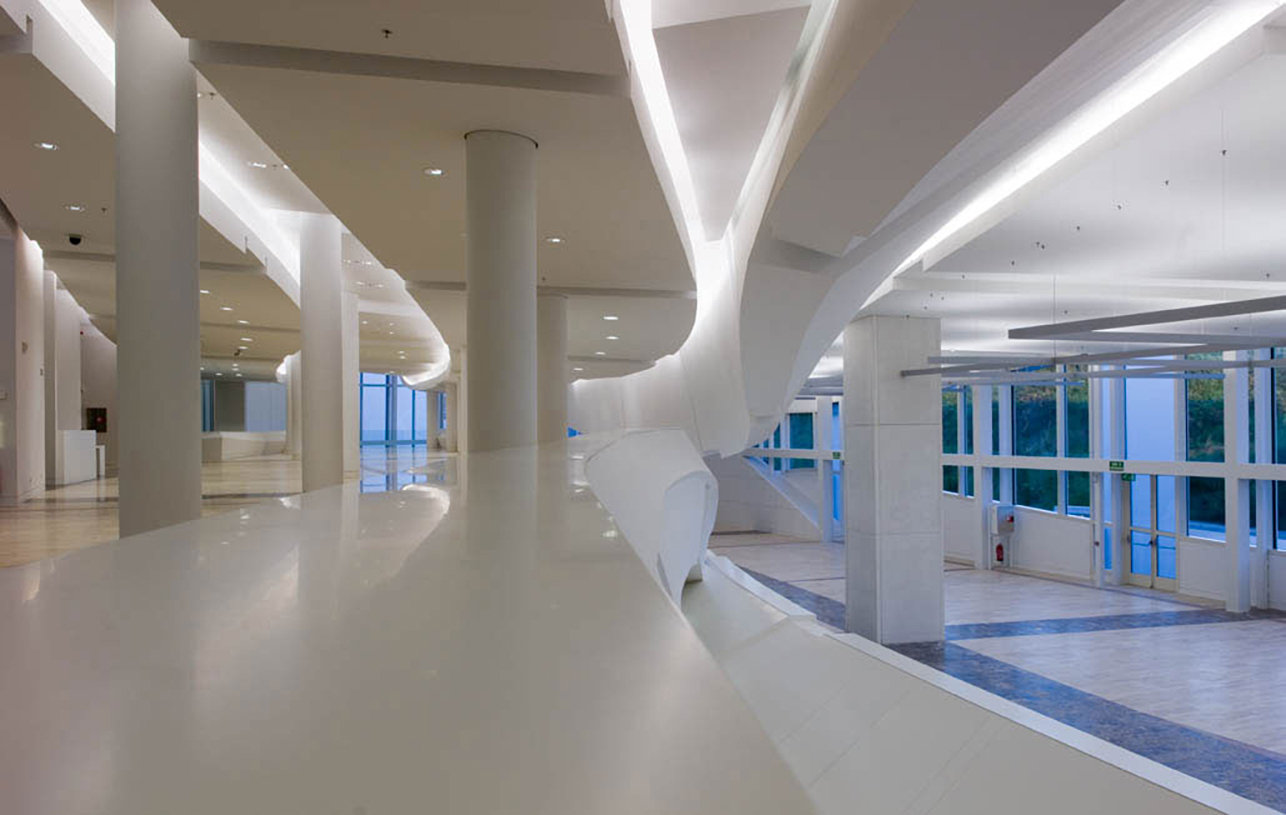
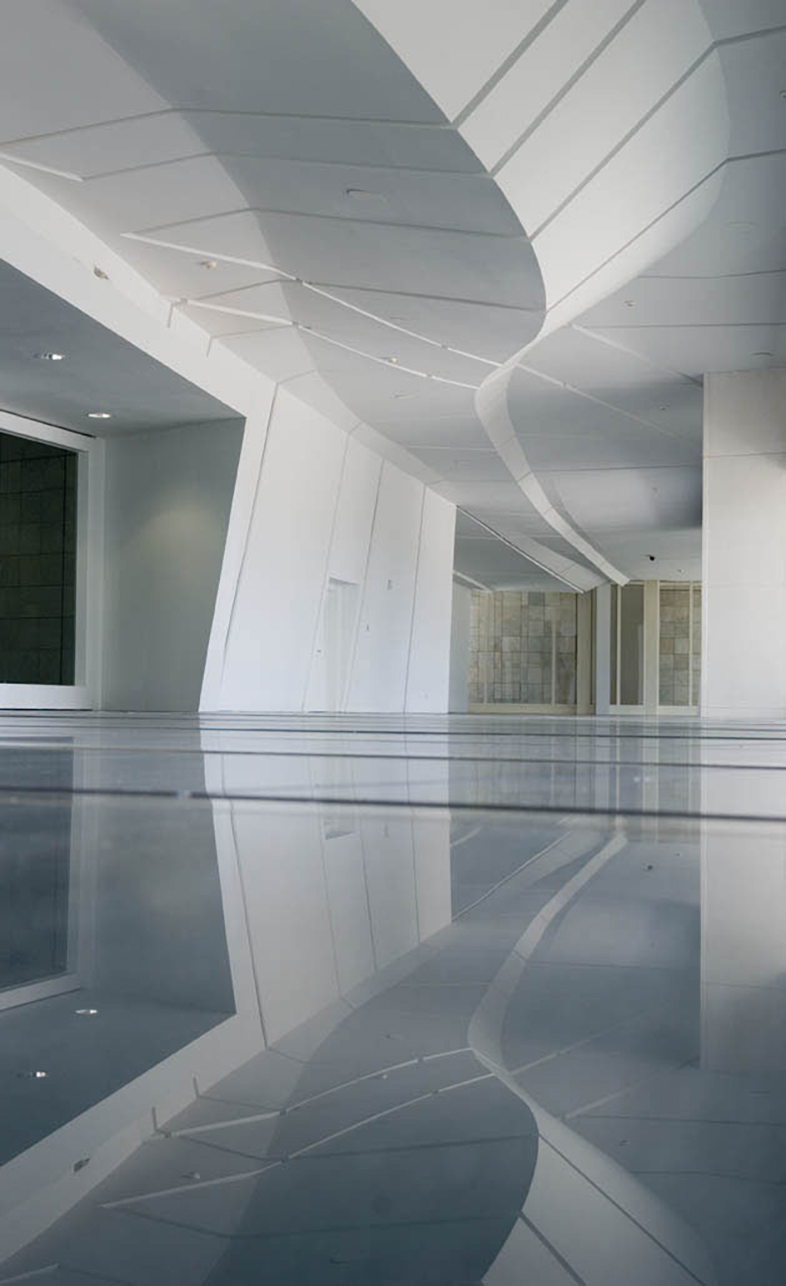
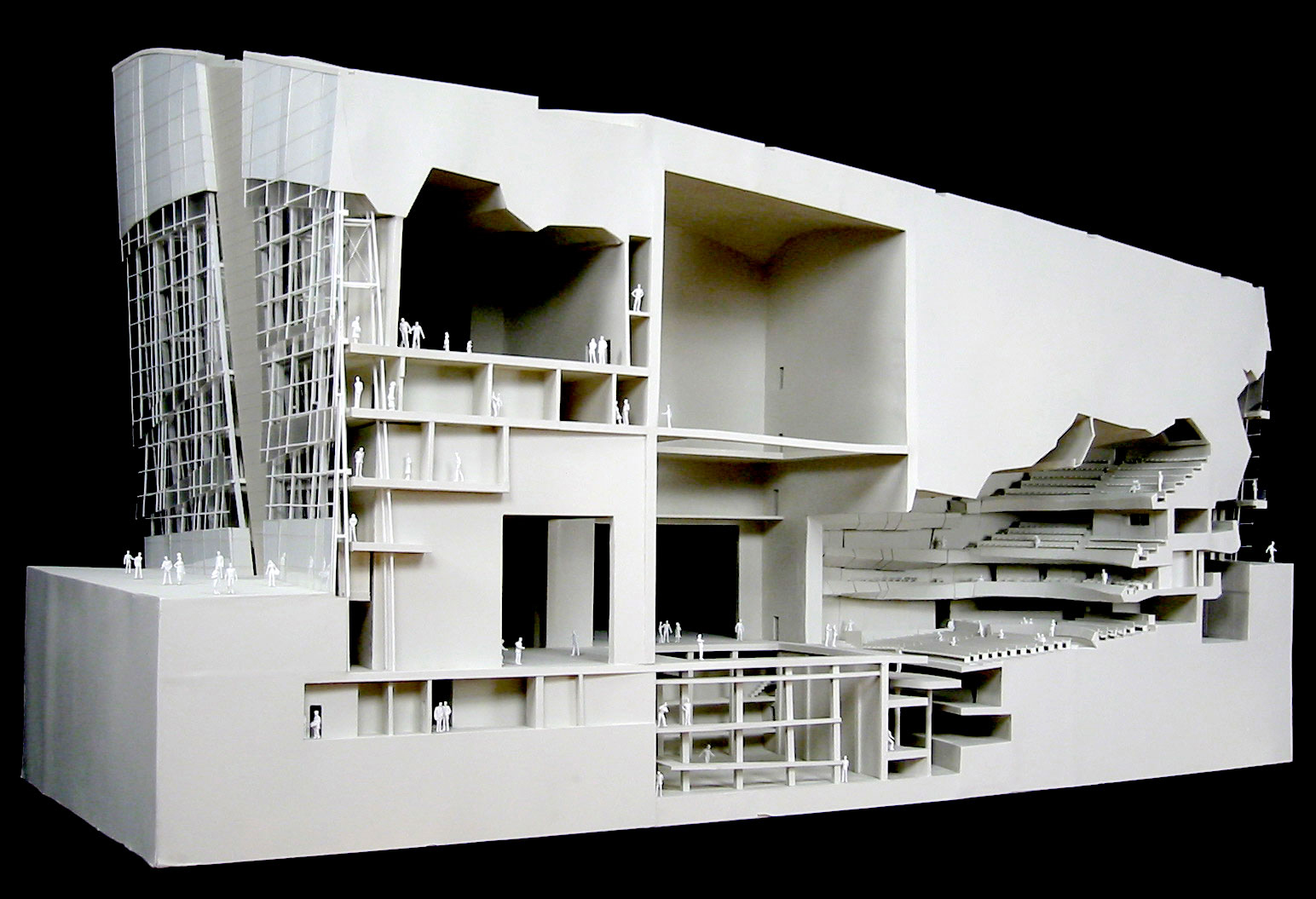
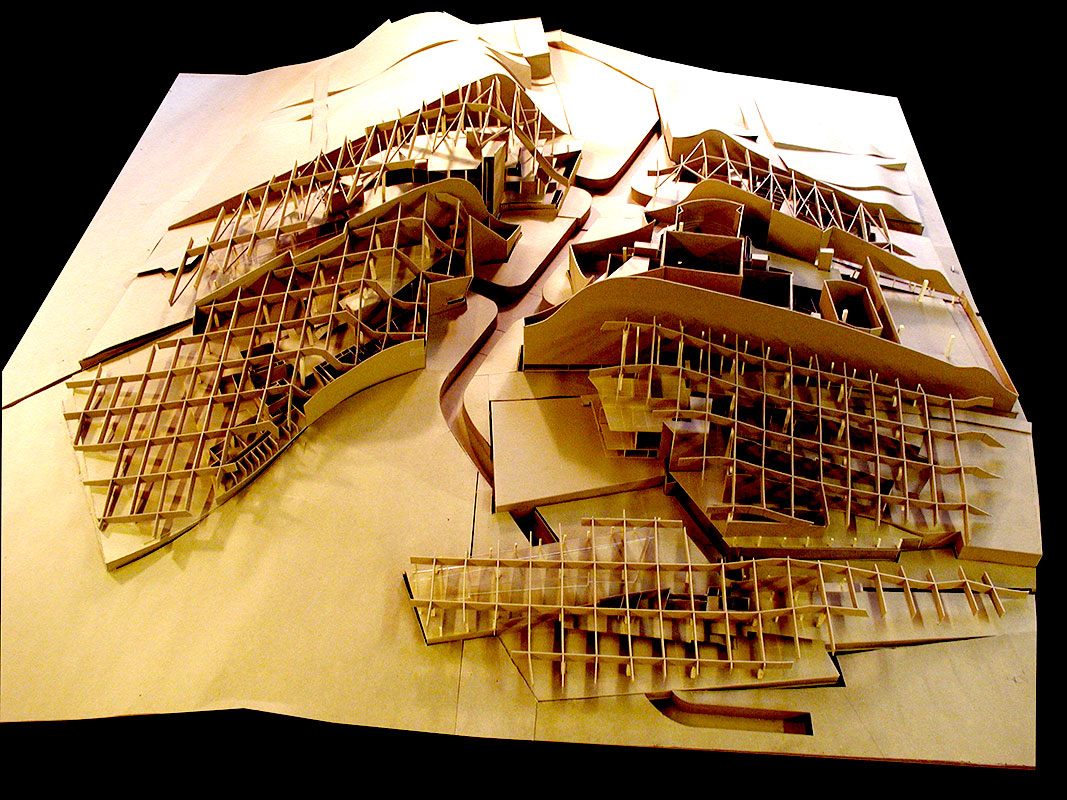
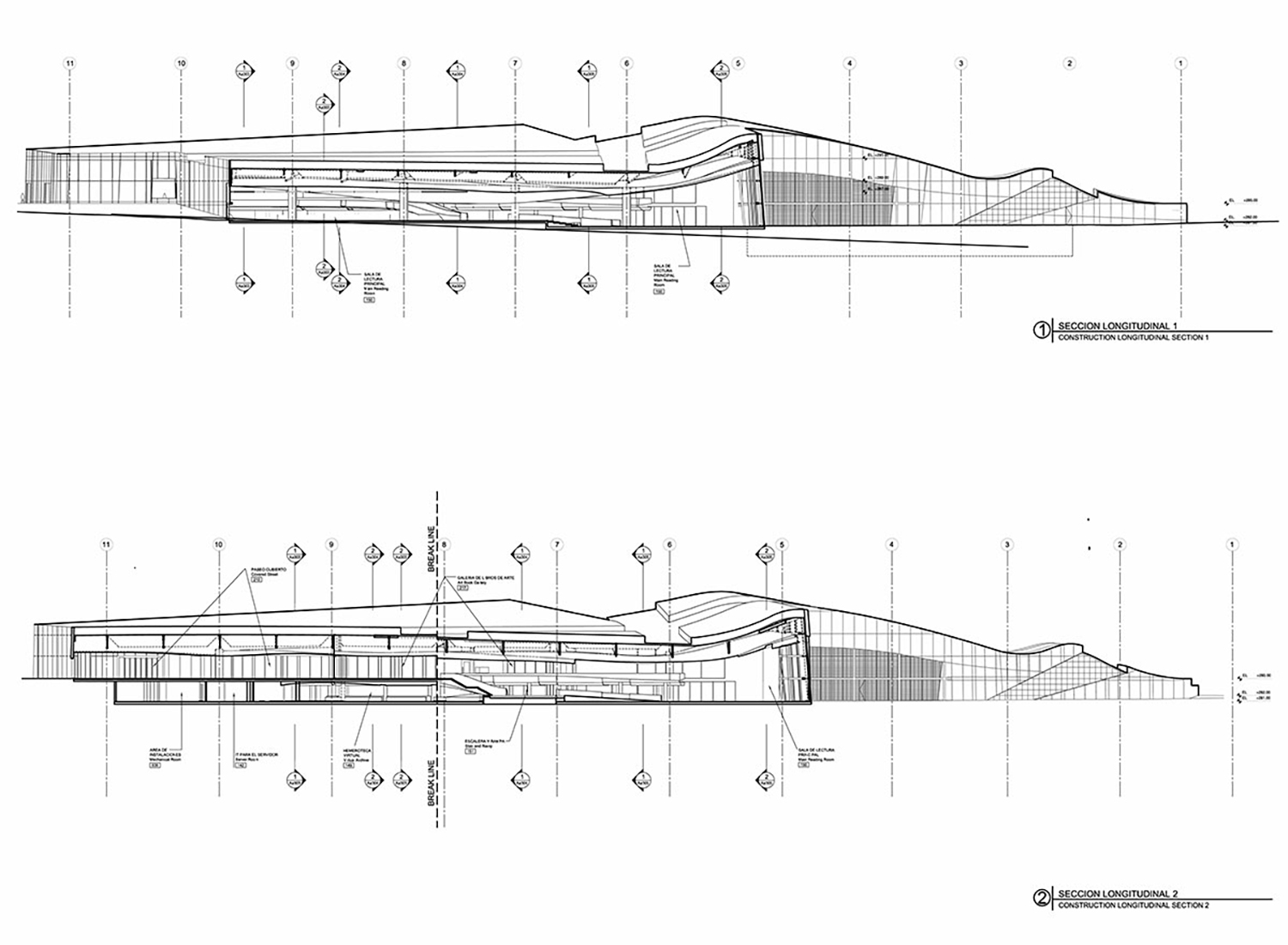
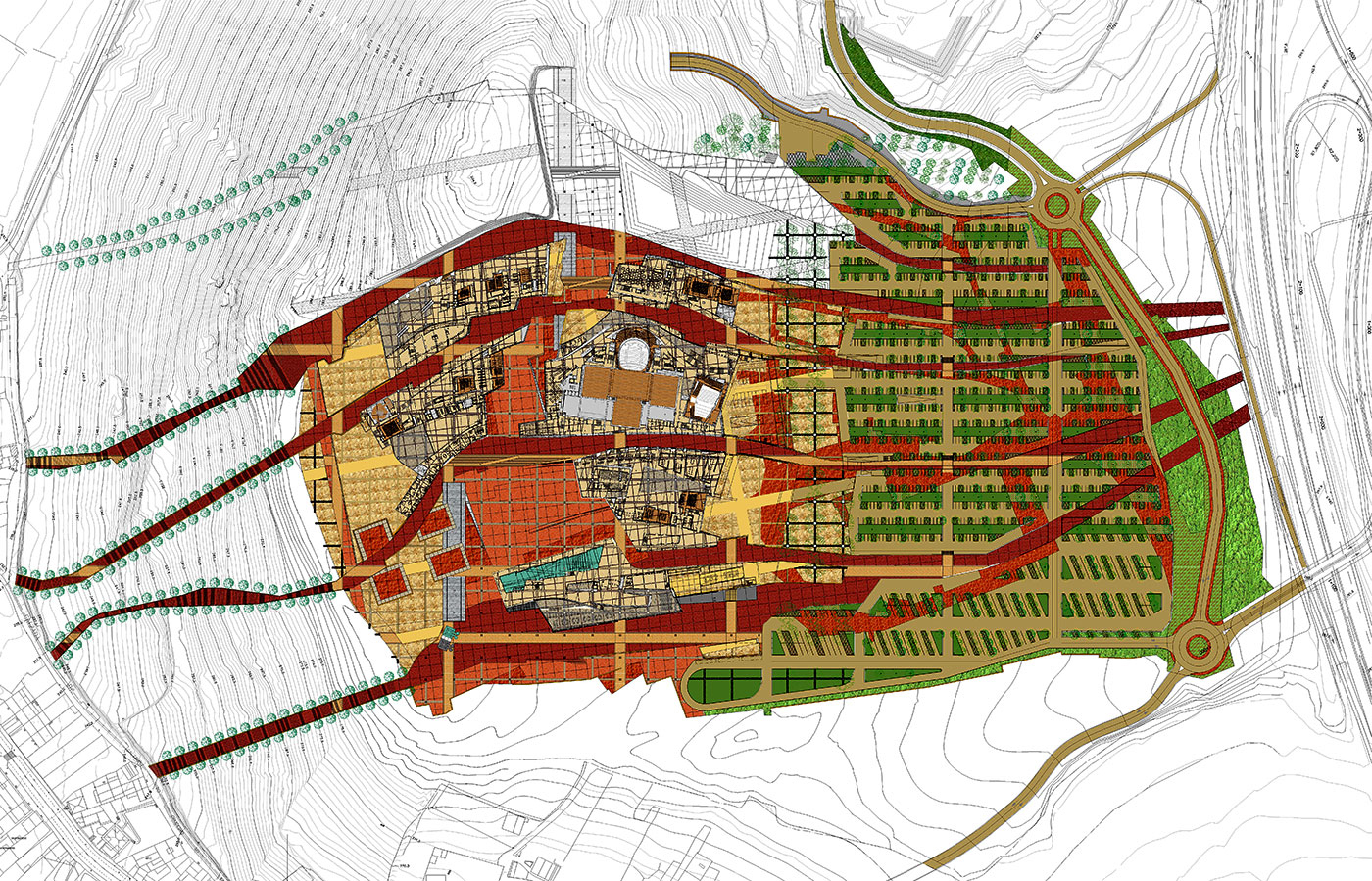
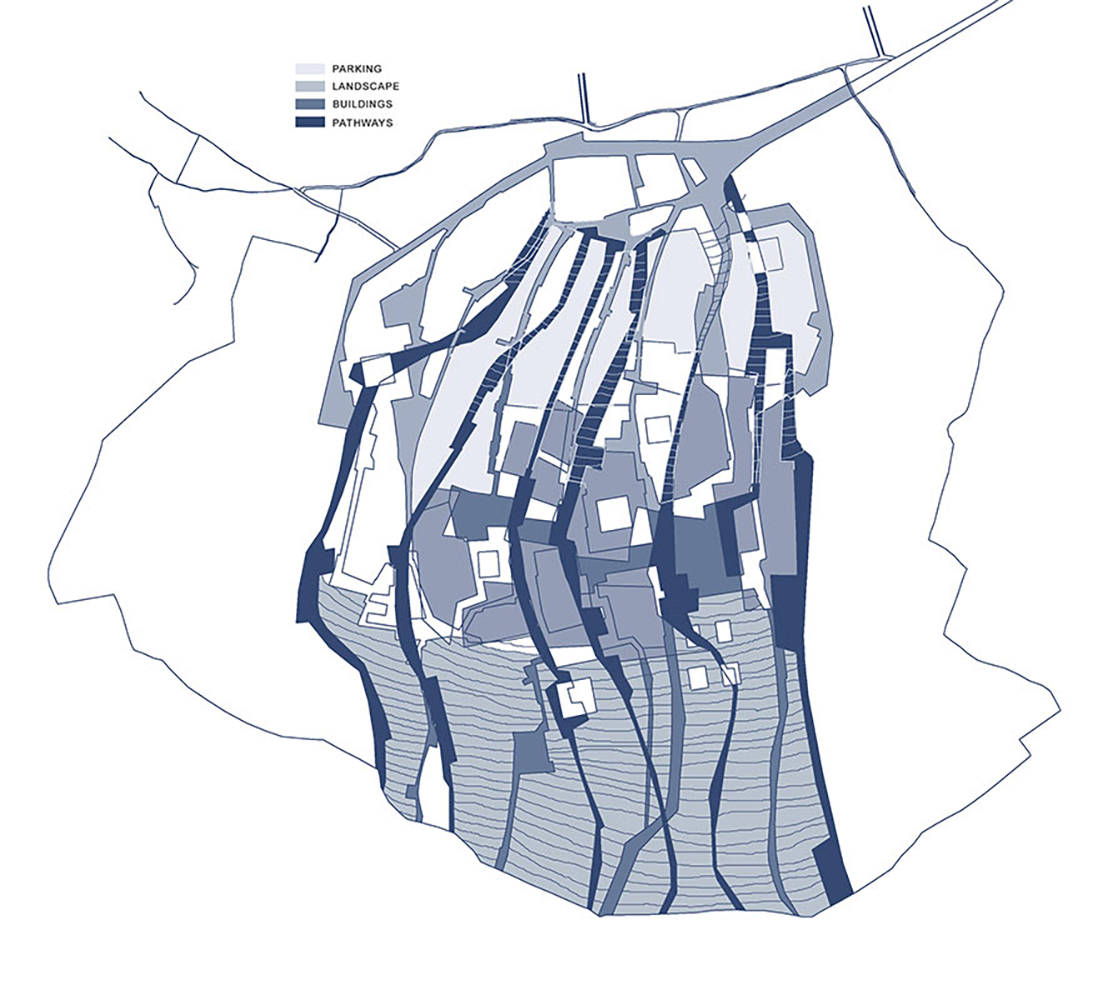
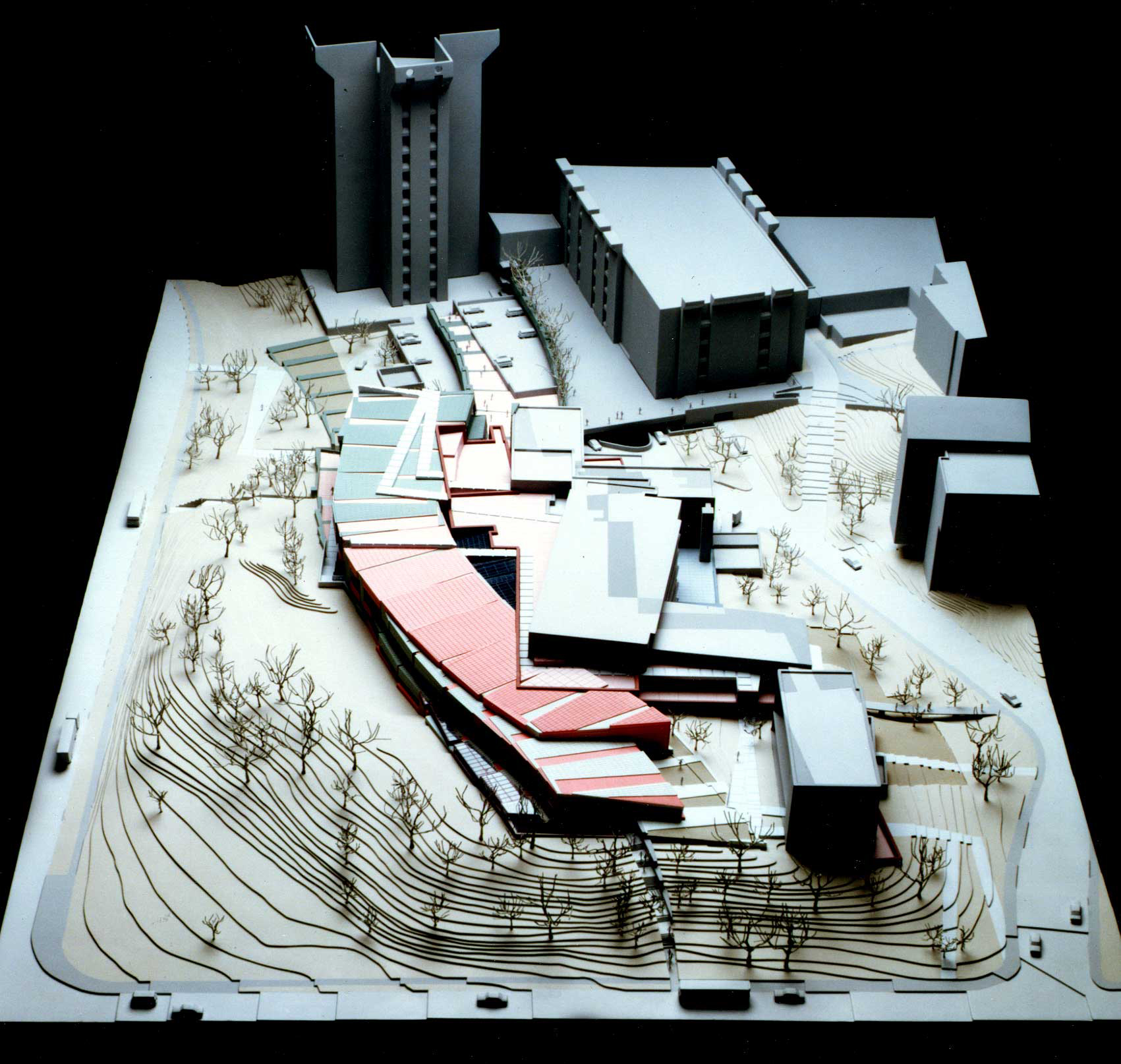
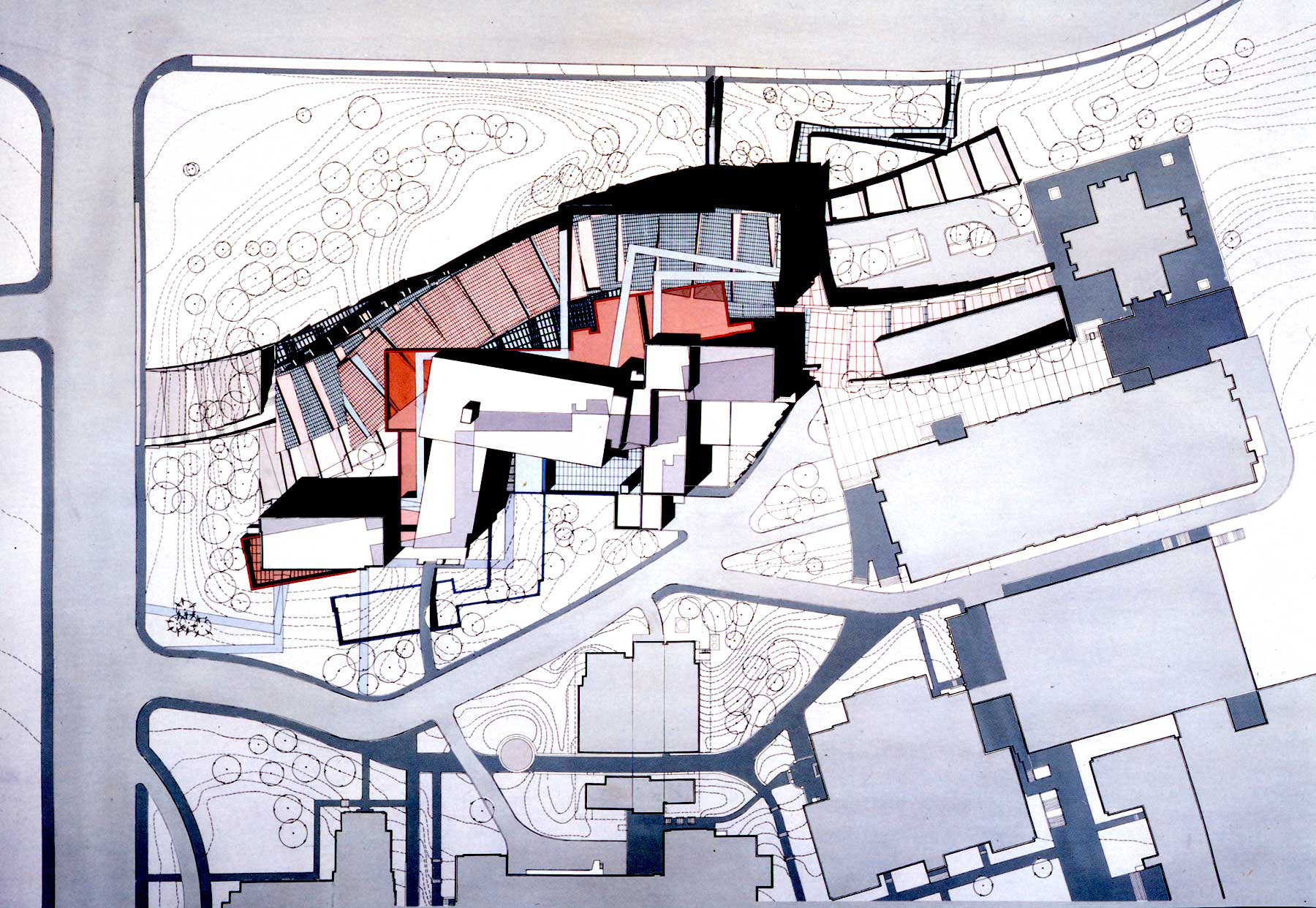
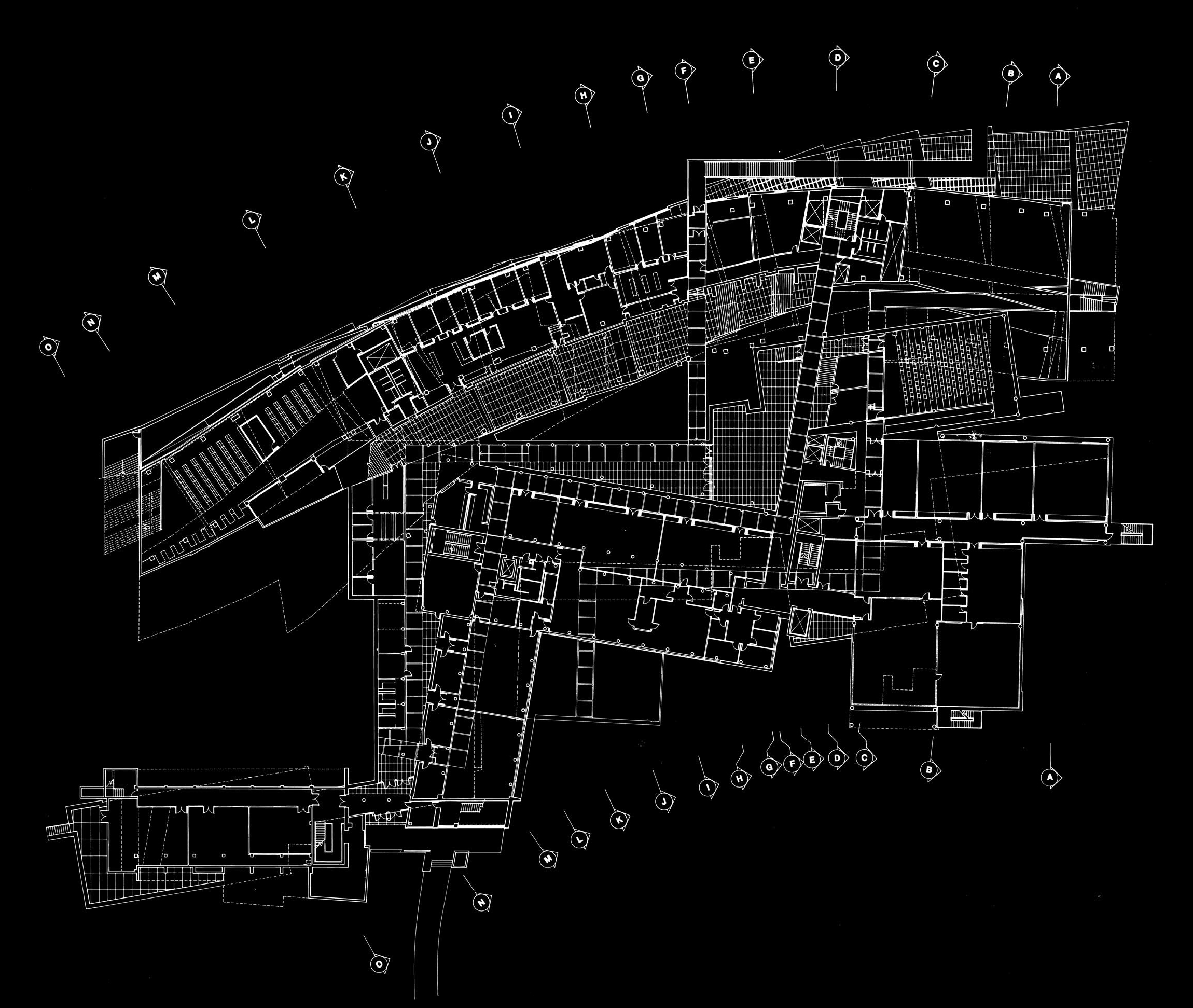
City of Culture of Galicia
1999–2011

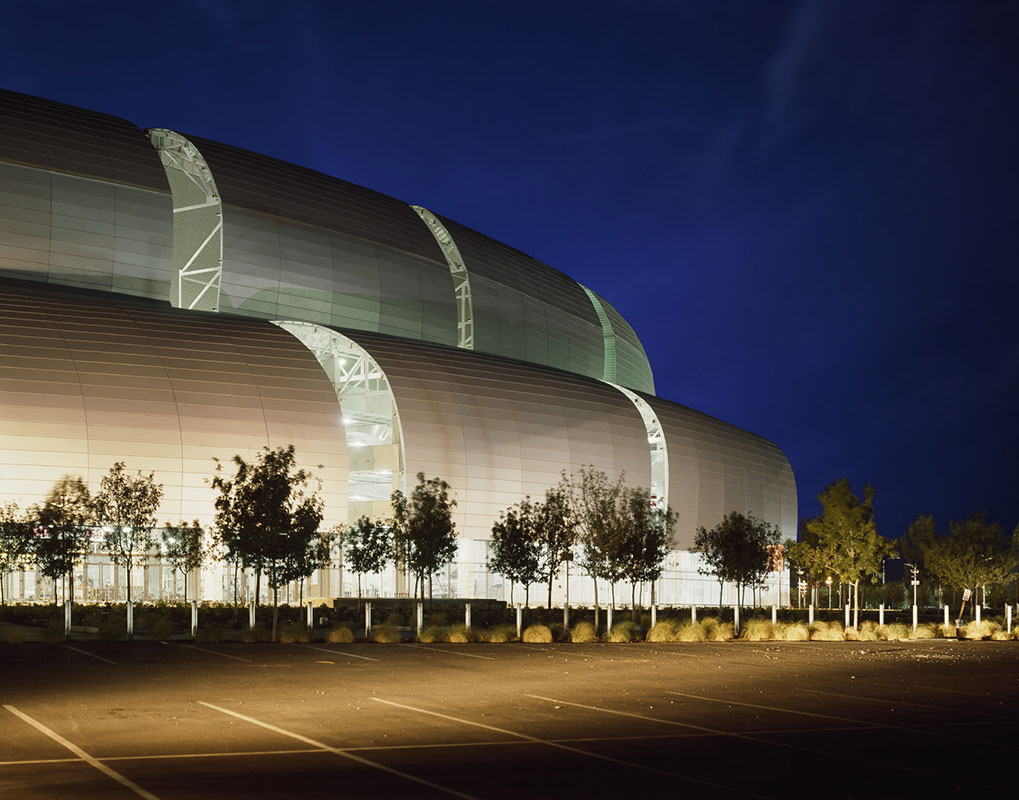
State Farm Stadium
1997–2006

Memorial to the Murdered Jews of Europe
1997–2005

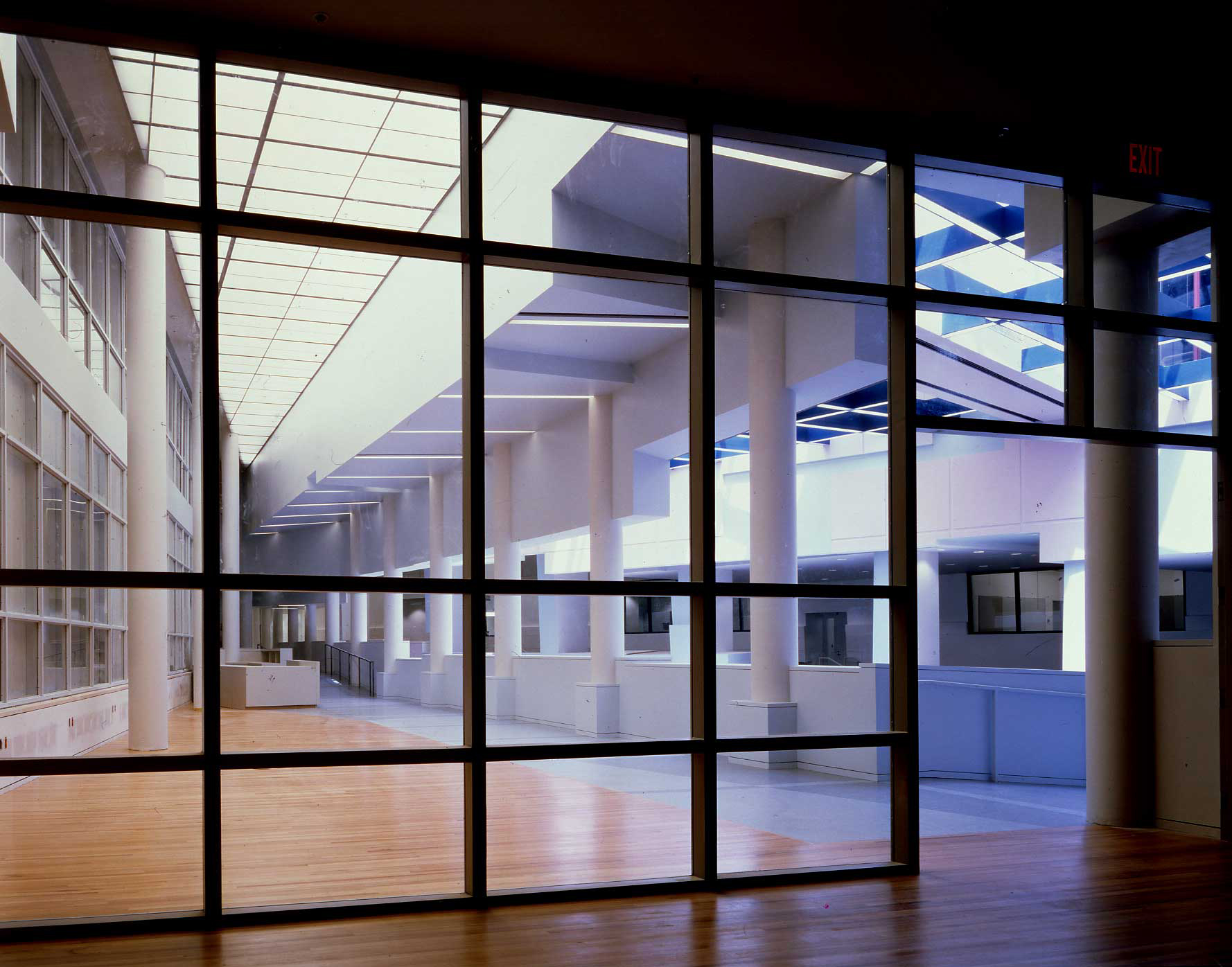
Aronoff Center for Design and Art
1988–96
Explore the Archive
-
Pierre Clavel
Ph.D. ’66
![Book cover 'Reinventing Cities: Equity Planners Tell Their Stories']()
-
Jennifer Cecere
B.F.A. ’73
![Neutral-colored leaf motifs over a colorful quilt-like background.]()
-
Francis S. Oda
B.Arch. ’64
![A rocky area with green grass and trees.]()
-
Denise Korn
B.F.A. ’87
![A promotional image depicts female dancers in black leotards below the words 'Boston Ballet Mikko Nissinen Artistic Director' in white on a black background]()