Growing up in Brooklyn, Pat Lipsky (B.F.A. ’63) was introduced to art at an early age. She remembers seeing pictures by Monet and Manet at the Brooklyn Museum as a child and being fascinated both by the differences in their work and the one letter difference in their names. Lipsky encountered the first abstract image that really impressed her at the Museum of Modern Art — Robert Delaunay’s Simultaneous Contrasts: Sun and Moon, 1913. From this painting, she learned that color could be employed not only in the service of representation but also on its own, expressively. After a summer of painting five days a week in a class taught by Moses Soyer at the Brooklyn Museum Art School, Lipsky wrote on the back of one of her paintings: “The year I decided to become an artist.” She was 16.
As an undergraduate at Cornell, Lipsky returned to New York City on the weekends and visited galleries at the recommendation of Professor Alan Solomon, one of her early mentors, who was also a curator at the Jewish Museum. She saw her first Rothko painting during one of these weekend trips, and while taking a comparative literature class in the English department, she was introduced to the work of Proust. Both Rothko and Proust would prove to be enduring influences.
I’m a colorist, I would say. My special ability is in color. I have an affinity with color that transcends anything else.
After graduation, Lipsky moved to New York City and began her M.F.A. program at Hunter College. There, she studied with sculptor Tony Smith and stayed for four years, instead of the usual two, in order to fully soak up the environment. She also began painting abstractly during this time. In 1969, within a year of receiving her degree, Lipsky showed her work in a group exhibition organized by Larry Aldrich, called Lyrical Abstraction, which appeared at the Aldrich Museum in Connecticut before it traveled to the Whitney Museum in 1971. She had her first solo exhibition in 1970 at the prestigious André Emmerich Gallery in New York. Lipsky entered the art world at a time when there was deep interest in abstract color-field painting, and she quickly became a prominent figure in that realm.
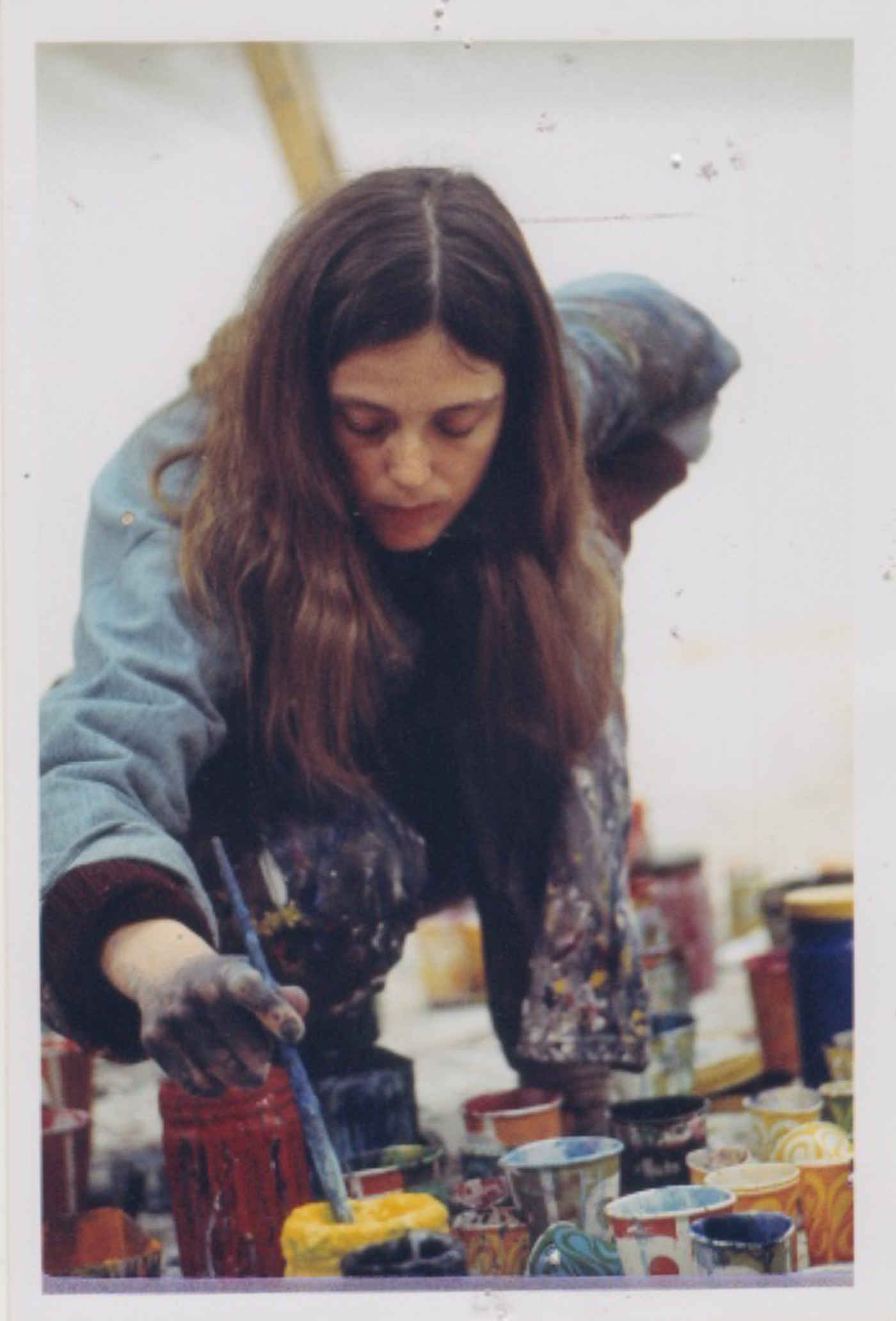
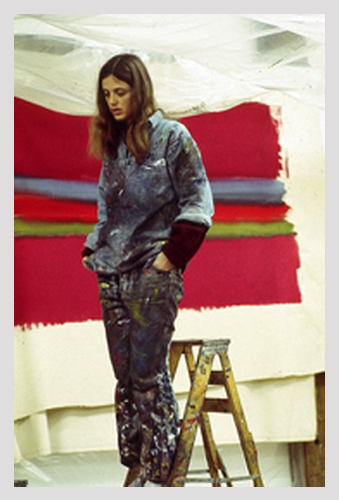
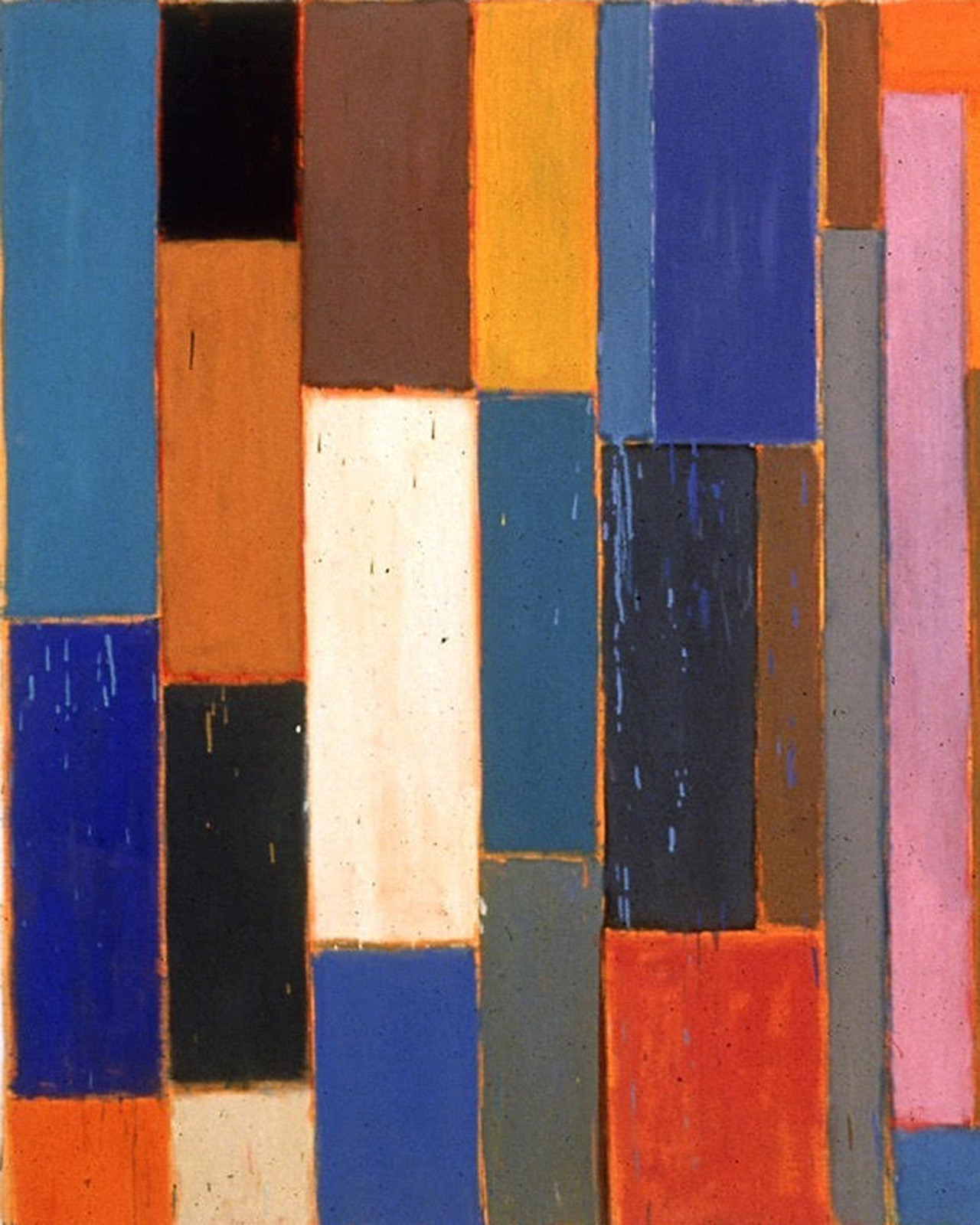
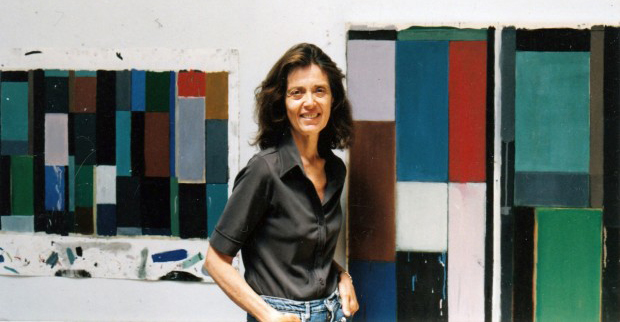
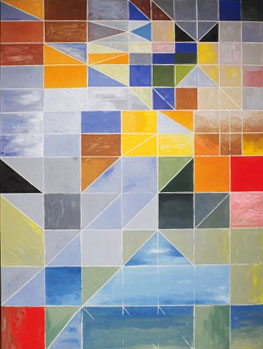
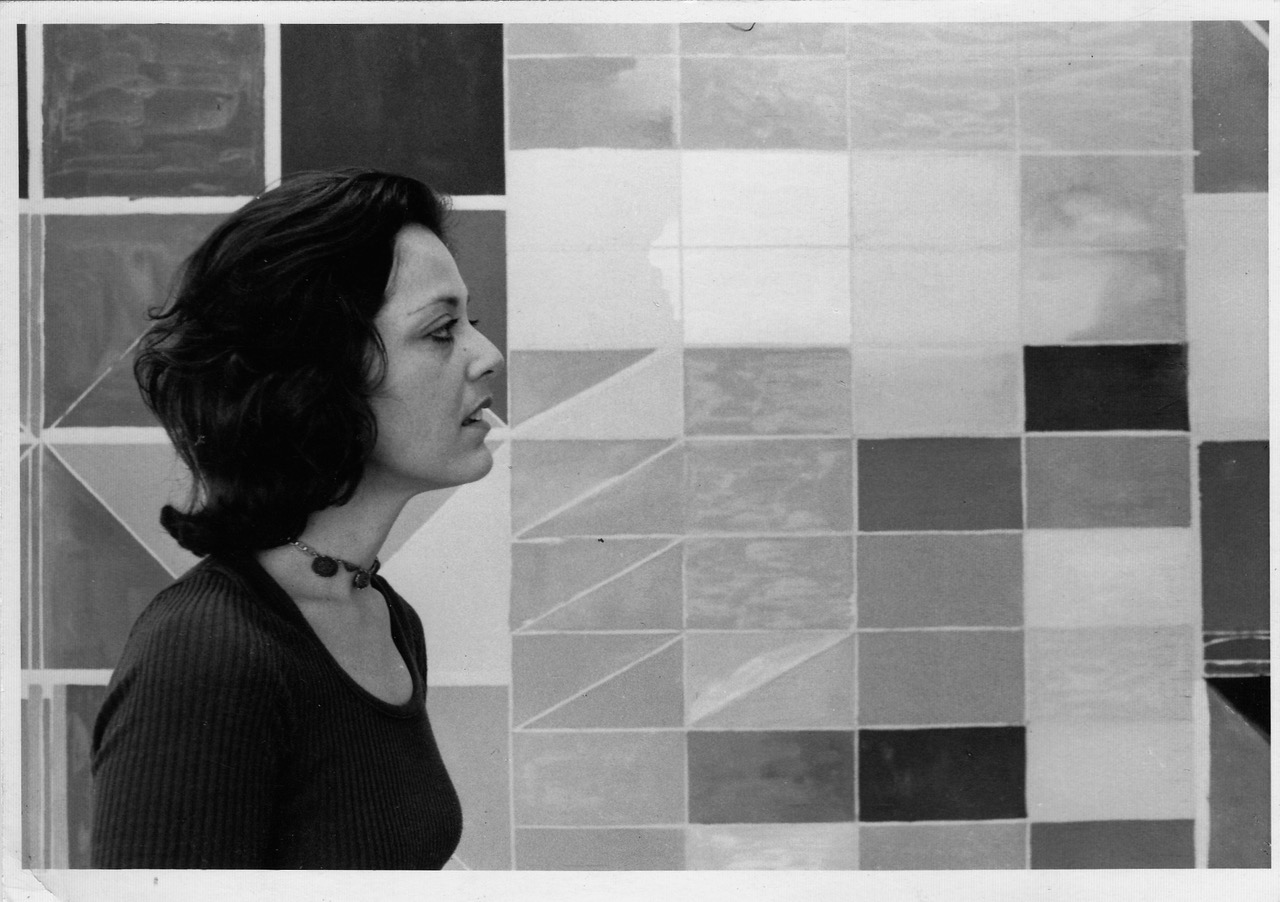
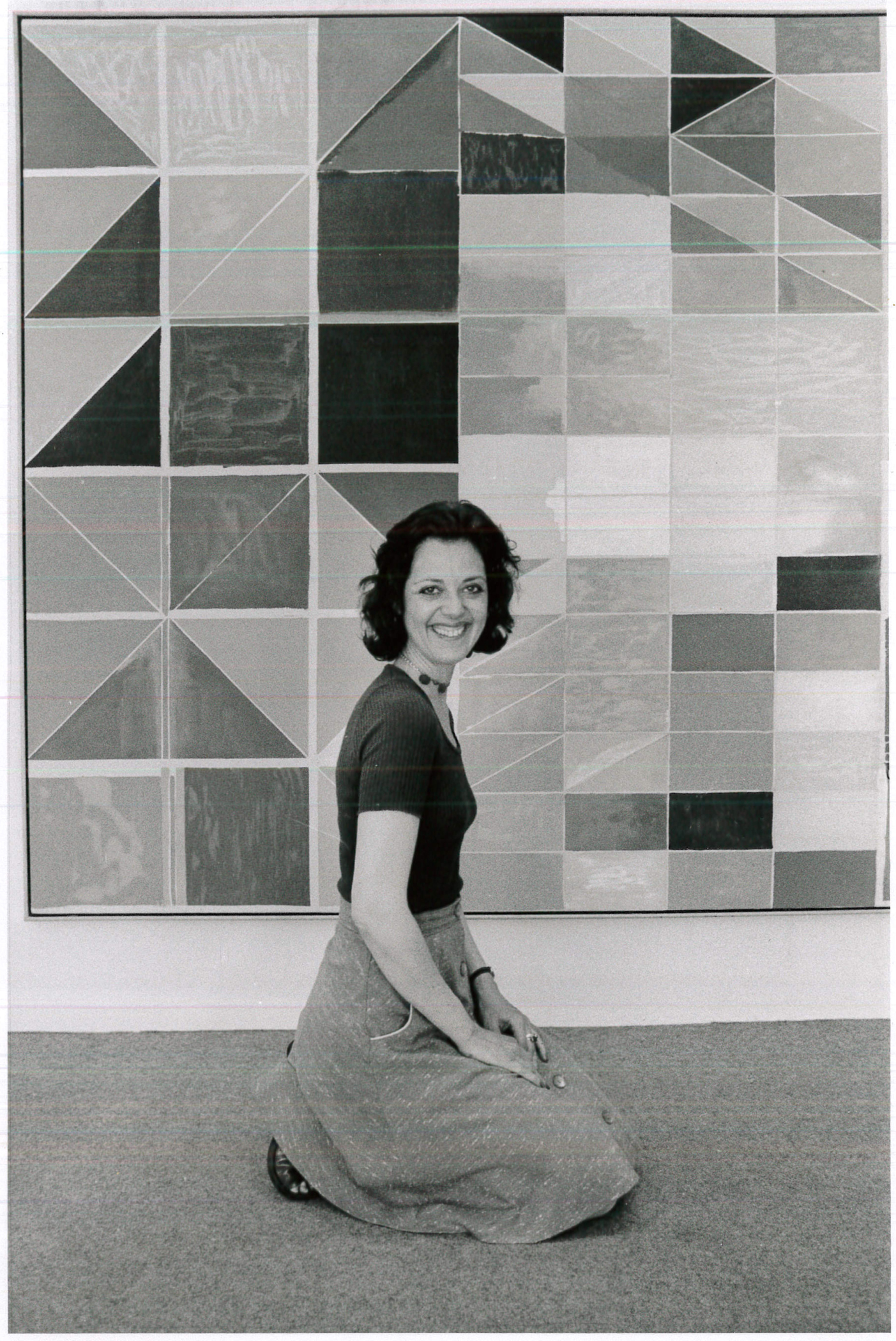
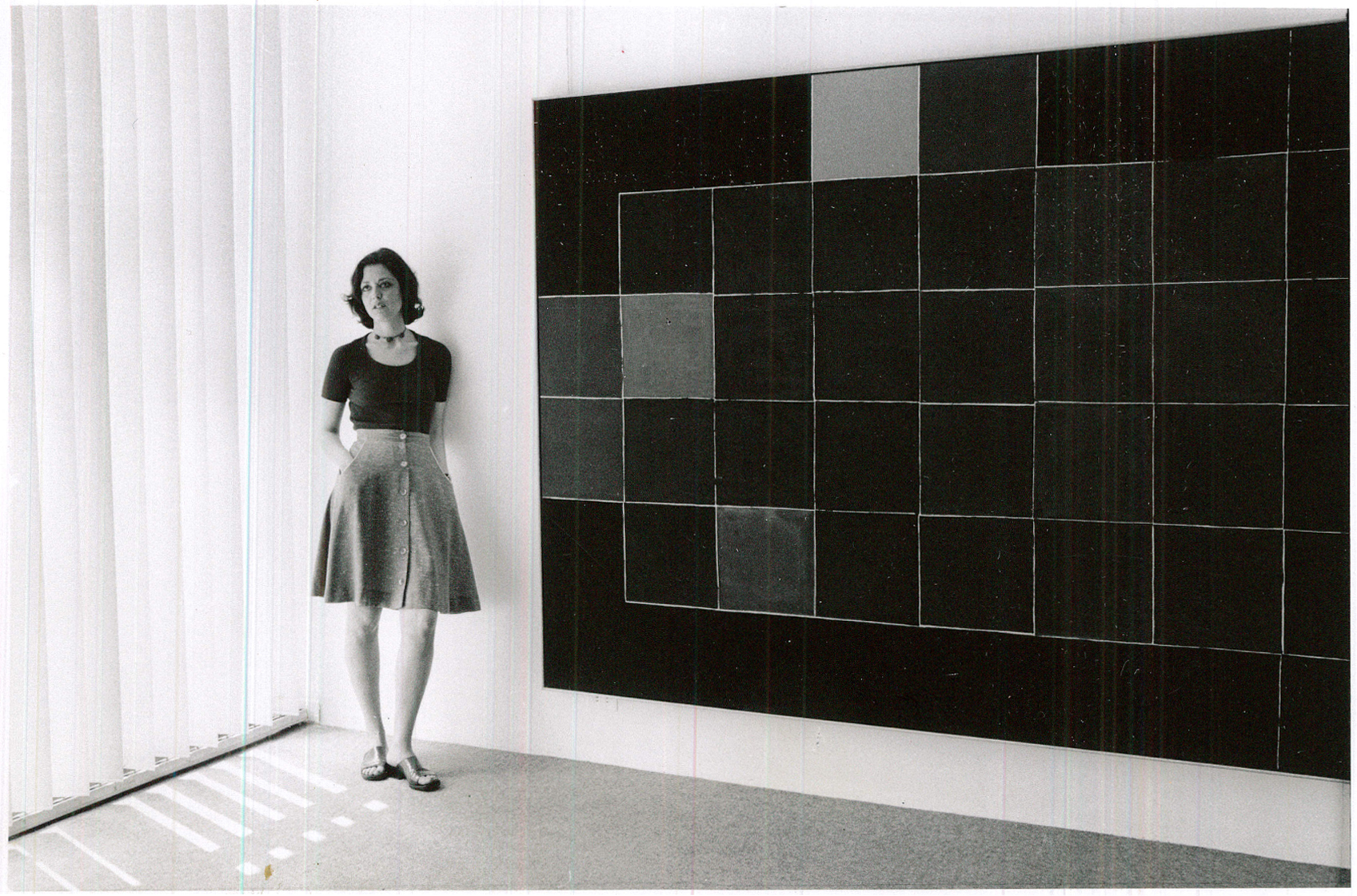
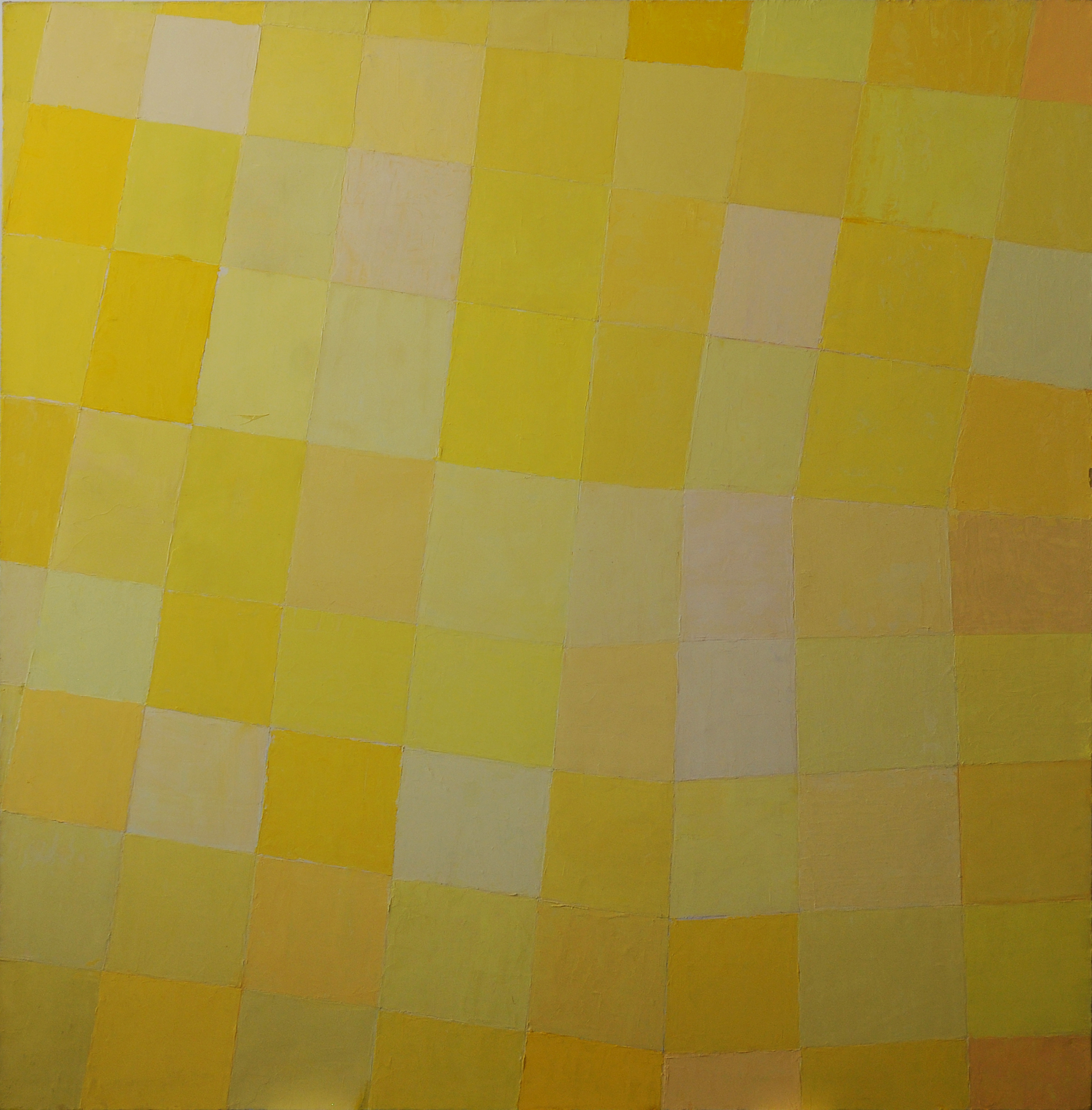
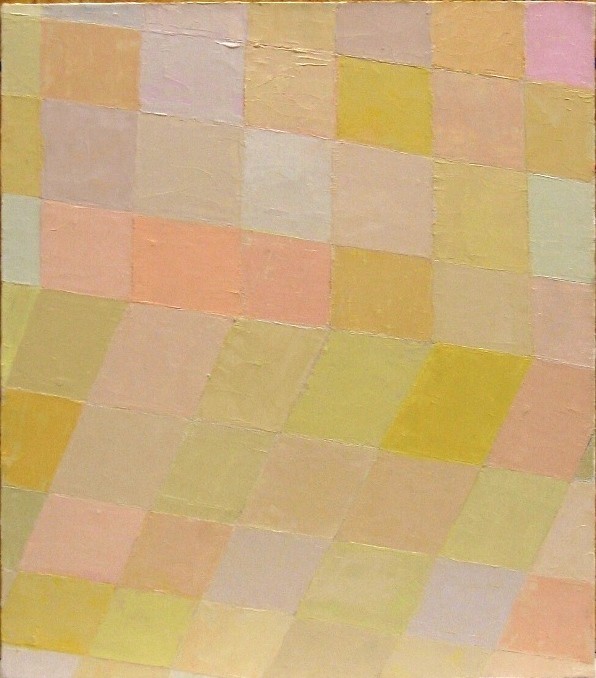
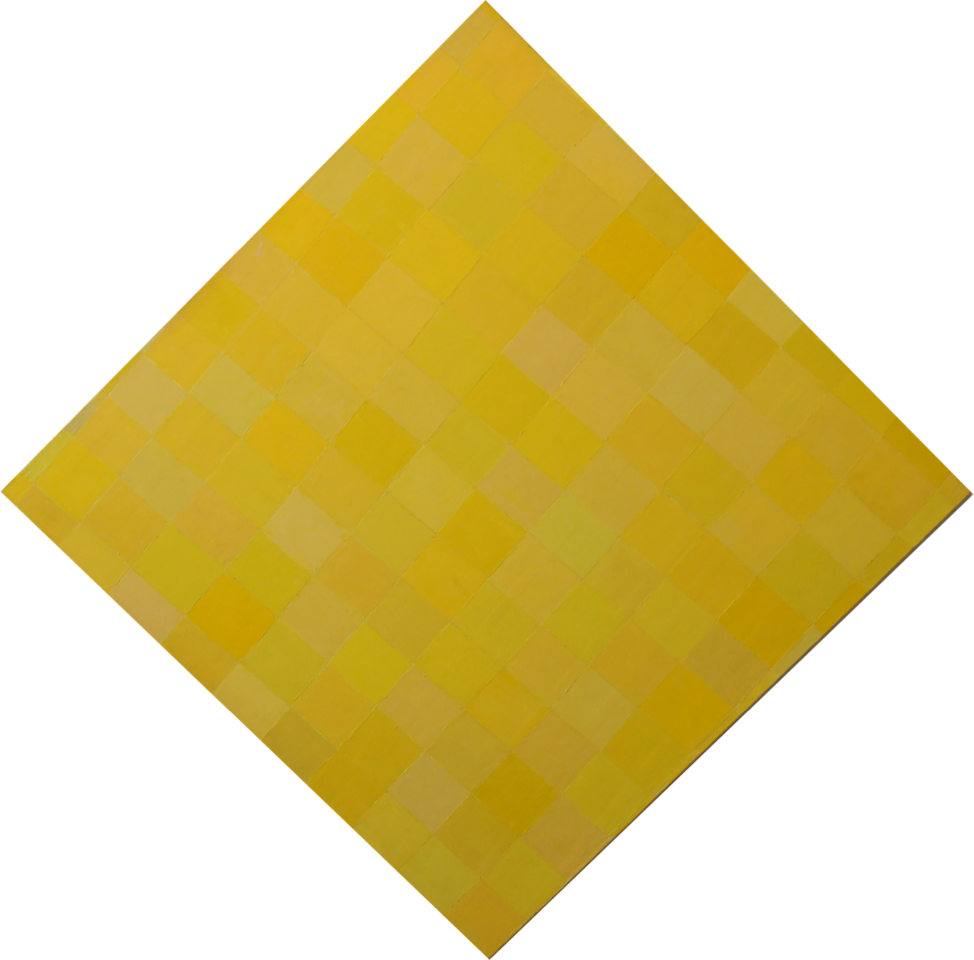
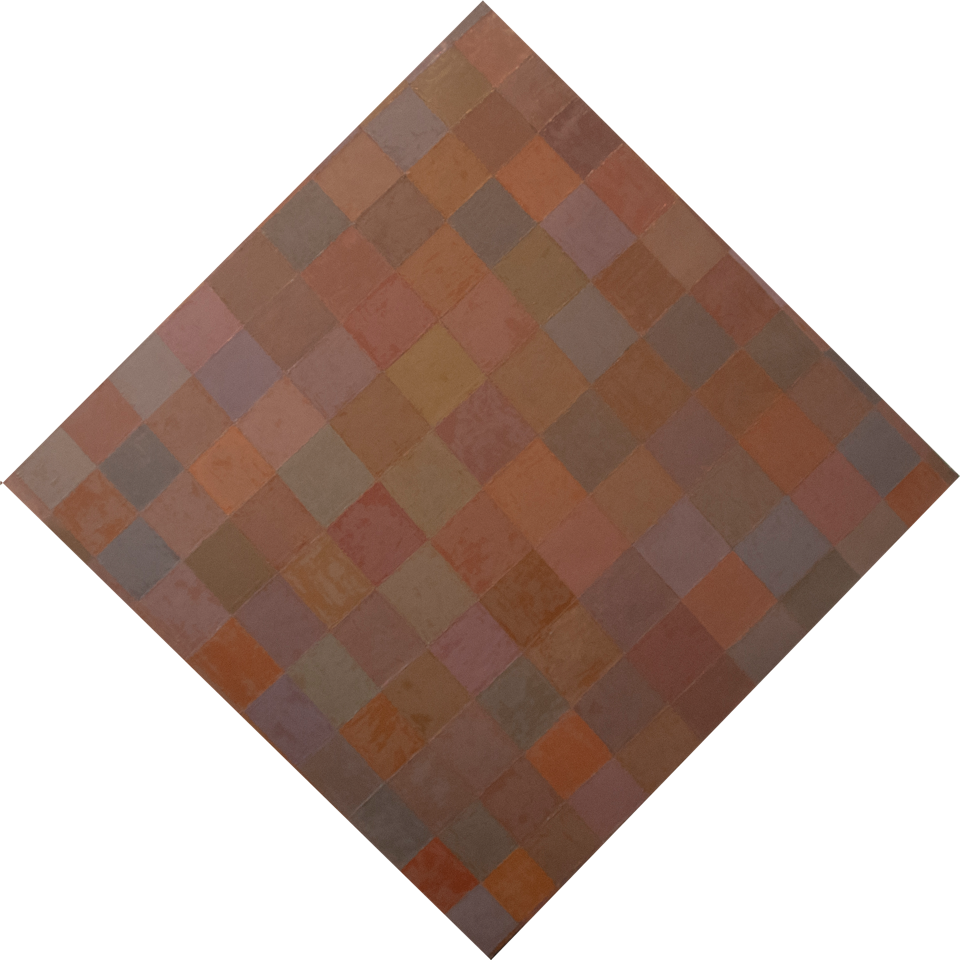
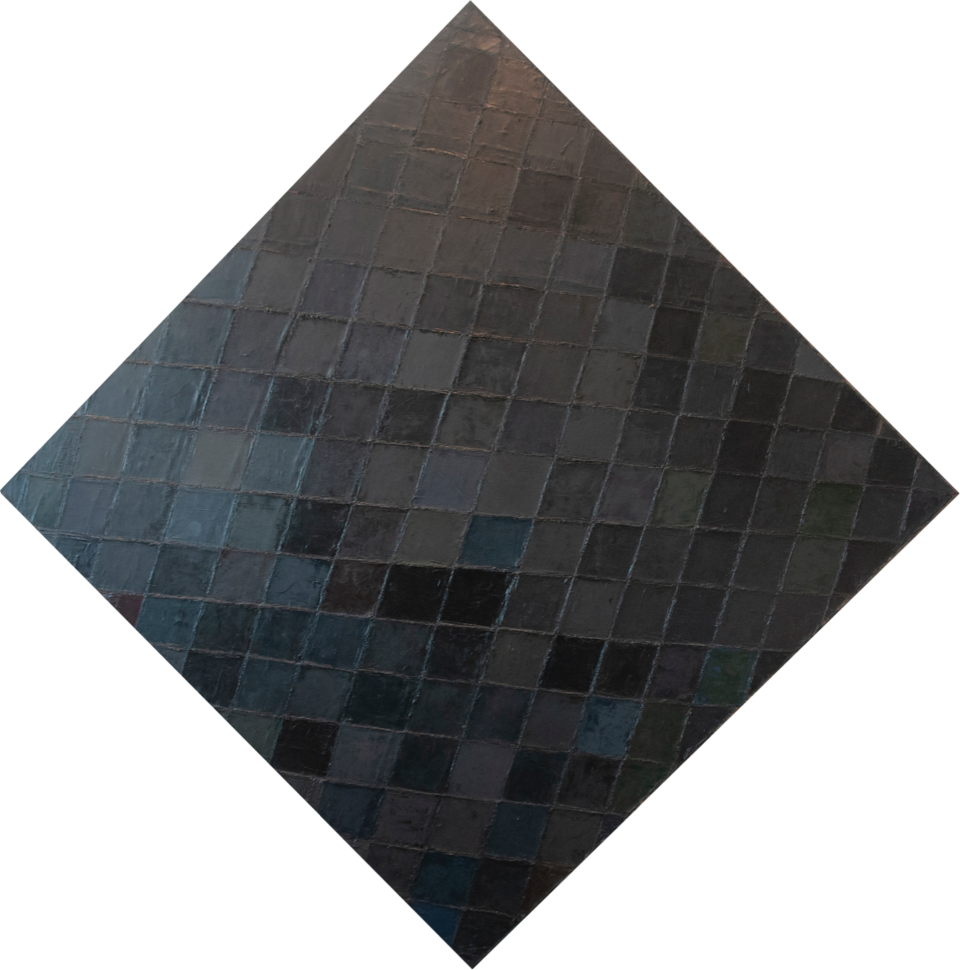
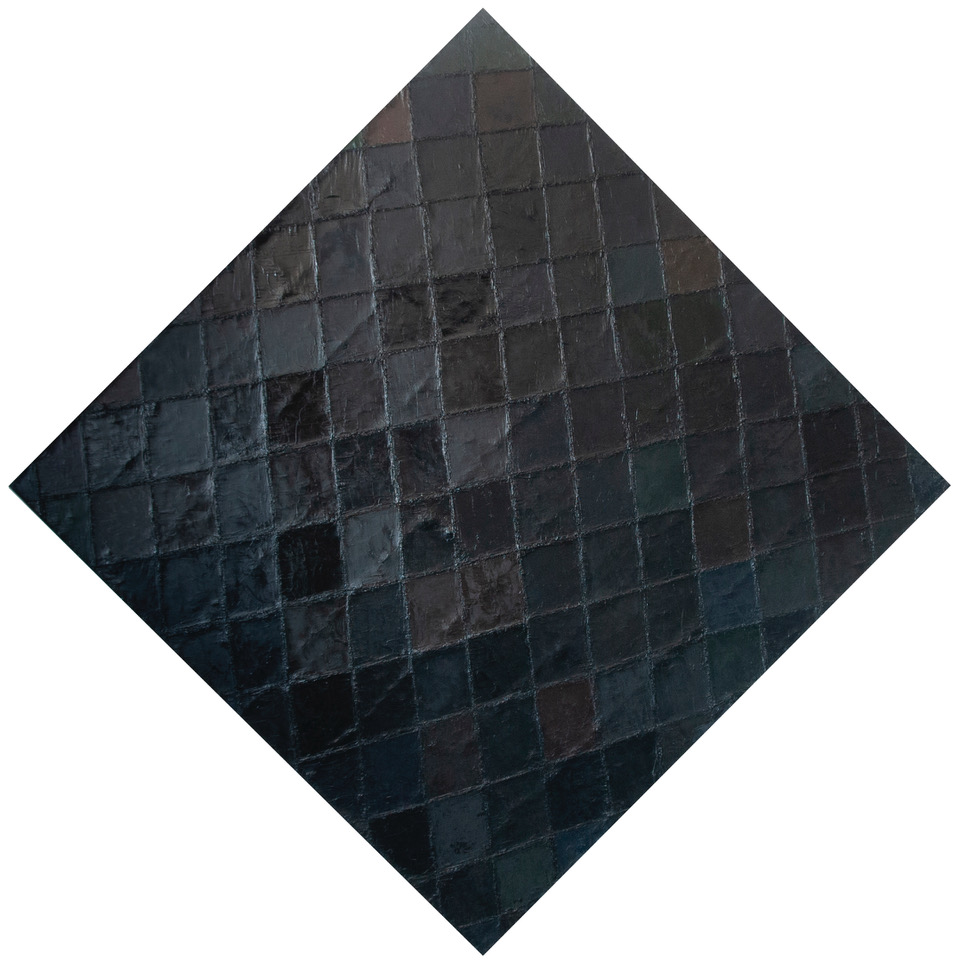
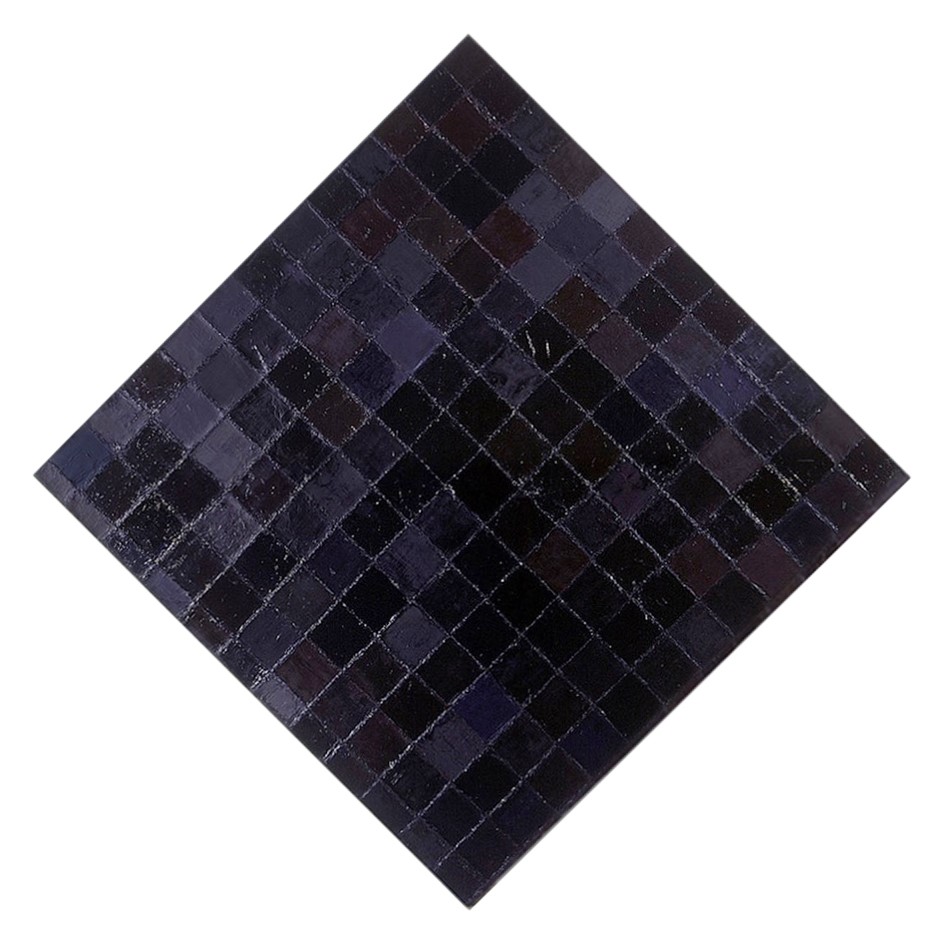
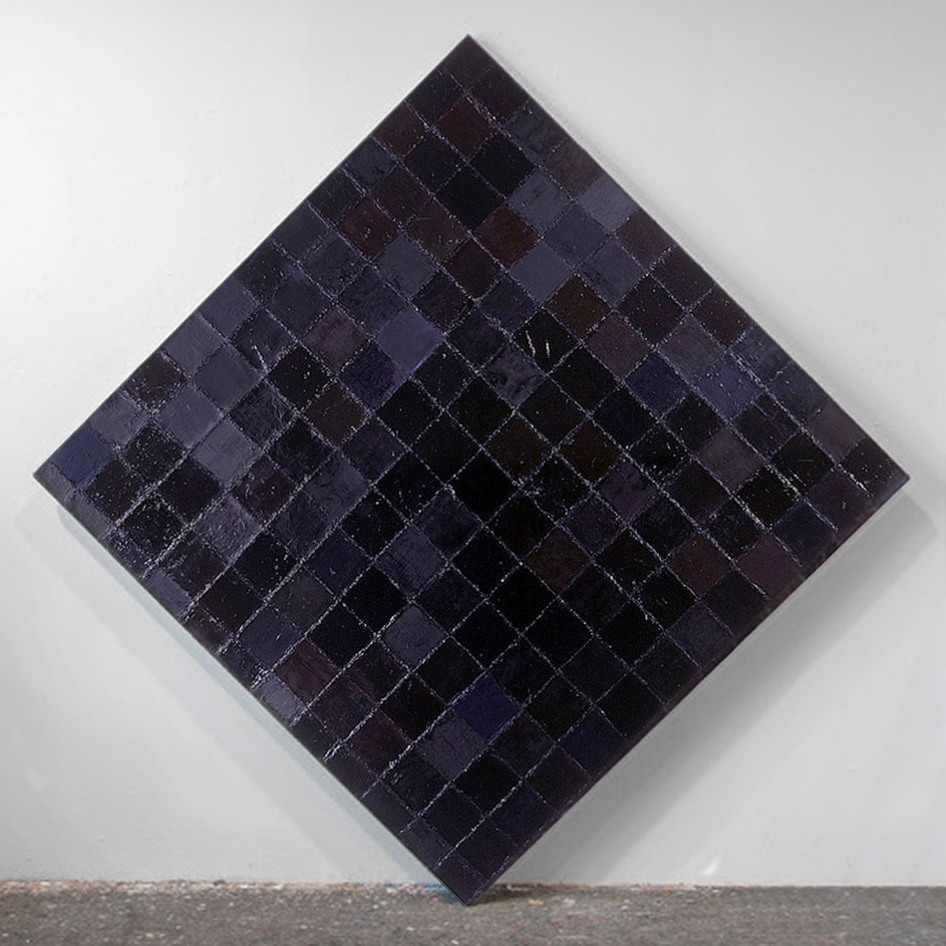
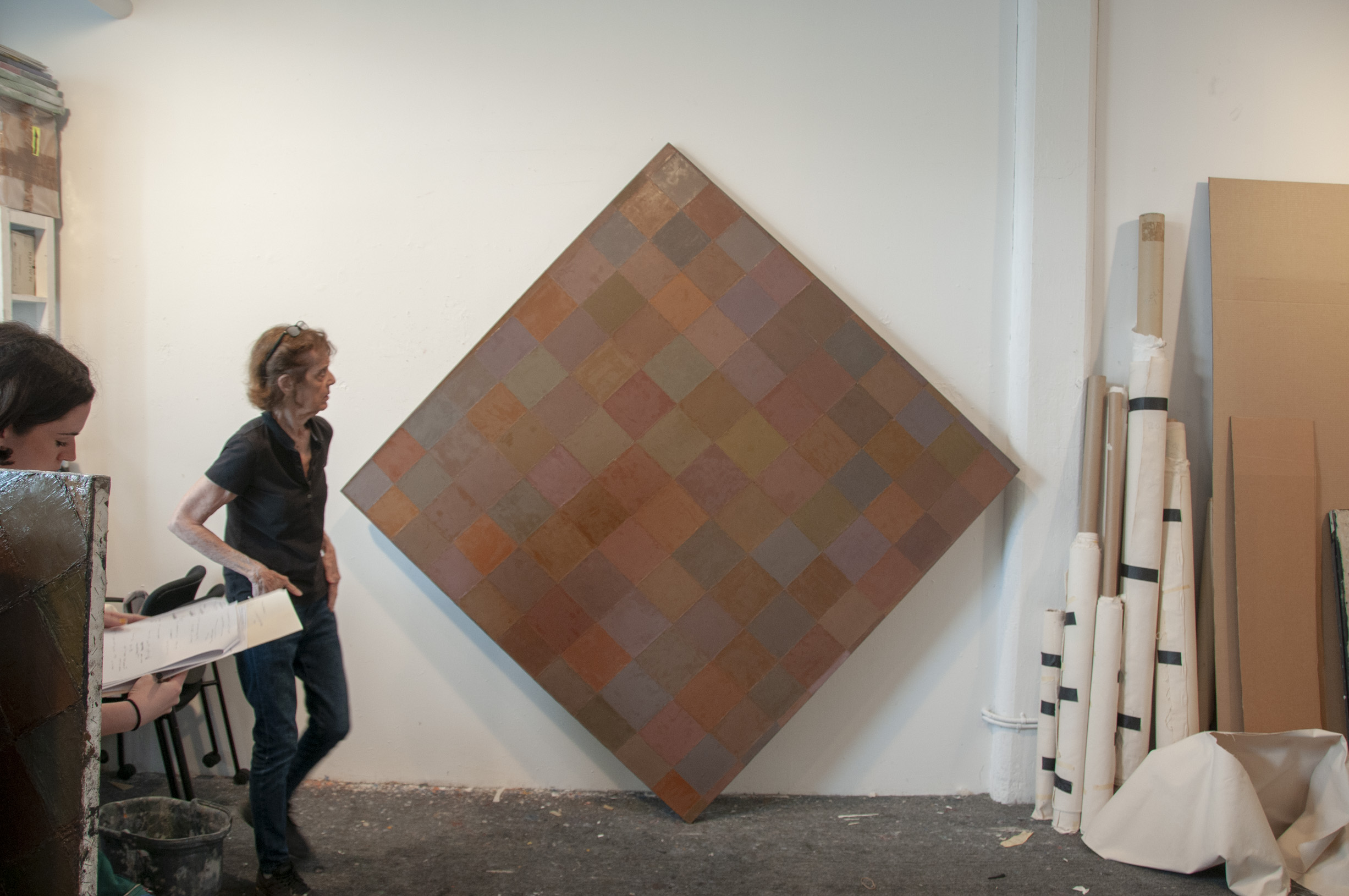
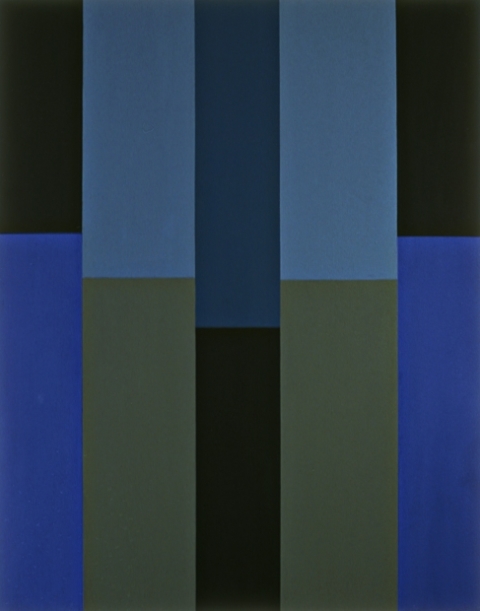
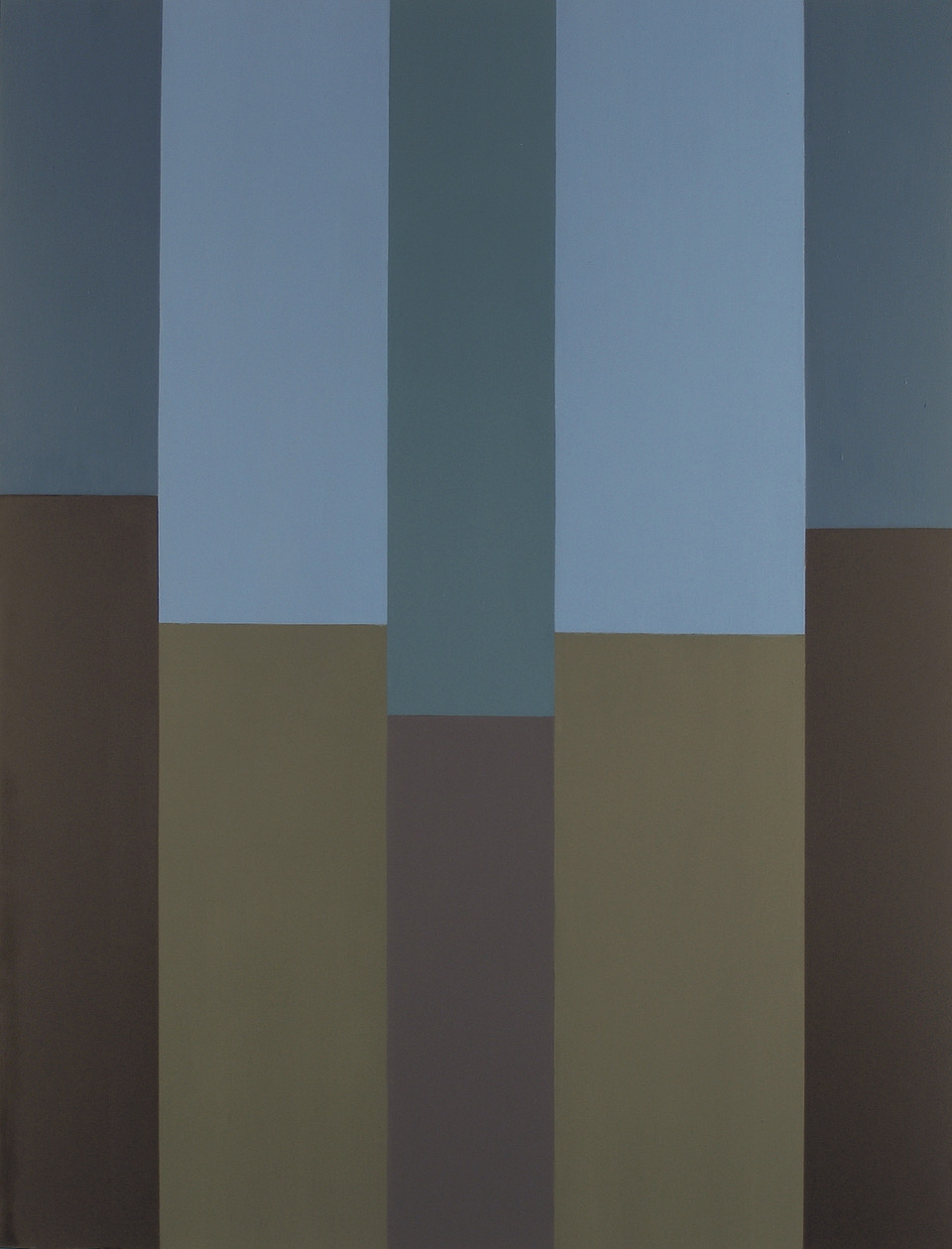
“I’m a colorist, I would say. My special ability is in color. I have an affinity with color that transcends anything else,” Lipsky remarked about the focus of her work. Her series Black Paintings,made between 1990 and 1999, is monumental in scale. At eight feet tall, these diamond-shaped paintings lusciously explore the nuances of color, as different shades of black are placed beside each other in an organic grid configuration.
One of the paintings in the series, In Memoriam C.G.,is a tribute to her dear friend and creative influence, Clement Greenberg. Lipsky fondly recalled Greenberg telling her that “people who are interested in color find each other.” These two color explorers met when Greenberg came by the Emmerich Gallery in 1970 to see Lipsky’s first show while it was being installed. Their friendship took shape in the early ’80s, as Greenberg visited Lipsky’s studio to see her work, and the pair hosted the lecture and discussion series The Importance of Taste in Art for NYU in 1984. They remained friends until Greenberg’s death in 1994.
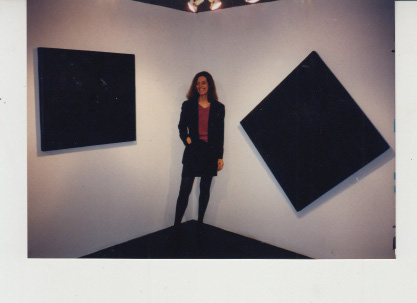
In collaboration with Lipsky, composer Theodore Wiprud created a percussion work inspired by the Black Paintings series. The collaboration culminated in three performances of the production Dark Love in New York City in February 1999, accompanied by a viewing at The Kitchen of the largest artworks from the Black Paintings series — Dark Love (1993), History (1993–97), and In Memoriam C.G. (1994–99) — which had never before been seen together.
Wiprud wrote in the program for the performances: “Pat Lipsky’s Black Paintings are extraordinary to me because they open themselves to the viewer over time and convey such powerful emotion in purely abstract terms. In both ways they work like music, and from the first time I saw them, I began thinking of how they might sound.”
Lipsky’s work is in numerous collections, including the Whitney Museum of American Art; the Brooklyn Museum; the Hirshhorn Museum and Sculpture Garden; the Museum of Fine Arts, Houston; the San Francisco Museum of Modern Art; the Walker Art Center; and the Herbert F. Johnson Museum of Art at Cornell, among others. Her work has been written about in publications such as Art News, Art in America, Arts, the New York Times, and the New Yorker.
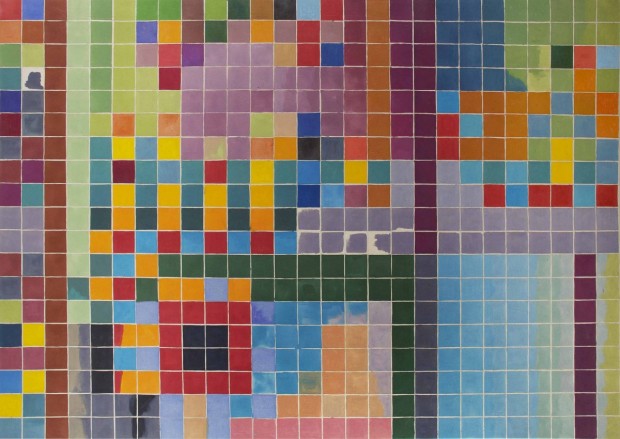
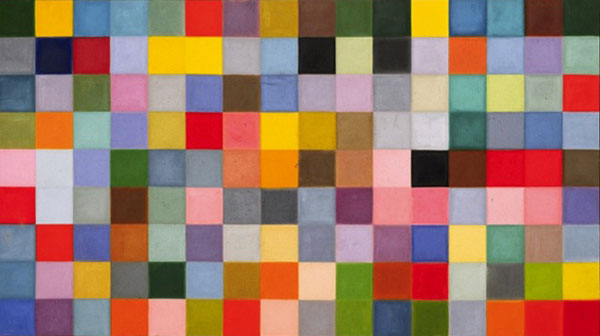
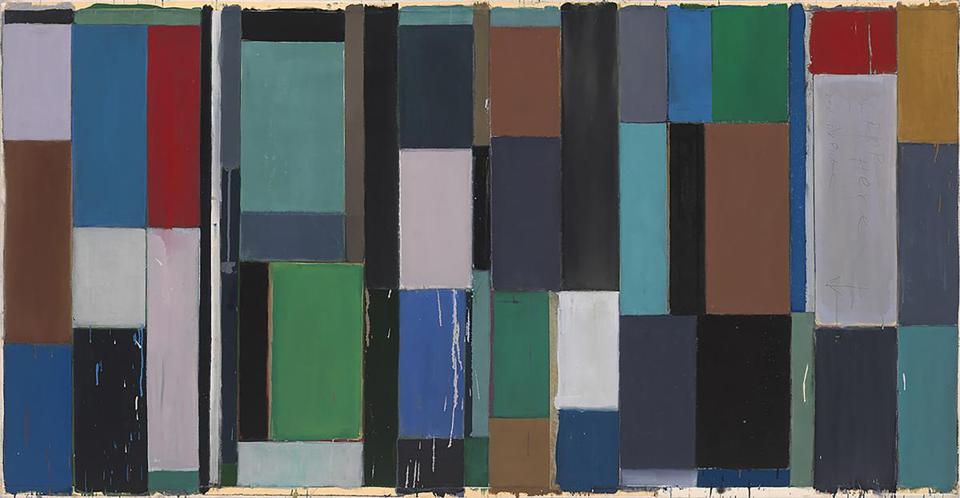
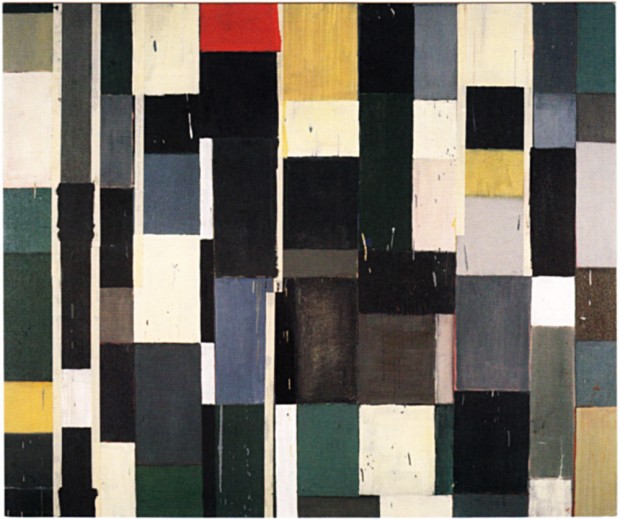
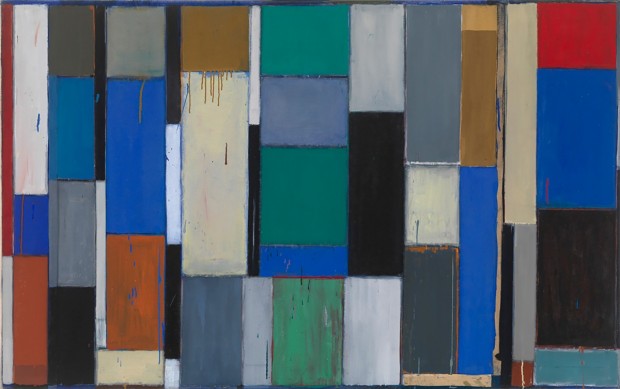
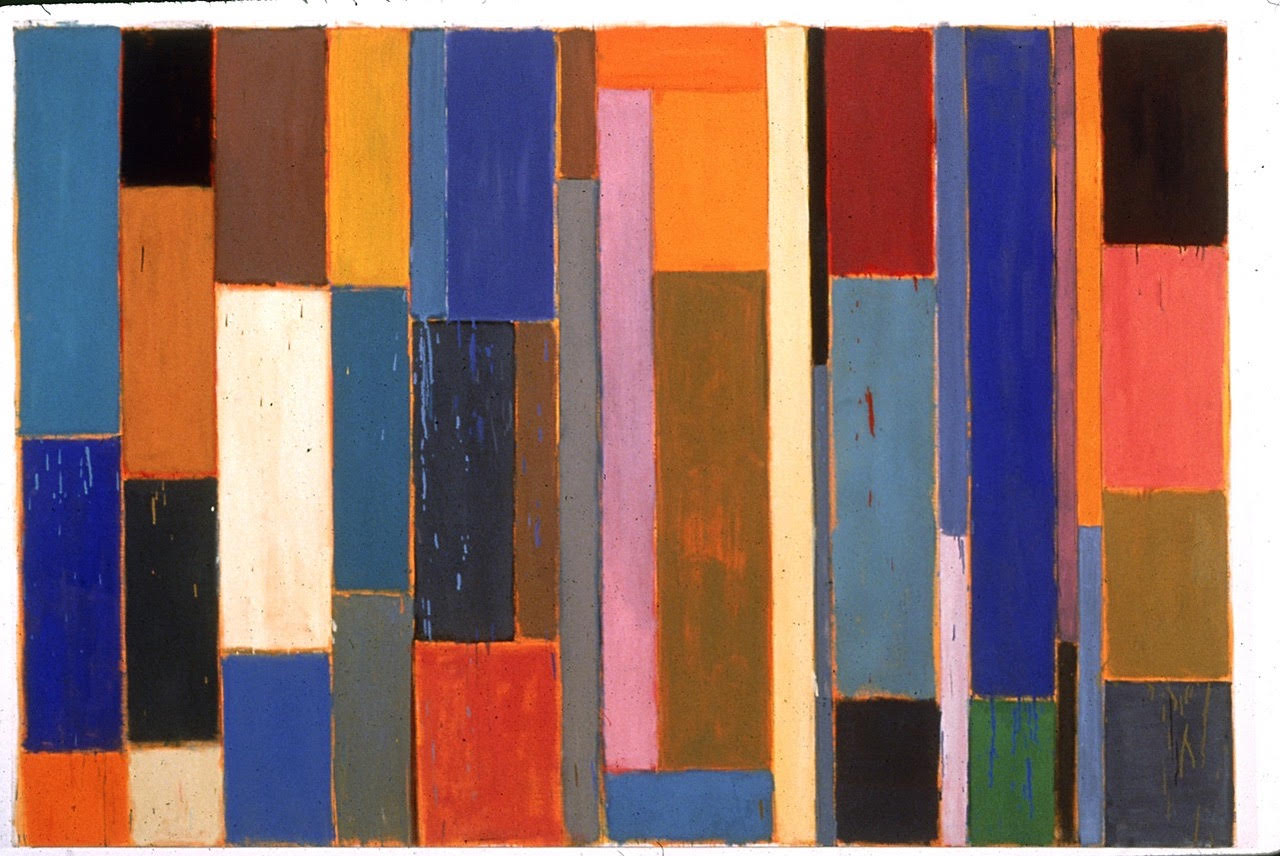
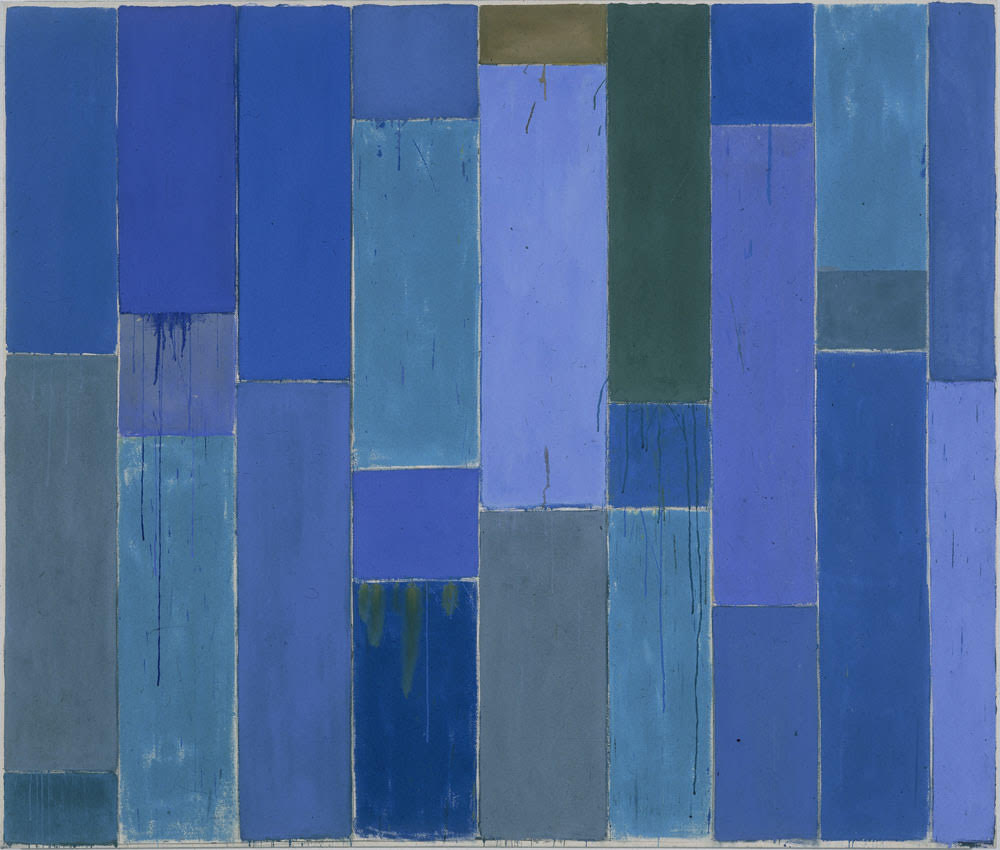
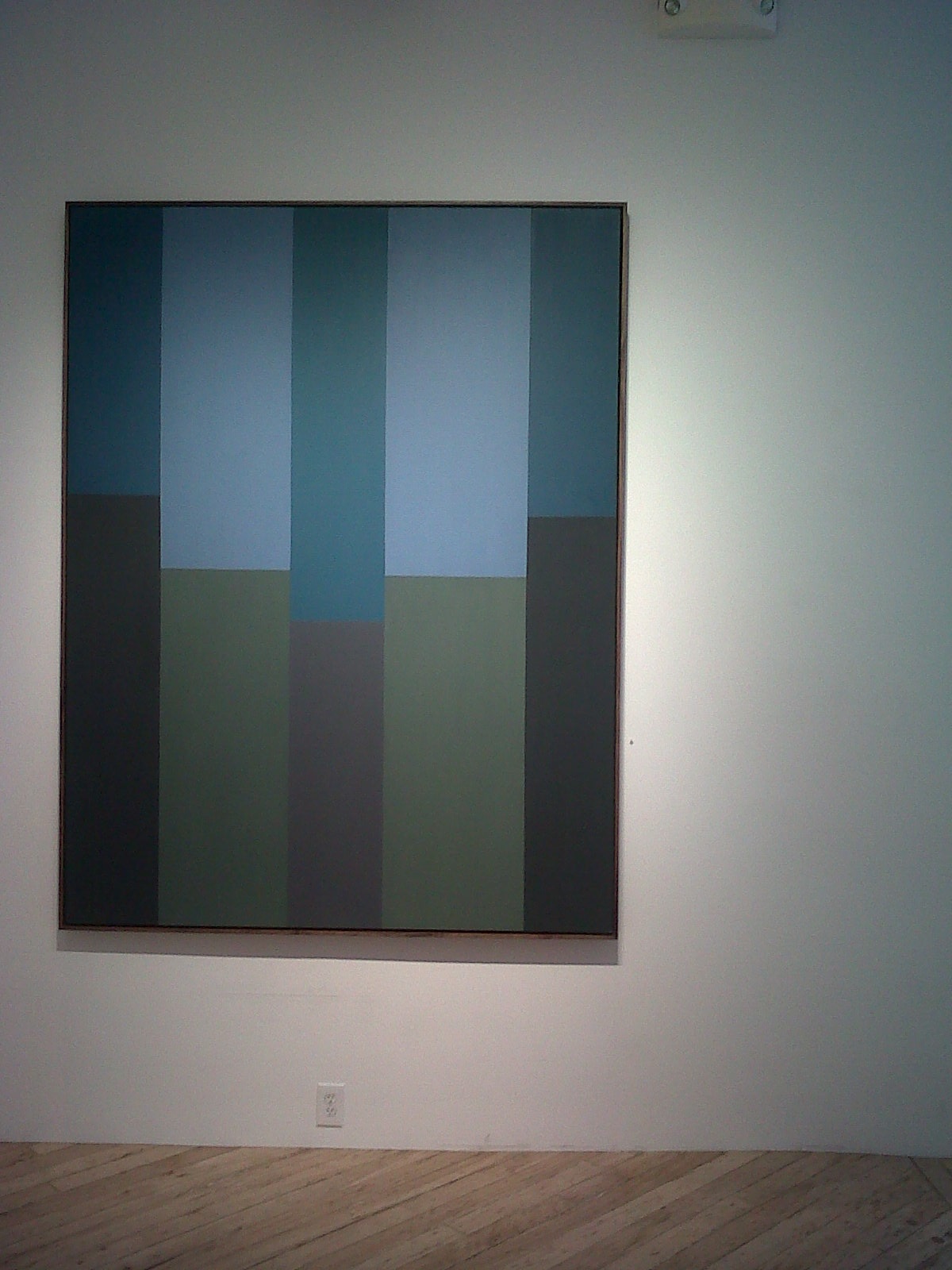
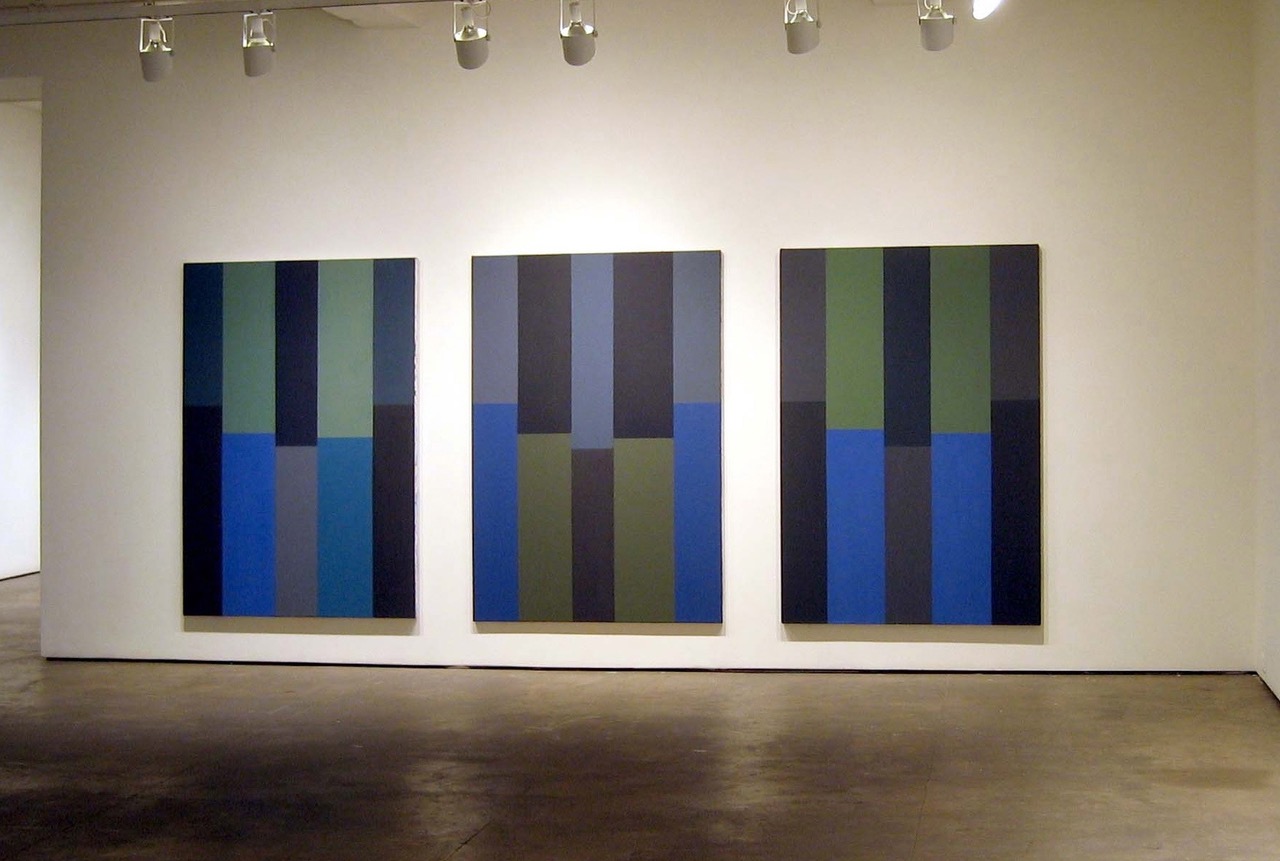
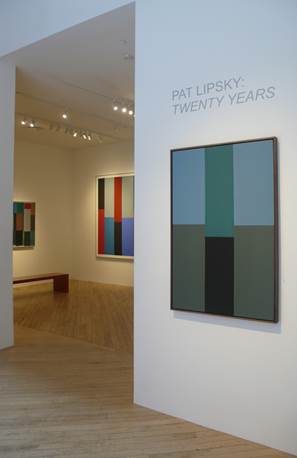
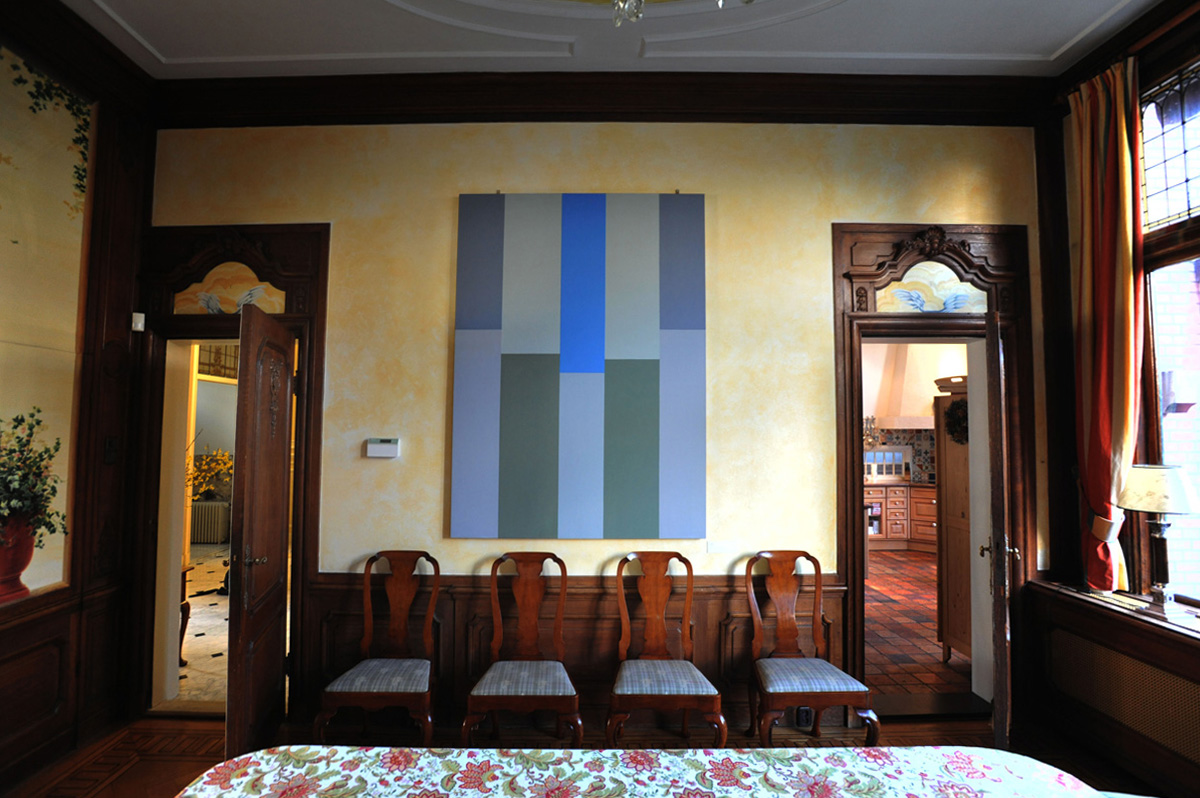
The Boston Globe reviewed Lipsky’s Twenty Years, a retrospective of her painting from the late ’90s through 2015, when it was exhibited at ACME Fine Art in Boston. Reviewer Cate McQuaid wrote: “None of the proportions are the same. Nor are any two passages of any one color. Lipsky is primarily a colorist; she builds her hues up, using up to 50 undercoats. Color relationships shift. Some ping, others throb. Everything is just off-balance enough to make you wobble — which you can see Lipsky’s hand-painted edges do, if you look with care. These are breathing, organic works, dressed in the clothing of geometric abstraction.”
Thinking back to her time at Cornell, Lipsky recalled a moment from her first-year orientation that has stayed with her to this day. She was told: “We’re going to teach you how to think. We’re going to teach you how to be discerning. We’re going to teach you how to look at information and find out what the truth is.” Lipsky has forged a momentous career — and a remarkable body of work — out of her deep and ongoing engagement with the truth of color, painting, and aesthetic experience.
[Pat Lipsky’s Black Paintings] open themselves to the viewer over time and convey such powerful emotion in purely abstract terms. In both ways they work like music.
Projects
Click to view project images full screen.
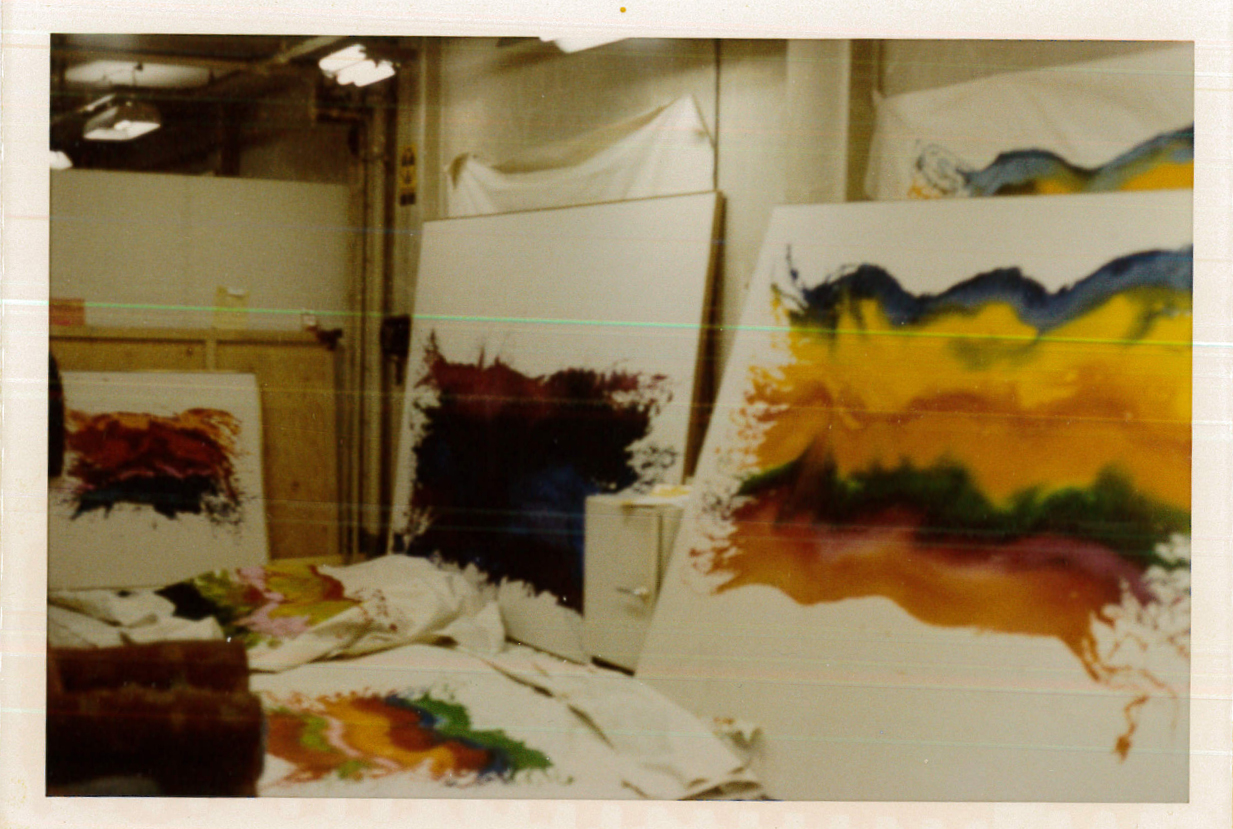
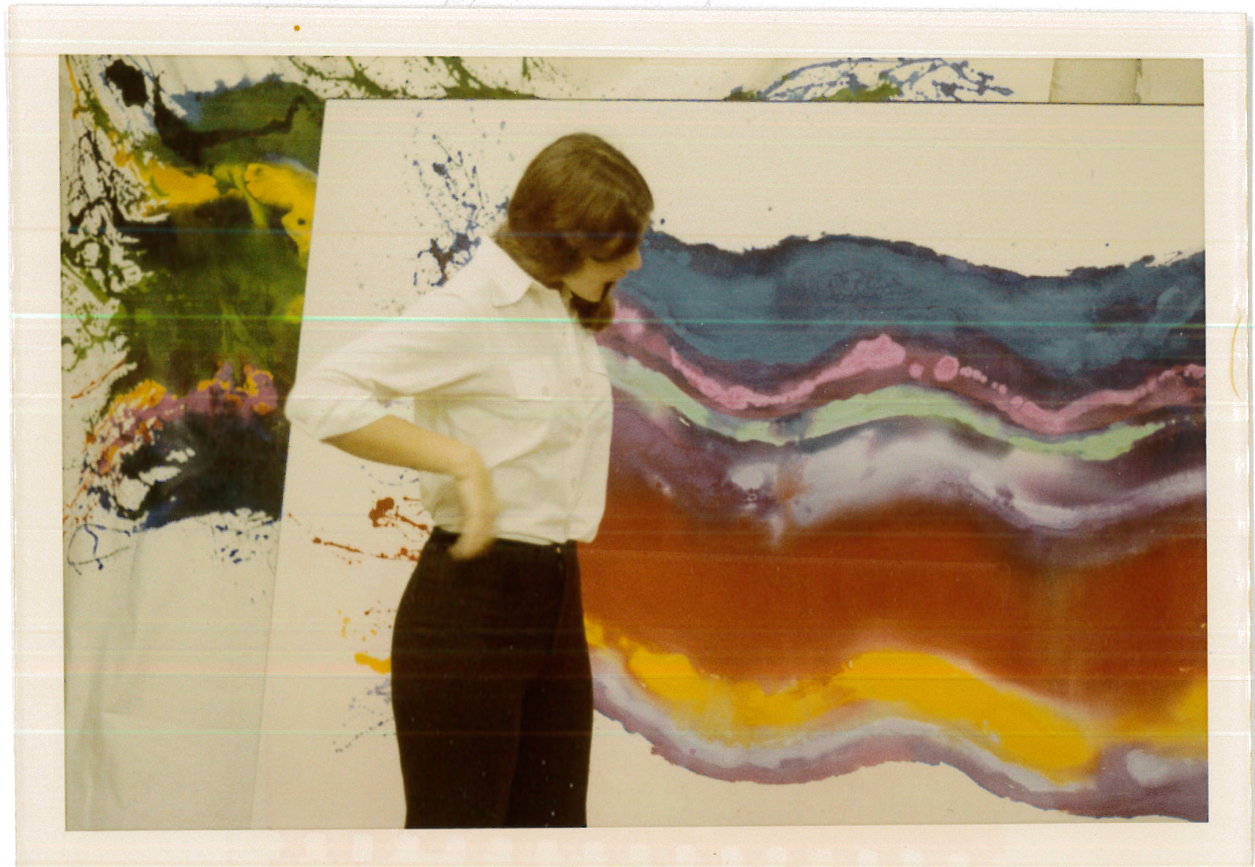
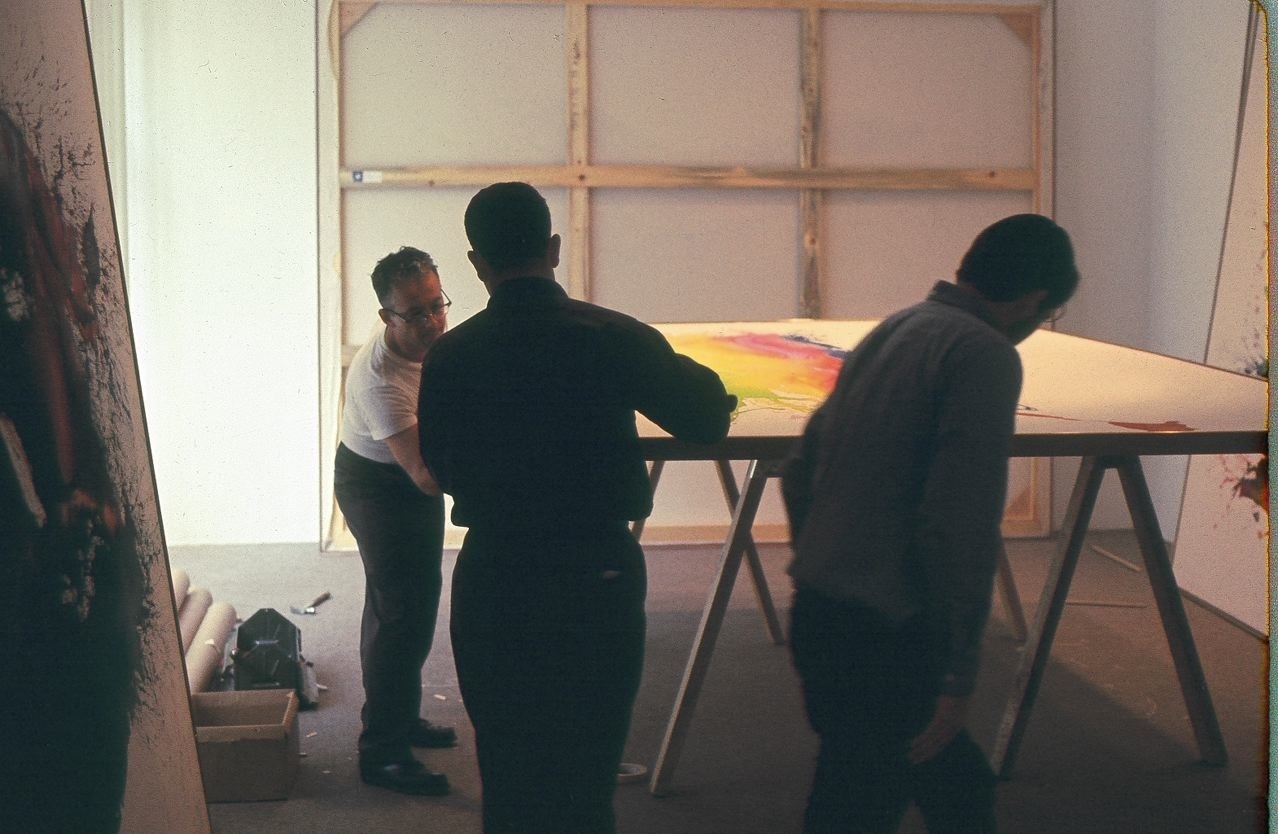
Early Wave Paintings
1969–70
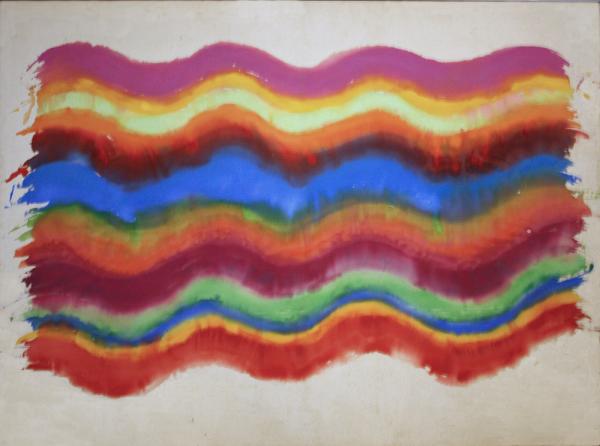
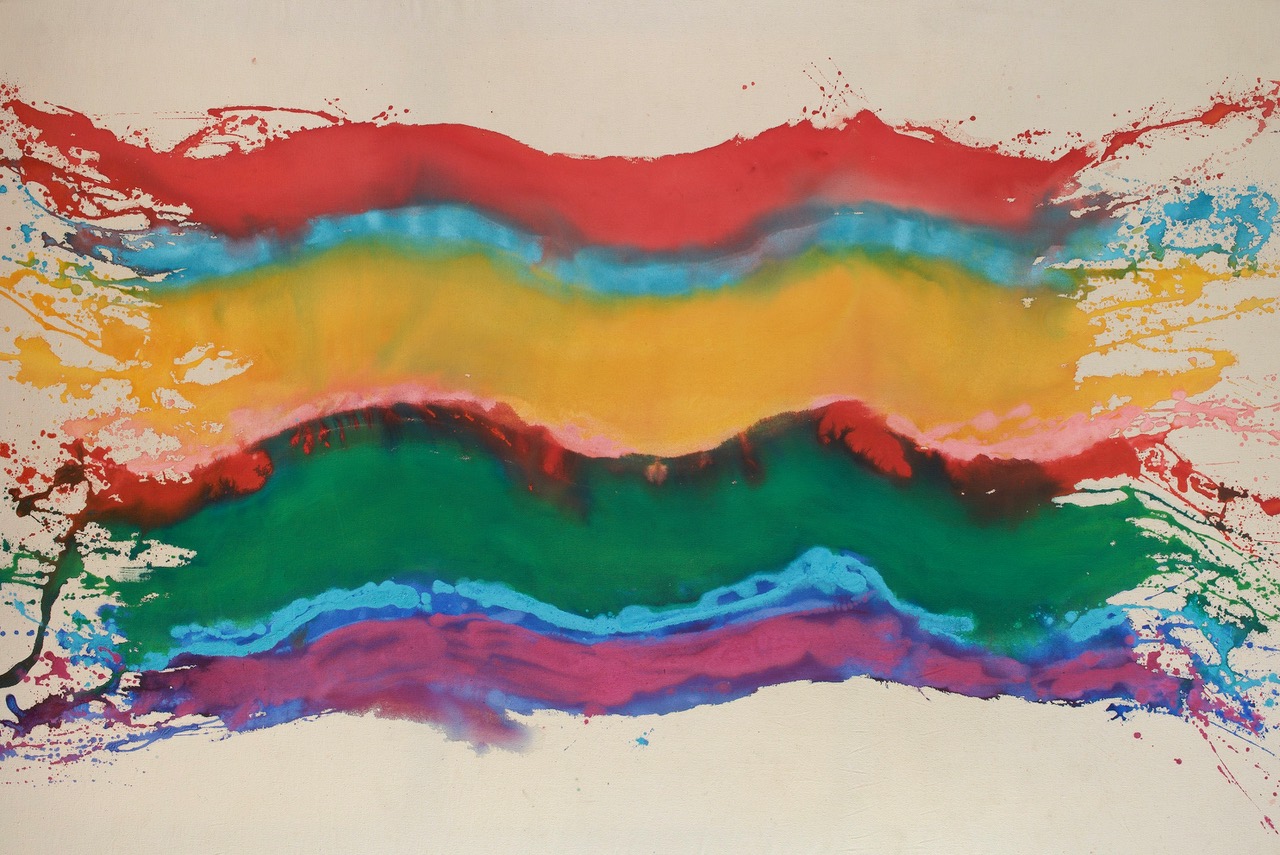
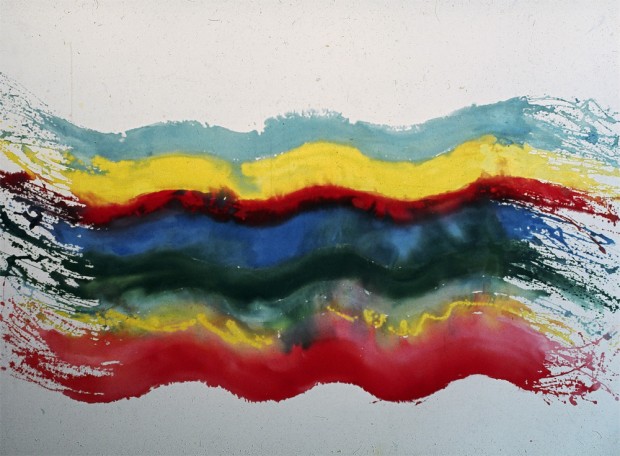
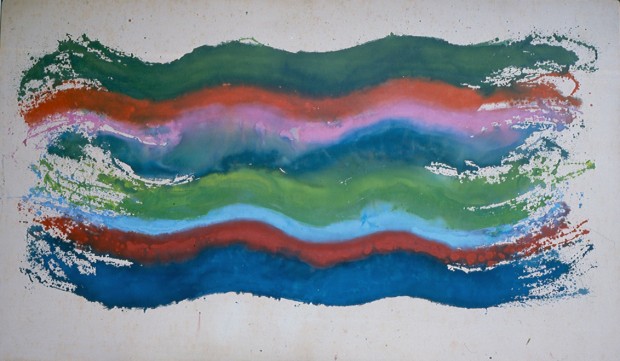
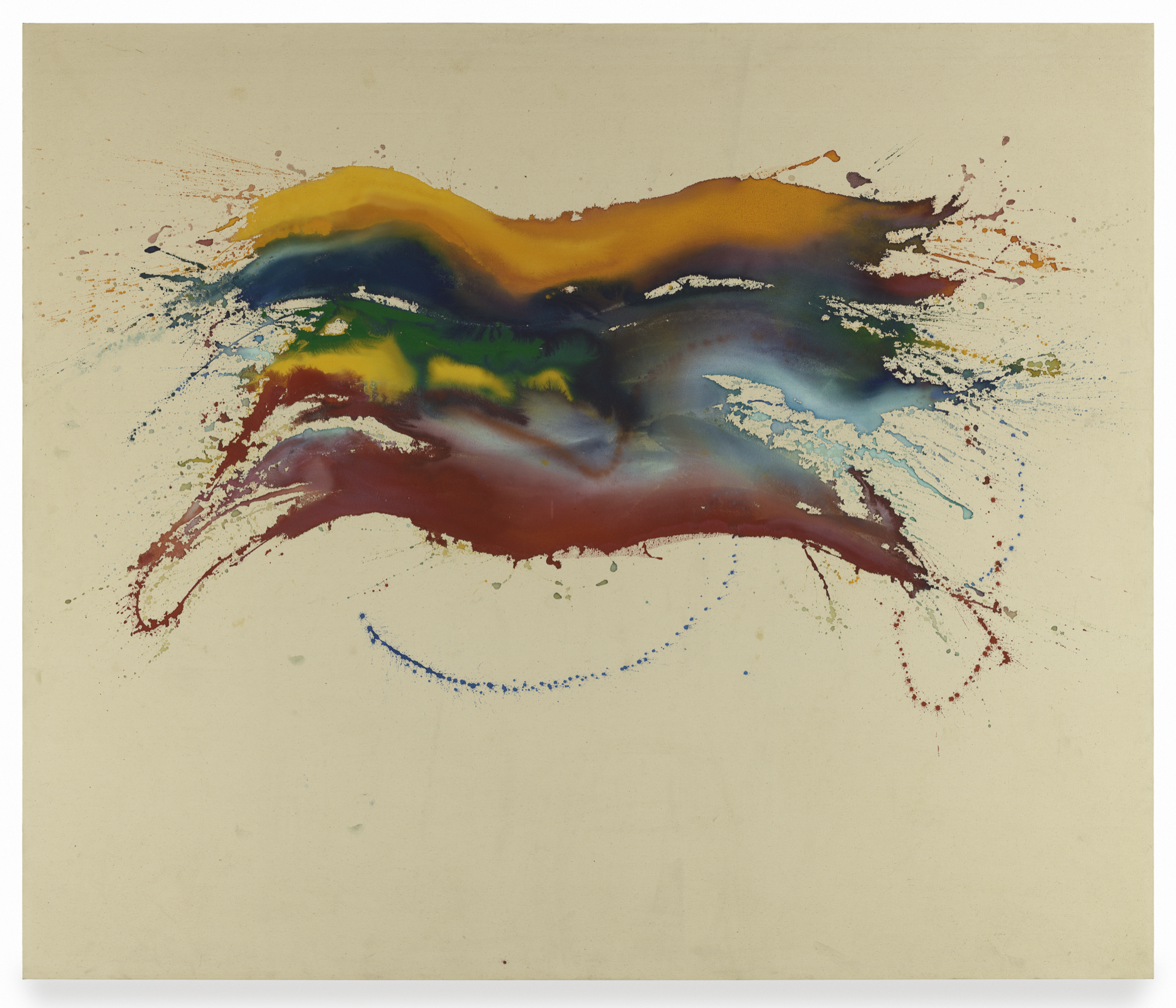
In the Studio: Early Wave Paintings
Variations on a Theme
1974–76
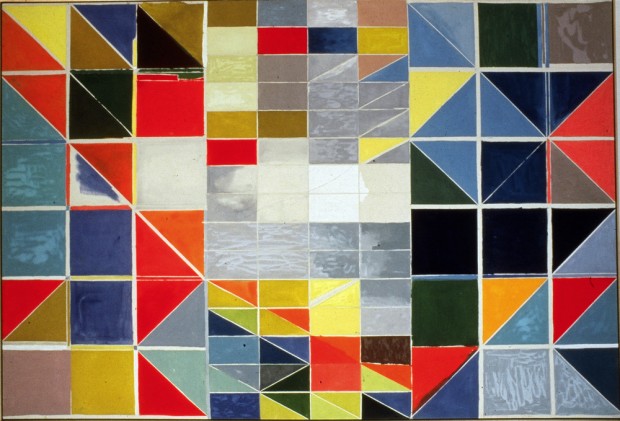

Exhibition: Variations on a Theme
Close-Value Paintings
1990–99
In Situ: Close-Value Paintings
Shifting Gears
1999–2000
Column Paintings
2005–08
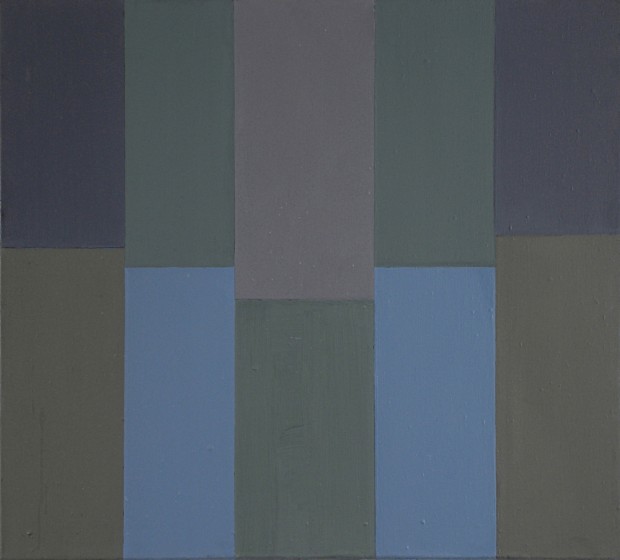
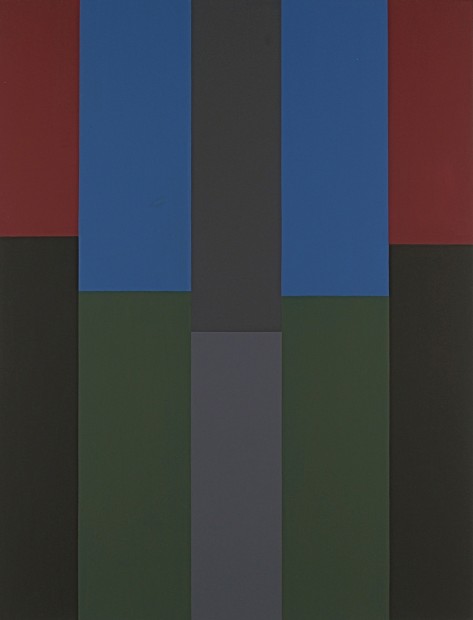
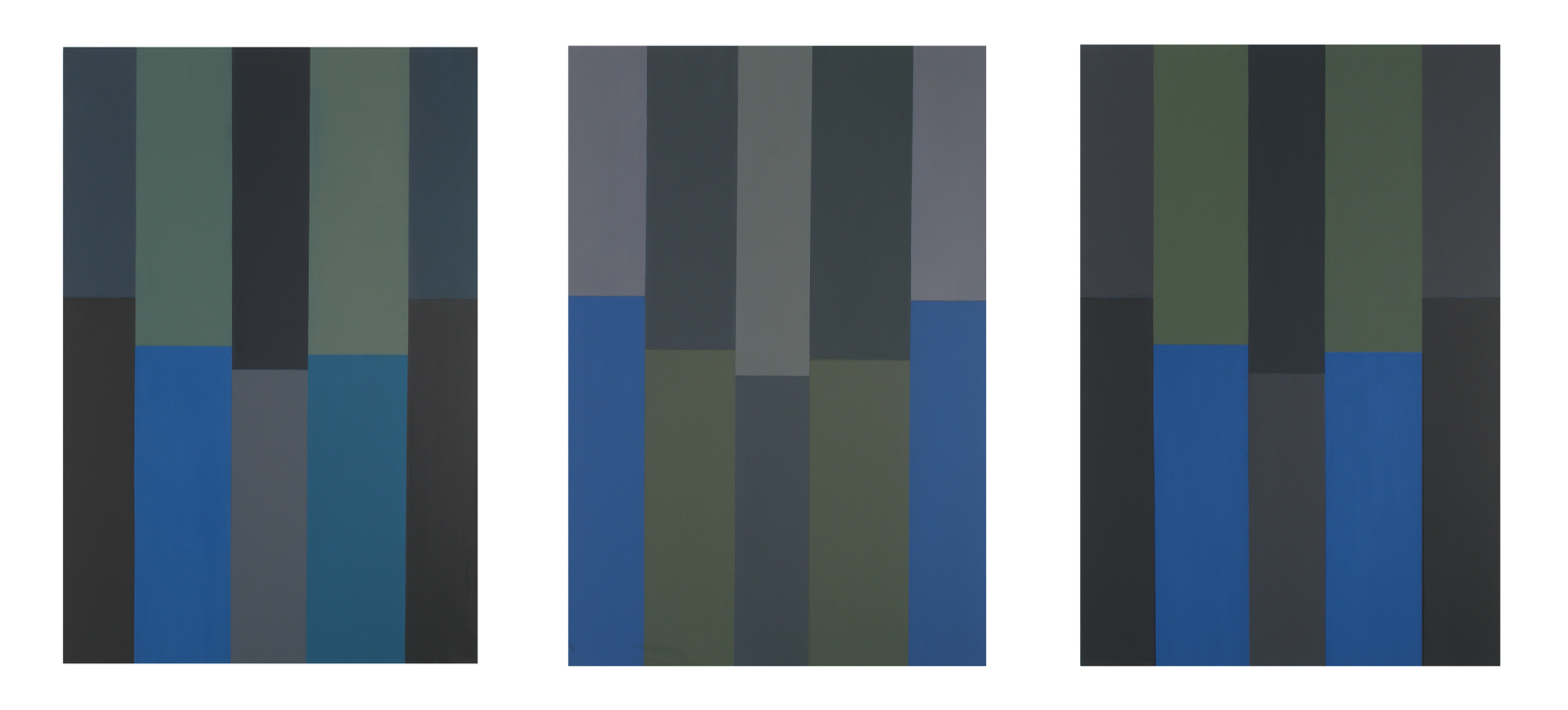
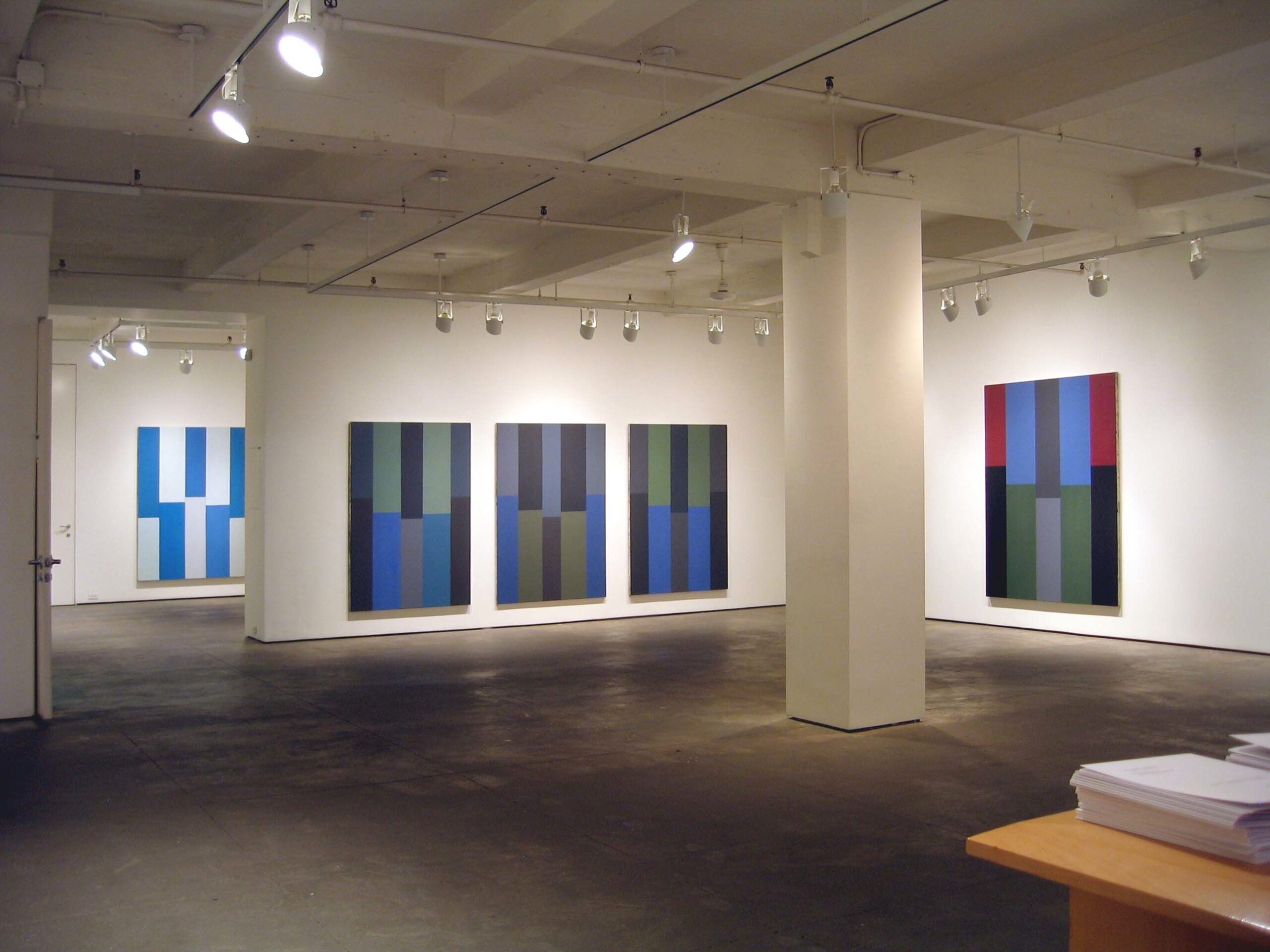
On Display: Column Paintings
Explore the Archive
-
Jon H. Alvarez
B.Arch. ’77
![Spherical pendant lights hang from a wood-clad ceiling, past a balcony.]()
-
Alan Chimacoff
B.Arch. ’64
![Street-level view of a building at dusk.]()
-
Kirk Harris
Ph.D. CRP ’92
![A group of adult Black men and one Black woman sit around a table where they created a diagram on a large sheet of paper.]()
-
Shelly Silver
B.F.A. ’80
![A video camera is filming in an art museum.]()