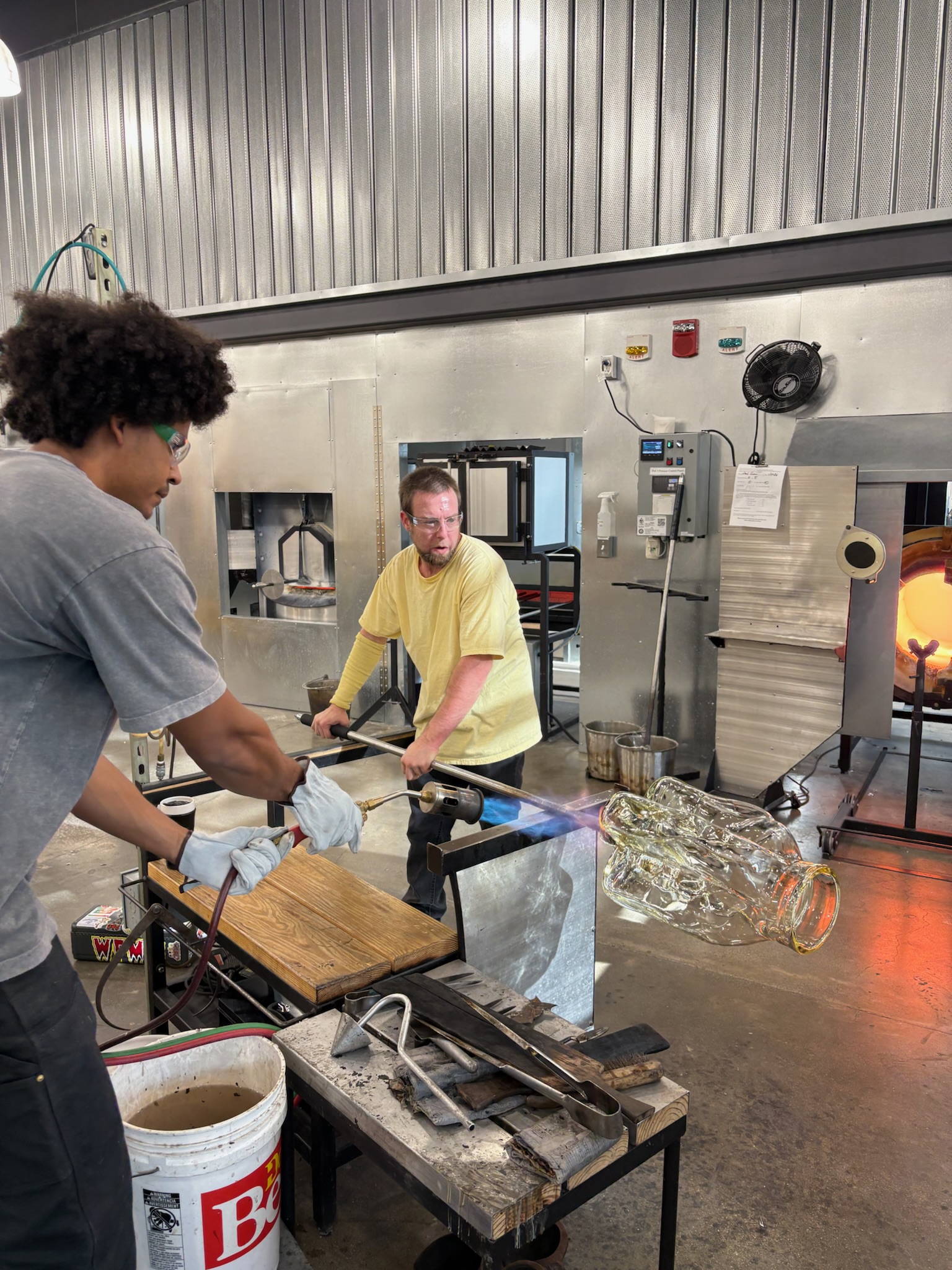
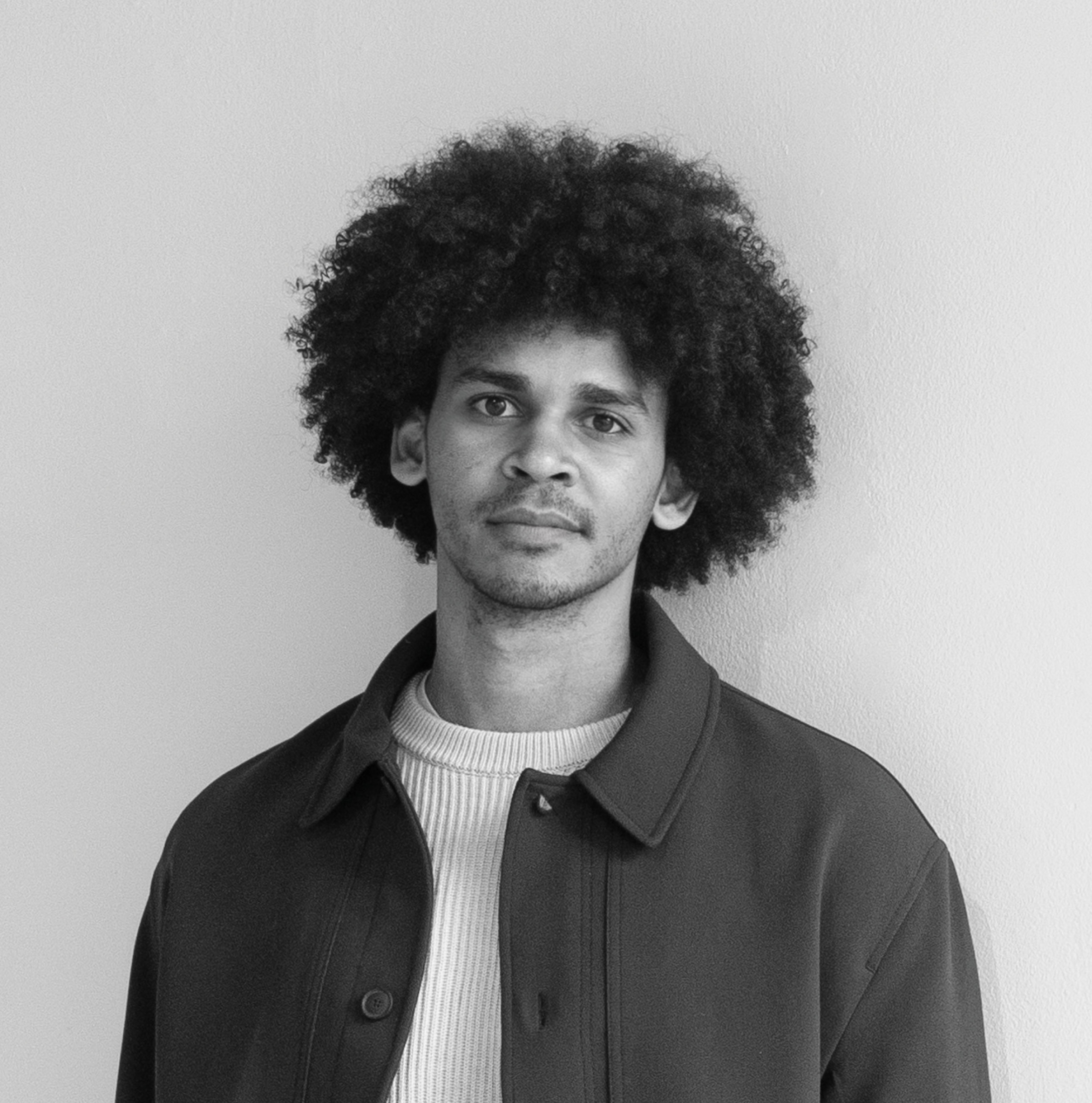
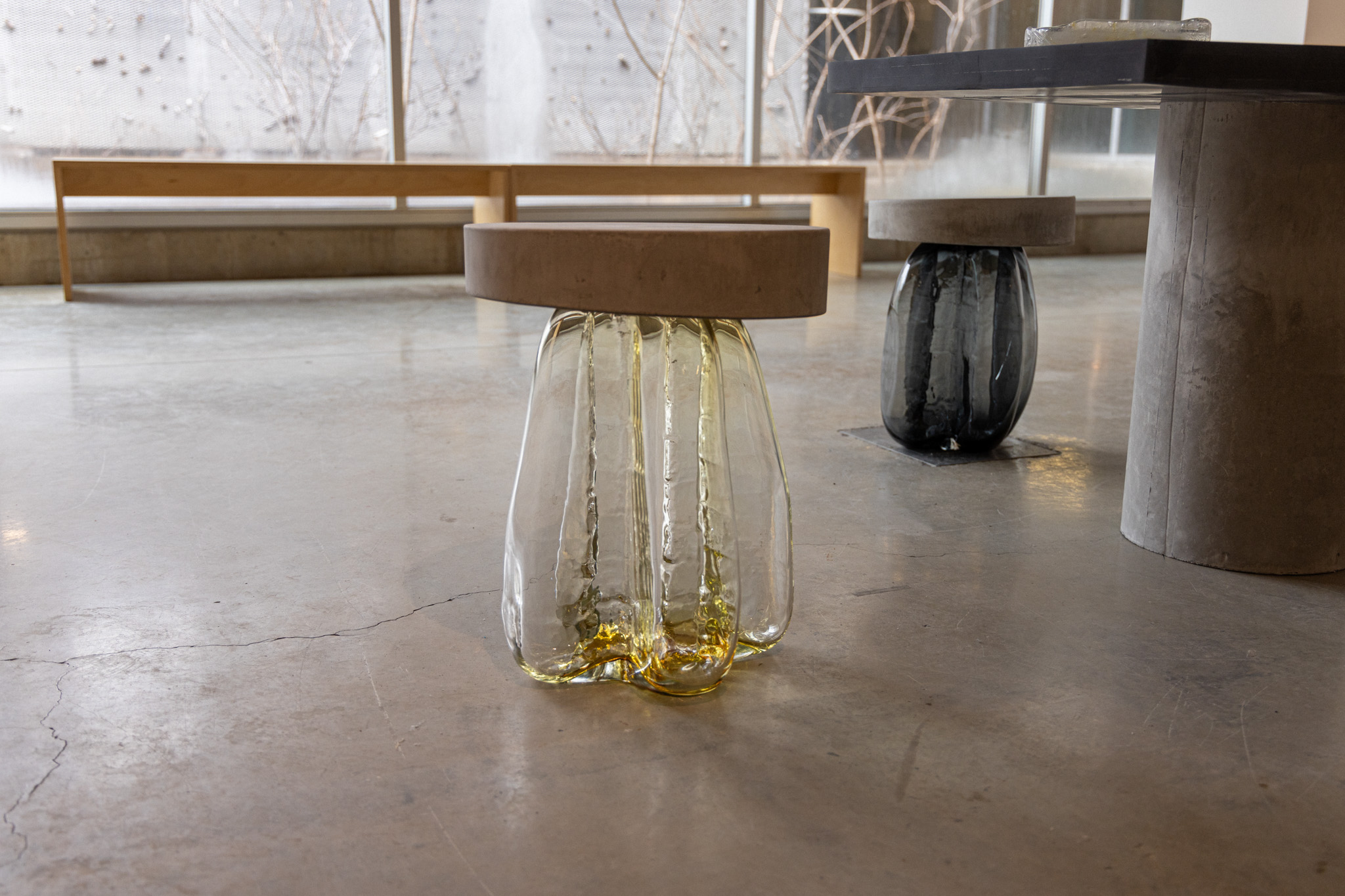
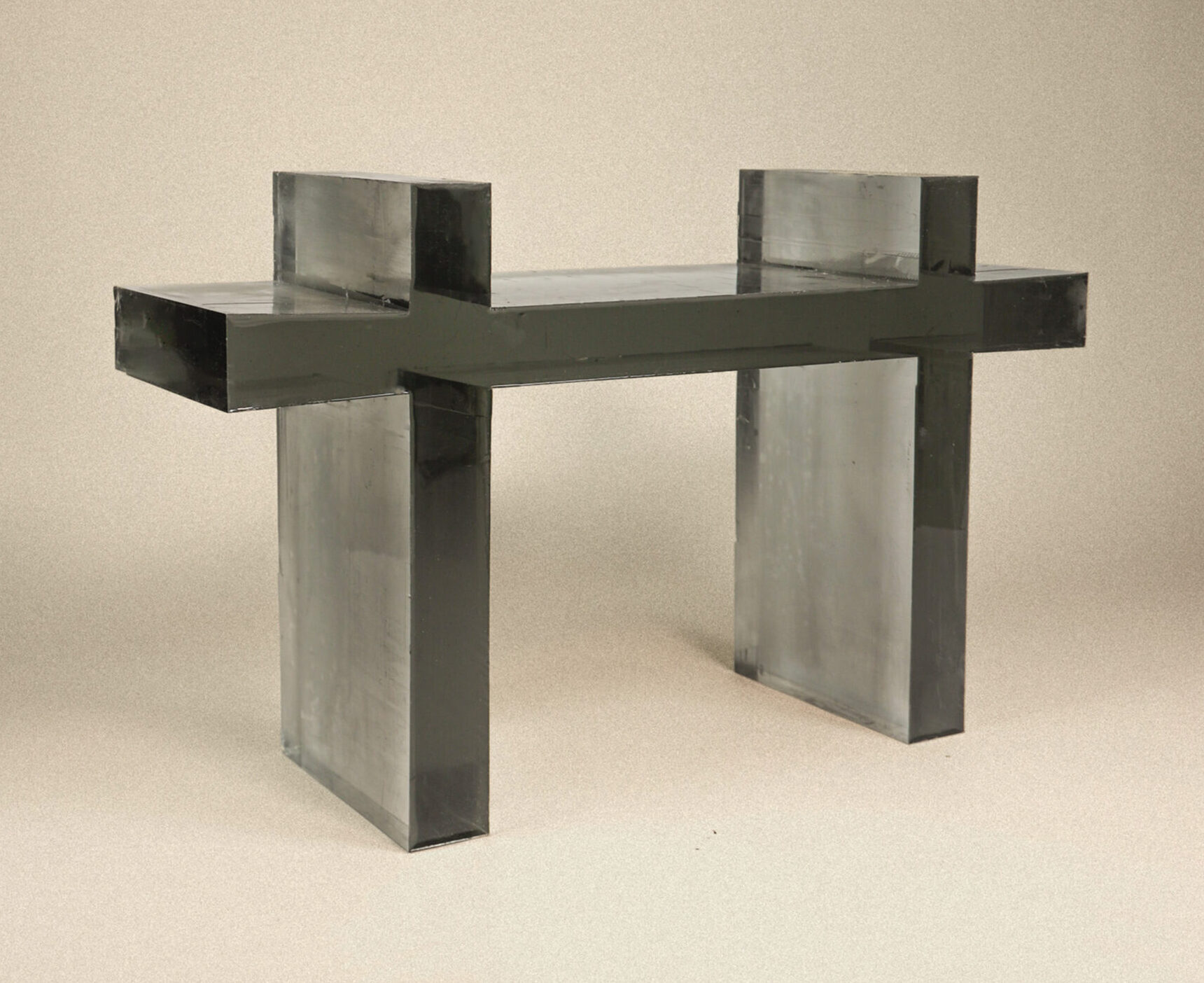
As the founder of Noah Gear Studio, my practice investigates how objects, spaces, and structures become essential reference points through which shared experience, cultural identity, and memory can be captured and reconstructed. Across residential architecture, curated exhibitions, and material experimentation, we explore how time is documented through the objects and spaces that hold us, positioning the built environment as a lasting ledger of the experiences that take place within it.
What did you learn at Cornell that has had the most benefit to you, personally or professionally?
The most valuable thing I learned at Cornell was to resist defining my practice too narrowly. Architecture became a framework through which I could explore objects, materials, fabrication, exhibition, and research, rather than a boundary around what I was allowed to make. Cornell gave me the space to follow those interests while developing the rigor to connect them back to a larger architectural practice.
Architecture became a framework through which I could explore objects, materials, fabrication, exhibition, and research, rather than a boundary around what I was allowed to make.
What did you say “yes” to that led you to a meaningful or unexpected professional opportunity?
I said “yes” to becoming a teaching assistant for Visual Representation II, an experience that helped me realize how much I enjoyed teaching and, more importantly, that I did not have to wait decades into my career to pursue it. Through the mentorship of several professors, I began to see a career path in which teaching and operating a studio could exist simultaneously, allowing research, pedagogy, and professional practice to continually inform one another.
What would you say is your most important achievement since graduation?
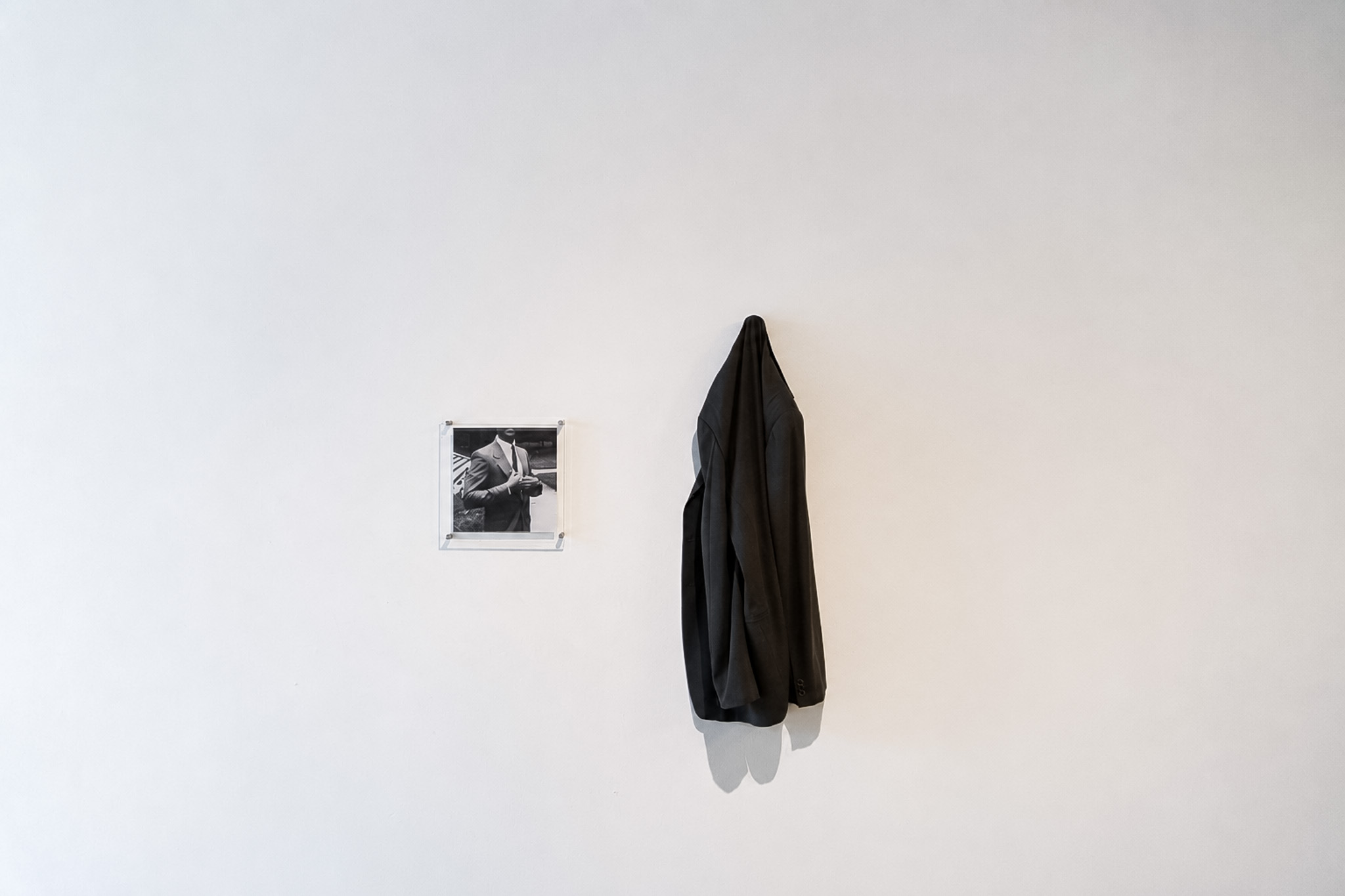
My most important achievement since graduating has been having the courage to start and sustain my own studio. Building a practice has required a constant work ethic and willingness to learn, not only as a designer, but across the many skills required to run a business, build relationships, manage projects, and create opportunities. Perhaps most importantly, it has taught me to keep going through uncertainty and difficult moments. To now have three commissioned houses, with one currently under construction, feels especially meaningful because each represents the trust others have placed in a practice I am still actively building.
Tell us about something that has shaped your career path in a meaningful or unexpected way.
My father has shaped my career in ways I did not fully understand when I began studying architecture. Designing a house for him has made architecture deeply personal, requiring me to think beyond the building itself and consider the memories, objects, routines, and shared experiences that give a space meaning over time. That process has become an important reference point for my broader practice and has influenced how I think about the built environment as a lasting record of the lives and experiences it holds.
More Beyond AAP Alumni
-
Jingyang Liu
M.Arch. ’15, M.S. MDC ’18
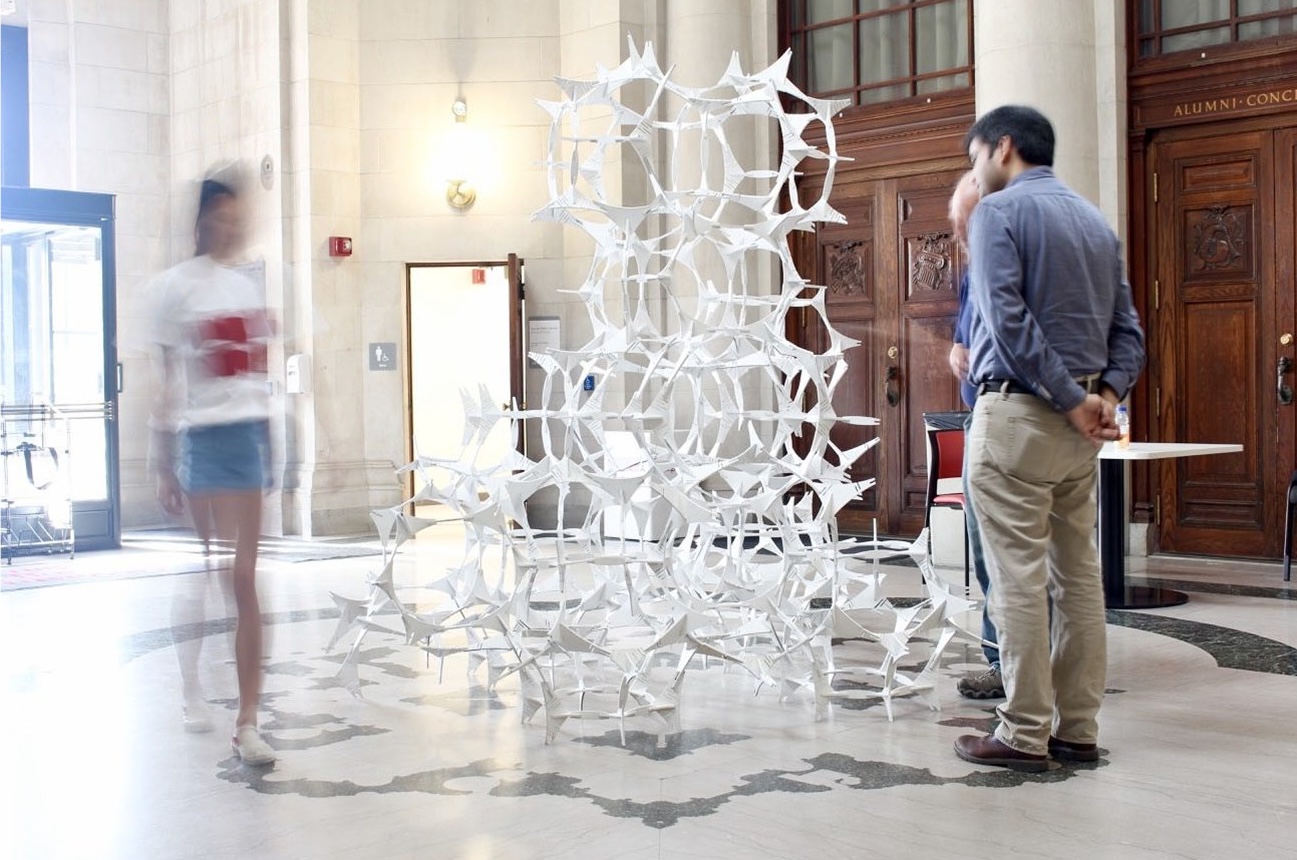
![Two people standing next to a large white object resembling an organic sculpture structure.]()
-
Marcos Escamilla-Guerrero
M.S. AAD ’24
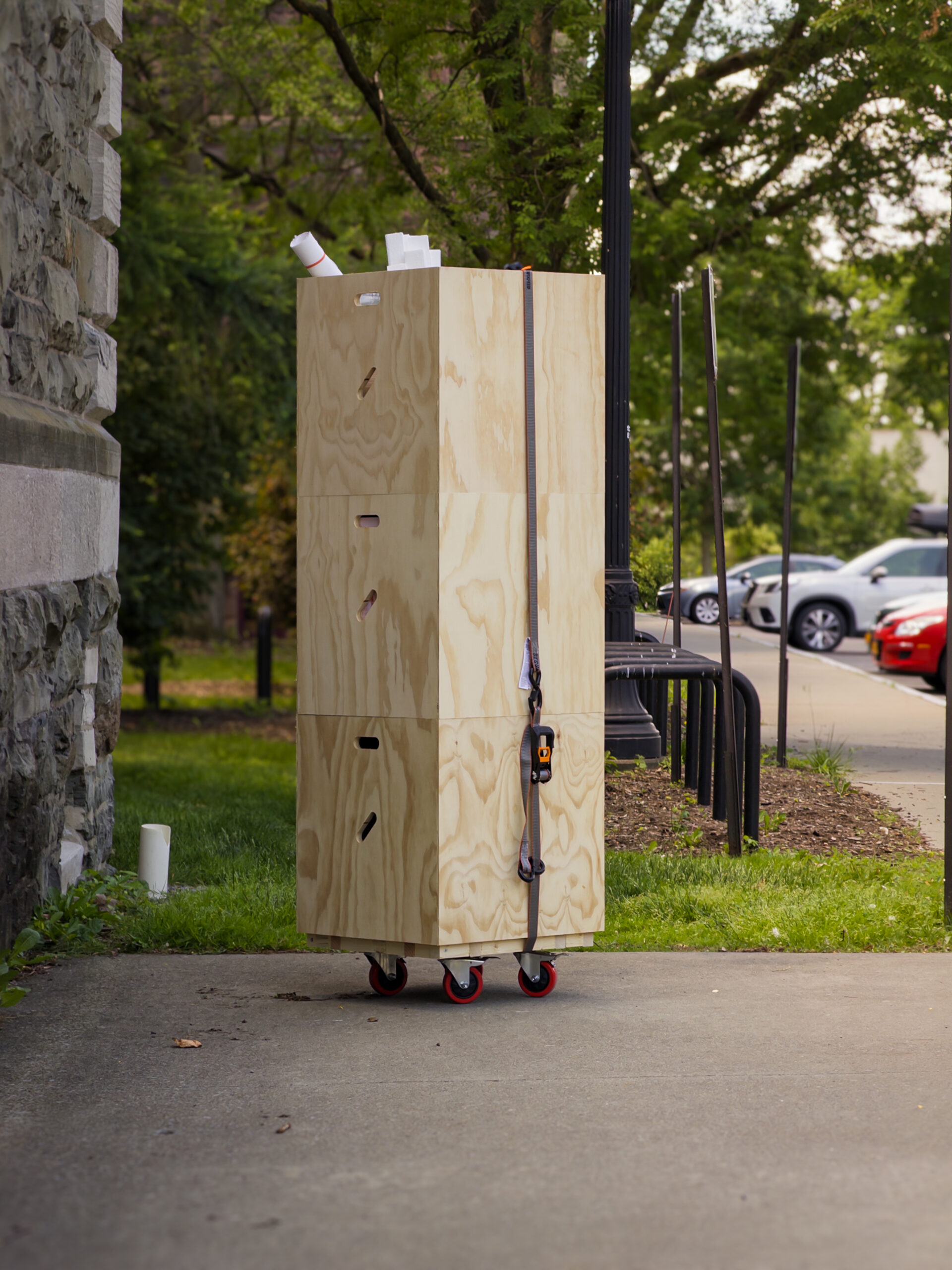
![wooden boxes stacked on top of each other with a ratchet strap and wheel platform underneath.]()
-
Anna Warfield
B.F.A. ’18, Communication ’18
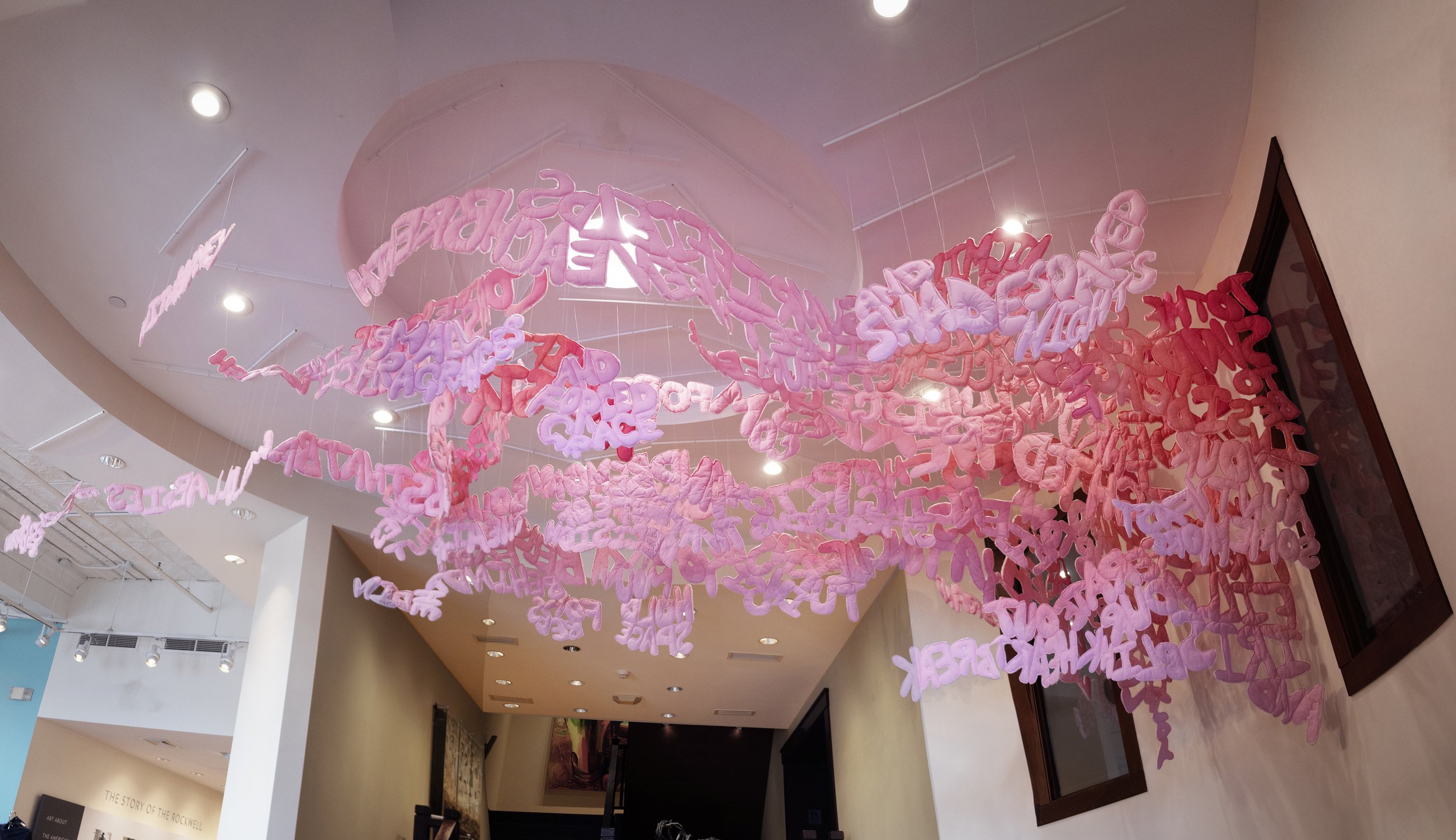
![an art display in a gallery]()
-
Rimjhim Singh
M.S. AAD ’23
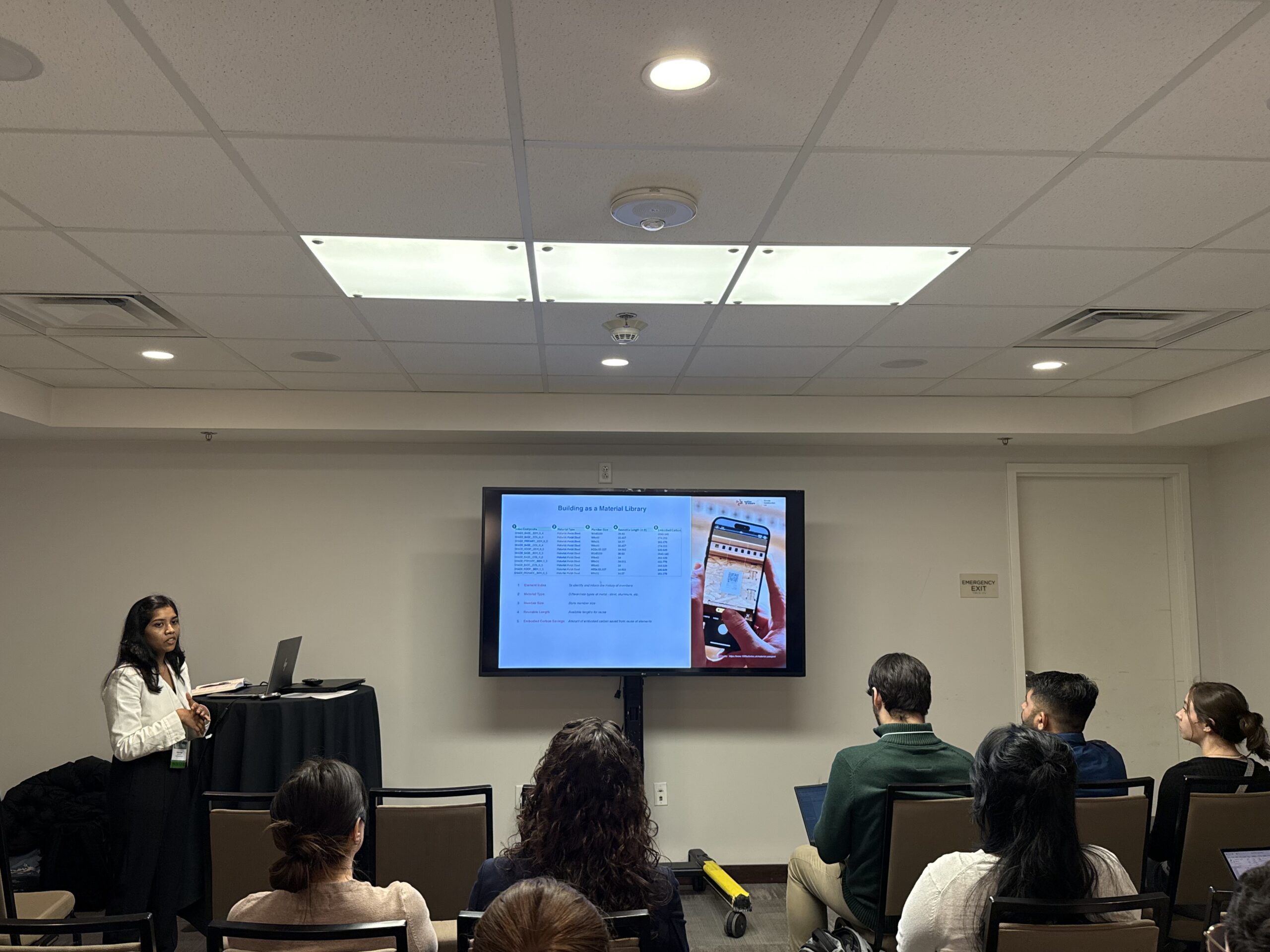
![a person giving a presentation in front of an audience with a large TV screen mounted on the wall]()