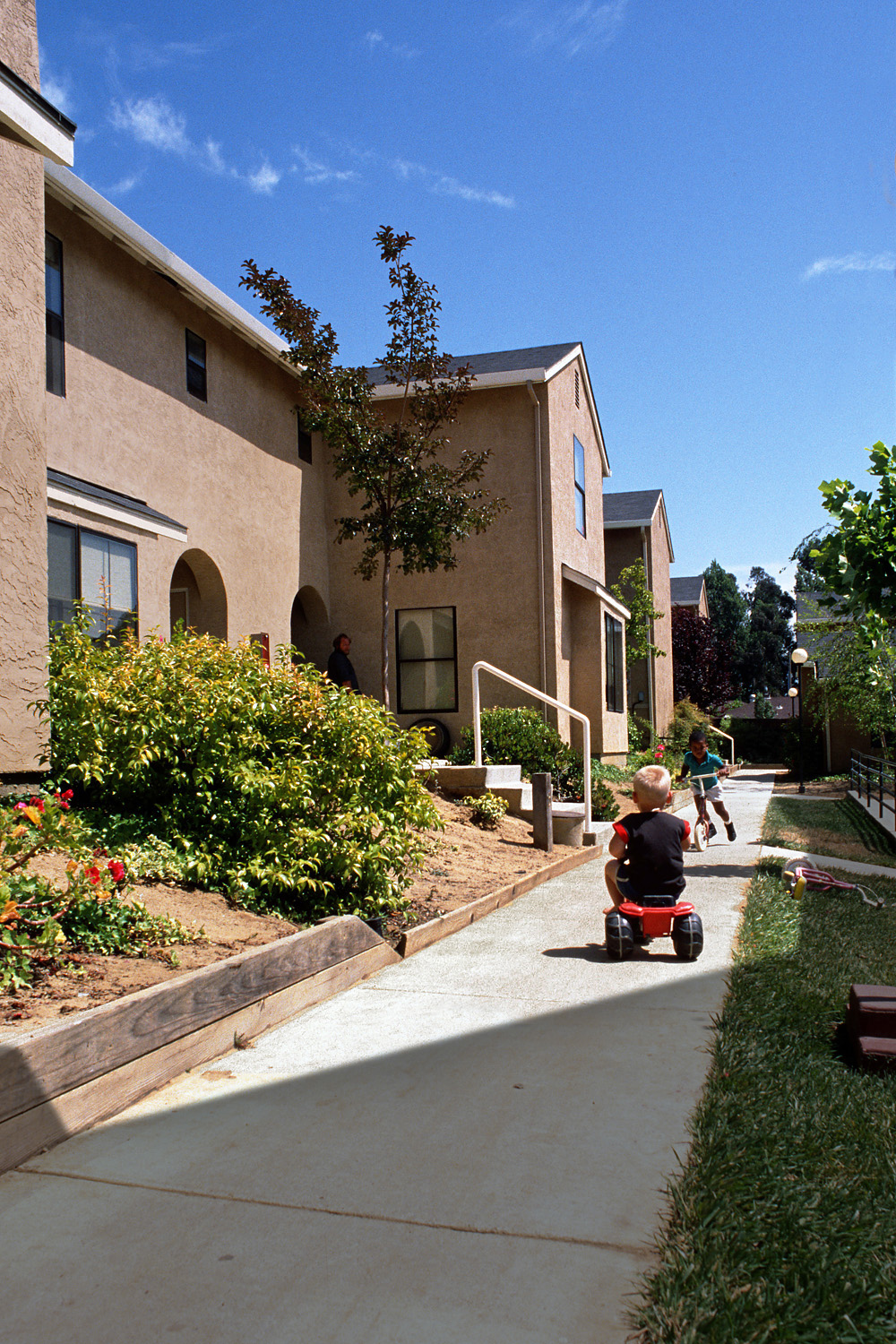
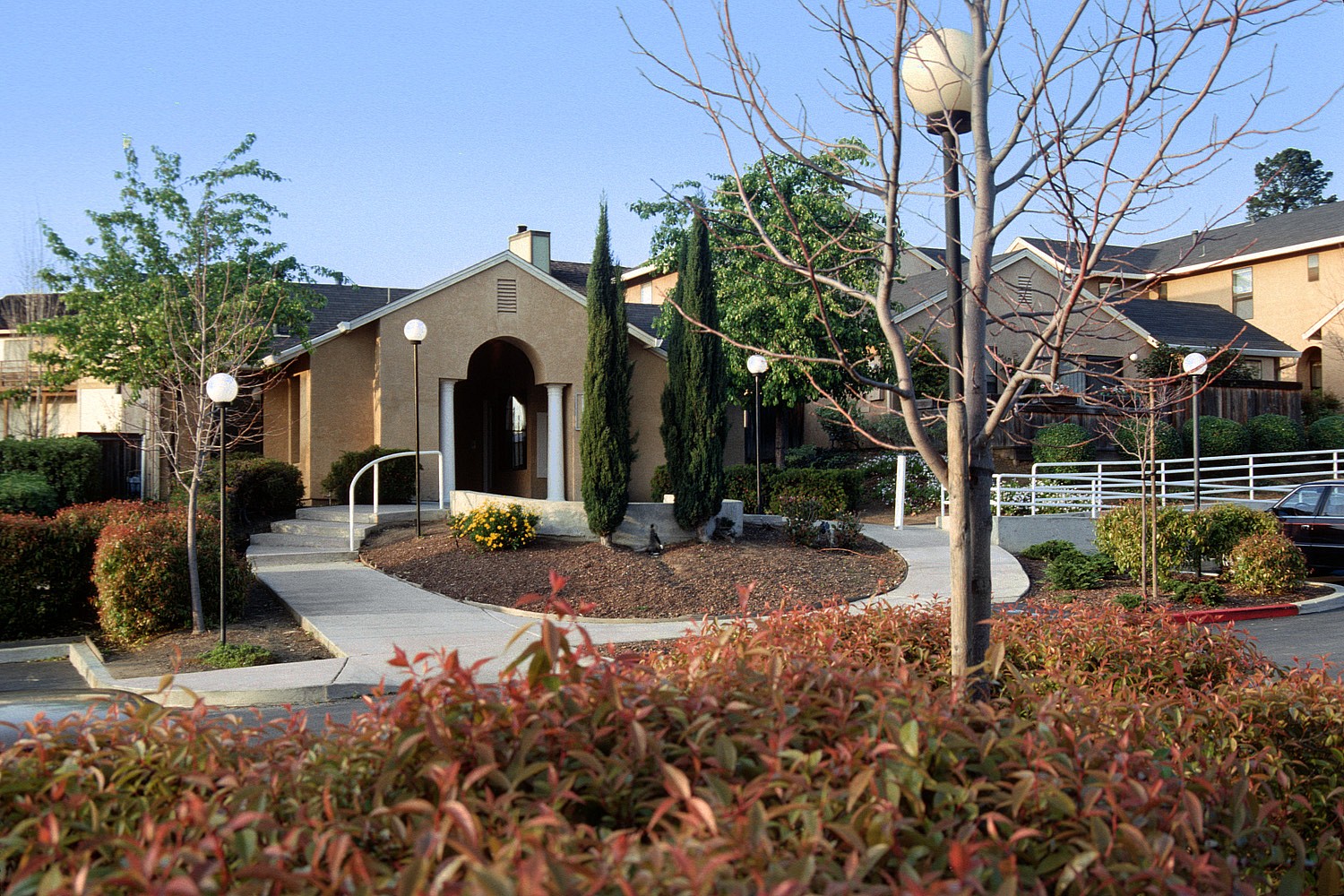
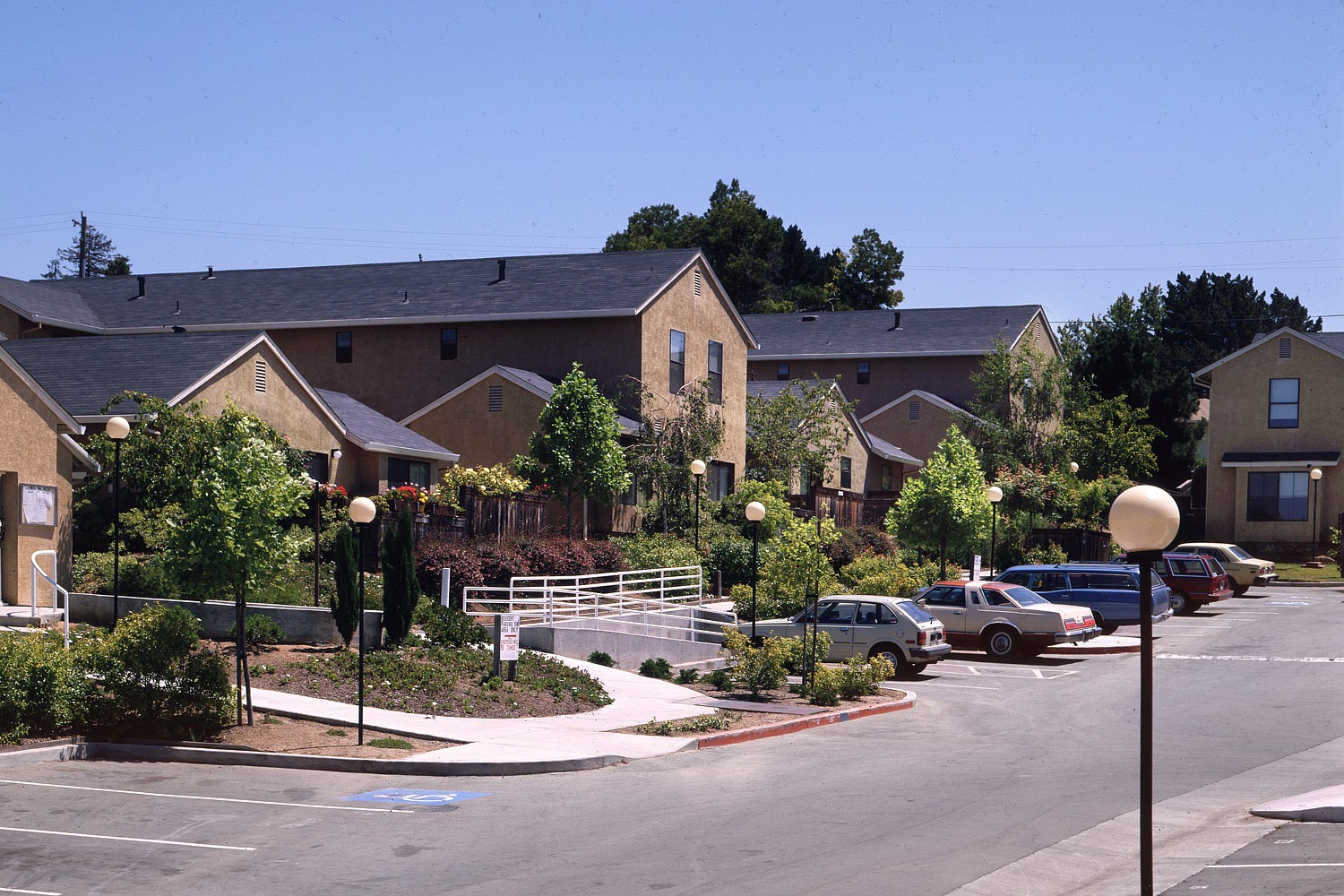
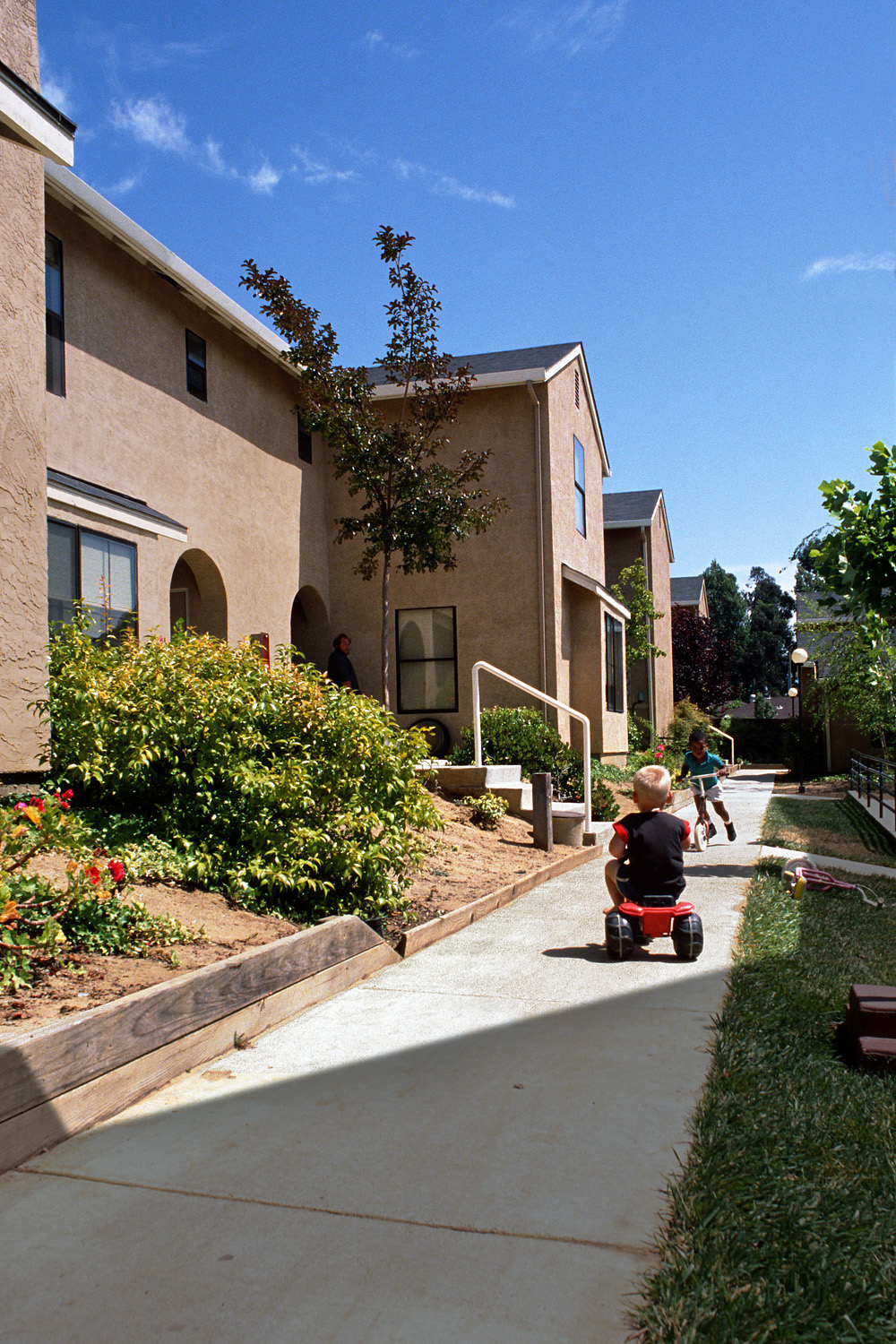
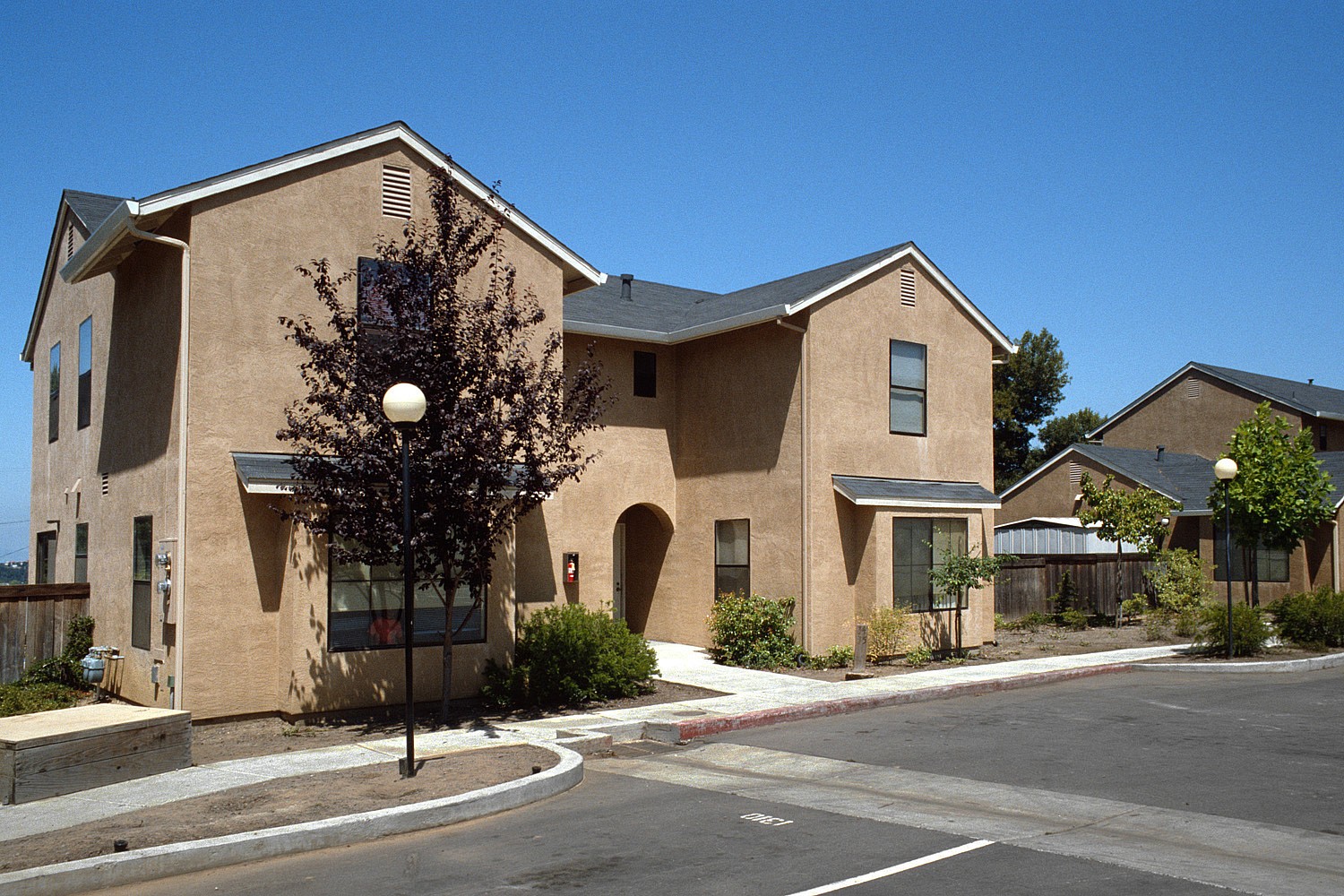
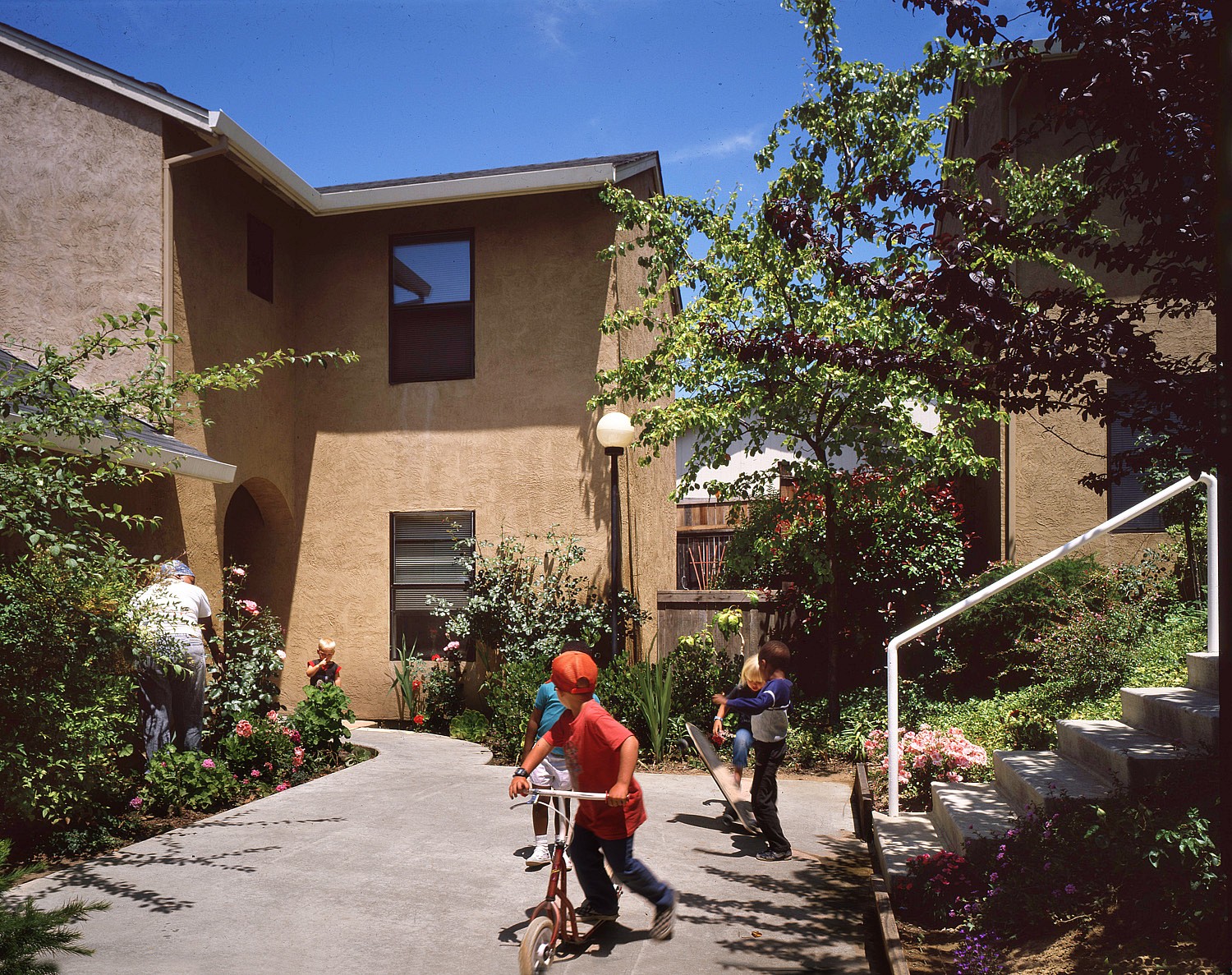
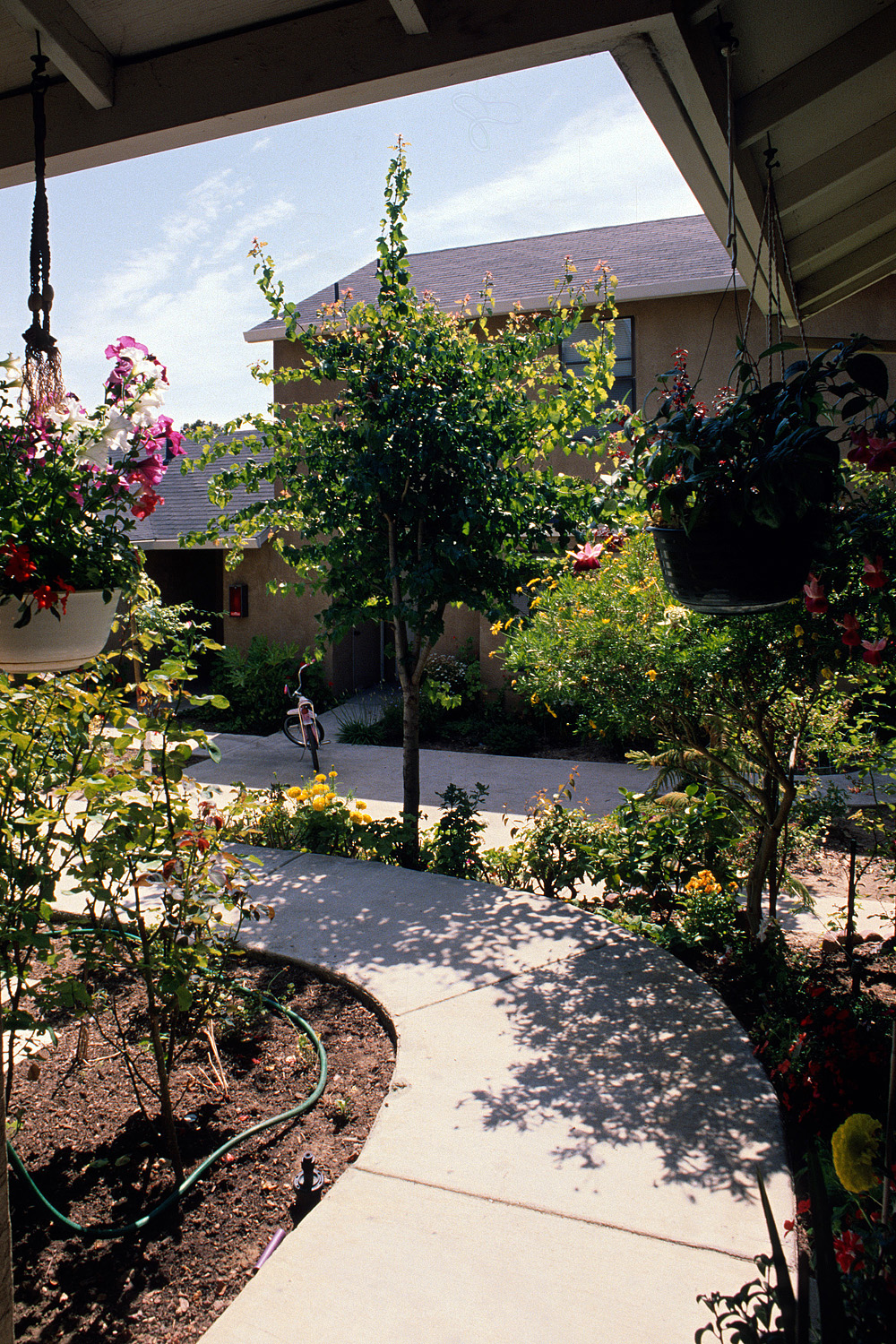
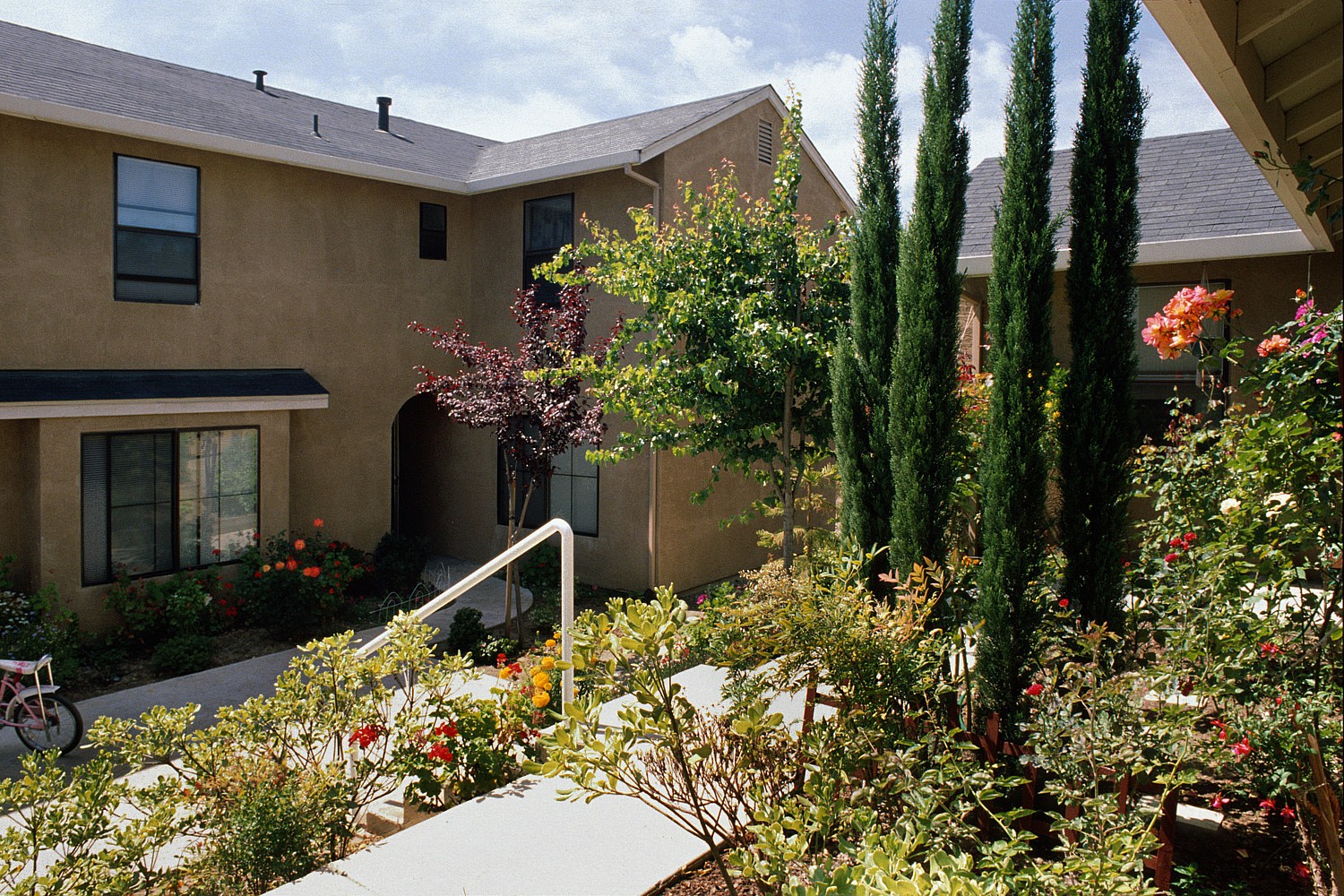
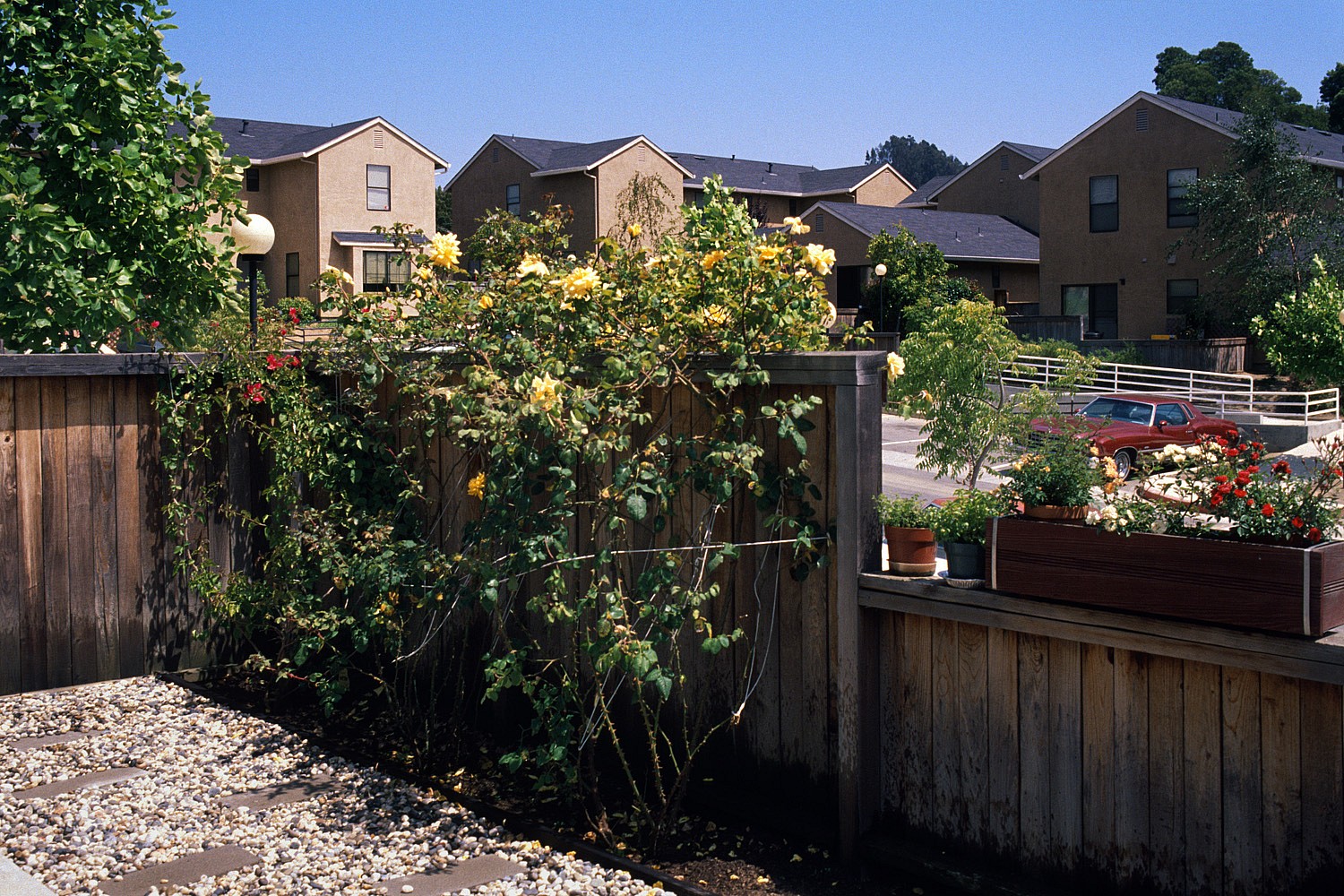
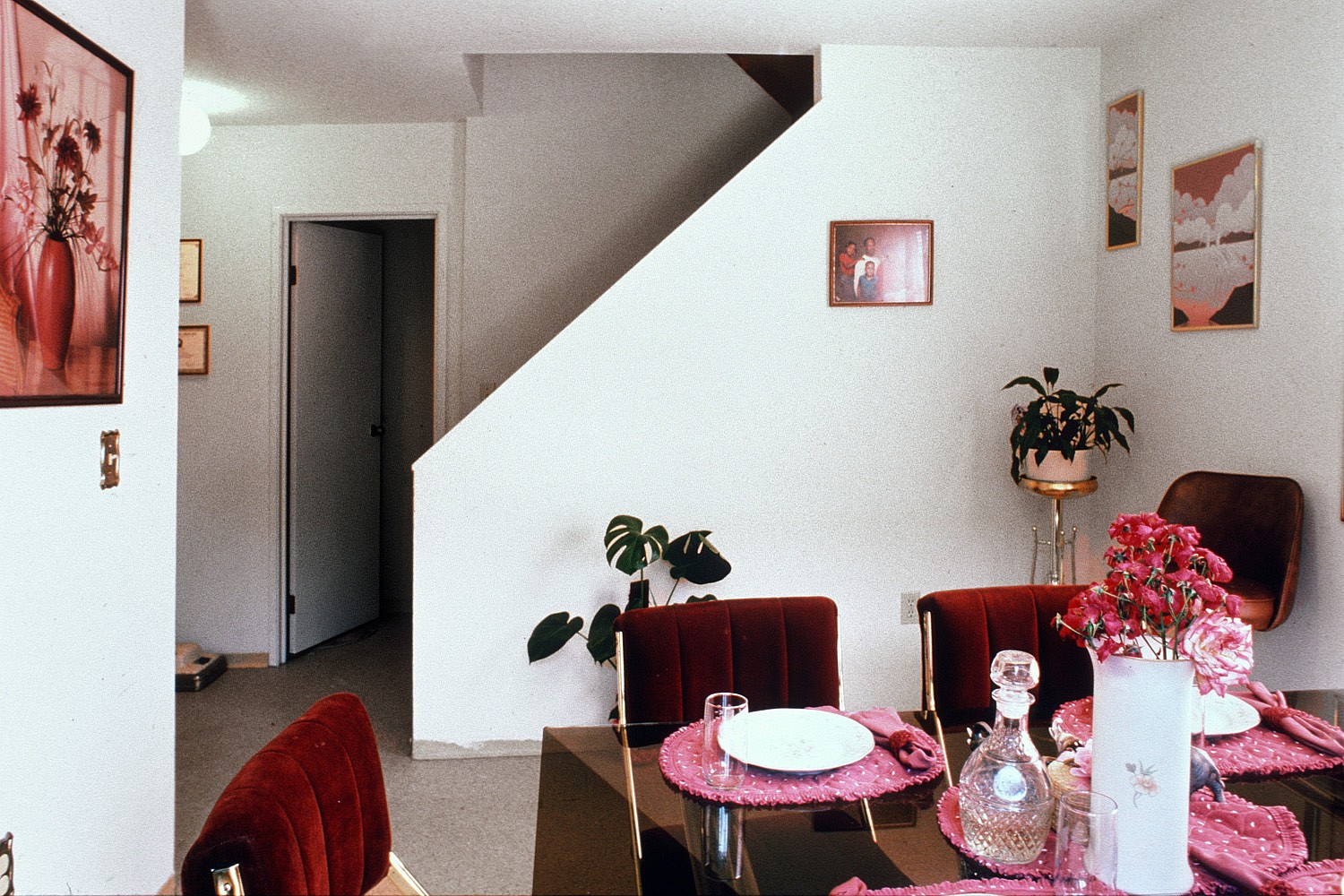
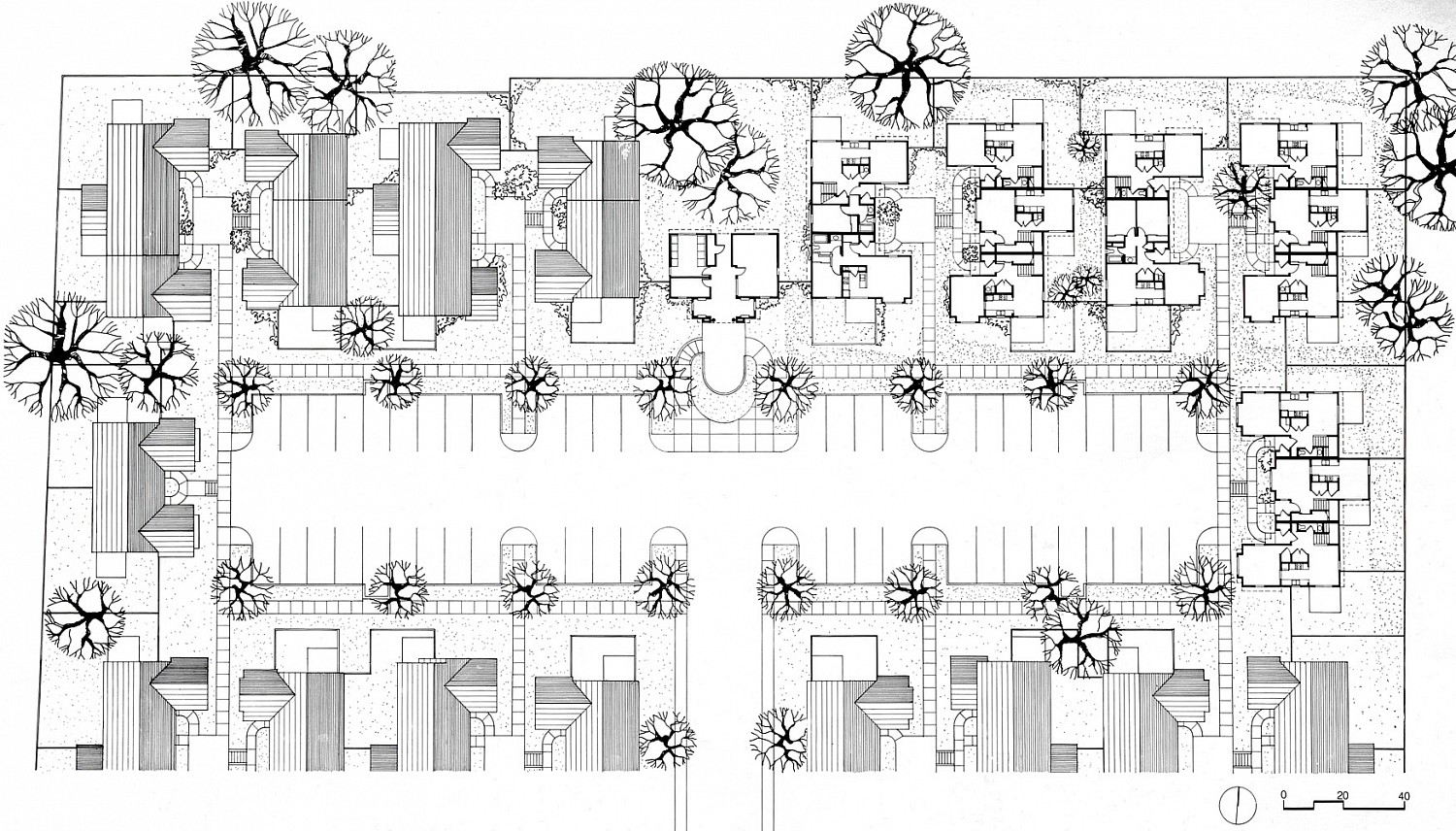
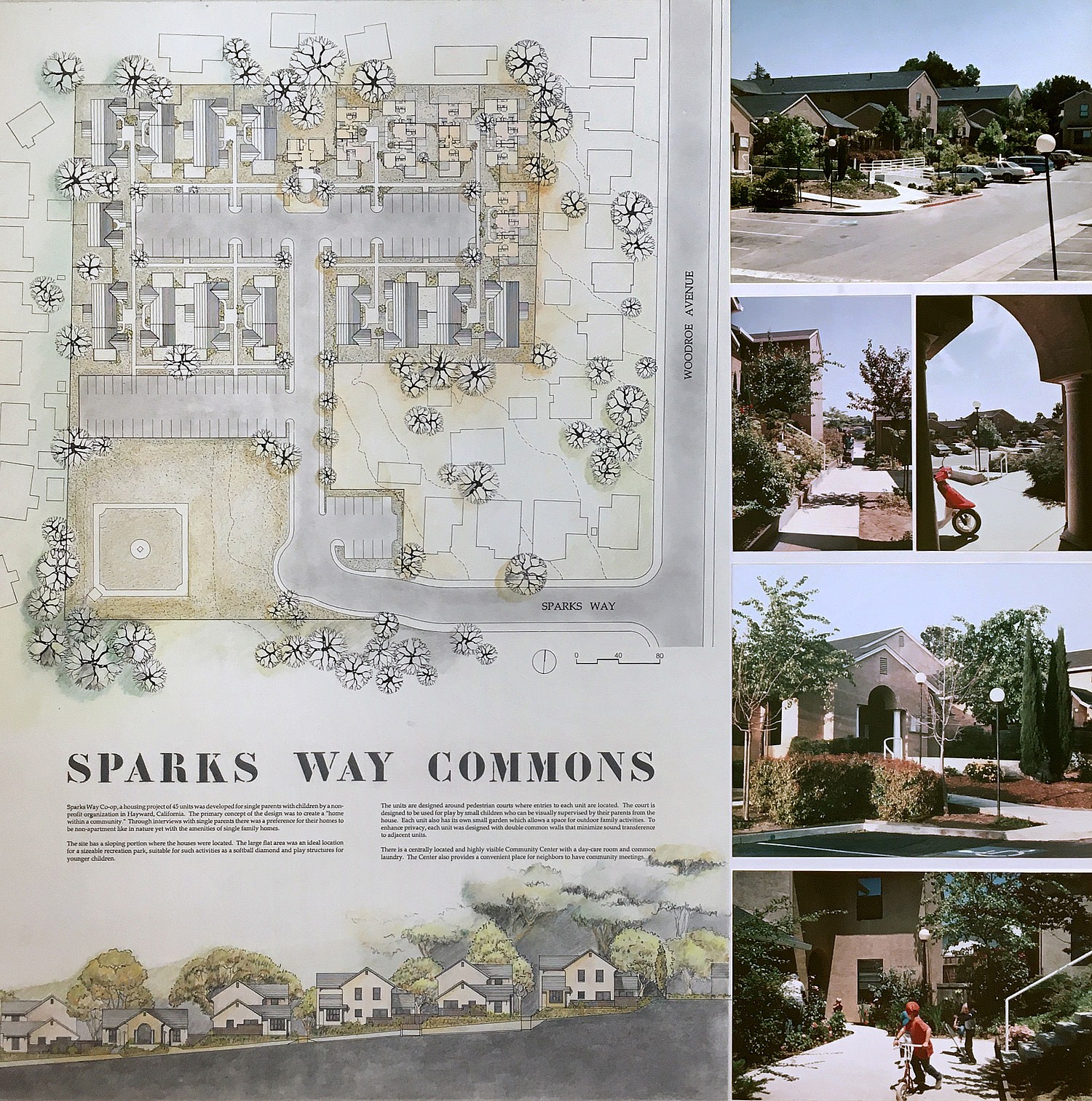
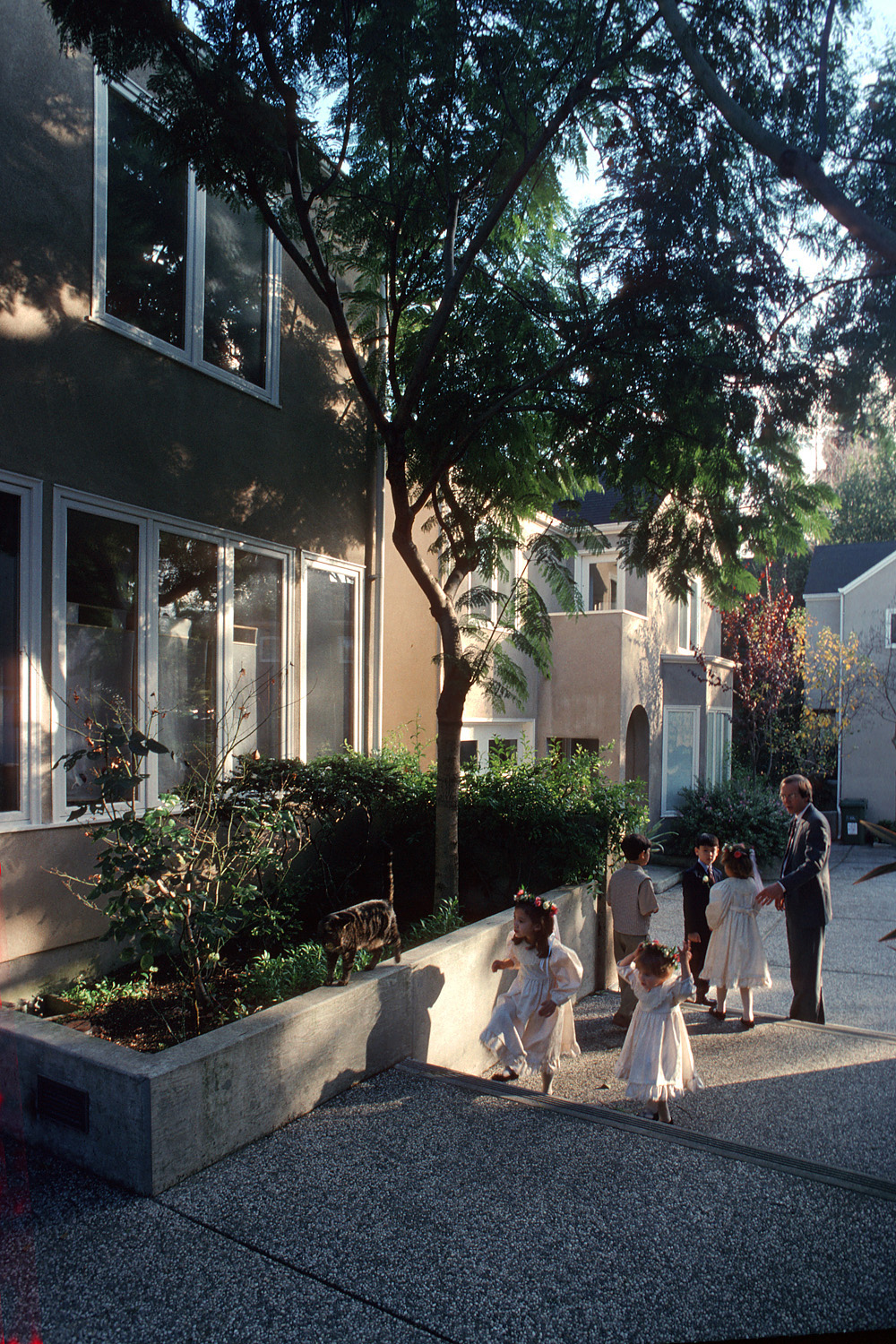
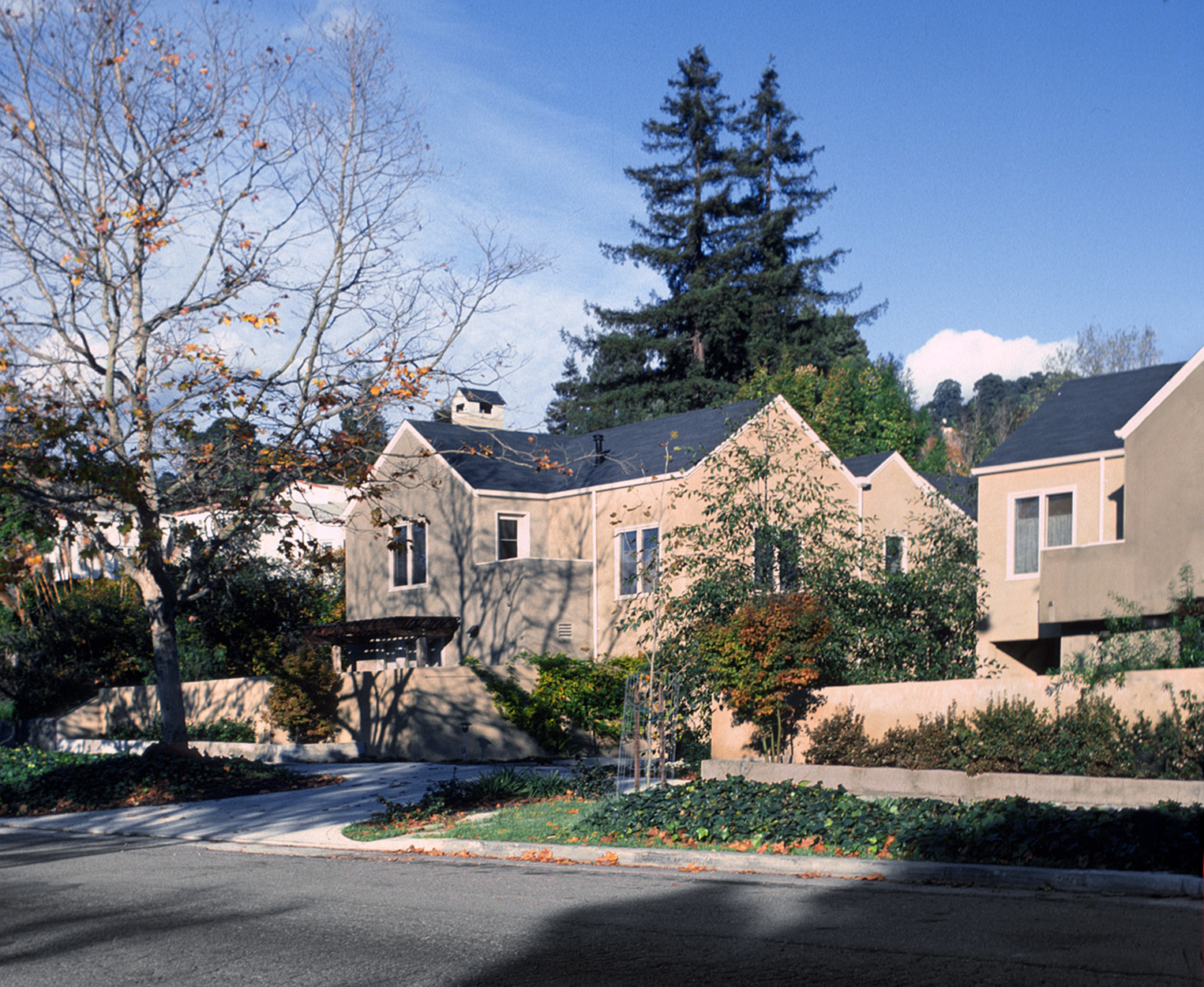
Designed by Mui Ho (B.Arch. ’66), Sparks Way Commons in Hayward, California, was the first affordable single-parent family housing project in the U.S. Ho’s innovative approach to the project put residents first from start to finish.
Conversations with the community informed her design, which included a garden for each unit where families could sit or barbeque while children played nearby. Sparks Way Commons exemplifies Ho’s mission to create architecture that considers the people she designs for. “Design is not something you do for yourself,” she says. “You have to think about the people you are serving.”
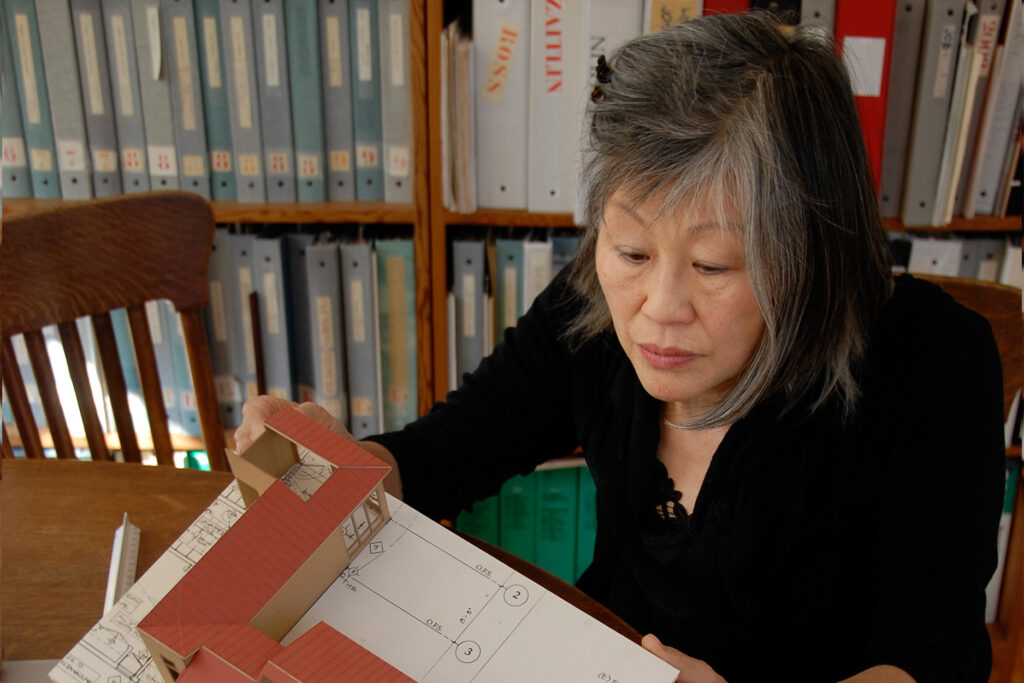
Coming to the U.S. from Hong Kong, Ho first attended Cornell as an undergraduate, earning a bachelor of science in 1962. After attending Pratt Institute to study design, she returned to Cornell to pursue a degree in architecture (B. Arch. ’66). At Cornell, Ho says she learned “to bring history back into your design,” a lesson taken from noted architectural historian Colin Rowe. After moving to Berkeley, California in 1969, Ho worked with a group of architects with a strong social mission and credits them for helping her to discover community design. “I learned how to talk to the people of the community,” she says, “how to get to them, and find information from them first-hand. That was important training for me as an architect.”
For Ho, the importance of community extends to her leadership in the design field. In 1972, she cofounded the Organization for Women Architects (OWA), which marks its 50th year in 2023. Innovative from the start for its focus on the integration of career and a balanced personal life, OWA’s mission is to create a community for women in the field of architecture and design — a place where they support each other in both their lives and their careers.

Ho’s reputation is both in research and teaching design. Combining her own architecture and community housing practice with teaching, she taught at the University of California–Berkeley College of Environmental Design for more than 30 years before retiring in 2008. She also taught classes on regional architecture in China, where students would learn “to understand a place’s people, culture, and environment.” According to Ho, the vernacular architecture of a place “has the ability to reflect the culture, their values, the people, and the environment.”
Ho recounts her proudest professional accomplishment as an educator when, nominated by her students, she received the Distinguished Professor Award by the Association of Collegiate Schools of Architecture. Her conviction is that architecture as a part of culture must relate to its time, its place, and its people. Ho shares this advice to young architects: “If you don’t know history, your design has no foundation. Everything is interrelated.”
Projects
Click to view project images full screen.
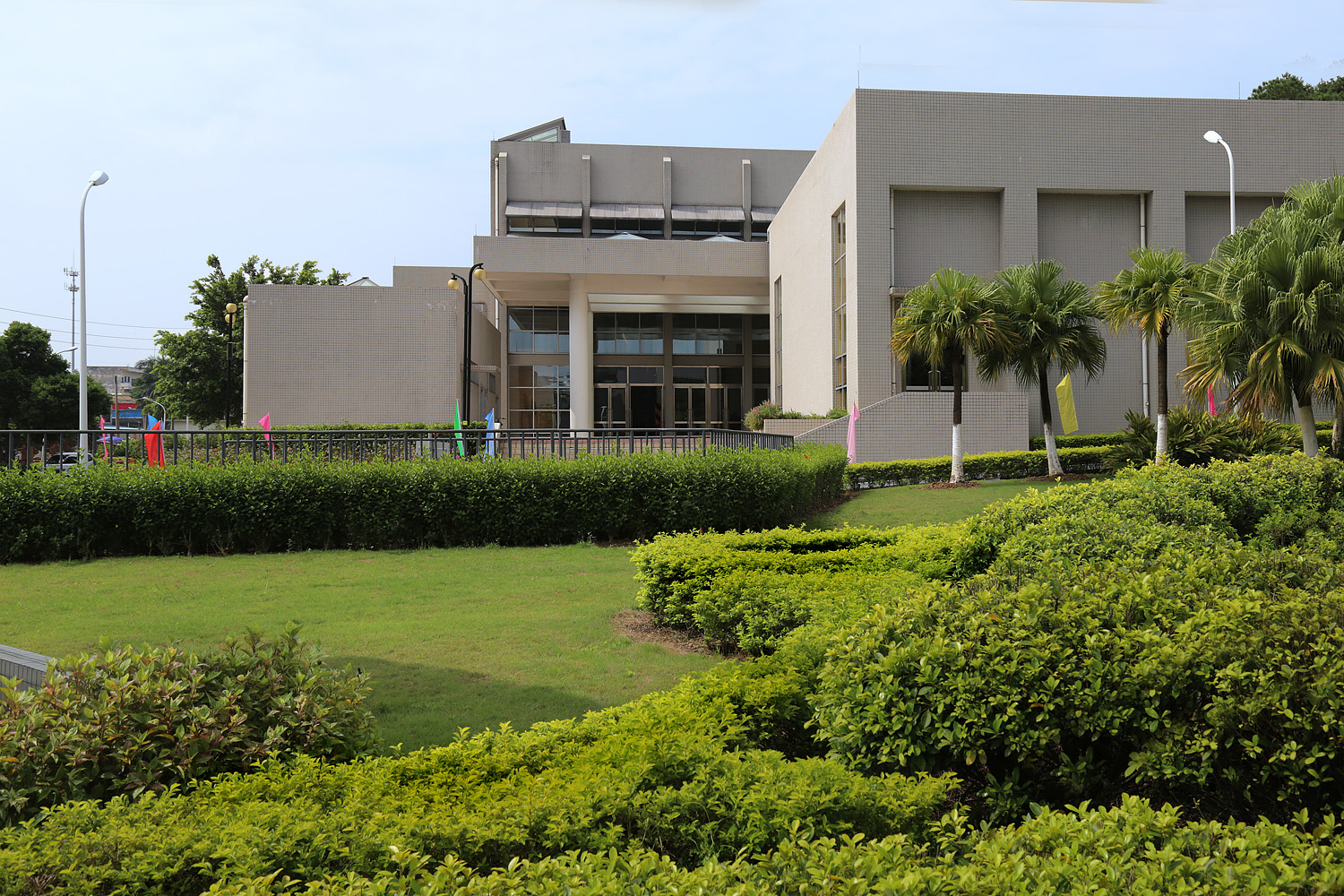
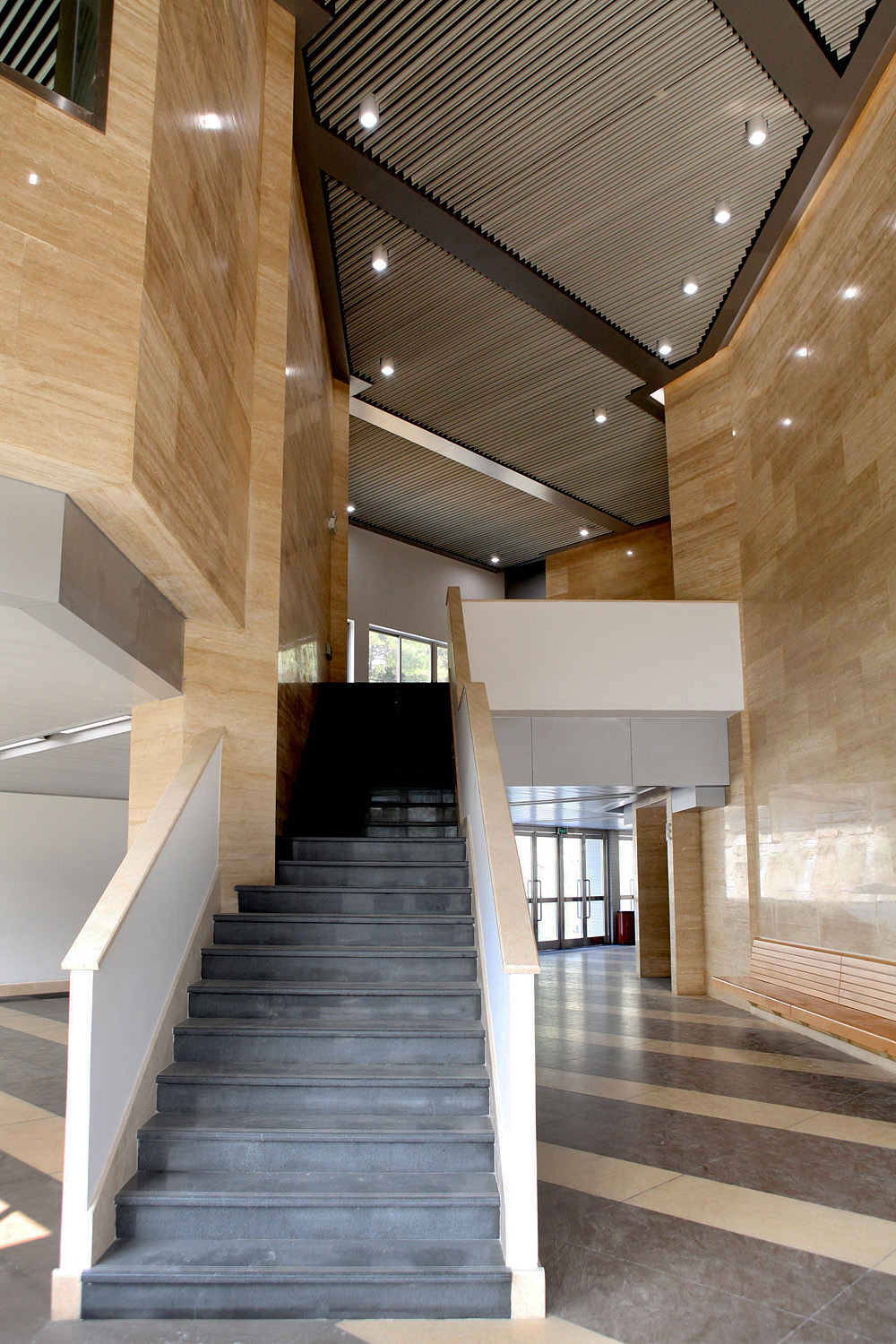
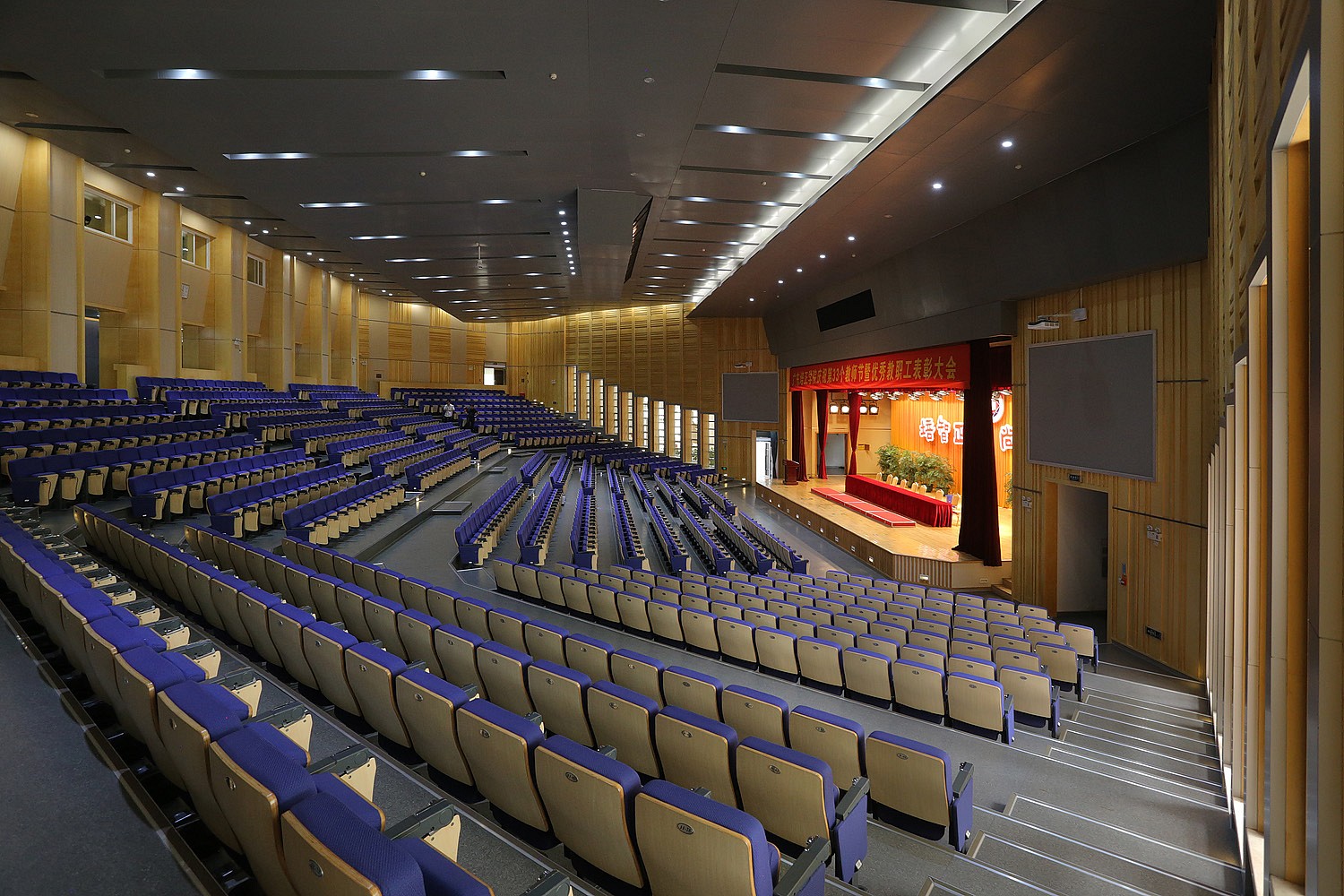
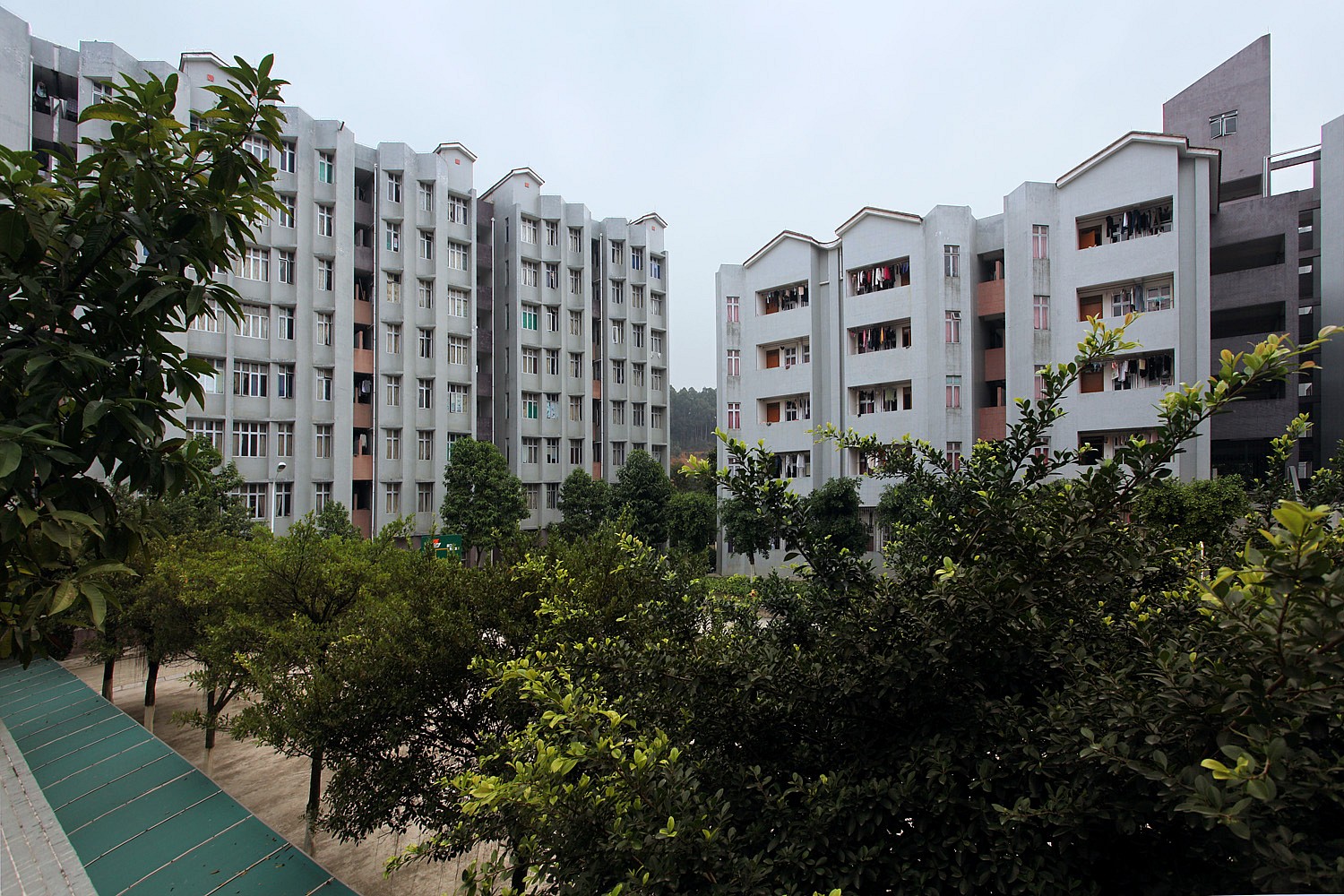
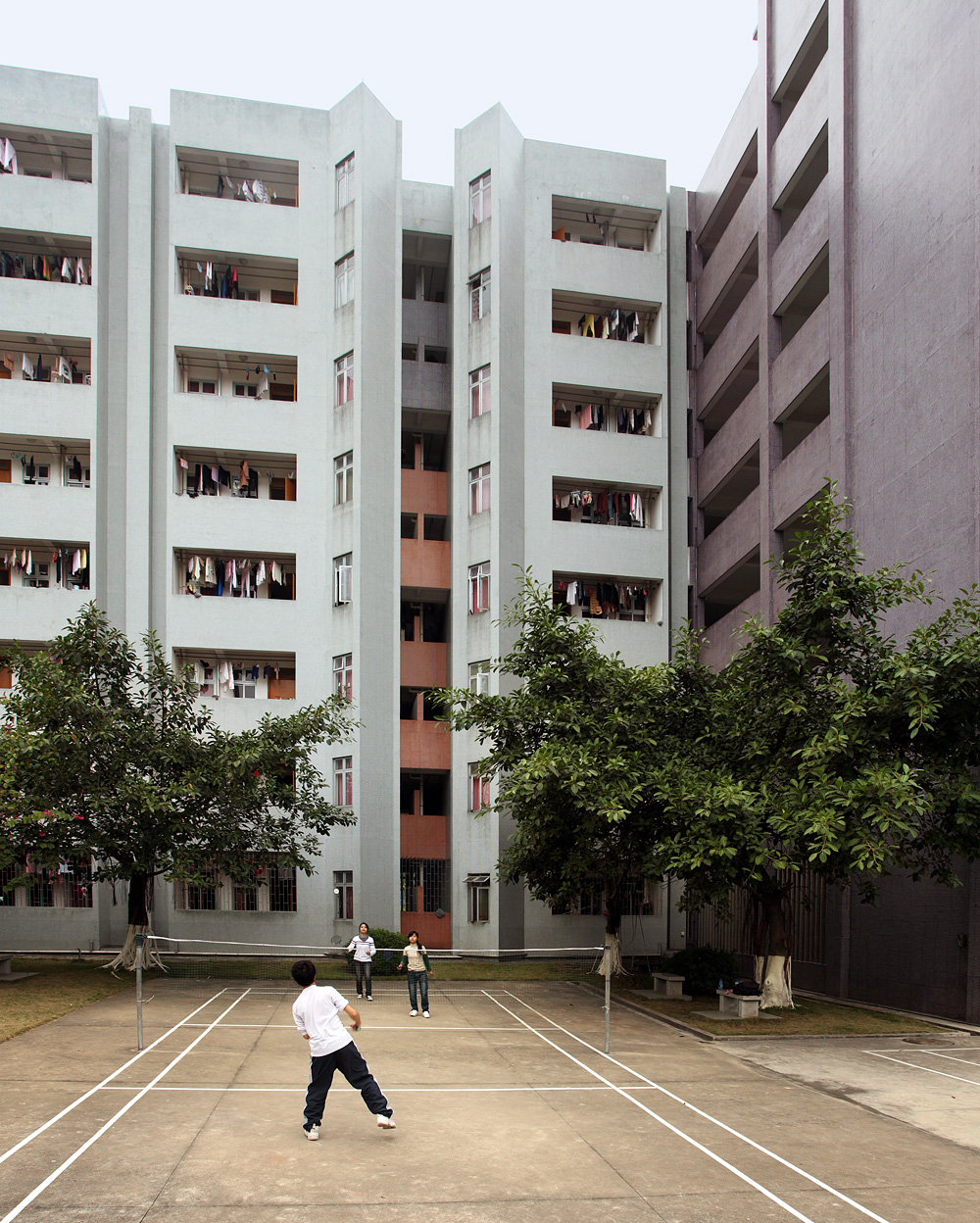
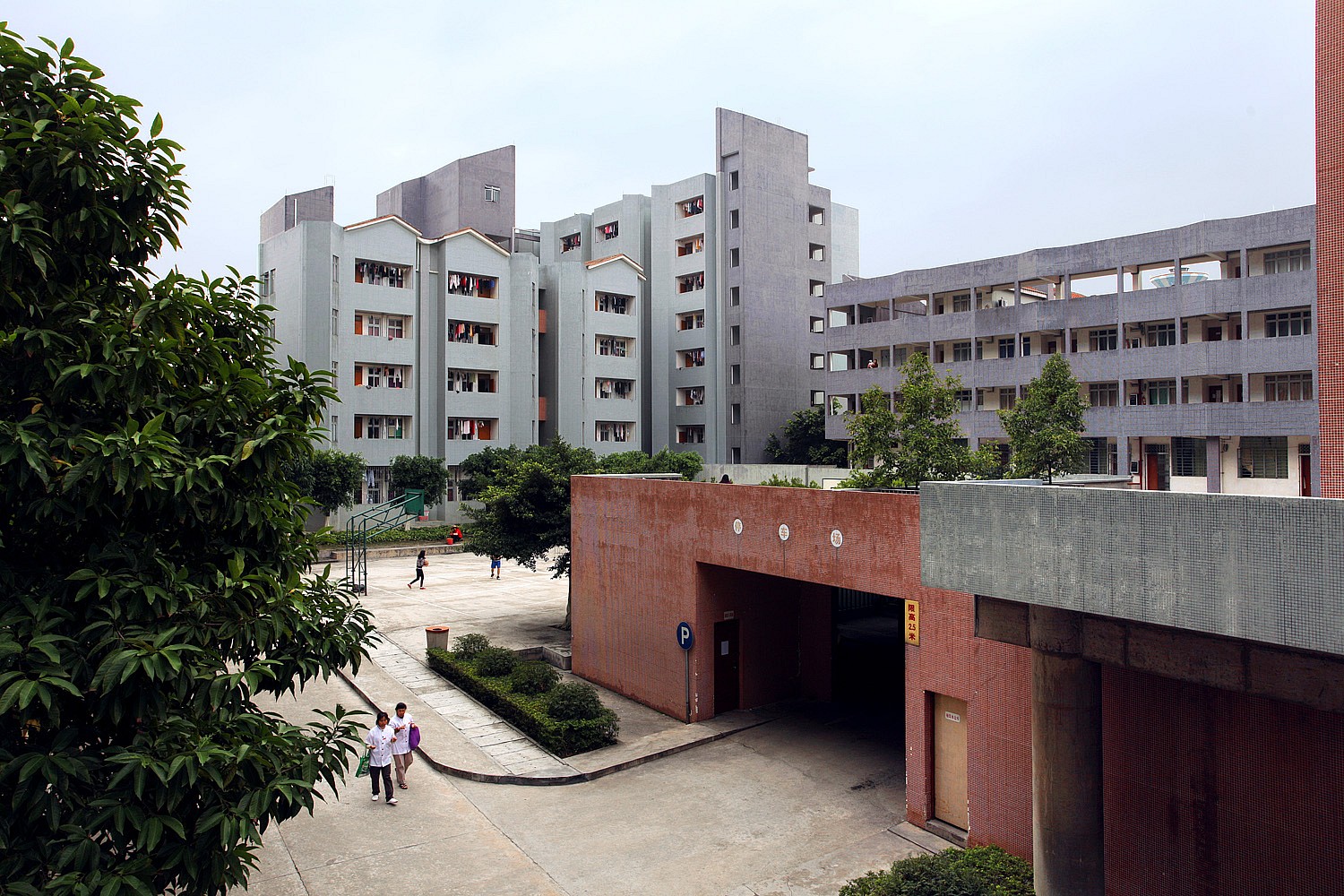
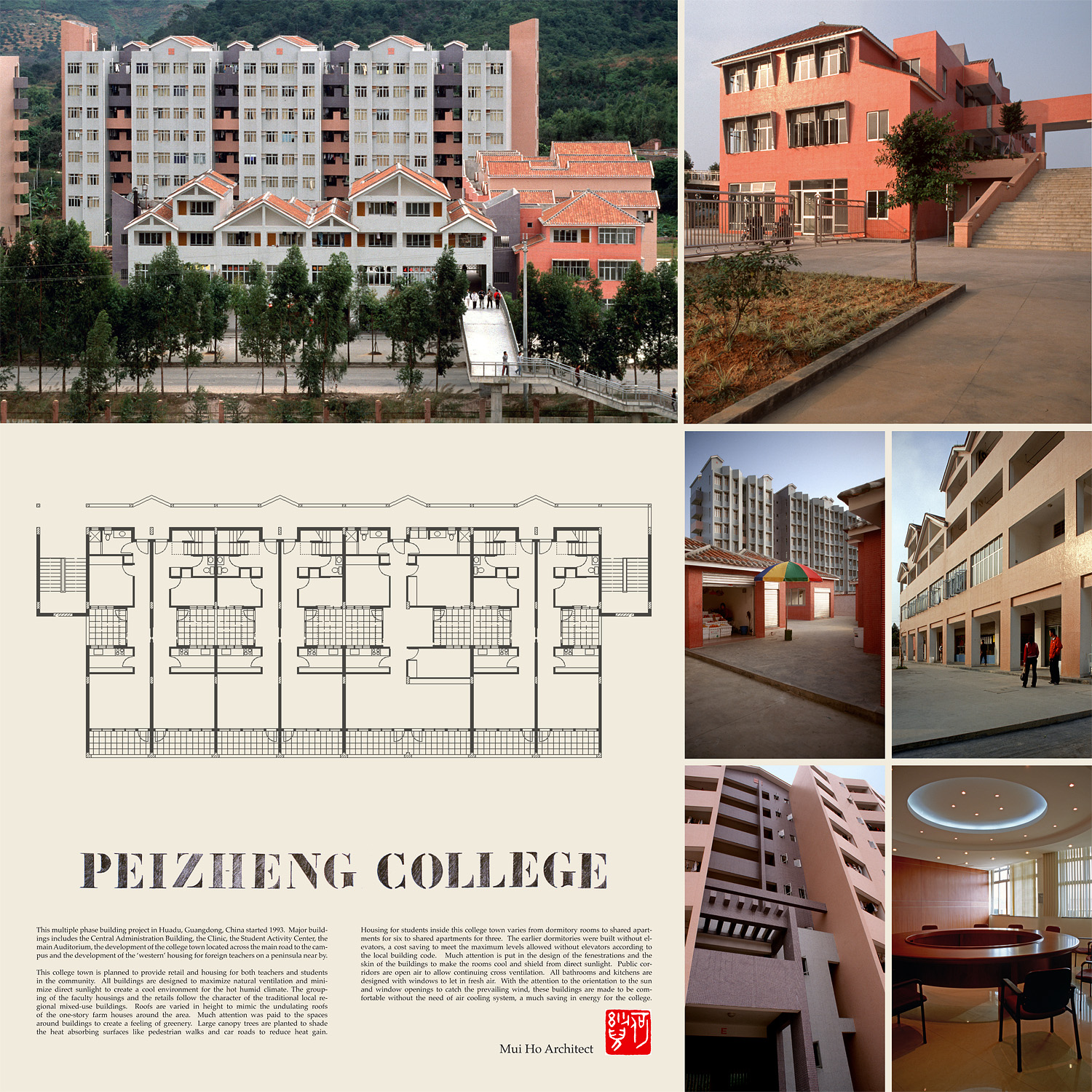
Education: Peizing College Auditorium, Huadu, China
2010






Education: Peizing College Activity Building, Huadu, China
2006
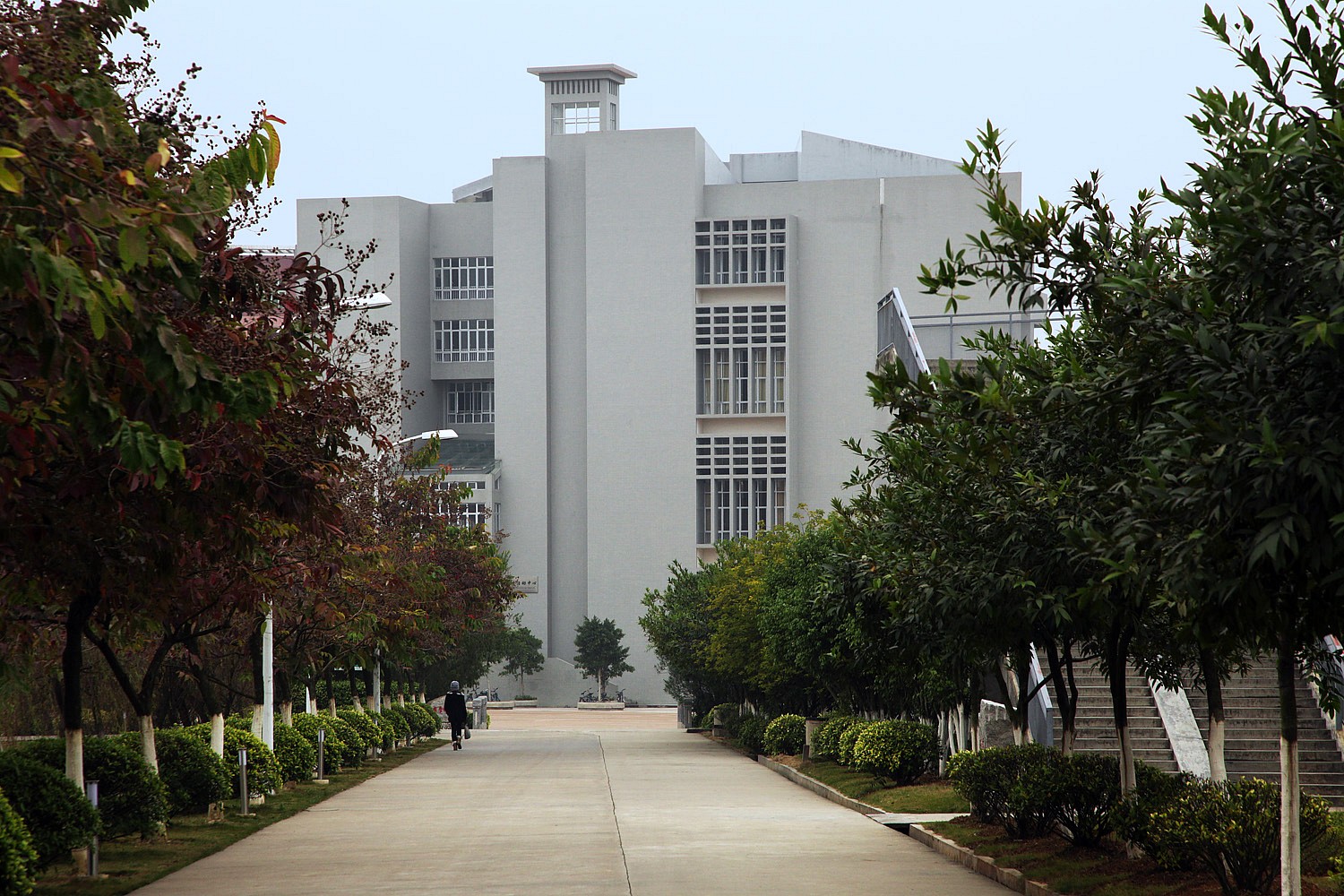

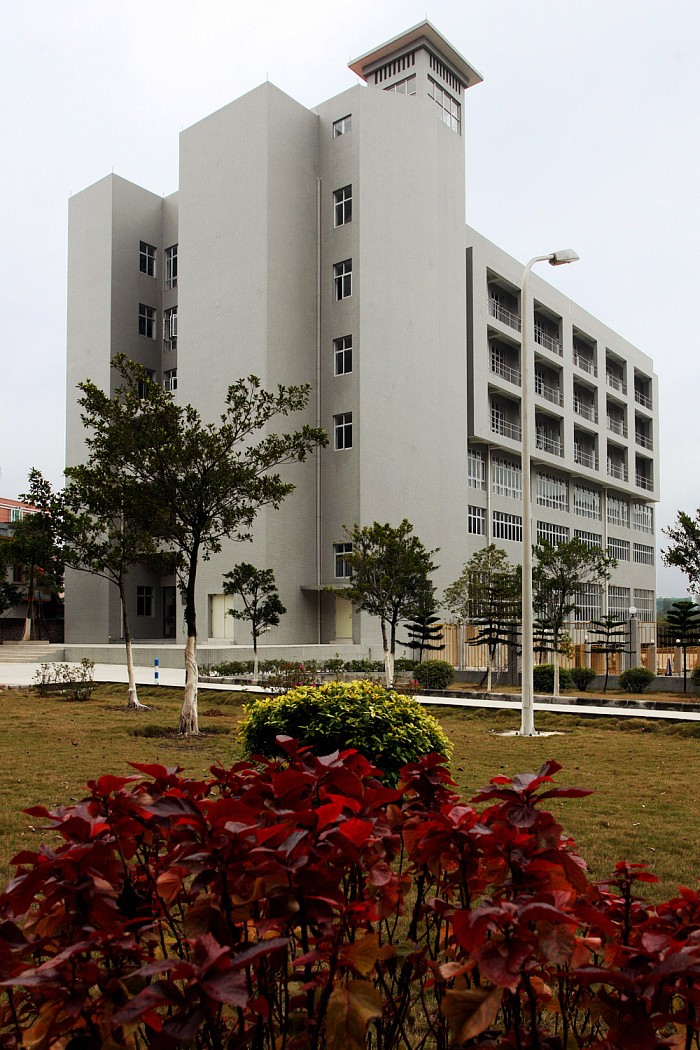
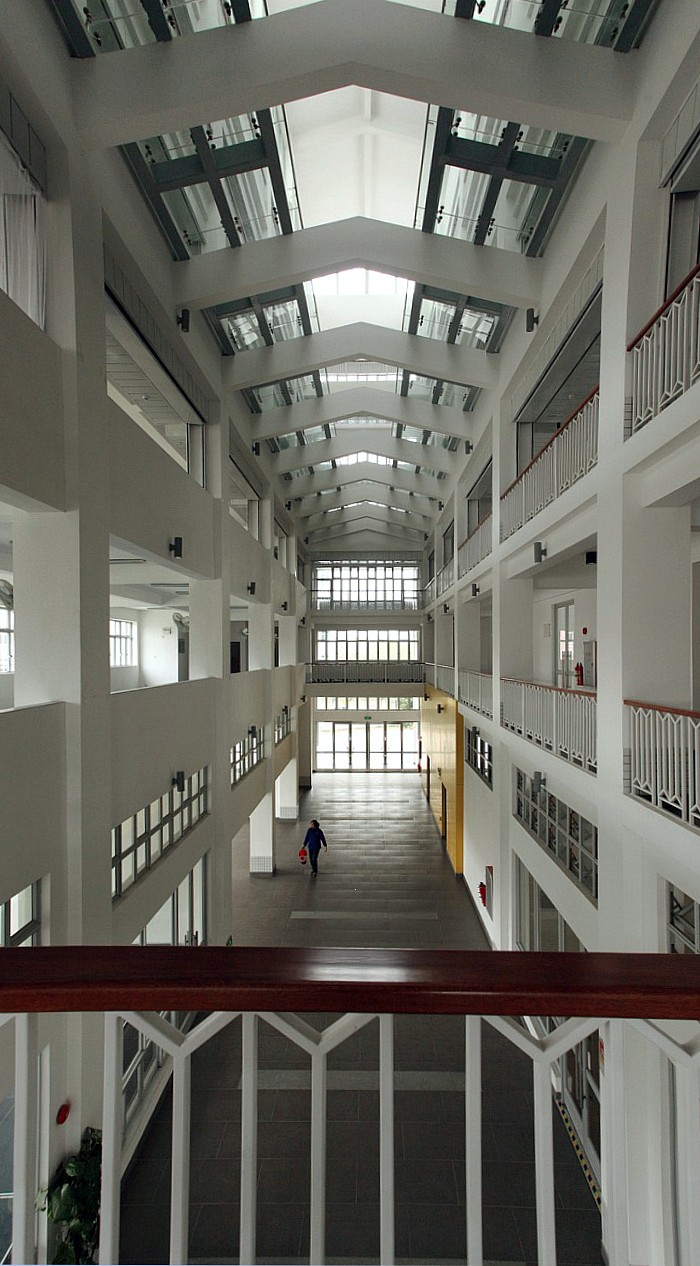

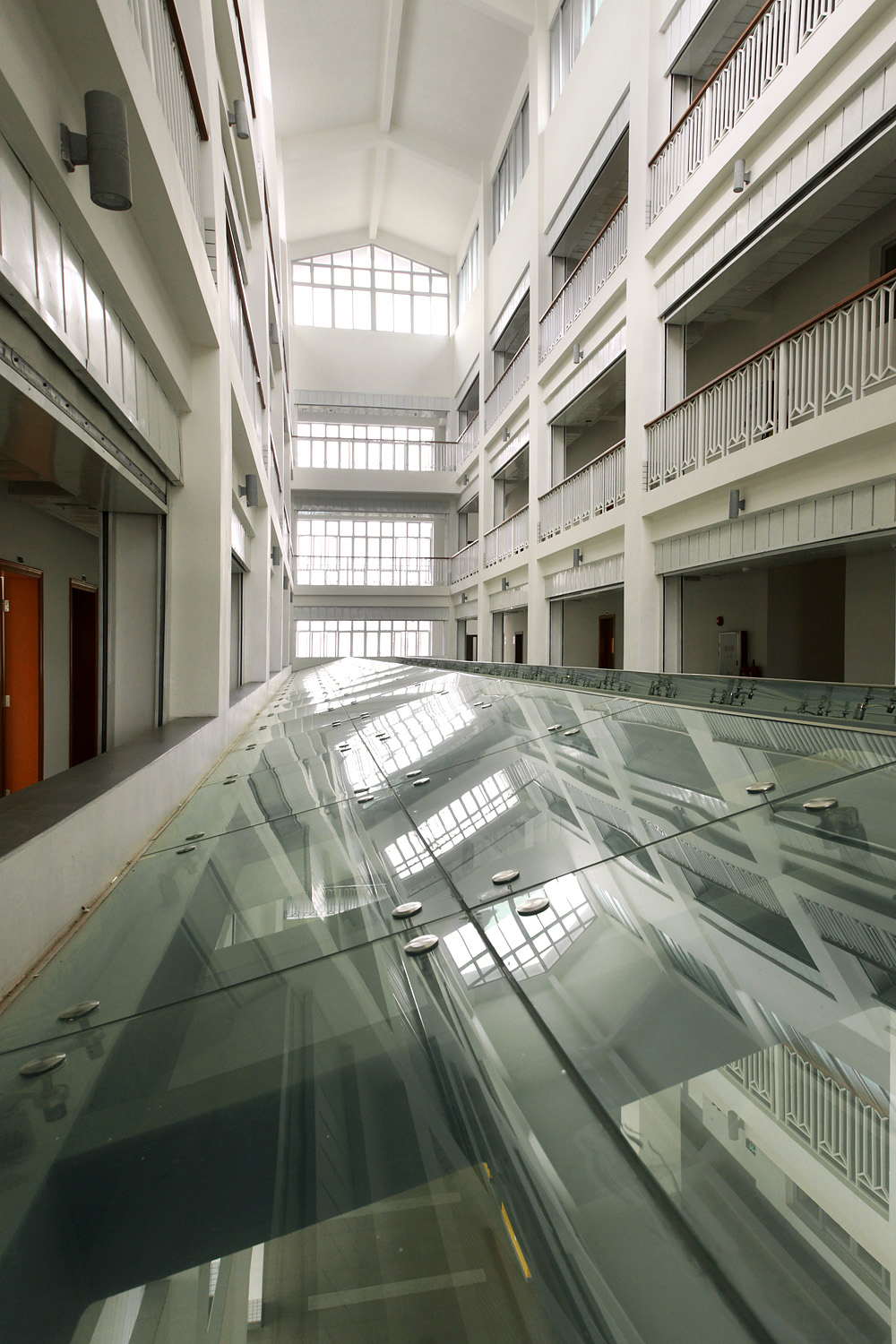

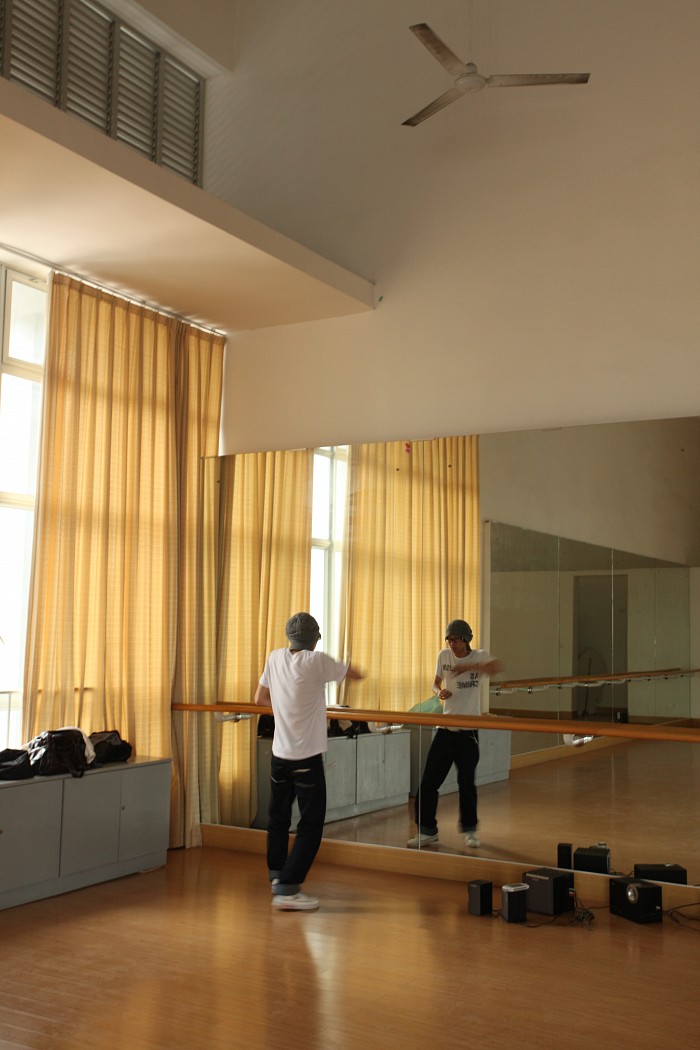
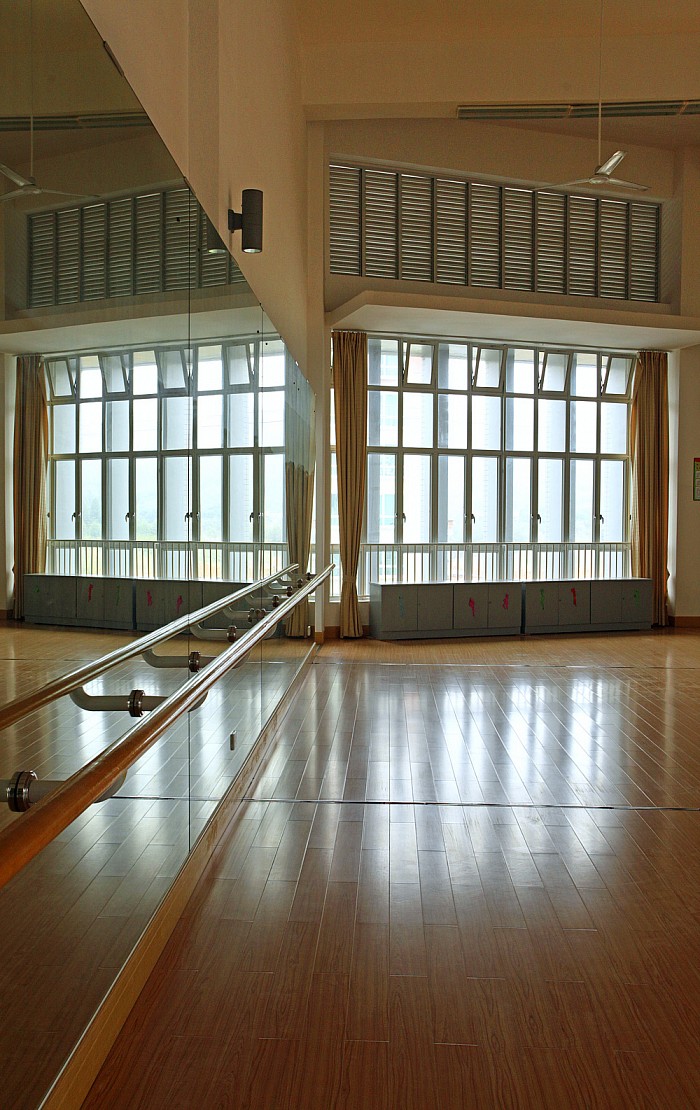

Education: Peizing College Administration Building, Huadu, China
2003

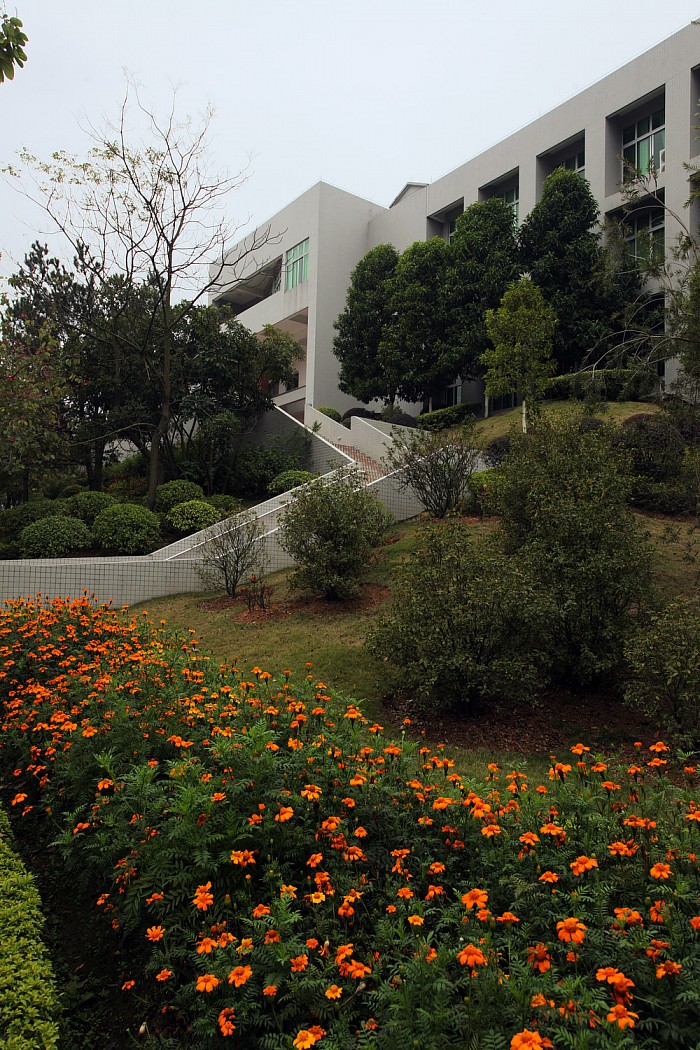
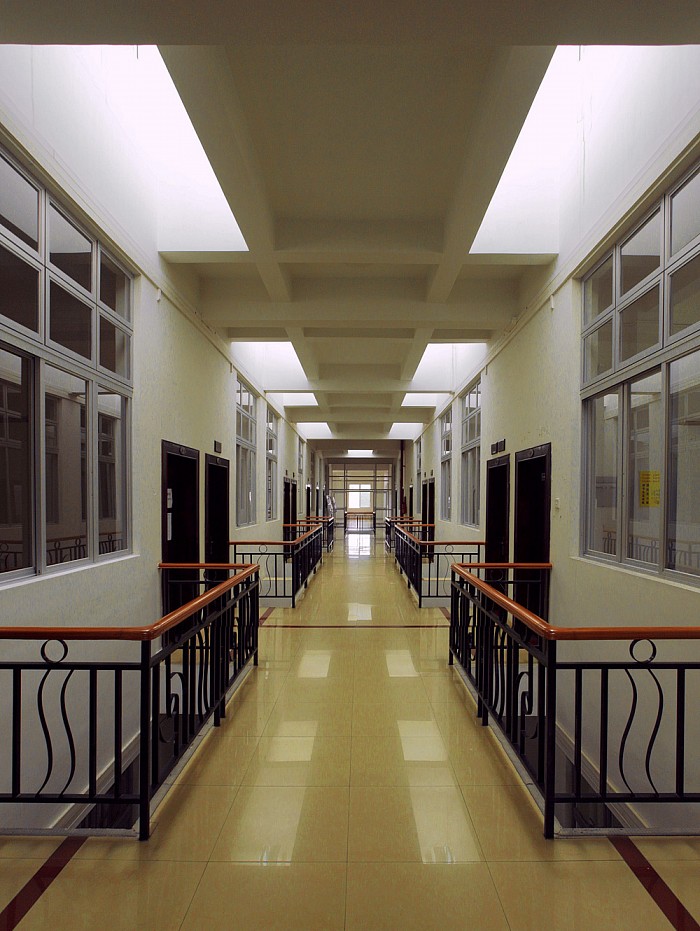
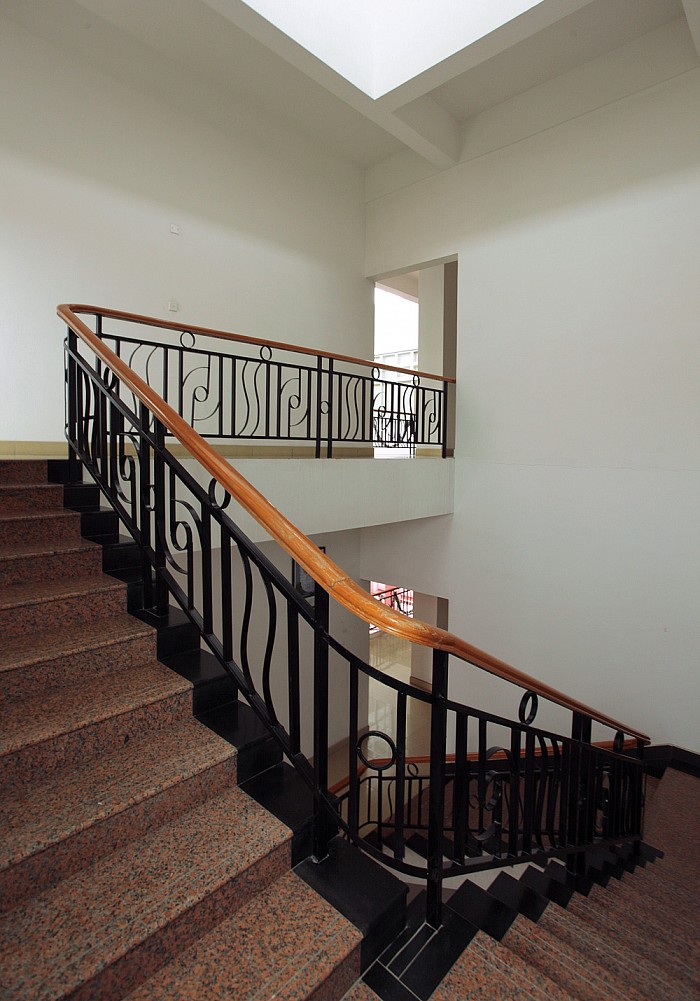



Housing: Hongnam Village, Huadu, China
1998–2003
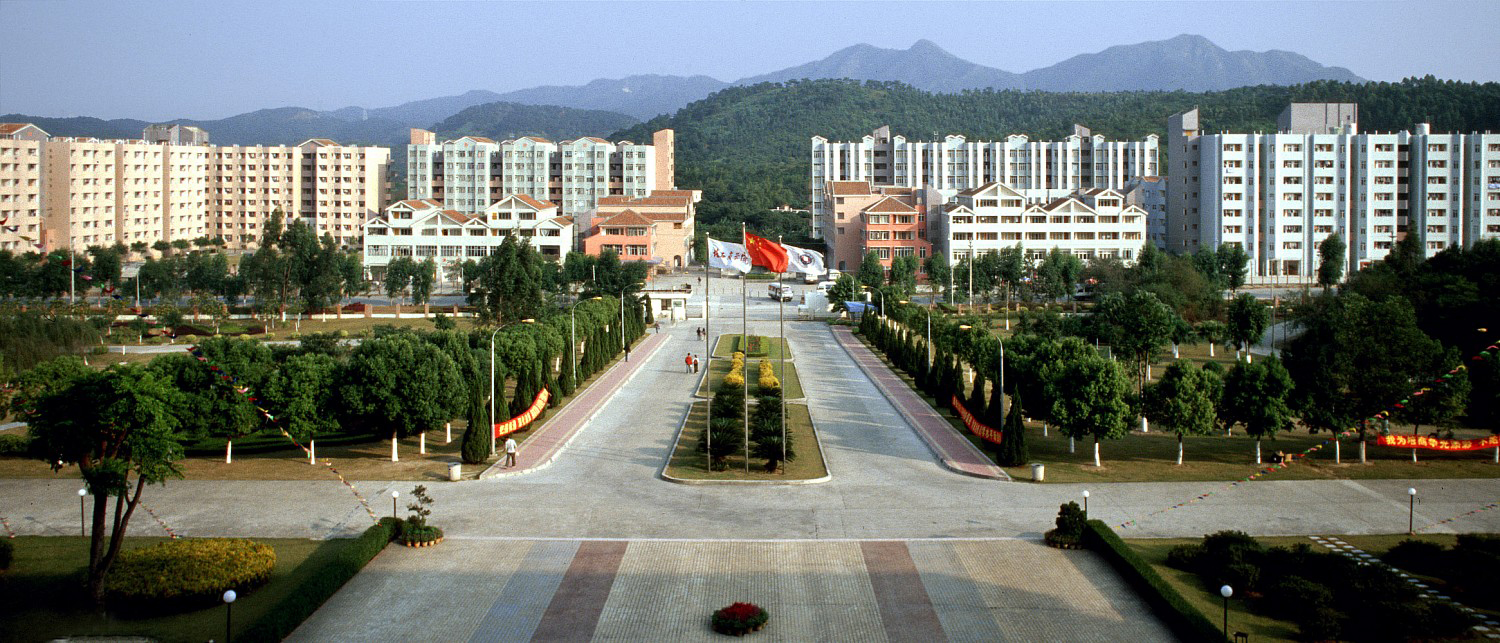
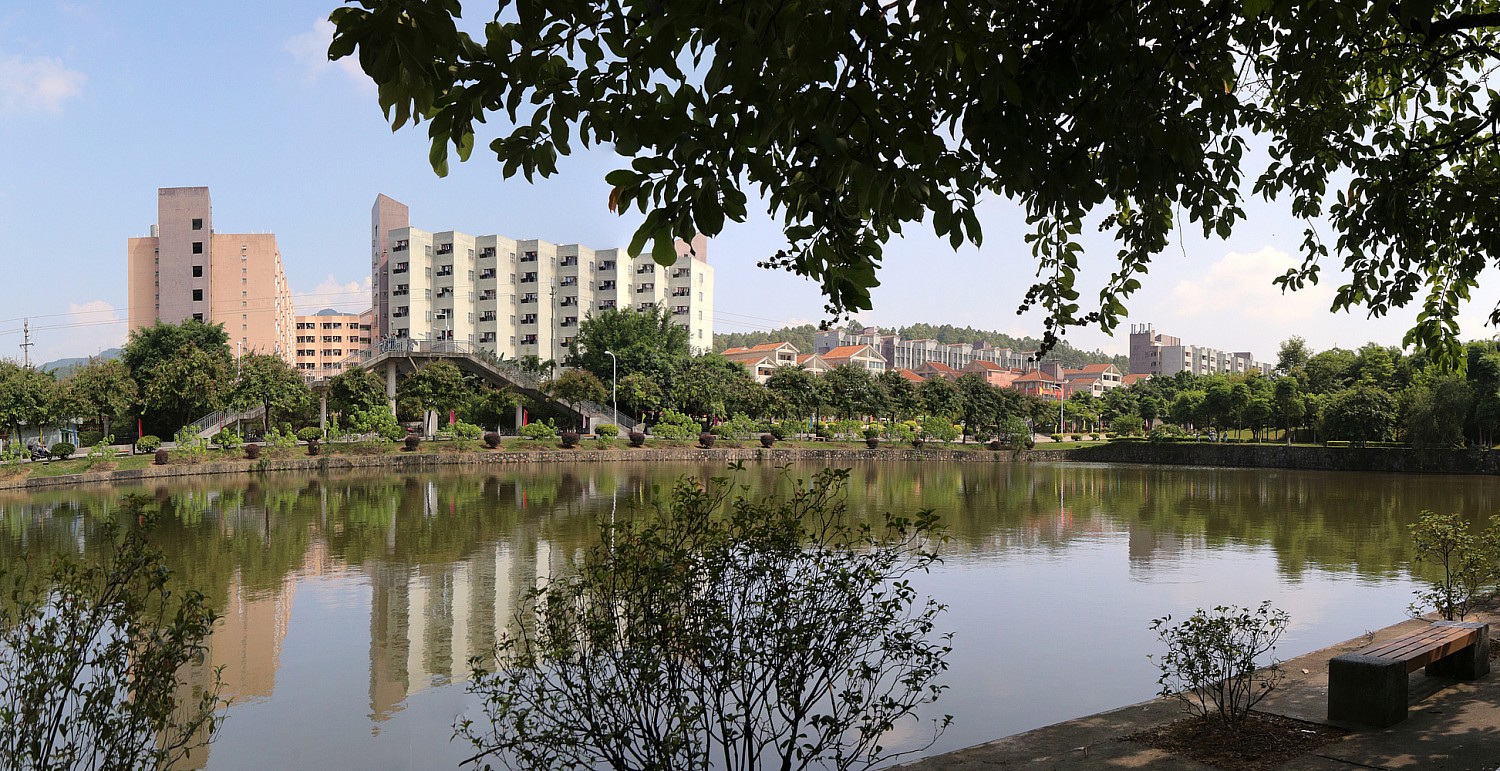
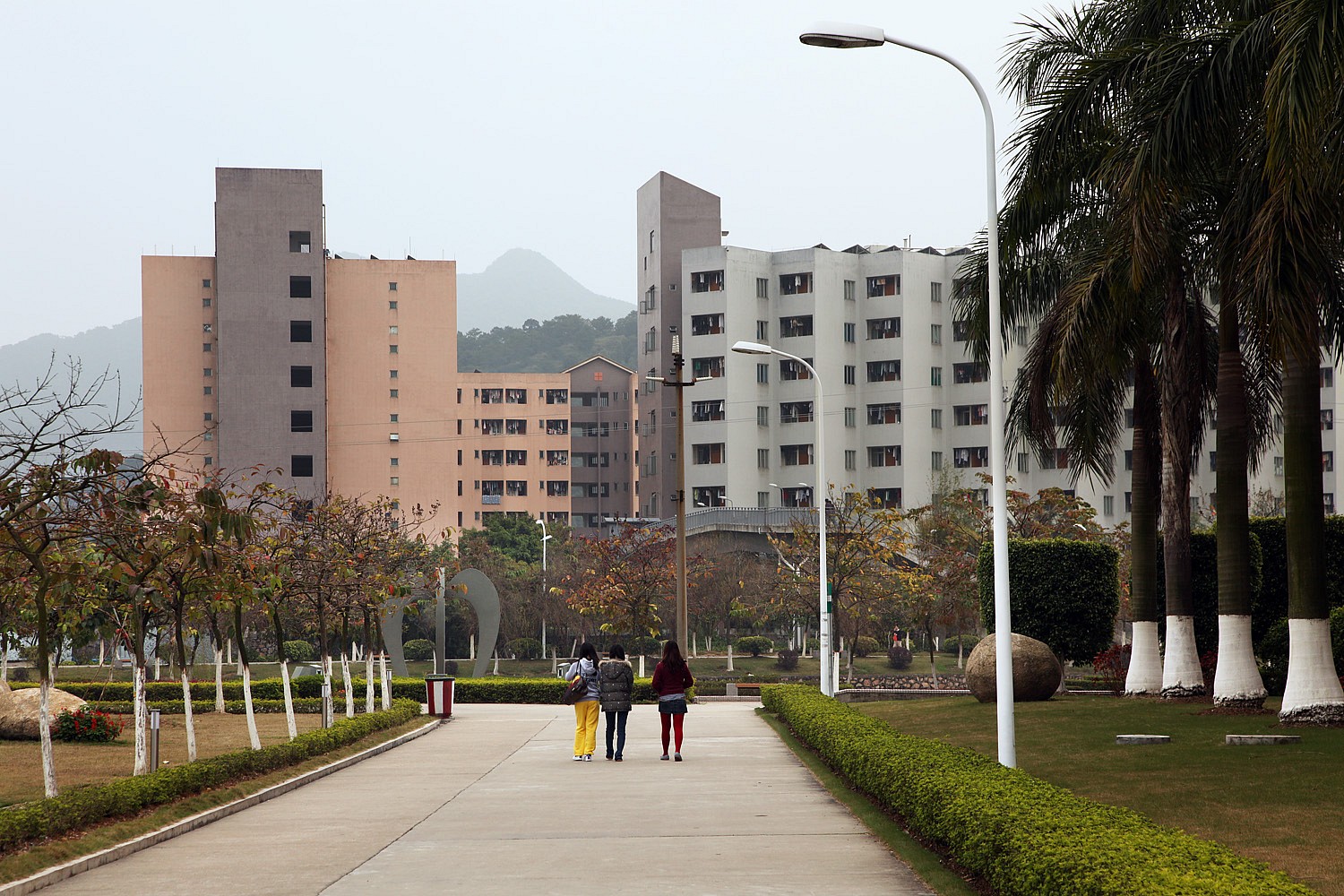
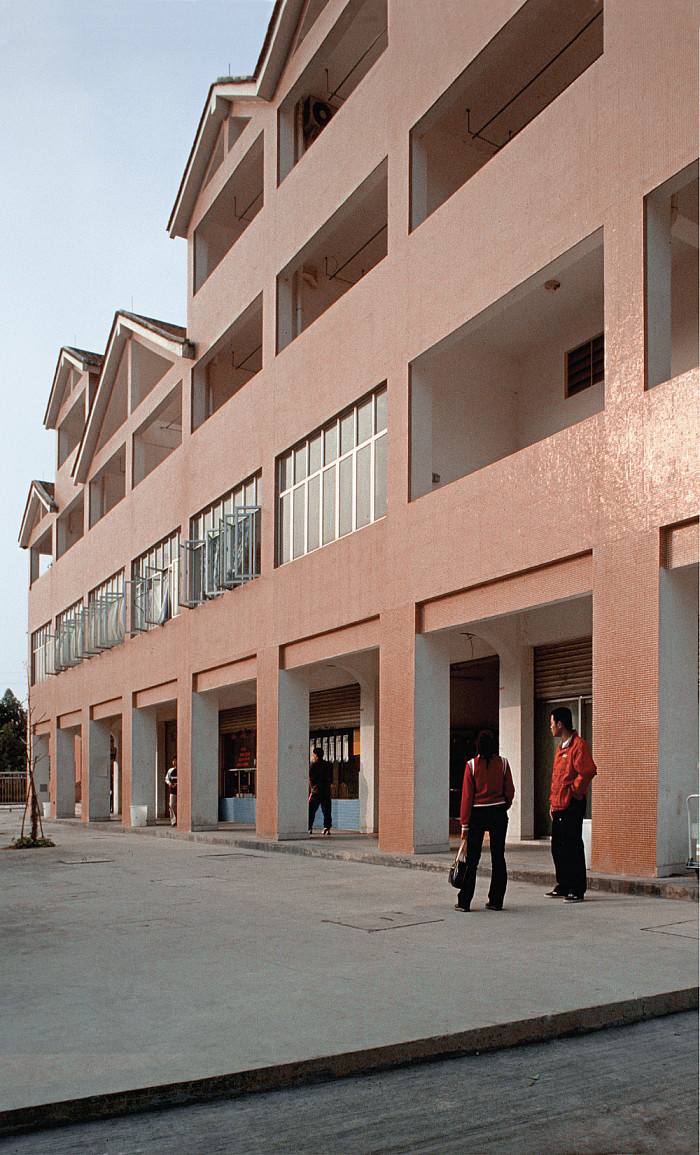
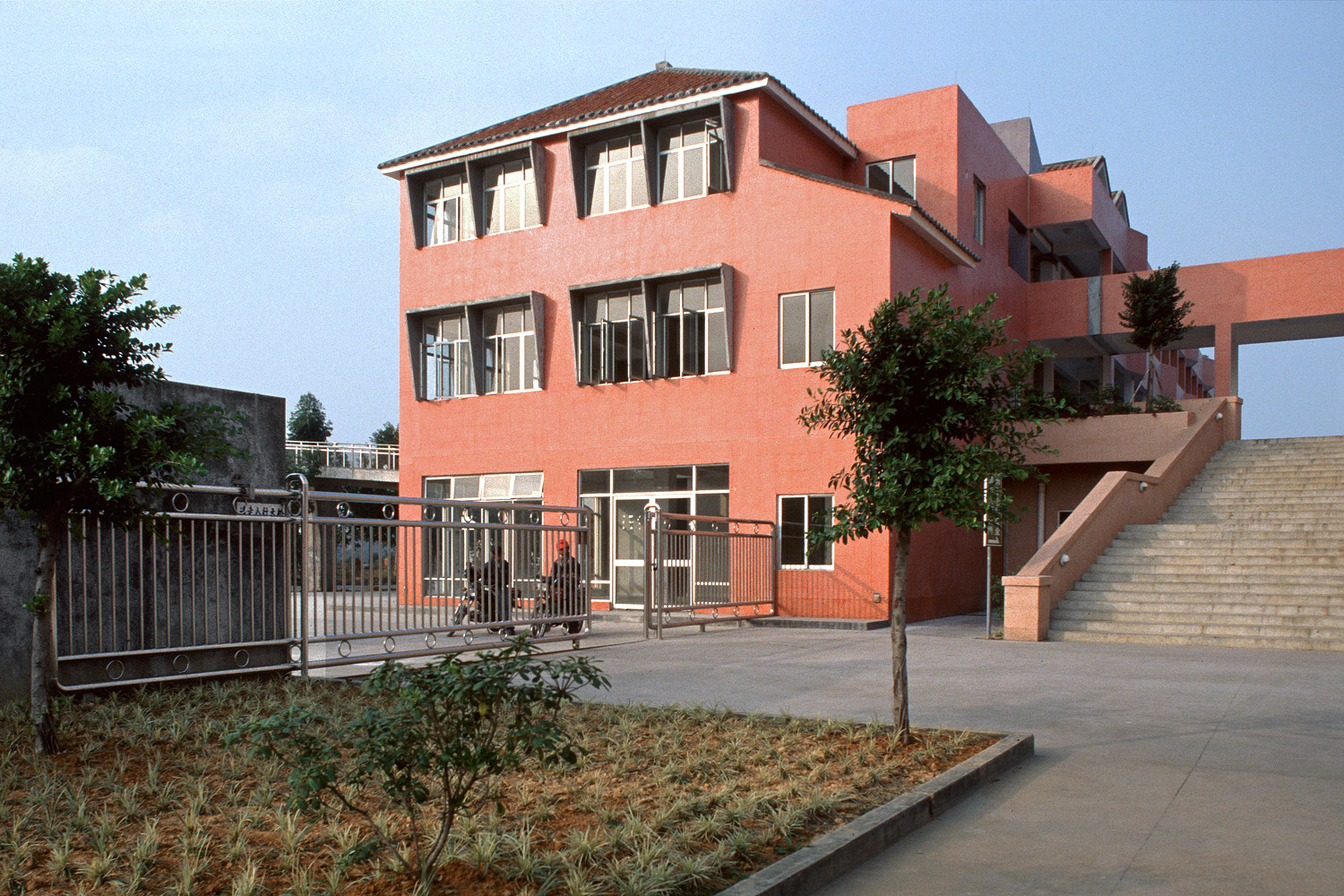

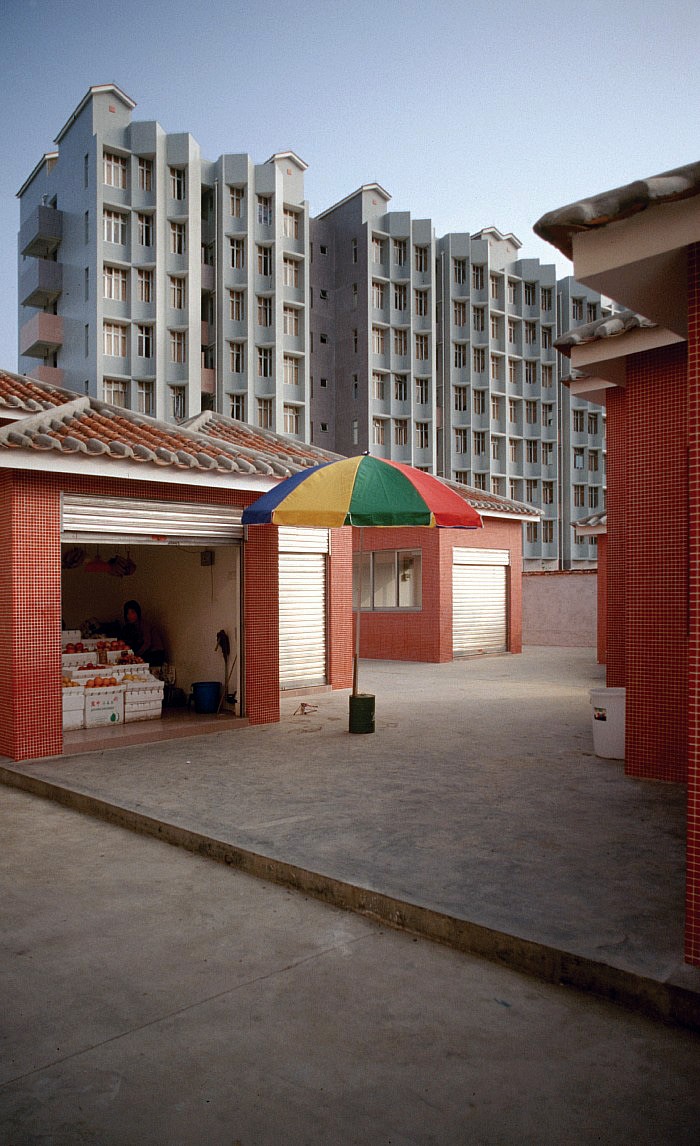
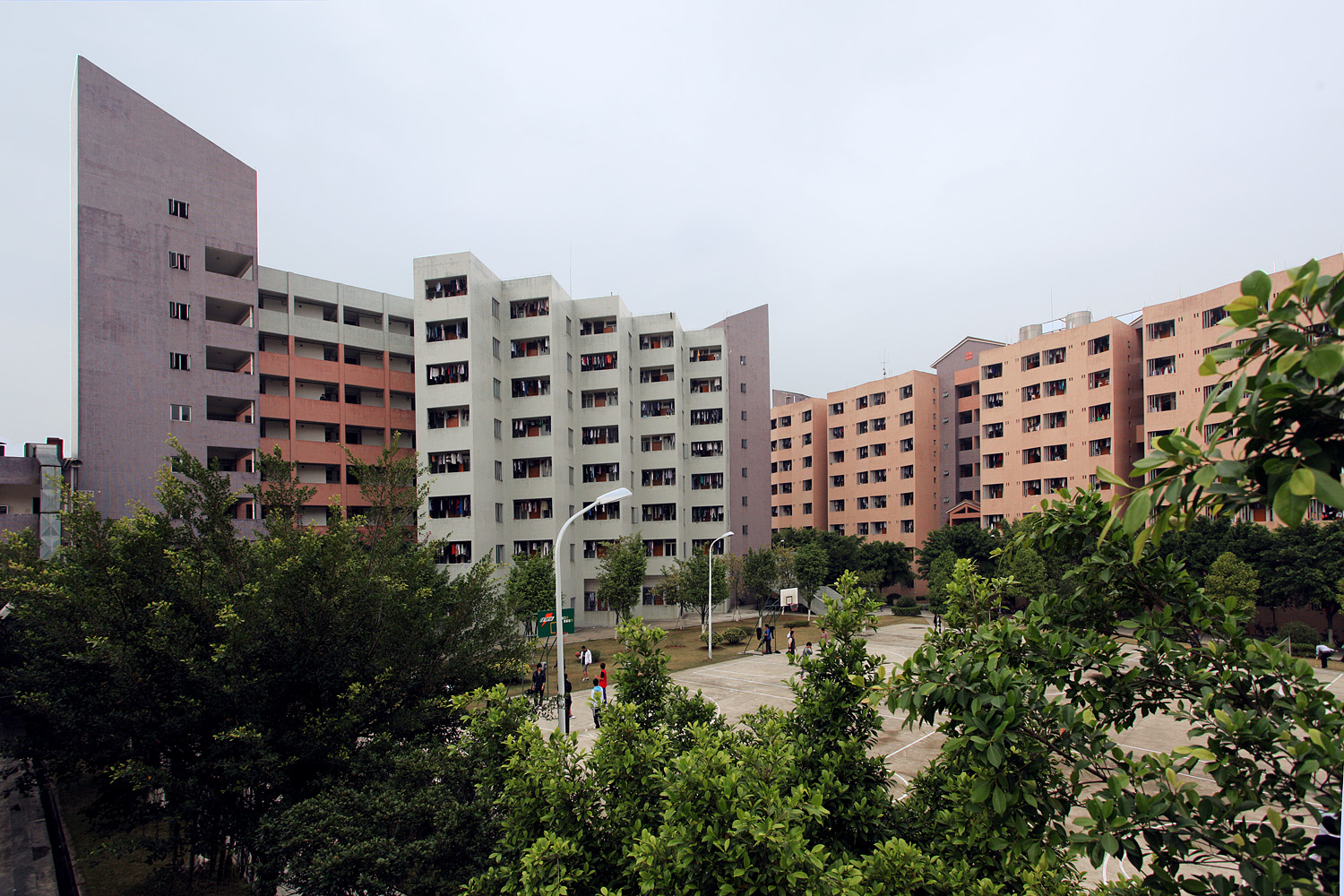
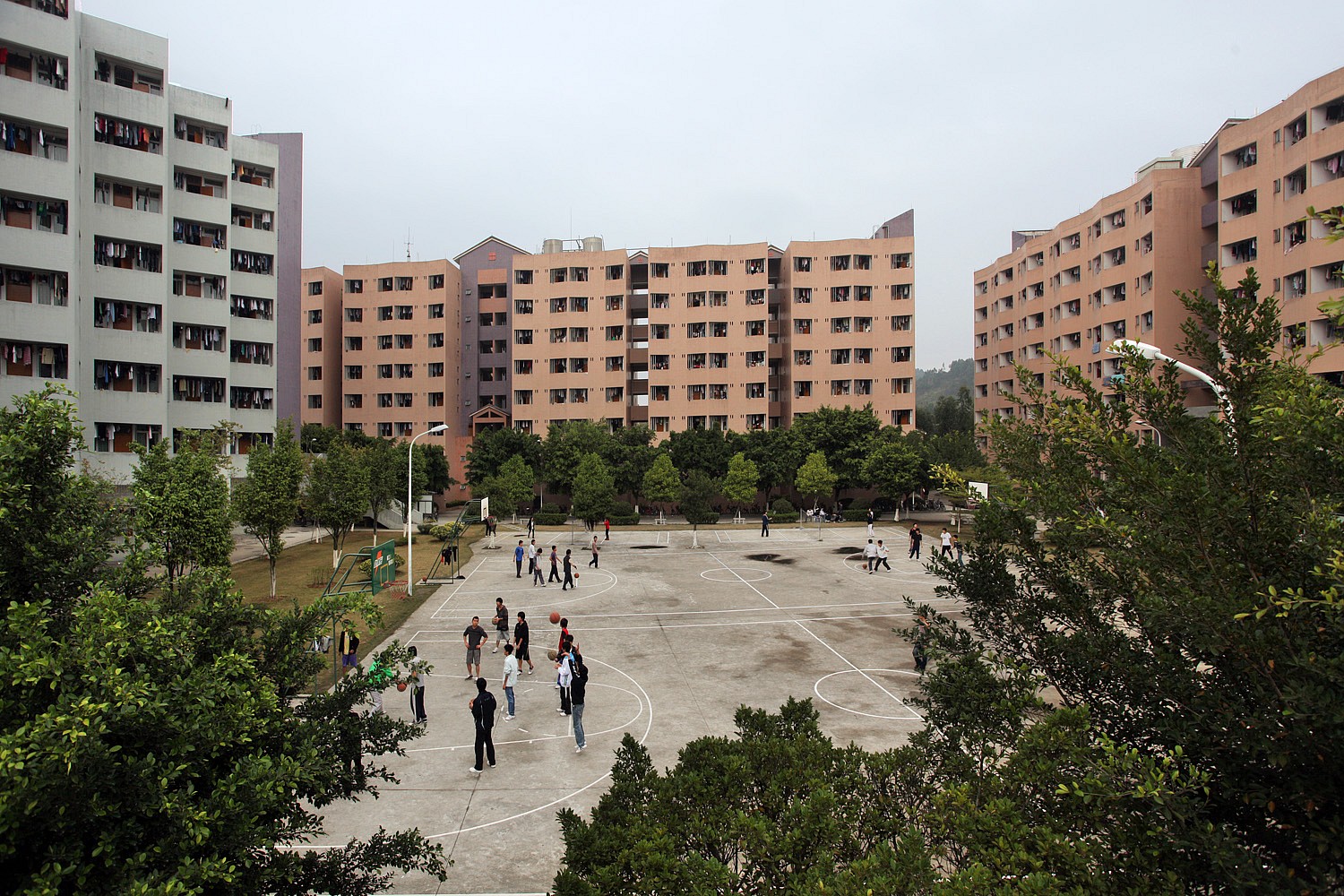
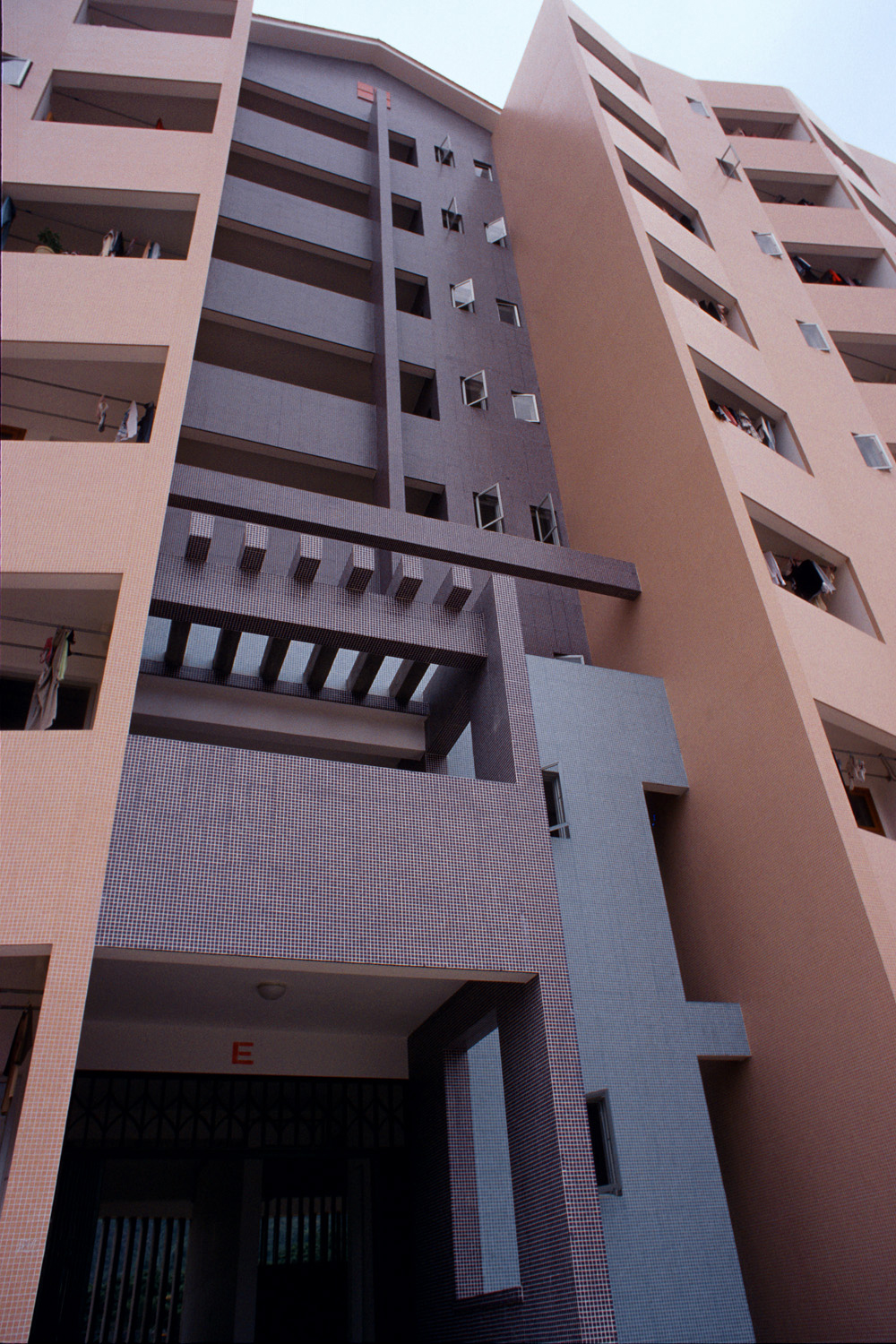
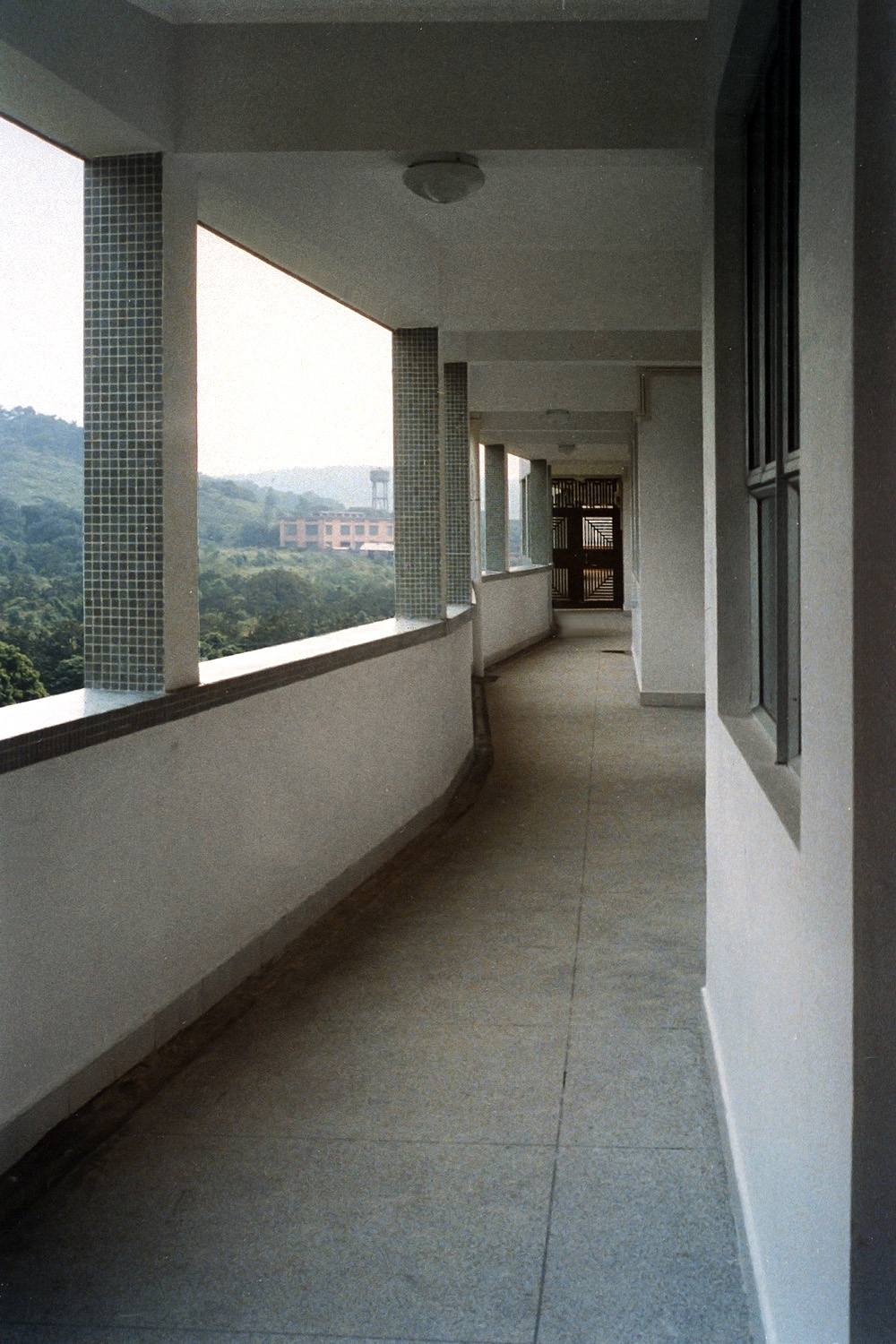
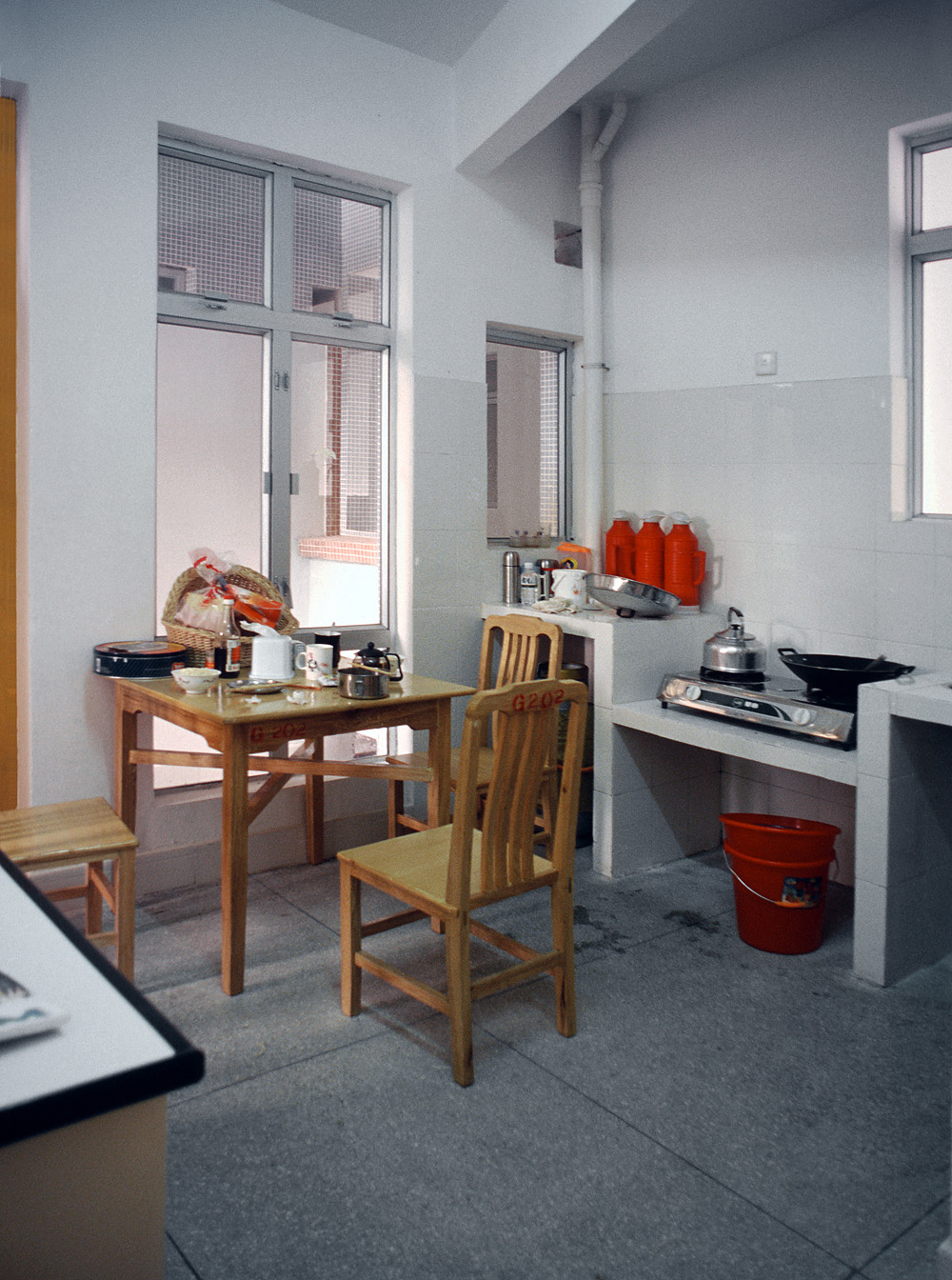

Housing: Sparks Way Commons, Hayward, California
1984
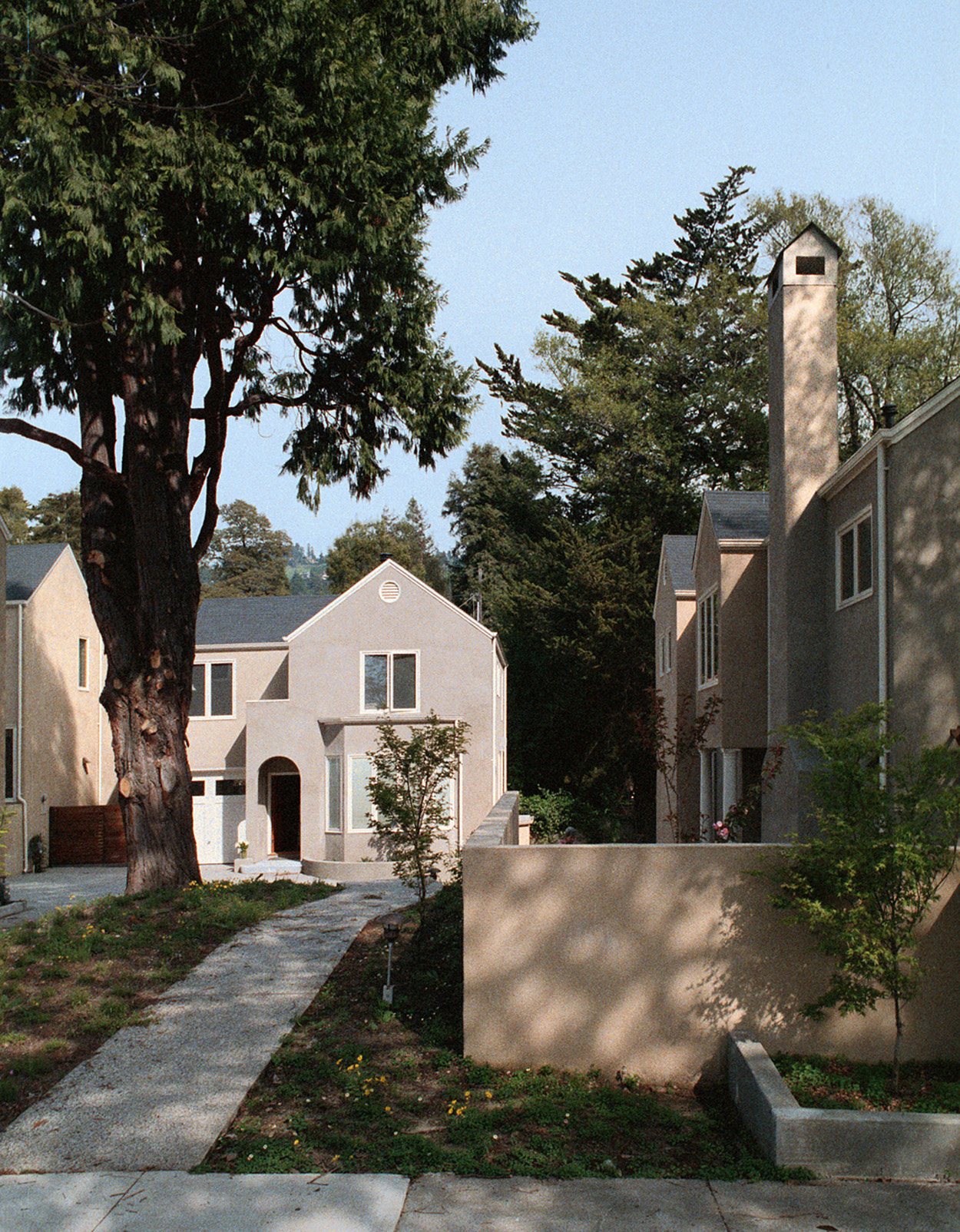
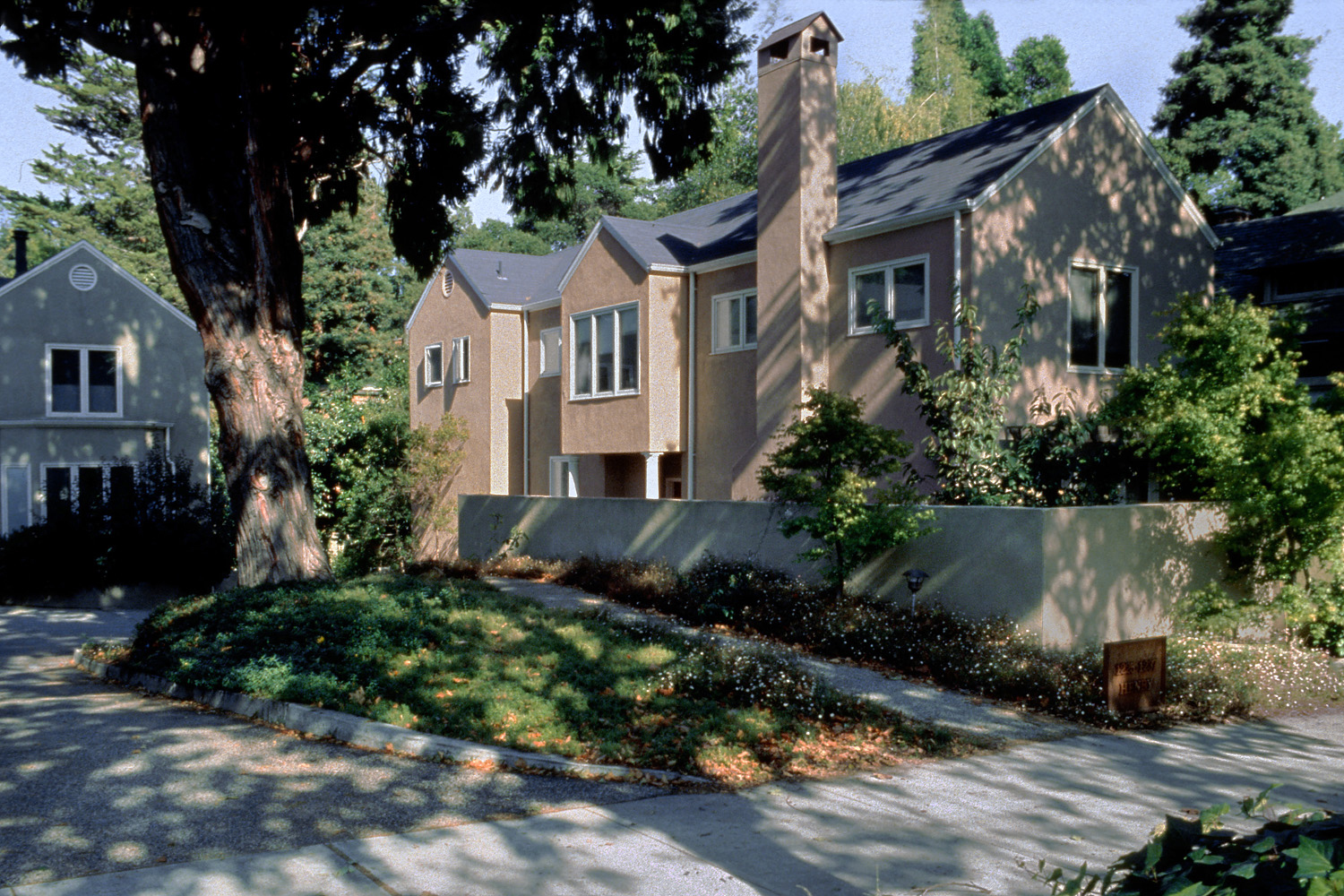
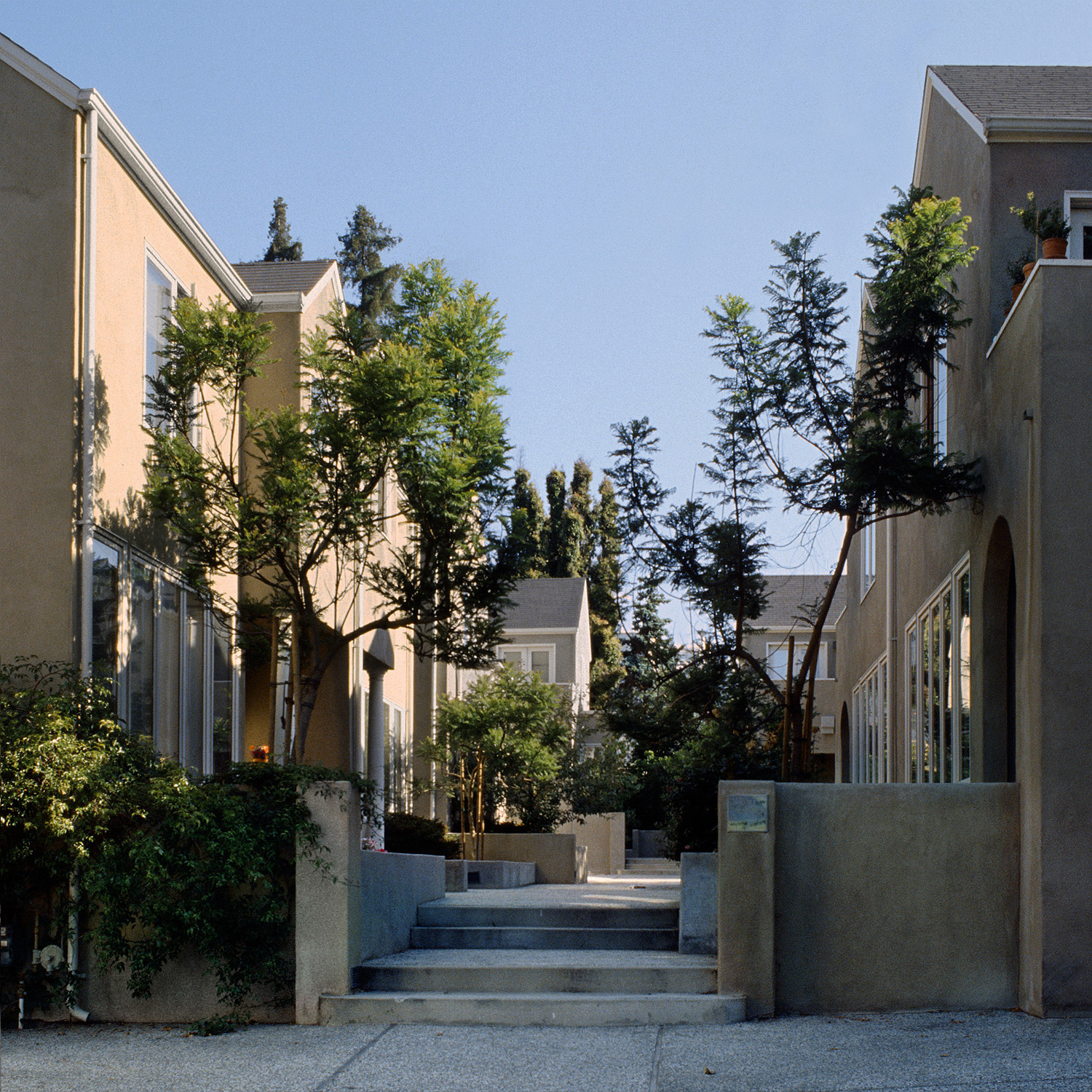
Housing: Henry Street Condominiums, Berkeley, California
1985
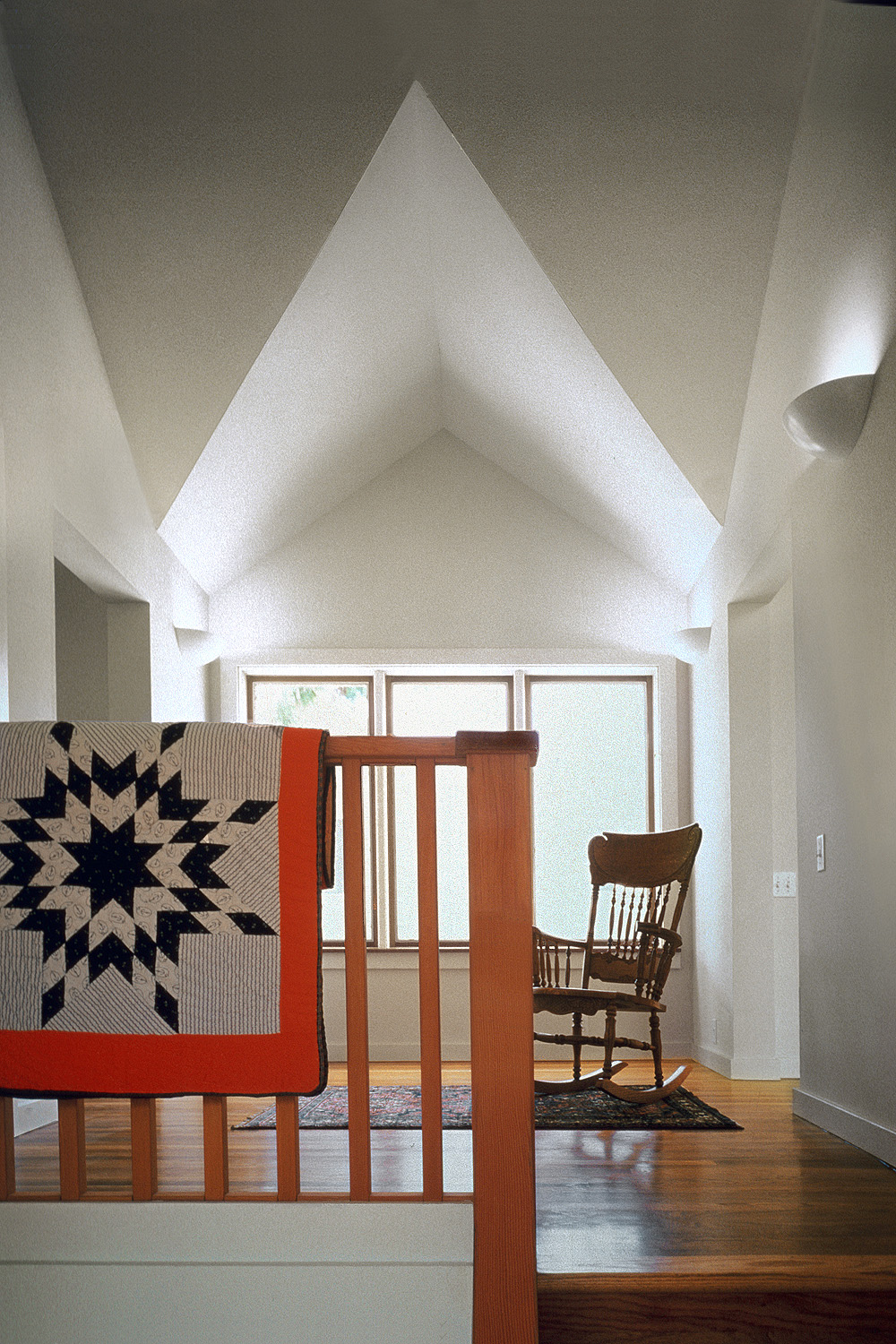


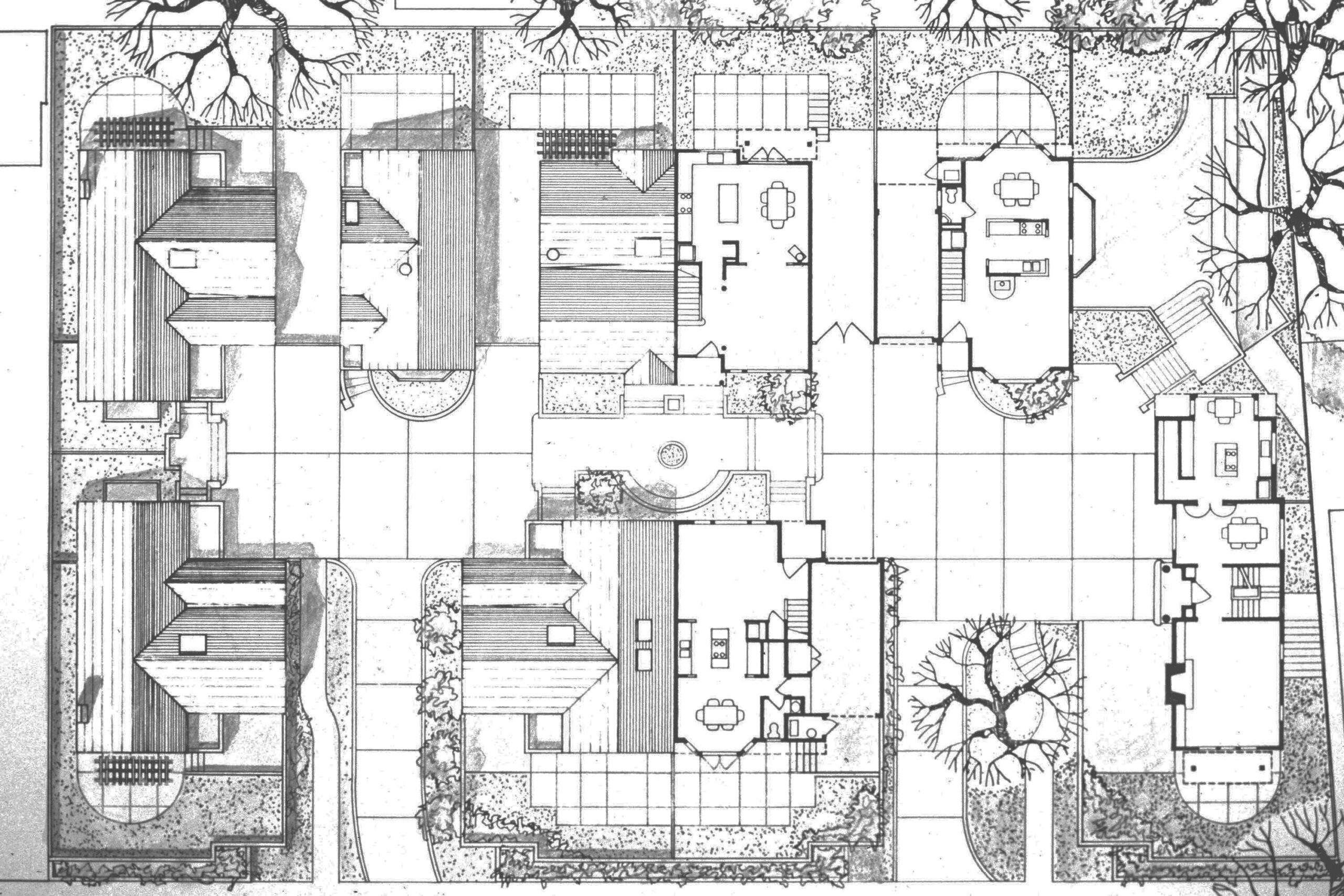
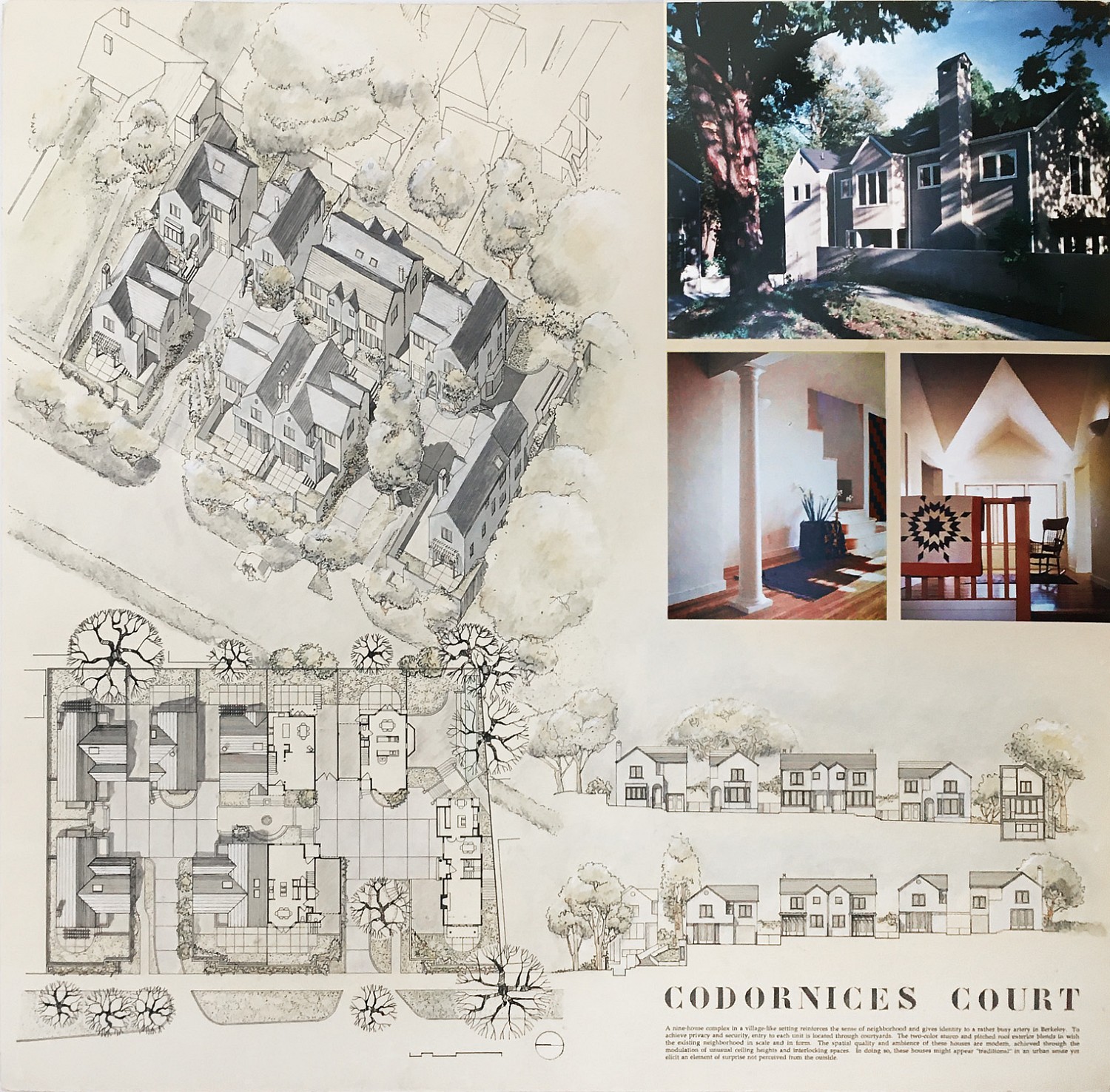
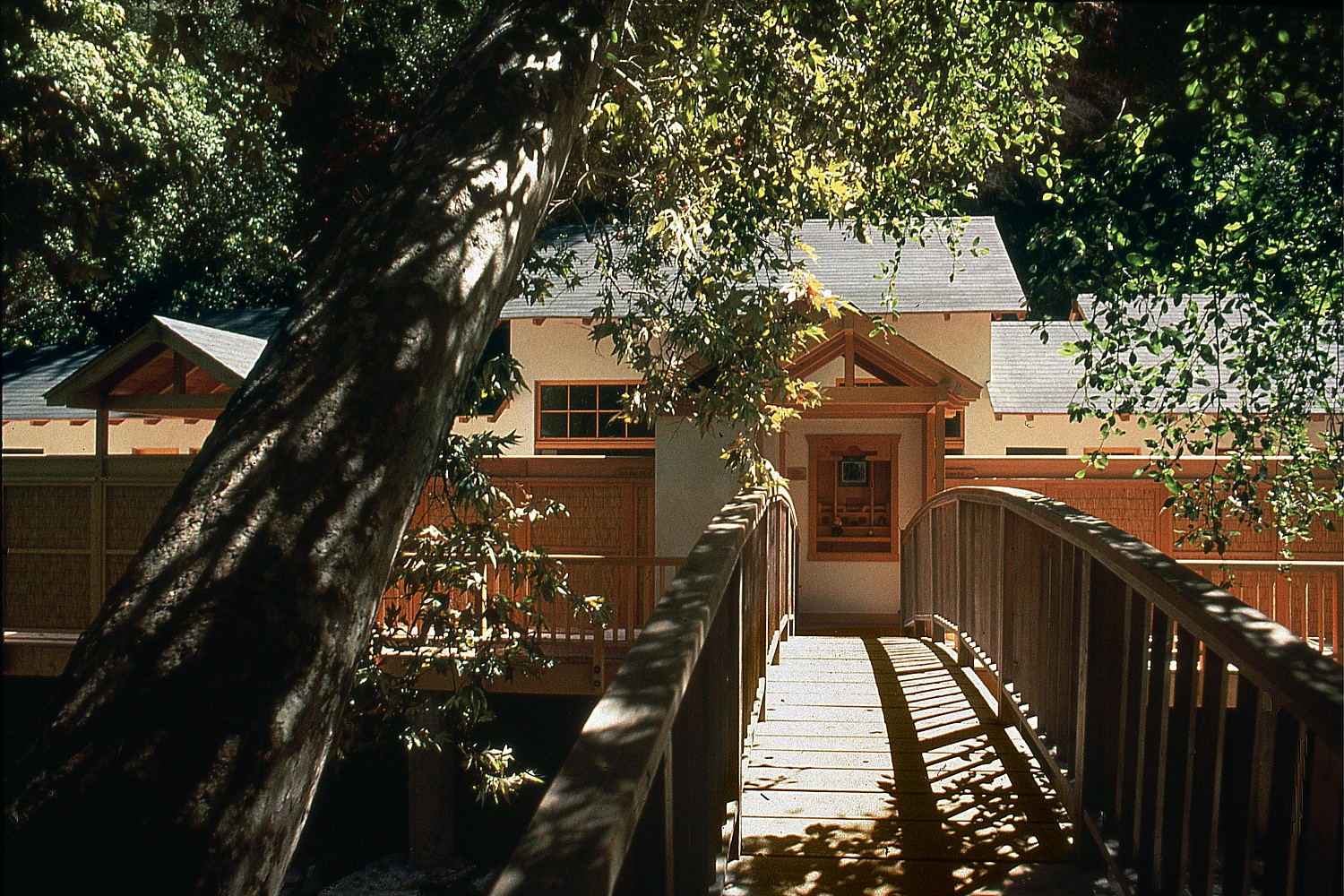
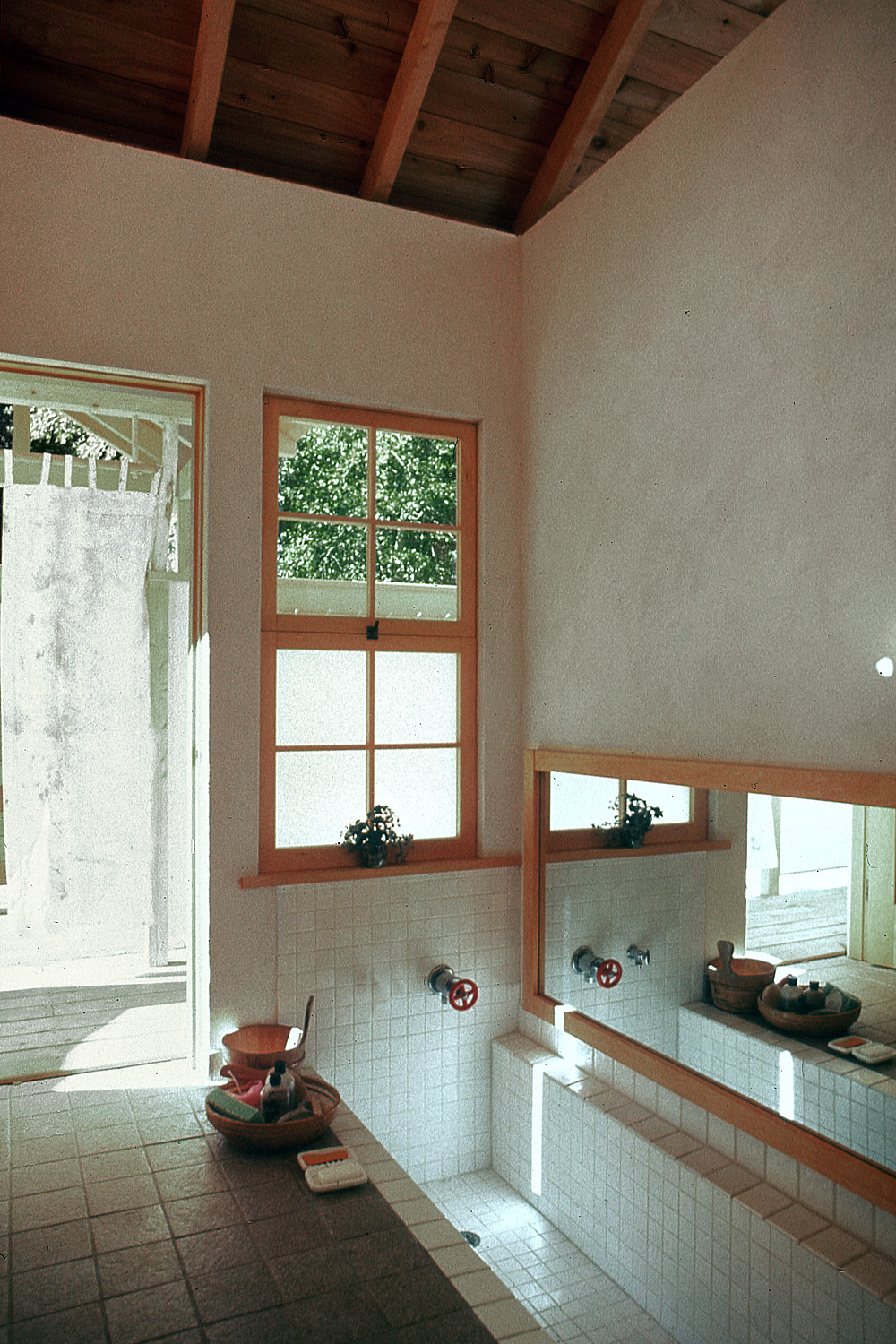
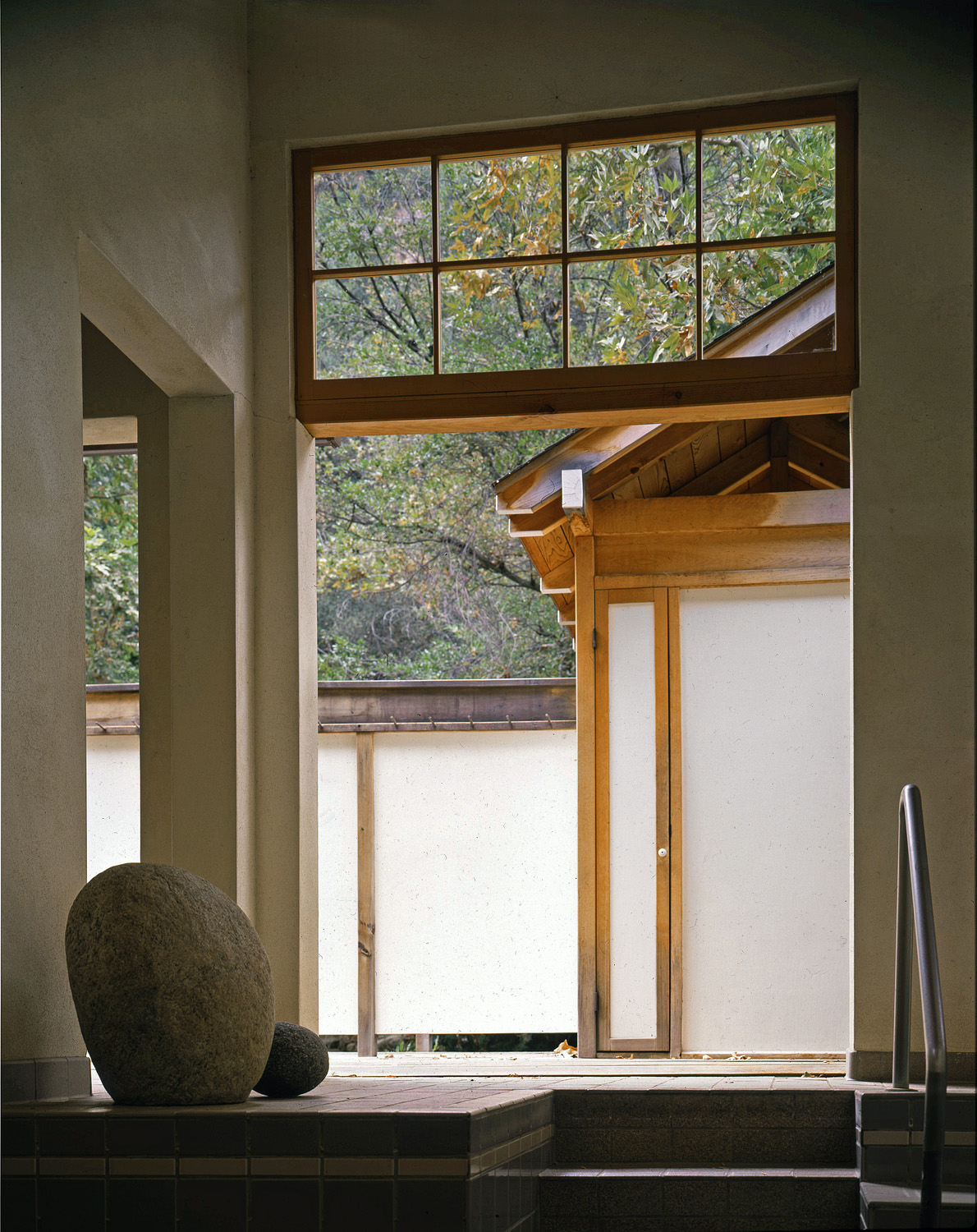
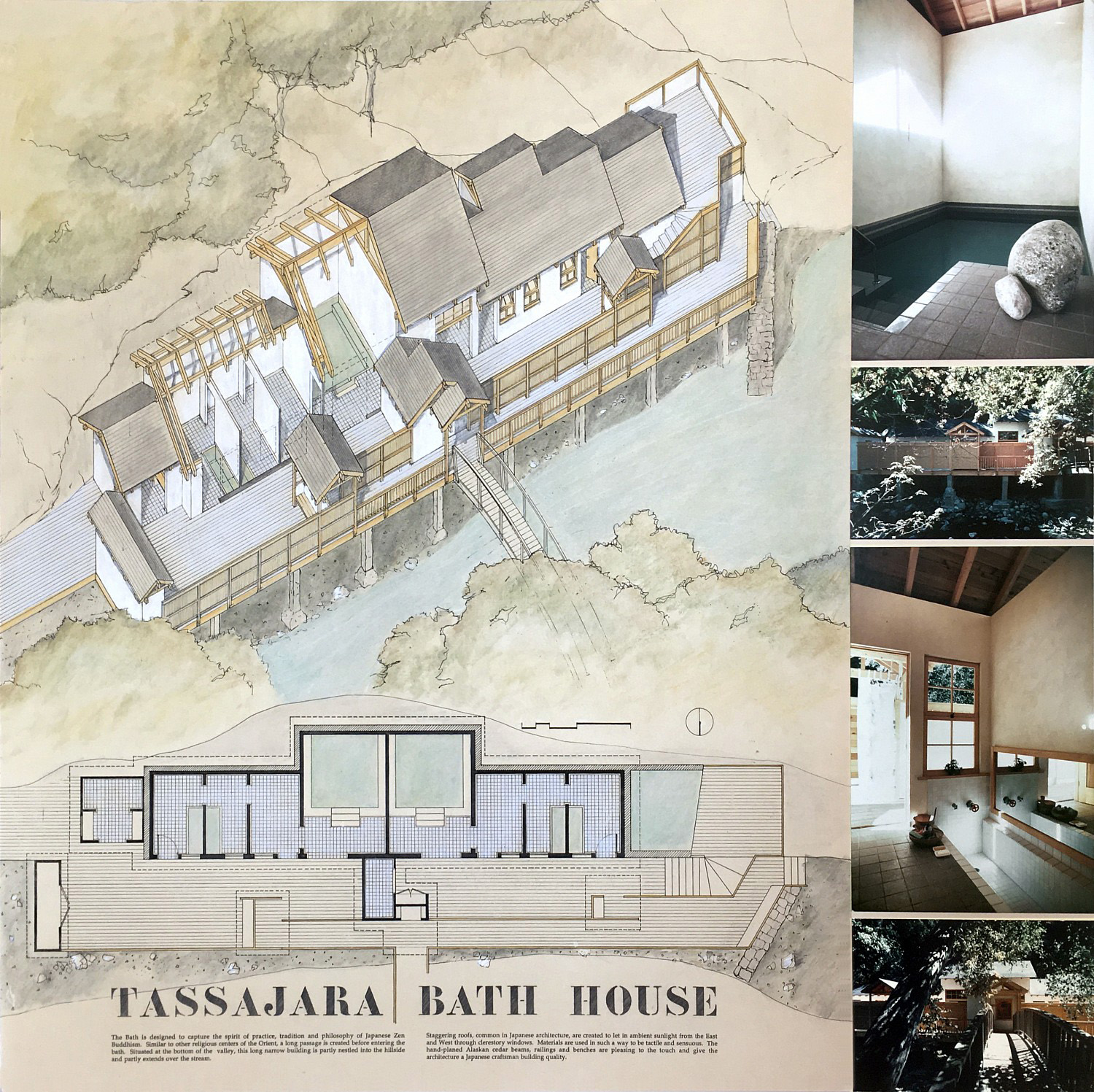
Community: Tassajara Bath House, Tassajara, California
1983




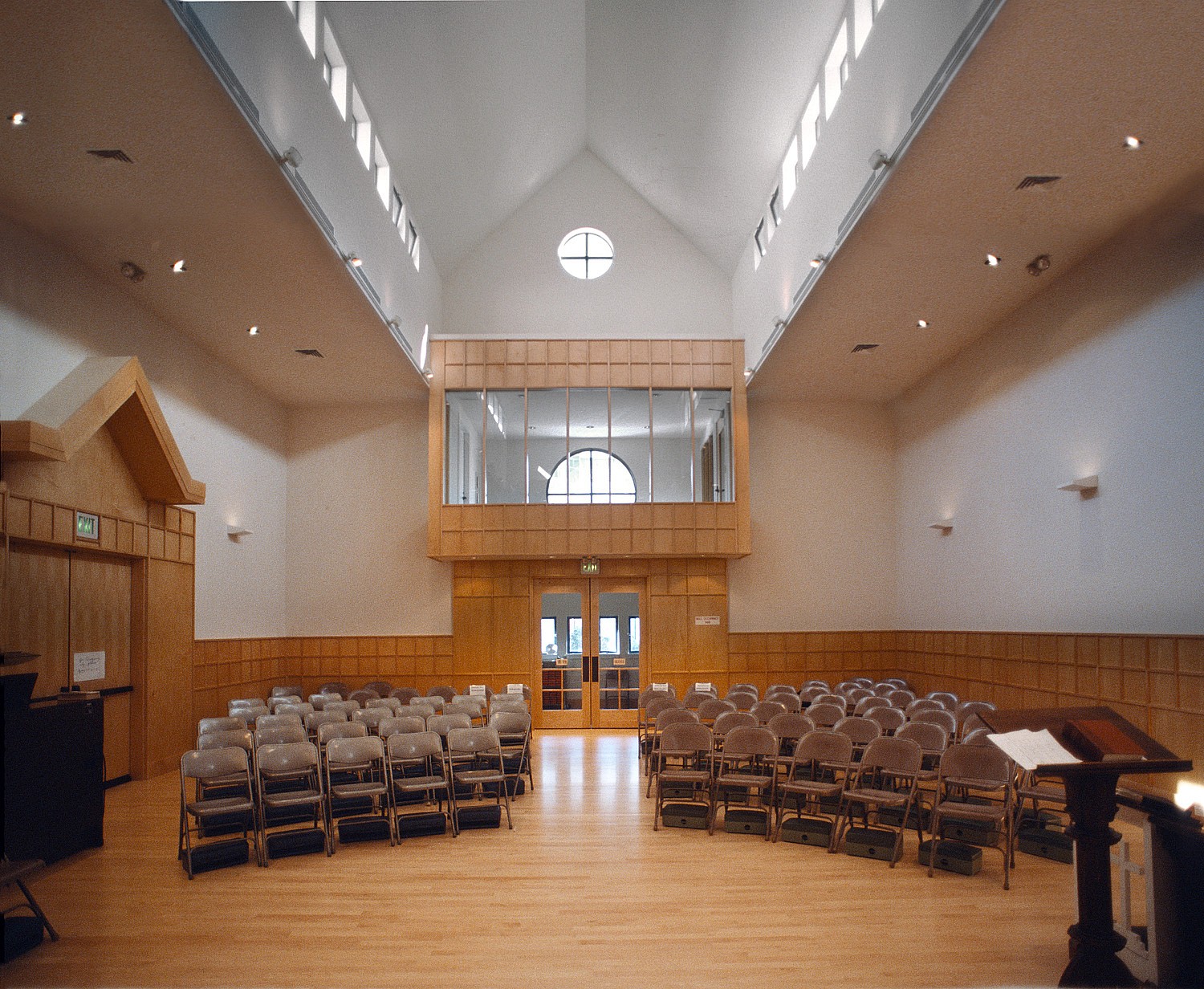
Community: True Sunshine Church, San Francisco, California
1992

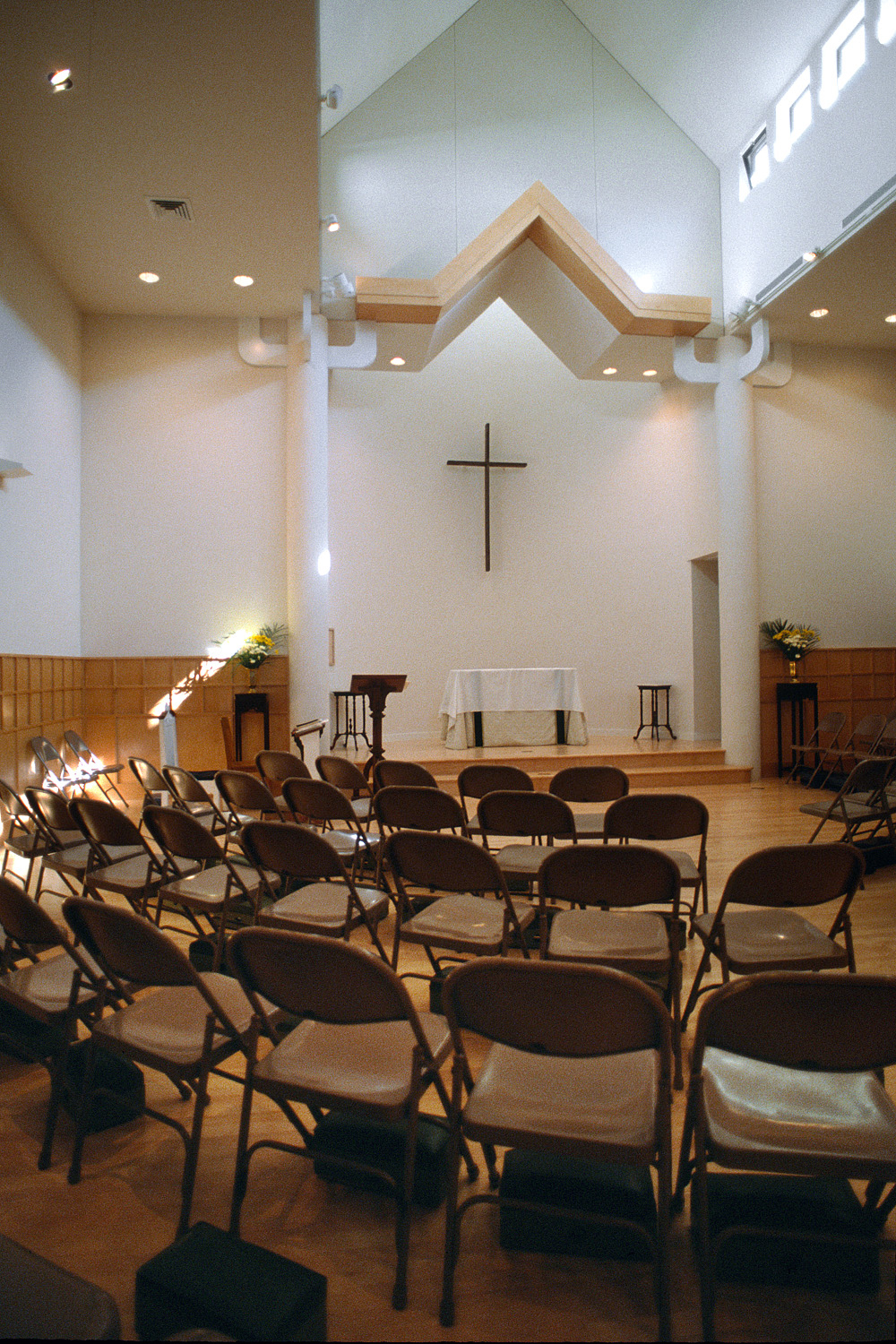
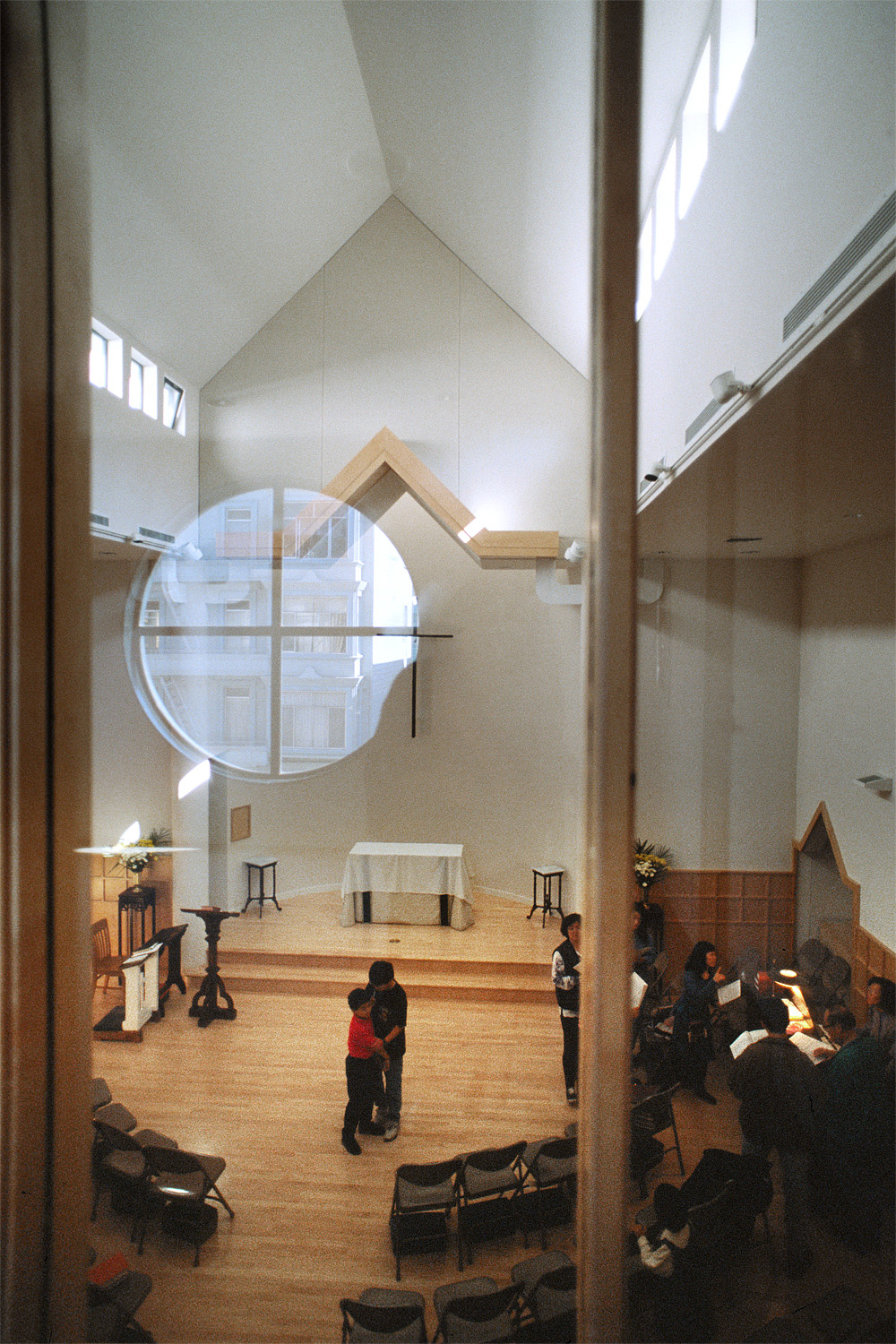
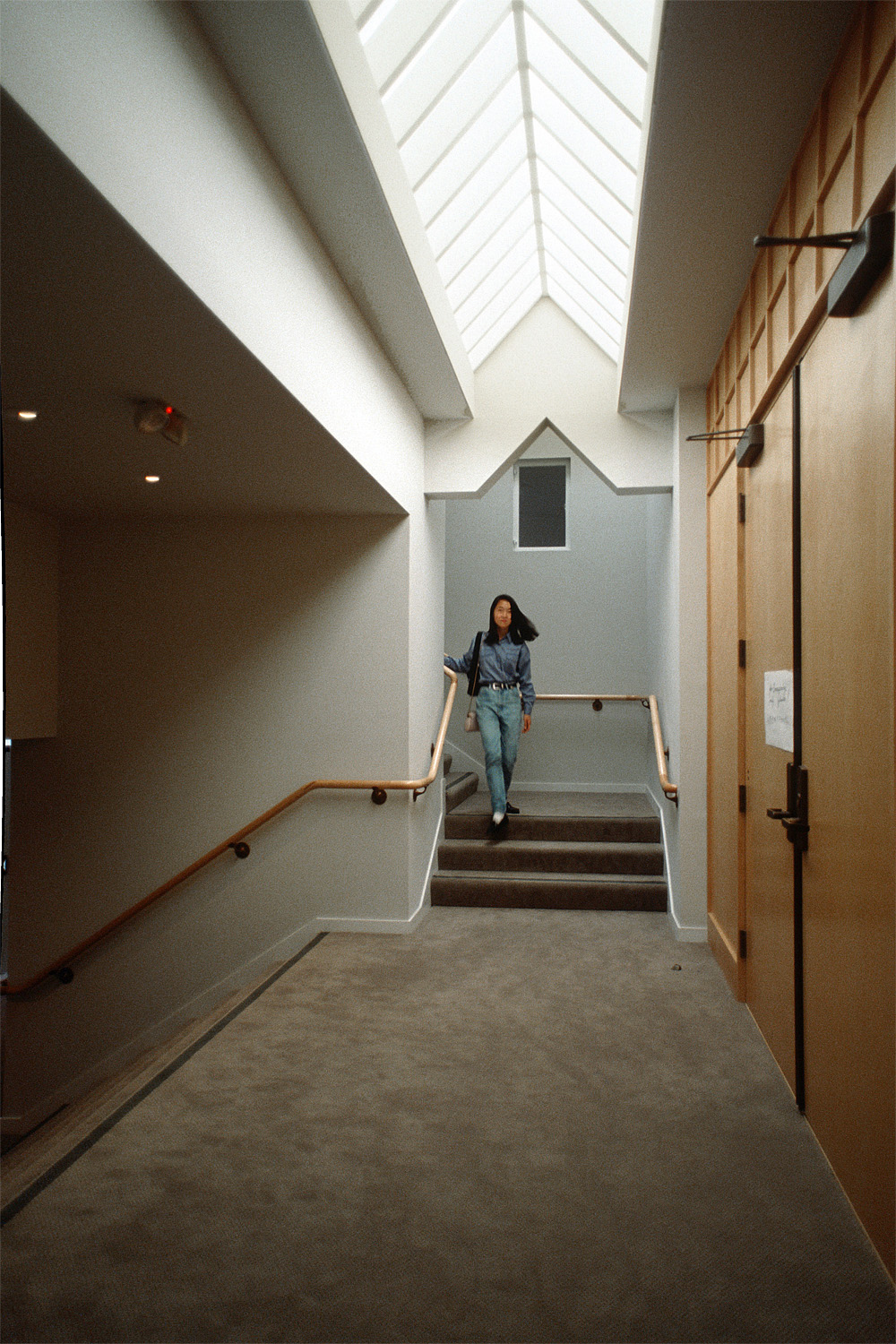
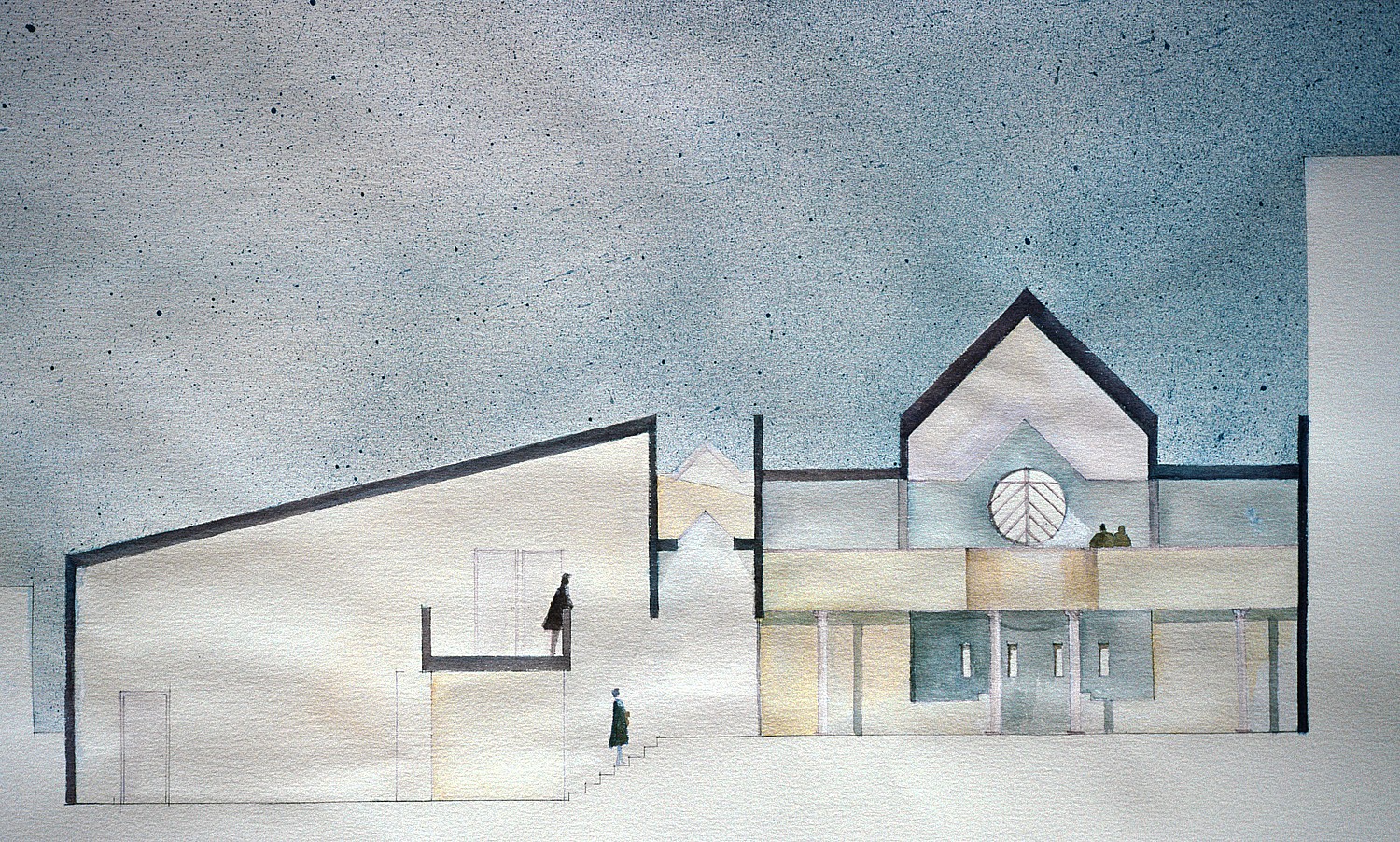
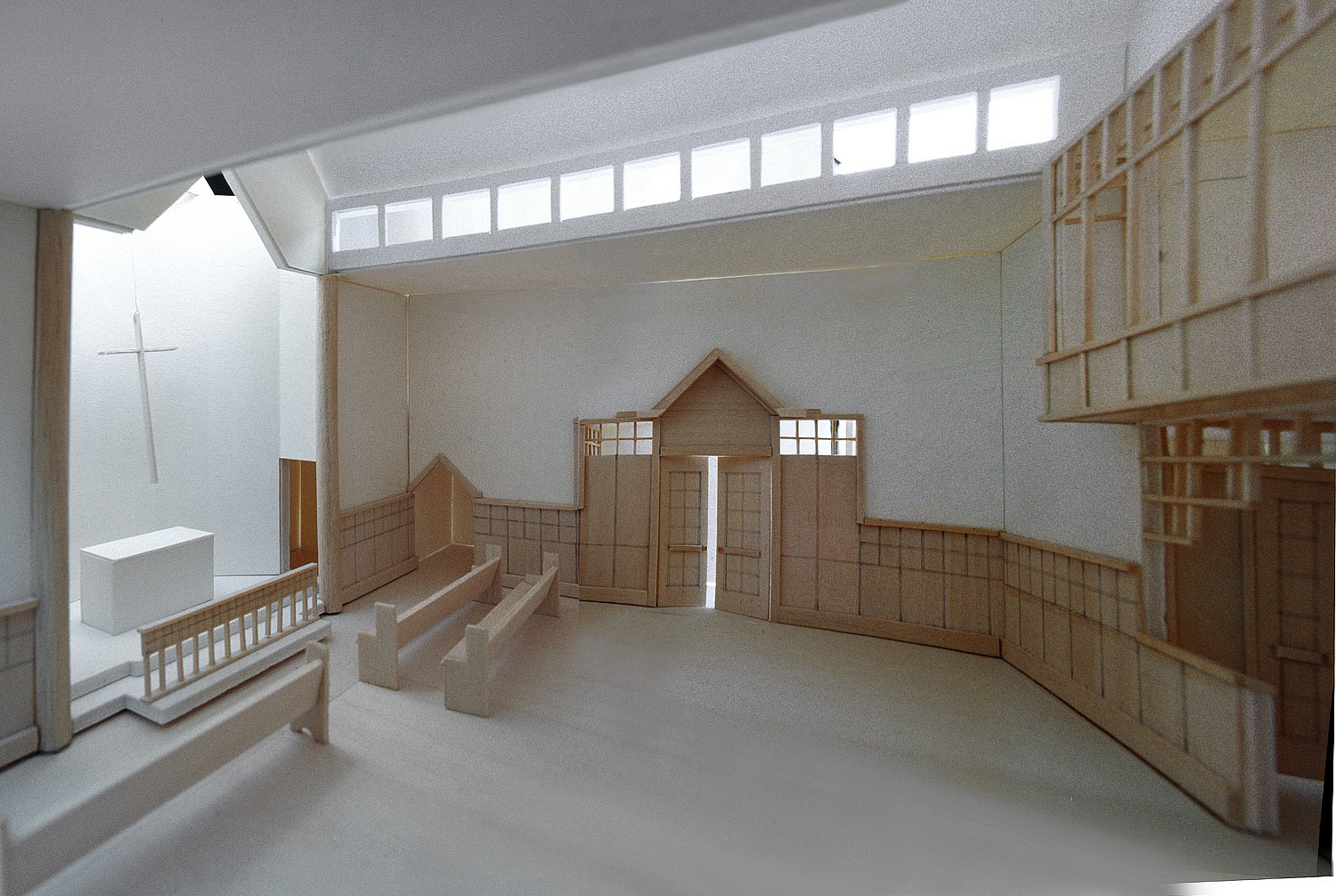
Community: Bonita House, Berkeley, California
1982
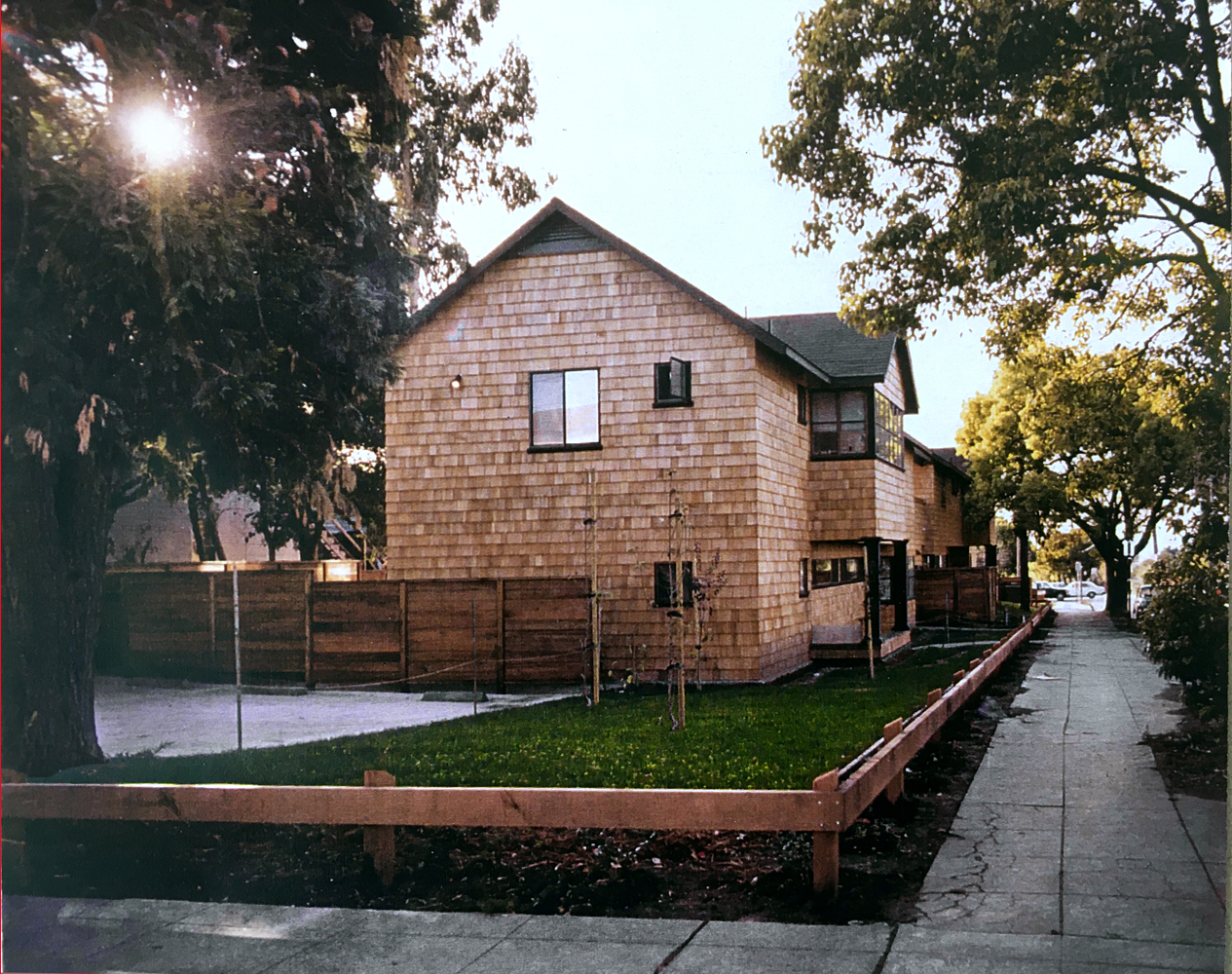
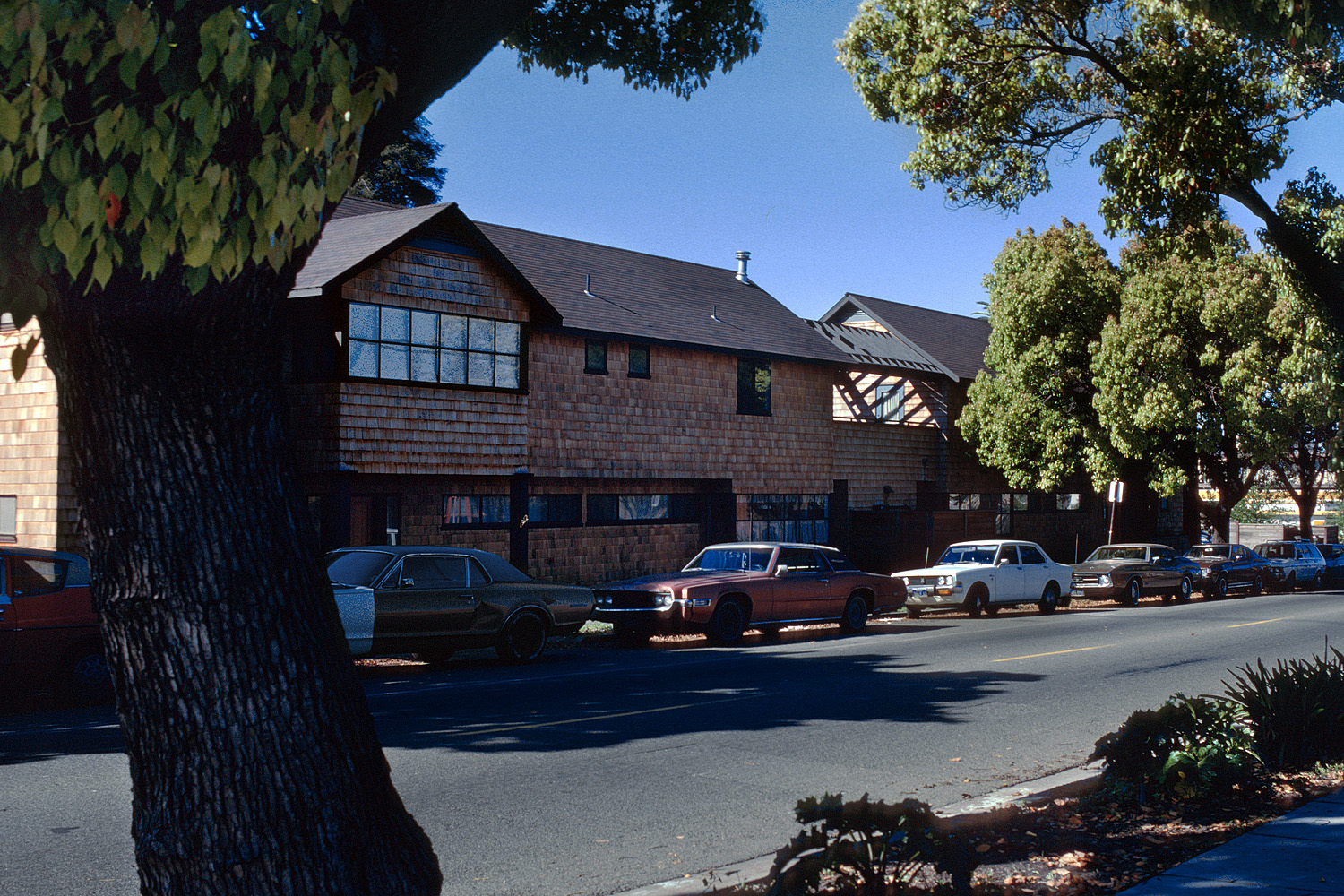
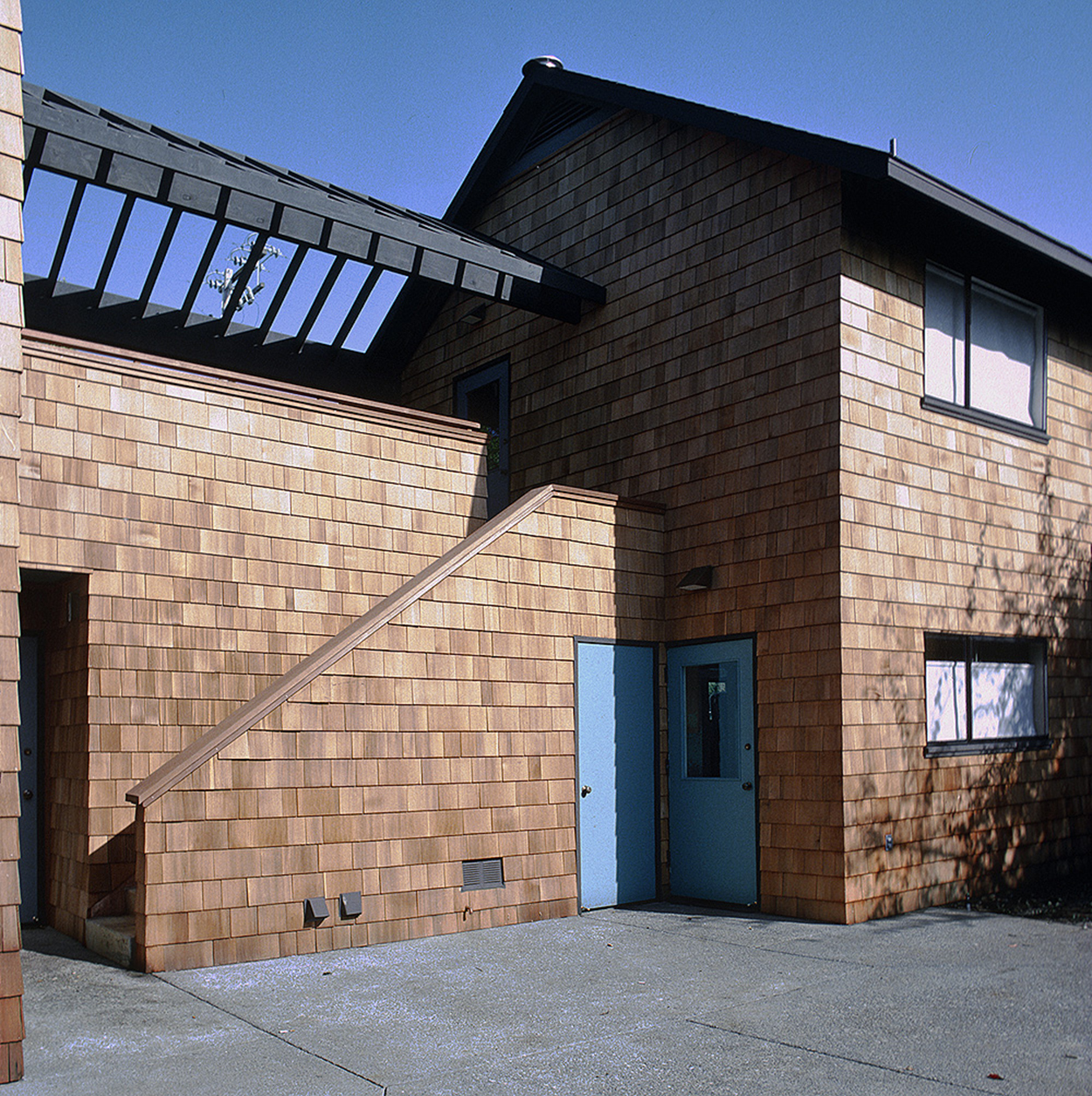


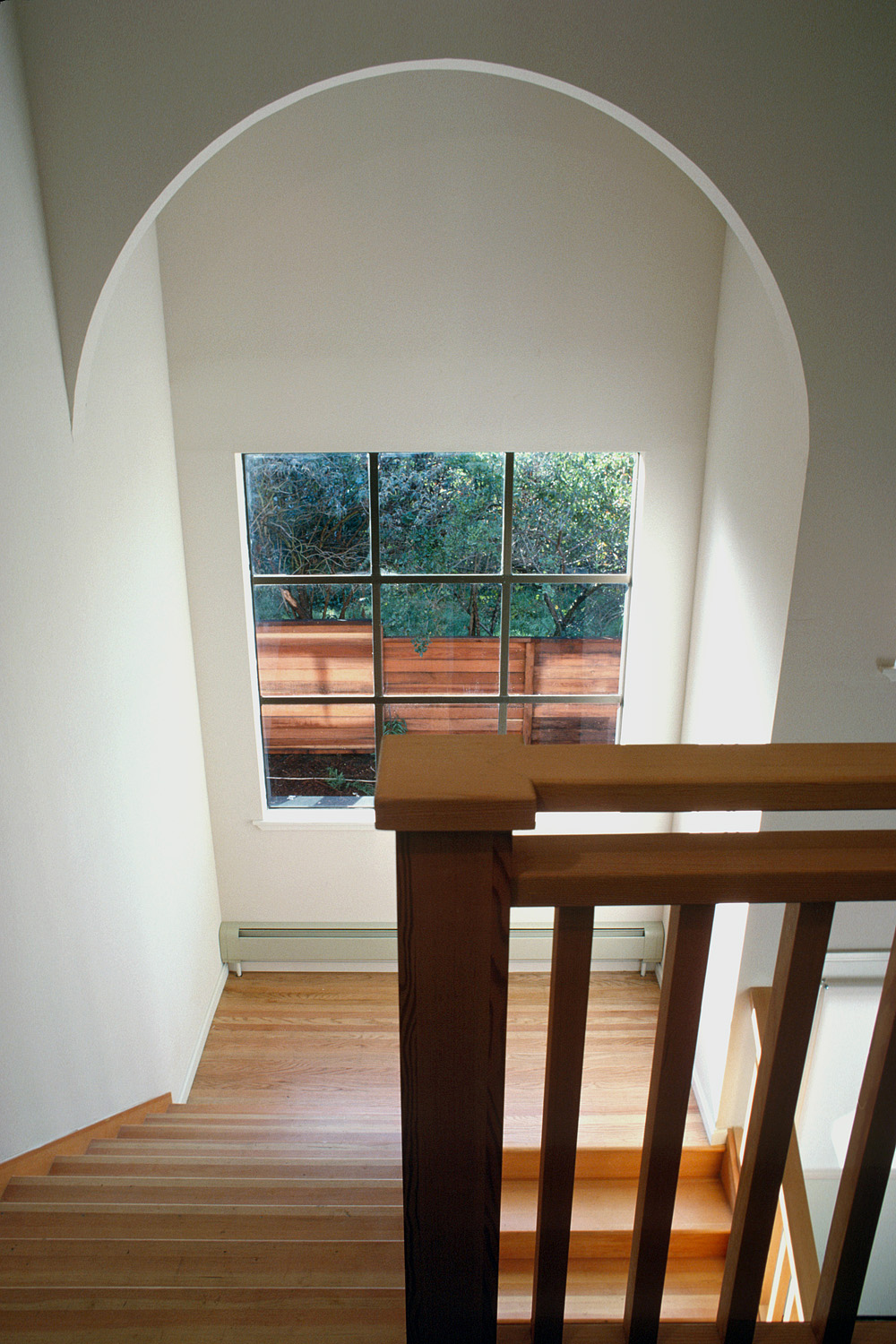
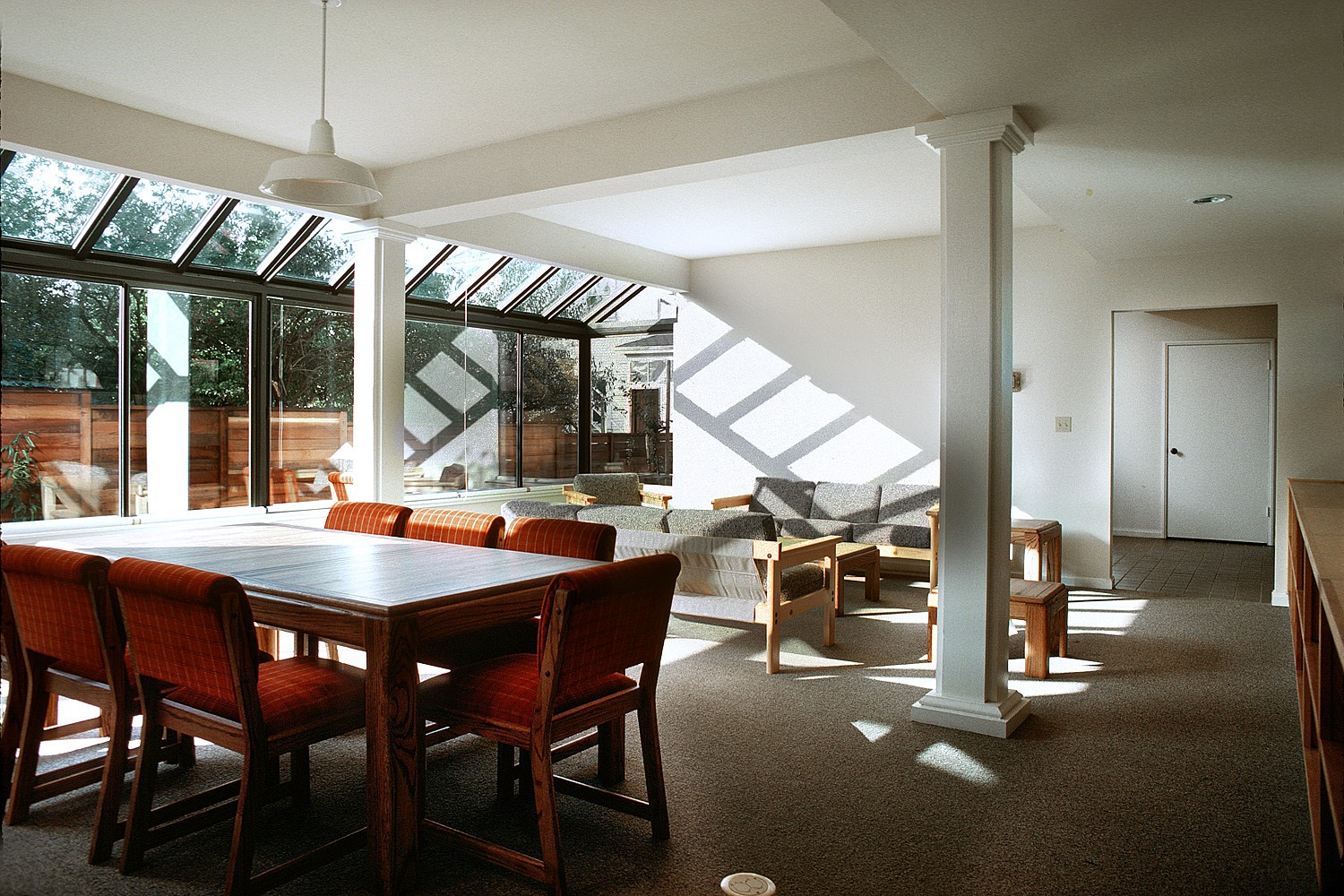

Homes: SoHo House, La Jolla, California
1994
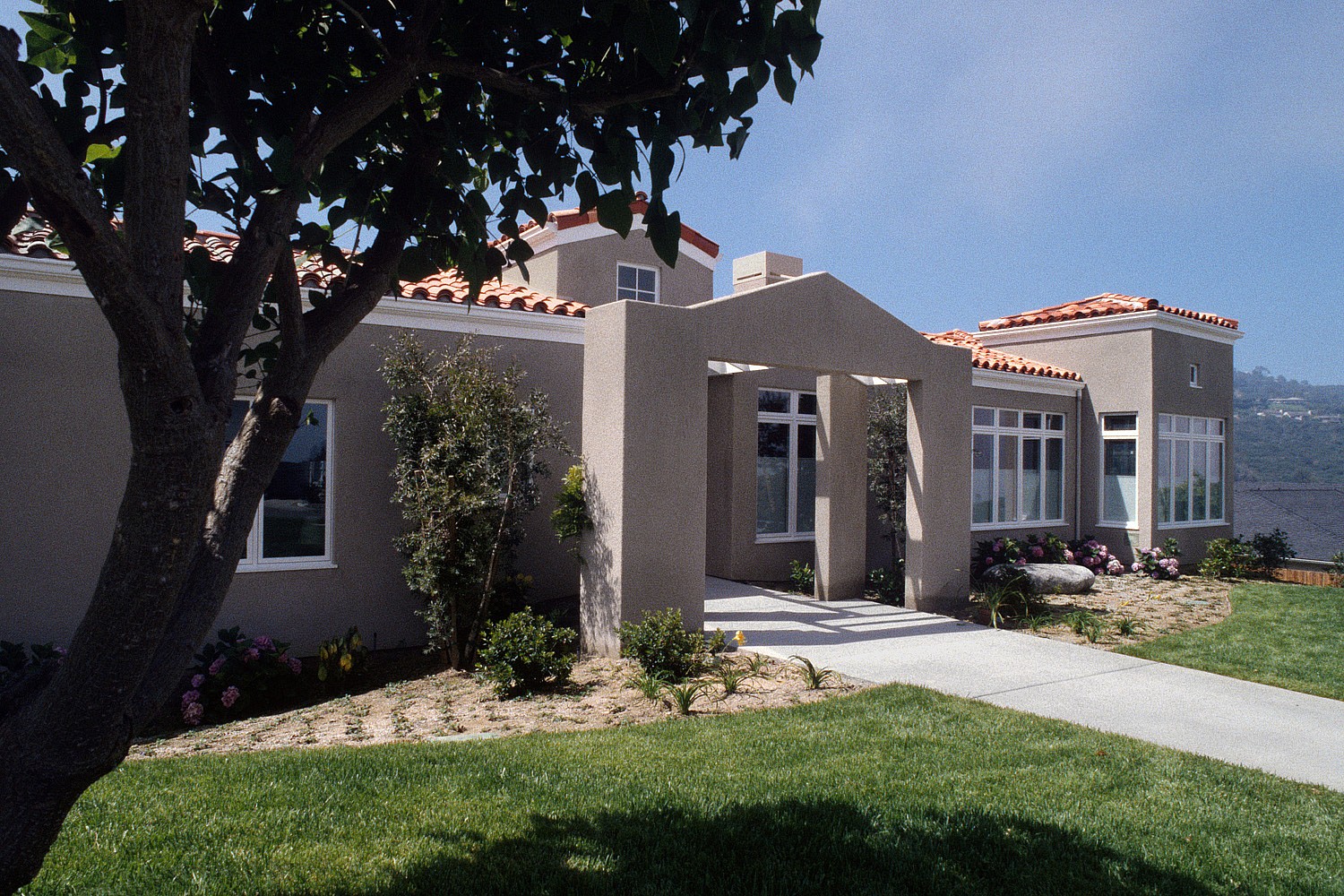
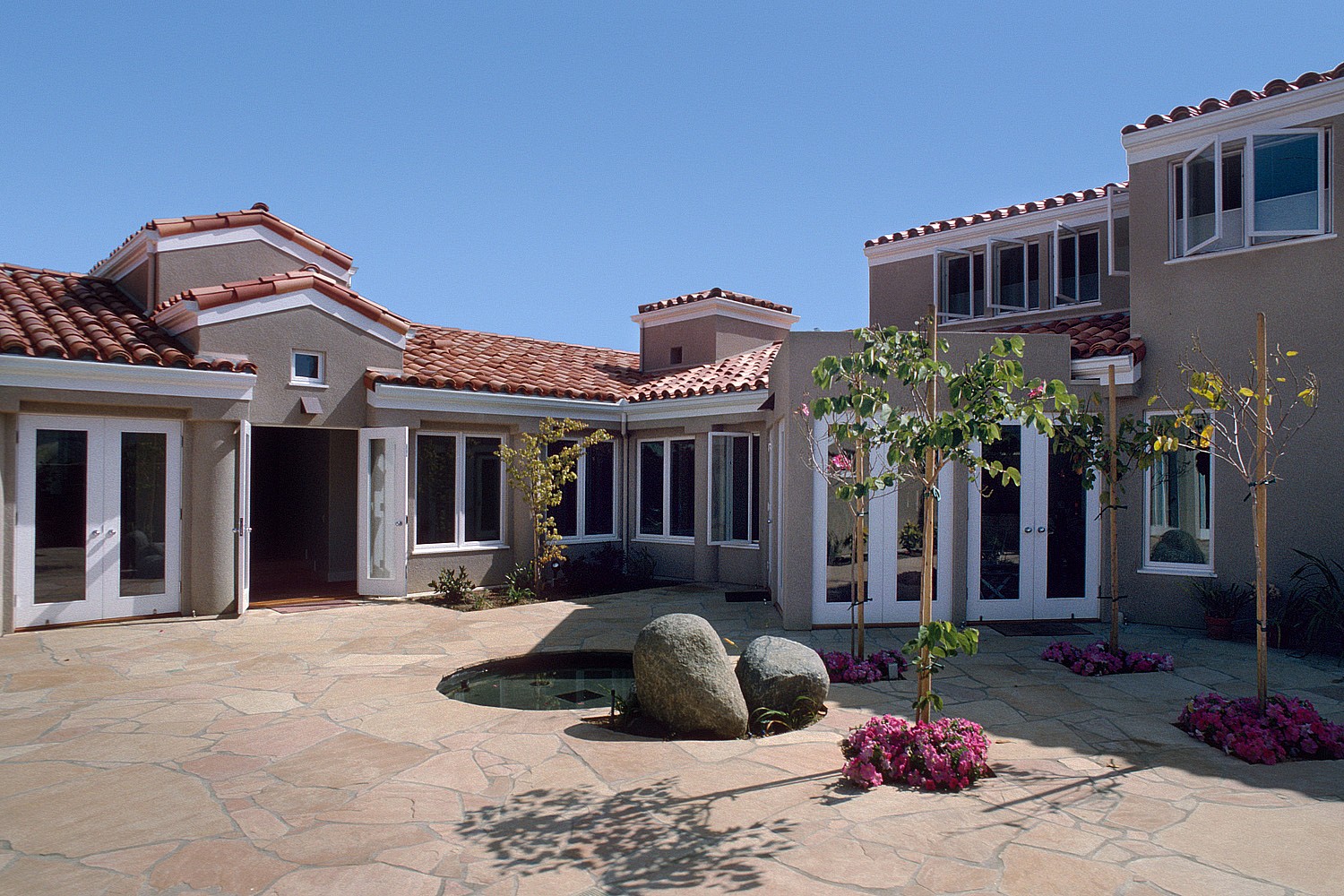



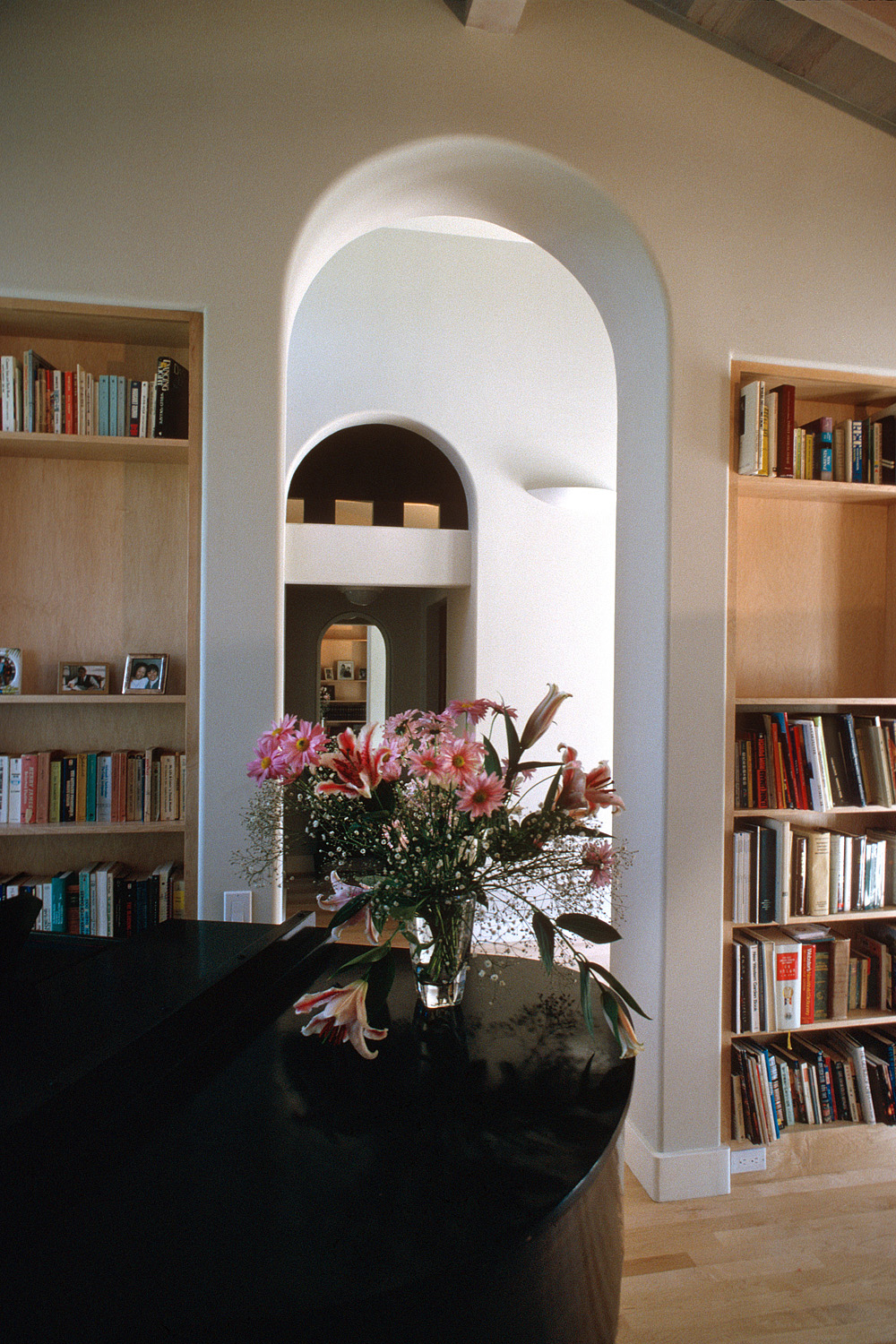

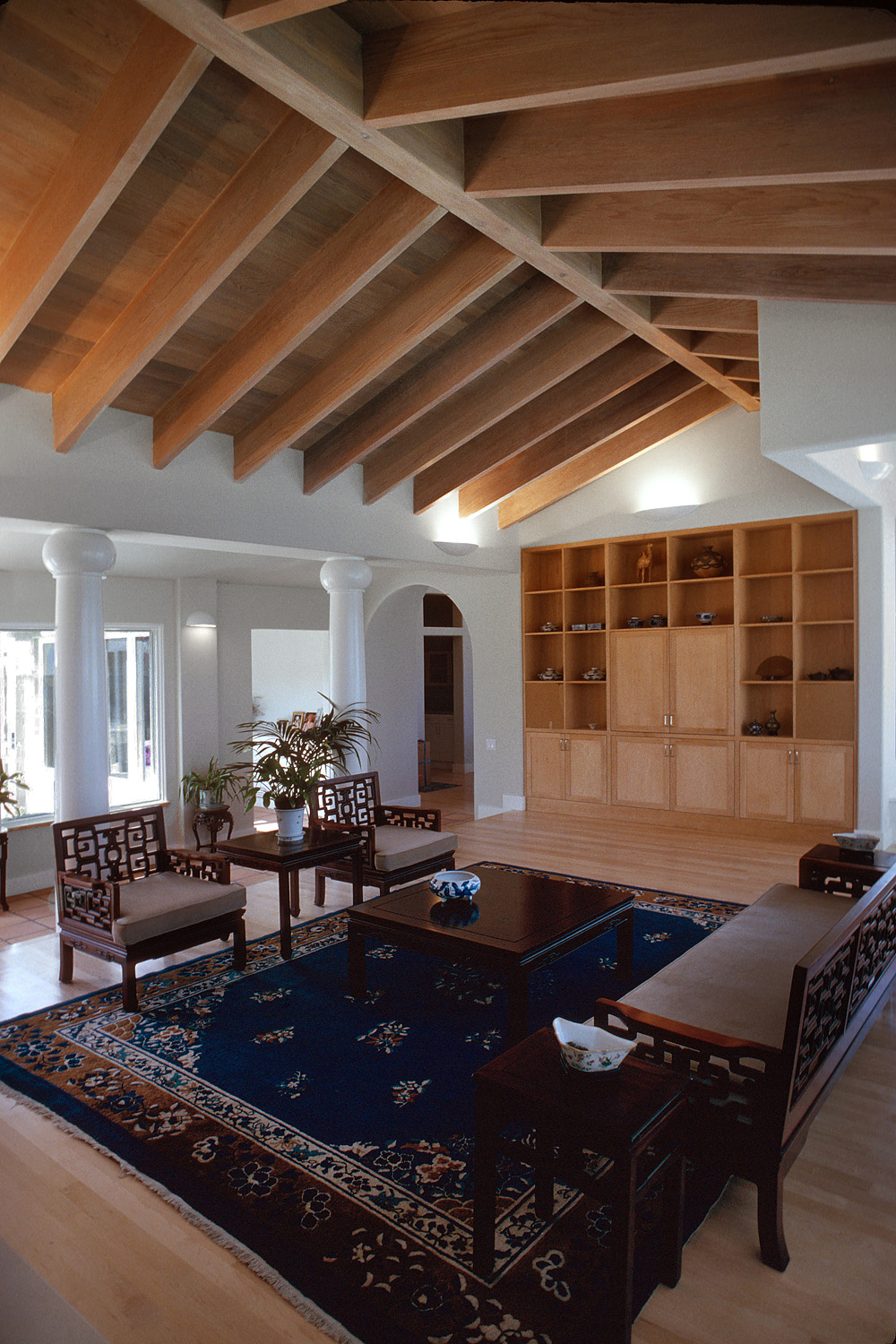
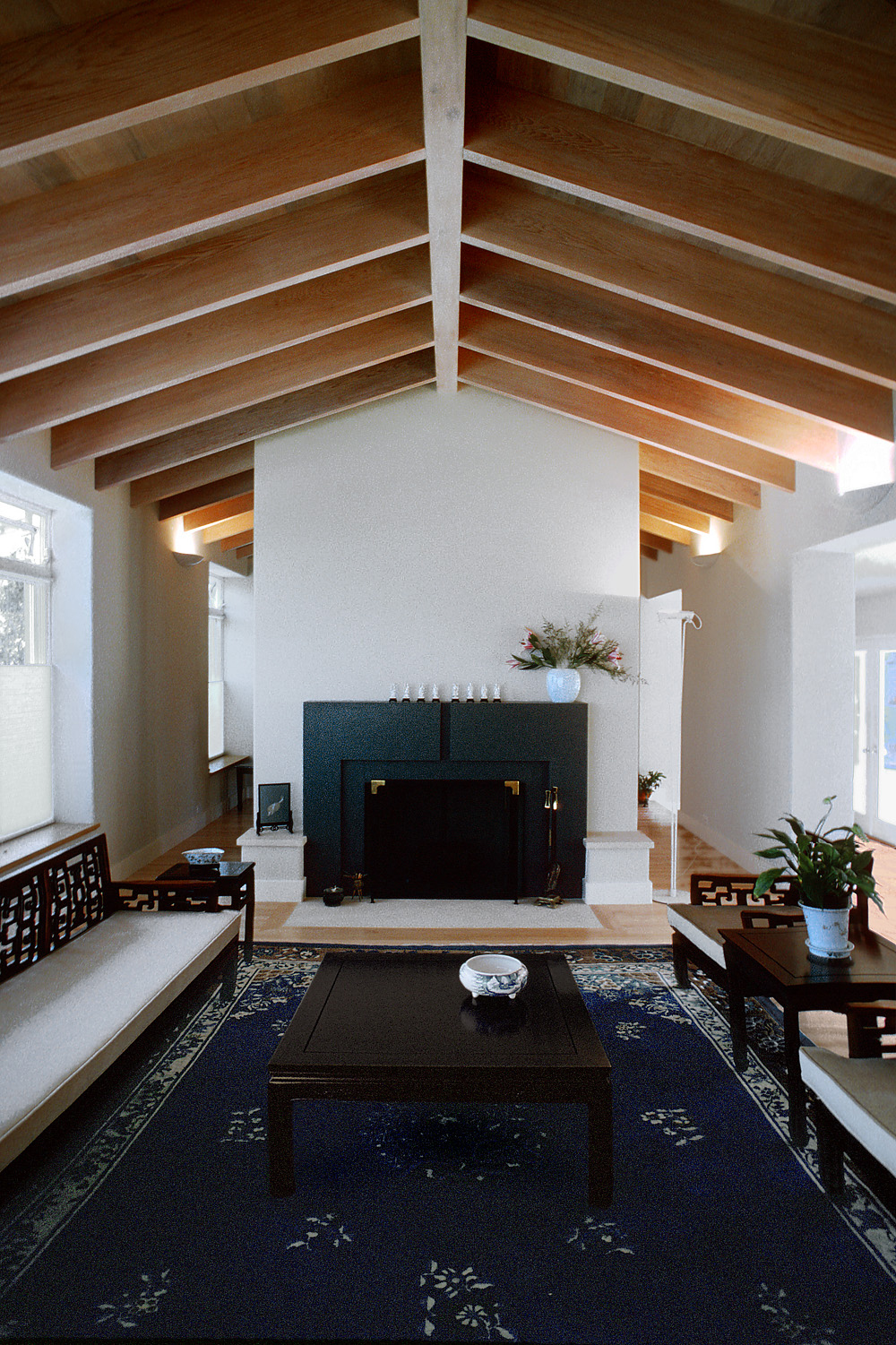
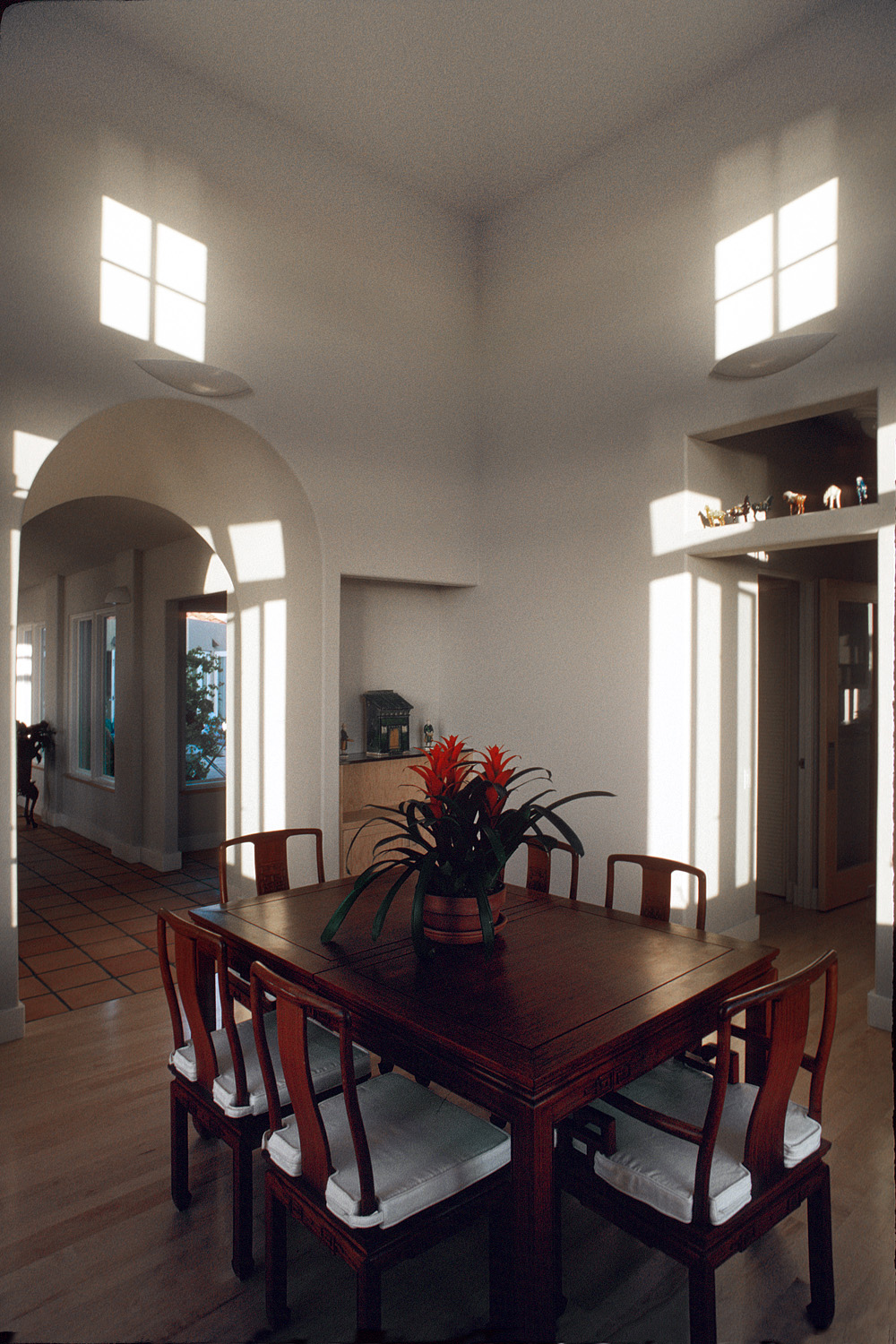

Homes: Twin Brook Farm House, Napa, California
1995

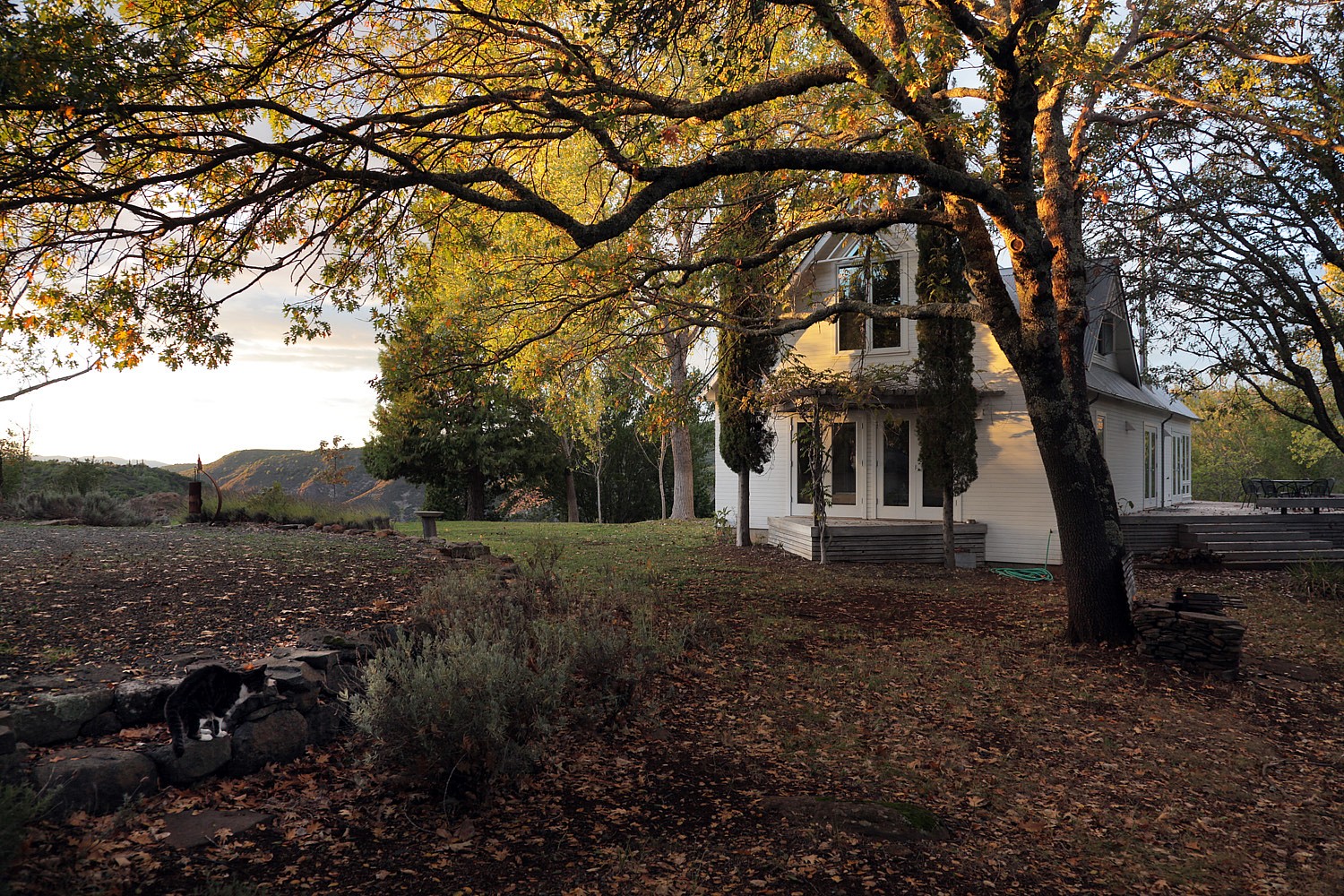
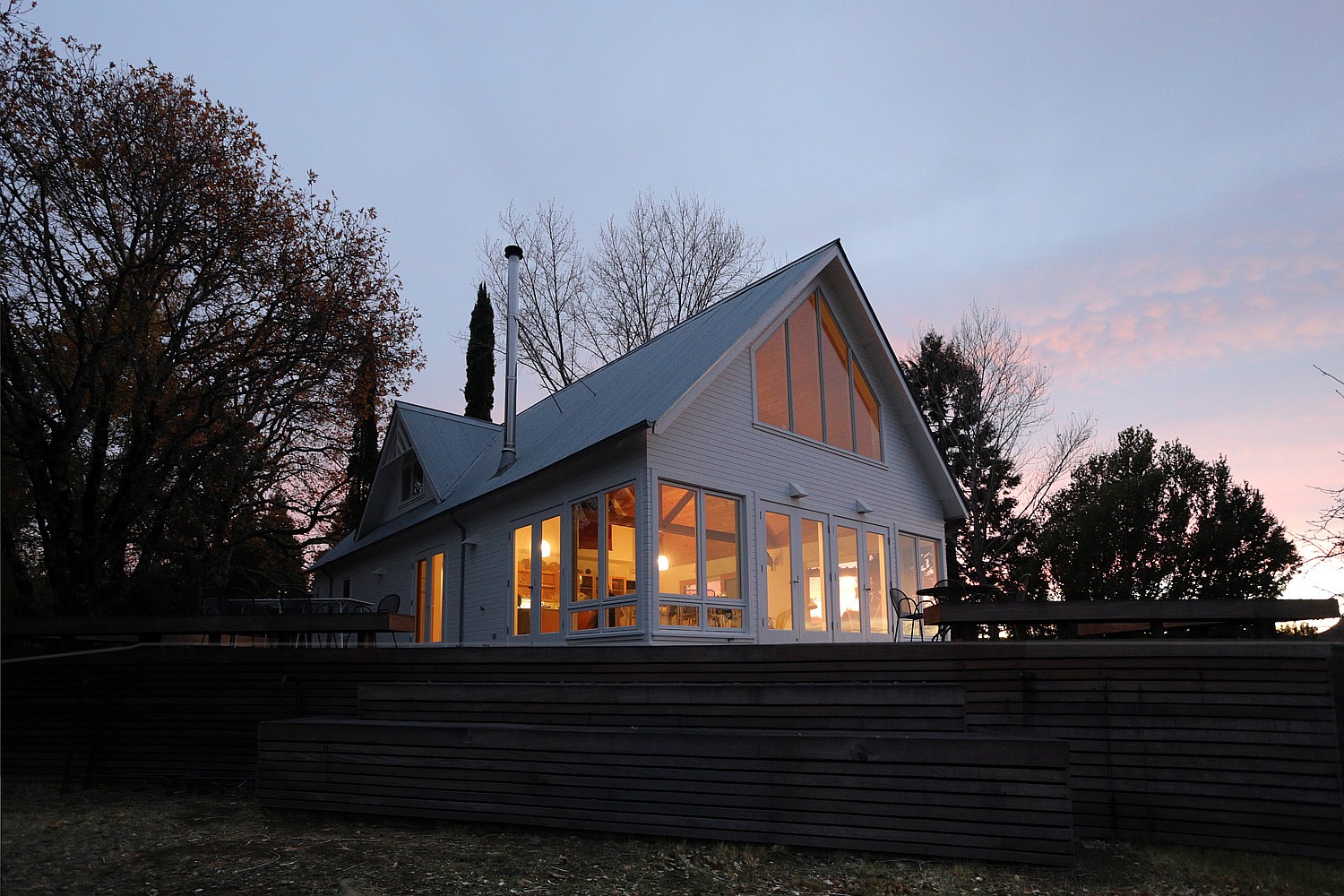
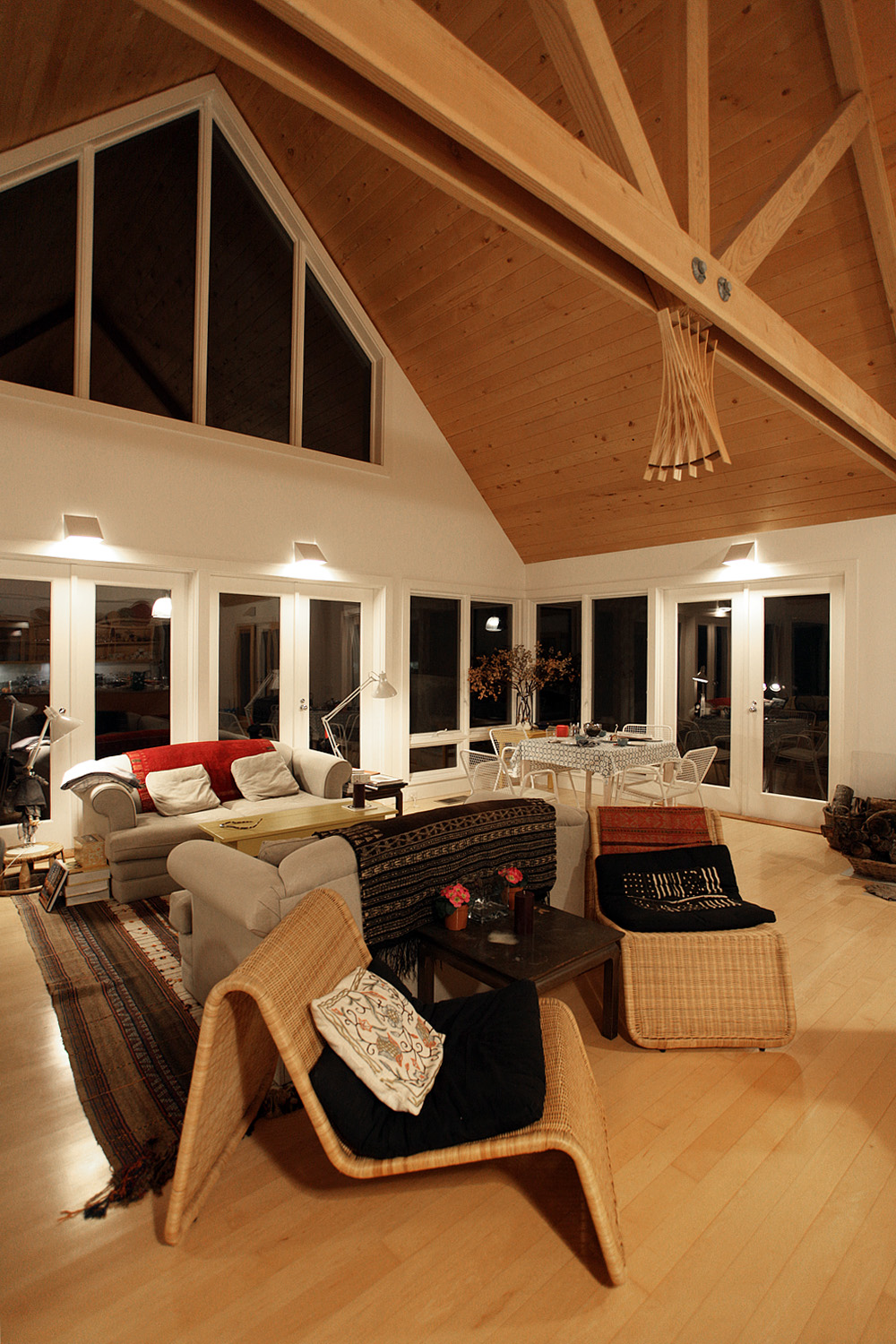
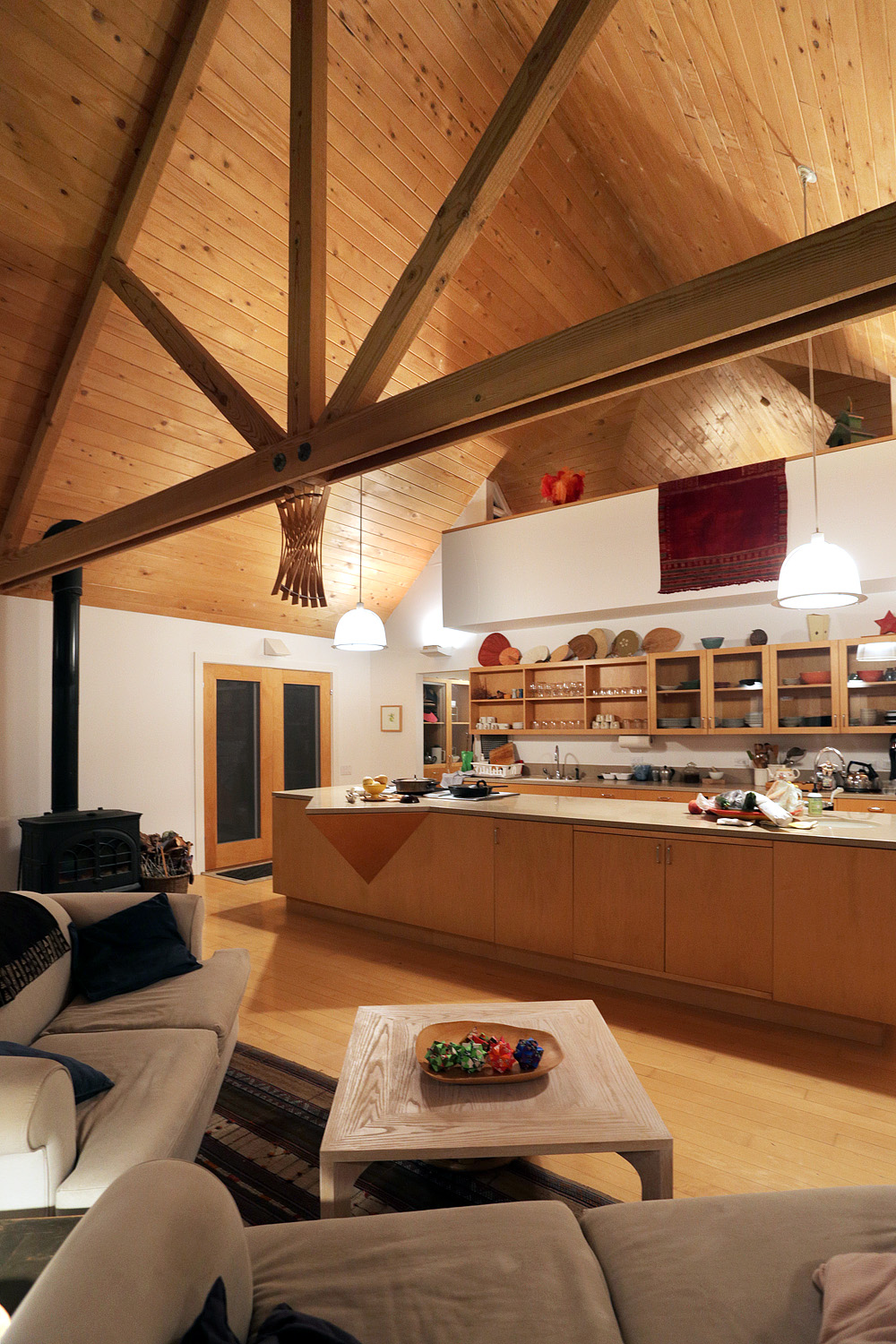
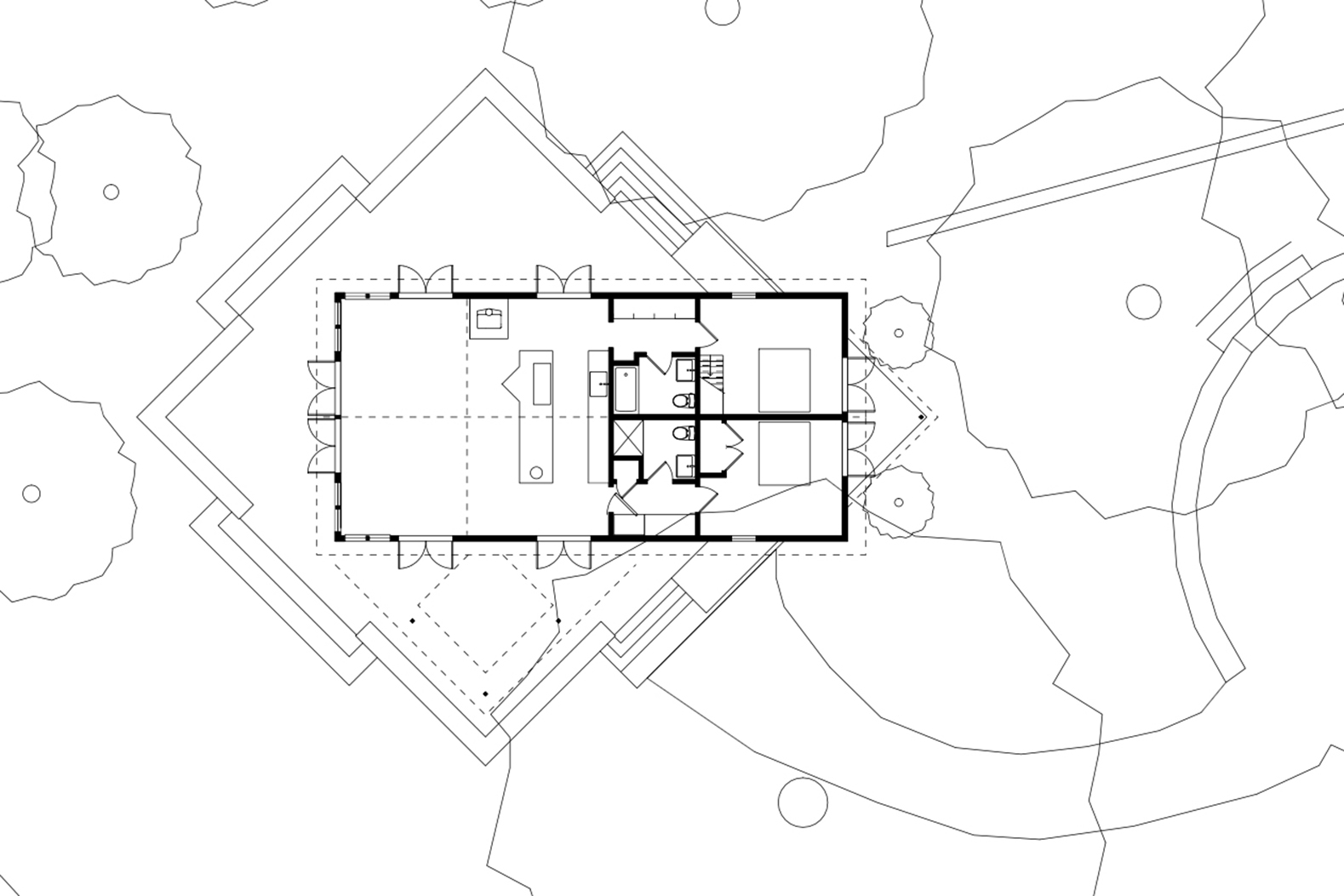
Homes: Sutch Home Studio, Berkeley, California
1992


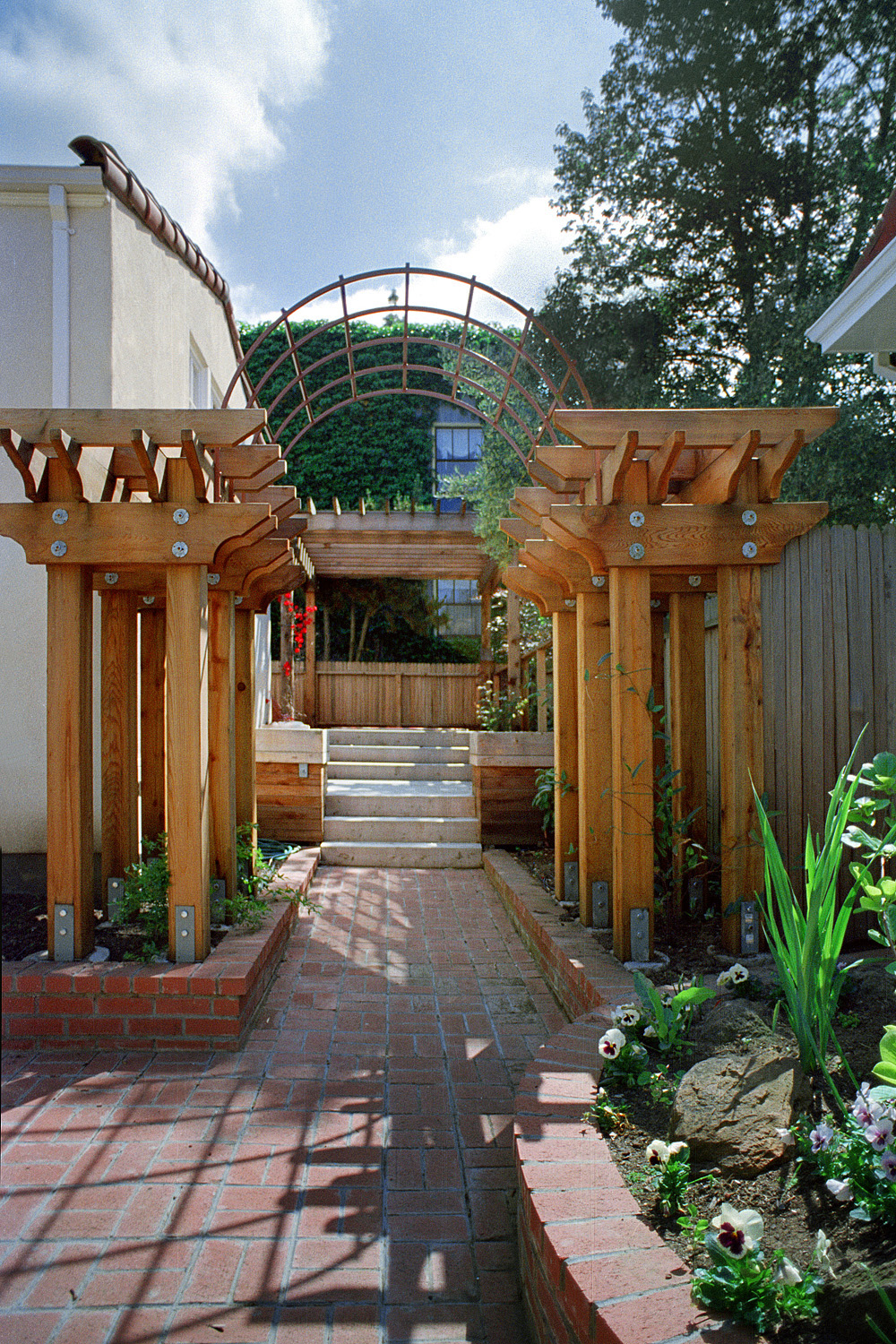
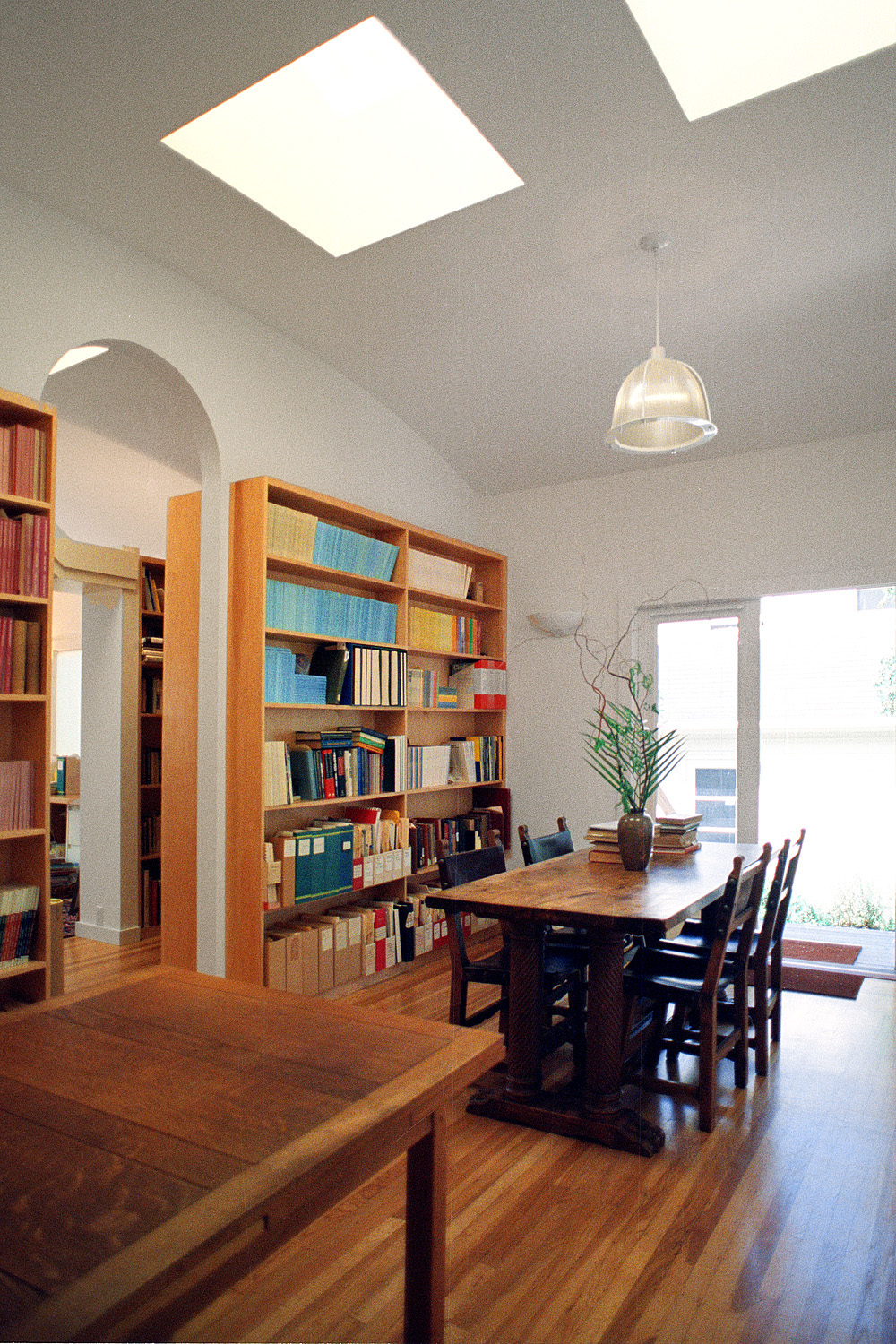


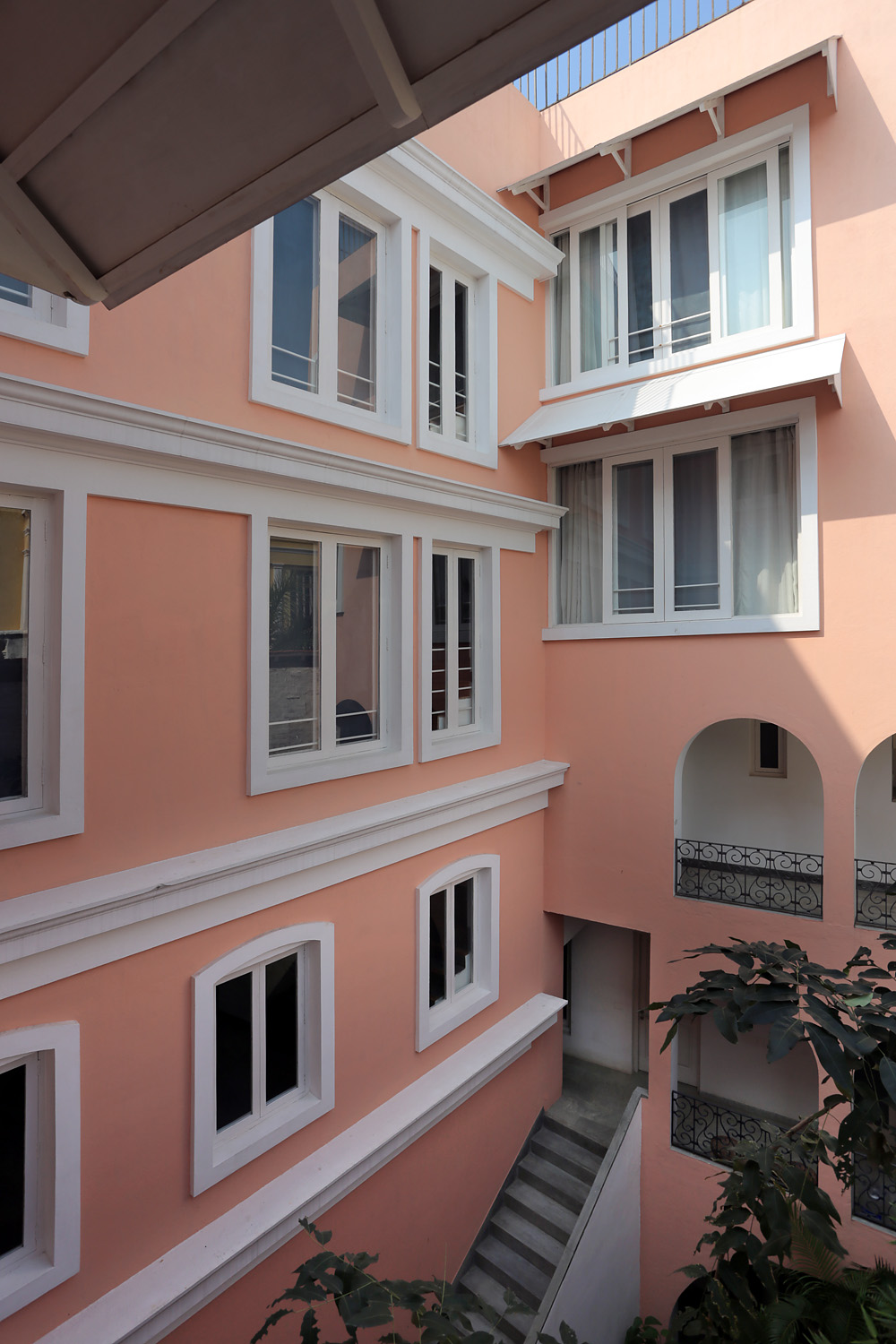
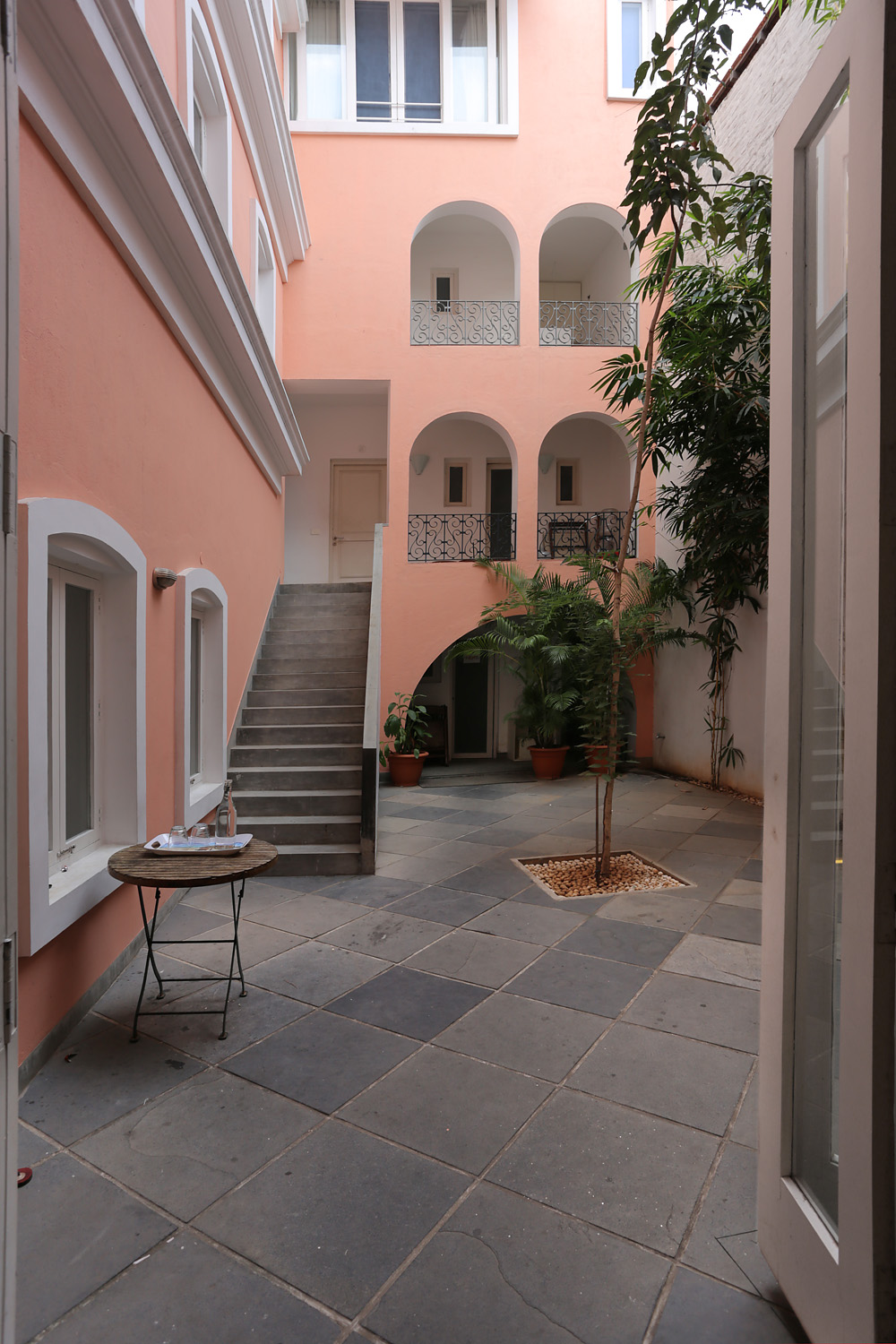
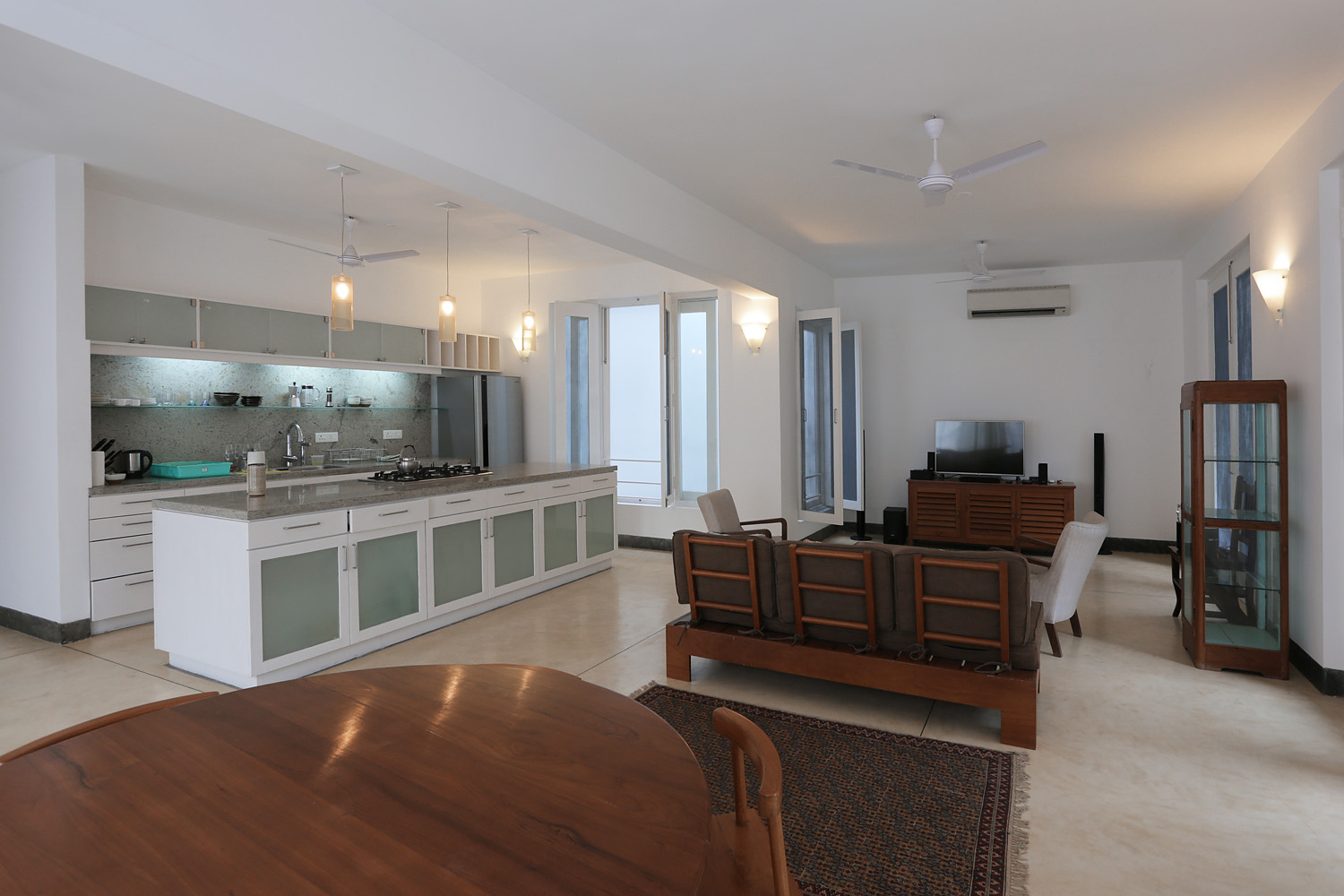
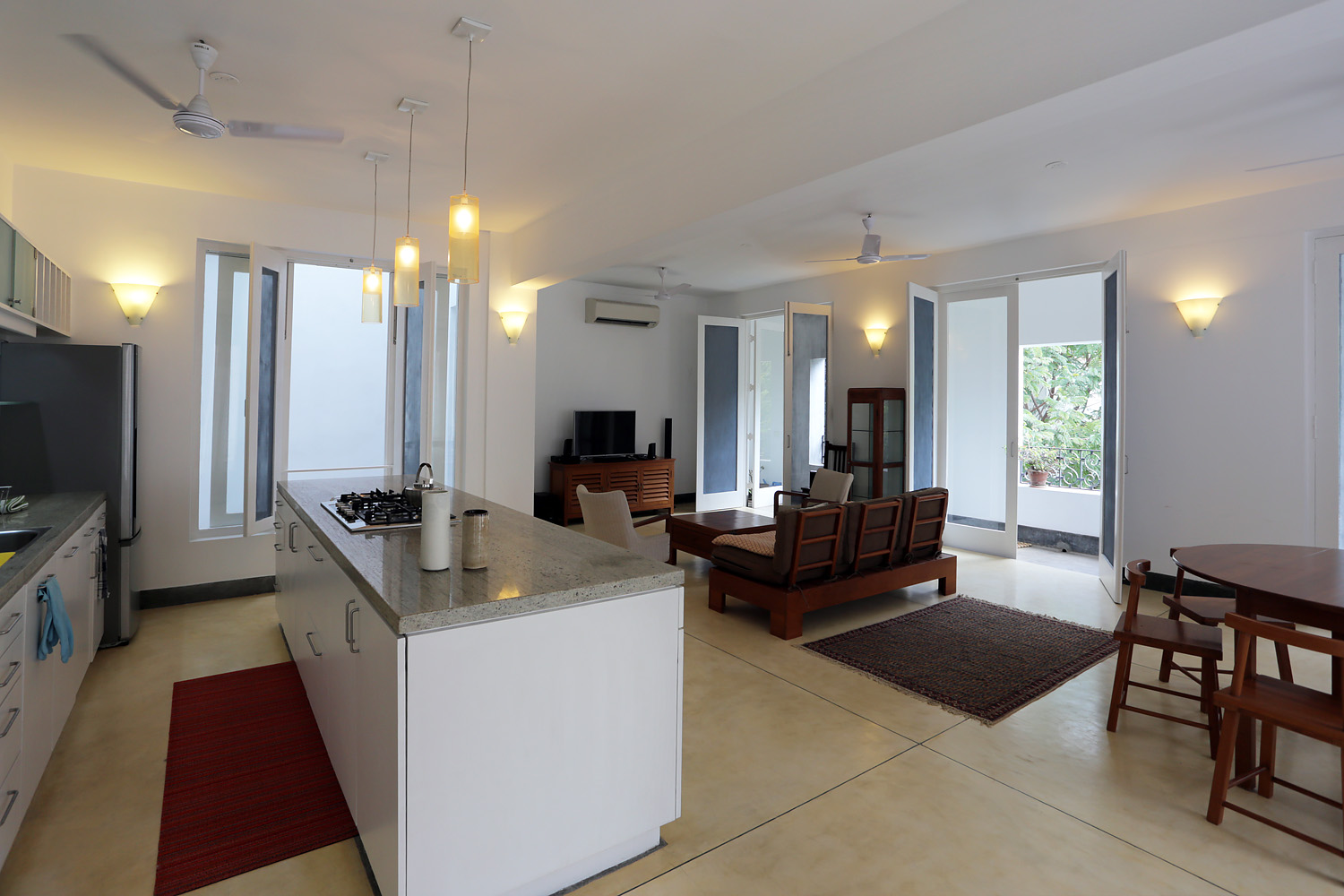
Homes: Joseph Shop House, Pondicherry, India
2009
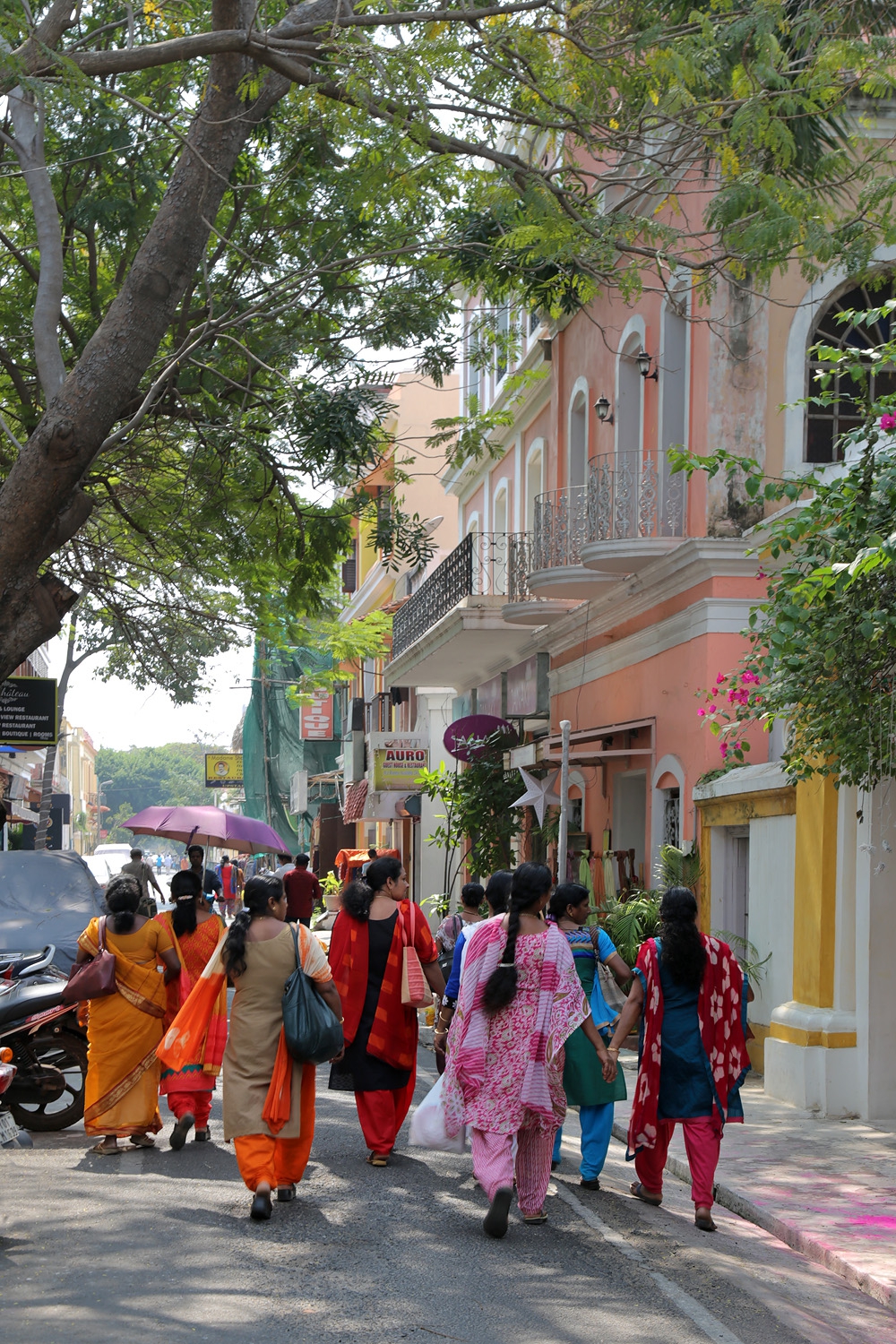





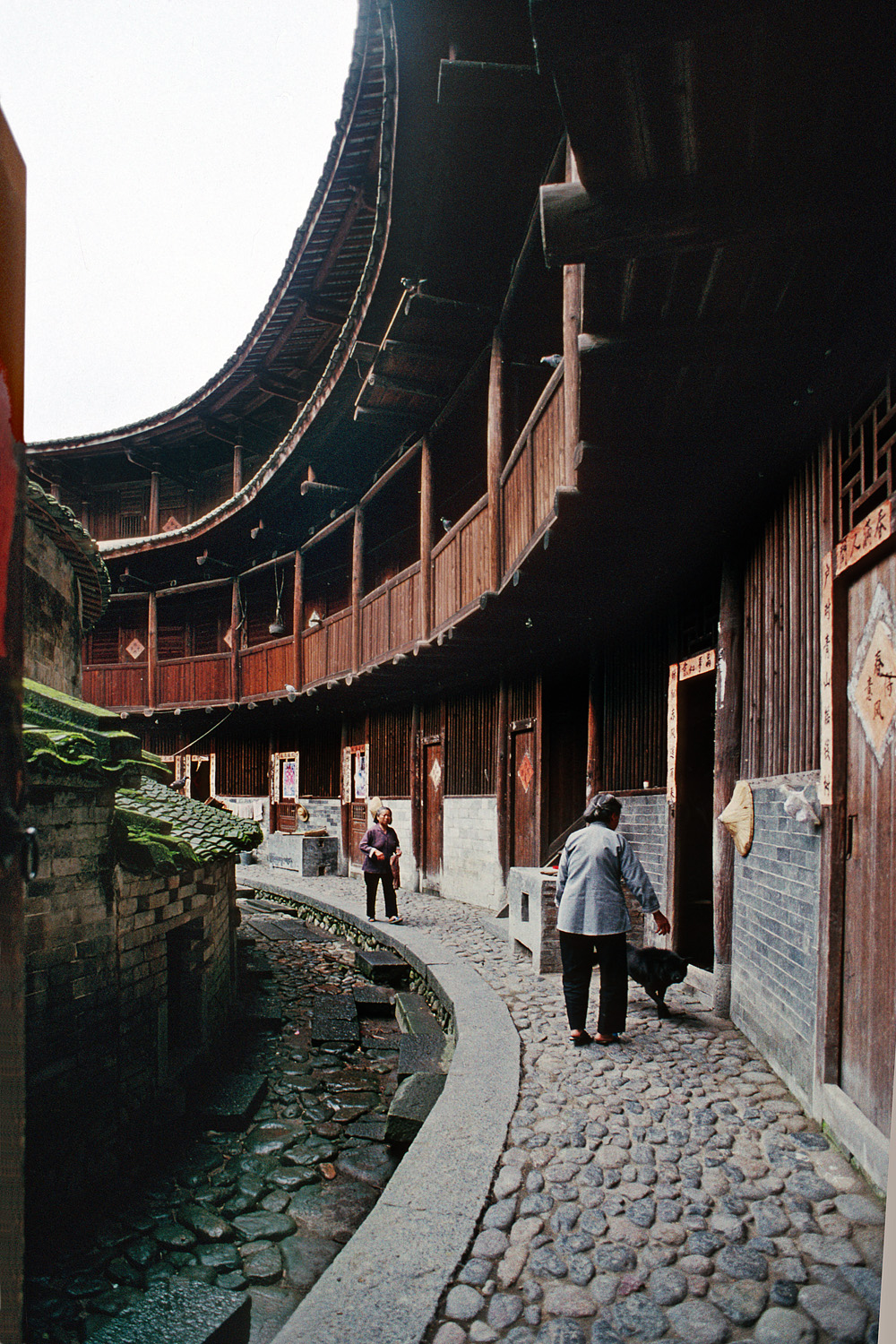
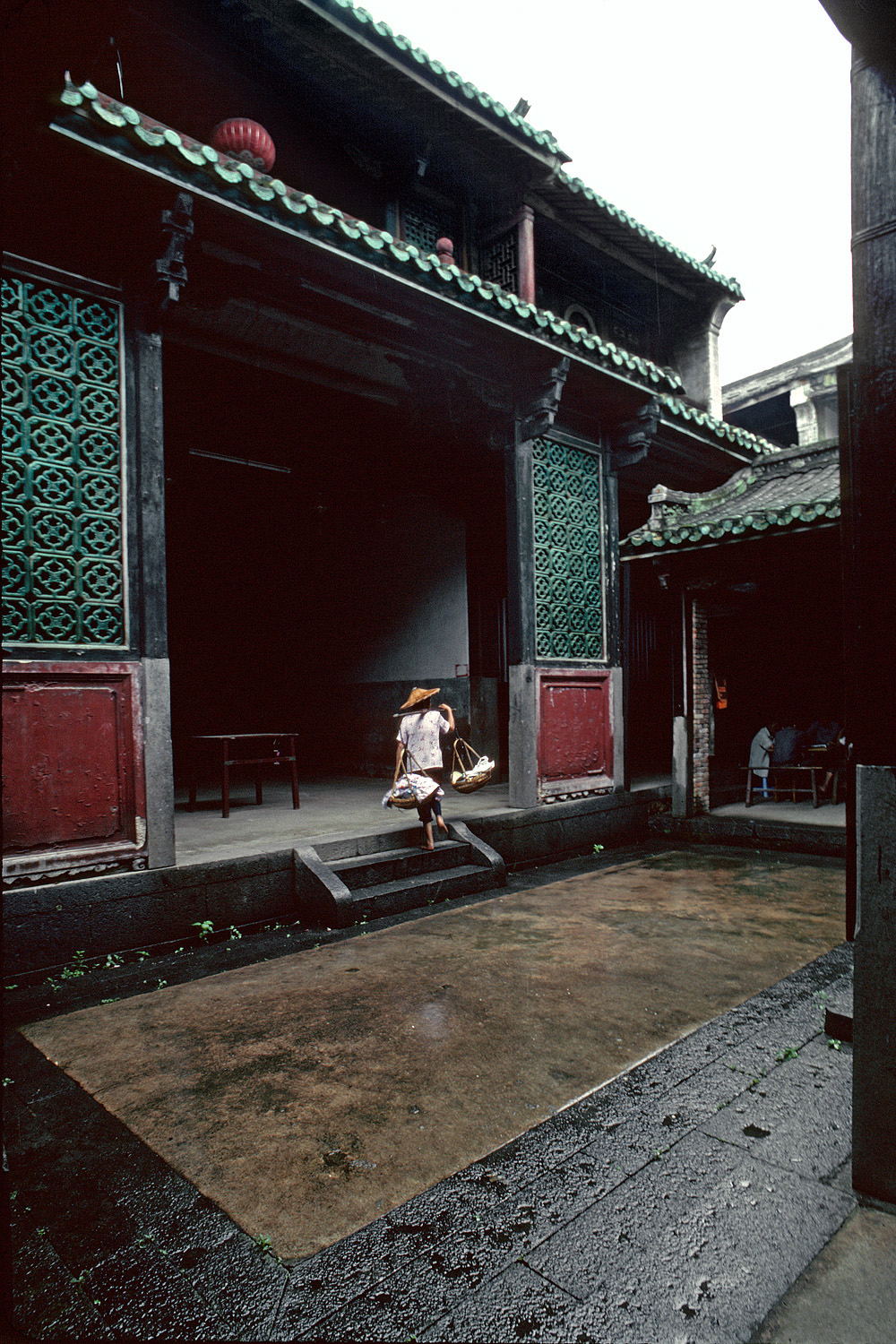
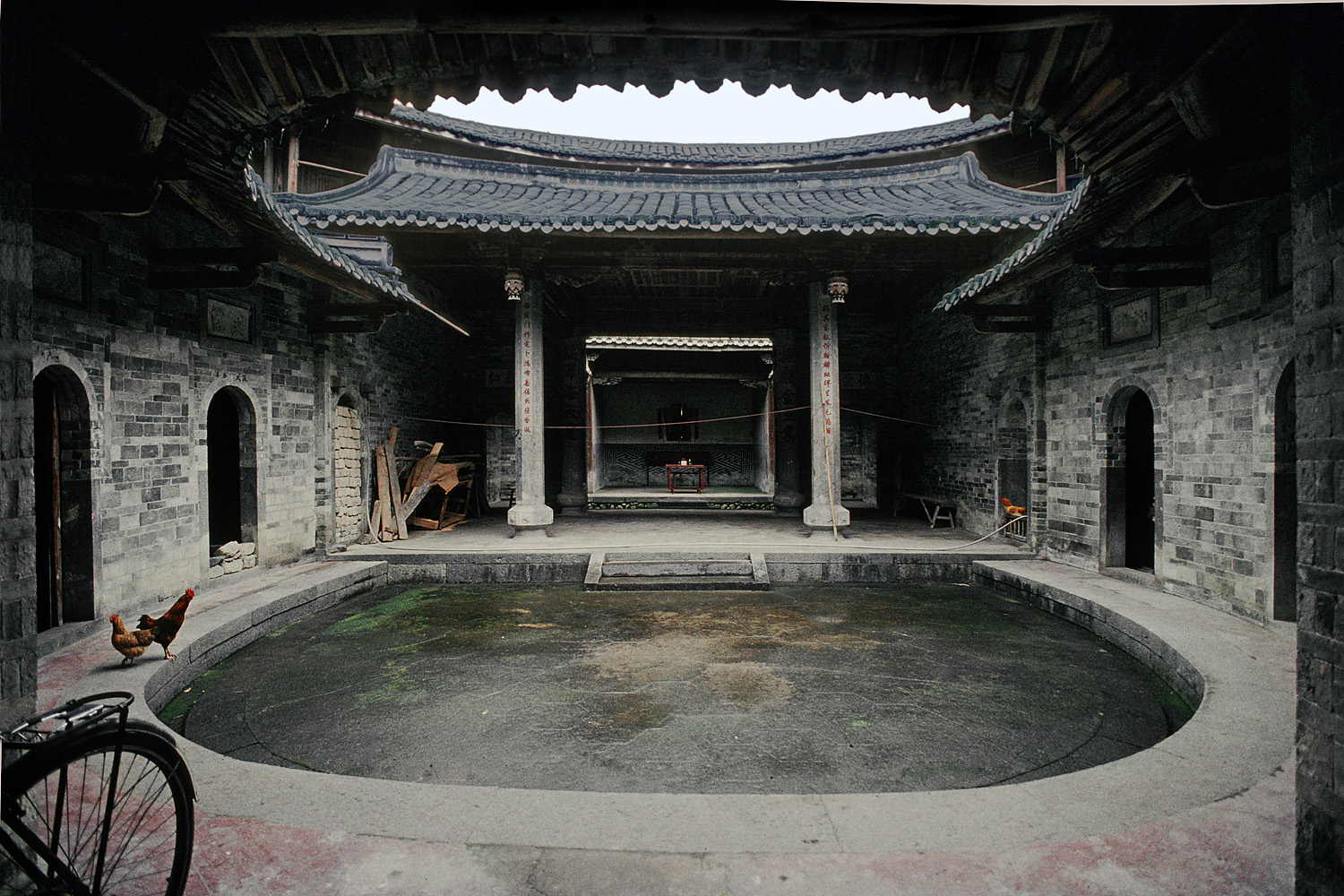
Research: Hakka House, Fujian, China








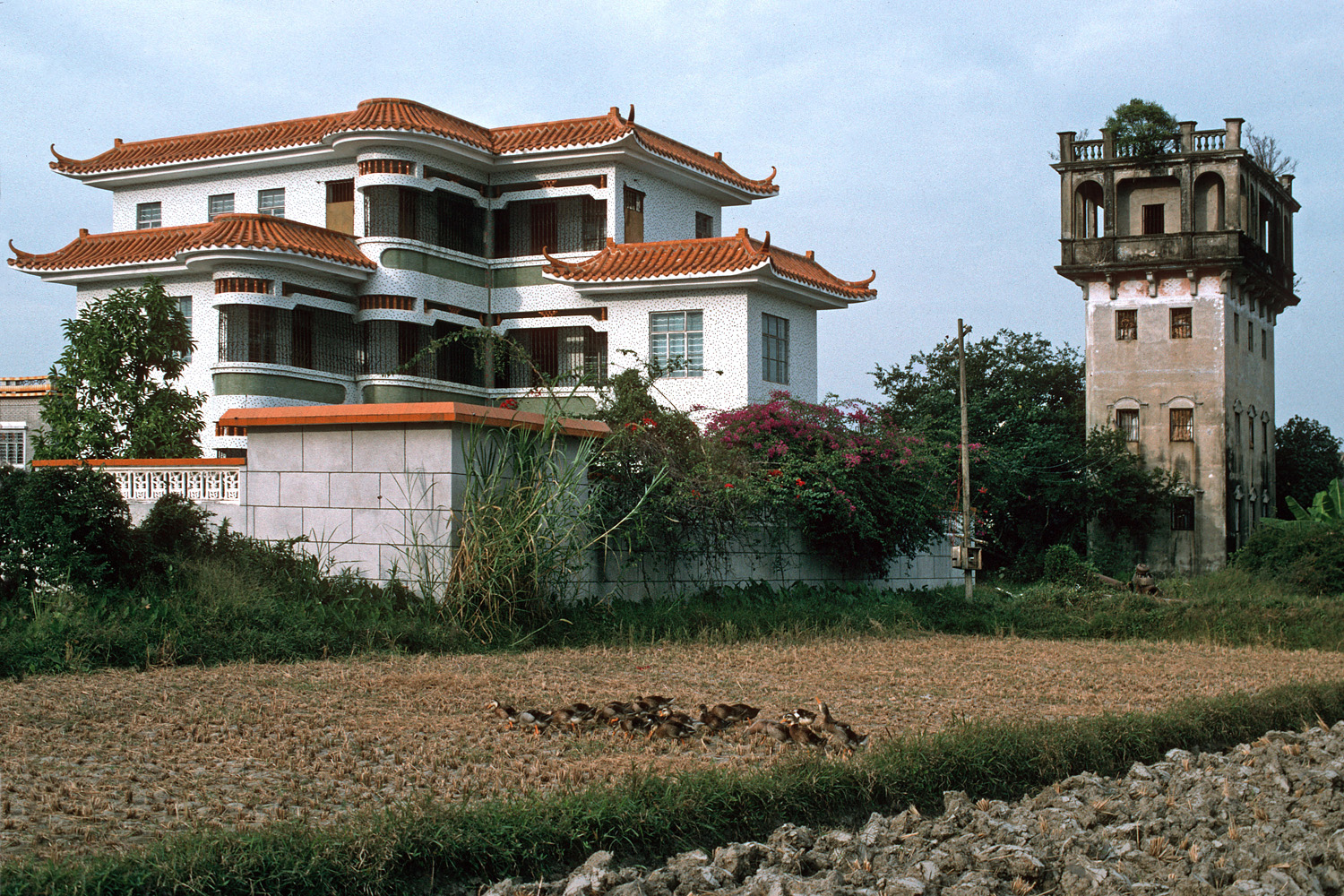
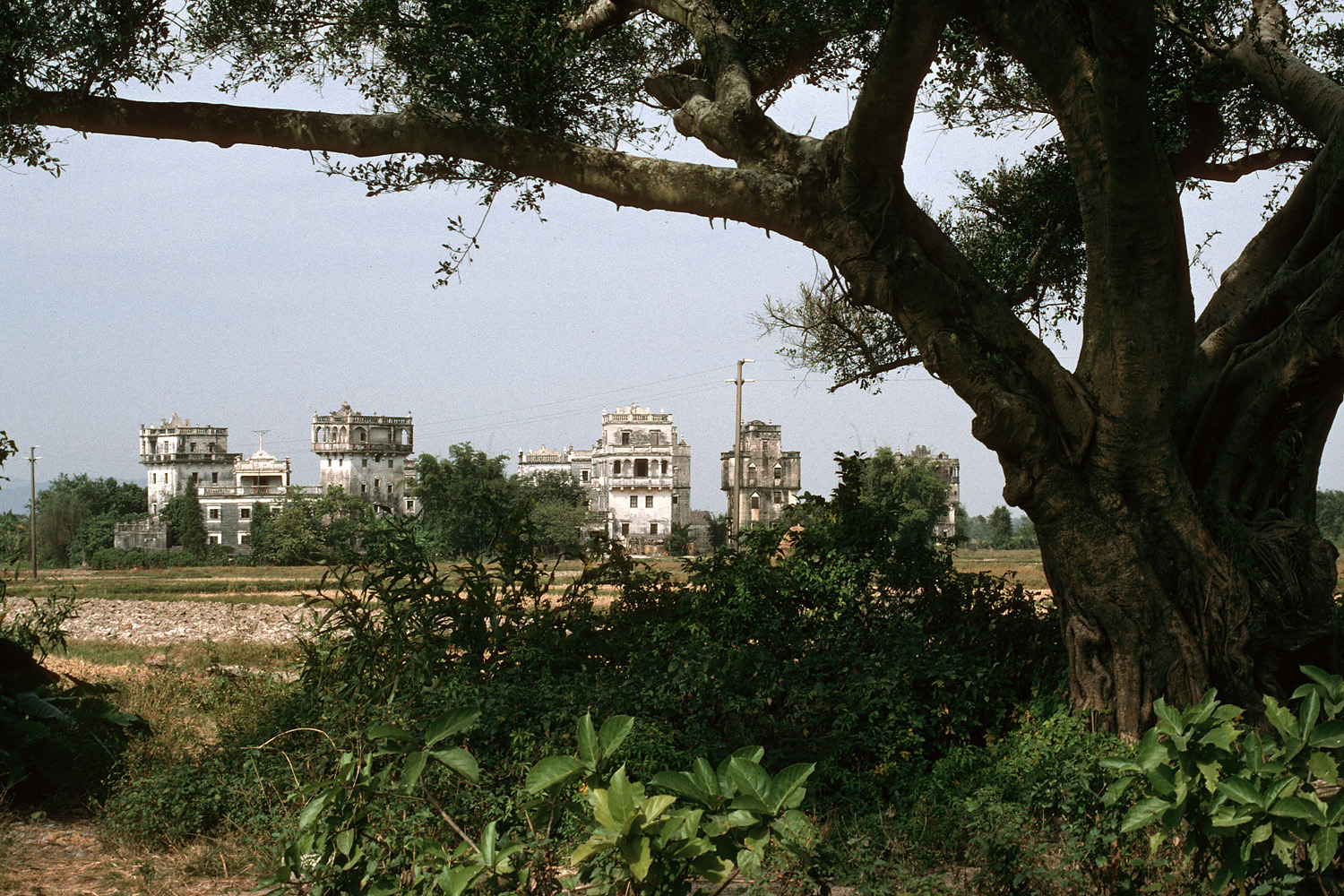
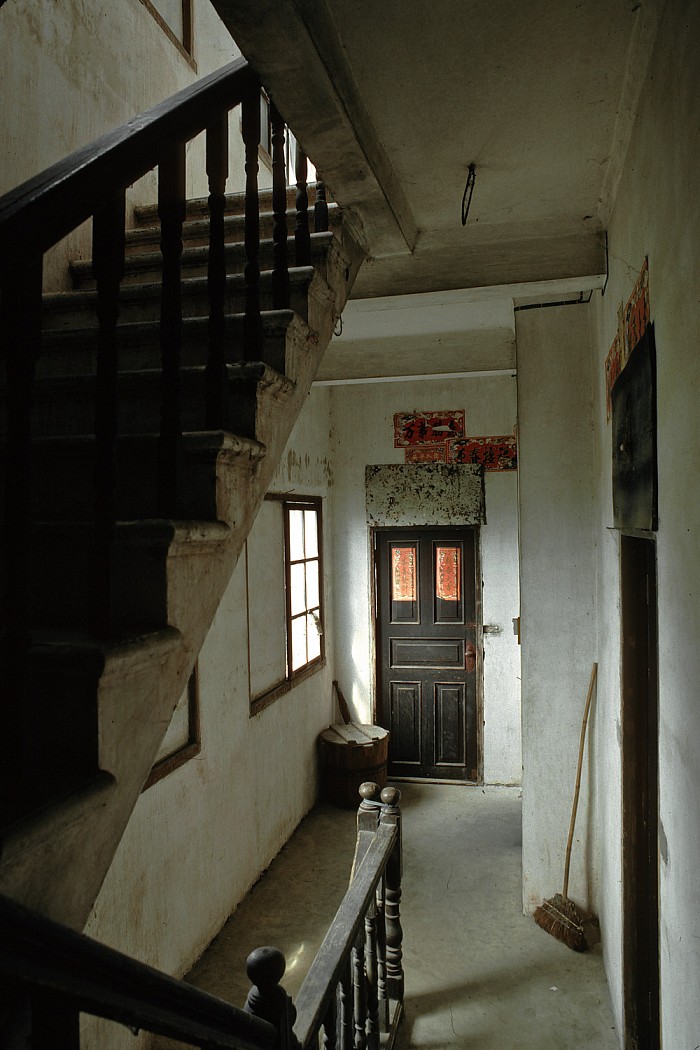
Research: Taishan Towers, Guangdong, China






Explore the Archive
-
Chauncey Jones
B.Arch. ’74
![atrium of a big glass building with white interior]()
-
Joel Carreiro
B.F.A. ’71
![dotted portrait painting]()
-
Emanuel J. Carter Jr.
M.R.P. ’78
![Detail of Proposed Greenhouse Complex and Formal Garden Illustrated Plan, Syracuse, NY]()
-
Stephen Ellis
B.F.A. ’73
![Painting with red, blue, and black rectangles]()