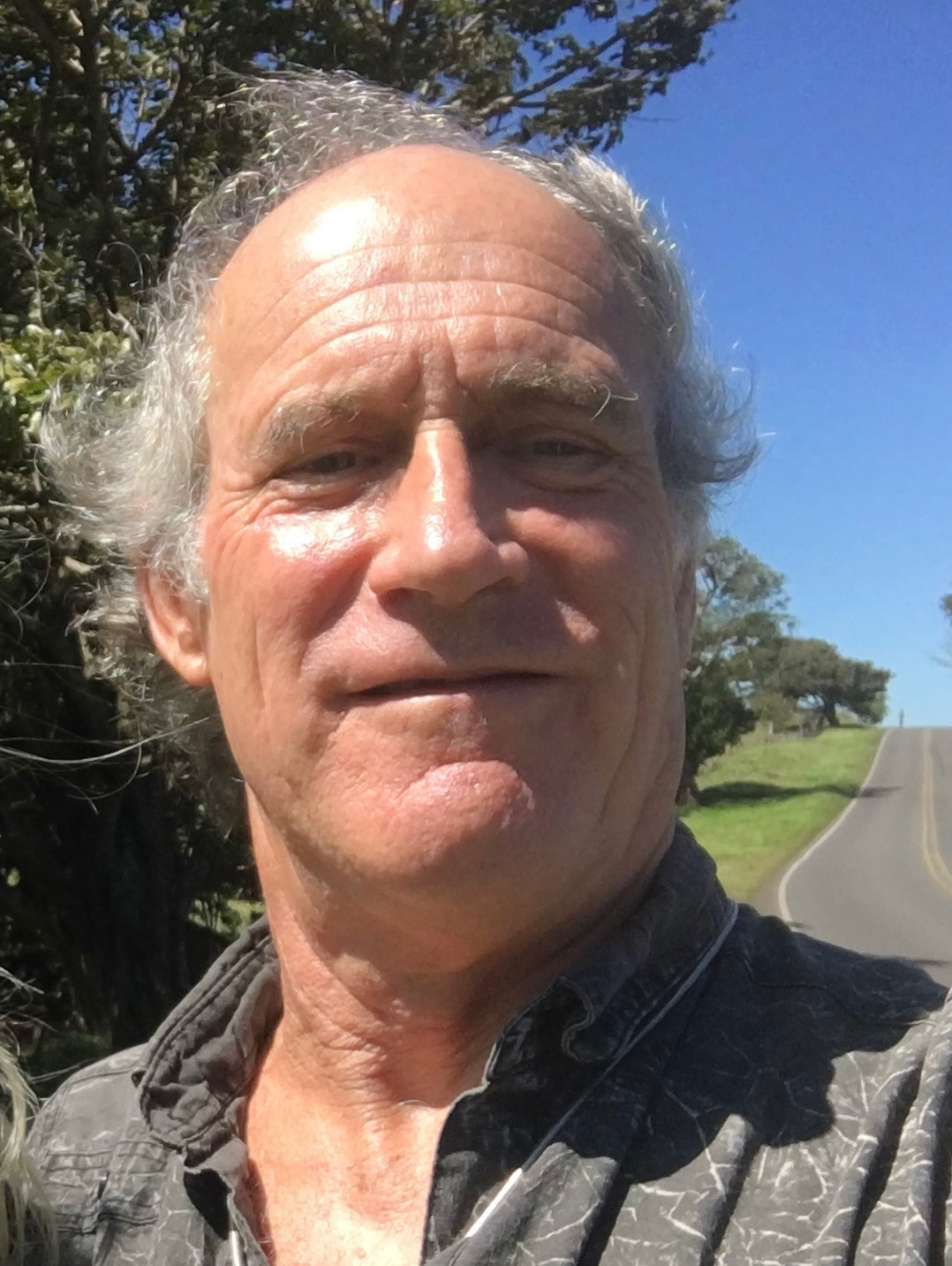
Sculptor Mark Gibian (B.F.A./B.A. ’79) is a master at bending steel to his will and imagination. His monumental, winding steel sculptures adorn and enrich public spaces in Brooklyn, Manhattan, Anchorage, and elsewhere. Smaller Gibian creations have been featured in US and international exhibitions and have found homes in public and private collections.
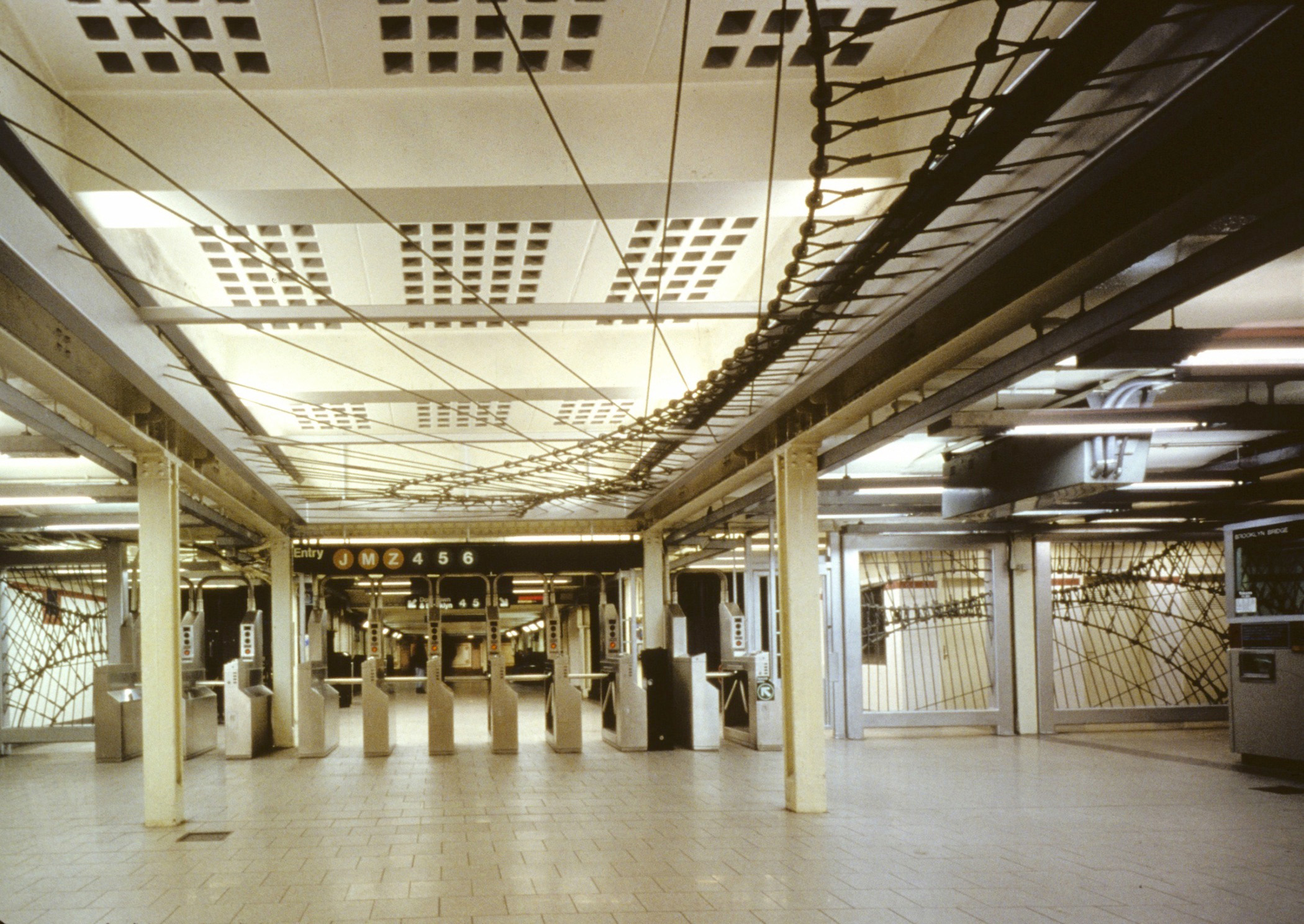
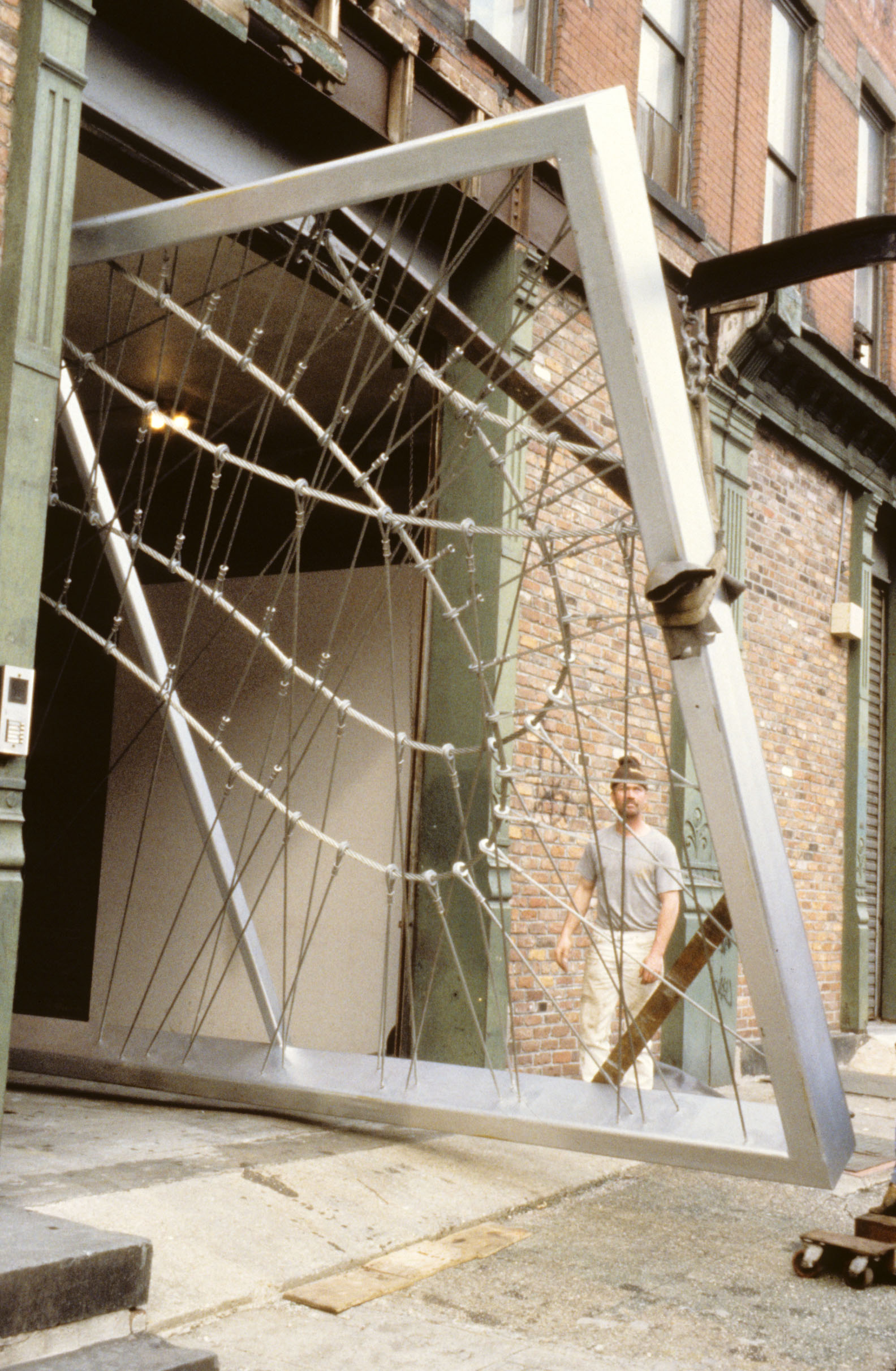
Gibian was awarded his first major public commission, Cable Crossing, by New York City in 1997 for the Brooklyn Bridge–City Hall/Chamber Street transit station. Installed above and adjacent to the subway turnstiles, the sculpture intertwines steel and steel cables reminiscent of the nearby Brooklyn Bridge.
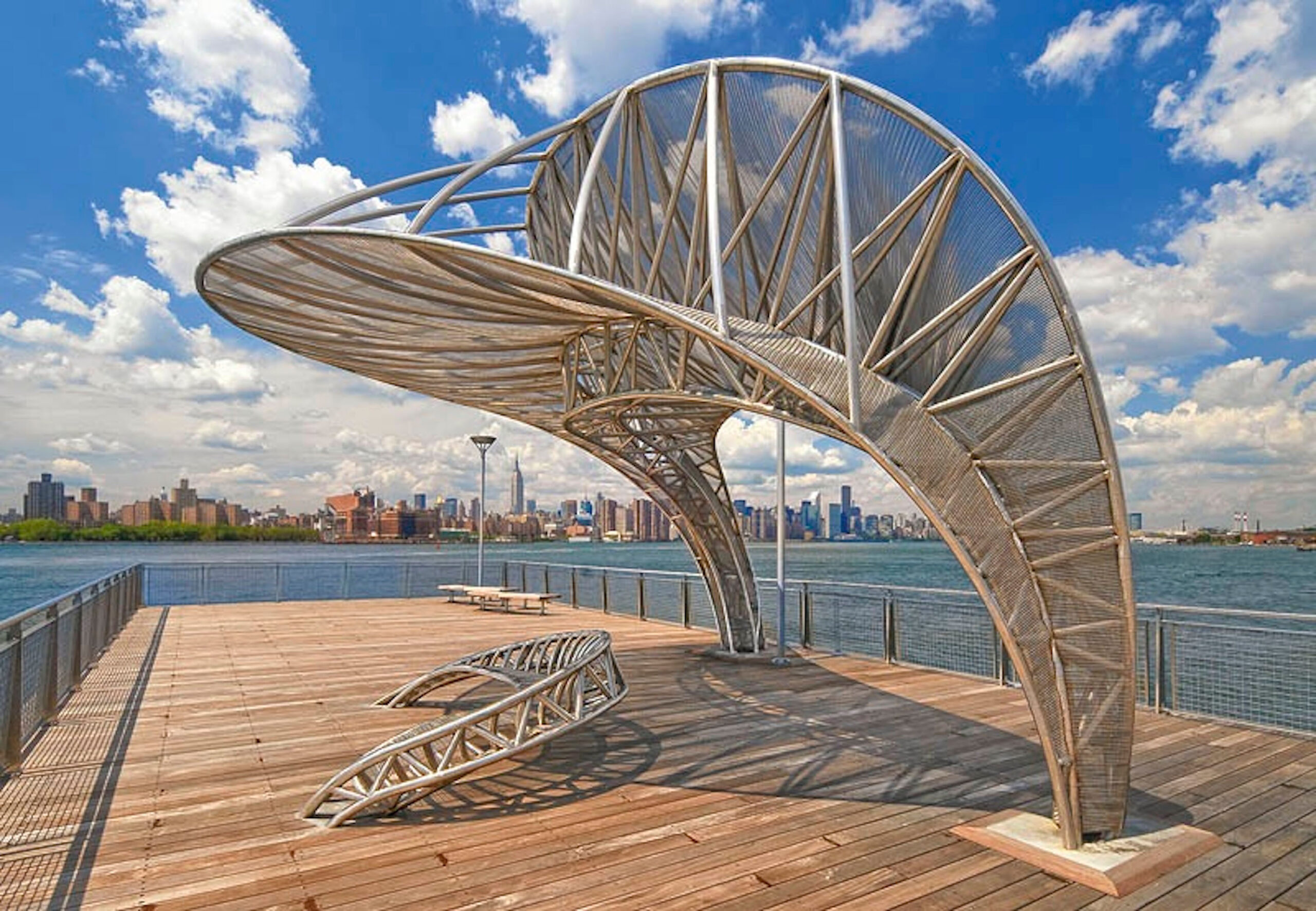
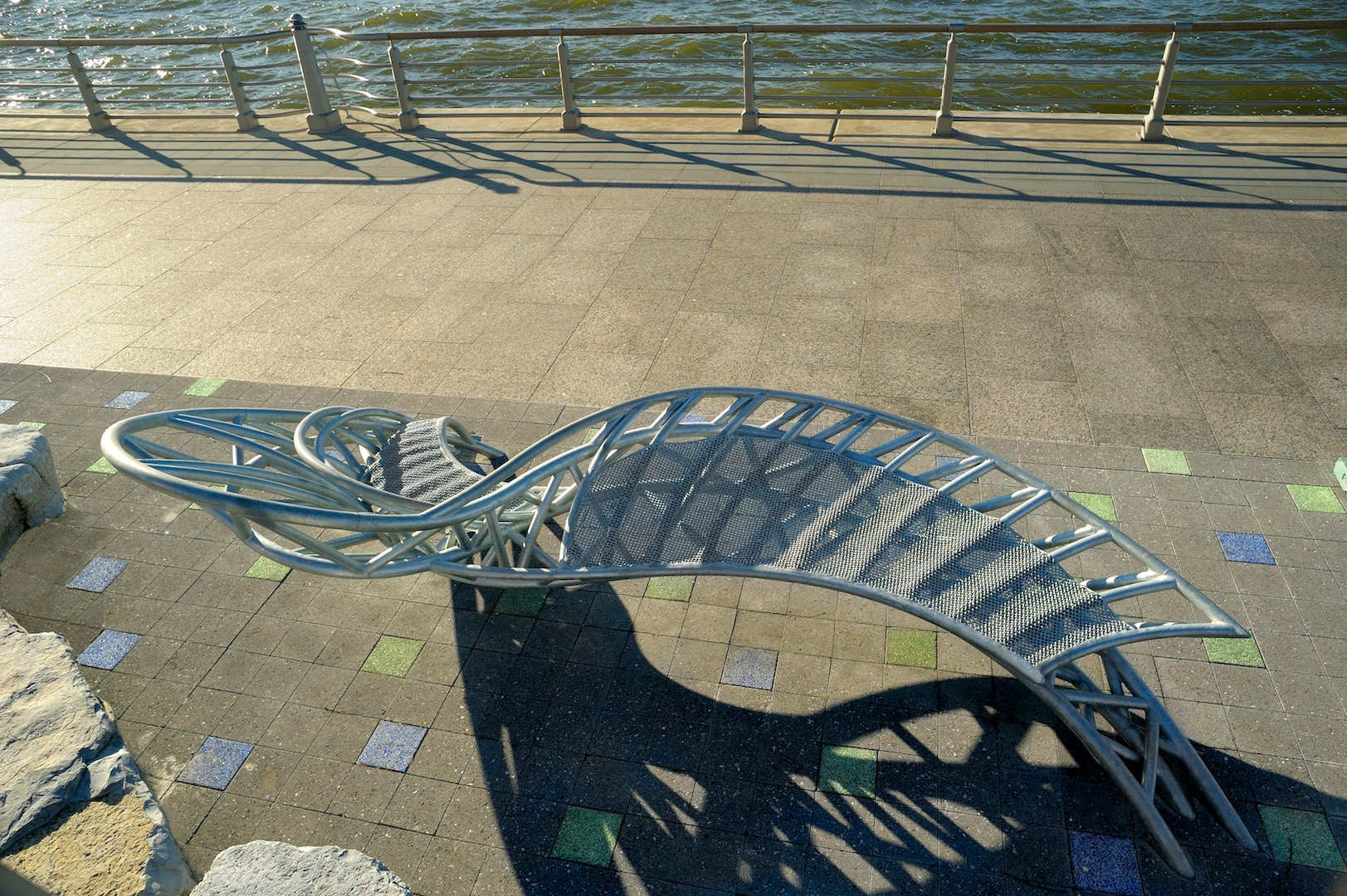
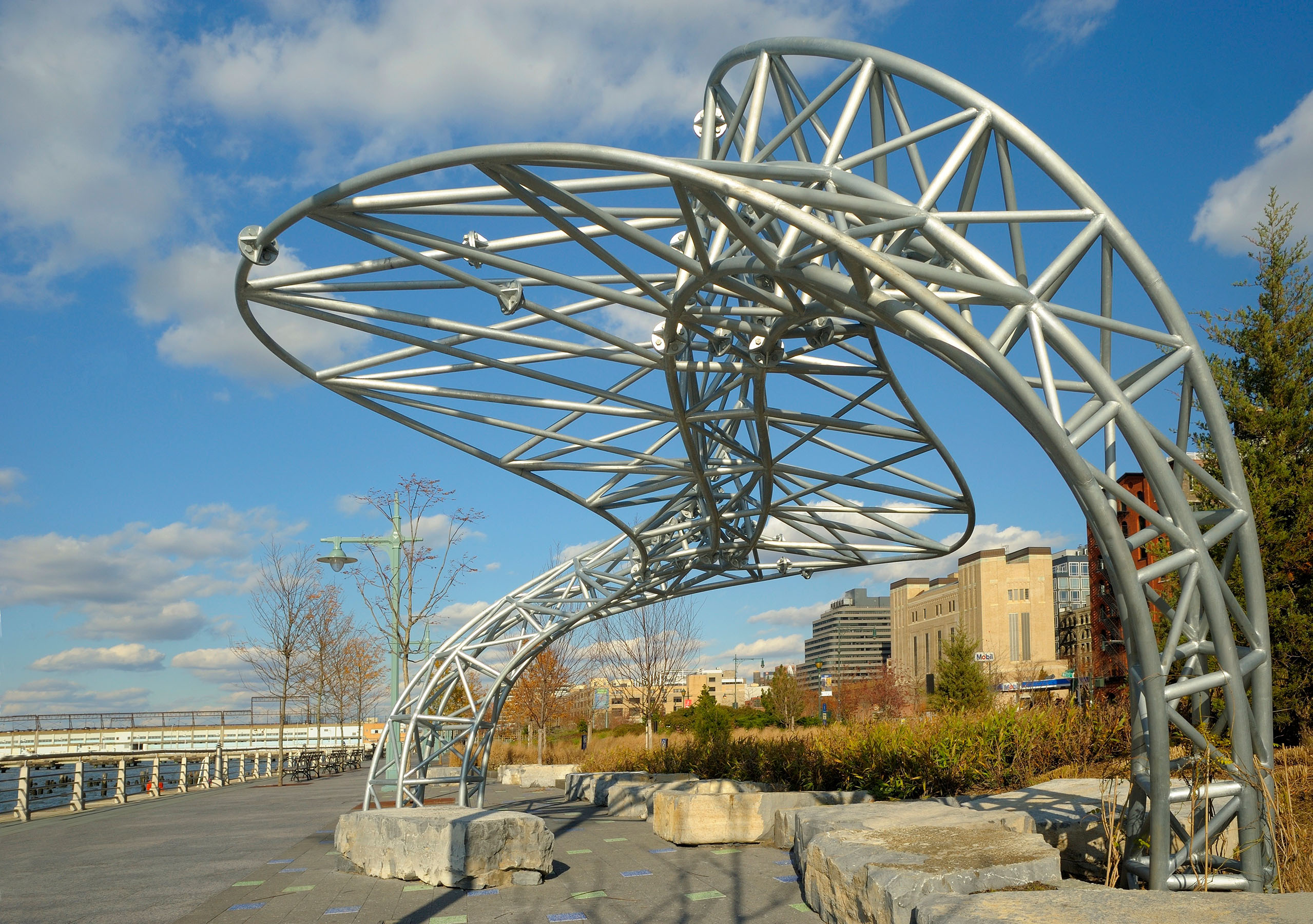
Much of Gibian’s work reflects his interests in structure, function, and kinetic energy. Perhaps the largest, most visible example is Crescendo, which was commissioned for Brooklyn’s North 5th Street Pier. The sweeping, 16′ x 26′ x 22′ sculpture incorporates elements — crescent shapes, stainless steel pipes, and mesh — that evoke both the sea and the city. Crescendo also functions as a bench and canopy, so pedestrians have a shaded place to rest during their walks along the pier.
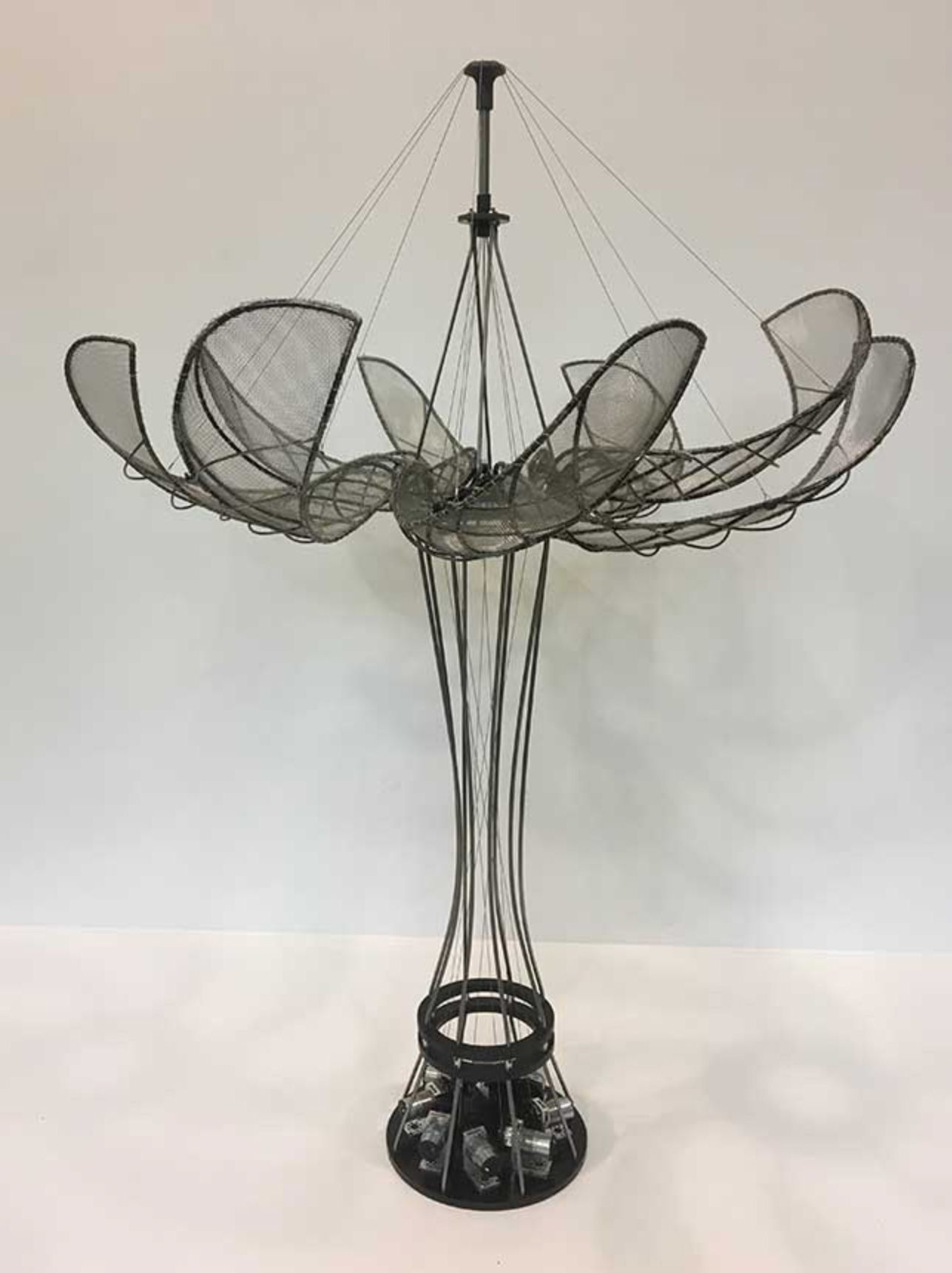
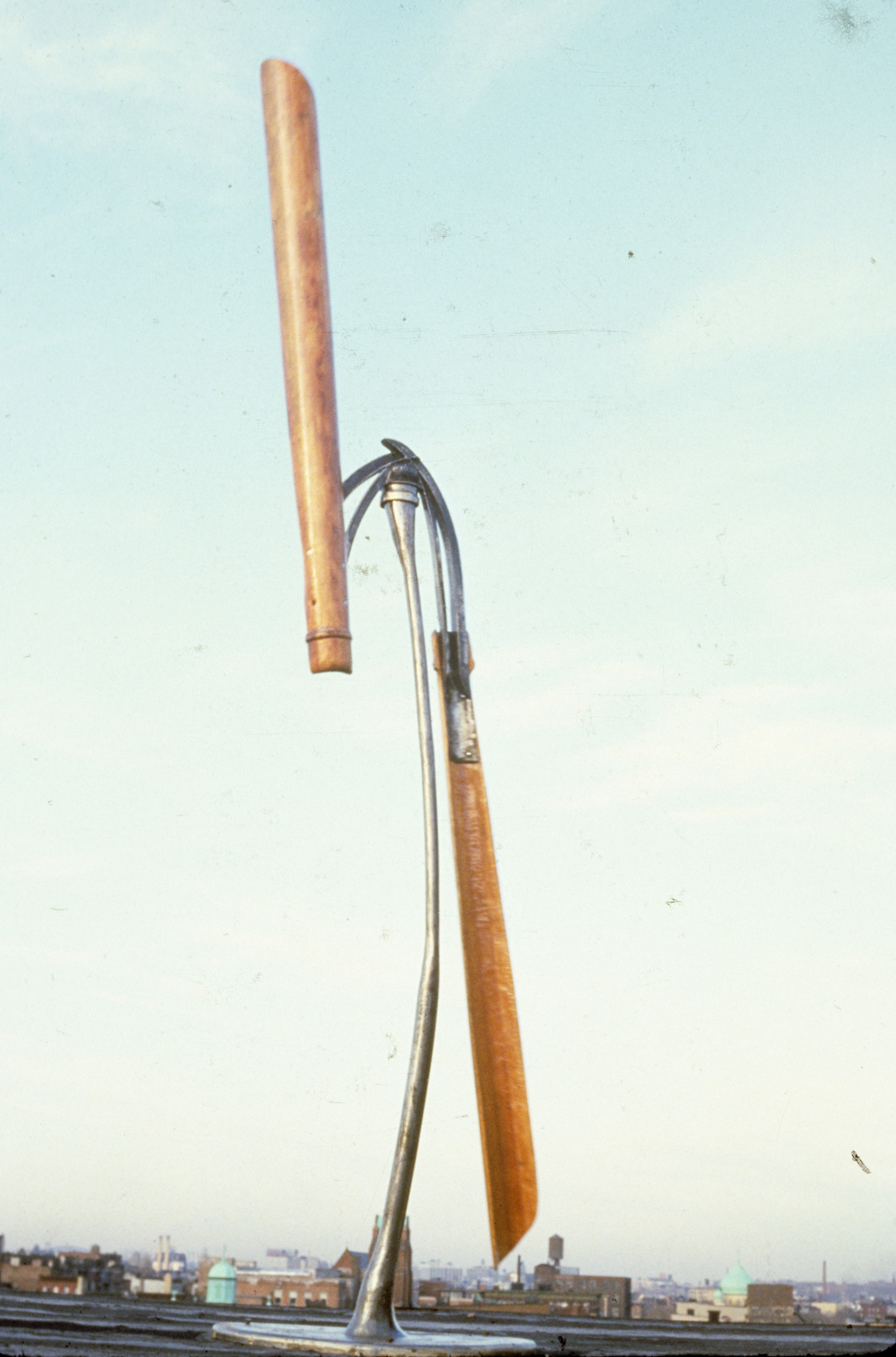
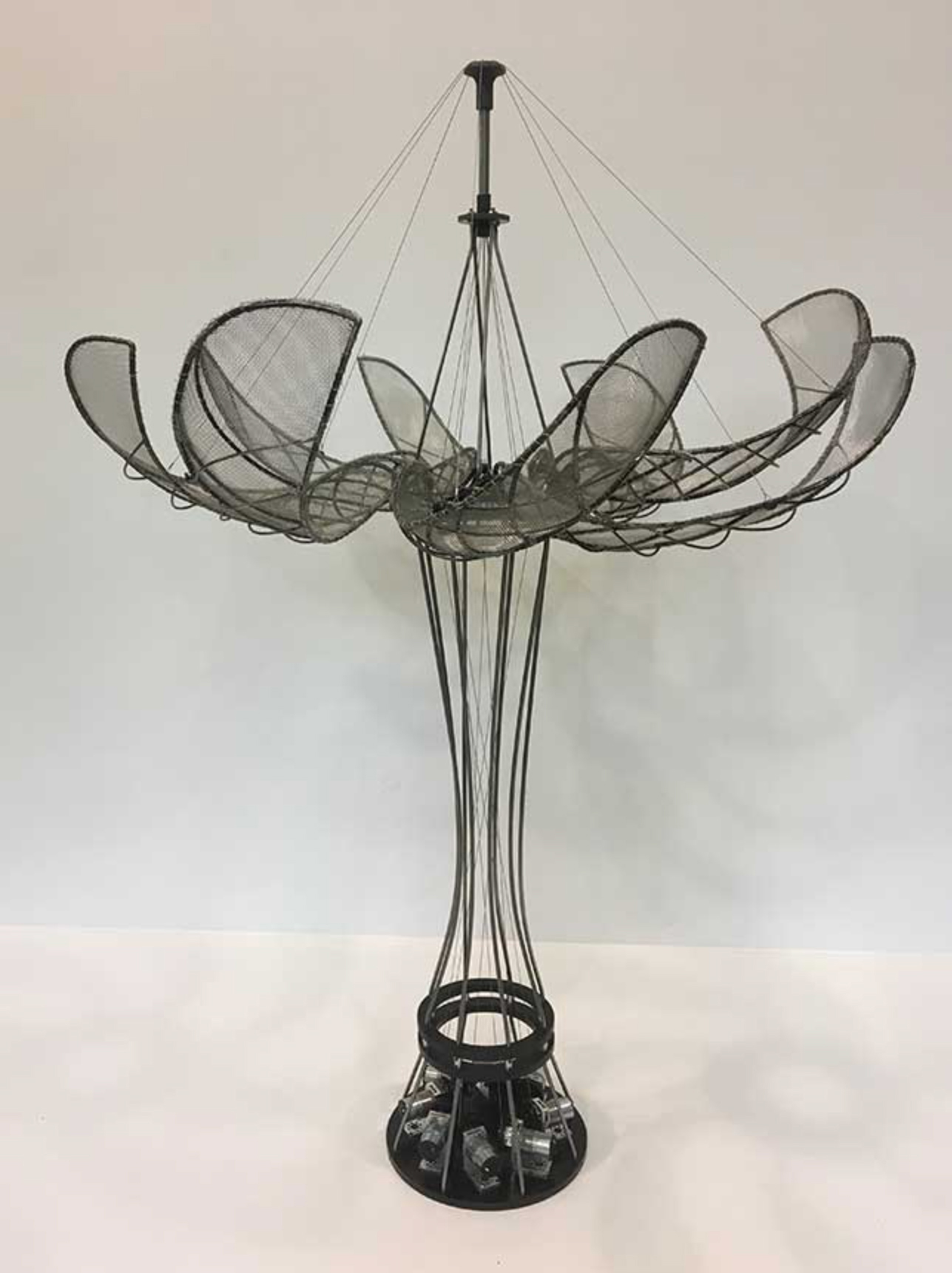
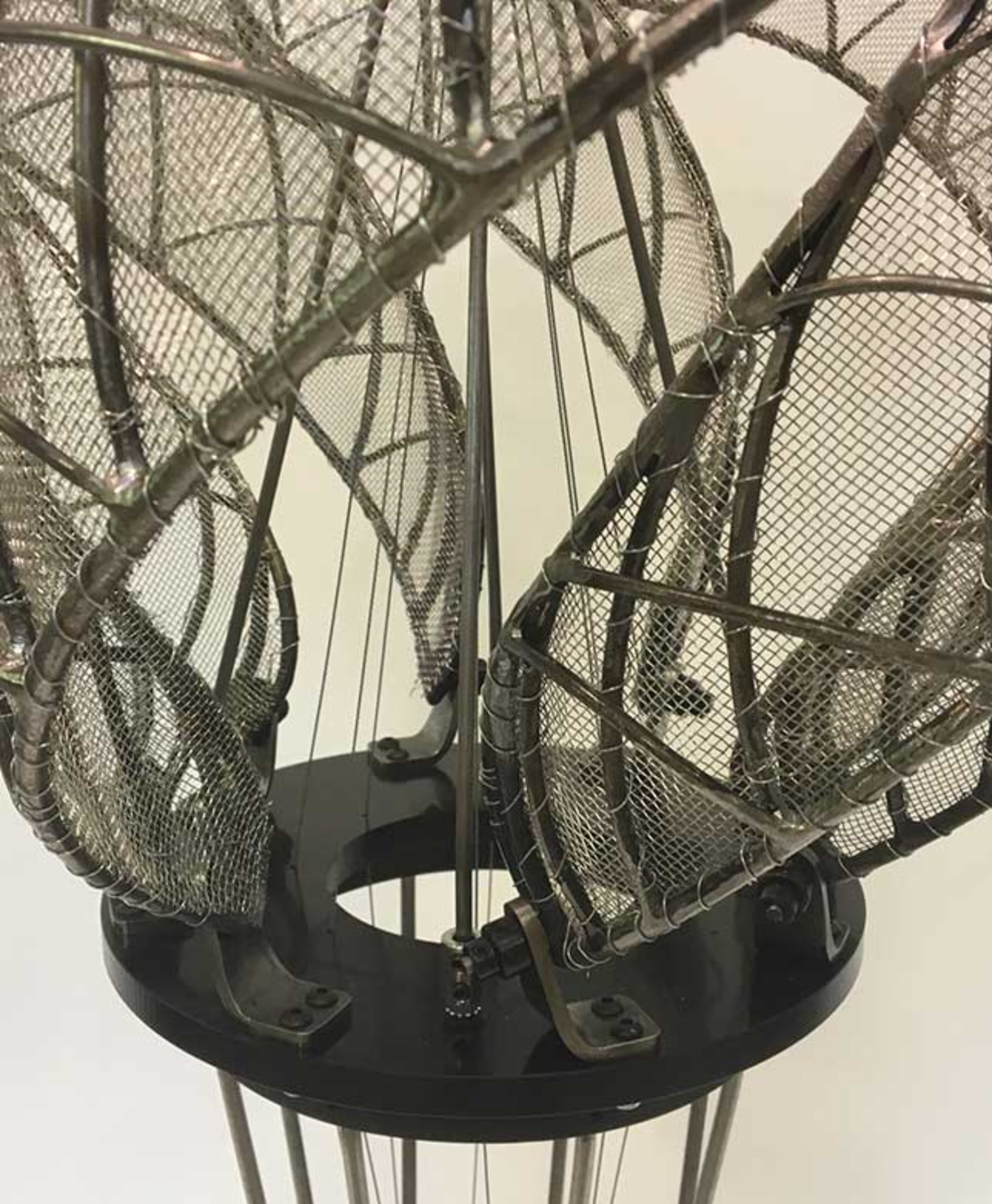
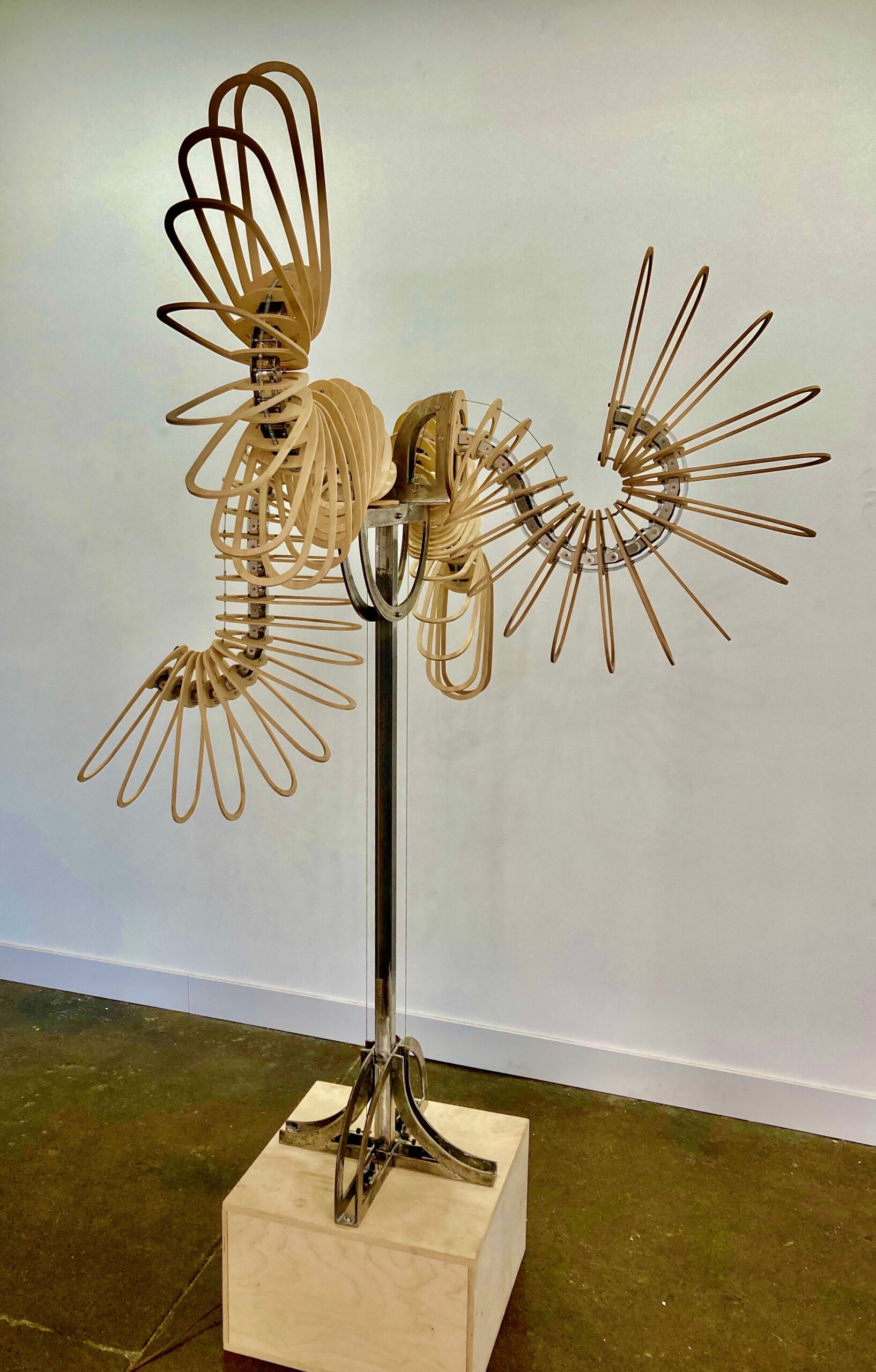
For his kinetic series, Gibian designs pieces that rely on wind, simple balancing mechanisms, or motors to capture the grace and beauty of movement. His five-foot-tall Mechanical Flower can be programmed to open and close on a set schedule, including in time with the sun.
The former co-owner of a welding business, Gibian fabricates the works himself “to control the process, heating, bending, cutting, hammering, and grinding of hard and industrial materials to transform them into curvy, soft, and suggestive forms.”
Gibian honed his craft as a young artist and newcomer to New York City, where he worked odd jobs to help pay the rent, including renovating buildings. “I learned a lot and, even though it takes you away from your work, you can be influenced by it, too,” he says.
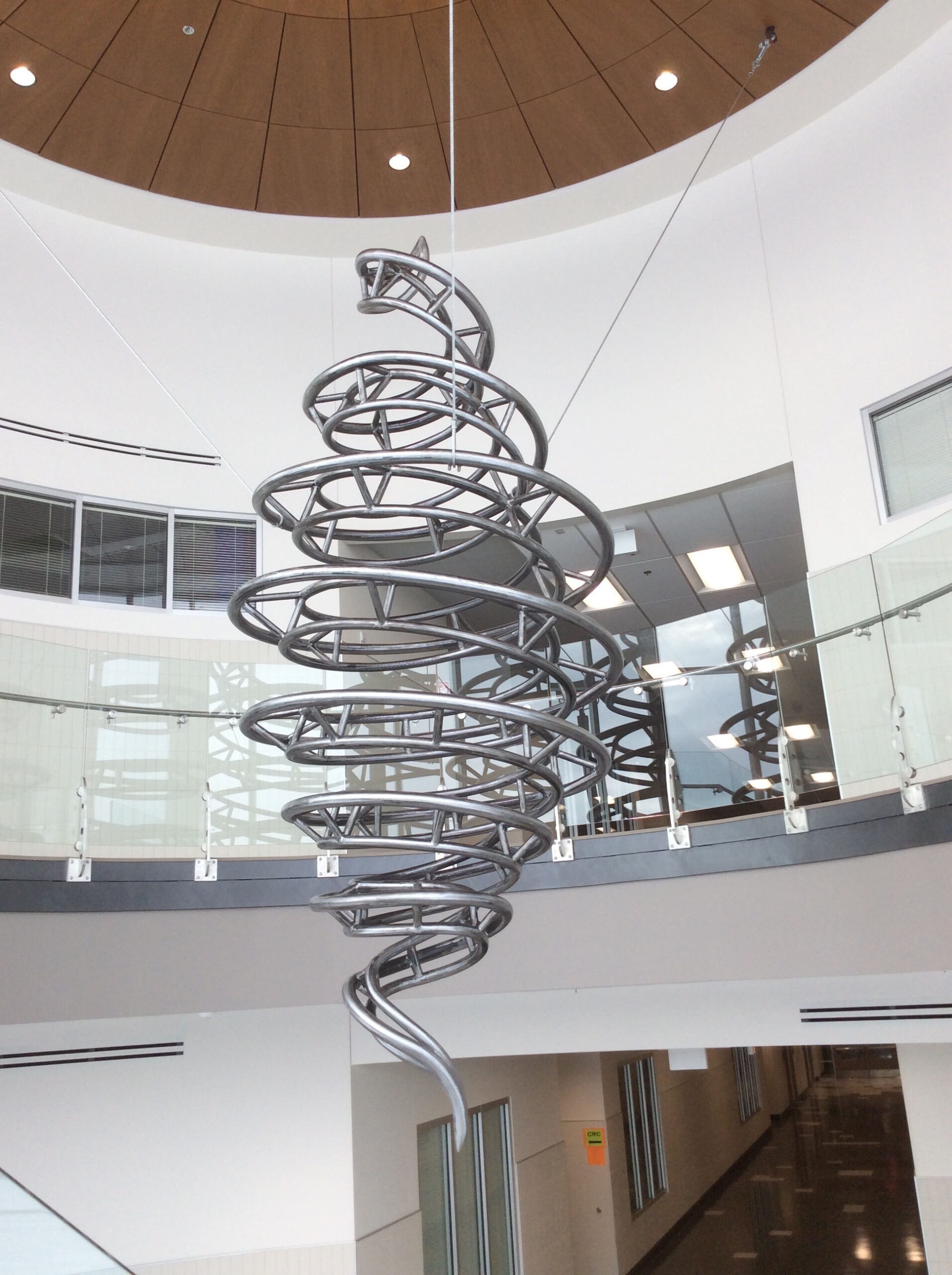
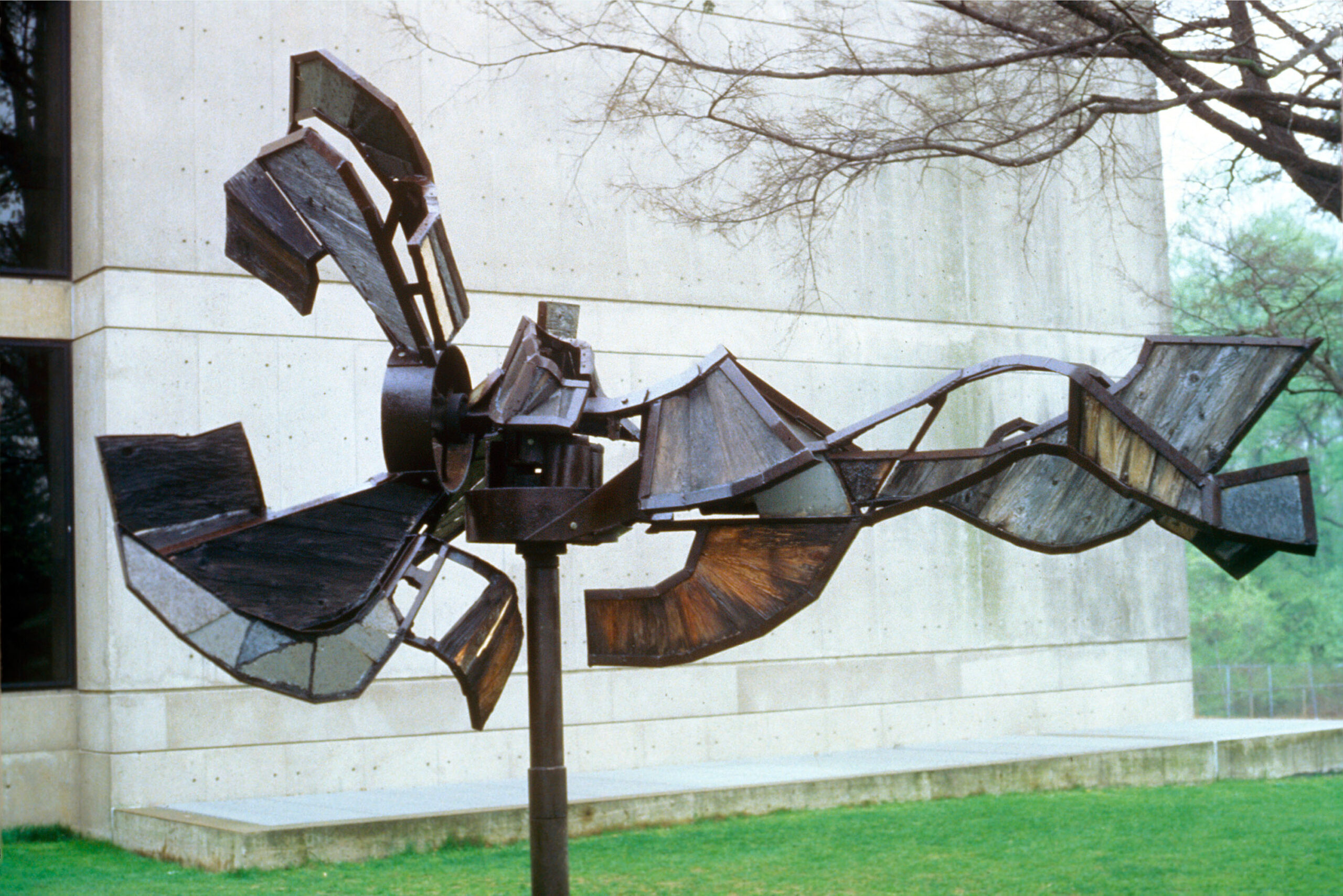
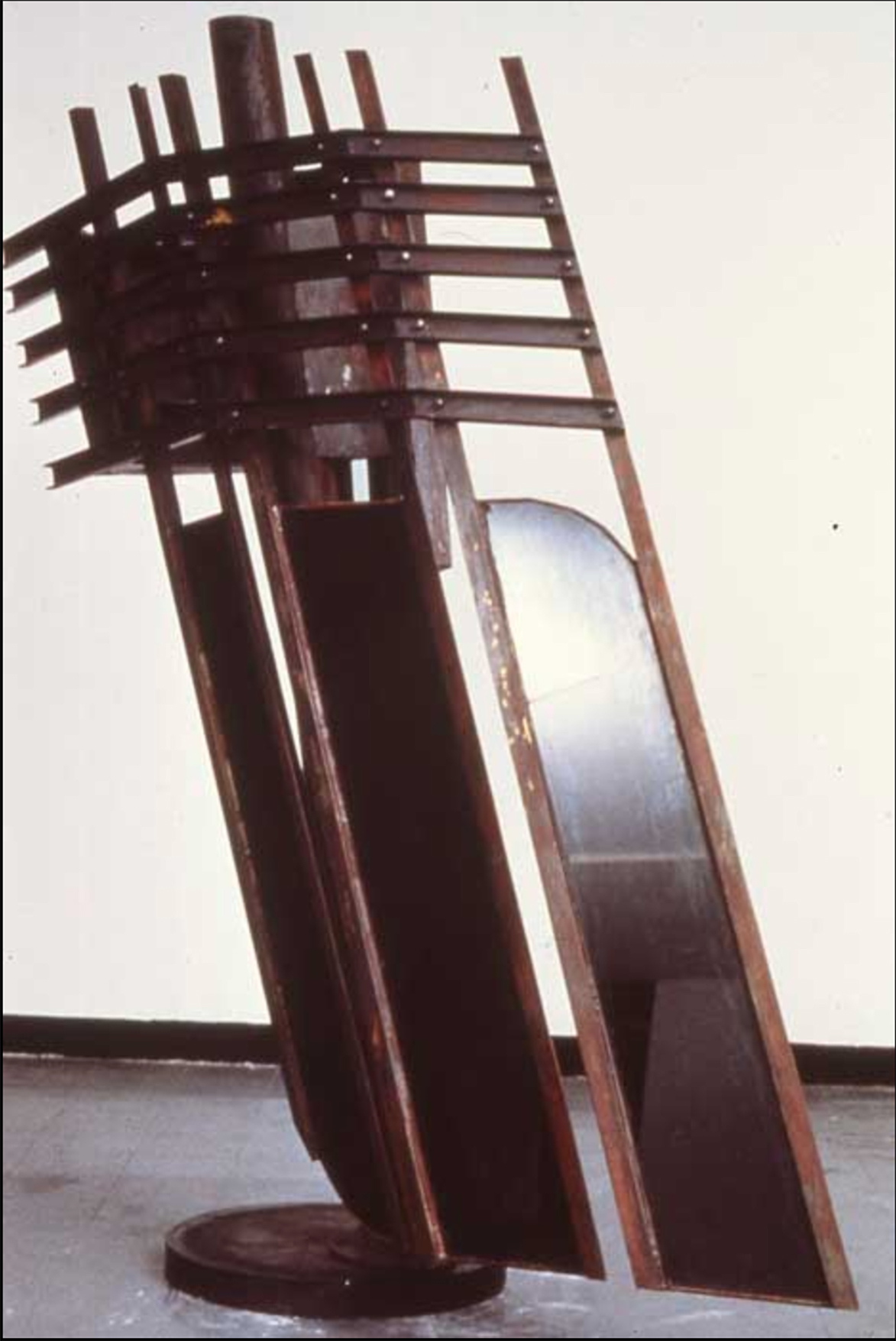
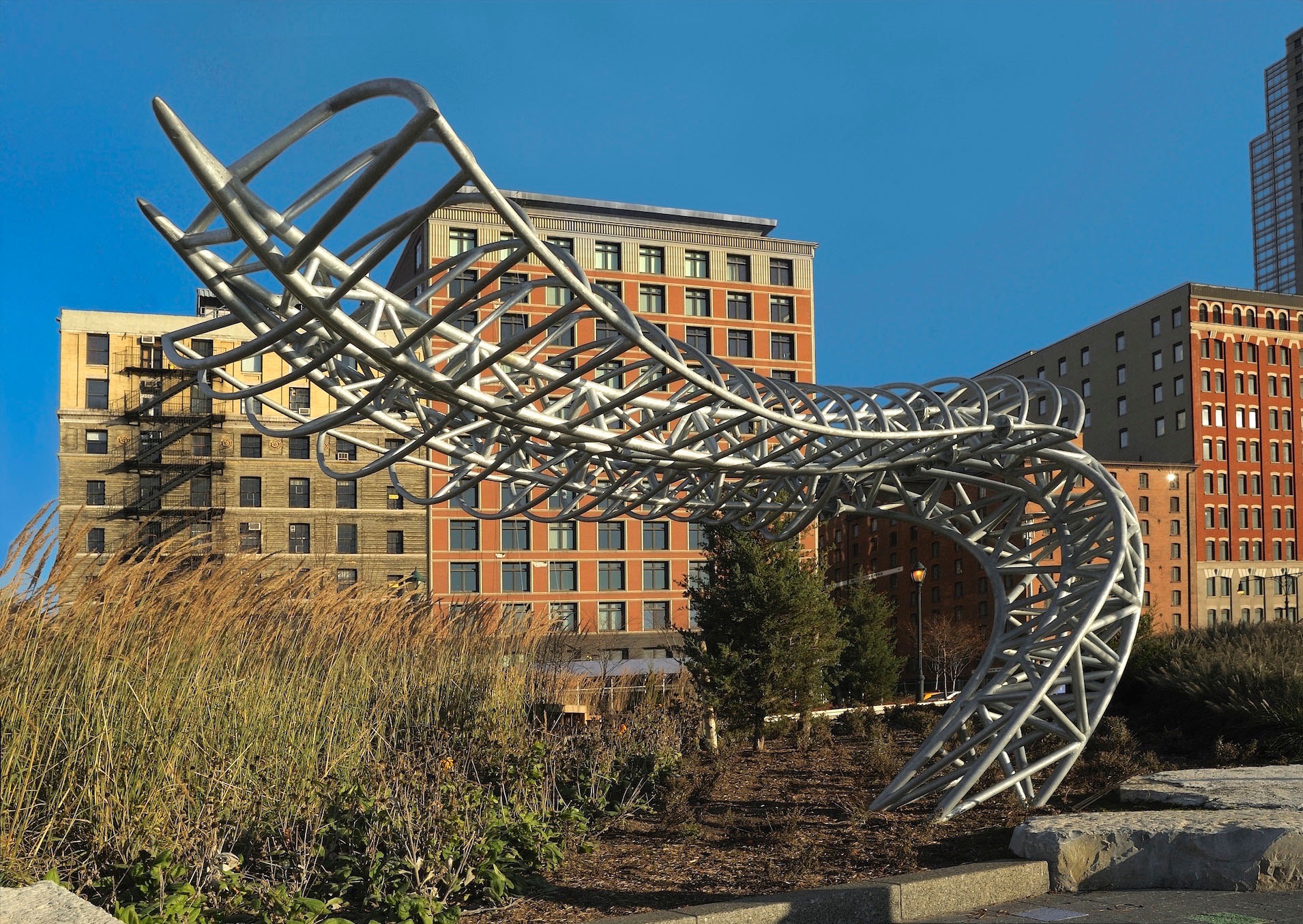
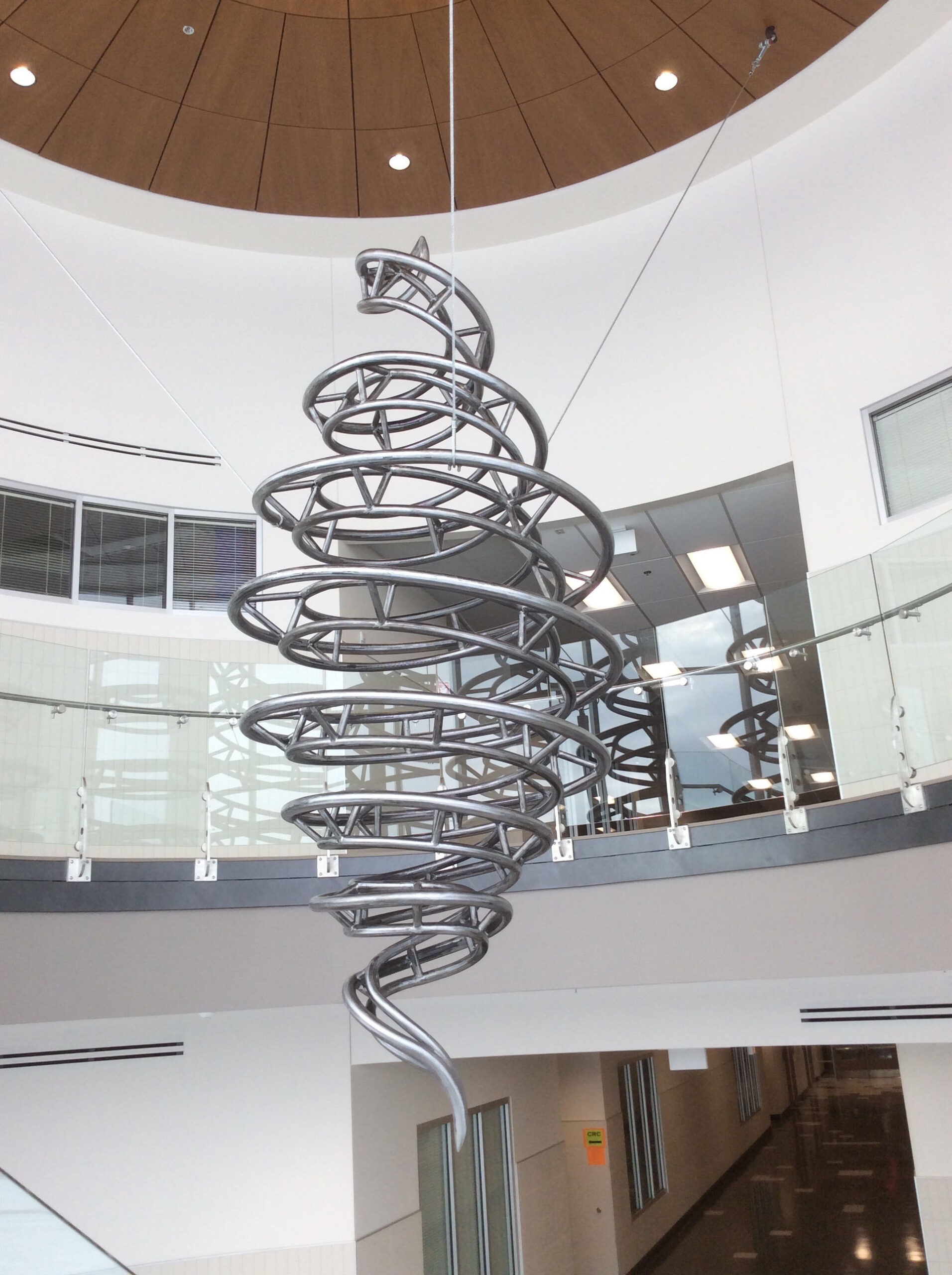
His experience installing roofs, for example, taught Gibian that “you can use trusses — or triangulated crosses — to span great distances.” His largest outdoor pieces — Crescendo in Brooklyn and his three Serpentine Sculptures: Twister, Torque, and Offshoot in Manhattan’s Hudson River Park — all incorporate trusses. Indoors, his curvilinear-truss sculpture known as Vortex hangs above the foyer of an Alaskan high school science wing. Gibian chose the spiral shape to symbolize “all of the sciences, as it is a form found in many branches of science, from astrophysics to zoology.”
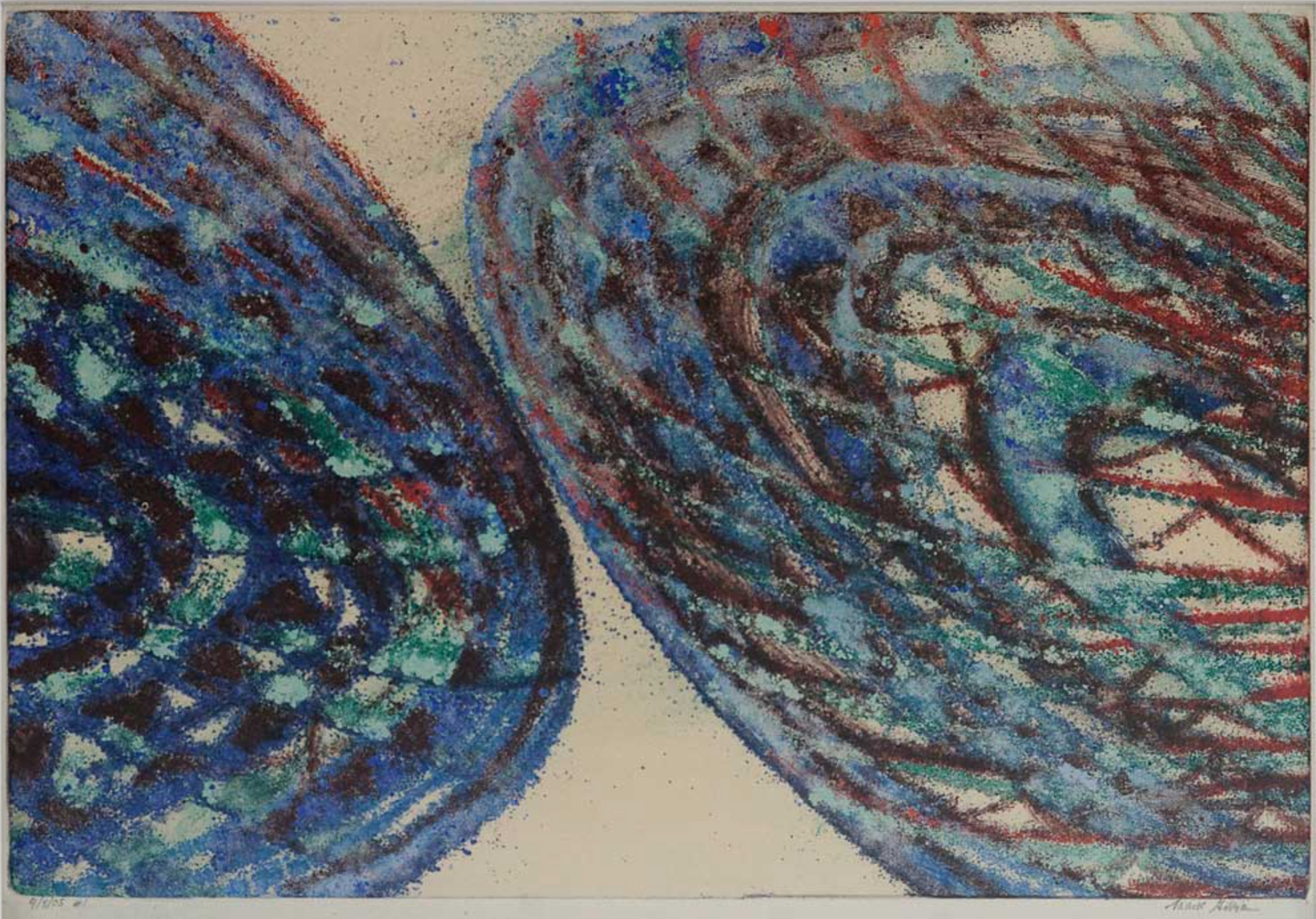
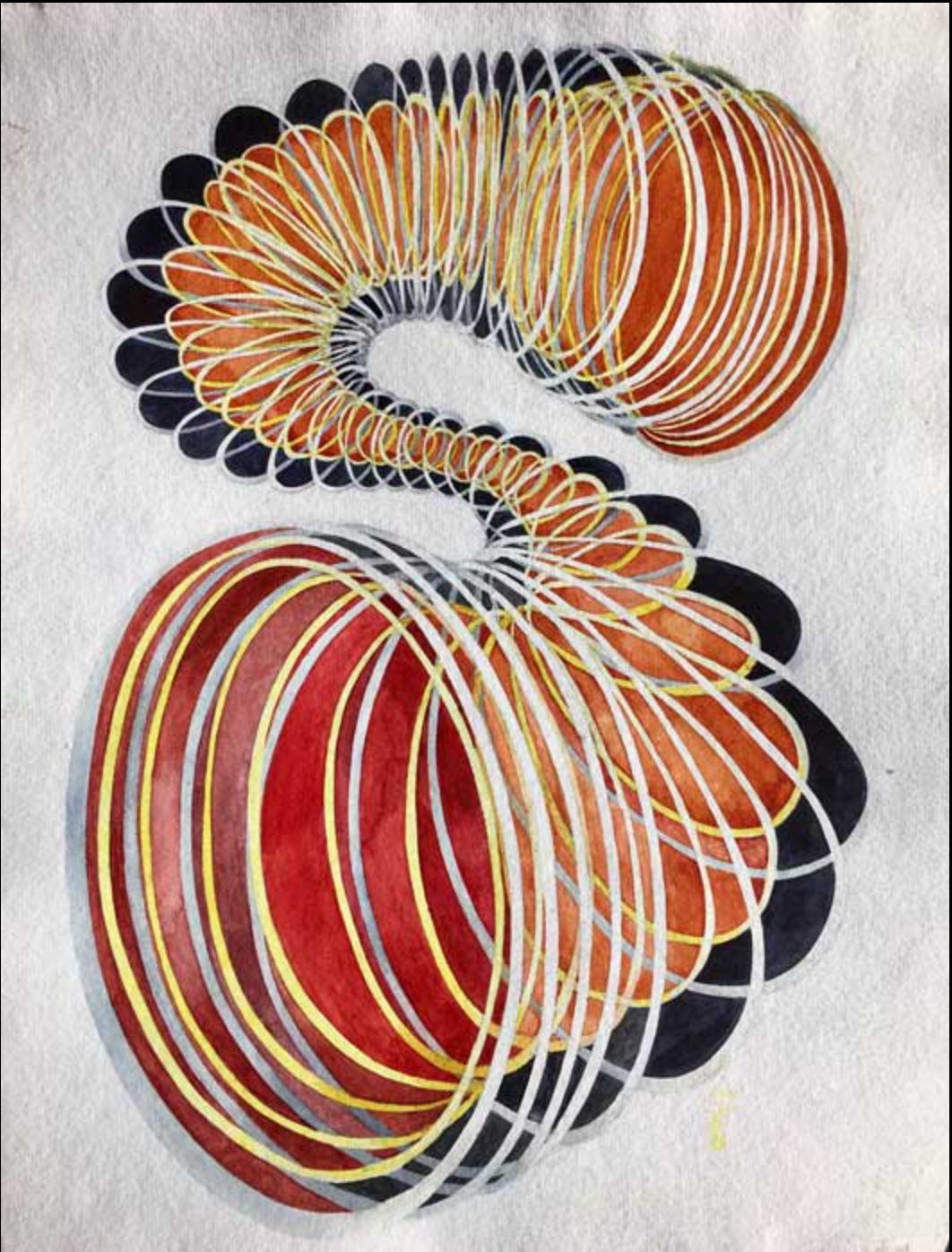
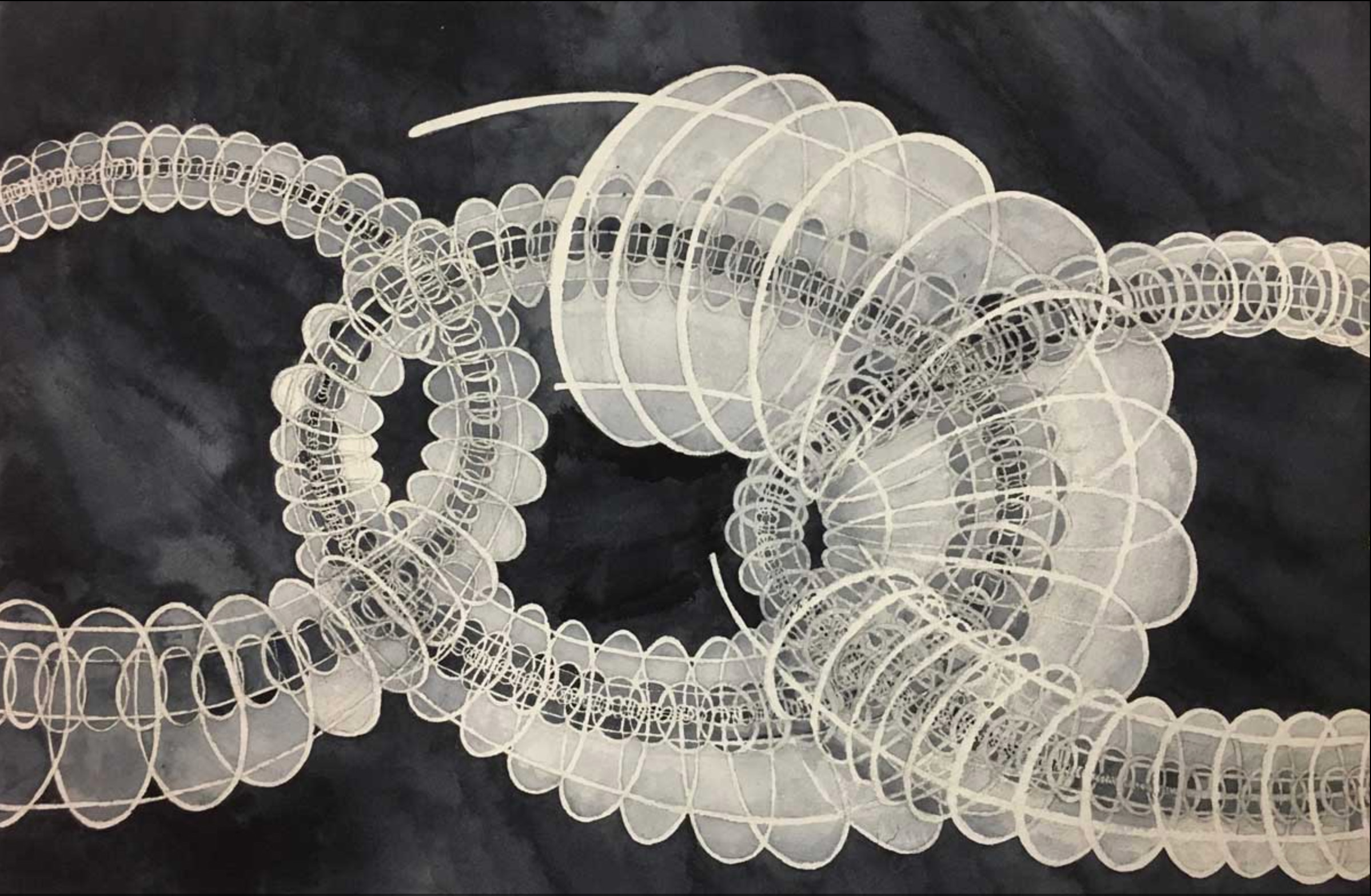
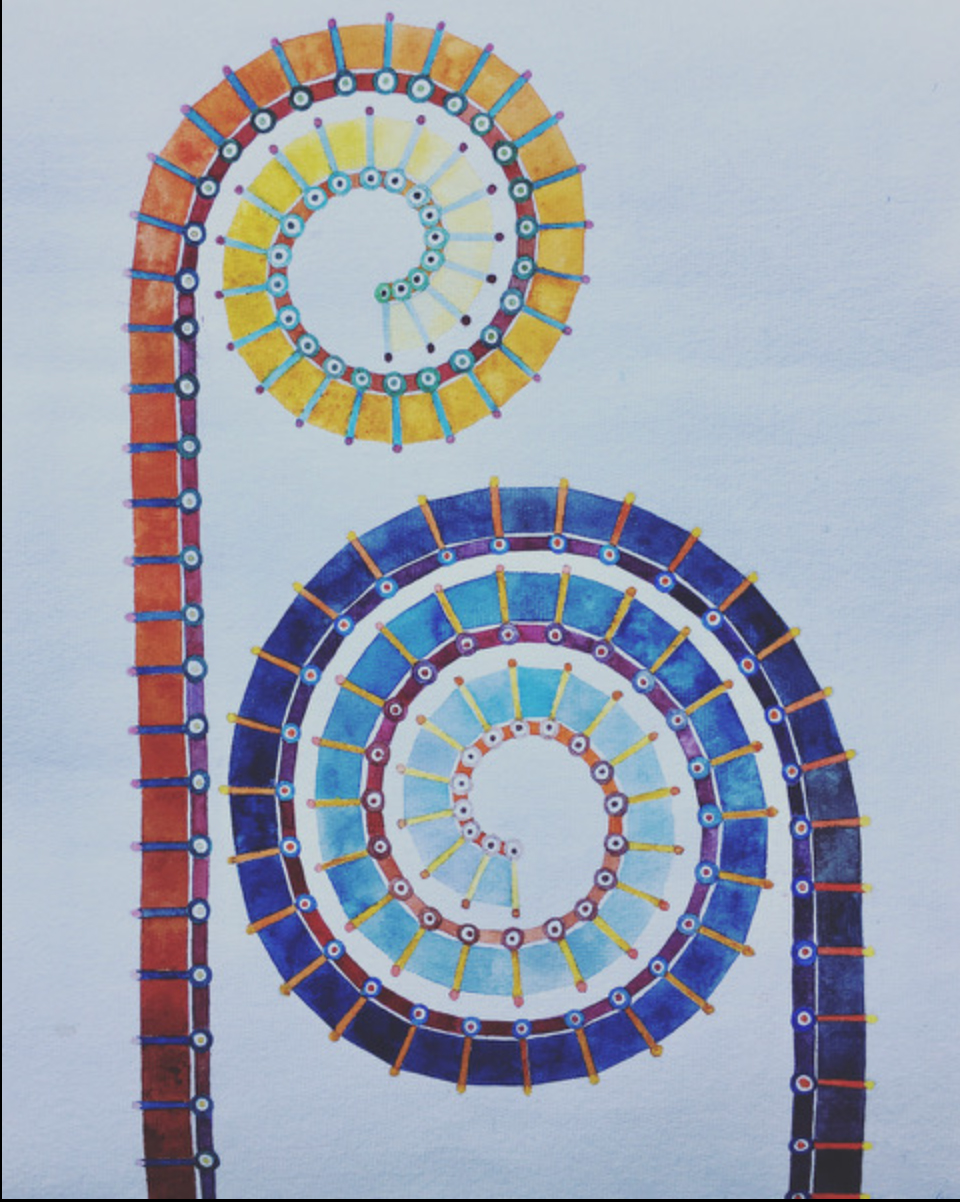
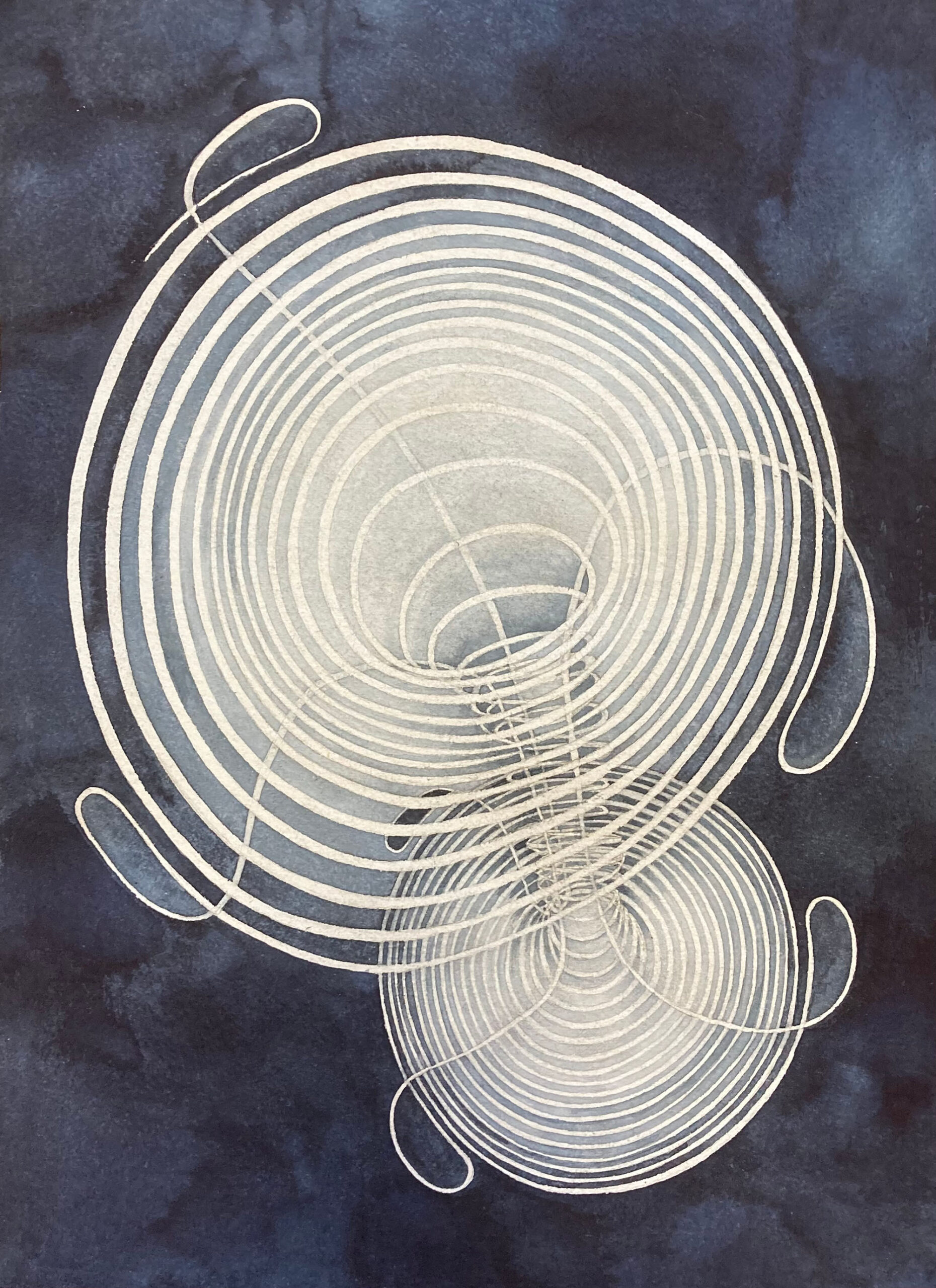
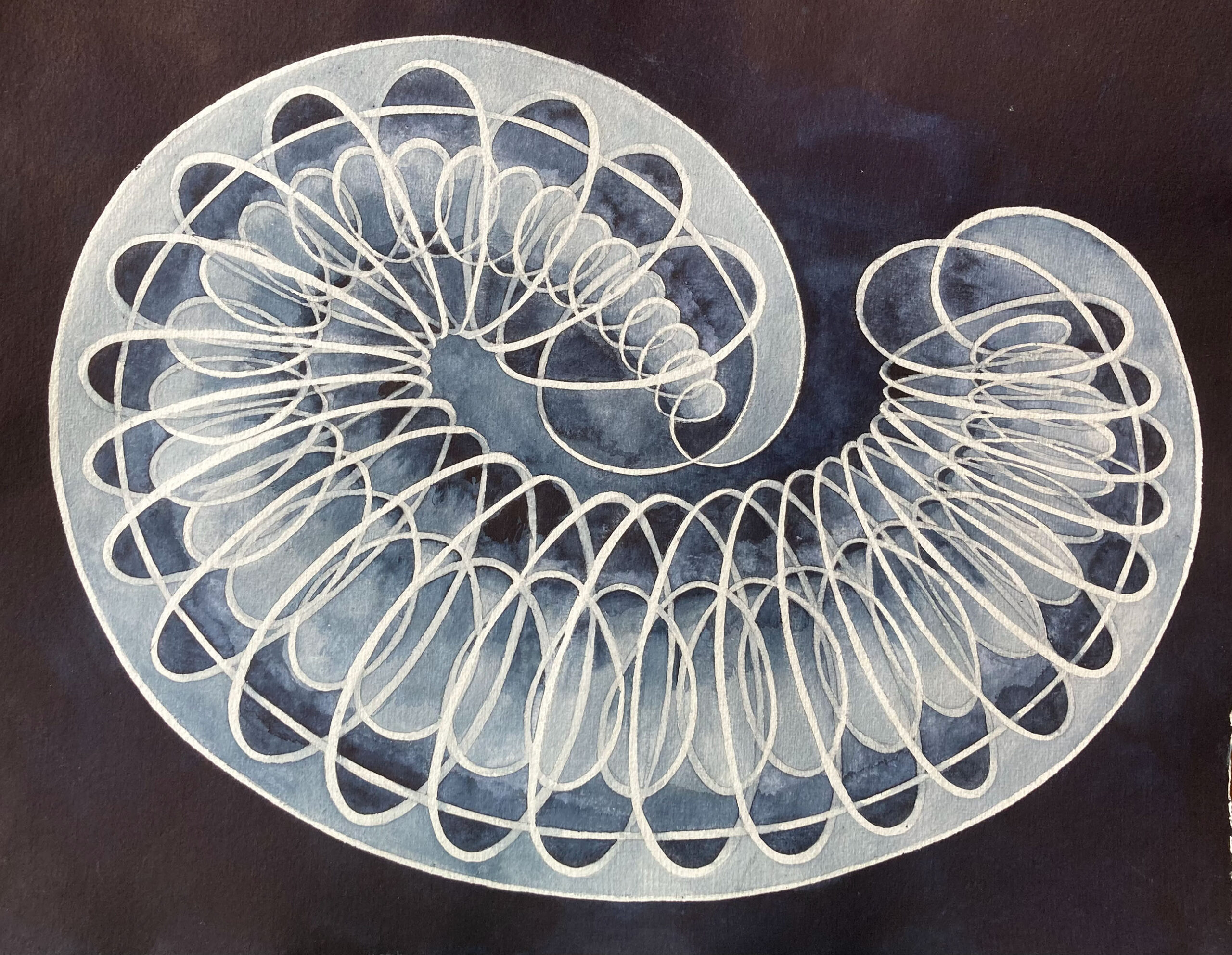
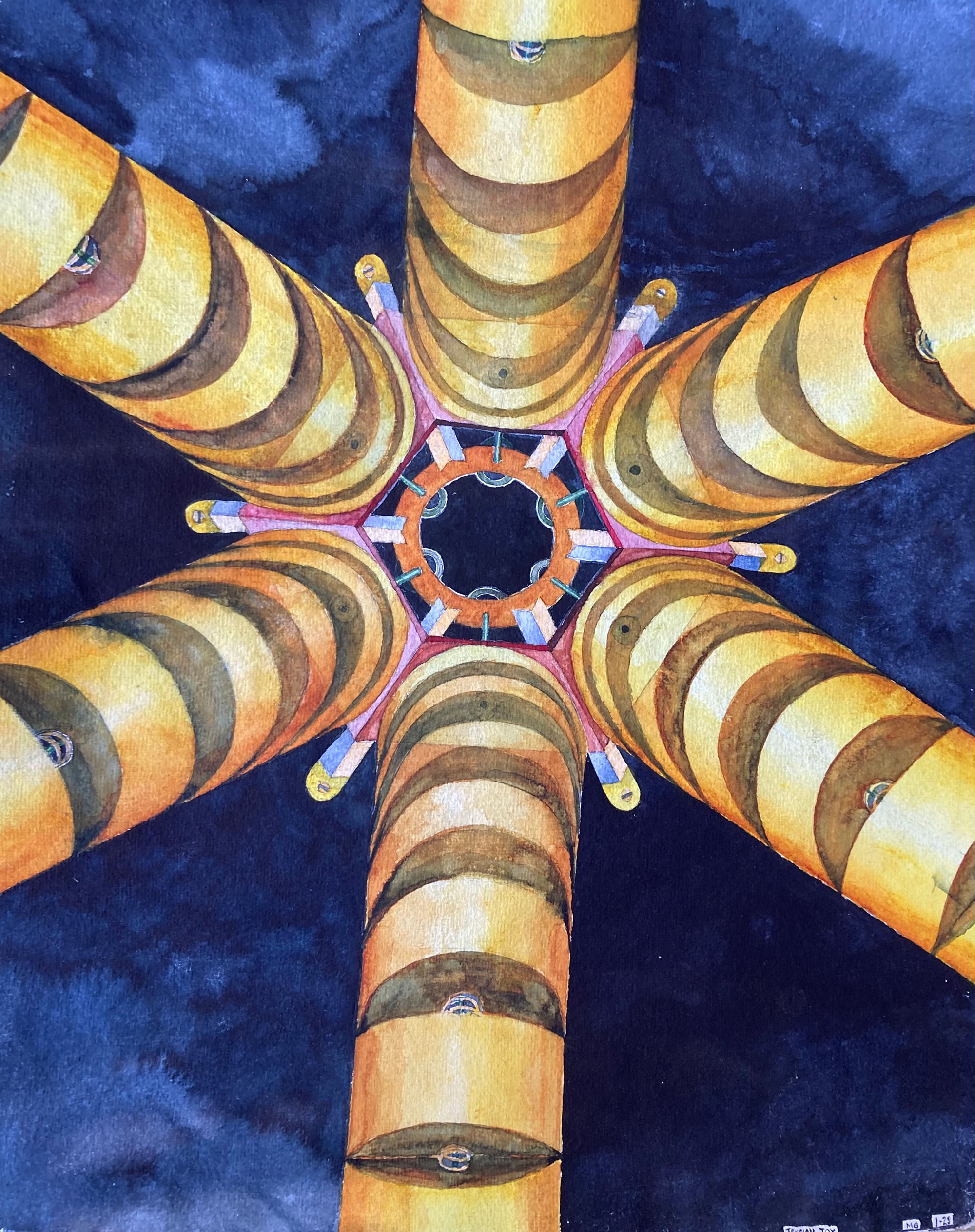
Abstract, sinuous shapes also figure prominently in Gibian’s two-dimensional works. In watercolors, prints, and drawings, he presents magnified, reimagined views of natural and industrial objects. Each is presented in isolation: a plant leaf, a stamen, an octopus’s tentacle, a chain, a coiled spring, and colorful monoprints of each letter of the Roman alphabet.
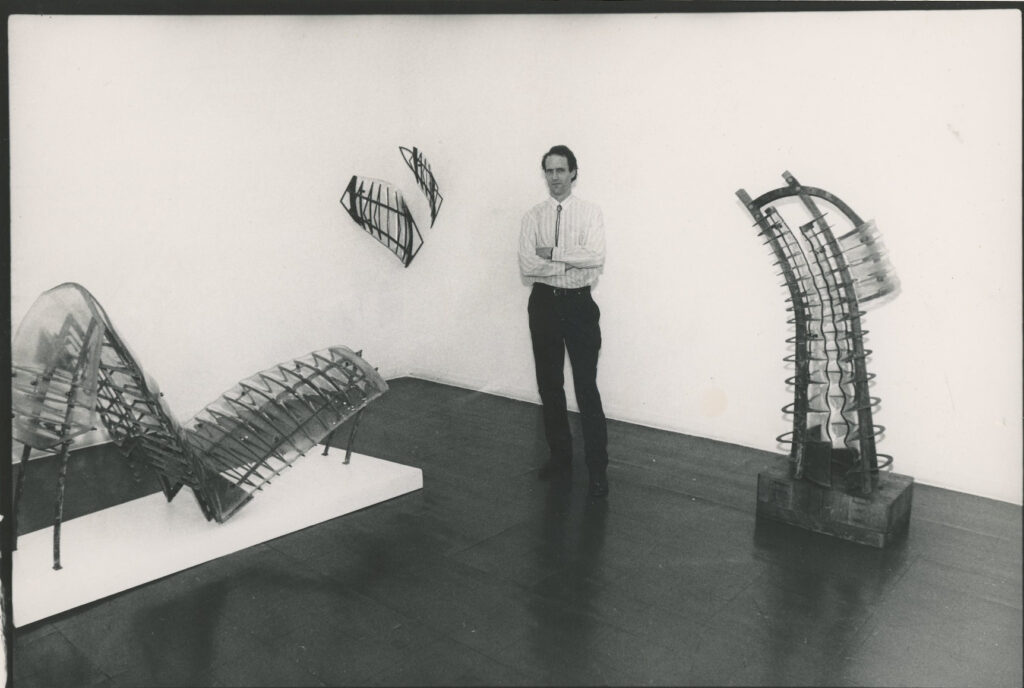
Gibian came to Cornell intending to focus on printmaking. A summer class in welded sculpture, and the presence of impressive, sculpted pieces on campus, prompted a change of heart. Gibian viewed Cornell’s Sculpture Garden and its massive concrete structures as “magical,” and requested an independent study with Jack Squier (M.F.A. ’52), the professor and sculptor responsible for that project. “I had some really amazing teachers and TAs at Cornell,” Gibian says. “It was perfect for me.”
Perhaps his greatest influence was “bumper sculptor,” professor, and former AAP dean Jason Seley (B.A. Architecture ’40), who became a mentor to Gibian. He was enthralled by Seley’s creations, which were fashioned from discarded chromium-steel automobile bumpers. Gibian recalls seeing Seley’s works of art “all around campus.” Some have since been bequeathed to Cornell, and three — Bookstack, Tsura, and My Square — are displayed in the Jason and Clara Seley Sculpture Court behind Sibley Hall.
What Gibian appreciated most was the opportunity to pursue a multidisciplinary course of study. Along with his AAP coursework, Gibian took classes in anthropology, ecology, history, and language. He earned both a B.F.A. in sculpture and a B.A. in art history. And, with support from Cornell’s David R. Bean Prize, he was able to study in Barcelona, home to the works of Antoni Gaudí, Joan Miró, and Pablo Picasso. Years later, in appreciation, he established the Gibian-Rosewater Travel Research Award to encourage Cornell B.F.A. students “to seek sources of inspiration throughout the world. One such experience can change the life and career of an artist,” he says.
Some of Gibian’s more recent travels have been with 4D, a group of four international artists — sculptors Gibian of the United States, Marcos Lora Read of the Dominican Republic, and Manolo Gonzales of Spain, and visual artist Harald Vlugt of the Netherlands — who collaborate periodically on themed installations in their home countries. 4D is the brainchild of Lora Read, “one of my brilliant students,” who Gibian met years ago while teaching at the Altos de Chavón School of Design in the Dominican Republic as an instructor with its affiliate, Parsons School of Design. Joint installations in the Dominican Republic, featuring Gibian and Lora Read, are planned for 2025.
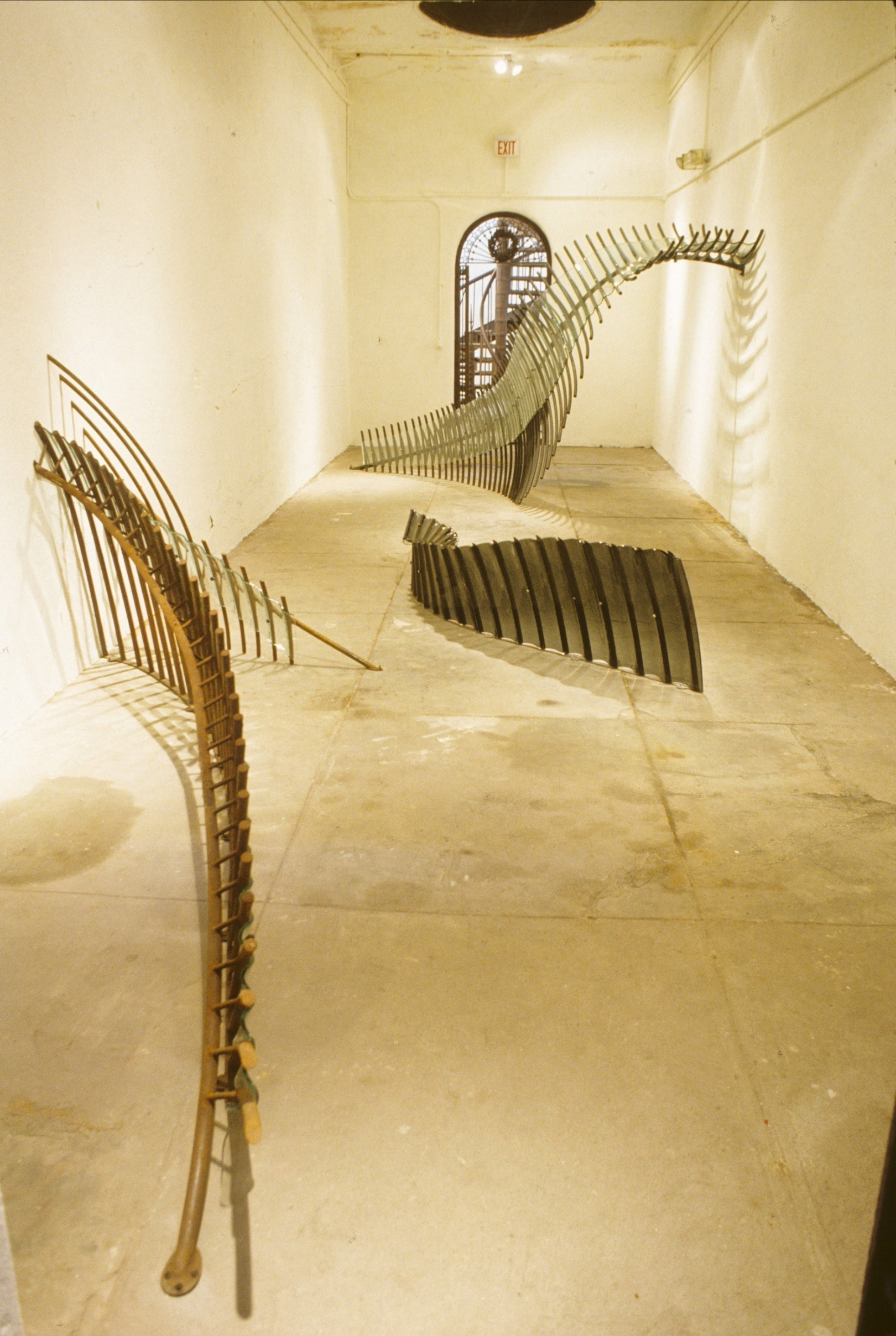
Gibian’s work has earned recognition and support from the National Foundation for Advancement in the Arts and the Barnett and Annalee Newman Foundation. An NFAA Resident Fellowship provided funding for housing, a studio, and a show in Miami’s Center for the Fine Arts. The exhibition included his Shelter sculpture, a functional piece that created cocoon-like, shaded spaces in the museum’s courtyard. As part of a grant from the Barnett and Annalee Newman Foundation, Gibian’s copper-plated steel and slumped glass Corona sculpture was added to the collection of the Jewish Museum in New York City.
Gibian’s connection to Cornell dates back to 1961, when his father, the late George Gibian, joined the faculty of the Department of Russian Literature. “Cornell offers so much to the community and to the students,” Gibian says. He took full advantage, starting long before enrolling as a student. “If I wanted to, I could go to something every night: a movie, a lecture, music,” he says.
His years as a student and, more recently, as a member of the AAP Advisory Board, further strengthened Gibian’s bonds with Cornell. With other AAP graduates and board members, he helped organize the popular Distinguished Alumni Studio Tours in New York City. He also made the most of the resulting opportunities to build community among alumni and to support AAP artists by purchasing their works.
“A lot of good artists came out of Cornell,” Gibian says. “I’m friends with and have collected works by many of them.”
Each piece is distinct. Each also reminds Gibian of what he considers one of best arguments for choosing Cornell. “You can study anything there,” he says, “and that will contribute to your work — and to the great variety of work that continues to come out of Cornell.”
Projects
Click to view project images full screen.
Kinetic and Balancing Sculptures
Public Sculptures
Slumped Glass and Steel Sculptures
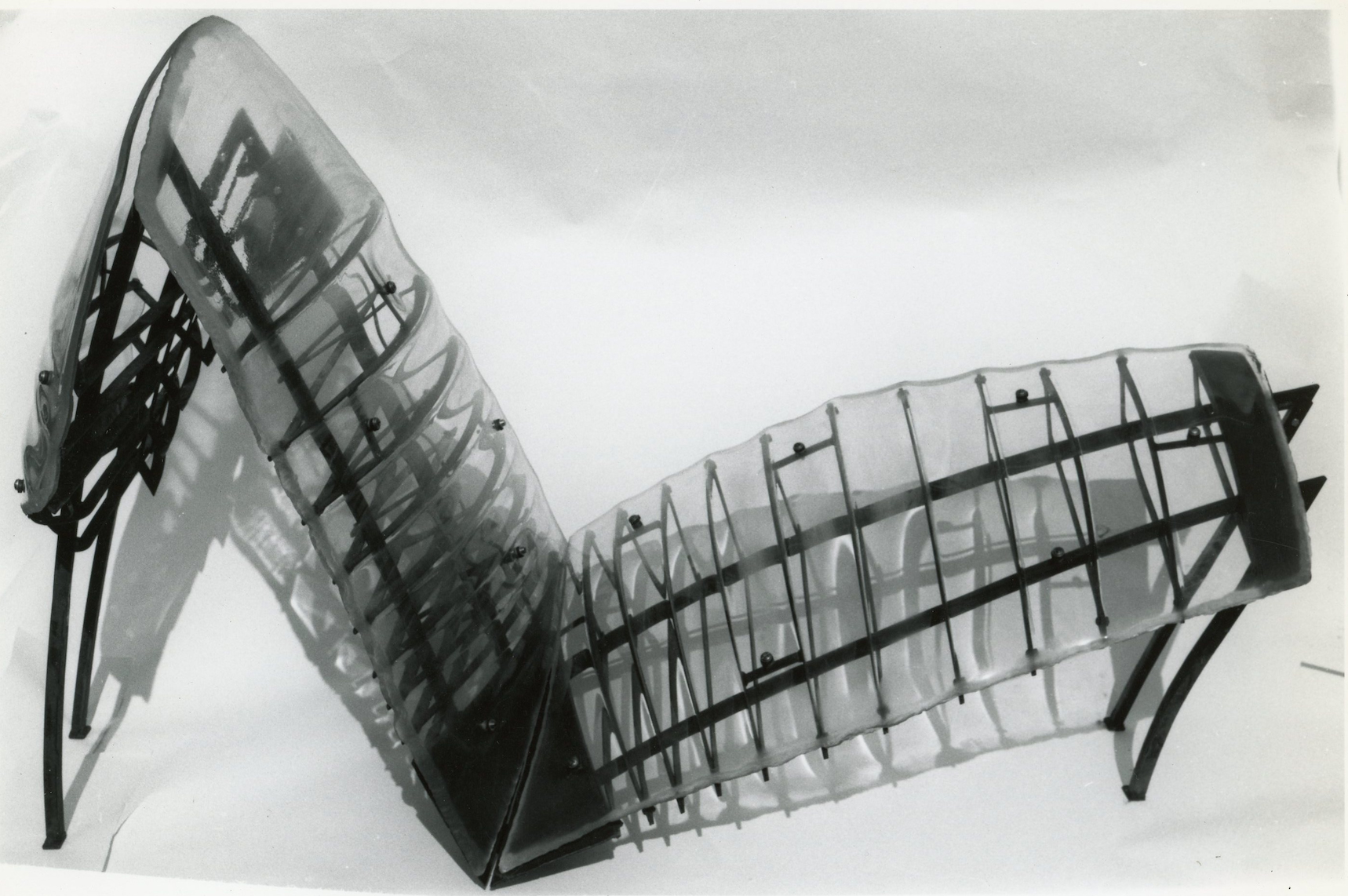
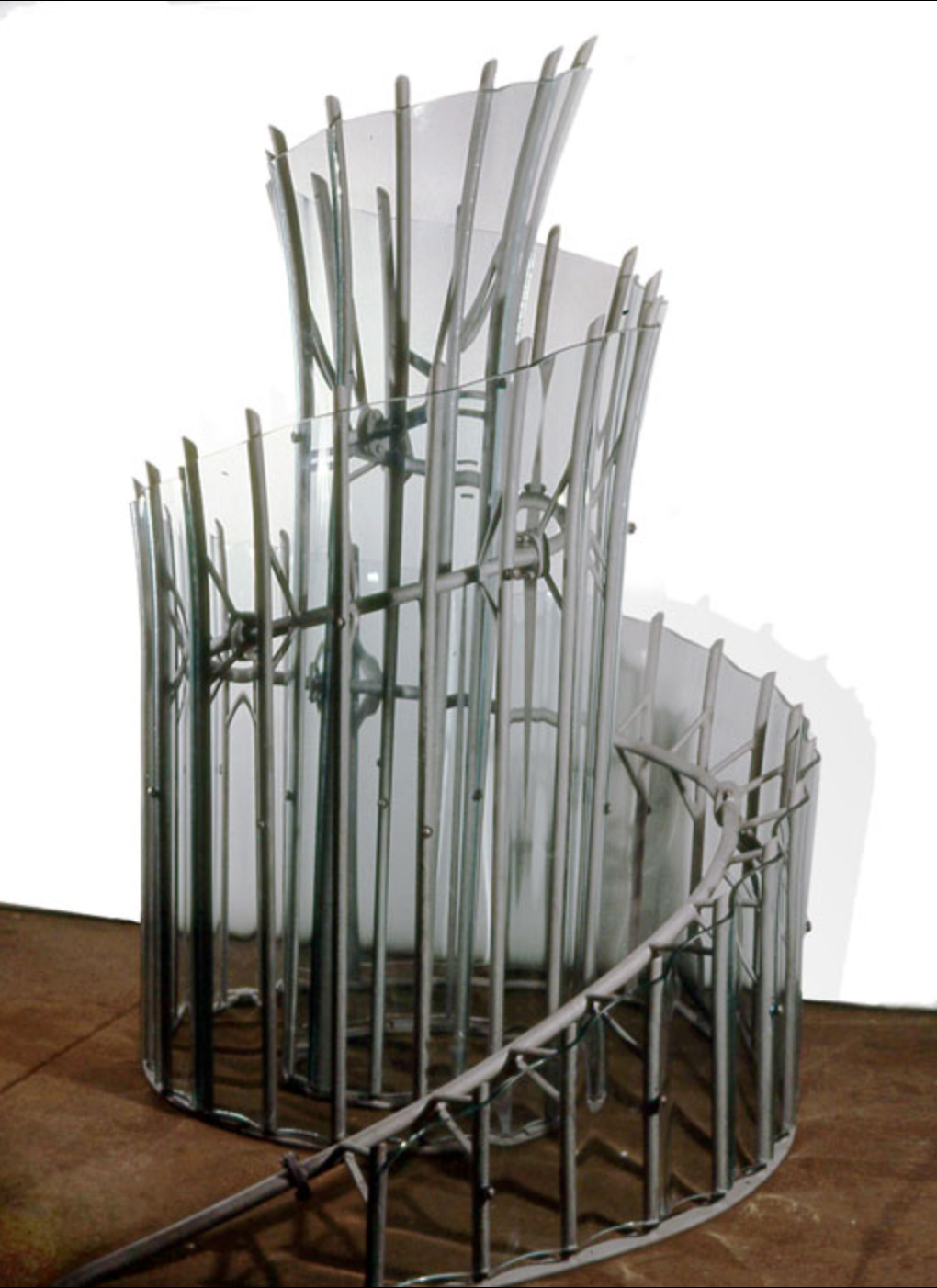
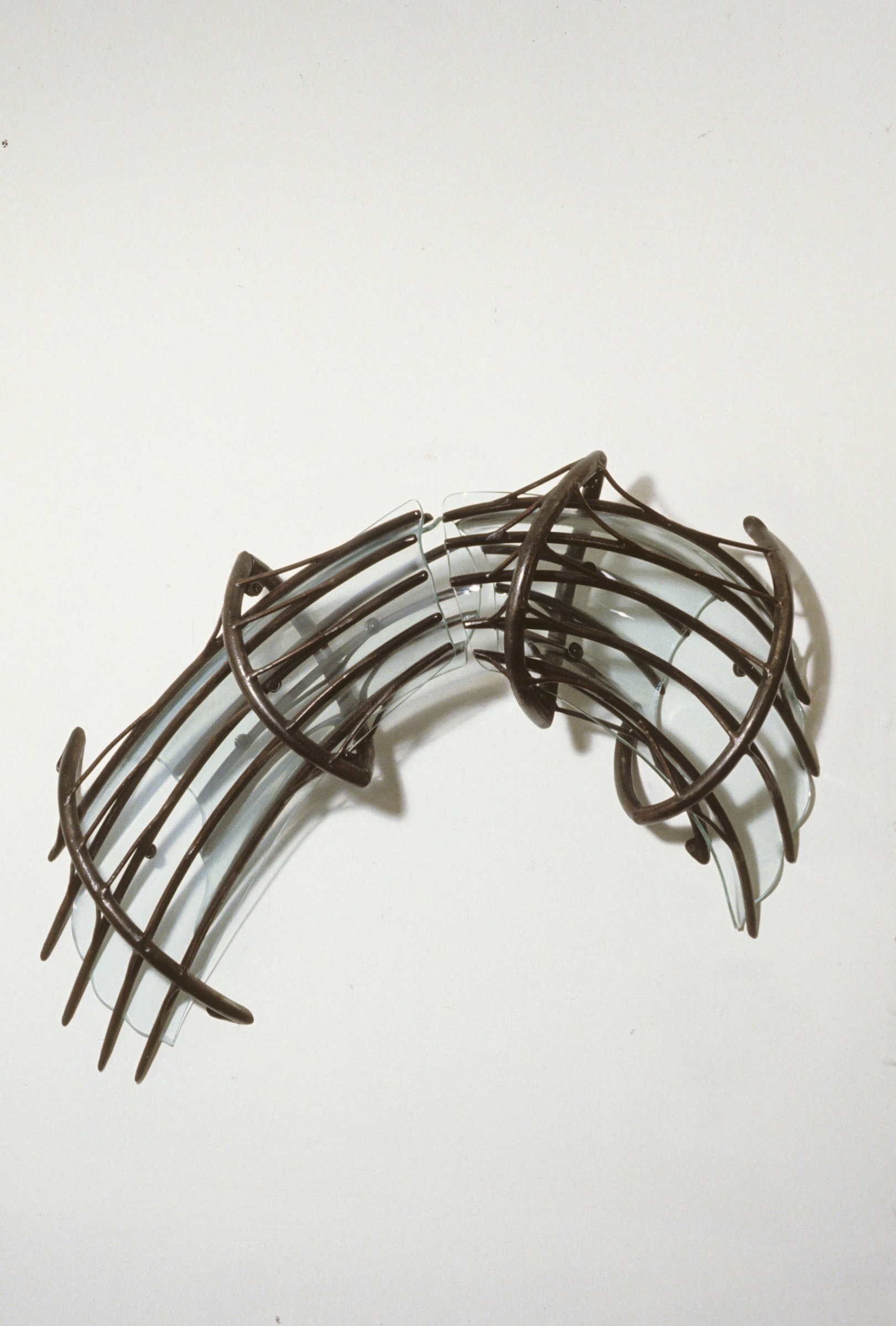
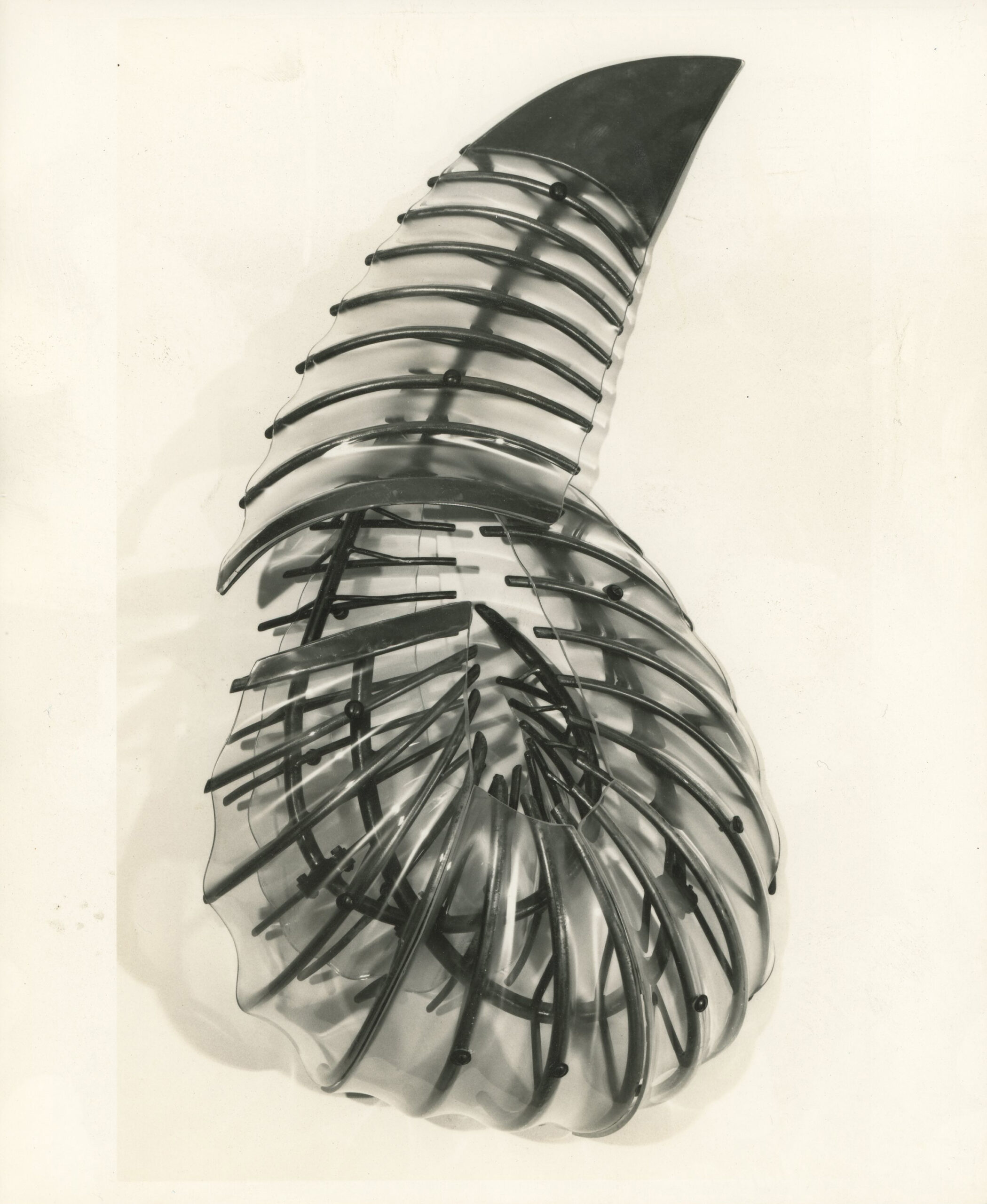
Works on Paper
Explore the Archive
-
Frances M. Shloss
B.Arch. ’45
![Watercolor painting of Tallinn, Estonia by Frances M. Shloss]()
-
Ellen Buselli
B.F.A. ’74
![Oil on linen still life painting of a large black pot surrounded by smaller dishes, a bulb of garlic, and an onion with an overgrown stem.]()
-
Joel Carreiro
B.F.A. ’71
![dotted portrait painting]()
-
Jon H. Alvarez
B.Arch. ’77
![Spherical pendant lights hang from a wood-clad ceiling, past a balcony.]()