Maddy Rosenberg (B.F.A. ’77) always knew that art would be the driving force in her life.
By age 12, Rosenberg realized that “I couldn’t live without making art.” When it was time to choose a high school, she applied and was accepted to the High School of Art and Design in Manhattan, where teachers encouraged her to follow in their footsteps and continue her arts education nearby. But Rosenberg had other plans.
“I knew I was going to be an artist wherever I went to college,” she explains. “I had many interests, so I was determined to go to a college known for academic rigor, where I could grab as much knowledge as possible and could study with amazing people in different fields.”
The Brooklyn native also wanted to experience life outside New York City but, to keep most of her scholarships and financial aid, would have to attend college in New York state. Cornell University in Ithaca fit the bill on all counts.
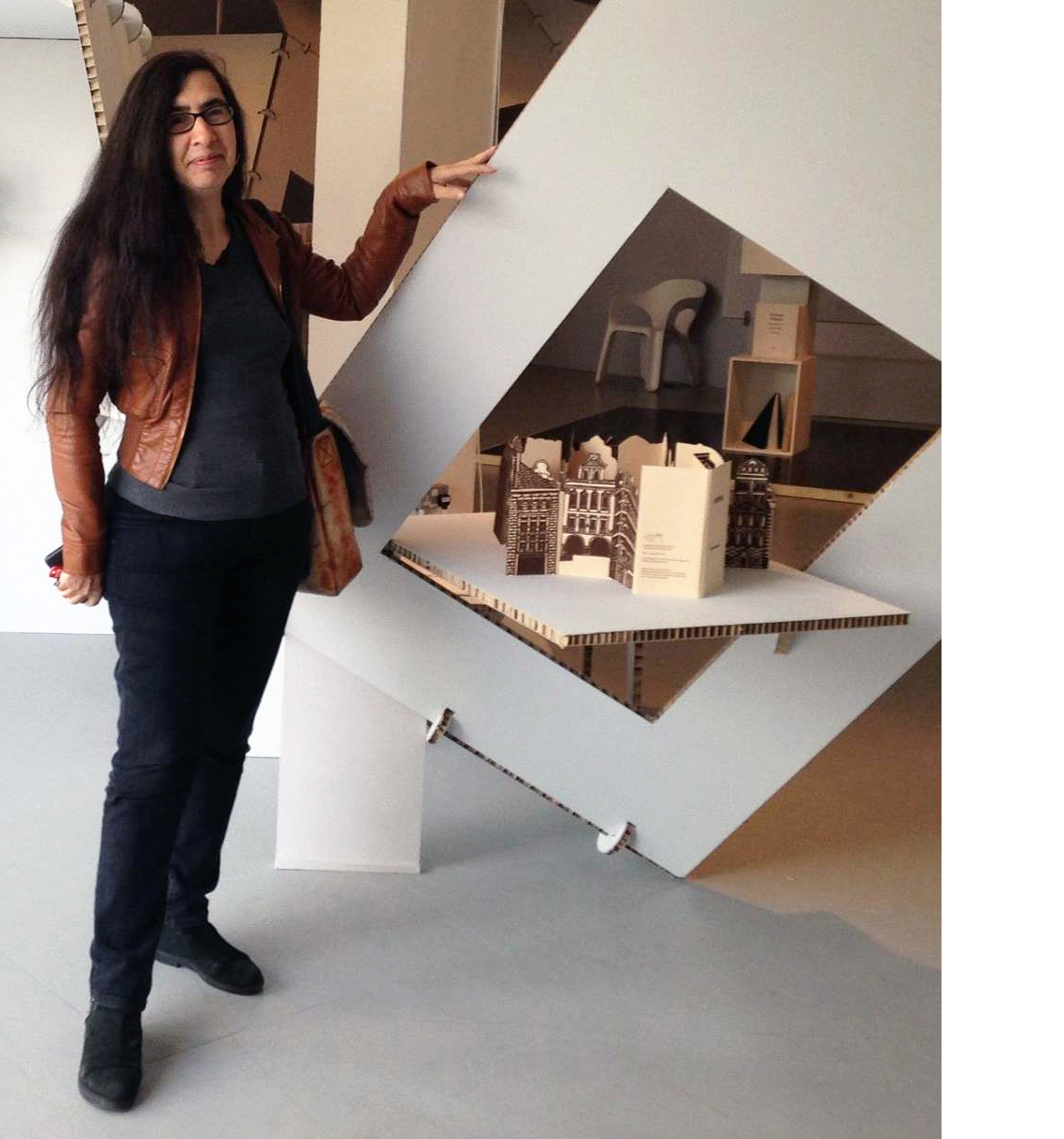
As a fine arts major, Rosenberg specialized in painting and printmaking and had ample opportunity to branch out. “Back then, half of our classes were electives, and I took as many as I could,” she says. “I was interested in diverse disciplines, within and outside the art world, and Cornell allowed me to pick and choose from this delightful menu that I couldn’t have gotten as an art major elsewhere.”
She recalls notable guest speakers, including novelist John Cheever and artist, activist, and educator Benny Andrews. Among Rosenberg’s most significant influences at Cornell was Gillian Pederson-Krag (M.F.A. ’63), one of the few female art professors at the time.
It was Rosenberg’s first experience painting with oil, and Pederson-Krag “was a fabulous painting teacher. She got me so excited about color and about how to handle the paint, and she was so patient in letting me develop my skills and my vision,” Rosenberg says. She describes Pederson-Krag as “inspiring,” with a rare ability to help artists find and express their own voice instead of imposing her view or perspective.
The young artist took Pederson-Krag’s lessons to heart. After Cornell, Rosenberg devoted several years to exploring and honing her voice before earning a Master of Fine Arts in painting from Bard College. That experience, in combination with her Cornell education, provided a fertile foundation for the career to come. Rosenberg’s paintings, artist’s books, and exhibitions are critically acclaimed in the U.S. and internationally. Her works have been exhibited in venues around the globe and are part of prestigious public collections.
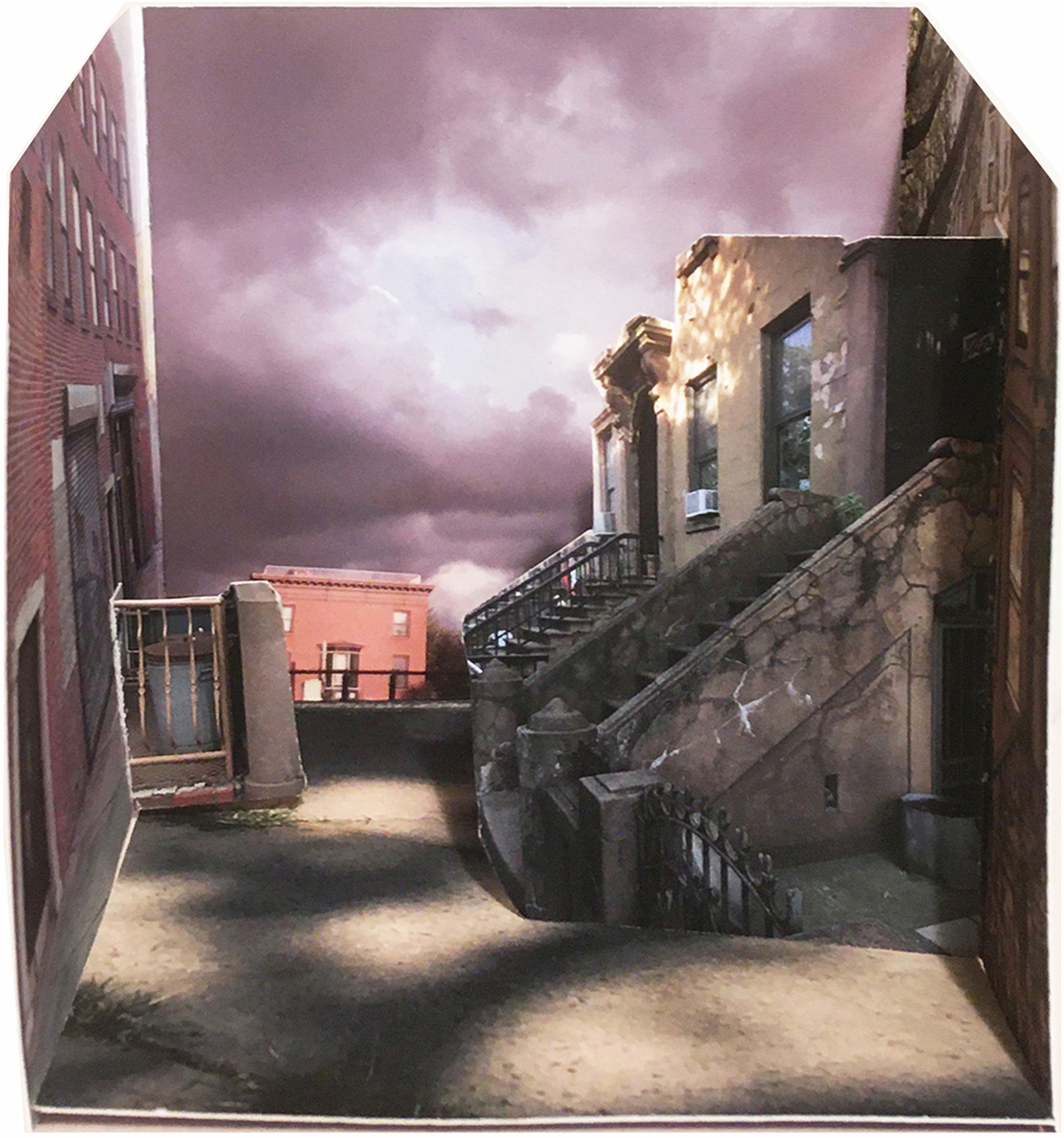
Baylor University acquired 15 of Rosenberg’s works in 2007 to establish its Artist’s Books Special Collection. The university has since added books by Rosenberg and others to a collection that now includes more than 1,500 works from artists and presses worldwide. MoMA and the Brooklyn Museum in New York City; the Fogg Museum at Harvard University; Yale University; the Tate Britain and Victoria and Albert Museum in London; Staatsbibliothek zu Berlin and Herzog August Bibliothek in Germany, and the Scottish National Gallery of Modern Art all have Rosenberg pieces in their collections. The Division of Rare and Manuscript Collections at Cornell is home to two of Rosenberg’s three-dimensional books: Dystopia and Shadow of Descent.
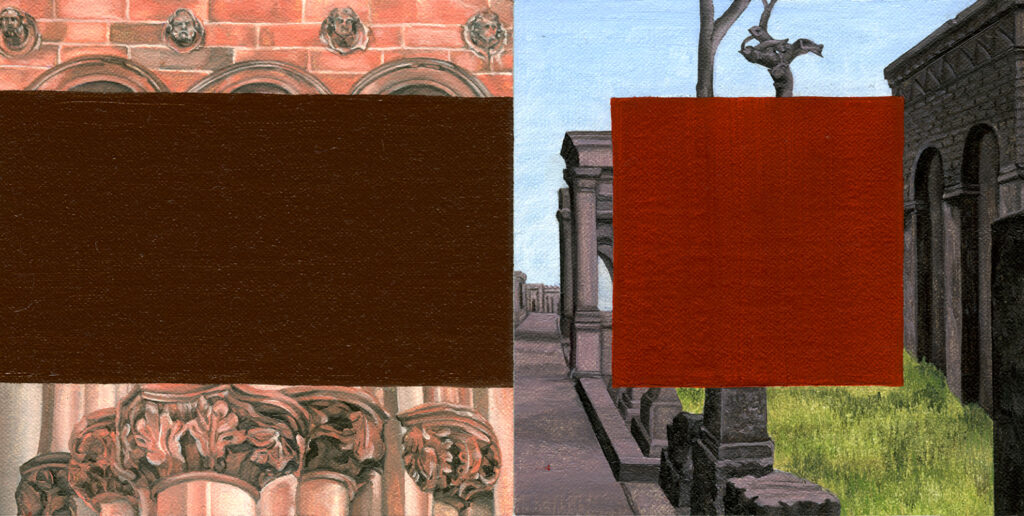
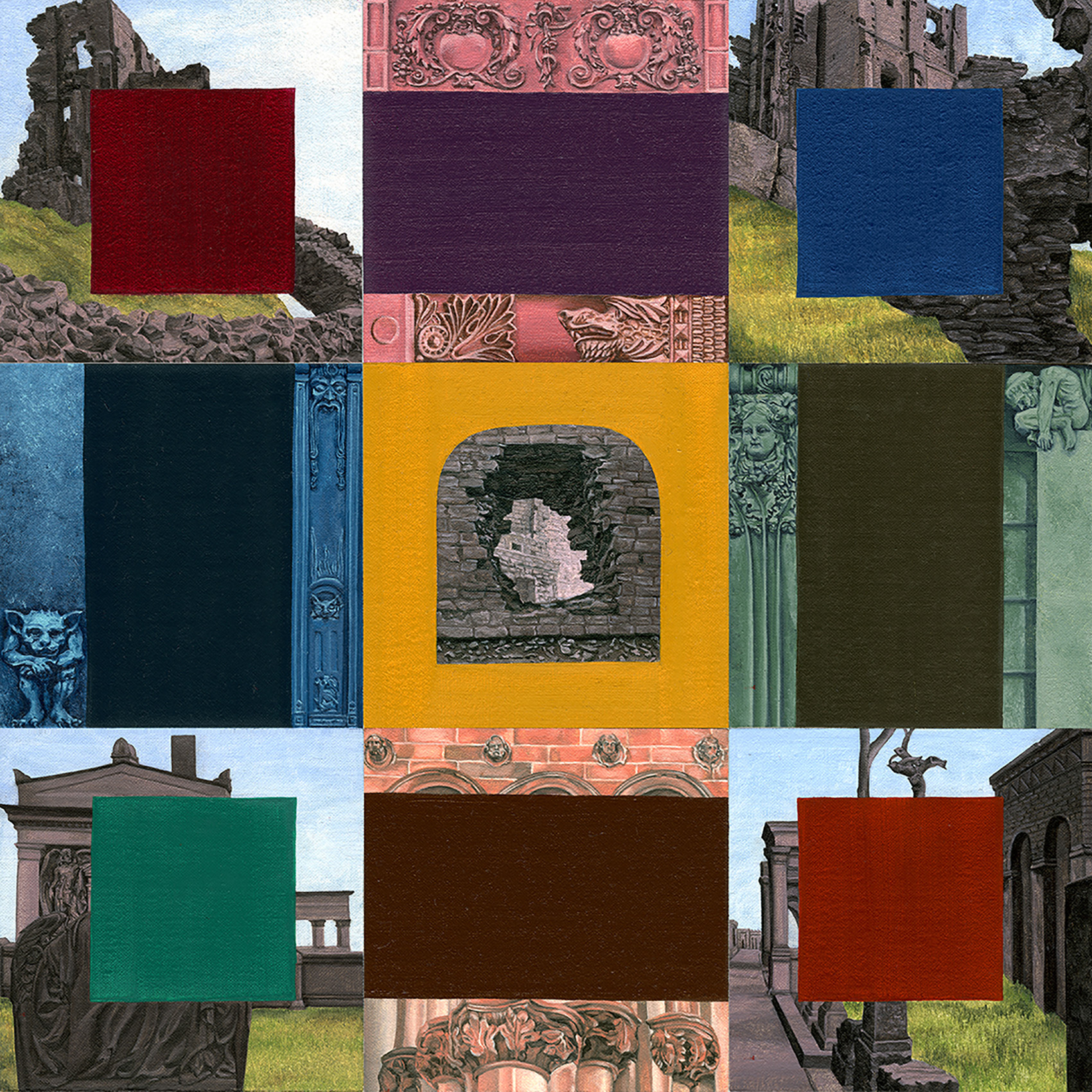
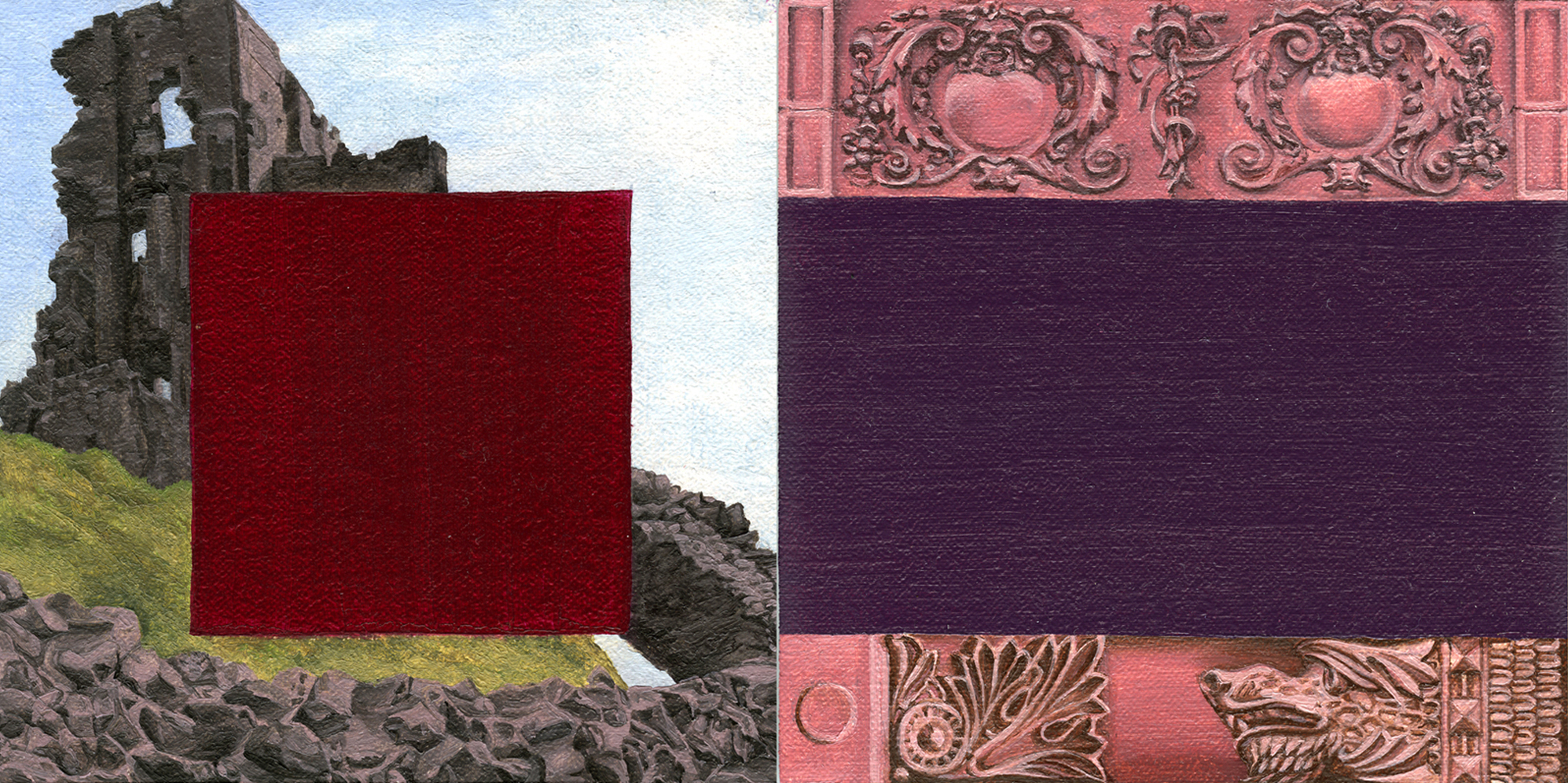
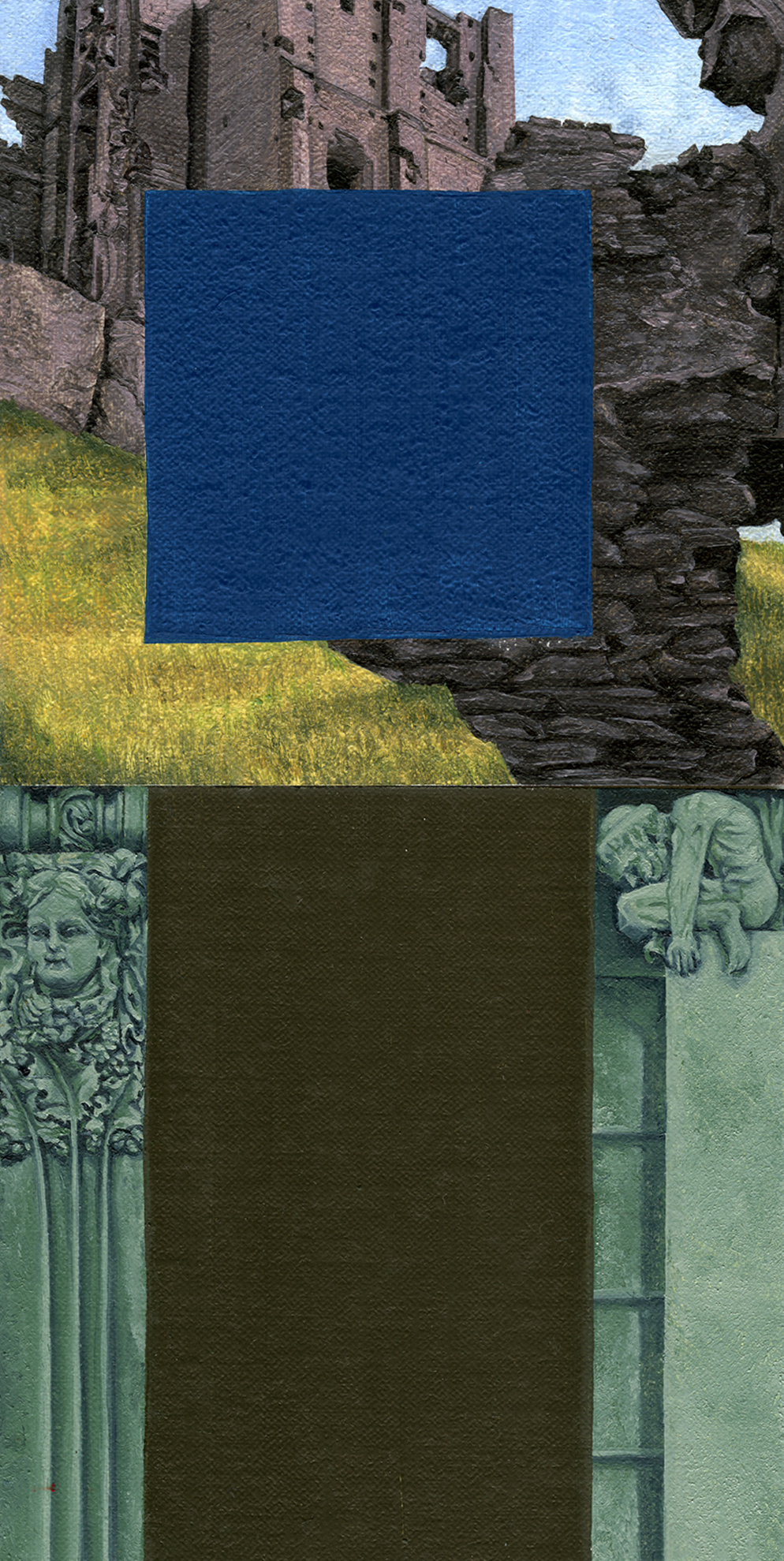
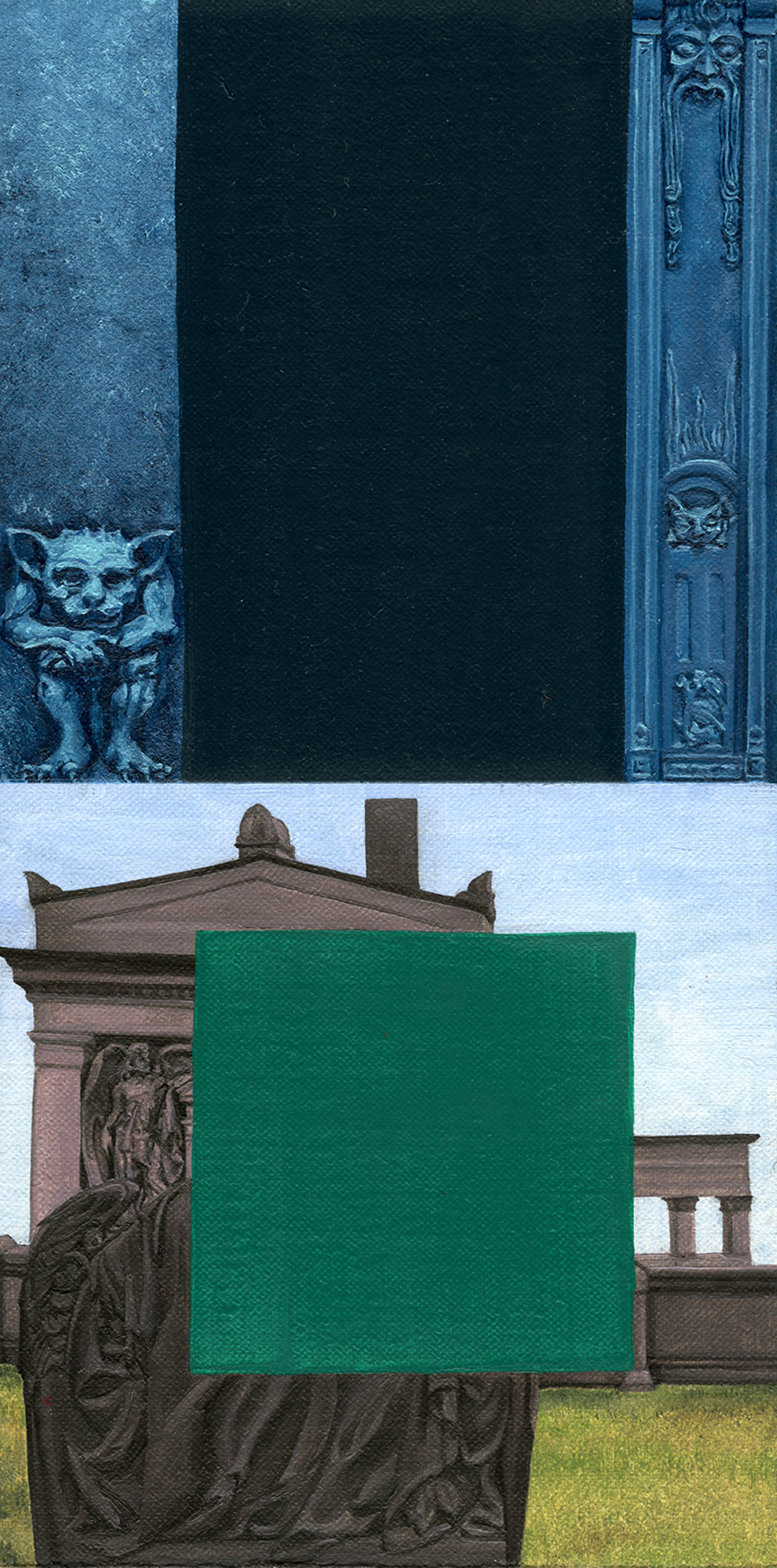
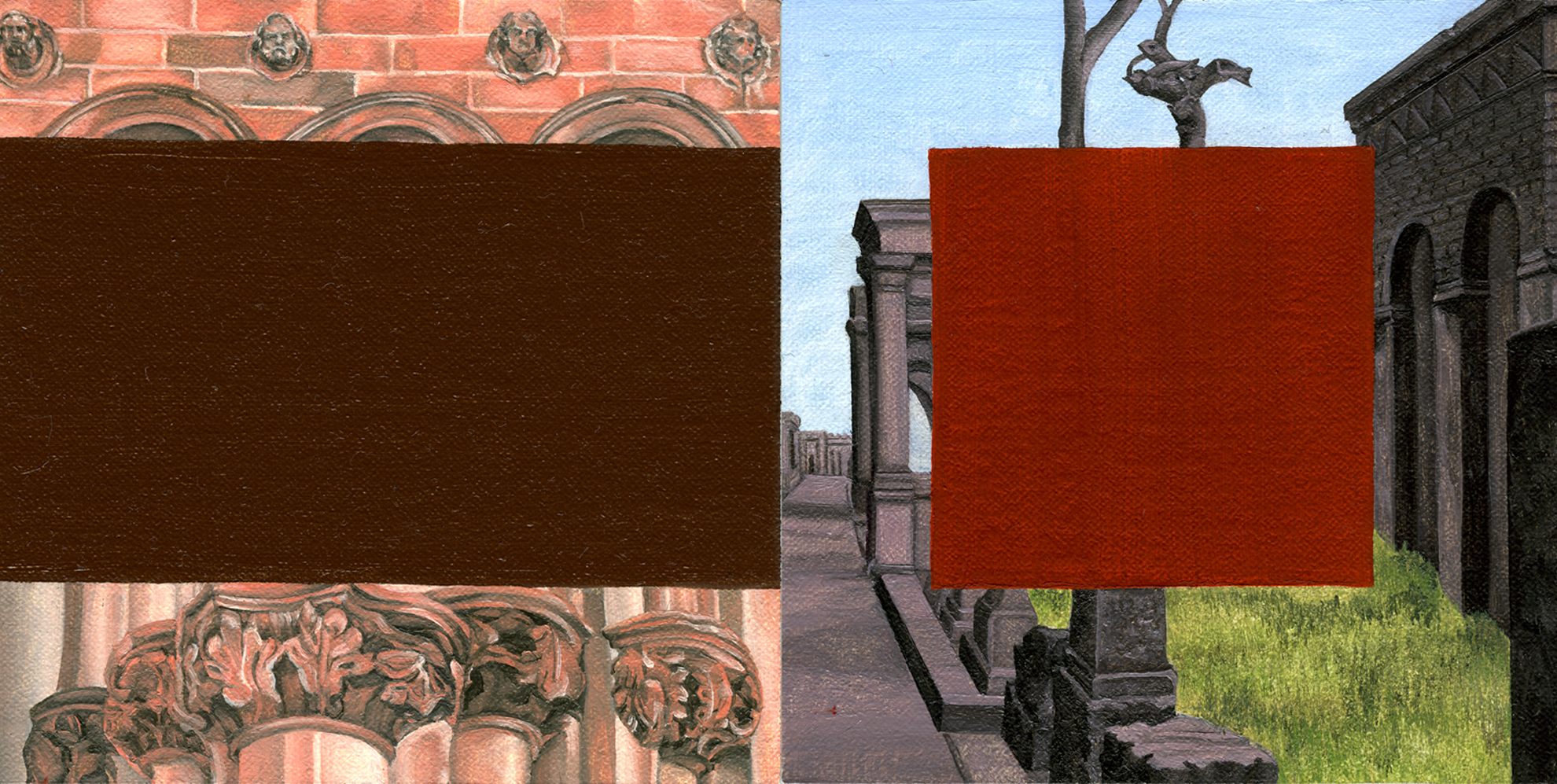
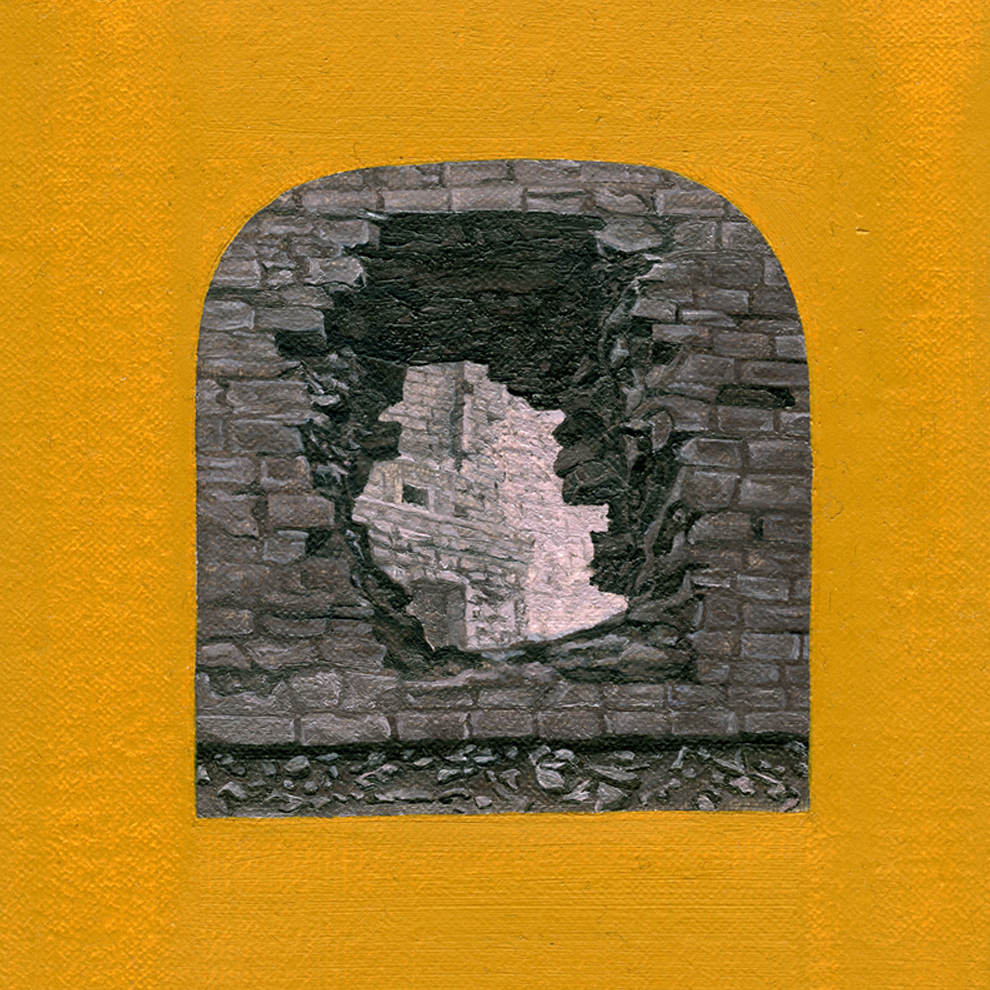
Rosenberg’s paintings are distinctive for their composition, extraordinary attention to detail, and ability to transport the viewer to imagined worlds. Most reflect her fascination with architecture and cultural history fueled by the experience of growing up in Brooklyn, where old and new buildings stand side by side. “I have always been interested in architecture and its ornamentation, especially in its less-than-perfect state,” Rosenberg says. In buildings, she sees “memory embedded in places and spaces of the past.” Rosenberg spends several months each year in Europe, where she sketches and photographs architectural details, such as grotesques and gargoyles, and gathers reference materials. In the studio, Rosenberg says, she “removes the images from their original context and reassembles them to create a world of my own.”
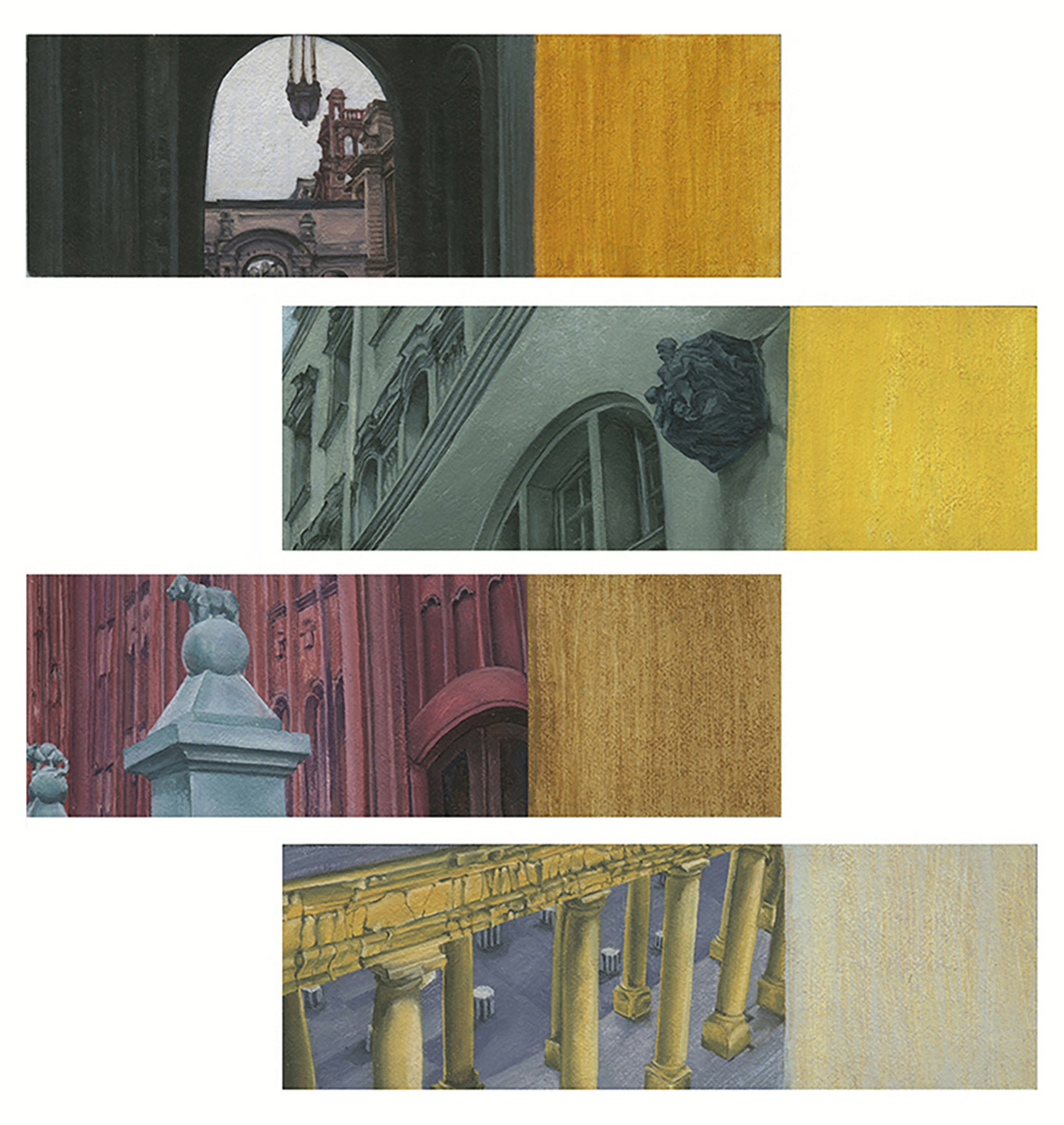
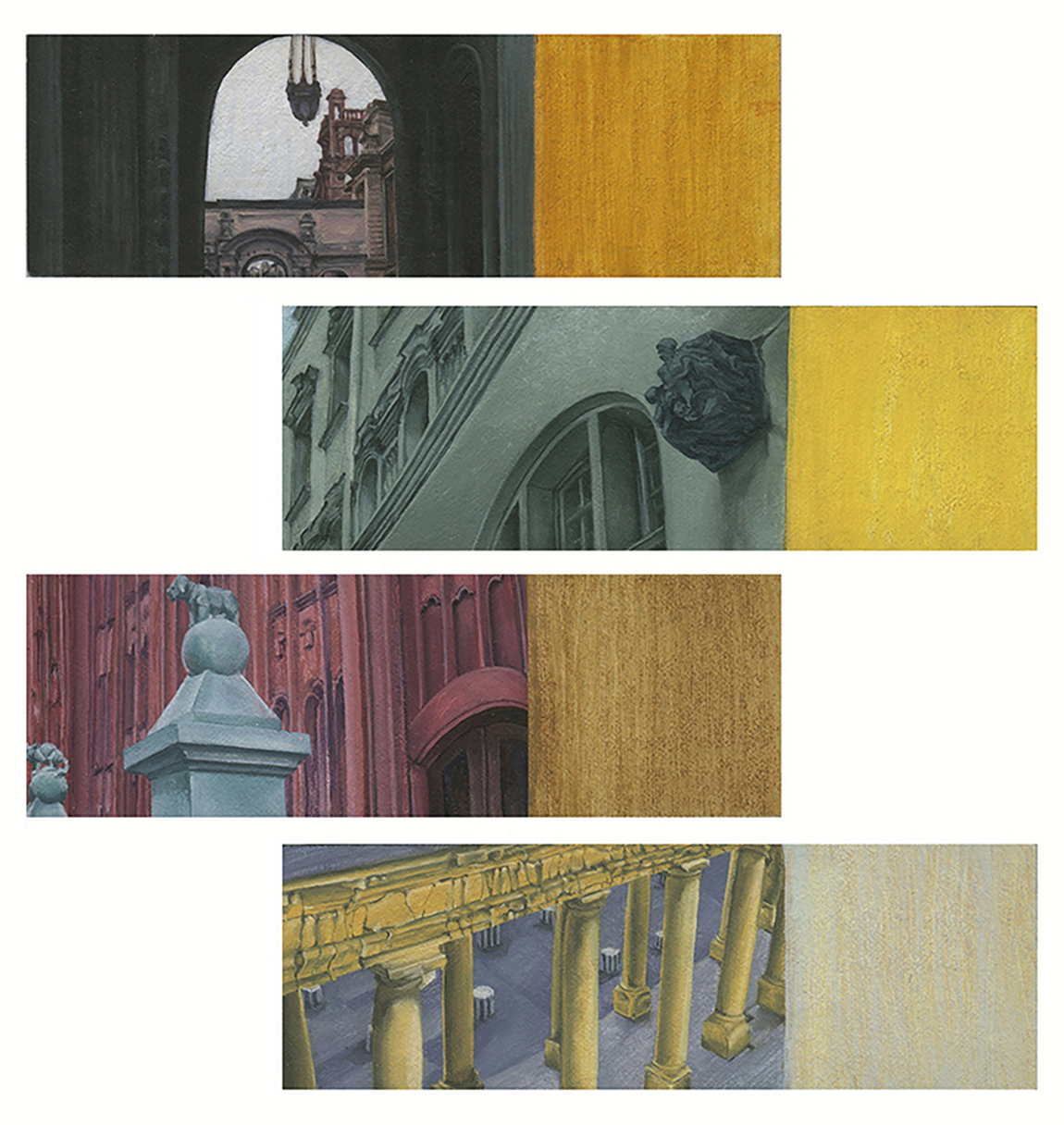
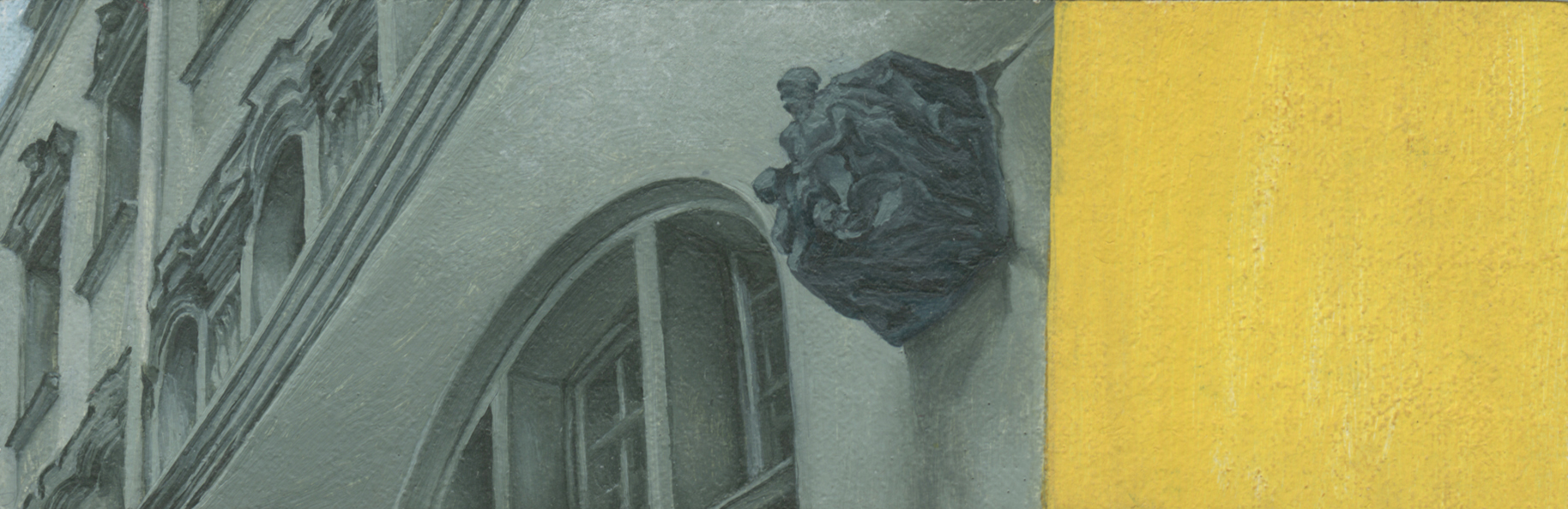
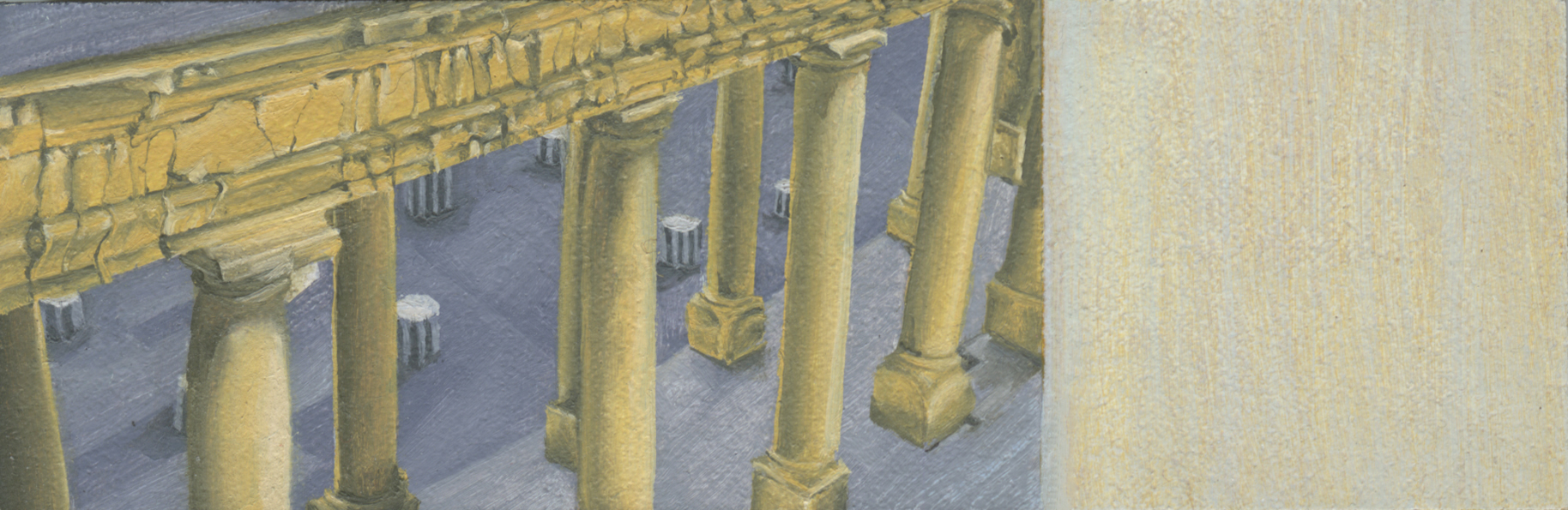
Rosenberg prefers working small. Even her larger paintings, which are composed of multiple panels, are considered on the small side. The four-panel Tonal (2016–18), for example, depicts highly detailed bits of architectural spaces and facades from Glasgow, Bath, and Berlin, against a neutral plane of color. Each oil on linen-covered panel is 1-1/2″ by 4-1/2″; together they form a quadriptych that measures 6-3/4″ by 4-1/2″. Rosenberg describes Tonal as “indicative of my paintings as a whole: I often combine elements from different times and places in a multipanel sequence.”
I have often played with this quality of the book as an object, moving it into the sculptural and then returning it to a piece for viewing in the palm of the hand.
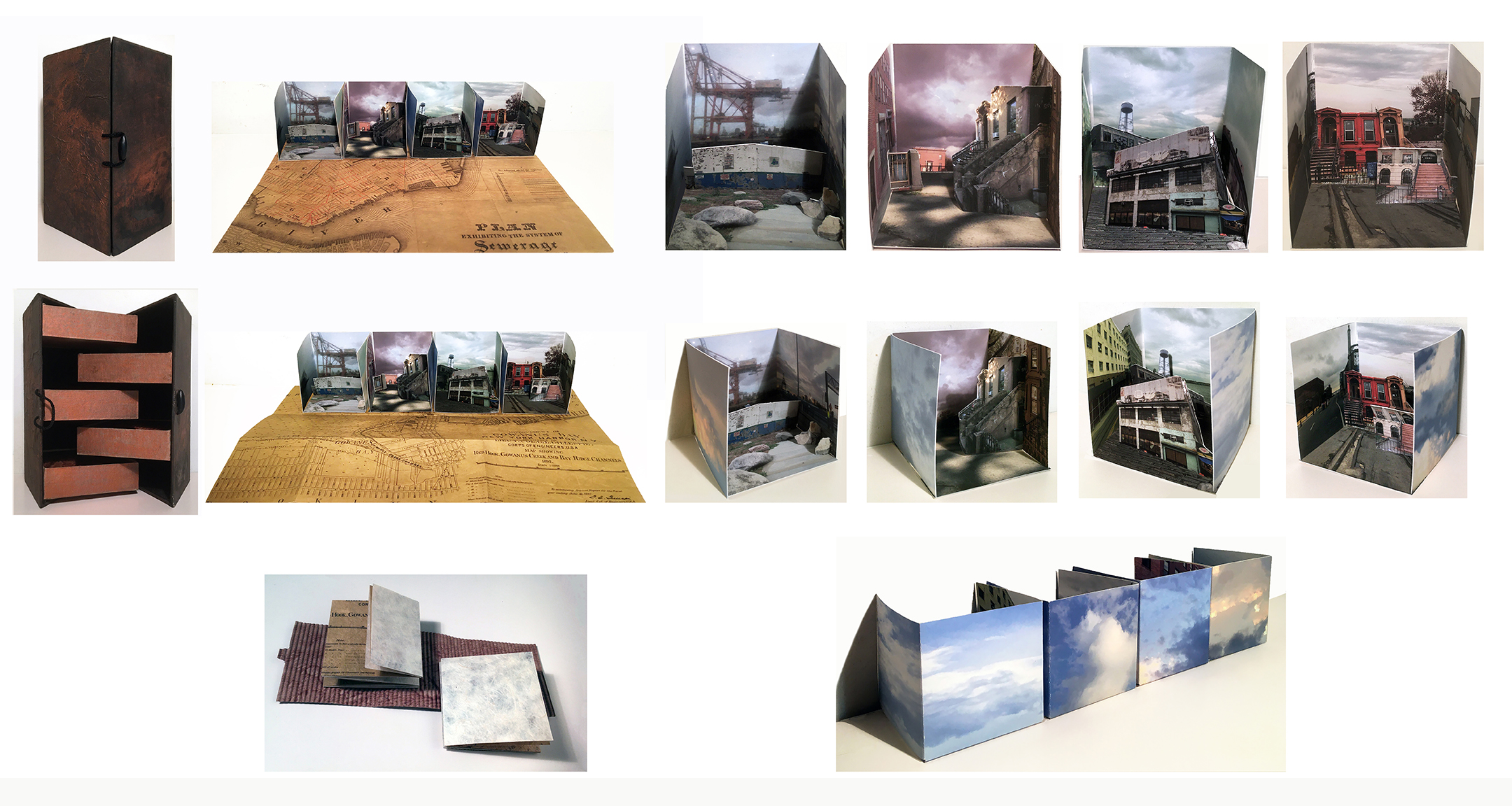
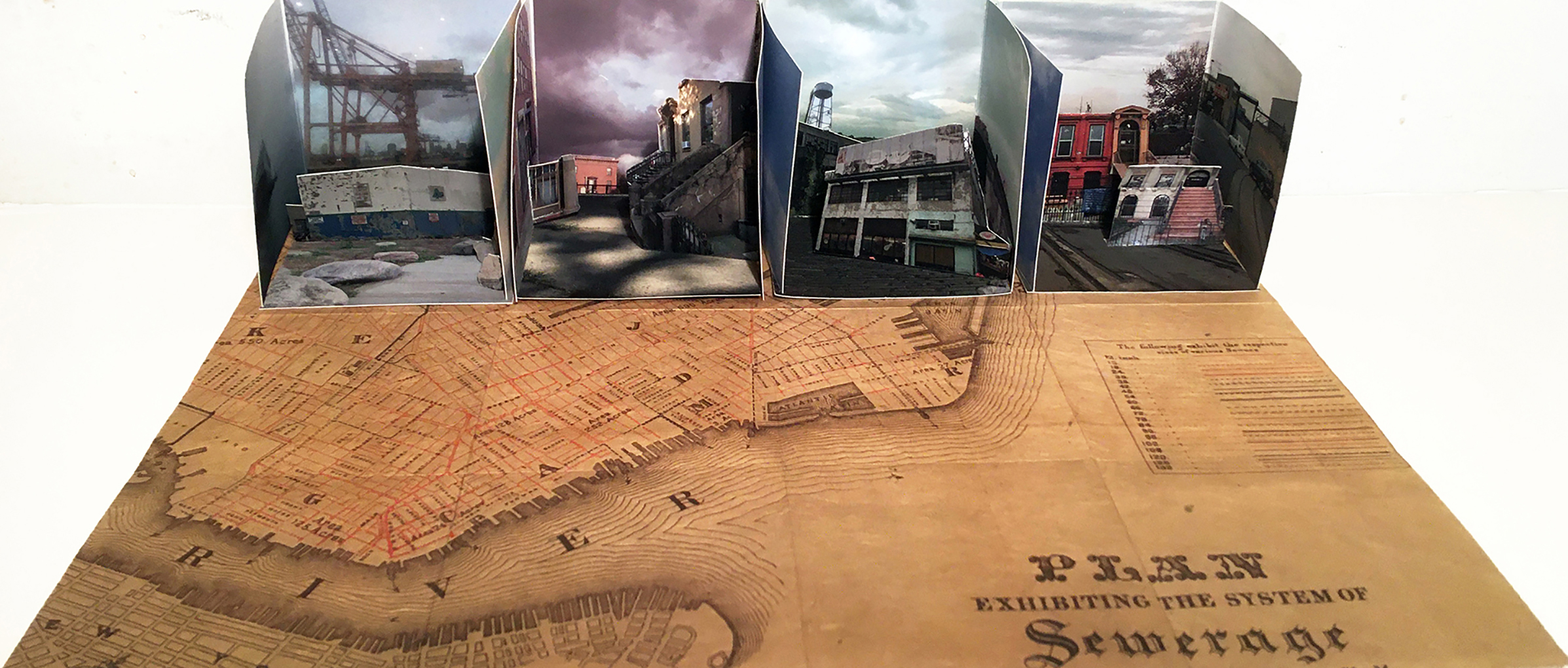
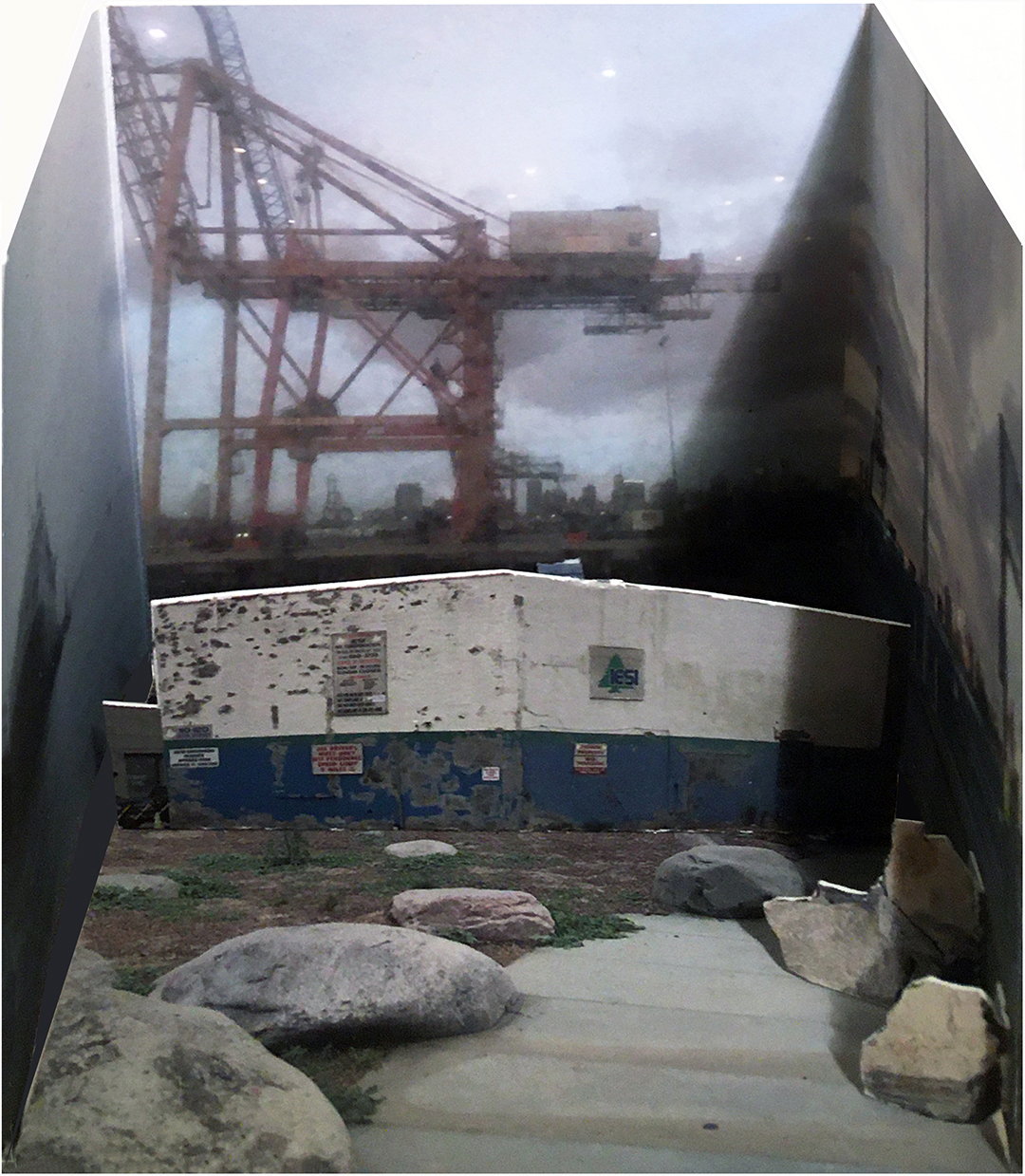
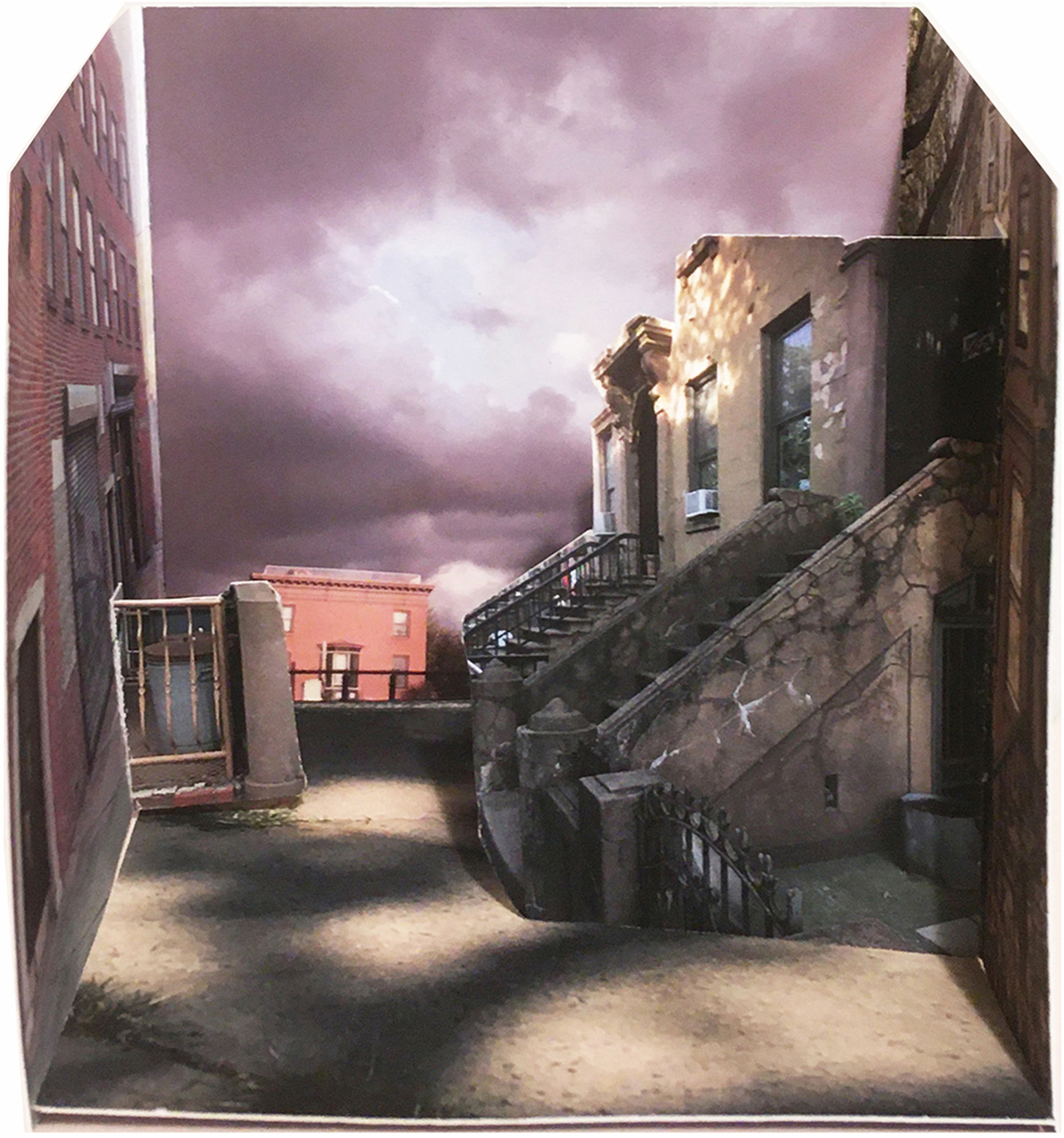
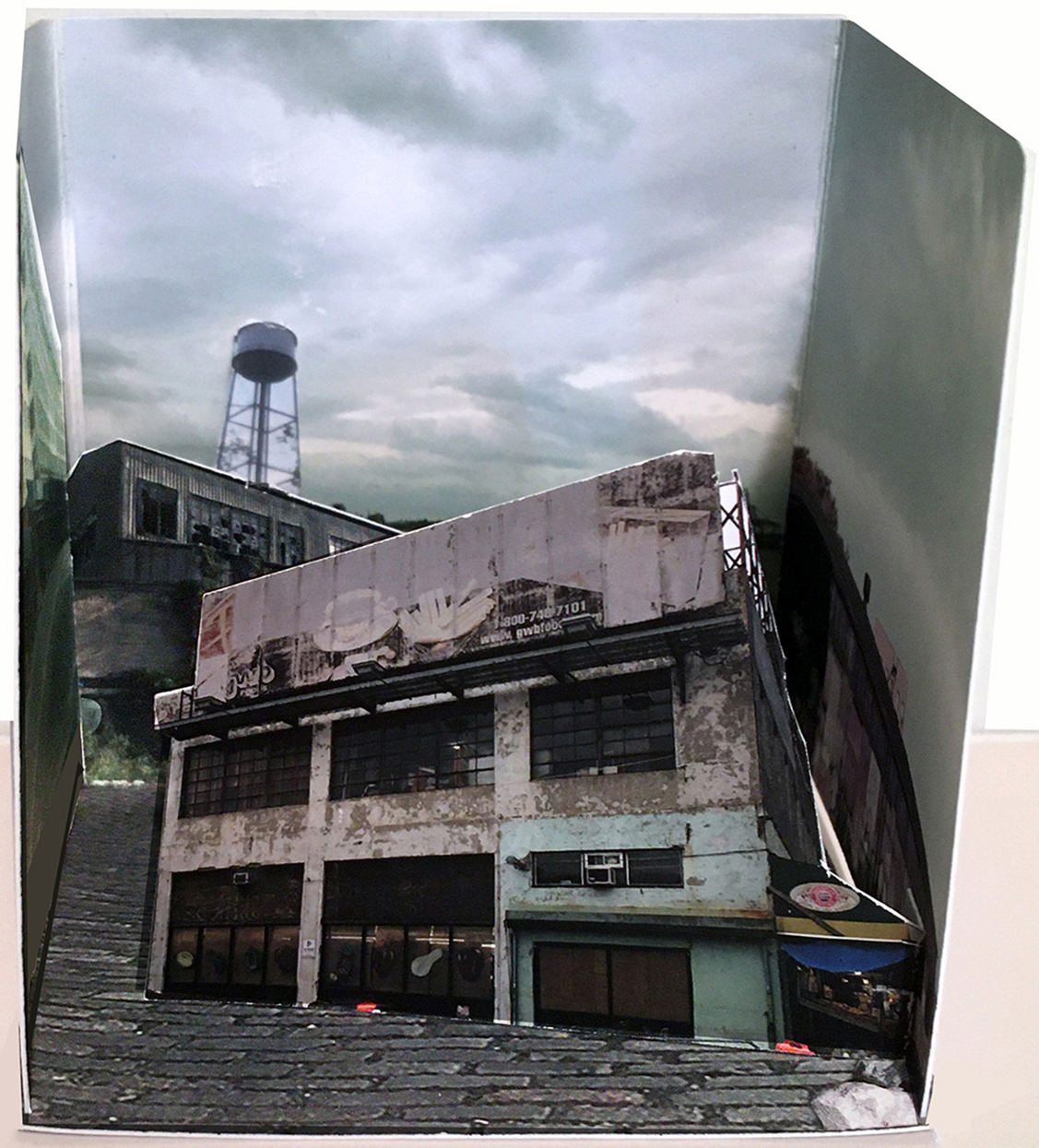
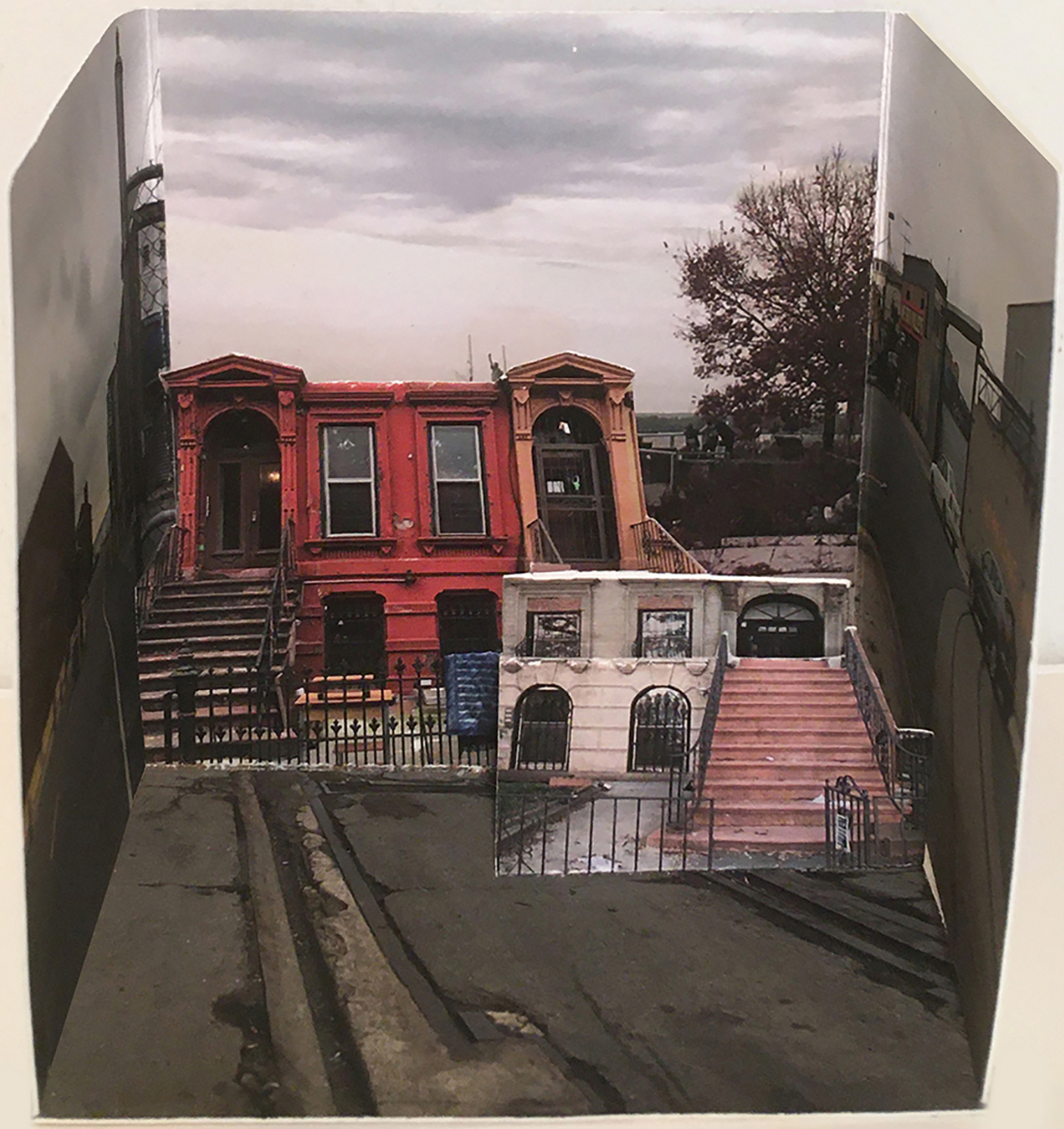
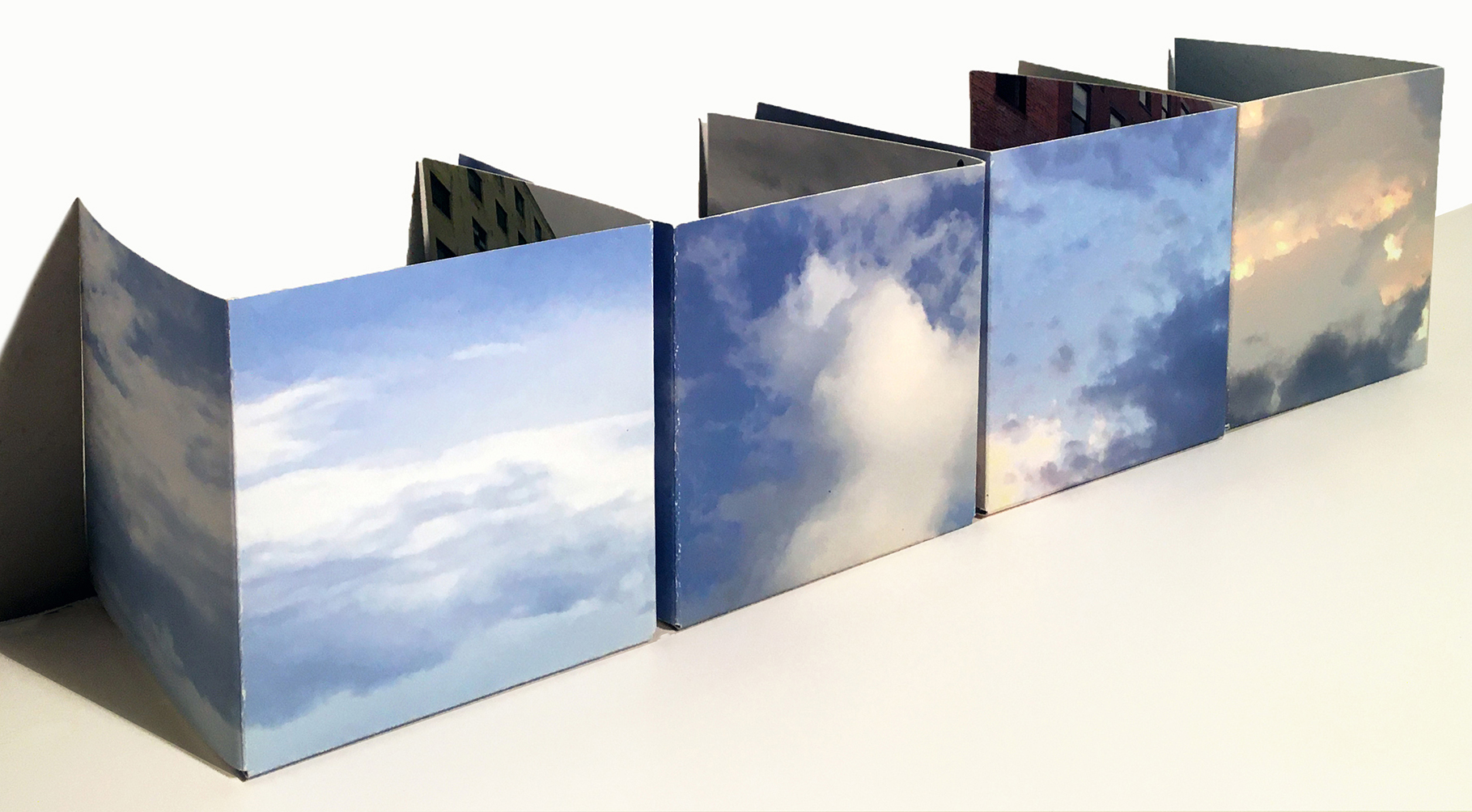
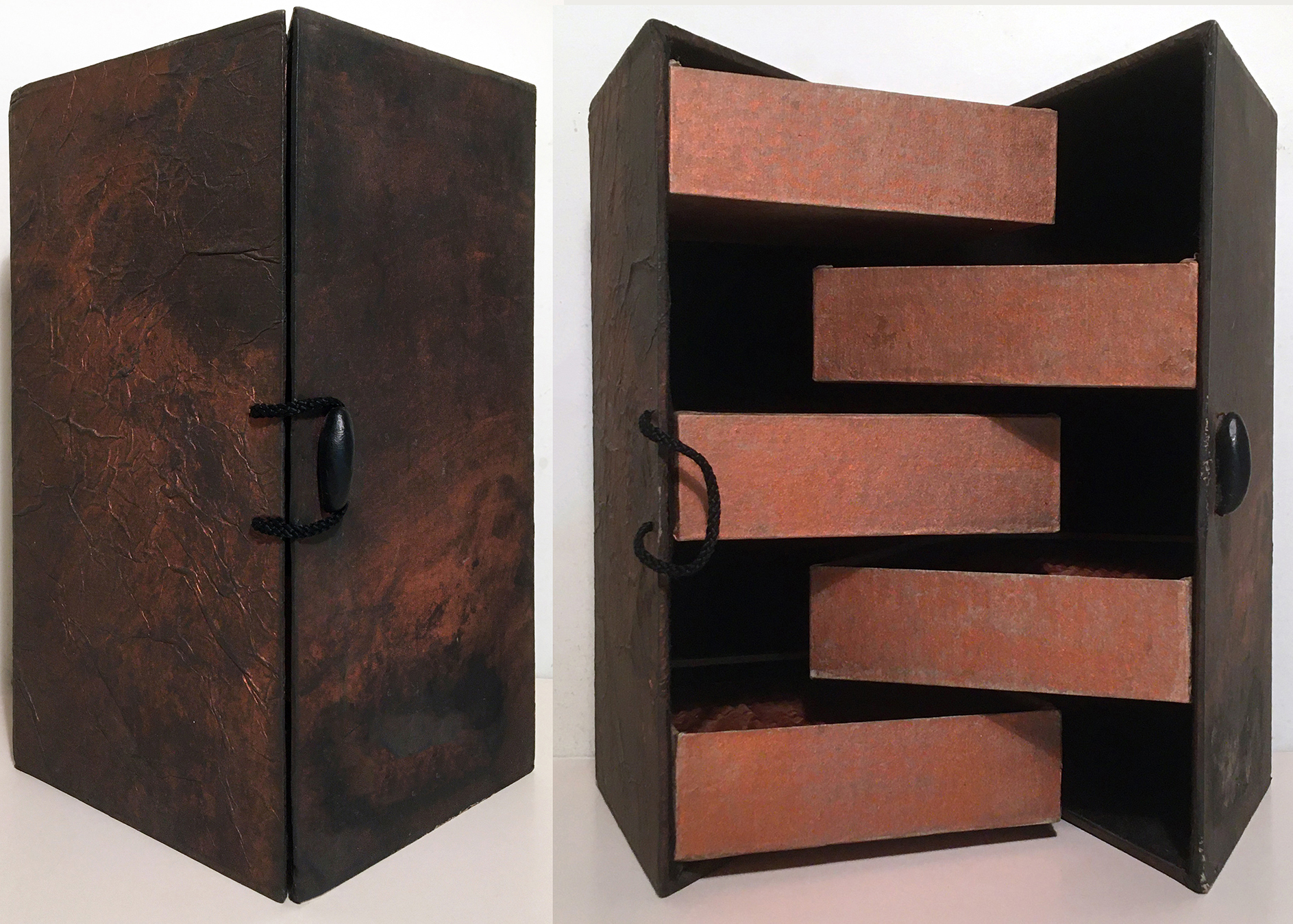
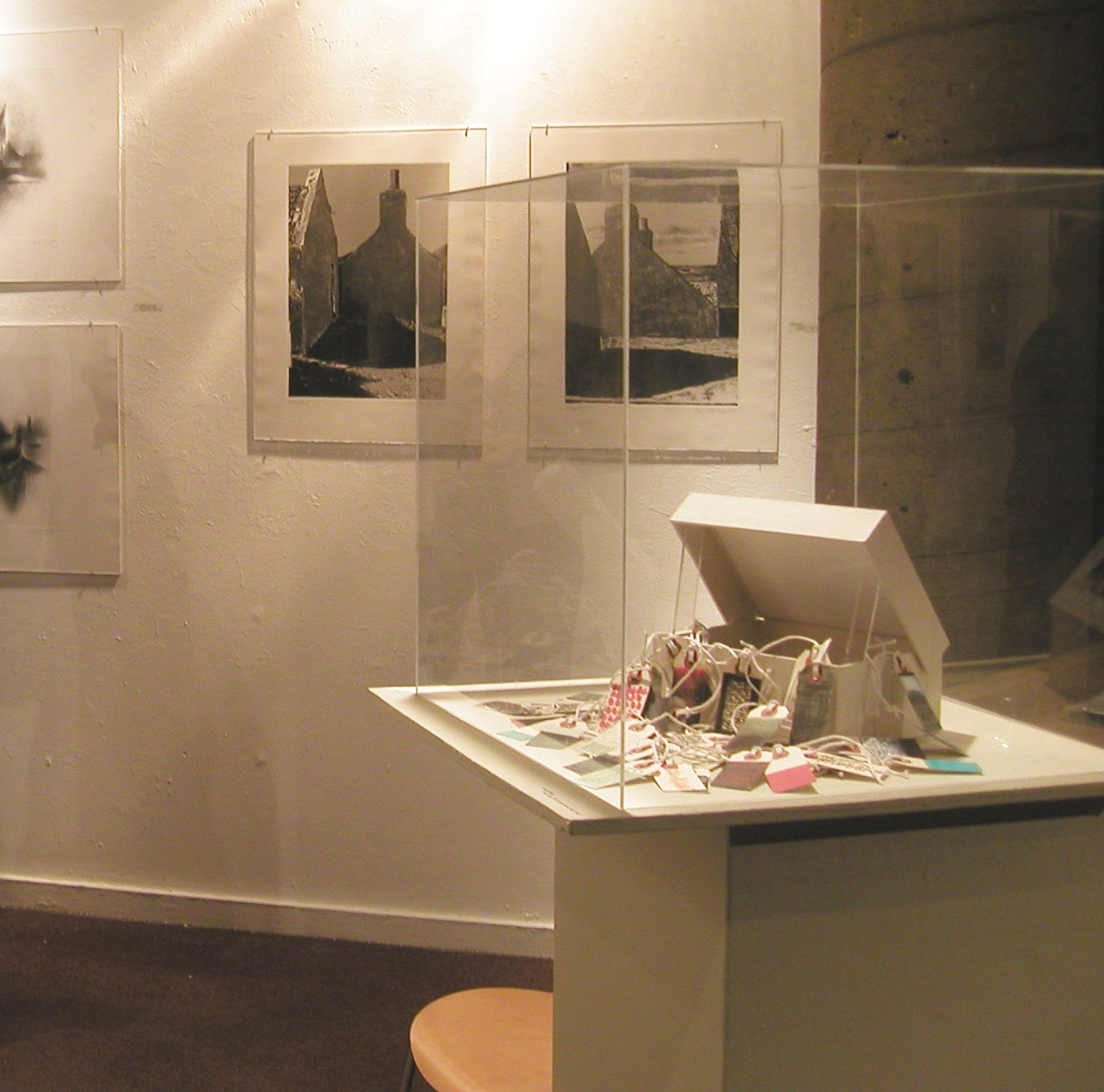
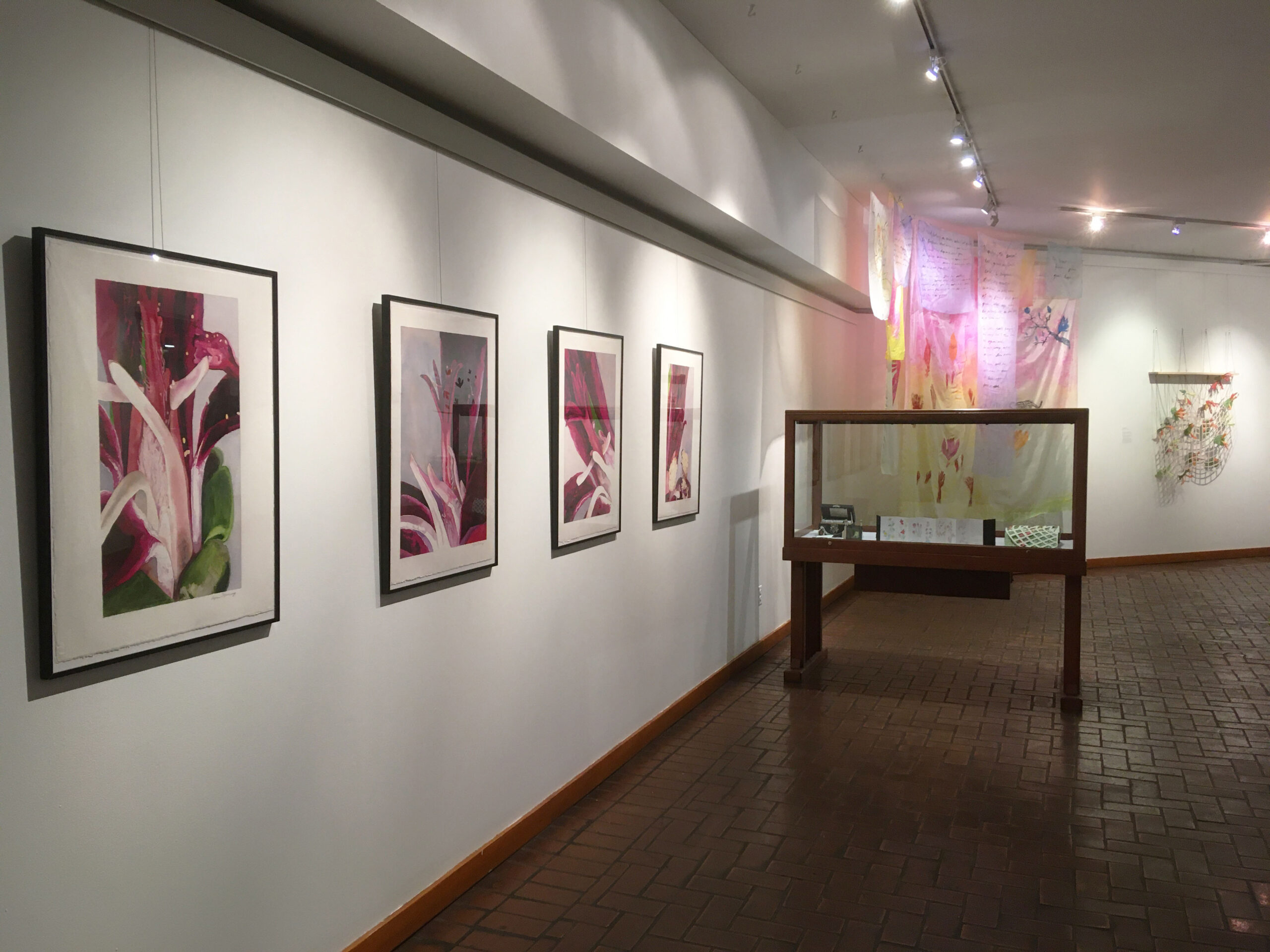
Her artist’s books present a sequence or series of images, objects, or a combination of both. Similar to her paintings, the books are small and exquisitely detailed. “But with a book, I could also explore the world that hovers between the flat surface and three-dimensional objects,” Rosenberg says. “I have often played with this quality of the book as an object, moving it into the sculptural and then returning it to a piece for viewing in the palm of the hand.”
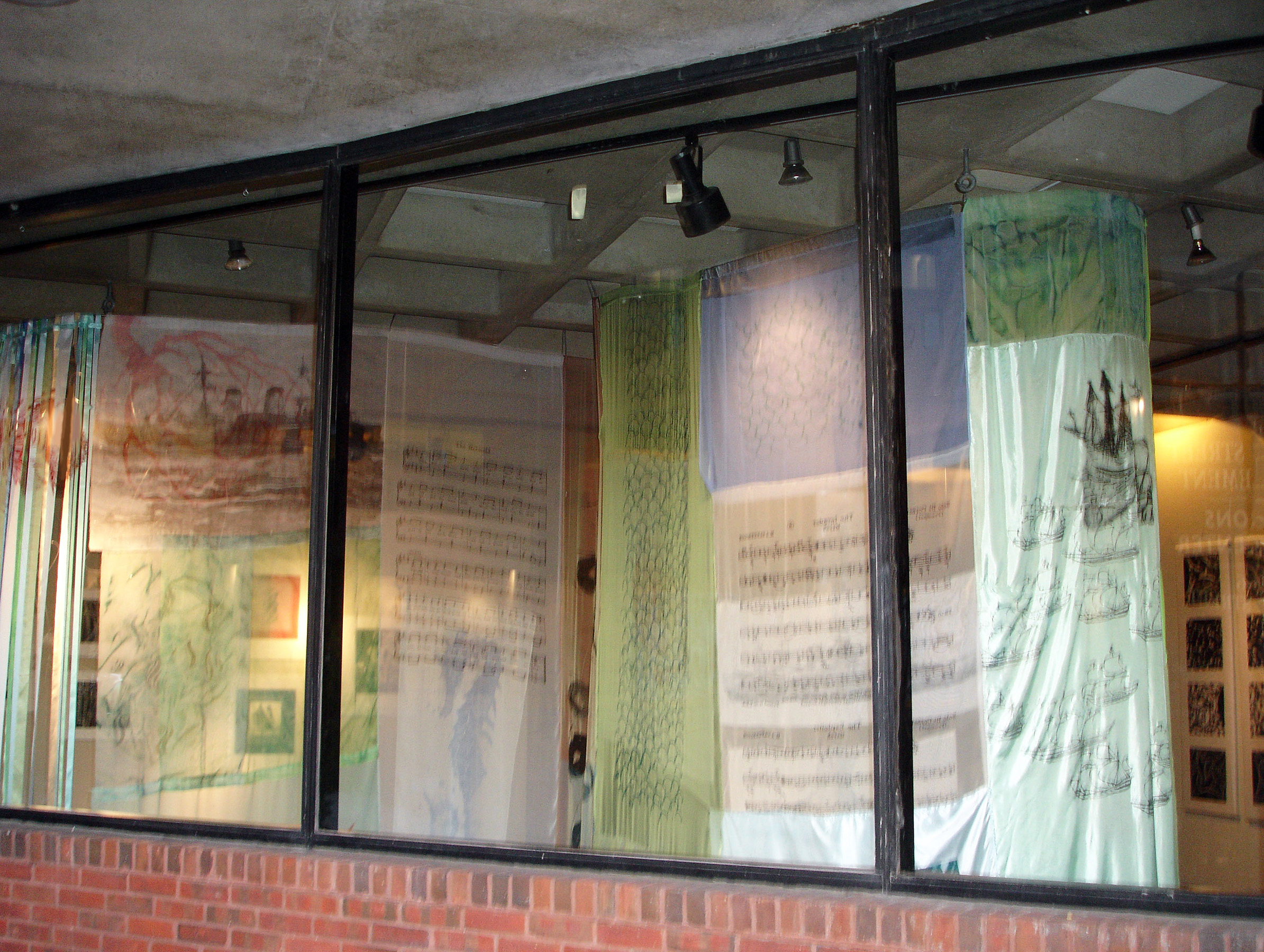
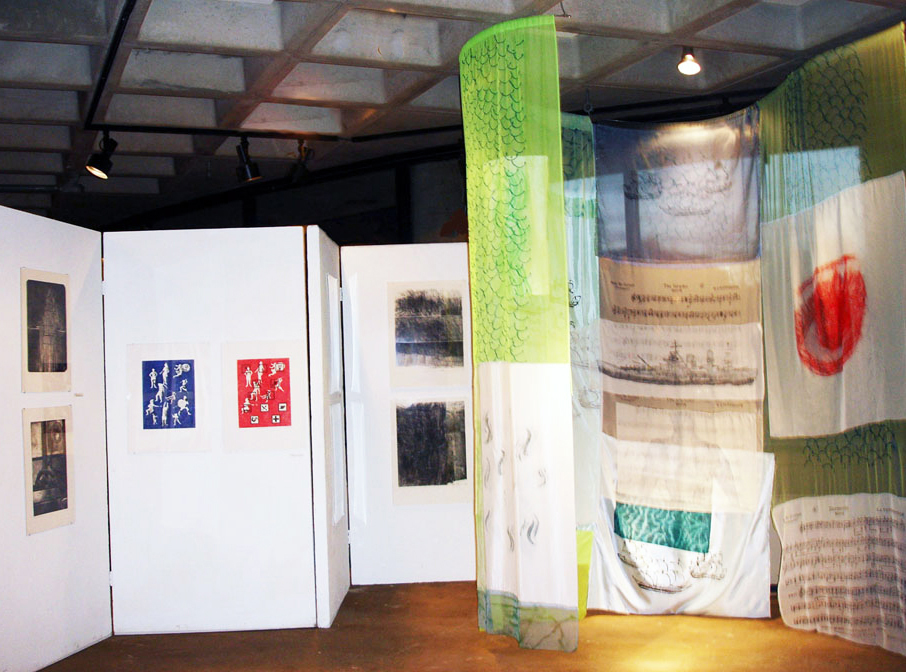
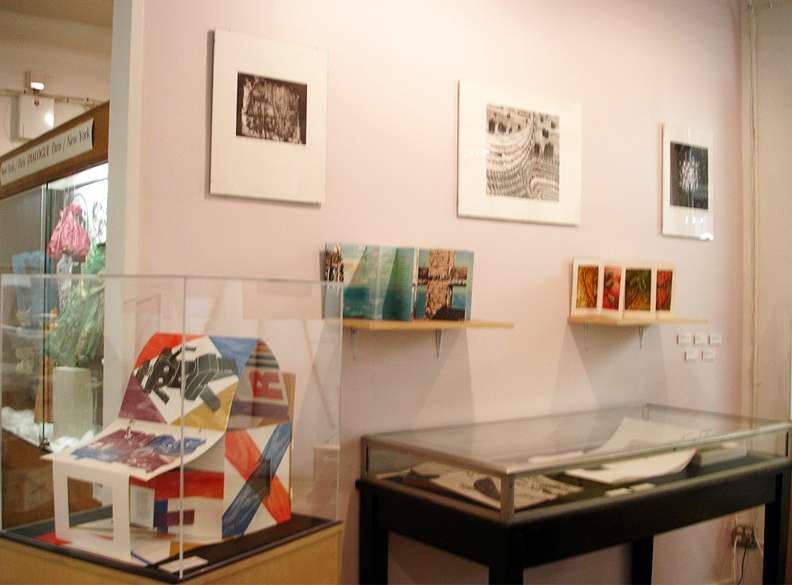
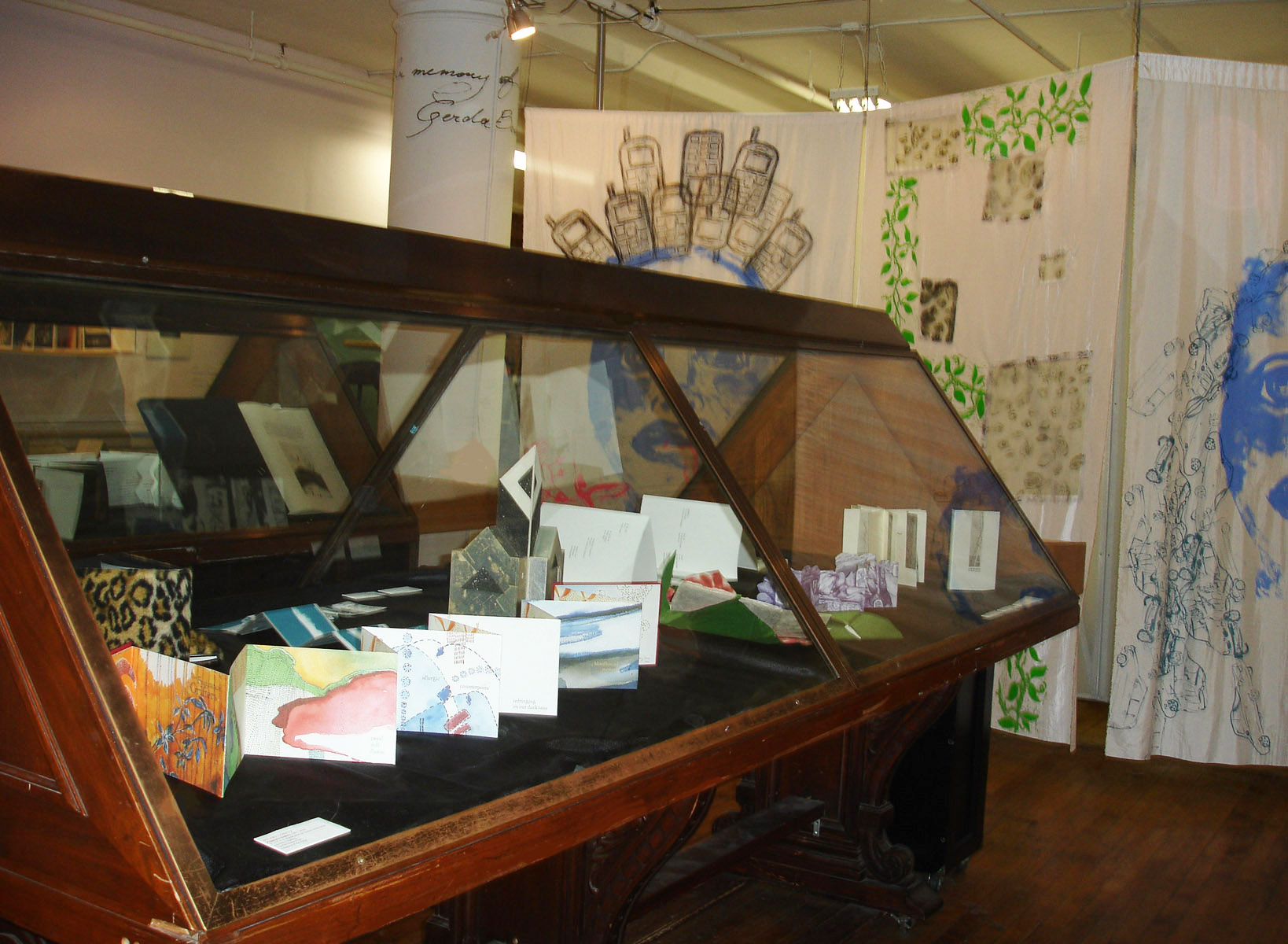
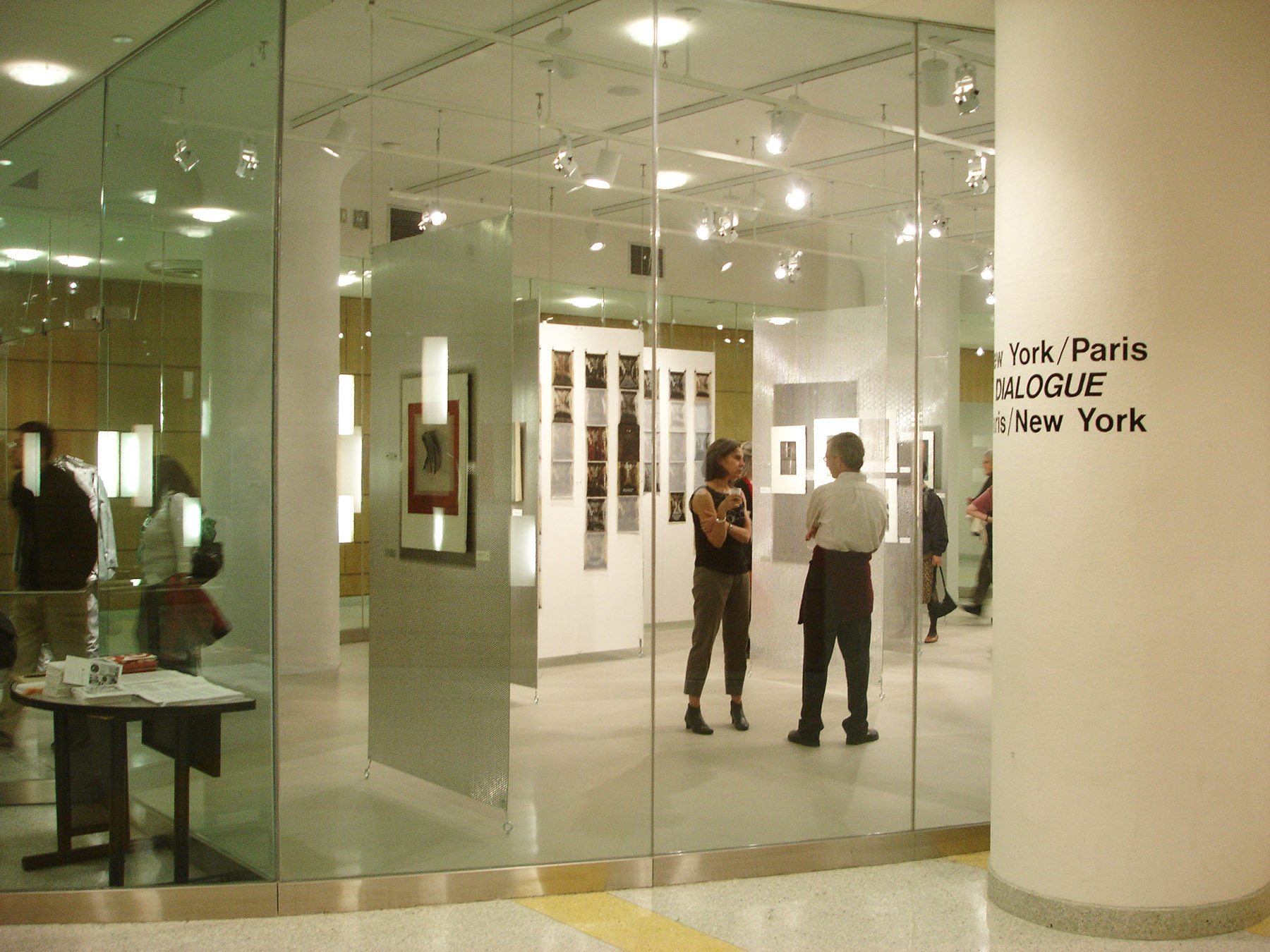
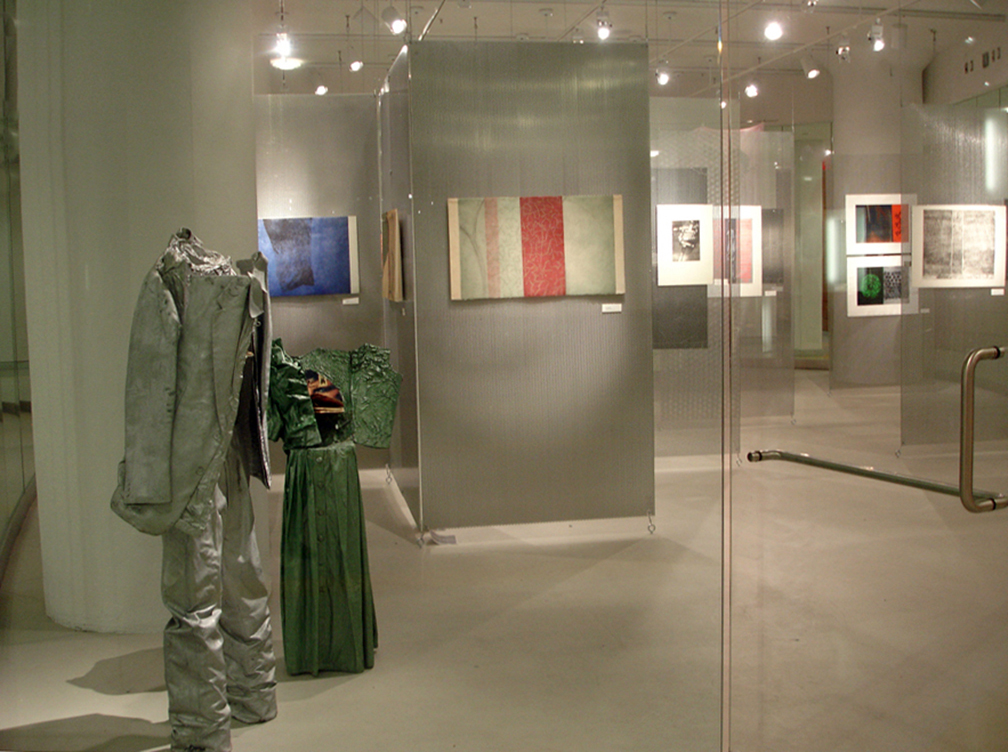
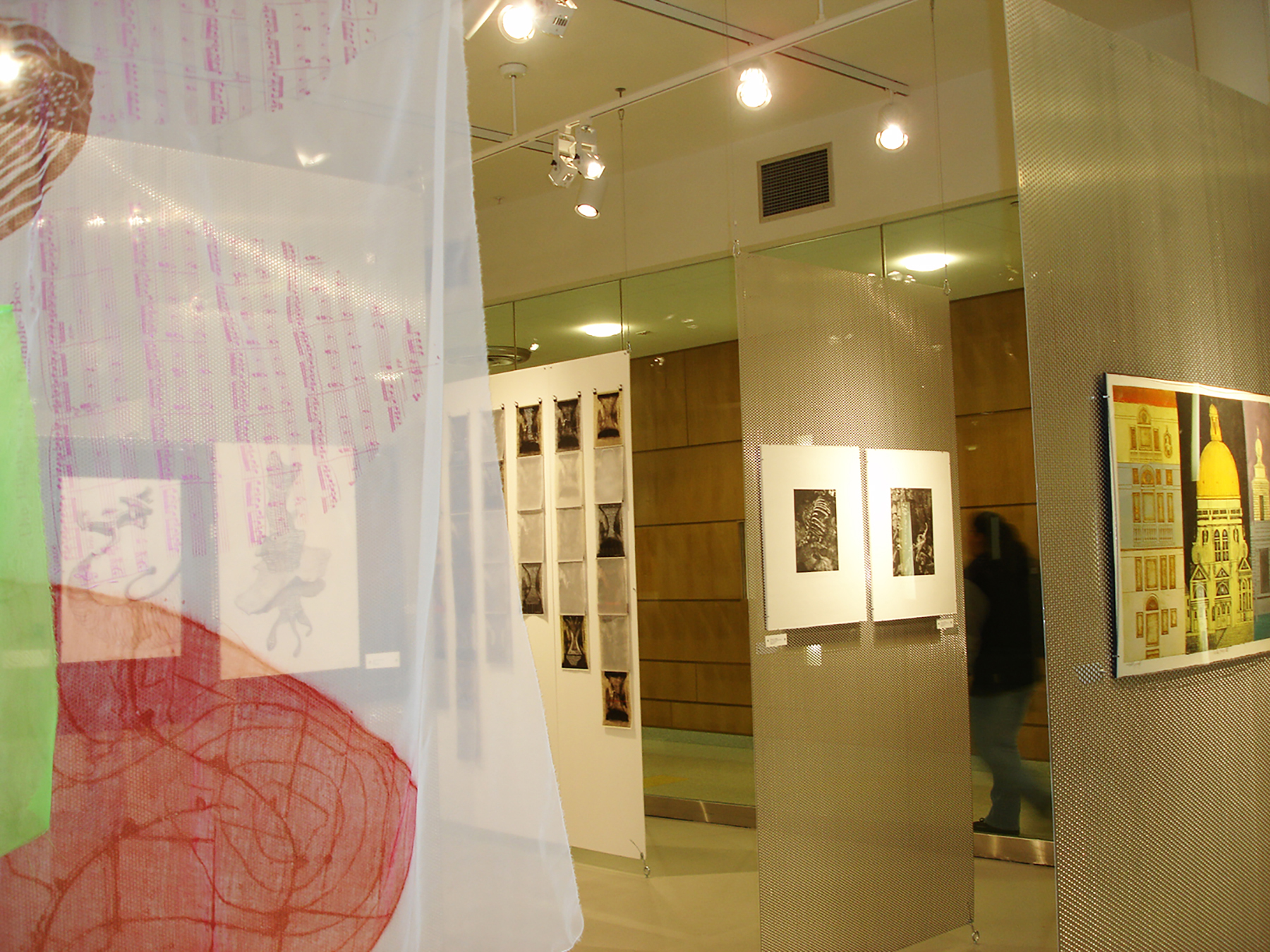
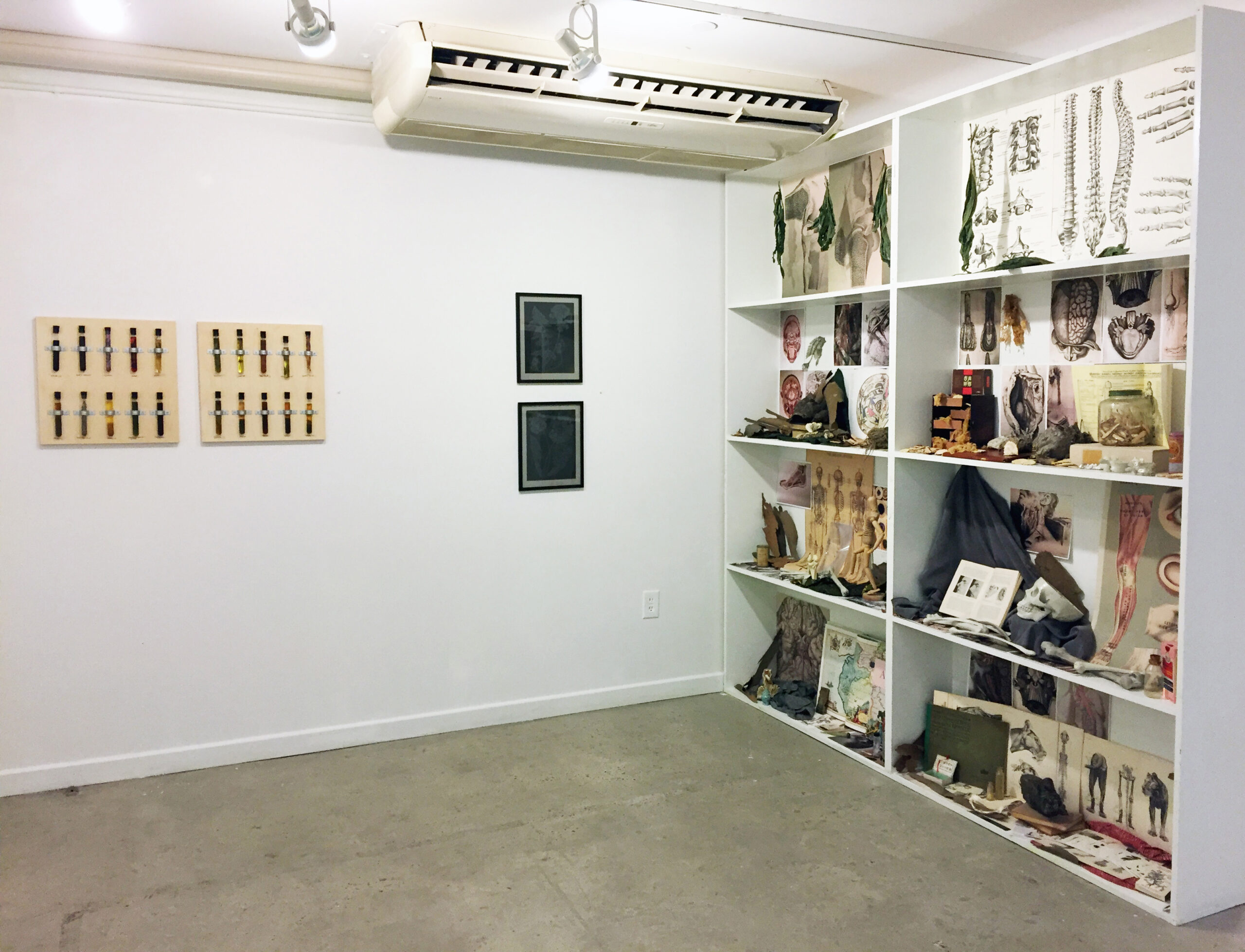
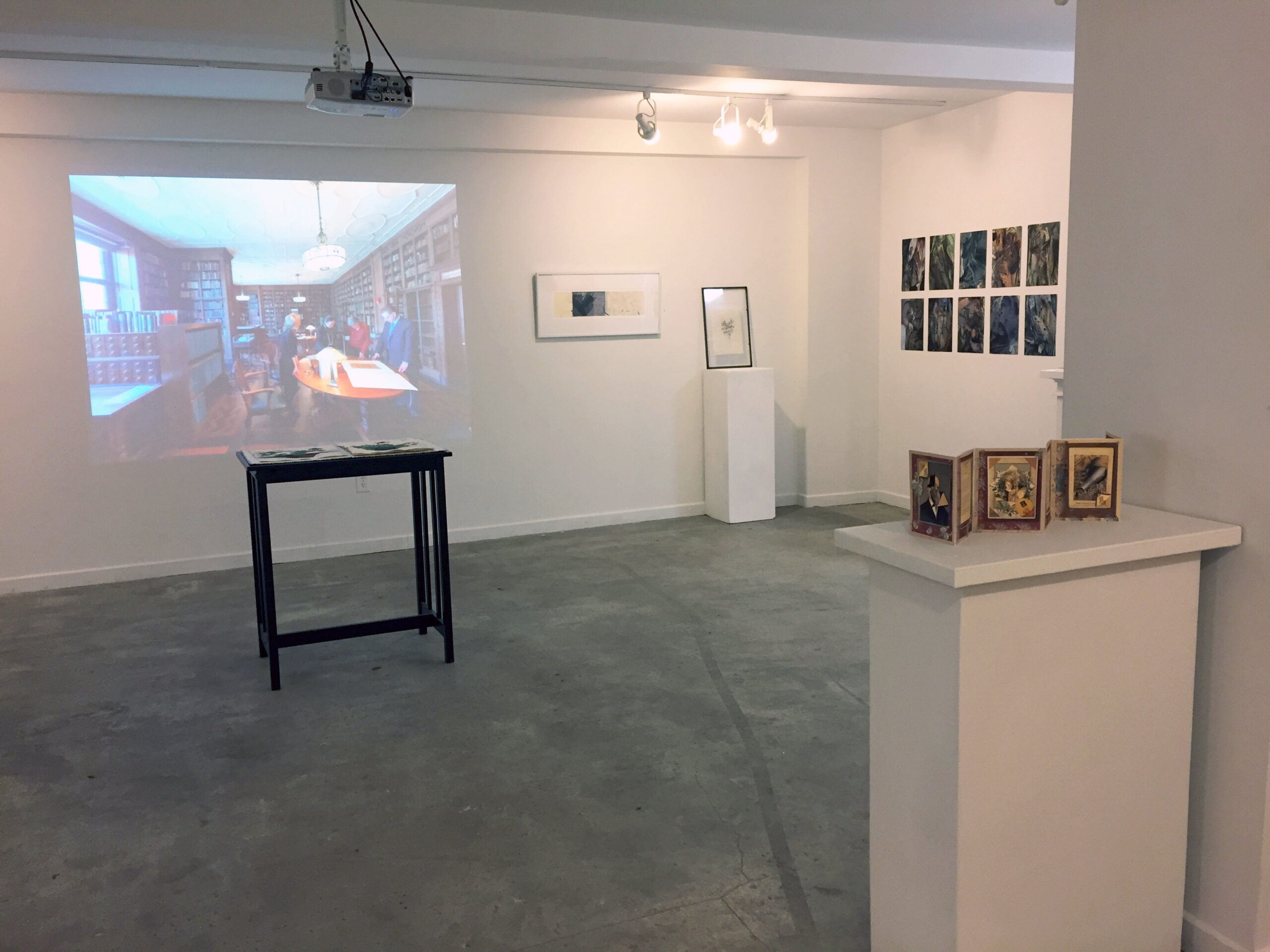
Rosenberg also has made her mark as an independent curator. Her international, multivenue curatorial project, New York/Paris DIALOGUE Paris/New York (2005), received a grant from the National Endowment for the Arts. In addition, Rosenberg is the founder and director of CENTRAL BOOKING in New York City, a gallery that focuses on artists’ books and exhibitions on art and science.
Underlying all her artistic endeavors is the same yearning that sent Rosenberg to Cornell decades ago: the quest for intellectual pursuits that could fuel her work as an artist. Over the years, that work has evolved as Rosenberg has been exposed to and collaborated with artists and intellectuals around the world. At her core, though, Rosenberg hasn’t changed.
“I’ve always been up for ideas and collaborations that sounded interesting and would push me in different directions,” she says. “I’m still an artist with broad interests beyond the confines of the art world.”
Projects
Click to view project images full screen.
On the Waterfront
2020
Tonal Series
2015–17


Book of Days
2008
Paris/NY DIALOGUE NY/Paris
2005
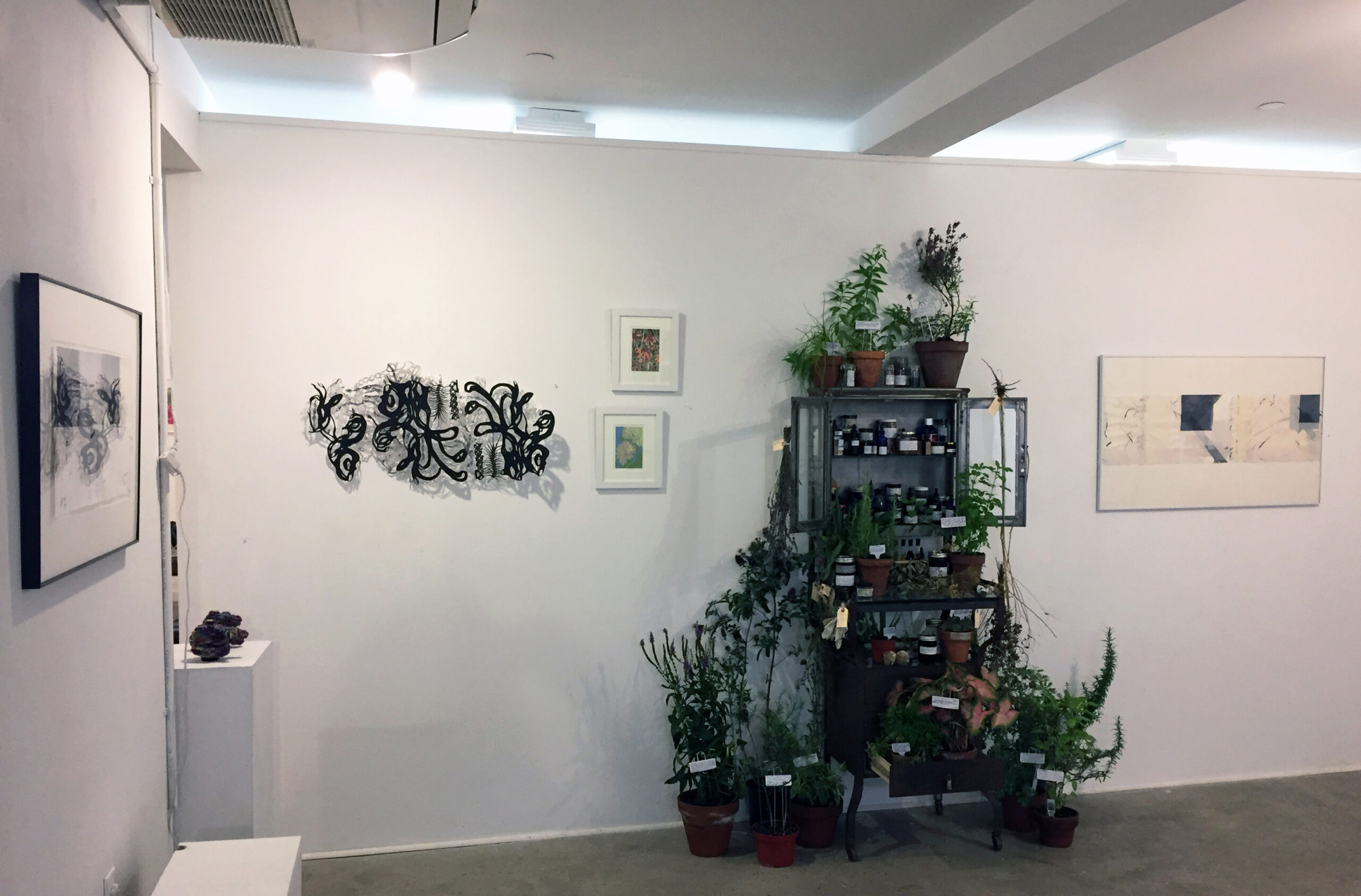
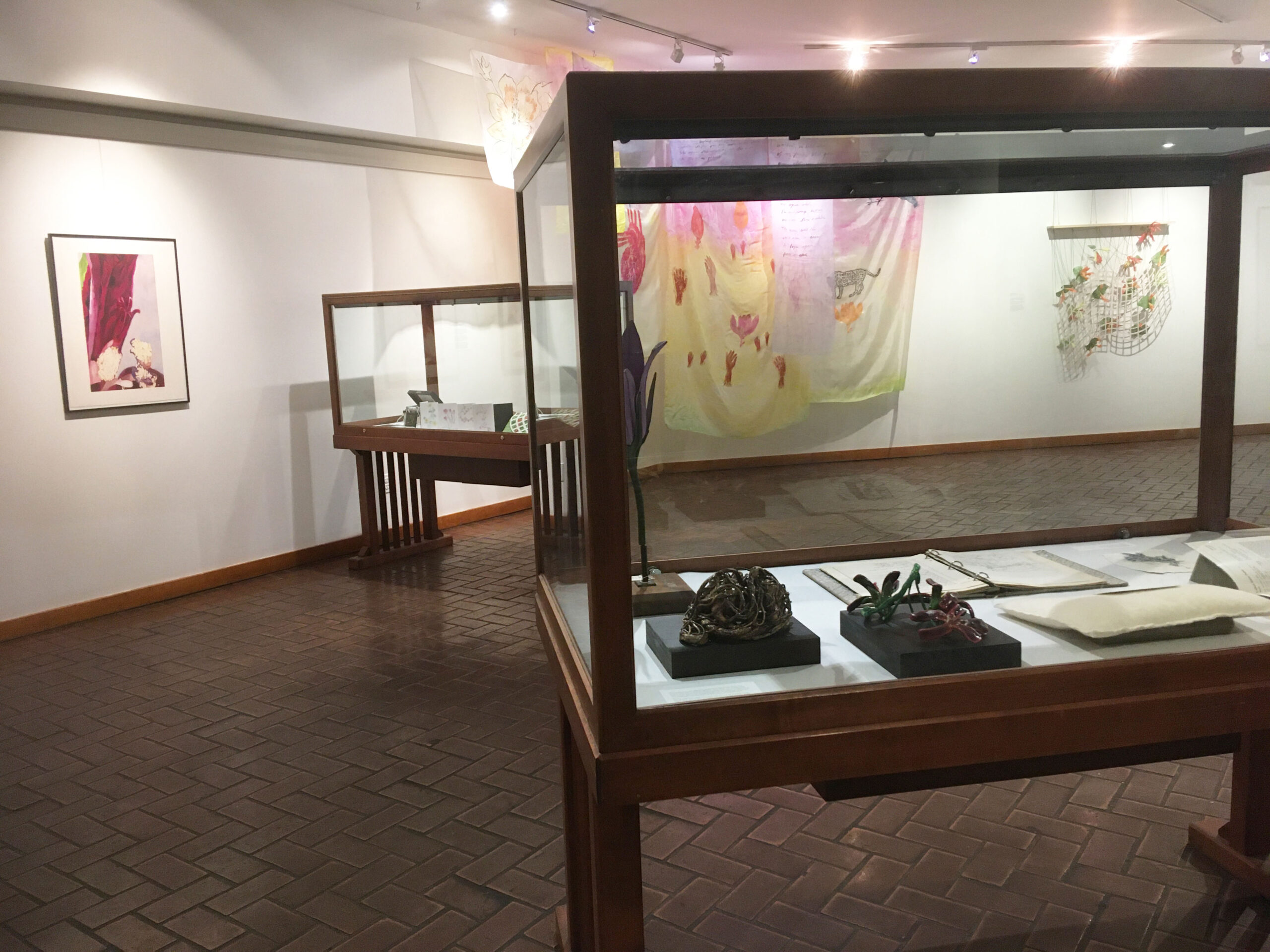
Plant Cure Project
2017–ongoing
Explore the Archive
-
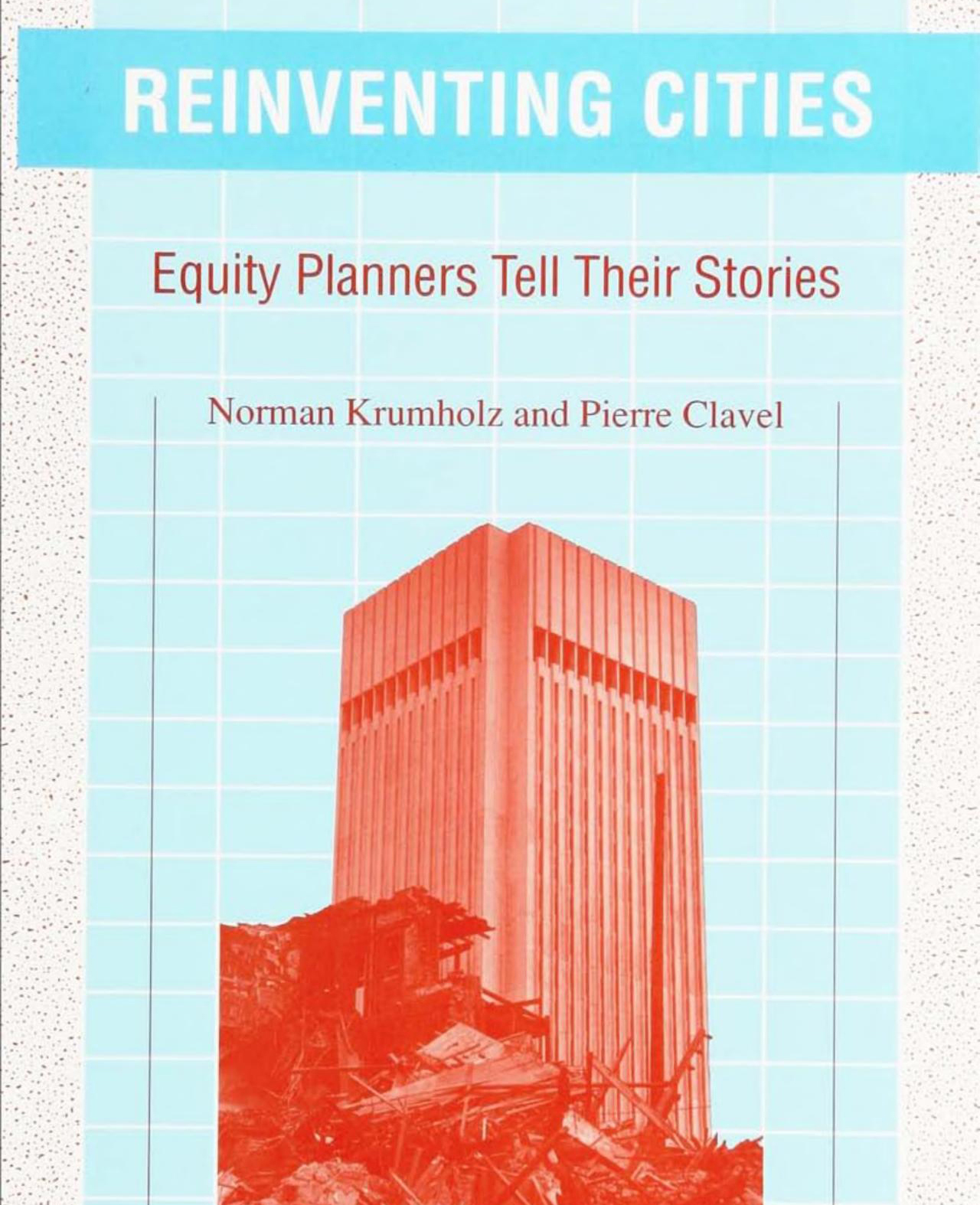
Pierre Clavel
Ph.D. ’66
![Book cover 'Reinventing Cities: Equity Planners Tell Their Stories']()
-
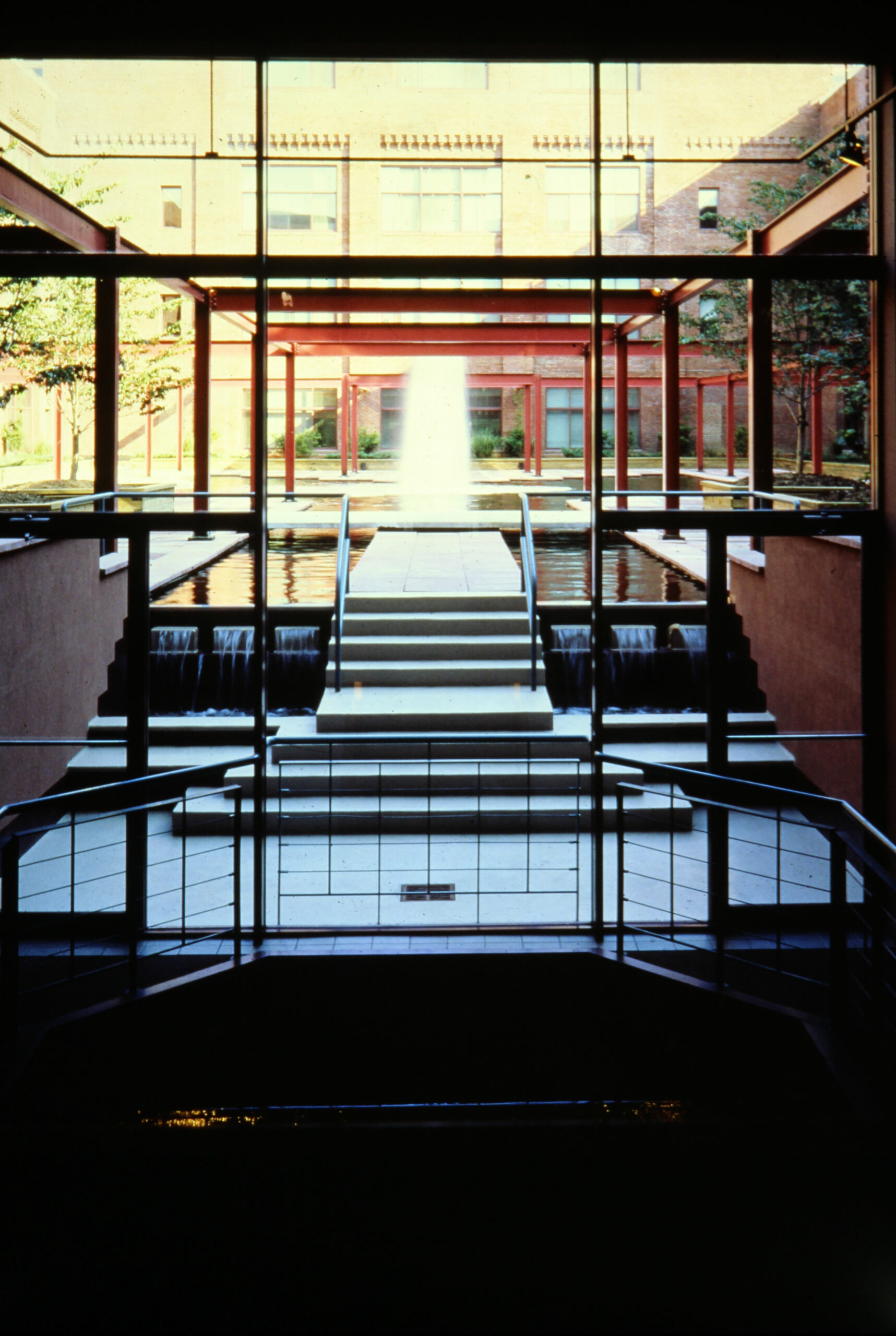
David Benn
B.Arch. ’74
![Building exit to courtyard with fountain]()
-
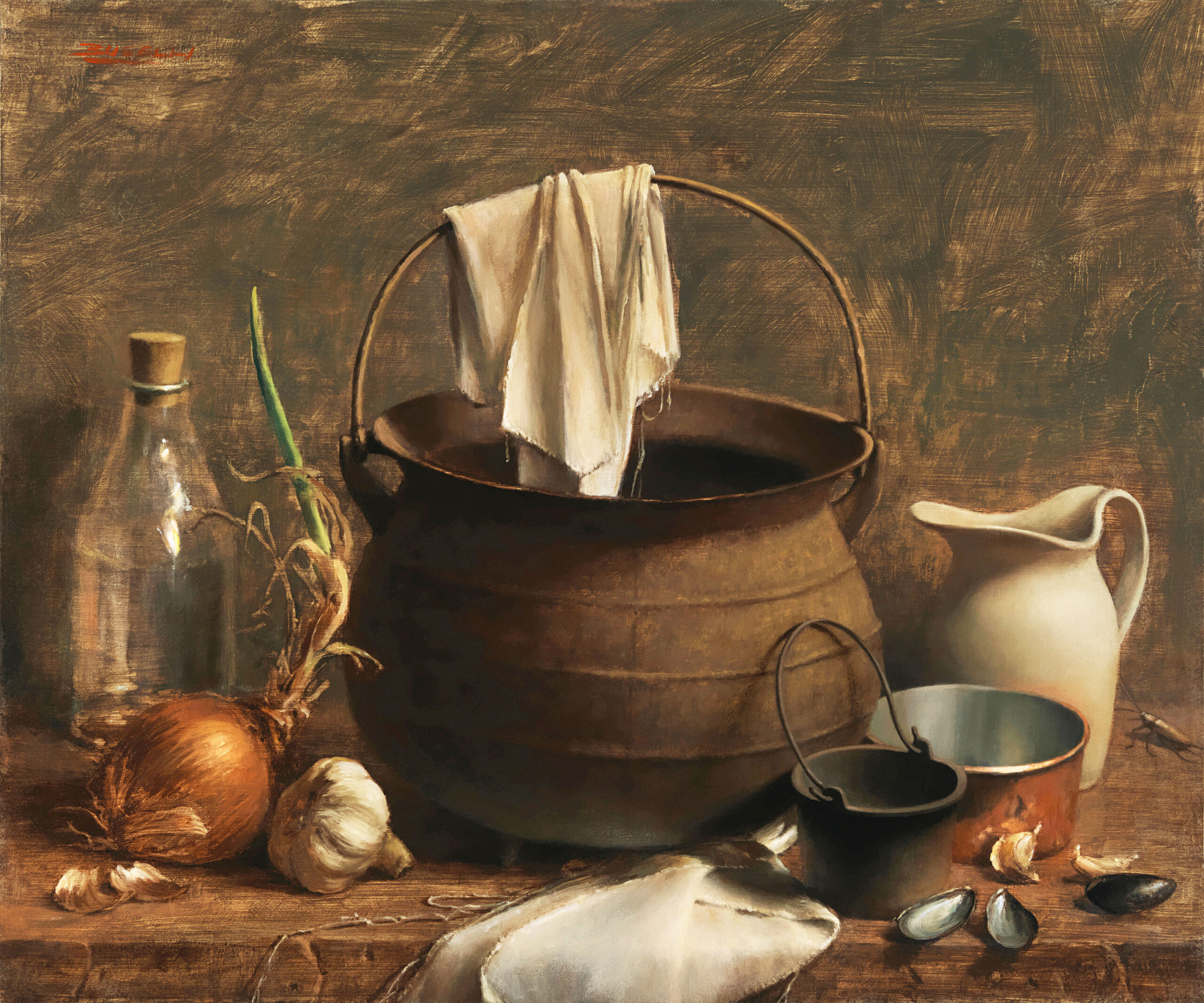
Ellen Buselli
B.F.A. ’74
![Oil on linen still life painting of a large black pot surrounded by smaller dishes, a bulb of garlic, and an onion with an overgrown stem.]()
-
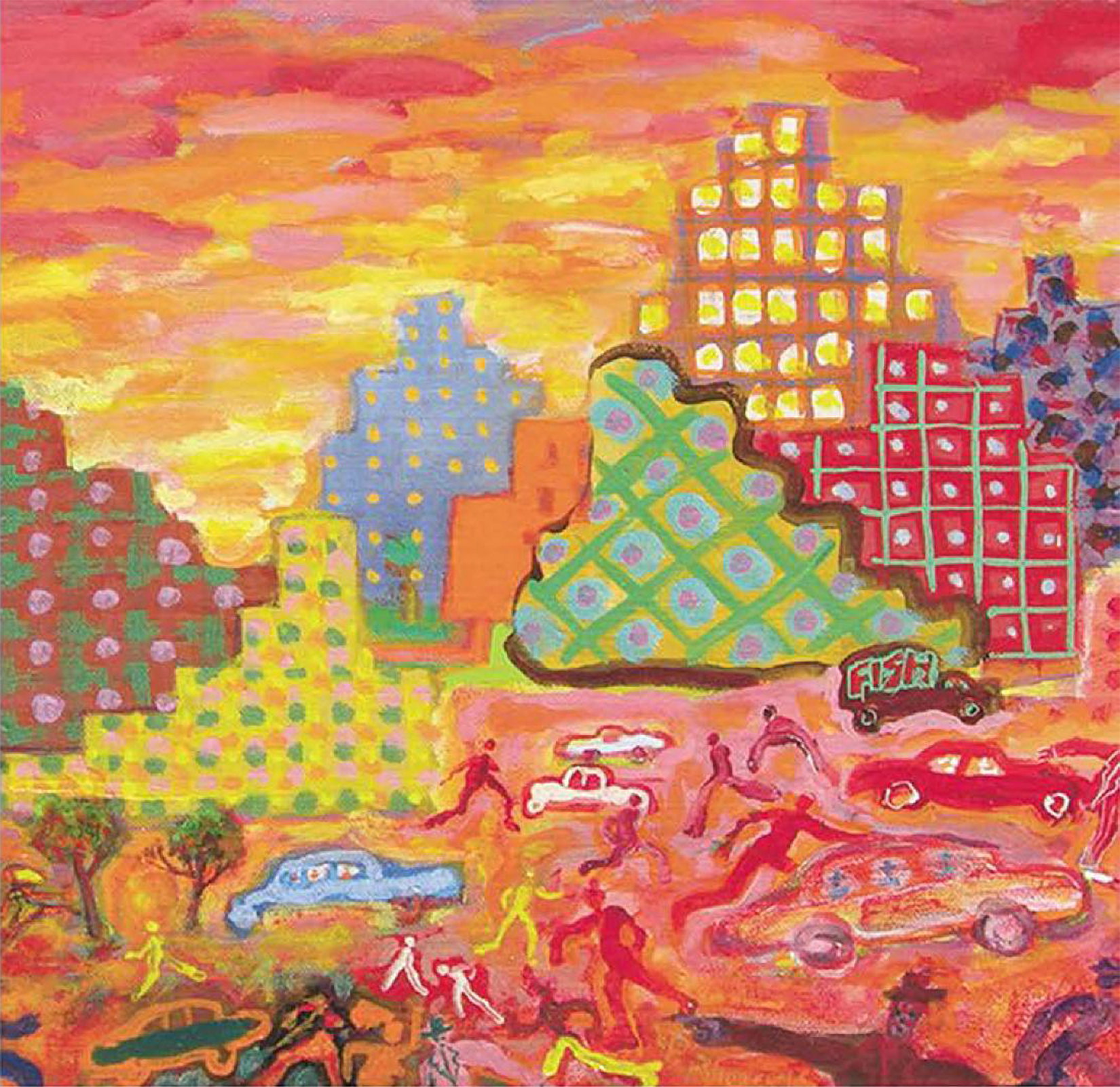
Sigmund Shipp
Ph.D. CRP ’92
![Detail of Community Matters book cover]()