Jon H. Alvarez (B.Arch. ’77) spent much of his childhood meeting architects and talking with them about their craft. As far back as he can remember, he was a fixture at the office of his uncle, a New Jersey architect. By age 10, Alvarez was accompanying his dad, a building products salesperson, on rounds to architectural firms. “I always loved it,” Alvarez says.
His decision to become an architect was “almost predestined,” and his choice of Cornell followed suit. “I was searching for an undergraduate program in architecture, and that narrowed the field,” he says. “Cornell had the preeminent program.”
Alvarez has been consistently surprised at where his degree and his Cornell experience have taken him — and the resulting impact on some of the Northeast’s best-known college campuses.

At the University of Connecticut, from 1995 through 2005, Alvarez managed the 10-year $1 billion UConn 2000 program, which transformed the campus of Connecticut’s flagship university. As senior project manager, he oversaw the design and construction of more than 85 facilities, including dormitories and teaching and research centers.
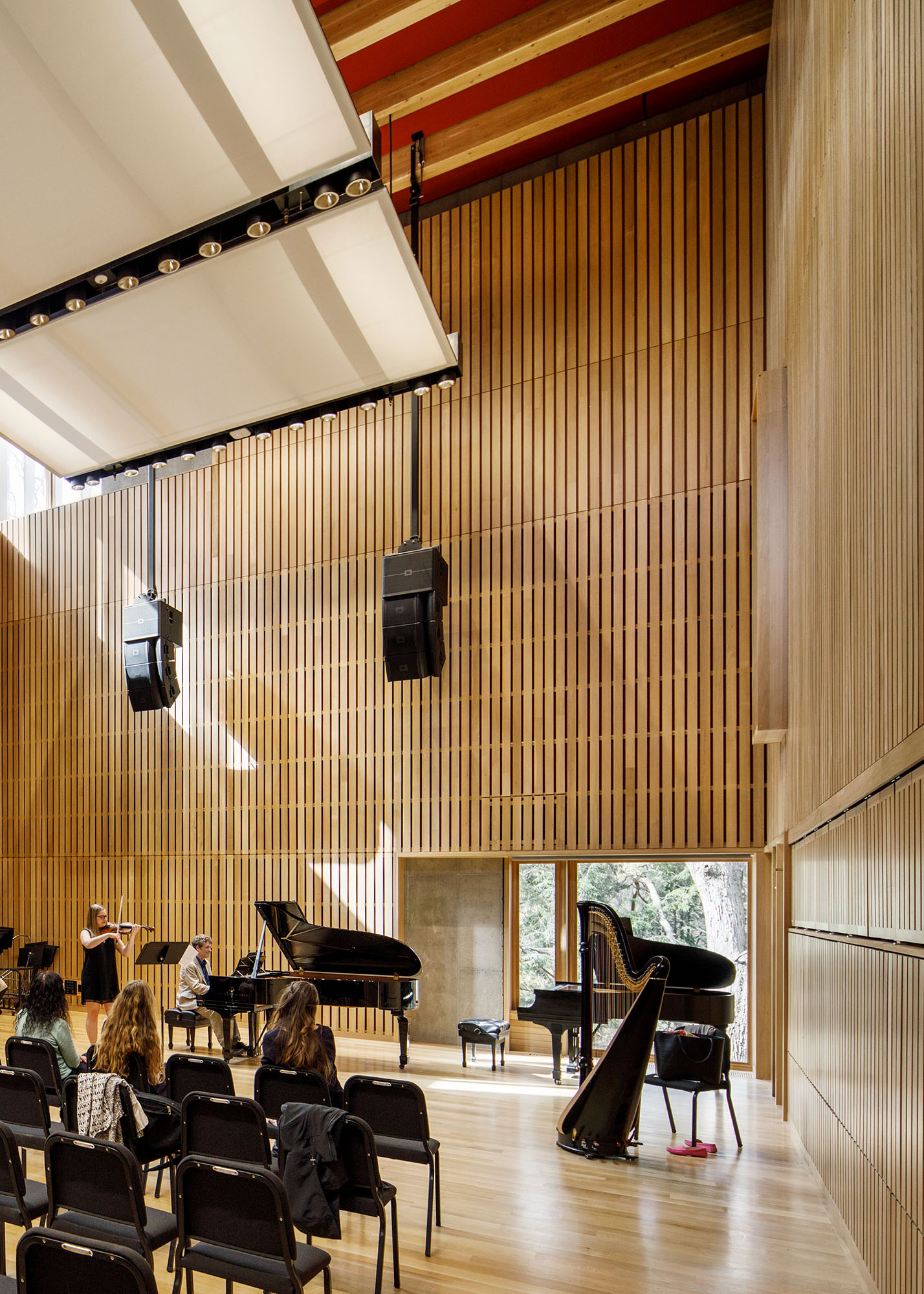
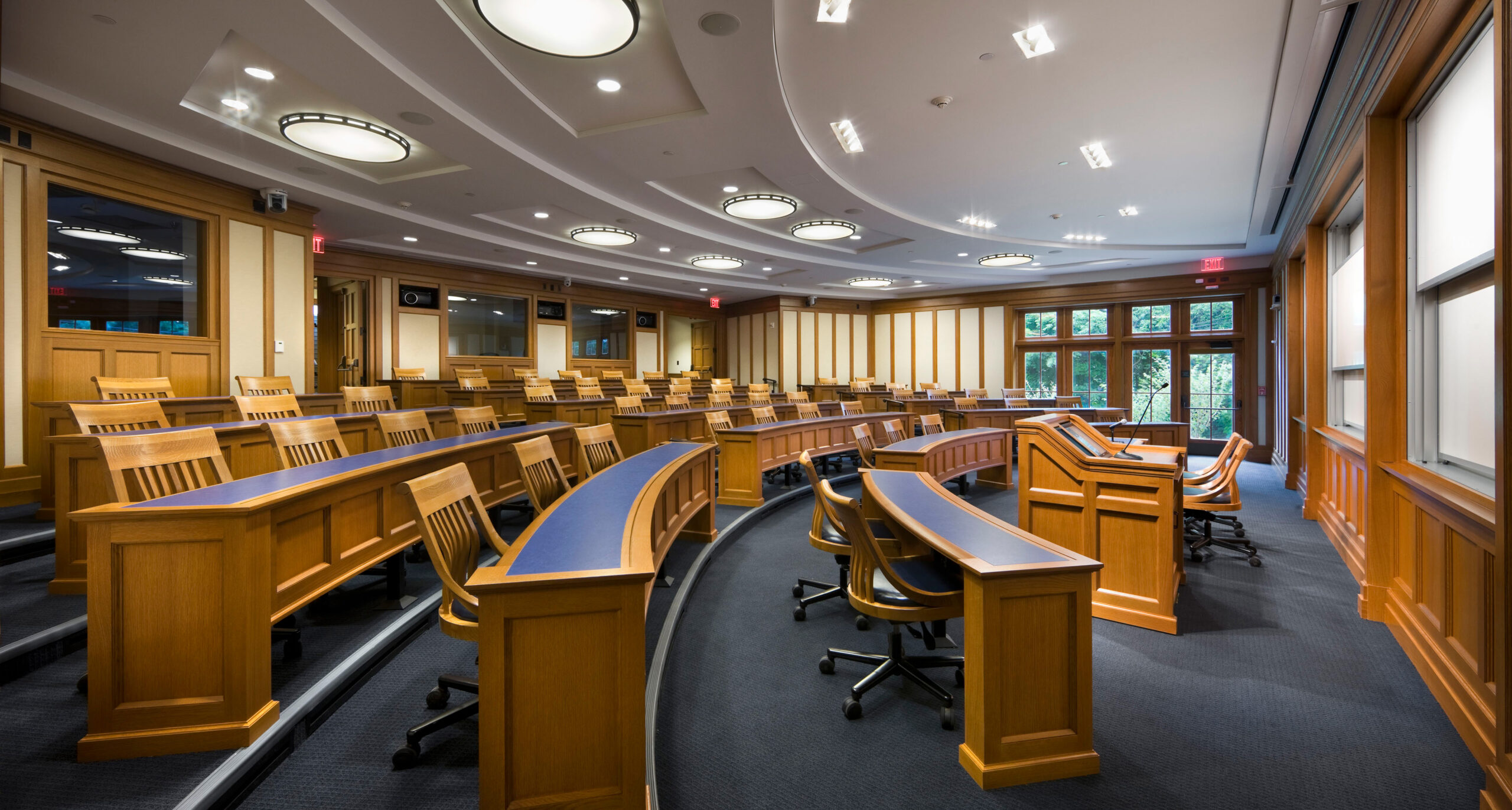
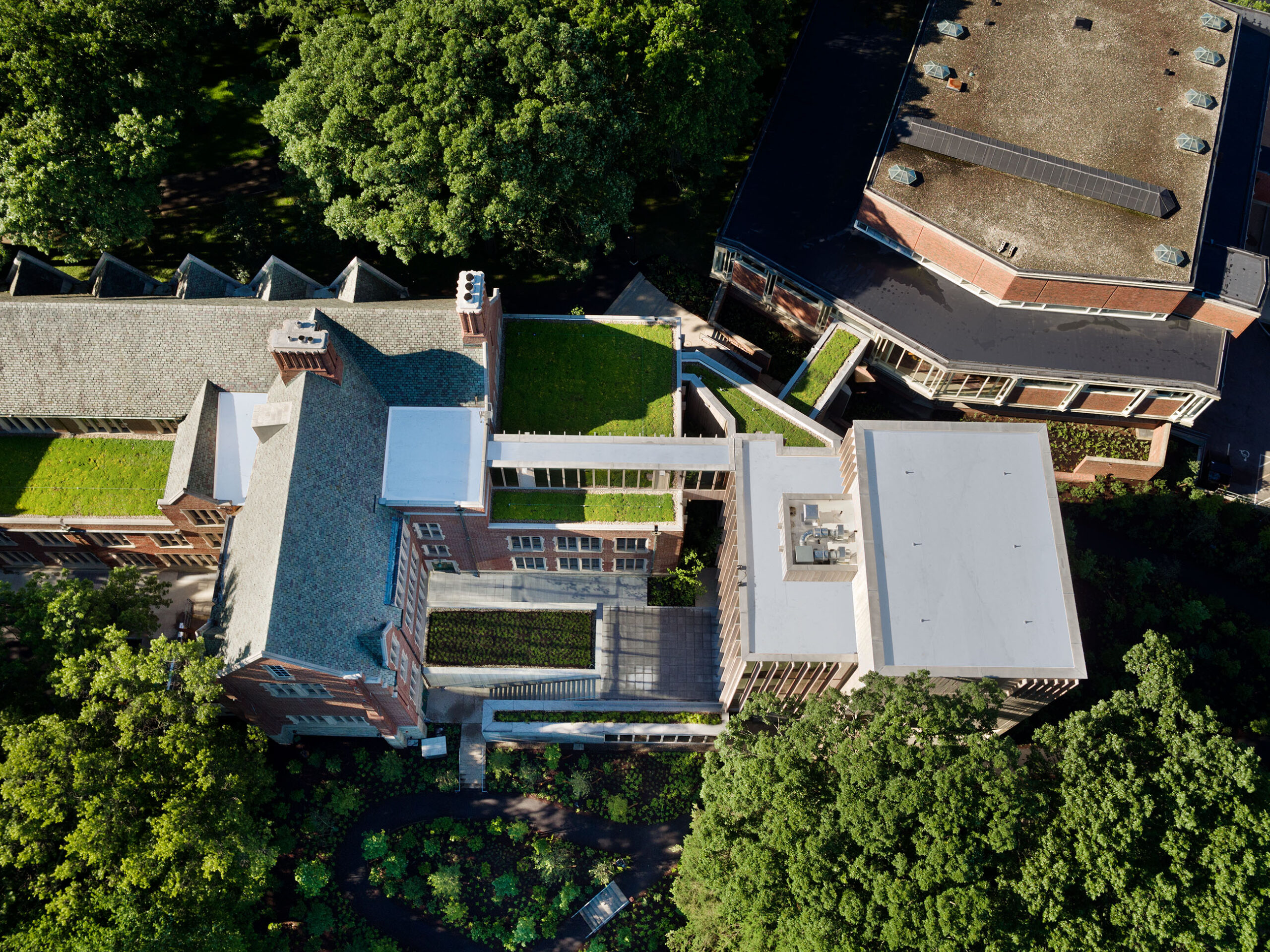
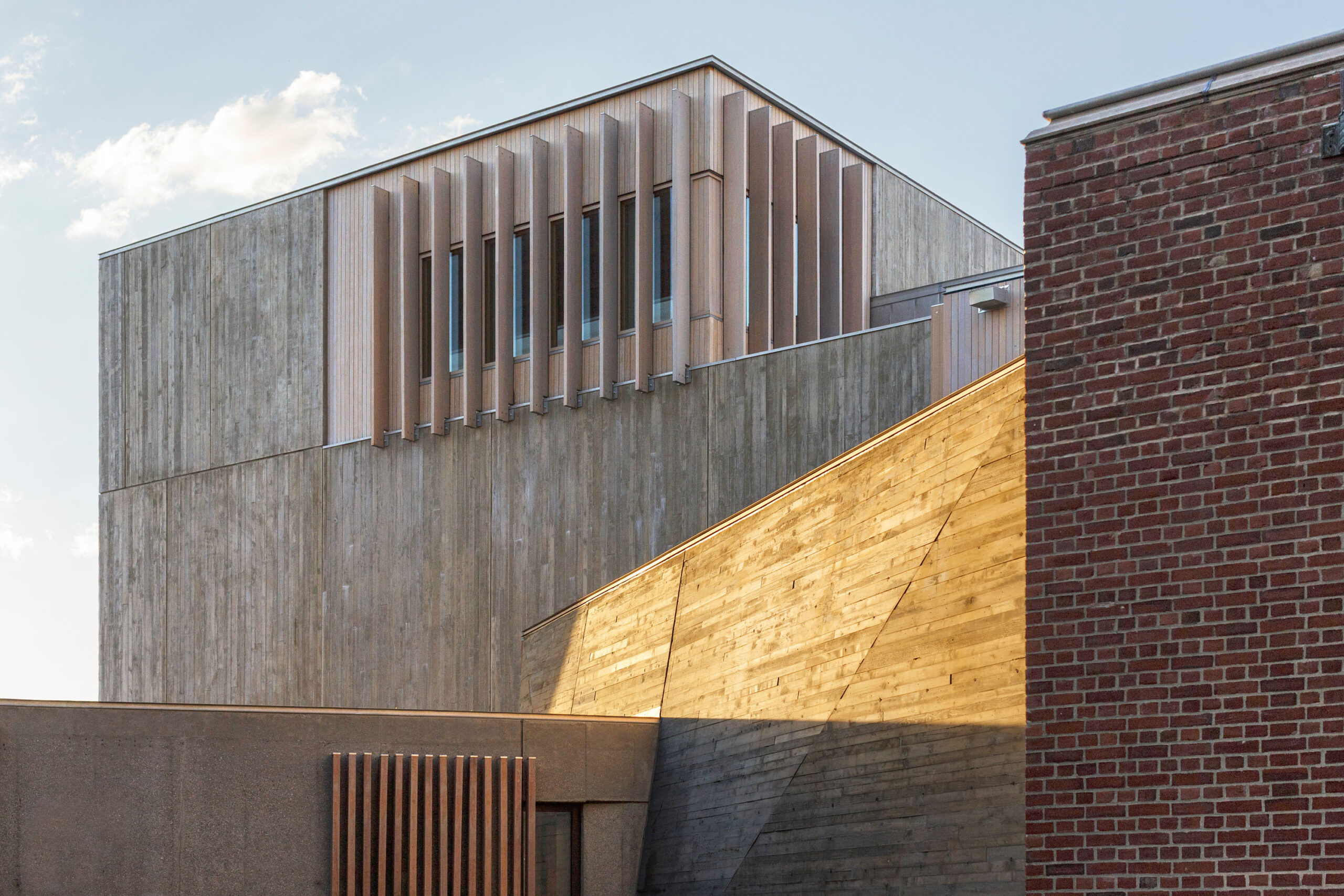
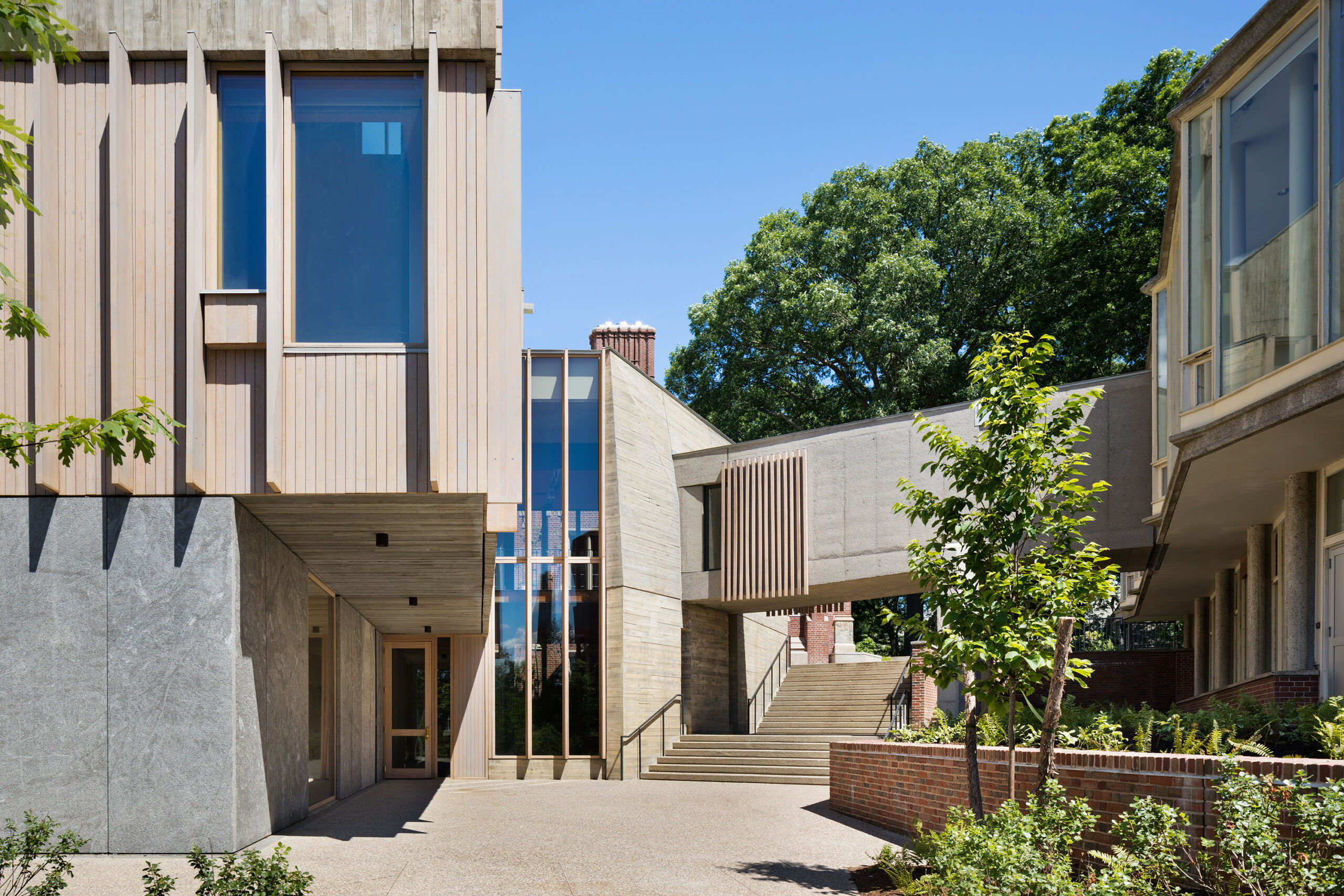
Alvarez played a similar role at Wellesley College in Massachusetts, where he served from 2014 to 2017 as director of Design and Construction for the most ambitious capital program in Wellesley’s history. Among his favorite projects was an award-winning renovation and expansion — designed by Philadelphia architectural firm KieranTimberlake — that connected two buildings to integrate the arts and meet the needs of a new generation of students.
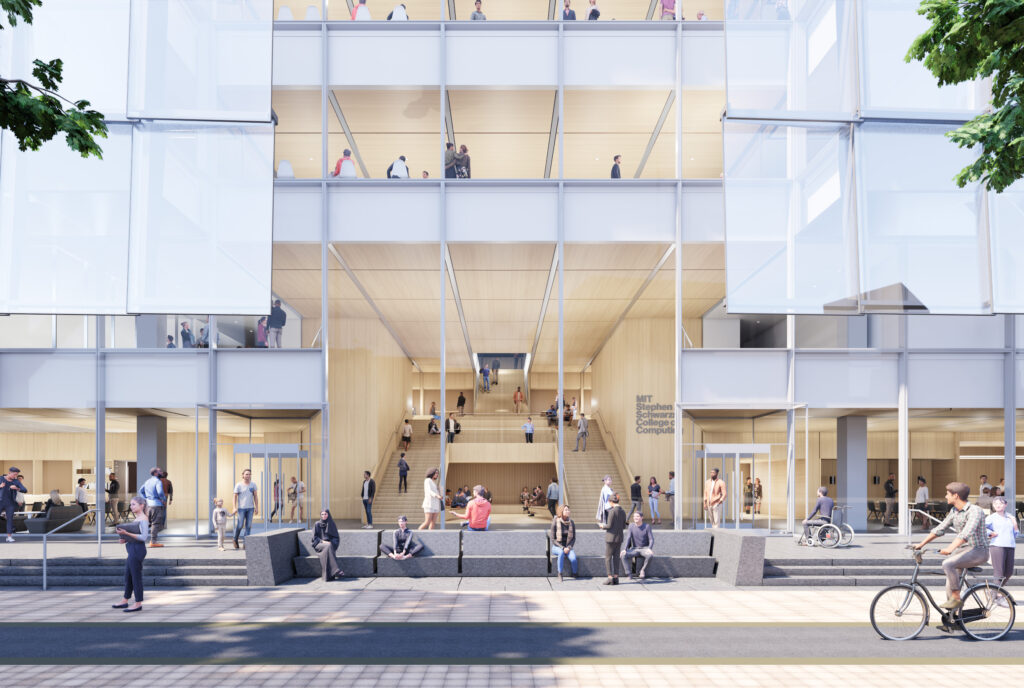
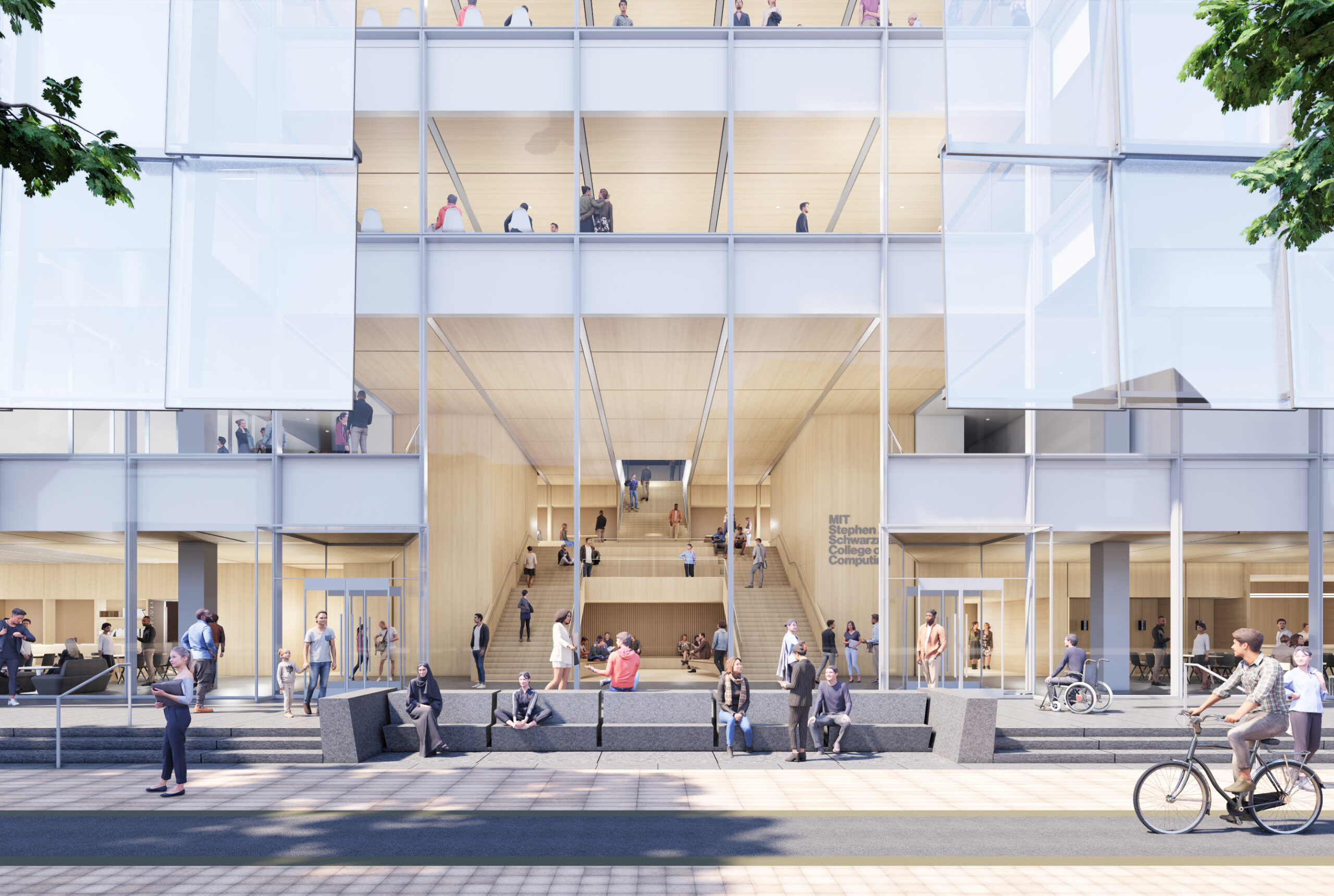
Since 2017, Alvarez has been director of Campus Planning at Massachusetts Institute of Technology (MIT), responsible for a $5.2 billion program. Recently completed projects include a 434-bed dormitory designed by Michael Maltzan Architecture of Los Angeles, and a multiuse building — featuring graduate housing, MIT Admissions, and the MIT Museum — designed by Nader Tehrani, principal of NADAAA in Boston. Work is underway on a new music building, designed by Pritzker Prize–winning SANAA Architects of Tokyo, and on the new MIT Stephen A. Schwarzman College of Computing building designed by SOM of New York City.
“This was not something I ever envisioned. I’m not even sure I knew these roles existed back when I was at Cornell,” Alvarez says. “But they offer opportunities to work with some of the world’s most talented architects and help clear a path for them to do their best work.”
“You see the tremendous impact these projects — and, particularly, good design — can have on the campus environment and the students,” he adds. “These are lasting legacies. When I talk with my team, I remind them that generations will benefit from the work we’re doing now.”
Alvarez got his first job with an architecture firm by chance while in high school, before he started at Cornell. He was sweeping the sidewalk in front of a local pharmacy where he worked as a clerk, when he was approached by a partner at Moore, Lyndon, Turnbull, and Whitaker (MLTW). The firm had recently opened an office down the street, and the partner “asked if I’d be interested in pushing a broom at his architectural office. I jumped at the opportunity,” Alvarez says. He ended up working at both places, sweeping outdoors as part of his pharmacy duties and indoors at MLTW.
When he made the job offer, the MLTW partner “had no idea what my interests were,” Alvarez says. That changed soon after he started working there.
“Partners from that era still recall that my broom handle was curved from hours of leaning on it, as I paused at the drawing boards of the architects and talked to them about everything under the sun,” he says.
The experience introduced Alvarez to renowned architect Charles W. Moore. The two would connect again in the 1980s, when Moore was the O’Neil Ford Centennial Chair in Architecture at the University of Texas at Austin. By then, Alvarez was with Shefelman & Nix Architects in Austin, which partnered with Moore’s Los Angeles firm, Moore Ruble Yudell, to win an international design competition.
“Charles Moore was the only genius I have ever known and was a major influence on my career,” Alvarez says. “I took every available opportunity to see him lecture both while at Cornell and after I graduated.”
Alvarez began his career as an architect working for John Franzen (B.Arch. ’70, M.Arch. ’75), who had been a teaching assistant at AAP when Alvarez was an undergraduate. The job was with a small firm that designed houses on speculation, after which he honed his skills at other private firms, including Shefelman & Nix.
In 1985, he launched his own practice and over the next two years built a small team and a portfolio of residential and light commercial projects. Then, in October 1987, came Black Monday, which “unfortunately foretold the demise of my residential practice,” Alvarez says. Attracted by the stability and potential to influence government projects, Alvarez accepted a position as project manager with the Connecticut Department of Public Works.
These are lasting legacies. When I talk with my team, I remind them that generations will benefit from the work we’re doing now.
Most of his assignments involved UConn, where Alvarez discovered his passion. In 1995, when the university was granted autonomy to oversee the UConn 2000 construction and renovation program, Alvarez successfully applied to serve as senior project manager. From then on, except for a brief stint with KPMG’s real estate and construction advisory group, Alvarez has focused on enhancing the college environment and experience.
Partly to stay connected to his constituents at MIT — as he did previously at Wellesley — Alvarez taps his considerable tennis skills as a volunteer assistant coach for the women’s team. “I get to know a cohort of students and hear what they think of the campus, the buildings, the experience, and things in general,” he says. “That keeps me really grounded in what our mission is, and I think it pays dividends in the work we do.”
Looking back on his own college days, Alvarez has great appreciation for his Cornell education and its enduring contributions to his success. In 1976, as a fourth-year student, Alvarez was part of a multidisciplinary team — including classmates from AAP and the College of Human Ecology — charged with converting a barn into an energy self-reliant independent school. The design incorporated composting toilets and used solar and wind-generated energy sources, innovations that were almost unheard of back then. Equally important, as lead designer, Alvarez gained real-world experience collaborating on the project and interacting with clients.
“I got a tremendous education,” he says, although it wasn’t until after he graduated that Alvarez “discovered how well-equipped I was to deal with the work, especially problem solving.”
In addition, he cites the connections, the network, and the name. “I don’t think I realized how much Cornell would open doors for me throughout my career,” Alvarez says. “For more than 40 years, being part of the Cornell family has been an incredibly valuable calling card.”
Projects
Click to view project images full screen.
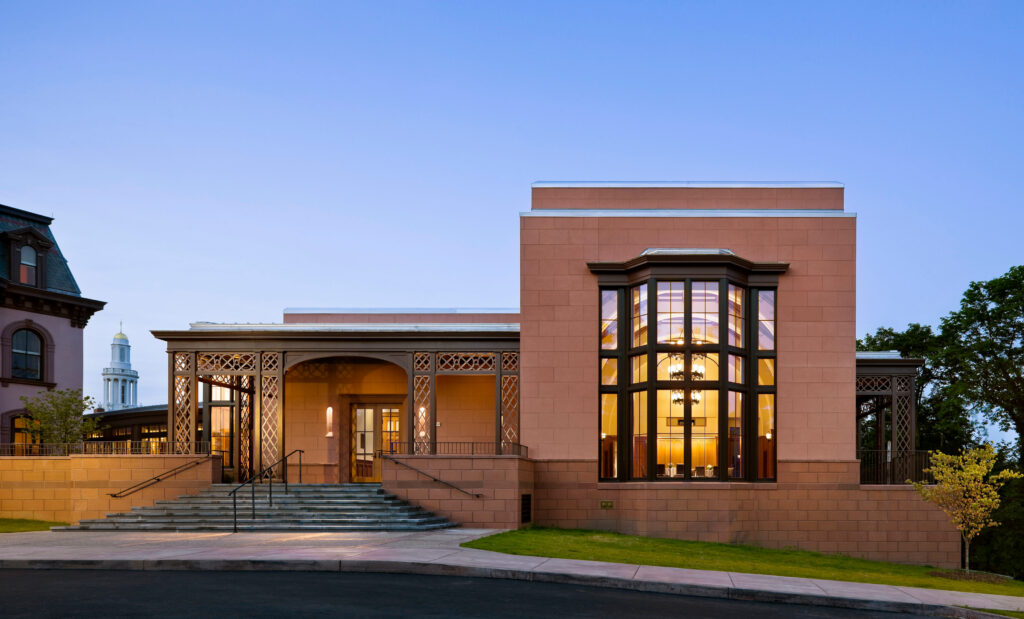
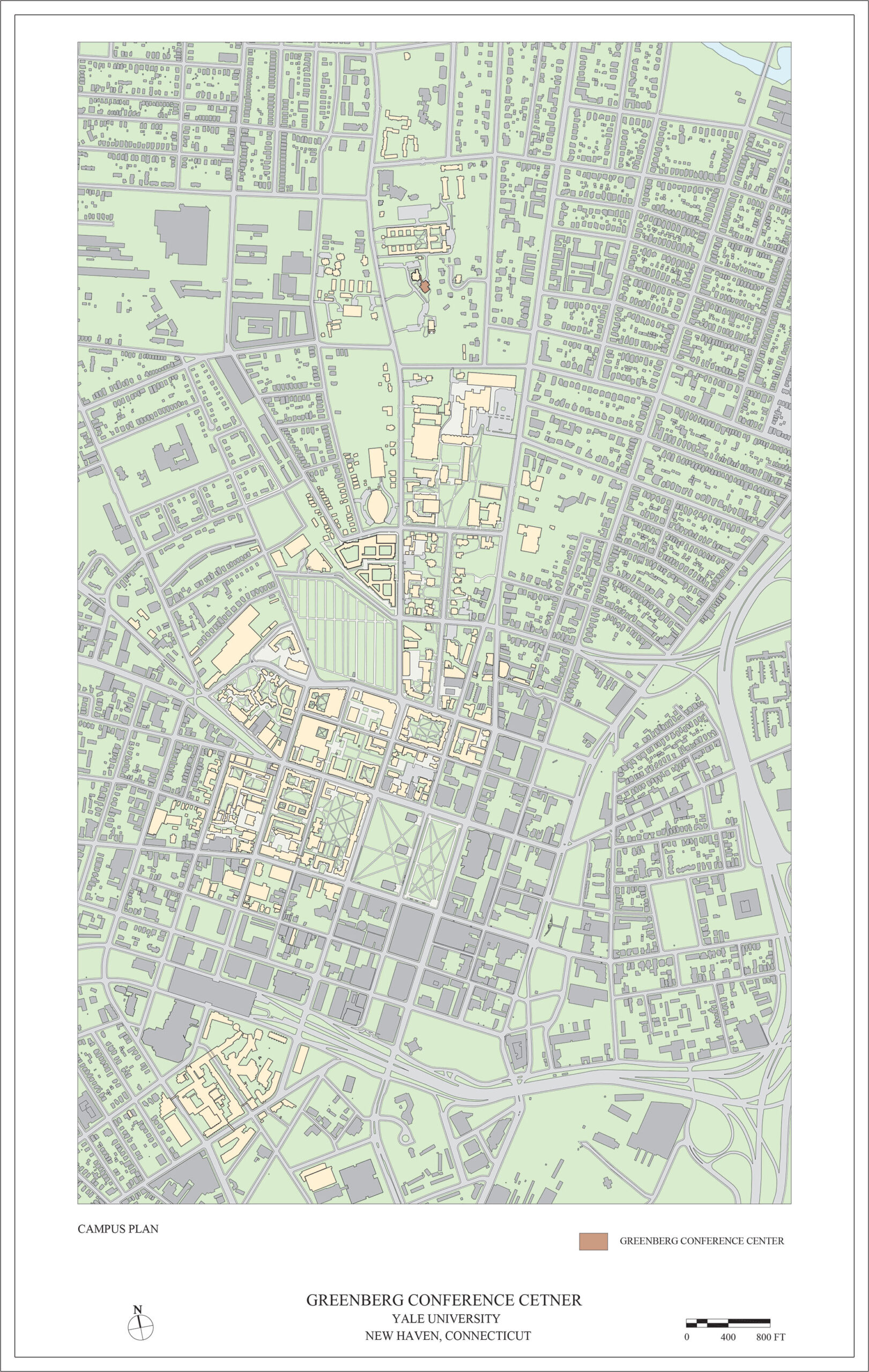
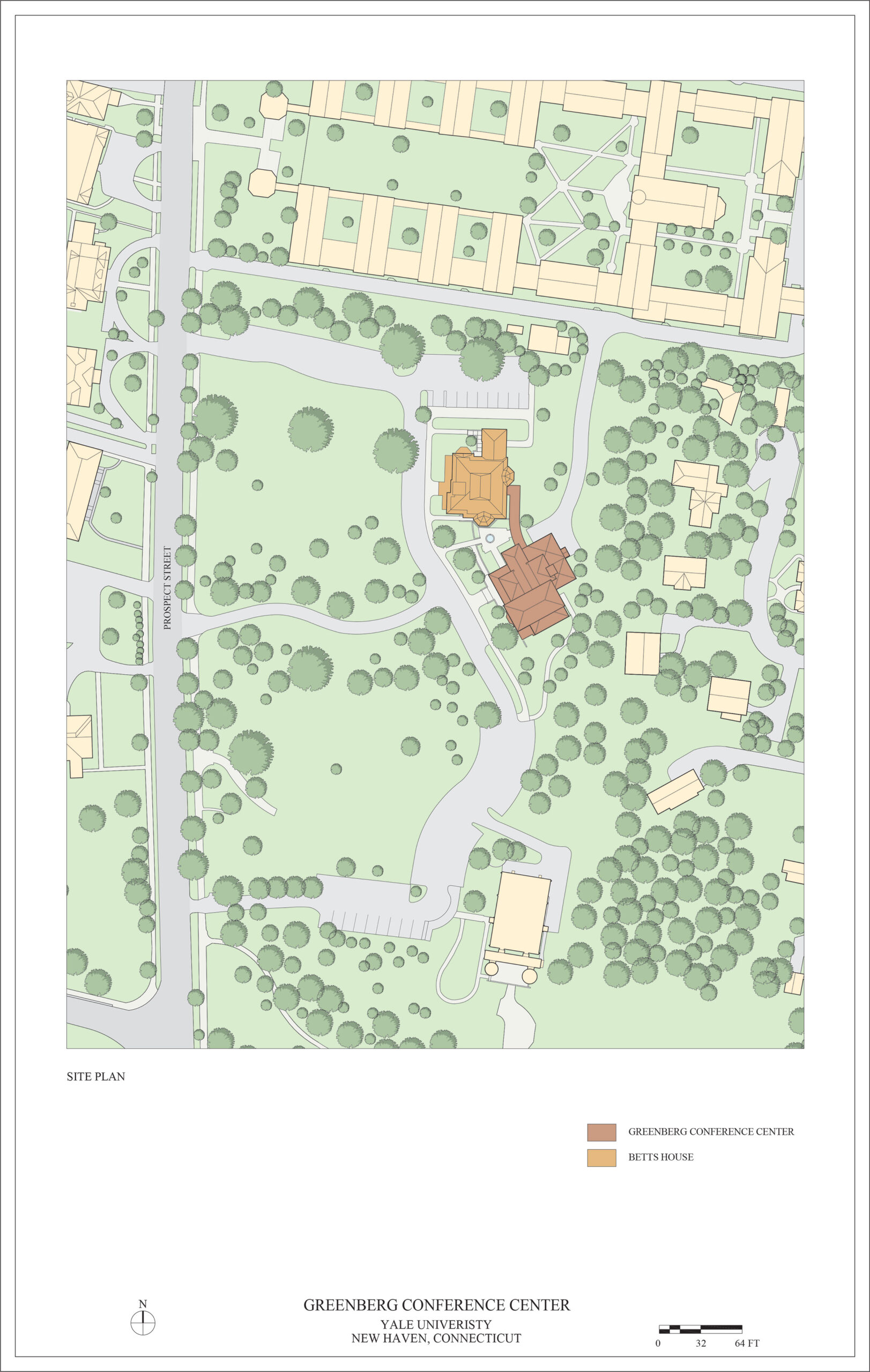
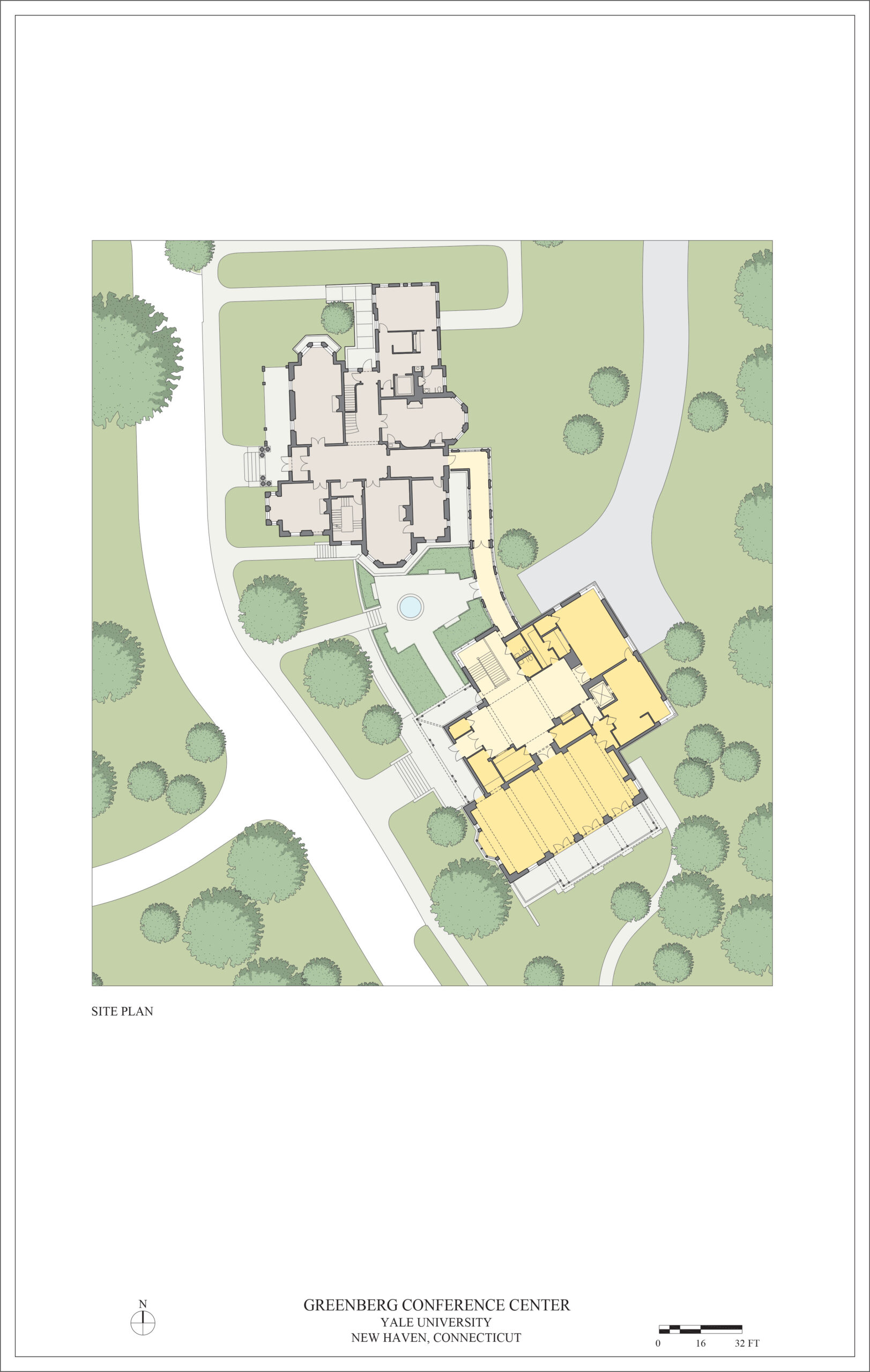
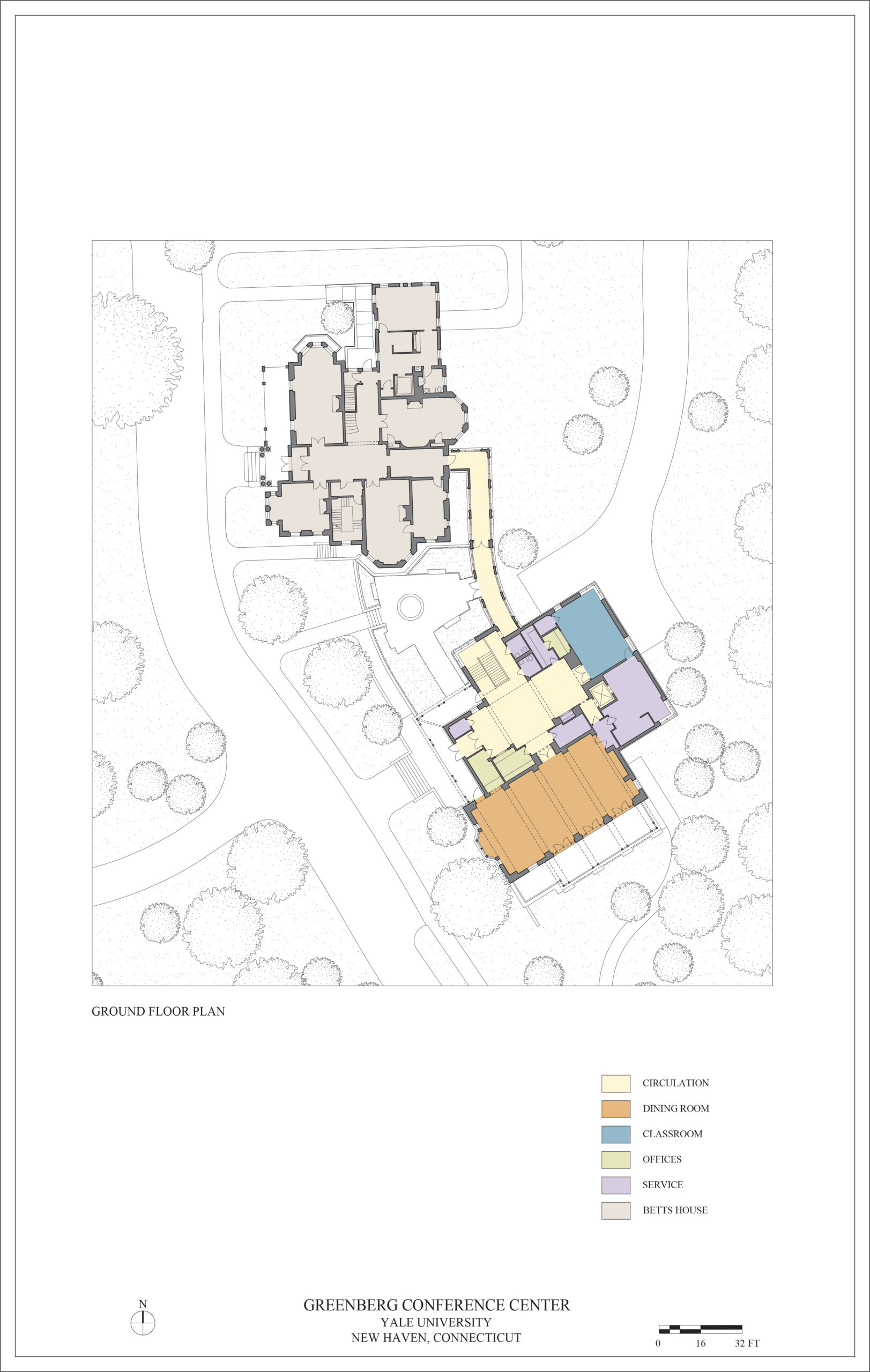
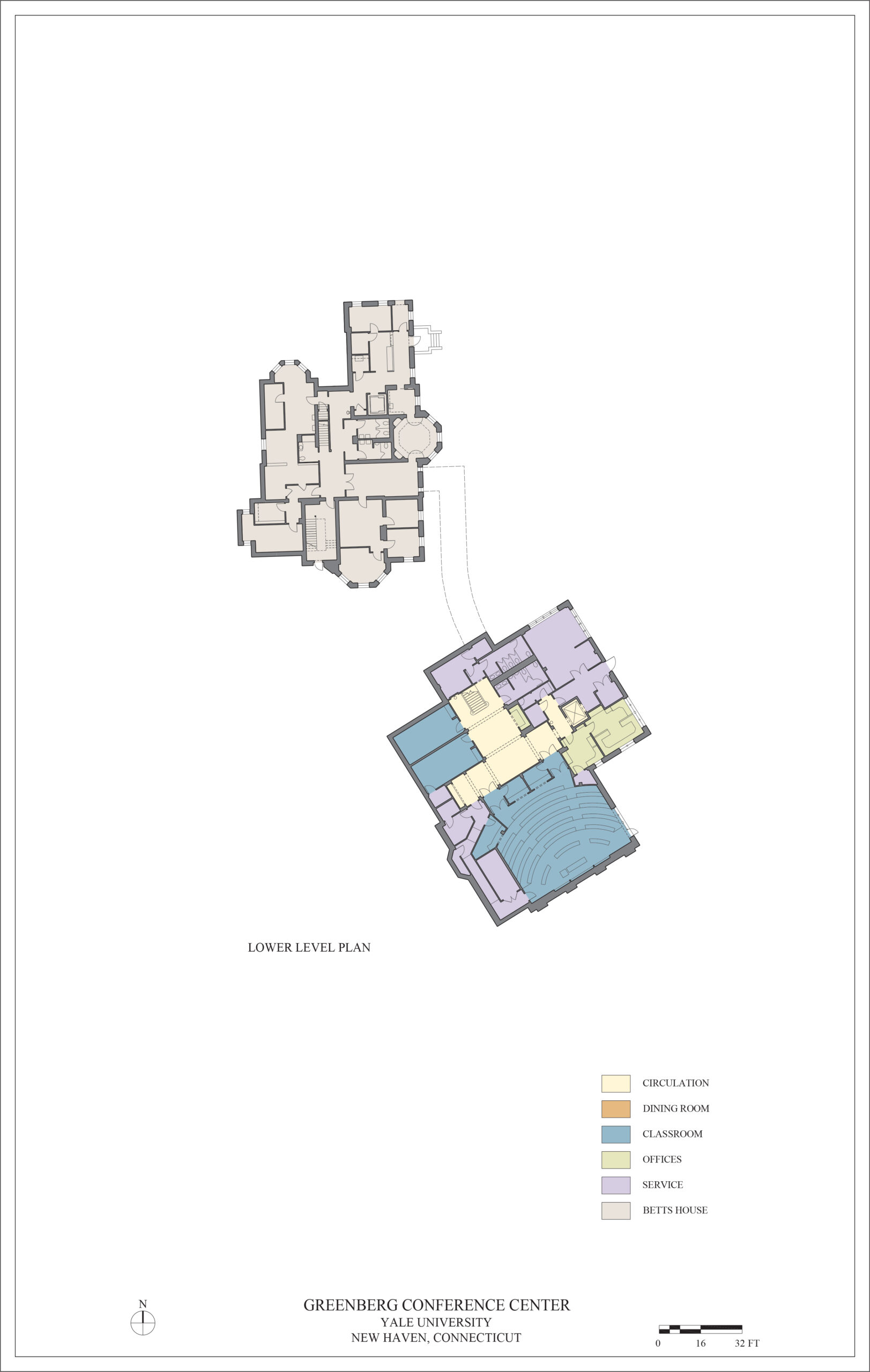
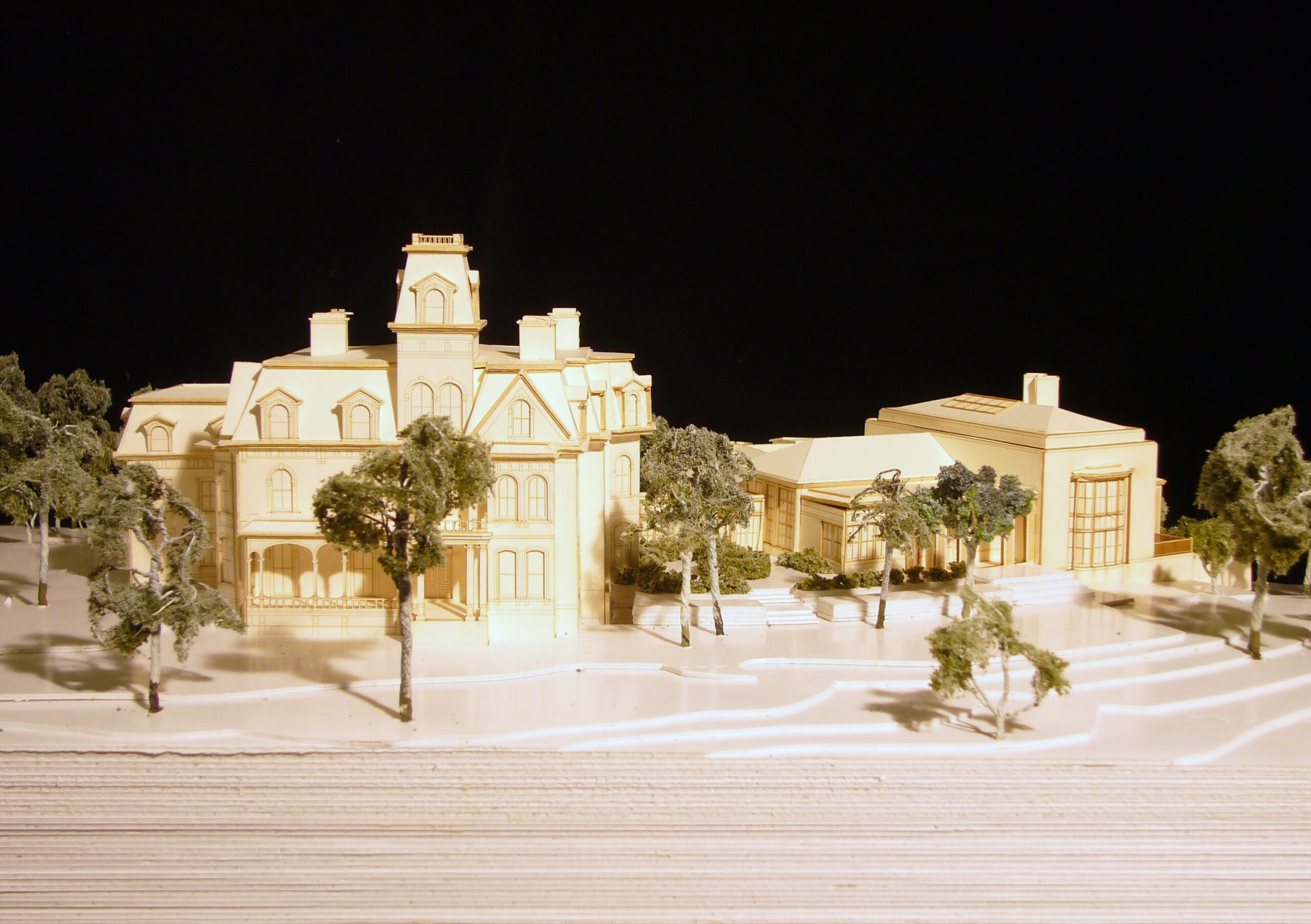
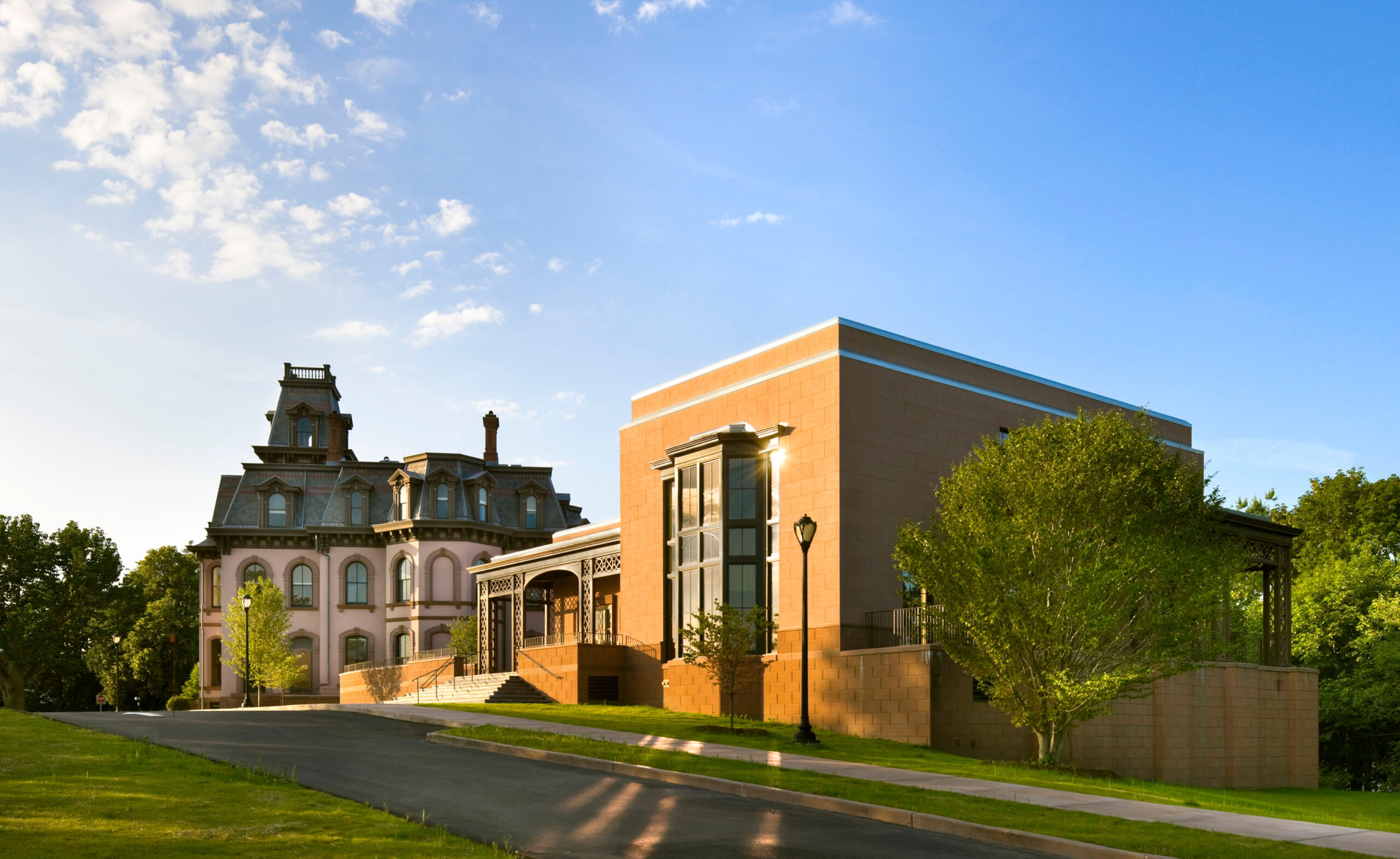
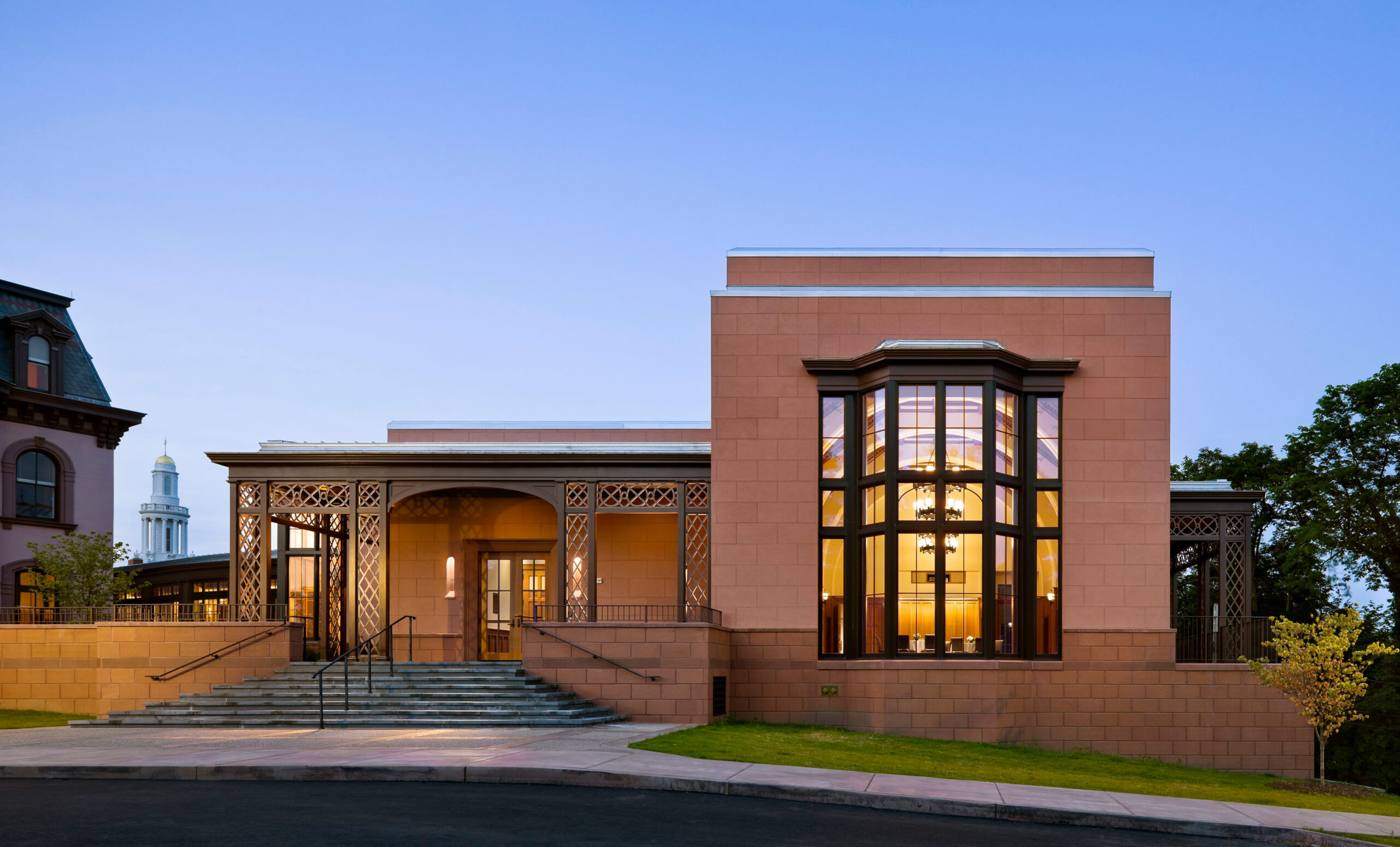
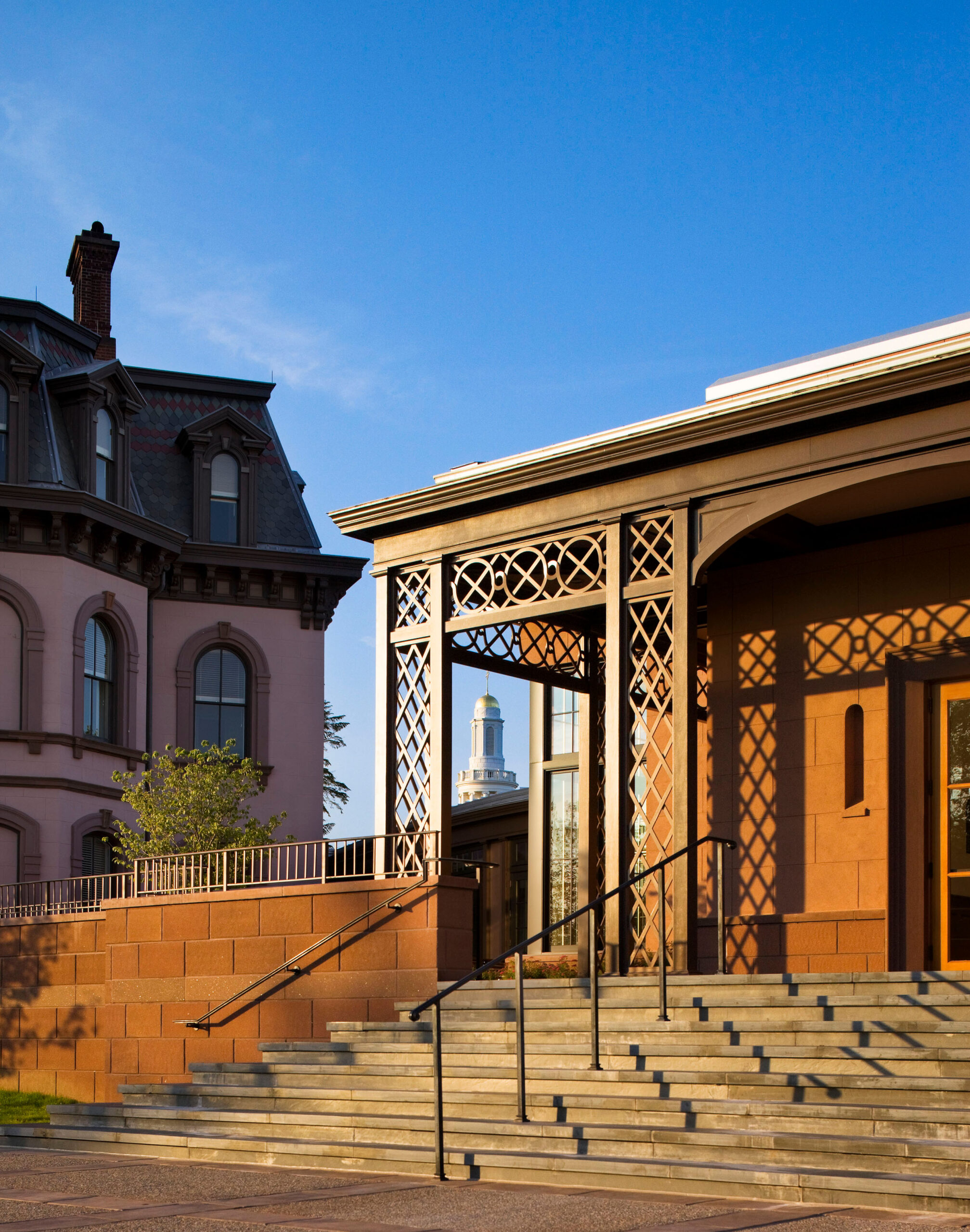
Yale University Maurice R. Greenberg Conference Center
2009
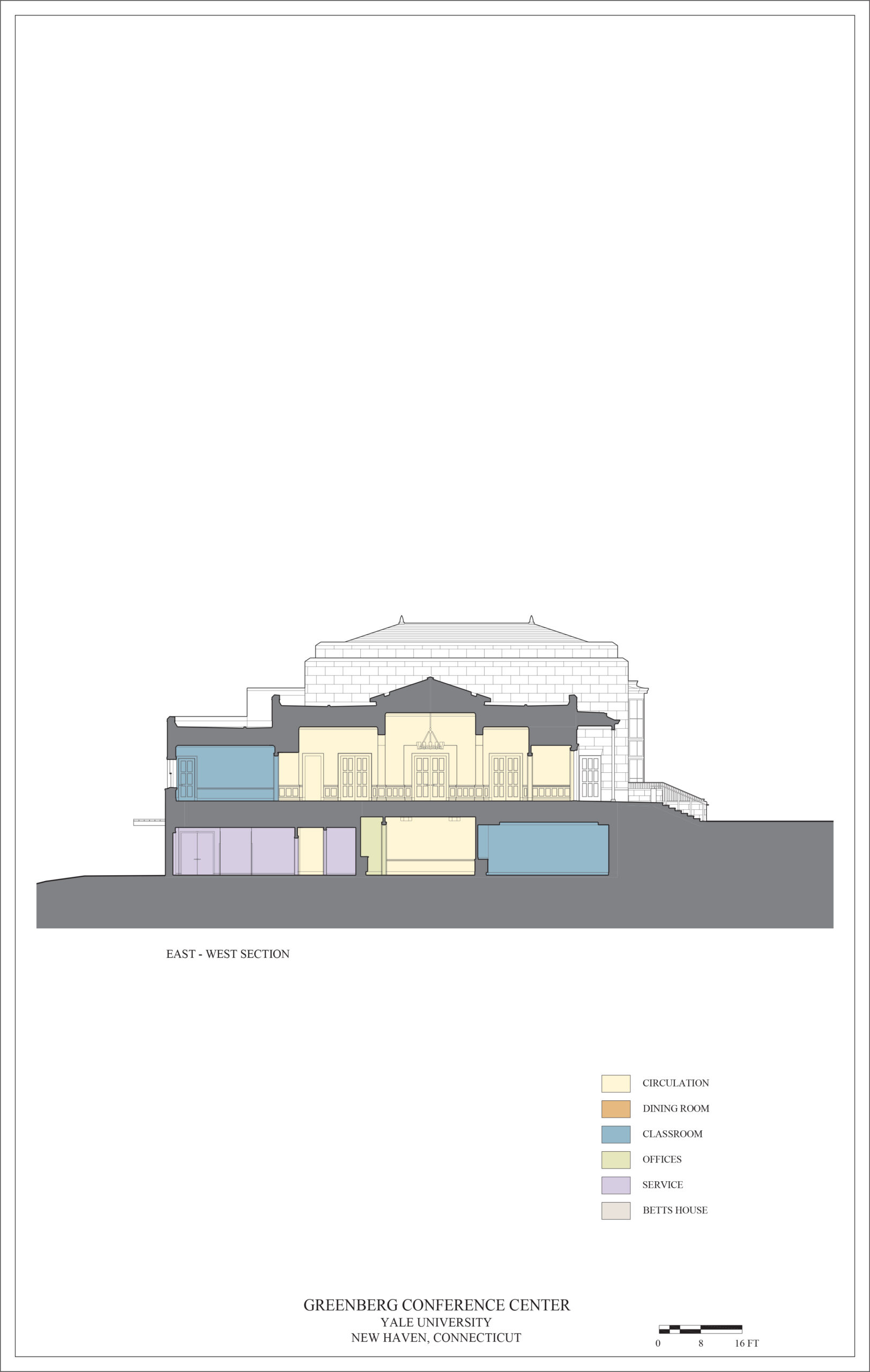
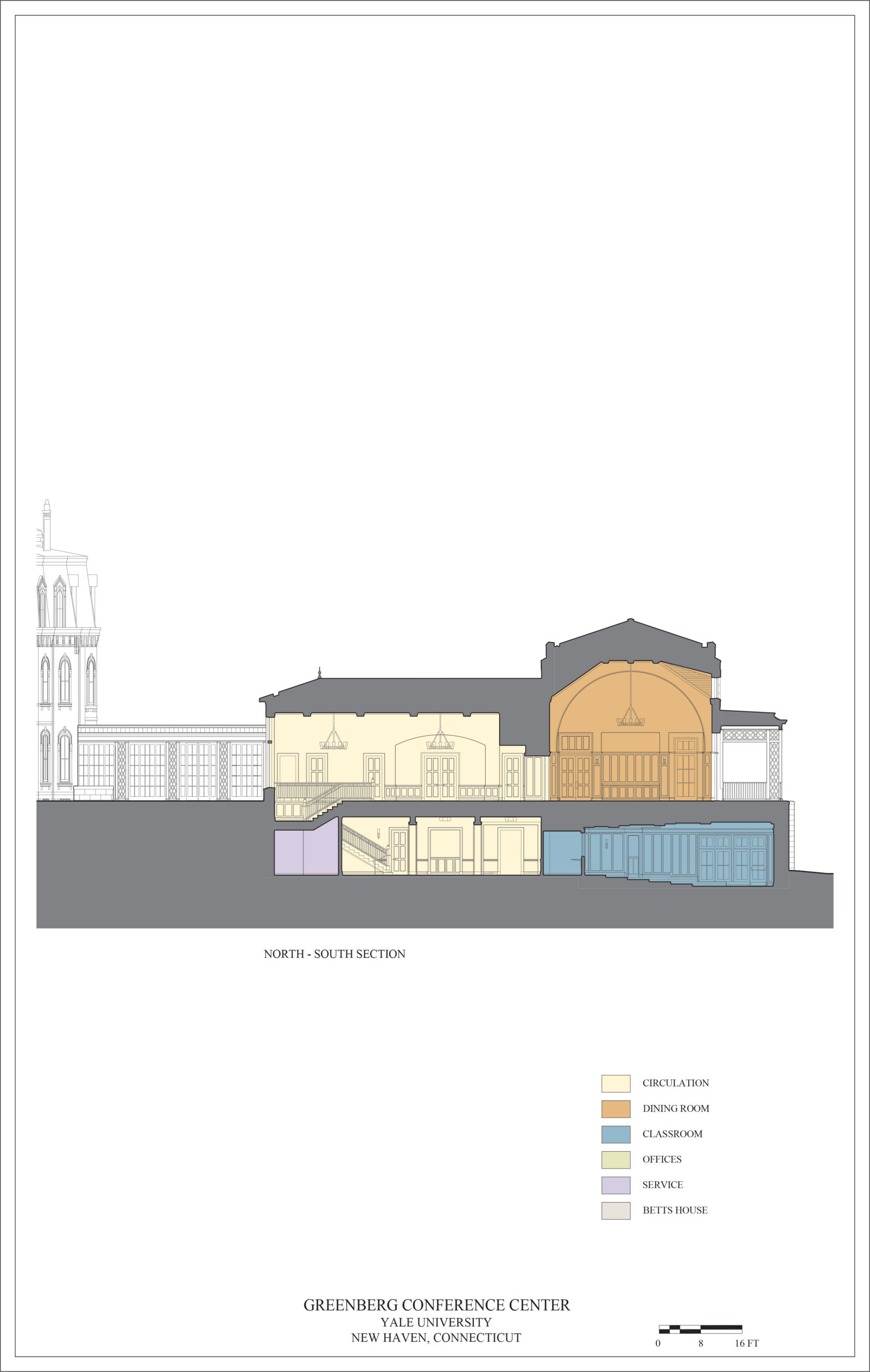
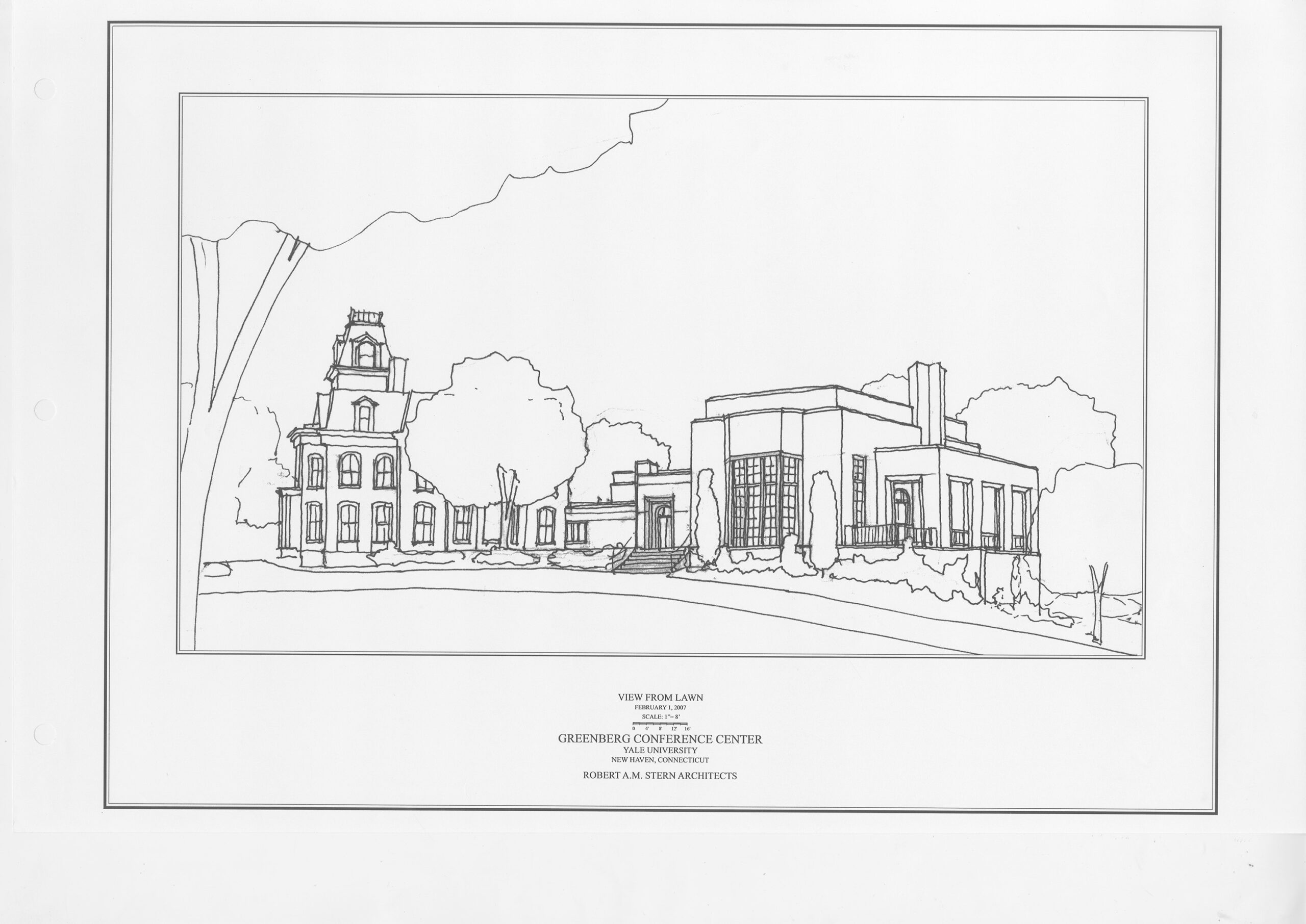
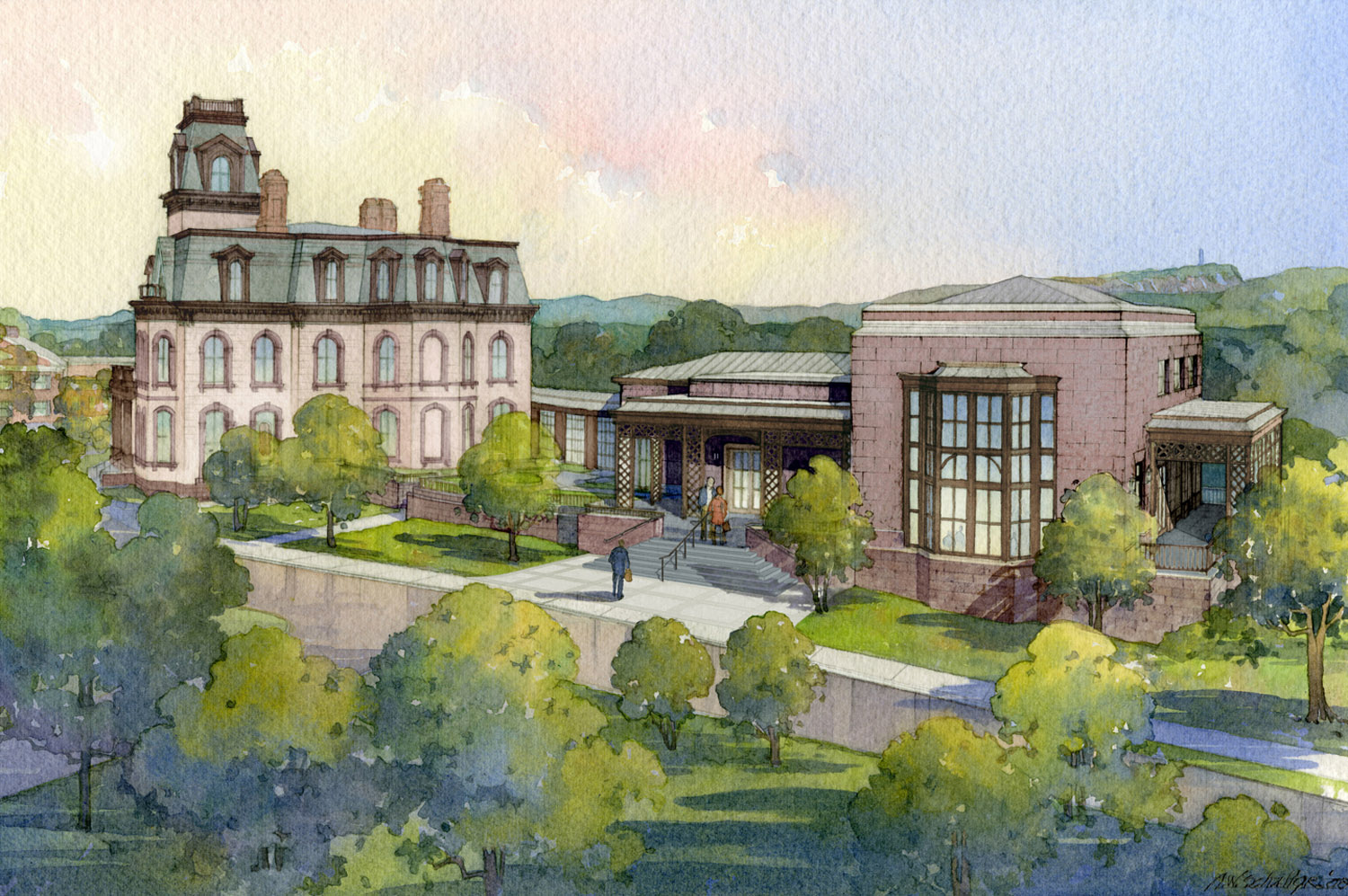


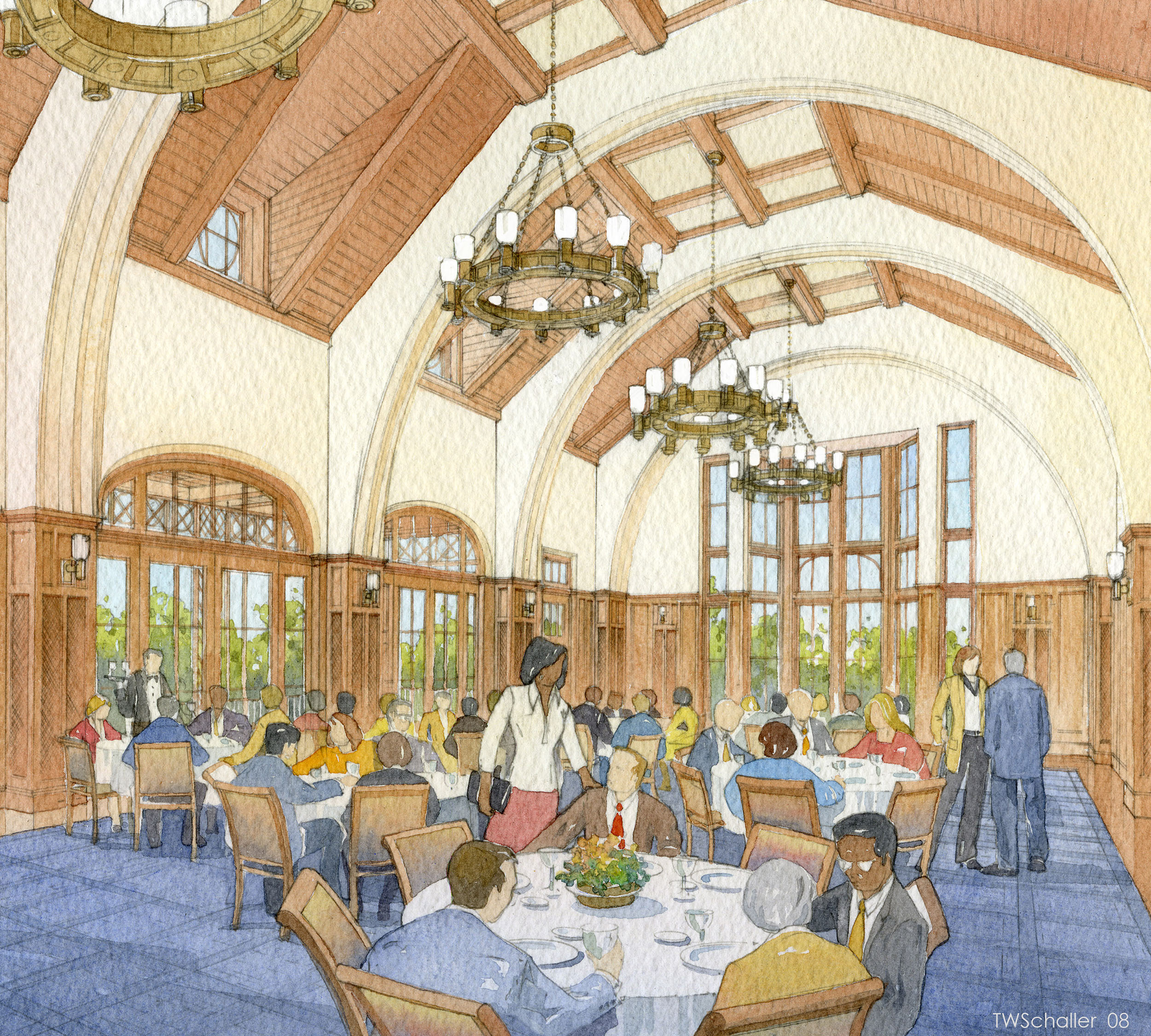
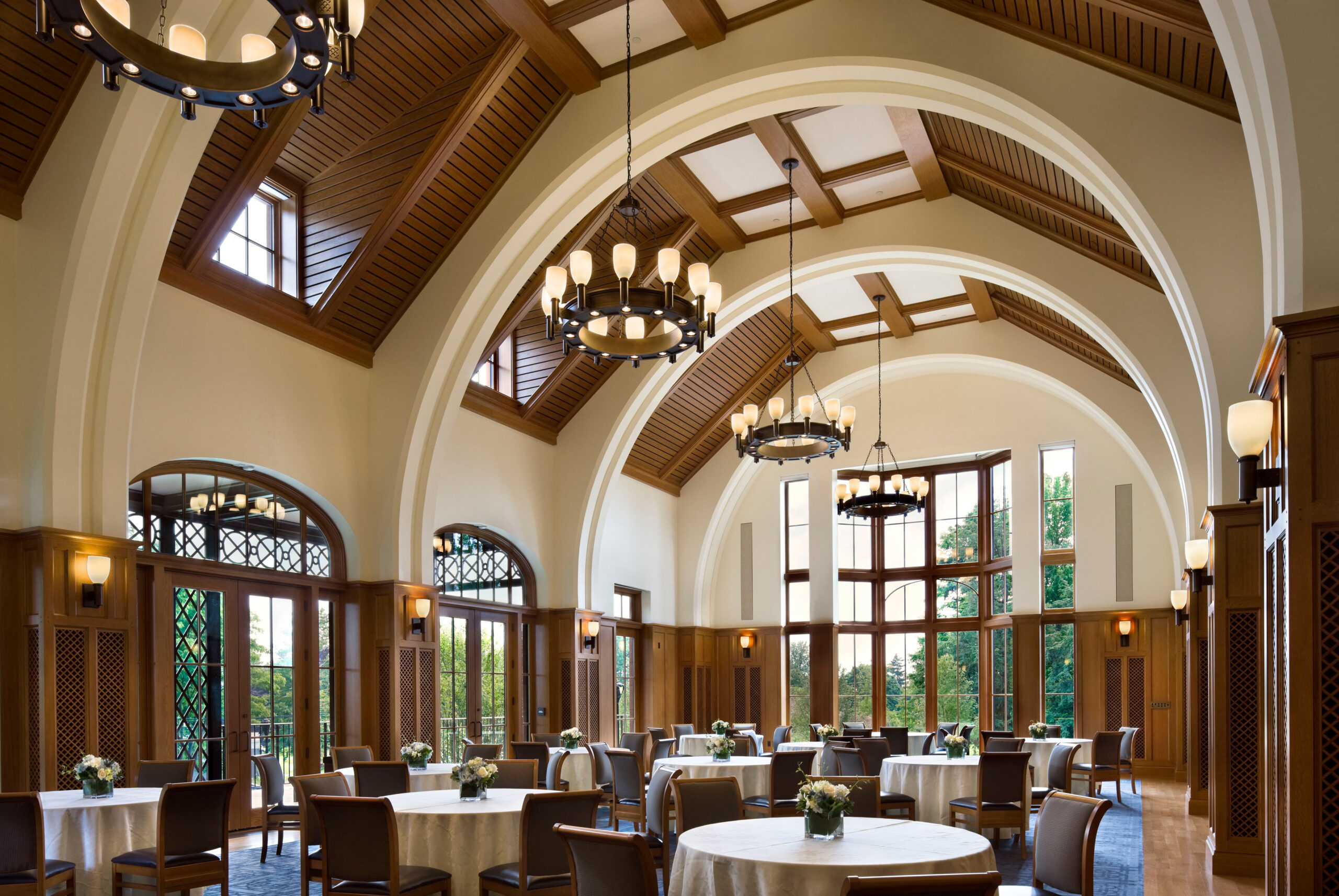
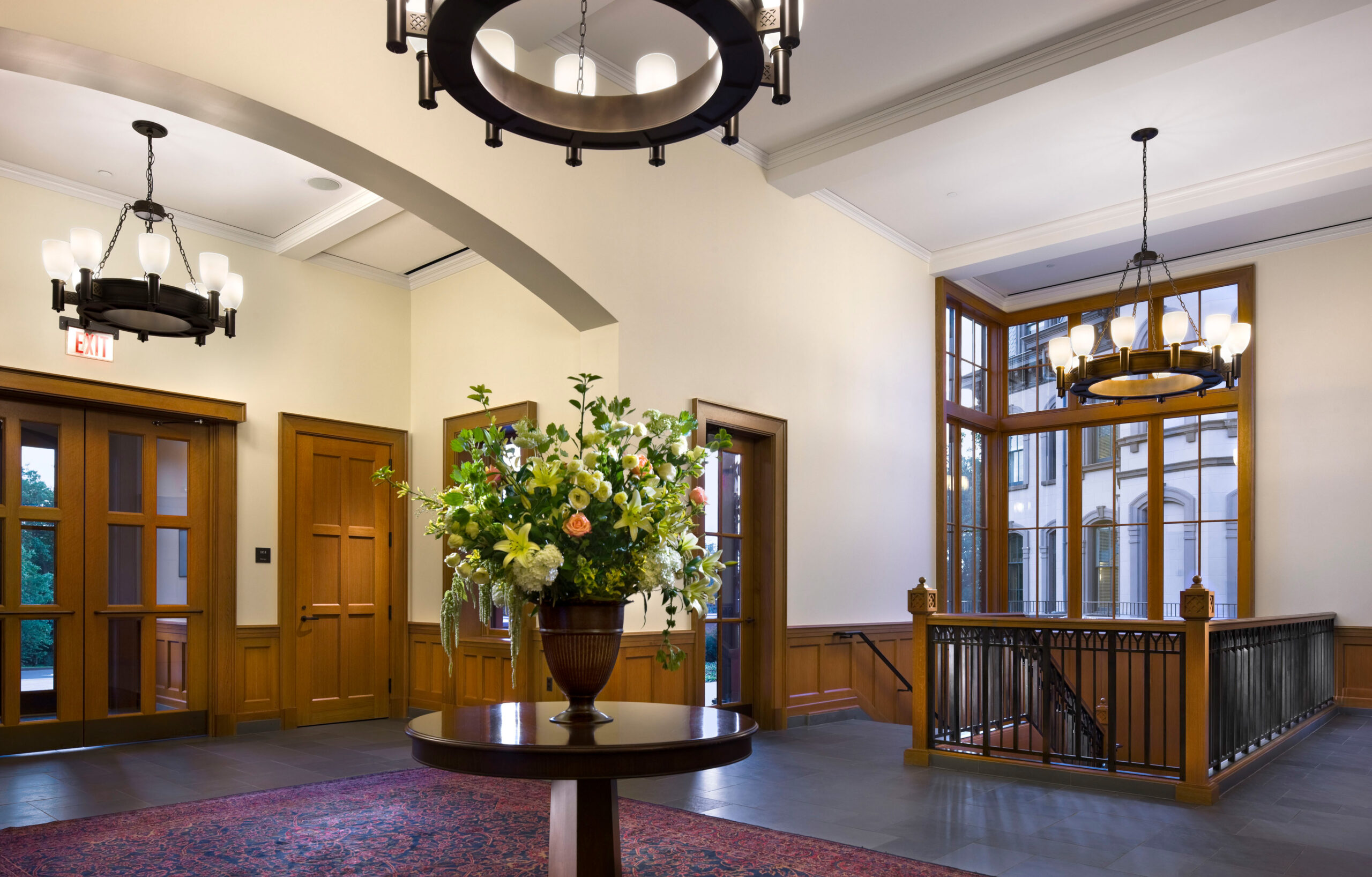
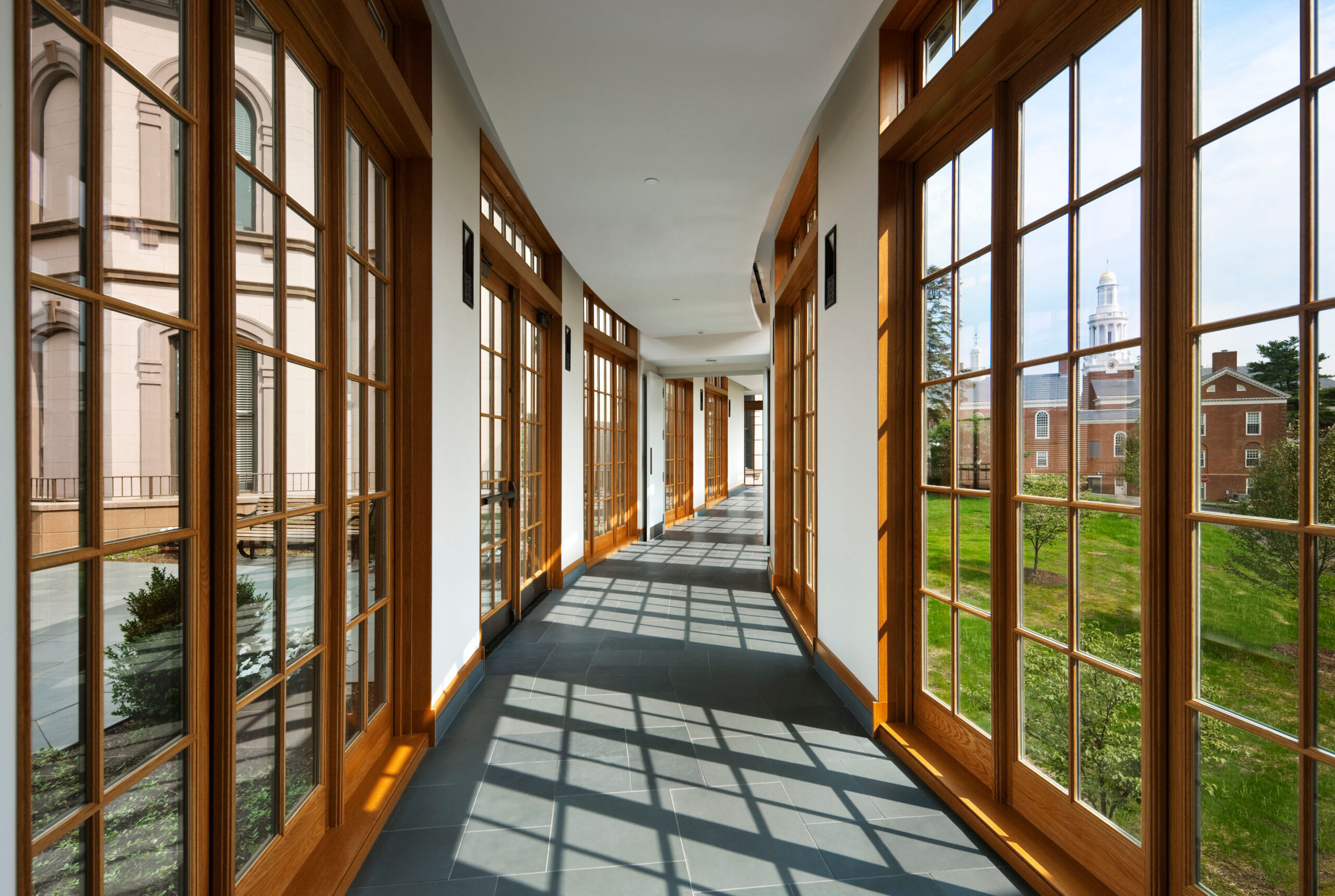
Wellesley College Pendleton Hall West Renovation & Addition
2017
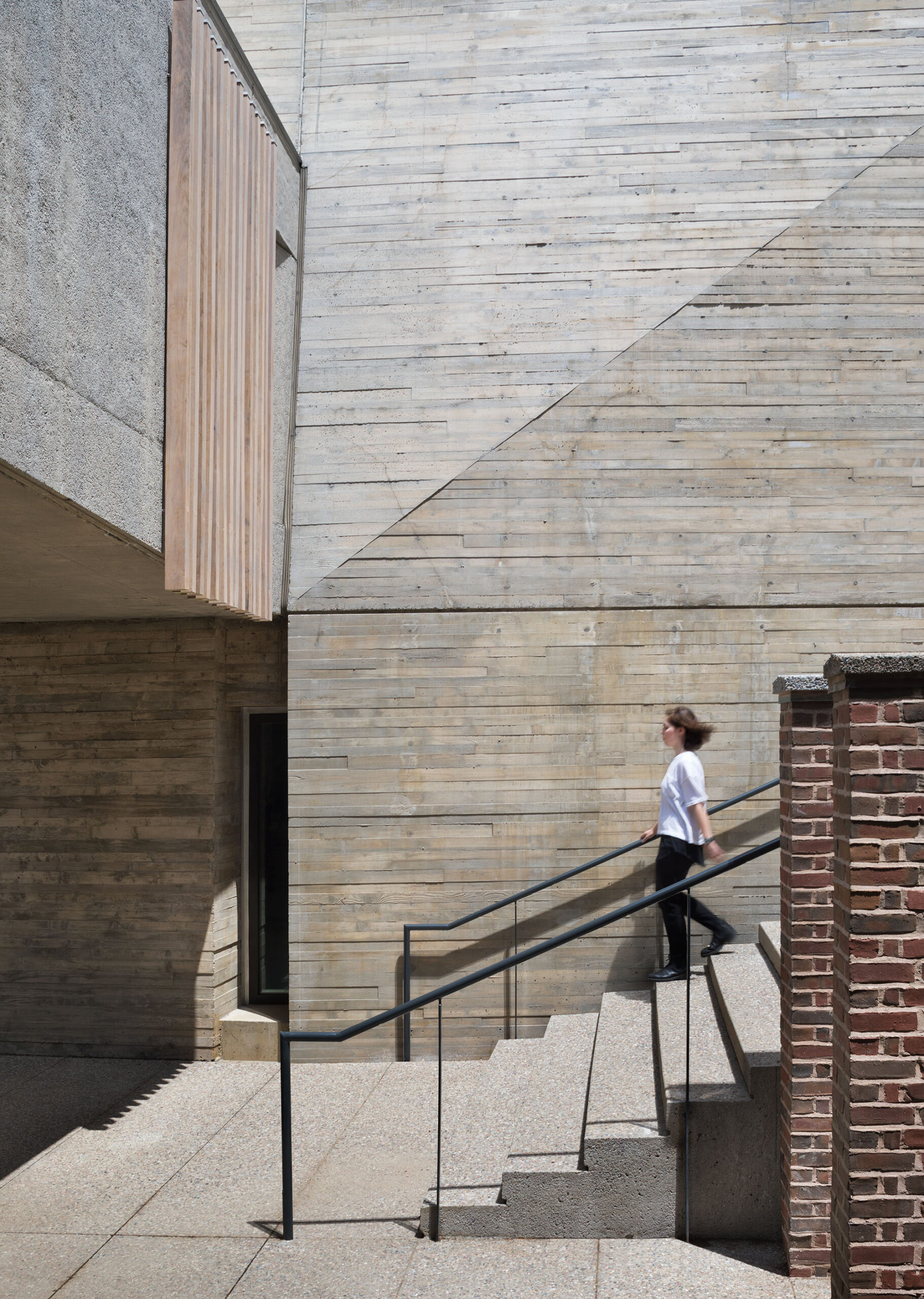
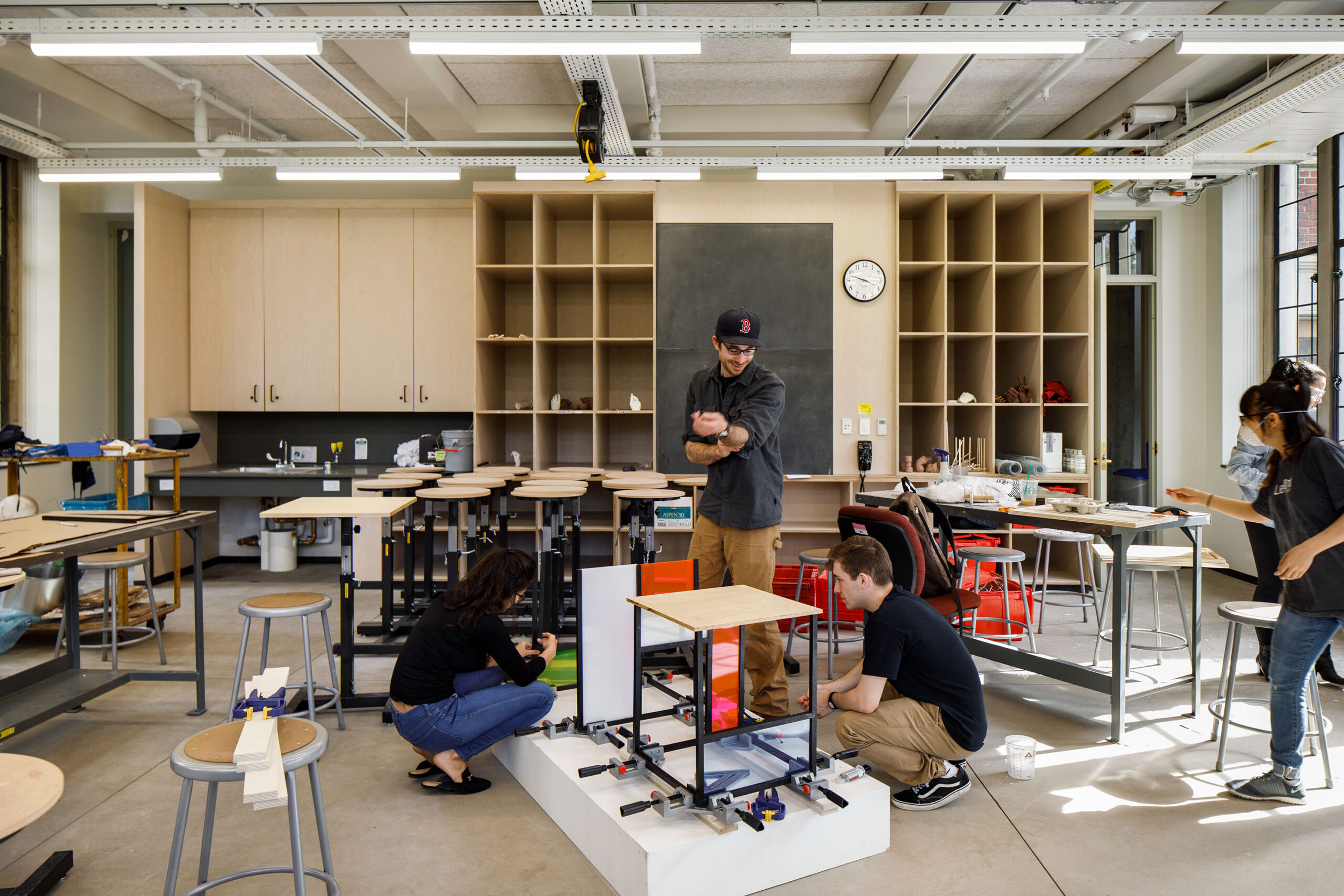
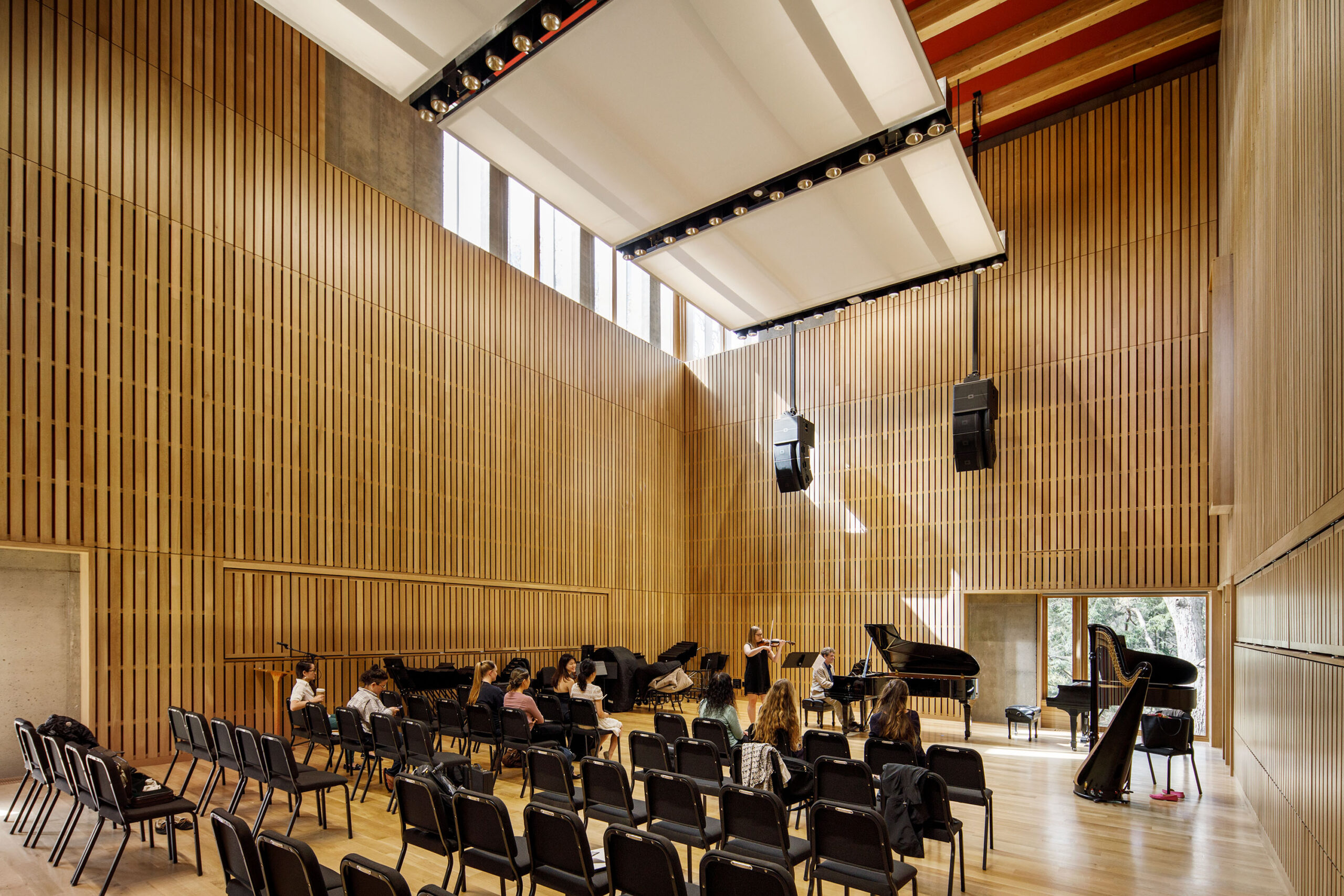
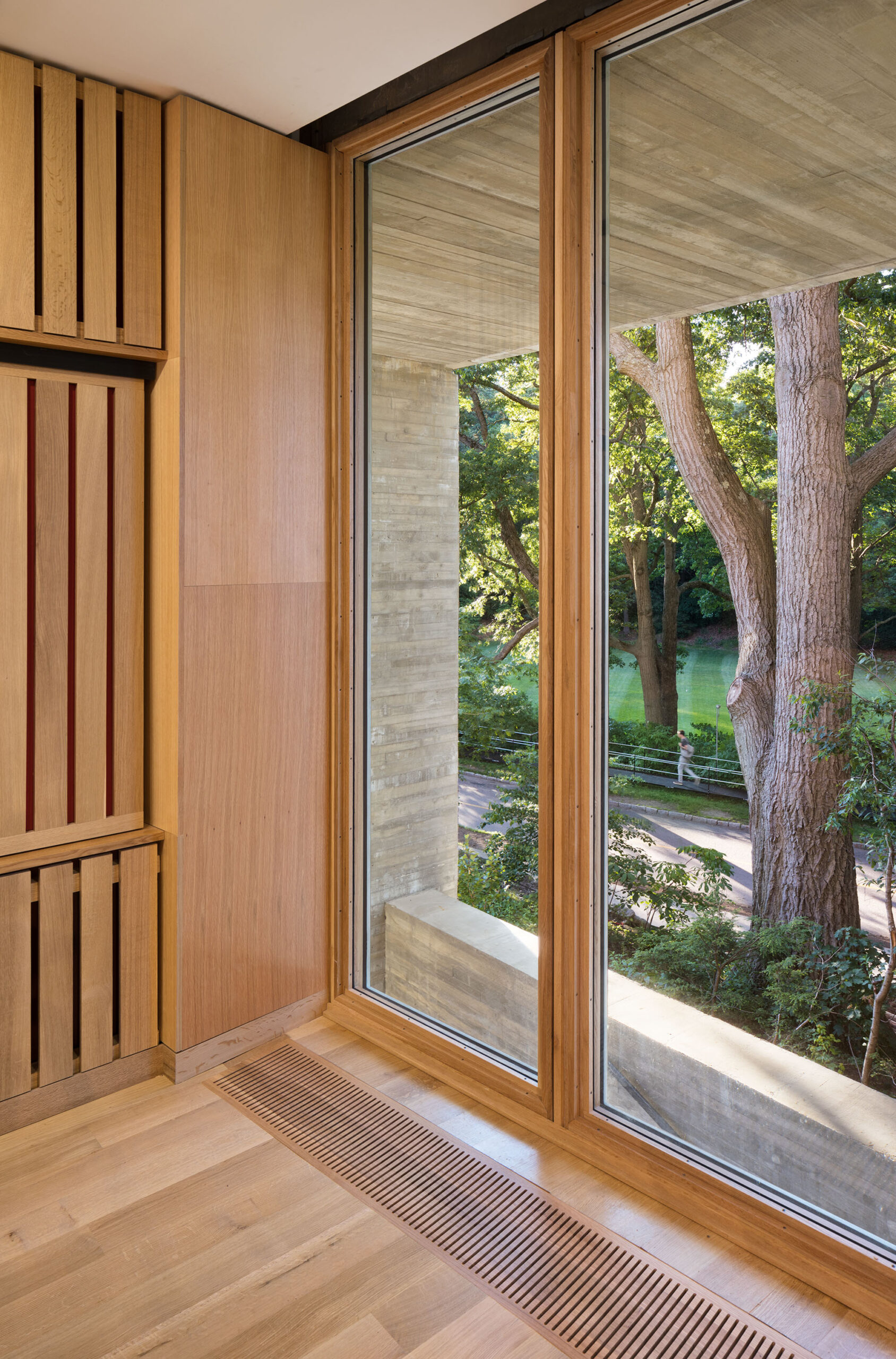
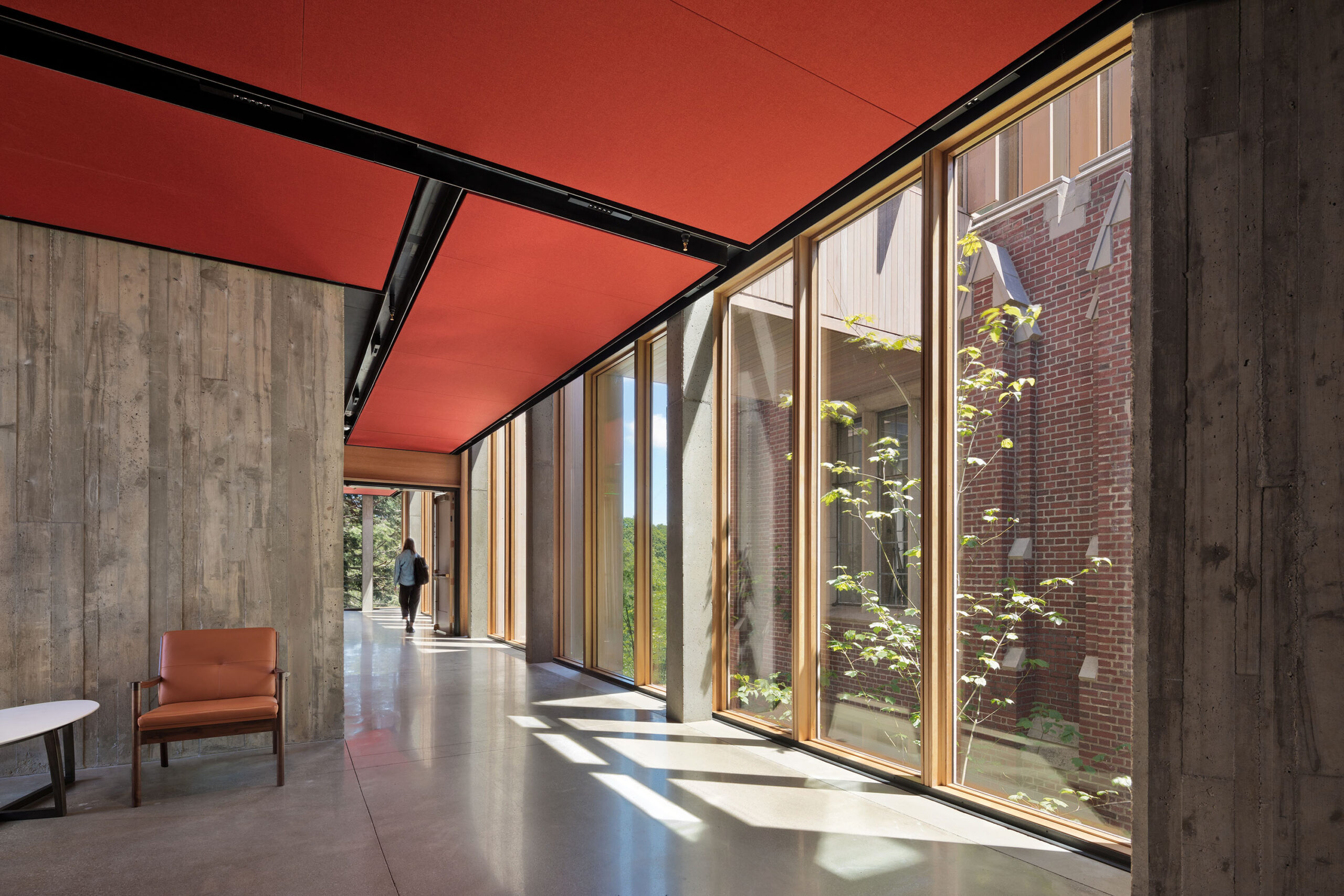
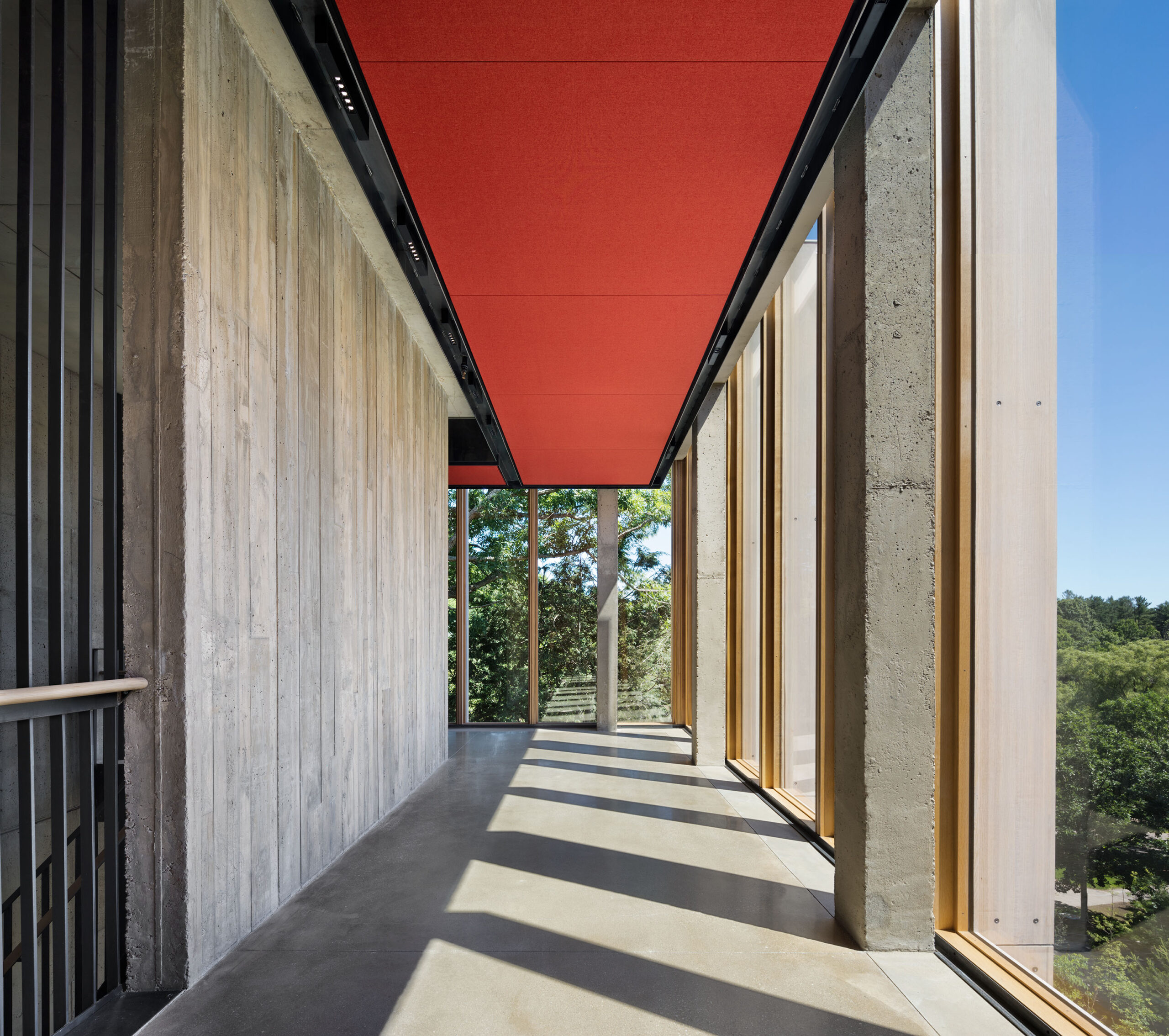
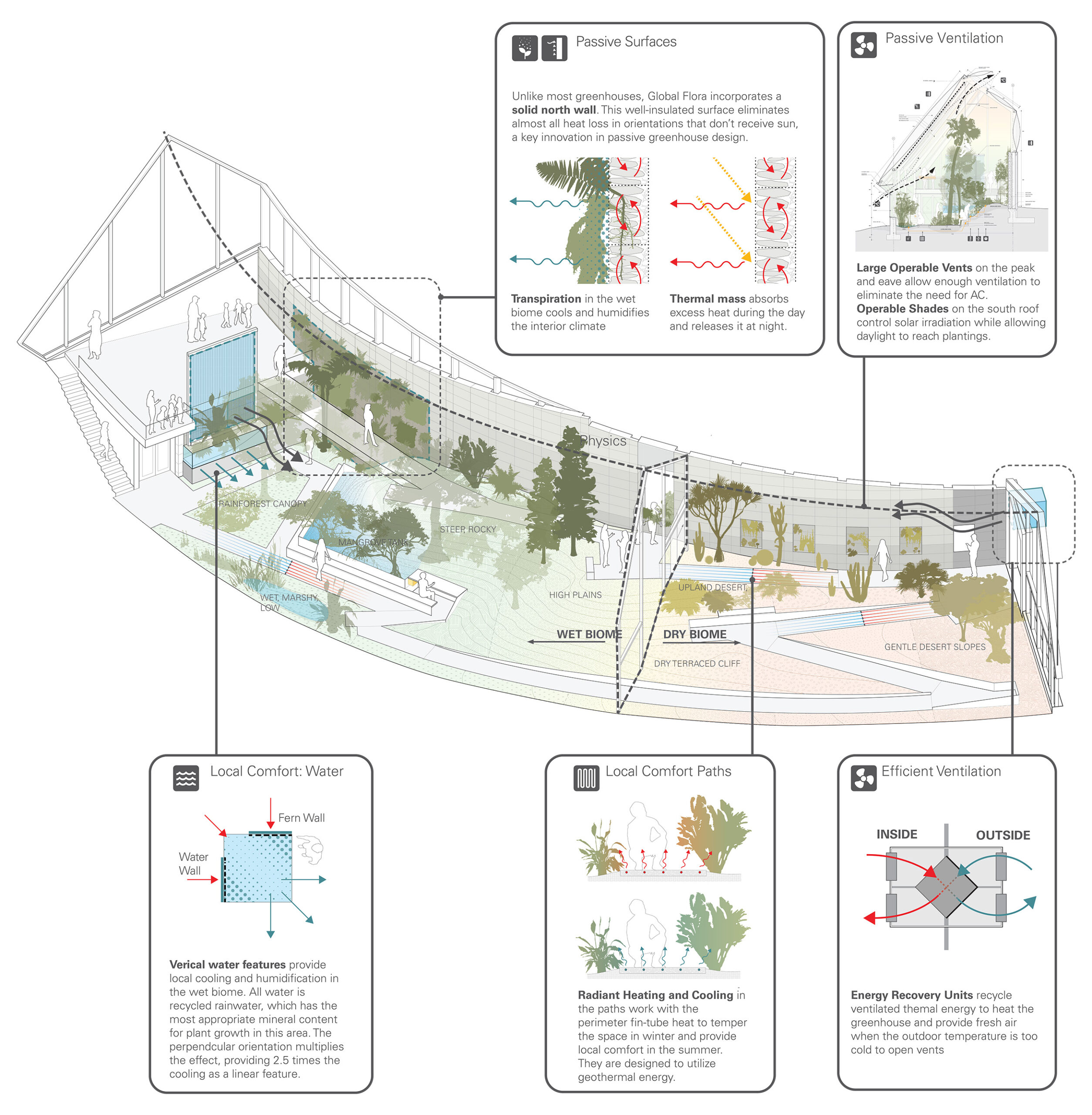
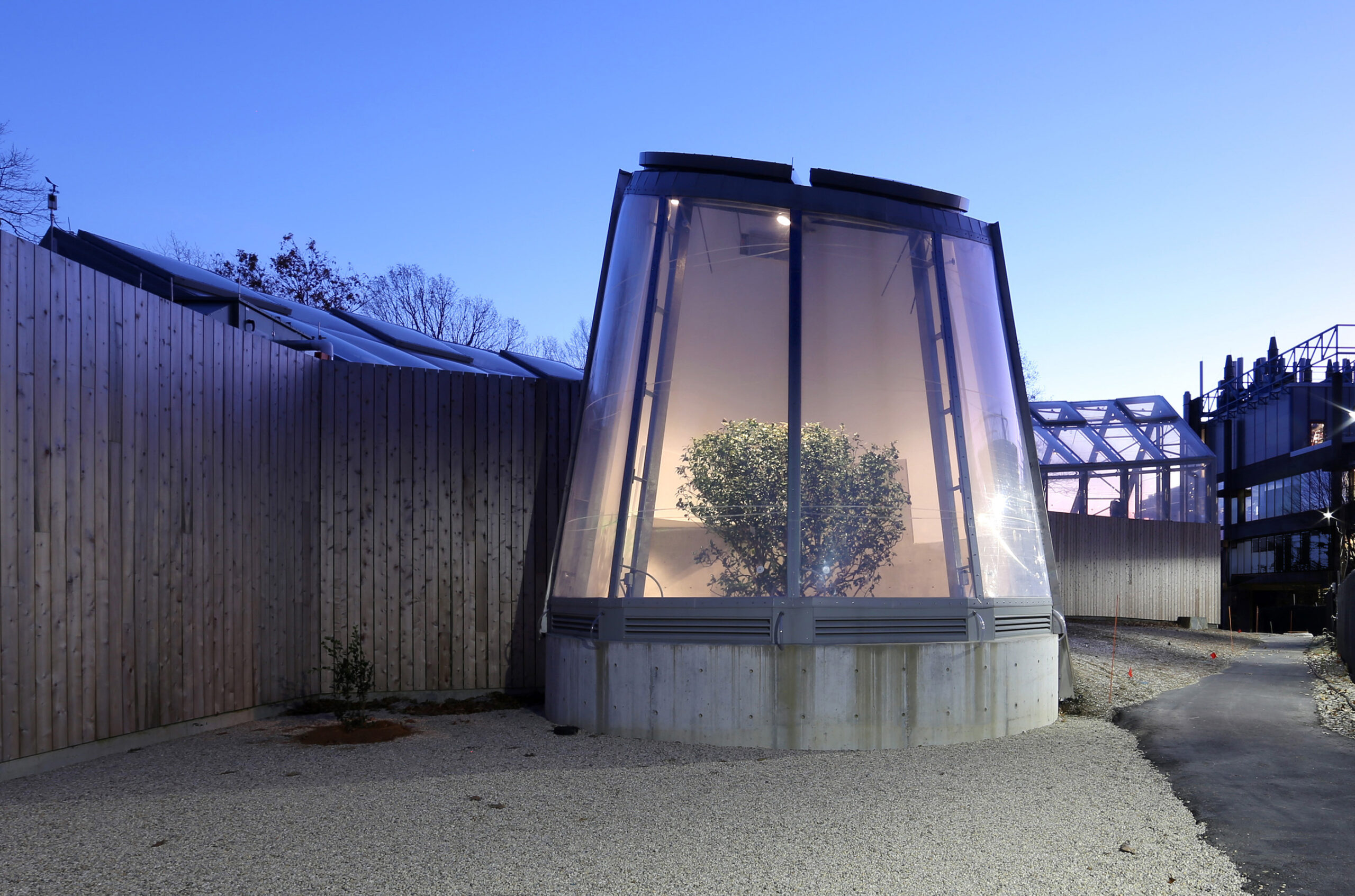
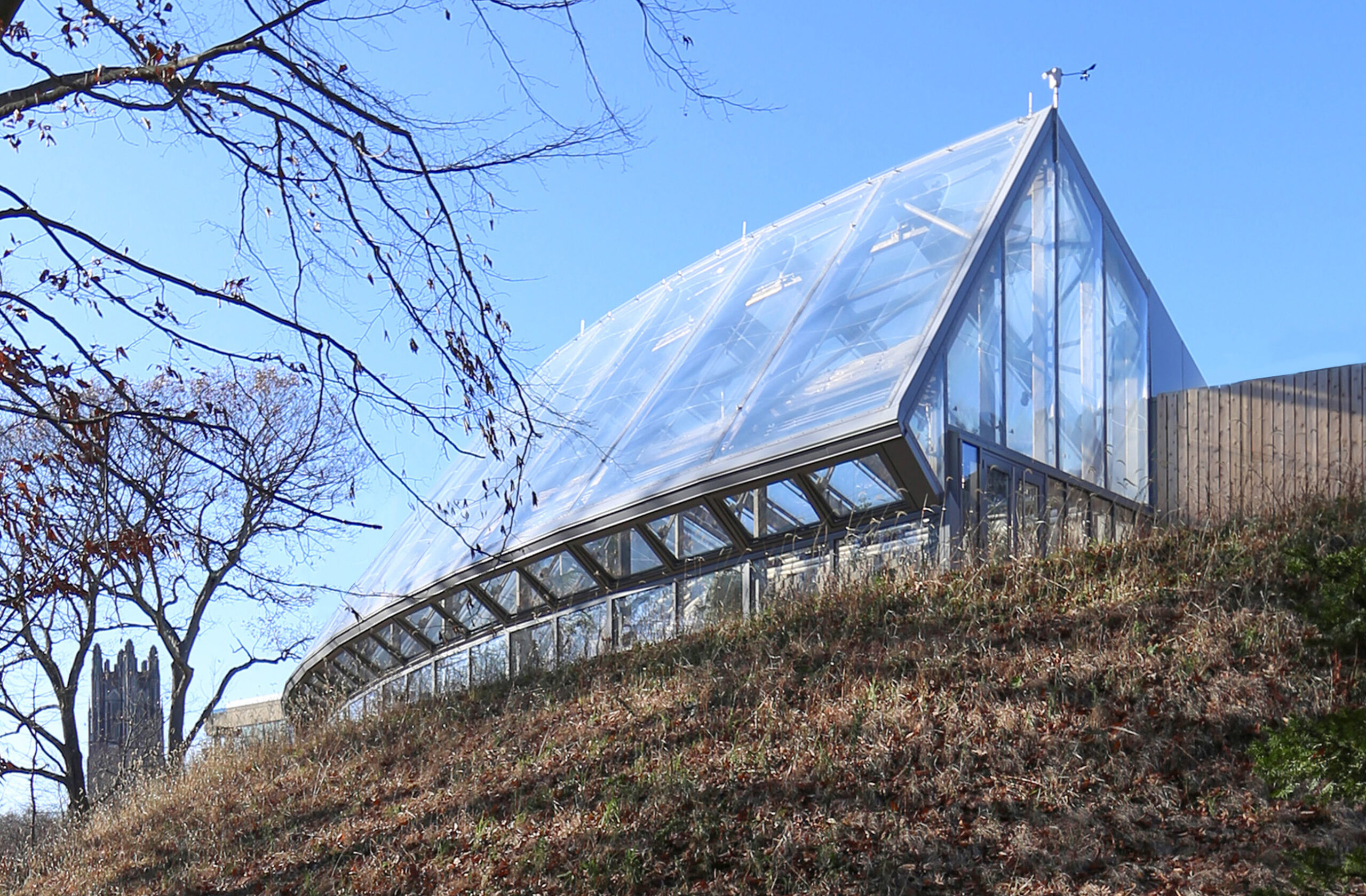
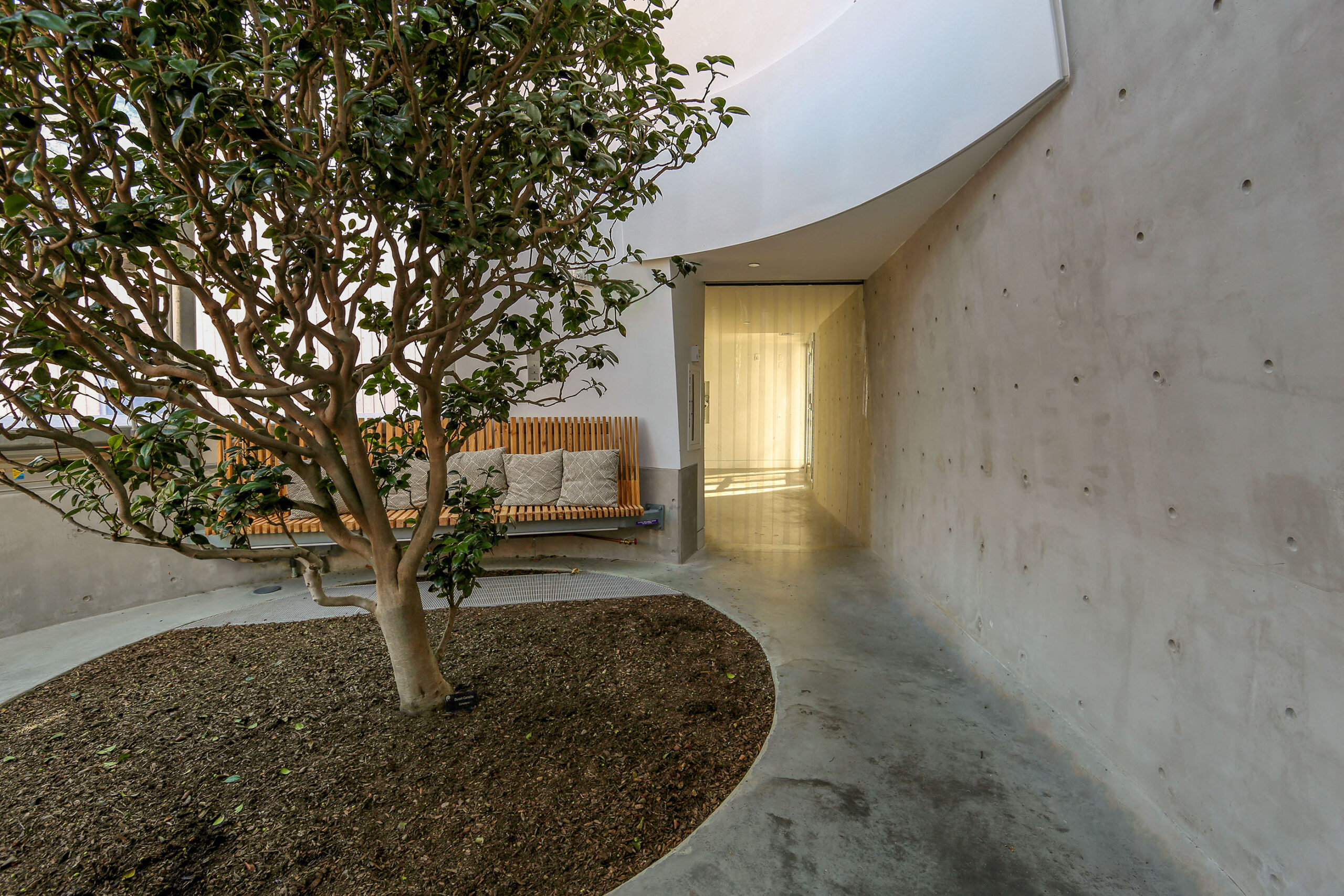
Wellesley College Global Flora Conservatory
2019
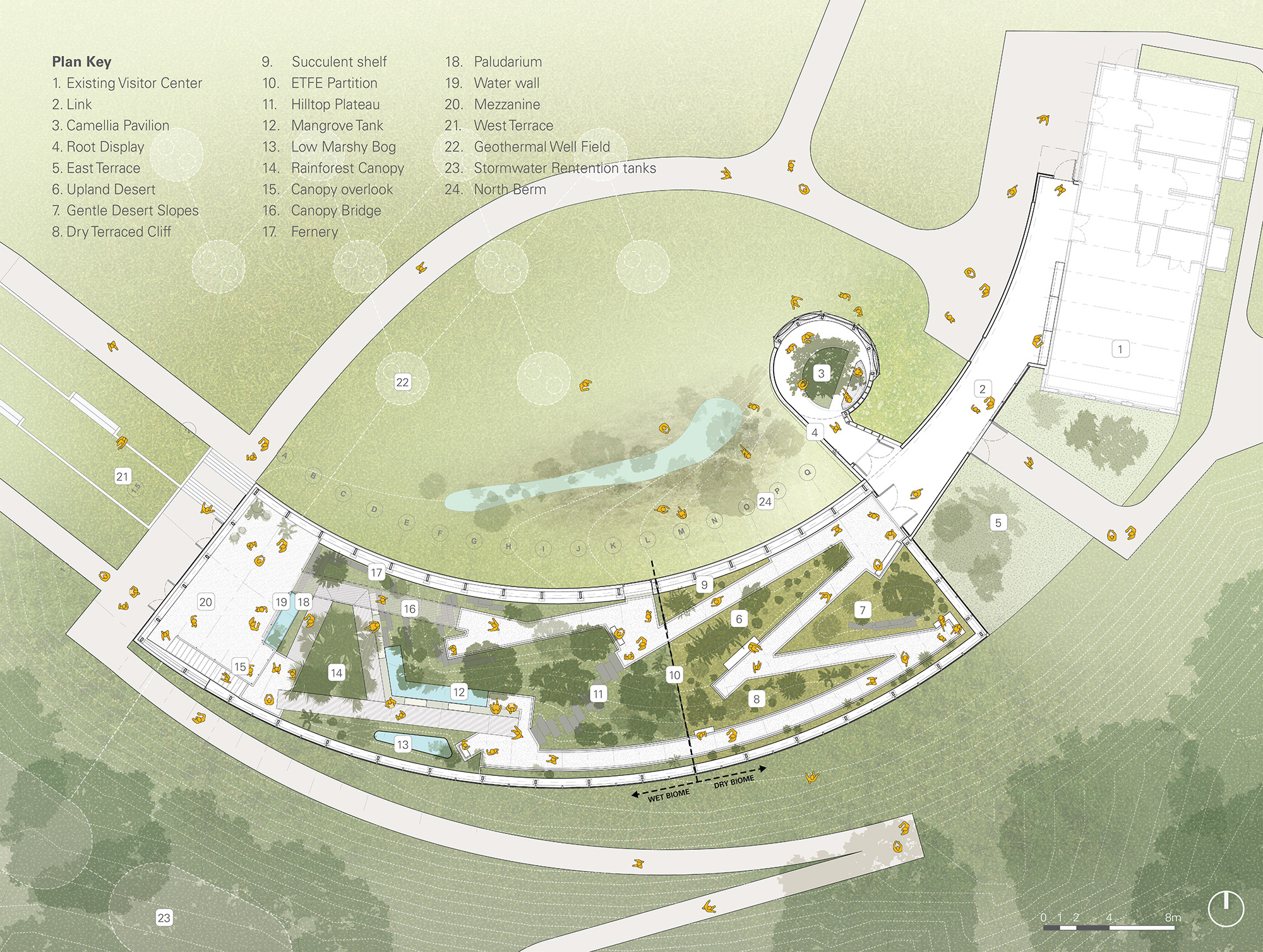
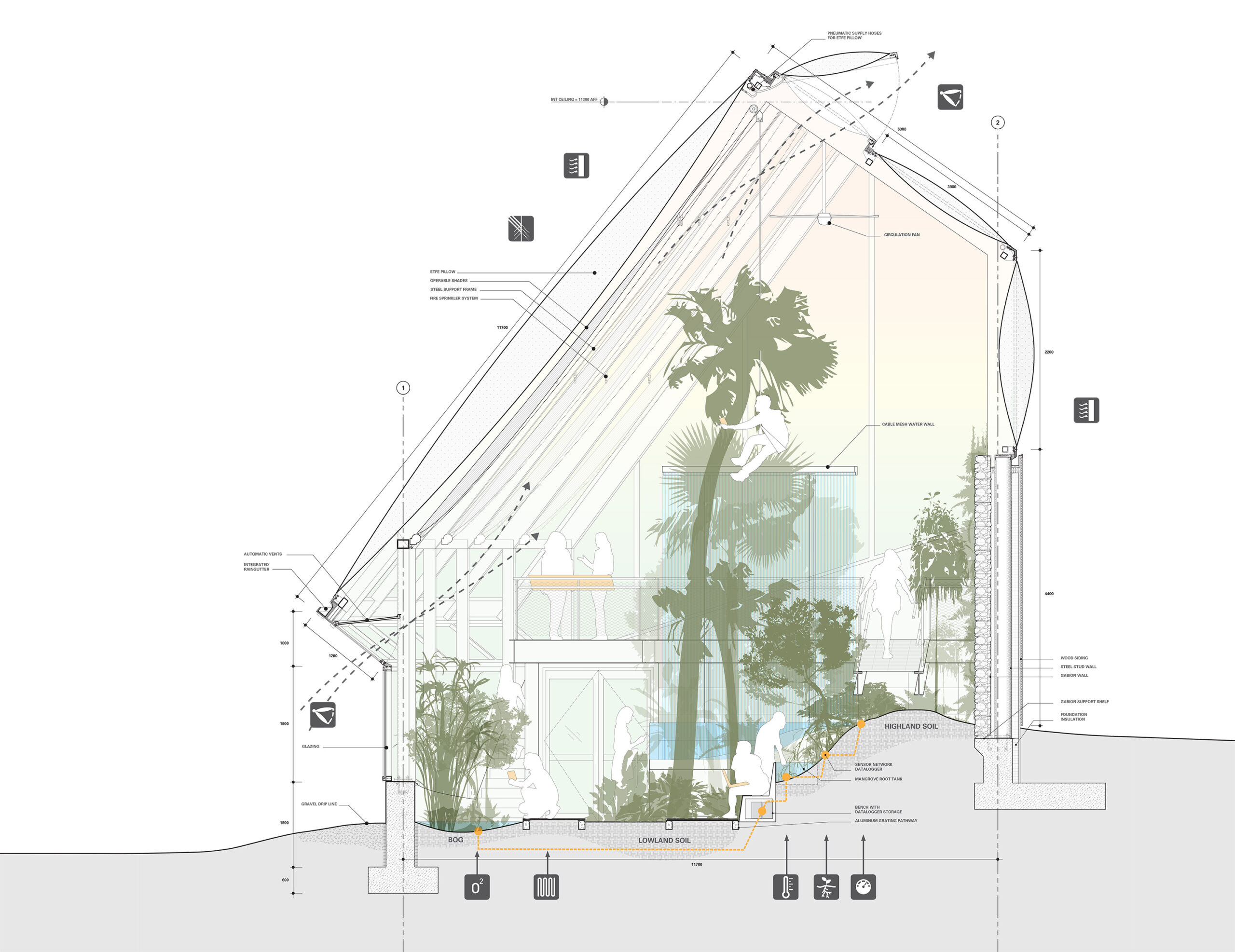
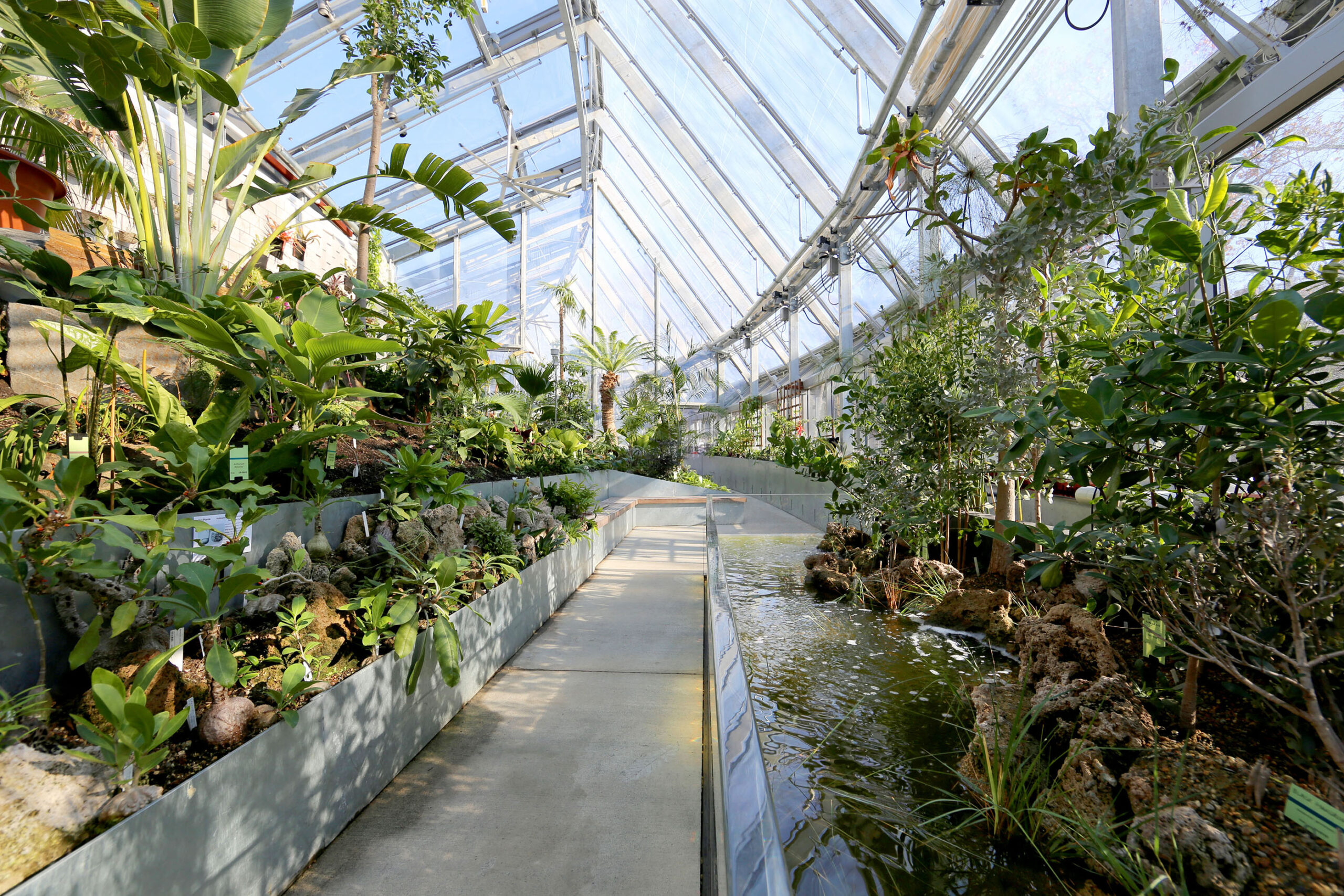

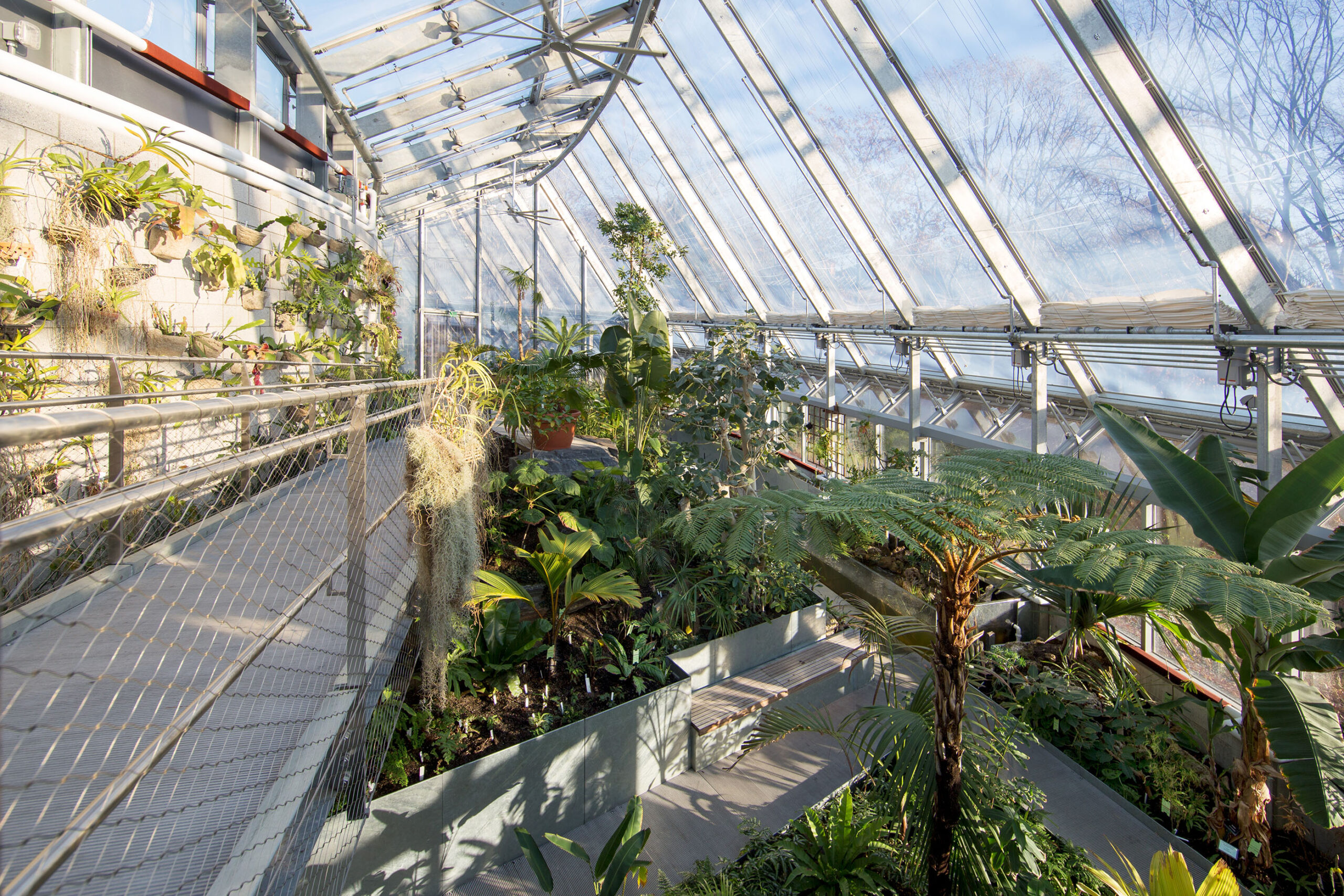
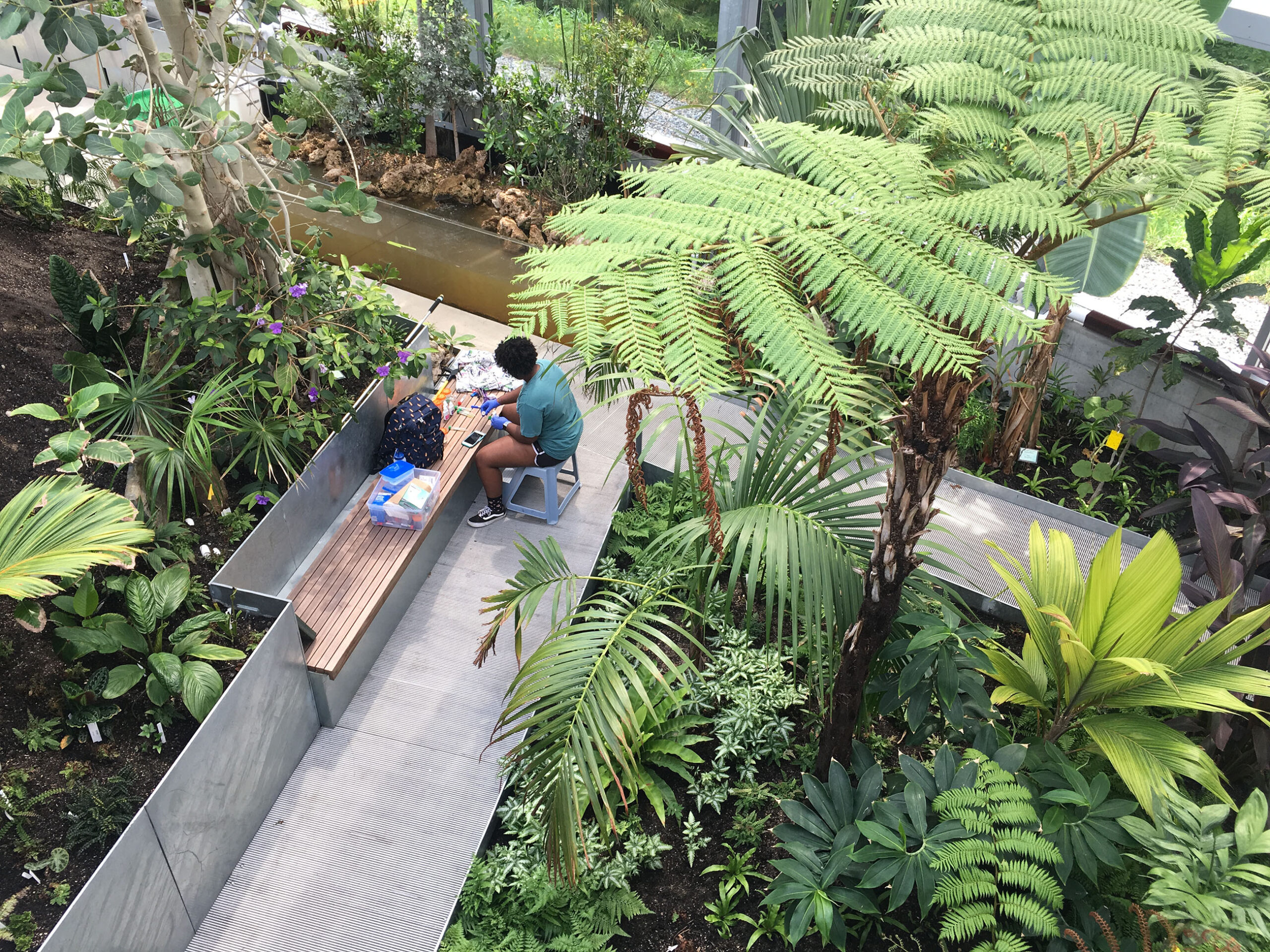
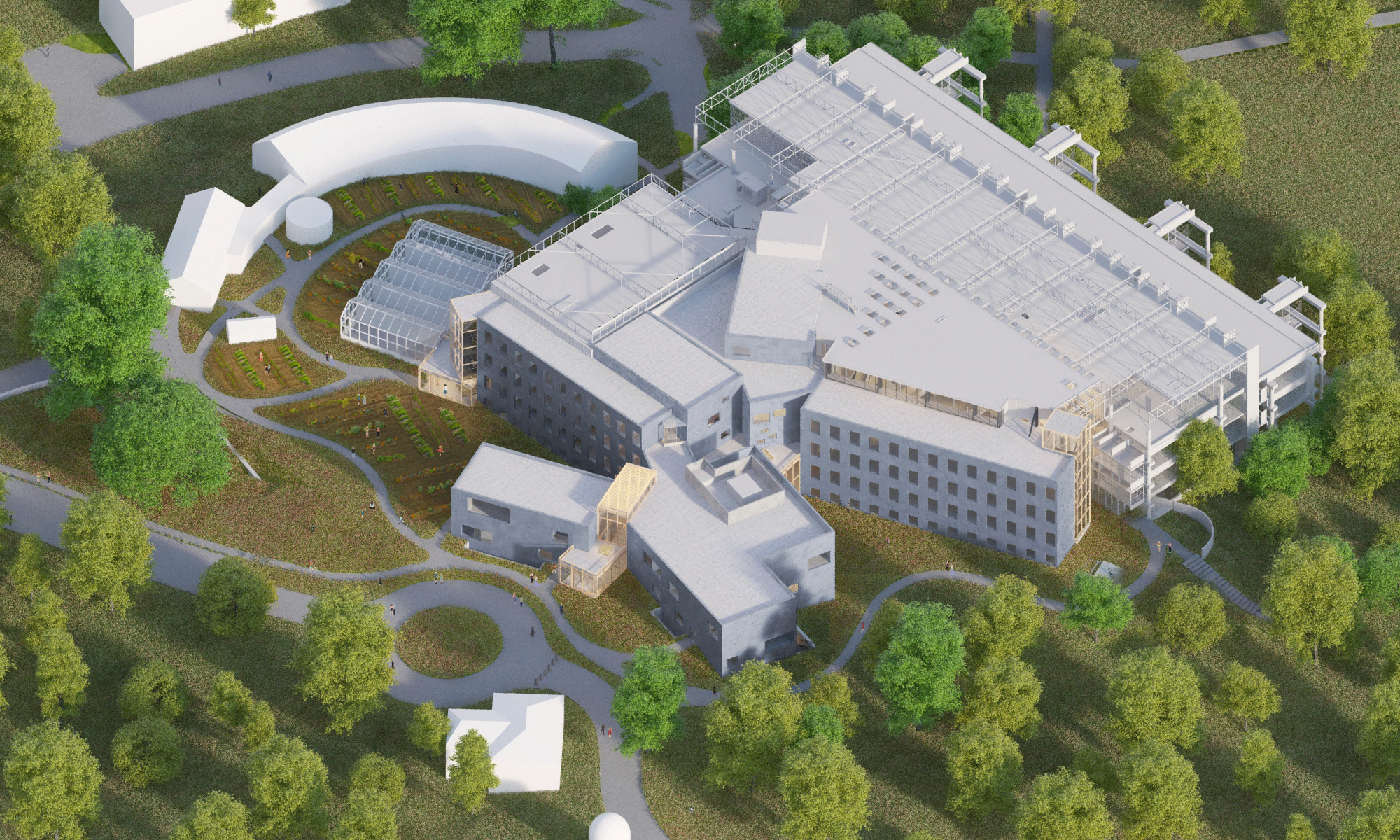
Wellesley College Science Complex
2022
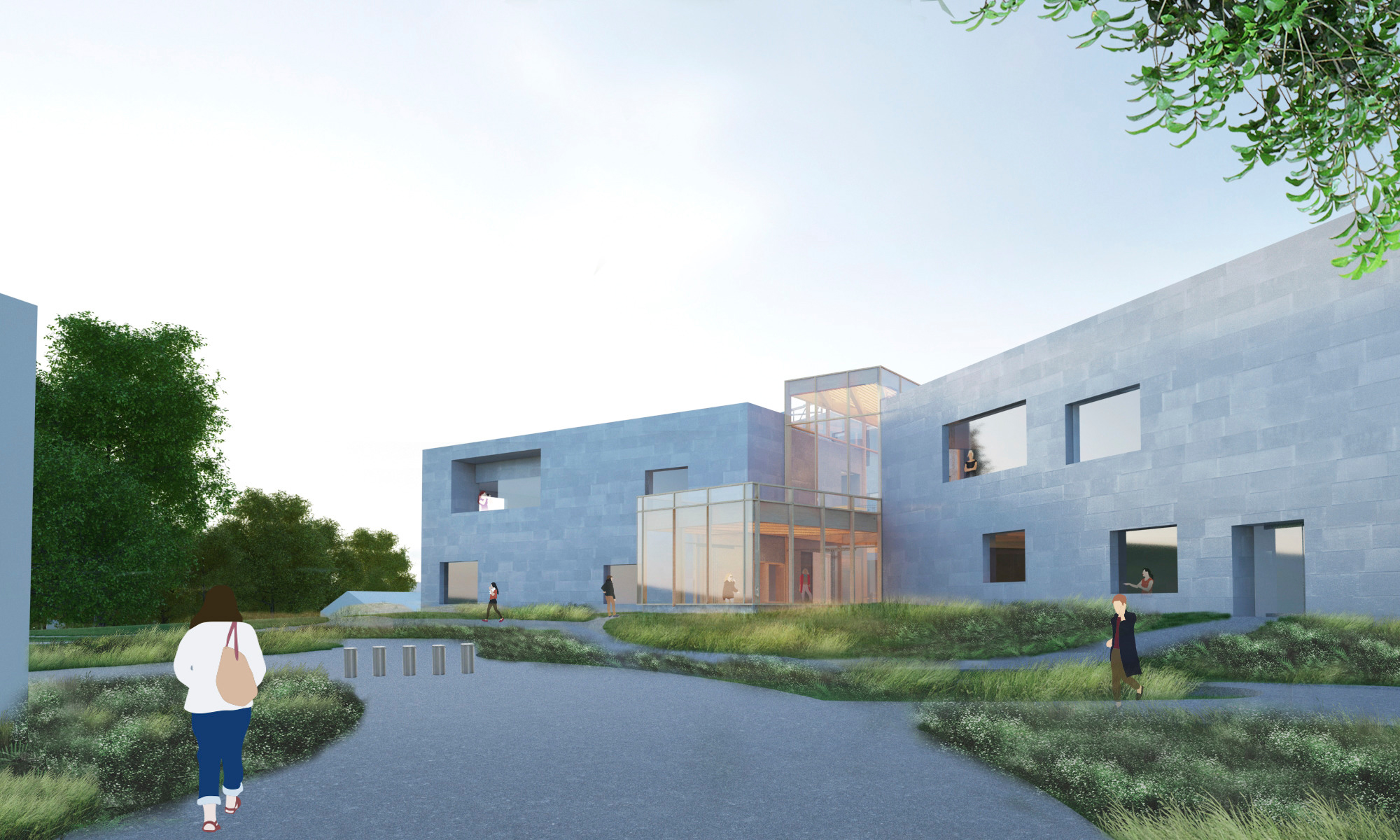


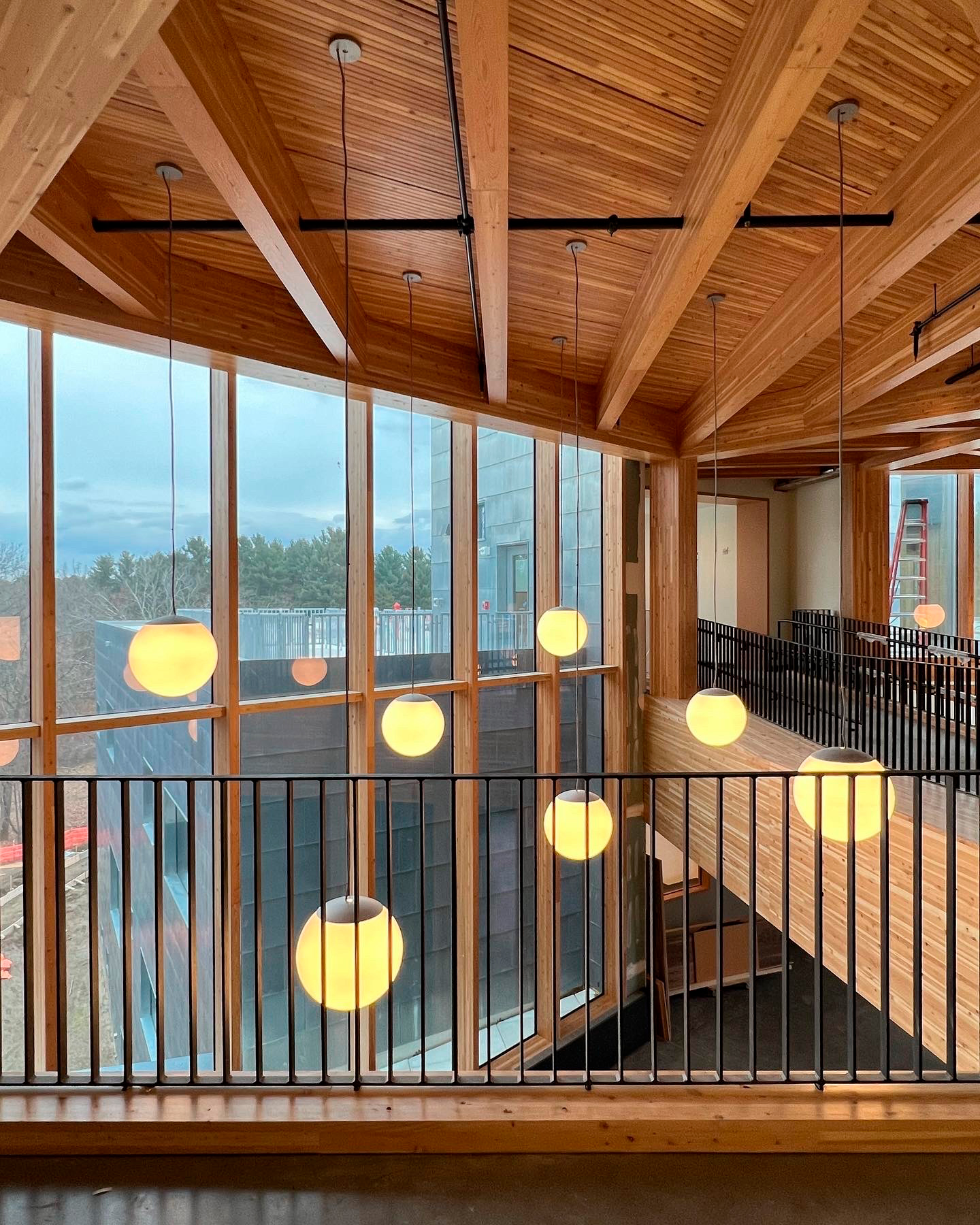
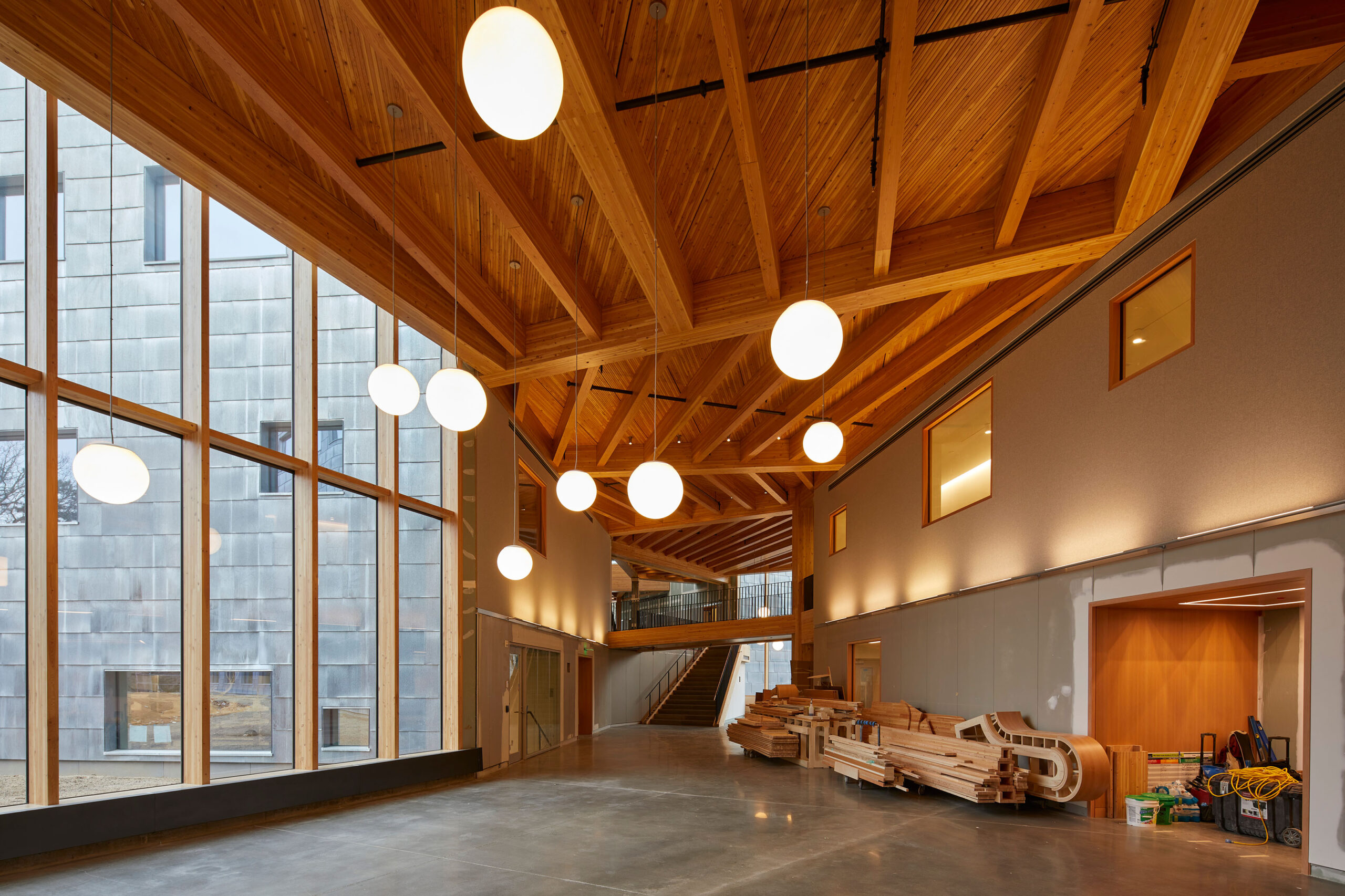


MIT Stephen A. Schwarzman College of Computing
2023



Explore the Archive
-
David Benn
B.Arch. ’74
![Building exit to courtyard with fountain]()
-
Francis S. Oda
B.Arch. ’64
![A rocky area with green grass and trees.]()
-
John Ahearn
B.F.A. ’73
![Life-sized sculpture of child dressed in Spiderman costume squatting on a wooden floor.]()
-
Mark Gibian
B.F.A./B.A. ’79
![Steel creates a spiraling vortex in this 14-foot sculpture suspended with cables from the ceiling.]()