For alumnus Joel Carreiro (B.F.A. ’71), the choice to become an artist was a natural one. Both of his parents went to art school, so his interest in art was cultivated from a young age. “I was brought up in the arts and crafts and design world,” he reflects. Carreiro grew up in the now-historic district of Greenbelt Knoll in Northeast Philadelphia, but when his father accepted a job as chair of the Department of Design and Environmental Analysis at Cornell, the family moved to Ithaca. Carreiro was 16. He attended Ithaca High School, and following graduation, chose to stay in the area and pursue a degree in fine arts at Cornell.
At AAP, Carreiro had a concentration in painting but did his fair share of printmaking as well. One particularly influential painting class was Norman Daly’s Color, Form, and Space. Meanwhile, Carreiro’s printmaking professor, Stephen Poleskie, painted a romantic picture of New York City, and as a junior, Carreiro decided to participate in AAP’s New York City program (AAP NYC). He had an apartment in the East Village, and as part of the program, he was able to visit the studios of prominent artists such as Roy Lichtenstein and Robert Indiana.
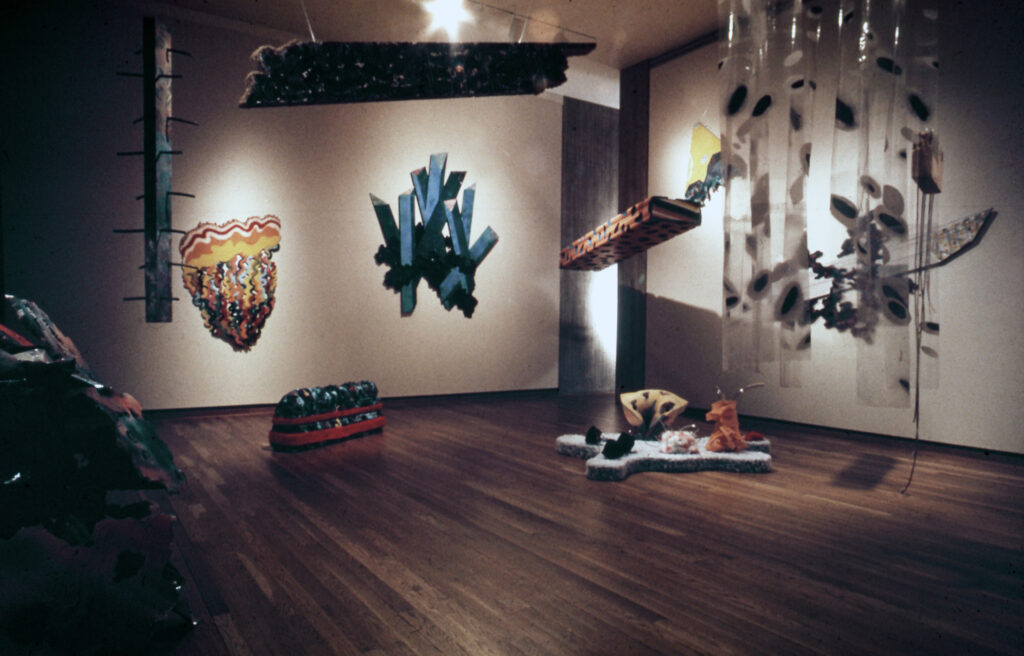
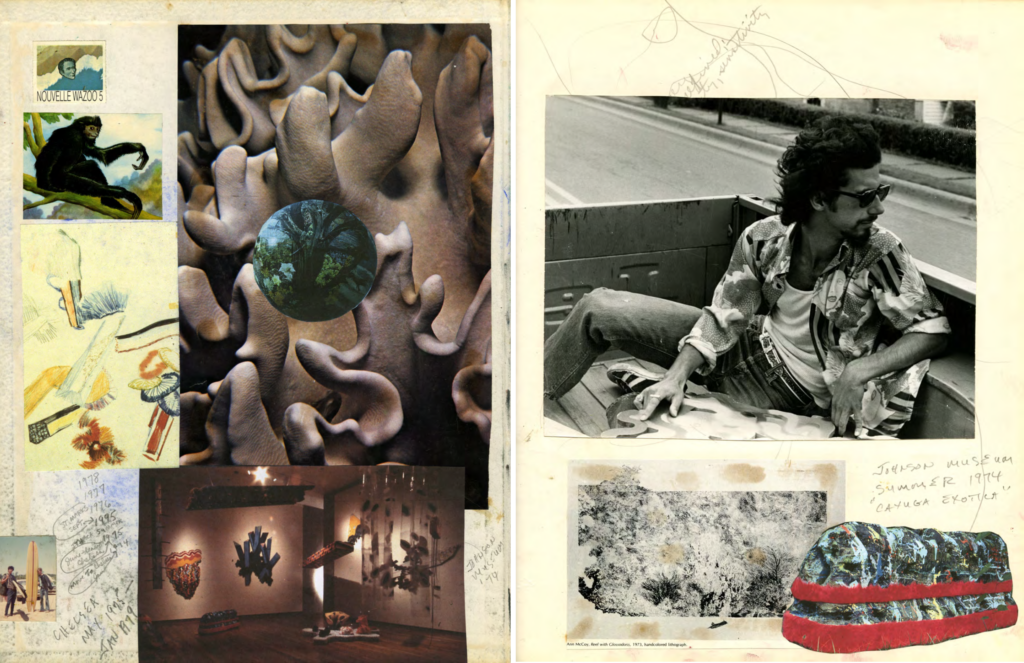
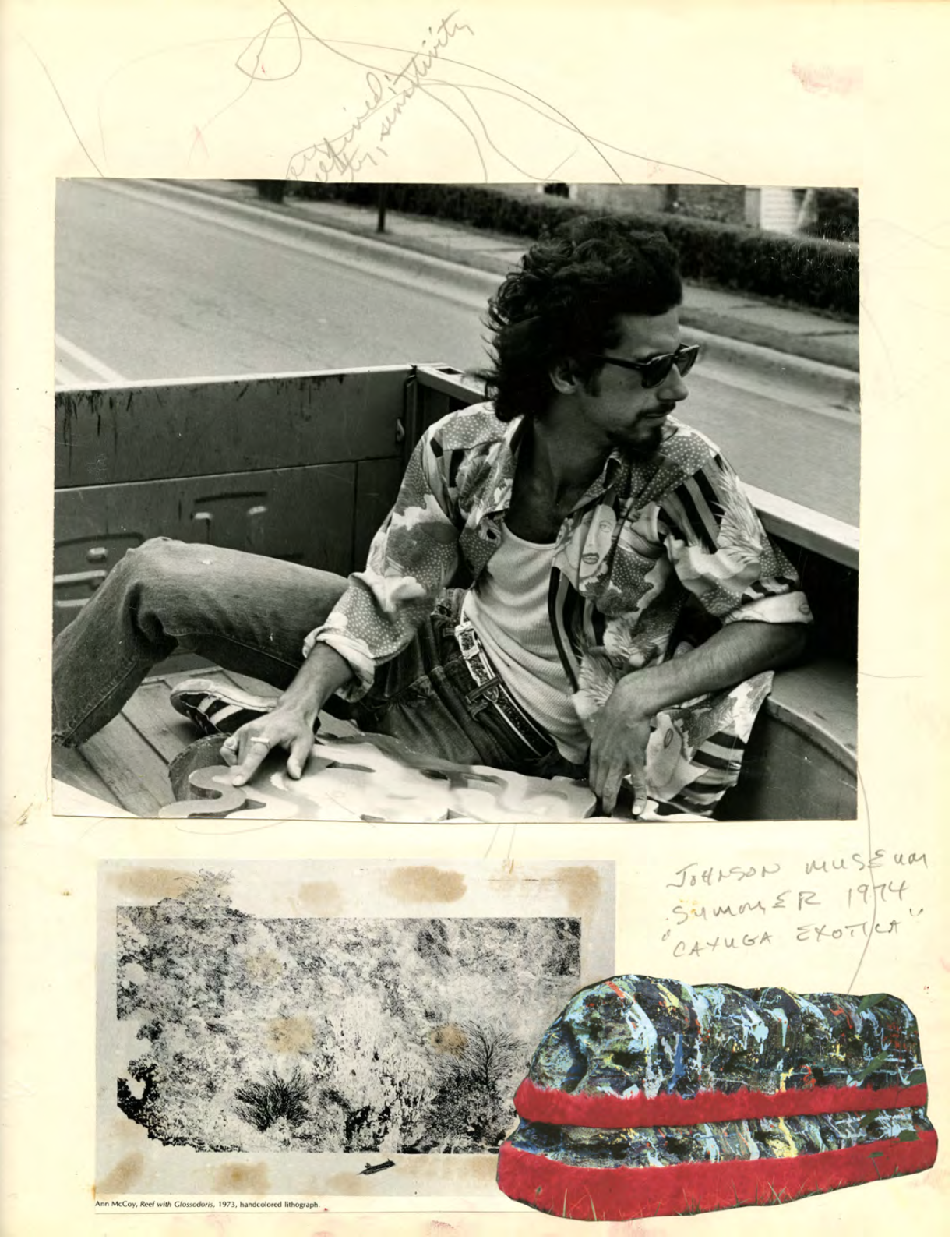
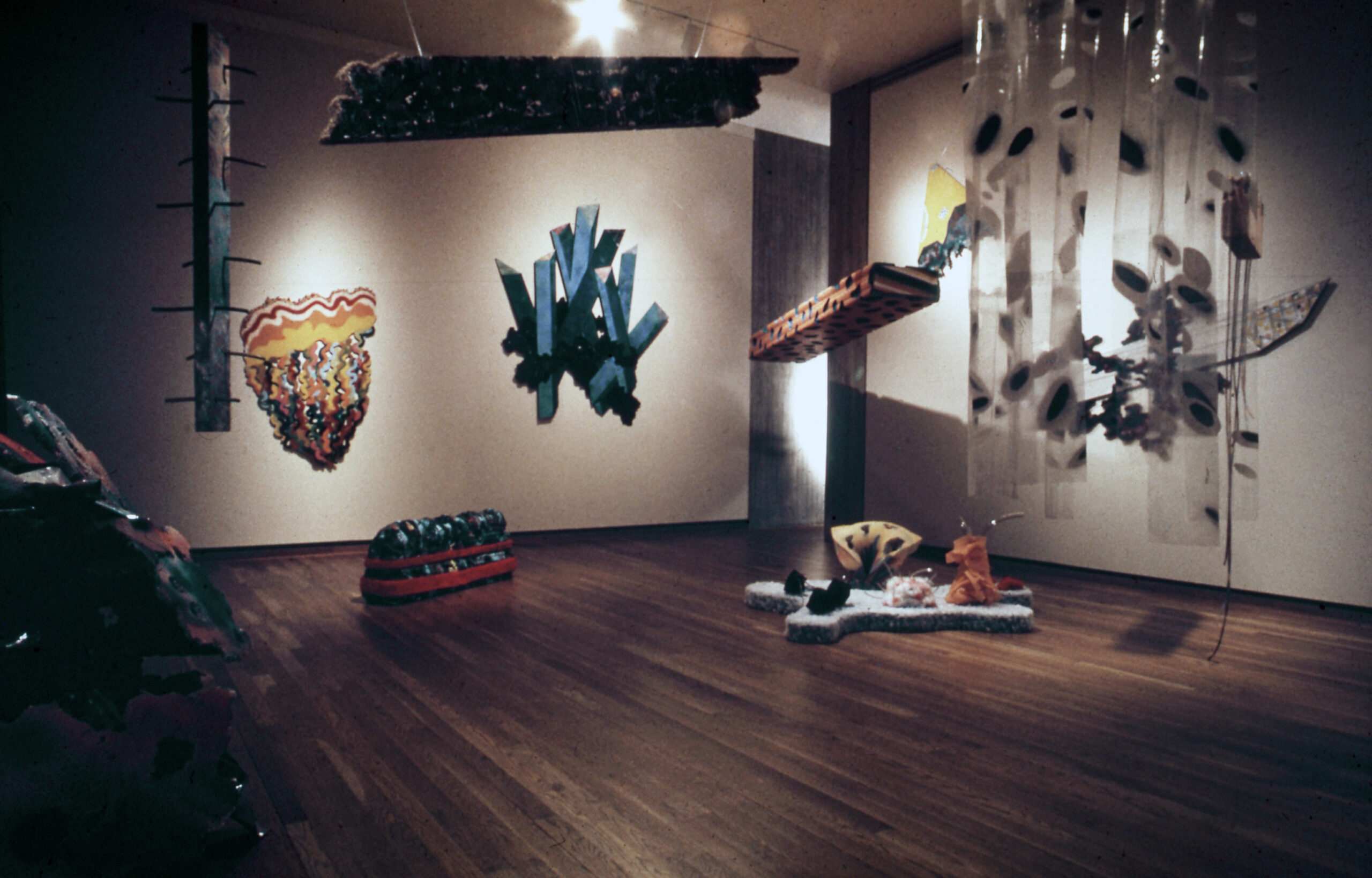
When Cornell’s Herbert F. Johnson Museum of Art opened in 1973, Carreiro, with his classmate Ellen Rothenberg, approached the founding director of the museum, Thomas Leavitt, about the possibility of putting on a group exhibition. Cayuga Exotica thus came to fruition; it was a show by a group of Cornell alumni who had worked together and influenced each other for years.
After Cayuga Exotica, Carreiro left Ithaca for New York City. He attended Hunter College and graduated with his M.F.A. in 1982, an exciting time at Hunter, as the college was then hiring artists instead of educators. Though such a wide distinction doesn’t exist today, this was radical at the time. Critiques were held in students’ loft studios throughout the city, and the school was immersed in the New York City art scene.
Carreiro began teaching at Hunter in 1986, and remains there today. For 18 years, he was the director of the MFA program for the art department, and throughout his time as a professor, Carreiro encouraged students to realize their own methodology with an emphasis on preserving imagination and intuition. As of fall 2020, he was adjusting to the online teaching landscape by creating lectures on collage to teach to his students via Zoom. “What we have is intense camaraderie where we help each other,” says Carreiro about the community at Hunter as they innovated around the limitations imposed by the COVID-19 pandemic.
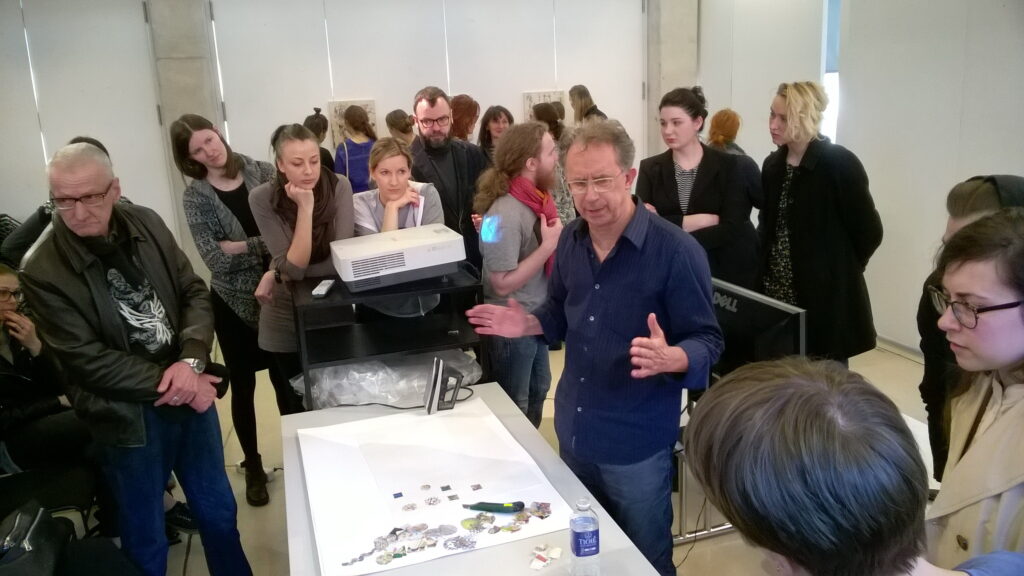
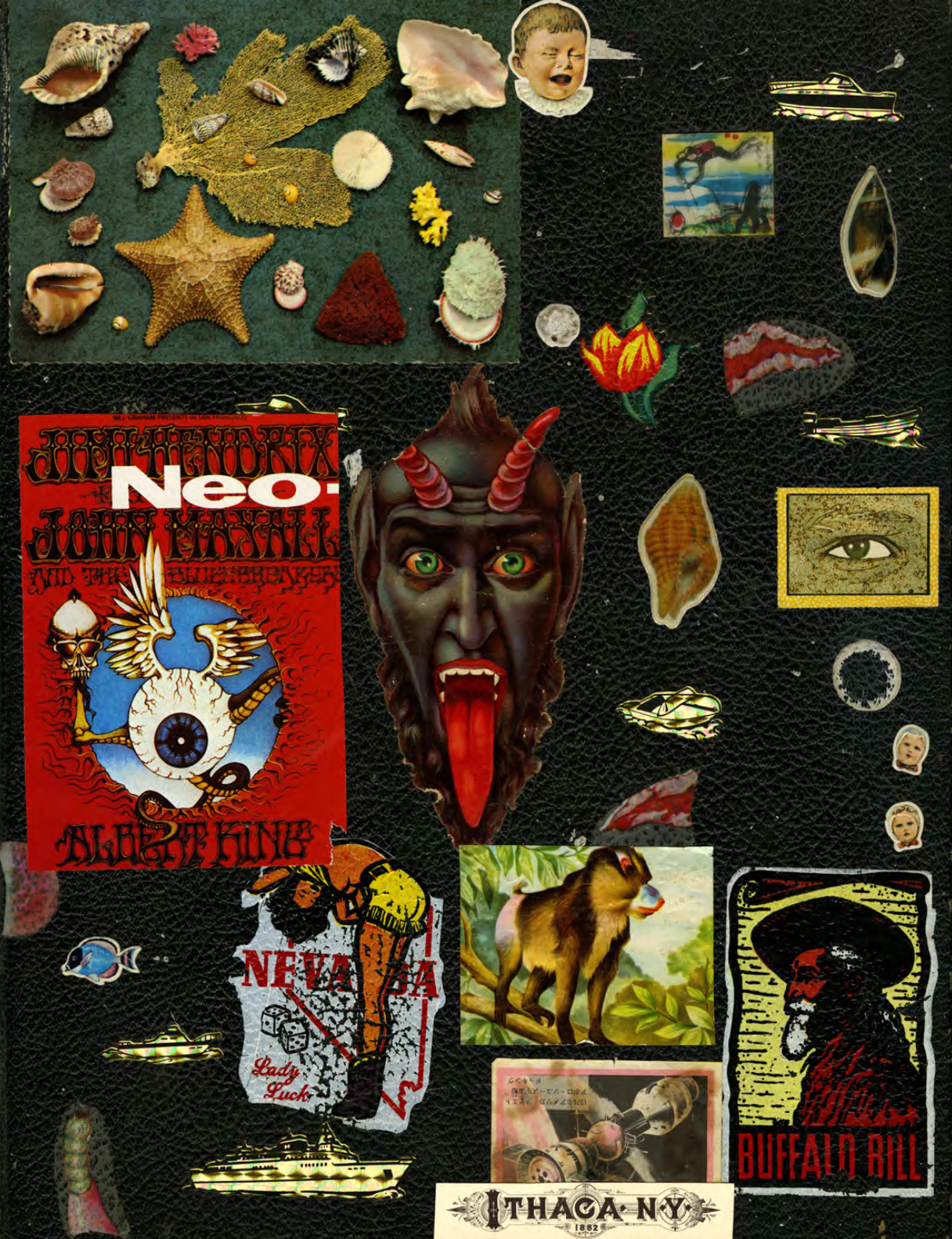
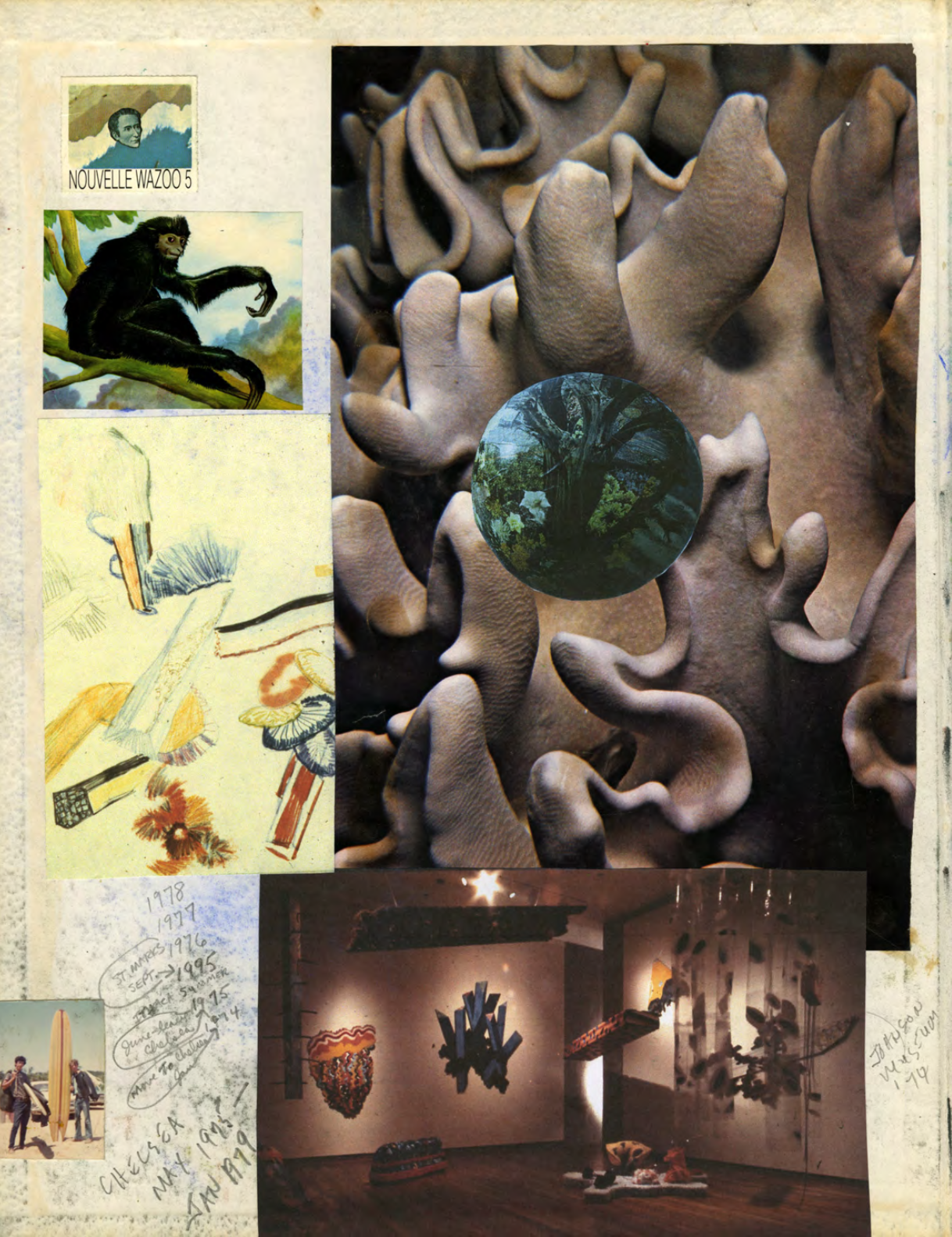
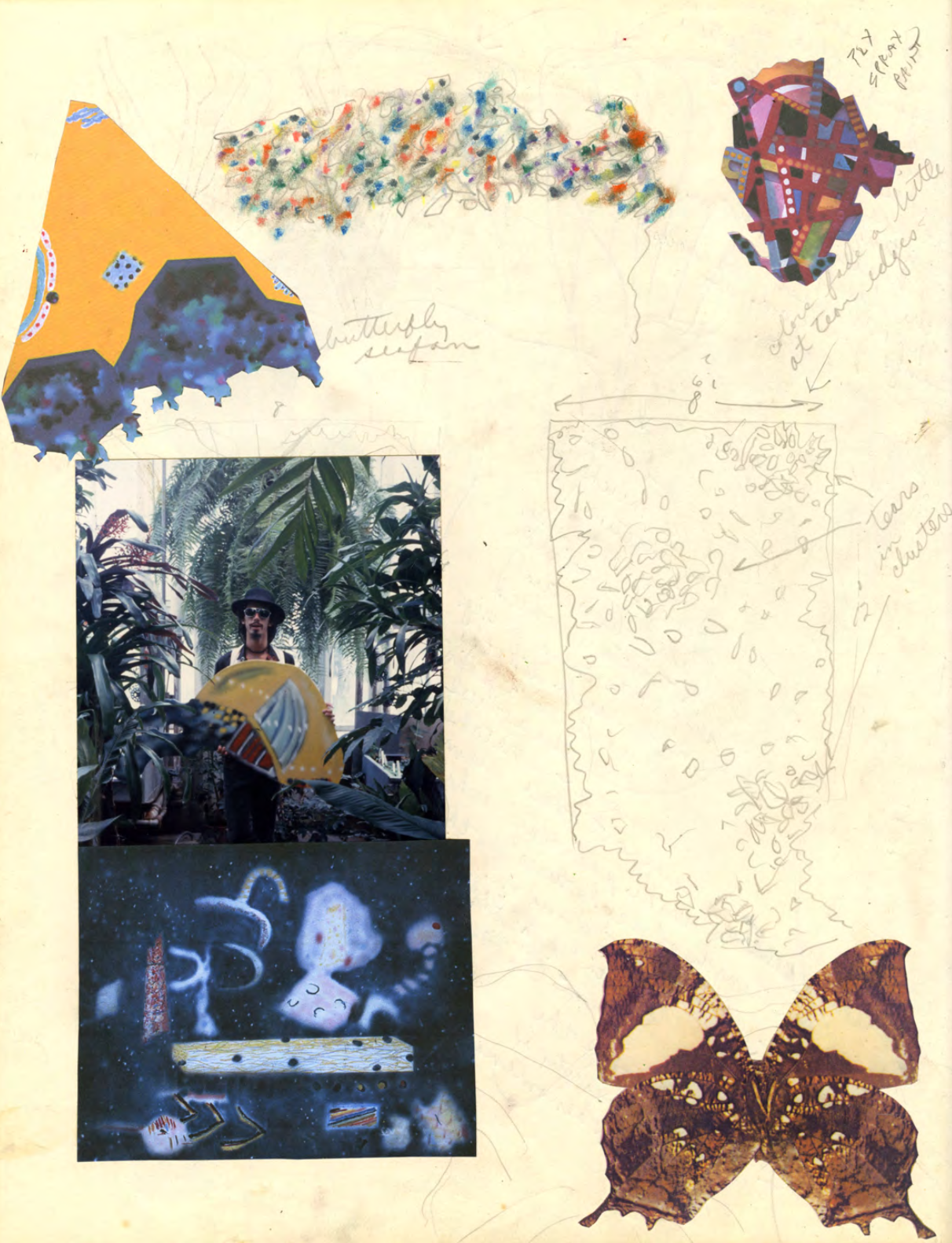
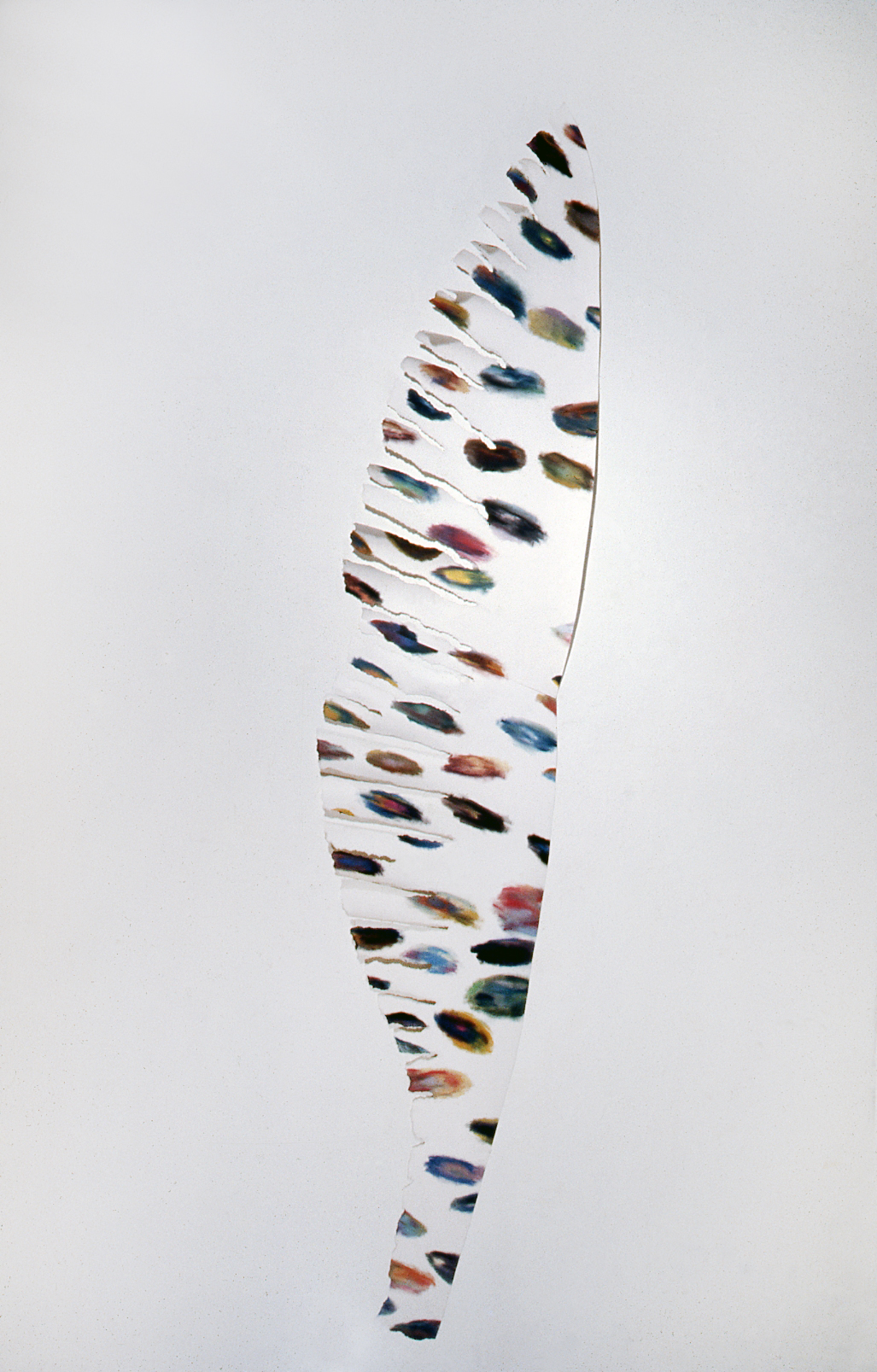
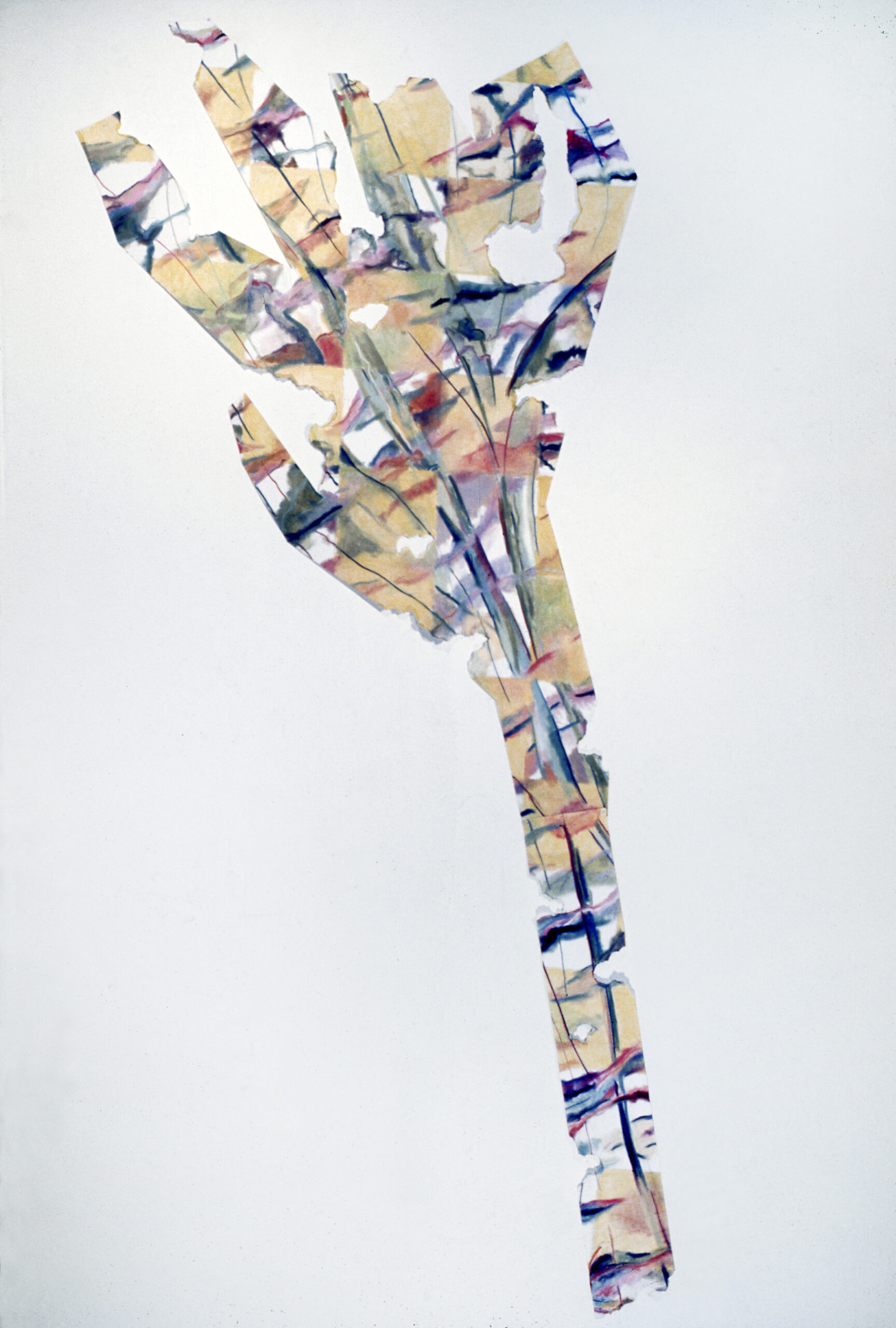
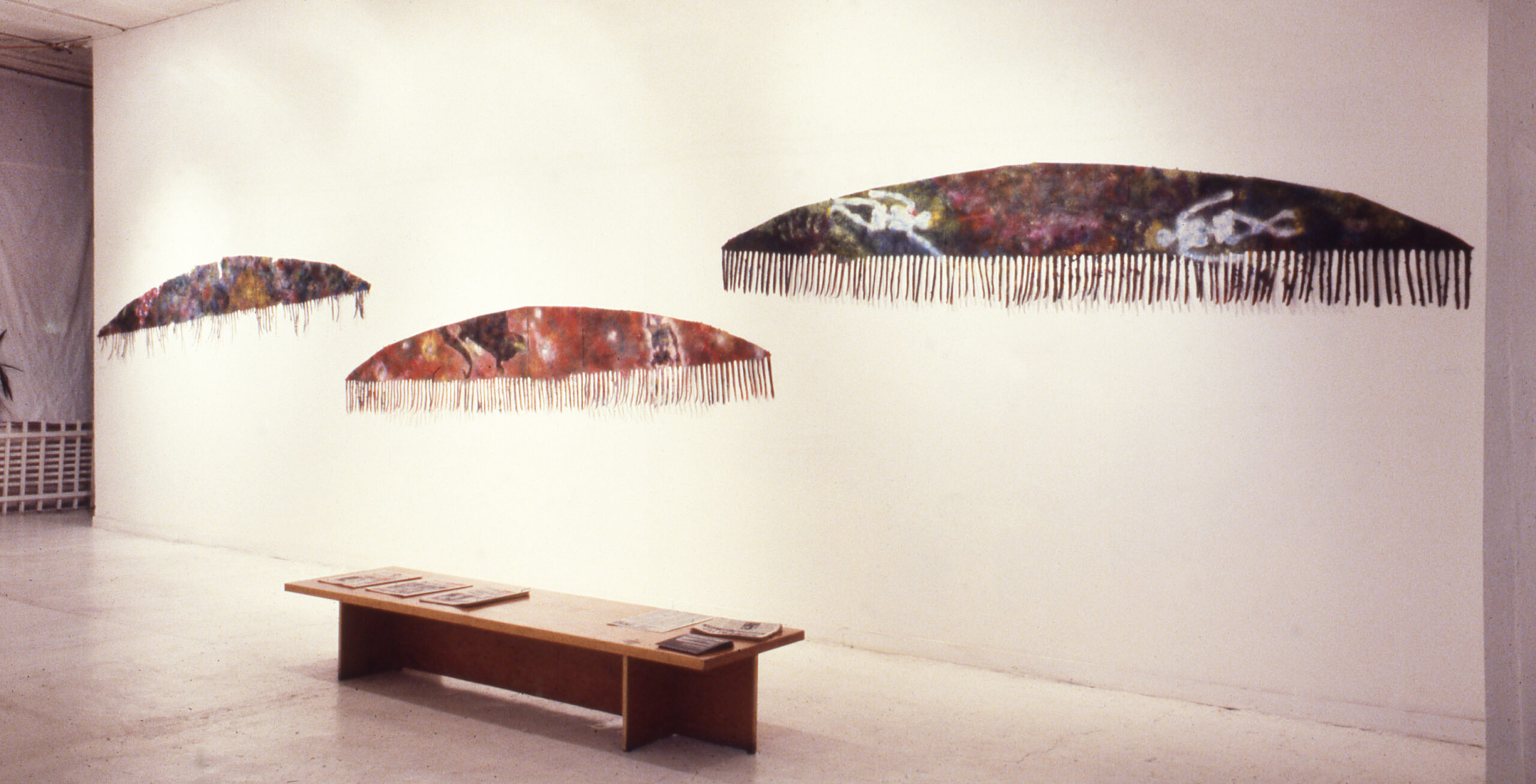
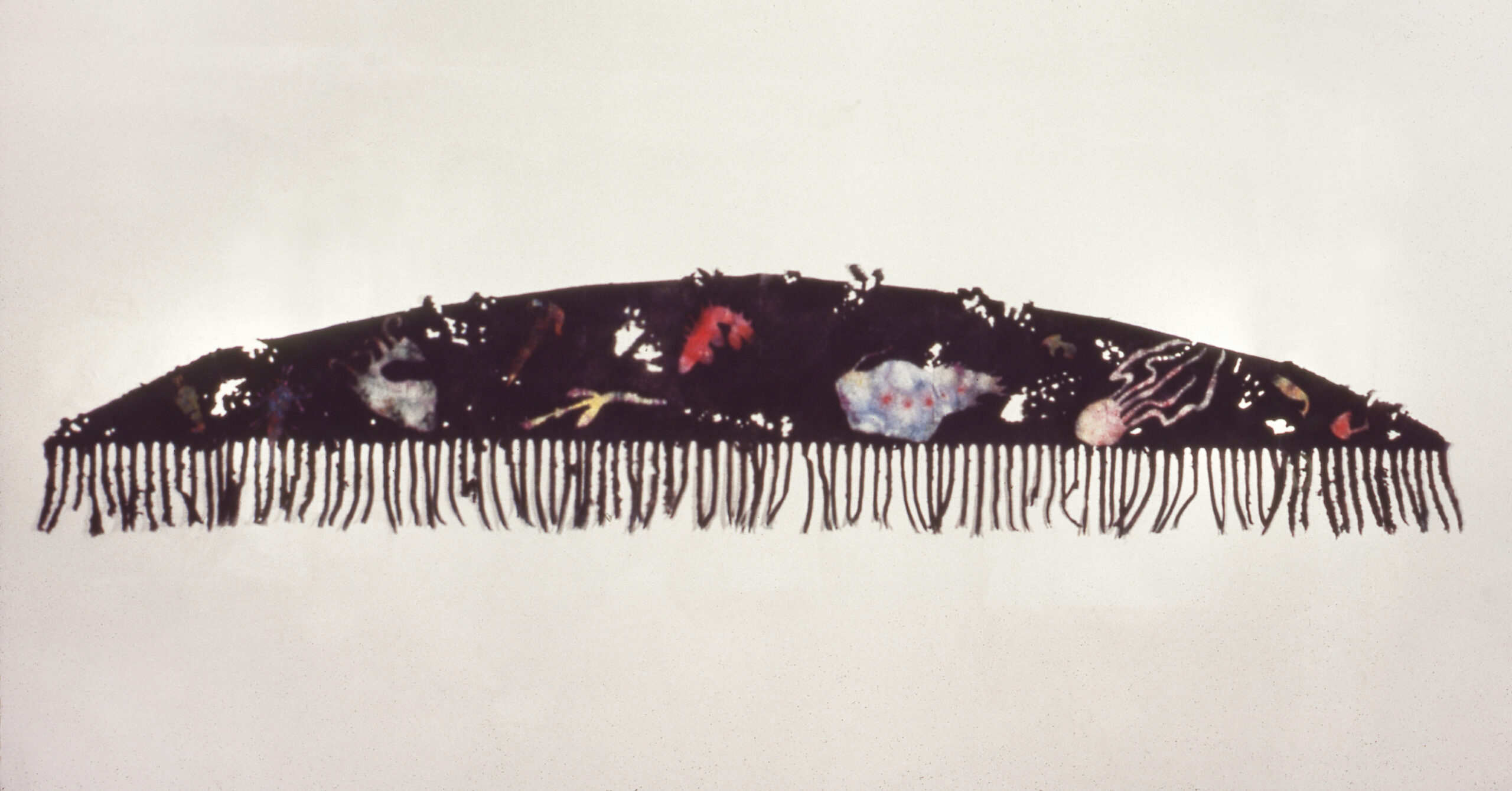
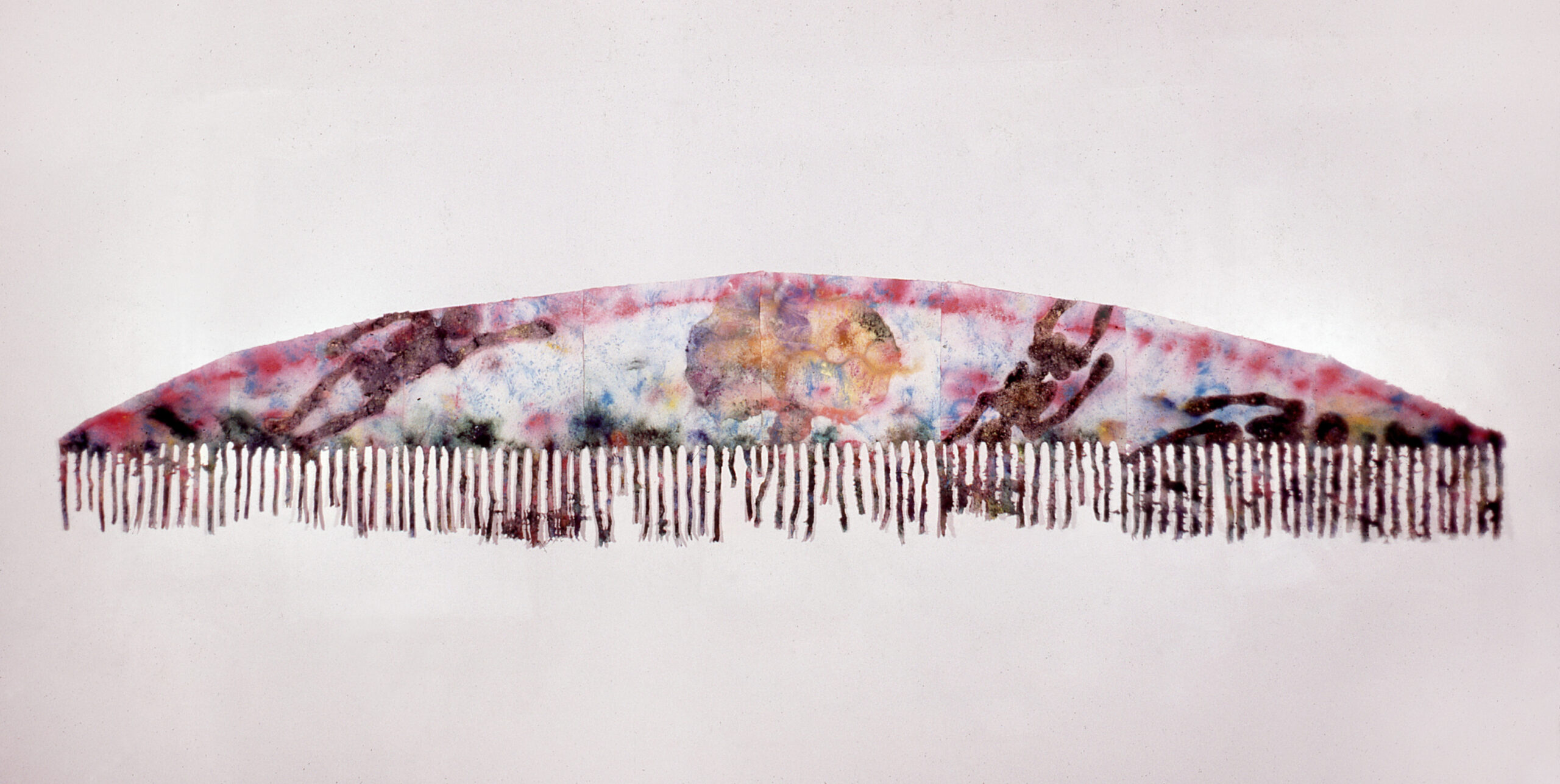
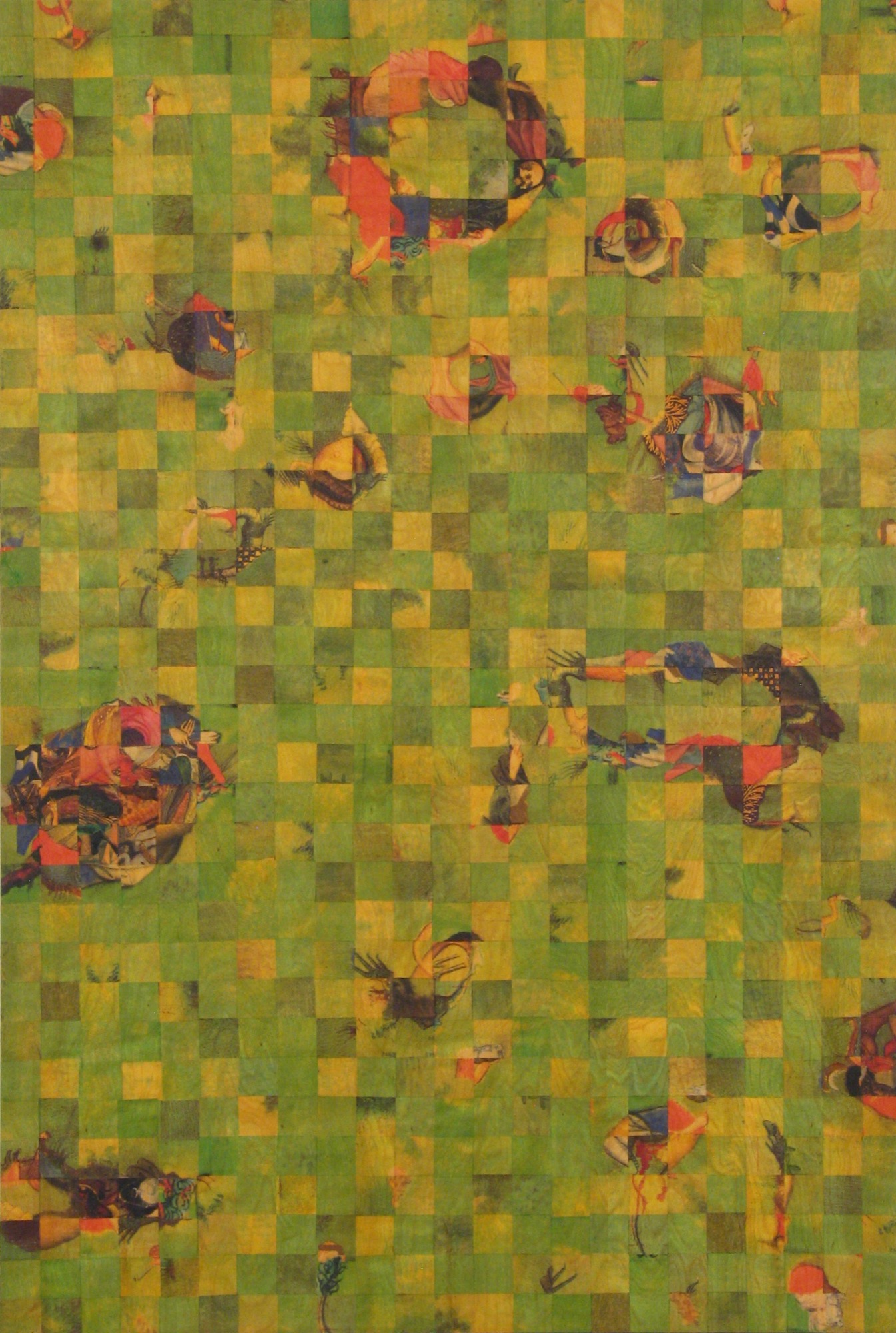
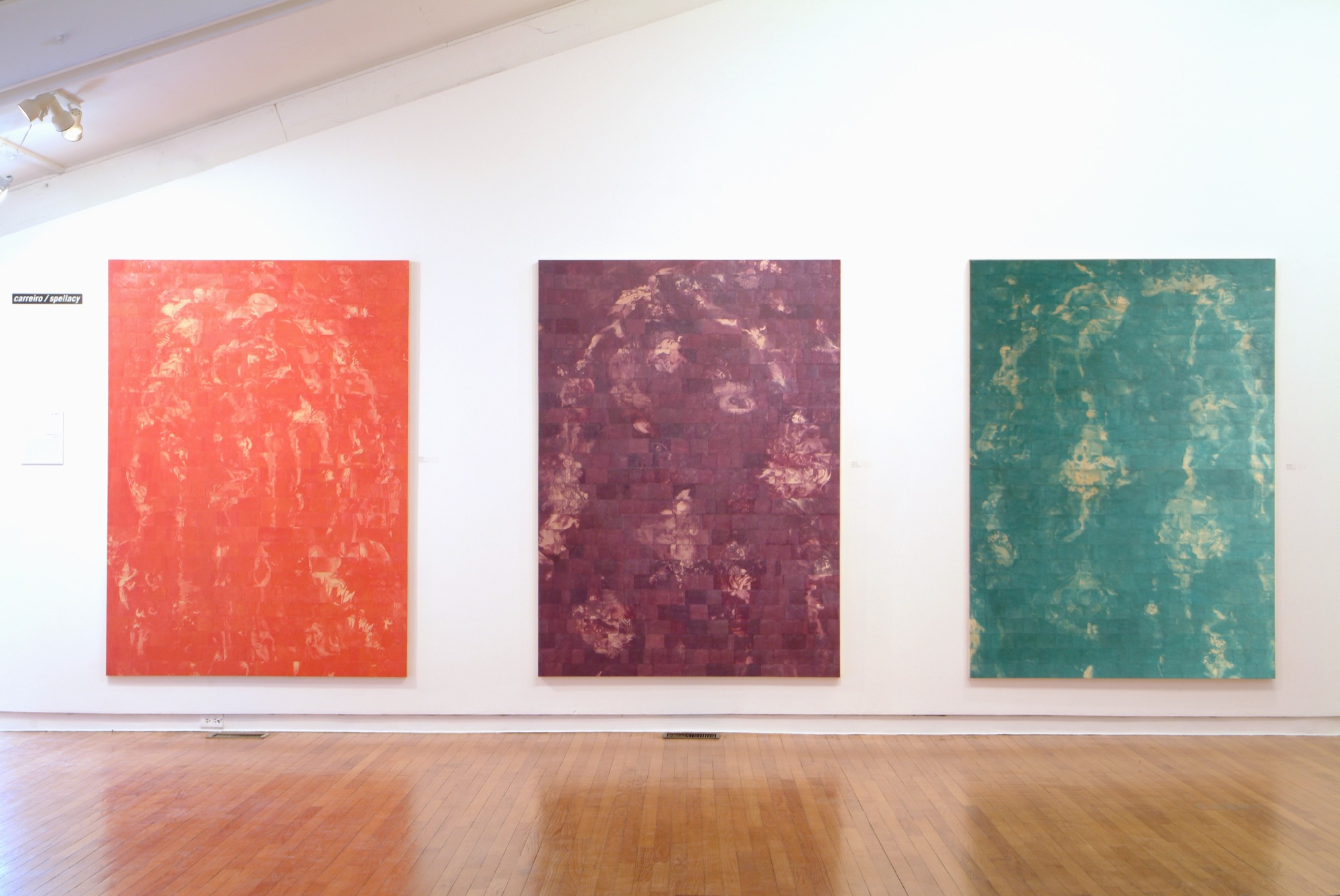
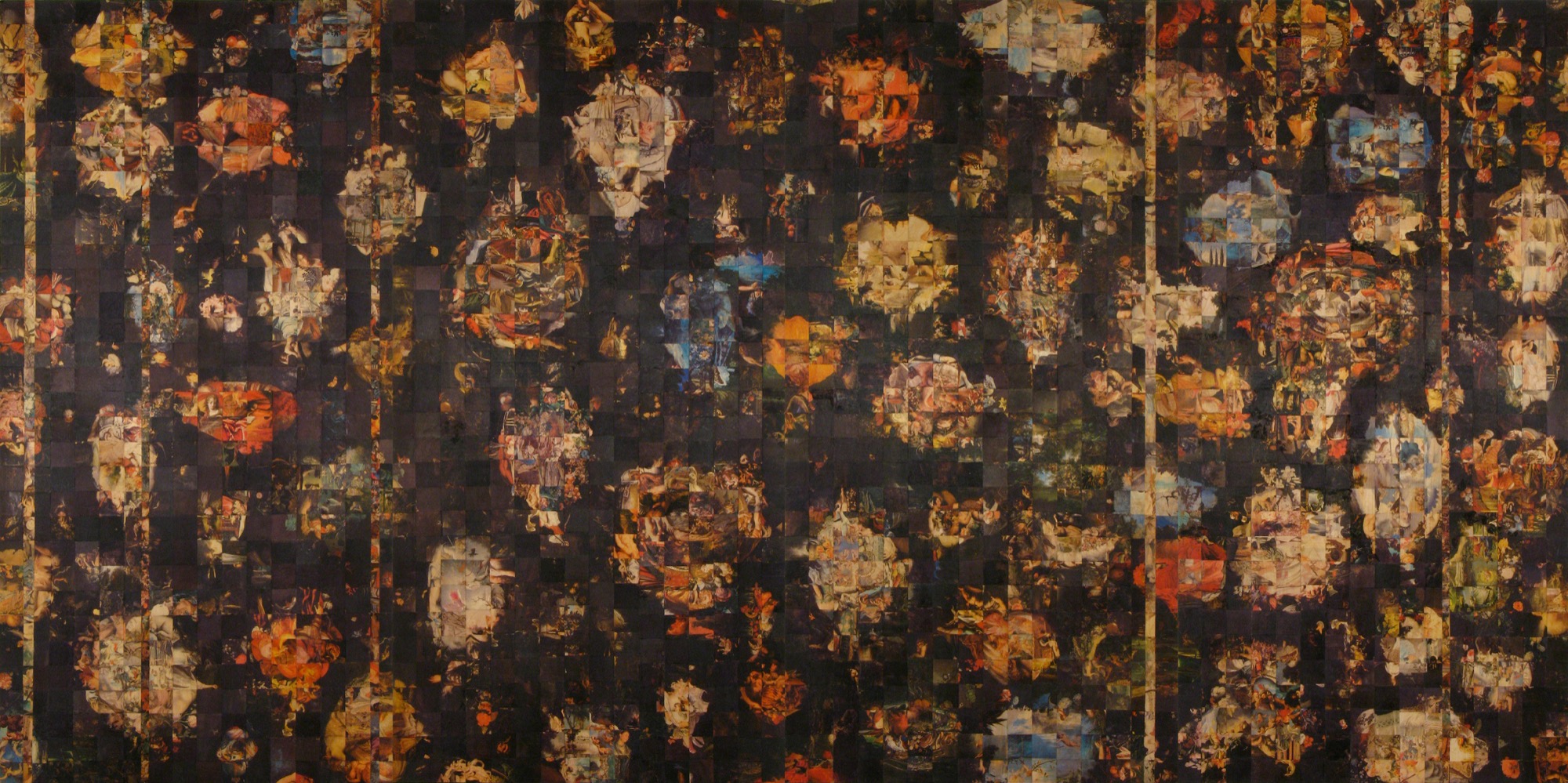
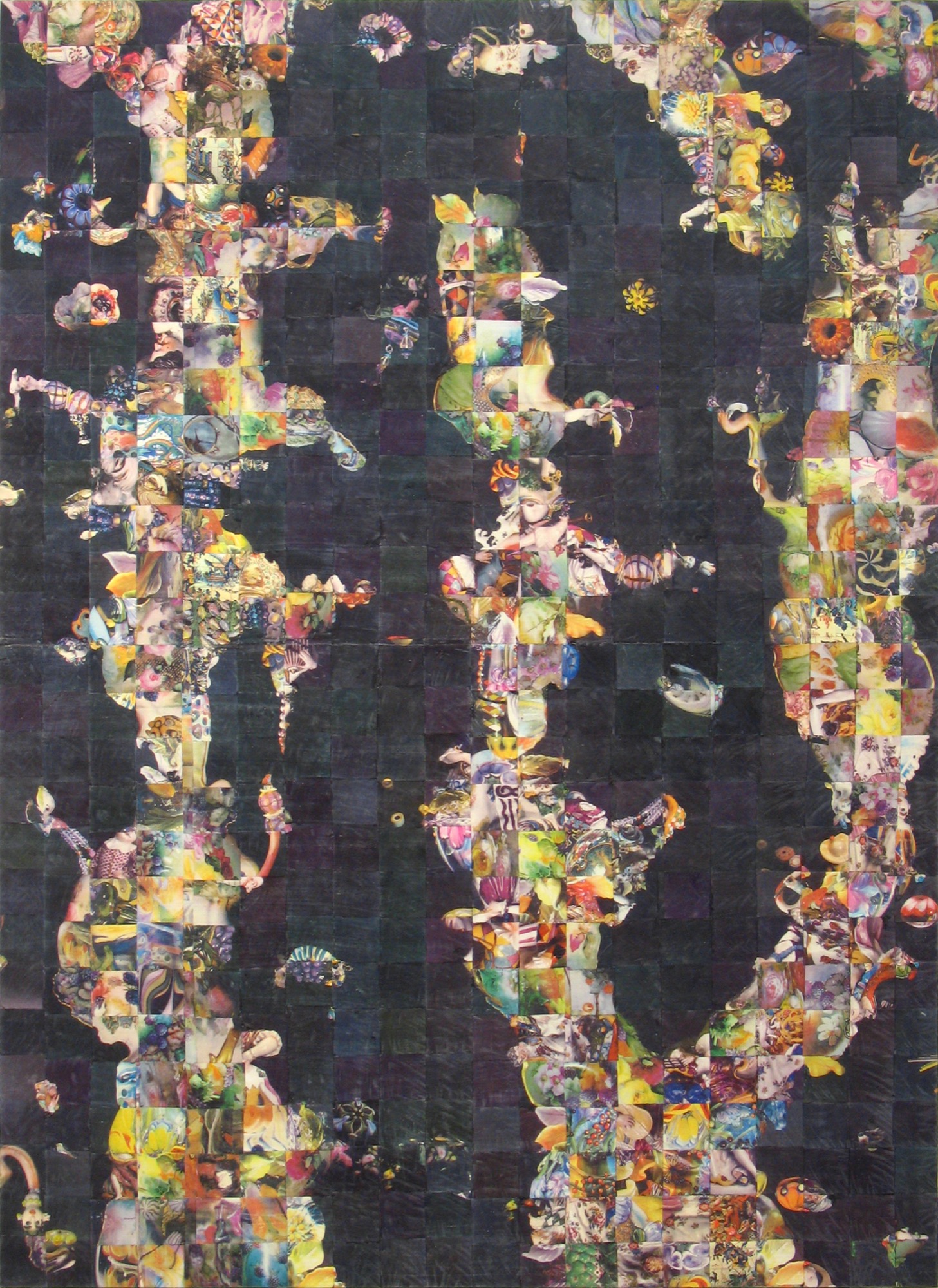
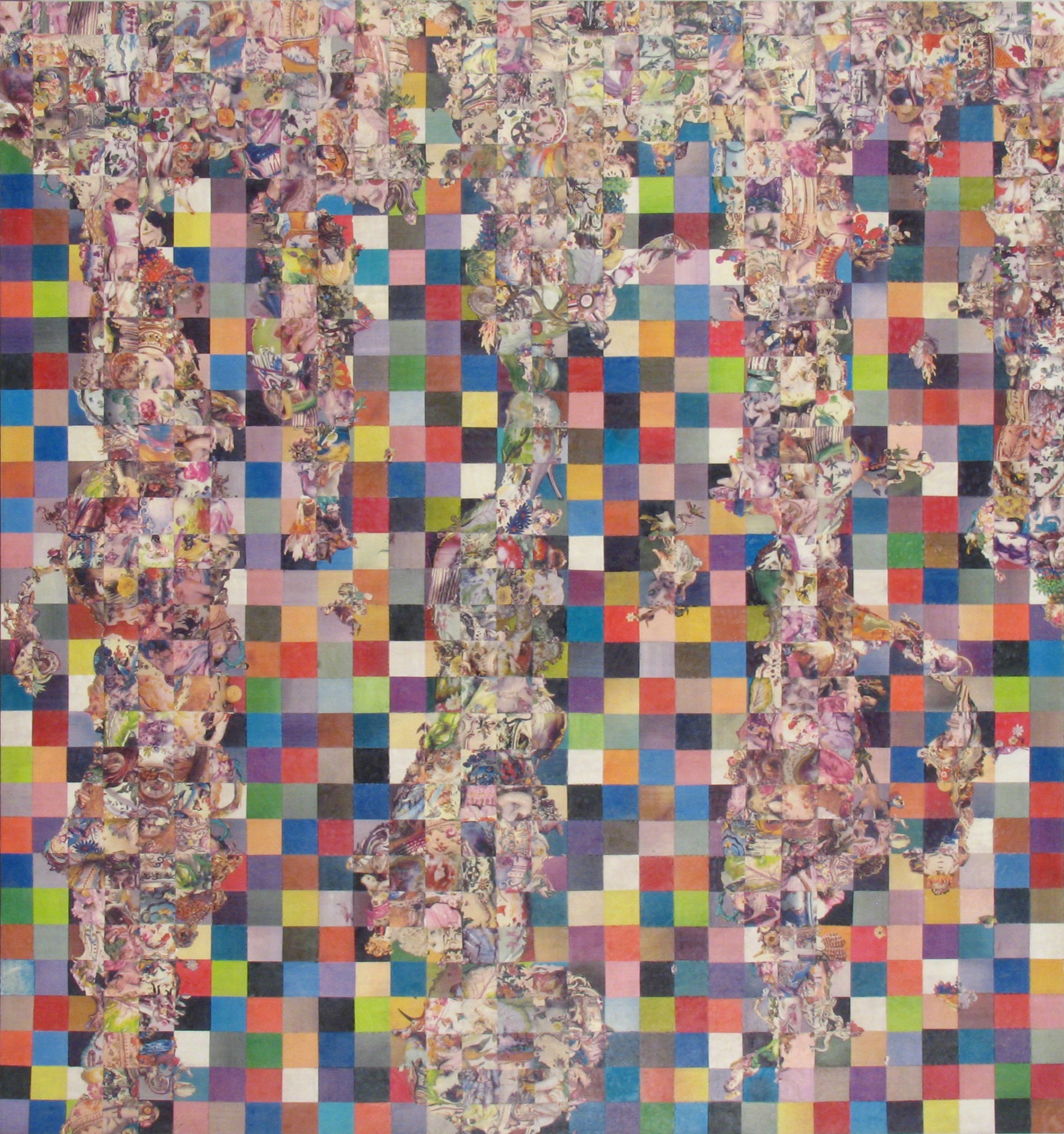
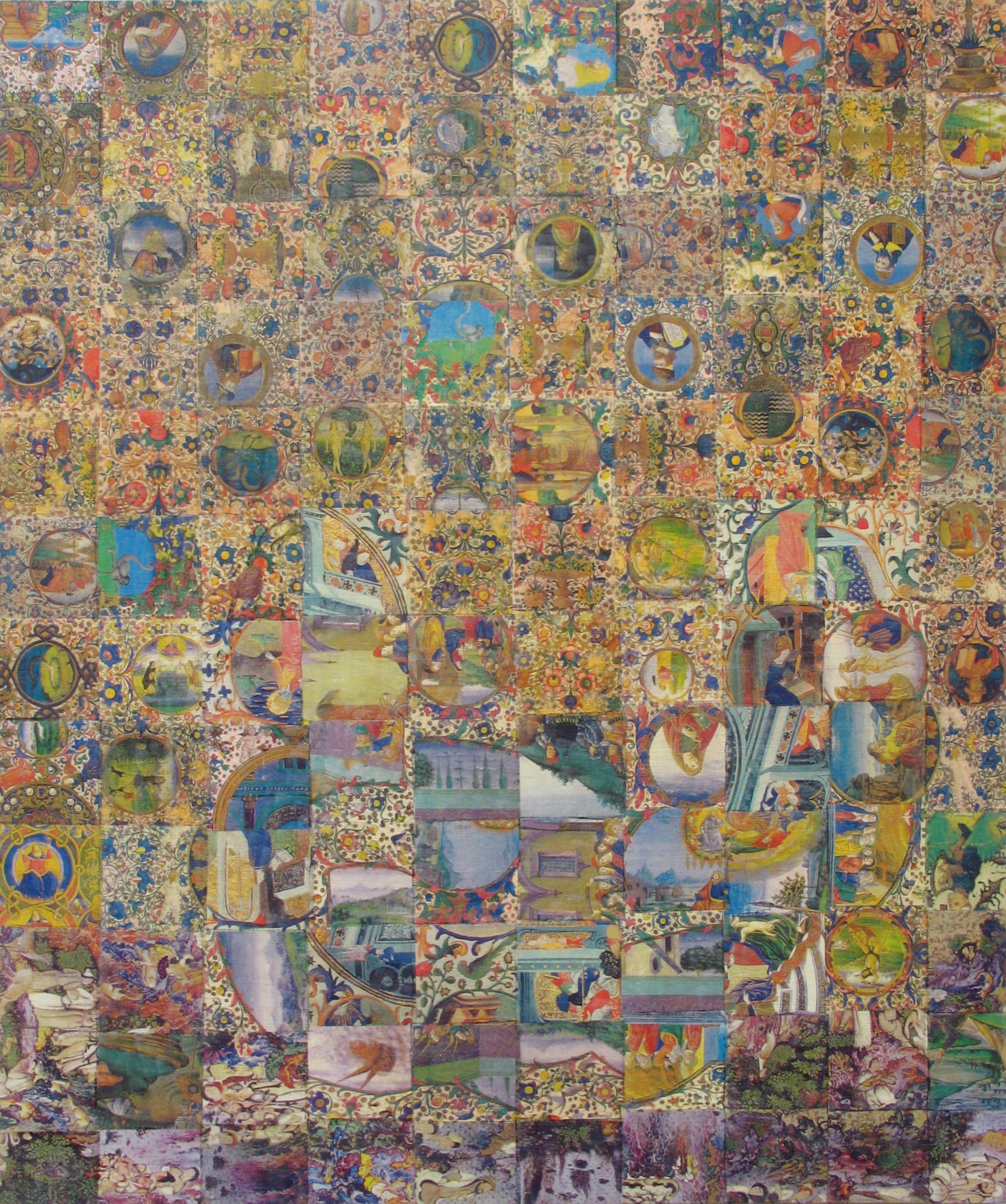
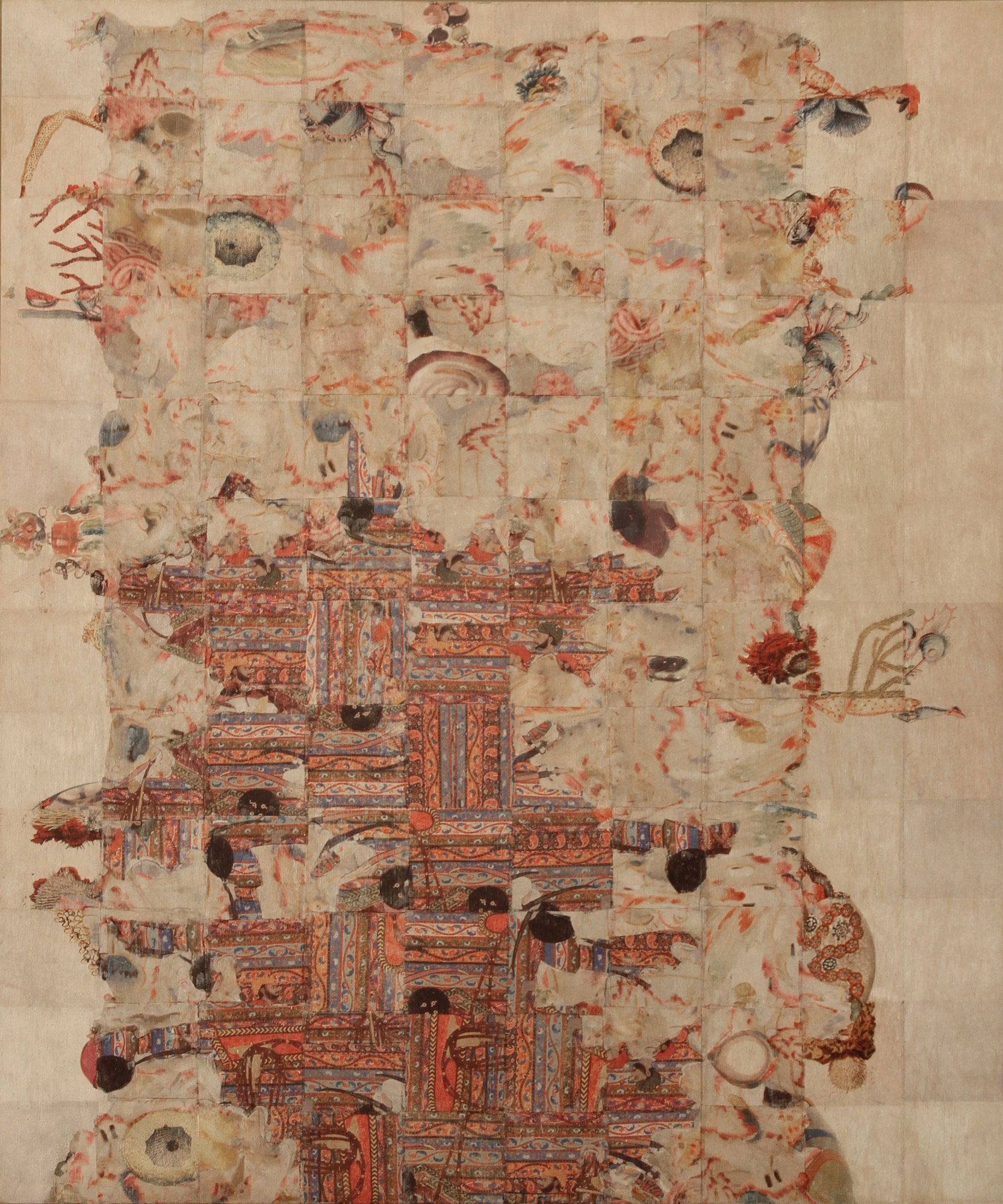
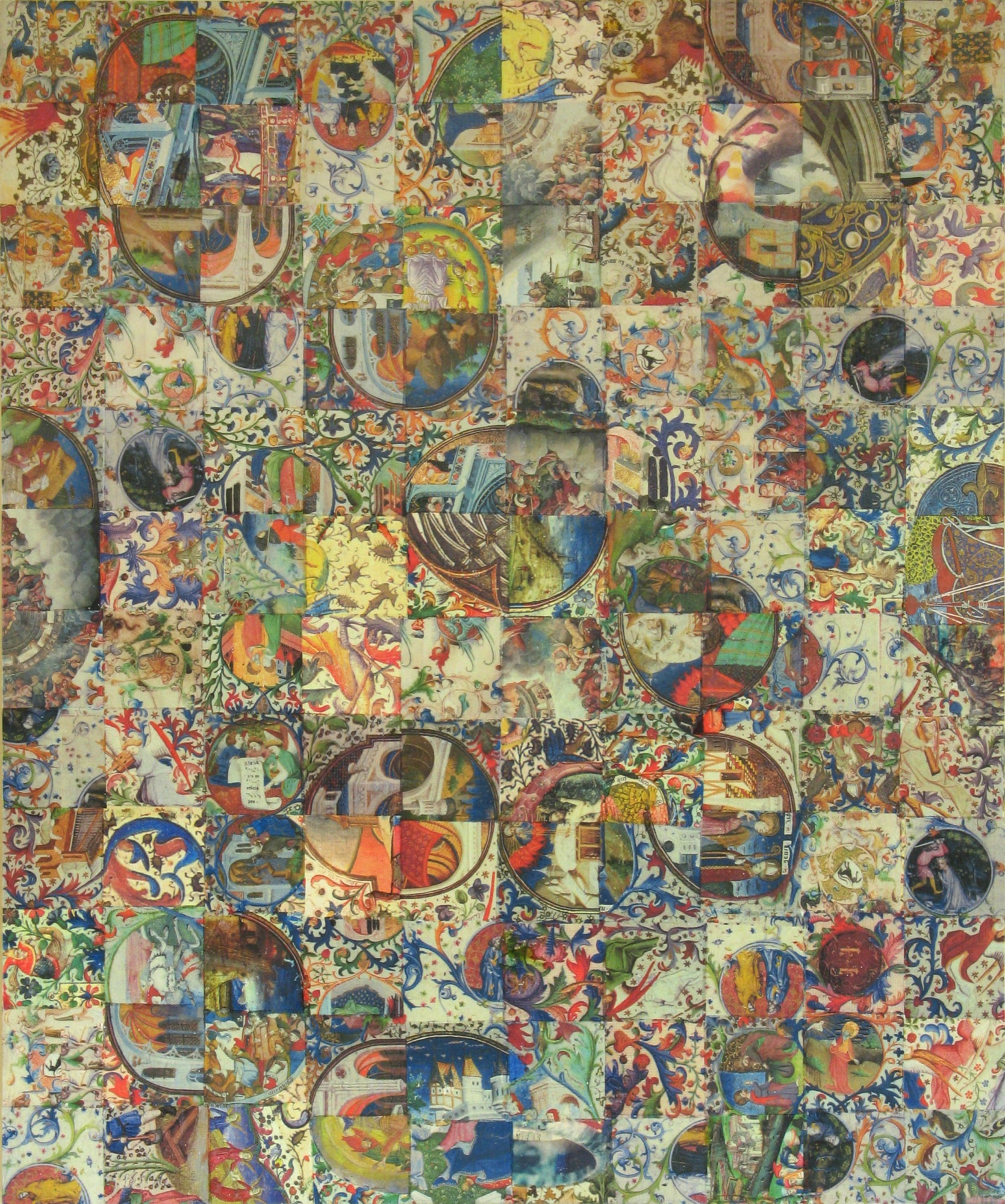
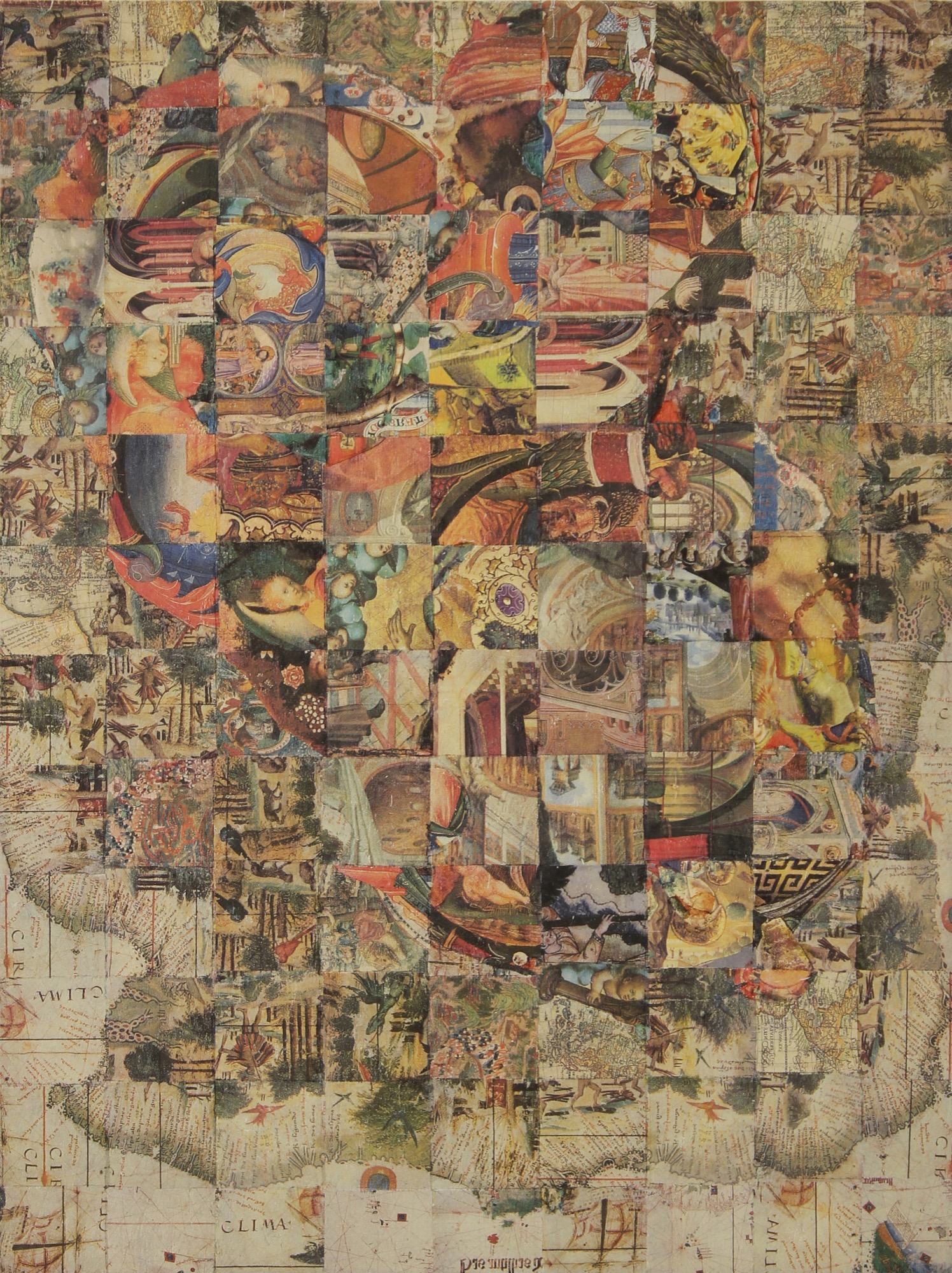
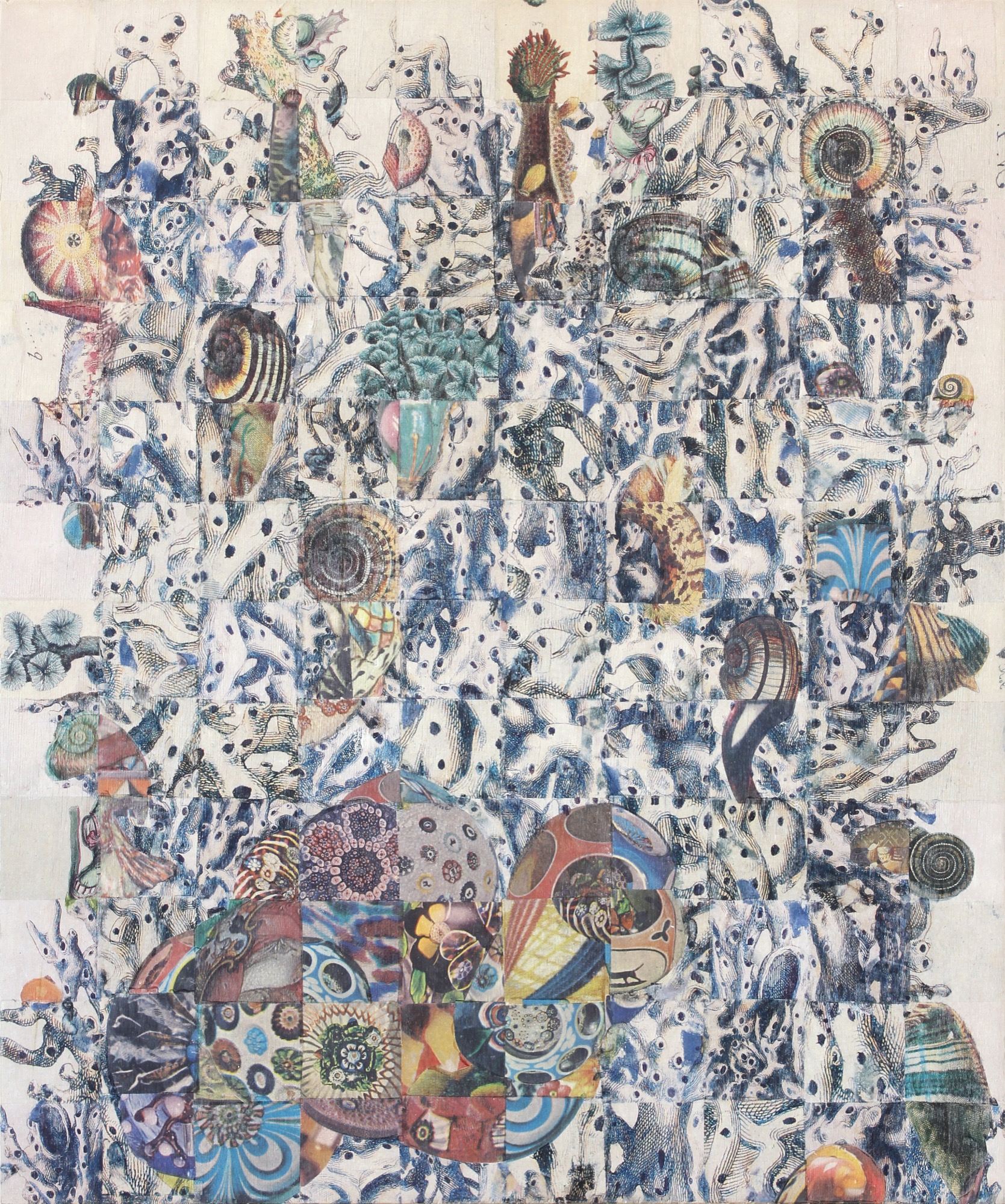
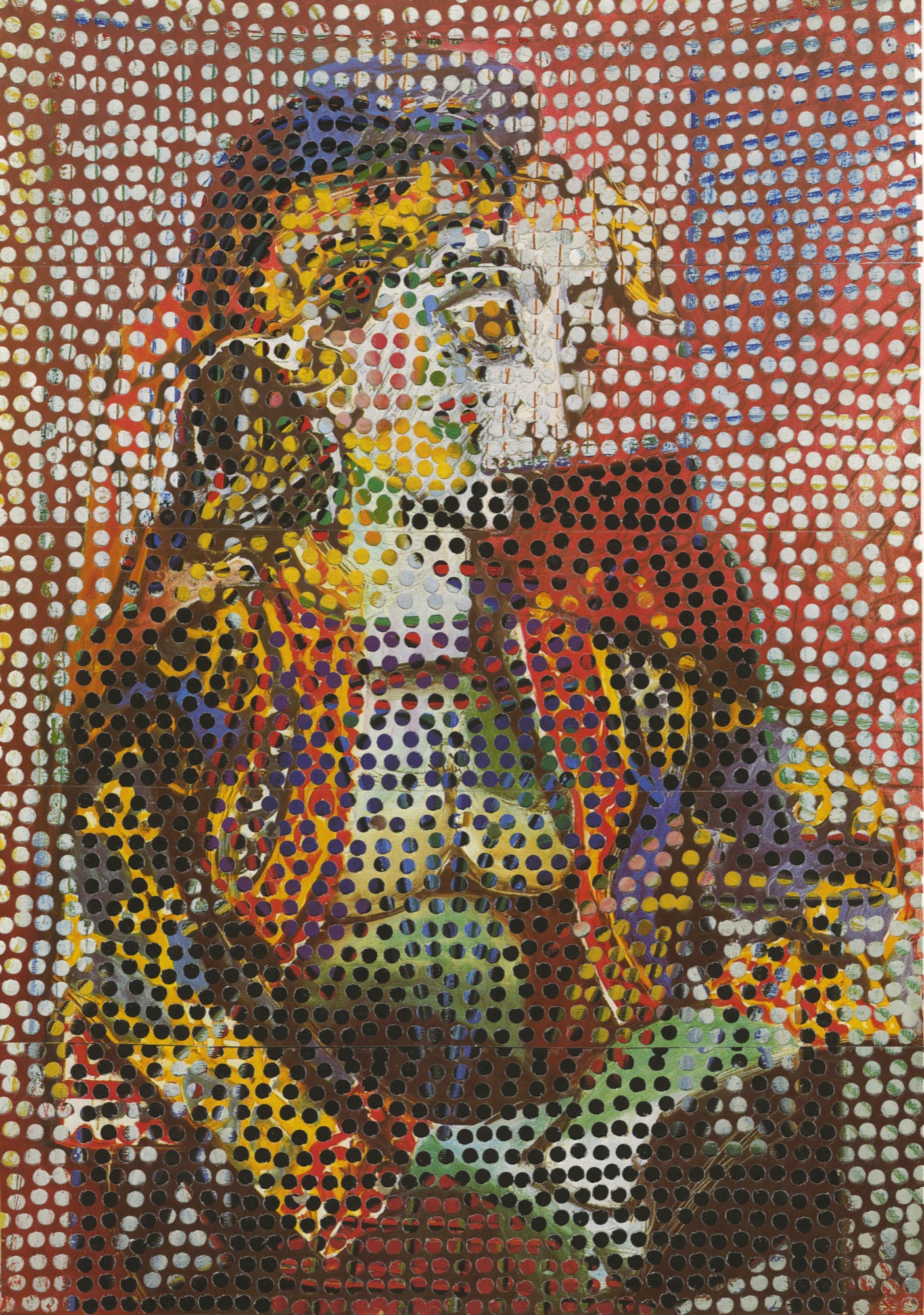
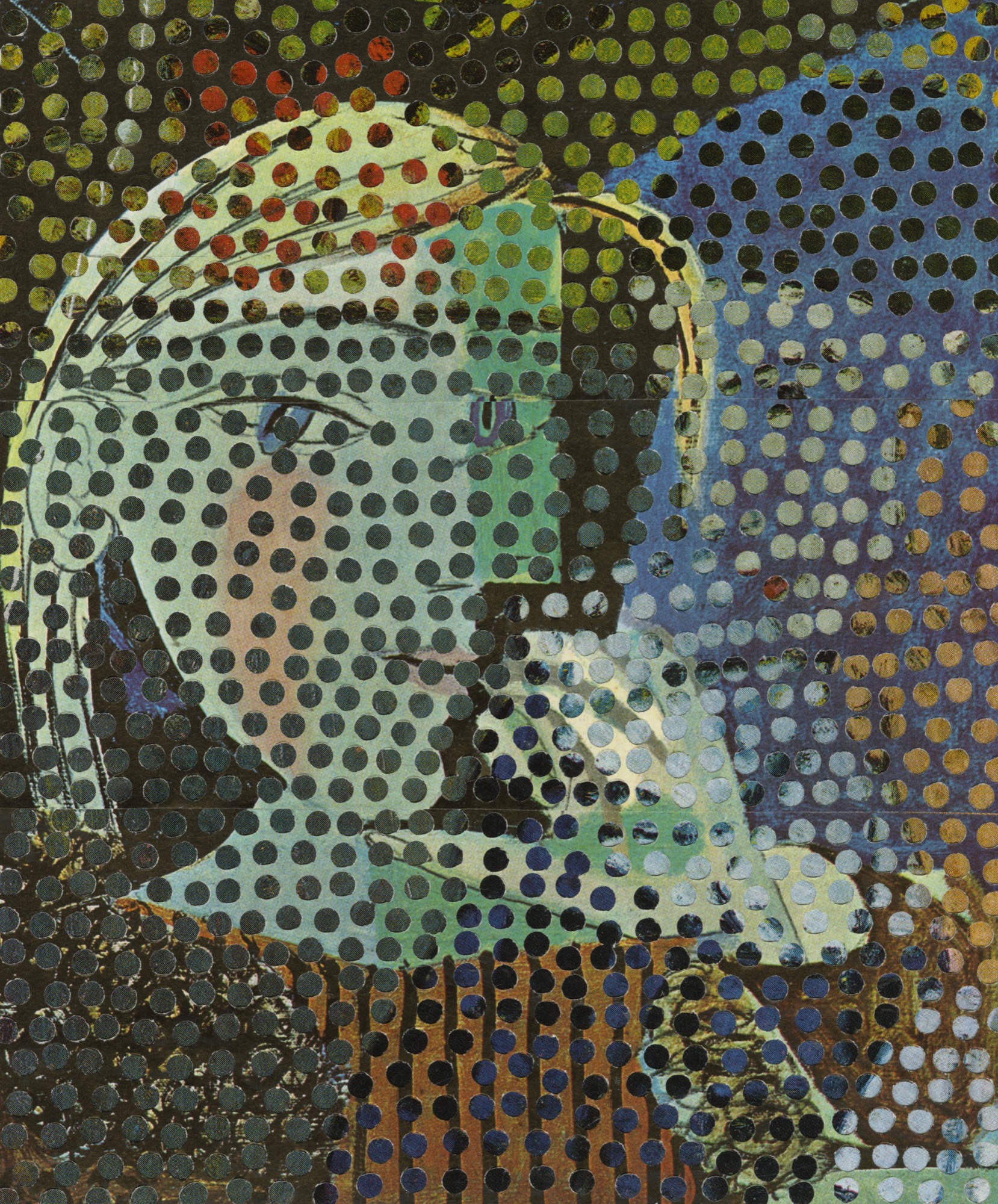
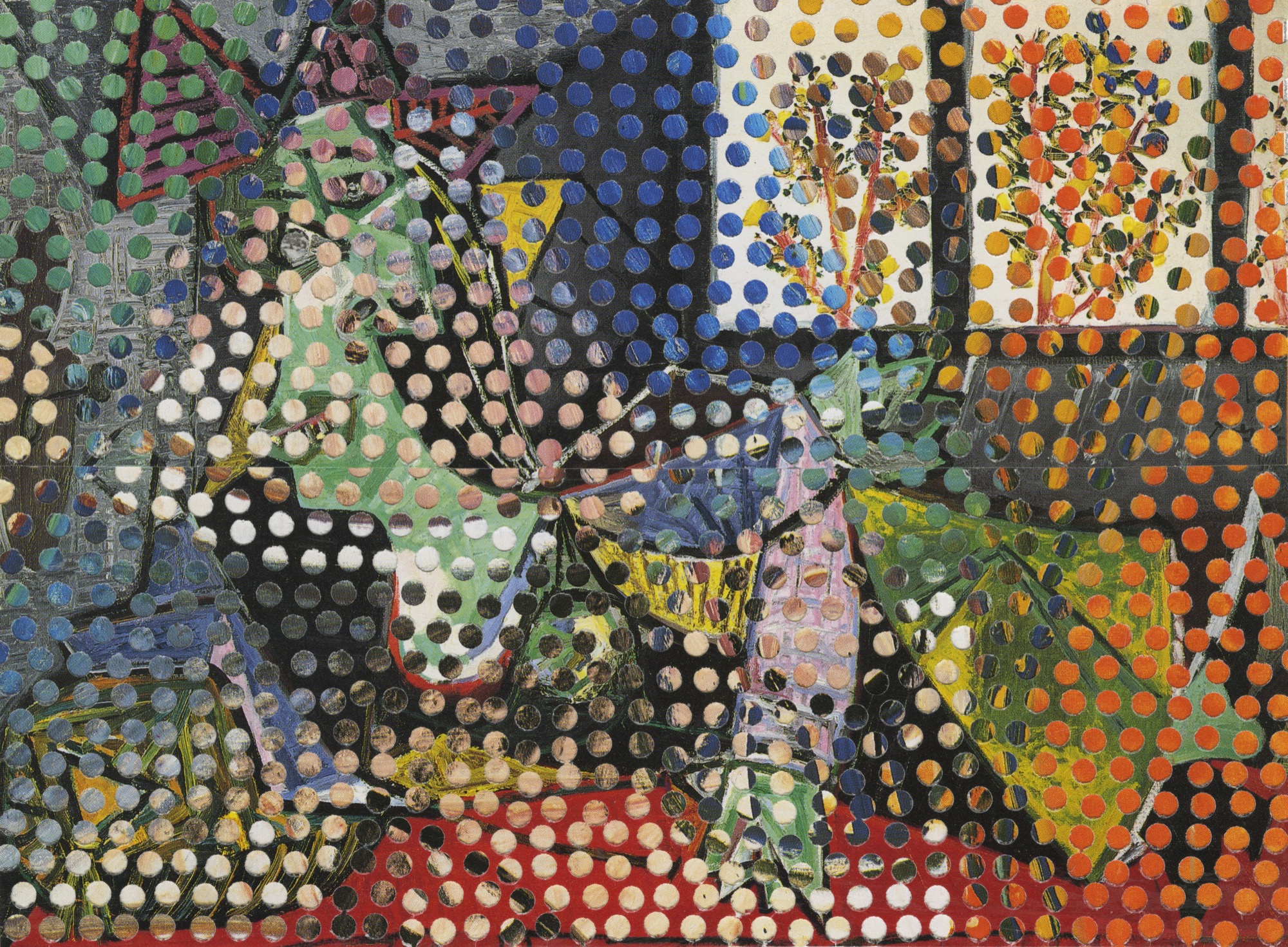
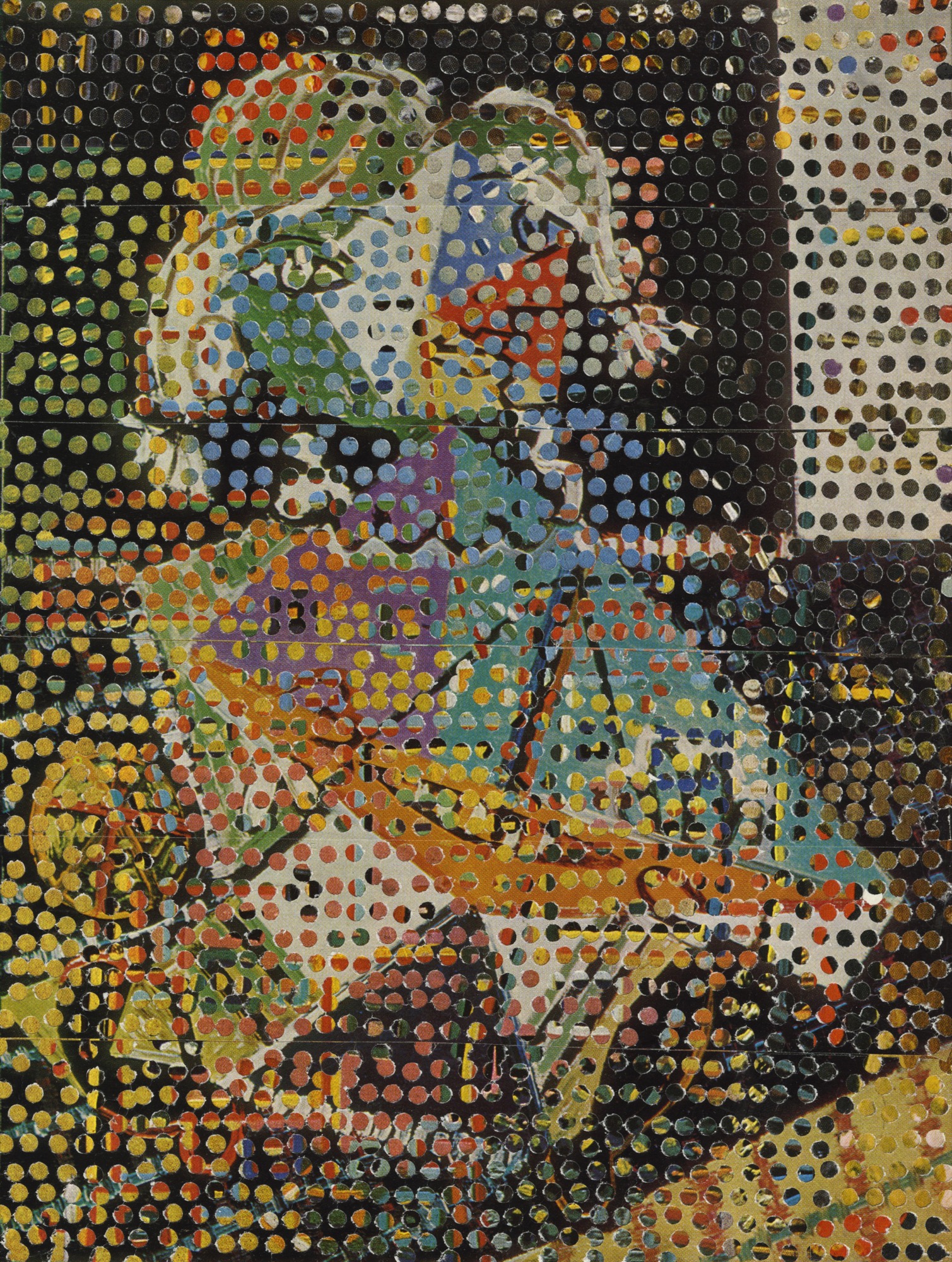
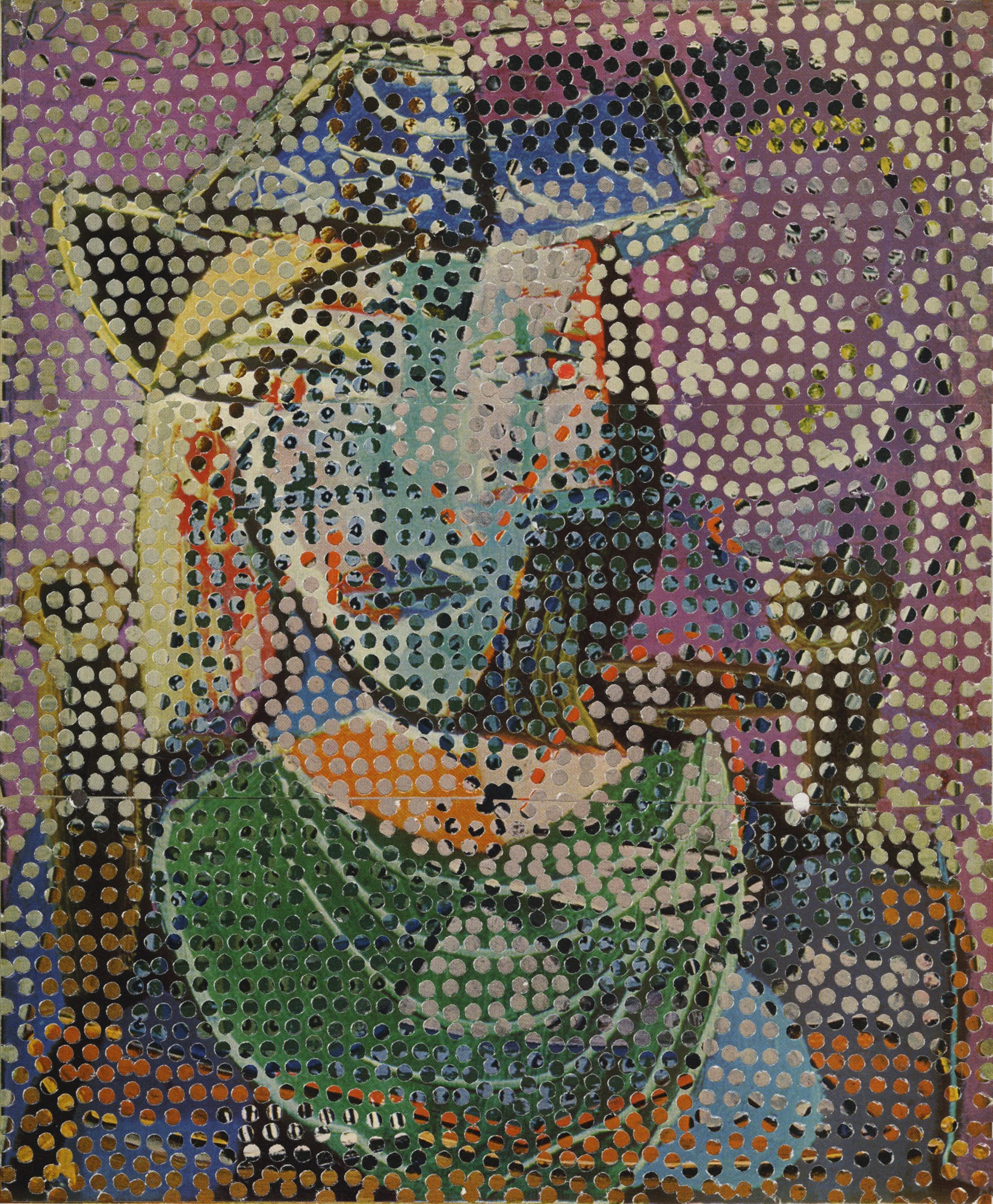
As an artist,Carreiro has exhibited widely both nationally and internationally. He has shown at the Brooklyn Museum, MoMA PS1, the Church of St. Paul the Apostle, the Art Academy of Latvia in Riga, Clara M. Eagle Galleries, Lesley Heller Gallery, and elsewhere. Carreiro is ultimately a collage artist. For over 25 years, the starting point for his work has been preexisting imagery, and for many years he created work through heat transfers. Originally a technique for surface design, this process enabled him to deconstruct and reassemble other artists’ imagery. The process started with his interest in the Renaissance and has been driven by his love of a variety of source materials, ranging from medieval manuscript illumination to Mughal imagery. For Carreiro, collage becomes a recycling process, whereby the familiar becomes defamiliarized through layering, cutting, and accumulation.
For Carreiro, collage becomes a recycling process, whereby the familiar becomes defamiliarized through layering, cutting, and accumulation.
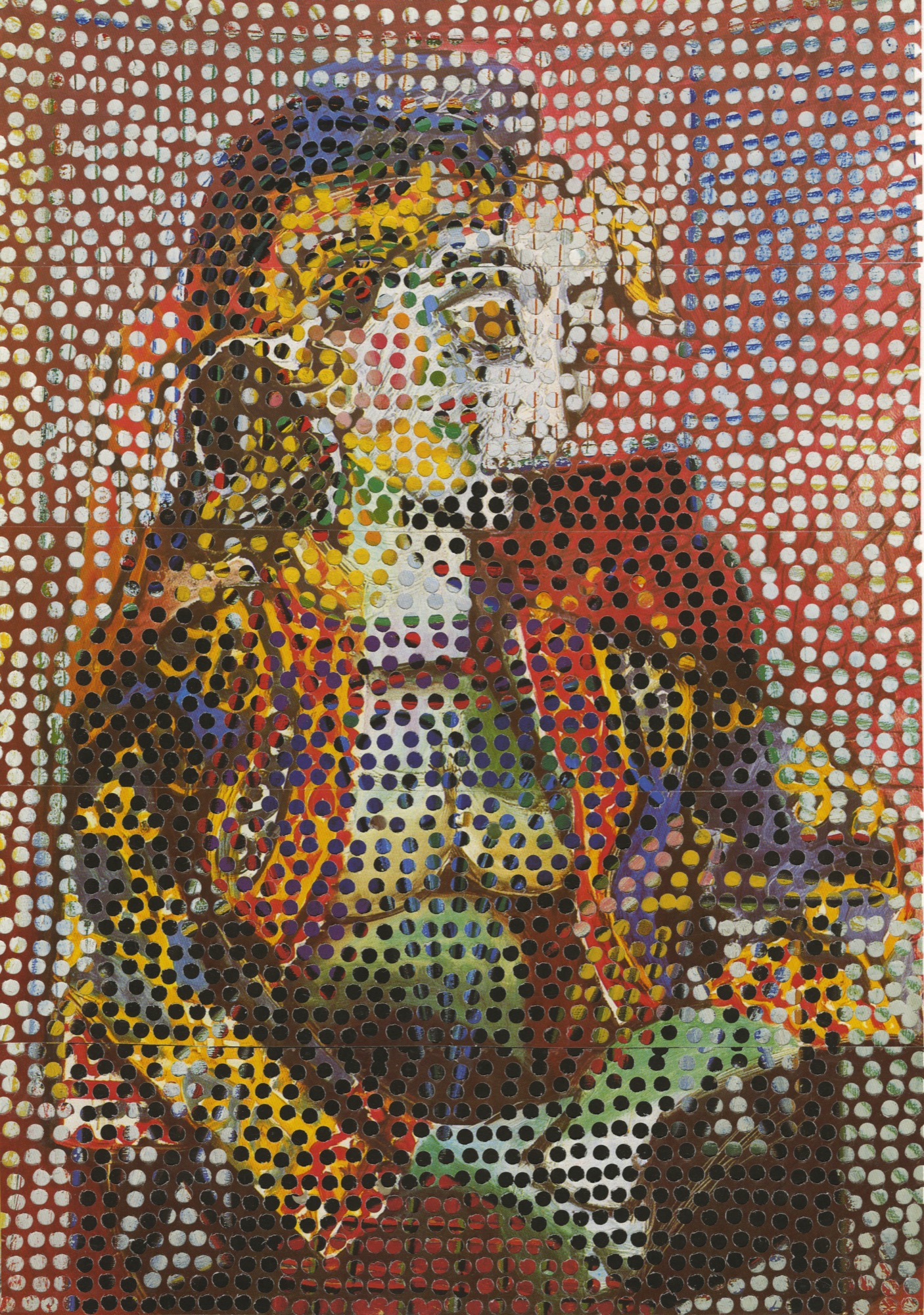
Carreiro showed his Picassoid works at the Westchester Community College Fine Arts Gallery in early 2020. The artworks featured in this exhibition essentially make a new image out of two existing Picasso paintings. The third image—Carreiro’s creation—is reminiscent of its predecessors, but blending these two images transforms them. It is in this liminal space that Carreiro’s work lives:”He [Picasso] stole from everybody gleefully. I’m gleefully stealing from him.”
Projects
Click to view project images full screen.
Drawing Journals, Selections
1975–79
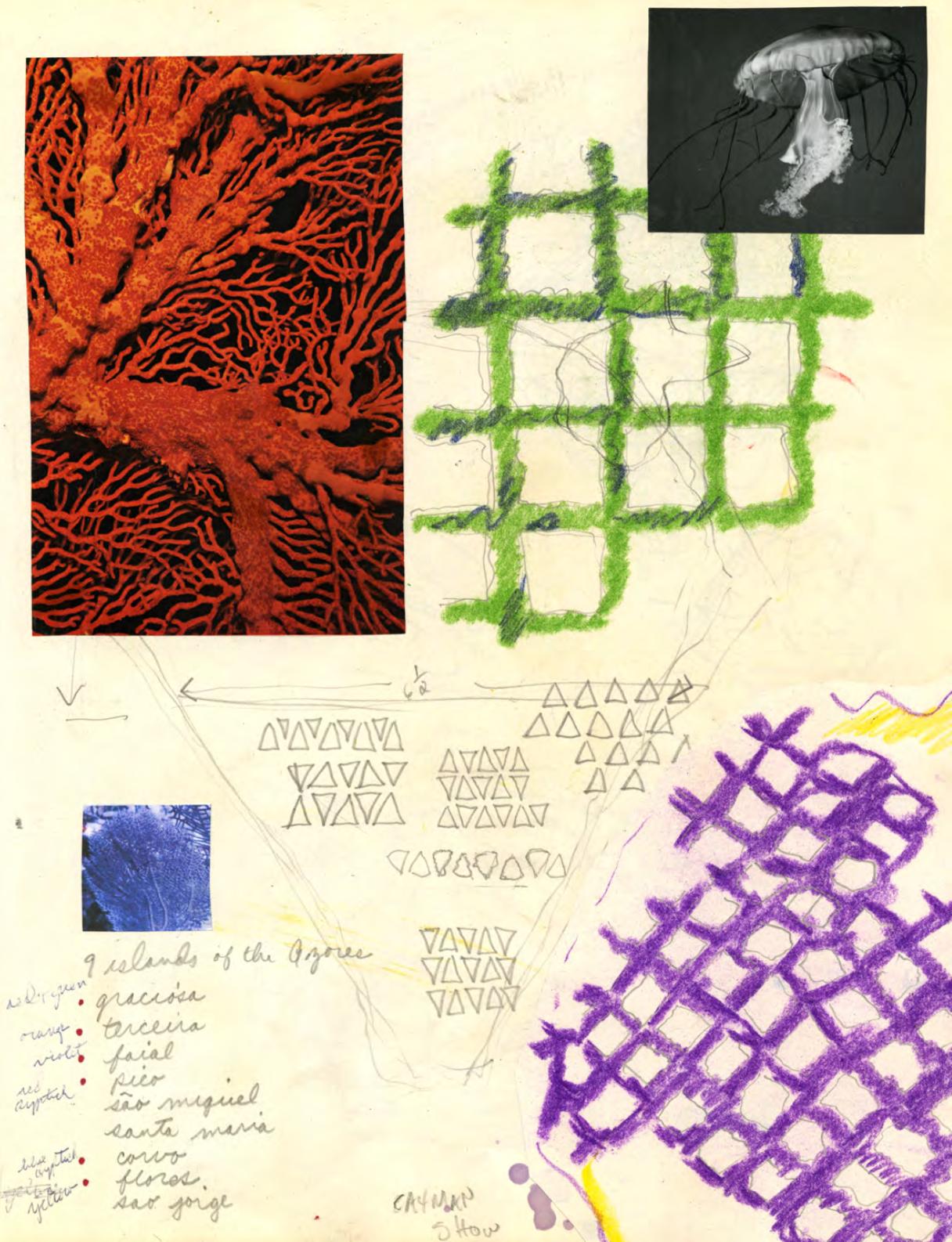
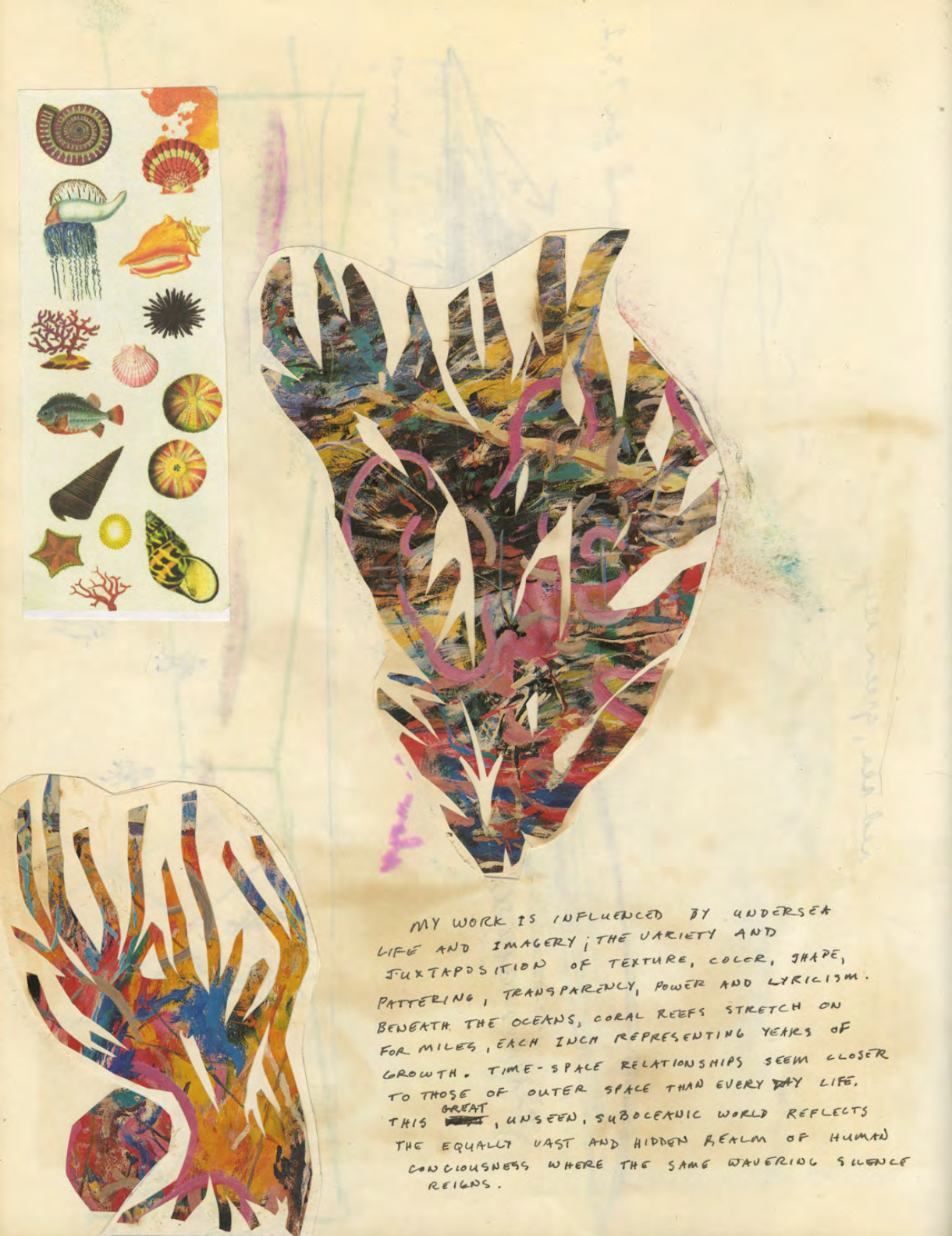
Series 1
1971–76
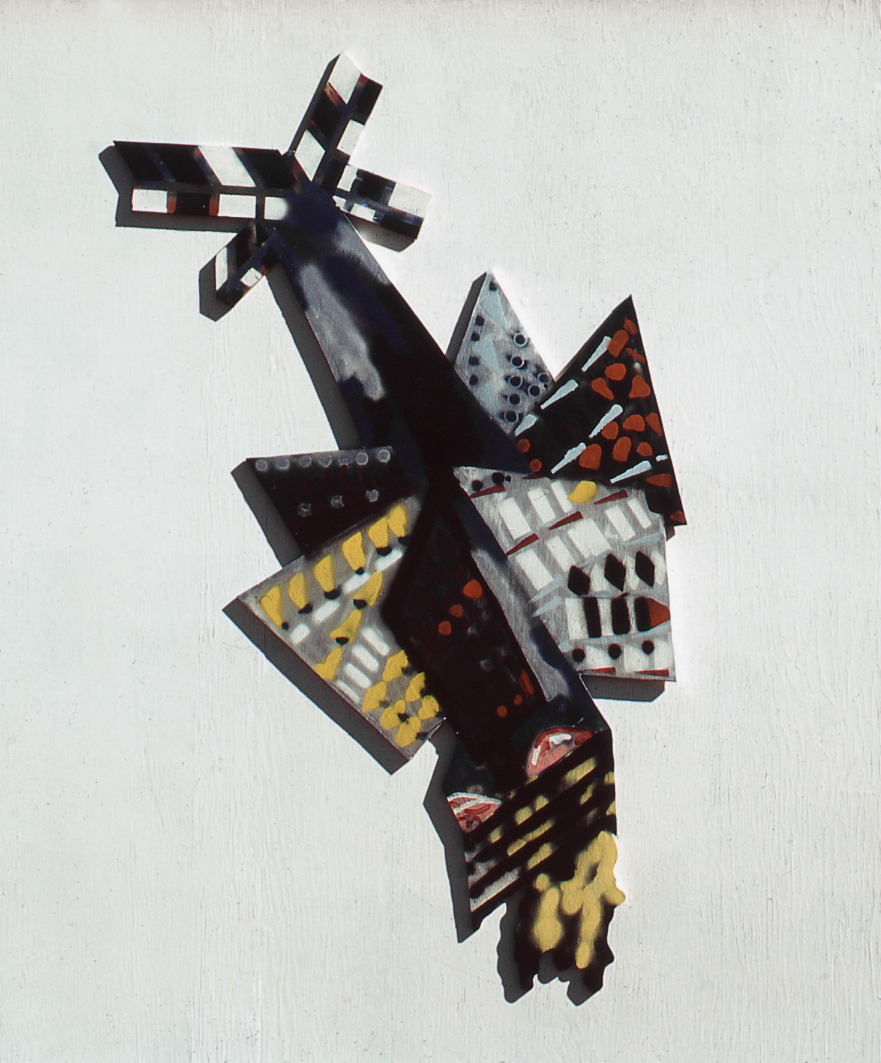
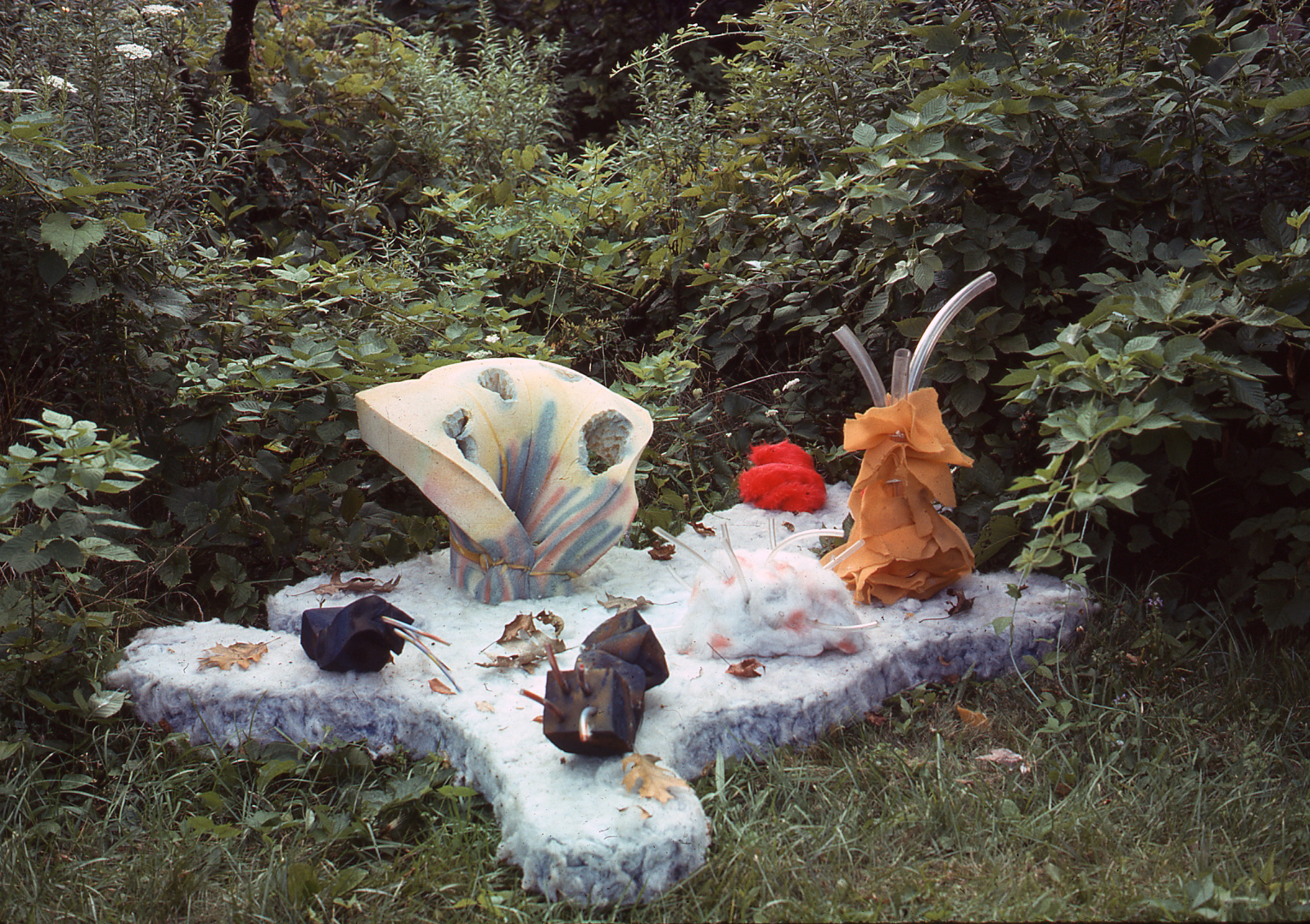
Series 2
1981–83
Series 3
1996–2009
Series 4
2009–11
Series 5
2019
Explore the Archive
-
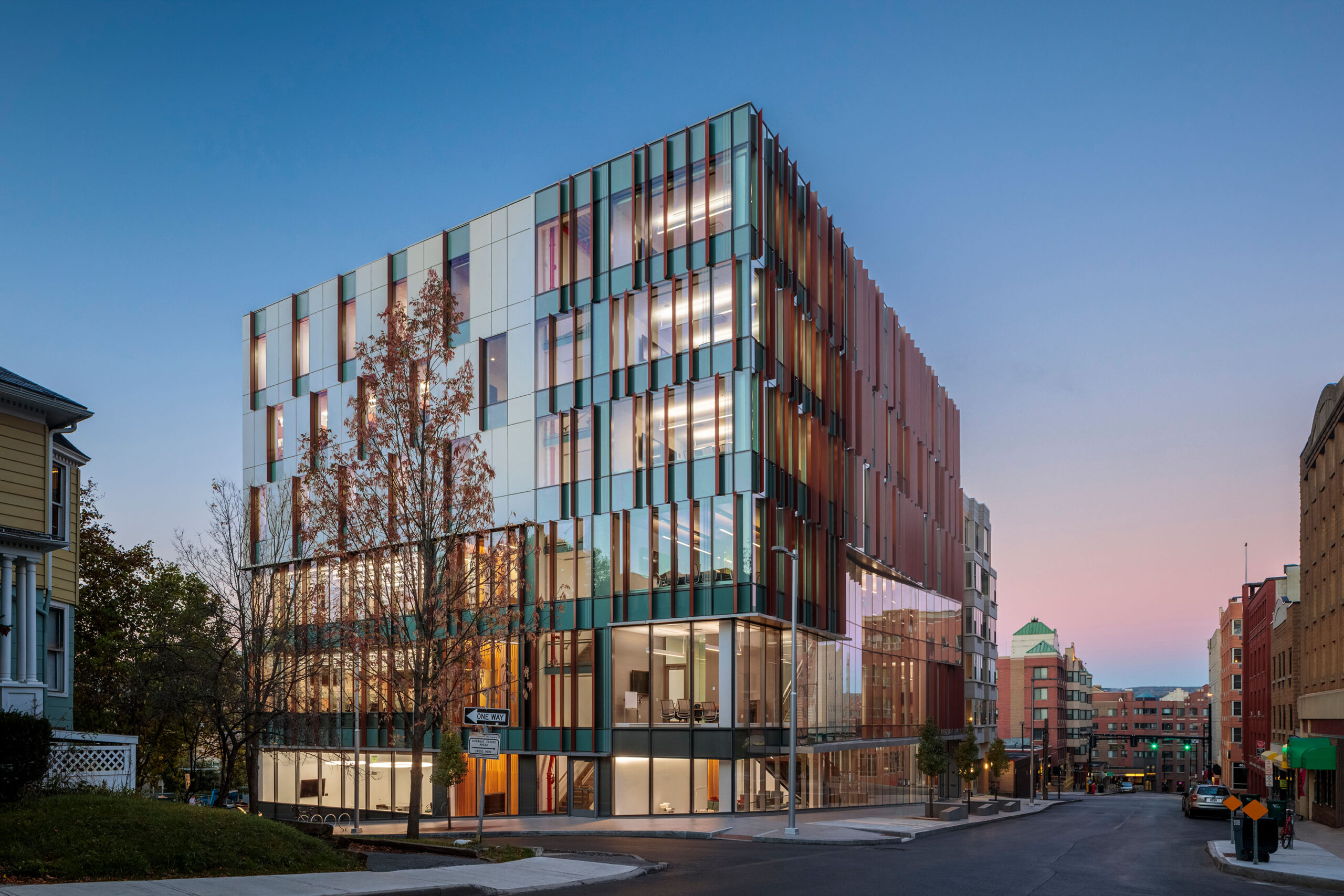
Alan Chimacoff
B.Arch. ’64
![Street-level view of a building at dusk.]()
-
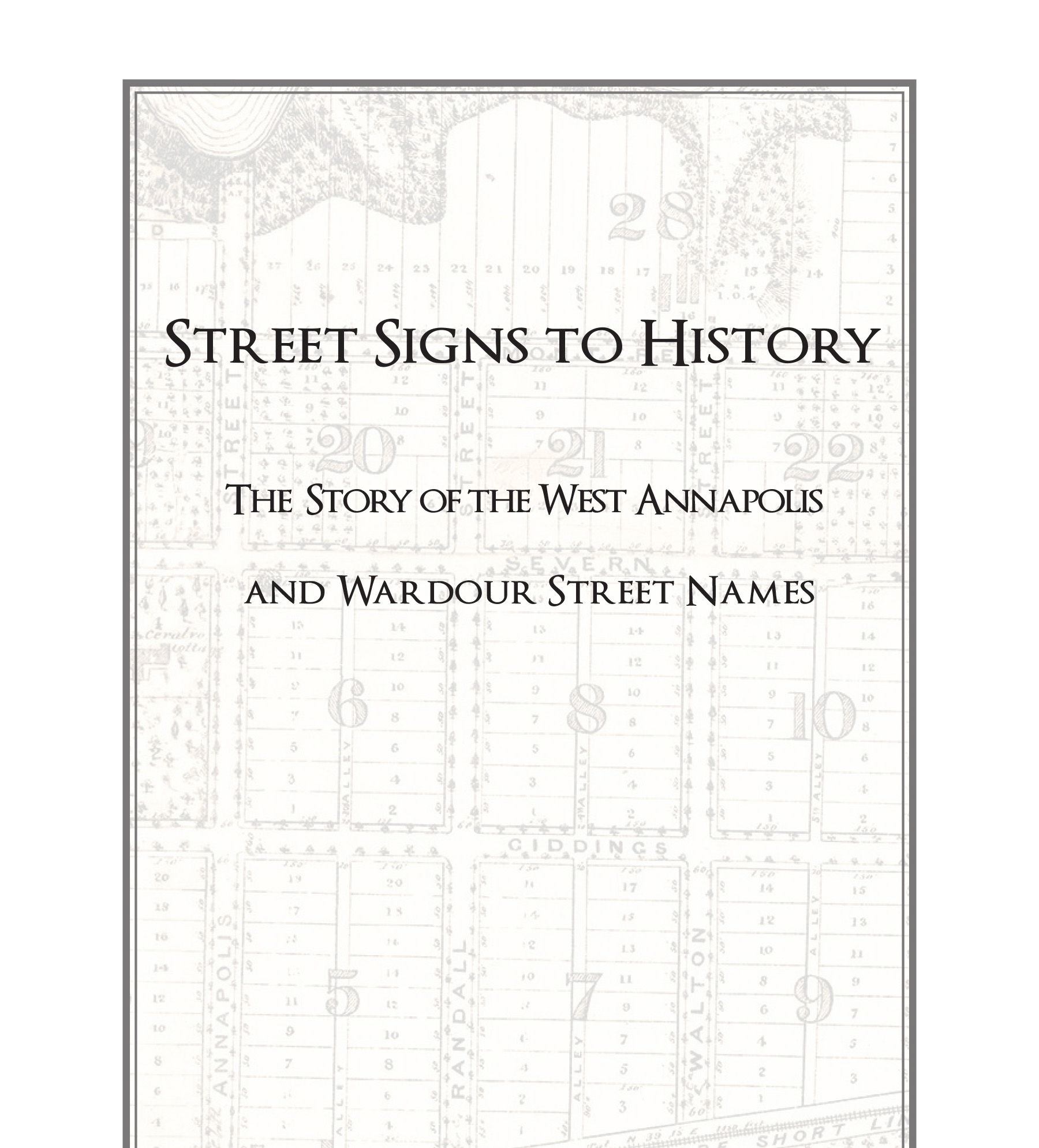
Constance Werner Ramirez
Ph.D. CRP ’75
![Title page of the book Street Signs to History]()
-
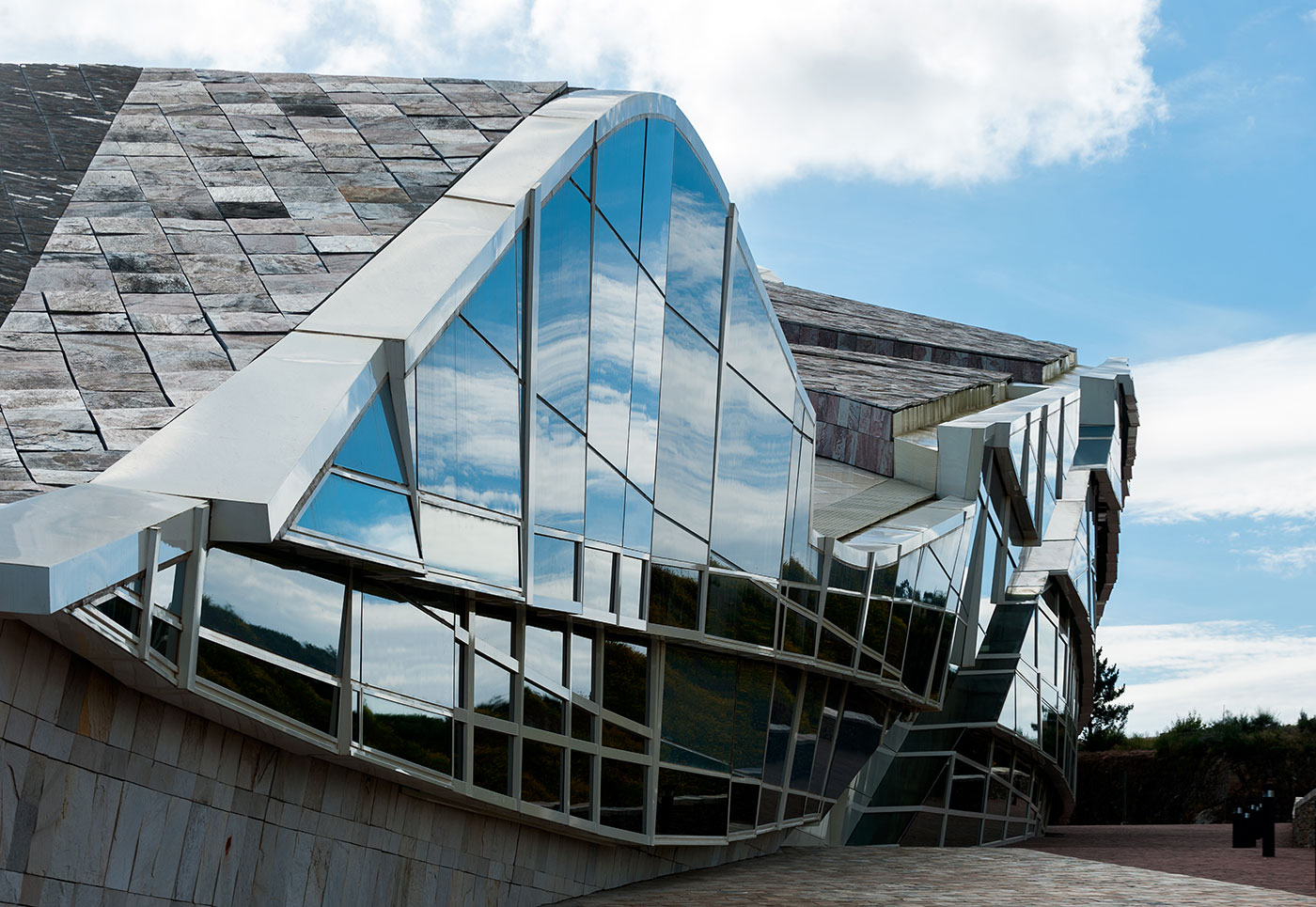
Peter Eisenman
B.Arch. ’54
![Detail view of curving building with wall of windows reflecting a bright blue sky and clouds.]()
-
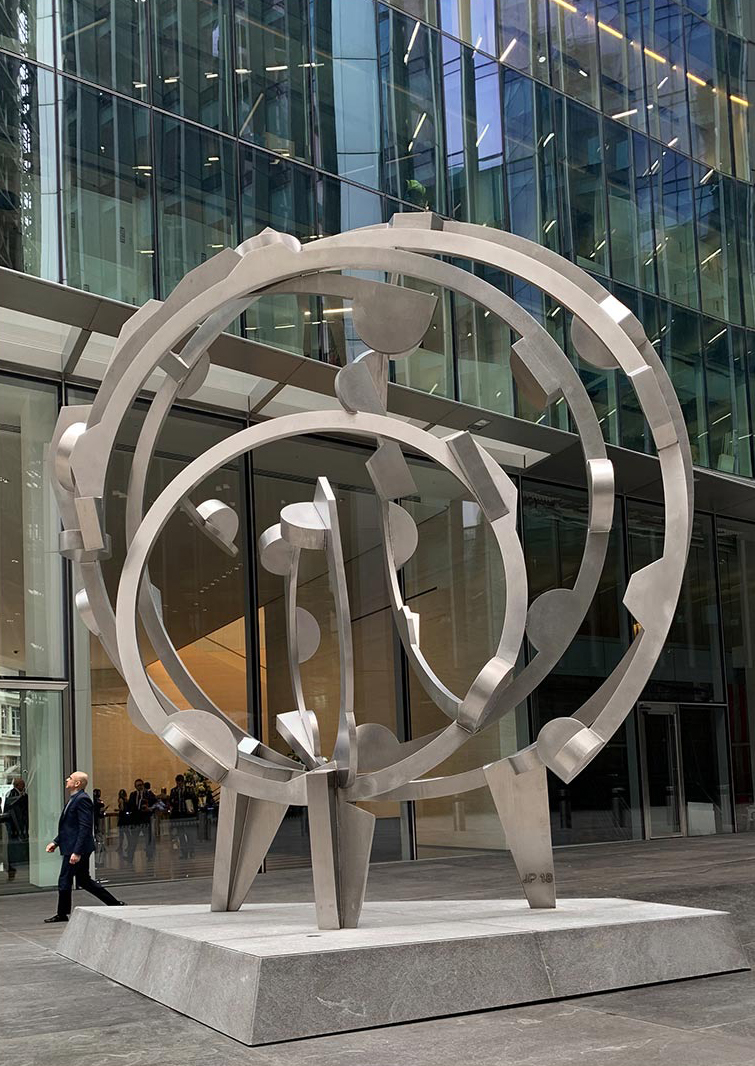
Joel Perlman
B.F.A. ’65
![large sculpture of silver concentric circles in front of a glass building]()