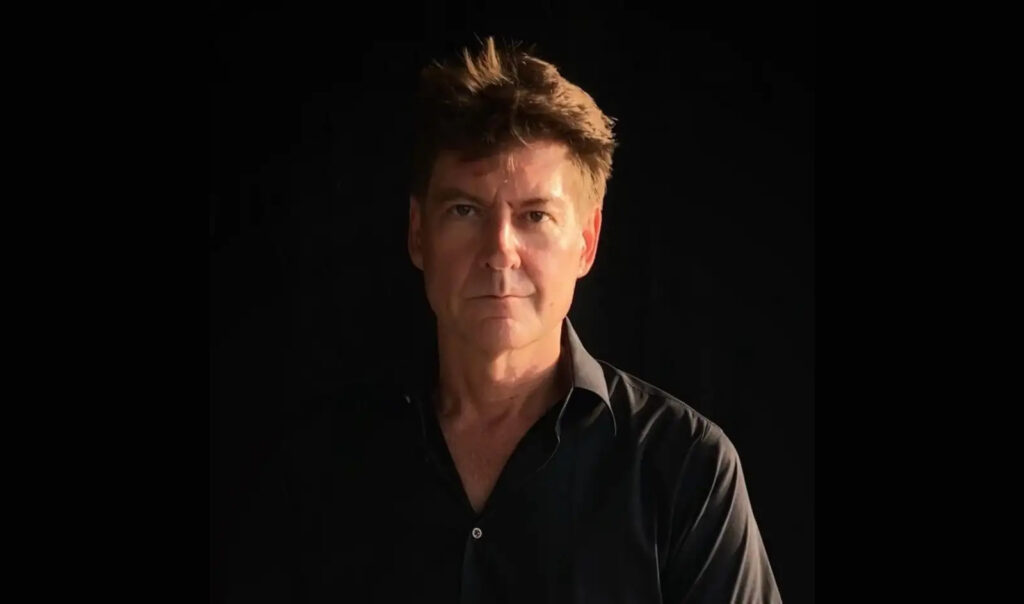
As a Fulbright Fellow, Jay Valgora (B.Arch. ’85) created an ambitious proposal to transform and regenerate London’s Royal Docks. He was 25 at the time and had “fallen in love with these crazy, industrial infrastructures, quays, and great warehouses.” He was also fascinated by the potential to repurpose this “magnificent architecture of obsolescence.”
Little did Valgora know, back then, that fulfilling this potential would become his life’s work. Project by project, the founder and principal of STUDIO V Architecture has been advancing his vision of reinventing waterfront properties to help create sustainable, resilient communities.
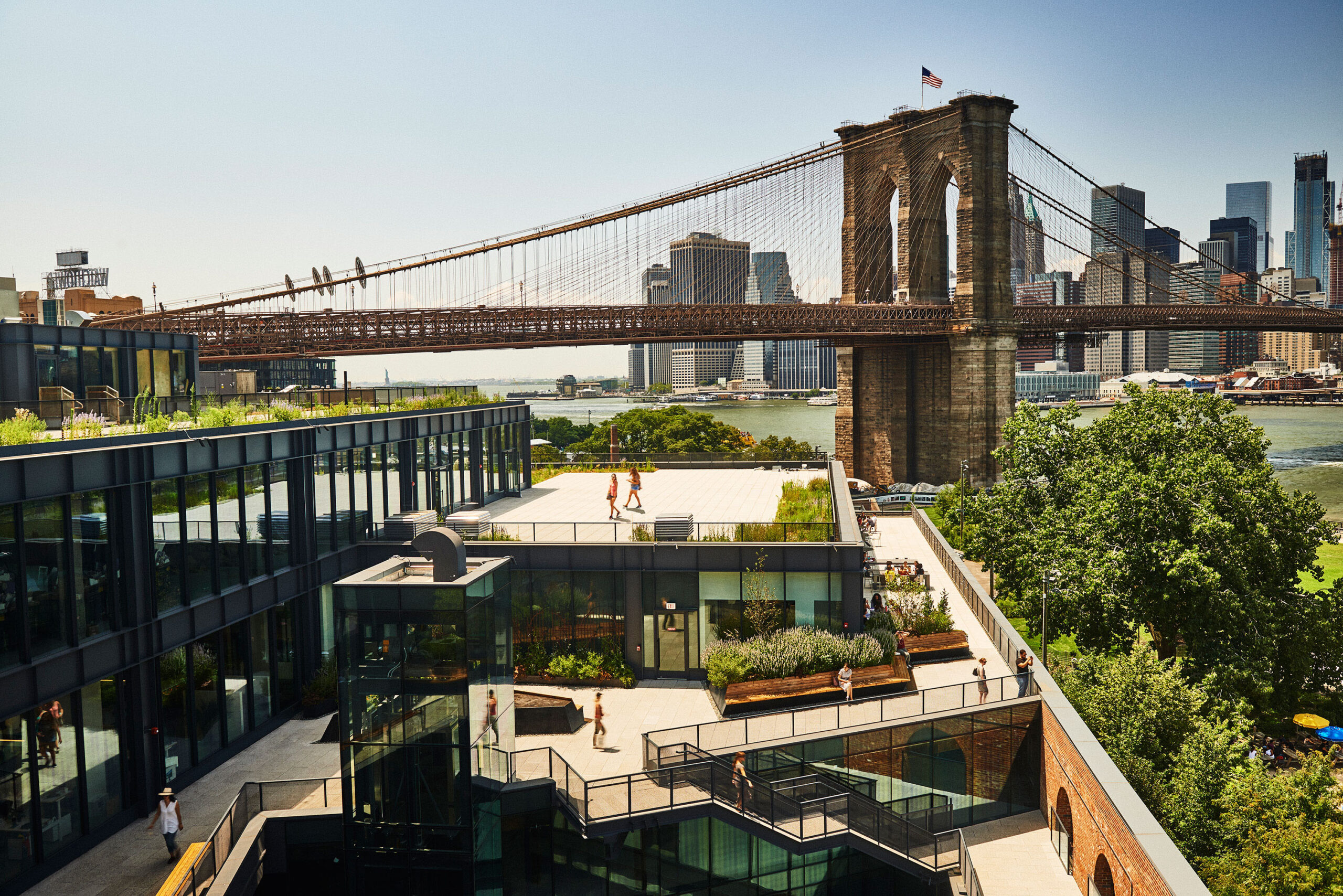
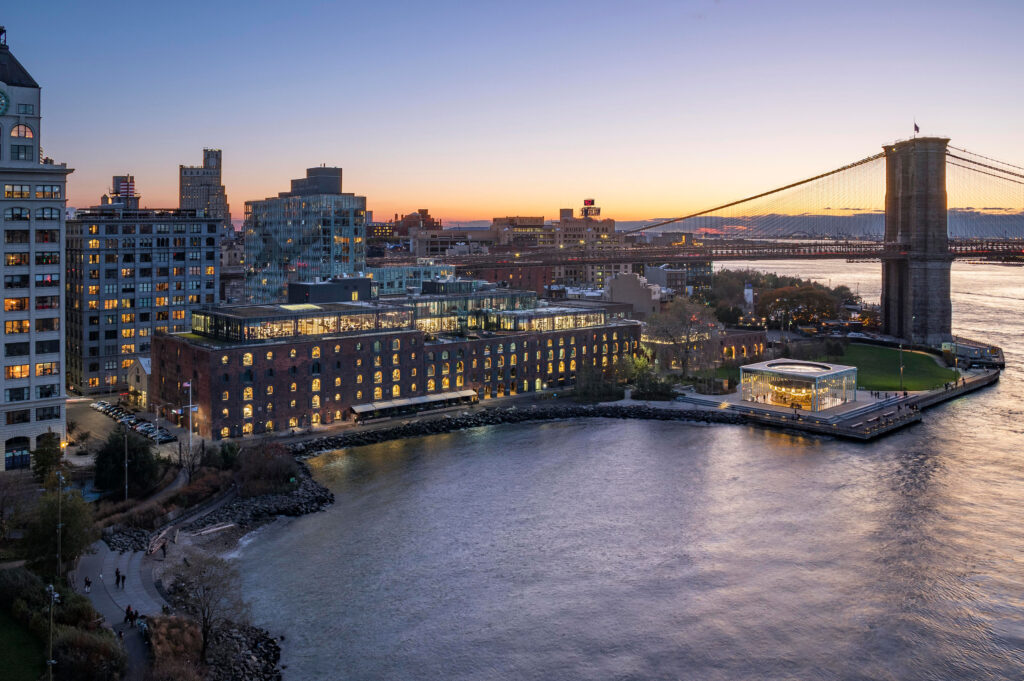
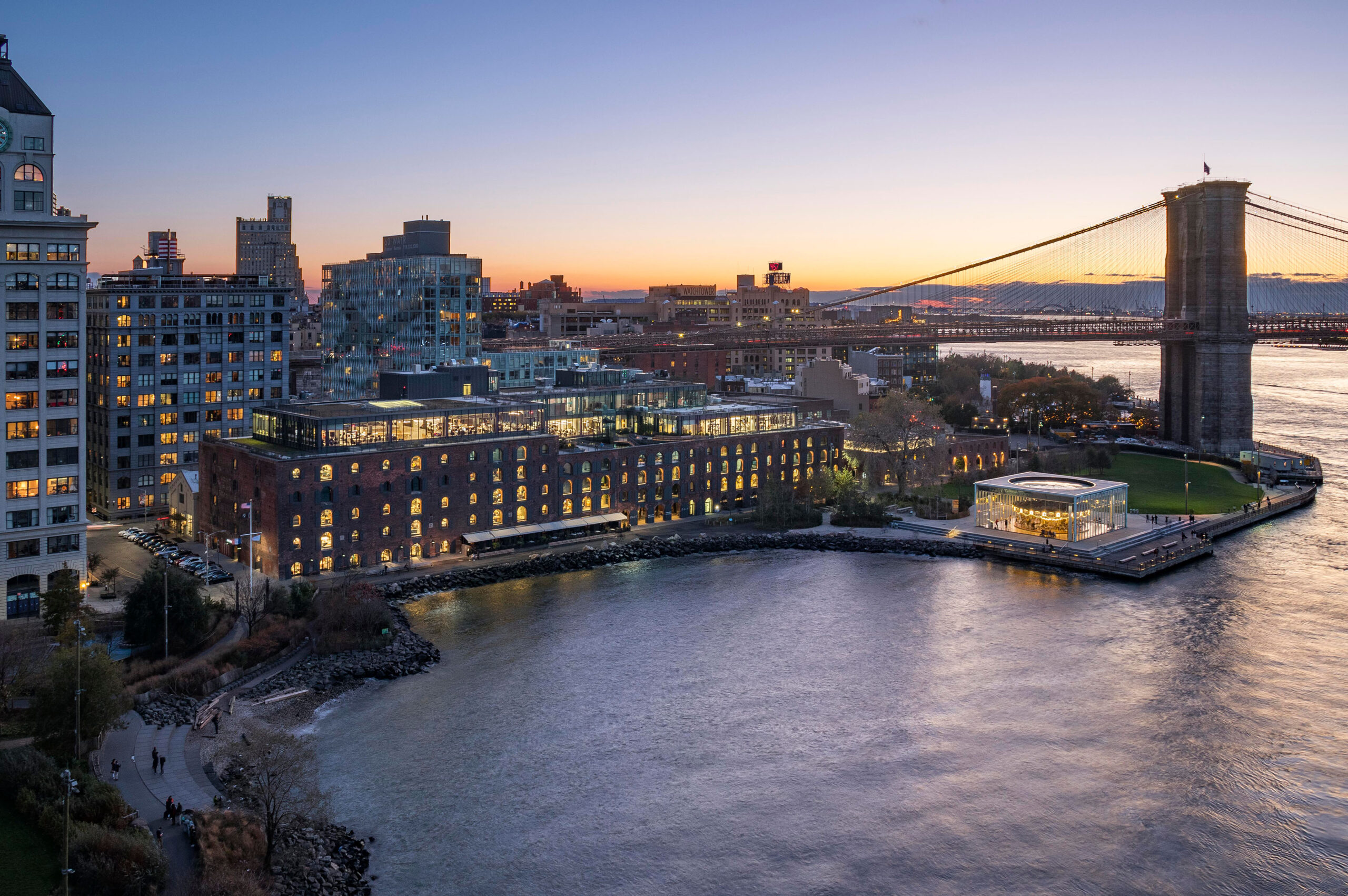
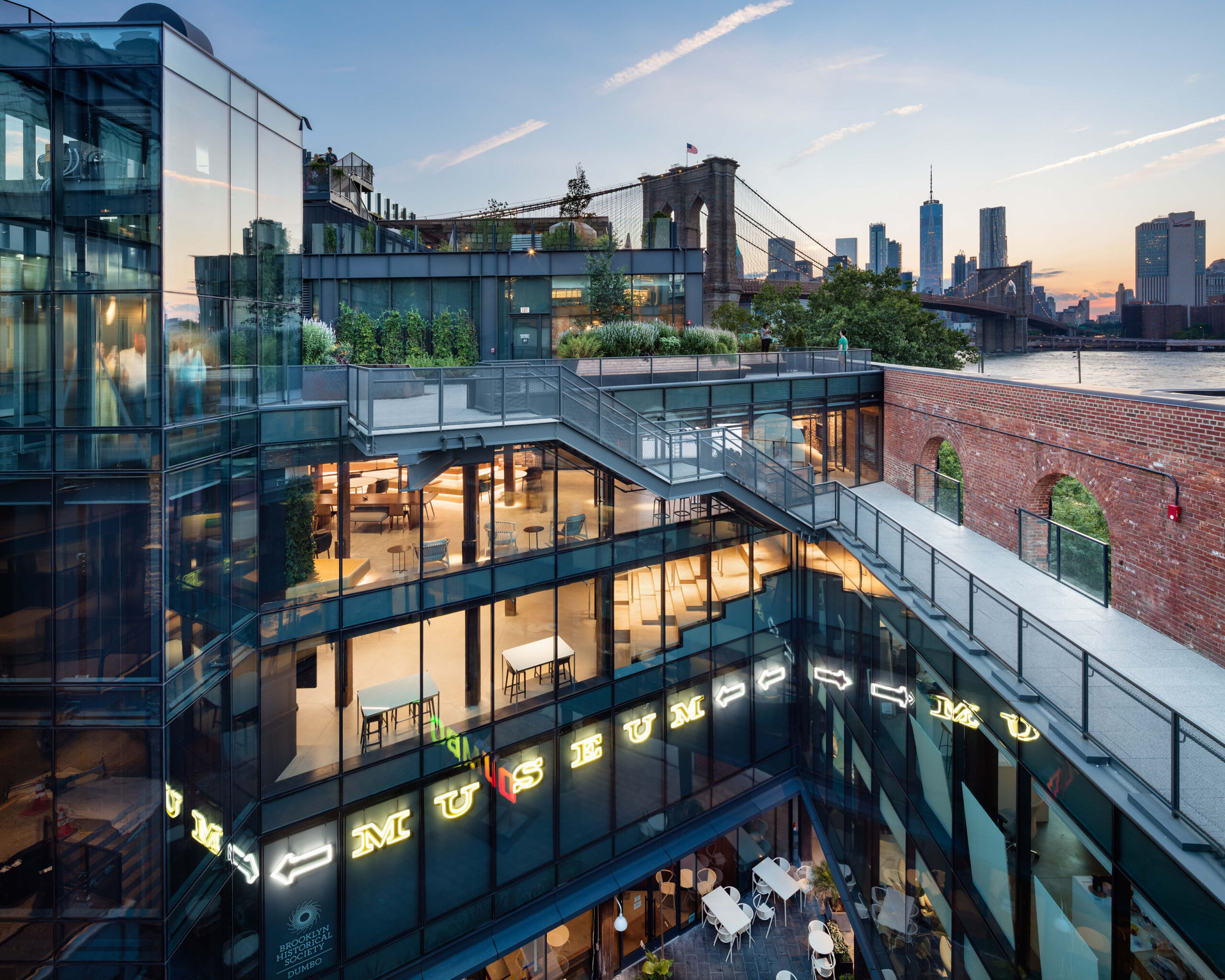
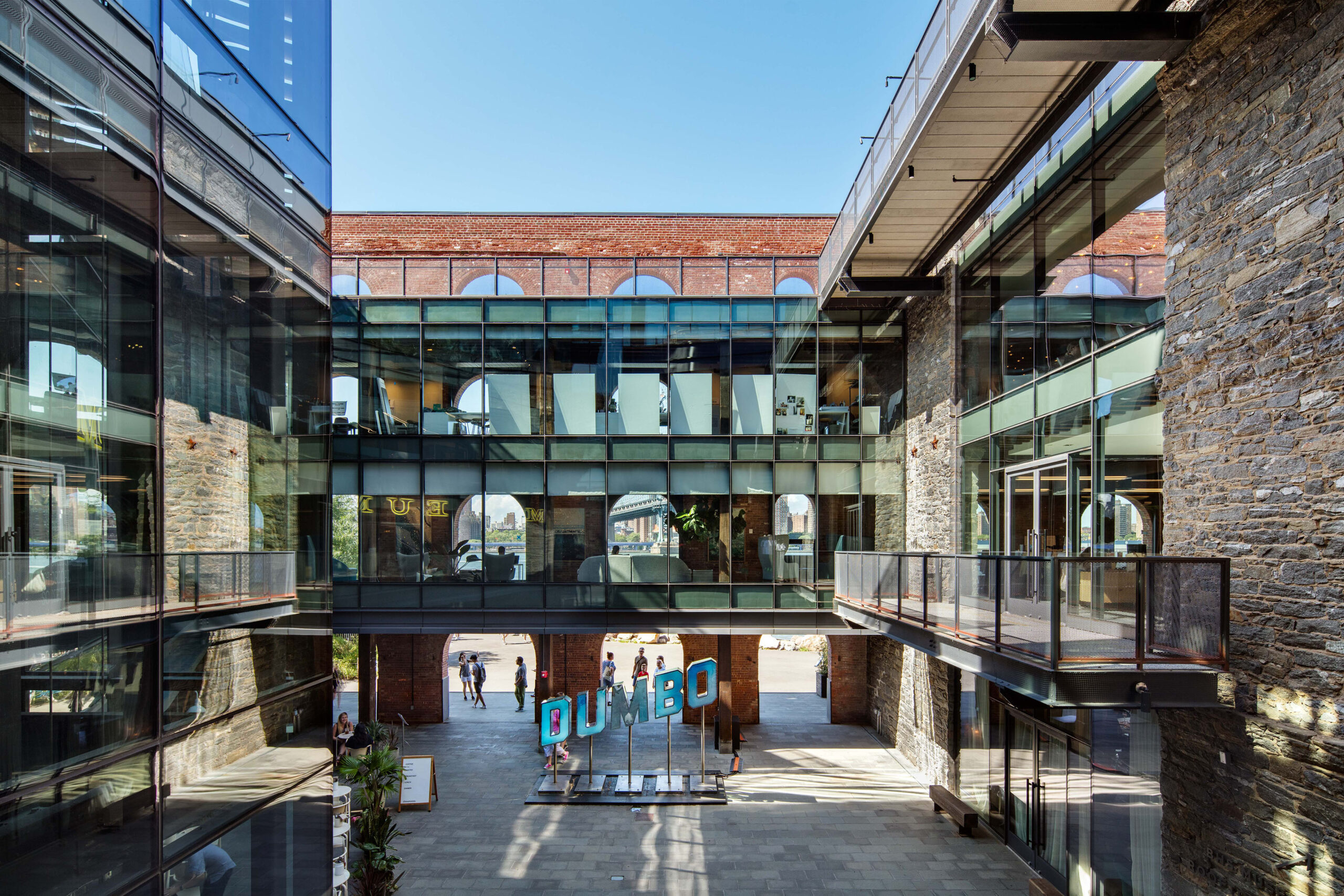
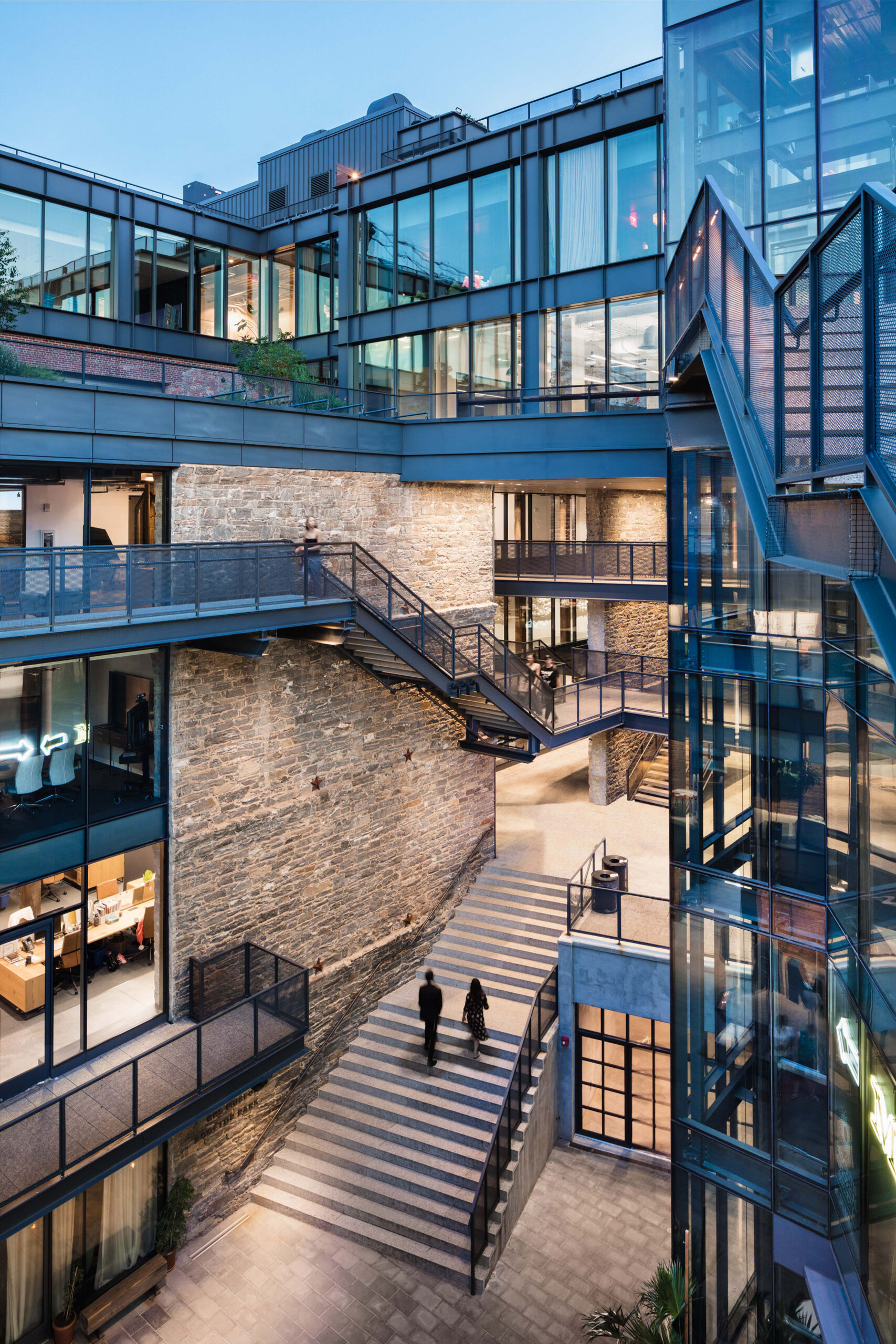
At Empire Stores in Brooklyn, for example, STUDIO V’s award-winning design converted abandoned coffee storage warehouses into a thriving multiuse urban center. For centuries, the wall of warehouses, or “coffee stores,” stood as a barrier between the waterfront and their adjacent communities. Empire Stores reconnects them. Inspired partially by Gordon Matta-Clark’s (B.Arch. ’68) photograph Conical Intersect (1975), Valgora broke through the warehouse walls, carving public passages to offices, stores, restaurants, a museum, and a rooftop beer garden.
“My work in New York City is dedicated to the idea that water has gone from being a barrier to a catalyst for invention,” Valgora says. “The waterfront has a place for transformative design in the contemporary city to address sustainability and equity.”
STUDIO V’s designs often pay tribute to old and new by preserving and restoring historical elements and blending them with contemporary features. The design for Empire Stores retained the brick exteriors of the seven warehouses and added tenant space, a vertical courtyard, and extensive green roofs. Slicing through the historic fabric to create a sequence of public spaces, passages, and gardens, the project is a two-story, glass-and-steel addition with a public park and views of the Brooklyn and Manhattan Bridges and the Manhattan skyline.
The project is also notable as one of the first in New York to incorporate an AquaFence FloodWall. STUDIO V added the protective technology after the devastation of Hurricane Sandy in 2012. Empire Stores, then under construction, was flooded with five feet of water from the East River. The superstorm and its aftermath cemented Valgora’s determination to address climate change and other environmental issues — and to make resilience and sustainability core components of his practice.
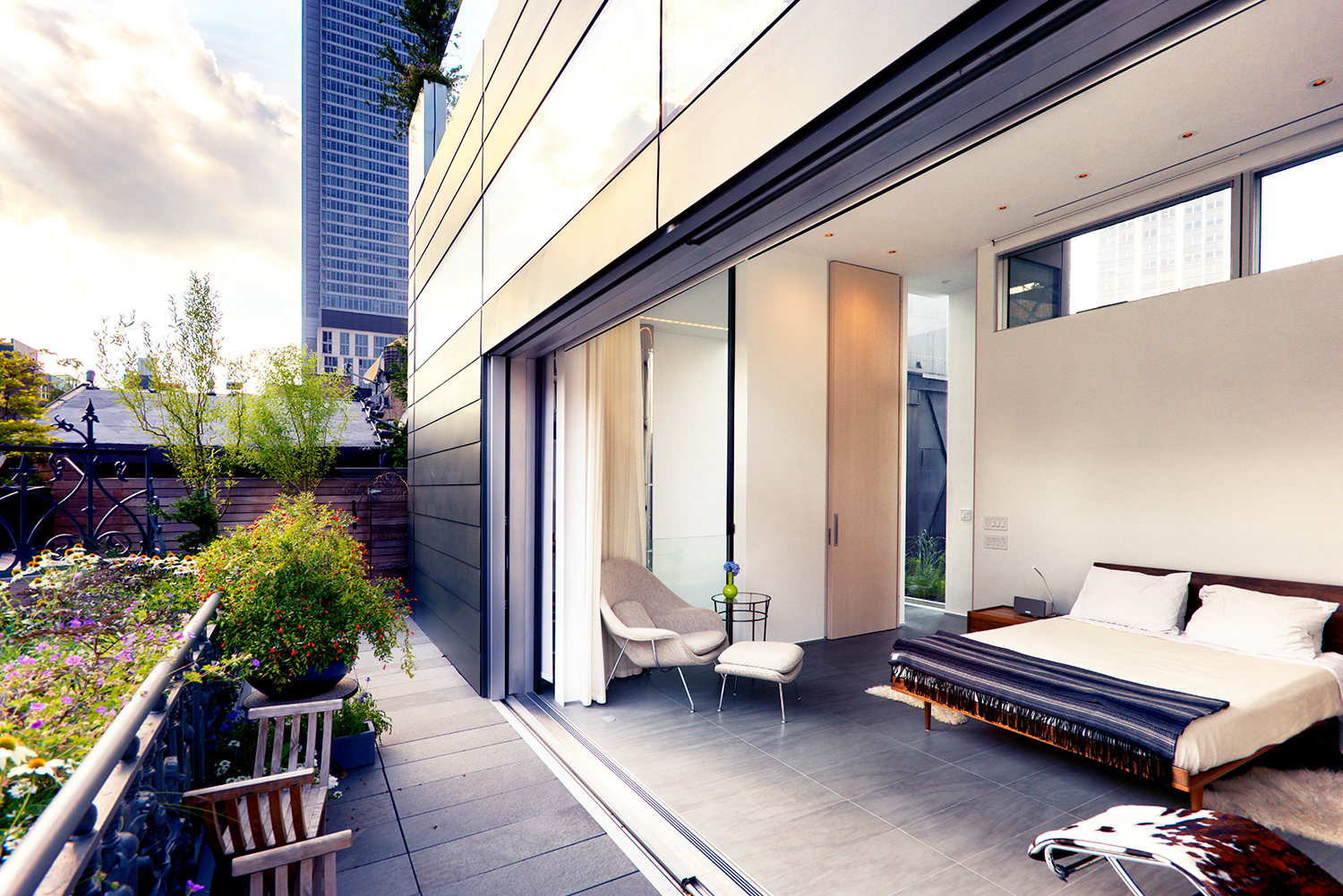
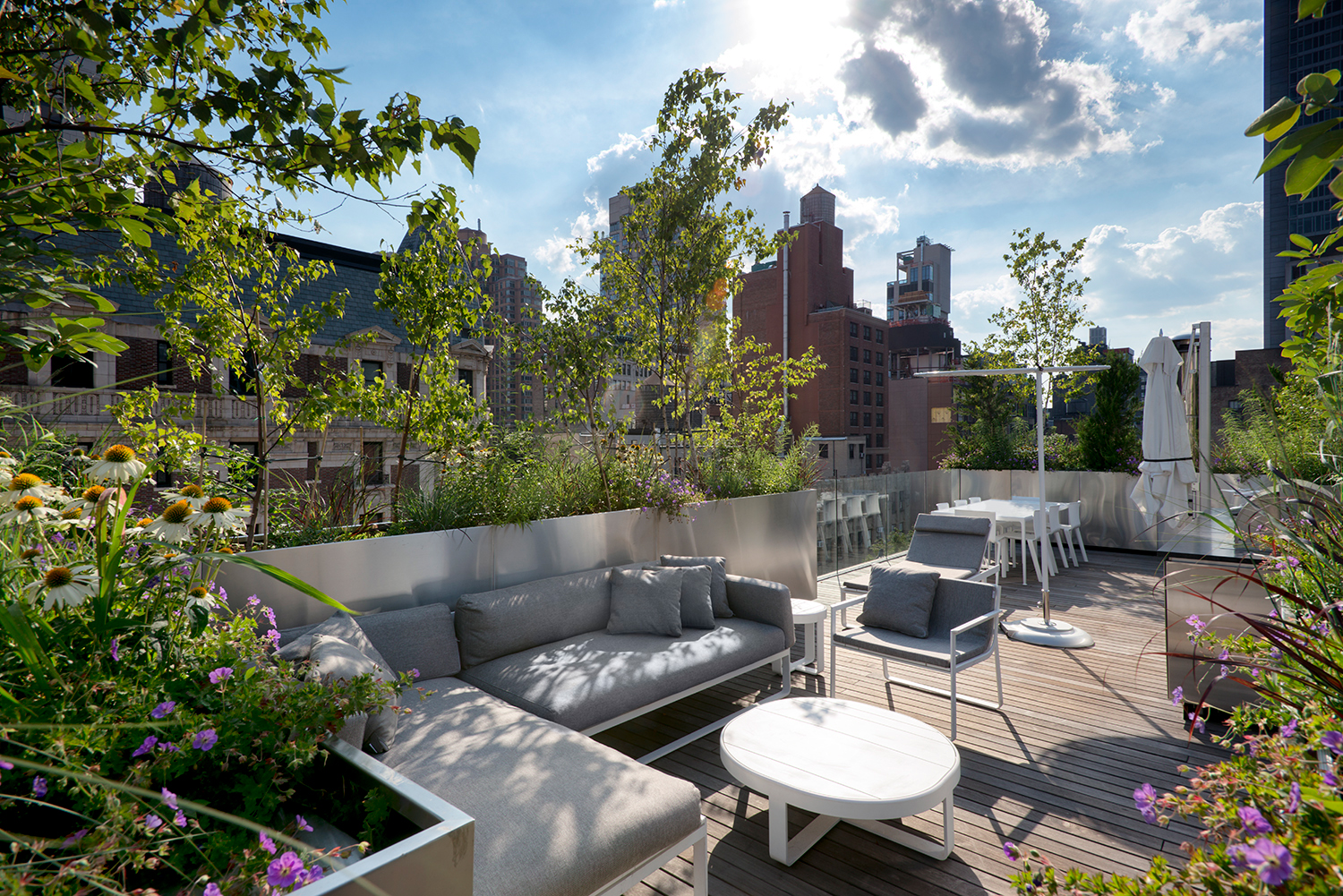
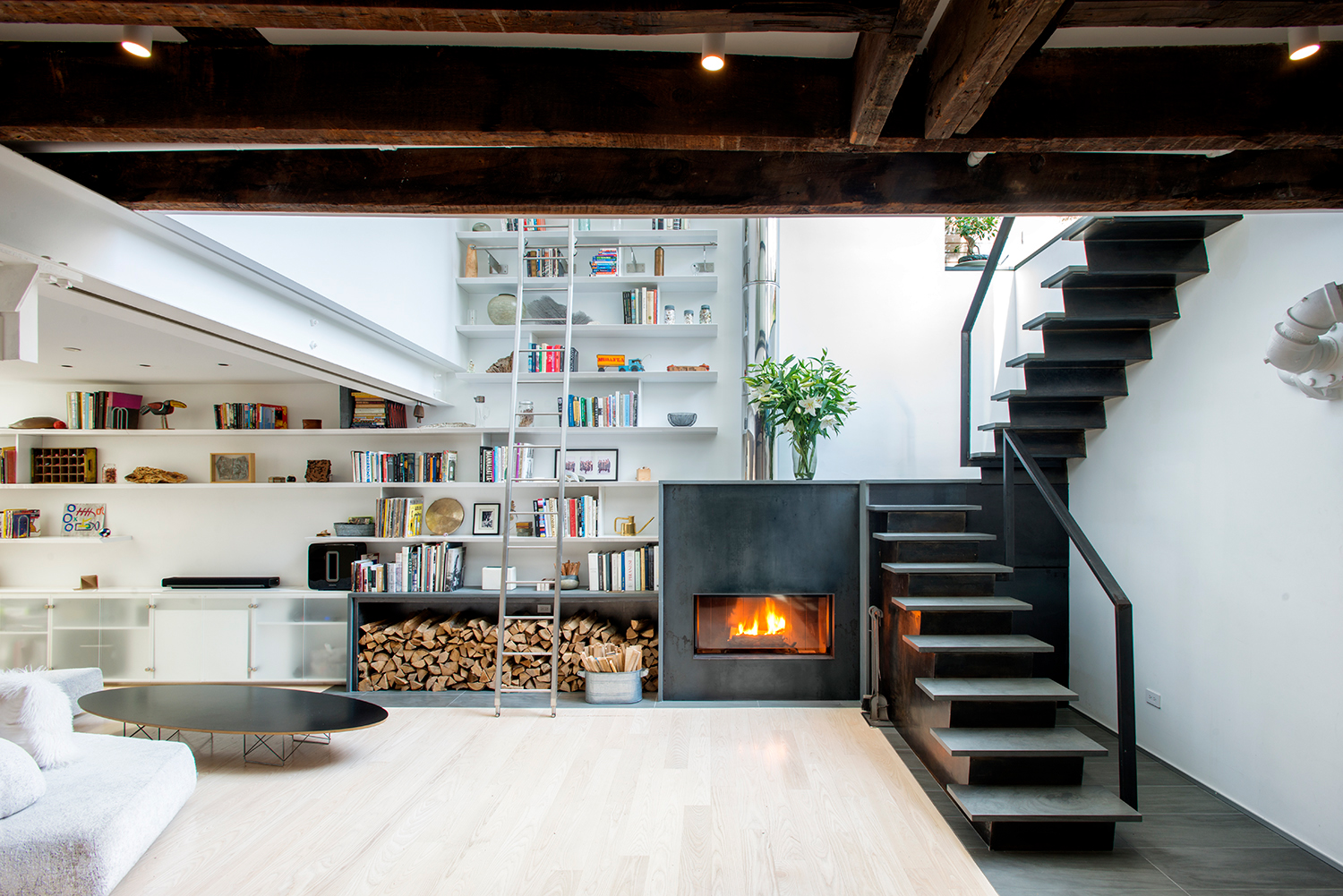
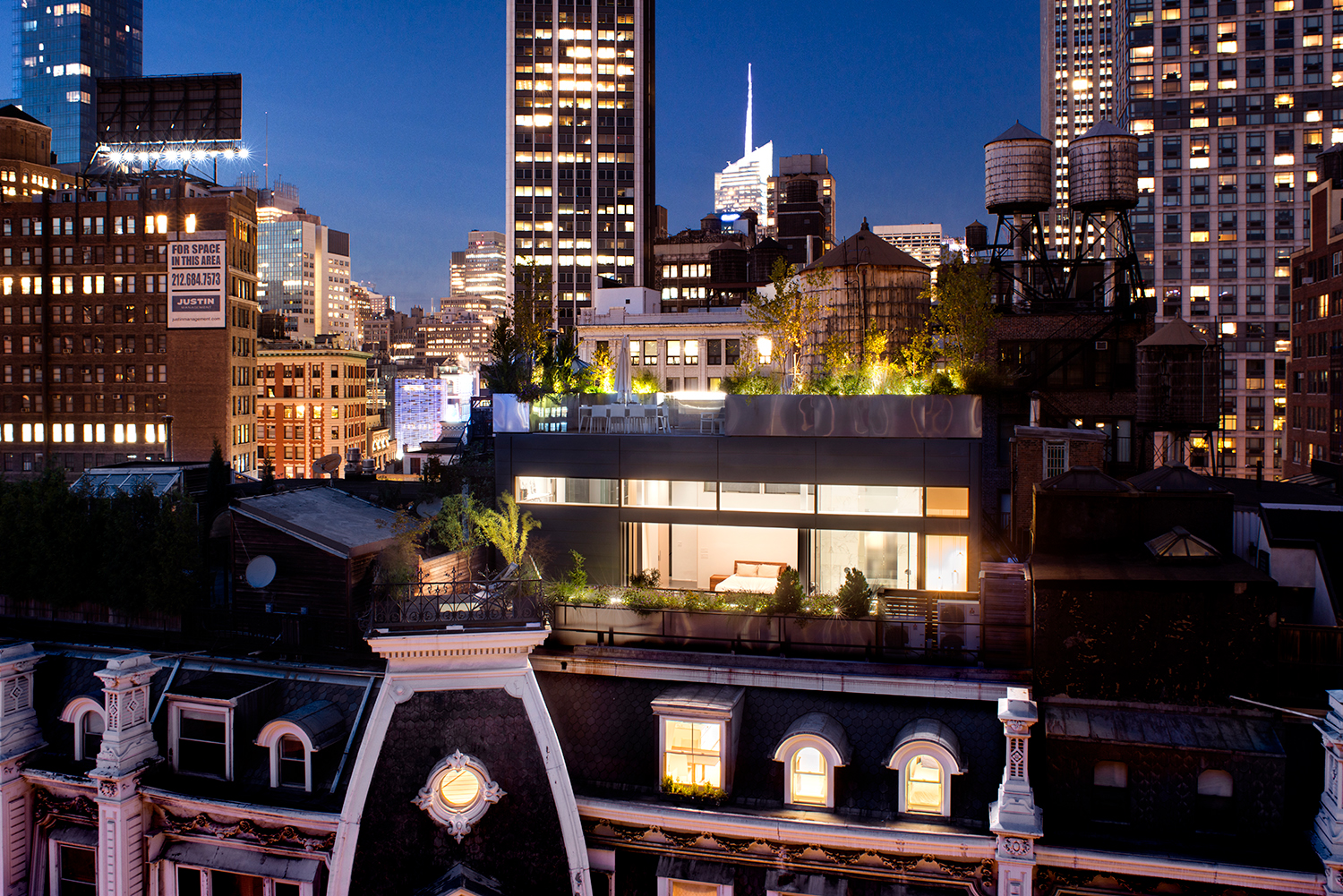
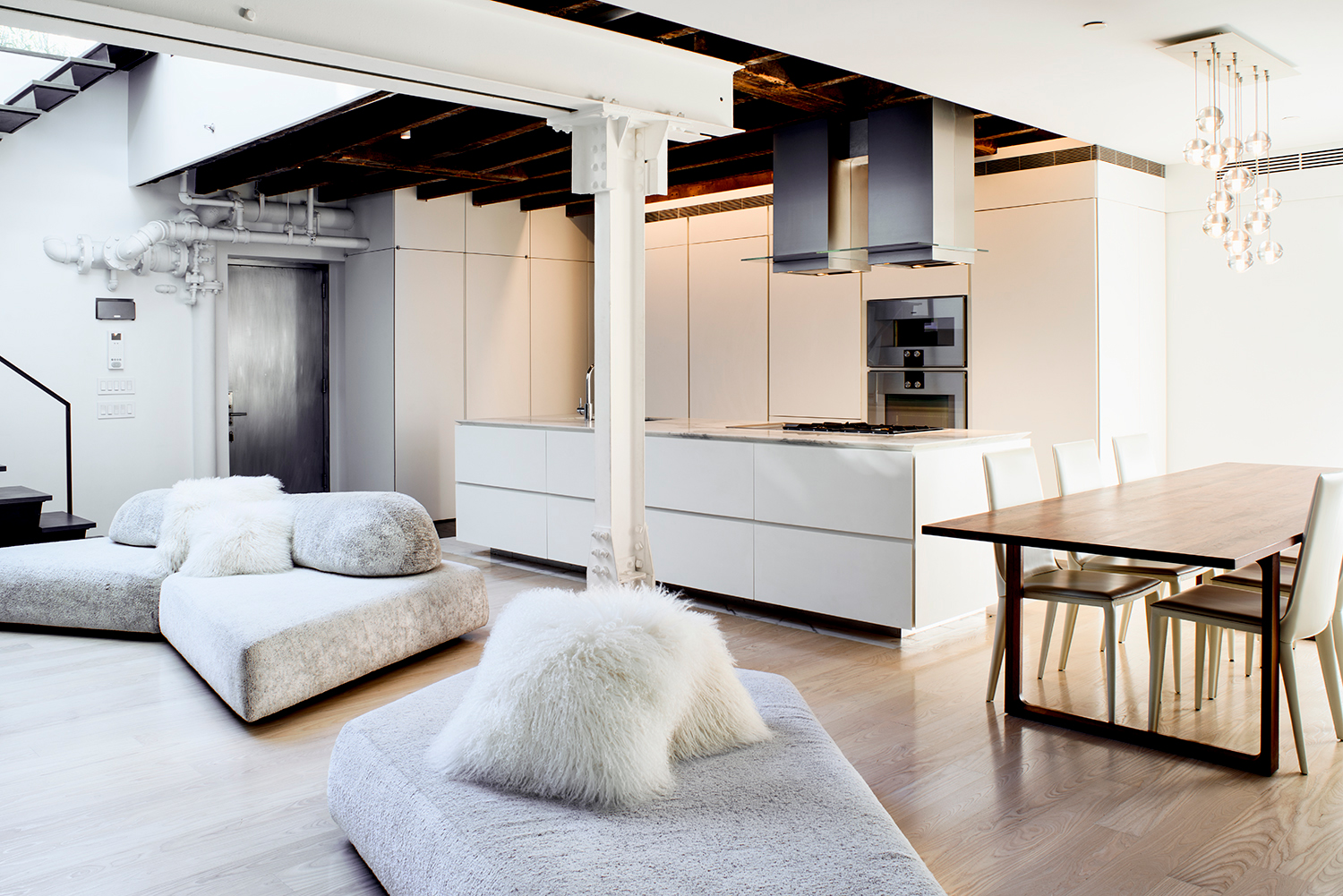
In Brooklyn’s Coney Island, Valgora and STUDIO V designed a two-tower, 463-unit residential complex, the largest geothermal project in New York City. At Halletts North, a former industrial site in Queens, plans call for market-rate and affordable housing, community-use space, and eco-friendly elements such as wastewater recycling systems. Valgora’s home, the award-winning J+K Residence — a three-level penthouse atop the landmark former Gilsey Hotel — uses high-efficiency heat pumps, double-glazed windows, a roof garden with efficient drip irrigation, and other green features.
Nearly 400 miles away, Valgora’s “dream project” is underway — a reinvention of one of his childhood stomping grounds: Silo City, the “magnificent ruins” that enthralled him as a boy and inspired him to become an architect.
He grew up outside Buffalo, New York, once home to the world’s largest complex of grain elevators. The massive structures were abandoned and officially off-limits. That didn’t stop Valgora from climbing the surrounding fences and spending hours exploring the dilapidated structures.
“That industrial architecture had a profound influence on me,” Valgora says. “In Buffalo, urban renewal and the loss of the industrial environment practically destroyed my hometown.”
At Cornell, he discovered that restoration and reinvention were possible. “Suddenly, I was exposed to the teachings of Colin Rowe, a legend in the world of 20th-century architecture education,” Valgora says. “I was looking at my own experience in Buffalo, wondering if we could restore cities in new ways to respond to the needs of their communities — and Colin was saying we could.”
“Every day, I use what I learned at Cornell,” he adds.
Valgora went on to earn a master’s in architecture at Harvard University, where he studied with Fred Koetter (M.Arch. ’66), who coauthored Collage City with Rowe. Valgora’s first architecture job was as a senior designer with Koetter Kim & Associates in Boston. He helped the firm launch its London office and worked on a series of waterfront restorations that inspired his Fulbright Fellowship project at the Royal Docks.
“It reminded me of where I grew up in Buffalo and the Great Lakes System,” Valgora says. The London and Buffalo waterfronts “are different in a sense, but a lot of their character is the same.” In both places, he saw opportunities to bridge the gap between the waterfront and community and “breathe new life into abandoned industrial structures.”
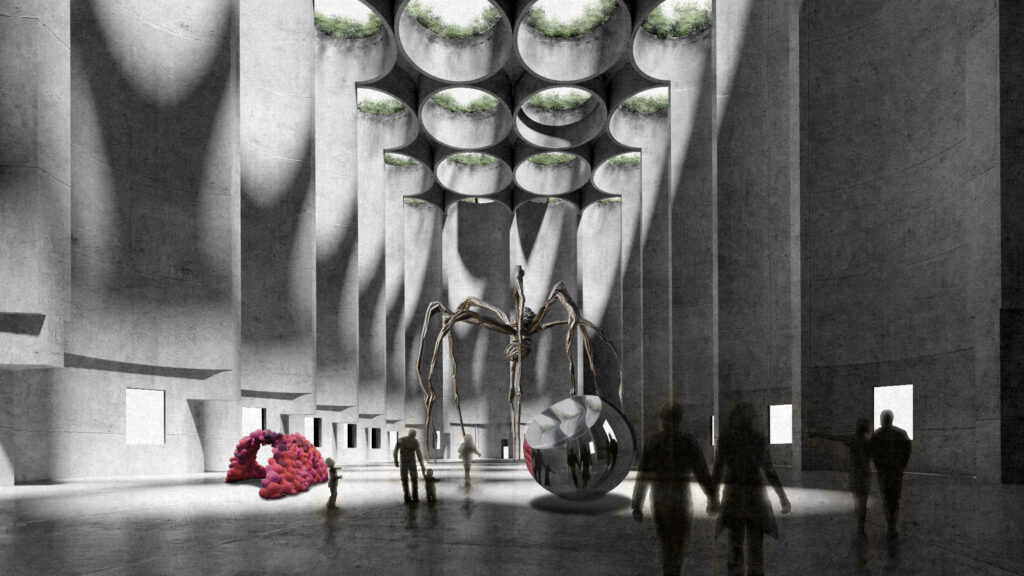
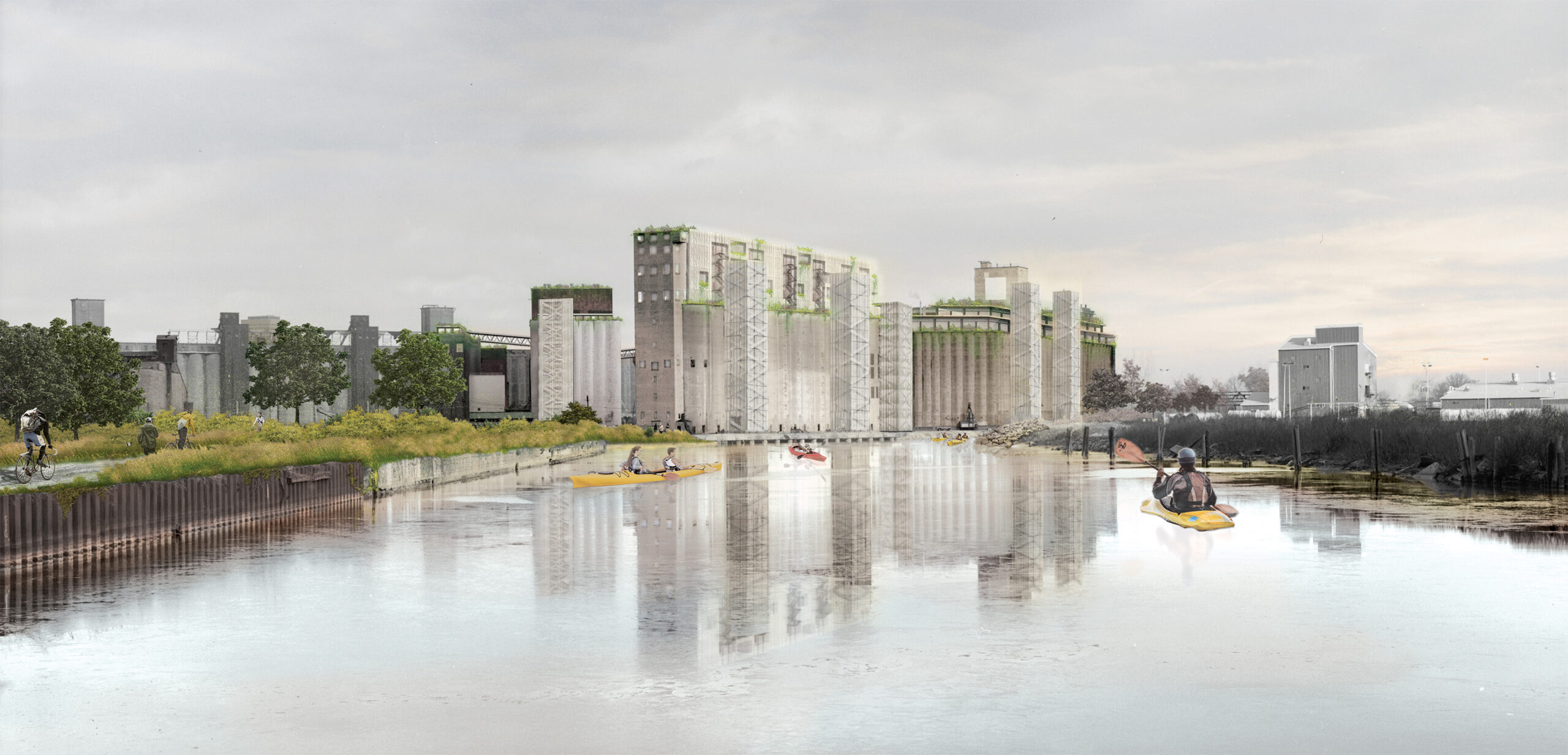
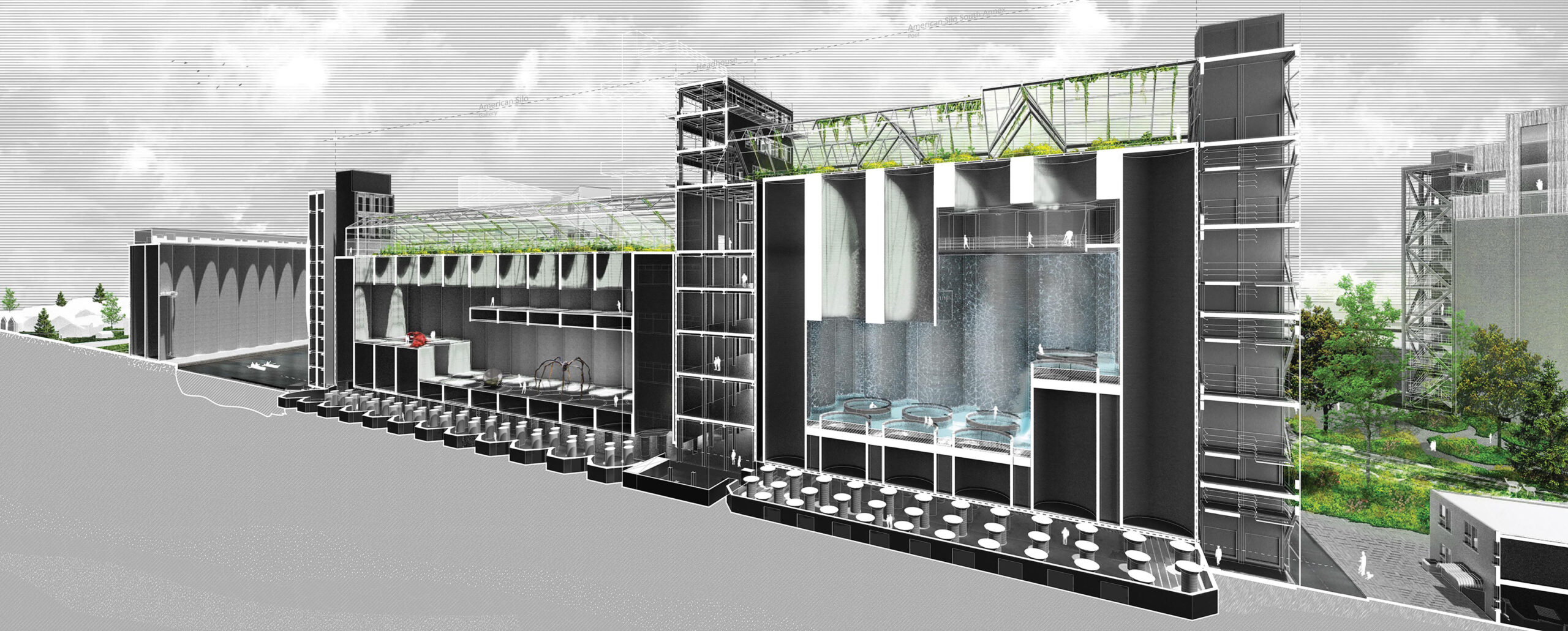
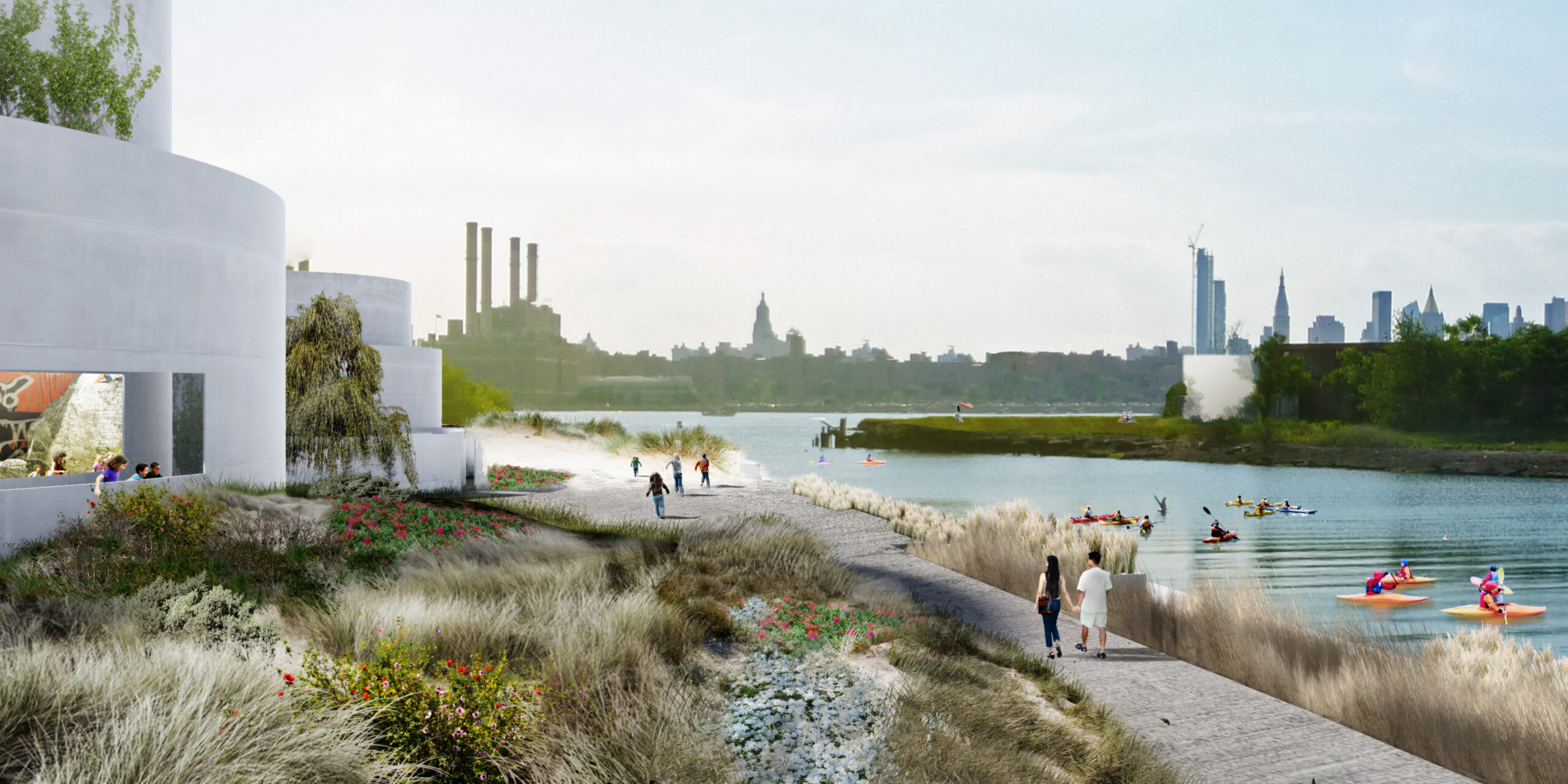
STUDIO V’s vision for Silo City is to transform the former industrial site and repurpose it for cultural, residential, institutional, commercial, and recreational uses. Ultimately, “Silo City will engage and integrate the entire campus with overlapping galleries, artist housing, an arts hotel, affordable housing, and culture spaces,” Valgora says.
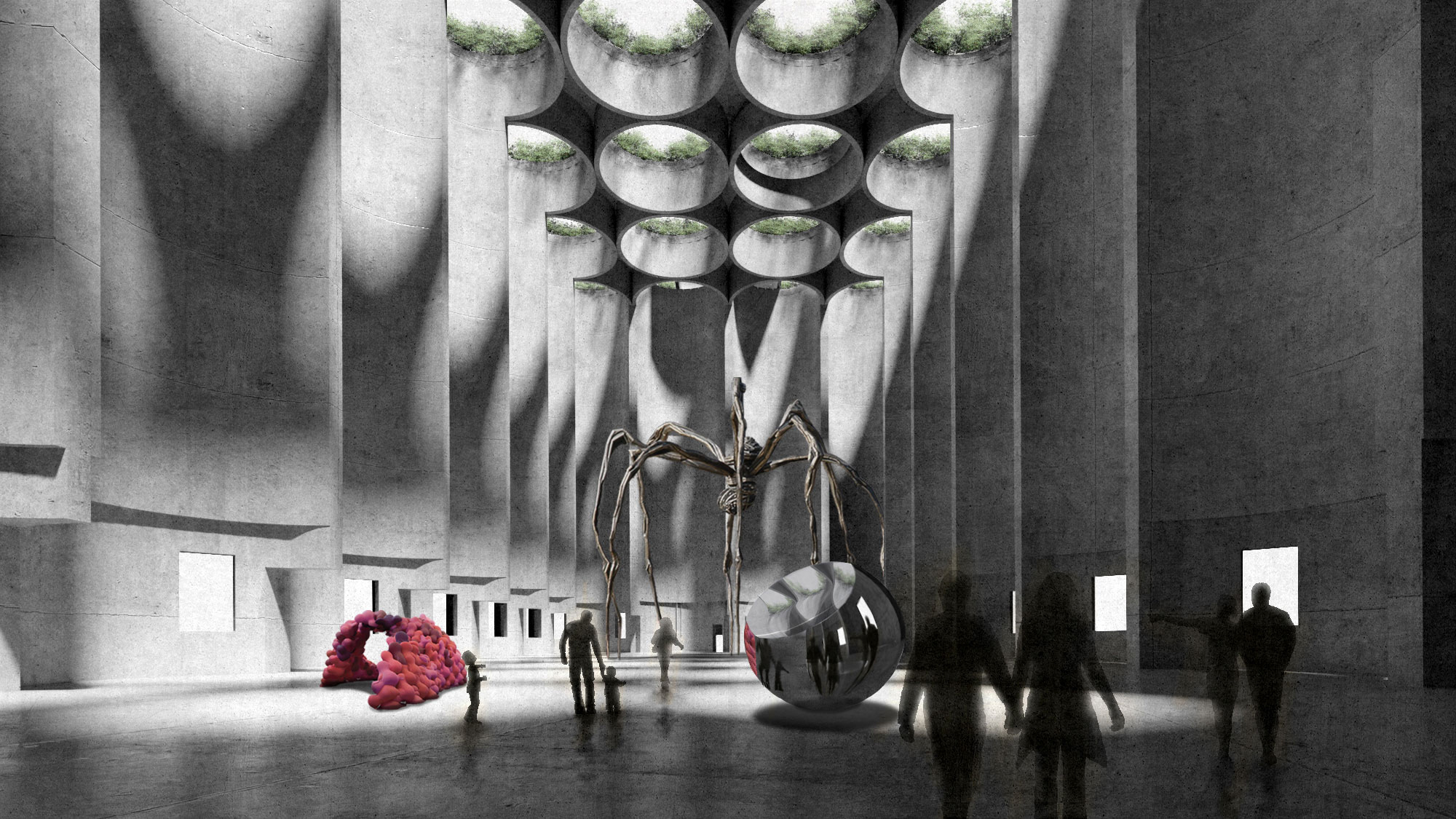
The site is already a hub of activity. On guided vertical tours, visitors learn the history of the ruins, experience the enormous scale of the structures, see the decay up close, and are treated to an amazing view from the top. The campus is a popular summer venue for the arts, and its gardens are a model of ecological regeneration. The Silo Passage phase of the project is joining together a series of walkways, elevated conveyors, and bridges to connect the buildings prior to completing their renovation for Silo City, the fourth phase in which “the windowless cylindrical voids are transformed into top-lit art galleries and multilevel swimming pools cascade from one level to the next,” Valgora says.
According to Valgora, that won’t be the finished project. “Like a city, it will never be complete,” he says. “It grows from the people who use it.”
At Silo City and elsewhere, one of Valgora’s goals is to contribute to a more sustainable, equitable future. At Coney Island, for example, Studio V experimented with geothermal technology with an eye toward deploying it in additional locations. As a member of the Waterfront Management Advisory Board, Valgora helped shape the guidelines for development along New York City’s 520 miles of waterfront for the next ten years.
STUDIO V prioritizes projects that support racial equity and marginalized communities. One of their clients, Majora Carter, is an urban revitalization strategist, author, and MacArthur Genius Grant Winner. She purchased the defunct Hunts Point rail station and has commissioned STUDIO V to transform the Cass Gilbert-designed building into a cultural center called Bronxlandia. The firm is also designing a new experimental space within the Oculus in Lower Manhattan called The Institute of Black Imagination. Founded by acclaimed artist, urbanist, and educator Dario Calmese, the IBI will be a multifunctional space for film screenings, exhibitions, podcast recording, research, and discovery.
“As architects, we’re often frustrated working between competing interests to create designs that live up to higher aspirations. STUDIO V turns this ‘zero sum game’ on its head: We use radical design to engage communities, developers, and elected officials. Surprisingly, we get these competing groups to agree — creating a new vision for the American City.”
Projects
Click to view project images full screen.
Empire Stores
2017
Yonkers Raceway
2013

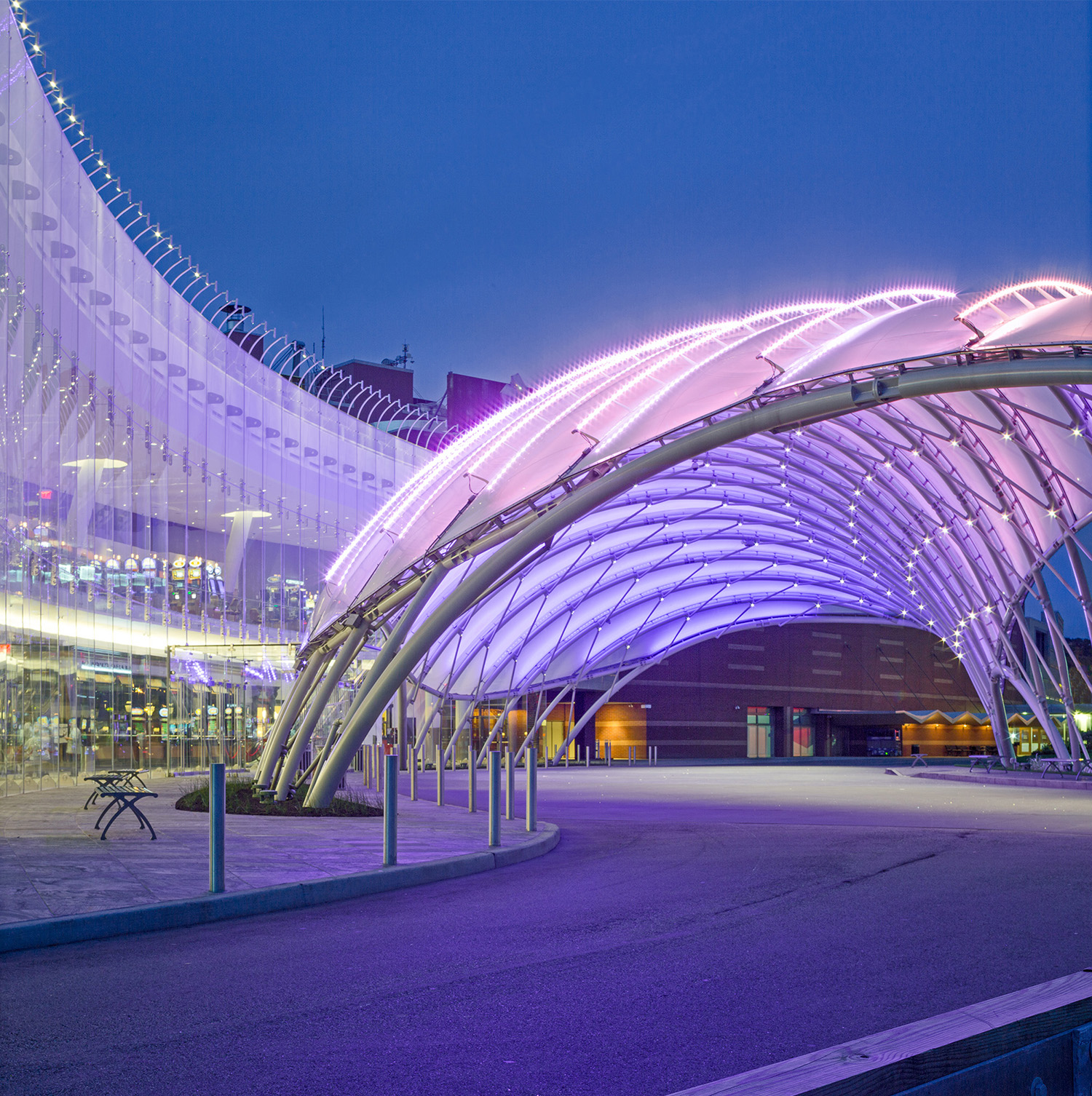
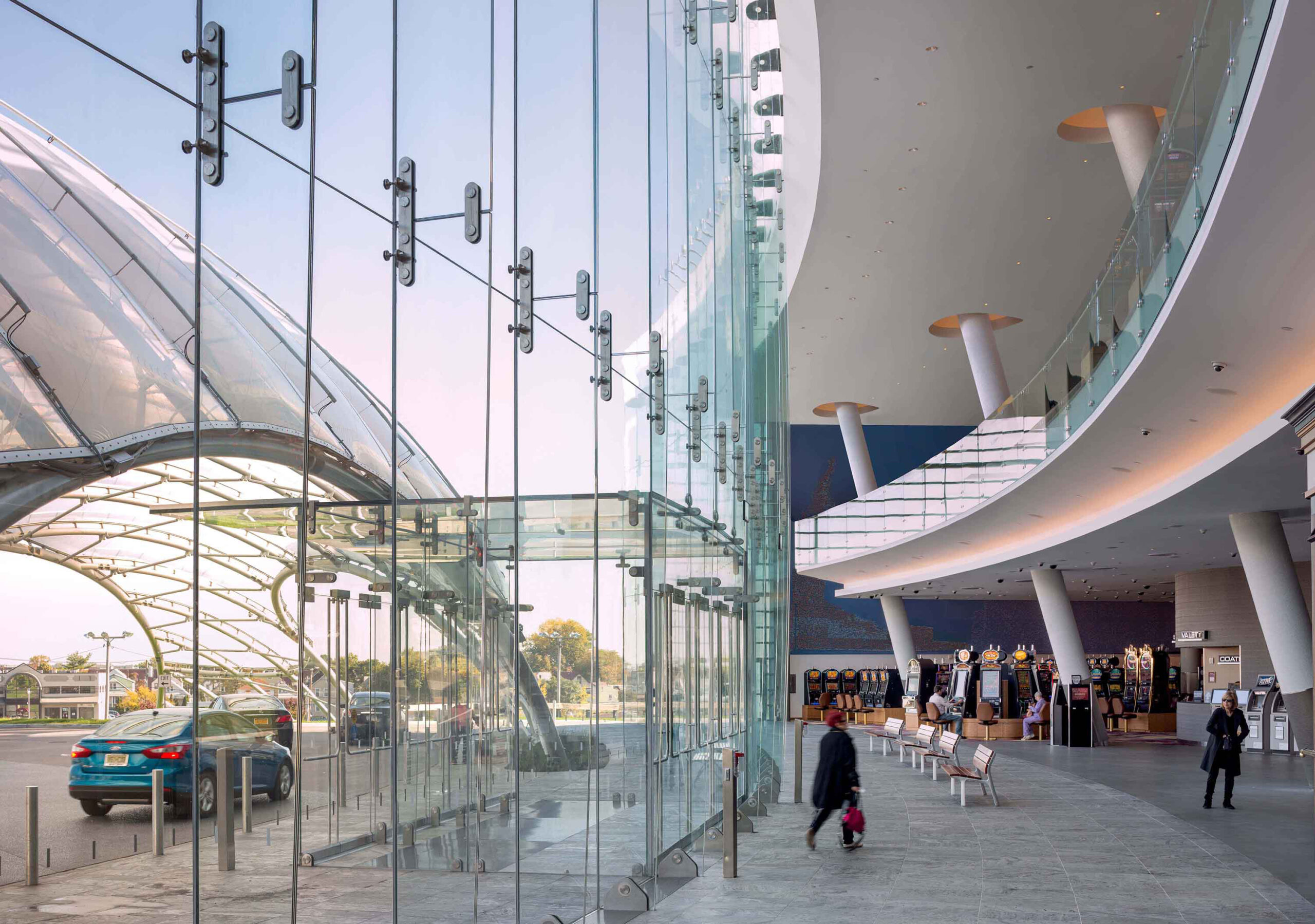
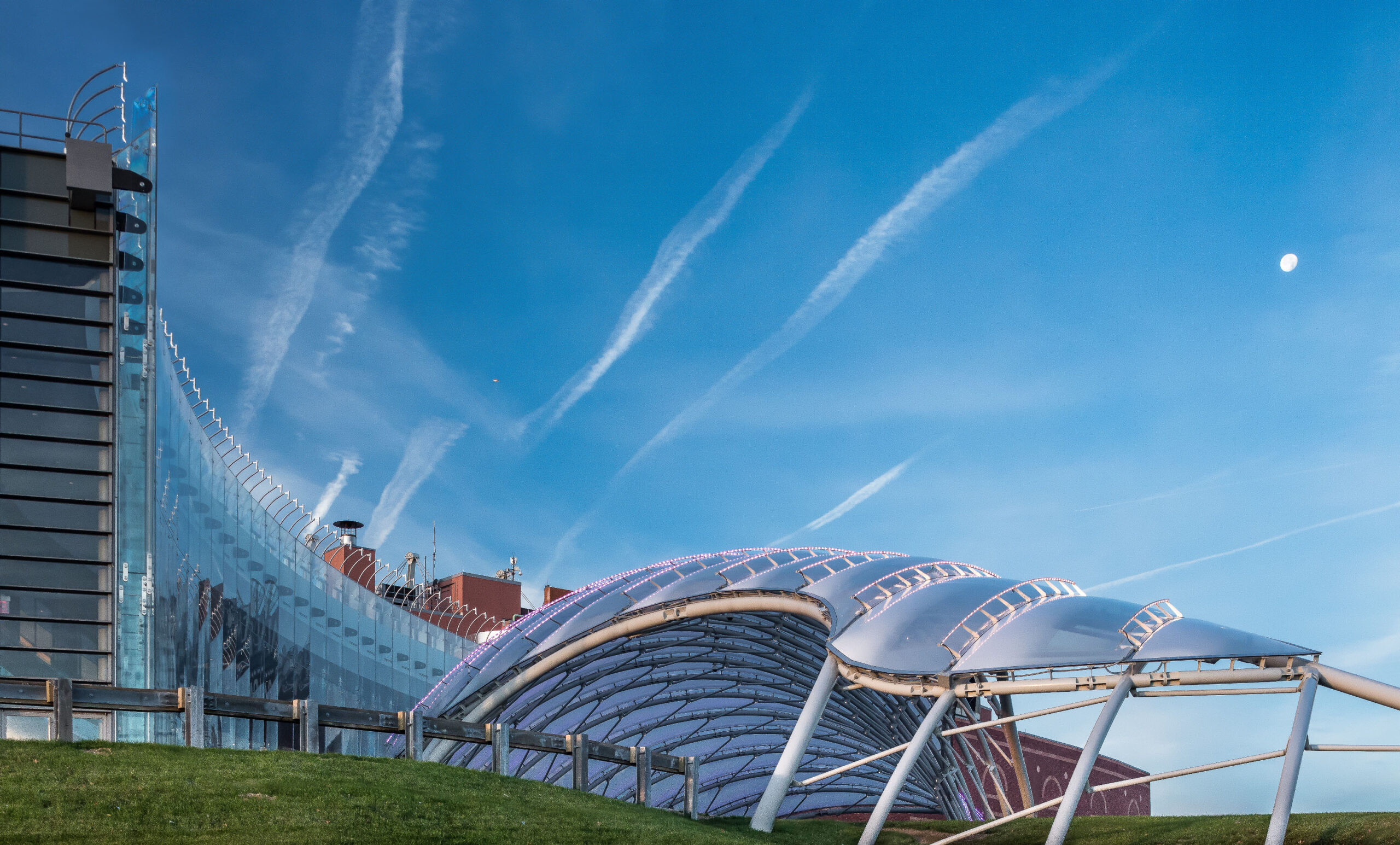
Silo City
2014
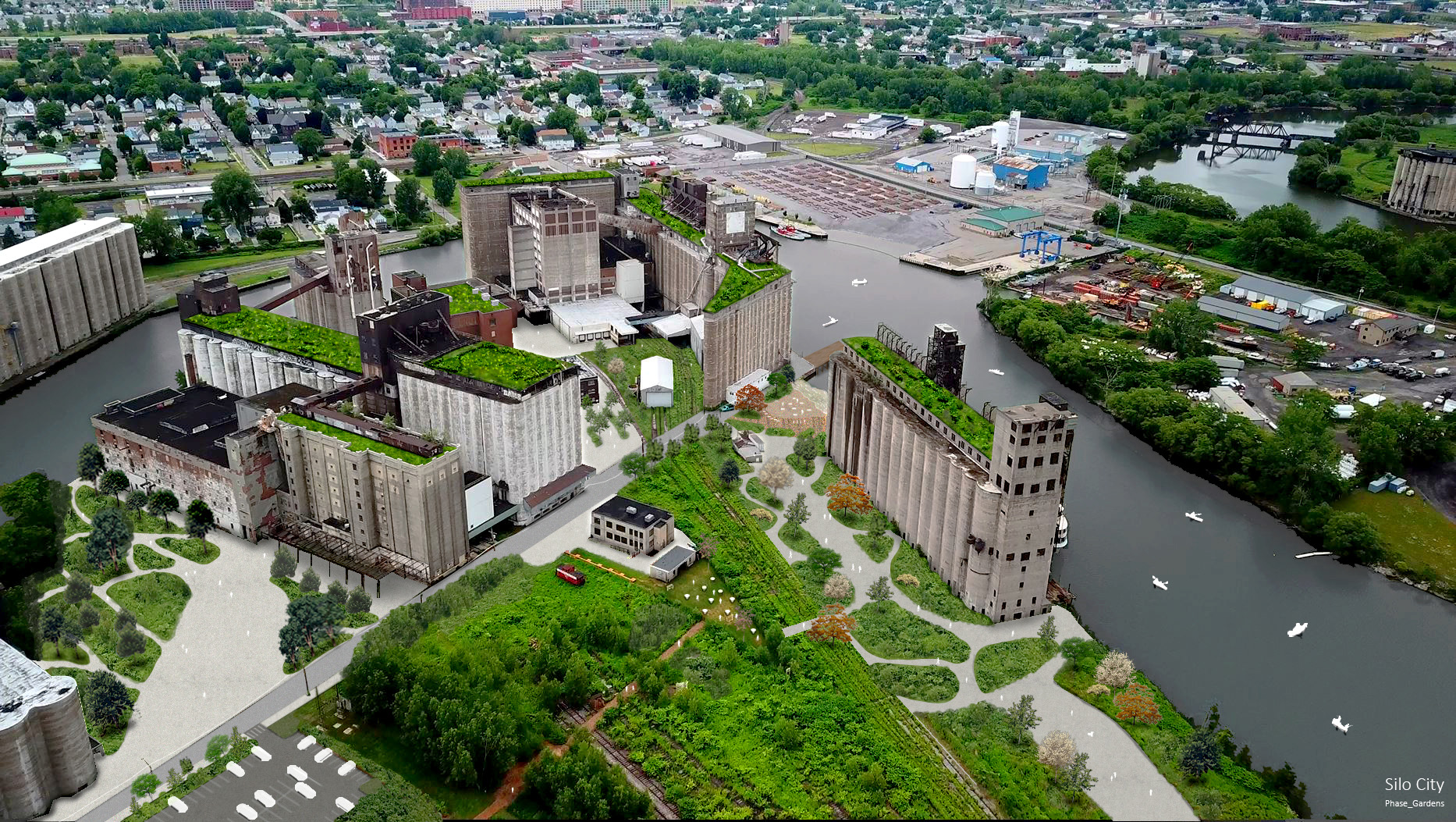

The Tanks
2015


J+K Residences
2016
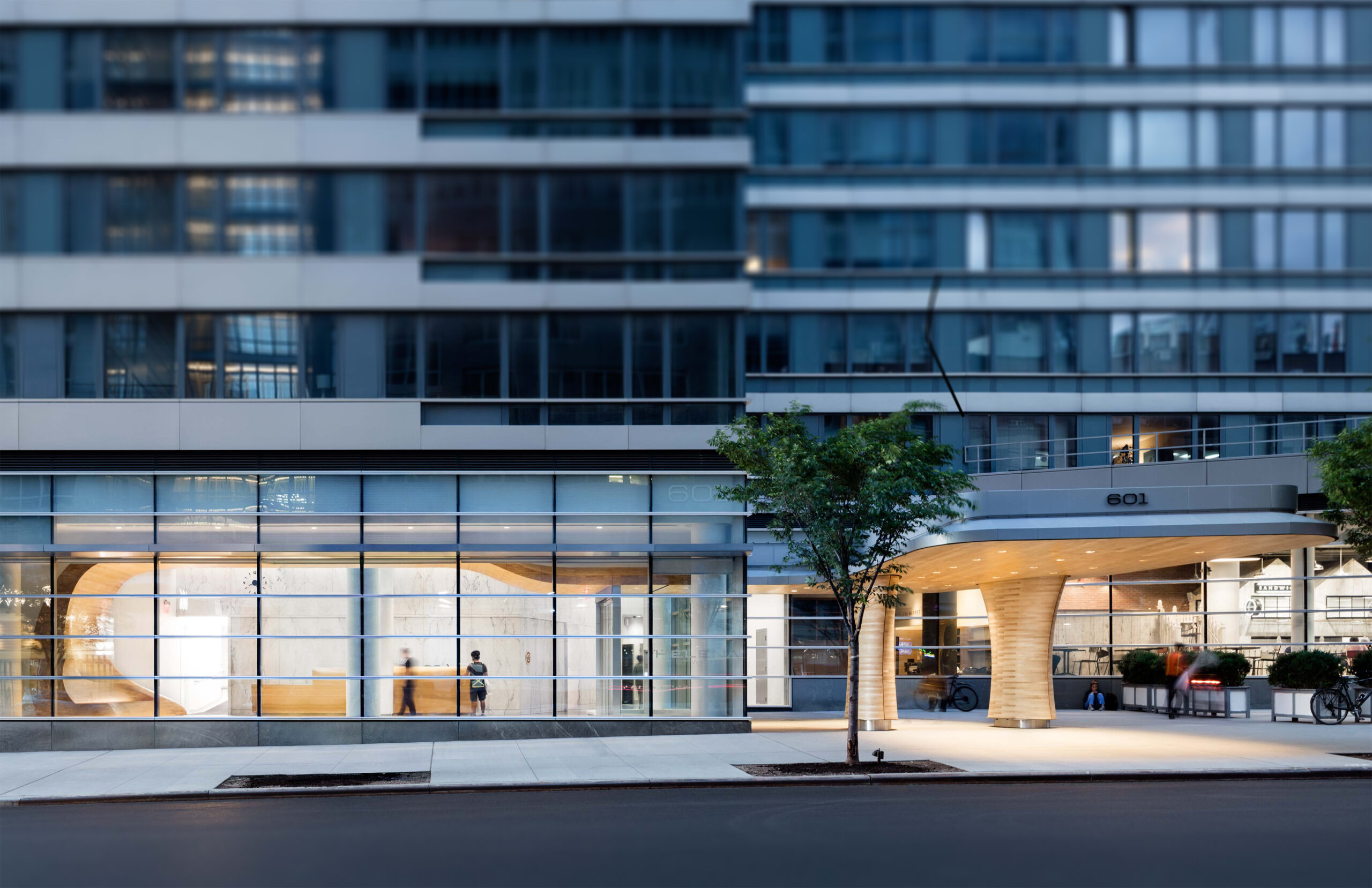
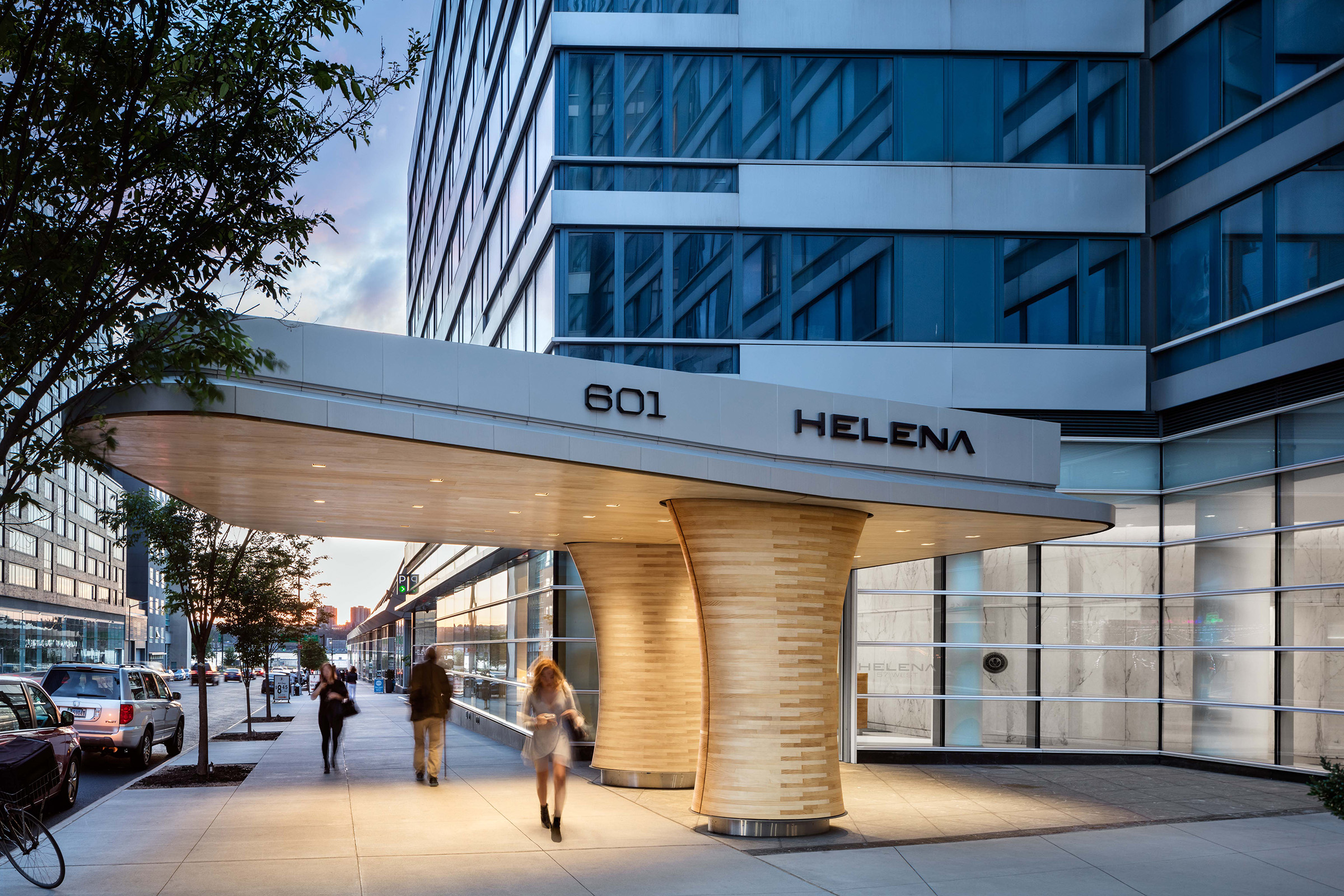
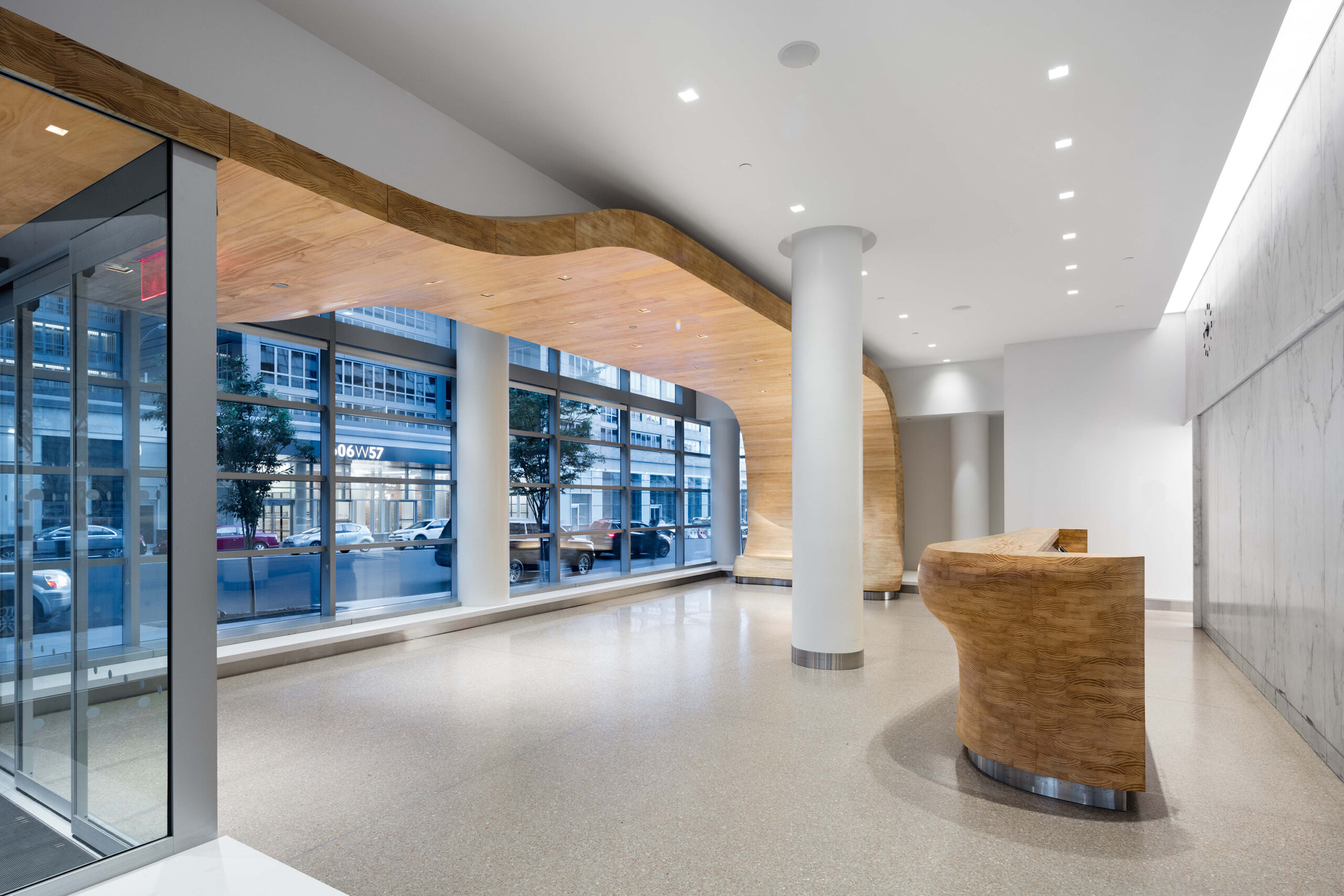
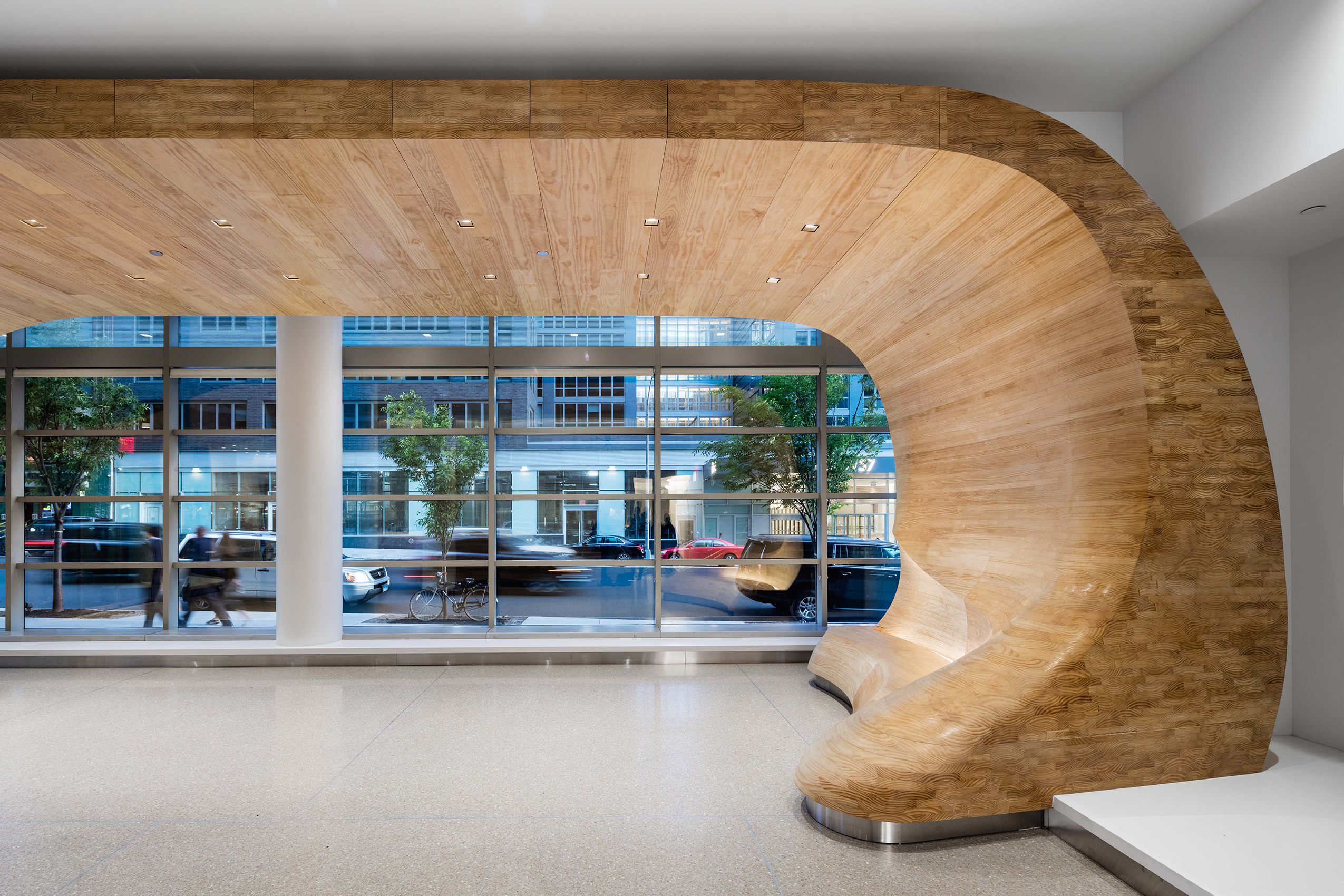
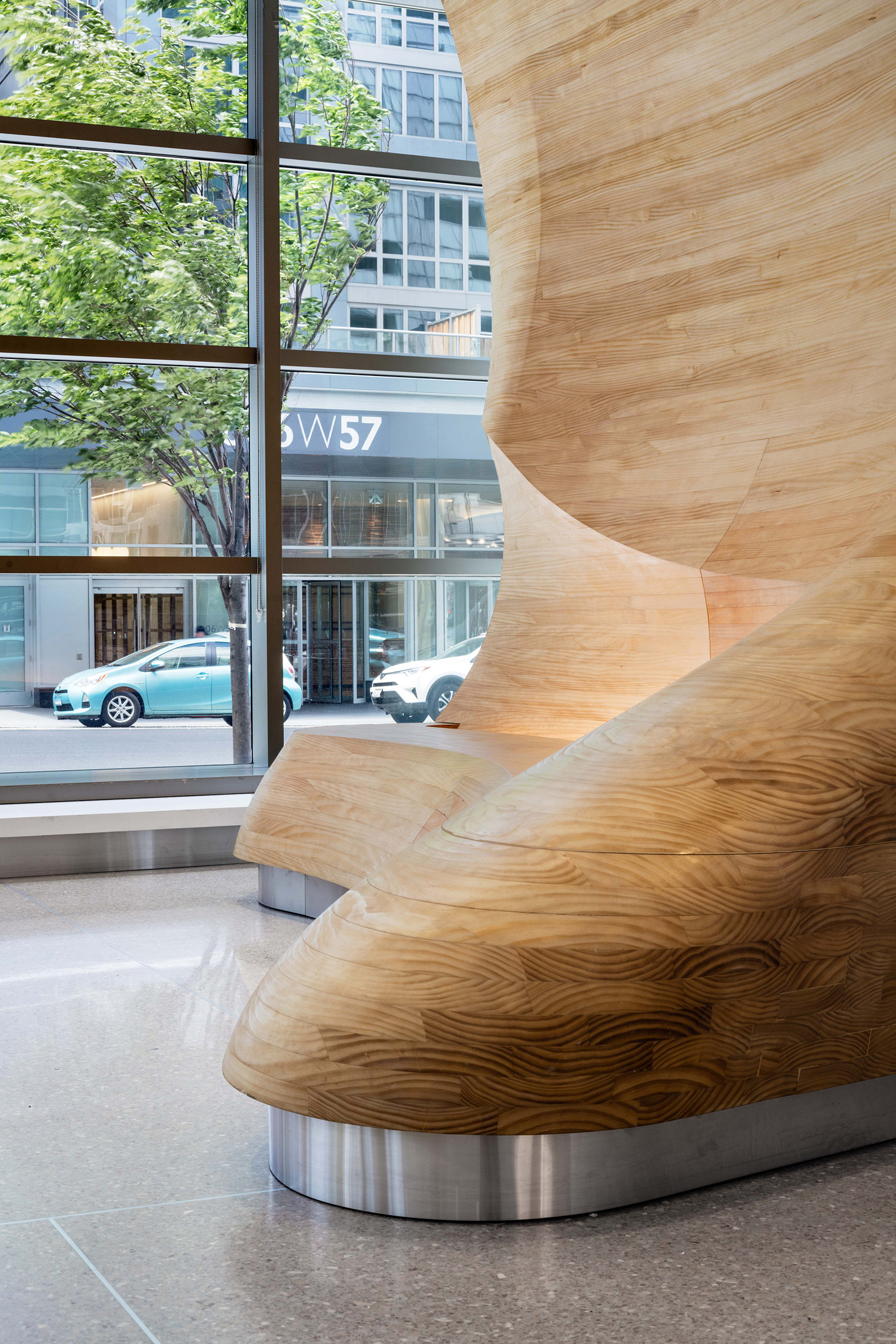
Helena 57 West Lobby
2018
Explore the Archive
-
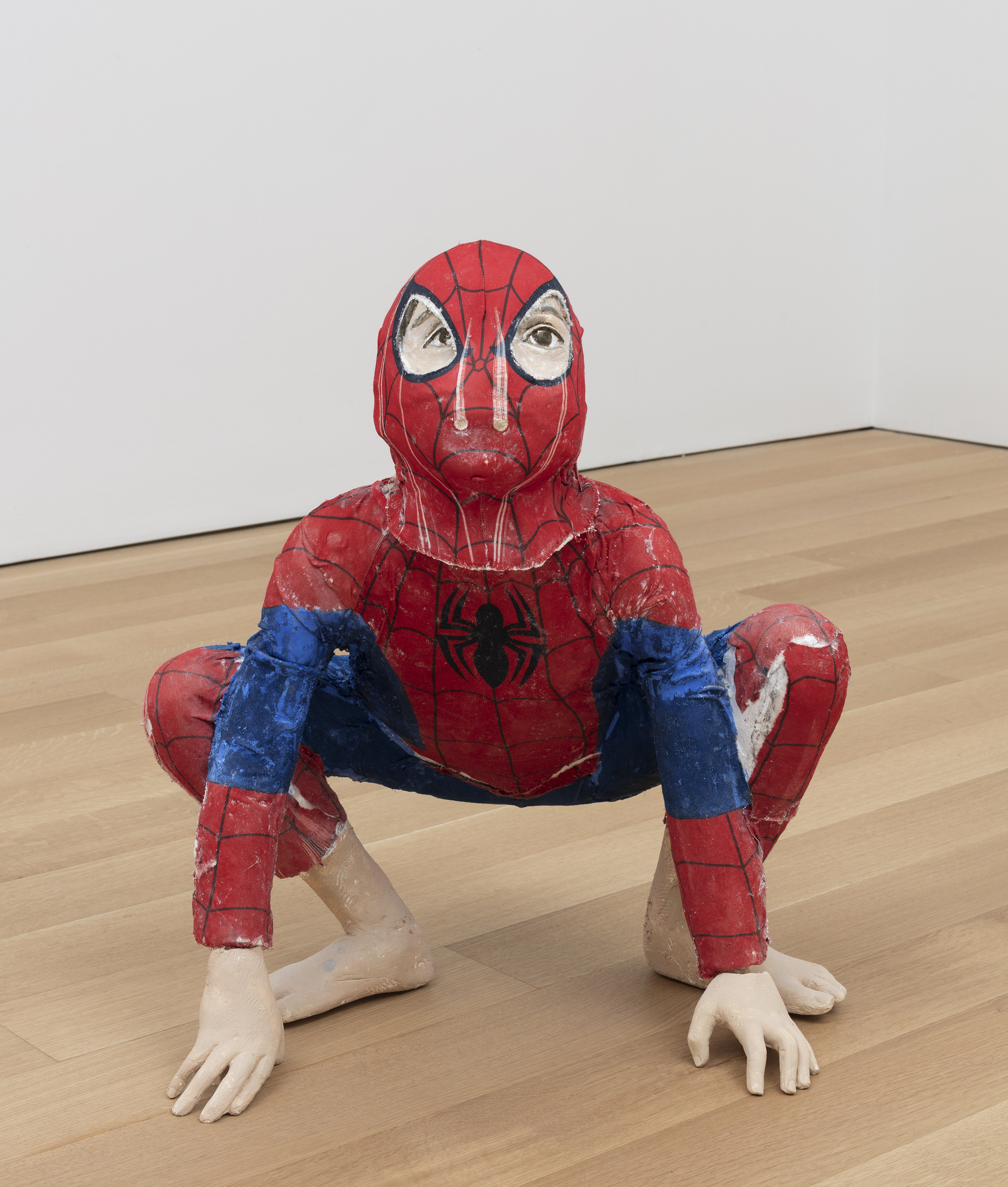
John Ahearn
B.F.A. ’73
![Life-sized sculpture of child dressed in Spiderman costume squatting on a wooden floor.]()
-
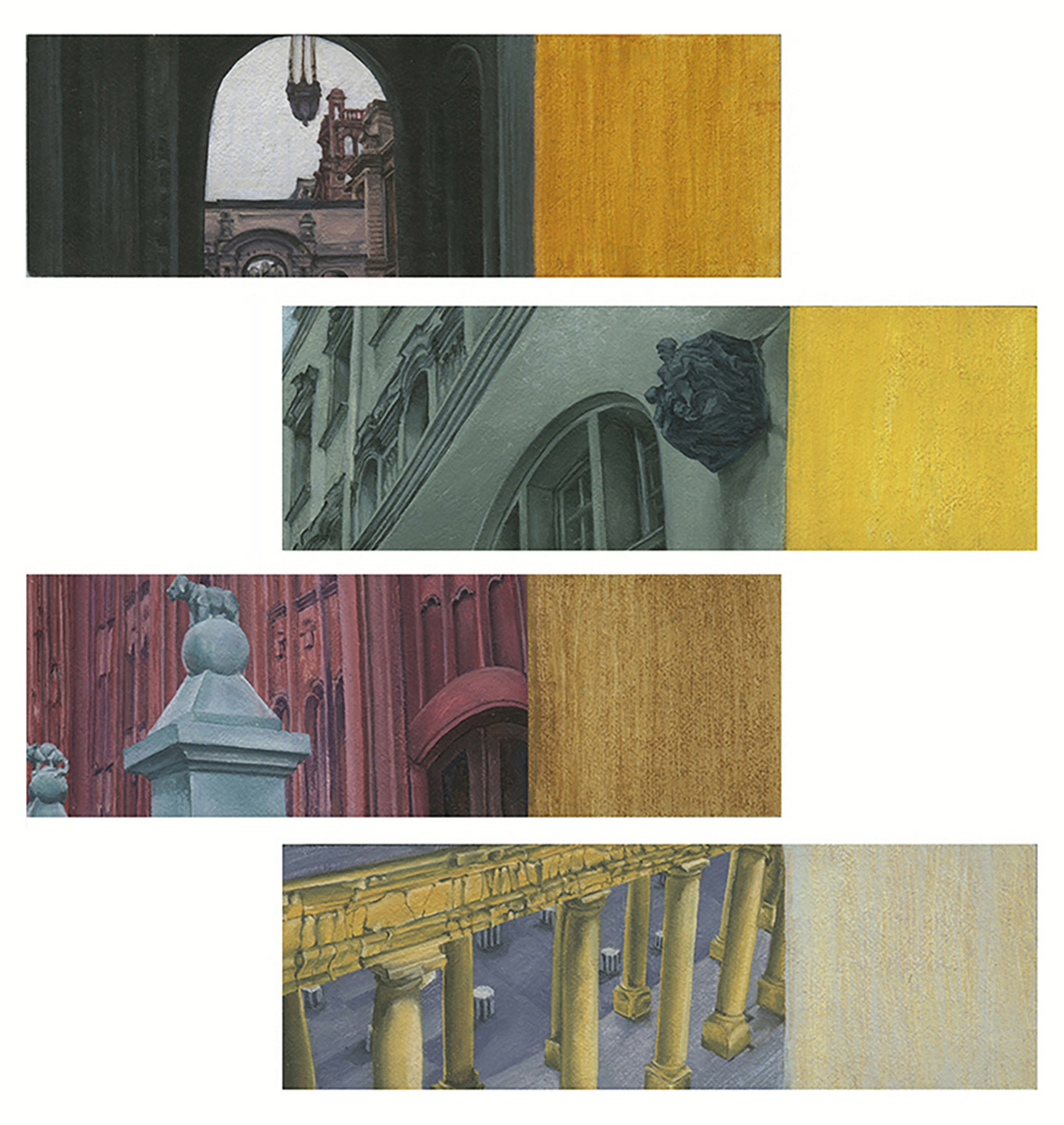
Maddy Rosenberg
B.F.A. ’77
![Four paintings depicting composite architectural imagery in heightened color placed side by side with transparent neutral color.]()
-
Ellen Buselli
B.F.A. ’74
![Oil on linen still life painting of a large black pot surrounded by smaller dishes, a bulb of garlic, and an onion with an overgrown stem.]()
-
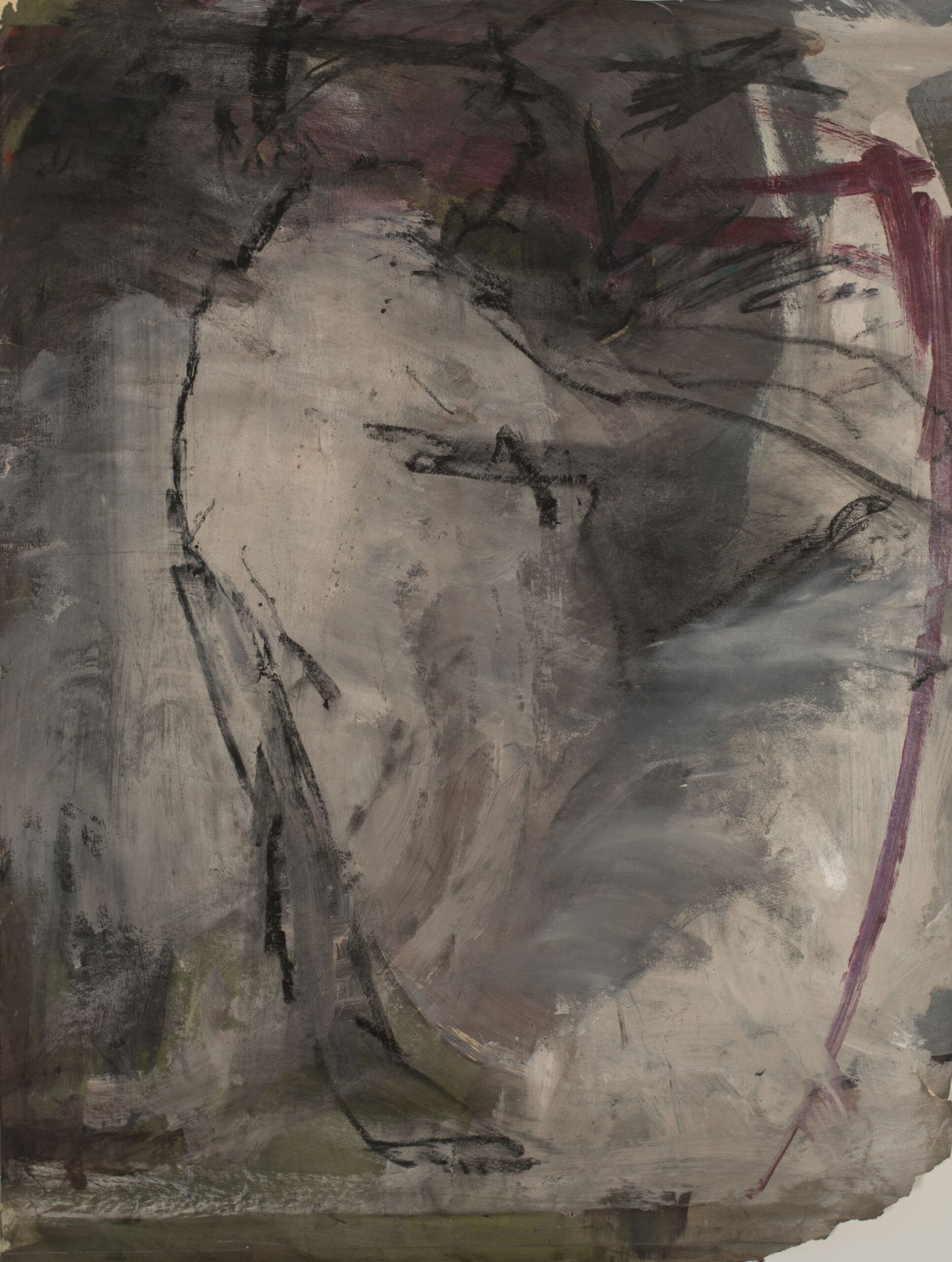
Leslie Brill
B.F.A. ’71
![Abstract artwork in acrylic and charcoal on paper]()