Born and raised in Hawaii, Francis S. Oda (B.Arch. ’64) made his first trip to the mainland U.S. in 1959 — the same year that Hawaii became the 50th state — to study architecture at Cornell AAP. At the time, no one in his family had ever visited the contiguous U.S., and jetliner travel wasn’t available. It took Oda five days just to reach the Cornell campus.
In comparison to Hawaii, New York felt like a different country to Oda. He had to adjust to the culture, the way people spoke, and the personalities of the people, among other differences. “New York culture was a shock to the system,” he said. The cold and snow of winter provided the toughest challenge for him, as he seemed to have a cold during the entire season. Oda went the whole academic year without returning to Hawaii or seeing his family and friends.
At Cornell, Oda took courses in painting, poetry, and sculpture. As he learned the fundamentals of architecture, he initially struggled to understand architecture on a creative level until it clicked during a project in visiting professor Neave Brown’s class. “He was the one who kind of unlocked the understanding of architecture for me,” Oda said. “[Architecture is] about space, how people live in space, and how life moves in space through culture”
After graduation, Oda moved to California, where he completed an internship and then cofounded the firm Quinn & Oda with Patrick Quinn, who taught at University of California–Berkeley’s College of Environmental Design and later chaired the architecture school at Rensselaer Polytechnic Institute. The pair won the National AIA Honor Award. They ran their practice from 1967 to 1971, focusing on religious architecture, when both men relocated to take new roles in academia. Oda returned to Hawaii with his wife and became an associate professor at the University of Hawai´i School of Architecture and university architect.
He returned to professional practice two years later and became a copartner of the Hawaii-based firm Group 70 (G70), whose mission is to design responsibly for “natural, cultural, and human environments.” He entered as president, managing partner, and CEO.

At the time, G70 was a new firm that only did programming and design. But as it took on more projects, the team realized it needed to expand its capabilities and become a full-service firm. As its first big project, the firm landed a 720-room, oceanfront Marriott hotel in Maui, the first Marriott Resort Hotel in the world. This project spurred G70’s international practice, and since then, the firm has completed projects spanning the Pacific Ocean, including in Japan and Indonesia.
As he works in different countries, Oda approaches new projects through the lens of the local culture. He mandated that G70’s designs include cultural references, and repurposed the Hawaiian word Kama´āina, meaning “child of the land,” to describe this style of architectural design. “We work with local people, and we try to identify those things that are very meaningful culturally, and how they can be incorporated into an expression of modern place with stamps of culture that are not universal,” Oda said.
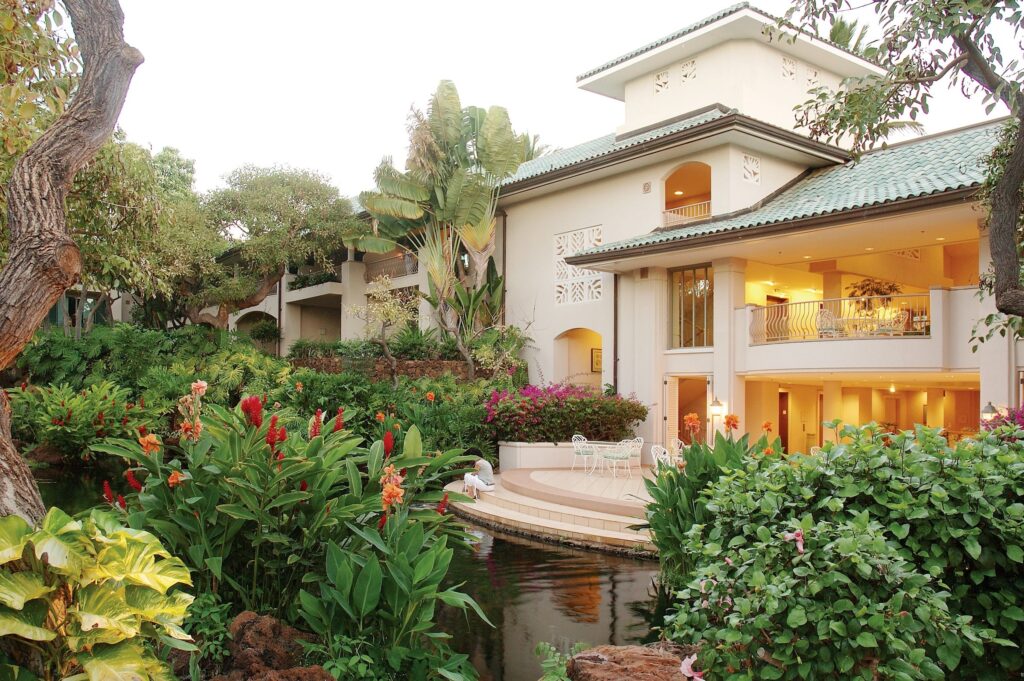
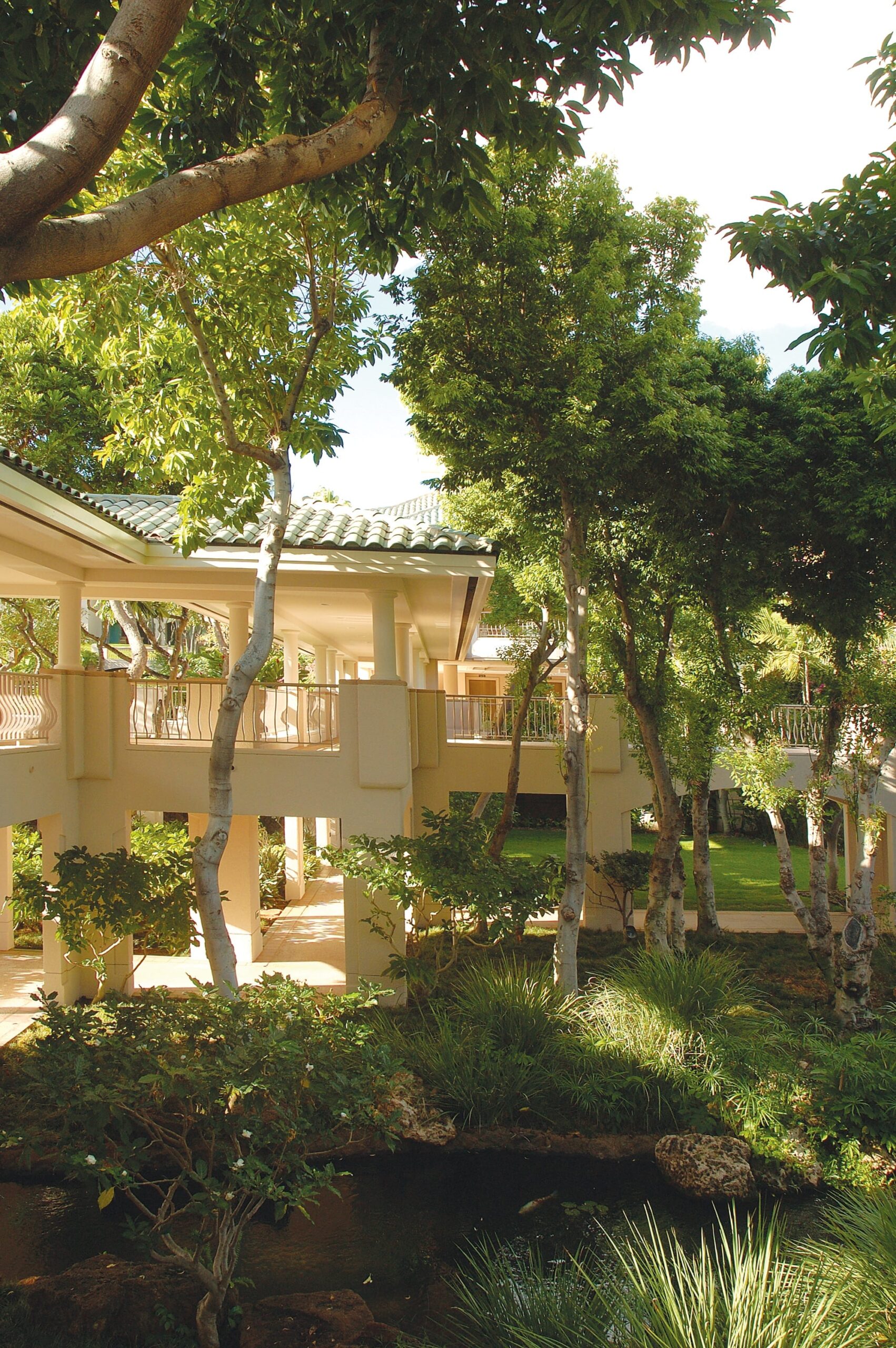
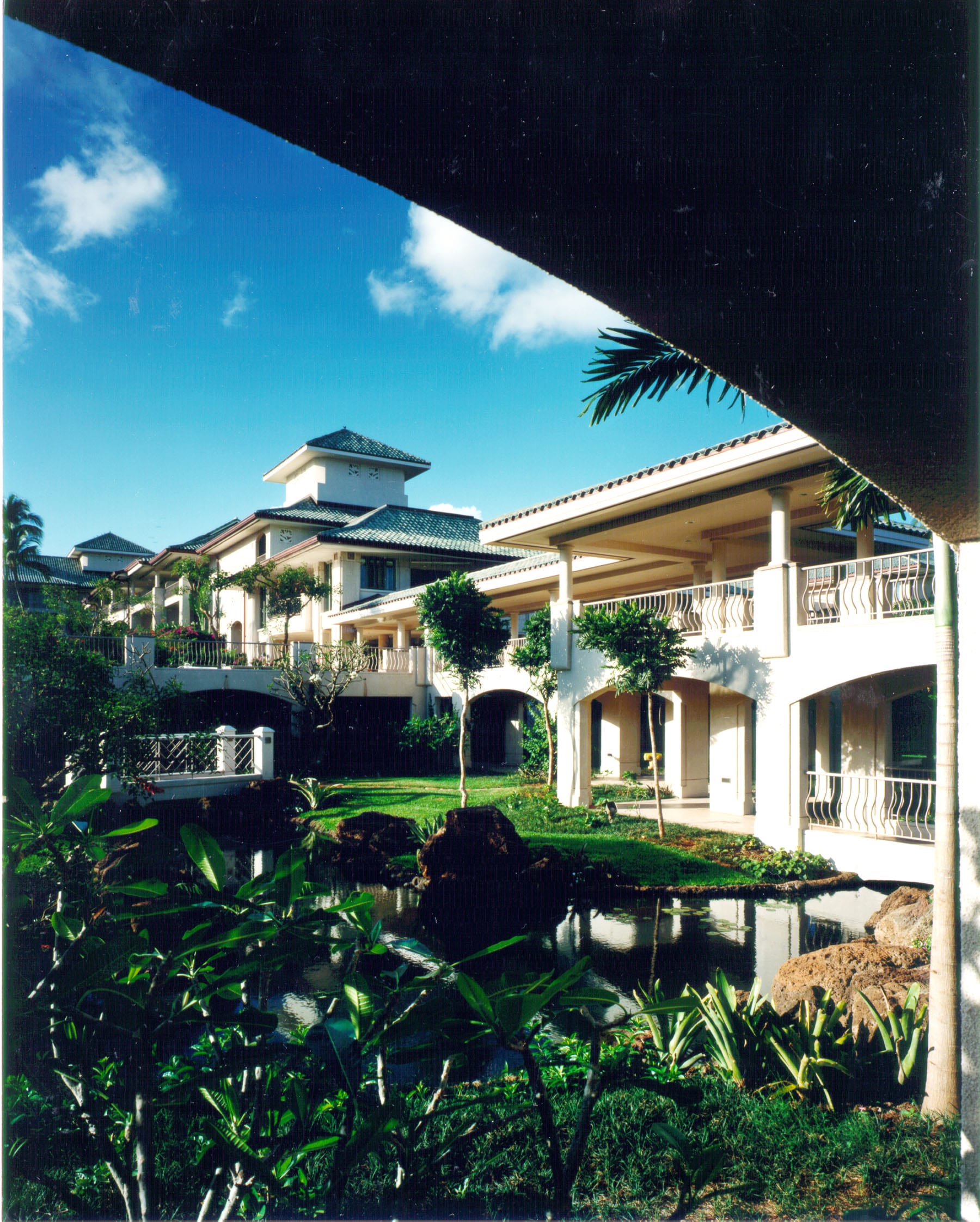
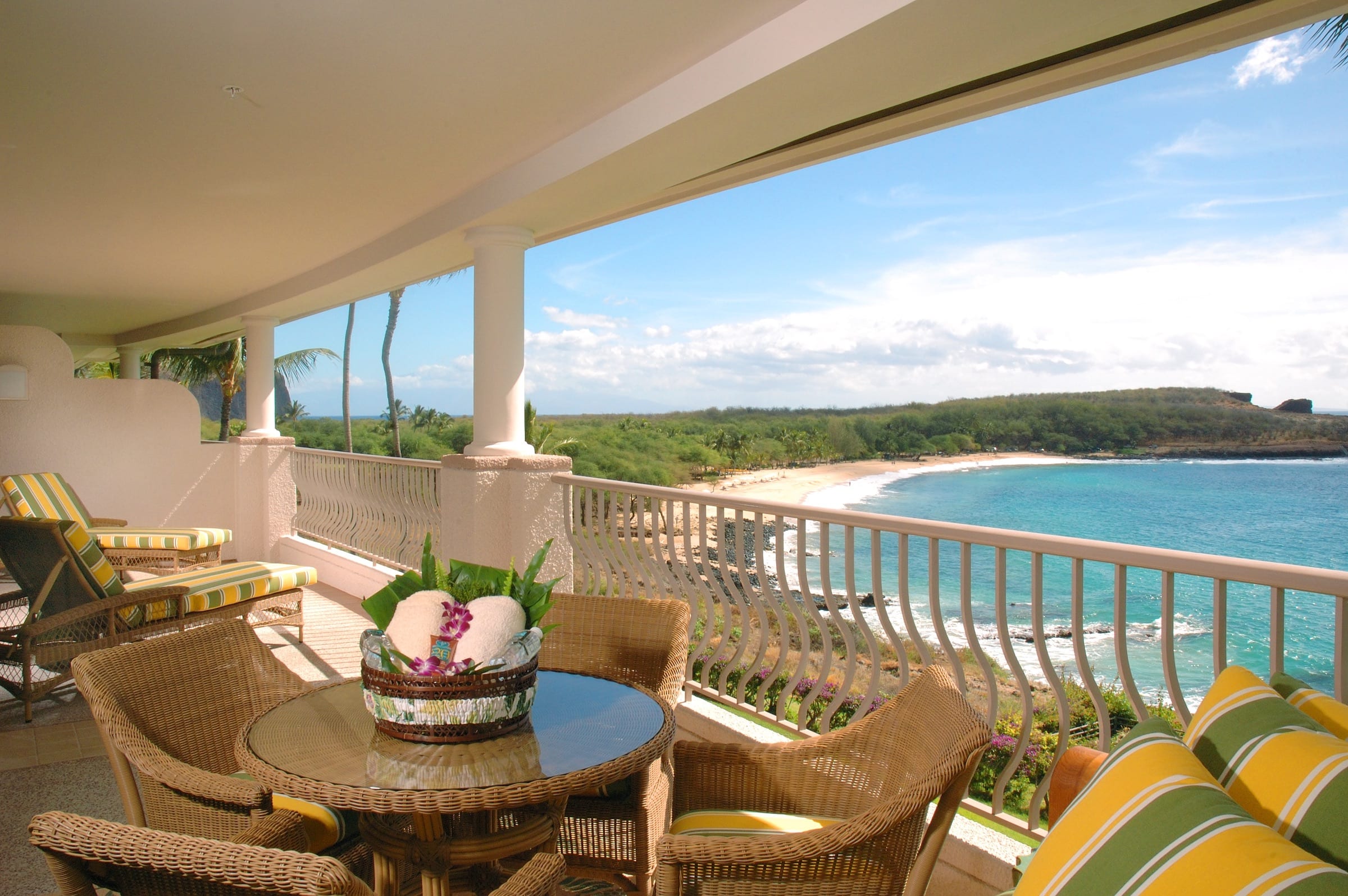
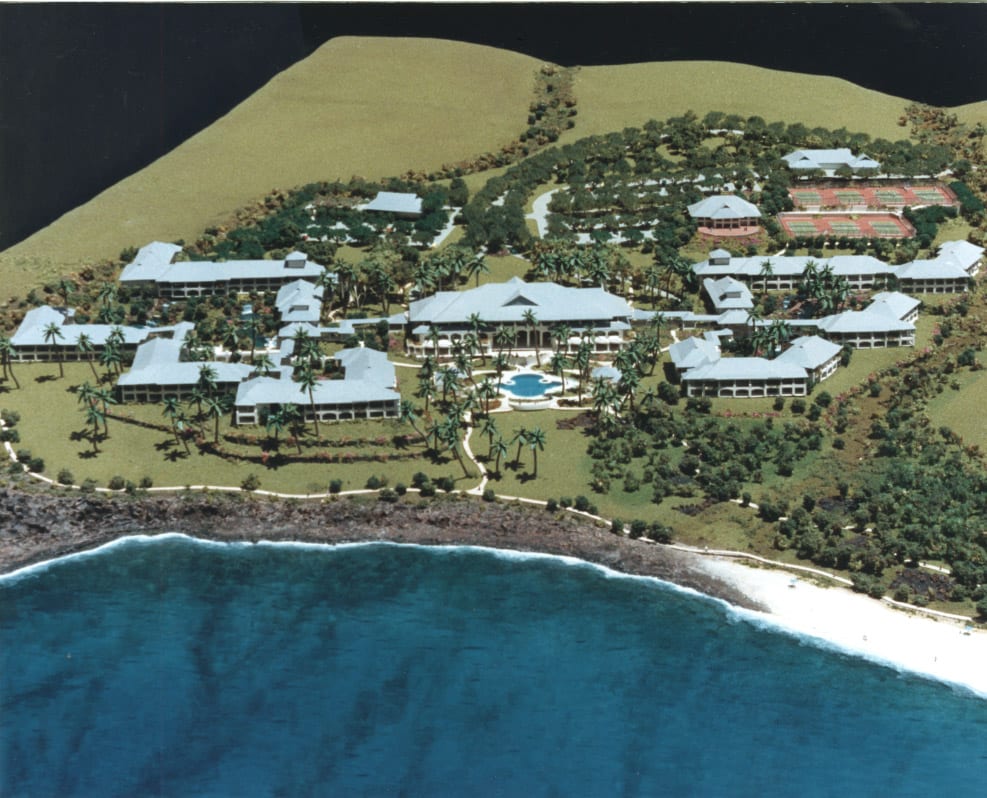
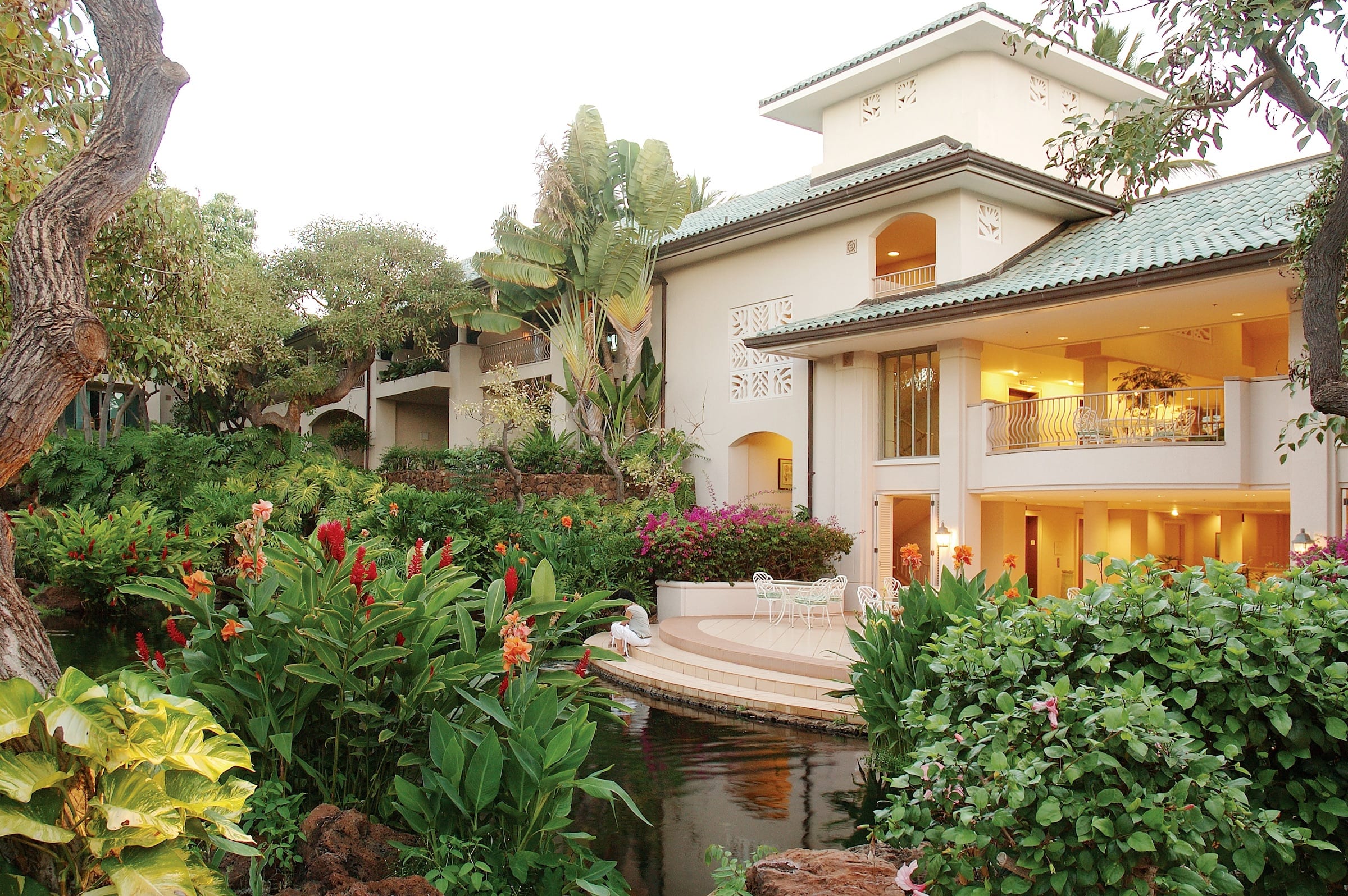
In the early 1990s, Oda worked on G70’s designs for the Four Seasons Resort Lāna´i at Mānele Bay, which became the first major expression of Kama´āina architecture in Hawaii. Echoing the history of the land, the project used materials and designs that referenced the traditional style of the Hawaiian Royal Family. Pineapple plants from when the island was a pineapple farm still surround the resort. The hotel overlooks Hulopoe Bay, a marine preserve rich with marine life. Condé Nast Traveler named the Four Seasons Resort Lāna´i on its 2020 Gold List of best hotels and resorts in the world.
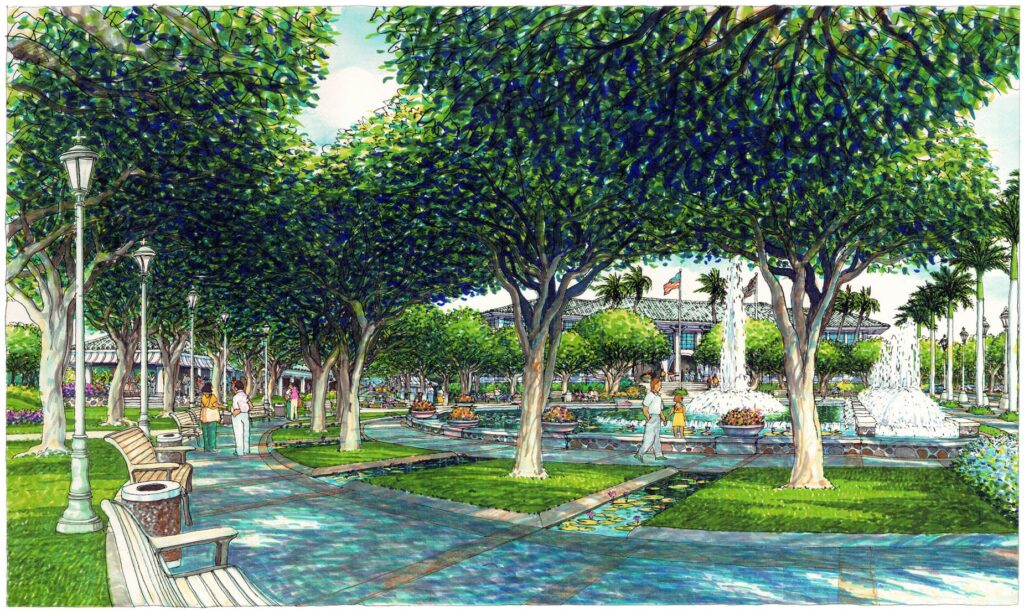
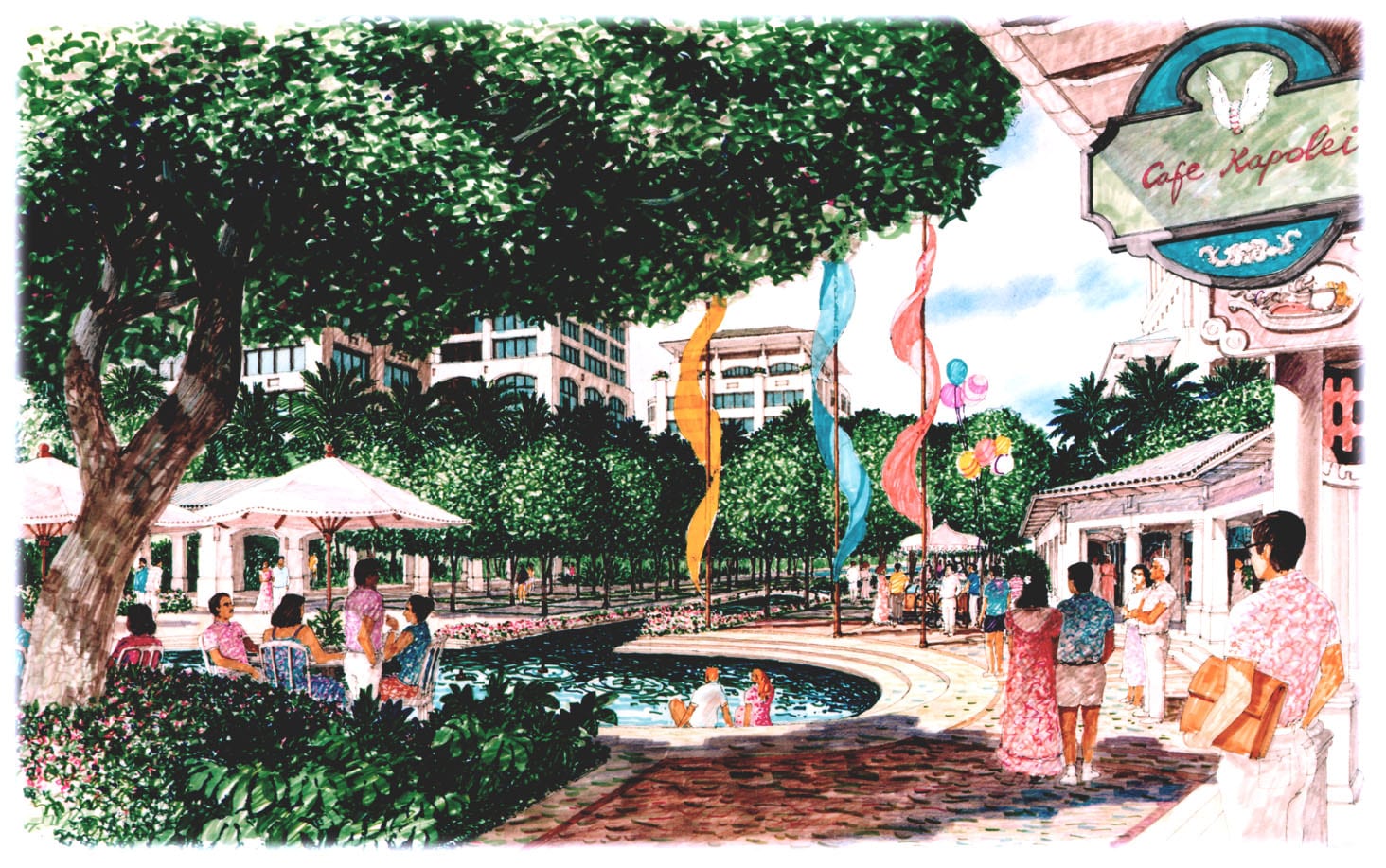
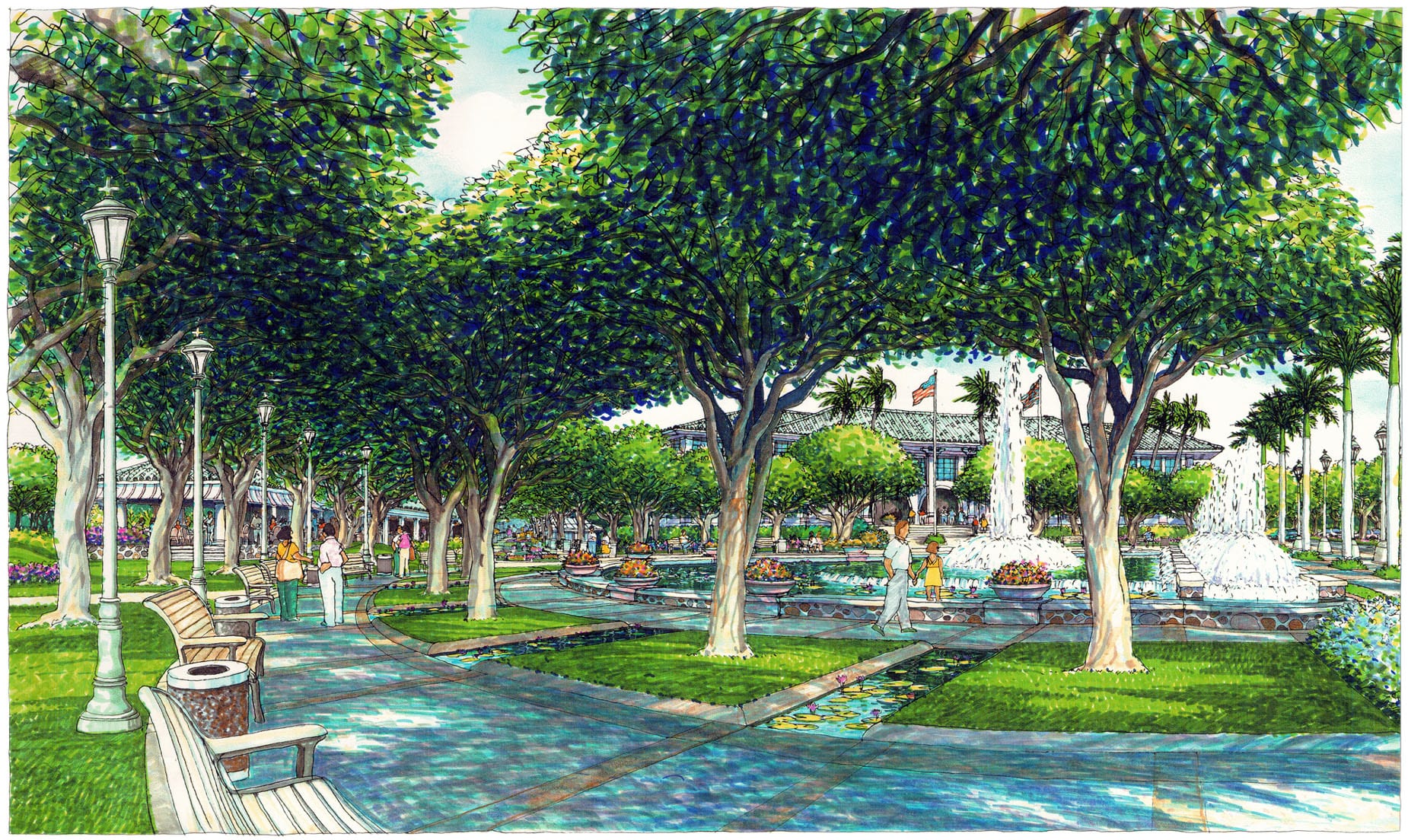
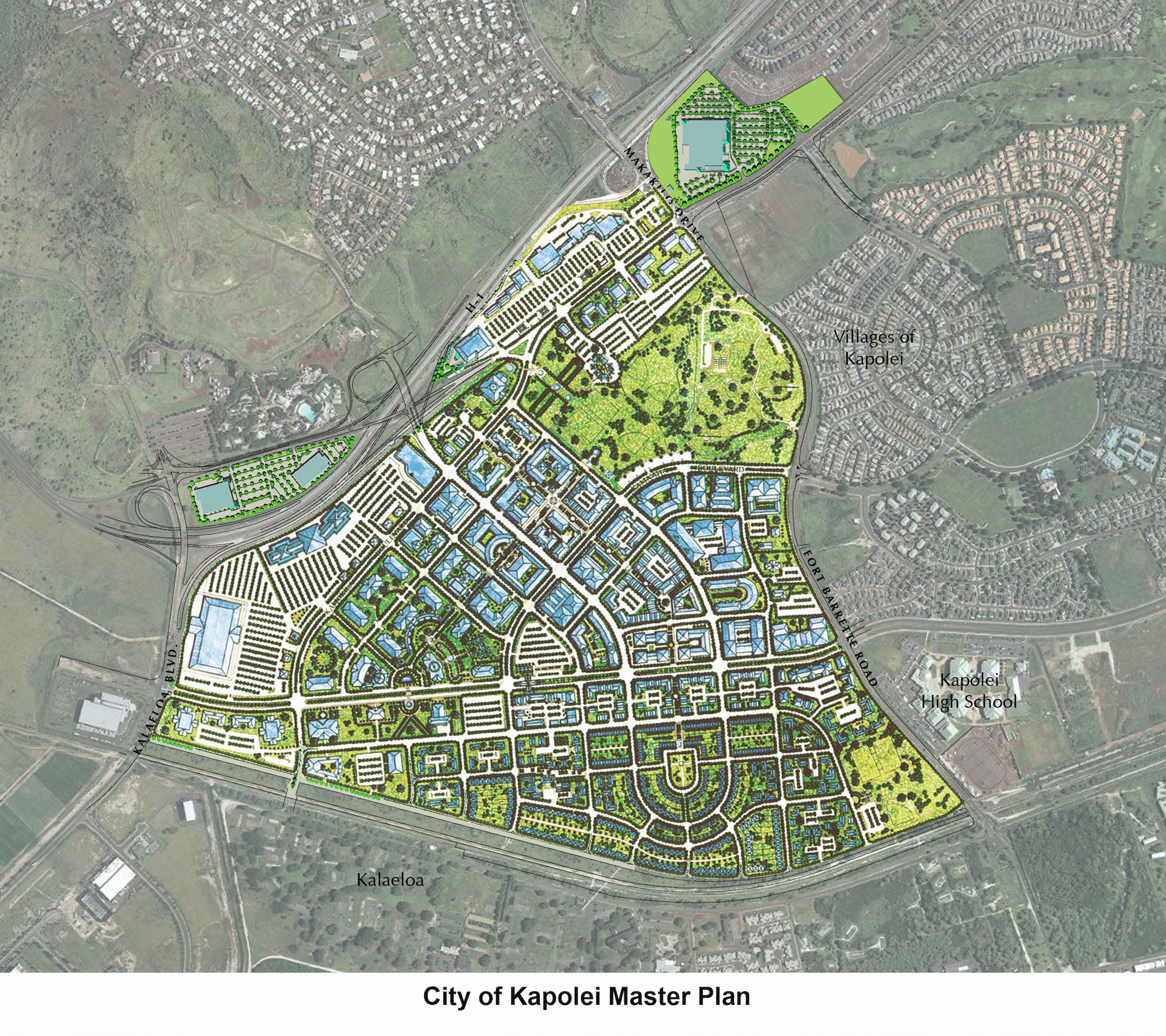
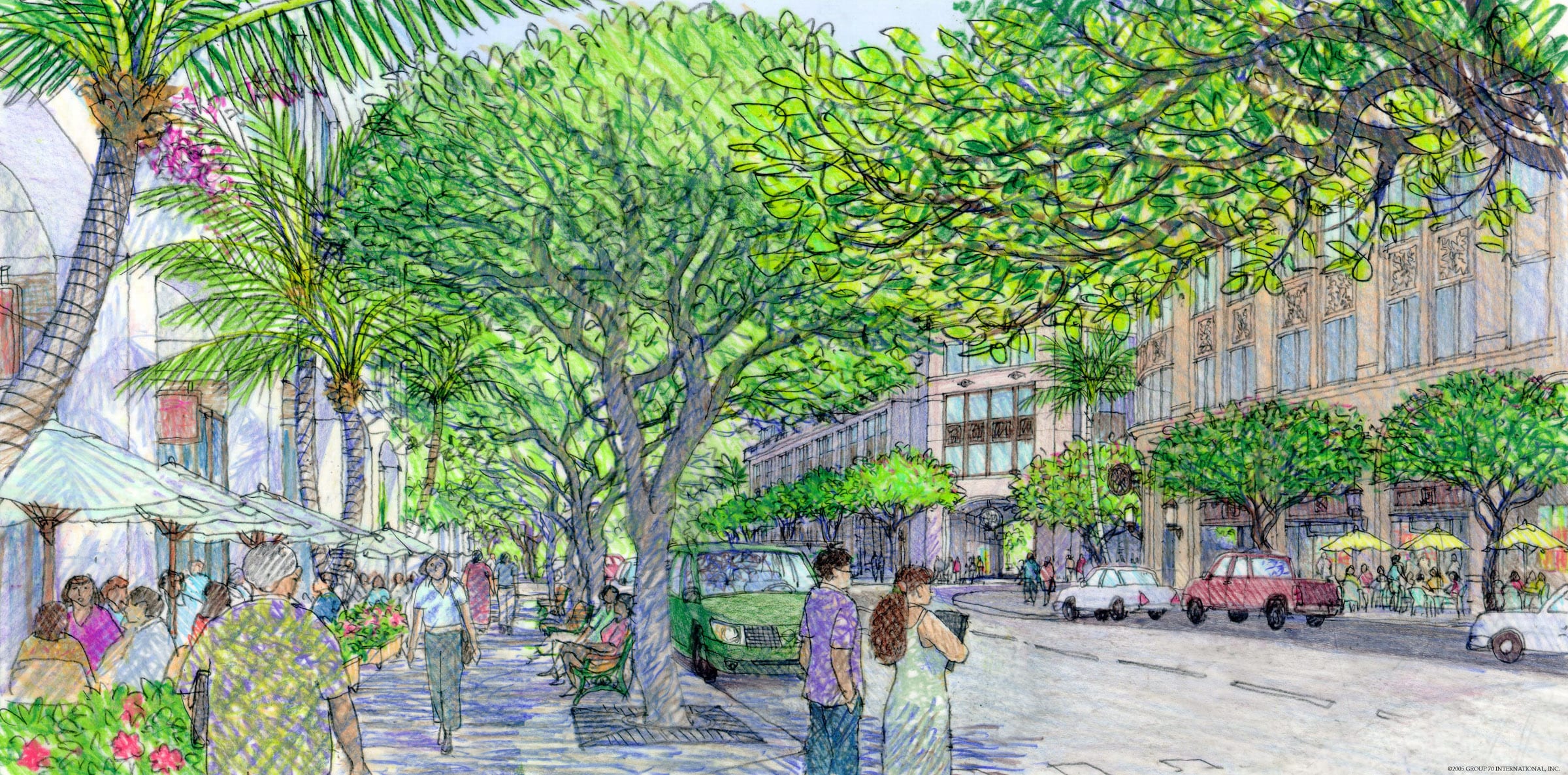
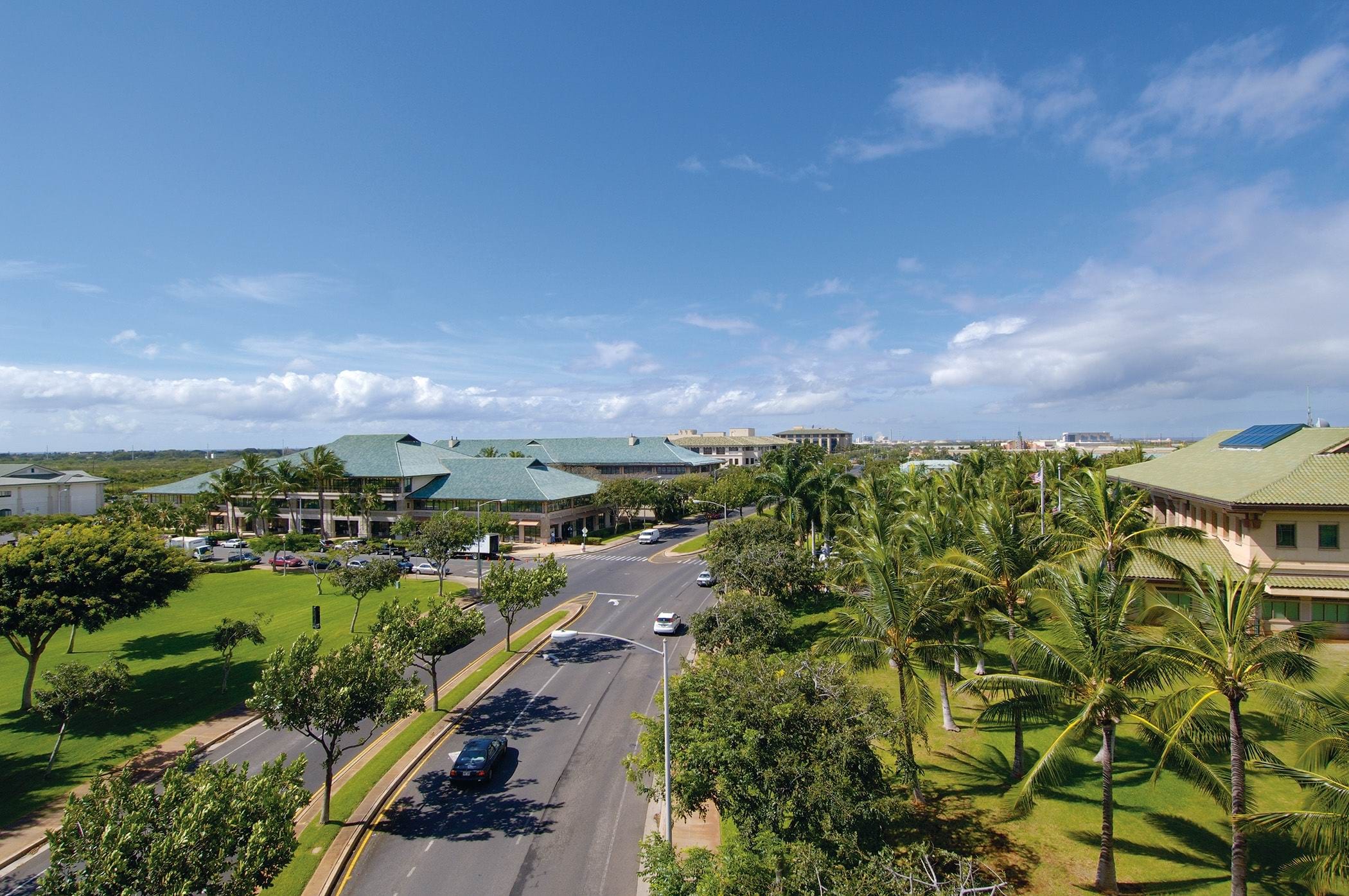
Oda’s Kama´āina architectural style reinforces culture and coexistence with the natural environment. This consideration for environment naturally led Oda to develop the concept of sustainable smart design that integrates how people live their lives. He introduced the first concepts of sustainable smart city building to Hawaii in 2007, through G70’s design plan for the city of Kapolei, sometimes called the “second city of O´ahu” (where Honolulu is located). He designed Kapolei through the lens of pedestrians, rather than vehicle drivers, including walkable, tree-lined streets and a 73-acre European-style park.
Oda’s contributions to the field of architecture include not only Kama´āina architecture and smart city building, but also the first and only doctor of architecture program accredited by the National Architectural Accrediting Board. He cofounded the D.Arch. at the University of Hawai´i at Mānoa as a professional degree program and earned the doctorate himself in 2000. “My hope is that it will be the terminal degree for a great majority of architects,” he said.
Oda has received more than 55 local, national, and international awards for which he was principal designer, including the American Institute of Architects Honolulu Chapter’s Humanitarian Award in 2000 and Mayor’s Choice Award in 2007 and 2010. In his personal time, he serves as a senior pastor and board chair of New Life Church Honolulu and as the global chair of Transform Our World.
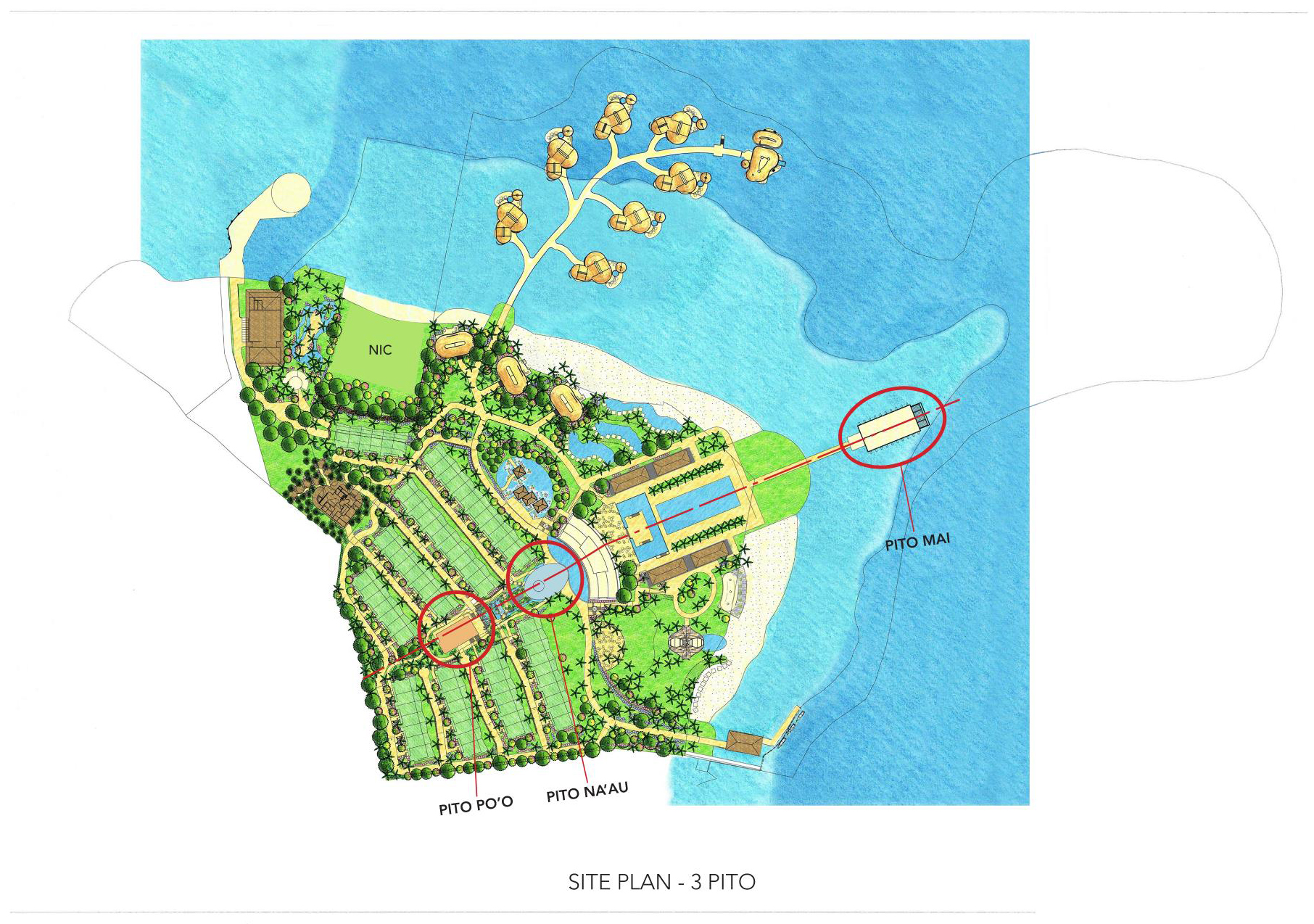
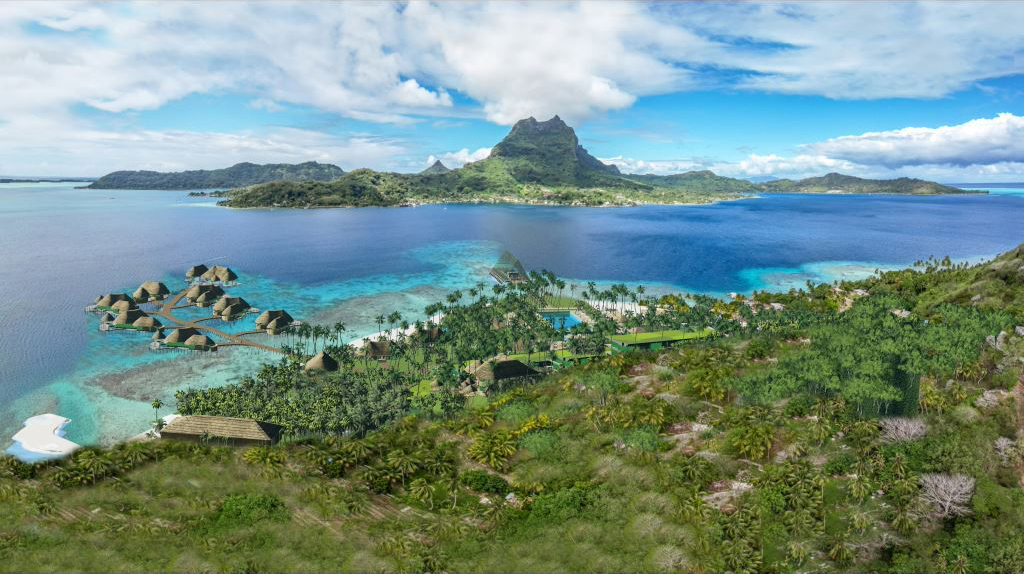
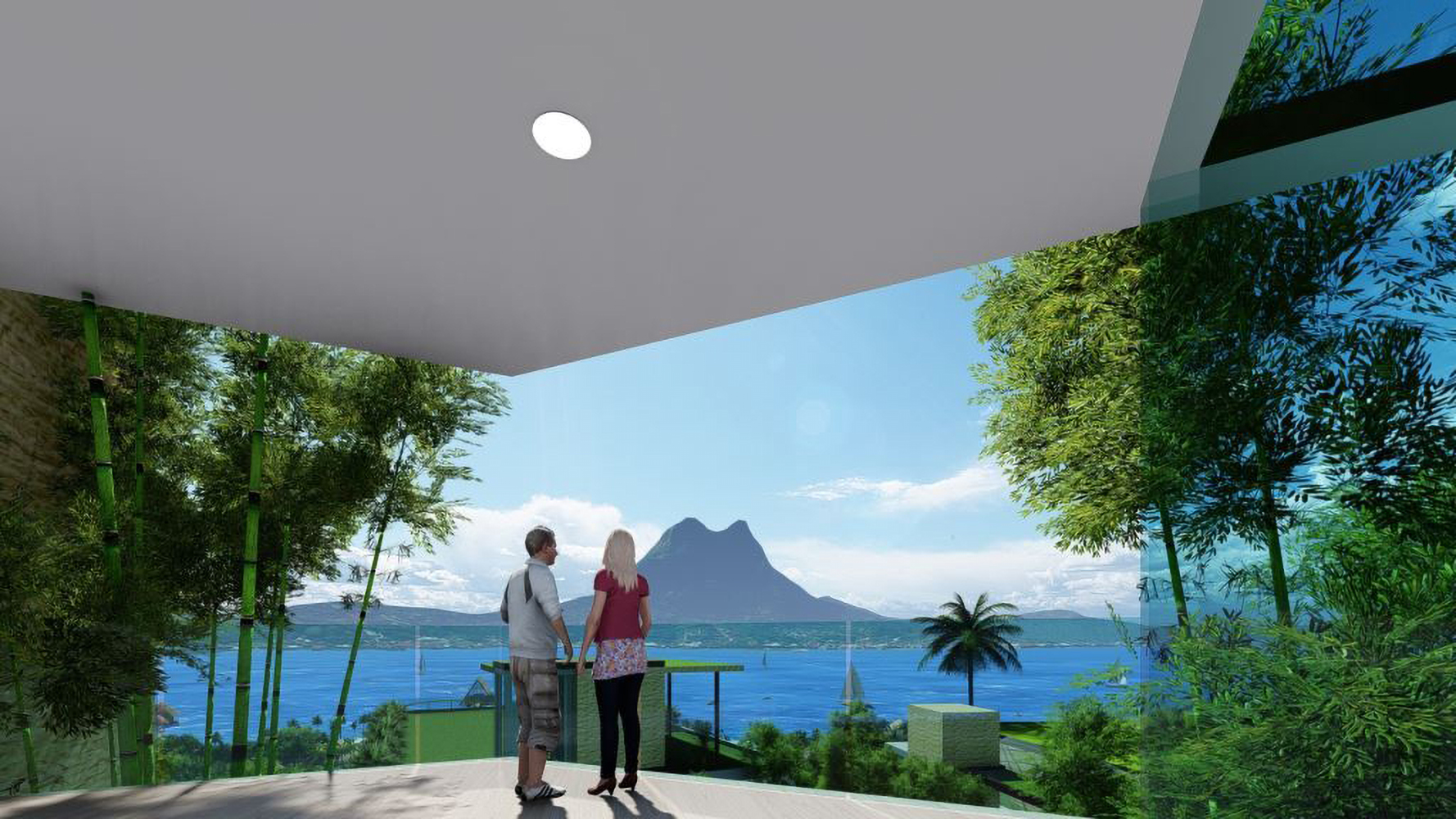
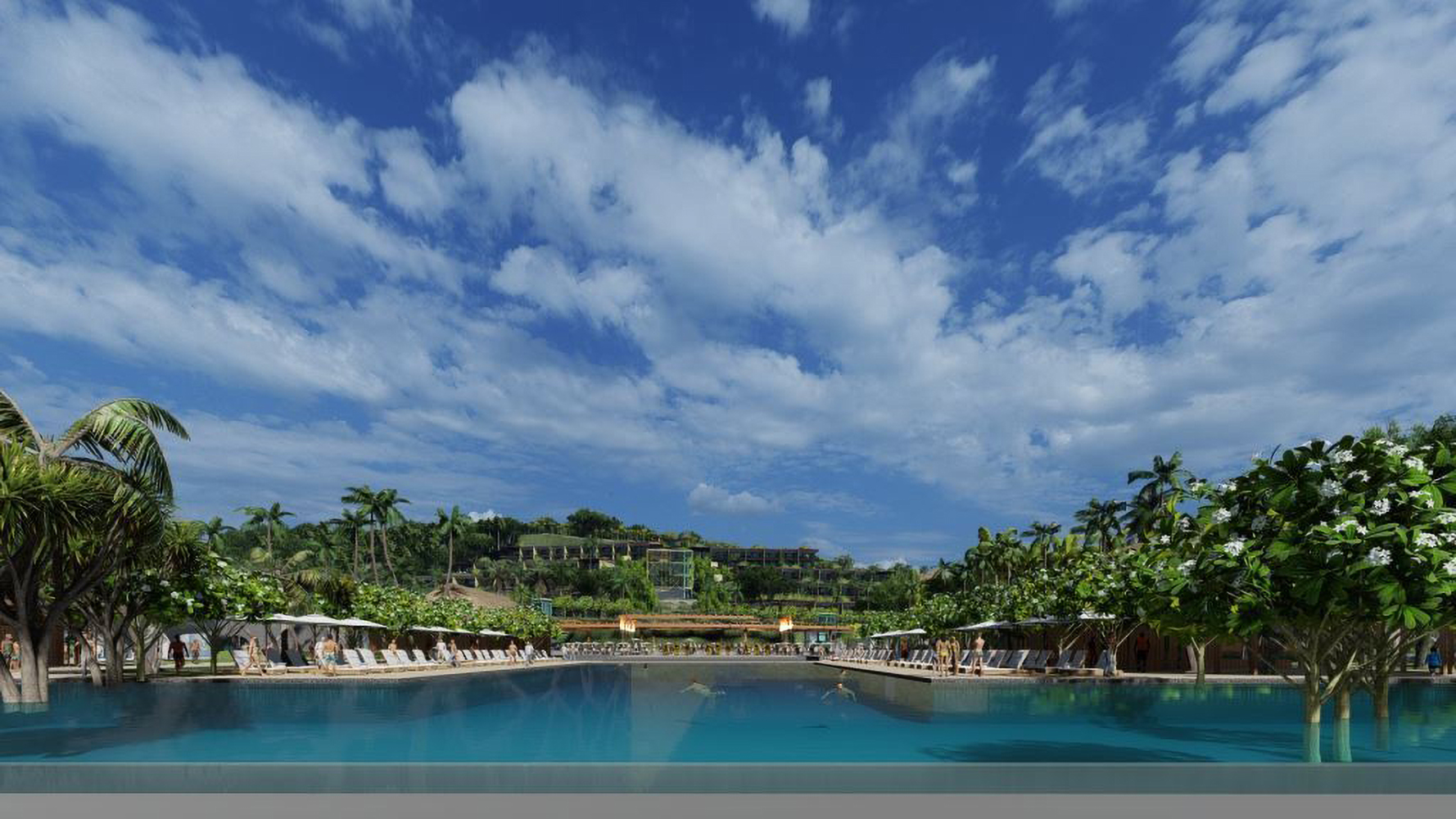
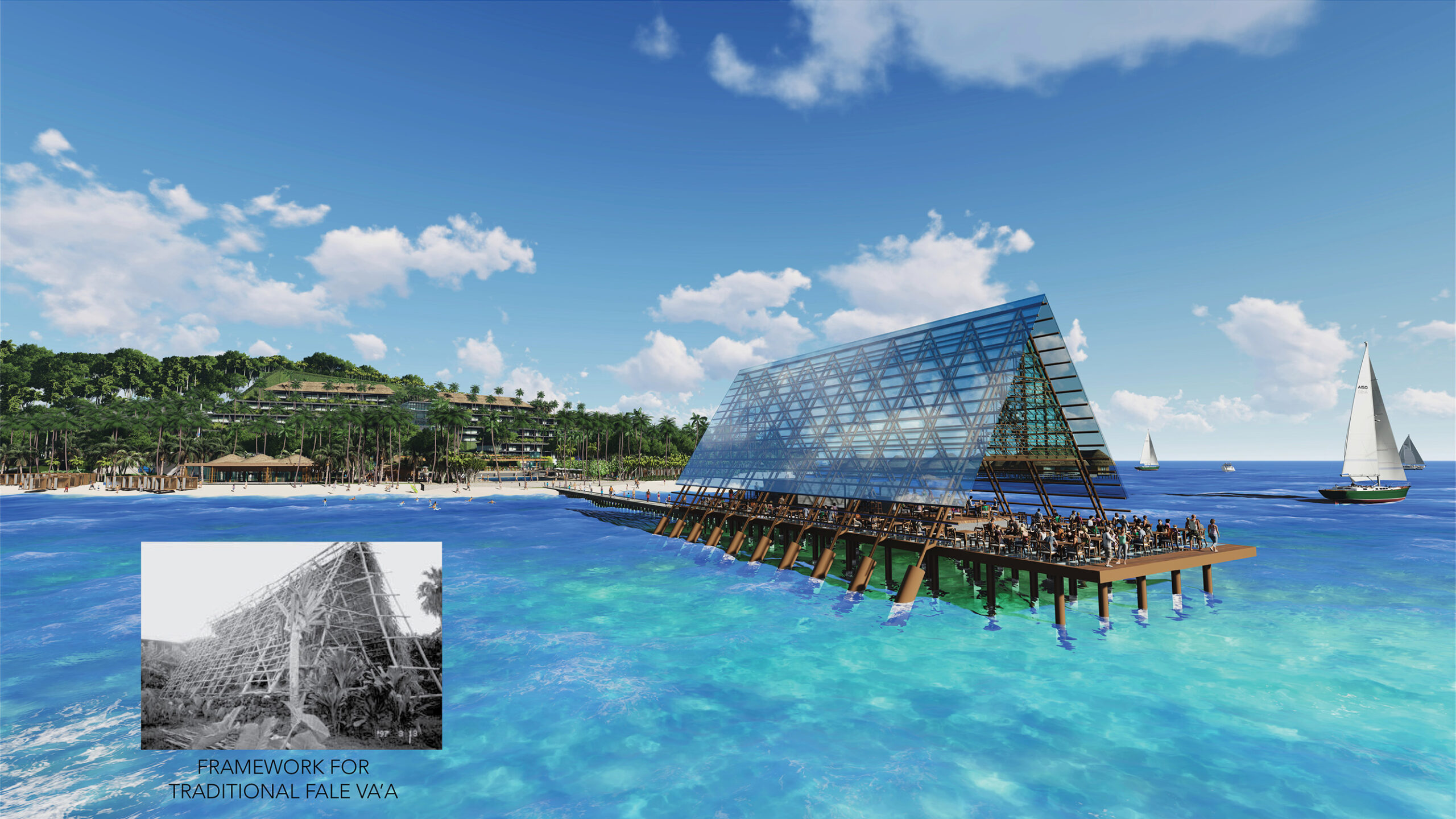
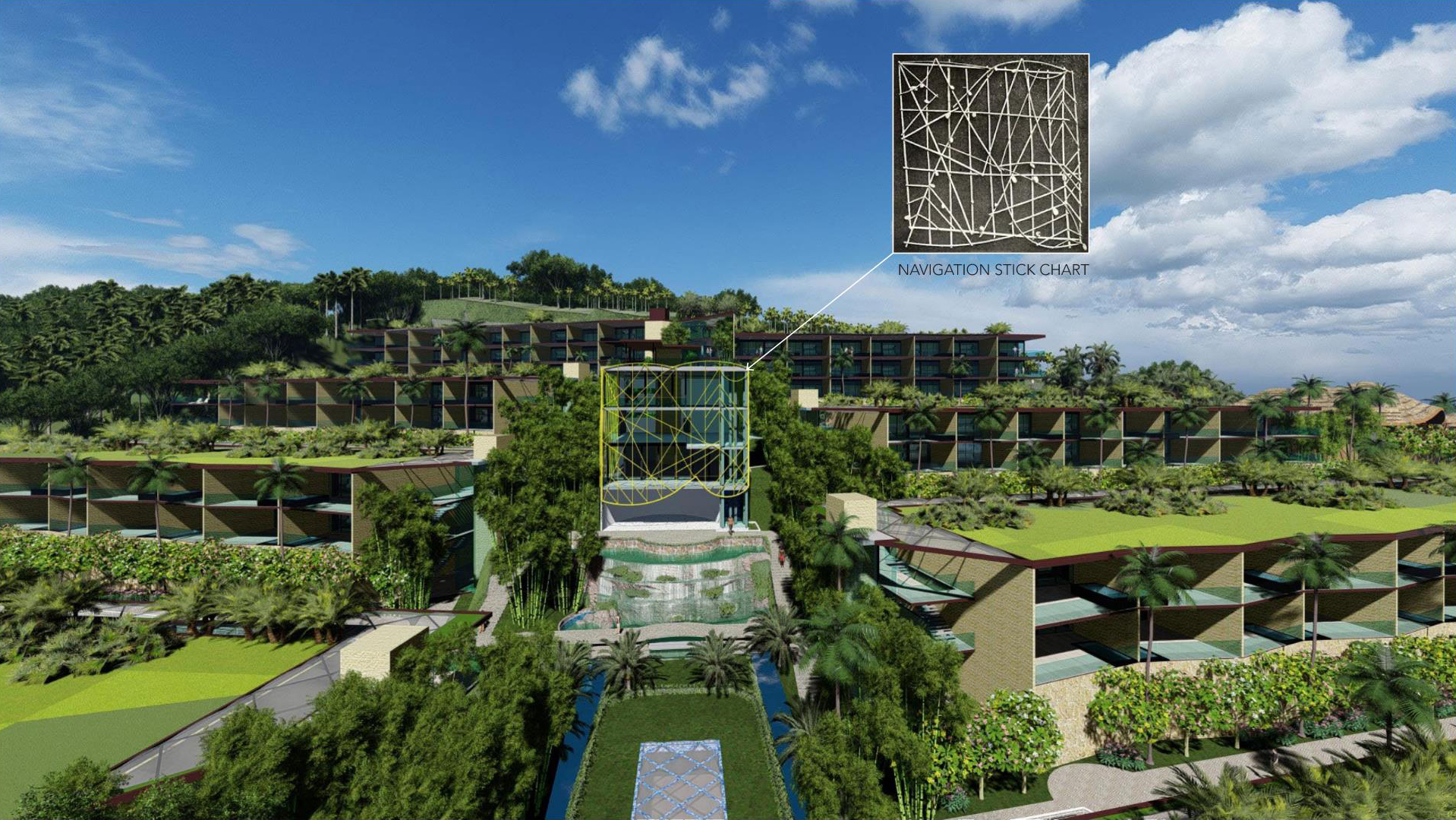
As of 2022, Oda is still active in G70+, an affiliate of G70, as its chair and principal designer. Most recently, he led G70+’s design for a hotel under development in Bora Bora. The site design draws from Polynesian culture to celebrate and inform guests of the important traditions of voyaging and place-making in Tahitian culture.
Throughout his 50-year career, Oda has approached architecture in ways that address intractable problems of society. With Kama´āina architecture and smart design, he defined and disseminated practices for working within the cultural landscape of a place, honoring both social values and the natural environment. “We have the status to do this as architects,” he said. “We also have the calling to do so.”
Projects
Click to view project images full screen.
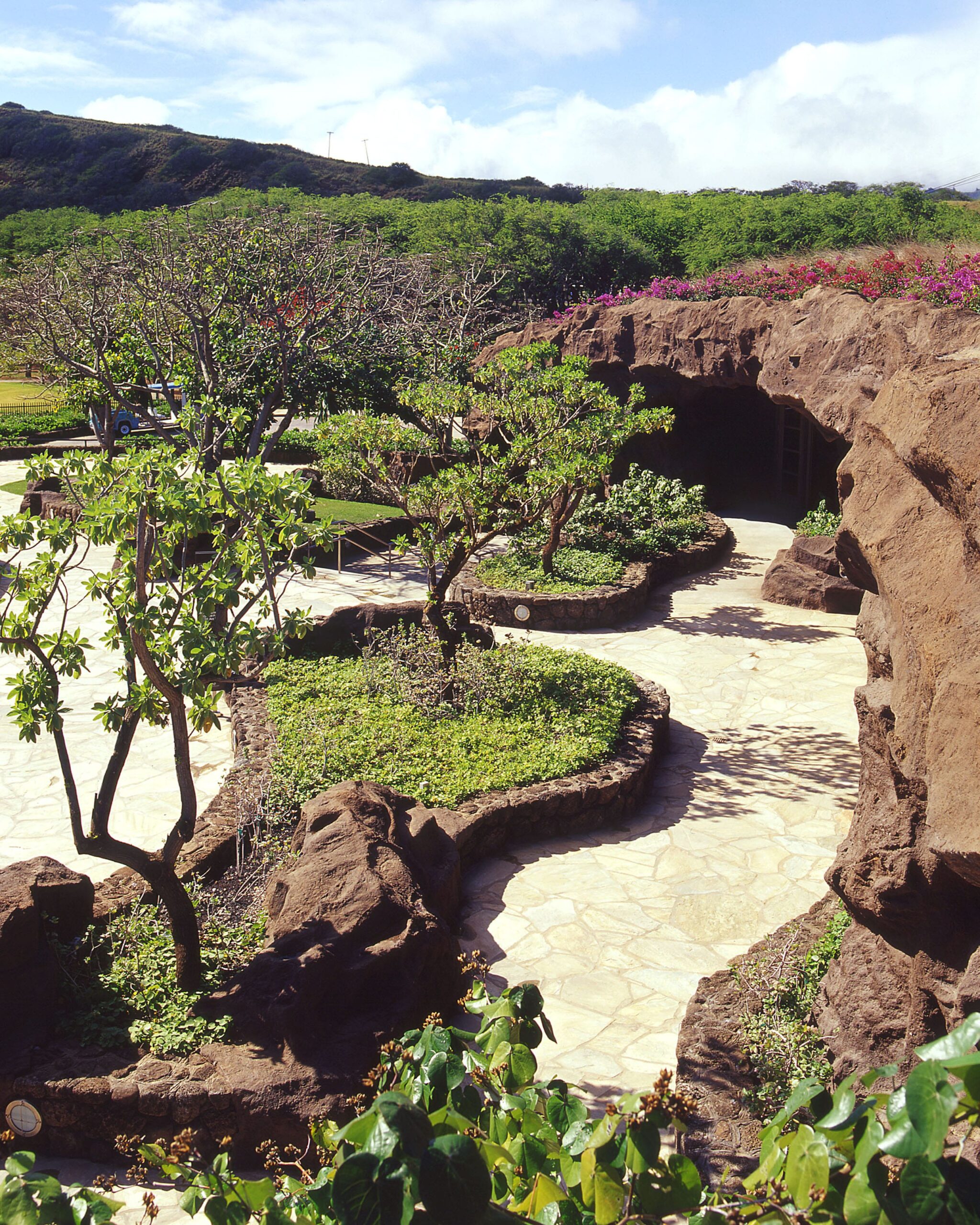
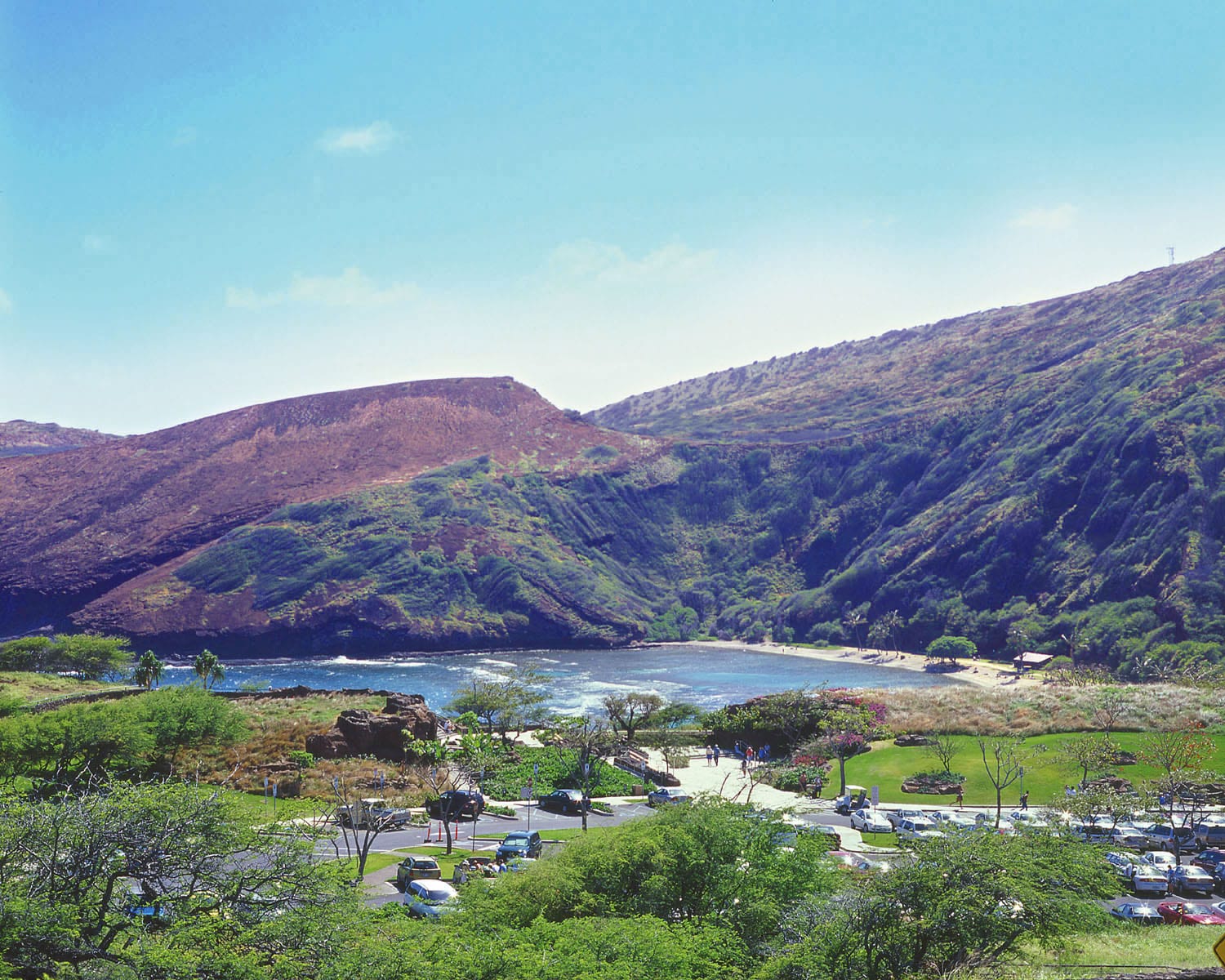
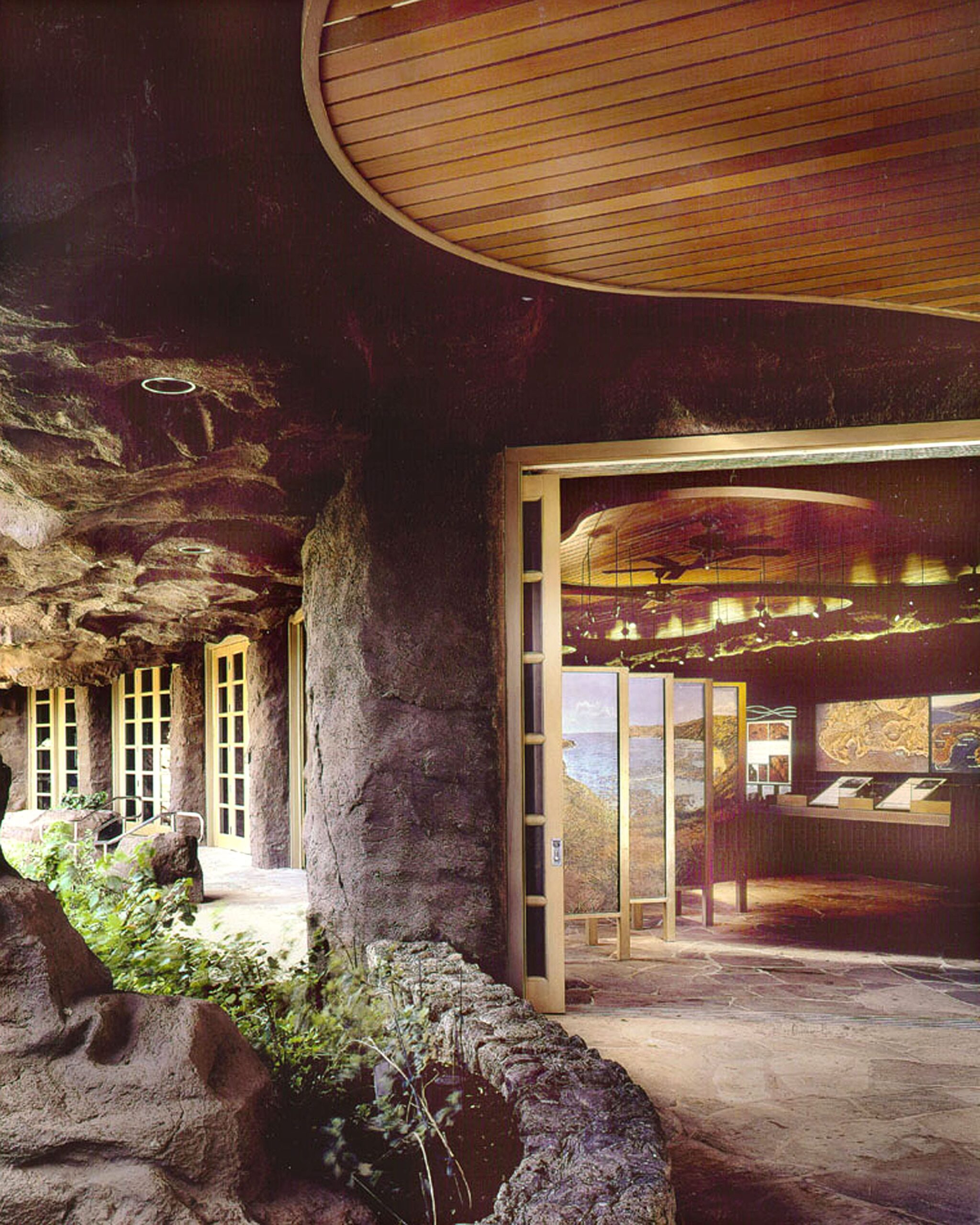
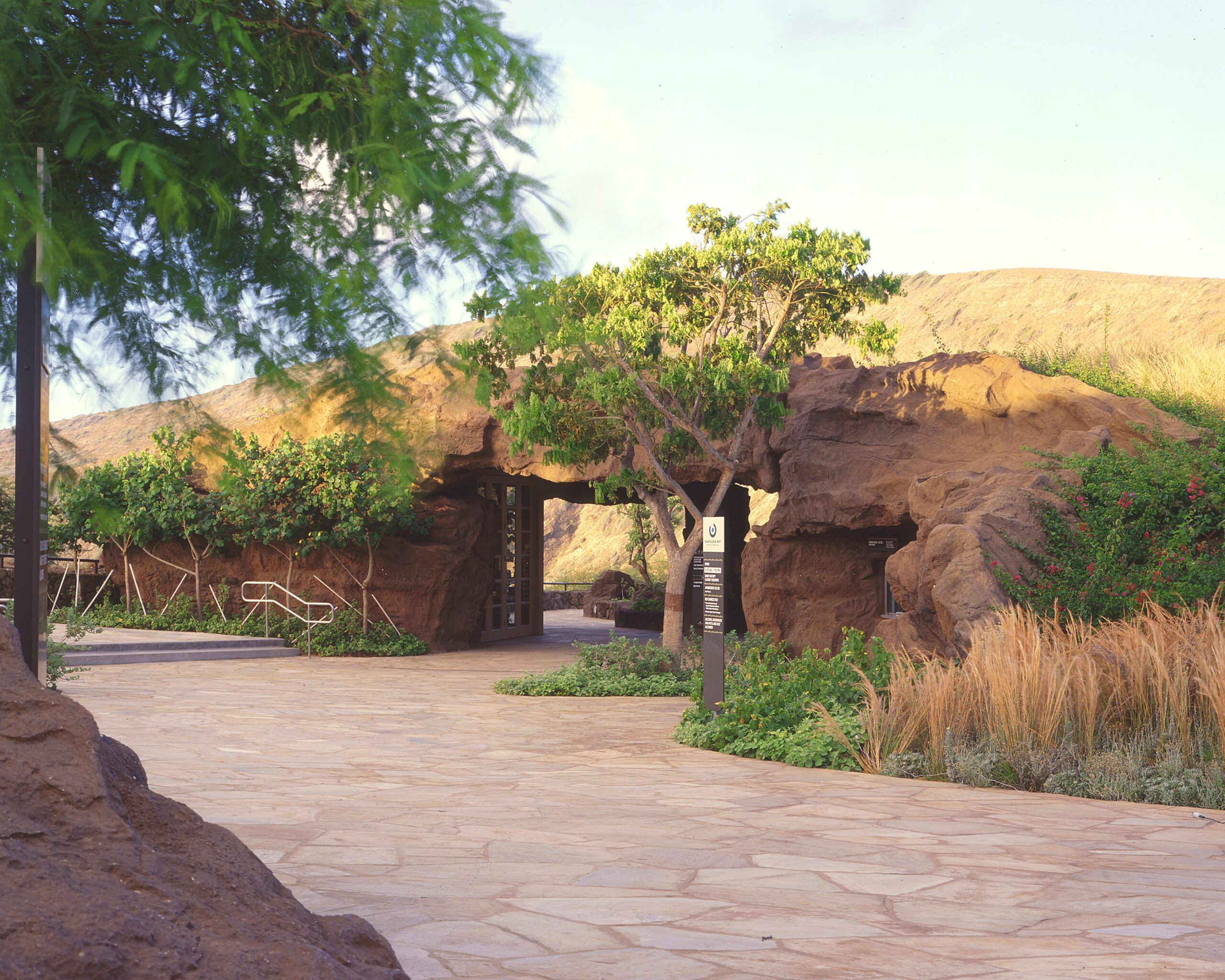
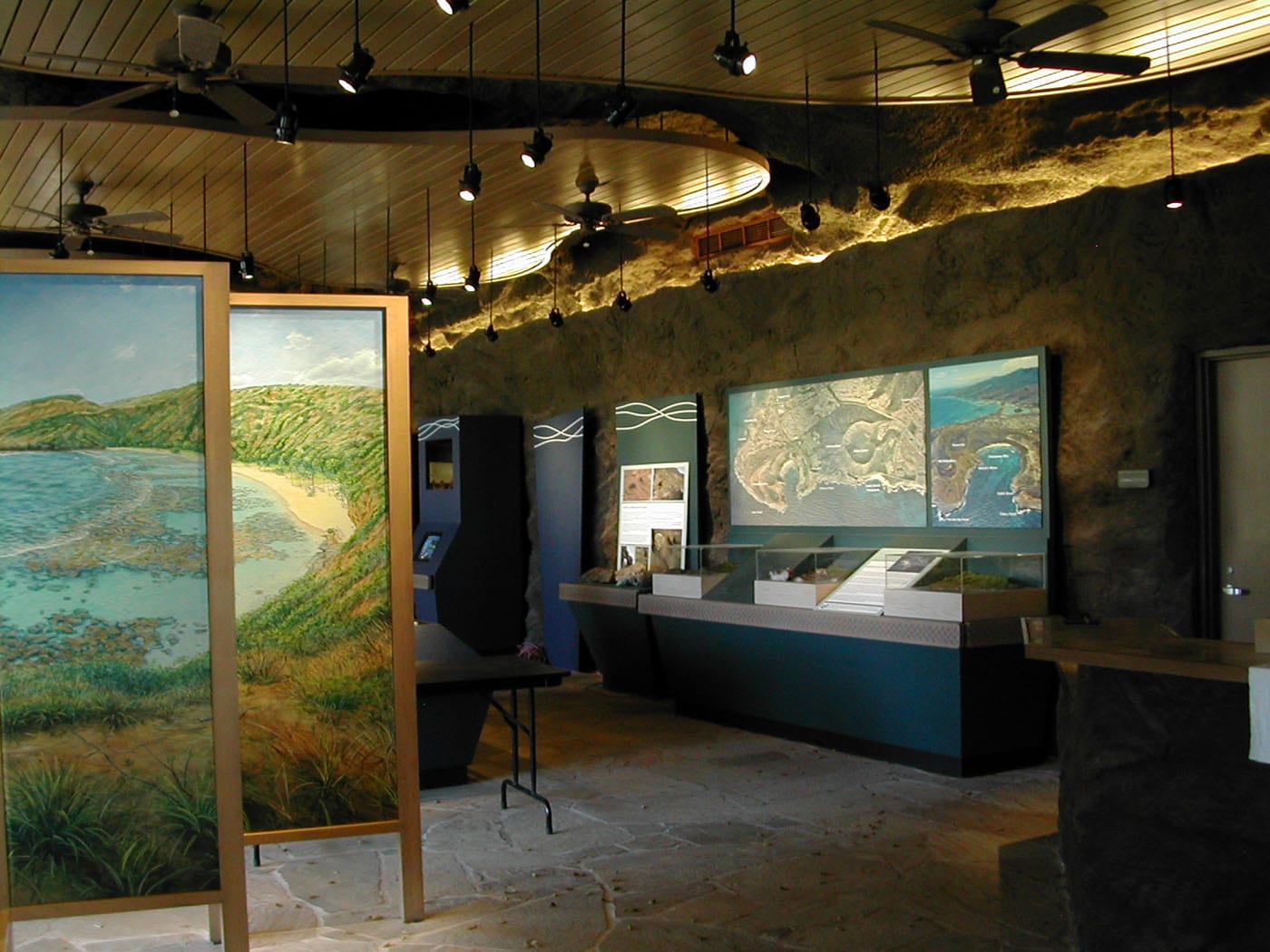
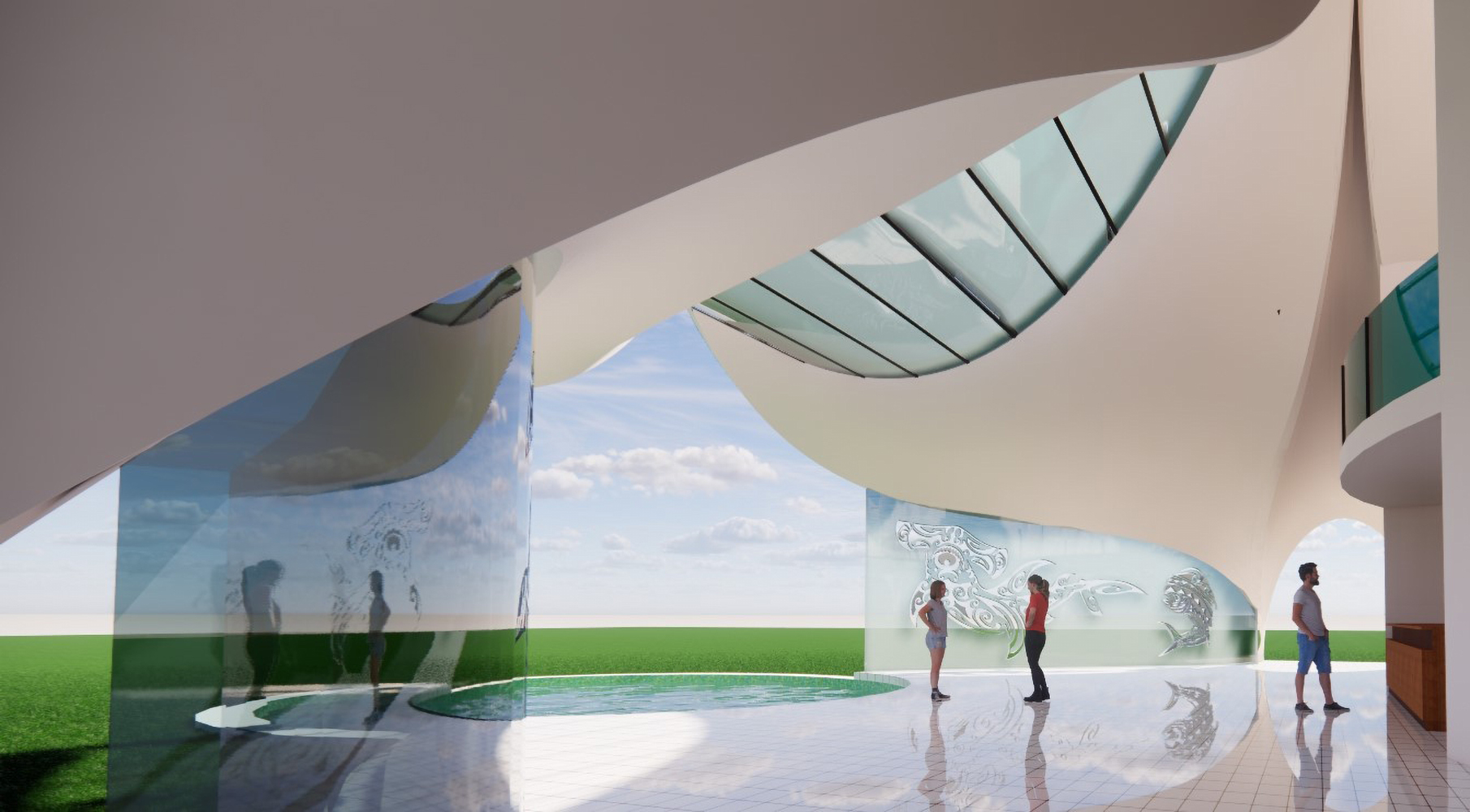
Hanauma Bay Marine Education Center
2001
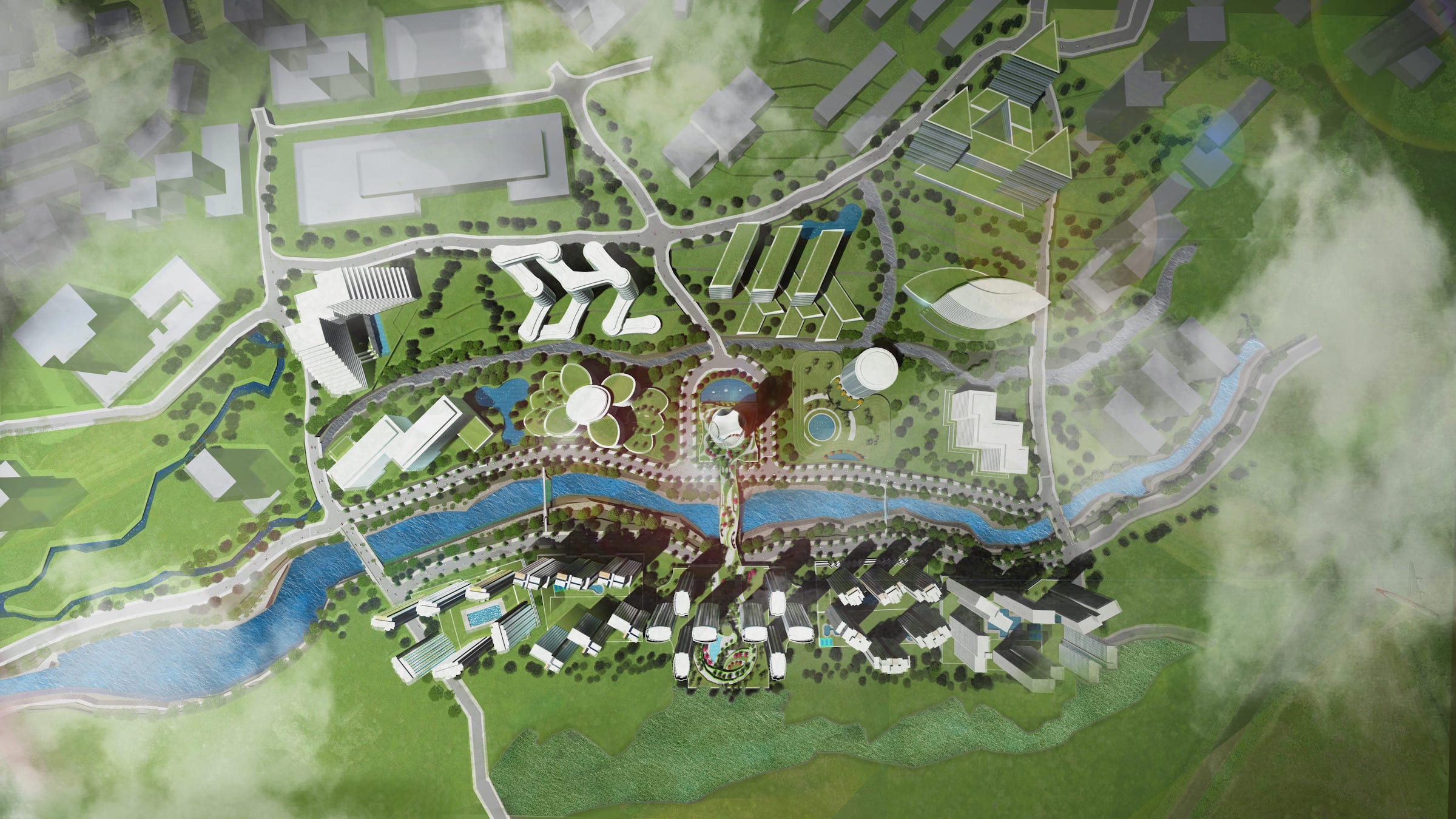
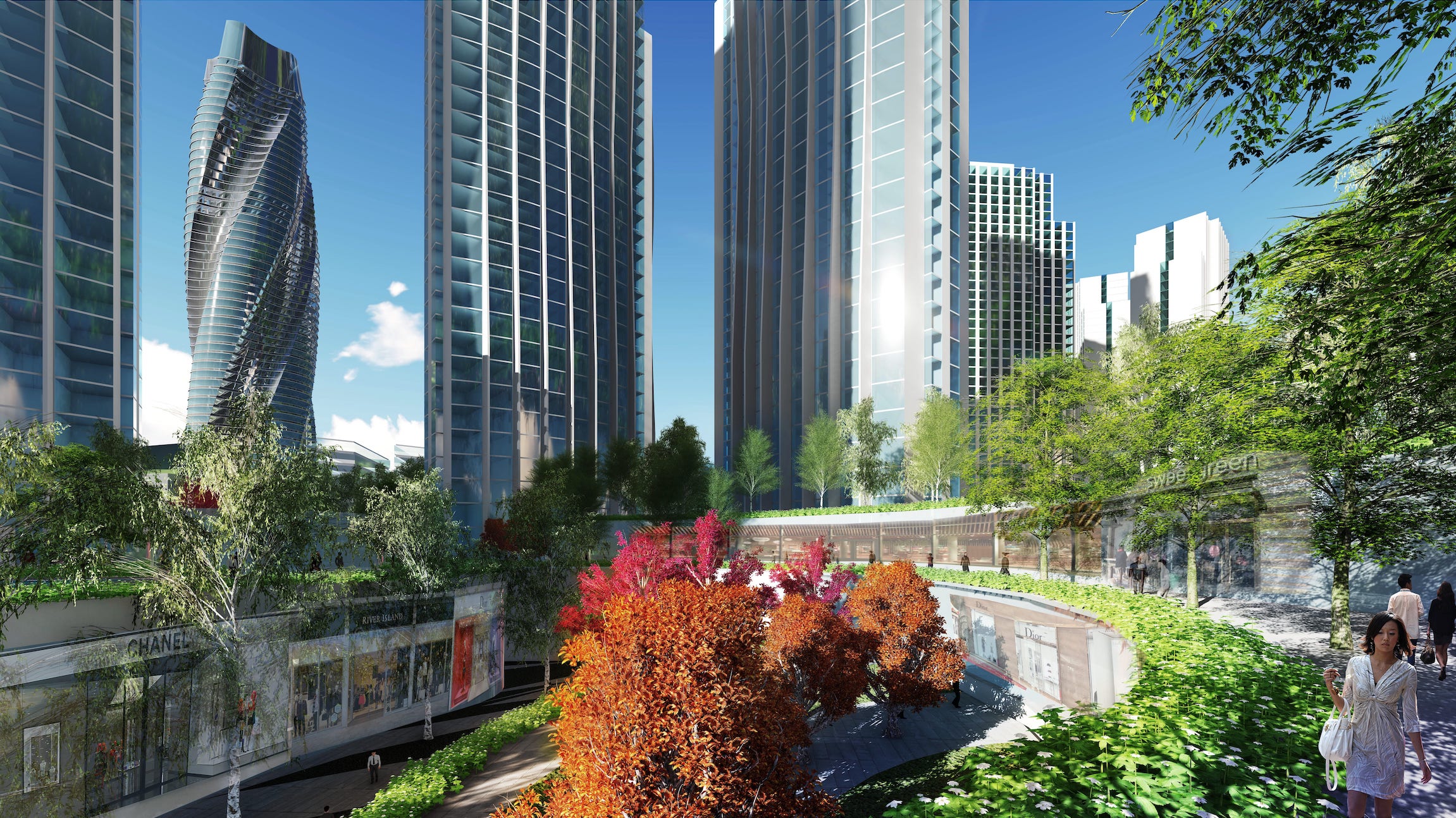
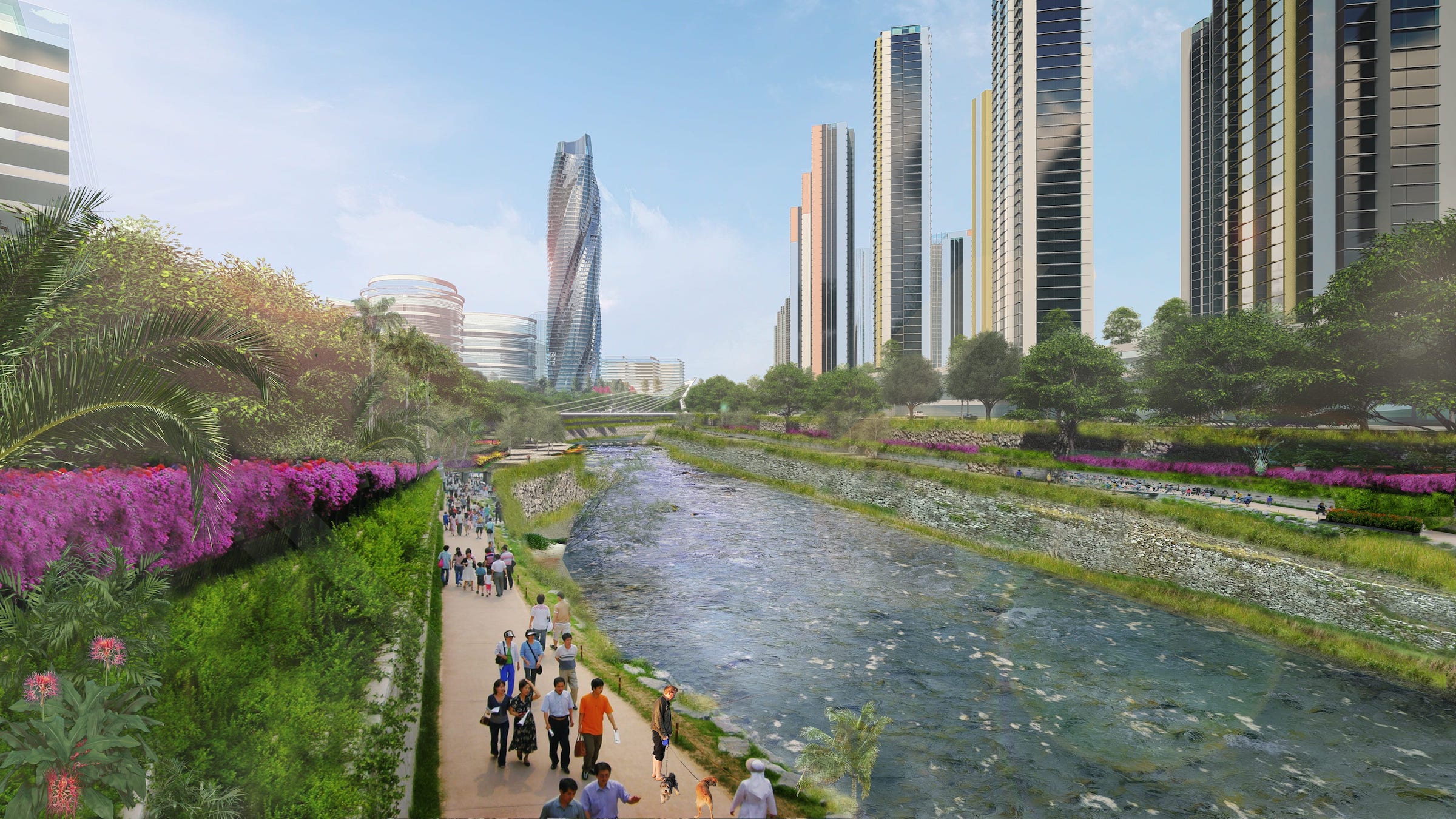
Indonesia Innovation City Sentul Master Plan
2020


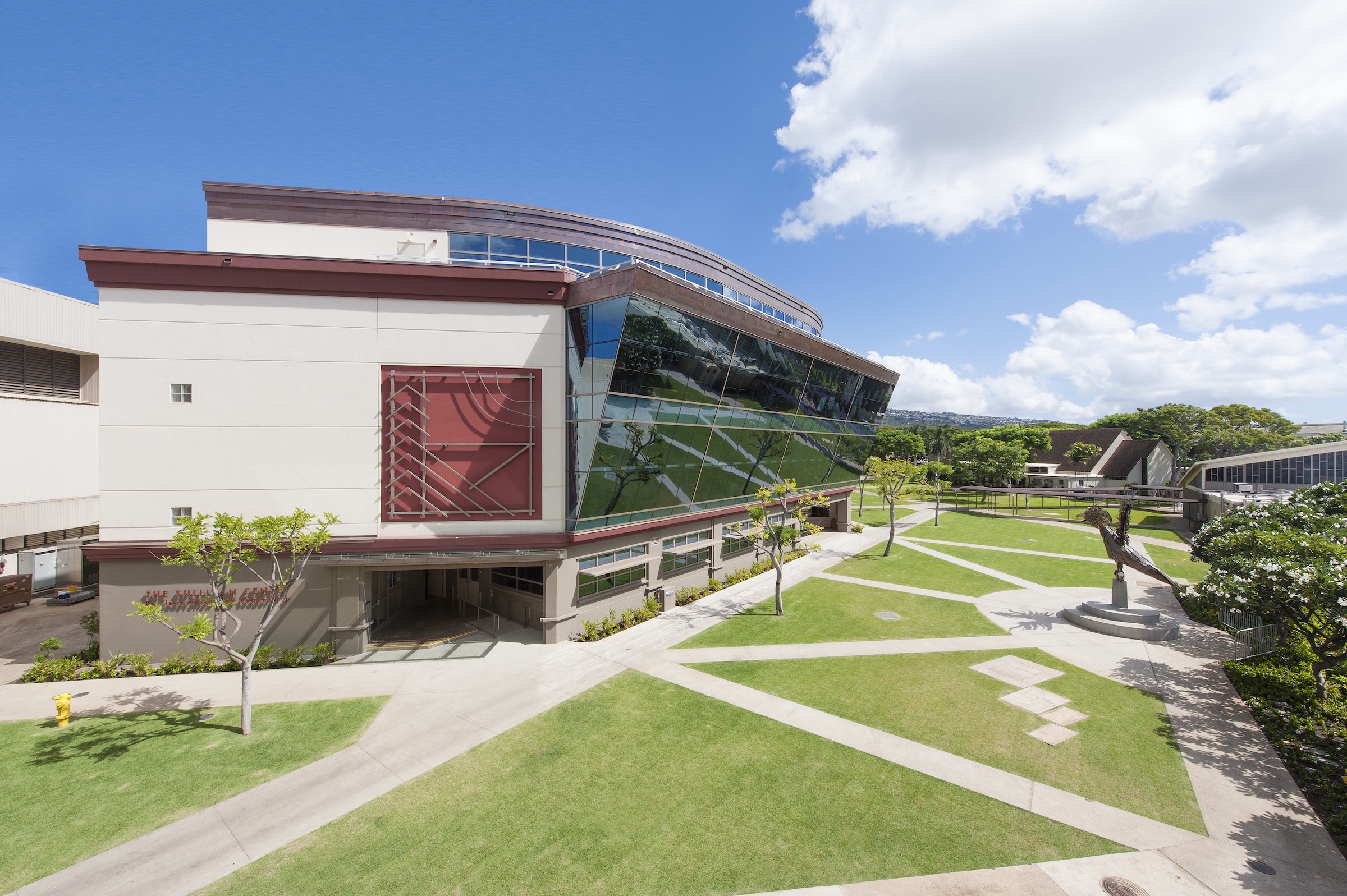
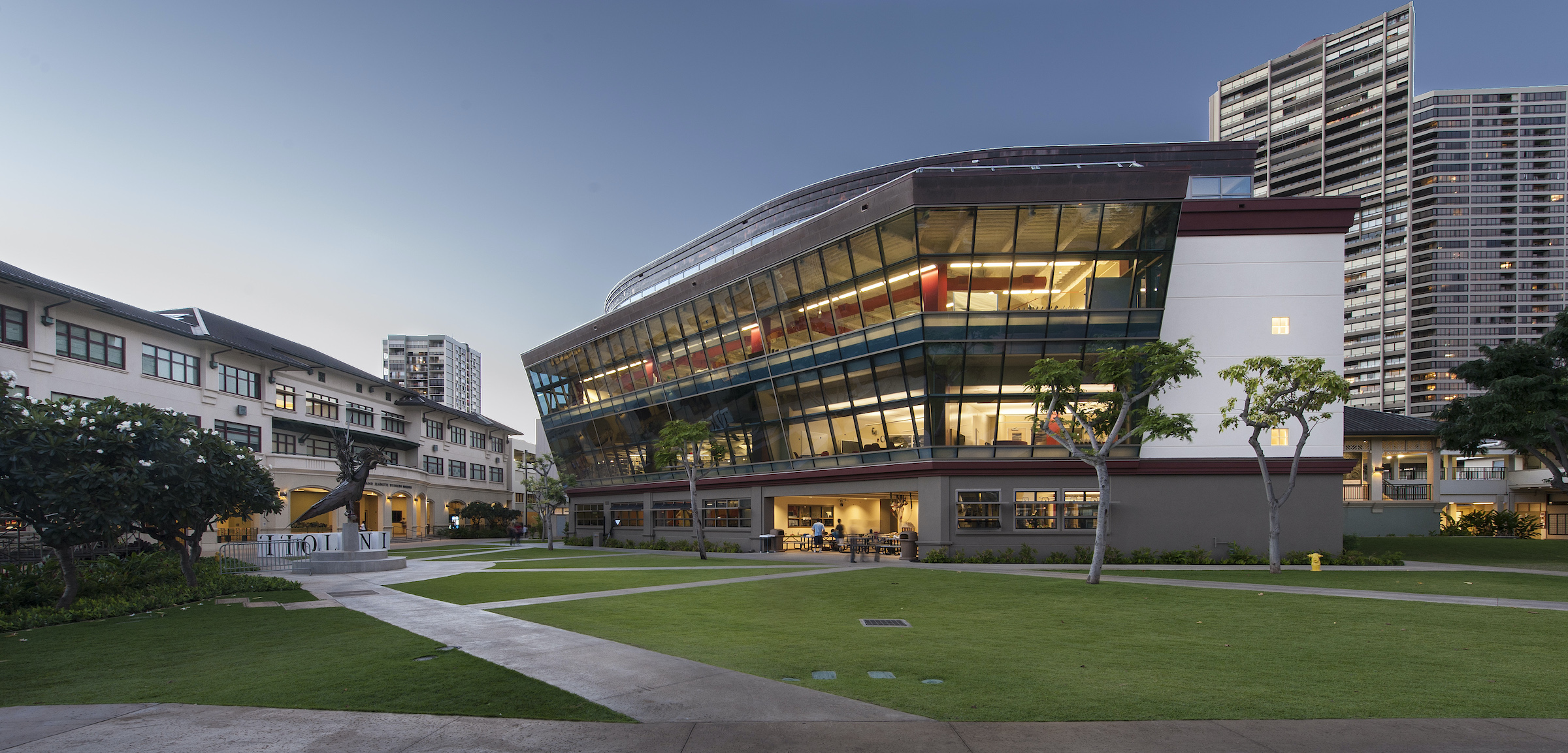
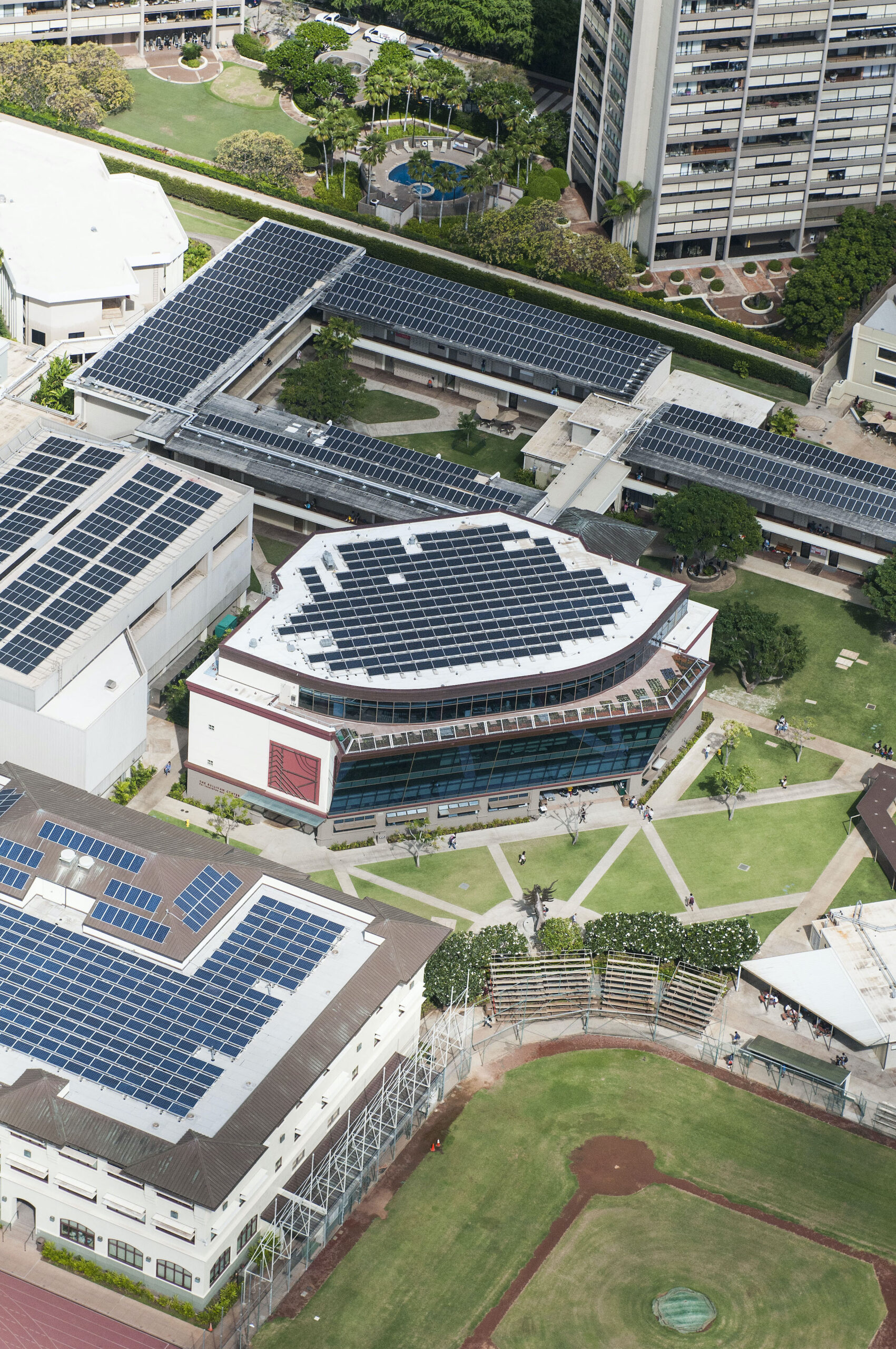
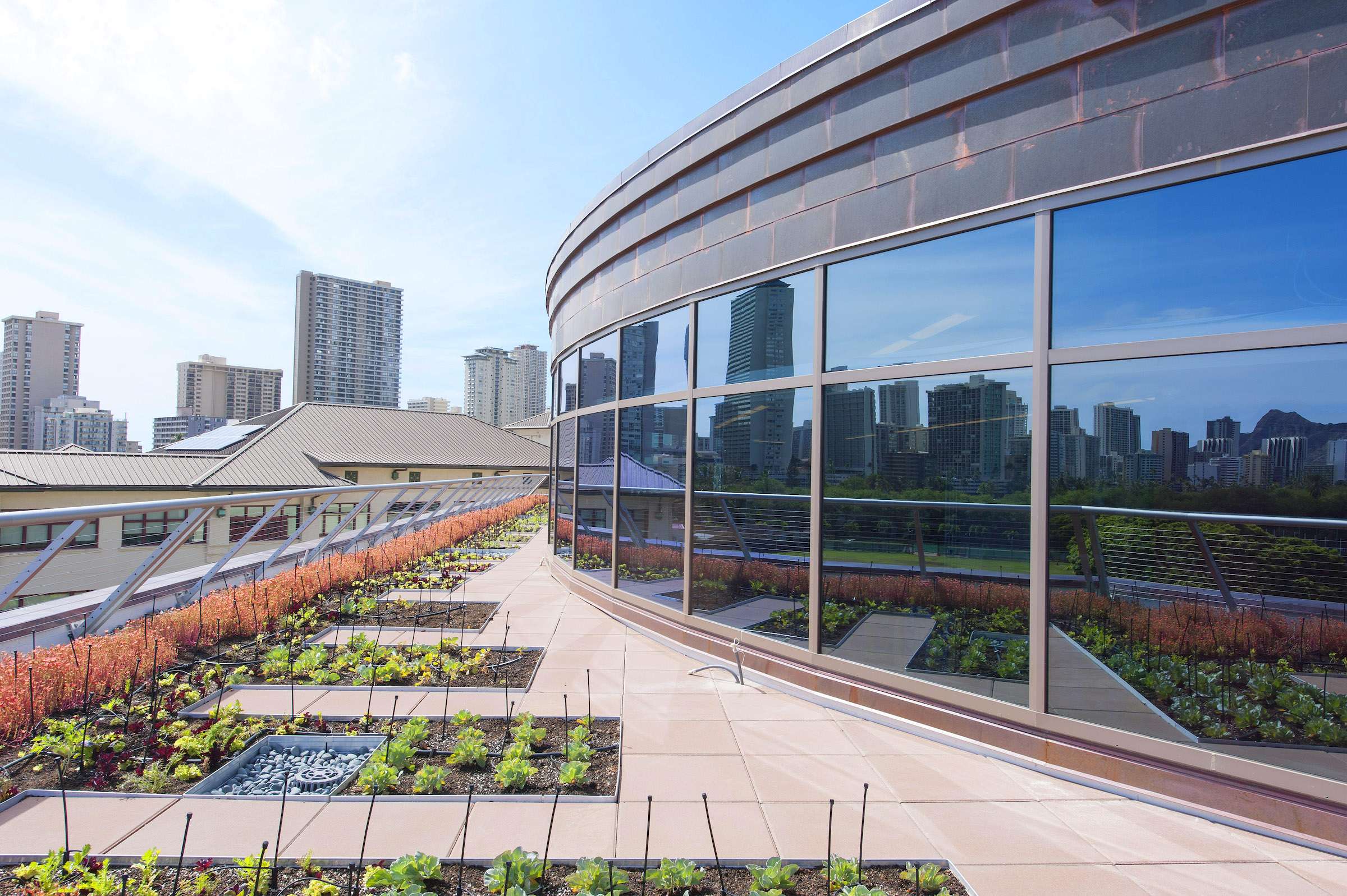
Iolani School Sullivan Center for Leadership & Innovation
2013

City of Kapolei Plan
2007
Four Seasons Resort Lāna´i at Mānele Bay
1991
New Hotel in Bora Bora
2022–On Going
Explore the Archive
-
Robert Joy
B.Arch. ’73
![Wooden terrace overlooking flowers and greenery]()
-
Deborah Addison Coburn
B.F.A. ’74
![Dark blue lines form abstractly drawn ladders and buildings, over a soft background of varying shades of blue paint strokes. A sparingly used red appears at the base of a ladder and in a building window.]()
-
Maddy Rosenberg
B.F.A. ’77
![Four paintings depicting composite architectural imagery in heightened color placed side by side with transparent neutral color.]()
-
Jennifer Cecere
B.F.A. ’73
![Neutral-colored leaf motifs over a colorful quilt-like background.]()