Frances M. Shloss ’44 (B.Arch. ’45) entered the architecture profession at a time that was heavily shaped by World War II. She carved a path characterized by her strong sense of service and generosity evinced by volunteer activities as a Cornell student, work repairing warships for the Navy, and her later philanthropic contributions to Cornell, including trees, a food truck, and a studio space.
As a teenager in the late 1930s, Shloss enjoyed looking through the pages of Better Homes and Gardens magazine, published in her hometown of Des Moines, Iowa, and found herself paying close attention to floor plans. Her interest in architecture flourished when she wrote a paper on Frank Lloyd Wright for a high school class assignment.
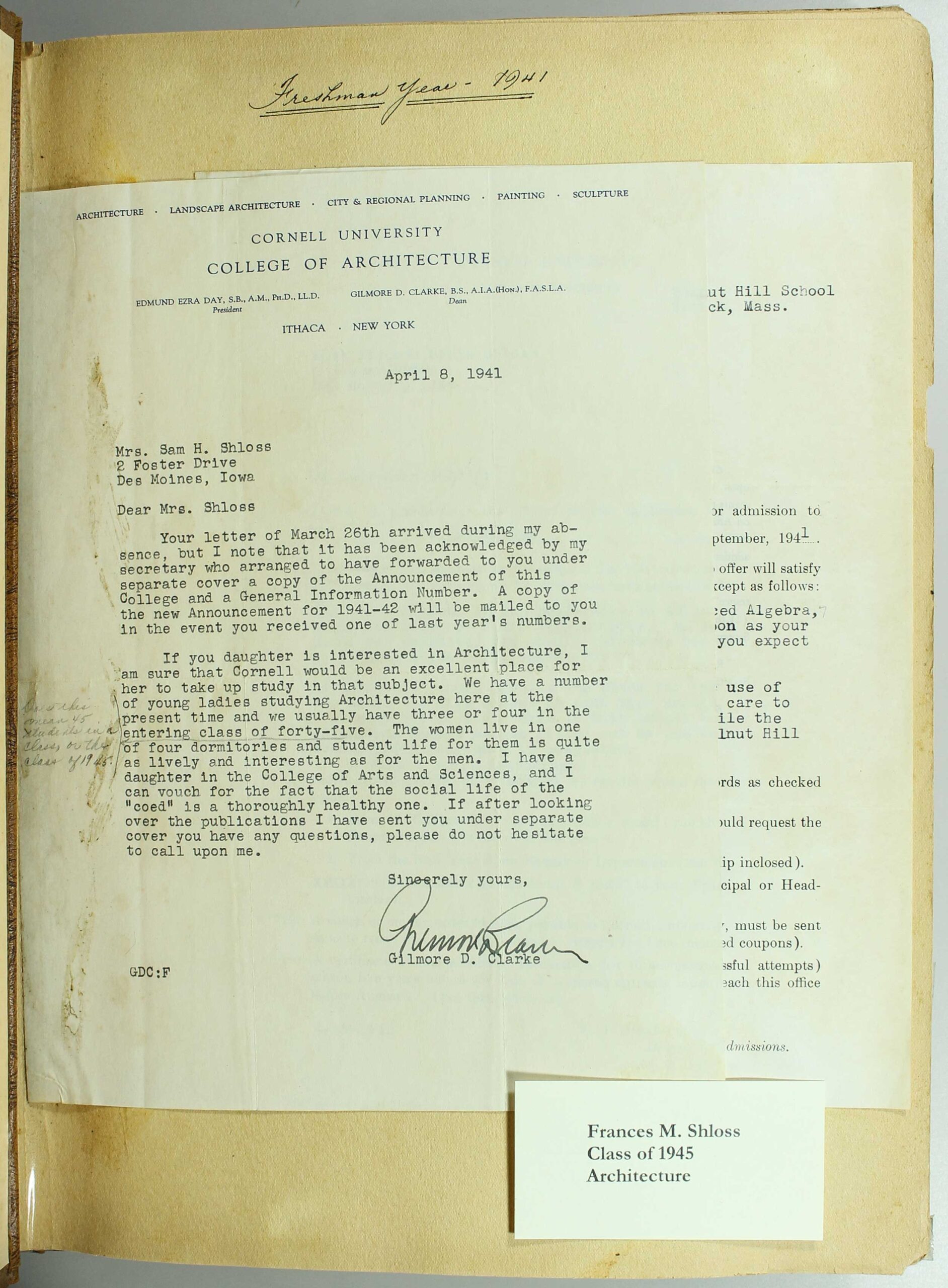
At the time, Shloss planned to follow in her mother’s and sister’s footsteps and attend Smith College. A family friend noted her interests and suggested that she study architecture at Cornell. Just one visit to the campus prompted a change in plans. “The campus as a whole was beautiful,” Shloss recalled.
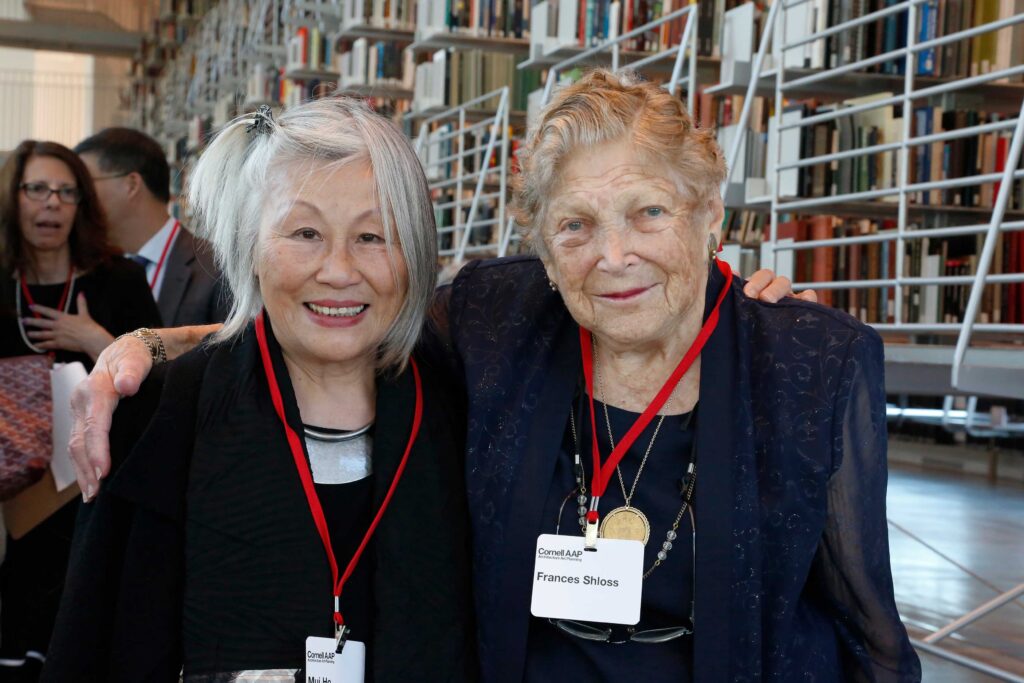
At Cornell, she learned to draw plans by hand with pencil and paper, meticulously measuring lines to tenths of an inch using T-square and triangle rulers. Her favorite classes were art studios — “anything that had to do with painting or drawing,” she said. Shloss took painting classes in her golden years, to “keep my hand in it,” she explained.
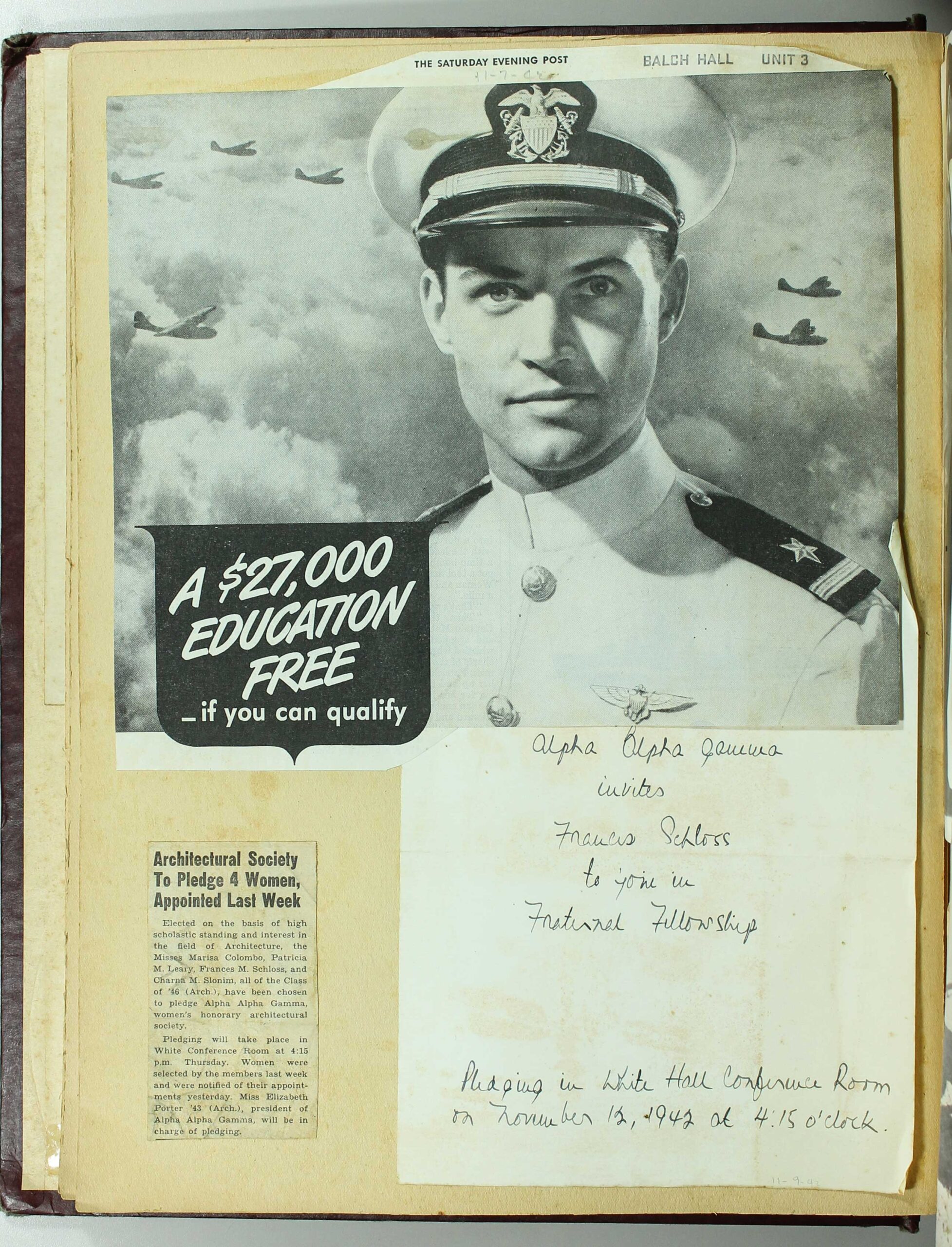
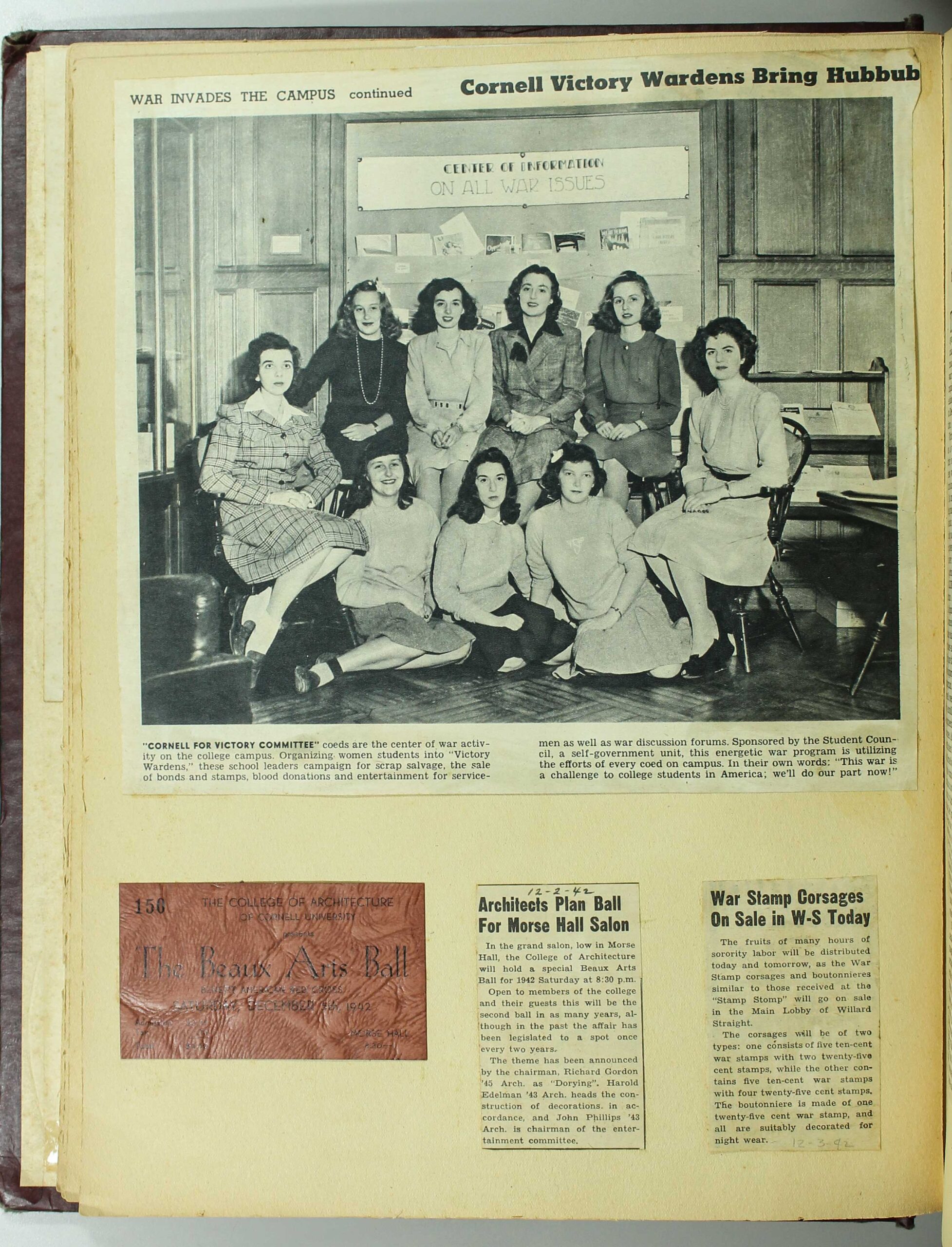
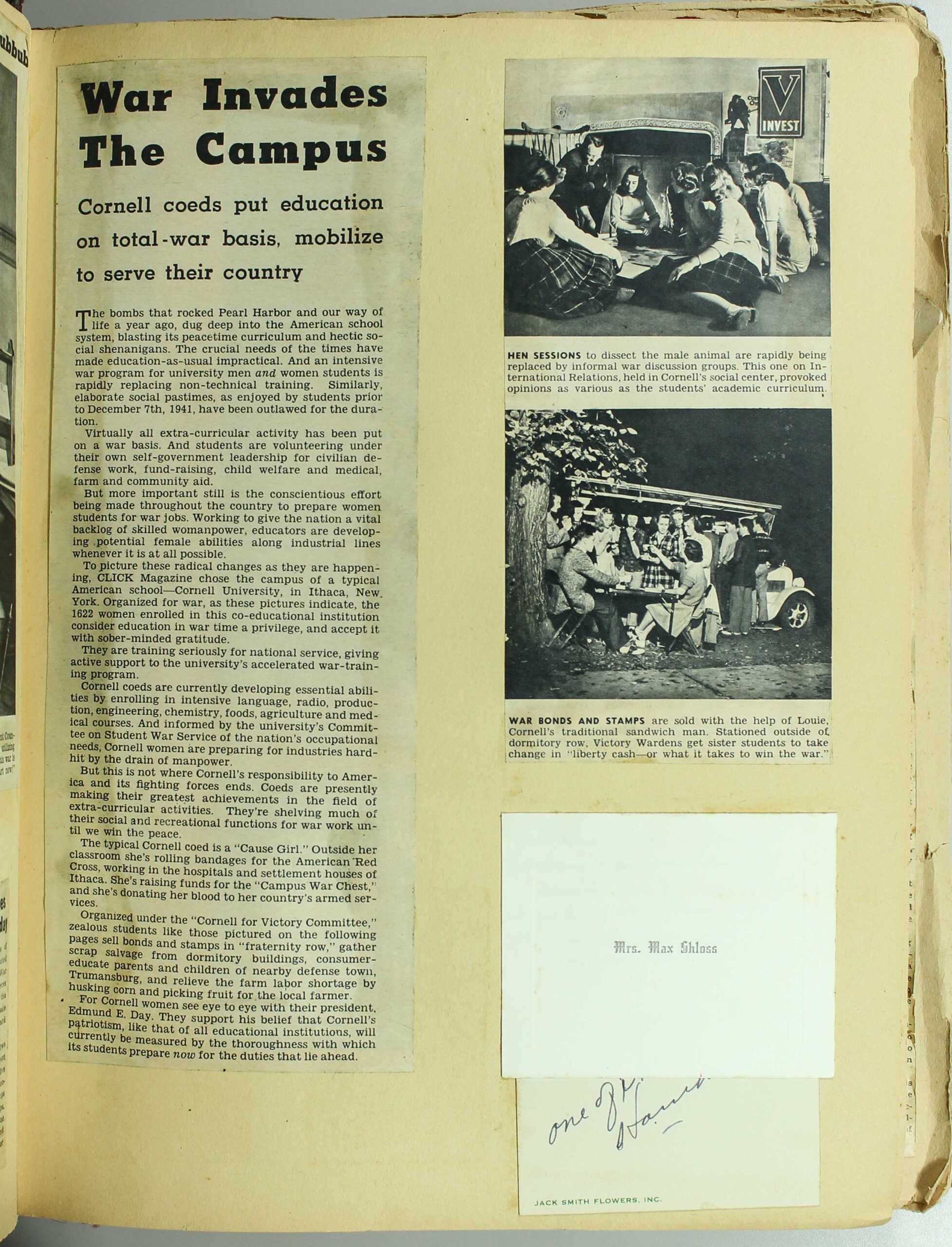
In 1941, three months into Shloss’s freshman year, the attack on Pearl Harbor ushered the United States into World War II. Many men left the school to serve in the military, Shloss recalled. Her five-year degree program became a three-year program through accelerated, year-round study, with no summer breaks, and 21-credit-hour semesters. Despite the heavy course loads, Shloss participated in campus activities to support the war effort, including helping to serve “2,000 meals three times a day” to students in the Navy training program at Cornell, and joining the war bonds and stamps committee.
After graduating in October 1944, Shloss went to Washington, DC, to continue supporting the war effort. “I wanted to be patriotic,” she recalled. She became a naval architect and made isometric drawings of warships. “I was working on ways to figure out if a ship got hit and had a hole in the side, how they would repair it and what needed to be closed,” she explained.
After the war ended, Shloss worked for architecture firm Wetherwall + Harrison in Iowa, creating blueprints of apartments, schools, and cinemas. She moved to California in 1961, where she settled down and worked for various firms, including the firm of Victor Gruen, who is credited with designing the first shopping malls. Shloss helped Victor Gruen Associates with the design process, from coordinating master plans to picking out materials and colors. It was the last firm she worked for before retiring early in the 1970s. “I suddenly decided not to work anymore,” she said.
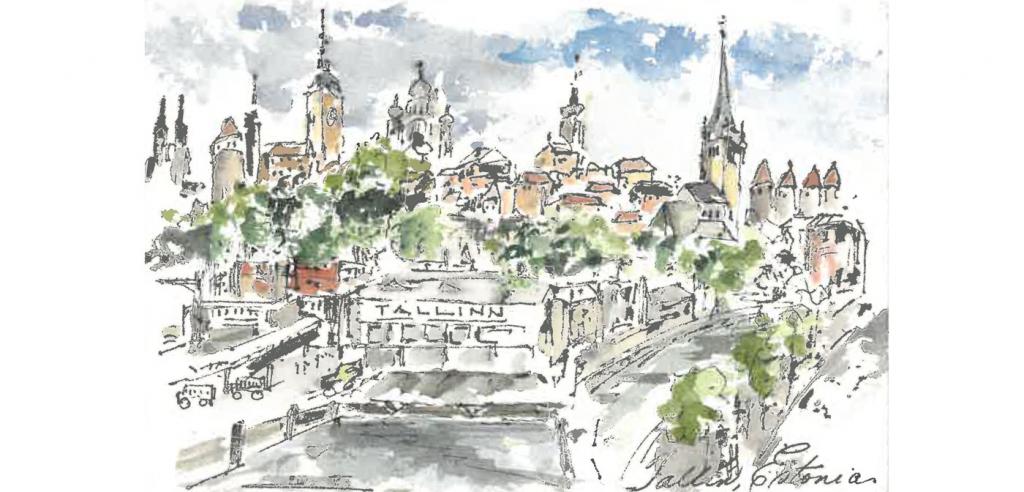
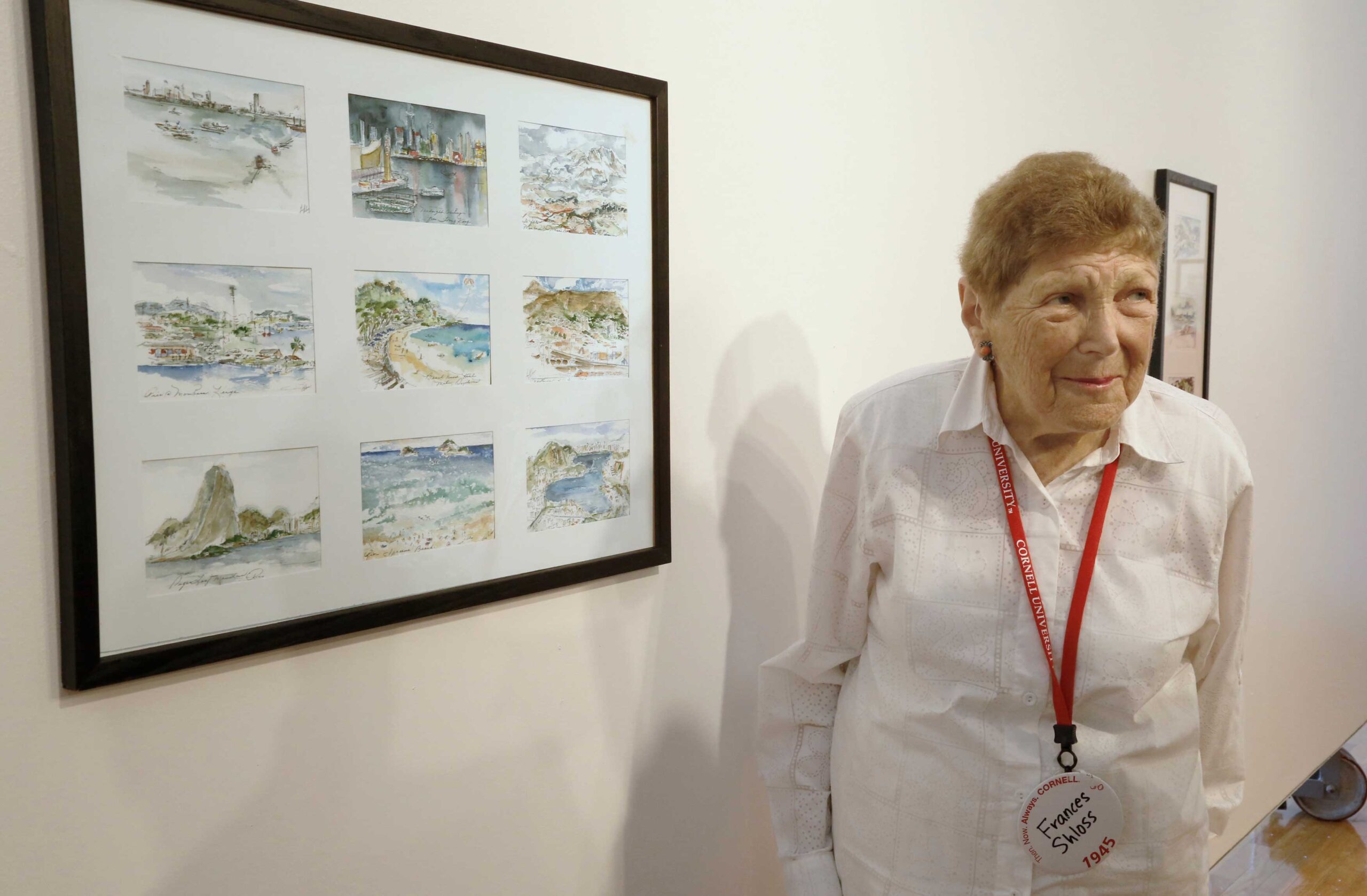
Instead, she spent her time painting and going on cruises. “I liked the originality of painting rather than working in an office,” she said. Over the course of her life, Shloss traveled around the world twice on 37 different cruises. “I tried to do a painting every day while I was on a cruise.” In 2015, Cornell displayed several of these paintings in an exhibition titled Travels in Sibley Hall’s John Hartell Gallery.
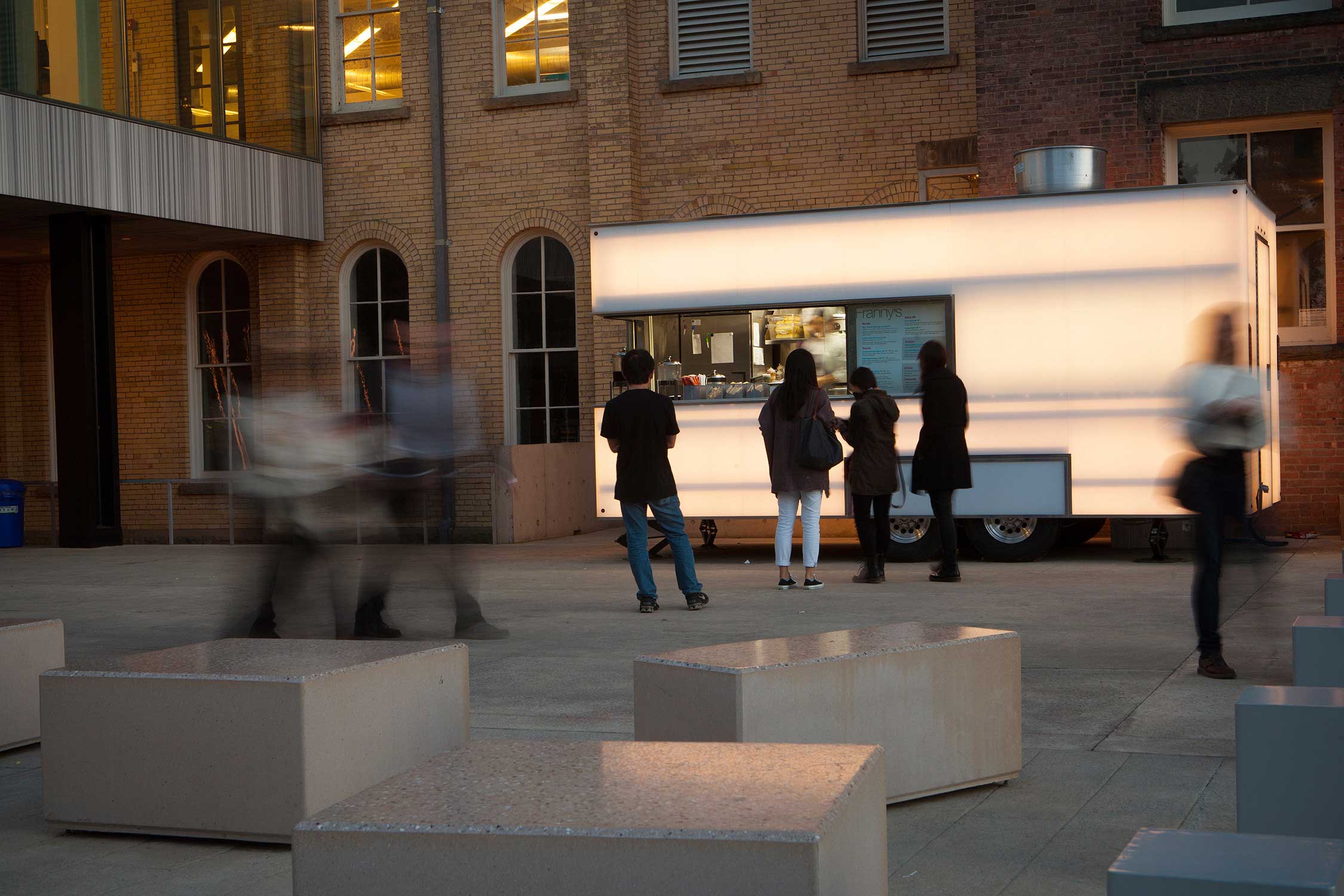
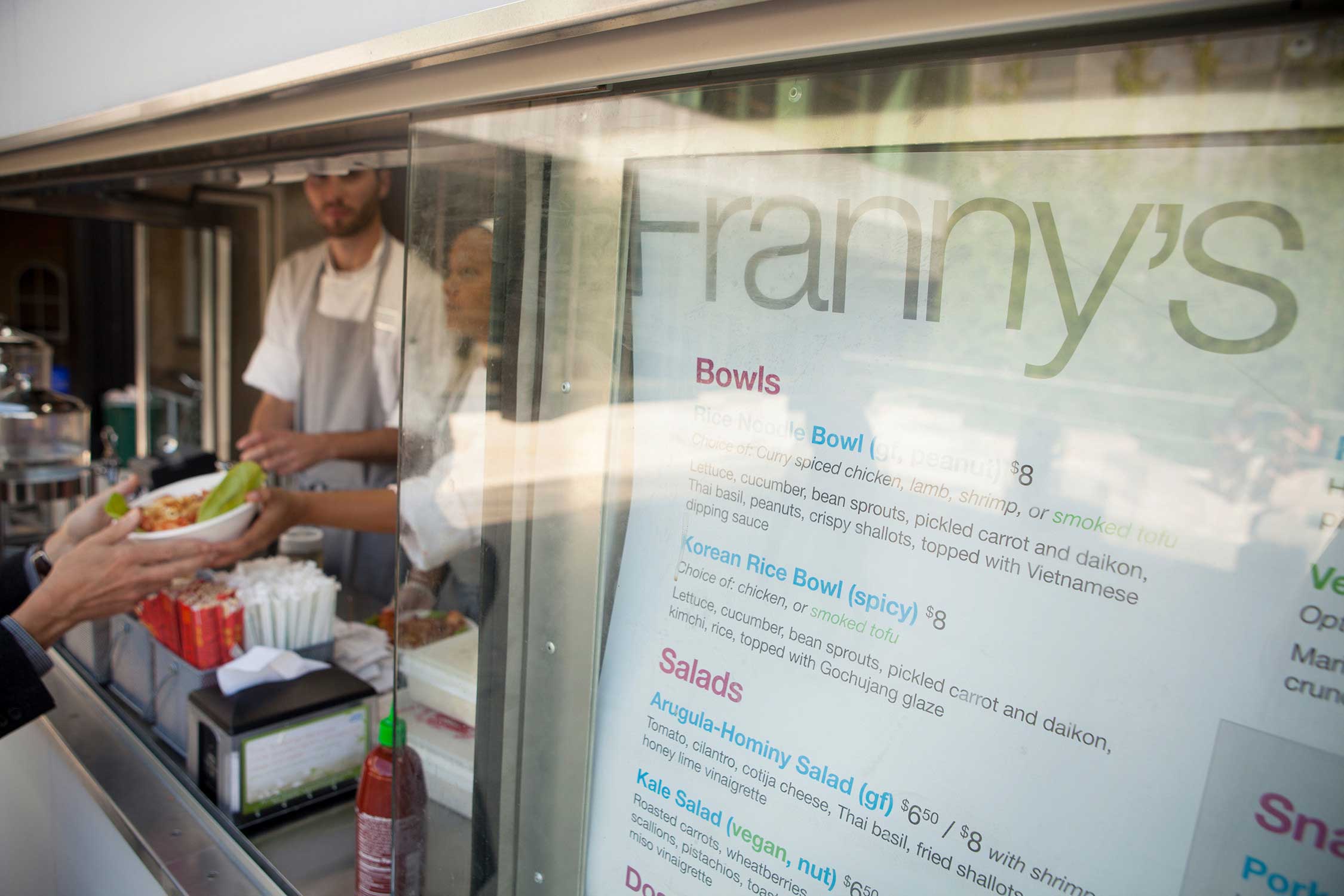
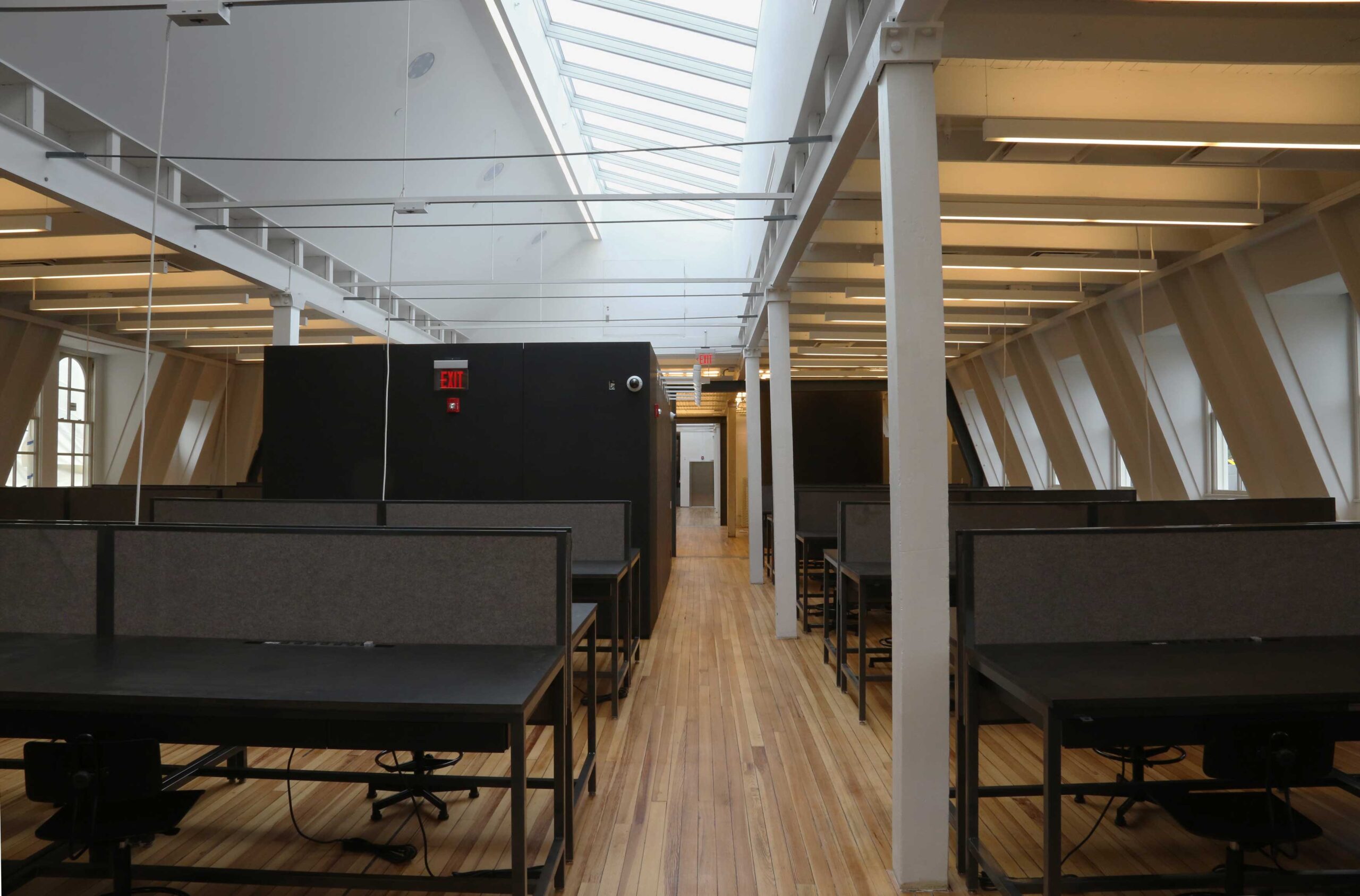
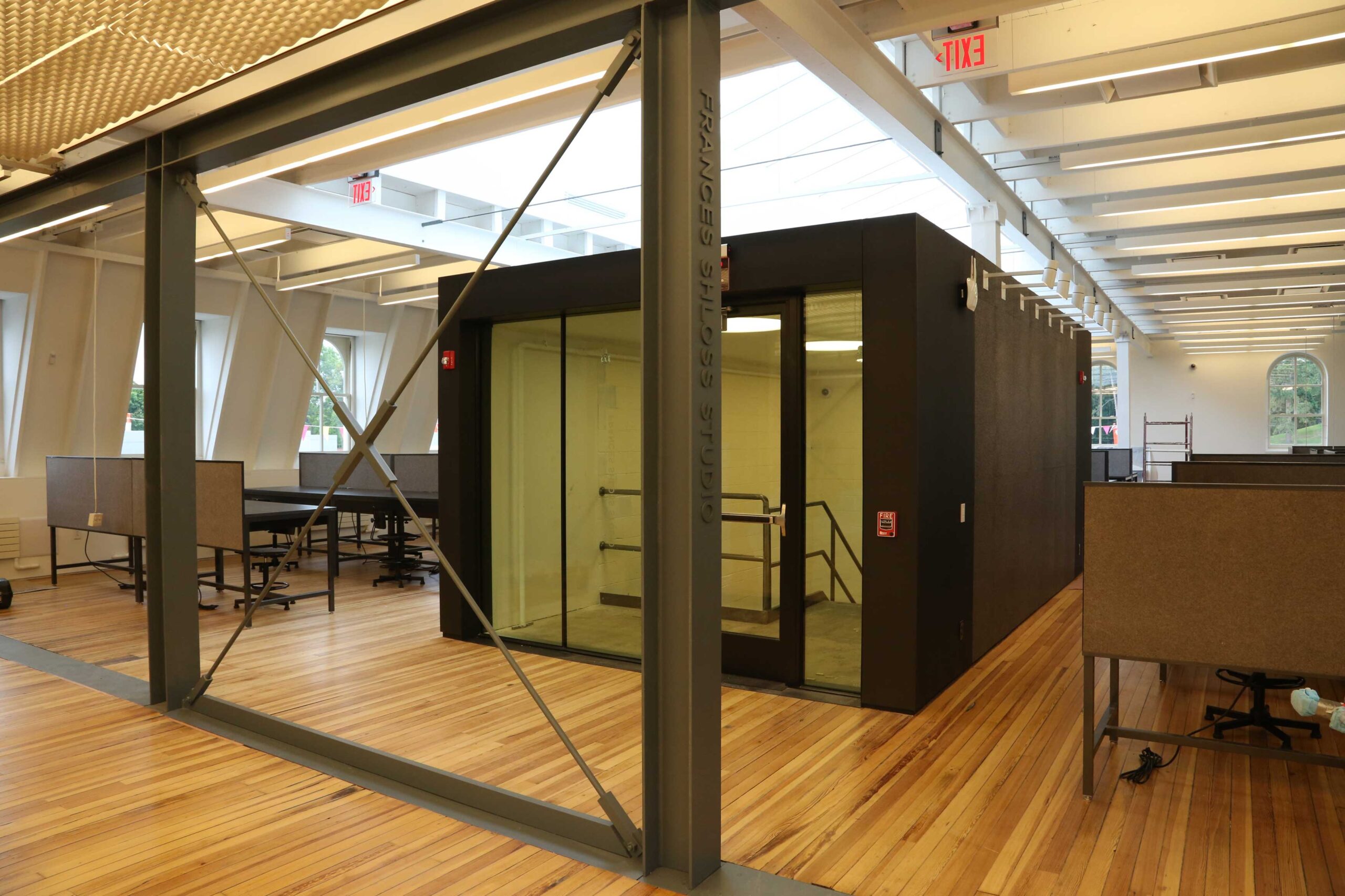
In the years before her passing in February 2022, Shloss remained connected to her alma mater. She contributed seating and flowering trees in a project to beautify the Arts Quad and funded the renovation of the third floor of East Sibley Hall, which now houses an architecture studio named in her honor. She also funded Franny’s Food Truck. From its spot behind Sibley Hall, Franny’s offers a creative menu of dishes that fuse flavors found in Eastern and Western cuisines. Through her food truck, Shloss continues feeding students on campus much as she did 80 years ago.
I liked the originality of painting rather than working in an office.
In Her Own Words
The Cornell Class of 1945 celebrated its 75th Reunion virtually in July 2020. During the reunion, Shloss shared a story about her and her friends hiding in the rain gutter of White Hall so they could avoid the women’s curfew and continue working in the architecture studio.
Projects
Click to view project images full screen.
Scrapbooks
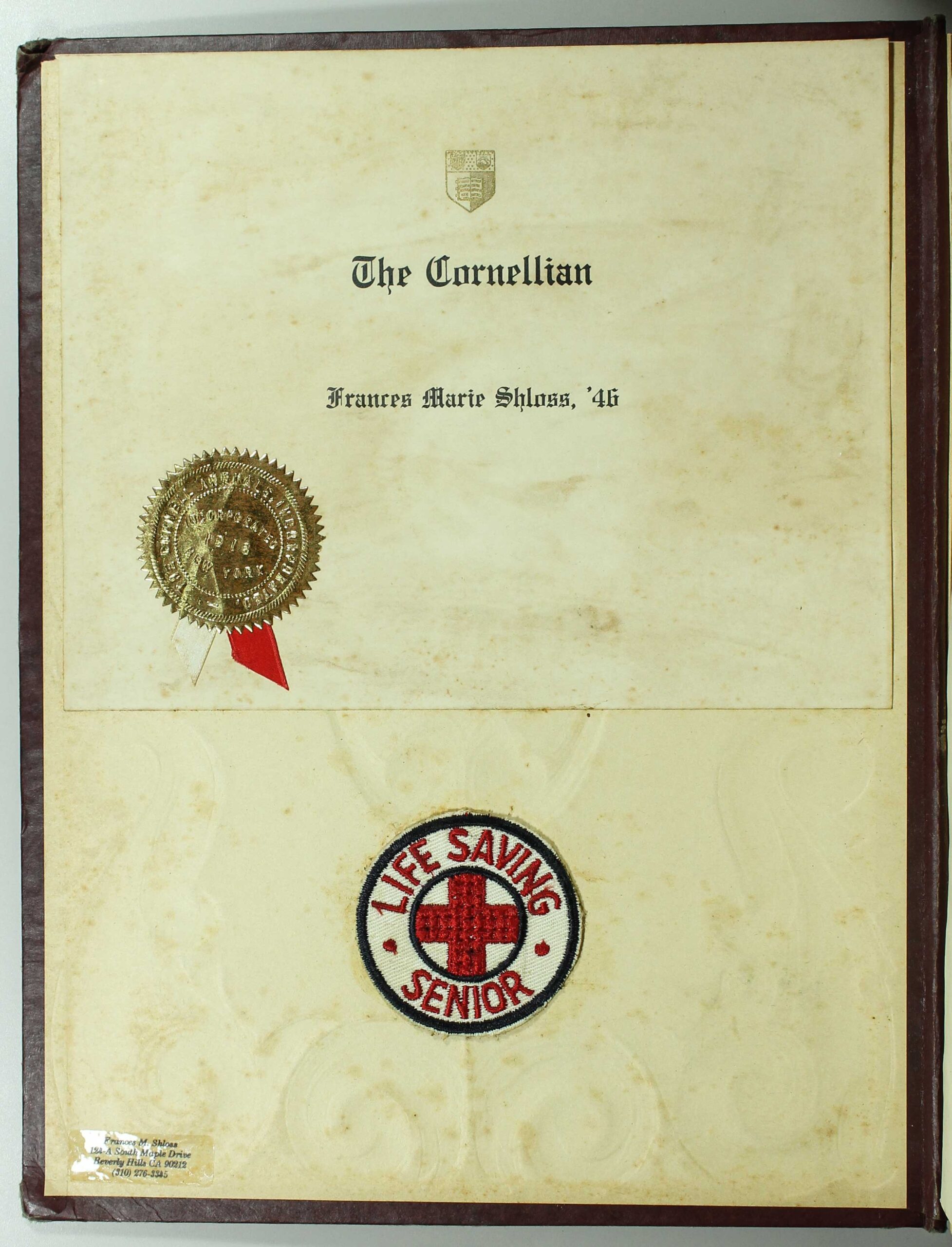
1941–45
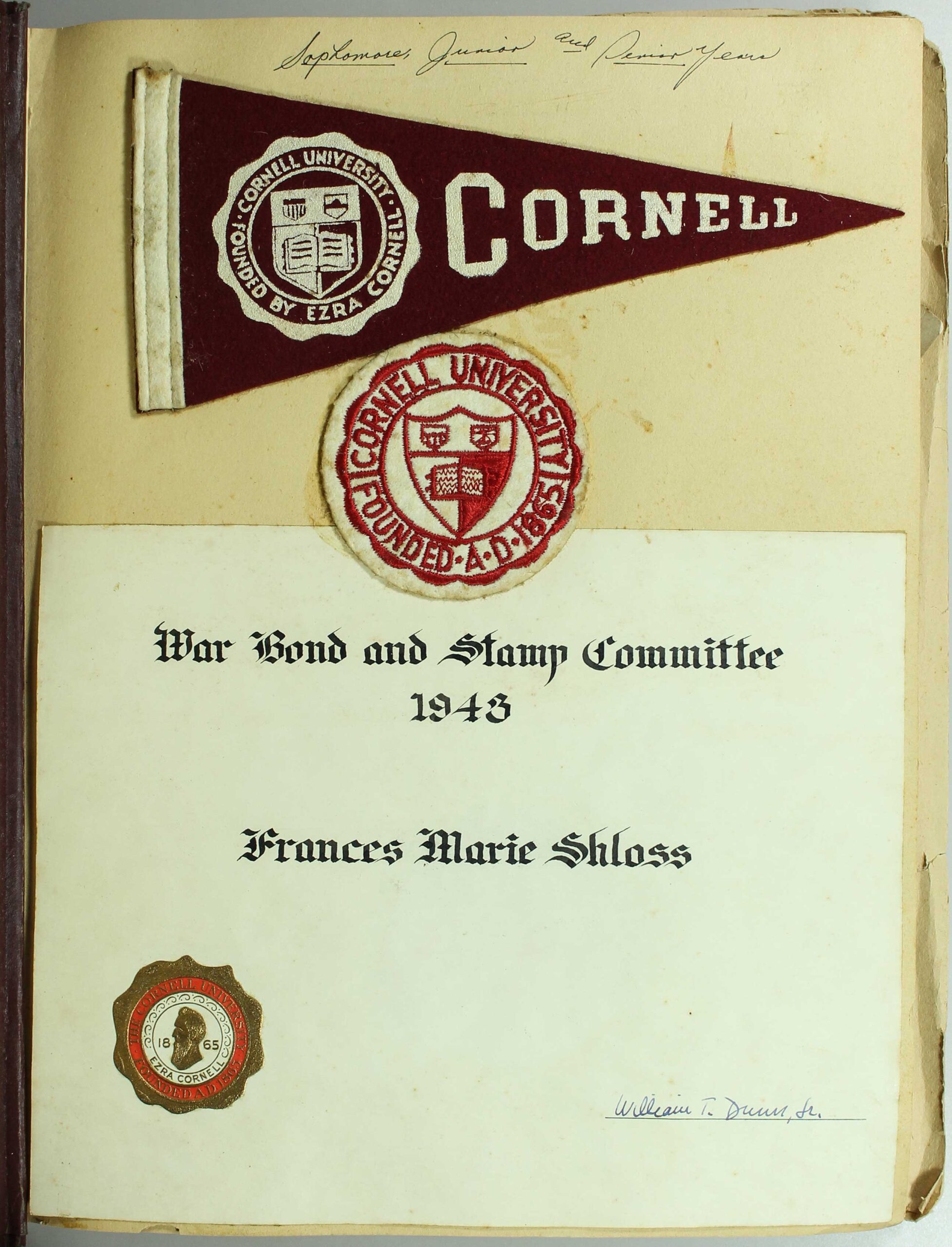
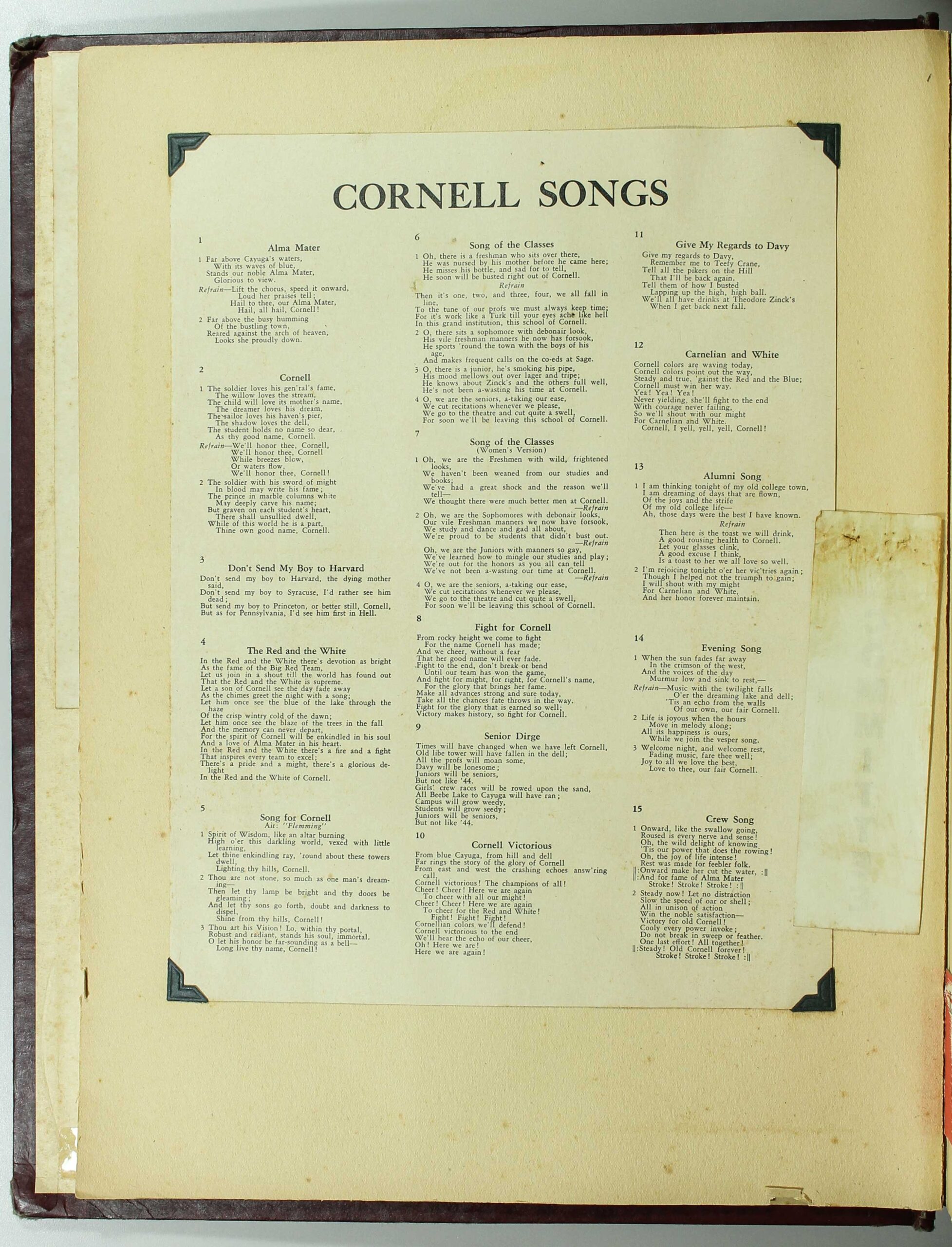
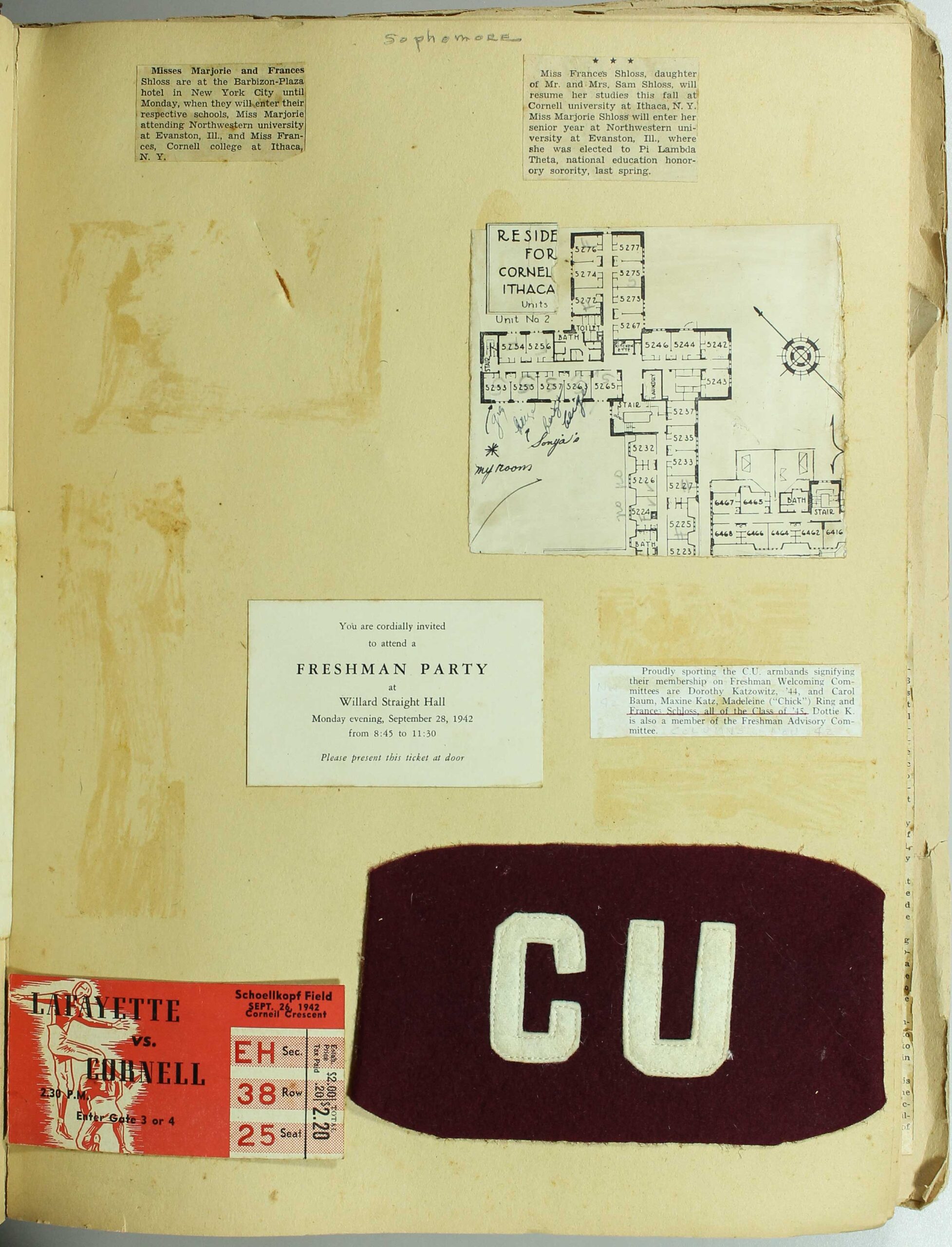
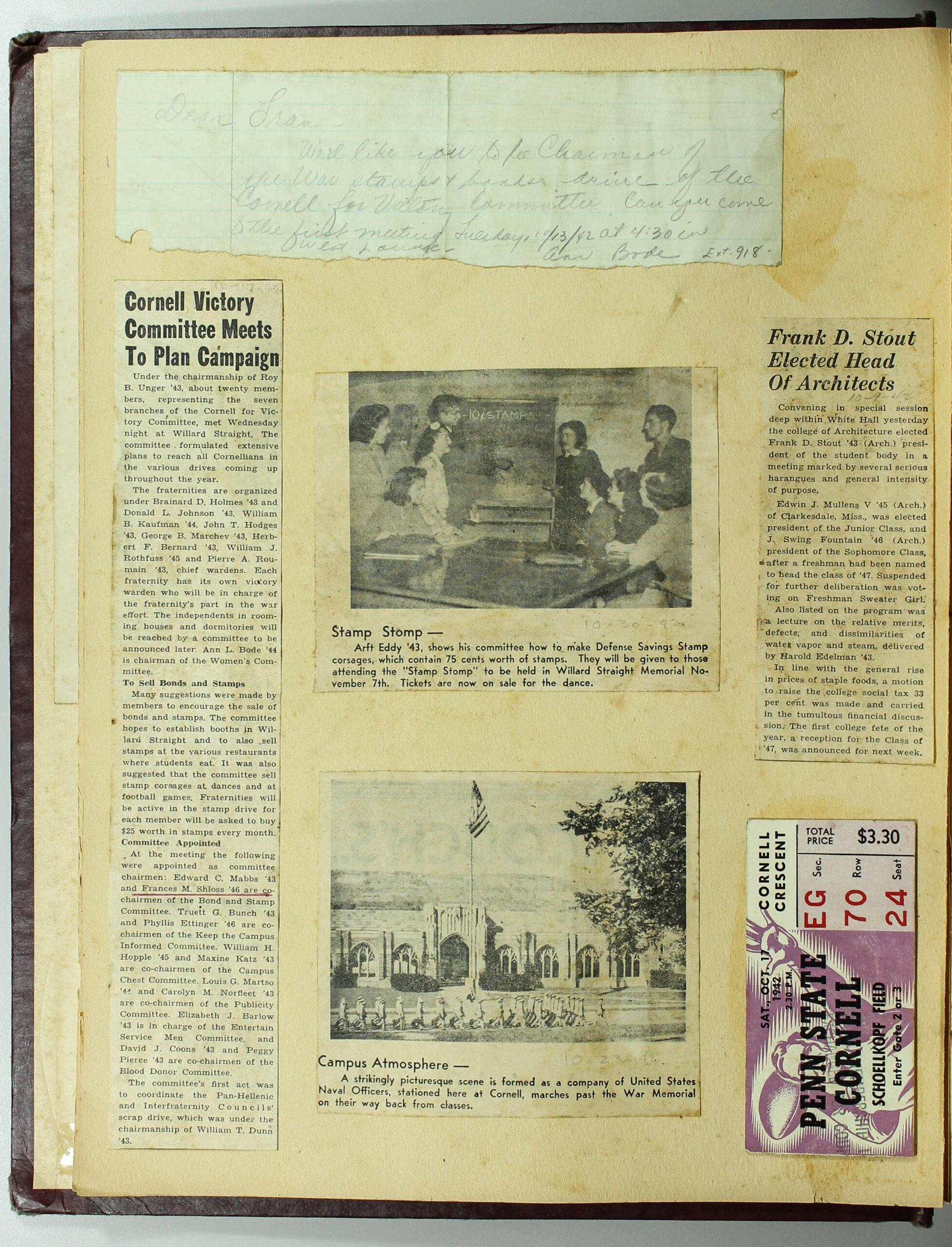
Watercolor Paintings
Cornell Philanthropy
2012–14

Explore the Archive
-
Paul Mazzarella
M.R.P. ’79
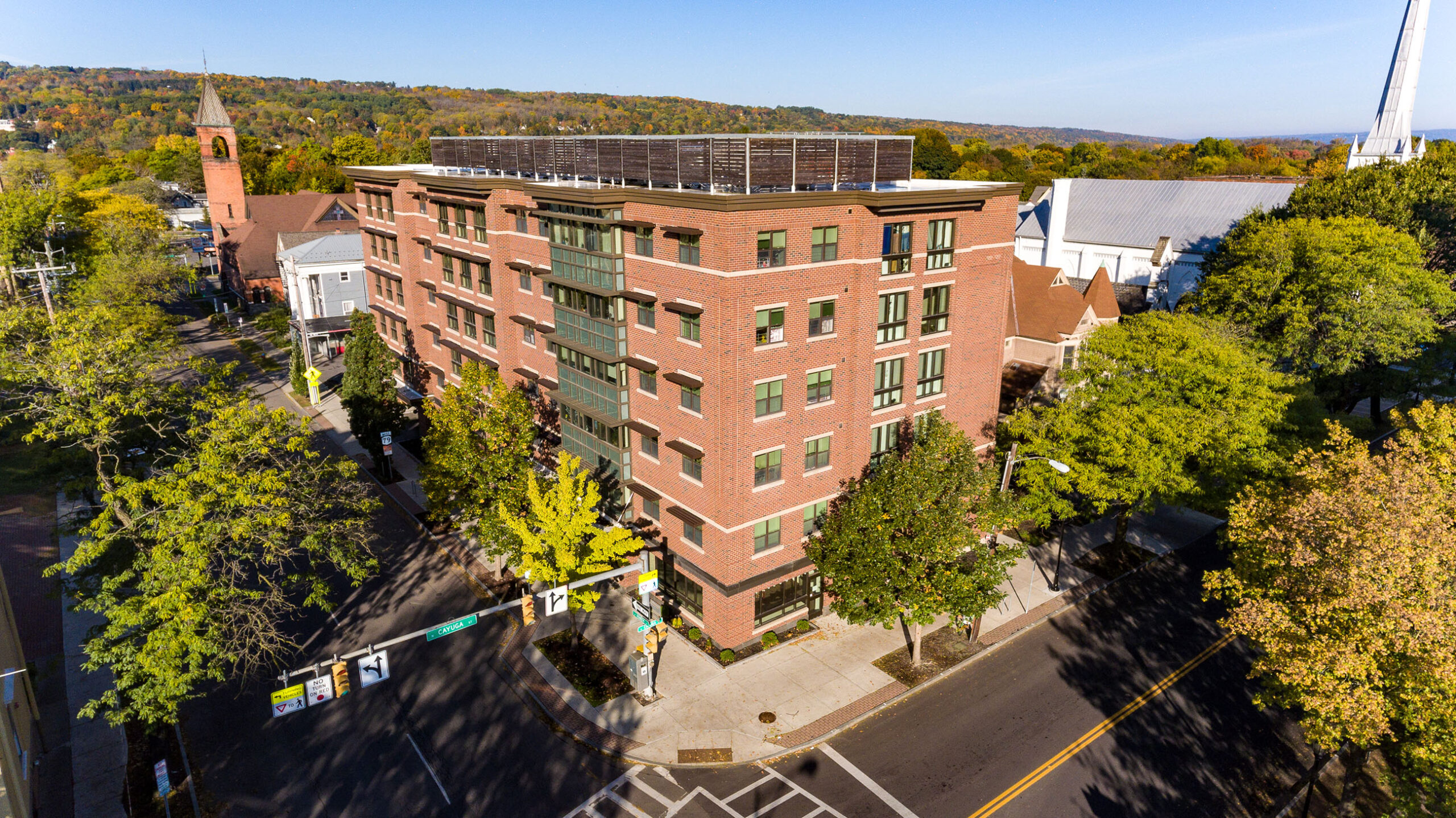
![Aerial view of a multistory red brick building.]()
-
Alan Chimacoff
B.Arch. ’64
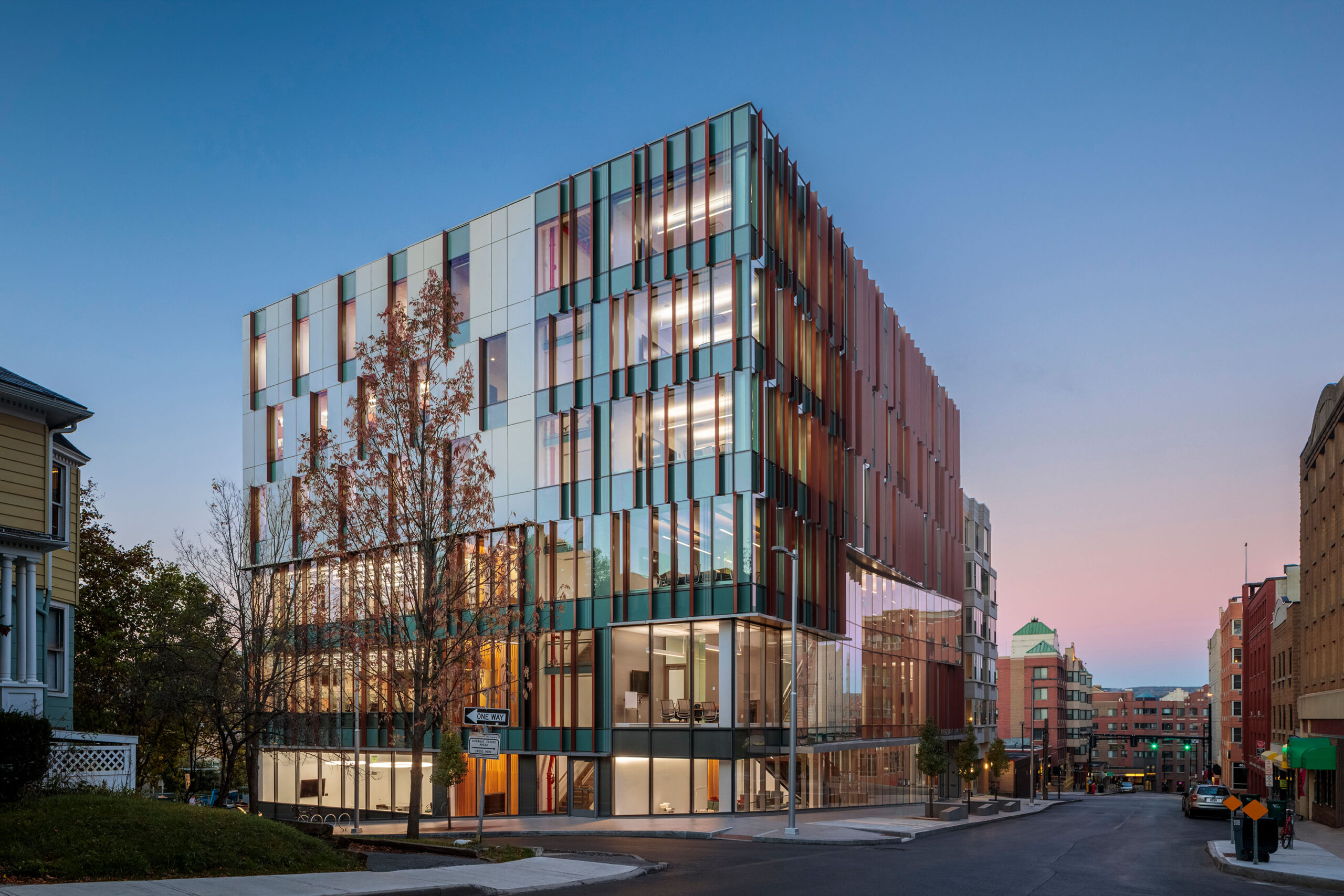
![Street-level view of a building at dusk.]()
-
Jon H. Alvarez
B.Arch. ’77
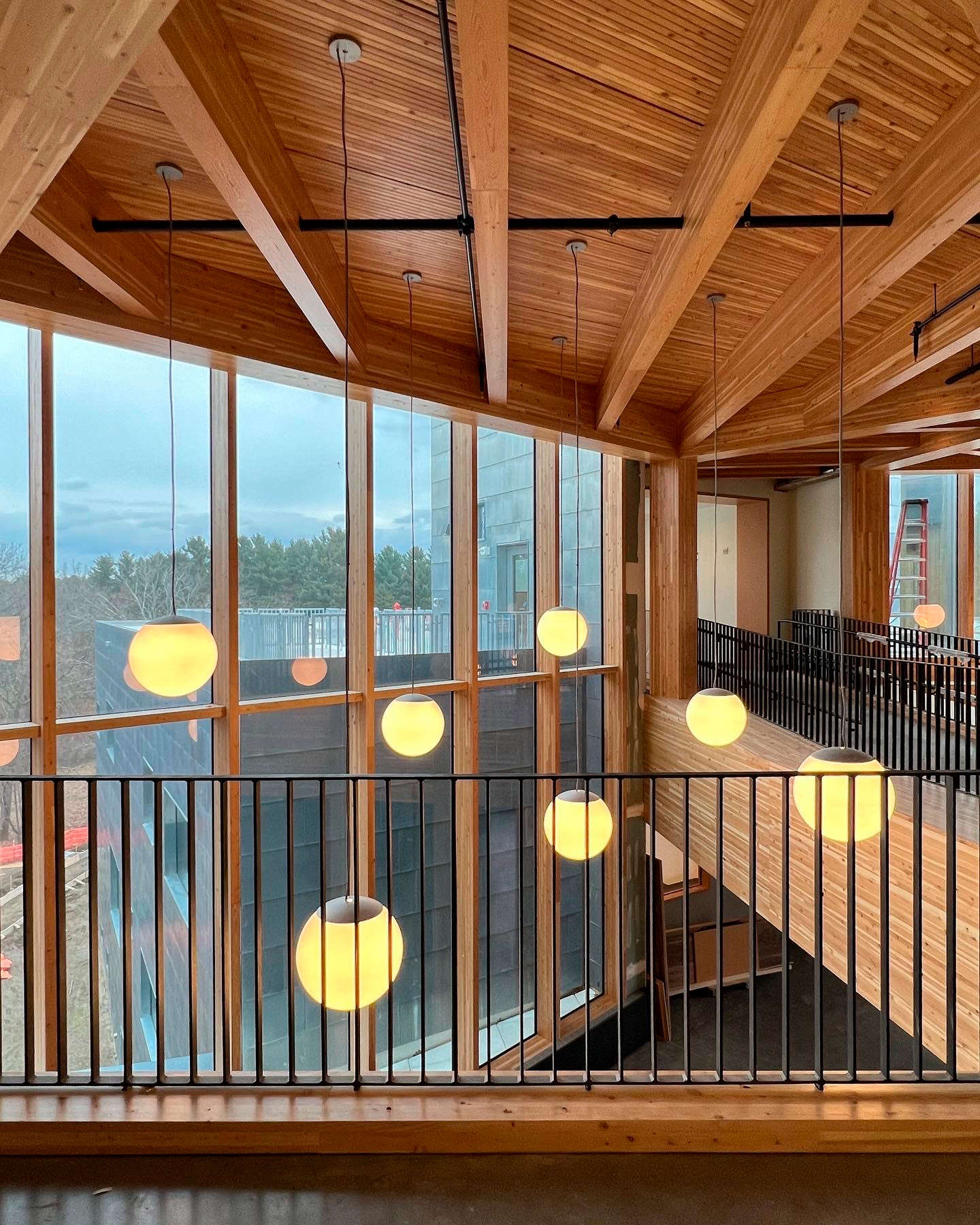
![Spherical pendant lights hang from a wood-clad ceiling, past a balcony.]()
-
Pat Lipsky
B.F.A. ’63
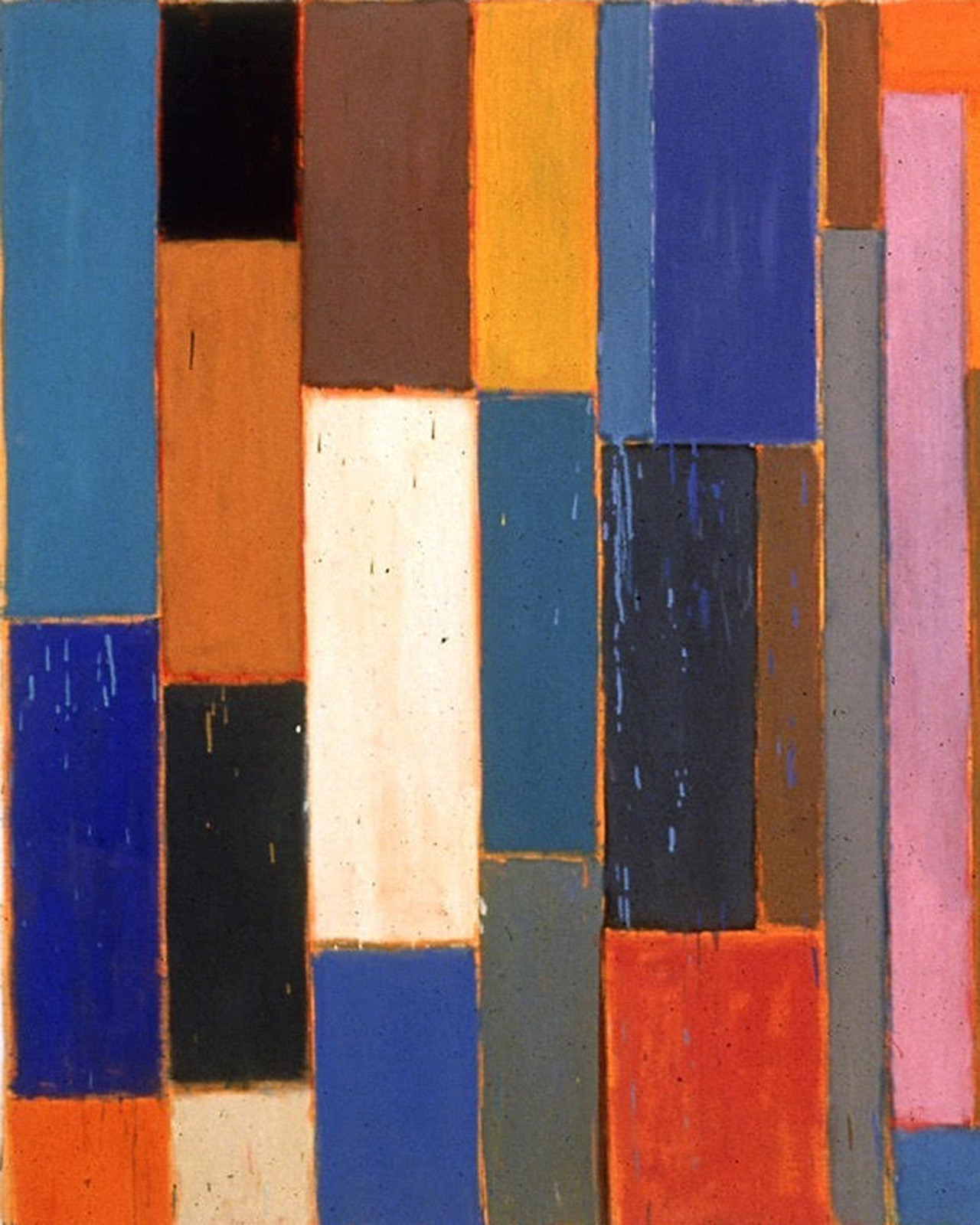
![long strips of color blue, orange, black, white, yellow, pink, crop close up of a painting by Pat Lipsky]()