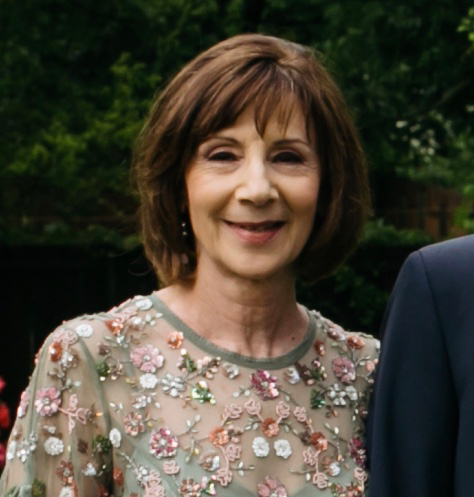
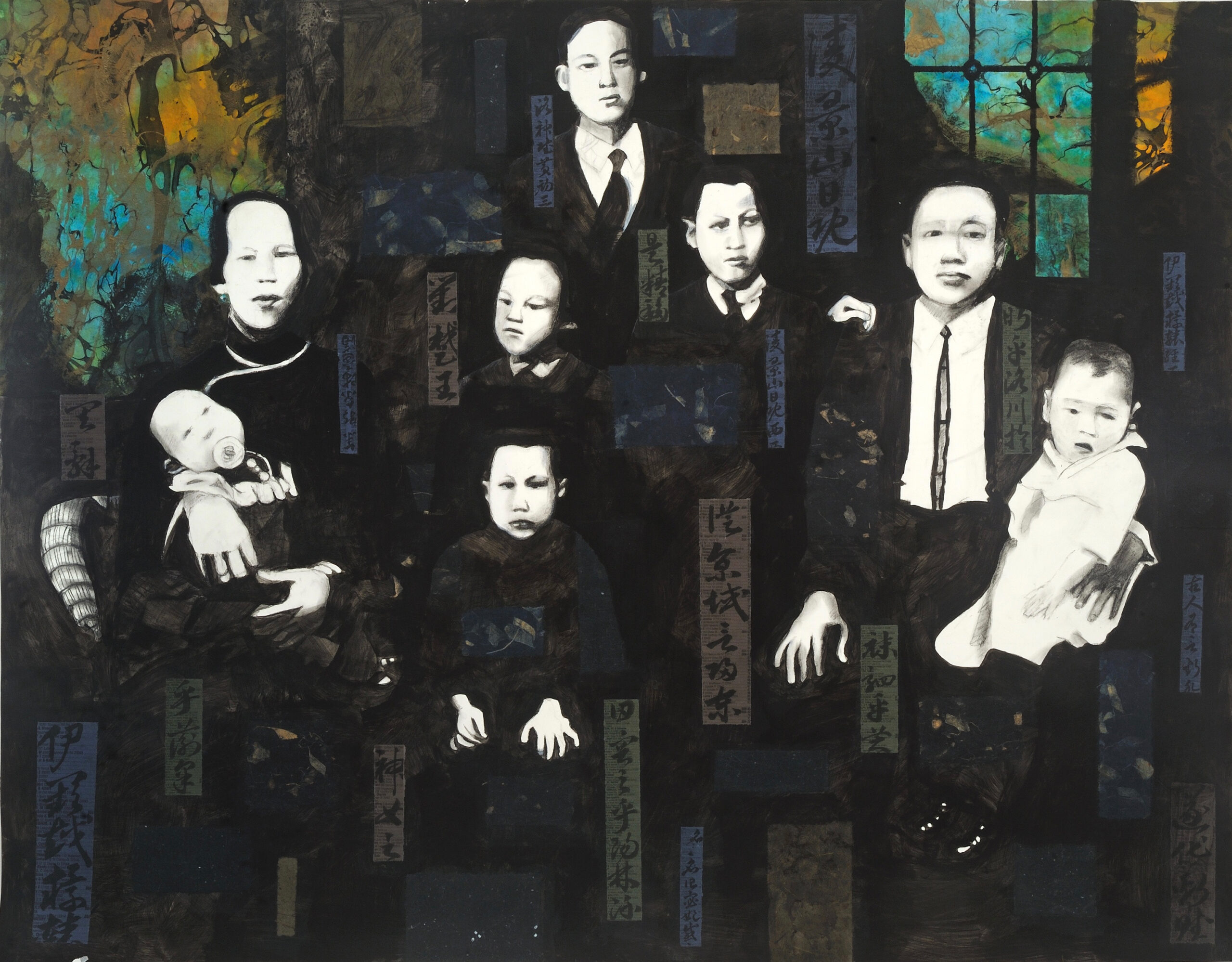
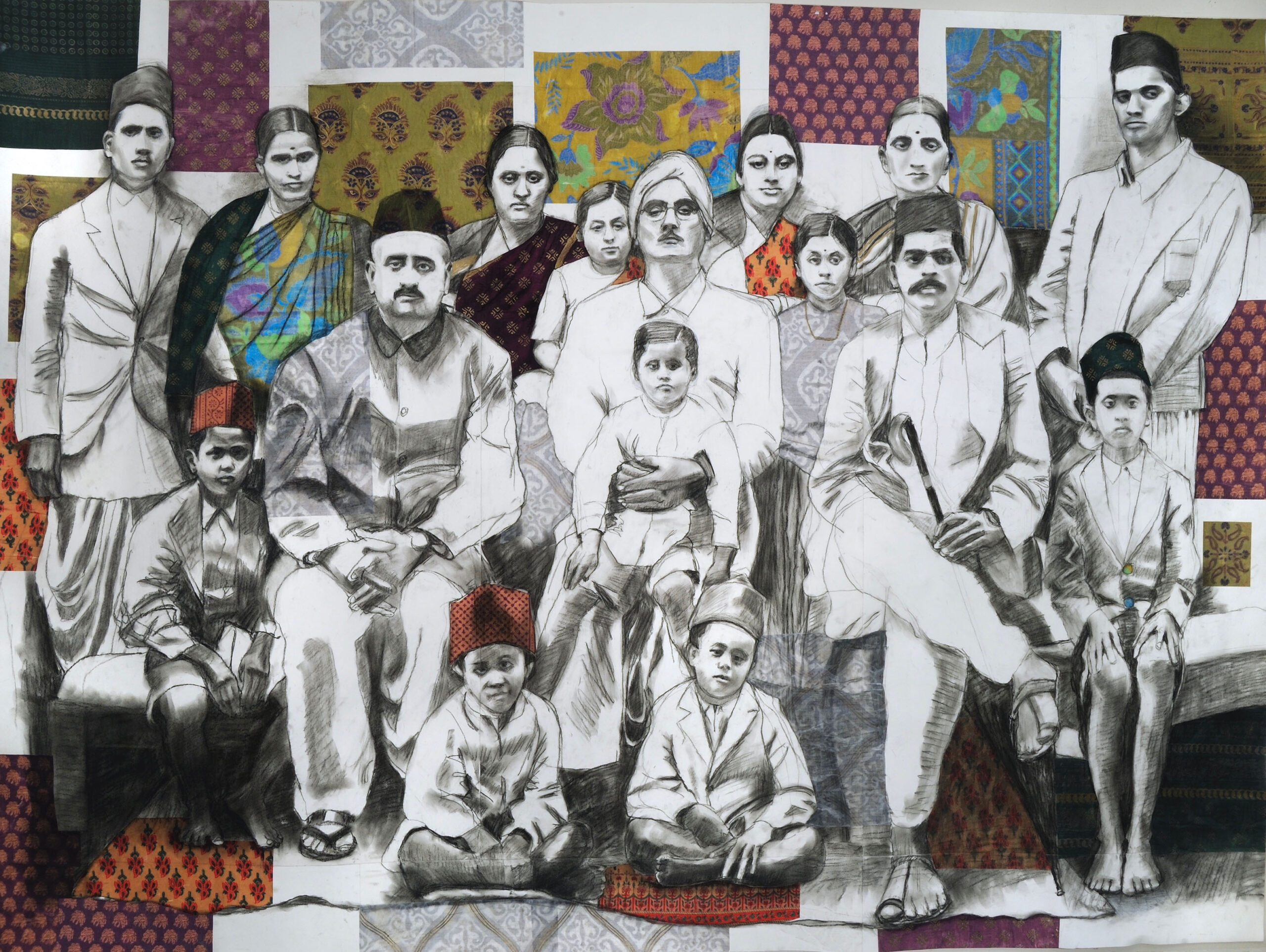
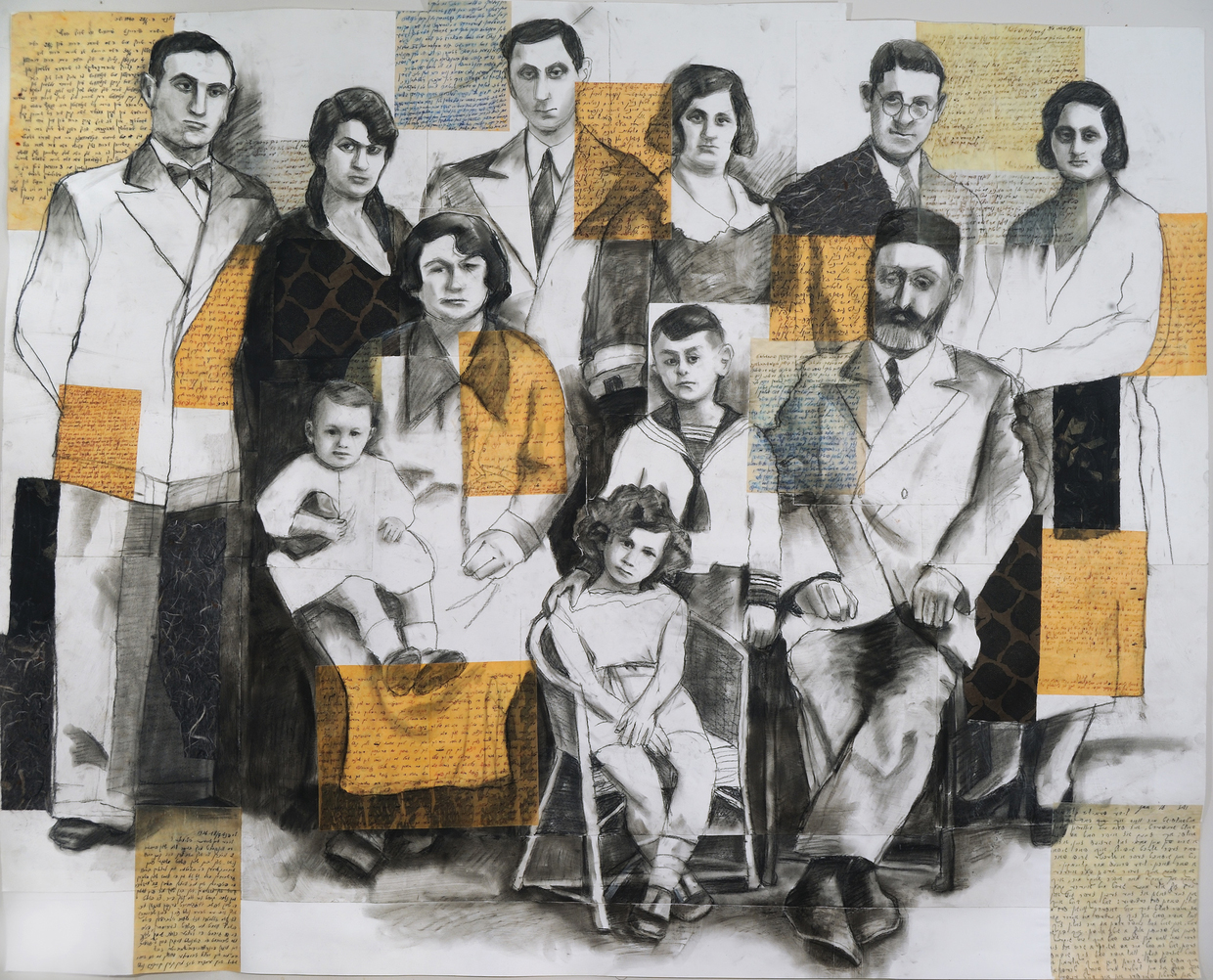
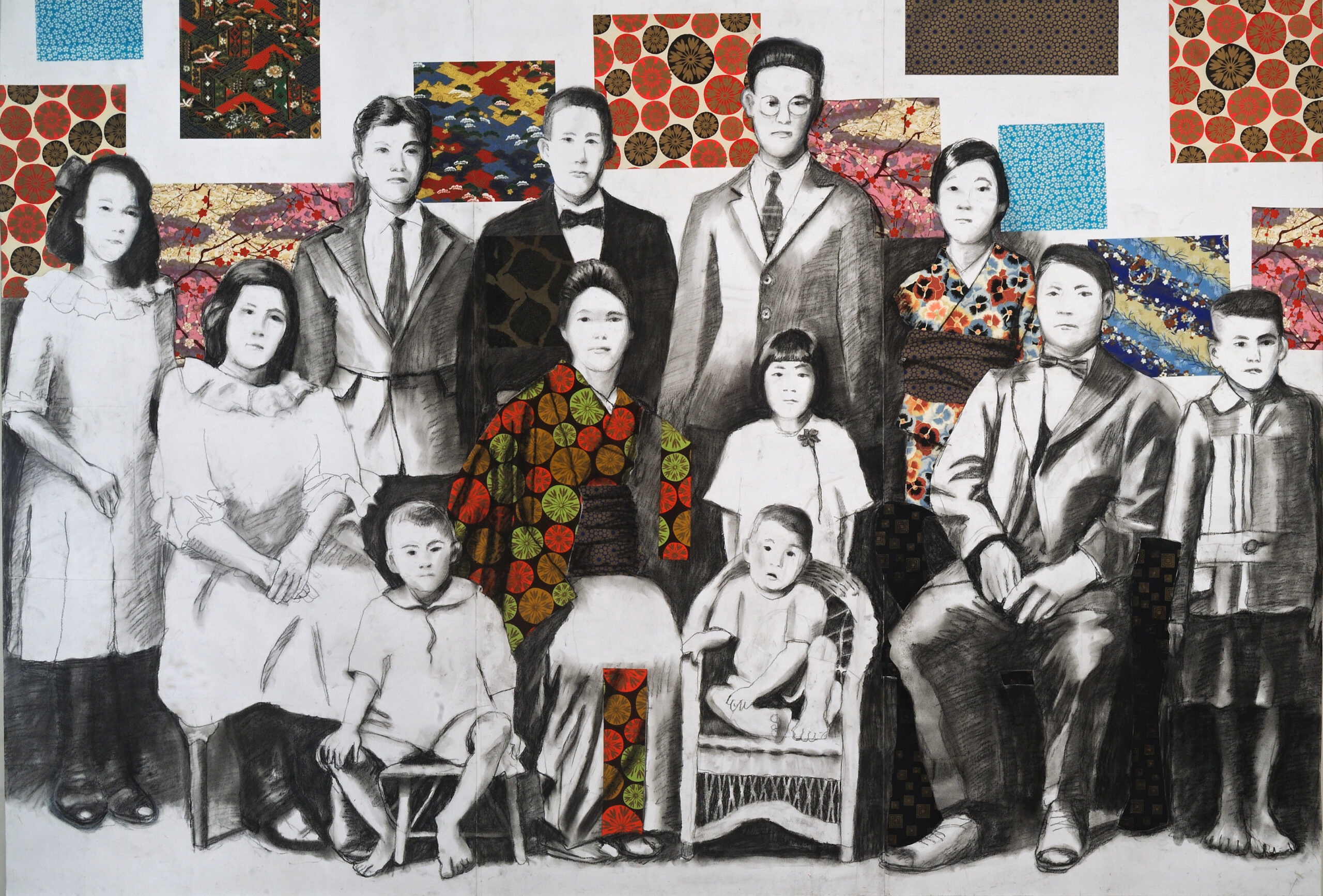
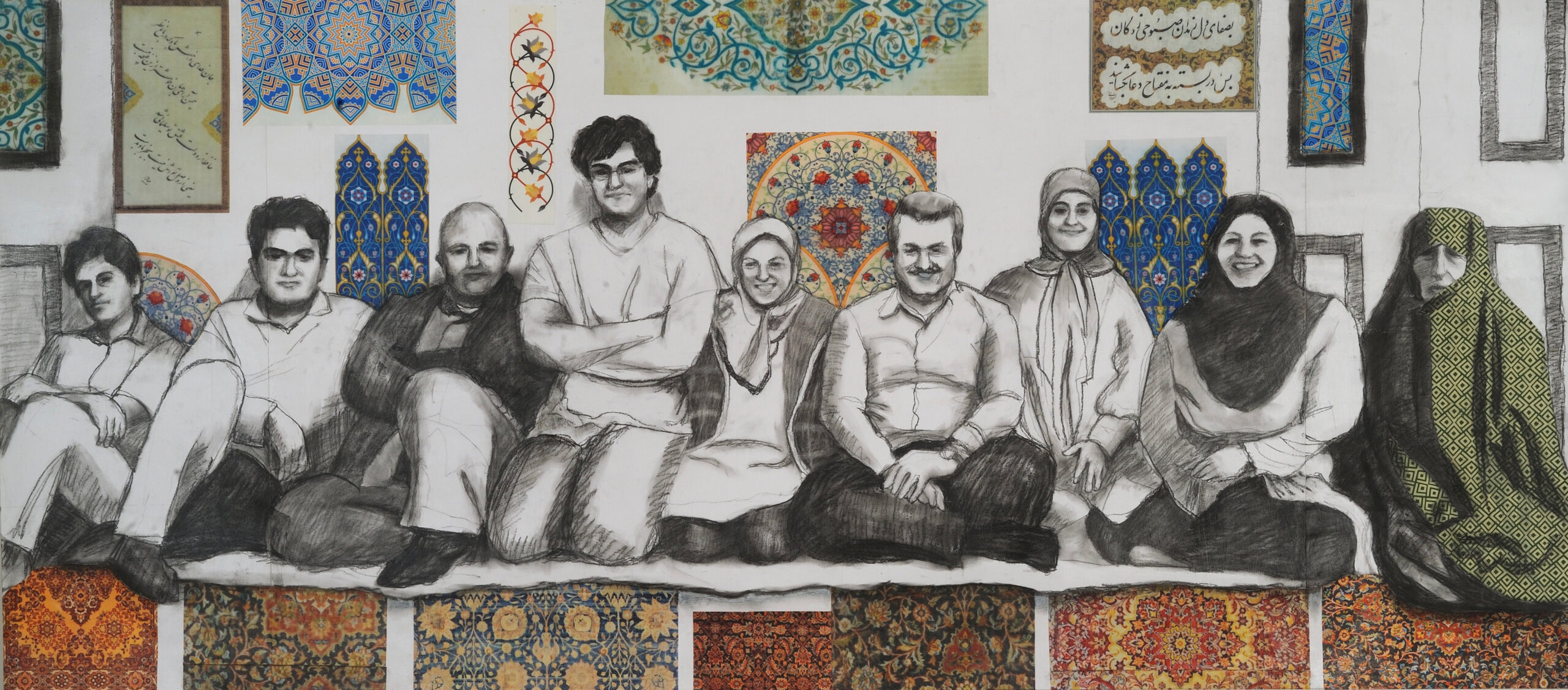
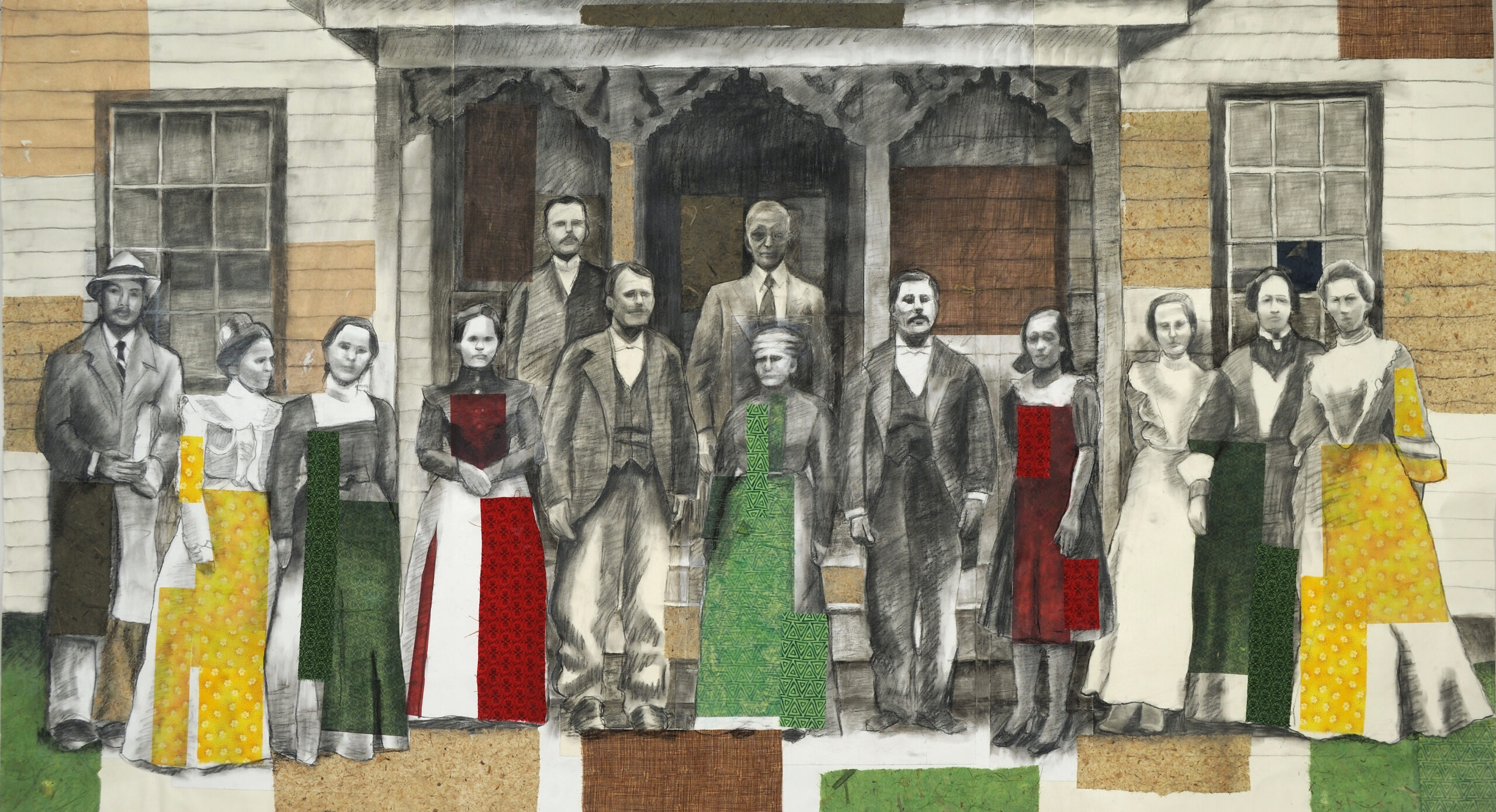
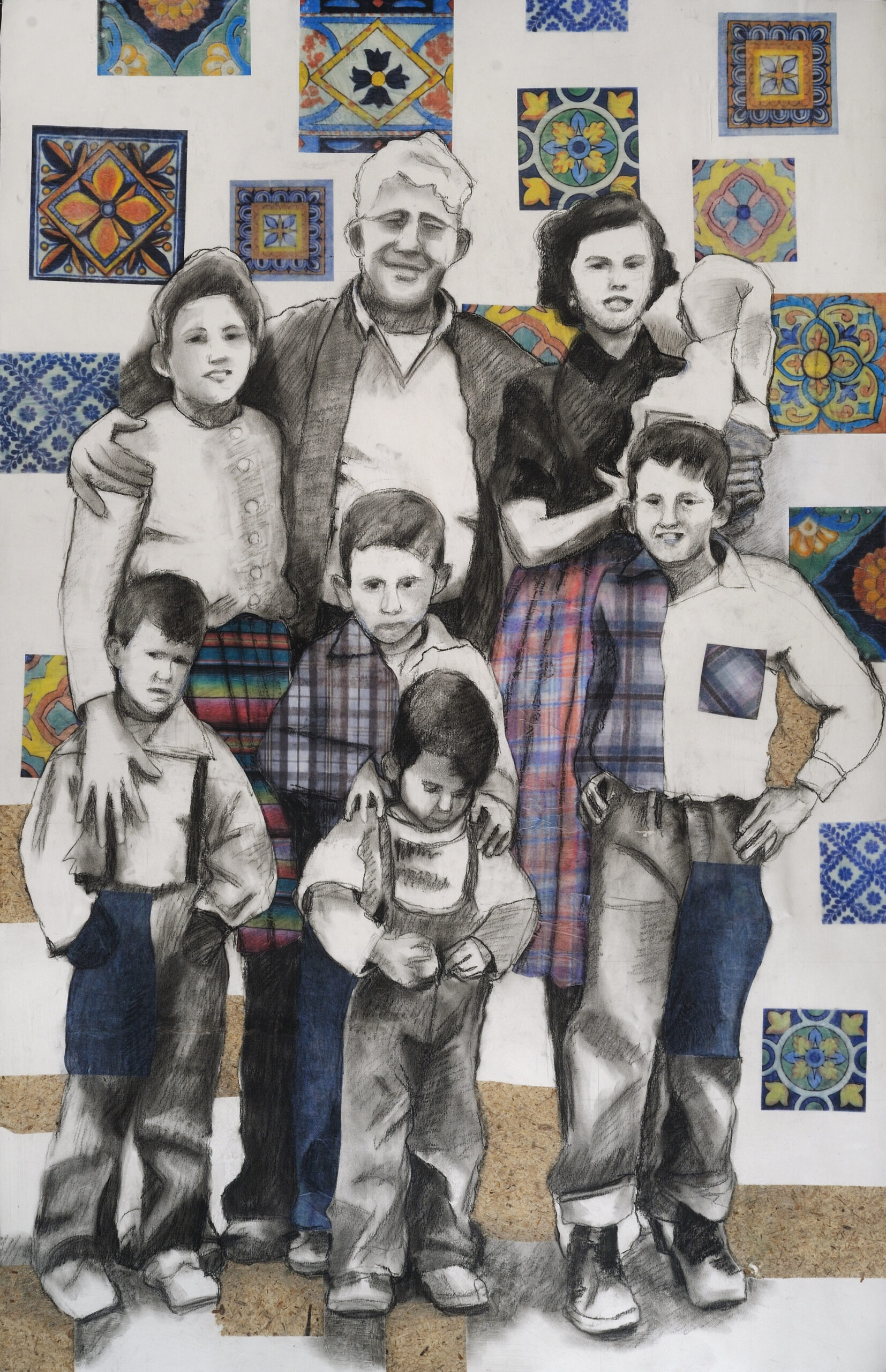
For Deborah Addison Coburn (B.F.A. ’74), art is an “exercise in controlled chaos.” The Maryland-based painter, printmaker, and collage artist is a master at combining lines, shapes, colors, and textures to create what she describes as “a composed, harmonious experience.” The results can be powerful and poignant, as demonstrated by her award-winning One Family series. The 15 portraits celebrate both Coburn’s roots as a descendant of Prussian and Polish Jews and the diverse backgrounds of friends and acquaintances.
She created the collection in 2017–18, a time of heightened rhetoric and restrictions on U.S. immigration. Her charcoal drawings incorporate collage, including fabric, buttons, embroidery, and Kosher string, to “convey the richness and diversity that immigrants contribute to our country, which should be celebrated, not feared,” Coburn says. The series earned her an Individual Artist Award from the Maryland State Arts Council.
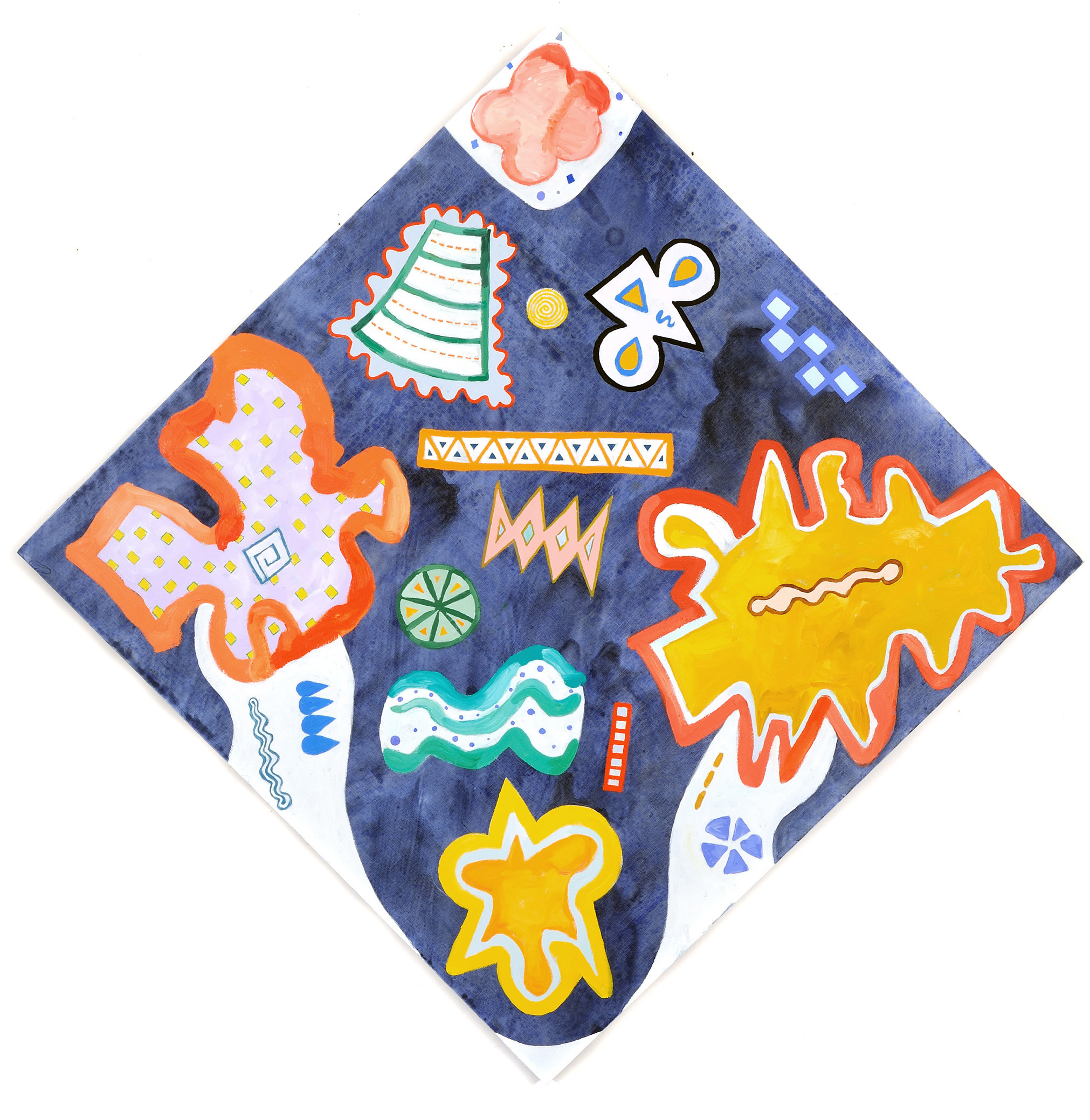
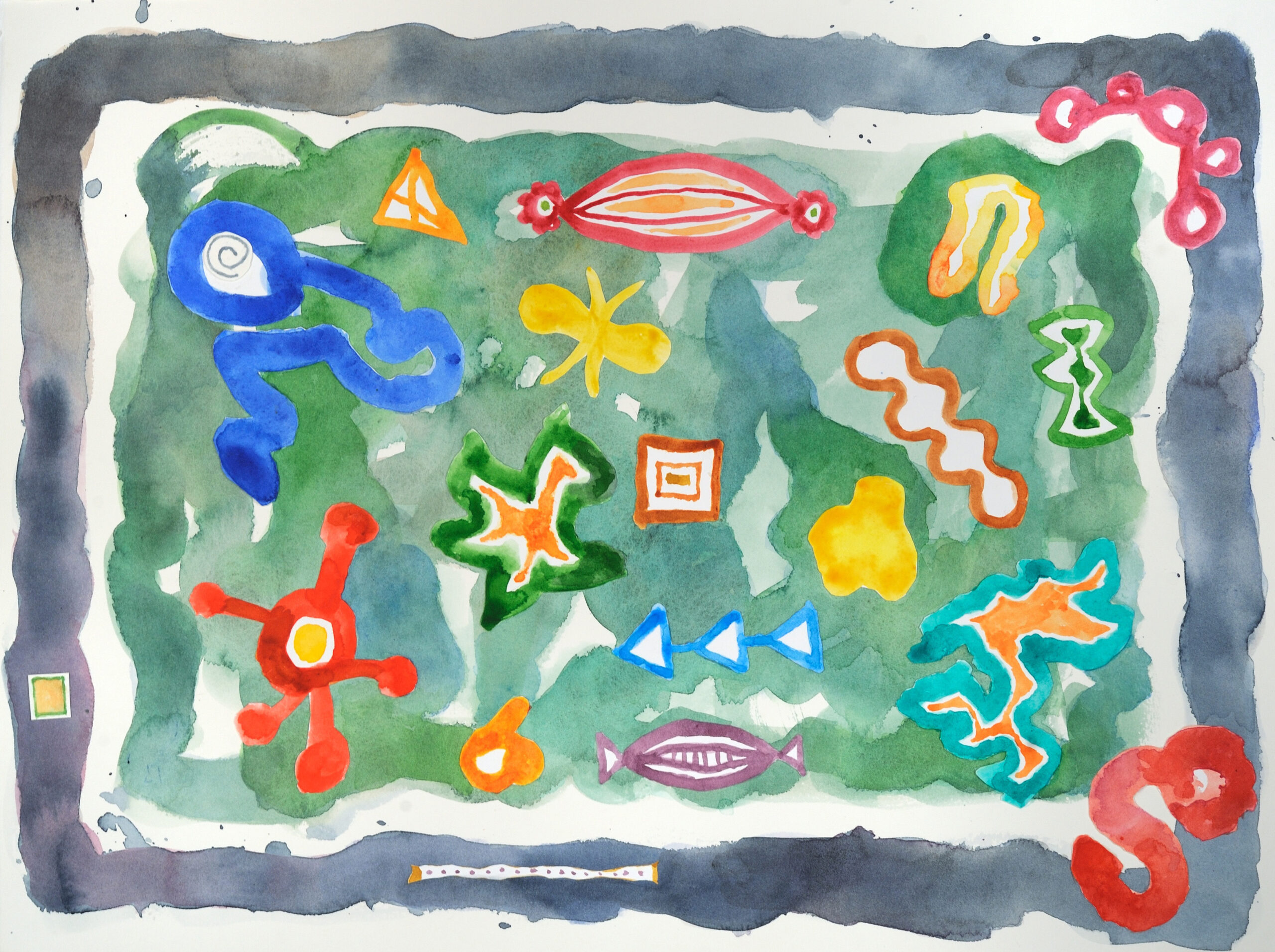
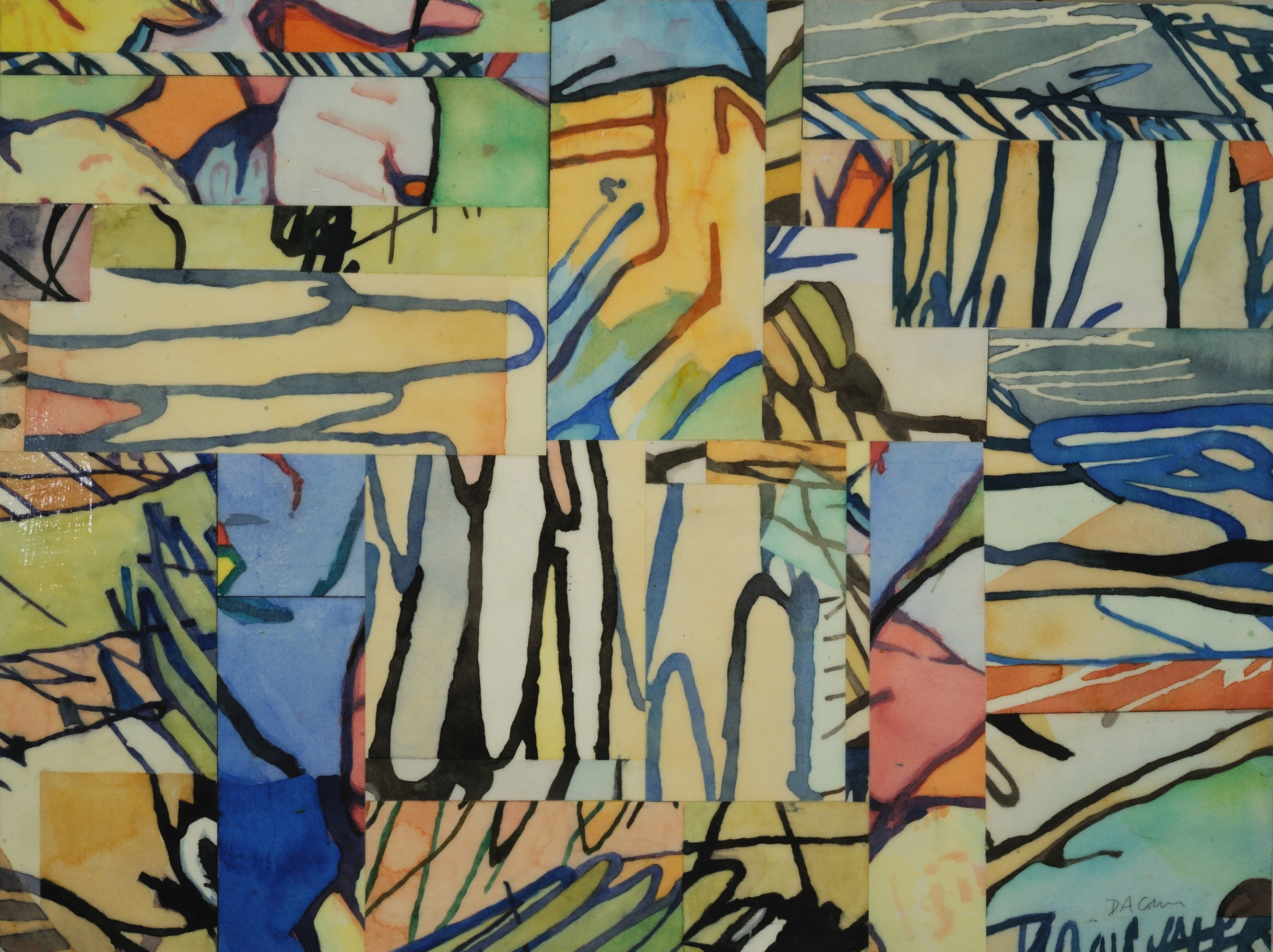
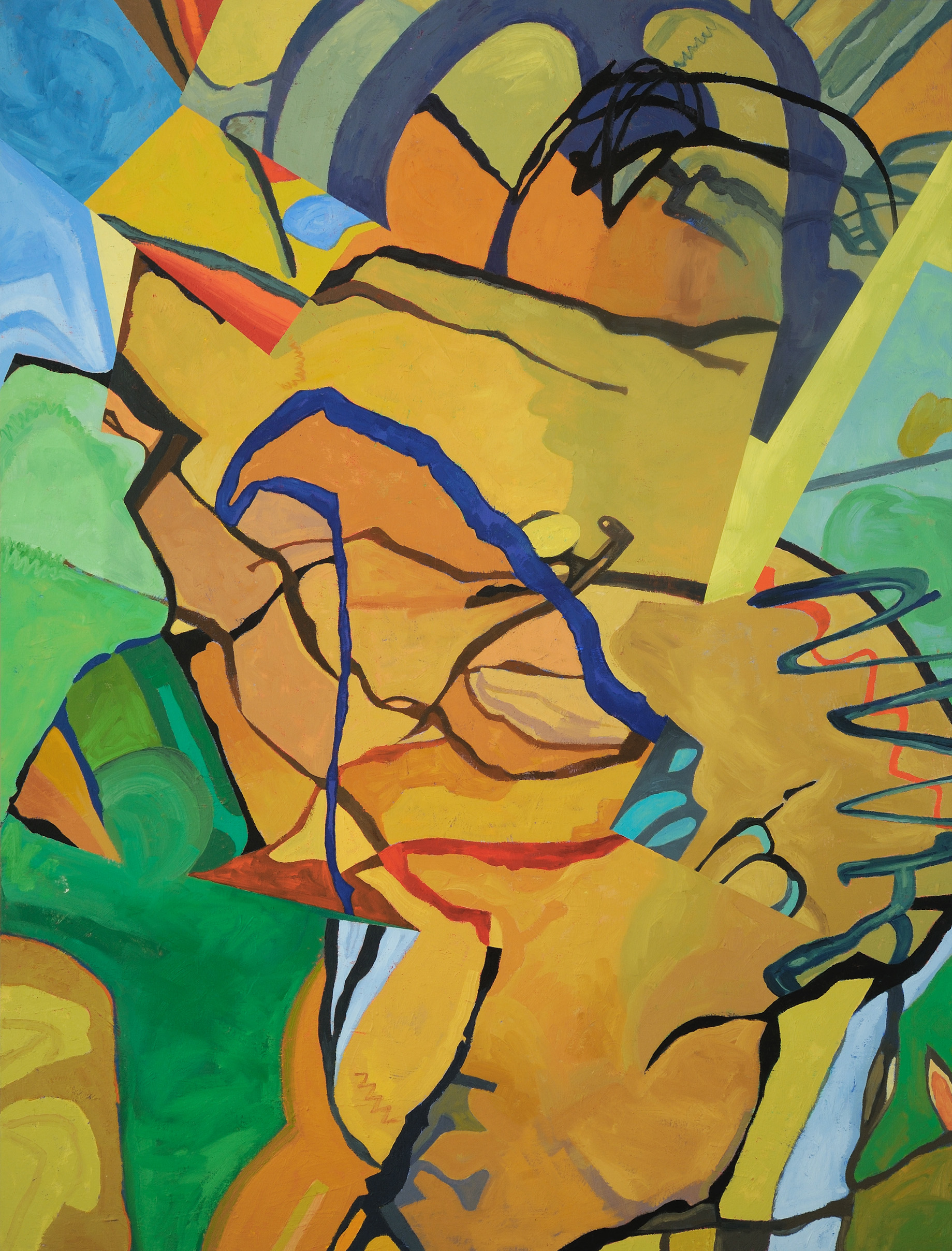
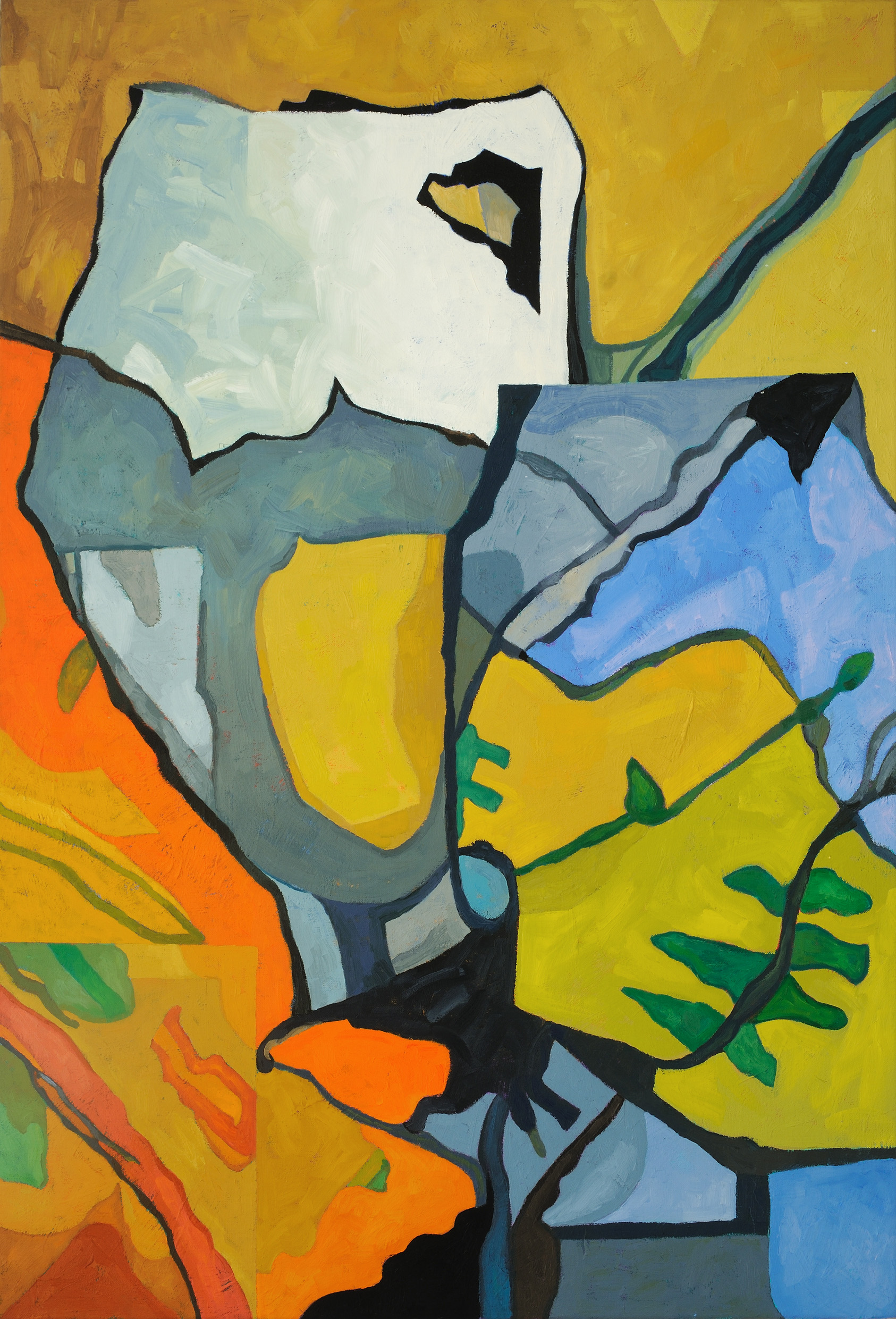
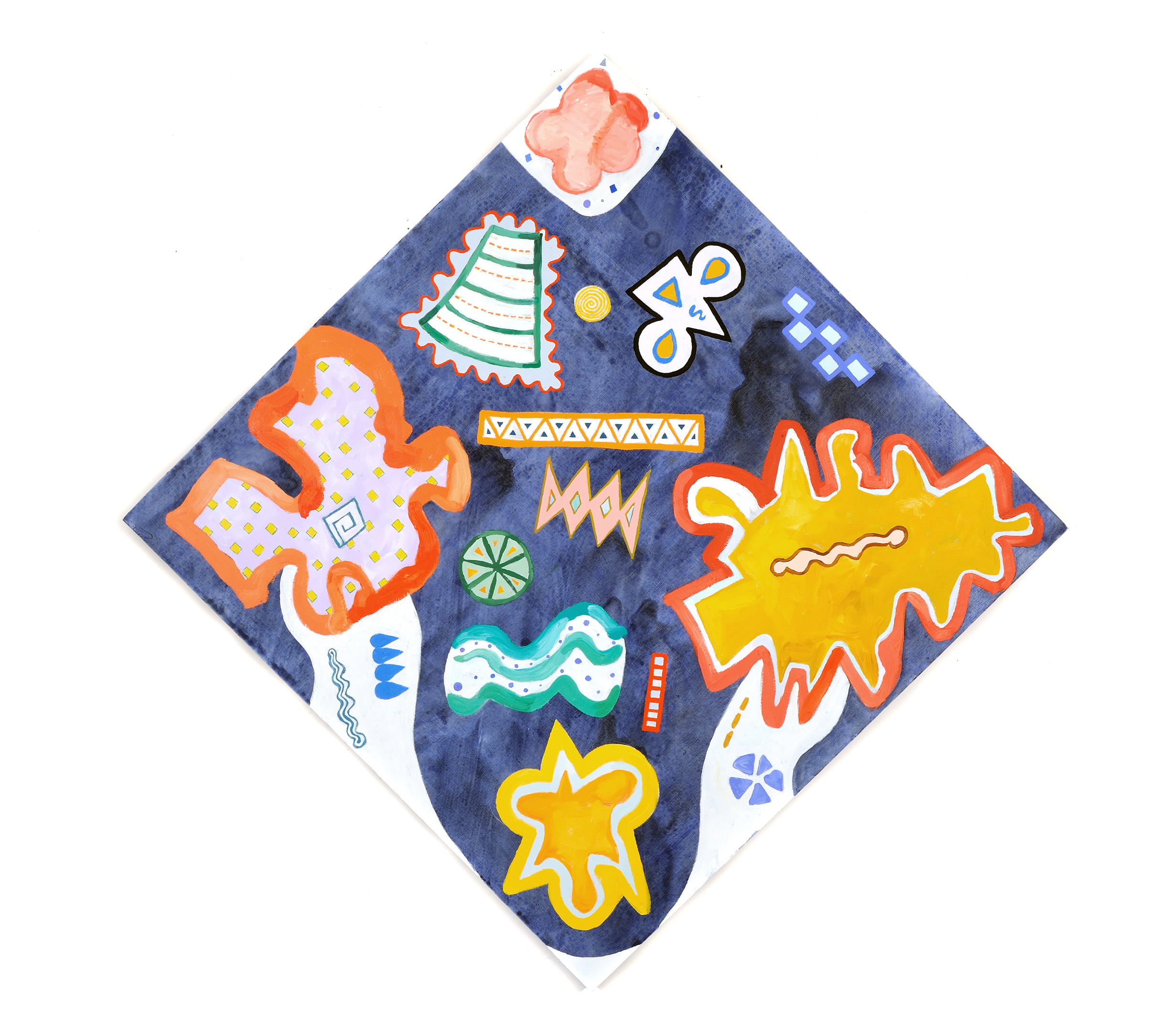
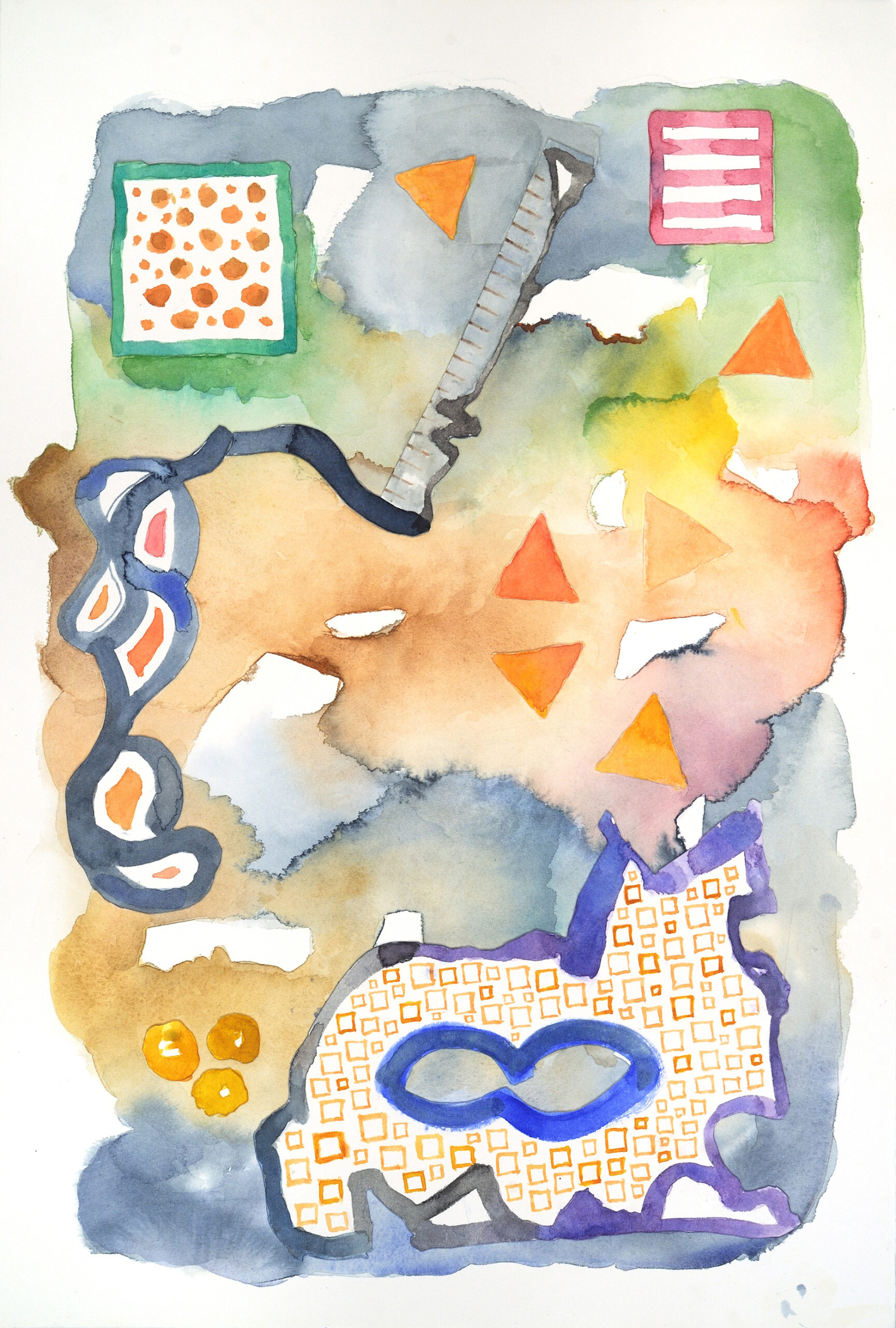
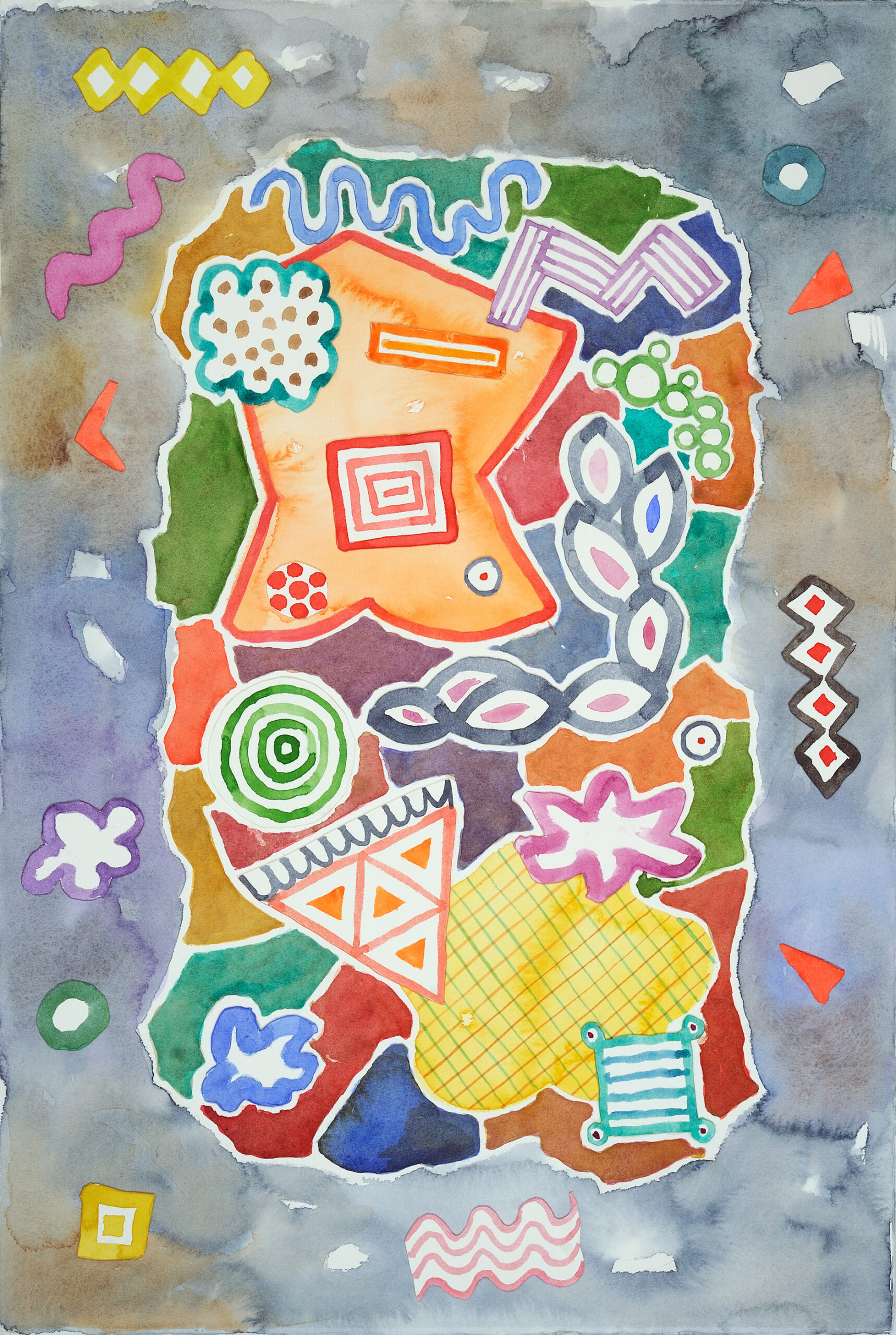
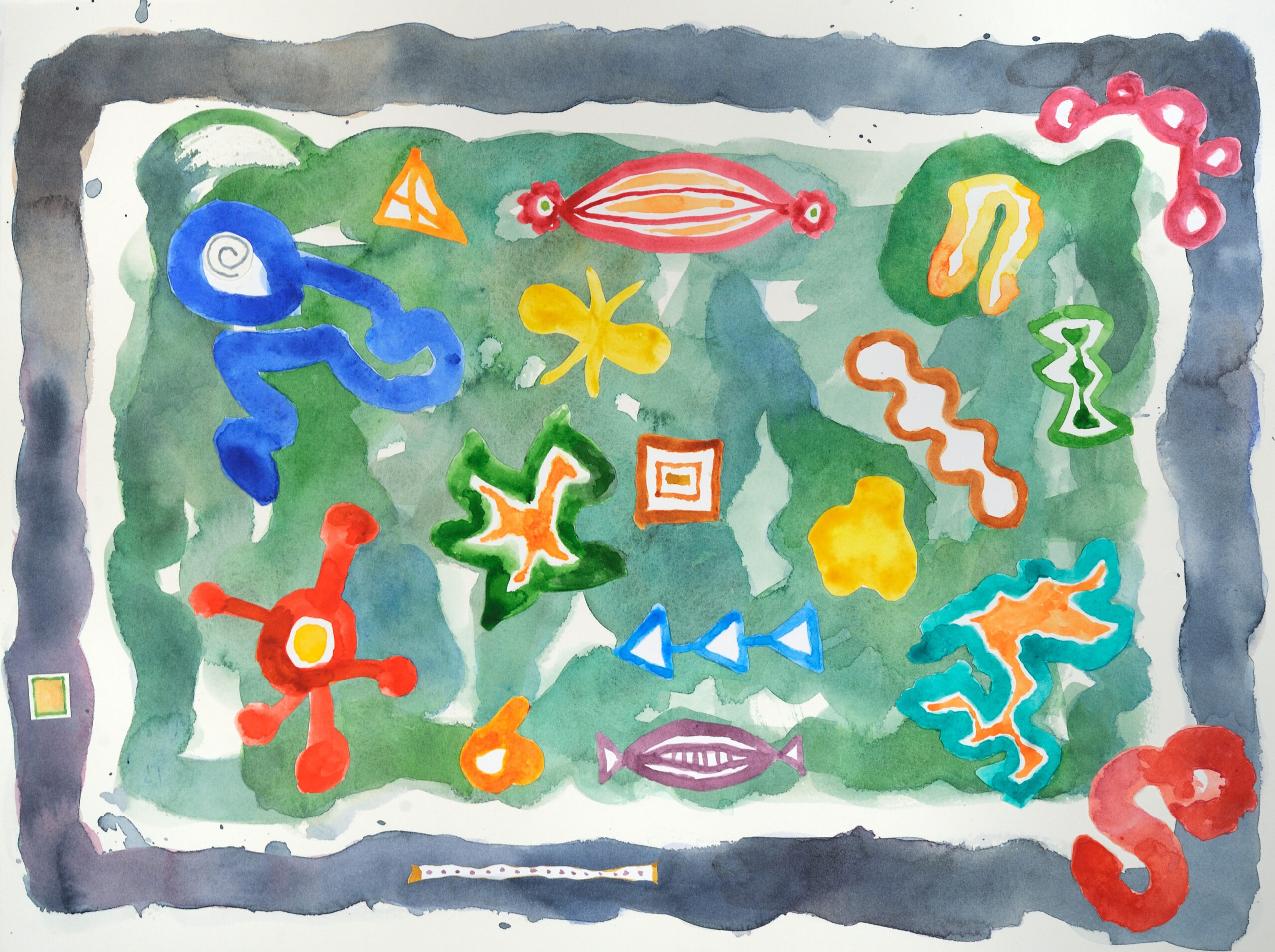
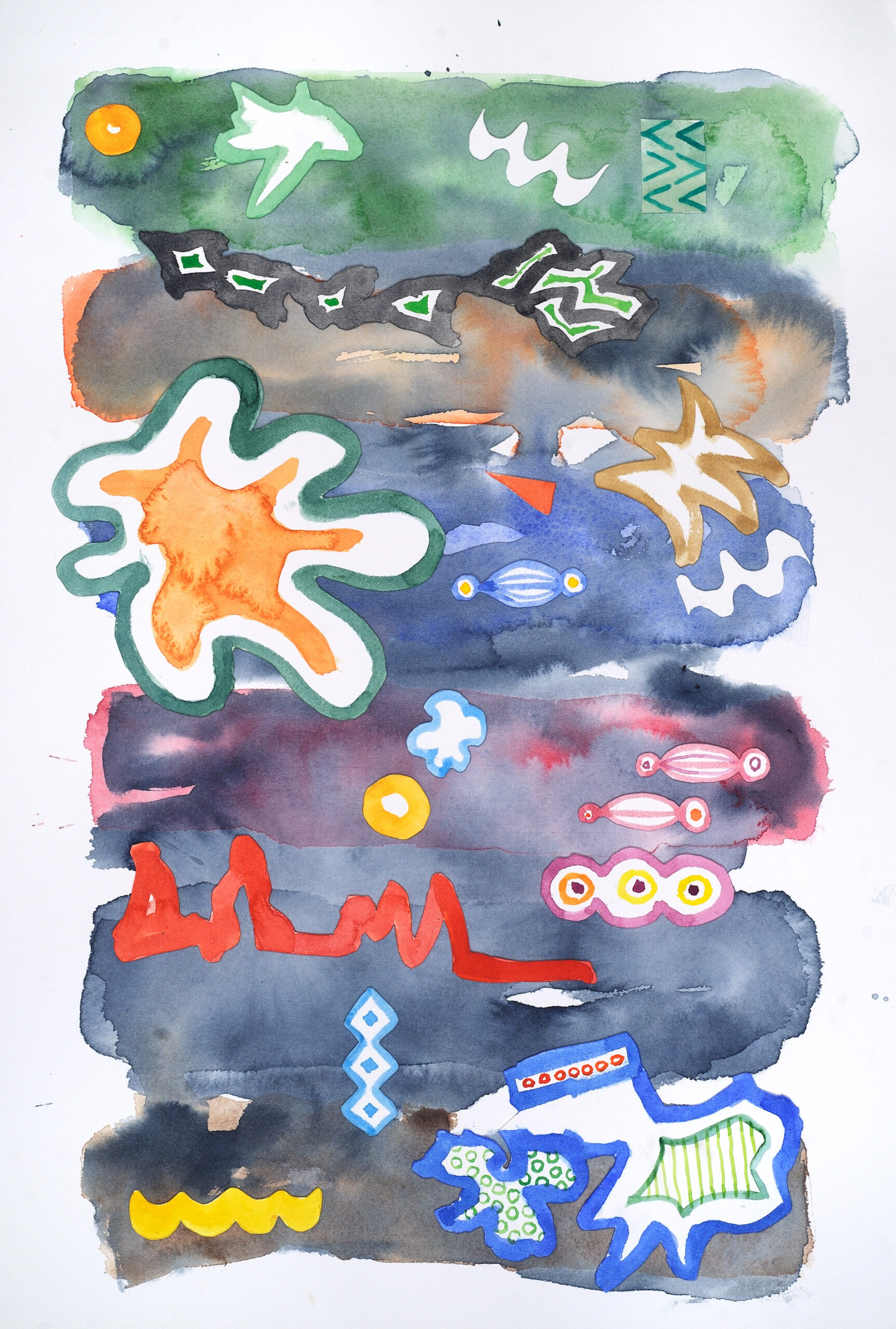
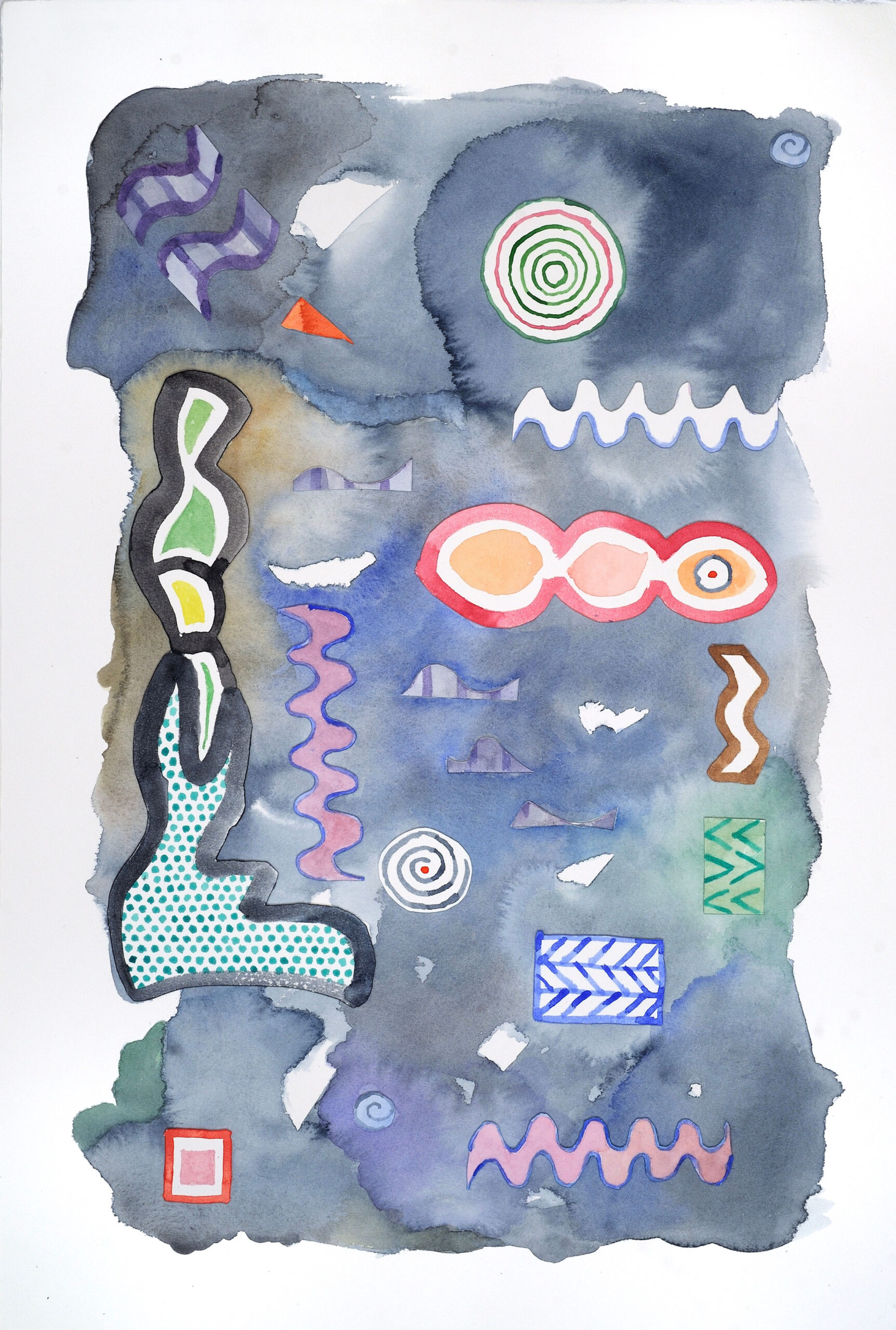
Other compositions, such as Coburn’s 2019 Ignorance Was Bliss series, are more lighthearted. She began the series before COVID-19 and then set the watercolors aside during the pandemic’s darker days. But the paintings struck a chord with gallerygoers during a spring 2021 exhibition at Studio Gallery in Washington, DC.
At the time, COVID-19 vaccination rates were on the rise, officials in the Northeast and Mid-Atlantic were easing pandemic-related restrictions, and people were starting to venture out after months of isolation. With their vibrant colors and playful abstract shapes, titles such as Back Then, The Calm Before the Storm, and Who Knew? delivered a much-needed break from the stress and worry of prior months and added to the appreciation of life before COVID-19.
Coburn attended Cornell at the recommendation of her parents, who saw it as an opportunity for her to earn an art degree as part of a well-rounded education. It was the right choice for a student who sometimes found herself “questioning whether I was dedicated enough to be an artist,” Coburn says. At Cornell, she enjoyed the camaraderie of a close fine arts community, while broadening her horizons — attending concerts; taking a variety of electives, including a course in mime; even sleeping on the lawn as part of a Vietnam-era protest.
Once I have something on the canvas, it starts to talk to me. For me, that dialogue is the fun part.
She credits her college experience with informing and laying the foundation for much of her work, even though her journey from Cornell graduate to highly regarded professional artist was a winding path. After earning her B.F.A., Coburn took years off from painting to work in an advertising agency and then focus on raising her children. By 2001, she and a friend were co-owners of a decorative painting company, designing and painting murals and providing other original finishing touches in private homes.
Then came 9/11 and, with it, a search for more meaningful work.
Coburn knew she wanted to change course but was unsure which direction to take, until her husband suggested she return “to real painting.” She began by taking classes at a local art school, where a teacher invited Coburn to join a painting critique group. Soon she was a member of a cooperative gallery in Washington, DC, exhibiting works there, as well as in art centers and other galleries in the District, Maryland, and Virginia.
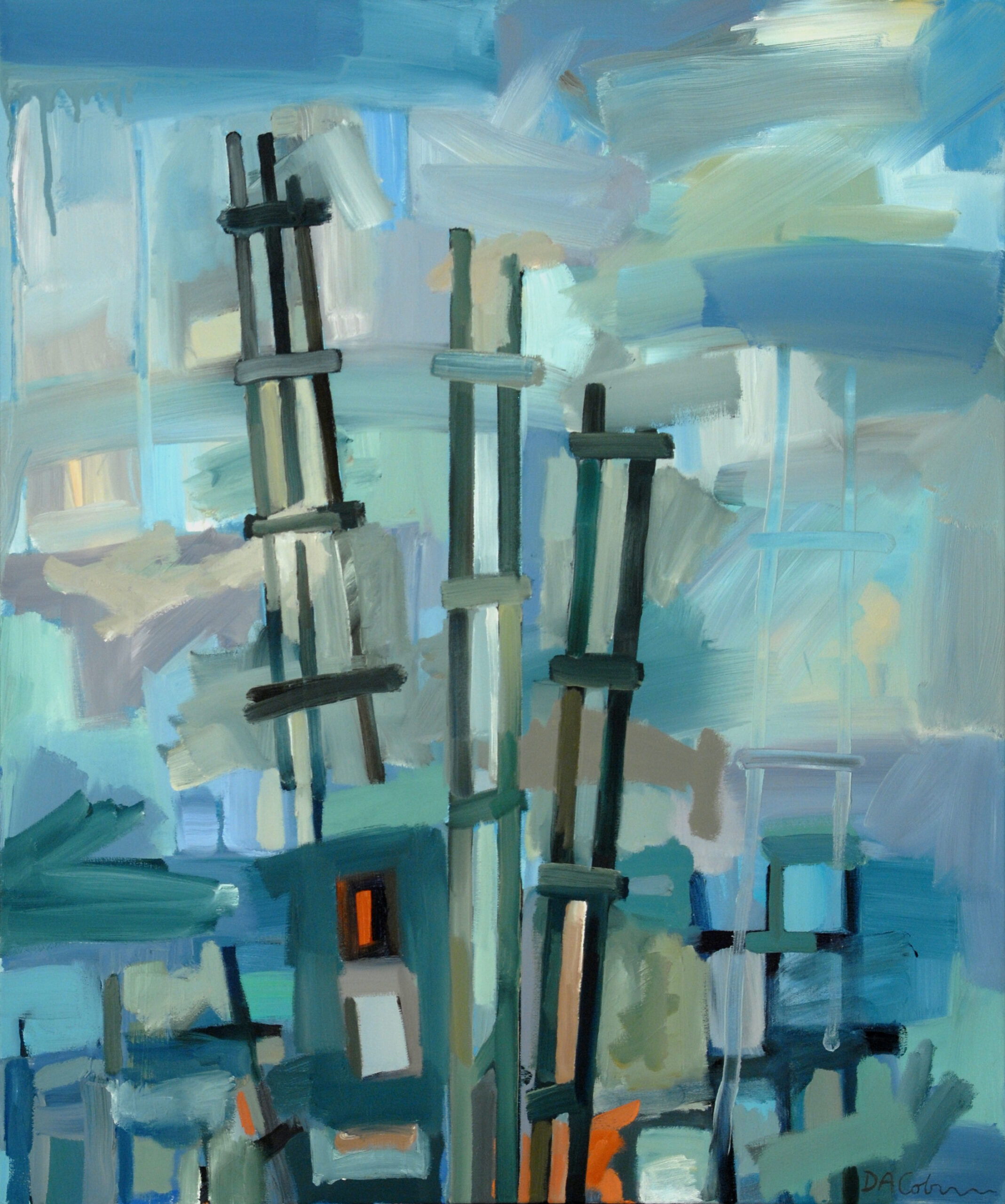
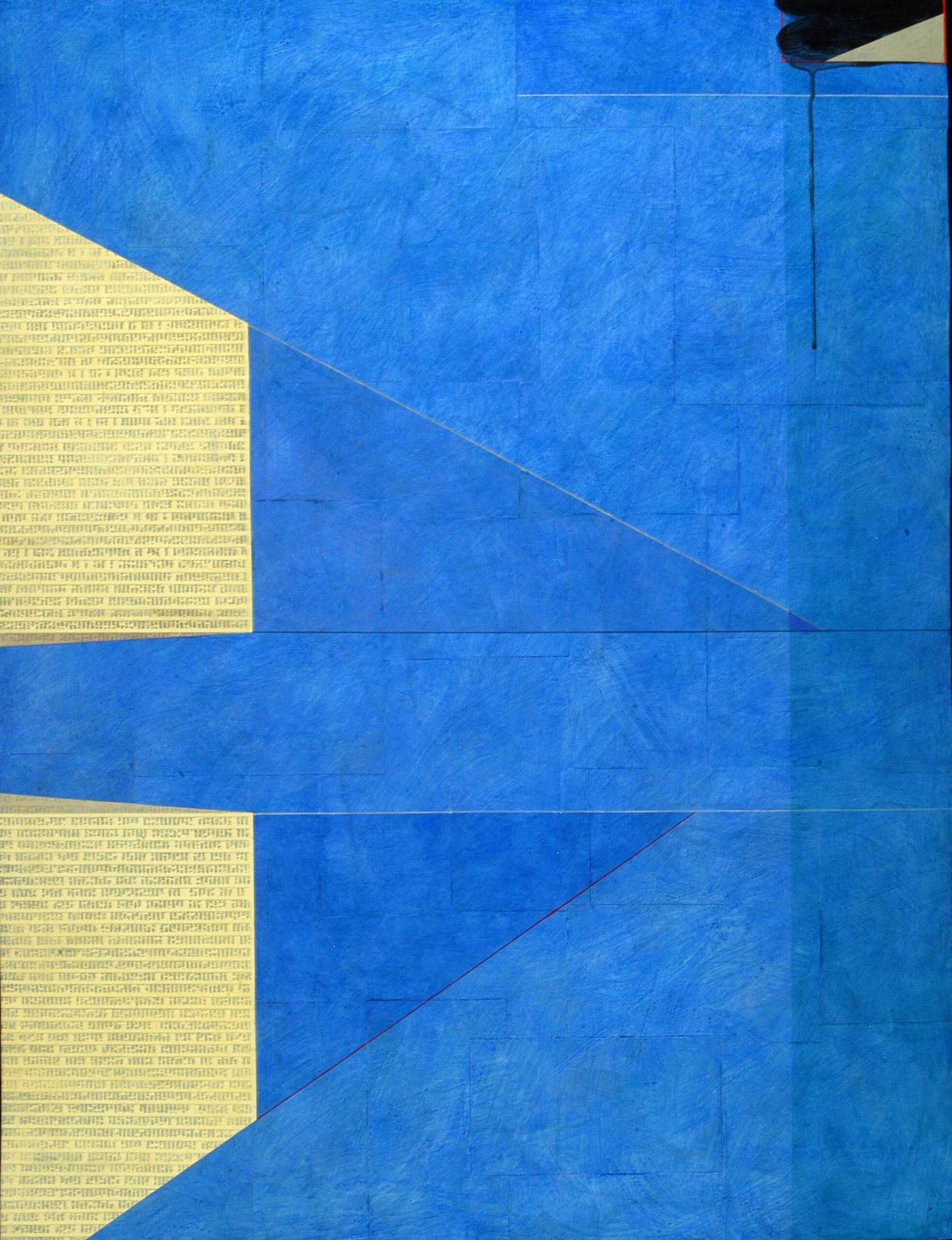
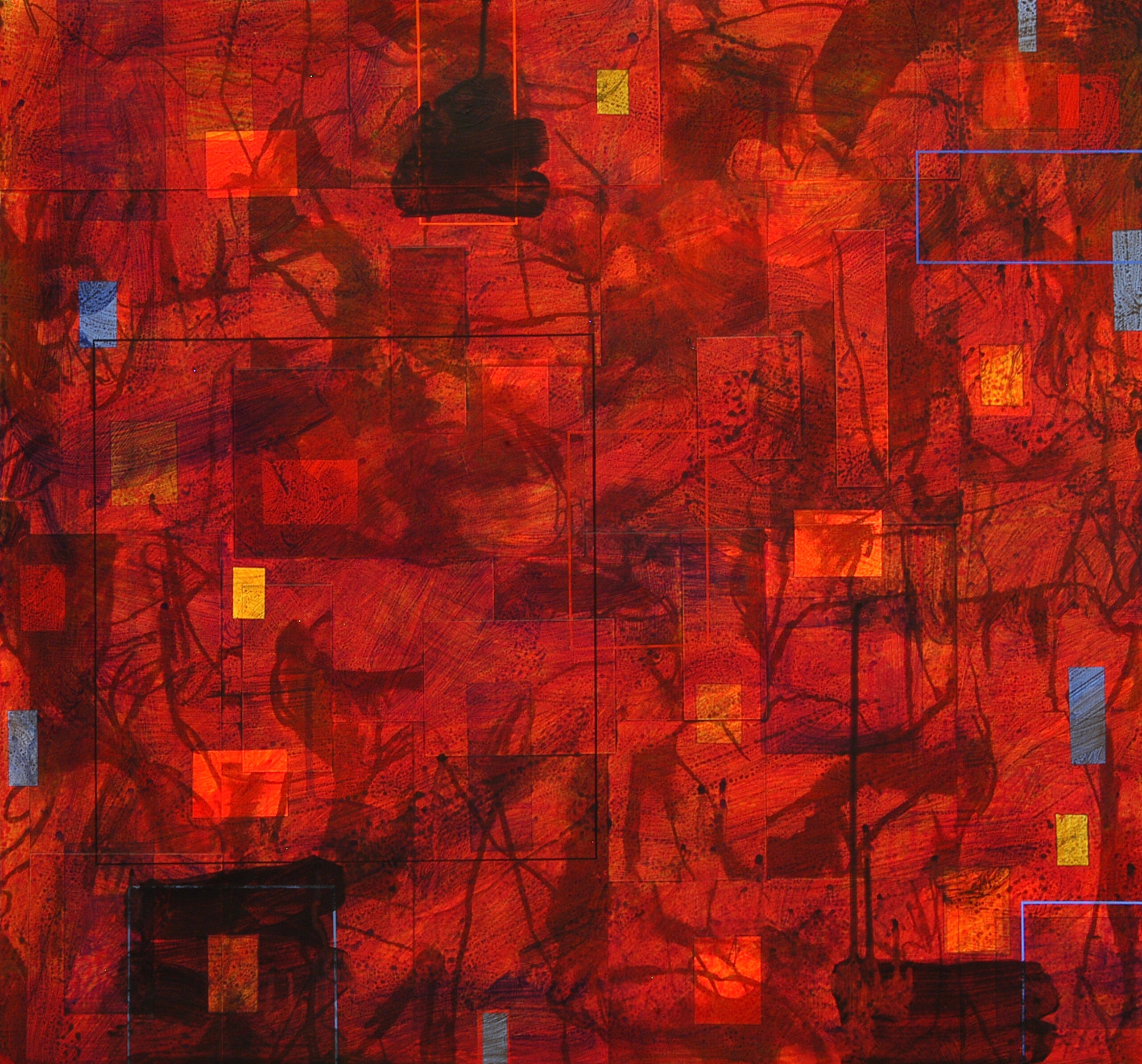
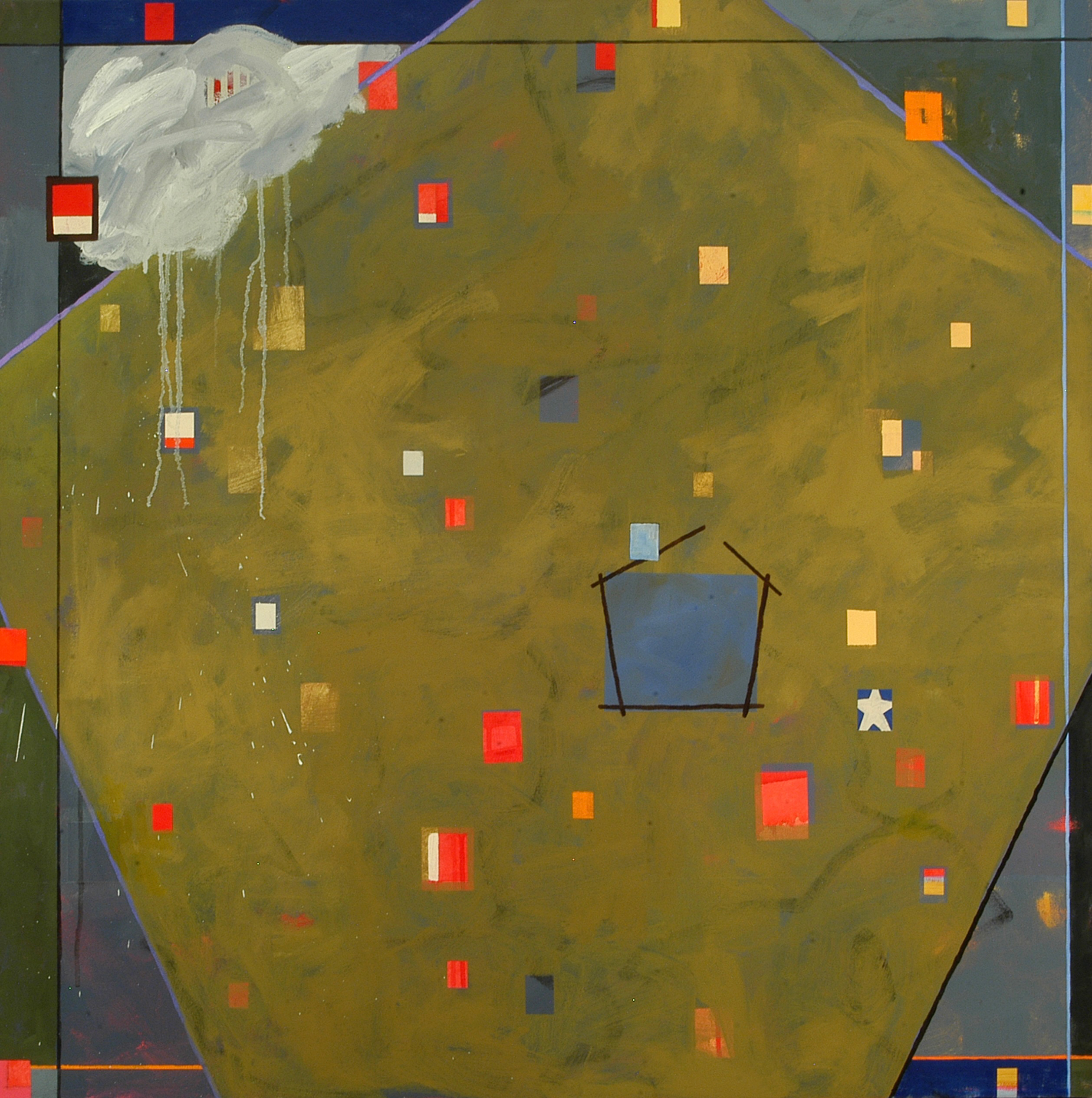
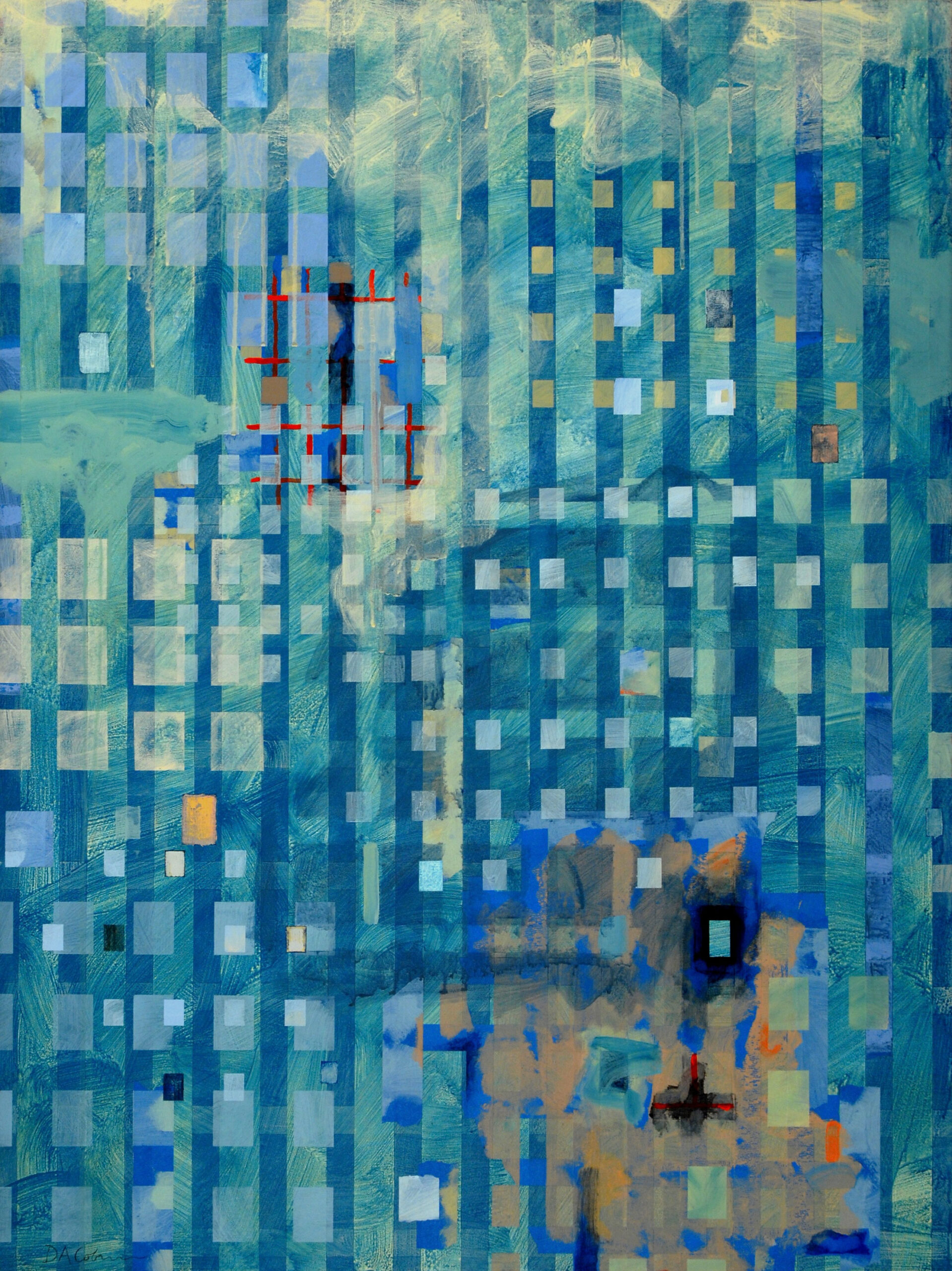
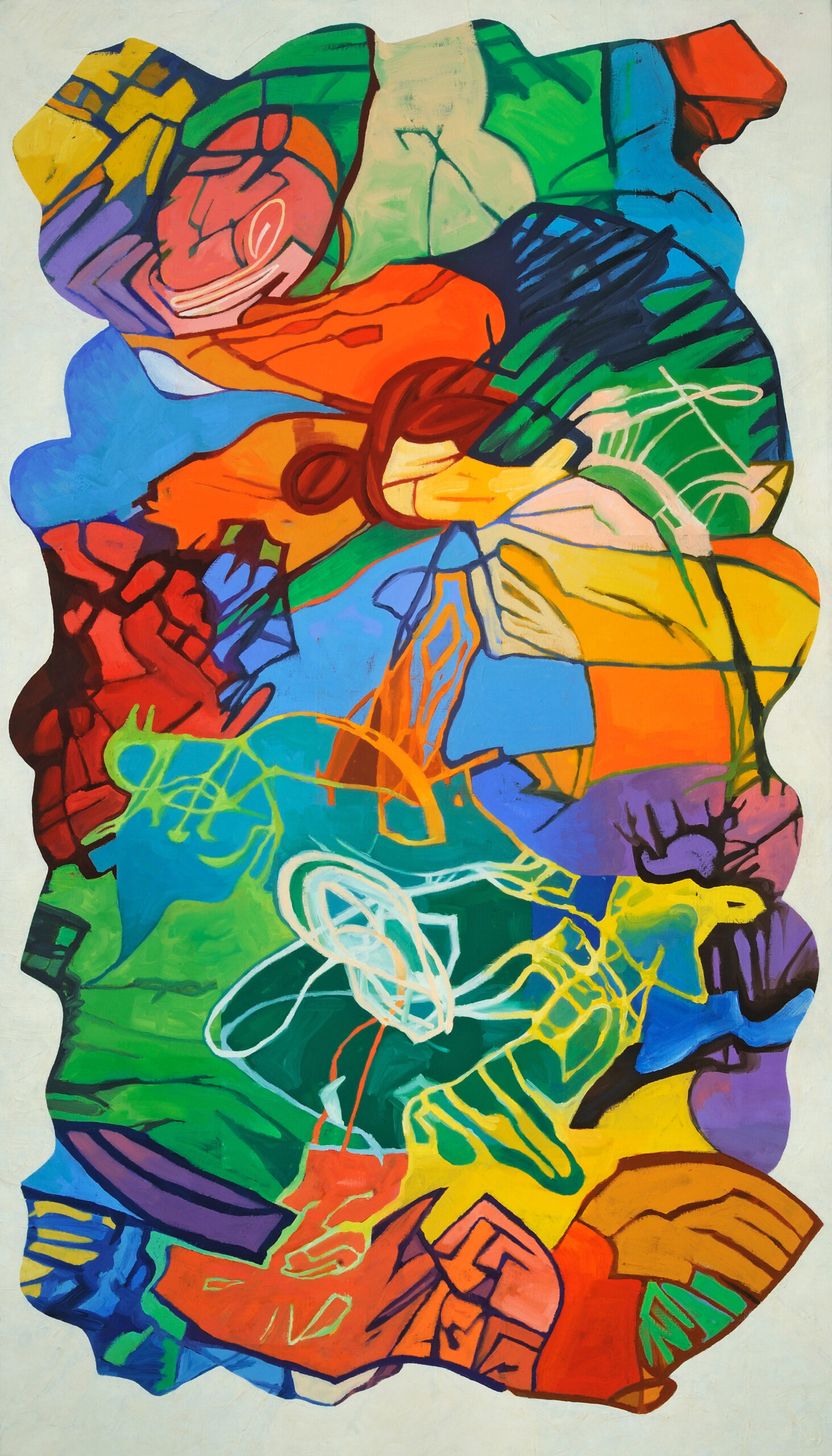
An early solo show recalled the haunting images of 9/11. Before the attacks, the day seemed almost perfect, with bright sunshine and amazingly clear blue skies. Coburn describes September 11, 2001, as “one of the most beautiful days of the year and one of the most horrible days in our lifetime.” Her Bluest Day series is a collection of 12 striking pieces that capture the raw emotion of Coburn’s memories of 9/11 and its aftermath. Most are paintings: oils or acrylics on canvas or linen. Some employ mixed media and a process that Coburn developed to help jumpstart her creativity when tackling blank canvas or paper.
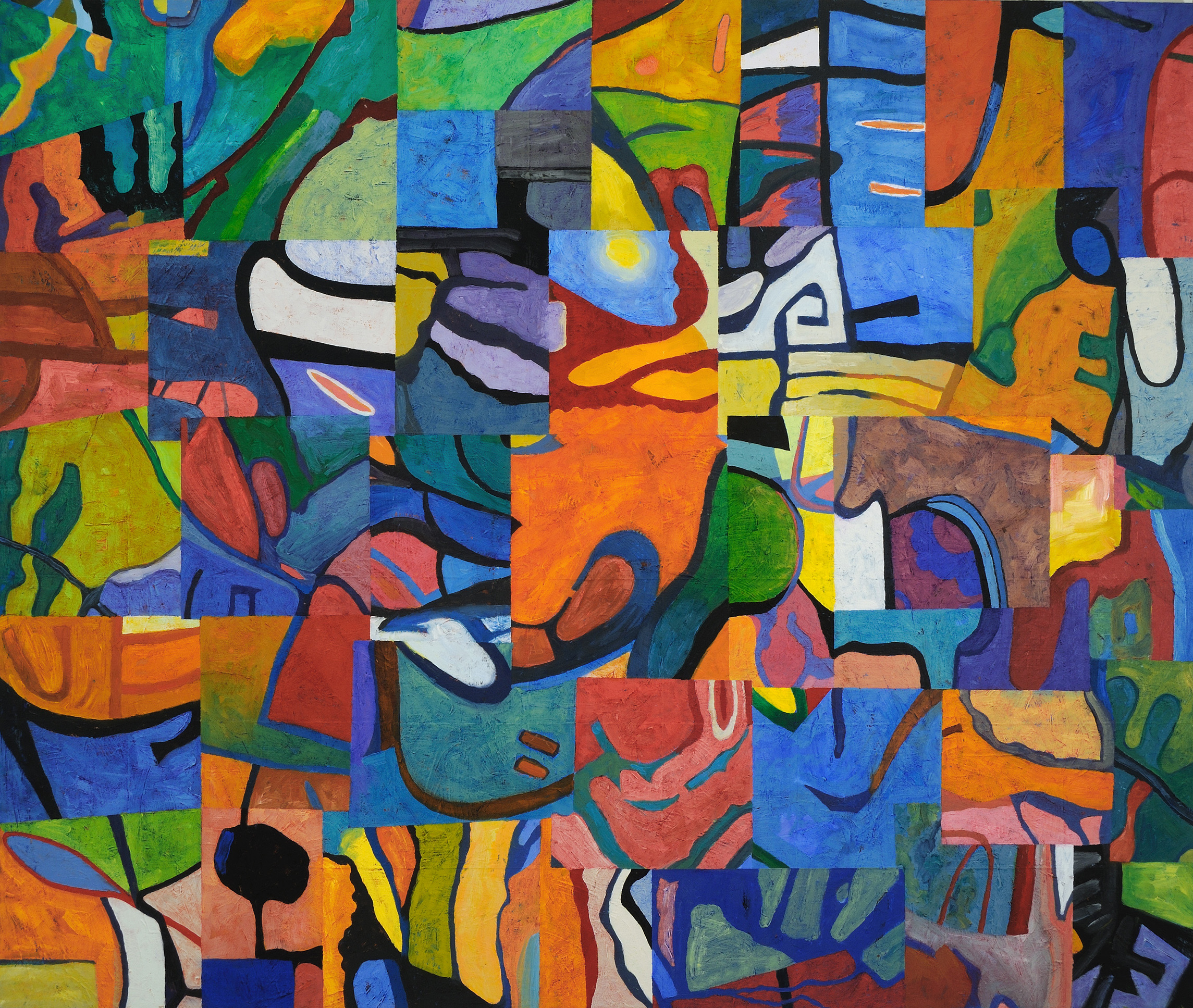
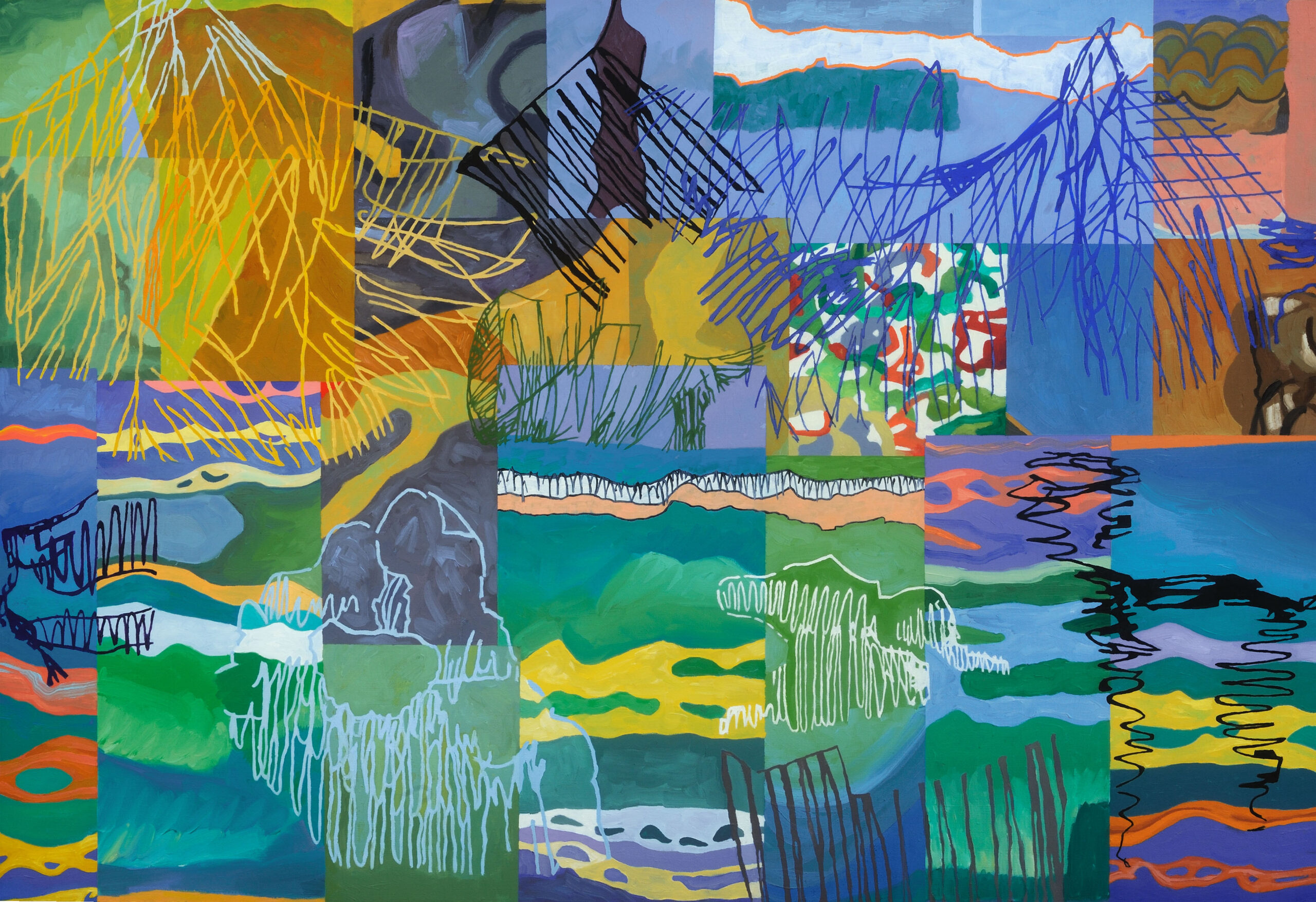
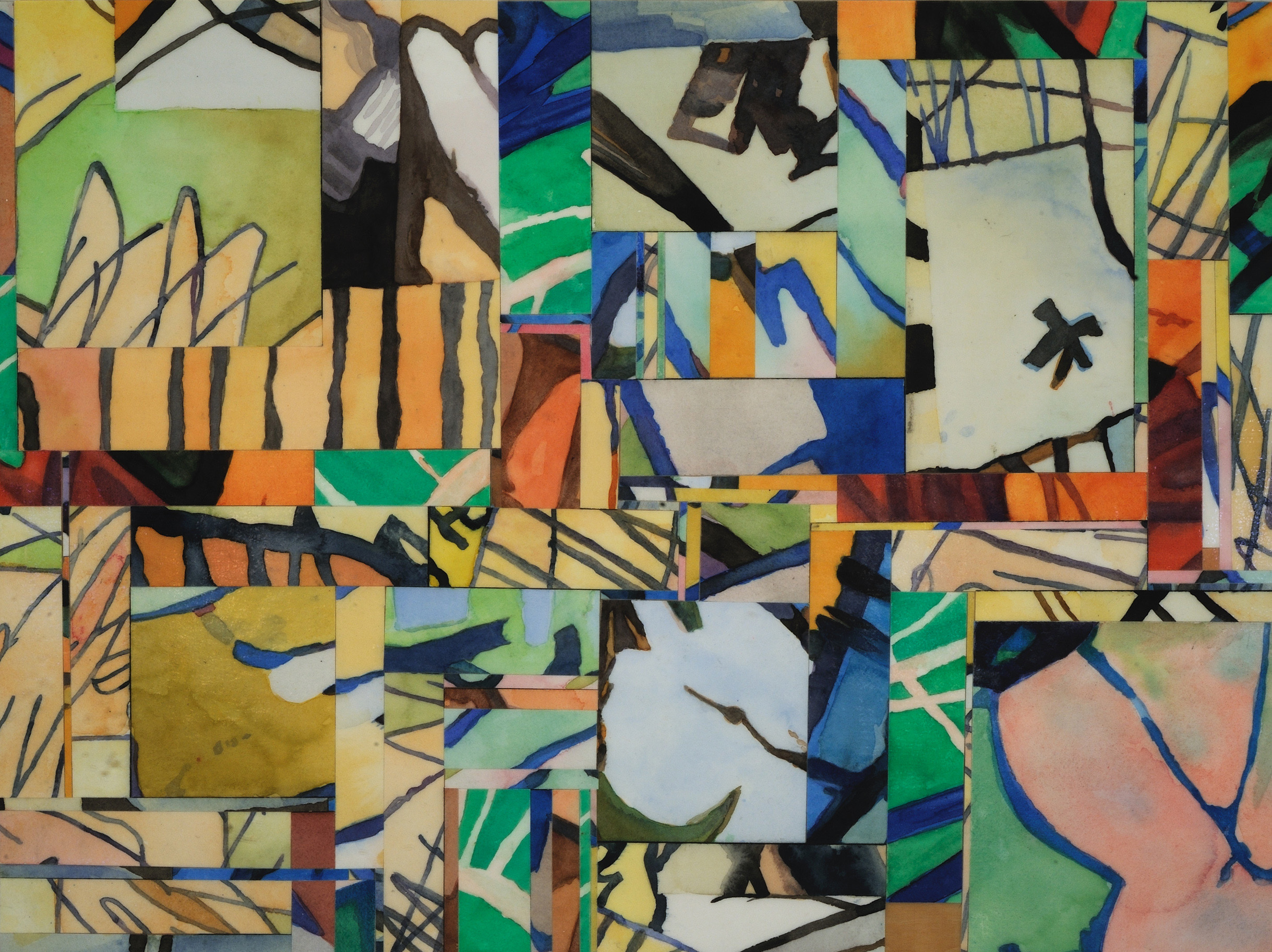
She compares her creative process to a conversation that can take time to flow. “Once I have something on the canvas, it starts to talk to me,” Coburn says. “For me, that dialogue is the fun part. But getting the conversation started can be a challenge.” She came up with a way to break the ice while “fiddling around” with figure drawings created during the first months after her return to painting. “I had a stack of them,” Coburn recalls, “and I started cutting them up into pieces and arranging the pieces into a collage — creating order out of chaos by assembling these pieces into a satisfying composition.” The technique appeals to the same part of her that embraced experimentation while she was a student at Cornell. “I often create multiple pictures from the same composition or elements, but experiment with taking them in different directions,” she explains.
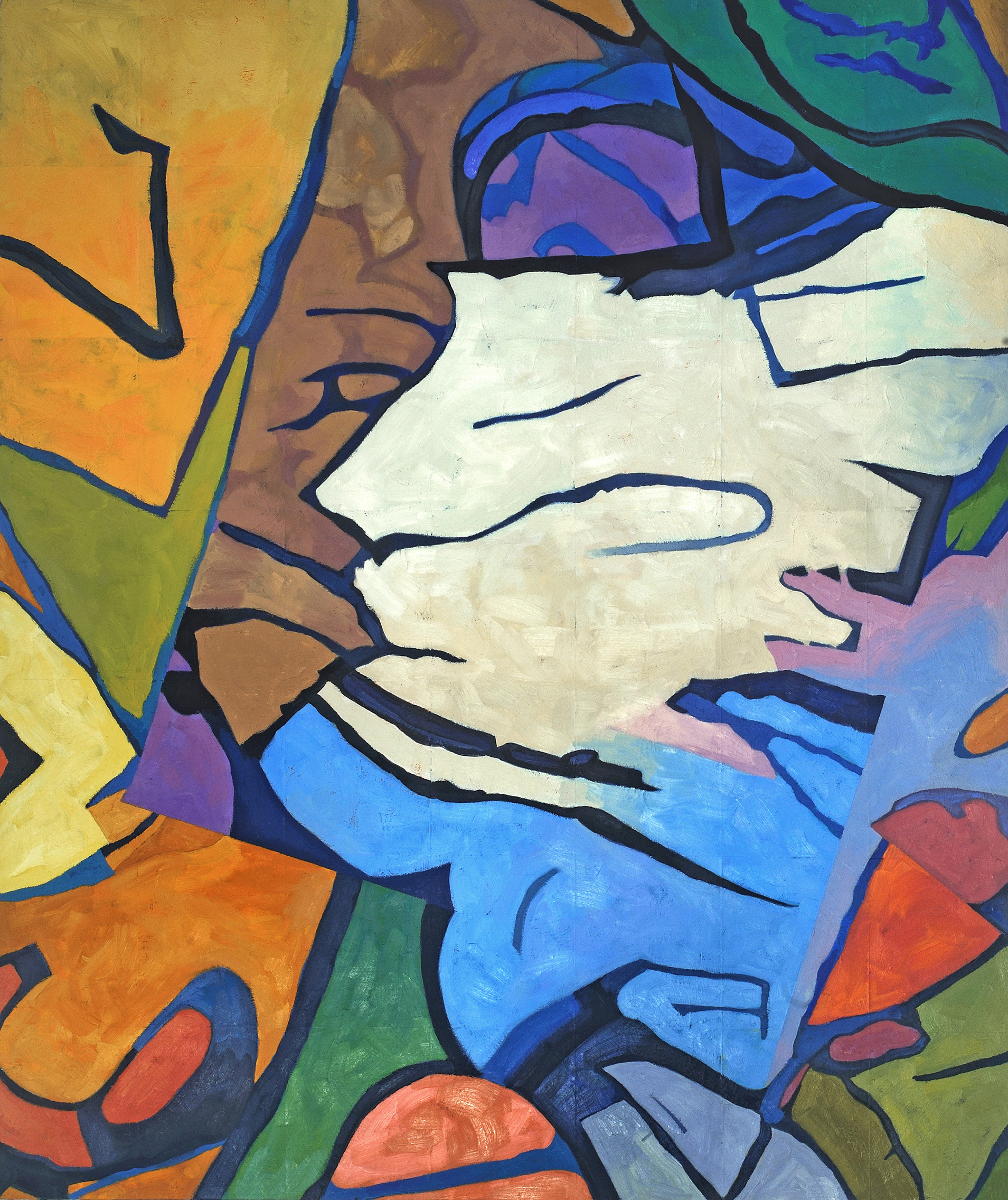
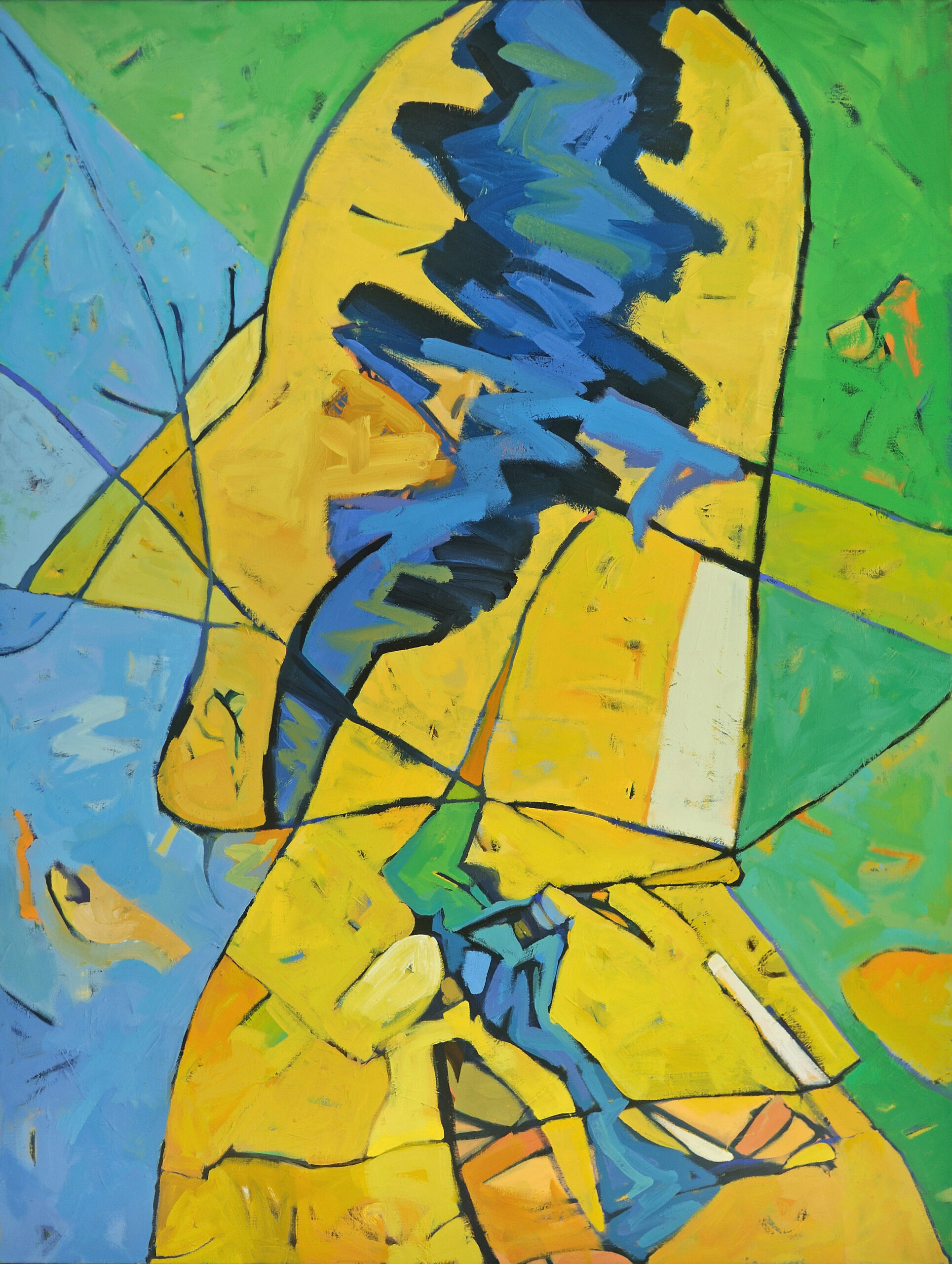
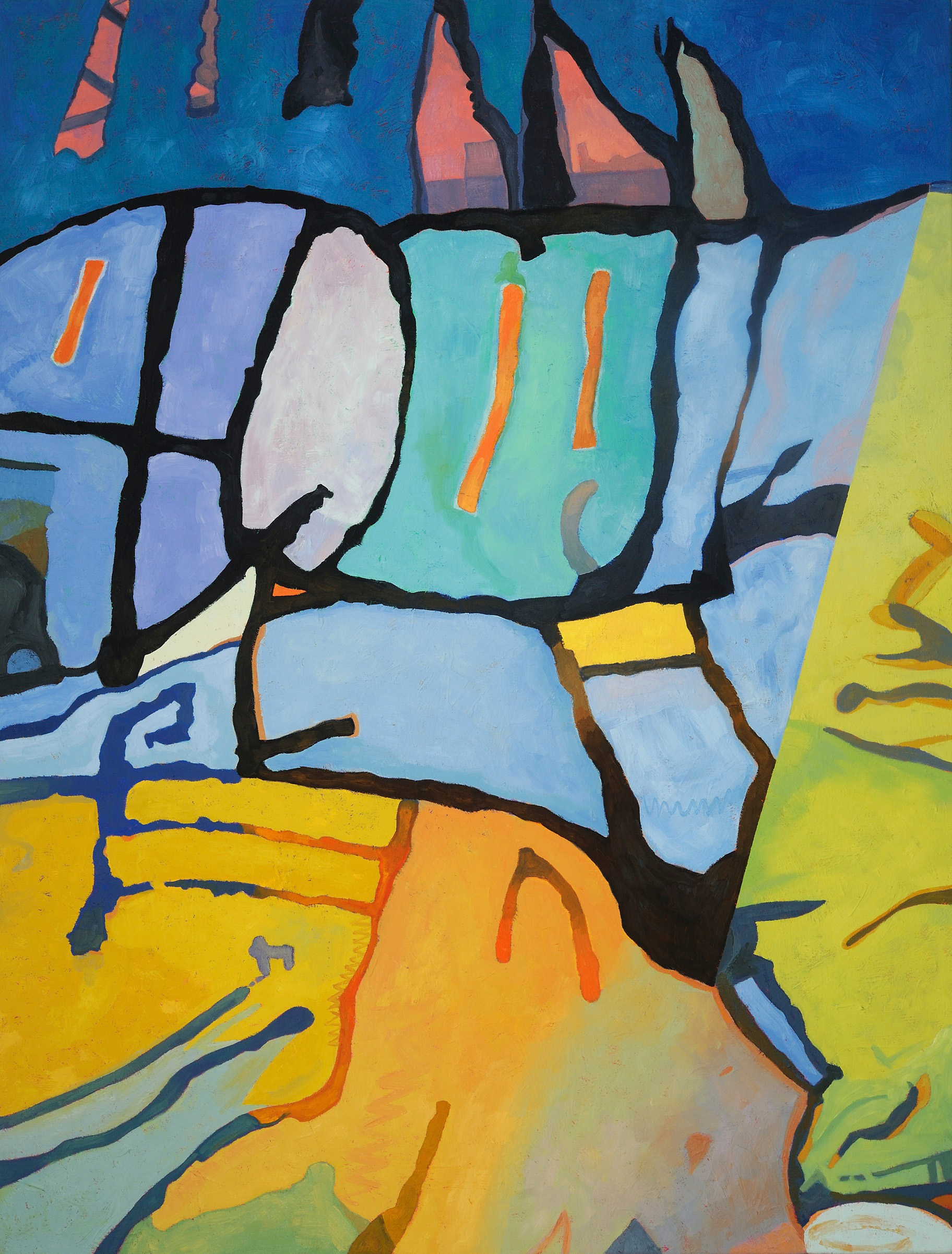
In her more abstract pieces, Coburn incorporates “exuberant gesture, line, and color, which encourage the eye to move around the surface, making little discoveries along the journey. My goal is to create a balanced composition that conveys energy, rhythm, and the excitement of creating.” It’s a fitting approach for an artist whose success is sweeter because of her own journey of discovery.
“I’m glad I took a roundabout route,” Coburn says. “It makes me really appreciate where I am and what I’m doing now.”
Projects
Click to view project images full screen.
The Bluest Day
2005–06
Oil & Water
2011–17
Seeing Through the Mind's Eye
2014–15
One Family
2017–18
Ignorance Was Bliss
2019–21
Explore the Archive
-
M. Arthur Gensler Jr.
B.Arch. ’58
![A well-lit, multifloor glass building stands out against a purple night sky. The building's interior lights highlight the curved edges of the main building's facade.]()
-
Jon H. Alvarez
B.Arch. ’77
![Spherical pendant lights hang from a wood-clad ceiling, past a balcony.]()
-
John Ahearn
B.F.A. ’73
![Life-sized sculpture of child dressed in Spiderman costume squatting on a wooden floor.]()
-
Diane Cho
B.Arch. ’73
![Center Stage head theater]()